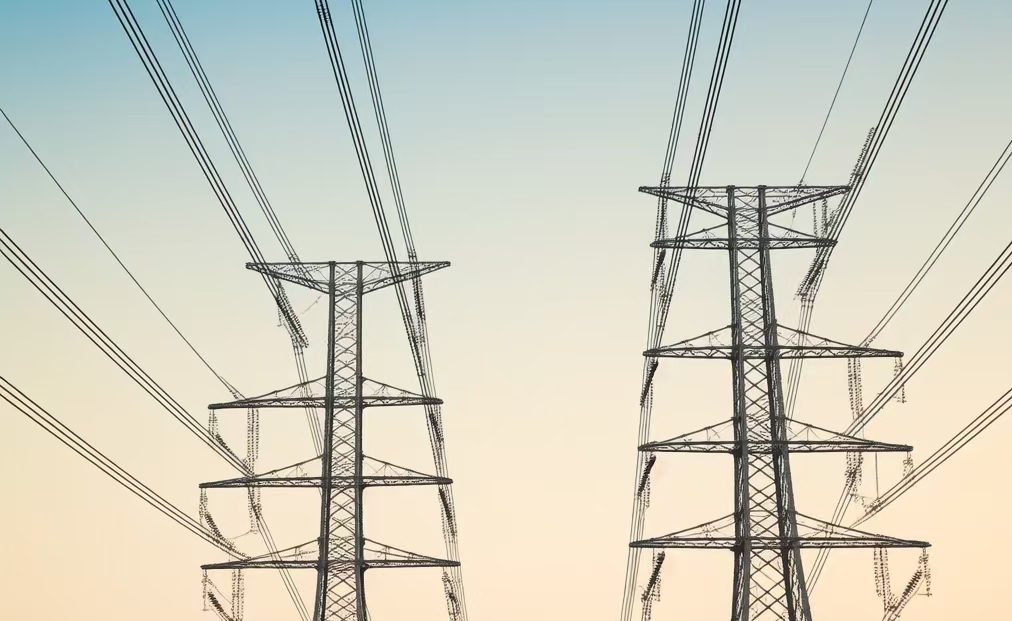
While oil-filled transformers are common in power systems due to their effective insulation and cooling properties, not all transformers use oil. As technology advances and safety and environmental standards evolve, alternative transformer types—such as dry-type transformers—have gained popularity. This article explores the differences between oil-filled and non-oil-filled transformers, helping clarify when and why each type is used.
What Is an Oil-Filled Transformer?

Oil-filled transformers are the foundation of modern electrical power systems, enabling safe and efficient voltage conversion across transmission, distribution, and industrial grids. Their defining characteristic is the use of transformer oil to perform critical functions—insulating energized components and dissipating heat generated by magnetic and electrical losses during operation.
An oil-filled transformer is a type of power transformer in which the magnetic core and windings are fully submerged in insulating oil. This oil provides high dielectric strength to prevent electrical faults and facilitates heat transfer from the internal components to external radiators. Oil-filled transformers are widely used from 11 kV to 765 kV and from 50 kVA to 1000+ MVA in utility, industrial, and renewable applications.
These transformers offer superior load-handling, long service life, and thermal stability compared to air- or dry-type designs.
Oil-filled transformers only use oil for cooling, not insulation.False
Transformer oil functions both as an electrical insulator and as a coolant, making it essential for reliable high-voltage operation.
Core Components of an Oil-Filled Transformer
| Component | Function |
|---|---|
| Core | Guides magnetic flux and minimizes eddy and hysteresis losses |
| Windings | Conduct and transform voltage levels (primary and secondary) |
| Insulating Oil | Provides insulation and removes heat from windings |
| Tank | Houses core and windings in oil, maintains sealed environment |
| Radiators or Coolers | Dissipate heat from oil to ambient air |
| Conservator Tank | (In conservator-type) Accommodates oil expansion with temperature |
| Breather System | Filters moisture from air during oil volume changes |
| Safety Devices | Pressure relief valves, Buchholz relays, oil level indicators |
Oil Functions: Cooling + Insulation
| Function | Description |
|---|---|
| Cooling | Oil absorbs heat and circulates to radiators, maintaining thermal balance |
| Dielectric Strength | Oil electrically insulates between high-voltage parts and ground |
| Arc Suppression | Prevents and quenches electrical discharges during transient faults |
| Moisture Protection | Preserves dry state of cellulose insulation (paper) |
Oil breakdown voltage typically ranges from 30–70 kV, depending on cleanliness and moisture content.
Oil-Filled Transformer Types by Construction
| Type | Description |
|---|---|
| Conservator-Type | Oil exchanges air through breather; allows expansion |
| Hermetically Sealed | Completely sealed; used in compact or low-maintenance applications |
| Core-Type or Shell-Type | Based on magnetic flux path design |
| ONAN/ONAF/OFAF/OFWF | Cooling classification by oil and ambient medium flow |
Voltage and Power Range Applications
| Voltage Class | Typical Capacity Range | Common Application Areas |
|---|---|---|
| Distribution (≤36 kV) | 50 kVA–5 MVA | Commercial buildings, local utilities, solar |
| Sub-Transmission (66–132 kV) | 5–80 MVA | Industrial plants, city substations |
| Transmission (220–400 kV) | 60–500 MVA | National grid substations, HV substations |
| UHV (765 kV+) | 500–1000+ MVA | Bulk power corridors, generation export points |
Oil-filled transformers are custom-engineered based on the voltage, environment, and cooling profile.
Advantages of Oil-Filled Transformers
| Advantage | Explanation |
|---|---|
| High Voltage Capability | Enables operation up to 765 kV and beyond |
| Superior Cooling | Oil circulation removes heat efficiently |
| Long Service Life | Typically 30–50+ years with preventive maintenance |
| Overload Resilience | Handles thermal surges and heavy cyclic loads |
| Customizable Monitoring | Supports sensors for DGA, temperature, and moisture |
Safety and Maintenance Considerations
| Risk / Task | Recommended Control |
|---|---|
| Fire Hazard (Mineral Oil) | Use esters or install fire barriers/containment pits |
| Moisture Ingress | Maintain breather, seals, and conservator |
| Oil Aging | Periodic testing (moisture, acidity, DGA) |
| Sludge / Degradation | Use filtration, Fuller's earth reconditioning |
| Overpressure | Install Buchholz relay and pressure relief devices |
Real-World Example – Utility Substation Transformer
- 132/33 kV transformer, 40 MVA, ONAF-cooled
- Conservator-type with bladder, mineral oil filled
- Online monitoring: winding temp, DGA, moisture ppm
- Maintained with 3-year filtration and annual testing
- Performance: zero failure events in 12 years
Reliability enhanced with moisture control, thermal alarms, and smart breather integration
Are There Transformers That Don’t Use Oil?
Yes, not all transformers rely on oil. As electrical infrastructure evolves to meet the demands of urban safety, environmental protection, and compact space applications, several non-oil-based transformer technologies have been developed. These designs use alternative insulation and cooling systems such as air, solid resin, or gas, offering specific advantages where oil-filled transformers are unsuitable due to fire risk, leakage potential, or space constraints.
Transformers that don’t use oil include dry-type transformers (air-cooled), cast resin transformers (epoxy-encapsulated), and gas-insulated transformers (SF₆ or dry air-filled). These oil-free designs offer enhanced fire safety, reduced environmental impact, and simplified indoor installation, making them ideal for urban centers, commercial buildings, offshore platforms, and hazardous environments.
While they are not typically used for the highest voltage classes, these alternatives are essential in modern power systems for low- and medium-voltage applications.
All power transformers use oil for insulation and cooling.False
Many transformers, especially dry-type and gas-insulated units, use air, resin, or SF₆ gas instead of oil, especially in indoor and fire-restricted applications.
Types of Non-Oil Transformers
| Type | Insulation & Cooling Medium | Typical Voltage Range | Best Applications |
|---|---|---|---|
| Dry-Type (VPI) | Air insulation, natural or forced air cooling | ≤36 kV | Schools, data centers, commercial buildings |
| Cast Resin (CRT) | Epoxy resin-encapsulated windings, air cooling | ≤36 kV | Hospitals, metro, tunnels, wind turbines |
| Gas-Insulated (GIT) | SF₆ or dry air, with sealed enclosure | 36–170 kV | Offshore rigs, urban substations, GIS bays |
Oil-free designs are especially important where fire risk or oil containment logistics are critical.
Comparison: Oil vs Non-Oil Transformers
| Feature | Oil-Filled | Dry-Type / Cast Resin / Gas |
|---|---|---|
| Insulation Medium | Mineral oil, ester oil | Air, epoxy resin, or gas |
| Cooling Method | Oil convection | Natural/forced air or SF₆ |
| Fire Risk | Moderate to high (mineral oil) | Very low (self-extinguishing) |
| Maintenance | Oil testing, breather, DGA | Low, mainly visual and thermal |
| Indoor Suitability | Limited (needs fire containment) | Excellent |
| Environmental Impact | Oil leak risk, requires bunding | Environmentally safer |
| Max Power / Voltage Range | Up to 1000+ MVA / 765 kV | Typically ≤25 MVA / ≤170 kV |
Key Use Cases for Oil-Free Transformers
| Environment/Need | Preferred Transformer Type |
|---|---|
| Indoor commercial facility | Cast resin or dry-type |
| Tunnel or metro system | Dry-type or gas-insulated |
| Offshore oil platform | Gas-insulated (SF₆ or dry air) |
| Data center or hospital | Cast resin, low fire risk |
| Wind turbine tower | Epoxy cast resin |
Cast resin units are popular for renewables and confined installations where oil access is restricted.
Performance and Limitations
| Aspect | Oil-Free Transformer Impact |
|---|---|
| Thermal Load Handling | Lower than oil-filled; requires careful derating |
| Size and Weight | Typically larger for same rating |
| Environmental Conditions | Sensitive to dust, moisture (requires IP enclosure) |
| Noise Level | Often lower due to lack of oil pumps/fans |
| Cost | Higher upfront, lower maintenance costs |
Although oil-free types are more expensive initially, total cost of ownership may be lower in maintenance-restricted areas.
Real-World Case Study – Urban Metro Power Supply
- Location: Underground substation in a metro station
- Installed: 2 MVA, 33/0.4 kV cast resin transformer
- Reason: Fire safety, compact footprint, zero oil containment
- Enclosure: IP44, self-ventilated, equipped with thermal sensors
- Performance: 98.6% efficiency, 10+ years with no insulation issues
Outcome: Zero environmental incidents, reliable operation in confined space
What Are the Main Differences Between Oil-Filled and Dry-Type Transformers?

Oil-filled and dry-type transformers are both used for voltage transformation, but they differ fundamentally in insulation method, cooling strategy, application scope, safety profile, and maintenance requirements. The choice between them depends on factors such as load level, installation environment, fire risk tolerance, space constraints, and life-cycle cost considerations.
The main differences between oil-filled and dry-type transformers lie in their insulation medium (oil vs air/resin), cooling system (oil circulation vs air convection), fire risk (moderate vs low), maintenance needs (moderate vs low), voltage/power capacity (up to 765 kV vs ≤36 kV), and application environments (outdoor/industrial vs indoor/urban). Oil-filled types are dominant in transmission and heavy industry, while dry-types excel in compact, safe, and indoor settings.
These differences directly impact operational strategy, safety compliance, and long-term performance.
Dry-type transformers are used for the same high-voltage transmission applications as oil-filled ones.False
Dry-type transformers are typically limited to ≤36 kV and ≤25 MVA due to thermal and insulation constraints, unlike oil-filled units used up to 765 kV and 1000+ MVA.
Core Comparison Table: Oil-Filled vs Dry-Type Transformers
| Feature | Oil-Filled Transformer | Dry-Type Transformer |
|---|---|---|
| Insulation Medium | Mineral oil, natural ester, synthetic oil | Air (VPI) or epoxy resin (CRT) |
| Cooling Method | Oil convection (ONAN, ONAF, OFAF, OFWF) | Natural or forced air |
| Fire Risk | Moderate to high (mineral oil is flammable) | Very low; fire-retardant and self-extinguishing |
| Maintenance Needs | Regular oil testing, DGA, breather checks | Minimal; mainly thermal and visual inspection |
| Voltage Range | 6.6 kV to 765 kV | 0.4 kV to 36 kV |
| Power Capacity | 50 kVA to 1000+ MVA | 50 kVA to ~25 MVA |
| Installation Location | Mostly outdoor, with bunded oil containment | Indoor-safe, no containment required |
| Environmental Impact | Risk of oil leak or spillage | Environmentally safer, no liquid |
| Noise & Vibration | Moderate (due to cooling fans or pumps) | Generally lower |
| Size & Weight | Compact for high rating | Larger footprint per MVA |
Application Suitability by Environment
| Installation Environment | Recommended Type | Reasoning |
|---|---|---|
| Substation / Outdoor Utility | Oil-Filled | Supports high voltage, scalable cooling, field maintenance |
| Indoor Commercial Building | Dry-Type | Safe, clean, no fire suppression needed |
| Data Center / Hospital | Dry-Type | Fire-safe, quiet, minimal intervention |
| Underground or Tunnel Site | Dry-Type | Air cooled, compact, no spill risk |
| Offshore / Remote Plant | Dry or Gas-Insulated | Fire and oil-free solutions preferred |
| Industrial Plant (Heavy Load) | Oil-Filled | High thermal inertia, overload capability |
Performance and Safety Considerations
| Factor | Oil-Filled | Dry-Type |
|---|---|---|
| Overload Tolerance | Excellent (thermal reserve in oil) | Limited by air flow and resin thermal class |
| Dielectric Stability | High, with proper oil dryness | Lower dielectric margins in air/resin |
| Arc Fault Management | Relies on oil for suppression | Design inherently resists arcing |
| Monitoring Integration | Advanced DGA, moisture, temp | Thermal sensors; limited diagnostics |
| Life Expectancy | 30–50+ years | 20–30 years |
For mission-critical installations, oil-filled units allow predictive analytics through online monitoring.
Lifecycle Cost Comparison
| Cost Aspect | Oil-Filled | Dry-Type |
|---|---|---|
| Initial Capital Cost | Lower for same rating | Higher for same rating |
| Installation Cost | Requires containment pit | Direct floor mount possible |
| Maintenance Cost | Periodic filtration/testing | Minimal |
| Total Cost of Ownership | Balanced long-term | Favorable for small loads |
Real-World Dual Use Case
- Project: Mixed-use development with on-site substation
- 33/0.4 kV, 2000 kVA dry-type transformer used inside data center
- 33/11 kV, 20 MVA oil-filled transformer used in building utility yard
- Reasons: Indoor safety for IT load; grid efficiency for main load center
Result: Optimized footprint, safety compliance, and load management across facility zones
Where Are Oil-Filled Transformers Commonly Used?
Oil-filled transformers are the most widely used transformers in power systems, chosen for their high voltage capacity, robust insulation, and long service life. Their reliance on mineral or ester-based insulating oil allows them to efficiently handle large power loads and withstand thermal and dielectric stress, making them indispensable across the generation, transmission, distribution, and industrial sectors.
Oil-filled transformers are commonly used in electrical substations, transmission and distribution networks, industrial plants, renewable energy projects (solar and wind), utility feeders, and large infrastructure developments. Their superior voltage range (up to 765 kV) and scalable power capacity (50 kVA to 1000+ MVA) make them ideal for outdoor, high-load, and mission-critical applications.
These transformers are engineered for decades of field operation, often in remote, high-temperature, or demanding industrial environments.
Oil-filled transformers are only suitable for small indoor commercial buildings.False
Oil-filled transformers are designed for high-voltage, high-power outdoor use in substations, grids, and industrial plants, not just small buildings.
Common Application Areas of Oil-Filled Transformers
| Sector | Typical Use Cases | Voltage Range | Power Range |
|---|---|---|---|
| Utility Substations | Step-up/down transformers for regional and city grids | 33–400 kV | 10–500+ MVA |
| Transmission Grids | Bulk power transfer across long distances | 220–765 kV | 60–1000+ MVA |
| Industrial Facilities | Process plants, refineries, cement and steel industries | 11–132 kV | 2.5–100 MVA |
| Solar PV Stations | Central inverters and grid-tie transformers | 11–66 kV | 1–50 MVA |
| Wind Farms | Collector and substation transformers | 0.69–132 kV | 1–60 MVA |
| Infrastructure Projects | Airports, metros, smart cities, railways | 11–66 kV | 1–25 MVA |
| Rural Electrification | Pole-mounted or pad-mounted utility transformers | 6.6–33 kV | 50 kVA–2 MVA |
Sector-Based Deployment Examples
1. Electrical Utilities
- Substations use oil-filled transformers for both transmission (400 kV, 220 kV) and distribution (132 kV, 33 kV).
- Designed for 24/7 operation, smart grid monitoring, and seasonal overload handling.
- Feature conservator tanks, online DGA, moisture sensors, and ONAF/OFAF cooling.
2. Industrial Plants
- Oil-filled units provide reliable power for motors, furnaces, compressors, and process loads.
- Often located in refineries, paper mills, mines, chemical plants.
- Withstand high harmonics, load cycling, and dusty environments with custom insulation classes.
3. Solar and Wind Energy
- Installed at the output of inverters or turbine switchgear.
- Oil-filled designs used when dry-type capacity is insufficient or ambient temp is high.
- Ester oil variants used for fire safety and environmental compliance.
4. Rail & Urban Infrastructure
- Electrified rail networks rely on oil-filled transformers for traction substations.
- City grids use them for load balancing, backup feeders, and energy metering.
Performance Features That Enable Versatility
| Attribute | Application Benefit |
|---|---|
| High Thermal Endurance | Handles overloads, ambient heat, peak demands |
| Wide Voltage Scalability | From 6.6 kV to 765 kV |
| Robust Dielectric Protection | Prevents failure under surge, switching stress |
| Outdoor Suitability | Weatherproof, can be bunded and shielded |
| Oil Cooling Systems | ONAN/ONAF/OFAF adapted to site heat dissipation |
| Remote Monitoring Integration | Smart grid compatible with DGA, sensors |
Real-World Case – 220/33 kV Oil-Filled Transformer at Grid Substation
- Application: Regional substation feeding 7 rural towns
- Rating: 50 MVA, OFAF-cooled, mineral oil
- Installed features: conservator with bladder, Buchholz relay, moisture sensor
- Outcome: stable voltage regulation with <0.5% unbalance, 99.9% uptime over 8 years
Supported seasonal demand surges without performance degradation
Where Oil-Filled Transformers Are Not Recommended
| Inappropriate Application | Recommended Alternative |
|---|---|
| Indoor commercial buildings | Dry-type or cast resin |
| Tunnels or underground | Dry-type, gas-insulated |
| Fire-restricted zones | Natural ester or dry-type |
| Low-power solar rooftops | Dry-type transformer modules |
Where Are Dry-Type Transformers Typically Installed?
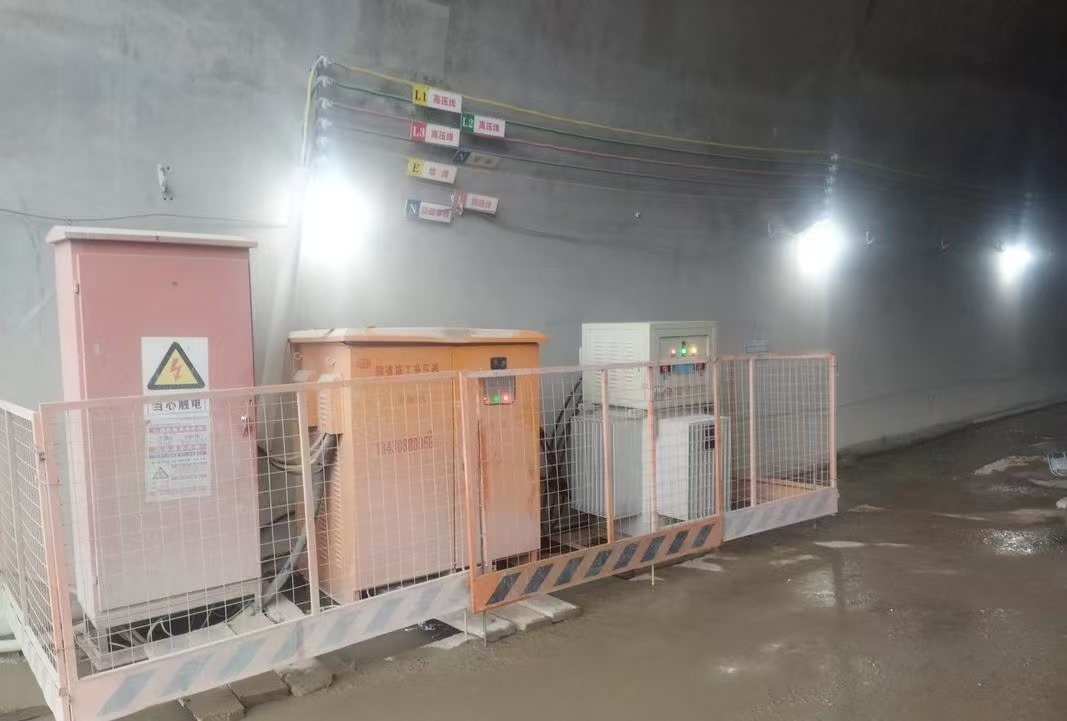
Dry-type transformers are specifically designed for use in enclosed, fire-sensitive, or environmentally restricted locations where oil-filled transformers may pose a risk due to flammability, leakage, or space limitations. Using air or solid insulation systems (epoxy resin, vacuum pressure impregnated coils), dry-type transformers provide safe and reliable voltage conversion without the need for oil, making them the transformer of choice for indoor and clean applications.
Dry-type transformers are typically installed in commercial buildings, hospitals, schools, data centers, metro tunnels, offshore platforms, wind turbines, and renewable energy facilities. These environments benefit from the dry transformer’s compact design, low maintenance, fire safety, and environmental friendliness, especially at voltage levels up to 36 kV and capacities up to 25 MVA.
Their wide applicability makes them an essential part of modern urban and industrial energy systems.
Dry-type transformers are not suitable for use in indoor buildings or hospitals.False
Dry-type transformers are ideally suited for indoor applications like buildings and hospitals due to their fire safety, low maintenance, and clean operation.
Common Installation Environments for Dry-Type Transformers
| Environment | Why Dry-Type Is Preferred |
|---|---|
| Commercial Buildings | Fire-retardant, compact, silent operation |
| Hospitals | No oil, no fire risk, high safety for sensitive areas |
| Schools & Campuses | Safe, accessible, and maintenance-friendly |
| Data Centers | Quiet operation, minimal ventilation needs |
| Underground Tunnels | Non-flammable, space-efficient, vibration resistant |
| Offshore Platforms | Oil-free, resistant to salt, explosion-proof versions |
| Wind Turbines | Inside nacelle or tower base; handles vibration |
| Stadiums & Airports | Indoor safety, low EMF and acoustic emissions |
Dry-type units are most common in environments where oil management, fire control, or indoor compliance is a concern.
Voltage and Power Ranges by Application
| Sector | Voltage Class | Power Rating |
|---|---|---|
| Office & Retail | 0.4–11 kV | 100 kVA–2.5 MVA |
| Metro Tunnels | 11–33 kV | 1–8 MVA |
| Hospitals & Labs | 6.6–22 kV | 250 kVA–5 MVA |
| Wind Power | 0.69–33 kV | 800 kVA–3.2 MVA |
| Offshore Sites | 11–36 kV | 1–6 MVA |
Dry-Type Transformer Variants for Different Installations
| Type | Insulation Method | Best Environments |
|---|---|---|
| VPI (Vacuum Pressure Impregnated) | Coils impregnated with resin | Commercial, indoor substations |
| CRT (Cast Resin Transformer) | Solid epoxy encapsulated coils | Tunnels, wind, offshore, renewables |
| Enclosed IP-rated Units | VPI/CRT with IP44–IP65 casing | Harsh, dusty, or humid environments |
CRTs are used where moisture, salt air, or pollutants would degrade open-coil systems.
Safety and Compliance Advantages in Installation
| Safety Feature | Benefit in Building Applications |
|---|---|
| Self-extinguishing materials | Reduces fire risk in enclosed spaces |
| No oil leaks | No containment pit or bund wall required |
| Low smoke and toxicity | Complies with IEC 60076-11 and UL 1562 |
| Arc-free operation | Reduces risk of electrical fires |
| Seismic tested versions | Suitable for earthquake zones, vertical installs |
Real-World Case Example – Dry-Type in Urban Data Hub
- Installation: 2 MVA, 33/0.4 kV cast resin transformer in Tier III data center
- Location: City CBD, space-constrained mechanical floor
- Reasons: Oil-free design, indoor compatibility, integrated thermal sensors
- Features: IP44 enclosure, low-noise fans, low harmonic distortion
Result: Reliable 24/7 operation, no oil-related compliance or service interruptions
What Factors Determine the Choice Between Oil-Filled and Dry-Type Transformers?
The decision between oil-filled and dry-type transformers is not merely about preference—it’s a strategic engineering choice driven by technical, environmental, regulatory, and economic factors. While both transformer types perform the same electrical function, their design differences make them suitable for very different applications and installation conditions. Selecting the wrong type can lead to increased costs, safety risks, or premature failure.
The primary factors that determine the choice between oil-filled and dry-type transformers include installation environment (indoor vs outdoor), voltage and power ratings, fire safety requirements, maintenance capabilities, space and ventilation constraints, environmental regulations, and total cost of ownership. Oil-filled transformers are preferred for high voltage and outdoor heavy-duty applications, while dry-type transformers are chosen for compact, indoor, and fire-sensitive environments.
This evaluation should be made early in the design process to ensure optimal performance and lifecycle value.
Dry-type transformers are universally better than oil-filled ones in all situations.False
Dry-type transformers are safer for indoor use, but oil-filled transformers are more efficient and economical for high-voltage, high-power outdoor installations.
1. Installation Environment
| Condition | Preferred Type | Reason |
|---|---|---|
| Indoor (commercial) | Dry-Type | Fire-resistant, no containment required |
| Outdoor (utility/industrial) | Oil-Filled | Weatherproof, scalable voltage and capacity |
| Harsh/Marine Locations | Dry-Type (encapsulated) | Salt, humidity, and vibration-resistant |
| Confined Tunnels/Subways | Dry-Type | Low smoke, flame retardant, compact |
Fire code, building access, and ventilation must be reviewed before selection.
2. Voltage and Power Ratings
| Voltage / Capacity Range | Preferred Type | Justification |
|---|---|---|
| ≤36 kV / ≤5 MVA | Either (site-specific) | Depends on indoor vs outdoor setting |
| >36 kV or >5 MVA | Oil-Filled | Dry-type is limited by insulation and heat dissipation |
| 220–765 kV / >50 MVA | Oil-Filled only | Dry-type is not suitable at high voltages |
Oil-filled units handle long-distance transmission and large industrial loads effectively.
3. Fire Safety and Environmental Compliance
| Requirement | Best Option | Benefit |
|---|---|---|
| Zero fire risk (hospitals, metros) | Dry-Type | Flame retardant, low smoke, no fluid |
| Eco-sensitive zones | Ester oil or dry-type | Biodegradable or no oil use |
| Oil leakage concern | Dry-Type | No liquid to spill |
Dry-type units are often code-mandated in enclosed public facilities.
4. Maintenance Access and Cost
| Parameter | Oil-Filled | Dry-Type |
|---|---|---|
| Maintenance Frequency | Moderate | Very Low |
| Required Equipment | Oil testing, DGA kits | IR thermography, visual only |
| Expected Lifespan | 30–50+ years | 20–30 years |
Oil-filled transformers require periodic oil condition testing, but last longer with proper maintenance.
5. Space, Noise, and Ventilation Constraints
| Installation Constraint | Best Choice | Explanation |
|---|---|---|
| Small utility rooms | Dry-Type | Wall-mountable, compact, clean |
| No exhaust fan access | Oil-Filled (ONAN) | Passive cooling, no airflow needed |
| Noise-sensitive zones | Dry-Type | Lower operational noise |
6. Total Cost of Ownership (TCO)
| Cost Factor | Oil-Filled | Dry-Type |
|---|---|---|
| Initial Capital Cost | Lower per kVA | Higher |
| Installation Cost | Requires bund pit | Plug-and-play |
| Maintenance Cost | Regular oil service | Negligible |
| Lifecycle Energy Losses | Lower (high efficiency) | Slightly higher |
For urban applications ≤2.5 MVA, dry-types are more cost-effective. For anything larger, oil-filled units offer long-term savings.
Summary Table – When to Choose Which Type
| Scenario | Choose This Type |
|---|---|
| Indoor, fire-sensitive location | Dry-Type |
| Outdoor high voltage substation | Oil-Filled |
| Space-constrained commercial room | Dry-Type |
| Remote area with limited service | Dry-Type or ester oil |
| Grid or heavy industrial plant | Oil-Filled |
Real-World Decision Example
- Application: 132/11 kV industrial substation
- Indoor LV side: 2.5 MVA dry-type, 11/0.4 kV
- Outdoor HV side: 40 MVA oil-filled, 132/11 kV ONAF
- Reason: Fire safety indoors, high voltage and grid scale outdoors
Result: Cost-effective design, compliance with fire codes, and performance under peak load conditions
Conclusion
Not all transformers are filled with oil. While oil-immersed designs remain the standard for high-voltage and outdoor applications, dry-type transformers offer a safer and cleaner alternative for indoor and medium-voltage environments. The choice depends on various technical and environmental factors. Understanding the differences between transformer types is crucial for selecting the right solution based on performance, safety, and regulatory requirements.
FAQ
Q1: Are all transformers filled with oil?
A1: No, not all transformers are filled with oil. There are two main types:
Oil-Immersed Transformers: Use insulating oil for cooling and electrical insulation.
Dry-Type Transformers: Use air or solid materials (like epoxy resin) for insulation and cooling.
The choice depends on application, environment, voltage level, and safety requirements.
Q2: What are oil-filled transformers used for?
A2: Oil-immersed transformers are commonly used in:
High-voltage transmission and distribution systems
Industrial plants and substations
Outdoor and utility-grade applications
They offer high capacity, efficient cooling, and better overload handling, but require oil maintenance and fire safety measures.
Q3: What are dry-type transformers and where are they used?
A3: Dry-type transformers use air or resin (epoxy cast) for insulation:
Ideal for indoor, confined, or fire-sensitive areas like hospitals, tunnels, and buildings
Lower risk of fire and environmental contamination
Typically used for lower voltage (≤36kV) and smaller capacity applications
They are low-maintenance but less suited for heavy-duty, outdoor, or high-voltage use.
Q4: Why are some transformers not filled with oil?
A4: Reasons include:
Fire safety: Dry-type units are self-extinguishing
Environmental protection: No risk of oil spills or leaks
Compact design and easier indoor installation
However, they have limited capacity and higher heat dissipation challenges compared to oil-filled models.
Q5: How do I know which type of transformer to choose?
A5: Selection depends on:
Voltage and load capacity requirements
Location (indoor vs outdoor)
Fire safety regulations
Environmental concerns
Oil-filled transformers are standard for high-voltage outdoor use, while dry-type is preferred for indoor, low-voltage, and fire-restricted areas.
References
"Dry Type vs Oil Immersed Transformers" – https://www.electrical4u.com/dry-type-vs-oil-type-transformers
"IEEE: Dry-Type Transformer Safety and Use" – https://ieeexplore.ieee.org/document/7345643
"NREL: Dry-Type Transformers in Renewable Systems" – https://www.nrel.gov/docs/fy21ost/dry-type-transformers.pdf
"Doble: Application of Oil and Dry Transformers" – https://www.doble.com/oil-vs-dry-transformers
"ScienceDirect: Comparative Study of Transformer Insulation Types" – https://www.sciencedirect.com/dry-vs-oil-transformers