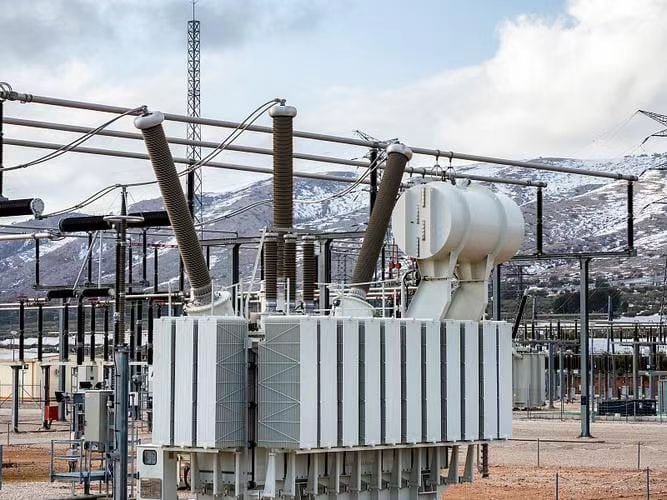
Transformer oil plays a critical role in cooling and insulating power transformers, ensuring safe and efficient grid operation. However, in some regions, transformer oil theft has become a growing issue—leading to power outages, equipment failures, and public safety hazards. Understanding the motivations behind this crime, and the consequences it brings, is essential for prevention and system reliability.
What Is Transformer Oil and Why Is It Valuable?

Transformer oil is more than just a liquid inside high-voltage electrical equipment—it is the lifeblood of oil-filled power transformers. This specialized insulating oil ensures safe, stable, and efficient transformer operation by delivering both electrical insulation and thermal management. Its dual role in maintaining dielectric strength and dissipating heat makes it an essential medium in large-scale energy distribution systems.
Transformer oil is a highly refined, thermally stable insulating liquid used in oil-filled transformers to provide electrical insulation between components, suppress electrical discharges, and transfer heat away from the transformer’s windings and core. It is valuable because it prevents dielectric failure, extends insulation life, cools internal components, and enables reliable high-voltage operation in power systems.
Its reliability, fluid stability, and moisture resistance make it irreplaceable in conventional power transmission.
Transformer oil is only used for cooling and has no role in insulation.False
Transformer oil serves both as a cooling medium and a critical dielectric insulator, enabling transformers to safely handle high voltages without internal arcing.
Primary Functions of Transformer Oil
| Function | Description |
|---|---|
| Electrical Insulation | Prevents arcing between live components by filling gaps with high-dielectric liquid |
| Cooling and Heat Transfer | Absorbs heat from windings and core and transfers it to radiators for dissipation |
| Moisture Barrier | Protects cellulose insulation from absorbing water vapor |
| Arc Suppression | Limits the extent of partial discharge and voltage surge effects |
| Fault Diagnostic Medium | Oil absorbs and holds gases from faults, enabling DGA (Dissolved Gas Analysis) |
Types of Transformer Oils
| Oil Type | Key Characteristics |
|---|---|
| Mineral Oil | Most common; cost-effective; needs moisture and oxidation control |
| Natural Ester Oil | Biodegradable; high fire point; good for eco-sensitive applications |
| Synthetic Ester Oil | Stable at high temps; good moisture tolerance; higher cost |
| Silicone Oil | Non-flammable; used in confined or high-risk environments |
Why Transformer Oil Is Valuable
| Value Driver | Benefit Realized |
|---|---|
| Dielectric Strength | Prevents internal short-circuits and maintains safe voltage levels |
| Thermal Conductivity | Keeps core and windings below thermal aging thresholds |
| Oil Testing Enables Diagnostics | Gas levels in oil indicate insulation faults or overheating |
| Long Life Span with Maintenance | Can last 20–30 years with regular dehydration and filtration |
| Fire Risk Mitigation (Ester/Silicone Types) | Safer operation in tunnels or populated zones |
Physical and Electrical Properties (Typical Mineral Oil)
| Property | Value (Typical) |
|---|---|
| Dielectric Strength | >60 kV (2.5 mm gap, new oil) |
| Viscosity @ 40 °C | ~8–12 cSt |
| Moisture Limit | <35 ppm for high dielectric performance |
| Flash Point | ~140 °C |
| Pour Point | –30 to –40 °C |
| Thermal Conductivity | ~0.12 W/m·K |
Real-World Case: Value in Protection
- Unit: 100 MVA, 220/33 kV oil-filled transformer
- Oil: Mineral oil, monitored with monthly DGA and moisture test
- Event: Detected rise in acetylene (C₂H₂) and hydrogen (H₂) in oil
- Action: Immediate inspection revealed loose tap changer contact
- Outcome: Prevented arcing fault and major equipment loss
Lesson: Transformer oil not only insulates and cools—but also “speaks” through gas changes.
Standards That Define Transformer Oil Quality
| Standard | Coverage |
|---|---|
| IEC 60296 | Specification for new mineral insulating oils |
| IEC 60422 | In-service oil monitoring and treatment guidelines |
| IEEE C57.106 | Recommended oil properties and test methods |
| IS 335 | Indian standard for mineral transformer oil |
| ASTM D3487 | American standard for new mineral oil for electrical apparatus |
Transformer Oil Maintenance Practices
| Maintenance Task | Purpose | Frequency |
|---|---|---|
| DGA (Dissolved Gas Analysis) | Detects insulation fault gases | 6–12 months |
| Moisture Testing (KF) | Confirms water levels are safe (<30 ppm) | 6–12 months |
| Dielectric Strength Test | Ensures voltage hold-up capability (>50–60 kV) | 6–12 months |
| Oil Filtration | Removes sludge and fine particles | Every 3–5 yrs |
| Vacuum Dehydration | Eliminates moisture and gases for performance restoration | As needed |
Why Do People Steal Transformer Oil?
Transformer oil theft is a rising issue in many regions, especially where utility assets are exposed in unguarded or rural areas. These thefts not only cause serious damage to critical power infrastructure, but also pose grave safety and environmental hazards. While it might seem surprising, people steal transformer oil for its resale value, alternative fuel potential, or use in counterfeit consumer products—all driven by economic desperation, poor regulation, or opportunism.
People steal transformer oil because it has black-market value as an alternative fuel for vehicles, industrial burners, and generators, or as a base for illegally manufactured lubricants and cosmetics. In some cases, oil is sold to unscrupulous recyclers. The theft is motivated by profit, despite the high risks of fire, electrocution, and widespread power outages.
Such thefts endanger lives, damage grid infrastructure, and disrupt power for thousands—all for minimal illegal gain.
Transformer oil has no resale or black-market value.False
Transformer oil can be illegally repurposed as fuel or reprocessed into counterfeit products, making it attractive for theft in some regions.
Why Is Transformer Oil Targeted?
| Reason for Theft | Description |
|---|---|
| Alternative Fuel Source | Can be burned in modified diesel engines or generators |
| Industrial Reuse | Used in unregulated burners or kilns as low-cost heating oil |
| Counterfeit Lubricants | Repurposed into low-grade motor or hydraulic oils sold illegally |
| Cosmetic/Fake Product Base | Used in counterfeit soaps or creams in some developing regions |
| Black Market Resale | Sold to informal recyclers or "reclaimers" at reduced cost |
| Lack of Surveillance | Easy access in remote or poorly secured transformer installations |
Economic Motivation Behind Oil Theft
| Factor | Influence on Theft Activity |
|---|---|
| High Local Oil Prices | Makes transformer oil a cost-effective black-market fuel |
| Widespread Poverty | Desperation pushes individuals toward risky criminal behavior |
| Weak Regulation or Policing | Poor monitoring of recyclers and fuel markets allows resale |
| Unsecured Transformer Sites | Lack of fencing or cameras enables easy access at night |
Real-World Case – Theft Consequences
- Location: Rural substation, East Africa
- Incident: 200 liters of mineral oil siphoned overnight
- Result: Transformer windings overheated and failed
- Impact: 6,000+ customers without power for 3 days
- Repair Cost: >$20,000 for new oil, testing, winding dry-out
Authorities later found oil being sold to street vendors as motor oil, with no purification or filtration.
Hazards of Transformer Oil Theft
| Hazard | Consequence |
|---|---|
| Explosion Risk | Without oil, transformer can arc internally and ignite |
| Electrocution | Theft involves proximity to live HV equipment |
| Oil Spill Pollution | Oil spilled on ground contaminates soil and water |
| Fire Hazard | Thieves using open flames or sparks near volatile fluids |
| Service Disruption | Power outages for homes, hospitals, industry |
| Accelerated Equipment Damage | Oil loss leads to rapid insulation failure |
Transformer Oil Value on Black Markets
| Use Case | Approximate Street Value (Informal) |
|---|---|
| Raw resale for burner fuel | $0.50–$1.50 per liter |
| Counterfeit engine oil base | $1.00–$2.00 per liter |
| Cosmetic/fake soap industry | Varies—used as cheap mineral oil substitute |
| Recycled/refined resale | $0.70–$2.00 per liter depending on region |
How Utilities Prevent Oil Theft
| Preventive Measure | Benefit |
|---|---|
| Lockable Fill Valves & Flanges | Prevents easy siphoning using hoses or taps |
| Motion-Activated Cameras | Records theft attempts and deters repeat offenders |
| Remote Oil Level Sensors | Alerts operators to sudden oil drops |
| Tamper-Proof Enclosures | Makes access difficult without cutting or heavy tools |
| Public Education & Hotline | Encourages reporting of suspicious oil sales |
Penalties and Legal Risks
| Jurisdiction | Penalty for Transformer Oil Theft |
|---|---|
| India | Fine + 1–3 years imprisonment under Electricity Act |
| Nigeria | Felony offense; jail time + liability for outage costs |
| USA | Federal property tampering charges |
| South Africa | Theft of essential service infrastructure—heavy fines |
What Are the Common Methods Used to Steal Transformer Oil?
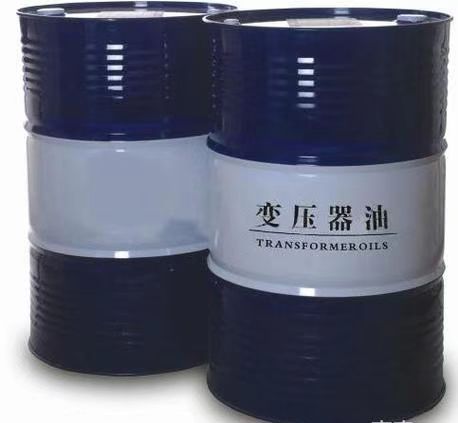
Transformer oil theft is often seen as a low-tech crime, but the methods used can be surprisingly strategic—and alarmingly effective. These thefts occur primarily in remote, poorly guarded, or unlit areas and exploit the fact that most distribution transformers are easily accessible and lack security features. Whether for resale, fuel, or industrial use, thieves rely on a small set of common, repeatable tactics that can cripple power supply systems, cause fires, or even lead to fatal electrocution.
The most common methods used to steal transformer oil include siphoning oil through drain valves or fill ports, breaking or loosening bolts and flanges, puncturing the oil tank with sharp tools, using hand pumps or hoses to transfer oil into containers, and committing theft during nighttime or low-visibility hours to avoid detection.
These methods are often fast, crude, and dangerous—both to the thief and the community served by the transformer.
Transformer oil is difficult to steal due to advanced locking mechanisms.False
Most small-to-medium transformers lack tamper-proof features, making them vulnerable to basic siphoning tools and valve tampering.
Top Methods Used in Transformer Oil Theft
| Method | Description | Tools Typically Used |
|---|---|---|
| Valve Siphoning | Thieves open the drain or sample valve to let oil flow out | Wrench, hose, container |
| Fill Port Access | Oil is removed through top fill opening using hose | Ladder, flexible pipe, hand pump |
| Flange Loosening | Bolts around tank flanges are removed to create a gap for oil drain | Spanner set, wrench |
| Tank Puncturing | Sharp tools are used to drill or stab holes in tank wall | Crowbar, drill, hammer, sharp rod |
| Hose Pumping | Manual or battery-powered pumps draw oil directly into drums | Hose pump kit, bucket or oil drum |
| Nighttime Operation | Theft occurs after dark with flashlights or minimal lighting | Headlamp, black clothing, gloves |
| Utility Worker Impersonation | Thieves dress as workers to avoid suspicion during daytime | Safety vest, fake ID, utility cap |
Example – Rural Theft Tactic Breakdown
- Location: Agricultural district, transformer on roadside pole
- Time: 2:30–4:00 AM
Method:
- Removed fill plug using adjustable wrench
- Inserted 2 m hose, filled 20 L drum
- Replaced cap and left no visual trace
- Result: Transformer lost cooling capacity, winding overheated
- Cost: $12,000 in repairs + outage for 500+ customers
Visual Indicators of Theft
| Symptom or Sign | Interpretation |
|---|---|
| Oil Level Drop | Sudden loss of oil with no visible leak or damage |
| Disturbed Hardware | Scratches or tool marks on caps, valves, or flanges |
| Spill Traces Near Base | Footprints, oil stains, or drum rings on soil |
| Tool Marks on Tank | Scrapes or dents from attempts to open or drill |
| Unsealed Valves/Ports | Missing or loose caps or nuts |
| Surveillance Footage | Recorded motion, often late at night or early morning |
Why These Methods Are Effective
| Reason | Explanation |
|---|---|
| Transformer Vulnerability | Most pole-mounted or pad-mounted transformers are exposed |
| Lack of Locks or Sensors | Valves and ports rarely have tamper-proof locks |
| Minimal Oversight | Many units are unmonitored in remote or low-traffic areas |
| Quick Execution | Siphoning can be completed in under 10 minutes |
| Low Risk Perception | Thieves assume low chance of arrest or detection |
Typical Tools Carried by Oil Thieves
| Tool | Use Case |
|---|---|
| Rubber Hose (2–4 m) | Siphoning oil via gravity or suction |
| Manual Oil Pump | Speeds up oil transfer |
| Adjustable Wrench/Spanner | Opens valve nuts and fill caps |
| Drill or Punch Tool | For puncturing tank walls or enclosures |
| Plastic Containers/Drums | Holds 10–50 liters of stolen oil |
| Flashlight or Headlamp | Low-light operation |
Security Weaknesses Commonly Exploited
| Weakness | Result |
|---|---|
| No Locking Mechanism | Easy access to drain and fill ports |
| Exposed Low-Side Tank Area | Convenient height for puncturing/siphoning |
| Lack of Perimeter Security | Encourages unauthorized entry |
| No Oil Level Alarms | Theft not detected until unit fails |
How Utilities Are Responding
| Response Action | Benefit |
|---|---|
| Tamper-Proof Caps and Locks | Prevents valve and port access without tools |
| Motion Sensor Cameras | Records movement and deters repeat theft attempts |
| Remote Oil Level Monitoring | Detects sudden drops and sends alerts to control centers |
| Barbed Fencing and Lighting | Adds physical and psychological deterrents |
| Engraving and Serial Tagging | Makes stolen parts traceable to original utility |
What Are the Risks and Consequences of Oil Theft?
While transformer oil theft may appear to be a minor act of vandalism or economic desperation, its repercussions are far-reaching and extremely hazardous. It compromises the integrity of critical electrical infrastructure, poses severe public safety threats, and leads to significant economic and environmental losses. Often, the damage caused by oil theft far exceeds the value of the stolen oil itself.
The risks and consequences of transformer oil theft include transformer overheating or explosion, large-scale power outages, electrical fires, electrocution of thieves, costly equipment damage, prolonged service disruptions, and environmental contamination. The theft exposes utilities to financial loss, legal liabilities, and public outrage, while also endangering lives.
These outcomes make transformer oil theft a high-impact criminal act, not a petty crime.
Transformer oil theft is a harmless offense with no major consequences.False
Transformer oil theft can lead to transformer failure, fire, fatal injuries, grid disruption, and pollution—making it a serious and dangerous crime.
Technical Risks of Transformer Oil Theft
| Risk Category | Consequence |
|---|---|
| Loss of Insulation Oil | Windings are exposed, leading to dielectric breakdown and internal arcing |
| Overheating | Without oil cooling, winding temperature can exceed 150–180 °C |
| Accelerated Aging | Cellulose insulation dries and burns out rapidly without oil barrier |
| Arcing and Flashover | Internal faults ignite residual oil vapor, causing explosions |
| Gas Pressure Build-up | No oil volume to cushion faults, increasing rupture disk or tank burst risk |
Safety Hazards
| Hazard | Impact on People and Equipment |
|---|---|
| Fire or Explosion | Residual oil vapor may ignite under arcing conditions |
| Electrocution | Thieves often touch live parts or conduct tools near high voltage |
| Injury to Public | If transformer explodes or shorts, arc flash can harm bystanders |
| Unauthorized Site Access | Also risks exposure to high voltage, oils, and gases |
| Equipment Loss | Winding short circuits and burns lead to transformer being scrapped |
Economic and Operational Consequences
| Type | Impact |
|---|---|
| Power Outage | Can last from hours to several days, depending on location and access |
| Service Disruption | Homes, schools, hospitals, and factories may be affected |
| Repair and Replacement Costs | Oil refill, drying, insulation repairs, or transformer replacement |
| Revenue Loss to Utilities | From lost transmission, penalties, and re-servicing delays |
| Insurance Claims and Fines | If damage affects third parties or critical loads |
Environmental Impact
| Pollution Type | Effect |
|---|---|
| Soil Contamination | Oil spillage seeps into ground, affecting agriculture or water tables |
| Water Contamination | Runoff may enter drains, rivers, or wetlands |
| Wildlife Harm | Mineral oil is toxic to fish and small land animals |
| Cost of Cleanup | Environmental remediation can cost more than the transformer itself |
Legal and Criminal Consequences
| Jurisdiction | Legal Penalty for Oil Theft |
|---|---|
| India | Charged under Electricity Act; fines + up to 3 years imprisonment |
| Kenya | Infrastructure sabotage offense; jail + heavy fines |
| South Africa | Treated as sabotage of public utility; criminal damage and theft charges |
| USA (Federal) | Tampering with energy infrastructure; felony + restitution |
| Nigeria | Imprisonment + blacklisting from grid access |
Real-World Case – Catastrophic Fallout
- Location: Urban power distribution transformer in Southeast Asia
- Incident: 40 liters of oil stolen overnight
- Result: Transformer overheated and exploded at 10:30 AM during peak load
- Impact: 4,500+ residents without power for 28 hours
- Additional damage: Fire damaged nearby shop; utility paid \$9,000 in compensation
- Outcome: Arrests made, but transformer had to be replaced
One act of theft caused community-wide disruption and financial liability exceeding $30,000.
Warning Signs of Oil Theft
| Indicator | What It Suggests |
|---|---|
| Sudden Drop in Oil Level | Possible siphoning or slow leakage |
| Opened or Loose Valves | Tampering attempt or partially drained oil |
| Spill or Smell Near Unit | Oil theft or leak evidence |
| No Cooling Response | Loss of oil affects winding temperature stabilization |
| Alarm from Remote Sensors | Oil level or BDV monitoring systems triggered |
Utility Strategies to Mitigate Risk
| Strategy | Risk Addressed |
|---|---|
| Oil Level Alarms and Sensors | Early theft detection via SCADA or IoT alerts |
| Anti-Tamper Enclosures | Prevent unauthorized access to valves or drain ports |
| Smart Surveillance Cameras | Real-time monitoring of high-theft zones |
| Rapid Response Protocols | Faster outage repair and theft response teams |
| Community Awareness Campaigns | Encourages locals to report suspicious activity |
How Does Transformer Oil Theft Impact the Power Grid and Public Services?
Transformer oil theft is not just a crime against property—it is an attack on public infrastructure that can destabilize local power grids and disrupt essential services. Because transformer oil is critical for insulation and cooling, its sudden removal often leads to equipment failure, triggering blackouts, safety hazards, and cascading failures across the network. In densely populated or high-demand zones, even small-scale theft can have wide-reaching consequences for homes, schools, hospitals, and businesses.
Transformer oil theft negatively impacts the power grid by causing transformer overheating or failure, leading to unplanned outages, voltage instability, increased loading on adjacent transformers, and loss of supply to critical services such as hospitals, water plants, emergency systems, and educational institutions. It weakens network reliability, inflates operating costs, and compromises public safety.
This makes oil theft not just an electrical issue, but a community crisis.
Transformer oil theft only affects the equipment it’s taken from and has no larger impact.False
When a transformer fails due to oil theft, it can overload adjacent equipment, disrupt voltage stability, and interrupt power supply to public services and thousands of users.
Grid-Level Impacts of Transformer Oil Theft
| Grid Element Affected | Consequence |
|---|---|
| Local Transformer | Overheats or fails due to lack of insulation and cooling |
| Feeder Line | Trip or under-voltage due to imbalance from sudden transformer loss |
| Load Zones | Customers in affected branch experience total or partial blackout |
| Adjacent Transformers | Take on sudden load increase, increasing risk of thermal overload |
| SCADA/Relay Systems | Detect fault and initiate disconnection, triggering cascading protection |
| Grid Reliability Index | Degraded SAIDI and SAIFI metrics due to longer outages and repair times |
Public Service Disruption Overview
| Sector | Type of Disruption |
|---|---|
| Healthcare (Hospitals/Clinics) | Loss of power to life-saving equipment; critical dependence on backup power |
| Education (Schools/Colleges) | Interrupts online classes, admin systems, lab equipment |
| Public Water Plants | Stops pumping and treatment operations; affects sanitation and supply |
| Traffic & Street Lighting | Increases accident risk and crime in darkened zones |
| Emergency Response Centers | Communication outages; longer 911 dispatch and response times |
| Commercial Areas | Disrupts billing systems, POS, refrigeration, and ATMs |
Real-World Example – Urban Outage from Oil Theft
- Location: Mid-size city, Southeast Asia
- Incident: 250 kVA transformer drained of oil overnight
Outcome:
- Transformer failed during morning load rise
- Affected 1 substation, 6 transformers, and 4200+ homes
- Hospital operated on backup diesel for 8 hours
- 3 schools cancelled in-person classes due to blackout
- Repair time: 27 hours + full refill and testing
Cost of stolen oil:~$60
Cost of consequences: Over $35,000
Cascading Technical Effects
| Technical Chain Reaction | Result |
|---|---|
| Transformer fails due to oil loss | Triggers overcurrent relay and feeder trip |
| Adjacent transformers auto-load-share | Excess burden, overheating or voltage sag |
| Voltage imbalance on LV feeders | Equipment damage risk for homes and sensitive devices |
| SCADA detects and locks out region | Larger blackout to prevent phase-to-phase fault propagation |
Societal & Economic Impact Summary
| Area Affected | Examples of Impact |
|---|---|
| Households | Refrigerated food spoilage, appliance damage, discomfort |
| Students | Missed remote learning, no internet access, exam disruption |
| Small Businesses | Sales loss, equipment shutdown, data loss |
| Elderly Care Centers | Risk from heat, lack of oxygen supply devices or lighting |
| Utility Reputation | Public distrust, regulatory penalties, social media backlash |
Why Utilities Struggle to React Fast
| Challenge | Effect on Response Time |
|---|---|
| Remote Transformer Location | Delayed physical inspection or repair crew arrival |
| No Remote Oil Monitoring | Outage not detected until transformer burns out |
| Manual Maintenance Logs | Slower asset history access and fault diagnosis |
| Lack of Spare Transformers | Delays in sourcing replacement unit or oil stock |
| Community Confusion | Difficulty identifying fault cause or reporting theft in time |
Long-Term Consequences on Grid and Operations
| Long-Term Impact | Description |
|---|---|
| Increased O\&M Costs | More oil replenishments, fault tests, and insulation repairs |
| Reduced Transformer Life | Units exposed to partial discharge due to residual contamination |
| Grid Planning Challenges | Uncertainty in transformer availability and fault forecasting |
| Higher Insurance Premiums | Repeated oil theft claims raise utility liability costs |
| Regulatory Scrutiny | Pressure to meet service reliability metrics despite sabotage |
What Measures Can Be Taken to Prevent Transformer Oil Theft?
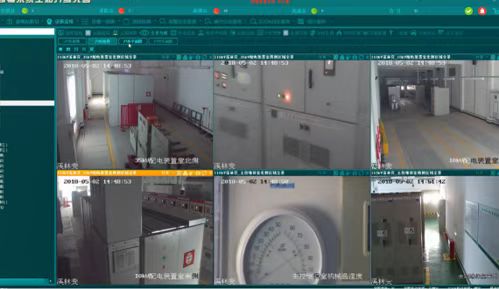
Transformer oil theft is a persistent threat to power infrastructure, causing not only equipment failure and blackouts, but also public safety hazards and financial loss. Fortunately, there are proven physical, electronic, and procedural strategies that utilities and site managers can implement to deter theft, detect intrusion early, and secure transformer oil assets. These preventive measures focus on hardening access points, increasing surveillance, and automating alerts—especially in theft-prone or remote regions.
To prevent transformer oil theft, utilities should install tamper-proof valves and locked fill ports, use real-time oil-level sensors, deploy motion-detection cameras, secure transformer enclosures with fencing or cabinets, apply warning signage, and engage communities through education and tip hotlines. Integration of SCADA or IoT alert systems ensures fast response when theft attempts are detected.
These layered measures discourage thieves, enable early detection, and reduce outage risk and repair costs.
Transformer oil theft cannot be prevented and is an unavoidable risk.False
Transformer oil theft can be effectively prevented through a combination of anti-tamper hardware, surveillance, remote monitoring, and community engagement.
Physical Security Measures
| Device or Feature | Purpose |
|---|---|
| Tamper-Proof Drain Valves | Prevents siphoning or unauthorized access to oil |
| Lockable Fill Port Caps | Secures top access points from hose insertion |
| Anti-Theft Flange Bolts | One-way or shear-off bolts deter flange loosening attempts |
| Weatherproof Cabinets | Encloses pole-mount transformers in steel boxes |
| Barbed Wire or Fencing | Restricts physical access to ground-mounted units |
Monitoring and Detection Technologies
| Technology | Function |
|---|---|
| Oil-Level Sensors (IoT/SCADA) | Detects sudden oil loss and sends real-time alerts |
| Motion-Activated Cameras | Captures intrusions at night; deters repeat attempts |
| Tilt/Vibration Sensors | Triggers if transformer is tampered or moved |
| Remote Thermographic Sensors | Monitors heat signatures indicating oil loss overheating |
| Smart Transformer Monitoring Units | Integrates oil, load, temp, and location status |
Community-Based Prevention Tactics
| Engagement Tool | Purpose |
|---|---|
| Public Awareness Campaigns | Educate about dangers and social cost of oil theft |
| Hotline for Suspicious Activity | Encourages reporting of black-market oil sales or tampering |
| School Programs | Promotes early understanding of infrastructure value |
| Sticker Signage on Units | Displays warning of legal consequences + hotline |
Utility Maintenance Best Practices
| Routine Action | Preventive Benefit |
|---|---|
| Monthly Breather Check | Avoids theft disguised as maintenance |
| Visual Seal Inspection | Detects signs of tampering or loosened parts |
| Post-Rain Equipment Survey | Finds valve or tank disturbances from attempted access |
| Random Night Patrols | Increases risk perception among would-be thieves |
Real-World Deployment Example
- Region: East Africa, rural distribution grid
- Previous problem: 18 transformer oil thefts in 9 months
Action:
- Installed tamper-proof drain caps and oil-level sensors
- Mounted solar-powered infrared cameras at key substations
- Community campaign launched with reward hotline
- Result: Theft dropped to 1 case in 12 months; no transformer failures
Conclusion: Physical protection + community vigilance = effective deterrence
Anti-Theft Hardware Kits (Available for Retrofit)
| Component | Function |
|---|---|
| Drain Valve Locking Clamp | Prevents tool access to valve without key |
| Breather Cover Locks | Stops disguised siphoning through breather opening |
| Steel Fill Cap with Seal Strip | Cannot be removed without triggering tamper indicator |
| Sensor-Integrated Manhole Ring | Detects opening or tilt in pole transformer covers |
| Transformer Enclosure Box | Shields pad-mounted or pole units from vandalism or tool access |
Legal Enforcement Support
| Action | Outcome |
|---|---|
| Utility Police Coordination | Enables arrest during theft attempt or post-theft trace |
| Serial Number Engraving | Helps identify stolen oil containers sold to recyclers |
| Private Security Deployment | Used in high-value or theft-heavy grids |
| Theft Penalty Publicity | Serves as psychological deterrent to opportunistic thieves |
Quick Response Protocol
| Step | Purpose |
|---|---|
| Oil Drop Alarm Triggered | Immediate awareness of possible theft |
| Dispatch Local Technician | Rapid on-site inspection or isolation |
| Confirm via Camera Feed | Verifies incident and prevents false alarms |
| Log and Replenish Securely | Conduct oil refill only with sealed equipment and photo records |
Conclusion
Transformer oil theft is not a petty crime—it endangers public safety, compromises energy infrastructure, and imposes heavy economic burdens. Thieves often target oil for resale or misuse, unaware of the potential consequences such as fire or power outages. Preventing such incidents requires a combination of technical, legal, and community-based approaches. Raising awareness and strengthening protection measures is key to preserving energy reliability and public safety.
FAQ
Q1: Why is transformer oil targeted for theft?
A1: People steal transformer oil primarily for its high resale value and alternative uses, such as:
Burning as an illegal diesel substitute or heating oil
Using as a lubricant in unregulated machinery
Selling on black markets, especially in remote or underregulated areas
Its mineral-based content makes it attractive, despite being unsuitable and dangerous for non-electrical uses.
Q2: What are the dangers of using stolen transformer oil?
A2: Using stolen transformer oil poses serious hazards:
Highly toxic and carcinogenic, especially if contaminated with PCBs
Fire and explosion risks when used in combustion engines
May cause equipment failure or environmental contamination
Legal and criminal penalties for possession or resale of stolen oil
Q3: What are the consequences of transformer oil theft for utilities?
A3: Theft leads to:
Equipment damage and unplanned outages
Extensive repair costs (transformers must be re-insulated and refilled)
Power interruptions, especially in rural or industrial zones
Increased need for security and surveillance systems
It compromises grid reliability and public safety.
Q4: How do thieves access transformer oil?
A4: Thieves typically:
Break into pad-mounted or pole-top transformer tanks
Drain oil using hoses or by damaging valves
Sometimes disguise theft as maintenance activities
Most thefts occur in remote, unmonitored areas, often at night.
Q5: How can transformer oil theft be prevented?
A5: Utilities can implement:
Physical barriers and locking enclosures
Surveillance systems (CCTV, alarms, motion sensors)
Tamper-proof seals and oil-level monitoring systems
Community awareness and reporting hotlines
Preventive actions reduce both financial losses and grid disruptions.
References
"Why Transformer Oil is Stolen and Its Black Market Use" – https://www.electrical4u.com/transformer-oil-theft
"IEEE: Utility Impacts of Oil Theft and Prevention Measures" – https://ieeexplore.ieee.org/document/7528789
"NREL: Rural Infrastructure Theft and Prevention Strategies" – https://www.nrel.gov/docs/power-theft-guide.pdf
"ScienceDirect: Transformer Oil Theft Analysis and Utility Losses" – https://www.sciencedirect.com/transformer-theft-study
"Energy Central: Combatting Utility Asset Theft" – https://www.energycentral.com/c/ee/utility-theft-prevention-strategies