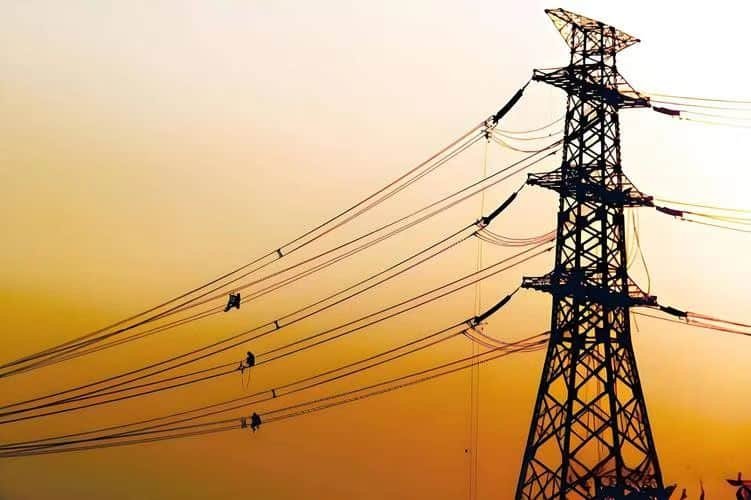
Oil-immersed transformers are widely used in transmission and distribution networks due to their high efficiency, reliability, and load-handling capability. Understanding their typical service lifespan is crucial for utilities, engineers, and asset managers to plan maintenance, replacements, and investment cycles. While many such transformers can operate for decades, their actual longevity depends on a variety of factors including design quality, environmental conditions, loading, and maintenance practices.
What Is the Average Service Life of an Oil-Immersed Transformer?
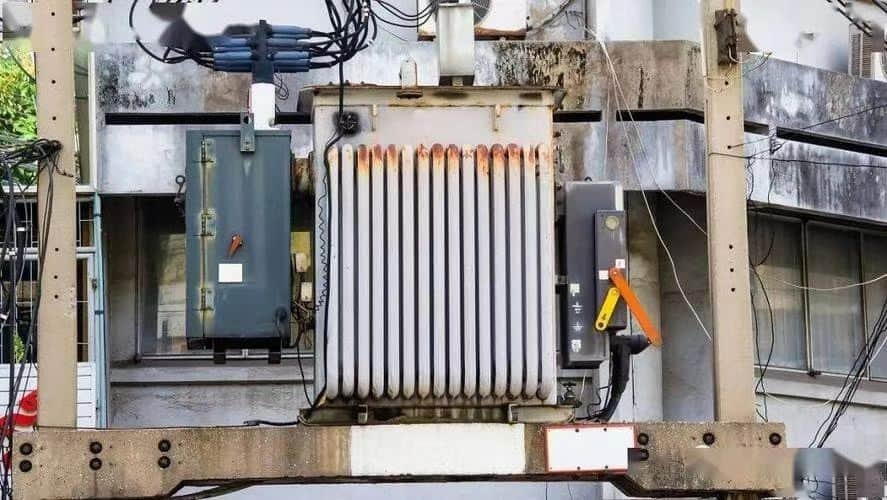
Oil-immersed transformers are known for their durability and reliability, but they do not last forever. Over time, thermal stress, insulation degradation, moisture, oxidation, and load fluctuations slowly wear down the core components—particularly the cellulose paper insulation and insulating oil. Understanding the average service life of these transformers allows utilities and industrial operators to plan maintenance, replacement, or refurbishment before failures occur.
The average service life of an oil-immersed transformer is typically 25 to 40 years, depending on the quality of materials, loading conditions, environmental factors, maintenance practices, and insulation aging. With excellent care and modern diagnostics, some transformers can operate reliably for 50 years or more, while neglected units may fail in under 20.
Lifecycle management is essential for ensuring safe, efficient, and uninterrupted operation over decades of service.
All oil-immersed transformers are expected to fail after 20 years.False
Well-maintained oil-immersed transformers often exceed 30–40 years of service, with many operating reliably beyond 50 years under optimal conditions.
Factors Influencing Transformer Lifespan
| Factor | How It Affects Service Life |
|---|---|
| Insulation Aging | Paper insulation degrades thermally and chemically over time |
| Oil Quality | Oxidized or moisture-contaminated oil accelerates insulation failure |
| Overloading Events | Raises operating temperature → accelerates thermal aging |
| Cooling System Efficiency | Inadequate cooling increases winding hot spot temperatures |
| Ambient Environment | Humid, polluted, or high-altitude conditions reduce life expectancy |
| Maintenance Frequency | Regular oil testing and repairs greatly extend service life |
Typical Transformer Lifespan Benchmarks
| Transformer Rating/Use Case | Average Life Expectancy (Years) |
|---|---|
| Small Distribution (<500 kVA) | 20–30 years (higher failure from abuse) |
| Industrial Medium Power (1–10 MVA) | 25–35 years |
| Utility Power Transformers (>10 MVA) | 35–45 years |
| Well-Maintained Units | 40–50+ years (with periodic upgrades) |
| Neglected or Poorly Sized Units | <20 years |
Key Component Lifetimes Within a Transformer
| Component | Average Life (Assuming Nominal Operation) |
|---|---|
| Cellulose Paper Insulation | 20–30 years (thermal life limit) |
| Transformer Oil (untreated) | 10–20 years before needing purification |
| Bushings | 15–30 years depending on condition monitoring |
| Cooling Fans/Pumps | 10–15 years with proper service intervals |
| Core & Windings | 35–50 years if not exposed to severe fault or overload |
Life Curve of a Transformer – Health vs. Time
| Service Period | Key Characteristics |
|---|---|
| Years 0–10 | Stable operation, minimal aging |
| Years 10–25 | Onset of insulation aging, requires monitoring |
| Years 25–35 | Potential oil degradation, increased failure risk |
| Years 35–50 | May require de-rating, refurbishment, or replacement |
Signs That a Transformer Is Approaching End of Life
| Indicator | Interpretation |
|---|---|
| Increased Furan in Oil | Thermal aging of paper insulation |
| Declining Insulation Resistance | Dielectric breakdown risk |
| High Moisture or Acidity in Oil | Advanced oil and paper degradation |
| Frequent Protection Trips | Emerging internal instability |
| Hot Spot Temp >98 °C Consistently | Excessive aging acceleration |
| Low Breakdown Voltage (BDV) | Oil unable to withstand stress → internal flashover risk |
Diagnostic Tools to Assess Remaining Life
| Test Type | Life Assessment Function |
|---|---|
| Furan Analysis | Quantifies paper aging; correlates to insulation health |
| DGA (Dissolved Gas Analysis) | Detects active faults before they cause failure |
| Tan Delta/Capacitance | Evaluates bushing and insulation degradation |
| IR/PI Testing | Verifies overall dielectric integrity |
| Hot Spot Temp Estimation | Used to estimate insulation life based on IEEE aging formulas |
Maintenance Strategies to Extend Transformer Life
| Strategy | Life Extension Impact |
|---|---|
| Regular Oil Filtration & Testing | Preserves dielectric and thermal properties |
| Dry-Out of Moisture | Improves paper strength and slows thermal degradation |
| Cooling System Optimization | Prevents overheating during peak load |
| Load Management | Avoids frequent overloading and thermal cycling |
| Online Monitoring | Enables early detection of risk and condition-based intervention |
Total Cost of Ownership (TCO) Consideration
| Maintenance vs. Replacement | Financial Perspective |
|---|---|
| Well-Maintained 30-Year Unit | Lower TCO through deferred replacement and high reliability |
| Neglected 20-Year Unit | Higher OPEX due to energy loss, frequent faults, and outages |
| Modernizing Aged Units | Partial upgrades (bushings, oil, tap changers) can add 5–15 years |
What Factors Influence Transformer Lifespan?
A transformer may be engineered for 40–50 years of operation, but its actual service life depends on how it’s treated and what conditions it endures. Transformers fail not just from age, but from stress on insulation, repeated overloads, oil contamination, poor cooling, and neglected maintenance. Understanding the key factors influencing transformer lifespan allows asset managers to make proactive decisions about monitoring, maintenance, and refurbishment.
Transformer lifespan is influenced by thermal stress, insulation degradation, oil condition, loading behavior, moisture ingress, environmental exposure, cooling effectiveness, manufacturing quality, and maintenance practices. The combined impact of these factors determines whether a transformer will last 20 years—or 50.
Managing these elements intelligently ensures optimal performance and long-term reliability.
Transformer lifespan is only determined by its age.False
Age is not the sole determinant of transformer lifespan—thermal conditions, insulation health, oil quality, loading, and maintenance have equal or greater impact.
1. Thermal Stress (Heat Exposure)
| Cause of Stress | Impact on Lifespan |
|---|---|
| High Load/Overload | Increases winding temperature and insulation aging rate |
| Ineffective Cooling | Hot spot temperature exceeds safe limits (>98 °C) |
| Ambient Temperature Extremes | Accelerates oil oxidation and dielectric loss |
Every 6 °C rise in hot spot temperature halves insulation life, per IEEE C57 standards.
2. Insulation System Degradation
| Insulation Component | Lifespan Risk Factors |
|---|---|
| Cellulose Paper | Degrades with heat, moisture, oxygen exposure |
| Solid Insulators (Pressboard) | Brittleness over time leads to tracking or cracking |
| Accelerants | Overvoltage, arcing, vibration, and acids speed breakdown |
Furan analysis in oil provides a quantitative estimate of paper insulation age.
3. Oil Quality and Degradation
| Oil Parameter | Effect on Transformer Health |
|---|---|
| Moisture Content (>35–60 ppm) | Reduces dielectric strength → arcing and partial discharge |
| Oxidation and Sludge | Reduces cooling, blocks oil circulation |
| Low Breakdown Voltage (BDV) | Increases flashover risk, especially under switching surges |
| Acidity Level | Corrosive environment accelerates metallic part deterioration |
4. Load Profile and Usage Patterns
| Load Condition | Effect on Transformer Life |
|---|---|
| Constant Full Load (>85%) | Increases average temperature → insulation wear |
| Frequent Overloads | Cumulative damage, even if within short duration |
| Harmonic Loads | Increases eddy losses → localized heating |
| No Load (Idle Operation) | Higher relative core loss share, oil deterioration |
Smart load management reduces copper losses and slows thermal aging.
5. Moisture Ingress and Water Contamination
| Source of Moisture | Impact on Lifespan |
|---|---|
| Breather Saturation | Allows moisture-laden air to enter conservator |
| Seal Failure | Direct water entry into oil tank |
| Cooling Radiator Leaks | Air and humidity contamination |
Paper insulation loses 90% of strength when moisture content exceeds 3%.
6. Environmental Conditions
| External Factor | Lifespan Impact |
|---|---|
| Industrial Pollution | Sulfur and dust deposit on bushings cause tracking |
| Seismic or Wind Stress | Loosens internal supports, causes mechanical fatigue |
| UV Exposure on Seals | Hardens gaskets, increases leak risk |
| Altitude | Reduces dielectric clearance, affects cooling performance |
Outdoor transformers need weather-resistant designs and regular visual checks.
7. Cooling System Efficiency
| Cooling Method | Risk if Not Maintained |
|---|---|
| ONAN (Natural Cooling) | Blocked radiators = rapid oil temp rise |
| ONAF (Forced Cooling) | Fan failure = overload on core/coil temperatures |
| Thermal Protection Failure | Missed alarm = undetected overheating |
Cooling failure is a common precursor to insulation collapse and core warping.
8. Manufacturing Quality and Design Margin
| Design/Production Issue | Long-Term Effect |
|---|---|
| Poor Winding Clamping | Movement during inrush or faults → insulation abrasion |
| Thin or Weak Insulation Layers | Early PD inception and aging |
| Low Flux Margin Design | More prone to saturation and localized heating |
High-quality design with thermal redundancy can add 10–15 years to expected life.
9. Testing, Maintenance, and Monitoring Practices
| Maintenance Practice | Role in Extending Life |
|---|---|
| Oil Testing (DGA, BDV, Moisture) | Early fault detection, insulation preservation |
| Thermal Imaging | Hotspot detection before insulation burns |
| Tap Changer Inspections | Prevents arcing and local overheating |
| Moisture Control & Breather Replacement | Maintains dielectric strength |
| Bushing Capacitance/Tan Delta | Prevents unexpected flashovers |
Condition-based maintenance can double transformer lifespan compared to run-to-failure approaches.
Integrated Influence Chart – Transformer Life Factors
| Category | Poor Practice → Effect on Life | Good Practice → Effect on Life |
|---|---|---|
| Insulation | Early degradation in 15–20 yrs | 40+ years with preservation |
| Oil Quality | 10 yrs without filtration | 25+ years with purification |
| Load Management | 5–10% life reduction per 10% overload | Extended life under load balancing |
| Environment | Corrosion, UV → seal failure | 5+ years longer with enclosure |
| Maintenance | Unscheduled failure <25 yrs | Service life >40 years |
How Does the Insulating Oil Affect Service Life of a Transformer?

Insulating oil in an oil-immersed transformer is not just a coolant—it is the lifeline of the insulation system. It maintains dielectric integrity, facilitates heat transfer, and preserves the paper insulation by keeping moisture and oxygen at bay. However, over time, oil is subject to thermal stress, oxidation, and contamination, which significantly affect the transformer’s reliability, dielectric strength, and lifespan.
The insulating oil affects the transformer’s service life by preserving the dielectric integrity of the insulation system, dissipating heat from windings, preventing moisture accumulation, and indicating internal faults through dissolved gases. Degraded oil leads to increased acidity, reduced breakdown voltage, sludge formation, and accelerated insulation aging, which shortens the transformer’s operational life.
Managing oil condition through regular testing, filtration, and moisture control is critical to long-term transformer health.
Insulating oil only functions as a coolant and does not influence service life.False
Insulating oil directly affects transformer life by preserving dielectric insulation, managing thermal conditions, and preventing moisture and oxidation damage.
1. Functions of Transformer Insulating Oil
| Role of Oil | How It Impacts Service Life |
|---|---|
| Electrical Insulation | Provides dielectric separation between conductors and ground |
| Cooling Medium | Transfers heat from windings and core to radiators or tank |
| Moisture Barrier | Absorbs and buffers moisture away from paper insulation |
| Fault Indicator (DGA Medium) | Traps gases from arcing or overheating for early detection |
The health of transformer paper insulation—the primary aging component—depends on the condition of the oil.
2. Oil Degradation Mechanisms
| Degradation Mode | Cause | Effect on Transformer Life |
|---|---|---|
| Oxidation | Oxygen exposure + high temp | Forms acids and sludge → blocks cooling paths |
| Moisture Absorption | Seal failure, humidity ingress | Reduces BDV, increases partial discharge risk |
| Thermal Cracking | Hot spot >110 °C | Creates combustible gases (e.g., acetylene) |
| Contamination (Carbon, Metals) | Arcing, aging, environmental dust | Reduces oil clarity and dielectric strength |
3. Key Oil Properties That Influence Longevity
| Property | Healthy Range | Effect on Lifespan if Deteriorated |
|---|---|---|
| Breakdown Voltage (BDV) | >60 kV (new), >40 kV (in-service) | Below 30 kV = flashover risk |
| Moisture (ppm) | <35 ppm (typical) | >60 ppm = paper aging and dielectric failure risk |
| Acidity (mg KOH/g) | <0.1 (new), <0.3 (limit) | High acid accelerates paper decay and sludge |
| Interfacial Tension (IFT) | >40 dynes/cm | Drop indicates oil oxidation and contamination |
| Furan Content | <0.1 mg/L (new) | >1 mg/L = advanced paper insulation aging |
4. Relationship Between Oil and Insulation Aging
| Scenario | Outcome |
|---|---|
| Dry Oil + Low Temp | Preserves paper >30–40 years |
| Moisture in Oil >60 ppm | Paper aging accelerated by 4x to 8x |
| High Oil Acidity (>0.5) | Cellulose breakdown, sludge buildup in channels |
| High Operating Temperature | Oil oxidizes faster → acid + water = insulation decay |
Moisture and acid act synergistically to destroy paper insulation and reduce service life dramatically.
5. Oil as a Fault Diagnostic Tool (DGA)
| Gas Detected in Oil | Fault Condition Suggested |
|---|---|
| Hydrogen (H₂) | Partial discharge or early insulation stress |
| Methane (CH₄) | Low-energy thermal fault |
| Acetylene (C₂H₂) | High-energy arcing or flashover |
| Carbon Monoxide (CO) | Paper insulation degradation |
| Carbon Dioxide (CO₂) | Cellulose decomposition → aging marker |
DGA allows early identification of internal faults long before visible symptoms appear.
6. Service Life Extension via Oil Maintenance
| Maintenance Action | Life Extension Benefit |
|---|---|
| Periodic Oil Testing | Early detection of moisture, acid, BDV degradation |
| Oil Filtration/Regeneration | Restores dielectric and chemical properties |
| Vacuum Drying | Removes dissolved water from oil and insulation |
| Replacing Breathers and Seals | Prevents moisture ingress and oxidation |
| Degassing Systems | Removes combustible gases that form during thermal faults |
7. Oil Aging vs. Transformer Aging – Correlation Timeline
| Year in Service | Typical Oil Condition (Without Maintenance) | Impact on Transformer Life |
|---|---|---|
| 0–10 years | Low moisture, clean oil | Stable insulation |
| 10–20 years | Moisture slowly rises, acid formation begins | Slower insulation aging |
| 20–30 years | Oil BDV drops, sludge visible | Accelerated cellulose breakdown |
| 30+ years | High acid/moisture, paper damage irreversible | De-rating or replacement needed |
Example: Oil Maintenance Saves a 40-Year Transformer
- Transformer: 20 MVA, 66/11 kV, installed 1983
- Initial Tests: BDV = 32 kV, Acidity = 0.45, Moisture = 68 ppm
- Action Taken: Oil filtered, regenerated with Fuller's Earth; seals replaced
- Final Tests: BDV = 58 kV, Moisture = 27 ppm, Acidity = 0.12
- Result: Estimated 10–12 more years of service added
What Signs Indicate Aging or Impending Failure in Transformers?
Transformers typically fail not suddenly, but gradually, offering early warning signs through visual indicators, measurable electrical parameters, acoustic behavior, and oil chemistry changes. Failing to recognize these signs can result in catastrophic failure, fire, or prolonged outage. On the other hand, timely diagnosis allows for preventive maintenance, de-rating, refurbishment, or safe decommissioning. Understanding these symptoms is essential to protect assets and prevent costly failures.
Common signs indicating transformer aging or impending failure include oil leakage or discoloration, elevated temperature or hot spots, bushing cracking or discoloration, falling insulation resistance, abnormal gas levels in DGA (especially acetylene or CO), high moisture content, unusual noises, and frequent protective relay trips. A combination of these symptoms is often a sign of advanced deterioration and requires urgent evaluation.
Early detection of these indicators allows operators to intervene before irreversible damage occurs.
Transformer failure occurs without warning.False
Transformers usually show measurable and visible signs of aging or failure in advance, including oil condition changes, gas evolution, and thermal anomalies.
Visual Warning Signs of Transformer Aging
| Visual Indicator | Likely Issue or Aging Symptom |
|---|---|
| Oil Leakage or Staining | Gasket aging, tank corrosion, or conservator overpressure |
| Discoloration on Bushings | UV exposure, moisture ingress, surface tracking |
| Rust or Flaking Paint | Poor sealing or tank deterioration |
| Blistered Insulation Tape | Overheating of terminals or winding exit points |
| Smoke or Burn Marks | Internal arcing or previous flashover |
Electrical and Thermal Symptoms of Failure
| Measured Parameter | Normal vs. Fault Threshold | Diagnostic Meaning |
|---|---|---|
| Insulation Resistance (IR) | >500 MΩ (new); <100 MΩ (aged) | Degraded insulation, possible moisture ingress |
| Polarization Index (PI) | >2.0 (good); <1.3 (aging) | Breakdown in dielectric integrity |
| Hot Spot Temperature | <98 °C (safe); >110 °C (risk) | Thermal aging accelerated |
| Load Loss (I²R) | Normal <10% rise/year; >20% = abnormal | Winding resistance increase, possible joint degradation |
Thermal stress and insulation decay are the leading causes of end-of-life failure.
Dissolved Gas Analysis (DGA) Red Flags
| Gas Detected | Acceptable Range | Significance When Elevated |
|---|---|---|
| Hydrogen (H₂) | <150 ppm | General stress or PD if rising rapidly |
| Acetylene (C₂H₂) | <1 ppm | >35 ppm = internal arcing risk |
| Carbon Monoxide (CO) | <300 ppm | Paper insulation degradation |
| Methane (CH₄) | <150 ppm | Thermal overheating of windings |
| Carbon Dioxide (CO₂) | <4000 ppm | Long-term cellulose aging |
Ratios and rates of change are just as important as absolute values in DGA interpretation.
Acoustic and Mechanical Symptoms
| Audible or Physical Symptom | Underlying Problem |
|---|---|
| Loud Humming or Buzzing | Core vibration or magnetic saturation |
| Crackling or Popping Sounds | Partial discharge inside windings |
| High-Frequency Whine | OLTC resonance or winding resonance |
| Unusual Vibrations | Loose clamps, shifted windings, or unbalanced load |
Oil Test-Based Aging Indicators
| Oil Parameter | Aging Threshold | Associated Fault Risk |
|---|---|---|
| Moisture in Oil | >60 ppm | Breakdown voltage reduced → flashover |
| Acidity (TAN) | >0.3 mg KOH/g | Oil becomes corrosive → insulation attack |
| Breakdown Voltage (BDV) | <40 kV | Weak dielectric → arcing risk |
| Furan Content | >1 mg/L | Paper insulation beyond mid-life |
Protection and Control System Symptoms
| Control or Relay Behavior | What It Indicates |
|---|---|
| Frequent Relay Trips | Instability in load, overheating, or winding faults |
| Alarm on Oil Level or Pressure | Conservator failure, gassing from internal arcing |
| High Tap Changer Heating | Contact wear, misalignment, or diverter arcing |
| Bushing Monitoring Alerts | Capacitive leakage, moisture ingress |
Composite Signs Suggesting Imminent Failure
| Combined Observations | Recommended Action |
|---|---|
| C₂H₂ >50 ppm + rising CO + PI <1.2 | Immediate de-energization and inspection |
| Hot Spot >110 °C + sludge in oil | Cooling failure and insulation degradation |
| IR <100 MΩ + BDV <30 kV + moisture >70 ppm | Oil filtration and drying required urgently |
| Visible flashover + trip history | Assess damage and isolate unit |
Aging Severity Rating System (Simplified)
| Condition Stage | Description | Action Required |
|---|---|---|
| Green | Healthy operation | Continue monitoring and testing |
| Yellow | Early signs of degradation | Schedule maintenance and oil service |
| Orange | Advanced aging or warning alarms | Condition-based diagnostics |
| Red | Critical faults or high risk of failure | Immediate shutdown and full inspection |
How Can Maintenance Extend a Transformer’s Life?
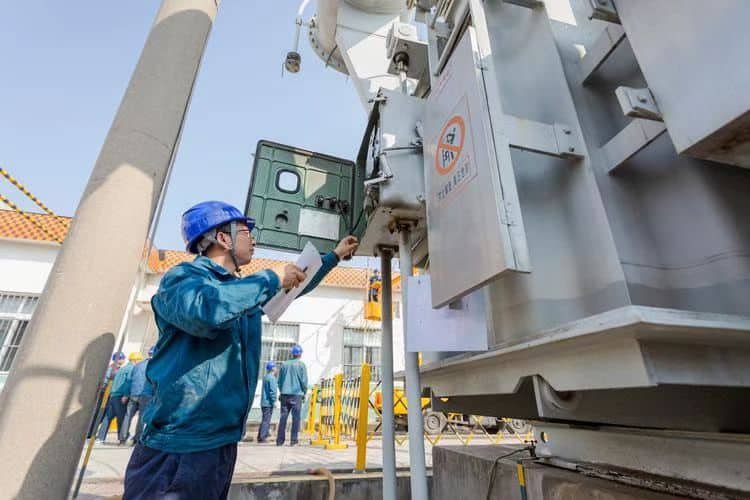
While transformers are designed for decades of service, their actual lifespan depends less on age and more on how well they are maintained. Heat, moisture, oxidation, and mechanical stress steadily degrade the oil, insulation, and internal connections—but proactive maintenance can dramatically slow this process. In fact, preventive and condition-based maintenance is the single most effective way to extend transformer service life by 10–20 years, often delaying costly replacement.
Transformer maintenance extends life by preserving insulation, improving cooling efficiency, preventing moisture and oxidation, ensuring reliable electrical connections, and detecting early fault signs. Regular testing, oil treatment, cleaning, tightening, and part replacements help avoid thermal stress, dielectric breakdown, and catastrophic failure, enabling the transformer to operate safely beyond its rated design life.
Neglect accelerates aging. Maintenance protects your investment and ensures reliability across decades.
Transformer maintenance has little impact on extending service life.False
Routine maintenance can significantly slow insulation aging, prevent failure conditions, and extend transformer life well beyond its design expectancy.
How Maintenance Preserves Transformer Health
| Maintenance Task | Lifespan Benefit |
|---|---|
| Oil Filtration or Regeneration | Removes acids, moisture, sludge → prevents insulation decay |
| DGA Testing (Dissolved Gas) | Early detection of arcing, overheating → avoids failure |
| Moisture Monitoring and Drying | Prevents dielectric breakdown and paper degradation |
| Thermal Imaging and Cooling Check | Ensures hotspot temperatures stay within safe limits |
| Bushing Inspection & Cleaning | Avoids flashovers and surface leakage |
| Tap Changer Maintenance | Prevents voltage imbalance and switch arcing |
| Winding Resistance & IR Testing | Identifies bad contacts and aging insulation |
Transformer Aging Without vs. With Maintenance
| Condition | No Maintenance | With Routine Maintenance |
|---|---|---|
| Insulating Oil Quality | High acidity, sludge | Clean, dry, high dielectric oil |
| Moisture in Paper | >3% (risk of failure) | <1.5% (stable) |
| Winding Temp Rise | Frequent overheating | Controlled within limits |
| Bushing Condition | Tracking, corrosion | Clean, safe, low capacitance drift |
| Service Life | 20–25 years | 35–50+ years |
Proper oil treatment alone can extend insulation life by up to 300%.
Key Maintenance Intervals and Their Impact
| Task | Interval | Effect on Life Extension |
|---|---|---|
| DGA + Moisture + BDV Testing | Every 6–12 months | Detects faults before insulation damage |
| Oil Filtration | Every 5–7 years (or as needed) | Restores dielectric performance |
| Cooling System Inspection | Annually | Prevents temperature-induced aging |
| Bushing Tan Delta Test | Every 2–3 years | Avoids sudden dielectric failure |
| Tap Changer Overhaul | 20,000–25,000 ops | Prevents switching stress |
| IR/Winding Resistance Test | Every 3–5 years | Assesses electrical health |
Typical Failure Causes Prevented by Maintenance
| Potential Failure | Preventive Maintenance That Avoids It |
|---|---|
| Oil Dielectric Breakdown | Regular oil testing, BDV >40 kV, and filtration |
| Insulation Collapse | Moisture control, DGA monitoring, temperature control |
| Bushing Flashover | Tan delta and capacitance testing, surface cleaning |
| Tap Changer Arcing | Contact resistance measurement and overhaul |
| Core Ground Faults | Core-to-ground insulation checks |
Case Study – Extending Life Through Refurbishment
- Unit: 40 MVA, 132/33 kV power transformer (installed 1985)
- Age: 38 years
- Symptoms: Acid number = 0.49, BDV = 28 kV, IR = declining
- Actions: Full oil regeneration, moisture drying, bushing replacement, gaskets resealed
- Post-Maintenance: BDV = 62 kV, moisture = 18 ppm, IR = >500 MΩ
- Projected extension: +12–15 years of operation
Maintenance Strategy: Preventive vs. Condition-Based
| Maintenance Type | Description | Benefits |
|---|---|---|
| Preventive Maintenance | Fixed-schedule servicing (tests, cleaning) | Systematic, proven method to keep transformer healthy |
| Condition-Based Maintenance (CBM) | Performed when diagnostic limits breached | Optimized cost, targeted service, real-time monitoring |
CBM reduces unnecessary shutdowns and maximizes asset uptime.
Tools That Support Maintenance-Based Life Extension
| Tool / Technique | Role in Extending Transformer Life |
|---|---|
| Online DGA Monitoring | Tracks internal fault evolution in real-time |
| Moisture-in-Oil Sensors | Triggers drying or filtration before risk rises |
| Thermal Cameras/Scanners | Detects poor cooling or load imbalance |
| Oil Sampling Kits | Fast on-site BDV, moisture, acidity checks |
| Condition Assessment Models | Estimate Remaining Life based on test data |
Maintenance vs. Replacement Cost Comparison
| Action | Typical Cost (USD) | Service Life Benefit |
|---|---|---|
| Routine Oil Filtration | \$1,500–5,000 | +5–10 years (per cycle) |
| Complete Oil Regeneration | \$10,000–30,000 | +10–15 years |
| Full Transformer Replacement | \$200,000–500,000+ | Reset of life (but high capex) |
Regular maintenance may cost less than 3% of the transformer’s value yet adds decades of life.
Can a Transformer Exceed Its Designed Life?
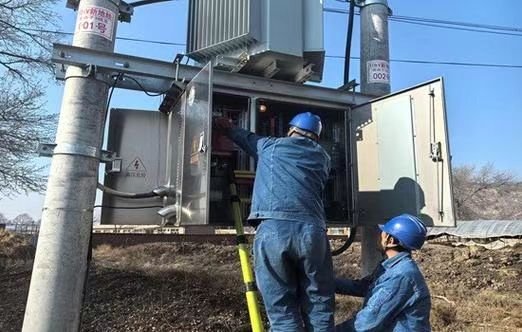
Manufacturers typically assign a design life of 25 to 40 years to oil-immersed power transformers, based on insulation aging, oil degradation, and typical usage conditions. However, many transformers remain fully functional decades beyond this range, often serving for 50 years or more, especially in utility or industrial grids. This extended lifespan is not accidental—it’s the result of good engineering, favorable conditions, and proactive lifecycle management.
Yes, a transformer can exceed its designed life—often by 10 to 20 years—if it operates within optimal thermal, electrical, and environmental conditions and receives regular preventive maintenance. Factors like insulation preservation, oil quality, moisture control, load stability, and online monitoring all contribute to extending service life beyond the original design expectations.
An old transformer doesn’t mean a bad one—it depends on condition, not calendar.
Transformers must be replaced once they reach their design life limit.False
Many transformers operate safely and reliably well beyond their design life if properly maintained and condition-monitored.
Why the “Design Life” Isn’t a Hard Limit
| Concept | Explanation |
|---|---|
| Design Life (e.g., 30 years) | Statistical estimate based on normal insulation aging curves |
| Actual Life | Depends on operational conditions, maintenance, and fault history |
| Transformers are Over-Engineered | Many units are conservatively rated to ensure reliability |
| Condition-Based Evaluation | Determines if unit is aging gracefully or nearing failure |
A transformer with clean oil, dry insulation, and low load stress can outlive its spec by decades.
Conditions That Enable Life Extension Beyond Design
| Favorable Factor | How It Contributes to Extended Life |
|---|---|
| Stable Operating Temperature | Reduces insulation thermal degradation |
| High Oil Quality | Maintains dielectric strength and slows paper aging |
| Minimal Moisture (<1%) | Prevents insulation embrittlement and breakdown |
| Low Overload Frequency | Less mechanical and thermal stress on windings |
| Regular DGA & IR Testing | Identifies early-stage faults and allows timely intervention |
| Cooling System Integrity | Ensures constant oil circulation and heat removal |
Indicators That a Transformer Can Be Safely Kept in Service
| Diagnostic Parameter | Safe/Healthy Range |
|---|---|
| DGA (Key Gases) | Stable levels, low acetylene/CO |
| Furan in Oil | <1.0 mg/L (low paper aging) |
| Moisture in Oil | <30 ppm (dry insulation environment) |
| Breakdown Voltage (BDV) | >50 kV (good dielectric strength) |
| Insulation Resistance (IR) | >300–500 MΩ |
| PI Ratio | >1.5 |
Many 40–50 year-old transformers with these parameters are still performing safely today.
Examples of Transformers Exceeding 40+ Years in Service
| Location | Unit Details | In-Service Since | Status |
|---|---|---|---|
| USA Utility Substation | 50 MVA, 138/13.8 kV, oil-immersed | 1975 | Active, refurbished |
| European Grid | 25 MVA, 66/11 kV, natural ester oil | 1982 | Still in operation |
| Asian Industrial Site | 10 MVA, 33/11 kV, standard mineral oil | 1979 | Monitored, operating |
| Latin American Utility | 40 MVA, 110/22 kV, retrofitted cooling | 1978 | Expected +10 more years |
Many of these units have undergone oil regeneration, seal replacement, and cooling system upgrades.
What Maintenance Enables a Transformer to Outlive Its Design?
| Maintenance Action | Life Extension Role |
|---|---|
| Oil Filtration or Regeneration | Removes acids and restores dielectric strength |
| DGA Trend Analysis | Detects fault gases before insulation failure |
| Drying of Insulation (Vacuum) | Stops hydrolytic aging and flashover risks |
| Thermal Monitoring | Prevents overload or hotspot deterioration |
| OLTC and Bushing Refurbishment | Replaces worn contacts to prevent arc-related damage |
| Periodic Life Assessment | Supports re-rating and planned life extension |
Common Upgrades That Help Extend Transformer Life
| Upgrade Type | Purpose | Impact on Longevity |
|---|---|---|
| Seal & Gasket Replacement | Stops moisture ingress | Preserves insulation strength |
| Breather & Silica Gel Change | Maintains dry environment | Prevents BDV loss and aging |
| Cooling System Retrofit | Improves heat removal | Avoids thermal overstress |
| Online Monitoring System | Enables predictive maintenance | Extends useful service window |
| OLTC Controller Modernization | Reduces arcing and switching wear | Extends mechanical contact life |
Risk Factors Even in Aged Transformers
| Risk | How to Mitigate |
|---|---|
| Paper Insulation Near End-of-Life | Use furan analysis, limit load, monitor aging rate |
| Reduced Oil Quality | Regenerate or replace oil, test BDV & acidity |
| Hard-to-Detect Mechanical Stress | Perform internal inspection if major event occurred |
| Obsolete Monitoring Systems | Retrofit with IoT or condition sensors |
Conclusion
The typical lifespan of an oil-immersed transformer ranges between 25 to 40 years, though with proper maintenance and favorable conditions, many units can serve for 50 years or more. Regular diagnostics, oil care, and loading discipline are key to extending life and preventing premature failure. Understanding aging trends helps asset managers make informed decisions about upgrades, replacements, or refurbishment, ensuring grid reliability and long-term cost savings.
FAQ
Q1: What is the average lifespan of an oil-immersed transformer?
A1: The typical design lifespan of an oil-immersed transformer is 25 to 40 years. However, actual service life depends on:
Loading conditions
Environmental exposure
Quality of transformer oil and insulation
Maintenance practices
With proper care, some units operate reliably for 50 years or more.
Q2: What factors reduce the lifespan of an oil-immersed transformer?
A2: Factors that shorten transformer life include:
Overloading or frequent load cycling
High ambient temperature or poor ventilation
Moisture ingress due to seal or breather failure
Poor oil quality or contamination
Insulation breakdown caused by thermal or chemical stress
Preventive measures can mitigate these degradation pathways.
Q3: How can the lifespan of an oil-immersed transformer be extended?
A3: Lifespan extension methods:
Regular oil testing (BDV, DGA, moisture content)
Thermal imaging and IR testing
Timely oil filtration or replacement
Maintaining optimal load levels
Upgrading bushings, seals, and gaskets as needed
Implementing online monitoring systems for temperature and gas levels greatly enhances long-term reliability.
Q4: When should an oil-immersed transformer be retired or replaced?
A4: Replacement should be considered when:
DGA results indicate insulation breakdown or arcing
Mechanical damage or internal faults are confirmed
The unit no longer meets load requirements
Maintenance costs exceed replacement value
Asset management strategies help determine whether to recondition or decommission aging transformers.
Q5: What standards govern oil-immersed transformer lifecycle expectations?
A5: Key standards include:
IEEE C57.91 – Guide for Loading Mineral-Oil-Immersed Transformers
IEC 60076 – Power Transformer Standard
IEEE C57.104 – Guide for DGA Interpretation
These standards provide benchmarks for assessing aging, testing, and safe loading, aiding lifecycle planning.
References
"Oil-Immersed Transformer Lifespan Guide" – https://www.electrical4u.com/life-expectancy-of-transformers
"IEEE C57.91: Transformer Loading Guide" – https://ieeexplore.ieee.org/document/6032685
"NREL: Transformer Asset Management Framework" – https://www.nrel.gov/docs/fy22ost/transformer-lifecycle.pdf
"Doble: Condition-Based Transformer Aging Analysis" – https://www.doble.com/transformer-aging
"ScienceDirect: Long-Term Performance of Oil-Filled Transformers" – https://www.sciencedirect.com/oil-transformer-lifecycle-analysis