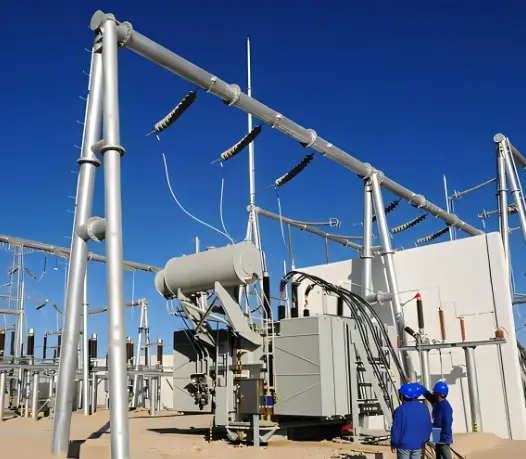
Oil-immersed transformers have long been the backbone of power transmission and distribution networks due to their reliability, durability, and efficient cooling. However, with growing global emphasis on sustainability and environmental protection, questions have emerged regarding their ecological footprint. From potential oil leakage to recycling challenges, it's important to assess the true environmental impact of these widely used transformers.
What Environmental Risks Are Associated with Transformer Oil?
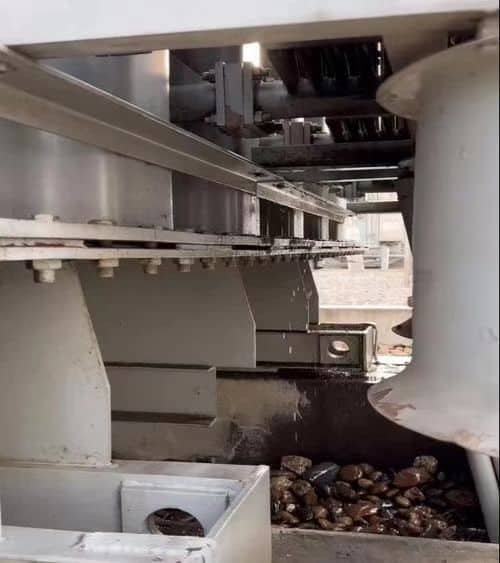
Transformer oil plays a vital role in insulation and cooling within oil-immersed transformers. However, its benefits come with environmental trade-offs. If not carefully contained and managed, transformer oil can pose serious ecological hazards—especially when leaks or failures occur. These risks are amplified in outdoor installations, high-voltage substations, and regions with weak containment systems or fragile ecosystems.
The key environmental risks associated with transformer oil include soil and groundwater contamination from leaks, toxic exposure to aquatic and terrestrial ecosystems, risk of fire and air pollution from oil combustion, and regulatory non-compliance penalties. Improper disposal of used oil also presents hazardous waste challenges. These risks necessitate strict containment, monitoring, and emergency planning.
Environmental safety must be a priority in any oil-filled transformer deployment.
Transformer oil is environmentally harmless and does not pose contamination risks.False
Transformer oil can pollute soil, water, and air if leaked or improperly disposed; it is classified as a hazardous substance in most environmental regulations.
1. Soil Contamination
| Risk Scenario | Environmental Consequence |
|---|---|
| Leak from gasket or tank | Oil seeps into surrounding soil |
| Pipe rupture or drain valve failure | Creates an underground spill zone |
| Lack of containment basin | Leads to unconfined contamination |
| Impact | Long-term remediation, loss of vegetation, soil toxicity |
Even small leaks over time can cause persistent hydrocarbon presence in the subsurface.
2. Groundwater and Surface Water Pollution
| Source of Pollution | Impact on Ecosystems |
|---|---|
| Oil migration to water table | Contaminates wells and aquifers |
| Stormwater runoff with oil | Spreads into nearby rivers, lakes, or drains |
| Oil–water separation failure | Allows hydrocarbons into sewage/water systems |
| Affected Organisms | Aquatic insects, fish, amphibians, livestock, humans |
Transformer oil can create surface films, oxygen depletion, and toxicity in aquatic habitats.
3. Air Pollution and Fire Risk
| Risk Event | Air Quality Consequence |
|---|---|
| Oil ignition during fault | Releases smoke, soot, VOCs, and toxic gases |
| Burning additives | May release PCBs (older oils) or dioxins |
| Transformer explosion | Spreads fumes over populated areas |
| Airborne Hazard | Inhalation risk to operators and emergency responders |
Fire incidents involving transformer oil are major environmental and health emergencies.
4. Wildlife and Habitat Impact
| Exposure Route | Ecological Impact |
|---|---|
| Soil contamination | Kills vegetation, degrades food chain |
| Oil in water bodies | Coats bird feathers, fish gills, amphibian skin |
| Long-term habitat change | Alters soil chemistry and microhabitat balance |
| High-risk Areas | Forests, wetlands, rivers near substations |
Wildlife mortality increases sharply with uncontained oil spills.
5. Regulatory and Legal Risks
| Regulatory Violation | Consequence |
|---|---|
| Oil discharge without permit | Heavy fines from EPA/local authorities |
| Failure to report spills | Civil liability and criminal charges |
| PCB-contaminated oil leaks | Requires hazardous waste remediation |
| Compliance Standards | US EPA SPCC Rule, IEC 60296, ISO 14001, EIA rules |
Transformer operators are legally responsible for containment, cleanup, and reporting.
6. Used Oil Disposal and Recycling Hazards
| Waste Management Issue | Environmental Risk |
|---|---|
| Improper storage | Leaks into storage yards or drains |
| Unlicensed disposal | Dumps oil into landfills or waterways |
| PCB contamination | Requires special hazardous waste handling |
| Best Practice | Certified oil recycling contractors, used oil logs |
Used transformer oil is regulated as hazardous waste in most jurisdictions.
7. Typical Environmental Controls Required
| Control Measure | Purpose |
|---|---|
| Oil containment bund | Holds 110%+ oil volume to prevent spread |
| Oil/water separator | Filters stormwater near transformer sites |
| Impermeable base slab | Prevents subsurface penetration |
| SPCC Plan (US-specific) | Ensures spill preparedness and prevention |
| Fire barriers and drainage | Limits spill spread during thermal events |
| Monitoring Tools | Groundwater sensors, oil level alarms, leak detectors |
8. Dry-Type Transformers as a Safer Alternative
| Dry-Type Advantage | Environmental Benefit |
|---|---|
| No oil content | Eliminates spill and fire risk |
| Solid insulation | No fluid migration or toxicity |
| Zero emission in operation | No air or water contaminants |
For environmentally sensitive areas, dry-type transformers are strongly recommended.
How Are Modern Oil-Immersed Transformers Designed to Reduce Environmental Impact?
Oil-immersed transformers have long been the backbone of medium- and high-voltage power networks. Historically, their reliance on mineral oil and large steel structures posed risks of leaks, fire, and environmental damage. Today, however, transformer technology has evolved to incorporate green design principles, regulatory compliance, and advanced materials that significantly minimize their ecological footprint.
Modern oil-immersed transformers reduce environmental impact through the use of biodegradable and fire-safe natural ester fluids, sealed-tank designs that eliminate breathing losses, low-loss core technologies that improve energy efficiency, and enhanced containment systems to prevent leaks and spills. In addition, compliance with RoHS, REACH, EcoDesign, and ISO 14001 ensures these units align with global sustainability standards.
Today’s eco-conscious transformers are engineered for both performance and planet protection.
Modern oil-immersed transformers still pose the same environmental risks as older models.False
Modern oil-immersed transformers incorporate sealed tanks, eco-friendly fluids, low-loss designs, and containment systems to reduce environmental risk and improve sustainability.
1. Use of Natural Ester Fluids Instead of Mineral Oil
| Fluid Type | Environmental Advantage |
|---|---|
| Natural esters (vegetable-based) | Biodegradable in <28 days, non-toxic |
| High fire point (>300 °C) | Significantly reduces fire hazard |
| Carbon-neutral lifecycle | Derived from renewable resources |
| Regulatory Compliance | Meets IEC 62770, IEEE C57.147, UL Classified fluids |
Replacing mineral oil with natural esters cuts both fire risk and ecological harm.
2. Sealed Tank and Hermetic Designs
| Design Feature | Environmental Benefit |
|---|---|
| Non-breathing tank | Prevents oil oxidation, moisture ingress |
| Eliminates conservator | Reduces oil volume and handling risk |
| Internal nitrogen or bladder system | Maintains pressure, prevents air contact |
| Result | No need for frequent oil top-up or venting — lowers emission and maintenance frequency |
3. Low-Loss Magnetic Core and Windings
| Efficiency Improvement | Environmental Gain |
|---|---|
| Amorphous metal cores | \~70% reduction in no-load loss |
| Precision winding geometry | Minimizes load losses and improves thermal stability |
| EcoDesign Tier 2 compliant | Meets EU energy-saving transformer mandates |
Energy efficiency isn’t just about cost—it reduces the carbon footprint of power delivery.
4. Containment Systems and Spill Control
| Spill Mitigation Feature | Function |
|---|---|
| Oil containment bunds | Captures 110–150% of transformer oil volume |
| Hydrophobic barriers | Prevents rainwater overflow during oil leaks |
| Oil-water separators | Ensures drainage runoff is environmentally safe |
| Industry Best Practice | Secondary containment is mandatory in many jurisdictions (e.g., US EPA SPCC Rule) |
5. Materials Selection and Compliance
| Component | Eco Improvement |
|---|---|
| Lead-free copper | RoHS compliant, safer for recycling |
| Non-halogen insulation | Reduces toxic smoke if thermally stressed |
| Recyclable steel tank/frame | Supports end-of-life material recovery |
| Compliance Standards | RoHS, REACH, ISO 14001, IEC 60296 (for oils) |
Many modern transformers are built to be 95%+ recyclable at end-of-life.
6. Digital Monitoring and Smart Asset Management
| Smart Feature | Environmental Role |
|---|---|
| Real-time temperature and moisture monitoring | Detects problems before oil degrades |
| Online Dissolved Gas Analysis (DGA) | Prevents explosive faults that could cause oil fires |
| Predictive maintenance | Reduces unnecessary service visits and oil waste |
| Digital Tools | Reduce failures, optimize lifecycle, and conserve energy |
7. Reduced Oil Volume Designs
| Innovation | Environmental Benefit |
|---|---|
| Compact coil and core layout | Needs less oil to insulate and cool |
| High-efficiency cooling fins | Allows downsizing of tank |
| Alternative insulation materials | Boost dielectric performance with less fluid |
Some sealed ester-filled units use 30–50% less oil than legacy transformers.
8. Eco-Certification and Green Grid Compatibility
| Certification | What It Supports |
|---|---|
| EcoDesign (EU) | Limits transformer losses per rated power |
| LEED & BREEAM Projects | Accept eco-transformers with ester fluids and recyclability |
| ISO 14001 Manufacturing | Requires sustainable processes and material sourcing |
| Integration Trend | Used in solar farms, wind farms, and microgrids where sustainability is key |
Summary Table – Eco Enhancements in Oil-Immersed Transformer Design
| Feature Area | Environmental Enhancement |
|---|---|
| Cooling/Insulating Fluid | Natural ester (biodegradable, fire-safe) |
| Tank Design | Hermetically sealed, no breather system |
| Core and Winding Design | Low-loss, EcoDesign compliant |
| Spill Prevention | Bunded containment, drainage protection |
| Materials Compliance | RoHS, REACH, lead-free, recyclable steel/copper |
| Smart Monitoring | Remote diagnostics to avoid oil-related failures |
What Role Does Cooling Oil Type Play in Environmental Performance?
The type of insulating and cooling oil used in oil-immersed transformers plays a critical role in determining their environmental safety, fire resistance, and long-term sustainability. As environmental regulations tighten and power operators aim for greener infrastructure, the selection of cooling oil has shifted from traditional mineral oil to more eco-friendly alternatives like synthetic and natural esters.
Cooling oil type directly affects a transformer's environmental performance through its biodegradability, toxicity, flammability, emission profile, and spill behavior. Natural ester oils offer the highest environmental benefits due to their rapid biodegradation, renewable sourcing, and superior fire safety. In contrast, mineral oil poses greater ecological and regulatory risks due to low biodegradability, flammability, and potential groundwater contamination.
Choosing the right oil is essential for minimizing environmental footprint while maintaining electrical and thermal reliability.
The type of cooling oil used in transformers has no impact on environmental safety.False
Cooling oil type significantly impacts biodegradability, fire risk, and spill contamination potential—making it a major factor in environmental performance.
1. Overview of Common Cooling Oils
| Oil Type | Source | Environmental Nature |
|---|---|---|
| Mineral Oil | Petroleum-based | Low biodegradability, flammable |
| Synthetic Ester | Chemically processed esters | Moderate biodegradability, low toxicity |
| Natural Ester | Vegetable-based (e.g., soy, rapeseed) | Highly biodegradable, renewable, fire-safe |
Natural esters are the most sustainable, while mineral oils are the least eco-friendly.
2. Biodegradability and Spill Behavior
| Cooling Oil | Biodegradation in Soil/Water | Spill Impact |
|---|---|---|
| Mineral Oil | Poor (may persist >1 year) | Toxic to soil, groundwater contamination |
| Synthetic Ester | Biodegradable in 60–90 days | Mild aquatic toxicity, easier cleanup |
| Natural Ester | Rapid (<28 days, OECD 301B) | Non-toxic, minimal ecosystem disruption |
| Regulation Note | Natural esters are often exempt from hazardous substance classification under EU and EPA rules. |
3. Fire Safety and Flash Point Comparison
| Cooling Oil | Flash Point (°C) | Fire Risk Classification |
|---|---|---|
| Mineral Oil | \~160–170 | High (requires containment/fire suppression) |
| Synthetic Ester | \~260–280 | Low |
| Natural Ester | >300 | Very Low (self-extinguishing) |
| Safety Benefit | Natural esters allow closer indoor placement, reducing fire zones and vault costs. |
4. Toxicity and Human Health Implications
| Cooling Oil | Human & Aquatic Toxicity | Odor & Fume Hazard |
|---|---|---|
| Mineral Oil | Moderate to high (chronic exposure) | High under combustion |
| Synthetic Ester | Low | Mild odor, stable at high temps |
| Natural Ester | Negligible | Food-grade derivatives in use |
| Health Regulations | Esters support compliance with OSHA and EU REACH safety requirements. |
5. Sourcing and Carbon Footprint
| Oil Type | Sourcing Nature | Carbon & Sustainability Score |
|---|---|---|
| Mineral Oil | Non-renewable, fossil-fuel based | High GHG footprint |
| Synthetic Ester | Industrial synthesis, semi-renewable | Moderate GHG impact |
| Natural Ester | Plant-based (soy, sunflower) | Low GHG, carbon-neutral potential |
Using natural ester oil in a transformer contributes to reduced lifecycle emissions and supports ESG goals.
6. Thermal and Electrical Trade-Offs
| Property | Mineral Oil | Synthetic Ester | Natural Ester |
|---|---|---|---|
| Dielectric Strength | Good | Good | Excellent |
| Cooling Efficiency | High | Moderate-high | Slightly lower |
| Thermal Aging Resistance | Moderate | High | High |
| Viscosity at Low Temps | Good | Very good | Moderate |
Natural esters may require temperature derating in cold climates unless insulated tanks are used.
7. Global Adoption Trends
| Region | Preferred Oil Type in Eco Projects |
|---|---|
| Europe | Natural Ester (strongest adoption) |
| North America | Mineral Oil → Ester conversion underway |
| Asia-Pacific | Growing ester market, especially in green infrastructure |
| Green Transformer Projects | Renewable power substations, urban hospitals, data centers |
Summary Table – Environmental Impact by Oil Type
| Environmental Factor | Mineral Oil | Synthetic Ester | Natural Ester |
|---|---|---|---|
| Biodegradability | ★☆☆☆☆ | ★★★☆☆ | ★★★★★ |
| Fire Safety | ★☆☆☆☆ | ★★★★☆ | ★★★★★ |
| Toxicity | ★★☆☆☆ | ★★★★☆ | ★★★★★ |
| Spill Risk | ★☆☆☆☆ | ★★★☆☆ | ★★★★★ |
| Carbon Footprint | ★☆☆☆☆ | ★★★☆☆ | ★★★★★ |
Are Oil-Immersed Transformers Recyclable at End of Life?
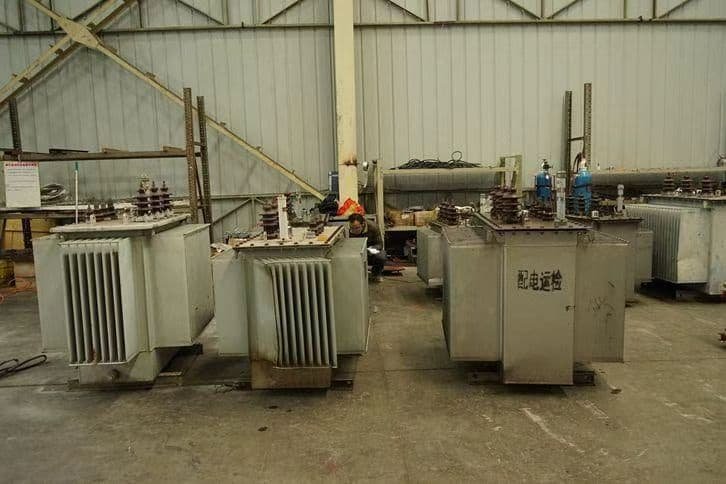
With growing emphasis on the circular economy and sustainability in power systems, the end-of-life treatment of large electrical assets—like oil-immersed transformers—is now a critical focus area. These transformers contain valuable materials such as copper, steel, and insulation oil that, when properly handled, can be recovered, reused, or recycled, drastically reducing their environmental footprint and total lifecycle cost.
Yes, oil-immersed transformers are largely recyclable at the end of their service life. Up to 95–98% of the transformer’s weight—including copper windings, steel core and tank, insulating oil, and bushings—can be recovered and reused. However, safe recycling requires proper dismantling, oil extraction, hazardous material handling, and adherence to environmental regulations.
Recycling not only conserves resources—it also prevents hazardous waste from entering soil, air, and water.
Oil-immersed transformers must be sent to landfills after use.False
Oil-immersed transformers are highly recyclable; their steel, copper, and oil components can be safely recovered and reused when properly processed.
1. What Materials Can Be Recycled?
| Component | Recyclable Material | Recovery Rate |
|---|---|---|
| Windings | Copper or aluminum | 100% (high resale value) |
| Core/Laminations | Silicon or CRGO steel | ~98% |
| Tank/Frame | Mild steel | 95–100% |
| Cooling Radiators | Steel or aluminum | 100% |
| Insulating Oil | Mineral or ester oil | 80–100% (if filtered or reused) |
| Bushings and Hardware | Porcelain, brass, epoxy | Partial |
Most transformers are 80–95% metal by weight, making them ideal for industrial recycling processes.
2. Recycling of Transformer Oil
| Oil Type | End-of-Life Treatment | Environmental Note |
|---|---|---|
| Mineral Oil | Reclaimed via filtration or re-refining | Must meet IEC 60296 for reuse |
| Natural Ester | Biodegradable; may be composted or thermally recovered | Less hazardous to handle |
| Contaminated Oil (e.g., PCB) | Requires hazardous waste processing | Regulated under EPA/Stockholm rules |
| Best Practice | Use vacuum dehydration and filtration units to extend oil life or prepare for safe disposal |
3. Transformer Recycling Process (Step-by-Step)
| Step | Description |
|---|---|
| Decommissioning | Disconnect power, isolate from grid |
| Oil Draining | Pump oil into approved containers for recycling |
| Dismantling | Disassemble tank, core, windings, bushings |
| Material Separation | Sort ferrous and non-ferrous metals, insulators, plastics |
| Cleaning | Remove residue, degas components if needed |
| Recycling or Disposal | Send metal to foundries, oil to reprocessing facilities |
Specialized recyclers handle transformer EOL operations under ISO 14001 or R2:2013 certification.
4. Environmental and Economic Benefits of Recycling
| Benefit Type | Impact |
|---|---|
| Environmental | Reduces landfill waste, pollution, and raw mining |
| Carbon Footprint | Recycled copper/steel emits up to 90% less CO₂ |
| Economic | Scrap metal and recovered oil have resale value |
| Regulatory Compliance | Meets hazardous waste and e-waste disposal rules |
A 10 MVA transformer can yield 3–5 tons of copper and 10–15 tons of steel at end of life.
5. What Happens to Non-Recyclable Components?
| Component | Treatment Path |
|---|---|
| Aged insulation (paper) | Incineration or landfill under waste codes |
| Contaminated paint or coatings | Removed before steel recycling |
| Damaged bushings | Often discarded unless cleanable |
| PCB-containing oils or capacitors | Specialized hazardous waste handling |
| Risk Note | Older units (pre-1980s) must be screened for PCBs or asbestos |
6. Transformer Design for End-of-Life (DfE)
| Modern Design Feature | End-of-Life Advantage |
|---|---|
| Bolt-on, modular construction | Easier dismantling |
| Removable radiators | Separates cleanly for metal recovery |
| Natural ester insulation | Safe biodegradation or composting |
| Labeling of recyclables | Aids in material identification |
Many manufacturers now adopt Design for Environment (DfE) principles in transformer builds.
7. Global Recycling and E-Waste Regulations
| Region | Applicable Standard |
|---|---|
| USA | EPA hazardous waste, SPCC, RCRA rules |
| EU | WEEE Directive, REACH, RoHS |
| China/India | E-waste recycling laws, environmental licenses |
| Canada/Australia | Environmental Protection Acts for transformers |
| Certification Benchmark | ISO 14001 (EMS), ISO 45001 (safety), ISO 9001 (quality) |
Summary Table – Transformer Component Recyclability
| Component | Recyclable (%) | Processing Required |
|---|---|---|
| Copper windings | 100% | Remove insulation |
| Steel core and tank | 95–100% | Degrease and melt down |
| Oil (mineral/ester) | 80–100% | Filter, distill, or reprocess |
| Porcelain bushings | 50–70% | Limited reuse |
| Paper insulation | 0% (landfill/incineration) | Requires safe disposal |
How Do Oil-Immersed Transformers Compare to Dry-Type Transformers Environmentally?
As the global energy industry advances toward sustainability, environmental performance has become a defining factor in selecting between transformer technologies. While both oil-immersed and dry-type transformers have evolved to reduce their environmental footprint, each presents distinct benefits and challenges in terms of ecological impact, emissions, safety, and recyclability.
Environmentally, dry-type transformers outperform oil-immersed types in fire safety, zero spill risk, and indoor air quality, making them ideal for sensitive or populated areas. However, modern oil-immersed transformers—especially those using natural ester fluids and sealed-tank designs—offer strong recyclability, high efficiency, and reduced environmental risk when properly managed. The choice depends on application context, environmental regulation, and lifecycle planning.
Both types can support green objectives—but in very different ways.
Dry-type transformers always have a lower environmental footprint than oil-immersed transformers.False
While dry-type units avoid oil-related risks, modern oil-immersed transformers using natural ester fluids and high-efficiency designs can achieve comparable or even superior environmental performance in certain applications.
1. Spill and Contamination Risk
| Factor | Dry-Type Transformer | Oil-Immersed Transformer |
|---|---|---|
| Cooling Medium | Solid epoxy/VPI insulation | Liquid oil (mineral or ester) |
| Spill Risk | None | Moderate (requires bunding/containment) |
| Soil/Water Contamination | None | Possible without safeguards |
| Containment Infrastructure | Not needed | Required by EPA/SPCC/IEC |
Dry-type units eliminate spill and leak risks entirely, making them optimal for water-sensitive or indoor zones.
2. Fire Safety and Emissions
| Fire Risk Factor | Dry-Type | Oil-Immersed (Mineral) | Oil-Immersed (Ester) |
|---|---|---|---|
| Flammable Fluid | None | Yes | No (self-extinguishing) |
| Flash Point (°C) | N/A | \~160–170 | >300 |
| Smoke/Toxicity on Fault | Minimal | High (mineral combustion byproducts) | Low (vegetable-based combustion) |
Ester-filled oil transformers close the fire safety gap between dry and traditional oil units.
3. Global Warming Potential and Emissions
| Aspect | Dry-Type | Oil-Immersed (Mineral) | Oil-Immersed (Ester) |
|---|---|---|---|
| GHG during operation | Low (no venting or oil loss) | Low–moderate | Very low (carbon-neutral oil) |
| Lifecycle Carbon Emission | Moderate (more losses) | Low (better efficiency) | Lowest (high efficiency + green oil) |
Oil-immersed designs with low-loss cores and ester oil can deliver superior net carbon performance.
4. Energy Efficiency and Losses
| Efficiency Factor | Dry-Type | Oil-Immersed Transformer |
|---|---|---|
| No-load Losses | Slightly higher | Lower (compact core + oil cooling) |
| Load Losses | Higher due to thermal constraints | Lower with better heat dissipation |
| IEC EcoDesign Compliance | Limited to small sizes | Easily meets Tier 2 at all scales |
| Result | Oil-immersed units generally provide higher electrical efficiency over their lifetime. |
5. Recyclability and End-of-Life Disposal
| Component | Dry-Type | Oil-Immersed Transformer |
|---|---|---|
| Copper/Aluminum Windings | 100% recyclable | 100% recyclable |
| Steel Core and Tank | 100% recyclable | 95–100% recyclable |
| Oil or Resin | No oil; epoxy resin (non-recyclable) | Mineral or ester oil recyclable |
| Environmental Waste Risk | Low | Moderate (if not de-oiled safely) |
Oil-immersed units have a more recyclable profile, especially when oil is reclaimed or reused.
6. Material Composition and Resource Impact
| Attribute | Dry-Type | Oil-Immersed Transformer |
|---|---|---|
| Insulating Material | Epoxy or varnish (thermoset) | Paper + oil |
| Material Toxicity | Very low | Depends on oil type (mineral vs ester) |
| Renewable Content | Low | High (in ester-filled transformers) |
Ester oil-based designs support biodegradable, renewable material use better than dry types.
7. Installation Environment Compatibility
| Application Environment | Dry-Type | Oil-Immersed Transformer |
|---|---|---|
| Indoor, public access | Excellent | Limited (fire-rated vault needed) |
| Outdoor substations | Limited (needs enclosure) | Excellent |
| Seismic/flood-prone zones | Safer (no fluid) | Risk without elevated containment |
| Renewable power stations | Growing use | Common with ester oils |
Dry-type is ideal for indoor urban infrastructure, while oil-filled units suit outdoor, large-scale deployment.
Summary Table – Environmental Comparison
| Environmental Factor | Dry-Type Transformer | Oil-Immersed (Mineral) | Oil-Immersed (Ester) |
|---|---|---|---|
| Spill Risk | None | Moderate | Low |
| Fire Hazard | Very Low | High | Very Low |
| Biodegradability | N/A (resin not biodegradable) | Poor | Excellent |
| Energy Efficiency | Lower | Higher | Highest (with low-loss core) |
| Recyclability | Moderate (resin is waste) | High | High |
| Carbon Footprint (lifecycle) | Moderate | Lower | Lowest |
| Indoor Use Suitability | Excellent | Limited | Improved (with ester & sealed tank) |
What Industry Standards and Certifications Promote Environmental Safety in Transformers?
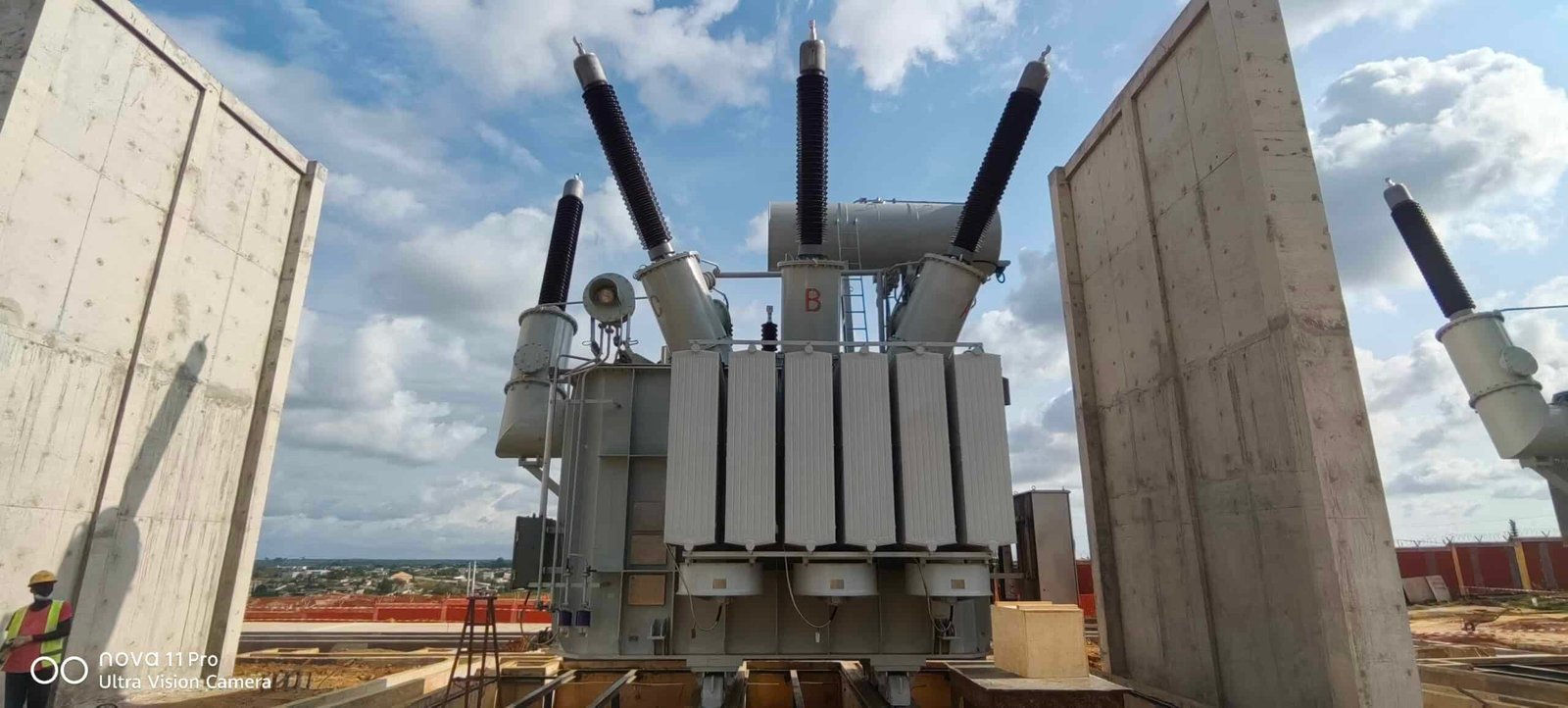
Modern transformer designs are no longer judged solely on efficiency or performance—they are increasingly expected to meet rigorous environmental safety standards throughout their lifecycle. As environmental awareness deepens across global infrastructure sectors, transformer manufacturers and operators must align with international certifications and regulatory frameworks that minimize ecological harm and promote sustainable, compliant systems.
Key industry standards and certifications that promote environmental safety in transformers include ISO 14001 (environmental management), EcoDesign (EU energy efficiency), RoHS and REACH (hazardous substance control), UL standards for fire safety, and IEC standards such as IEC 60296 and 62770 for environmentally safe transformer fluids. These frameworks govern design, production, material use, oil handling, emissions, and end-of-life practices.
Compliance ensures both regulatory alignment and corporate environmental responsibility.
Transformer manufacturers are not required to comply with environmental standards or certifications.False
Most transformer applications require strict adherence to environmental safety standards and certifications, including ISO 14001, RoHS, and IEC oil specifications.
1. ISO 14001 – Environmental Management Systems
| Feature | Environmental Benefit |
|---|---|
| Lifecycle impact analysis | Encourages design-for-environment (DfE) |
| Pollution prevention | Reduces emissions, waste, and resource consumption |
| Legal compliance assurance | Ensures alignment with local environmental regulations |
| Continual improvement | Auditable environmental performance goals |
ISO 14001-certified manufacturers are more likely to build transformers with recyclable materials, sealed tanks, and green oil options.
2. RoHS (Restriction of Hazardous Substances)
| Substance Regulated | Why It Matters in Transformers |
|---|---|
| Lead (Pb) | Found in solder, connectors – limits disposal safety |
| Mercury, cadmium, hex-chrome | Used in older paints, bushings, or labels |
| Polybrominated flame retardants | Avoided in insulation for safety |
| Compliance Scope | EU, UKCA, and many global markets |
RoHS compliance ensures transformer components are non-toxic and safe to recycle.
3. REACH (EU Chemicals Regulation)
| Regulation Purpose | Environmental Role |
|---|---|
| Register and restrict hazardous substances | Controls oils, coatings, and coolants |
| Safe use of chemicals | Prevents release of harmful materials into ecosystems |
| Material disclosure | Promotes full transparency on supply chain content |
| Relevant to | Oil-based transformers and varnish-insulated dry types |
4. IEC 60296 – Insulating Mineral Oils for Transformers
| Standard Controls | Environmental Impact |
|---|---|
| Oil purity and oxidation stability | Minimizes degradation and toxic byproducts |
| PCB-free requirements | Eliminates banned substances |
| Water content limits | Prevents premature aging and internal arcing |
| Compliance Ensures | Oil is reusable, recyclable, and safe to operate |
All mineral oil used in new transformers must meet or exceed IEC 60296 purity and safety thresholds.
5. IEC 62770 – Fluids for Natural Esters
| Natural Ester Standards | Why It’s Environmentally Critical |
|---|---|
| Biodegradability testing | Confirms fluid breaks down within 28 days |
| Flash point ≥ 300 °C | Lowers fire risk significantly |
| Toxicity and corrosion tests | Ensures fluid is safe near water, soil, and air |
| Applicable To | Vegetable-oil insulated transformers in eco projects |
Using IEC 62770-certified ester fluids helps achieve zero-containment eco designs.
6. EcoDesign Directive (EU) – Energy Efficiency Regulation
| Transformer Classification | Environmental Contribution |
|---|---|
| Tier 1 & Tier 2 (as of July 2021) | Mandates low no-load and load losses |
| Power ranges 1–3150 kVA and up | Applies to dry and oil-filled units |
| Mandatory for EU market | Reduces CO₂ emissions across entire grid infrastructure |
| Example Requirement | ≤15% lower losses compared to previous generation |
All transformers sold in the EU must comply, making EcoDesign a key environmental gatekeeper.
7. UL Environmental and Fire Safety Standards
| Standard | Focus Area |
|---|---|
| UL 1562 / UL 94-V | Flame resistance of transformer insulation |
| UL 1741 / 1446 | Safe materials in renewable and inverter systems |
| UL Recognized Ester Fluids | Supports utility-level indoor installations |
UL listings are common in North American hospital, commercial, and data center projects.
8. IEEE and NEMA Environmental Guidelines
| Organization | Contribution |
|---|---|
| IEEE C57.12 series | Design & testing including environmental aging effects |
| IEEE C57.147 | Specifications for natural ester fluids |
| NEMA TR 1 | Limits on insulation toxicity and emissions |
| Additional Resources | Guidelines on recycling, fire separation, and material selection |
Summary Table – Key Standards for Environmental Safety in Transformers
| Standard/Directive | Applicable To | Environmental Focus Area |
|---|---|---|
| ISO 14001 | Manufacturers | Environmental management systems |
| RoHS/REACH | Materials and components | Hazardous substance control |
| IEC 60296 / 62770 | Mineral / Ester oils | Fluid purity, safety, and biodegradability |
| EcoDesign Tier 2 (EU) | All power transformers | Efficiency and emission reduction |
| UL 94-V / 1561 / 1741 | US-certified transformers | Fire resistance, green fluids |
| IEEE C57.147 / NEMA TR 1 | Oil-filled eco designs | Ester fluid safety, insulation limits |
Conclusion
Oil-immersed transformers are not inherently environmentally harmful, but their impact largely depends on design, oil type, containment measures, and maintenance practices. With advances in eco-friendly insulating fluids, sealed tank designs, and strict environmental regulations, many modern oil-immersed transformers are now compatible with sustainable operation standards. However, they must still be carefully managed to prevent leakage and ensure safe end-of-life disposal. For projects prioritizing environmental friendliness, dry-type or ester-filled alternatives may offer additional peace of mind.
FAQ
Q1: Are oil-immersed transformers considered environmentally friendly?
A1: Traditionally, no. While oil-immersed transformers are efficient and reliable, they:
Use mineral oil, which is flammable and can contaminate soil and water
Require oil containment systems to prevent environmental spills
Pose fire hazards if not properly maintained
However, newer designs using biodegradable oils and enhanced containment can reduce their environmental impact.
Q2: What are the environmental concerns with oil-immersed transformers?
A2: Major concerns include:
Oil leaks that contaminate land or groundwater
Fire hazards due to the flammability of mineral oil
Disposal issues of used oil and aged equipment
Risk of toxic PCB (polychlorinated biphenyls) in older units (now banned in most countries)
These issues require strict monitoring, maintenance, and safety protocols.
Q3: Are there eco-friendly alternatives to traditional transformer oils?
A3: Yes, sustainable alternatives include:
Natural ester fluids (vegetable-based): Biodegradable, less flammable, excellent insulation
Synthetic esters: Higher thermal stability, non-toxic, but more costly
Silicone-based oils: High fire point and safer for indoor use
These fluids reduce environmental risks and are increasingly used in green energy systems.
Q4: How can oil-immersed transformers be made more environmentally responsible?
A4: Best practices include:
Secondary containment basins to prevent ground contamination
Using eco-friendly insulating fluids
Routine oil testing and leak inspections
Smart monitoring systems to detect overheating or pressure changes
Proper disposal or recycling of old oil and transformer components
Modern eco-compliant designs align with ISO 14001 and EcoDesign regulations.
Q5: When are oil-immersed transformers still the best choice?
A5: Despite environmental concerns, they remain optimal when:
High voltage or high capacity is needed (above 36 kV)
Outdoor installation is required
Continuous, heavy-duty operation is expected
In such cases, using biodegradable oils, proper containment, and regular maintenance ensures safety and reduced environmental impact.
References
"Environmental Impact of Transformer Oil" – https://www.electrical4u.com/transformer-oil-environment
"IEEE C57.147: Guide for Natural Ester-Fluid-Filled Transformers" – https://ieeexplore.ieee.org/document/4348647
"NREL: EcoDesign and Environmental Compliance for Transformers" – https://www.nrel.gov/docs/eco-transformer-guide.pdf
"Doble: Sustainable Transformer Management" – https://www.doble.com/eco-friendly-transformer-management
"ScienceDirect: Green Alternatives in Power Transformer Insulation" – https://www.sciencedirect.com/environmental-transformer-oils