
Oil-immersed transformers are widely used in power systems for medium to high voltage applications. One defining feature of these transformers is the use of insulating oil, which plays a critical role in ensuring safety, reliability, and performance. This article explores the reasons why transformers are submerged in oil and the benefits it provides.
What Is Transformer Oil and What Are Its Types?
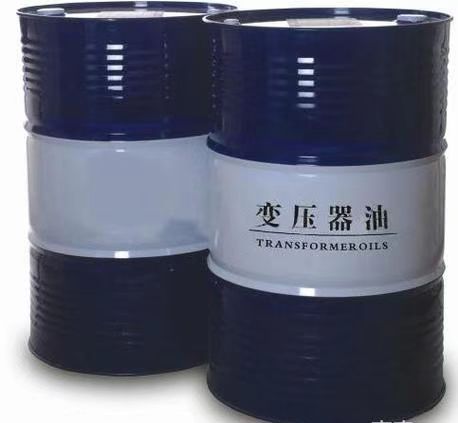
Transformer oil, also known as insulating oil, is a critical fluid used in oil-filled transformers to provide electrical insulation, cooling, and arc suppression. Without it, transformer windings would rapidly overheat and break down under voltage stress, leading to failure or fire. Choosing the right type of transformer oil—based on operating conditions, environmental safety, dielectric strength, and fire resistance—is essential for ensuring long-term transformer performance and compliance with international standards.
Transformer oil is a specialized insulating and cooling fluid used in transformers to dissipate heat, prevent electrical discharges, and protect internal components from oxidation and moisture. The main types include mineral oil (the most common), synthetic and natural ester oils (biodegradable and fire-resistant), and silicone-based fluids (high-temperature tolerant and fire-retardant). Each type has unique properties suited to specific applications such as indoor, outdoor, environmentally sensitive, or high-load environments.
Selecting the right transformer oil is as important as selecting the right transformer.
Transformer oil provides both insulation and cooling for power and distribution transformers.True
The oil serves dual roles by resisting electrical breakdown and carrying away heat from windings and core.
All transformer oils are the same regardless of application.False
Different oils vary in fire resistance, biodegradability, viscosity, and aging properties, making them suitable for specific use cases.
Ester-based transformer oils are biodegradable and safer for environmentally sensitive installations.True
Esters have high fire points and are readily biodegradable, making them ideal for ecological and fire-critical environments.
Why Is Transformer Oil Used?
Transformer oil fulfills three essential functions:
Electrical Insulation
Prevents arcing and breakdown between energized components like windings and core laminations.Cooling
Circulates via convection to carry heat away from the windings and dissipate it through radiators.Moisture and Oxidation Protection
Forms a protective film on metal parts and reduces oxygen ingress, slowing aging and corrosion.
Main Types of Transformer Oil
| Type | Base | Dielectric Strength | Fire Point (°C) | Biodegradability | Typical Use |
|---|---|---|---|---|---|
| Mineral Oil | Petroleum | 30–60 kV | ~155°C | Low | Most common for outdoor transformers |
| Natural Ester (Vegetable Oil) | Plant-based triglycerides | 40–65 kV | ~300°C | High | Indoor, eco-sensitive areas |
| Synthetic Ester | Synthetic fatty acid esters | 40–70 kV | ~300°C | High | High-load, environmentally critical sites |
| Silicone Oil | Polydimethylsiloxane (PDMS) | 35–50 kV | ~360°C | Moderate | Fire-critical indoor installations |
| Hydrocarbon-based Synthetic Oil | Refined hydrocarbons | 30–65 kV | ~170°C | Low–Moderate | Cold climates, sealed systems |
1. Mineral Oil: The Industry Standard
- Most widely used due to cost-effectiveness and good insulation/cooling properties.
Two types:
- Naphthenic: Better low-temperature performance, more common globally.
- Paraffinic: Higher oxidation stability but wax formation at low temperatures.
Pros:
- Affordable
- Proven performance
- Easily processed/refined
Cons:
- Low fire point (\~155°C)
- Non-biodegradable
- Environmental risk in case of leakage
2. Natural Ester Oils: Biodegradable & Fire-Safe
- Derived from vegetable oils (e.g., soybean, rapeseed, sunflower).
- Increasingly popular for distribution transformers in urban, forested, or water-sensitive zones.
Pros:
- Fire-safe (fire point >300°C)
- Biodegradable and eco-friendly
- High moisture tolerance
Cons:
- Higher viscosity (slower circulation)
- Limited availability in some regions
- Shorter oxidation life without inhibitors
3. Synthetic Ester Oils: High-Performance & Stable
- Man-made esters with excellent oxidation stability and fire resistance.
- Suitable for sealed and hermetically sealed transformers.
Pros:
- Extremely high fire point (\~300°C)
- Long service life in closed systems
- Eco-friendly (readily biodegradable)
Cons:
- Expensive
- Sensitive to water contamination in open systems
4. Silicone Oils: Thermal Resilience and Fire Resistance
- Often used in transformers in fire-prone or confined indoor environments (e.g., hospitals, subways).
Pros:
- Extremely high fire resistance (\~360°C)
- Stable at high temperatures
- Electrically stable
Cons:
- Very expensive
- Moderate biodegradability
- Poor oxidation resistance in air-exposed systems
5. Hydrocarbon-Based Synthetic Oils: Niche Use
- Blends of refined hydrocarbons with good low-temperature flow and oxidation resistance.
- Suited for arctic climates and specialty installations.
Pros:
- Excellent cold-weather performance
- Stable oxidation profile
- Non-toxic alternatives to mineral oil
Cons:
- More costly than mineral oil
- Less widely available
Table: Comparison of Key Properties
| Property | Mineral Oil | Natural Ester | Synthetic Ester | Silicone Oil | Synthetic HC |
|---|---|---|---|---|---|
| Fire Safety | Low | Excellent | Excellent | Excellent | Good |
| Biodegradability | Poor | Excellent | Excellent | Moderate | Moderate |
| Dielectric Strength | Good | High | High | Moderate | High |
| Oxidation Stability | Moderate | Low (needs additives) | High | Low | High |
| Moisture Tolerance | Low | High | High | Moderate | Moderate |
| Cost | Low | Moderate–High | High | Very High | High |
| Service Life | ~20 years | ~10–20 years | ~25 years | ~20 years | ~20–25 years |
Visual Guide: Transformer Oil Use Case Map
Use Environment      → Recommended Oil Type
-------------------------------------------
Urban Substation     → Natural Ester / Synthetic Ester
High Fire Risk       → Silicone Oil / Synthetic Ester
Eco-Sensitive Area   → Natural Ester
Outdoor High Voltage → Mineral Oil
Extreme Cold         → Synthetic Hydrocarbon
High Load Industrial → Synthetic Ester
Oil Testing and Maintenance to Ensure Efficiency
Transformer oil performance degrades over time due to oxidation, heat, and moisture. Regular testing ensures it retains efficiency-enhancing properties.
| Test | Purpose |
|---|---|
| Breakdown Voltage (BDV) | Confirms dielectric strength |
| Moisture Content (ppm) | High moisture reduces insulation quality |
| Dissolved Gas Analysis (DGA) | Detects early signs of arcing or overheating |
| Acid Number | Indicates oil aging and oxidation level |
| Interfacial Tension (IFT) | Measures contaminant and sludge buildup |
| Furan Testing | Assesses insulation degradation indirectly |
Best Practice: Test oil annually, filter or replace every 5–10 years depending on condition.
How Does Transformer Oil Provide Electrical Insulation?
Transformer oil is the unseen hero of power distribution systems—essential for preventing dangerous electrical faults, arcing, and equipment failure. In oil-filled transformers, the windings and core are constantly exposed to high electrical voltages and magnetic flux. Without an effective insulating medium, voltage stress can cause flashover between energized components, damaging insulation paper, deforming windings, or even causing fires. That’s where transformer oil plays a vital role: providing a highly resistive, stable dielectric environment that shields internal components from electric breakdown.
Transformer oil provides electrical insulation by filling the spaces between energized windings and core components with a fluid that has high dielectric strength, low conductivity, and excellent arc suppression capabilities. It prevents short circuits by resisting electrical breakdown under high voltage, displacing air (a weaker insulator), and quenching any initial ionization that could lead to arcing. Additionally, its chemical stability ensures that it does not degrade quickly under electric stress, making it a reliable medium for long-term insulation.
No transformer insulation system is complete without a properly selected and maintained dielectric oil.
Transformer oil acts as a dielectric medium between energized components inside the transformer.True
Its high dielectric strength prevents voltage flashovers and arcing between windings or from windings to ground.
Air has a higher dielectric strength than transformer oil.False
Transformer oil has a dielectric strength of 30–70 kV (per 2.5 mm gap), much higher than air, which makes it more effective in preventing electrical breakdown.
Contaminated transformer oil can lose its insulating ability and cause failure.True
Moisture, dissolved gases, and particles lower the dielectric strength, increasing the risk of internal faults.
How Transformer Oil Functions as an Electrical Insulator
1. High Dielectric Strength (BDV)
- Clean transformer oil has a breakdown voltage (BDV) between 30 kV and 70 kV per 2.5 mm gap.
- This means it can withstand high voltages without conducting electricity, acting like a non-conductive barrier between components.
| Medium | Breakdown Voltage (kV/mm) |
|---|---|
| Transformer Oil | ~12–28 kV/mm |
| Air | ~3 kV/mm |
| Paper (dry) | ~20–40 kV/mm |
Oil fills all voids and penetrates insulation layers, providing uniform voltage distribution and eliminating air pockets (which could become arc paths).
2. Fills Gaps Between Energized Components
In a transformer, windings and conductors are closely spaced. The oil:
- Displaces air, which is more prone to ionization under voltage stress.
- Immerses windings and insulation paper, allowing voltage gradients to be distributed evenly.
- Maintains insulation even at elevated temperatures, when dry solid insulation may begin to degrade.
Visual Explanation:
Before Oil Fill:
[Winding]      <— air gap —>    [Winding]
   |                            |
   ↑ Flashover risk at HV

After Oil Fill:
[Winding] ====Transformer Oil==== [Winding]
   |                             |
   ↑ Arc suppressed, BDV increased
3. Arc Quenching & Discharge Suppression
Transformer oil suppresses the formation of free electrons and ionized gas molecules, which are precursors to arcing and corona discharge.
- During voltage surges, oil resists breakdown better than air or other media.
- In the case of a partial discharge attempt, oil’s molecular inertia slows down electron movement, suppressing avalanche formation.
4. Acts as a Moisture and Oxidation Barrier
Water and oxygen reduce the insulation properties of solid materials like cellulose and degrade the dielectric system.
Transformer oil:
- Forms a physical barrier against moisture ingress.
- Protects the insulation paper and windings from oxidation, preserving their insulating capacity.
| Contaminant | Effect on Insulation |
|---|---|
| Water | Reduces BDV significantly (as low as 15 kV at 50 ppm moisture) |
| Oxygen | Promotes acid formation and paper breakdown |
| Particulates | Increase local electric field, trigger corona |
Conclusion: Clean oil = strong insulation. Dirty oil = high failure risk.
5. Works with Solid Insulation as a Composite System
Most transformer windings are wrapped in cellulose-based insulation (kraft paper or pressboard). Transformer oil impregnates these materials to enhance their insulation.
| Feature | Oil's Role |
|---|---|
| Paper drying | Oil extracts residual moisture |
| Voltage grading | Oil surrounds and insulates paper-wrapped conductors |
| Thermal coupling | Oil transfers heat away, preventing dielectric degradation |
This composite insulation system is essential for withstanding the combined electrical, thermal, and mechanical stresses over decades.
Table: Dielectric Properties of Common Transformer Oils
| Oil Type | Typical BDV (kV, 2.5mm gap) | Dielectric Constant | Moisture Tolerance |
|---|---|---|---|
| Mineral Oil | 30–45 kV | 2.2–2.3 | Low |
| Natural Ester | 45–65 kV | 3.1–3.2 | High |
| Synthetic Ester | 50–70 kV | 3.2 | High |
| Silicone Oil | 35–50 kV | 2.5–3.0 | Moderate |
6. Routine Testing to Maintain Insulating Performance
To ensure oil continues providing high insulation, regular testing is required:
| Test | Purpose | Frequency |
|---|---|---|
| BDV (Breakdown Voltage) | Measures current dielectric strength | Annually |
| Moisture Content (ppm) | Water reduces insulation | Semi-annually |
| DGA (Dissolved Gas Analysis) | Detects breakdown gases | Annually |
| Acid Number | Indicates oil oxidation | Annually |
| Dielectric Dissipation Factor (Tan δ) | Measures electrical loss angle | Every 2–3 years |
Failing any of these tests may require filtration, reconditioning, or replacement of the oil.
Diagram: Transformer Oil Insulation System in Action
        [ HV Winding ]
             ||
     --- Insulation Paper ---
             ||
      <<< Transformer Oil >>>
             ||
     --- Insulation Paper ---
             ||
[ LV Winding ]- Oil surrounds and impregnates all insulation materials.
- Prevents direct contact of conductive parts.
- Maintains dielectric integrity across the system.
Standards Governing Transformer Oil Insulation Properties
| Standard | Purpose |
|---|---|
| IEC 60296 | Specifications for unused mineral insulating oils |
| ASTM D1816 / D877 | Methods for BDV testing of insulating oils |
| IEEE C57.106 | Guide for acceptance and maintenance of insulating liquids |
| IS 335 / IS 16081 | Indian standards for insulating oils |
| IEC 62770 | Guidelines for use of natural esters in transformers |
These standards define minimum BDV, moisture limits, chemical content, and test protocols for safe transformer operation.
What Role Does Oil Play in Transformer Cooling?

As transformers operate, they generate significant heat due to electrical losses in the windings (copper losses) and magnetic core (core losses). Without proper heat dissipation, this thermal energy can cause insulation breakdown, accelerated aging, reduced efficiency, and even catastrophic failure. In oil-immersed transformers, transformer oil plays a dual role—it not only insulates but also functions as a crucial cooling medium, removing heat from the transformer's internal components and safely transferring it to the external environment through radiators or heat exchangers.
Transformer oil acts as the primary cooling medium by absorbing heat generated from windings and the magnetic core, then transferring that heat through convection to external radiators or coolers. This fluid-based thermal management keeps the transformer's operating temperature within safe limits, prevents thermal degradation of insulation materials, and maintains high efficiency. Depending on the transformer’s design, oil circulates naturally or is forced through pumps to enhance heat dissipation. Effective oil cooling ensures long service life, reliability, and thermal stability of the transformer under load.
Cooling is not optional—it is a non-negotiable requirement for safe transformer operation.
Transformer oil circulates heat away from the windings and core to prevent overheating.True
The oil absorbs heat and transfers it to radiators where it dissipates into the air.
Transformer oil cooling is only required during overload conditions.False
Cooling is required during all operating conditions, even at nominal load, to prevent gradual thermal degradation.
Natural and forced oil circulation methods are used to enhance transformer cooling performance.True
Oil may circulate by convection (ONAN) or be assisted by pumps and fans (ONAF, OFAF) to improve heat removal.
1. How Transformer Oil Absorbs and Transfers Heat
When current flows through the transformer windings, two primary types of losses generate heat:
- Copper (I²R) losses in the windings
- Core losses (hysteresis and eddy currents) in the laminated steel core
The oil absorbs this heat through direct contact with hot surfaces and distributes it via thermal convection. As the hot oil rises, it moves to the top of the transformer tank and flows into the cooling radiators. Cooled oil then returns to the bottom of the tank, creating a natural circulation loop.
Heat Flow Path:
[Winding/Core] → [Transformer Oil] → [Radiators/Fins] → [Ambient Air]2. Cooling Modes in Oil-Filled Transformers
Transformers use a variety of oil-based cooling methods depending on size, load, and application.
| Cooling Mode | Description | Application |
|---|---|---|
| ONAN (Oil Natural, Air Natural) | Oil and air circulate naturally | Distribution transformers (≤5 MVA) |
| ONAF (Oil Natural, Air Forced) | Oil circulates naturally, fans cool the radiator | Medium power transformers (5–60 MVA) |
| OFAF (Oil Forced, Air Forced) | Oil is pumped; air is fan-cooled | Large power transformers (>60 MVA) |
| OFWF (Oil Forced, Water Forced) | Oil and water are both pumped | High-capacity, space-restricted installations |
| KNAN / KNAF | Uses ester oil instead of mineral oil | Fire-sensitive environments |
Table: Comparison of Transformer Cooling Modes
| Mode | Circulation Type | Cooling Medium | Typical Power Rating | Efficiency |
|---|---|---|---|---|
| ONAN | Natural oil & air | Air | ≤5 MVA | Standard |
| ONAF | Natural oil, forced air | Air (fans) | 5–60 MVA | Better |
| OFAF | Forced oil & air | Air (fans + pumps) | >60 MVA | High |
| OFWF | Forced oil & water | Water (chillers) | >100 MVA | Very High |
| KNAN | Natural ester oil | Air | ≤2 MVA | Standard, fire-safe |
3. Thermal Properties That Make Oil Ideal for Cooling
| Property | Value (Typical for Mineral Oil) | Cooling Relevance |
|---|---|---|
| Specific Heat Capacity | ~1.67 kJ/kg·K | Absorbs more heat per unit mass |
| Thermal Conductivity | ~0.12 W/m·K | Transfers heat efficiently from surfaces |
| Low Viscosity | ~8–15 cSt at 40°C | Circulates easily for convection |
| High Flash Point | >150°C | Safe under high temperature |
| Dielectric Stability at High Temp | Stable up to 100–110°C continuously | Maintains insulation during heating |
These properties enable oil to safely transport and dissipate thermal energy, unlike air or solid insulators.
4. Design Features That Support Oil Cooling
| Feature | Function |
|---|---|
| Radiator fins | Increase surface area for air cooling |
| Cooling ducts | Channel oil through winding gaps |
| Oil pumps | Force oil circulation in large units |
| Fans (ONAF/OFAF) | Accelerate heat removal from radiators |
| Oil expansion tanks (conservators) | Compensate for volume changes during heating |
| Temperature sensors (RTDs) | Monitor critical thermal zones for real-time feedback |
Diagram: Transformer Oil Cooling Loop (ONAF Mode)
  [Hot winding/core]
        ↓ Heat absorbed
   → Transformer oil
        ↓ Natural rise
   → Radiator (cooled by fans)
        ↓ Heat dissipated
   → Cool oil returns to bottom
Oil completes a closed convection loop, removing heat and returning for reheating.
5. Impact of Oil Cooling on Transformer Efficiency
Transformer efficiency drops when:
- Heat increases winding resistance (R↑ → I²R loss↑)
- Insulation degrades due to high temp
- Load is derated to avoid overheating
Effective cooling:
- Maintains optimal winding temperature (\~65–85°C)
- Preserves dielectric strength of oil and insulation paper
- Prevents accelerated aging and failure
Efficiency Gains:
| With Cooling | Without Cooling |
|---|---|
| Stable resistance | Resistance rises with heat |
| Low thermal loss | Higher I²R and core losses |
| Long insulation life | Shortened insulation life |
| Continuous rated load | Early derating required |
6. Monitoring and Maintenance of Cooling Systems
| Parameter | Method | Effect |
|---|---|---|
| Oil temperature | RTD sensors | Detect overheating early |
| Oil flow rate | Flow meters (OFAF) | Ensure circulation is optimal |
| Radiator cleanliness | Visual inspection | Clean to maintain airflow |
| Oil level & quality | Oil gauge & lab tests | Ensure dielectric/cooling function |
| Fan and pump function | Periodic testing | Maintain forced cooling performance |
Failure of cooling systems is among the top causes of transformer failure.
How Does Oil Help Prevent Moisture and Contamination?
Moisture and contamination are the silent killers of transformer reliability. They don’t cause immediate failure—but over time, they corrode conductors, reduce dielectric strength, weaken insulation, and accelerate transformer aging. In oil-filled transformers, the insulating oil serves as a first line of defense, acting as both a barrier and a cleansing medium. Without effective oil protection, moisture infiltration or particle contamination can lead to internal arcing, dielectric failure, or costly unplanned outages.
Transformer oil prevents moisture and contamination by acting as a sealed, hydrophobic, and oxygen-resistant medium that blocks external impurities from reaching energized components. Its low water solubility and excellent chemical stability reduce moisture ingress and oxidation, while its ability to flush internal surfaces continuously removes particulates, metal fragments, and by-products of insulation degradation. Additionally, oil-immersed systems include conservators, silica gel breathers, and oil purification processes to maintain purity and dryness, which are essential for preserving dielectric integrity and operational safety.
Transformer oil doesn’t just fill the tank—it shields your system from failure.
Transformer oil helps prevent moisture from reaching the insulation and conductors.True
It forms a hydrophobic barrier that blocks water ingress and protects insulation paper and windings from absorbing moisture.
Contaminated transformer oil still provides full dielectric protection.False
Even small amounts of moisture, particles, or oxidation by-products significantly reduce oil's insulating and cooling properties.
Oil-filled conservator systems include components like silica gel breathers to absorb atmospheric moisture.True
Breathers are critical for preventing humidity from entering the oil system during expansion and contraction.
1. How Moisture Enters Transformers and Why It’s Dangerous
Sources of moisture and contamination include:
- Atmospheric humidity entering through breathing or poor seals
- Aging cellulose insulation, which releases water as it breaks down
- Cooling system leaks or poor maintenance
- Contaminants introduced during oil filling or repairs
| Contaminant | Effect |
|---|---|
| Water (H₂O) | Reduces dielectric strength, increases aging rate of paper |
| Oxygen (O₂) | Promotes oil oxidation and acid formation |
| Particulates (dust, metal) | Create discharge points and local overheating |
| Acids & sludge | Form due to oxidation, clogging and insulating damage |
Even 20–50 ppm of moisture in transformer oil can cut dielectric strength in half.
2. Transformer Oil’s Protective Properties
| Protective Function | How Oil Helps |
|---|---|
| Moisture Barrier | Transformer oil is hydrophobic and has very low water solubility (\~50–60 ppm at 20°C), so it repels external moisture and slows internal migration. |
| Oxygen Shield | Oil limits contact between insulation and air, slowing oxidation of both oil and cellulose insulation. |
| Surface Coating | Forms a film on metal and paper surfaces, protecting against corrosion and moisture absorption. |
| Thermal Coupling | Removes heat from insulation quickly, reducing thermal decomposition that generates water. |
| Impurity Carrier | Circulates continuously to suspend and move particulates to filters or traps, maintaining internal cleanliness. |
3. Oil-Filled Conservator System: Sealed Moisture Protection
Most large transformers use a conservator tank system, which allows oil expansion without exposing the main tank to the atmosphere.
| Component | Function |
|---|---|
| Conservator Tank | Accommodates oil expansion/contraction due to temperature changes. |
| Silica Gel Breather | Absorbs moisture from ambient air before it enters the conservator. |
| Oil Seal (Rubber Diaphragm) | Prevents direct contact between air and oil in sealed systems. |
| Air Cell (Nitrogen Bladder) | Separates air from oil in hermetically sealed conservator designs. |
Dry air entry and oil separation = moisture-proof insulation.
Table: Moisture Impact on Transformer Oil Performance
| Moisture Level (ppm) | Dielectric Strength (kV) | Risk Level |
|---|---|---|
| <10 ppm | >60 kV | Ideal |
| 10–30 ppm | 40–60 kV | Moderate |
| 30–50 ppm | 20–40 kV | Warning |
| >50 ppm | <20 kV | High Failure Risk |
4. How Oil Prevents Contamination-Induced Failures
- Oil carries away and suspends metallic particles, carbon, and fiber debris from insulation degradation.
- These suspended impurities are captured via filters or replaced during oil purification.
- High-quality oils are also designed to resist sludge formation, ensuring continued fluidity and cleanliness.
| Parameter | Effect if Uncontrolled |
|---|---|
| Interfacial Tension (IFT) | Drops below 20 mN/m as oil degrades, indicating sludge and contaminants |
| Acid Number | Rises as oxidation increases, leading to corrosion and insulation damage |
| Color and Visual Clarity | Turns dark with carbon or oxidation products, signaling contamination |
Regular oil sampling and filtration restore cleanliness and dielectric capacity.
5. Oil Conditioning and Purification Techniques
To maintain oil's moisture resistance and cleanliness:
| Method | Function |
|---|---|
| Vacuum Dehydration | Removes dissolved moisture to <10 ppm |
| Degassing | Extracts oxygen and other gases that promote arcing |
| Filtration | Removes suspended solids and sludge (micron level) |
| Centrifuging | Separates heavier particulates and water |
| Reclamation (Clay treatment) | Restores chemical properties by absorbing acids and oxidation byproducts |
Best Practice: Perform oil purification every 5–7 years or as tests indicate degradation.
6. Oil Testing to Monitor Contamination and Moisture
| Test | What It Detects | Standard |
|---|---|---|
| Moisture Content (ppm) | Water content | ASTM D1533 |
| Breakdown Voltage (BDV) | Dielectric strength | ASTM D877, D1816 |
| Dissolved Gas Analysis (DGA) | Internal discharges or thermal faults | ASTM D3612 |
| Interfacial Tension (IFT) | Surface tension degradation | ASTM D971 |
| Acid Number | Oxidation level | ASTM D974 |
| Color & Visual Inspection | Presence of carbon, particles | ASTM D1524 |
Routine testing ensures oil remains a robust moisture and contamination shield.
Diagram: Transformer Oil Protection System
[Ambient Air]
   ↓    (Moisture)
[Silica Gel Breather]
   ↓ (Dry air only)
[Conservator Tank] ←→ [Main Oil Tank]
   ↓ Oil barrier
[Windings & Insulation] (Protected from moisture and O₂)
Does Oil Extend the Transformer’s Service Life?
Transformers are capital-intensive, mission-critical assets expected to function reliably for decades—often 30 to 50 years or more. But heat, moisture, electrical stress, and environmental factors constantly threaten this longevity. The hidden but vital role of transformer oil is to defend against all of these degraders simultaneously. Far more than a coolant or insulator, high-quality transformer oil serves as the lifeblood of the transformer, actively protecting and preserving its internal components from premature aging and catastrophic failure.
Yes, transformer oil significantly extends the service life of a transformer by protecting internal insulation, dissipating heat, preventing moisture ingress, and suppressing electrical discharges. When kept clean and chemically stable through proper testing and maintenance, oil prevents deterioration of cellulose insulation and windings, which are the primary determinants of transformer lifespan. Well-maintained oil systems can extend a transformer's life by 10 to 25 years beyond the expected average, depending on usage and load conditions.
Transformer longevity is directly linked to the health of its oil.
Transformer oil helps extend the service life of a transformer.True
It provides critical cooling, insulation, and moisture protection, which delays insulation aging and reduces fault risk.
Oil condition has no impact on transformer lifespan.False
Contaminated or degraded oil accelerates insulation breakdown and reduces dielectric strength, leading to early failure.
Regular oil maintenance can increase transformer service life by decades.True
Routine testing, filtration, and purification maintain oil performance, which preserves core components over time.
1. Core Mechanism: Oil Protects Insulation and Conductors
The primary limiting factor in transformer life is the degradation of solid insulation, particularly cellulose-based kraft paper and pressboard. Once degraded, these materials cannot be repaired, and the transformer must be decommissioned.
Transformer oil:
- Removes heat that accelerates insulation aging
- Prevents moisture from entering and weakening the insulation
- Suppresses electrical arcing that can burn insulation
- Reduces oxygen exposure to limit oxidation of materials
| Function | How It Affects Life Extension |
|---|---|
| Cooling | Lowers insulation temperature by 20–40°C, doubling lifespan per 6°C drop |
| Moisture Barrier | Prevents hydrolysis of cellulose and reduces aging rate |
| Dielectric Protection | Prevents partial discharges that cause insulation cracks |
| Oxidation Inhibitor | Preserves both oil and solid insulation materials |
2. Aging Rate of Insulation: Oil Quality Is Key
The aging rate of cellulose insulation follows an exponential curve, driven by temperature and moisture. This is described by the Arrhenius Law:
Rate of Aging ∝ e^(–B/T)
Where B = constant, T = absolute temperature
Life Expectancy Impact (Rule of 6°C):
| Average Insulation Temp | Estimated Insulation Life |
|---|---|
| 110°C | ~8 years |
| 100°C | ~16 years |
| 90°C | ~32 years |
| 80°C | ~64 years |
Oil’s cooling role alone can double or quadruple the transformer's lifespan by keeping temperatures under control.
3. Impact of Moisture and Contaminants on Lifespan
Moisture accelerates depolymerization of cellulose. The Degree of Polymerization (DP) indicates insulation condition:
| DP Value | Condition | Action |
|---|---|---|
| >1000 | New insulation | Normal |
| 500–800 | Moderate aging | Monitor |
| <250 | End of life | Replace transformer |
Water content above 2% can reduce lifespan by 50% or more. Clean oil keeps paper dry and preserves DP levels longer.
4. Case Study: Life Extension Through Oil Reconditioning
| Location | Industrial Substation (Asia) |
|---|---|
| Original Life Expectancy | 30 years |
| Condition at Year 22 | Elevated acid number (0.3 mg KOH/g), moisture (35 ppm), BDV down to 38 kV |
| Action Taken | Oil filtration, vacuum dehydration, inhibitor addition |
| Post-Treatment Oil Values | Acid number: 0.05, moisture: 10 ppm, BDV: 60 kV |
| Extended Service Life | Additional 15 years (projected) |
Life extension cost was 5% of transformer replacement—proving oil management is cost-effective.
5. Oil-Related Maintenance That Preserves Lifespan
| Task | Frequency | Benefit |
|---|---|---|
| Oil Sampling | Semi-annually | Detects early degradation signs |
| DGA (Dissolved Gas Analysis) | Annually | Identifies internal arcing or overheating |
| Moisture Testing | Quarterly or after storms | Confirms dryness of insulation |
| BDV Testing | Annually | Ensures dielectric protection is maintained |
| Filtration/Reconditioning | Every 5–10 years | Removes contaminants and restores oil properties |
Proper documentation and trend analysis are also vital for predictive maintenance and lifespan projection.
Chart: Lifespan vs. Oil Condition
Service Life (%)
|
| 100 ────────■────■──■──■──■ (Clean Oil)
|        \
|         \
|          ■──■────■─────■ (Contaminated Oil)
|_________________________________________
           Time (Years)
Transformers with well-maintained oil last 1.5–2x longer than those with ignored oil health.
6. How Oil Types Affect Service Life
| Oil Type | Stability | Effect on Life |
|---|---|---|
| Mineral Oil | Moderate | Good with maintenance, may oxidize over time |
| Natural Ester | High moisture tolerance | Ideal for extending life in humid environments |
| Synthetic Ester | Excellent thermal stability | Very effective in hot climates |
| Silicone Oil | Thermal stability + fire safety | Prolongs life in fire-sensitive environments |
Ester oils also preserve paper insulation longer by absorbing water and reducing aging rate.
7. Oil as a Diagnostic Indicator of Aging
Oil carries the chemical "signature" of transformer aging:
- Increased acids = insulation breakdown
- Carbon particles = internal arcing
- Elevated moisture = paper degradation
- Gases (CO, CO₂, H₂) = insulation overheating
Tracking these markers allows early action to prevent irreversible damage and extend lifespan.
Standards Supporting Oil's Life-Preserving Role
| Standard | Scope |
|---|---|
| IEEE C57.106 | Guidelines for oil maintenance |
| IEC 60422 | Monitoring and reconditioning of mineral oil |
| IEC 60296 | Quality specs for unused insulating oil |
| IEEE C57.91 | Loading guide based on thermal aging |
| ISO 9001/55000 | Asset management systems integrating oil care |
Are There Environmental and Safety Concerns?
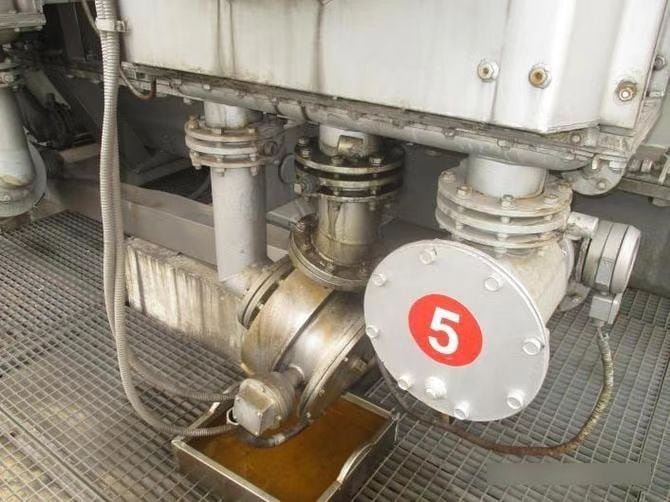
Transformer oil, while essential for reliable and efficient transformer operation, also carries significant environmental and safety risks if not properly managed. Spills, leaks, combustion, or improper disposal of used oil can lead to soil and water contamination, fire hazards, and regulatory violations. These concerns are especially critical in urban, industrial, and environmentally protected zones. Understanding and mitigating these risks is essential not only for safety compliance but also for preserving environmental integrity and public health.
Yes, transformer oil poses several environmental and safety concerns, including fire risks due to its flammability, ecological damage from leaks or spills, and toxic exposure during improper handling or disposal. Mineral oils are particularly hazardous if released into soil or waterways, while some older transformer oils may still contain toxic substances like PCBs. Environmental regulations require strict containment, spill response protocols, and end-of-life treatment, while fire codes mandate flame-retardant systems and oil selection based on application. Using biodegradable oils and following ISO 14001, EPA, or EU REACH standards helps mitigate these risks.
Transformer oil safety is a regulatory, technical, and environmental imperative.
Transformer oil can cause environmental pollution if spilled.True
Mineral oil contamination in soil or waterways leads to long-term ecological harm and costly remediation.
All transformer oils are safe and non-flammable.False
Most mineral-based oils have low flash points and are highly flammable, posing fire hazards if leaked or overheated.
Biodegradable ester-based transformer oils reduce environmental risks significantly.True
Natural and synthetic esters degrade quickly and are less toxic, making them safer for use in sensitive environments.
1. Fire and Explosion Risks
Why It’s a Concern:
Mineral transformer oils have flash points between 140–160°C, making them combustible under fault or overload conditions.
| Scenario | Risk |
|---|---|
| Internal arcing | Can ignite surrounding oil, causing pressure buildup and explosion |
| Leak near ignition source | May result in external fire hazard |
| Faulty tap changers | Cause high-temperature oil ignition |
Historical Fact: Many substation fires are traced back to oil ignition after faults.
Mitigation:
- Use of Buchholz relays, pressure relief devices, flame arrestors
- Fire barriers and blast walls in urban installations
- Ester or silicone oils for low-flammability applications
| Oil Type | Flash Point (°C) | Fire Risk |
|---|---|---|
| Mineral Oil | 140–160 | High |
| Natural Ester | >300 | Low |
| Synthetic Ester | >300 | Very Low |
| Silicone Oil | >350 | Very Low |
2. Environmental Contamination from Spills or Leaks
Transformer oil, especially mineral oil, is classified as hazardous waste if spilled due to its toxicity and persistence.
| Impact Zone | Consequence |
|---|---|
| Soil | Oil binds to particles, inhibiting water retention and plant life |
| Groundwater | Oil seeps into aquifers, requiring multi-year remediation |
| Surface water | Creates slicks harmful to aquatic life, causes oxygen depletion |
Even small leaks (1–5 liters/day) can result in hundreds of liters per year, accumulating below tanks or in cable trenches unnoticed.
Prevention Measures:
- Oil-tight bunds (containment dikes) that can hold 110–120% of transformer oil volume
- Impermeable linings in containment pits
- Oil level monitoring with alarms
- Routine inspections and maintenance
- Biodegradable oils in ecologically sensitive areas
3. Health Hazards During Handling and Disposal
| Exposure Path | Risk |
|---|---|
| Skin contact | Irritation, dermatitis |
| Inhalation (heated oil vapors) | Respiratory irritation |
| Old oils with PCBs | Long-term carcinogenic and reproductive toxicity |
PCBs (Polychlorinated Biphenyls) were banned globally by the Stockholm Convention, but transformers manufactured before 1980 may still contain them.
| Safety Protocol | Purpose |
|---|---|
| PPE (gloves, masks) | Prevent direct exposure |
| Ventilated filling areas | Avoid inhalation risks |
| Spill kits and neutralizers | Immediate response to contact/exposure |
| PCB testing and labeling | Compliance with hazardous waste laws |
4. Oil Waste and Disposal Regulations
Used transformer oil may be classified as hazardous waste depending on its contamination level.
| Country/Region | Regulation |
|---|---|
| United States | EPA Resource Conservation and Recovery Act (RCRA), 40 CFR 761 (PCB handling) |
| EU | REACH, RoHS, and Waste Electrical and Electronic Equipment (WEEE) directives |
| India | Hazardous Waste Rules, Central Pollution Control Board (CPCB) |
| China | GB 5085.3 and environmental safety rules for transformer stations |
| Waste Oil Handling Step | Requirement |
|---|---|
| Collection | Must be stored in labeled, sealed, oil-proof containers |
| Transport | By certified hazardous material handlers |
| Disposal | Via licensed incinerators, recyclers, or chemical treatment facilities |
| Documentation | Manifest, Material Safety Data Sheet (MSDS), disposal certificate |
Table: Environmental Risk Comparison of Transformer Oil Types
| Property | Mineral Oil | Natural Ester | Synthetic Ester | Silicone Oil |
|---|---|---|---|---|
| Biodegradability | Poor | Excellent | Excellent | Moderate |
| Water Toxicity | Moderate–High | Low | Low | Low |
| Soil Remediation Cost | High | Low | Low | Moderate |
| Fire Risk | High | Very Low | Very Low | Very Low |
| Disposal Complexity | High | Moderate | Moderate | High |
Natural and synthetic esters are preferred for LEED buildings, wind farms, and water protection zones.
5. Design Best Practices for Safety & Environmental Protection
| Practice | Purpose |
|---|---|
| Secondary containment | Capture leaks/spills |
| Silica gel breathers | Prevent moisture that accelerates degradation |
| Sealed conservator systems | Prevent oxygen/moisture ingress |
| Online monitoring | Detect oil leaks, temperature spikes, and moisture intrusion |
| Fire-rated cables, ducts | Prevent propagation during fire events |
Smart design + smart monitoring = minimum risk
6. Case Example: Substation Retrofit to Eco-Friendly Oil
| Location | Germany (Urban Area) |
|---|---|
| Problem | Mineral oil leakage into drainage basin |
| Action | Replaced with synthetic ester oil + bunded pit + fire-rated enclosures |
| Outcome | 90% reduction in environmental risk index, EU compliance achieved, fire insurance cost decreased by 18% |
Conclusion
Transformers are submerged in oil to achieve superior insulation, efficient heat dissipation, and enhanced reliability. The oil serves as both a dielectric medium and a coolant, enabling the transformer to operate safely under high voltage and thermal stress. While there are environmental considerations, proper design, containment, and modern oil alternatives help manage these risks effectively. Oil immersion remains a proven and widely adopted method for maximizing transformer performance and longevity.
FAQ
Q1: Why are transformers submerged in oil?
A1: Transformers are submerged in oil to serve three essential functions:
Electrical Insulation: The oil insulates internal live parts and prevents arcing
Heat Dissipation: It absorbs and transfers heat from windings and core to the tank walls or radiators
Moisture Protection: Oil prevents moisture ingress that could degrade insulation and cause dielectric breakdown
This enhances the safety, performance, and lifespan of the transformer.
Q2: What type of oil is used in transformers?
A2: Common types include:
Mineral Oil: Widely used due to its cost-effectiveness and good thermal properties
Natural Ester (Biodegradable): Eco-friendly, high flash point, used in fire-prone areas
Synthetic Ester: Offers superior thermal aging and environmental safety
Silicone Oil: Used in high-temperature or indoor applications
Each type is selected based on environmental, thermal, and fire safety requirements.
Q3: How does transformer oil help with cooling?
A3: Transformer oil performs convection cooling by:
Absorbing heat from the core and windings
Circulating through the tank or radiators (natural or forced circulation)
Transferring heat to the surrounding environment
Cooling methods include ONAN, ONAF, OFAF, depending on transformer size and cooling needs.
Q4: What happens if transformer oil degrades or leaks?
A4: Oil degradation or leakage can lead to:
Reduced insulation strength, increasing risk of electrical faults
Overheating and accelerated aging of insulation
Fire hazards due to flammable vapors
Environmental contamination
Regular oil testing (DGA, moisture, acidity, BDV) and maintenance are vital for safe operation.
Q5: Why not use air instead of oil in transformers?
A5: Air lacks the dielectric strength and thermal capacity of oil. Oil offers:
Superior insulation and arc suppression
Better thermal conductivity for heat removal
Sealing against moisture and contaminants
Dry-type transformers use air but are limited in voltage and power capacity compared to oil-immersed types.
References
"Why Transformers Use Oil" – https://www.electrical4u.com/transformer-oil-purpose
"IEEE C57.106: Guide for Acceptance and Maintenance of Insulating Oil" – https://ieeexplore.ieee.org/document/8571027
"NREL: Analysis of Cooling Fluids in Transformers" – https://www.nrel.gov/docs/transformer-cooling-analysis.pdf
"Doble: Transformer Oil Testing and Monitoring" – https://www.doble.com/transformer-oil-testing
"ScienceDirect: Insulating Oils and Their Application in Power Transformers" – https://www.sciencedirect.com/transformer-oil-study