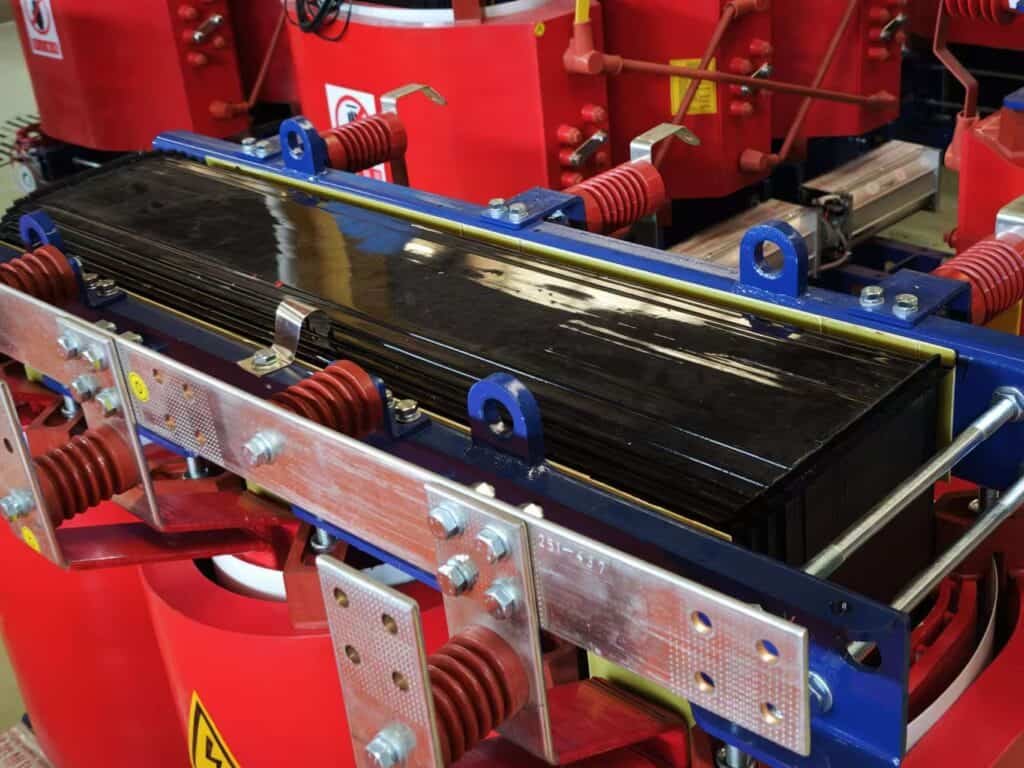
As the global energy sector moves toward sustainability, the environmental impact of electrical equipment is receiving greater scrutiny. One frequently asked question is whether dry-type transformers—which do not use oil as insulation—offer environmental advantages over oil-immersed types. This article explores their eco-friendliness from multiple dimensions.
What Makes Dry-Type Transformers Different?
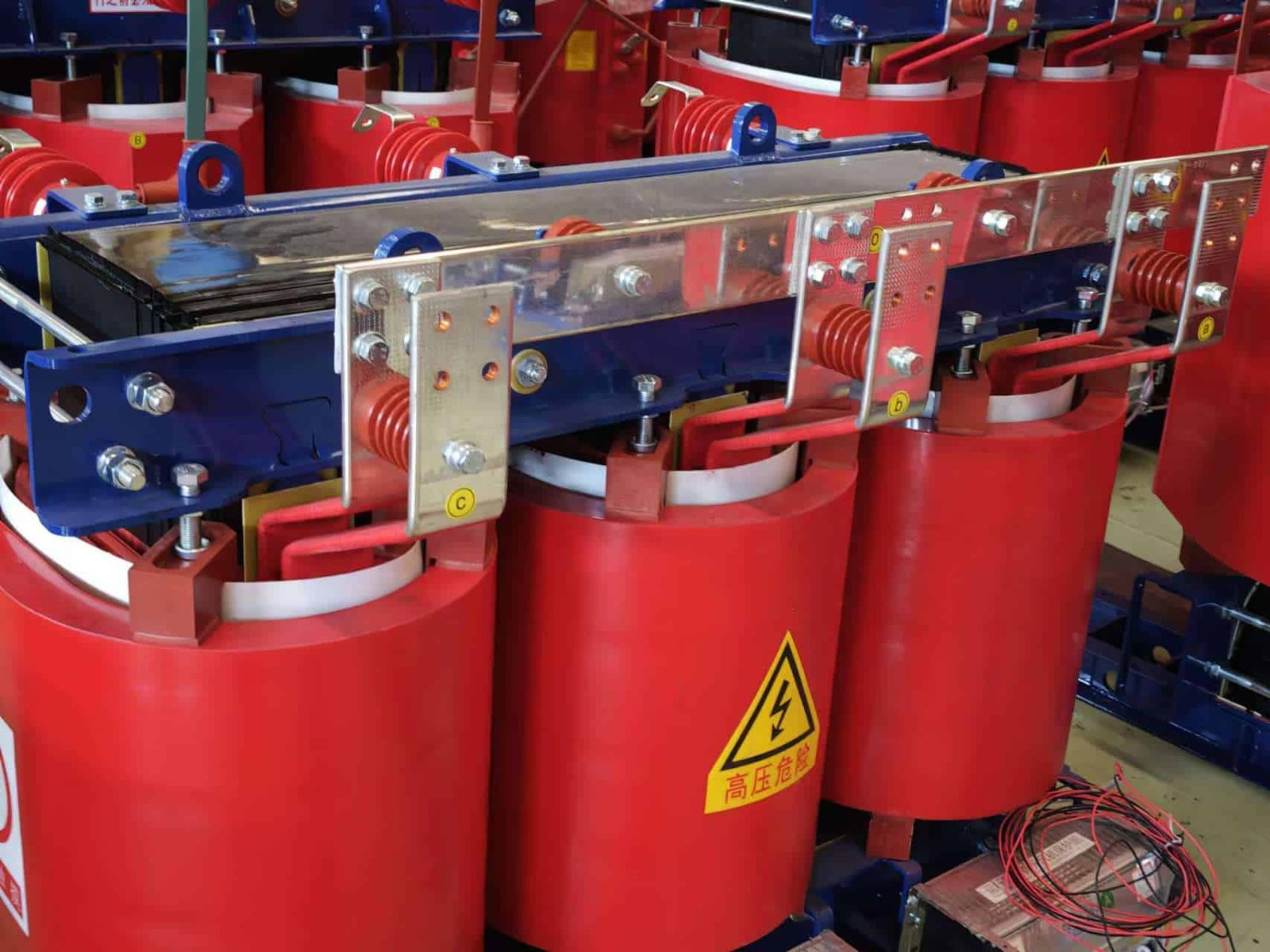
Traditional liquid-filled transformers are widely used for their proven cooling and insulation performance, but not all environments can safely accommodate oil-filled equipment. For locations like commercial buildings, underground substations, offshore platforms, and fire-prone zones, dry-type transformers offer a compelling alternative. Unlike their oil-insulated counterparts, dry-type transformers eliminate the risk of leaks, fire hazards, and environmental contamination, while still providing reliable voltage conversion. But how exactly do they differ, and what makes them the ideal choice in certain applications?
Dry-type transformers differ from oil-filled transformers by using air (or other gases) instead of insulating oil for cooling and insulation. They rely on solid insulation systems—typically vacuum pressure impregnated (VPI) or cast resin (CRT)—to protect their windings, and they cool through natural or forced air convection. These transformers are self-extinguishing, environmentally safer, require less maintenance, and are ideal for indoor, fire-sensitive, or environmentally regulated applications. However, they are generally larger, have lower overload capacity, and higher initial costs compared to oil-immersed types.
Dry-type transformers use oil for insulation and cooling.False
Dry-type transformers are designed to operate without oil, relying on air and solid insulation systems instead.
Dry-type transformers are safer in indoor or fire-prone environments.True
Their solid insulation and lack of flammable liquids make dry-type transformers inherently fire-resistant and suitable for enclosed or public spaces.
Dry-type transformers require less maintenance than oil-filled units.True
With no oil to monitor or leak, dry-type transformers have reduced inspection and upkeep demands, particularly in clean environments.
1. Core Design and Insulation Differences
| Feature | Dry-Type Transformer | Oil-Immersed Transformer |
|---|---|---|
| Cooling Medium | Air (natural or forced) | Mineral or ester oil |
| Insulation System | VPI or cast resin | Oil + cellulose (paper) |
| Core/Winding Protection | Resin encapsulation or varnish | Immersed in dielectric oil |
| Cooling Technique | AN / AF (air natural / air forced) | ONAN / ONAF (oil natural/forced) |
| Risk of Oil Leakage | None | Present |
| Fire Resistance | High (self-extinguishing) | Moderate to low (dependent on oil type) |
📌 The use of solid insulation and natural convection fundamentally separates dry-type units in design and risk profile.
2. Types of Dry-Type Transformers
| Type | Description | Use Case |
|---|---|---|
| VPI (Vacuum Pressure Impregnated) | Windings are dipped in varnish and cured in vacuum pressure | Low to medium voltages (up to 15 kV) |
| CRT (Cast Resin Transformer) | Windings fully embedded in epoxy resin | Harsh, humid, or corrosive environments |
| Open Winding (Air Insulated) | Basic insulation with open air flow | Industrial spaces with controlled atmosphere |
| Encapsulated Transformers | Fully enclosed in resin | Suitable for outdoor or marine environments |
🛠 Cast Resin types are particularly favored in metro stations, tunnels, data centers, and areas with strict fire codes.
3. Performance and Efficiency Considerations
| Parameter | Dry-Type | Oil-Filled |
|---|---|---|
| Efficiency | Slightly lower (due to air cooling) | Higher (due to superior heat dissipation) |
| Noise Level | Higher due to air cooling and vibration | Lower (oil dampens sound) |
| Overload Capacity | Limited (temperature rises faster) | Better thermal inertia |
| Heat Dissipation | Less effective in confined spaces | Efficient in sealed tank |
| Service Life | 20–30 years | 25–40 years |
| Altitude and Humidity Sensitivity | More sensitive | Less sensitive (sealed tank) |
⚡ To maintain high performance, dry-types require ample ventilation and precise thermal monitoring.
4. Applications: Where Dry-Type Transformers Excel
Dry-type transformers are often the preferred solution in challenging environments:
| Application | Reason |
|---|---|
| Underground Substations | Eliminate fire and oil-spill risks |
| High-rise Buildings | Safer in confined or populated areas |
| Hospitals and Schools | Minimal environmental hazard |
| Mining and Tunnels | Resistant to moisture and combustible environments |
| Offshore and Marine Platforms | Salt-proof CRT designs handle corrosion |
| Renewable Energy Systems | Compact footprint for containerized stations |
🏢 In Europe and urban Asia, many regulatory codes mandate dry-type use in indoor settings.
5. Environmental and Safety Benefits
| Feature | Advantage |
|---|---|
| No oil leaks | No soil or water contamination |
| Fire-resistant materials | Self-extinguishing epoxy reduces fire load |
| Lower risk of explosions | No flammable vapors accumulate |
| No PCB contamination | Fully non-toxic insulation options |
| Reduced maintenance footprint | No oil sampling, filtering, or tank sealing needed |
🌿 Dry-type units contribute to LEED and ISO 14001 certifications in green building projects.
6. Regulatory Compliance and Standards
| Standard | Applicability |
|---|---|
| IEC 60076-11 | Dry-type transformer performance and testing |
| IEEE C57.12.01 | U.S. standard for dry-type transformers |
| UL 1561 / CSA C22.2 | North American safety listings |
| NFPA 70 (NEC) | Electrical fire protection codes |
| RoHS / REACH | Hazardous substance restrictions in insulation |
📋 All dry-type transformers must pass heat-run, dielectric, and partial discharge tests under their respective compliance regimes.
7. Cost Considerations
| Cost Factor | Dry-Type | Oil-Filled |
|---|---|---|
| Initial Purchase Price | +10–30% higher | Lower |
| Installation Costs | Lower (no oil pit or bunding needed) | Higher |
| Maintenance Costs | Lower (no oil testing) | Higher (oil sampling, leaks) |
| Environmental Compliance | Simpler (no oil waste) | Complex (waste handling, SPCC rules) |
| Total Life Cycle Cost | Competitive when considering safety and footprint | Lower upfront, higher long-term care |
💡 Total ownership cost often favors dry-type transformers in regulated and sensitive zones despite the initial premium.
How Do Dry-Type Transformers Reduce Environmental Risks?
Oil-filled transformers pose several environmental hazards—leaks, spills, flammability, and toxic substances like PCBs—that can contaminate soil, water, or even indoor air in enclosed installations. This becomes especially problematic in sensitive environments such as hospitals, schools, commercial buildings, or underground substations. To address these risks, many operators turn to dry-type transformers, which eliminate liquid insulation altogether. This solid-state design significantly reduces the ecological footprint of transformer installations and ensures higher compliance with environmental and safety standards.
Dry-type transformers reduce environmental risks by eliminating the use of insulating oil, thereby removing the risk of leaks, soil and water contamination, fire hazards, and toxic emissions. Their solid insulation systems, such as cast resin or vacuum-impregnated varnish, are non-toxic, self-extinguishing, and produce no hazardous waste. These transformers meet stringent eco-safety regulations, require no oil spill containment, and contribute to sustainability certifications like LEED and ISO 14001. As such, dry-type transformers are preferred in environmentally regulated or sensitive indoor applications.
Dry-type transformers use oil as an insulating medium and pose similar environmental risks as oil-filled transformers.False
Dry-type transformers are entirely oil-free, using solid insulation instead, thus avoiding oil-related environmental hazards.
Dry-type transformers are fire-resistant and self-extinguishing, making them safer in sensitive environments.True
Their insulation materials—especially cast resin—are flame-retardant and self-extinguishing, suitable for enclosed or fire-prone spaces.
Dry-type transformers contribute to green building certifications like LEED.True
Dry-type units eliminate oil-related environmental impacts and can improve energy efficiency, aiding compliance with green building standards.
1. No Risk of Oil Leaks or Spills
| Risk | Oil-Filled Transformers | Dry-Type Transformers |
|---|---|---|
| Oil Leaks | Common due to aging seals, valves, and pressure buildup | None — no oil present |
| Spill Containment | Requires oil pits, berms, or bunding systems | No special containment required |
| Waterway Pollution | High risk if near storm drains or rivers | Zero chance of liquid discharge |
| Ground Contamination | Soil remediation needed after oil spills | No risk of soil contamination |
💧 Since over 80% of transformer failures involve some degree of oil leakage, dry-types offer a fail-safe environmental profile.
2. Fire and Explosion Risk Is Greatly Minimized
| Feature | Dry-Type | Oil-Filled |
|---|---|---|
| Combustible Fluids | None | Mineral oil (flash point \~145°C) |
| Insulation Material | Epoxy resin or varnish (self-extinguishing) | Oil + paper (flammable) |
| NFPA / IEC Fire Rating | Classified as self-extinguishing | Require external fire suppression |
| Explosion Risk | None | High if arc faults occur under oil |
🔥 Cast Resin Transformers (CRT) meet UL 94-V0 flame retardancy standards, preventing flame propagation.
3. No PCB or Hazardous Oil Handling
PCBs (polychlorinated biphenyls) are highly toxic, once used in older oil transformers. Even today, oils can contain oxidation byproducts or metal sludge requiring regulated disposal.
| Substance | Oil-Filled | Dry-Type |
|---|---|---|
| PCB Risk | Must be tested; disposal regulated under TSCA/Basel | None |
| Oil Regeneration | Requires degassing, filtration, hazardous waste protocols | Not applicable |
| Waste Streams | Oil filters, sludge, gaskets, contaminated paper | Minimal, dry resin scrap only |
♻️ Dry-type units avoid classification as hazardous waste, simplifying end-of-life recycling.
4. Sustainable Manufacturing and Operation
Dry-type transformer production uses less hazardous material and supports circular economy principles:
| Factor | Environmental Benefit |
|---|---|
| Non-toxic materials | No petroleum derivatives; no chlorinated hydrocarbons |
| Easier recycling | Windings and cores disassemble easily; resin can be ground and reused |
| Lower lifecycle emissions | No oil disposal or refill cycles needed |
| Energy-efficient designs | Low no-load losses via improved core geometry (especially amorphous core types) |
🌿 Most dry-type transformers can contribute to ISO 14001 and LEED certification credits.
5. Ideal for Indoor, Subterranean, and Sensitive Installations
| Application Area | Environmental Concern | Dry-Type Advantage |
|---|---|---|
| Basements, Tunnels | Difficult containment; poor ventilation | Air-cooled, oil-free, compact |
| Hospitals & Schools | Fire hazard, indoor air quality | Silent, non-toxic, no off-gassing |
| Green Buildings | LEED prerequisites; material transparency | Oil-free, energy efficient, recyclable |
| Data Centers | Fire suppression system costs | Safe without external suppression systems |
| Marine and Offshore | Salt corrosion + spill regulation | Sealed resin coating + zero fluids |
🏢 Many urban building codes in Europe and Asia now prohibit oil-filled transformers indoors—further favoring dry-type designs.
6. Environmental Compliance and Standards
| Regulation | Dry-Type Compliance |
|---|---|
| IEC 60076-11 | Specifies dry-type thermal class and fire resistance |
| UL 1561 | U.S. safety listing for dry transformers |
| RoHS / REACH | Free from restricted substances |
| WEEE Directive | Easily recyclable under e-waste rules |
| ISO 14001 | Supports environmental management goals |
| NFPA 70 / NEC | Allows indoor use without containment tanks |
📋 Because they eliminate oil handling, dry-type transformers reduce compliance complexity and lower liability exposure.
7. Operational Advantages That Support Environmental Goals
| Feature | Environmental Impact |
|---|---|
| No venting or oil topping off | No emissions during pressure cycles |
| No oil tests or sampling waste | Reduces testing costs and pollution |
| Lower sound emission (with vibration mounts) | Reduced acoustic pollution in quiet zones |
| Zero ozone-depleting substances | Solid insulation is chemically inert |
🔄 These features help facility managers achieve sustainable operations with fewer inspections and interventions.
What Materials Are Used in Dry-Type Transformers?
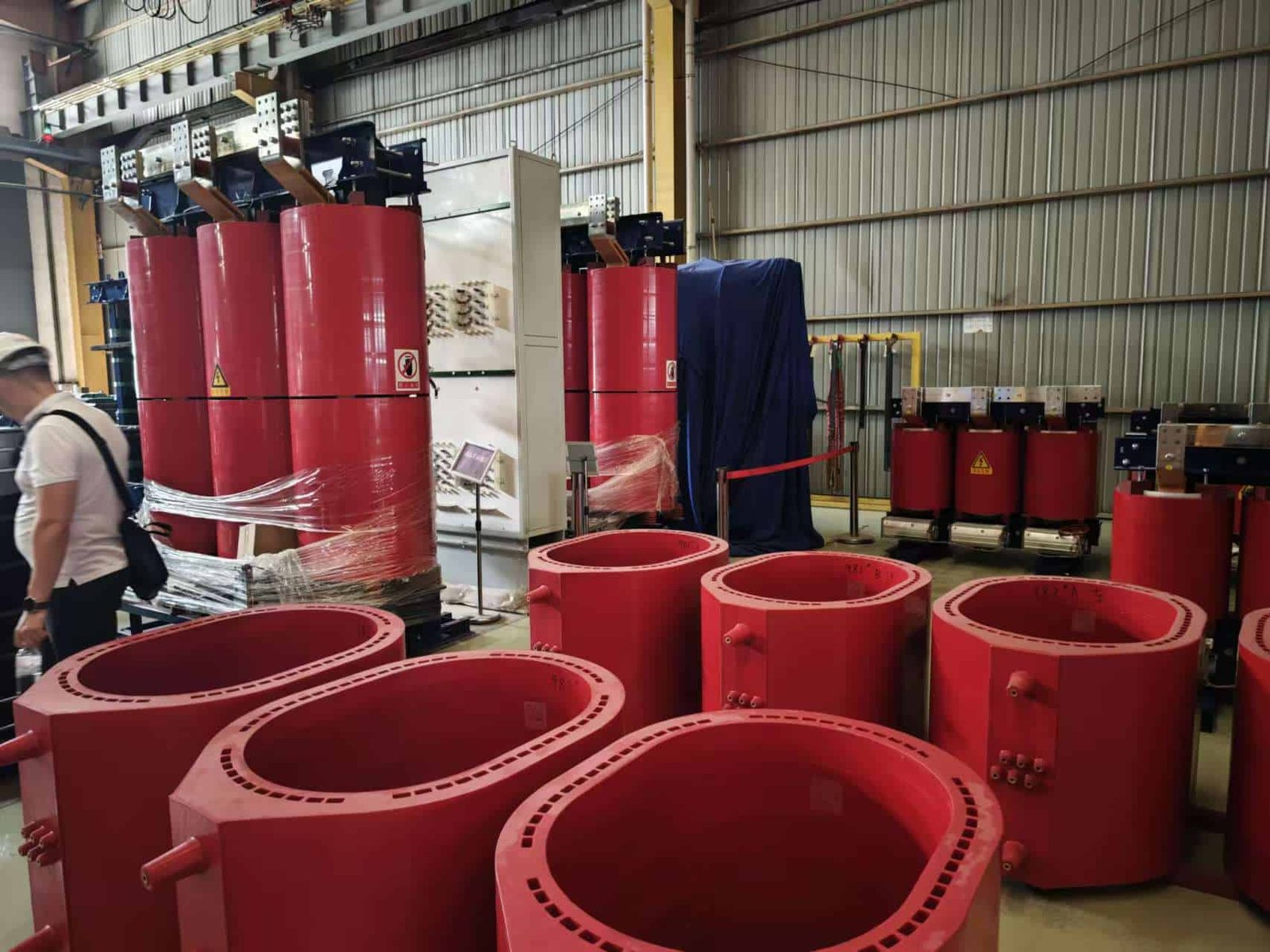
Dry-type transformers are specifically engineered for environments where fire safety, environmental protection, and maintenance simplicity are paramount. The materials used in these transformers are critical to achieving their durability, thermal performance, and insulation reliability—all without the use of flammable insulating oil. Unlike oil-immersed transformers, dry-type units must rely entirely on solid and air-based insulation systems to manage heat and electrical stress, so every material must serve a well-defined purpose under rigorous performance standards.
The materials used in dry-type transformers include Cold Rolled Grain Oriented (CRGO) silicon steel for the magnetic core, high-purity copper or aluminum for windings, epoxy resin or varnish for insulation, fiberglass or Nomex for structural and thermal support, and stainless or powder-coated steel for enclosures. Each component is chosen for its thermal class, dielectric strength, fire resistance, and compatibility with air-cooled operation. These materials ensure the dry-type transformer operates safely, efficiently, and reliably without using any insulating oil.
Dry-type transformers use oil for insulation.False
Dry-type transformers are oil-free and rely on solid insulation systems like epoxy resin and air for cooling and dielectric strength.
Epoxy resin is used to insulate and encapsulate windings in dry-type transformers.True
Epoxy resin provides moisture protection, electrical insulation, and fire resistance, especially in cast resin dry-type transformers.
CRGO silicon steel is the most common material for dry-type transformer cores.True
CRGO steel has high magnetic permeability and low core loss, making it ideal for energy-efficient transformer cores.
1. Core Material: CRGO Silicon Steel
| Material | Description | Function |
|---|---|---|
| CRGO (Cold Rolled Grain Oriented) Silicon Steel | Laminated sheets with grain orientation | Forms the magnetic circuit (core) |
| Epoxy Coating or Oxide Layer | Insulating coating on laminations | Prevents eddy current losses |
| Stacked or Wound Core Construction | Varies by transformer size and class | Minimizes hysteresis and eddy losses |
⚙️ Typical thickness: 0.23 to 0.30 mm
🔋 Loss levels: ≤ 1.1 W/kg at 1.5 T, 50 Hz
CRGO steel ensures high magnetic efficiency and compact design while avoiding saturation under load.
2. Conductor Materials: Copper or Aluminum Windings
| Material | Application | Characteristics |
|---|---|---|
| Copper (99.9% purity) | Low- and high-voltage windings | High conductivity, compact size, excellent thermal performance |
| Aluminum (EC grade) | Budget-friendly or weight-sensitive designs | Lighter, lower cost, requires larger cross-section |
| Insulation Coating | Polyimide (Class H), polyesterimide, or mica tape | Withstands ≥ 180°C operating temps |
🔧 Copper is preferred for critical and high-load applications, while aluminum is common in commercial or budget-constrained projects.
3. Insulation System: Epoxy Resin, Varnish, and Support Laminates
| Insulation Type | Used In | Properties |
|---|---|---|
| Epoxy Resin (Cast Resin Transformers) | Encapsulates windings | Moisture-resistant, self-extinguishing, mechanically robust |
| VPI (Vacuum Pressure Impregnated Varnish) | Penetrates winding gaps | Heat-dissipating, enhances dielectric strength |
| Class F (155°C) and Class H (180°C) Resins | Defines thermal limits | Higher classes for demanding ambient or overloads |
| Mica Tape / Nomex Wraps | Added insulation for high-voltage windings | High dielectric endurance, fire resistance |
🧱 These systems create a solid, stable, and environmentally safe insulation barrier.
4. Structural Supports and Frames
| Material | Role | Key Feature |
|---|---|---|
| Fiberglass Reinforced Plastic (FRP) | Coil bracing and spacers | High mechanical strength, non-conductive |
| Glass Epoxy Laminates (G10/G11) | Bus bar supports and structural isolation | Flame-retardant and rigid |
| Nomex (Aramid paper) | Insulation barriers | Withstands ≥ 220°C, resistant to chemicals and aging |
| Steel Frames (Mild or Stainless Steel) | Support for core and windings | Rigid, corrosion-resistant, often powder-coated |
🪛 These non-metallic structural elements maintain coil alignment, reduce vibration, and isolate thermal expansion stress.
5. Cooling and Ventilation Components
| Component | Material | Function |
|---|---|---|
| Ventilation Ducts | Sheet metal or thermoplastic | Direct air over winding surfaces |
| Fans (in forced air units) | Aluminum blades, steel casing | Enhance heat dissipation |
| Radiating Fins (if used) | Copper or aluminum | Increase surface area for natural cooling |
| Enclosure Louvers | Perforated galvanized steel | Allow airflow while maintaining safety/IP rating |
🌬️ All dry-type transformers are cooled via Air Natural (AN) or Air Forced (AF) modes—no fluid means zero leak risk.
6. External Enclosure and Finish
| Feature | Material | Benefit |
|---|---|---|
| Transformer Cabinet/Enclosure | Galvanized or powder-coated steel | Corrosion resistance, mechanical protection |
| Ingress Protection (IP20–IP54) | Stainless steel or aluminum | Designed for indoor/outdoor installations |
| Paint Coating | Epoxy/polyester powder | Prevents rust, adds UV resistance |
| Earthing Components | Copper or brass | Ensure electrical safety and compliance |
🏗️ Custom enclosures are often modular, ventilated, and compliant with IEC 60529 and NEMA 250 standards.
7. Material Selection Based on Application
| Application Environment | Material Focus |
|---|---|
| High Humidity / Coastal | Epoxy resin, stainless steel enclosures |
| Indoor Public Buildings | Flame-retardant resin, low noise components |
| Mining / Tunnel Sites | Shock-resistant frames, sealed insulation |
| Offshore / Marine | Epoxy cast resin, salt-proof coatings, IP54 cabinets |
| Renewables (Wind/Solar) | Lightweight aluminum windings, ventilated enclosures |
🧪 Material selection also considers IEC 60076-11 temperature classes, UL flame ratings, and thermal aging limits.
8. Material Contribution to Performance and Safety
| Performance Metric | Influencing Material |
|---|---|
| Thermal endurance | Resin class, conductor insulation |
| Electrical insulation strength | Epoxy casting, varnish type, mica tape |
| Magnetic efficiency | CRGO steel, core stacking technique |
| Fire safety | Self-extinguishing resin, Nomex insulation |
| Mechanical integrity | FRP, epoxy laminates, steel bracing |
| Moisture resistance | Sealed resin systems, stainless steel |
🎯 A dry-type transformer’s longevity and safety depend entirely on these carefully selected and tested materials.
Are Dry-Type Transformers Energy Efficient Compared to Oil-Immersed Transformers?
When evaluating transformer technologies, one of the most important considerations is energy efficiency—not only because it impacts electricity loss and operational cost, but also because it directly influences environmental footprint and compliance with international energy regulations. While dry-type transformers are popular for their safety and environmental friendliness, there's often debate about whether they match the energy efficiency levels of traditional oil-immersed transformers, especially in large-scale or continuous-load applications. So how do they really compare?
Dry-type transformers are slightly less energy-efficient than oil-immersed transformers under continuous high-load conditions, mainly due to their lower thermal conductivity and higher temperature rise limits. Oil-immersed transformers dissipate heat more effectively through circulating oil, allowing them to operate with lower internal resistance and reduced load and no-load losses. However, dry-type transformers are catching up with improved core materials (like amorphous steel), low-loss designs, and energy-efficient insulation systems. They are more suitable for low- to medium-power applications where safety and indoor use outweigh marginal efficiency differences.
Dry-type transformers are less efficient than oil-immersed transformers in all scenarios.False
While dry-type transformers may have higher losses in high-load applications, in some medium- or variable-load settings, they perform comparably, especially with improved designs.
Oil-immersed transformers cool more effectively due to circulating oil, improving efficiency.True
Oil facilitates better thermal conductivity and heat dissipation, which supports lower losses and longer thermal stability.
Transformer efficiency affects long-term energy costs and sustainability compliance.True
Even 1% efficiency gain can significantly reduce energy losses and carbon emissions over the transformer’s lifecycle.
1. Loss Mechanisms in Dry vs. Oil-Immersed Transformers
| Loss Type | Description | Oil-Immersed | Dry-Type |
|---|---|---|---|
| Core (No-Load) Losses | Magnetizing losses in the CRGO core due to hysteresis and eddy currents | Low, due to better cooling and smaller flux leakage | Slightly higher |
| Copper (Load) Losses | I²R losses in the windings under load | Low, cooled via oil convection | Higher due to limited air cooling |
| Dielectric Losses | Insulation resistance losses | Very low (oil has high dielectric strength) | Slightly higher with air and solid insulators |
| Stray Losses | Eddy currents in structural parts | Controlled | Often higher without metallic shielding |
| Temperature Rise Impact | Affects resistance and energy loss | Managed effectively with oil | Must use derating or fan-assisted cooling |
🌡️ Higher operating temperature in dry-type transformers increases resistance and copper losses, unless mitigated with Class H insulation and forced-air cooling.
2. Typical Efficiency Values Comparison
| Transformer Type | Voltage Class | Efficiency (Typical) | Cooling |
|---|---|---|---|
| Oil-Immersed (ONAN) | ≤ 132 kV | 98.8% – 99.4% | Oil natural |
| Oil-Immersed (ONAF) | ≤ 220 kV | 99.0% – 99.5% | Oil + forced air |
| Dry-Type (CRT or VPI) | ≤ 36 kV | 97.8% – 99.0% | Air natural/forced |
| Dry-Type (Amorphous Core) | ≤ 15 kV | 98.5% – 98.9% | Air natural |
📉 A 1% difference in transformer efficiency can result in thousands of kilowatt-hours of energy loss annually for high-capacity units.
3. Efficiency-Enhancing Design Features in Dry-Type Units
| Feature | Function |
|---|---|
| CRGO or Amorphous Steel Cores | Reduce core (no-load) losses |
| Aluminum or Copper Conductors | Optimize resistance vs. cost |
| Improved Coil Geometry | Minimizes stray losses and hotspot formation |
| Cast Resin Encapsulation | Enhances heat dissipation and insulation |
| Intelligent Fan Controls | Air-forced cooling only when needed |
| Low-Noise Magnetic Design | Reduces vibrational energy loss |
💡 Some dry-type units now match or exceed IE2/IE3 efficiency standards, thanks to new material science and coil optimization.
4. Efficiency Across Load Profiles
| Load Condition | Oil-Immersed | Dry-Type | Notes |
|---|---|---|---|
| Full Load (100%) | More efficient | Slightly less | Oil helps maintain low resistance |
| Mid Load (60–80%) | Similar | Similar | Modern dry-type can match |
| Low Load (<40%) | Slightly less efficient | Comparable or better | Lower no-load losses in newer dry-types |
| Intermittent Load | Good thermal inertia | Needs cooling cycles | Fan-assisted dry-types improve performance |
📊 Load profiles affect the dominant loss type: core losses dominate at low load, copper losses dominate at high load.
5. Environmental Efficiency and Lifecycle Costs
| Factor | Dry-Type | Oil-Immersed |
|---|---|---|
| Environmental Leakage Risk | None | Medium to high |
| Fire/Explosion Risk | Very low | Moderate (mineral oil) |
| Maintenance Cost | Lower (no oil testing/filtering) | Higher (oil testing, leaks, gaskets) |
| Recycling Complexity | Simple | Involves oil disposal |
| Initial Cost | Higher | Lower |
| Total Ownership Cost | Competitive | Competitive with maintenance added |
🌱 Dry-types, while slightly less efficient, often win in low-maintenance, indoor, or fire-regulated applications.
6. International Efficiency Standards Comparison
| Standard | Applicability | Notes |
|---|---|---|
| EU Eco Design Regulation (EU) 548/2014 | Distribution transformers | Covers losses and minimum efficiency |
| DOE 10 CFR Part 431 (USA) | Medium-voltage transformers | Efficiency classes NEMA TP-1, TP-2 |
| IEC 60076-20 | Dry-type transformers | Defines testing and loss limits |
| IS 1180 (India) | Star-rated transformers | Labels based on loss values |
| ENERGY STAR (USA) | Distribution class | Dry-type units can qualify |
📋 Dry-types can meet or exceed Tier-1 and Tier-2 energy efficiency classifications, especially with modern amorphous or nano-crystalline cores.
What About Lifecycle and Maintenance of Dry-Type Transformers?

One of the major advantages of dry-type transformers lies not just in their oil-free construction but also in their exceptionally long service life and simplified maintenance profile. Operators across commercial, industrial, and public sectors choose dry-type transformers to reduce the burden of oil testing, containment infrastructure, fire suppression, and fluid replacement schedules. However, despite being designed for low maintenance, these units still require systematic monitoring and preventative maintenance to ensure they reach or exceed their expected 25 to 30-year operational lifespan.
Dry-type transformers have a typical lifecycle of 25 to 30 years, and even longer with proper installation and maintenance. They require less frequent maintenance compared to oil-immersed units because they contain no insulating fluid, which eliminates the need for oil sampling, leak checks, and fluid treatment. Maintenance of dry-type transformers focuses on visual inspections, thermal scanning, cleaning of air ducts, checking winding insulation resistance, and ensuring proper ventilation. Lifecycle longevity depends on environmental conditions, loading practices, thermal class of materials, and adherence to scheduled diagnostics.
Dry-type transformers require constant maintenance like oil testing and leak detection.False
Dry-type transformers are oil-free, eliminating the need for fluid testing and leak management, which simplifies routine maintenance.
With proper preventive care, dry-type transformers can exceed 30 years of service life.True
Modern materials such as epoxy resin and Class H insulation help dry-type transformers operate efficiently for decades with minimal degradation.
Cooling ducts and air flow are critical to dry-type transformer longevity.True
Because dry-types rely on air for heat dissipation, blocked vents or dirty ducts can lead to overheating and reduced service life.
1. Lifecycle Overview of a Dry-Type Transformer
| Lifecycle Stage | Description | Key Considerations |
|---|---|---|
| Installation | Transported and mounted in clean, ventilated space | Avoid mechanical stress, ensure level footing |
| Commissioning | IR testing, insulation resistance, temperature sensor check | Record baseline data for monitoring |
| Operation (0–10 Years) | Minimal intervention; visual inspections and airflow maintenance | Maintain clean environment, avoid overloads |
| Mid-Life (10–20 Years) | Detailed diagnostics: thermal scans, torque checks, dielectric tests | Assess insulation health and contact wear |
| Late Life (20+ Years) | Condition-based decision: keep, refurbish, or replace | Aging insulation, possible derating |
🔧 Proper conditions (humidity < 95%, ambient ≤ 40°C) support maximum lifecycle realization.
2. Dry-Type vs. Oil-Immersed Maintenance Tasks
| Maintenance Task | Dry-Type Transformer | Oil-Immersed Transformer |
|---|---|---|
| Oil sampling & testing | Not applicable | Required annually |
| Leak detection and cleanup | Not required | Regularly monitored |
| Air duct cleaning | Every 6–12 months | Not applicable |
| Visual inspections | Every 3–6 months | Every 6 months |
| IR thermal scan | Annually or per load profile | Recommended annually |
| Insulation resistance test | Every 3–5 years | Every 2–3 years |
| Fan and sensor check | Bi-annually (if equipped) | N/A or as needed |
🧼 The absence of fluid makes dry-types safer, cleaner, and easier to inspect, especially in indoor settings.
3. Key Maintenance Areas and Intervals
| Area | Task | Frequency |
|---|---|---|
| Cooling Ducts & Air Vents | Clean with compressed air or vacuum | Every 6 months |
| Coils & Windings | Visual inspection for dust, cracks, discoloration | Annually |
| IR Thermal Imaging | Identify hotspots, imbalances | Annually or on load change |
| Support Structure | Check for corrosion, loosened bolts | Annually |
| Insulation Resistance (Megger Test) | Between windings and ground | Every 3–5 years |
| Temperature Sensors / Thermostats | Calibration and alarm function test | Annually |
| Fans & Controls (if AF cooling) | Clean and test operation | Bi-annually |
🛠️ Maintenance schedules should follow IEC 60076-11 and manufacturer recommendations.
4. Common Degradation Factors and Their Impact
| Degradation Cause | Impact | Prevention |
|---|---|---|
| Overheating due to blocked airflow | Insulation failure, derating | Regular vent and duct cleaning |
| Dust accumulation on coils | Localized heating, arcing | Maintain air filtration or periodic vacuuming |
| Humidity and condensation | Reduced insulation resistance | Use dehumidifiers in high-humidity zones |
| Overloading | Accelerated thermal aging | Use thermal protection relays |
| Mechanical vibration | Coil loosening, noise, arc damage | Check bracing and core clamping annually |
🌡️ Keeping transformer load below 85% of rated capacity dramatically improves lifespan.
5. Predictive and Condition-Based Maintenance Tools
| Diagnostic Tool | Function |
|---|---|
| Infrared Thermography | Identifies uneven heating and internal stress points |
| Insulation Resistance (IR) Testing | Measures dielectric condition of windings |
| Partial Discharge Detection | Locates micro-voids or cracks in insulation |
| Thermal Profiling (via RTDs) | Monitors coil temps under load |
| Ultrasound Inspection | Detects arcing, corona discharges in enclosed areas |
| Digital Monitoring (IoT) | Continuous tracking of temperature, humidity, load |
📈 Data-driven maintenance is especially useful in critical loads and remote installations.
6. Repair and Refurbishment Options
| Component | Action | Benefit |
|---|---|---|
| Cooling Fans | Replacement or upgrade | Extends temperature stability |
| Thermal Sensors | Recalibration or retrofit | Improves monitoring accuracy |
| Resin Coating Touch-Up | Sealing minor cracks or discoloration | Maintains insulation integrity |
| Coil Cleaning/Revarnishing | For VPI types with dirt/dust | Restores dielectric performance |
| Retorqueing Bolts and Braces | Prevents structural drift | Reduces vibration and noise |
🛠 Refurbishment can extend transformer life by 5–10 years at significantly lower cost than replacement.
7. Lifecycle Cost and Maintenance Advantage Summary
| Factor | Dry-Type Transformer | Oil-Immersed Transformer |
|---|---|---|
| Initial Cost | Slightly higher | Lower |
| Routine Maintenance Cost | Very low | Medium to high |
| Downtime During Service | Minimal | May require draining and refill |
| Monitoring Complexity | Simple (visual, IR) | Moderate (lab tests, leak checks) |
| End-of-Life Management | Easier (no oil waste) | Complex (hazardous oil handling) |
| Expected Life | 25–30 years | 25–40 years |
💰 While oil-immersed units may last slightly longer in controlled environments, dry-type transformers offer lower total cost of ownership in urban and sensitive installations.
Are Dry-Type Transformers Suitable for All Applications?
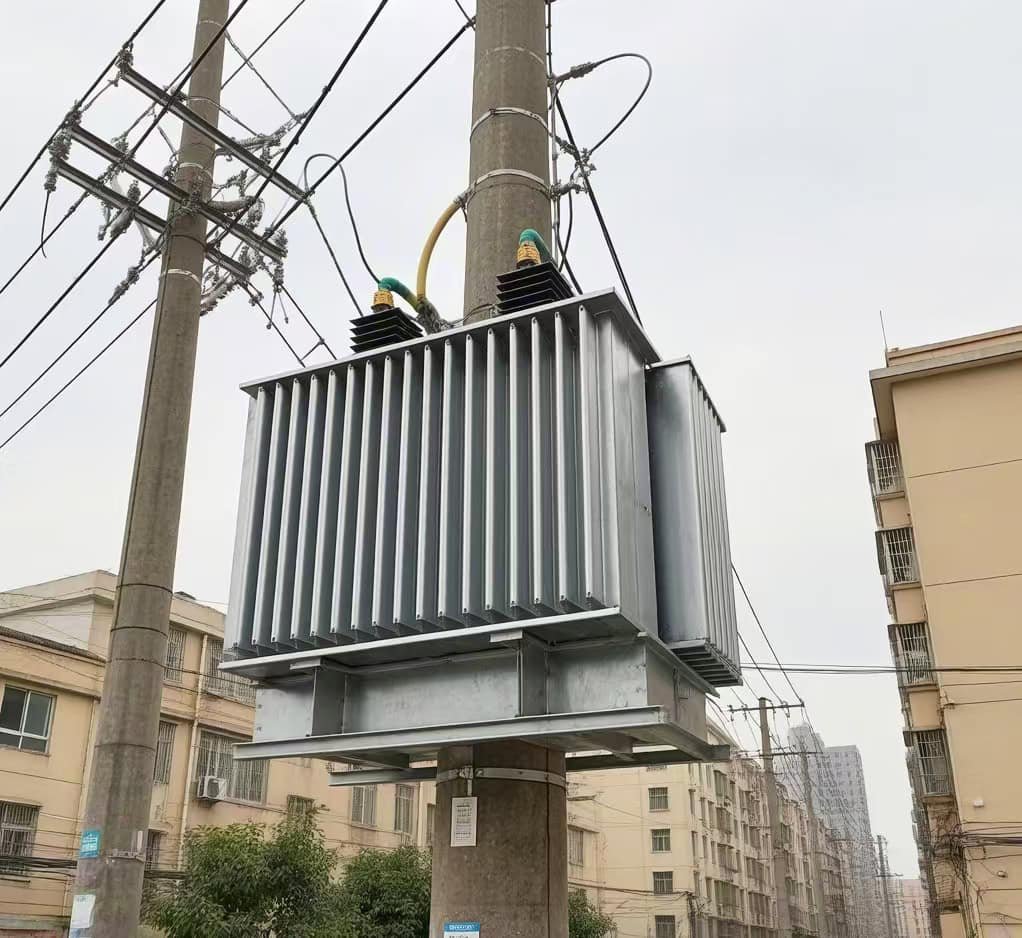
Dry-type transformers are favored for their oil-free design, fire resistance, and low maintenance needs, but despite these advantages, they’re not necessarily suitable for every application. Industrial engineers, utility planners, and infrastructure developers must consider various factors—including voltage level, load profile, ambient environment, and lifecycle cost—to determine whether dry-type or oil-immersed technology is the best fit. While dry-type transformers perform exceptionally well in many environments, their limitations in power density, cooling, and environmental stress resistance make them better suited for certain scenarios and less optimal for others.
Dry-type transformers are not suitable for all applications. They excel in environments that require fire safety, minimal maintenance, and oil-free operation, such as commercial buildings, hospitals, tunnels, and renewable energy systems. However, they are generally limited to medium voltage applications (≤ 36 kV), and their lower overload capacity and larger size make them less ideal for high-voltage transmission substations, heavy-duty industrial zones, or harsh outdoor climates. Choosing between dry-type and oil-immersed transformers depends on application-specific parameters like voltage level, cooling requirements, installation constraints, and environmental conditions.
Dry-type transformers can be used in all high-voltage outdoor applications without limitations.False
Dry-type transformers are generally limited to medium-voltage ranges and are not ideal for high-voltage outdoor substations due to size, cooling, and environmental constraints.
Dry-type transformers are the preferred choice in indoor, fire-prone, or oil-sensitive environments.True
Their self-extinguishing insulation and oil-free design make dry-type transformers safer in enclosed or sensitive locations.
Dry-type transformers require more space for equivalent power compared to oil-immersed units.True
Due to less efficient cooling and insulation, dry-type transformers are larger in size for the same power rating.
1. Application Suitability Overview: Where Dry-Type Transformers Excel and Fall Short
| Application | Suitability | Reason |
|---|---|---|
| Commercial Buildings / Skyscrapers | ✅ Excellent | Oil-free, indoor-safe, low maintenance |
| Hospitals / Schools | ✅ Excellent | Fire-safe and no emissions |
| Data Centers | ✅ Excellent | Silent, no fluid handling |
| Tunnels / Subways / Underground | ✅ Excellent | No explosion risk, space optimized |
| Renewable Energy (Wind/Solar Inverters) | ✅ Good | Space-efficient with environmental safety |
| Marine / Offshore Rigs | ⚠️ Limited | Corrosion risk, must be sealed type |
| Heavy Industry / Mines | ⚠️ Conditional | Vibration, dust require reinforced types |
| Outdoor Transmission Substations (> 36kV) | ❌ Not Ideal | Size, cooling, weather resistance limitations |
| Bulk Power Distribution (>10 MVA) | ❌ Not Ideal | Larger footprint, thermal limitations |
🔍 Dry-types are best for low-to-medium voltage indoor use, particularly in urbanized or safety-conscious infrastructure.
2. Voltage and Power Limitations of Dry-Type Transformers
| Parameter | Dry-Type Transformer | Oil-Immersed Transformer |
|---|---|---|
| Max Voltage Rating | Typically up to 36 kV | Common up to 400 kV |
| Typical Power Range | 100 kVA to 10 MVA | 100 kVA to 500+ MVA |
| Overload Handling | Moderate (limited cooling) | Strong (fluid thermal buffer) |
| Partial Discharge Control | Limited above 36 kV | Better insulation for high voltage |
⚡ Dry-type designs are generally not suitable for grid-scale transmission—but ideal for distribution-level systems and urban infrastructure.
3. Environmental and Climatic Considerations
| Environment Type | Suitability | Notes |
|---|---|---|
| Indoor (Clean) | ✅ Ideal | Natural cooling performs well |
| Indoor (Dusty/Industrial) | ⚠️ Needs sealed or coated units | |
| Outdoor (Moderate Climate) | ⚠️ Requires IP-rated enclosure | |
| Outdoor (Harsh Weather, Rain, UV) | ❌ Not recommended | Enclosure and resin degrade faster |
| Coastal/Marine Environments | ⚠️ Sealed resin & stainless needed | |
| Tunnels/Subways | ✅ Excellent | No oil, low fire load |
| High Altitude (>1000m) | ⚠️ Derating required | Air density affects cooling |
🌍 Dry-types require environmental matching—especially enclosure IP level, resin UV rating, and corrosion protection.
4. Comparison: Dry-Type vs. Oil-Immersed by Application Criteria
| Criteria | Dry-Type | Oil-Immersed |
|---|---|---|
| Fire Safety | ✅ Excellent | ⚠️ Requires containment |
| Space Efficiency | ❌ Larger footprint | ✅ More compact |
| Maintenance Needs | ✅ Low | ⚠️ Medium to High |
| Environmental Impact | ✅ Eco-friendly | ❌ Oil risk, fire risk |
| Installation Type | ✅ Indoor, ventilated | ✅ Outdoor and indoor |
| Cost at High Ratings | ❌ Expensive | ✅ Scales well with size |
| Noise | ⚠️ Higher | ✅ Oil dampens noise |
| Lifecycle Cost in Sensitive Zones | ✅ Favorable | ⚠️ Higher due to oil handling |
| Mobility / Containerization | ✅ Modular | ⚠️ Weight and handling limits |
🛠 Engineers should assess cost-performance balance based on installation location, power requirements, and operating conditions.
5. Real-World Case Studies: Dry-Type Successes and Limitations
✅ Success Example – Underground Metro Substation, Singapore
- Specification: 2.5 MVA, 11 kV dry-type CRT unit
- Reason for Selection: Fire-proof, oil-free, ventilated installation
- Outcome: 10+ years of operation with minimal maintenance
❌ Limitation Example – Rural Transmission Station, Brazil
- Need: 60 MVA, 138 kV transformer
- Dry-type Feasibility: Not viable due to size, cooling limitations
- Solution: Oil-immersed unit with mineral oil and fire suppression system
🏙️ These examples reinforce that dry-type is application-specific, not universal.
6. Regulatory and Design Guidelines for Application Suitability
| Standard | Governs | Impact on Selection |
|---|---|---|
| IEC 60076-11 | Dry-type transformer design/testing | Defines temperature rise, insulation class |
| UL 1561 / ANSI C57.12.01 | U.S. standards for dry-types | Fire safety, performance |
| NFPA 70 (NEC) | Fire safety code | Dry-types favored in plenum or high-risk zones |
| EU Eco Design Directive 548/2014 | Energy efficiency labeling | Applicable to dry and oil types |
| IS 2026 (India) | Selection and application | Encourages dry-type in hospitals and IT parks |
📘 Compliance to these standards helps ensure the transformer’s suitability matches its intended environment and usage pattern.
Conclusion
Dry-type transformers are indeed more eco-friendly in many aspects—especially in terms of fire safety, oil-free operation, and recyclability. While not a one-size-fits-all solution, they align well with modern environmental standards and are increasingly favored in applications where safety and sustainability are priorities.
FAQ
Q1: Why are dry-type transformers considered more environmentally friendly?
A1: Dry-type transformers are oil-free, which eliminates the risk of toxic oil leaks or spills that could contaminate soil and water. Their solid insulation system (often made of epoxy resin) is non-flammable, low-emission, and safe for indoor or sensitive environments. Additionally, they:
Require minimal maintenance
Don’t release greenhouse gases
Operate with low noise and high efficiency
These features make them a sustainable choice for modern electrical systems.
Q2: Do dry-type transformers help reduce fire and explosion risks?
A2: Yes. Unlike oil-immersed transformers, dry-type units:
Have no flammable oil, minimizing fire hazards
Use self-extinguishing, high-thermal-class insulation materials
Can be installed indoors or near people without special containment areas
Their fire-safe design aligns with strict building and safety codes, making them ideal for hospitals, high-rise buildings, and tunnels.
Q3: Are the materials used in dry-type transformers recyclable?
A3: Most components of dry-type transformers are highly recyclable:
Copper or aluminum windings
Silicon steel cores
Epoxy resin insulation, which is thermoset but can be safely disposed of
At end of life, these materials can be recovered, supporting circular economy practices and reducing landfill waste.
Q4: How do dry-type transformers compare with oil-immersed transformers in terms of emissions?
A4: Dry-type transformers:
Produce zero oil vapor emissions
Are free from PCBs and other toxic oil-based compounds
Are suitable for low-carbon infrastructure and green buildings
This gives them a significant environmental advantage over traditional oil-immersed models, especially in clean energy projects.
Q5: In what eco-sensitive environments are dry-type transformers preferred?
A5: Dry-type transformers are commonly installed in:
Hospitals and schools
Commercial buildings and shopping malls
Offshore platforms and wind farms
Underground metro stations and tunnels
Their clean, safe, and compact profile meets the needs of urban, indoor, and eco-sensitive areas, where oil-based units would pose a risk.
References
Electrical4U: Advantages of Dry-Type Transformers
https://www.electrical4u.com/dry-type-transformer/
IEEE C57.12.01-2020: Standard for Dry-Type Transformers
https://standards.ieee.org/standard/C57_12_01-2020.html
Doble Engineering: Dry Transformer Environmental Testing
https://www.doble.com/resources/dry-type-transformer-maintenance/
ScienceDirect: Life-Cycle Assessment of Dry-Type Transformers
https://www.sciencedirect.com/science/article/pii/S0301421519310001
NREL: Environmentally Friendly Transformer Technologies
https://www.nrel.gov/docs/fy21osti/dry-transformer-environment.pdf