
The cost of a power transformer can vary significantly depending on its capacity, voltage class, design type, materials, and additional features. Whether you are sourcing a transformer for industrial, utility, or renewable energy applications, understanding the factors that influence pricing will help you make informed purchasing decisions. This guide breaks down the main cost drivers, additional expenses, and practical tips to get the best value without compromising quality or performance.
What Are the Key Factors Affecting Transformer Cost?

Buying a transformer is not just about picking a size off a shelf—the price tag is shaped by dozens of engineering, material, and logistical decisions. Misjudging these can lead to overpaying, underperforming equipment, or costly retrofits later. For operators and procurement teams, understanding cost drivers is the first step toward smarter budgeting and lifecycle planning.
Transformer cost is influenced by factors such as power rating, voltage class, insulation system, cooling method, materials (copper/aluminum), compliance with standards, custom features, manufacturing lead time, and logistics. Each of these affects both initial price and total cost of ownership.
Copper windings always make transformers cheaper than aluminum windings.False
Copper windings generally improve performance and reduce size, but copper is more expensive than aluminum, increasing upfront cost.
1. Technical Specifications That Influence Cost
| Factor | Impact on Cost | Notes |
|---|---|---|
| Power Rating (kVA/MVA) | Higher ratings require more core material, larger windings, and bigger tanks | Directly proportional to capacity |
| Voltage Class | Higher voltage levels need more insulation clearance and robust bushings | Adds manufacturing complexity |
| Frequency | Special frequencies (e.g., 16.7 Hz for railways) require larger cores | Less common = higher price |
| Cooling Method | Forced cooling (OFAF, ODAF) costs more than natural cooling (ONAN) | Includes pumps, fans, controls |
| Insulation Class | Higher thermal class (e.g., 220°C) allows higher loading but costs more | Requires special materials |
| Impedance Value | Lower impedance may require more copper to reduce losses | Impacts short-circuit performance |
2. Material Choices and Market Prices
| Material | Cost Effect | Reason |
|---|---|---|
| Copper vs. Aluminum | Copper usually increases price | Better conductivity, smaller size |
| Core Steel Grade | Higher-grade (e.g., amorphous metal) is more expensive | Improves efficiency, reduces losses |
| Transformer Oil Type | Natural esters cost more than mineral oil | Better fire safety and biodegradability |
Material market fluctuations—especially copper and electrical steel—can change transformer prices significantly within months.
3. Customization and Compliance
- Custom Dimensions for retrofit installations often cost more than standard sizes.
- Special Standards Compliance (IEEE, IEC, CSA, ABS for marine) adds design and testing costs.
- Special Features like OLTC (On-Load Tap Changers), smart sensors, or earthquake-proof design increase complexity.
4. Manufacturing & Delivery Factors
- Lead Time: Rush orders can increase costs due to overtime and supply chain prioritization.
- Factory Location: Import duties, shipping, and site access affect final price.
- Testing Requirements: Full type-testing vs. routine testing affects cost.
5. Lifecycle Cost Considerations
Sometimes the cheapest transformer upfront becomes the most expensive over time due to higher losses, lower efficiency, or premature replacement. Total Cost of Ownership (TCO) includes:
- Initial purchase price
- Installation cost
- Energy losses over lifespan
- Maintenance & spare parts
- Downtime risk cost
What Are the Average Price Ranges of Transformers by Size and Application?
On average, small dry-type distribution transformers (≤500 kVA) range from \$2,000 to \$20,000, medium power transformers (1–10 MVA) cost \$30,000 to \$300,000, and large high-voltage transformers (>50 MVA) can exceed \$2 million. Application-specific designs—such as for renewables, marine, or underground—typically cost 15–50% more than standard units.
All 1 MVA transformers cost the same regardless of application or design.False
Application-specific requirements, cooling method, insulation type, and compliance standards significantly affect pricing even for transformers with the same kVA rating.
1. Typical Price Ranges by Size
| Transformer Size (kVA/MVA) | Common Application | Typical Price Range (USD) | Notes |
|---|---|---|---|
| 50–500 kVA | Small commercial buildings, schools | $2,000 – $20,000 | Dry-type or pad-mounted |
| 750 kVA – 2.5 MVA | Large commercial, light industry | $15,000 – $60,000 | Indoor or outdoor designs |
| 3 – 10 MVA | Medium industry, hospitals | $30,000 – $300,000 | Oil-filled or dry-type |
| 15 – 40 MVA | Heavy industry, substations | $400,000 – $1,500,000 | High-voltage class |
| 50 – 500 MVA | Transmission, large generation | $2M – $8M+ | Highly customized |
2. Price Impact by Application
| Application | Typical Cost Premium | Reason |
|---|---|---|
| Renewable Energy (Wind/Solar) | +15–25% | High efficiency, environmental protection |
| Underground/Subterranean | +20–35% | Compact design, forced cooling |
| Marine/Offshore | +30–50% | Anti-corrosion, vibration resistance |
| Data Centers | +20–30% | High redundancy, low noise |
| Mining | +25–40% | Heavy-duty, dust-proof cooling |
3. Why Prices Fluctuate
- Material Costs (copper, aluminum, electrical steel)
- Lead Time (rush orders increase cost)
- Testing Requirements (type tests vs. routine tests)
- Import Duties and Logistics
4. Real-World Example
A 2.5 MVA, 13.8/0.48 kV oil-filled transformer for a manufacturing plant might cost $55,000–$75,000 standard.
The same unit designed for offshore use with anti-corrosion coatings and DNV-GL certification could cost $90,000–$110,000.
What Additional Costs Should Be Considered When Purchasing a Transformer?
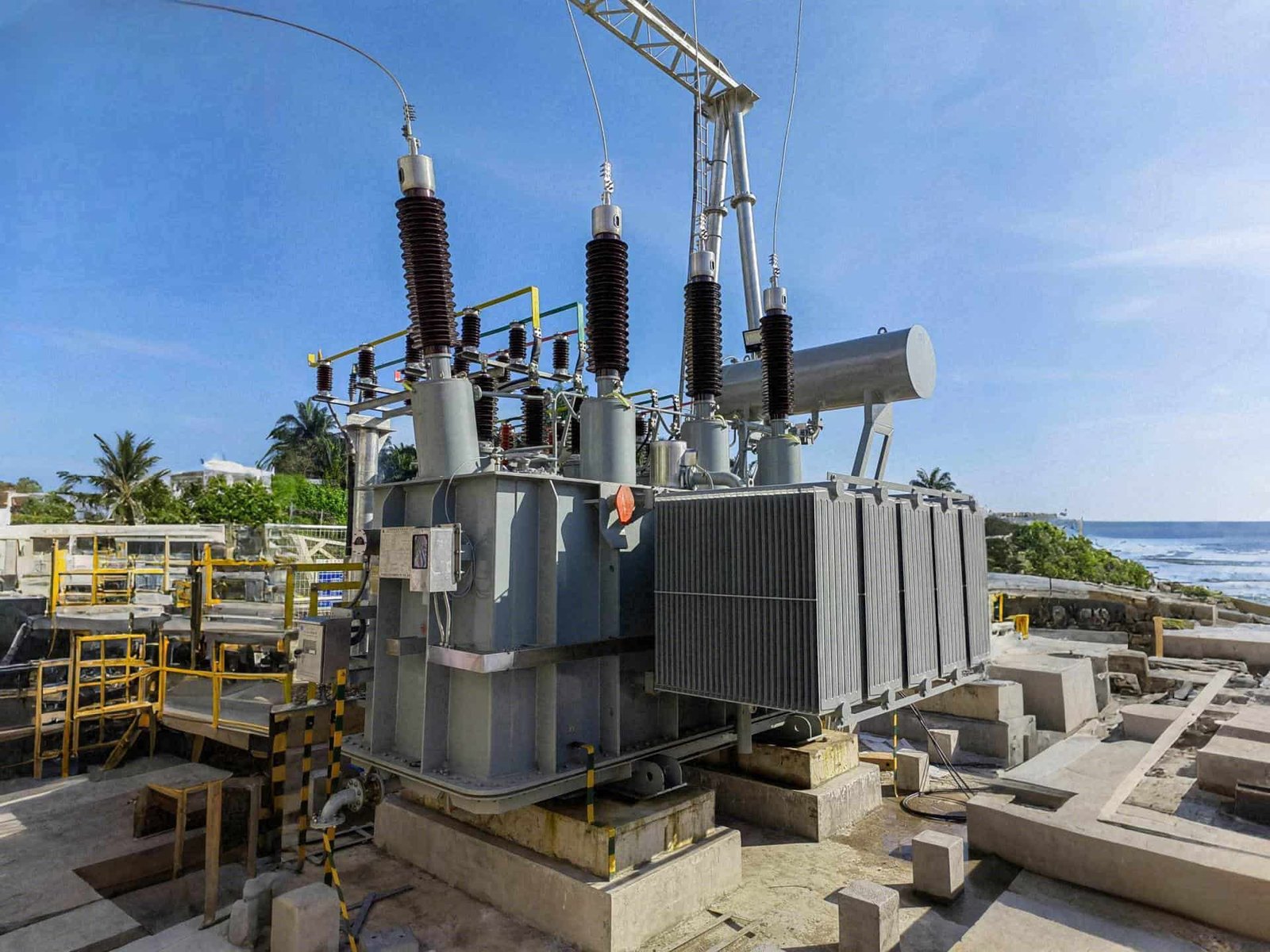
When companies budget for a transformer, it’s tempting to look only at the quoted purchase price, especially when suppliers advertise a single “delivered cost.” In reality, the transformer itself is often just the core of a much larger financial commitment. Ignoring the surrounding expenses—such as site preparation, logistics, installation, commissioning, and long-term operational costs—can cause the total project expenditure to balloon by 20–50% or more. In worst cases, overlooked expenses can delay energization, lead to compliance failures, or compromise system safety. Understanding all cost components up front is crucial for accurate capital planning and avoiding unpleasant surprises.
Beyond the transformer purchase price, additional costs can include site preparation, foundation construction, transportation and rigging, oil handling, electrical interconnections, cooling system assembly, testing and commissioning, permits and inspections, spare parts, monitoring systems, long-term maintenance, and even insurance adjustments. Each of these can significantly impact the overall project budget.
Transformer purchase quotes always include all installation, transport, and commissioning costs.False
Most manufacturer quotes cover the transformer unit only. Transport, installation, civil works, and commissioning are usually handled—and billed—separately.
Once you see the breakdown, it becomes clear why experienced project engineers insist on a “total installed cost” approach rather than focusing on equipment price alone.
1. Pre-Installation and Civil Works
Before a transformer even arrives on-site, preparatory work is essential. Site surveys ensure the location meets clearance, load-bearing, and safety requirements. Civil works may involve:
- Excavation and grading to ensure stable ground.
- Drainage systems to prevent water accumulation.
- Concrete foundations or steel plinths built to specific load tolerances.
- Fencing and access control for security compliance.
| Cost Item | Scope | Typical Range (USD) |
|---|---|---|
| Site Survey & Design | Engineering drawings, load analysis | $1,500 – $5,000 |
| Foundation/Plinth | Civil construction, anchor bolts | $2,000 – $30,000 |
| Drainage & Oil Containment | Environmental compliance | $1,000 – $10,000 |
| Security Fencing | Perimeter protection | $1,000 – $15,000 |
2. Delivery and Logistics
Transporting a transformer is rarely straightforward. Medium-to-large units may require special permits, police escorts, and route modifications due to weight or height restrictions. Oil-filled transformers above certain sizes are often shipped without oil to reduce weight, requiring separate oil delivery and filling on-site.
Key cost drivers:
- Specialized transport vehicles (low-bed trailers, hydraulic modular transporters).
- Rigging and placement equipment (cranes, jacking/skidding systems).
- Route surveys and clearances for bridges, turns, and overhead lines.
3. Installation and Mechanical Assembly
Installation involves much more than setting the transformer in place. Radiators, fans, oil pumps, conservators, bushings, and other detachable parts must be assembled on-site. Incorrect assembly or poor handling can void warranties or cause operational failures.
| Installation Activity | Notes | Typical Cost Impact |
|---|---|---|
| Mechanical Assembly | Fitting radiators, bushings, conservator tanks | High labor cost |
| Electrical Interconnection | HV/LV cables, bus ducts, terminations | Material + labor intensive |
| Earthing/Grounding System | Ground grid, rods, bonding to structure | Safety-critical |
| Cooling System Commissioning | Air/oil flow checks, fan/pump testing | Required for efficiency |
4. Testing and Commissioning
Before energizing, transformers must undergo acceptance testing to verify they meet specifications. This can include:
- Insulation resistance testing (megger).
- Winding resistance measurement.
- Turns ratio testing.
- Oil dielectric strength and DGA (for oil-filled units).
- Functional testing of protective relays and sensors.
Testing costs vary based on scope but are critical for ensuring warranty validity and grid safety compliance.
5. Long-Term and Lifecycle Costs
Even after commissioning, budget considerations continue:
- Spare parts inventory: bushings, gaskets, cooling fans.
- Monitoring systems: online DGA, thermal sensors, SCADA integration.
- Routine maintenance: oil testing, cleaning radiators, tightening connections.
- Insurance premiums: large transformers may require additional coverage.
| Lifecycle Element | Cost Impact |
|---|---|
| Spare Parts | Ensures minimal downtime in case of failure |
| Monitoring Equipment | Early fault detection, reduces catastrophic failures |
| Annual Maintenance | Preserves efficiency, extends lifespan |
6. Real-World Example
For a 10 MVA oil-filled transformer priced at $250,000, the full installed cost might look like this:
| Item | Cost Estimate (USD) |
|---|---|
| Transport & Rigging | $30,000 |
| Civil Works & Foundation | $15,000 |
| Mechanical & Electrical Installation | $20,000 |
| Testing & Commissioning | $5,000 |
| Spares & Monitoring | $10,000 |
| Total Installed Cost | $330,000 |
In this example, “extras” add about 32% to the purchase price—a typical ratio for large industrial projects.
How Do Standards and Compliance Requirements Impact Transformer Pricing?
When planning for a transformer purchase, many buyers focus solely on technical ratings and delivery timelines, overlooking the substantial cost impact of meeting national and international standards such as IEEE, ANSI, IEC, and regional grid codes. Compliance is not merely a legal checkbox—it determines design complexity, material grade, manufacturing process, and testing scope. Skipping or downgrading standards can lower the purchase price but risks operational reliability, safety, and even legal liability in the long run.
Strict compliance with recognized standards often increases upfront cost due to premium materials, advanced manufacturing tolerances, extended factory testing, and third-party certification, but it also ensures safety, efficiency, long-term reliability, and regulatory approval for grid connection.
Complying with international transformer standards always increases the purchase price.True
Higher-quality materials, more rigorous testing, and specialized designs required by standards typically increase manufacturing and certification costs.
Many project managers underestimate how heavily the final transformer price is shaped by the compliance pathway chosen during procurement.
1. Direct Cost Drivers from Standards Compliance
Meeting IEEE, IEC, or national utility specifications requires:
- Premium core steel grades to meet efficiency loss limits.
- Higher insulation class materials for greater dielectric withstand capability.
- Tighter mechanical tolerances to pass vibration and short-circuit withstand tests.
- Fire-retardant or low-smoke materials to meet NFPA or IEC fire safety standards.
- Additional testing cycles, including impulse, temperature rise, partial discharge, and sound level verification.
| Compliance Element | Example Standard Requirement | Cost Impact |
|---|---|---|
| Core Material | Low-loss grain-oriented silicon steel | +5–10% |
| Insulation | Class F or H per IEC 60085 | +3–6% |
| Cooling System | Forced-air or oil pumps per thermal test | +4–8% |
| Fire Safety | IEC 60076-11 cast resin flammability limits | +2–5% |
| Noise Control | IEC 60076-10 sound power limits | +1–3% |
2. Indirect Price Implications
- Design complexity: Transformers built for seismic zones (per IEEE 693) require reinforced structures.
- Extended manufacturing lead times: More inspections and tests increase factory floor occupancy.
- Documentation and traceability: Detailed test reports, material certificates, and compliance dossiers add engineering labor.
- Third-party certification fees: UL, KEMA, or DEKRA testing can add thousands to project costs.
3. International vs. Local Standard Alignment
Transformers designed to meet multiple standards (e.g., IEC + ANSI) are inherently more expensive due to dual testing and hybrid design elements.
Example: A 10 MVA transformer to IEC 60076 only may cost $250,000, while one built to both IEC and ANSI could cost $270,000–$280,000 due to additional short-circuit, impulse, and temperature tests.
4. Compliance Testing and Factory Acceptance
Compliance often includes FAT (Factory Acceptance Testing) witnessed by customer representatives or third-party inspectors. These tests verify:
- Dielectric performance
- Thermal endurance
- Mechanical integrity
- Acoustic emissions
This adds time, test bay occupation, and skilled labor hours, all reflected in the invoice.
| Test Type | Typical Duration | Added Cost Impact |
|---|---|---|
| Temperature Rise | 8–12 hours | High (labor + power) |
| Impulse Test | 1–2 hours | Moderate |
| Partial Discharge | 1–2 hours | Moderate |
| Load Loss/No-load Loss | 1–2 hours | Low to moderate |
5. Cost–Risk Balance
While compliance increases cost, non-compliance can cause:
- Delayed grid connection due to utility rejection.
- Higher lifetime losses from substandard core material.
- Insurance claim denials after fire or fault events.
- Replacement costs if the transformer fails early due to poor design.
What Are the Cost Differences Between Oil-Immersed and Dry-Type Transformers?
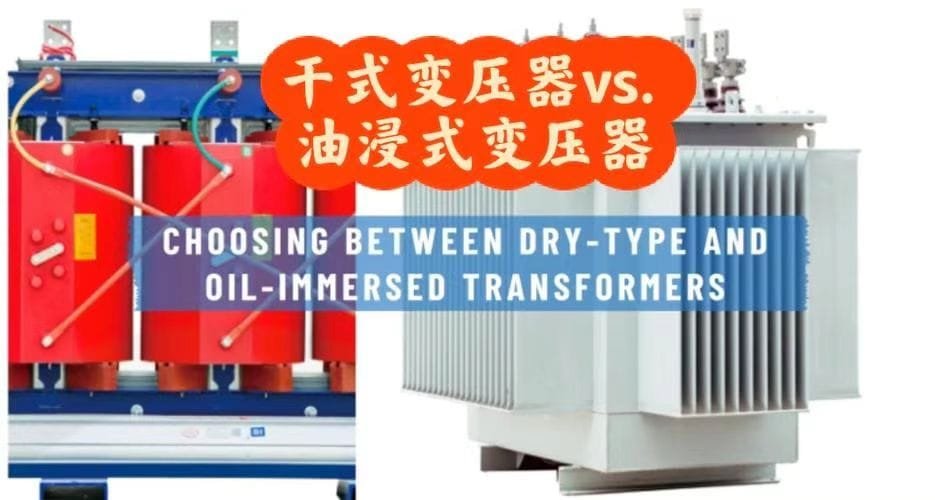
When choosing between oil-immersed and dry-type transformers, many buyers focus on efficiency, fire safety, and installation environment, but cost is often the deciding factor. The two technologies differ significantly in both initial purchase price and lifecycle expenses. Oil-immersed units are typically cheaper to purchase for the same power rating, but require more maintenance, potential spill containment, and fire protection measures. Dry-type units have a higher upfront cost but offer reduced maintenance and safer operation in certain environments. The true cost difference depends on capacity, application, standards, and installation conditions.
In general, oil-immersed transformers cost 20–40% less to purchase than dry-type equivalents of the same rating, but dry-type designs can offset part of this difference over time through lower maintenance and higher safety in specific settings.
Oil-immersed transformers are always cheaper than dry-type transformers.True
For the same voltage and power rating, oil-immersed designs require less expensive insulation and cooling systems, making them 20–40% less costly to manufacture.
Understanding these cost dynamics is key to making the right investment decision for your facility.
1. Typical Price Ranges
| Rating (kVA/MVA) | Oil-Immersed Price Range (USD) | Dry-Type Price Range (USD) | Difference (%) |
|---|---|---|---|
| 500 kVA | $15,000 – $22,000 | $20,000 – $30,000 | 25–36% higher |
| 1,000 kVA | $25,000 – $40,000 | $32,000 – $50,000 | 20–30% higher |
| 5 MVA | $80,000 – $130,000 | $105,000 – $165,000 | 20–28% higher |
| 20 MVA | $300,000 – $450,000 | $375,000 – $550,000 | 20–25% higher |
Prices based on standard IEC designs, excluding special features, civil works, or shipping.
2. Factors Behind the Price Gap
- Insulation and Cooling – Oil-immersed units use mineral oil for insulation and heat dissipation, which is cheaper than cast resin or high-grade varnish.
- Manufacturing Complexity – Dry-type transformers require precision resin casting or vacuum pressure impregnation, increasing production time and cost.
- Enclosures – Dry-types often require heavy-duty IP-rated enclosures for environmental protection, which adds to cost.
- Size and Weight – Dry-types are bulkier for the same rating, increasing material cost.
3. Lifecycle Cost Considerations
| Cost Factor | Oil-Immersed | Dry-Type |
|---|---|---|
| Initial Purchase | Lower | Higher |
| Maintenance | More frequent (oil testing, leaks, gasket replacement) | Minimal |
| Fire Safety Measures | Extra systems required | Built-in safety advantage |
| Efficiency Losses | Comparable, sometimes lower | Comparable, sometimes higher |
| Installation Flexibility | Outdoor preferred | Indoor-friendly |
| Service Life | 25–35 years | 20–30 years |
4. Application-Driven Economics
- Utility Substations – Oil-immersed preferred for cost and efficiency at large scale.
- High-rise & Hospitals – Dry-type preferred for safety despite higher cost.
- Underground Installations – Dry-type usually mandatory due to fire risk mitigation.
- Industrial Plants – Often oil-immersed outdoors, dry-type indoors near production lines.
What Are the Best Tips for Reducing Transformer Costs Without Sacrificing Quality?

When procuring a transformer, the goal is often to secure a competitive price without compromising reliability, performance, or compliance. However, cutting costs the wrong way can result in higher lifecycle expenses, premature failures, or safety risks. The key lies in strategically optimizing specifications, sourcing, and installation planning so that every dollar spent contributes to operational value.
The most effective way to reduce transformer costs without sacrificing quality is to specify only the necessary features for your application, optimize design for the operating environment, and partner with reputable manufacturers who can offer competitive pricing through material efficiency, standardized production, and volume procurement advantages.
This approach ensures that cost savings come from engineering optimization rather than corner-cutting that may reduce lifespan or efficiency.
Choosing the cheapest transformer always results in lower total costs.False
A low purchase price may lead to higher lifetime expenses due to poor efficiency, higher maintenance needs, and reduced service life.
1. Optimize Specifications for Your Application
Unnecessary oversizing or over-specifying can significantly inflate costs.
- Match kVA/MVA rating to actual load with an allowance for realistic future growth.
- Choose insulation class, cooling method, and enclosure rating appropriate for the environment.
- Avoid custom voltage ratings unless required by the system.
Example: A 2.5 MVA unit specified where a 2.0 MVA would suffice can cost 15–20% more upfront and have higher standby losses.
2. Consider Standardized Designs
Manufacturers often keep standard transformer models in production, offering lower prices and shorter lead times.
- Standard voltage ratios (e.g., 33/11 kV, 11/0.415 kV)
- Common tap changer ranges (±5% or ±2×2.5%)
- Normal cooling methods like ONAN instead of specialized OFAF unless needed
3. Compare Oil-Immersed vs. Dry-Type in Context
- For outdoor or utility applications, oil-immersed is usually more economical.
- For indoor, safety-critical areas, dry-type may cost more upfront but save on fire protection systems.
Selecting the right type can prevent over-investment in safety measures or unnecessary environmental containment.
4. Source from Manufacturers with Material Efficiency Programs
| Cost Factor | Optimization Opportunity |
|---|---|
| Core steel | Use high-grade silicon steel for better efficiency at smaller sizes |
| Copper windings | Optimize conductor cross-section for balance of efficiency and material cost |
| Cooling fins/radiators | Design for expected load, avoiding excess surface area |
| Enclosure | Select the lightest enclosure that meets protection and safety standards |
5. Plan for Installation Efficiency
- Align transformer design with site conditions to avoid costly civil modifications.
- Pre-plan cable entry/exit locations.
- Use modular designs where transport or site access is difficult.
6. Bulk Purchasing and Framework Agreements
If your organization requires multiple transformers over time, negotiate volume pricing. Large orders allow the manufacturer to optimize material procurement, lowering costs per unit.
7. Lifecycle Cost Evaluation
Instead of focusing only on purchase price, calculate total cost of ownership (TCO):
- Purchase price
- Installation
- Energy losses over lifetime
- Maintenance costs
- Expected service life
Table: Cost Impact of Different Procurement Approaches
| Approach | Purchase Price | Lifetime Energy Cost | Maintenance | Total 20-Year Cost |
|---|---|---|---|---|
| Cheapest upfront | $100,000 | $280,000 | $50,000 | $430,000 |
| Optimized TCO | $115,000 | $250,000 | $35,000 | $400,000 |
Conclusion
The price of a power transformer is determined by a combination of technical specifications, market conditions, and additional service requirements. By understanding these factors and evaluating both initial and lifetime costs, buyers can make cost-effective decisions that meet performance needs while optimizing long-term value. A strategic approach to procurement not only saves money but also ensures operational reliability and compliance with industry standards.
FAQ
Q1: How much does a power transformer typically cost?
The cost of a power transformer varies widely based on capacity, voltage rating, manufacturer, and additional features. Small distribution transformers can cost a few thousand dollars, while large high-voltage power transformers can range from $50,000 to several million dollars.
Q2: What factors influence power transformer pricing?
Key factors include kVA or MVA rating, voltage class, design type (oil-filled or dry-type), cooling method, efficiency rating, brand reputation, and compliance with standards like IEC or IEEE. Transportation and installation costs also affect the total price.
Q3: Are used or refurbished transformers a good option?
Used or refurbished transformers can be cost-effective if sourced from reputable suppliers who test and certify them. However, buyers should consider reduced lifespan, possible outdated efficiency standards, and limited warranty coverage.
Q4: How can I get an accurate power transformer quote?
To get an accurate quote, provide the supplier with details such as required kVA/MVA rating, primary and secondary voltage, frequency, cooling method, and intended application. Including site conditions and compliance requirements will help avoid hidden costs.
Q5: What additional costs should buyers consider?
In addition to the transformer’s purchase price, consider shipping, installation, testing, commissioning, and periodic maintenance. For large units, special transportation permits or cranes may be required, adding to the overall cost.
References
IEEE - Power Transformer Market Overview: https://ieeexplore.ieee.org
NEMA - Transformer Standards and Cost Factors: https://www.nema.org
Electrical4U - Transformer Price and Cost Factors: https://www.electrical4u.com
EEP - Guide to Power Transformer Costs: https://electrical-engineering-portal.com
Energy.gov - Transformer Energy Efficiency Standards: https://www.energy.gov
All About Circuits - Transformer Types and Costs: https://www.allaboutcircuits.com
Engineering Toolbox - Transformer Specifications and Sizing: https://www.engineeringtoolbox.com