
Draining oil from a transformer is a critical maintenance task that must be performed carefully to ensure both equipment safety and environmental protection. The process involves proper preparation, the use of appropriate tools, and adherence to safety and regulatory standards.
What Safety Precautions Should Be Taken Before Draining Transformer Oil?
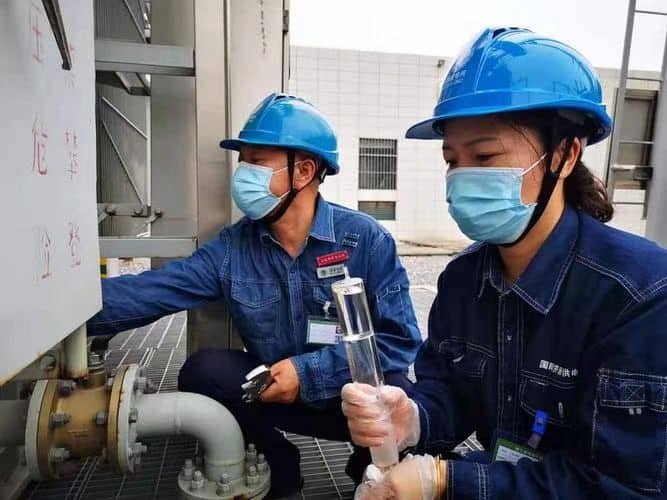
Draining transformer oil is a critical maintenance activity that requires strict safety measures. Transformer oil serves as both an insulating medium and a cooling fluid. Mishandling during draining can lead to fire hazards, electrical accidents, oil contamination, and environmental damage. To ensure safe operation, technicians must follow established procedures, protective measures, and regulatory guidelines.
Key Safety Precautions Before Draining Transformer Oil
De-energization and Isolation
- Ensure the transformer is completely disconnected from the power supply.
- Lockout-tagout (LOTO) procedures must be implemented to prevent accidental energization.
- Confirm with appropriate testing that no residual voltage remains.
Cooling and Depressurization
- Allow the transformer to cool down before draining.
- Hot oil can cause burns and increase vapor release.
- Release any internal pressure slowly to avoid sudden oil discharge.
Fire and Explosion Precautions
- Transformer oil is flammable. Keep all ignition sources, sparks, and open flames away.
- Fire extinguishers (CO₂, foam, or dry powder) must be available nearby.
- Use only intrinsically safe equipment for lighting and tools in oil handling areas.
Personal Protective Equipment (PPE)
- Wear oil-resistant gloves, chemical-resistant overalls, safety goggles, and face shields.
- Respiratory protection may be required in poorly ventilated areas to avoid inhalation of vapors.
- Safety boots should be used to prevent slips and skin contact.
Environmental Protection Measures
- Place oil containment trays, drip pans, or spill kits under drain valves.
- Prevent leakage into soil or drainage systems by using secondary containment barriers.
- Comply with local environmental laws regarding hazardous fluid handling.
Proper Grounding and Static Control
- Ensure the transformer tank and oil handling equipment are properly grounded.
- Prevents static electricity accumulation that could ignite oil vapors.
Safe Handling Equipment
- Use clean, oil-compatible hoses, pumps, and tanks to prevent contamination.
- Ensure all connections are tight and valves are in working condition before opening drains.
- Use only containers certified for transformer oil storage and transport.
Monitoring and Supervision
- Draining should only be carried out by trained personnel.
- Continuous supervision and communication between workers is required.
- Emergency response procedures should be in place in case of spills or fire.
Example of a Precaution Checklist
| Step | Precaution | Purpose |
|---|---|---|
| 1 | De-energize and lockout | Prevents electrical accidents |
| 2 | Cool transformer | Reduces risk of burns and vapor release |
| 3 | Fire safety measures | Prevents ignition of oil vapors |
| 4 | PPE use | Protects workers from burns and chemical contact |
| 5 | Spill containment | Prevents environmental contamination |
| 6 | Grounding | Eliminates static discharge risks |
What Tools and Equipment Are Needed for the Oil Draining Process?
Draining transformer oil is a controlled maintenance activity that requires specialized tools and equipment to ensure the process is safe, efficient, and environmentally responsible. Using the right equipment prevents oil contamination, avoids spills, and protects workers from fire and chemical hazards.
Essential Tools and Equipment for Oil Draining
Oil Draining and Transfer Equipment
- Oil drain valves and couplings: Secure, leak-proof connections for safe draining.
- Oil transfer pumps: Explosion-proof and compatible with insulating oil; can be hand-operated or motorized.
- Flexible oil-resistant hoses: To connect drain points with collection containers.
- Flow control valves: For smooth regulation of oil flow and to prevent sudden surges.
Oil Collection and Storage Containers
- Steel or HDPE drums/tanks: Certified for transformer oil storage.
- Sealed containers: To prevent moisture ingress or oil oxidation.
- Secondary spill containment trays: Positioned under containers and connections to catch leaks.
Filtration and Handling Systems
- Oil filtration unit or purifier (if oil will be reused): Removes moisture, particles, and gases.
- Inline strainers or filters: Protect pumps and hoses from clogging.
- Dehydration equipment: For reclaiming and reconditioning drained oil.
Safety and Fire Protection Equipment
- Fire extinguishers: CO₂, foam, or dry powder suitable for oil fires.
- Explosion-proof lighting and tools: Prevent ignition from sparks.
- Grounding cables: To dissipate static electricity during oil transfer.
Personal Protective Equipment (PPE)
- Oil-resistant gloves, safety goggles, and face shields.
- Flame-retardant overalls or chemical-resistant coveralls.
- Safety boots with slip and oil resistance.
- Respirators if working in confined or poorly ventilated areas.
Environmental Protection Equipment
- Spill kits and absorbent pads: For immediate response to leaks.
- Oil containment booms and trays: Prevent spread of oil in case of accidental spillage.
- Waste oil disposal containers: For proper collection of contaminated oil or cleanup materials.
Monitoring and Measuring Instruments
- Oil level gauges: To monitor draining progress.
- Thermometers: Ensure oil is at a safe temperature before draining.
- Pressure relief tools: In case residual gas pressure needs to be released.
Example of Equipment Setup for Oil Draining
| Equipment | Function |
|---|---|
| Oil pump + hoses | Transfers oil safely from transformer to container |
| Storage drums/tanks | Holds drained oil for reuse or disposal |
| Filtration unit | Purifies oil for reuse |
| Spill trays + absorbents | Prevents soil/water contamination |
| PPE kit | Ensures worker safety |
How Is Transformer Oil Properly Drained Step by Step?

Draining transformer oil is a sensitive and safety-critical process. Improper handling can cause fire hazards, environmental contamination, or even permanent transformer damage. Operators must ensure that draining is done under strict safety procedures, using appropriate tools, protective gear, and containment systems. The consequences of mistakes—such as oil leaks, PCB contamination, or air ingress—can lead to transformer failure and regulatory violations. The solution lies in following a systematic, step-by-step draining procedure that ensures safety, compliance, and oil integrity.
Transformer oil should be drained by first ensuring complete de-energization and lockout of the transformer, verifying grounding, preparing oil-tight containers with spill containment, and opening the drain valve slowly to control flow. Venting at the conservator or top cover prevents vacuum lock. Oil must be collected in sealed, labeled containers for reuse or disposal. Once draining is complete, the drain valve is closed securely, samples are taken for testing, and all oil-handling equipment is cleaned to prevent contamination.
This guide will walk you through the practical step-by-step procedure for draining transformer oil safely and effectively.
Step-by-Step Process for Draining Transformer Oil
Step 1: Safety Preparation
- Shut down and de-energize the transformer completely.
- Apply Lockout-Tagout (LOTO) and confirm zero voltage.
- Ground the transformer tank to prevent static buildup.
- Wear PPE: oil-resistant gloves, face shield, flame-resistant clothing, and safety boots.
- Keep fire extinguishers and spill kits on standby.
Step 2: Environmental and Containment Setup
- Place oil collection drums or tanks with adequate capacity near the transformer.
- Use secondary containment trays or bund walls to catch accidental spills.
- Verify that collection containers are labeled and suitable for transformer oil (metal drums or certified HDPE).
Step 3: Prepare the Transformer for Draining
- Measure oil temperature (oil should be cooled to safe handling temperature).
- Open the top vent or conservator breather to allow air inflow and prevent vacuum lock during draining.
- Inspect the drain valve and fittings for leaks or blockages.
Step 4: Connecting the Draining Equipment
- Attach an oil-rated hose from the transformer drain valve to the collection container.
- Secure fittings with clamps to avoid leaks.
- Ensure the receiving container is grounded if using a pump.
Step 5: Draining the Oil
- Slowly open the drain valve or start the pump at low speed.
- Maintain controlled flow to avoid splashing or foaming.
- Monitor the process continuously, ensuring no overflow from drums.
- If sludge or heavy deposits block the valve, stop and clean before continuing.
Step 6: Sampling During Draining
Collect oil samples in glass or PET bottles for testing:
- Dielectric breakdown voltage (BDV).
- Water content (ppm).
- Dissolved Gas Analysis (DGA).
- PCB test (mandatory for older units).
Step 7: Completion of Draining
- Allow oil to fully drain, then close the valve securely.
- Disconnect hoses carefully, avoiding spills.
- Seal and label all oil-filled drums with transformer ID, draining date, and oil volume.
Step 8: Post-Draining Actions
- Clean the transformer exterior and surrounding area of oil residues.
- Store filled containers in bunded areas until reconditioning or disposal.
- Document the procedure, including drained volume, test results, and disposal/reuse plan.
Example: Step-by-Step Oil Draining Checklist
| Step | Action | Key Safety/Quality Check |
|---|---|---|
| 1 | Isolate and de-energize transformer | Apply LOTO, confirm zero voltage |
| 2 | Ground tank and prepare PPE | Static and fire protection |
| 3 | Set up containers and containment | No leakage risk |
| 4 | Open vent at conservator/top | Prevent vacuum lock |
| 5 | Connect hoses to drain valve | Tight seals, no leaks |
| 6 | Slowly open valve/start pump | Maintain controlled flow |
| 7 | Collect oil samples | BDV, moisture, DGA, PCB test |
| 8 | Finish draining and close valve | Prevent air ingress or dirt entry |
| 9 | Seal and label containers | Compliance and traceability |
| 10 | Clean up and document | Environmental and safety records |
How Should the Drained Oil Be Collected, Stored, and Disposed of?

Transformer oil draining is only the first step — what comes afterward is even more critical. If the drained oil is not collected, stored, and disposed of properly, it can pose fire hazards, soil and water contamination risks, and regulatory penalties. Many operators underestimate the importance of post-draining oil management, but failure to follow standards can lead to environmental incidents and expensive remediation. The solution is a structured oil management process, ensuring that every liter of drained oil is safely captured, correctly stored, tested, and either reused or disposed of under compliance regulations.
Drained transformer oil should be collected in sealed, compatible containers (steel drums or certified HDPE tanks), clearly labeled with transformer ID and oil condition, and stored in bunded or secondary containment areas to prevent leaks. If the oil meets quality standards after testing, it can be reconditioned and reused; otherwise, it must be handed over to licensed hazardous waste handlers for environmentally safe disposal in compliance with regulations such as RoHS, REACH, or EPA guidelines.
This guide explains how to handle transformer oil responsibly after draining.
Step 1: Collection of Drained Oil
- Use oil-resistant hoses connected directly from the transformer drain valve into approved containers.
- Collect oil in sealed steel drums (200 L) or certified HDPE containers designed for hydrocarbons.
- Ensure containers are grounded if pumps are used to avoid static discharge.
- Take representative samples for testing (BDV, DGA, moisture, PCB content) before deciding on reuse or disposal.
Step 2: Proper Storage of Drained Oil
- Place filled containers in a bunded area (secondary containment with at least 110% of the largest drum’s volume).
- Store containers in a cool, dry, shaded environment, away from direct sunlight, ignition sources, and drains.
Clearly label all containers with:
- Transformer identification.
- Date of draining.
- Oil volume.
- Test status (sampled, awaiting results, PCB-free, contaminated, etc.).
- Rotate and inspect drums regularly for leaks or swelling.
Step 3: Disposal or Reuse Pathways
The next step depends on oil quality and regulatory requirements:
A. Reuse or Reconditioning
If oil tests show acceptable parameters (dielectric strength, low moisture, no PCBs):
- Filter and dehydrate oil using vacuum filtration systems.
- Reintroduce oil into the same or other compatible transformers.
- Use reconditioned oil as insulating and cooling medium under IEC/IEEE standards.
B. Environmentally Safe Disposal
If oil fails quality tests or contains PCBs, it must not be reused:
- Transfer oil to licensed hazardous waste contractors.
- Dispose of via high-temperature incineration (above 1200°C) or chemical dechlorination (for PCB oil).
- Maintain full chain-of-custody documentation for regulatory compliance.
Example: Oil Handling Decision Table
| Oil Test Result | Action | Handling Method |
|---|---|---|
| BDV > 60 kV, moisture < 30 ppm, no PCBs | Reuse | Filter/dehydrate and refill transformer |
| Moderate degradation, sludge present | Recondition | Vacuum filtration and oil reclamation |
| PCB > 50 ppm | Hazardous Waste | Hand over to licensed disposal contractor |
| High acidity, low BDV, high water | Disposal | Incineration or chemical treatment |
Step 4: Regulatory and Documentation Compliance
- Comply with international standards (IEC 60296, ASTM D3487, IEEE C57.106).
- Follow environmental directives (RoHS, REACH in EU; EPA, TSCA in USA; local hazardous waste laws).
- Maintain logs of oil sampling, testing, storage, and disposal for audits.
Why This Matters
By following this structured collection, storage, and disposal process, operators can:
- Protect the environment by preventing leaks and contamination.
- Stay compliant with international and local regulations.
- Save costs by reconditioning oil instead of purchasing new.
- Enhance transformer reliability by ensuring only high-quality oil is reused.
Conclusion
Draining transformer oil requires a methodical approach that prioritizes safety, environmental responsibility, and transformer integrity. By following proper safety protocols, using the correct equipment, and handling the drained oil in compliance with regulations, operators can ensure effective maintenance while preventing risks to people and the environment.
FAQ
Q1: Why would you need to drain oil from a transformer?
Draining oil is required for:
Maintenance or inspection of the windings, core, or tank.
Oil replacement due to contamination, acidity, or moisture.
Relocation or transportation of large transformers.
Retrofill operations when switching to natural ester or silicone fluids.
Q2: What safety precautions must be taken before draining transformer oil?
De-energize and properly isolate the transformer from the grid.
Ensure the oil is cooled to ambient temperature before draining.
Use personal protective equipment (PPE) like gloves, goggles, and flame-resistant clothing.
Ensure fire safety measures (extinguishers, foam) are nearby since transformer oil is flammable.
Q3: How is transformer oil drained step by step?
Shut down and isolate the transformer from power.
Allow the transformer to cool down.
Connect a drain valve or oil outlet at the bottom of the tank to an oil-safe container.
Open the top vent plug to release pressure and allow smooth draining.
Collect oil into clean, sealed containers for storage, filtering, or disposal.
Once drained, close valves and secure fittings to prevent leaks.
Q4: How should drained transformer oil be handled or disposed of?
If oil is in good condition, it can be filtered, tested, and reused.
Contaminated oil must be sent to licensed recycling or disposal facilities.
PCB-contaminated oils (historical units) require special hazardous waste handling.
Q5: Can transformer oil be drained and refilled on-site?
Yes, most transformers are serviced on-site with oil processing equipment. Mobile oil filtration and dehydration units allow the oil to be drained, purified, and refilled without removing the transformer from service for long periods.
References
IEEE C57.106 – Guide for Acceptance and Maintenance of Transformer Oil: https://ieeexplore.ieee.org
IEC 60422 – Mineral Insulating Oil in Electrical Equipment: https://webstore.iec.ch
NEMA – Transformer Oil Handling Guidelines: https://www.nema.org
Electrical4U – Transformer Oil Draining Procedure: https://www.electrical4u.com
EEP – Transformer Oil Replacement and Disposal: https://electrical-engineering-portal.com
National Grid – Transformer Oil Safety Procedures: https://www.nationalgrid.com