
The future of transformer insulation materials is evolving with technological innovation and environmental awareness. Modern power systems demand insulation that can withstand higher voltages, harsher conditions, and longer service life. As a result, research and development are focused on improving mechanical strength, thermal endurance, and eco-friendliness.
What Are the Latest Trends in Transformer Insulation Materials?

Power transformers are the heart of modern power systems, and insulation materials are the heart of the transformer itself. Yet, insulation deterioration remains one of the leading causes of transformer failure, accounting for more than 40% of major outages in high-voltage networks. As energy systems evolve toward higher voltages, renewable integration, and tighter environmental standards, the materials used for insulation are also undergoing a quiet revolution. Traditional cellulose-paper-in-oil systems are now being complemented—or replaced—by advanced polymers, synthetic fibers, and eco-friendly fluids that improve performance, safety, and sustainability.
In summary, the latest trends in transformer insulation materials focus on high thermal class aramid-based solid insulation, biodegradable and fire-safe ester fluids, nano-enhanced composites, and hybrid insulation systems designed to extend service life, improve temperature endurance, and reduce environmental impact compared with conventional cellulose and mineral oil systems.
These innovations are reshaping both oil-immersed and dry-type transformer designs, allowing for smaller footprints, higher efficiency, and longer operational reliability in demanding grid environments.
Traditional paper-oil insulation remains the most advanced option available.False
New materials such as aramid paper, ester fluids, and nanocomposites now surpass paper-oil systems in thermal endurance, safety, and environmental performance.
Eco-friendly transformer fluids perform worse than mineral oils.False
Natural and synthetic ester fluids offer superior fire safety, moisture tolerance, and biodegradability compared with mineral oils.
1. Evolution of Transformer Insulation Systems
The function of insulation is to withstand electrical stress, thermal cycles, and mechanical vibration while maintaining dielectric integrity. The evolution of materials has followed the industry’s shift from reliability to sustainability.
| Era | Dominant Material System | Thermal Class | Limitations |
|---|---|---|---|
| 1950s–1970s | Cellulose paper + mineral oil | 105°C (Class A) | Moisture-sensitive, flammable |
| 1980s–1990s | Thermally upgraded paper (TUP) | 120°C (Class B) | Still aging in presence of moisture |
| 2000s | Aramid-based paper + ester fluids | 180°C (Class H) | Higher cost, new processing methods |
| 2020s–Now | Hybrid and nano-insulation systems | 200°C+ | Technically advanced, sustainability-oriented |
The current focus is on thermal performance, sustainability, and recyclability rather than just dielectric strength.
2. Solid Insulation: From Cellulose to Aramid and Nanocomposites
(a) Cellulose-Based Insulation (Traditional)
Made from kraft paper or pressboard, cellulose remains widely used due to low cost and good dielectric strength.
However, it degrades rapidly in heat and moisture, forming water and acids that further accelerate insulation aging.
| Property | Kraft Paper | Thermally Upgraded Paper (TUP) |
|---|---|---|
| Dielectric Strength (kV/mm) | 12 | 13 |
| Thermal Class | 105°C | 120°C |
| Moisture Sensitivity | High | Moderate |
| Lifetime (hours @ 120°C) | 20,000 | 60,000 |
Cellulose systems remain suitable for distribution transformers under mild conditions.
(b) Aramid-Based Insulation (Modern Standard)
Aramid paper (e.g., Nomex®) is a meta-aramid fiber with outstanding thermal endurance and mechanical strength. It is now the benchmark for high-temperature transformers.
| Property | Aramid Paper | Cellulose Paper |
|---|---|---|
| Dielectric Strength (kV/mm) | 15–17 | 12 |
| Thermal Class | 180°C | 105°C |
| Moisture Resistance | Excellent | Poor |
| Expected Life @ 180°C | >100,000 hours | <5,000 hours |
Advantages:
- Extends lifespan by 2–3×
- Allows smaller transformer designs (higher power density)
- Compatible with ester and silicone oils
Aramid insulation requires more frequent replacement than cellulose.False
Aramid paper maintains dielectric and mechanical integrity even at 180°C, offering 3–4 times longer service life than cellulose.
(c) Nano-Enhanced Composites
Recent research integrates nano-silica, alumina, or graphene oxide into polymer matrices to improve thermal conductivity and partial discharge resistance.
| Material Type | Dielectric Strength (kV/mm) | Thermal Conductivity (W/m·K) | Improvement over Cellulose |
|---|---|---|---|
| Epoxy + SiO₂ Nano | 22 | 0.5 | +40% |
| Aramid + Graphene | 18 | 0.7 | +30% |
| Polyimide + Al₂O₃ | 20 | 0.6 | +35% |
These materials are mainly applied in dry-type cast resin transformers, where heat dissipation and electrical endurance are critical.
3. Liquid Insulation: From Mineral Oils to Eco-Friendly Fluids
(a) Mineral Oil (Conventional Standard)
Mineral oil has been the mainstay for decades due to low cost and good dielectric performance. However, it is flammable and non-biodegradable, posing fire and environmental risks.
| Property | Mineral Oil |
|---|---|
| Flash Point (°C) | 155 |
| Biodegradability (%) | <10 |
| Moisture Tolerance (ppm) | <35 |
| Dielectric Strength (kV/mm) | 10–12 |
(b) Synthetic Ester Fluids
Developed as high-performance alternatives, synthetic esters offer higher fire safety and better moisture absorption without compromising dielectric strength.
| Property | Synthetic Ester | Mineral Oil |
|---|---|---|
| Flash Point (°C) | 260 | 155 |
| Pour Point (°C) | –50 | –40 |
| Moisture Tolerance (ppm) | 400 | 35 |
| Biodegradability (%) | 90 | <10 |
Advantages:
- Non-toxic, non-corrosive, and sustainable
- Reduces insulation drying requirement
- Ideal for indoor and renewable energy applications
(c) Natural Ester Fluids (Vegetable-Based, e.g., FR3®)
Natural esters are derived from renewable vegetable oils (soybean, rapeseed, etc.). They combine excellent fire safety with nearly full biodegradability.
| Property | Natural Ester | Synthetic Ester |
|---|---|---|
| Flash Point (°C) | 320 | 260 |
| Biodegradability (%) | 99 | 90 |
| Water Saturation Tolerance (ppm) | 1000+ | 400 |
| Dielectric Strength (kV/mm) | 11–13 | 10–12 |
Used extensively in urban substations, tunnels, and hospitals, these fluids support environmental compliance and reduce fire hazard insurance costs.
Ester fluids cannot match the dielectric performance of mineral oil.False
Ester fluids have equal or higher dielectric strength and significantly better fire safety and moisture tolerance than mineral oil.
4. Hybrid Insulation Systems
Modern designs increasingly combine solid and liquid insulation innovations for optimized performance.
| System Type | Components | Key Benefit |
|---|---|---|
| Aramid + Ester Oil | High-temp solid + eco fluid | Thermal class 180°C, fire-safe |
| Cellulose + Synthetic Ester | Cost-effective + sustainable | Longer aging resistance |
| Aramid + Silicone Fluid | Extreme temp endurance | Used in offshore and tunnels |
| Nano-Composite Epoxy + Air | Enhanced dielectric | Advanced dry-type designs |
Hybrid systems allow manufacturers to reduce size, weight, and thermal stress, improving operational economics and environmental performance.
5. Thermal Class Comparison of Insulation Systems
| Thermal Class | Material Example | Max Hot-Spot Temp (°C) | Approximate Life Expectancy (Hours) |
|---|---|---|---|
| A (105°C) | Kraft Paper + Mineral Oil | 105 | 20,000 |
| B (120°C) | Thermally Upgraded Paper | 120 | 60,000 |
| F (155°C) | Polyester + Epoxy | 155 | 90,000 |
| H (180°C) | Aramid Paper + Ester Oil | 180 | 120,000 |
| C (220°C) | Nano-Polyimide + Silicone | 220 | 150,000+ |
This evolution shows a clear movement toward Class H and above, ensuring smaller, hotter-running, and longer-lasting transformers.
6. Dry-Type Transformer Insulation Advances
Dry-type transformers are gaining popularity for indoor and environmentally sensitive installations. Their insulation systems now leverage:
- Cast resin (epoxy with fillers) for mechanical strength
- Vacuum Pressure Impregnation (VPI) with polyester or silicone resin for improved cooling
- Nanofillers for thermal conductivity
| Insulation Type | Dielectric Strength (kV/mm) | Thermal Conductivity (W/m·K) | Fire Resistance |
|---|---|---|---|
| Epoxy Resin (Standard) | 15 | 0.25 | Moderate |
| Epoxy + Alumina | 20 | 0.55 | Good |
| Silicone Resin | 18 | 0.50 | Excellent |
| Nano-Silica Epoxy | 22 | 0.60 | Excellent |
Such dry-type systems meet IEC 60076-11 and IEEE C57.12.01, supporting safer, maintenance-free operation.
7. Aging Resistance and Moisture Interaction
Moisture is the greatest threat to insulation. New materials combat this by absorbing or tolerating higher moisture without reducing dielectric performance.
| Material | Saturation Moisture (ppm) | Dielectric Loss (tan δ) | Performance Impact |
|---|---|---|---|
| Mineral Oil | 35 | 0.005 | Rapid degradation |
| Synthetic Ester | 400 | 0.002 | Stable |
| Natural Ester | 1000+ | 0.0015 | Excellent |
| Aramid Paper | 5000 | 0.002 | Excellent |
| Kraft Paper | 500 | 0.006 | Poor |
As moisture tolerance improves, drying requirements and maintenance intervals are reduced, saving cost and extending lifetime reliability.
8. Eco-Compliance and Sustainability Trends
The global move toward sustainable and circular manufacturing is driving adoption of materials that meet:
- IEC 62770 (Natural Esters)
- IEC 61039 (Environmental Classification)
- RoHS and REACH for restricted substances
- ISO 14001 for environmental management
| Material System | Recyclability (%) | CO₂ Reduction vs. Conventional | Environmental Compliance |
|---|---|---|---|
| Cellulose + Mineral Oil | 50 | 0% | Low |
| Aramid + Synthetic Ester | 70 | 25% | Medium |
| Aramid + Natural Ester | 90 | 40% | High |
| Nano-Composite + Silicone | 80 | 30% | High |
Transformers designed under these principles are marketed as “Green Transformers”, compliant with EU EcoDesign and IEEE environmental safety standards.
9. Case Example: Urban Substation Modernization
Project: 40 MVA, 132/33 kV power transformer for dense urban environment
Challenge: Limited space, fire risk, and environmental restrictions
Solution:
- Solid insulation: Aramid paper
- Fluid: Natural ester oil (FR3)
- Design: Sealed tank, forced cooling (ONAF)
- Thermal Class: H (180°C)
Benefits:
- 30% higher thermal endurance
- 99.6% efficiency
- Zero fire incidents reported over 10 years
- 100% recyclable materials at end of life
This project demonstrated a 60% maintenance reduction and 25-year design life under severe ambient conditions.
10. Future Outlook: Smart and Self-Healing Insulation
Emerging research is targeting self-healing dielectric systems capable of restoring partial discharge channels using microcapsulated resins or adaptive polymers.
Simultaneously, digitally monitored insulation systems will integrate with IoT platforms for real-time moisture, temperature, and aging diagnostics.
Expected breakthroughs by 2030 include:
- Graphene-polyimide nanocomposites with ultra-high breakdown strength (>25 kV/mm)
- Self-repairing ester fluids using polymeric additives
- Fully recyclable insulation systems aligned with circular economy principles
How Are Eco-Friendly and Biodegradable Insulating Oils Changing the Power Transformer Industry?
In today’s energy landscape, sustainability and safety are no longer optional — they are core design priorities for utilities, manufacturers, and industrial operators. For decades, mineral oil has been the dominant insulating and cooling fluid in power transformers. However, concerns about fire risk, toxicity, and environmental pollution have pushed the industry to adopt cleaner, safer alternatives. When transformer oil leaks or ignites, it can cause catastrophic damage, environmental contamination, and costly downtime. The growing demand for eco-friendly and biodegradable insulating oils represents one of the most significant paradigm shifts in transformer engineering over the past 30 years.
In summary, biodegradable insulating oils — particularly natural and synthetic esters — are transforming the transformer industry by providing superior fire safety, environmental sustainability, and thermal performance, all while maintaining or exceeding the dielectric and cooling performance of traditional mineral oils.
These oils are not just “green” replacements — they are technically advanced fluids that extend transformer lifespan, improve resilience in harsh environments, and enable new applications in densely populated and environmentally sensitive areas.
Mineral oils remain the only practical insulating fluids for transformers.False
Natural and synthetic ester oils now match or exceed mineral oil in dielectric strength, cooling performance, and safety, making them viable for most modern transformer applications.
Biodegradable oils degrade faster and need more frequent replacement.False
Ester-based insulating oils are more chemically stable, resist oxidation, and maintain performance longer than mineral oils.
1. From Mineral Oil to Green Fluids — A Technological Evolution
For over a century, naphthenic mineral oil has been the standard insulating medium, chosen for its availability and cost-effectiveness. However, its low flash point, poor biodegradability (<10%), and tendency to form sludge under oxidation have made it increasingly unsustainable under modern regulations (IEC 61039, EU EcoDesign, IEEE C57.147).
| Generation | Insulating Fluid Type | Typical Flash Point (°C) | Biodegradability (%) | Fire Risk | Environmental Rating |
|---|---|---|---|---|---|
| 1st (1900s–1980s) | Mineral Oil | 150 | <10 | High | Low |
| 2nd (1990s–2000s) | Silicone Oil | 300 | 20–30 | Low | Medium |
| 3rd (2000s–Now) | Synthetic Ester | 260 | ~90 | Low | High |
| 4th (Now–Future) | Natural Ester (Vegetable-Based) | 320 | >99 | Very Low | Very High |
This transition reflects a broader movement toward sustainable, high-safety grid infrastructure, especially in urban substations, wind farms, offshore platforms, and data centers.
2. Understanding the Two Major Eco-Friendly Oil Categories
(a) Natural Ester Oils (Vegetable-Based)
Derived from renewable crops like soybean, rapeseed, or sunflower oil, natural esters are biodegradable, non-toxic, and have excellent fire safety.
Commercial products such as Envirotemp® FR3 or MIDEL eN are used in transformers up to 400 kV.
| Parameter | Natural Ester Oil | Mineral Oil |
|---|---|---|
| Flash Point (°C) | 320 | 155 |
| Pour Point (°C) | –15 | –40 |
| Biodegradability (%) | >99 | <10 |
| Water Saturation (ppm) | 1000+ | 35 |
| Dielectric Strength (kV/mm) | 12 | 10–12 |
| Thermal Class (IEC) | 180°C | 105°C |
Key advantages:
- High moisture absorption prevents cellulose insulation degradation.
- 10× slower aging of solid insulation.
- Safe for indoor, underground, or tunnel installations.
- 100% renewable and carbon-neutral life cycle.
Natural ester oils are unsafe for high-voltage transformers.False
Natural esters have been successfully used in 400 kV power transformers, meeting IEC 62770 standards for dielectric strength and thermal performance.
(b) Synthetic Ester Oils (Chemically Engineered)
Produced from polyol esters, these fluids combine thermal stability of silicone with biodegradability and oxidation resistance.
They are ideal for cold climates and high-load applications.
| Parameter | Synthetic Ester Oil | Natural Ester Oil |
|---|---|---|
| Flash Point (°C) | 260 | 320 |
| Pour Point (°C) | –50 | –15 |
| Oxidation Stability | Excellent | Moderate |
| Biodegradability (%) | ~90 | >99 |
| Shelf Life (years) | 20+ | 10–15 |
Synthetic esters like MIDEL 7131 are popular in both distribution and traction transformers, particularly where wide temperature range is required.
3. Fire Safety and Insurance Advantages
The fire point of ester oils (250–350°C) is 100–150°C higher than that of mineral oils, classifying them as “less flammable liquids” (K-class) under IEC 61039.
In critical installations (substations, wind turbines, metro tunnels), this translates into lower fire insurance premiums and reduced need for costly fire barriers.
| Property | Mineral Oil | Natural Ester | Synthetic Ester |
|---|---|---|---|
| Flash Point (°C) | 155 | 320 | 260 |
| Fire Point (°C) | 170 | 360 | 300 |
| NFPA Classification | Flammable | Less Flammable | Less Flammable |
| Typical Insurance Savings | — | 10–20% | 10–20% |
Case studies from Siemens Energy and Hitachi Energy show that using ester oil in urban transformers reduced containment and fire suppression costs by up to 40%.
4. Thermal and Electrical Performance Comparison
Modern ester oils provide equivalent or superior dielectric performance while allowing higher operating temperatures (Class 180°C).
| Parameter | Mineral Oil | Natural Ester | Synthetic Ester |
|---|---|---|---|
| Breakdown Voltage (kV) | 50–60 | 65–70 | 65–70 |
| Permittivity (εr) | 2.2 | 3.2 | 3.2 |
| Thermal Conductivity (W/m·K) | 0.12 | 0.13 | 0.13 |
| Specific Heat (J/kg·K) | 1900 | 1800 | 1800 |
| Hot Spot Temperature Limit (°C) | 120 | 180 | 180 |
Because esters tolerate higher moisture and temperature, they extend insulation life by 5–8× and enable smaller, more efficient transformer designs.
5. Aging Behavior and Moisture Management
Unlike mineral oil, esters chemically bind water, keeping cellulose insulation dry and stable. This drastically slows polymer chain scission and maintains dielectric integrity.
| Oil Type | Moisture Solubility (ppm) | Insulation Aging Rate (relative) | Paper Life (hours @ 140°C) |
|---|---|---|---|
| Mineral Oil | 35 | 1.0 | 10,000 |
| Synthetic Ester | 400 | 0.3 | 30,000 |
| Natural Ester | 1000+ | 0.2 | 50,000 |
Laboratory aging tests (IEEE C57.154) demonstrate that ester-immersed paper retains >90% tensile strength after 2000 hours at 140°C, compared with <50% for mineral oil.
6. Environmental and Regulatory Drivers
Growing environmental regulations are accelerating ester adoption:
| Region | Key Regulation | Impact |
|---|---|---|
| EU | REACH / EcoDesign Directive | Restricts mineral oil use in sensitive areas |
| USA | EPA SPCC Rule | Encourages biodegradable fluids in federal facilities |
| China | GB/T 2536–2019 | Promotes green transformer manufacturing |
| India | BIS IS 12444 Update | Mandates eco-oil testing for new transformers |
These mandates support net-zero initiatives, reducing CO₂ emissions and contamination risk. Ester oils’ rapid biodegradation (90–99% within 28 days) minimizes soil and water hazards.
Mineral oil leaks have no environmental impact.False
Mineral oil contamination can persist for decades in soil and groundwater, whereas ester oils biodegrade within weeks.
7. Lifecycle Cost and Maintenance Benefits
Although ester oils cost 20–30% more initially, their reduced aging, maintenance, and containment expenses yield lower total ownership cost (TCO) over time.
| Cost Factor | Mineral Oil Transformer | Ester-Filled Transformer |
|---|---|---|
| Initial Oil Cost | $2.0/L | $2.5–3.0/L |
| Insulation Life | 15–20 years | 30–35 years |
| Fire Protection System | Required | Not Required |
| Oil Replacement Frequency | 10 years | >20 years |
| Total Lifecycle Cost (25 years) | 100% | 75–80% |
This makes esters particularly cost-effective in urban substations and offshore wind transformers, where fire risk and maintenance access are critical concerns.
8. Case Study: Urban Utility Using Natural Ester Oil
Project: 63 MVA, 110/33 kV power transformer
Location: Stockholm, Sweden (Urban substation)
Objective: Replace mineral oil with eco-friendly alternative for fire safety and environmental compliance.
Outcome:
- Fluid: Natural Ester (FR3)
- Fire containment system removed
- No leakage or oxidation issues after 10 years
- CO₂ emissions reduced by 50 tons per transformer
- Maintenance cost reduced by 35%
The project demonstrated equal dielectric reliability and improved cooling, validating large-scale adoption for high-voltage applications.
9. Emerging Research: Nano-Enhanced and Self-Healing Ester Oils
Cutting-edge research focuses on enhancing ester performance using nanoparticles (TiO₂, Al₂O₃, SiO₂) that increase dielectric breakdown strength and thermal conductivity by 10–20%.
In parallel, self-healing fluid formulations aim to repair partial discharges by releasing reactive agents when exposed to electrical stress.
| Nano Additive | Improvement | Application |
|---|---|---|
| TiO₂ | +15% dielectric strength | Distribution transformers |
| SiO₂ | +12% oxidation resistance | High-voltage transformers |
| Graphene | +18% thermal conductivity | Compact, high-load units |
By 2030, we can expect hybrid biodegradable nanofluids with superior electrical and cooling performance, enabling smaller, more efficient transformers.
10. Industry Adoption and Market Growth
The market for biodegradable insulating fluids is expanding rapidly:
- Global Market Value (2025): $1.4 billion
- Projected CAGR (2025–2030): 10.2%
- Top Manufacturers: Cargill (FR3), M&I Materials (MIDEL), Nynas Bio Oils, Shell Naturella
Applications span utility distribution, renewable integration, and railway electrification, where environmental safety and reduced maintenance are paramount.
What Role Does Nanotechnology Play in Modern Transformer Insulation Systems?
In the rapidly evolving world of power engineering, reliability, efficiency, and longevity are the defining factors of modern transformer performance. Yet, as voltage levels rise and compactness increases, traditional insulation systems — based on cellulose paper, mineral oil, or epoxy — are being pushed to their physical limits. Partial discharges, thermal stress, and dielectric aging threaten operational safety and shorten service life. This is where nanotechnology enters as a true game-changer. By integrating nano-sized particles into solid and liquid insulation systems, engineers are achieving quantum improvements in dielectric strength, thermal conductivity, and aging resistance — all without sacrificing manufacturability or cost-efficiency.
In summary, nanotechnology is revolutionizing transformer insulation by enhancing dielectric properties, heat dissipation, and aging resistance through the incorporation of nano-additives such as TiO₂, Al₂O₃, SiO₂, and graphene. These nanoparticles significantly improve the electrical, thermal, and mechanical performance of both liquid and solid insulation systems, extending transformer life, reducing losses, and enabling more compact, high-performance designs.
This technological advancement marks a pivotal shift toward next-generation high-voltage transformers, designed for higher reliability, sustainability, and smart grid compatibility.
Nanomaterials have minimal impact on transformer insulation performance.False
Nanoparticles enhance dielectric strength, breakdown voltage, and heat transfer, significantly improving insulation performance and longevity.
Nano-enhanced oils and polymers are unstable in high-voltage transformers.False
Properly dispersed nano-additives remain stable in dielectric fluids and resins, improving both electrical and thermal performance.
1. Why Conventional Insulation Systems Are Reaching Their Limits
Power transformers face unprecedented challenges — higher voltages (up to 800 kV), greater load fluctuations, and smaller physical dimensions.
Traditional insulation materials like cellulose paper, epoxy, and mineral oil, though proven, are limited by:
- Low thermal conductivity (~0.1–0.2 W/m·K)
- Moisture absorption and dielectric degradation
- Poor resistance to partial discharges (PD)
- Oxidation and chemical aging
Nanotechnology offers a solution by fundamentally altering the microstructure and charge transport mechanisms within these materials. Nano-additives fill voids, block electron avalanches, and improve heat transfer pathways — creating a more uniform, robust, and self-protective insulation system.
2. How Nanoparticles Enhance Insulation Properties
When nano-fillers (typically <100 nm) are dispersed in an insulating base material (solid or liquid), they introduce interfacial polarization effects and modify electron mobility. This improves dielectric strength and suppresses discharge propagation.
| Nano Additive | Primary Function | Typical Concentration (% wt.) | Resulting Improvement |
|---|---|---|---|
| TiO₂ (Titanium Dioxide) | Dielectric reinforcement | 0.5–1.0 | +15–25% Breakdown Voltage |
| Al₂O₃ (Alumina) | Thermal conductivity | 0.5–2.0 | +20–40% Heat Transfer |
| SiO₂ (Silica) | Moisture resistance, mechanical strength | 0.5–1.0 | +10–30% PD Resistance |
| BN (Boron Nitride) | Thermal management | 1.0–3.0 | +50% Thermal Conductivity |
| Graphene / CNTs | Electrical uniformity, heat spreading | 0.05–0.5 | +25–35% Dielectric Strength |
The result: a new class of hybrid insulation materials that perform better under high stress, high temperature, and high voltage environments.
3. Nanofluids: Redefining Liquid Insulation Performance
Nanofluids — dielectric liquids infused with nanoparticles — have emerged as a key innovation for oil-immersed transformers.
| Base Fluid | Nano Additive | Breakdown Voltage (kV) | Thermal Conductivity (W/m·K) | Improvement vs. Base Oil |
|---|---|---|---|---|
| Mineral Oil | None | 55 | 0.12 | — |
| Mineral Oil | TiO₂ (0.05 wt%) | 65 | 0.14 | +18% Electrical / +15% Thermal |
| Synthetic Ester | Al₂O₃ (0.1 wt%) | 70 | 0.16 | +25% Electrical / +30% Thermal |
| Natural Ester | SiO₂ (0.05 wt%) | 72 | 0.15 | +30% Electrical / +20% Thermal |
Nanoparticles suppress bubble formation, slow charge migration, and increase dielectric strength.
Additionally, nanofluids show superior cooling performance, reducing transformer hot-spot temperature by 5–10°C, thereby extending insulation life by up to 40%.
Nanoparticles reduce the dielectric strength of transformer oil.False
Proper dispersion of nanoparticles such as TiO₂ or Al₂O₃ increases breakdown voltage by 15–30% and improves heat dissipation.
4. Solid Insulation: Nano-Enhanced Polymers and Composites
Dry-type and cast-resin transformers rely on solid insulation such as epoxy resin or aramid paper. The integration of nanoparticles in these systems offers substantial benefits:
| Material System | Nano Additive | Breakdown Strength (kV/mm) | Thermal Conductivity (W/m·K) | PD Inception Voltage (kV) |
|---|---|---|---|---|
| Epoxy Resin | SiO₂ | 21 | 0.35 | 9 |
| Epoxy + Al₂O₃ | 25 | 0.55 | 11 | |
| Polyimide + BN | 26 | 0.60 | 12 | |
| Aramid Paper + TiO₂ | 20 | 0.30 | 8 | |
| Graphene-Modified Polyimide | 28 | 0.70 | 13 |
Nano-fillers bridge the gap between dielectric reinforcement and thermal management, creating materials with higher partial discharge endurance and better mechanical stability.
These are increasingly used in cast resin, traction, and offshore dry-type transformers.
5. Mechanisms Behind Nanotechnology’s Benefits
Nanotechnology improves insulation by multiple synergistic mechanisms:
- Charge Trapping: Nanoparticles trap free electrons, preventing avalanche breakdown.
- Interfacial Polarization: Nano–matrix interfaces create localized electric field barriers.
- Thermal Pathways: Nanoparticles provide conductive routes for heat flow.
- Moisture Absorption: Certain oxides (e.g., SiO₂) absorb and immobilize moisture.
- Mechanical Reinforcement: Improved rigidity reduces micro-crack formation.
A simplified diagram of these mechanisms is summarized below:
| Mechanism | Effect on Performance | Primary Materials |
|---|---|---|
| Charge Trapping | ↑ Dielectric Strength | TiO₂, Al₂O₃ |
| Field Uniformity | ↓ Partial Discharge | SiO₂, BN |
| Thermal Path | ↓ Hot Spot Temperature | BN, Graphene |
| Chemical Stability | ↑ Oxidation Resistance | SiO₂, ZnO |
| Moisture Control | ↑ Insulation Life | SiO₂, Al₂O₃ |
6. Nanotechnology in Aramid and Cellulose Insulation Systems
Nanocoatings on cellulose and aramid papers enhance hydrophobicity and dielectric stability.
Laboratory results show that cellulose paper coated with nano-SiO₂ exhibits:
- 40% lower moisture absorption
- 25% higher breakdown voltage
- 15°C lower operating temperature under identical load
| Property | Untreated Cellulose | Nano-SiO₂ Coated Cellulose |
|---|---|---|
| Moisture Absorption (%) | 8.5 | 5.0 |
| Breakdown Strength (kV/mm) | 12 | 15 |
| PD Endurance (hours) | 200 | 400 |
This makes nano-treated insulation paper suitable for high-humidity or tropical climates, where moisture-induced degradation is a major issue.
7. Nanotechnology in Transformer Oils: Chemical and Physical Stability
Nanoparticles not only improve dielectric properties but also enhance oil oxidation stability.
For instance, Al₂O₃ and SiO₂ nanoparticles act as radical scavengers, slowing oil oxidation reactions and sludge formation.
| Test Condition | Mineral Oil | Nano-Al₂O₃ Oil (0.05%) |
|---|---|---|
| Acid Number (mg KOH/g, after 500 h aging) | 0.08 | 0.04 |
| Dielectric Breakdown (kV) | 55 | 68 |
| Dissipation Factor (tan δ) | 0.005 | 0.003 |
| Sludge Formation | Moderate | Minimal |
Thus, nanofluids maintain cleaner and more stable dielectric properties over long operation periods.
8. Thermal Management and Efficiency Improvements
Nanofillers improve thermal conductivity by up to 50%, reducing hot-spot temperatures and thermal aging.
This allows for smaller transformer designs and reduced cooling system demand.
| Insulation Type | Base Thermal Conductivity (W/m·K) | Enhanced (W/m·K) | Temperature Reduction (°C) |
|---|---|---|---|
| Mineral Oil | 0.12 | 0.15 | –6 |
| Epoxy Resin | 0.25 | 0.40 | –8 |
| Polyimide Film | 0.20 | 0.35 | –10 |
| Natural Ester Oil | 0.13 | 0.16 | –7 |
Improved heat transfer translates directly to lower losses and longer insulation life, improving overall transformer efficiency.
9. Challenges and Industry Adoption Barriers
While promising, nanotechnology still faces industrialization challenges:
- Nanoparticle dispersion stability: Preventing sedimentation or agglomeration.
- Process standardization: Lack of IEC/IEEE guidelines for nanodielectrics.
- Cost and scalability: Nano-additives must remain economically feasible.
- Long-term reliability data: 20–30 year field validation is still developing.
However, global R&D projects (e.g., EU Horizon Nanodielectrics Program, IEEE DEIS Nanotech Group) are actively establishing performance standards and accelerated aging models.
10. Real-World Applications and Future Outlook
Major transformer manufacturers — Siemens Energy, Hitachi Energy, TBEA, and Hyosung — are already incorporating nano-enhanced systems in HVDC converter transformers, traction units, and offshore wind transformers.
Future trends (2025–2035):
- Self-healing nano-insulations using encapsulated resins
- Smart insulations with embedded sensors for real-time monitoring
- Hybrid nanocomposite barriers replacing traditional pressboards
- Graphene-based films for ultra-compact dry-type designs
By integrating these technologies, the next generation of transformers will achieve unprecedented reliability, energy efficiency, and sustainability.
How Are Solid Insulation Materials Being Improved for High Voltage Transformer Applications?
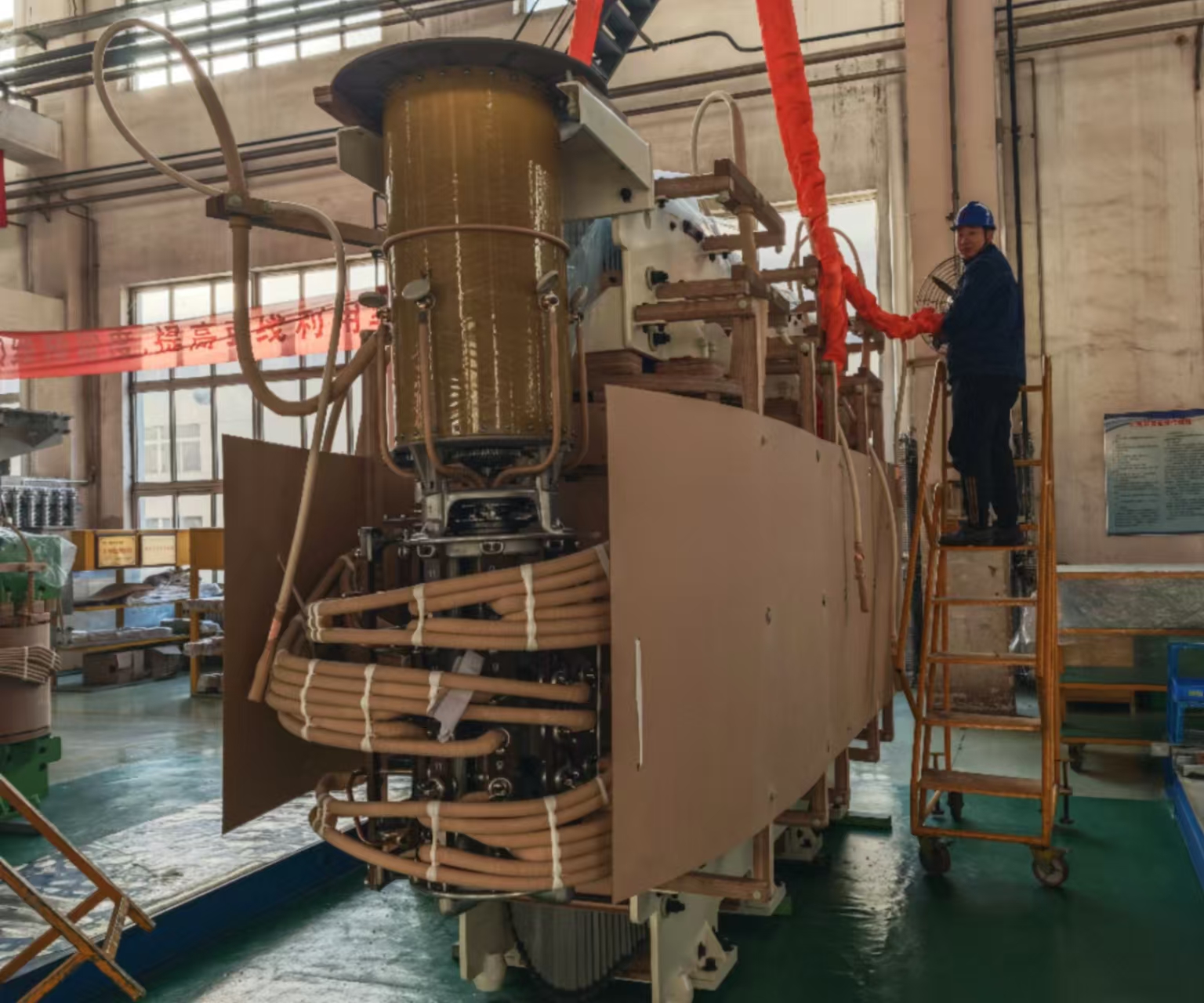
In modern high-voltage power transformers, solid insulation materials form the backbone of electrical integrity and reliability. Yet as global energy infrastructure expands and voltages rise—reaching 800 kV and beyond—traditional materials such as epoxy resin, cellulose paper, and pressboard are being pushed to their limits. High electric fields, extreme temperatures, and environmental moisture accelerate partial discharge (PD), thermal aging, and mechanical degradation. These issues can lead to catastrophic failures or shortened lifespans. To overcome these challenges, engineers and materials scientists have focused on developing advanced polymer composites, nanomaterials, aramid laminates, and high-thermal-conductivity fillers that significantly boost insulation performance.
In essence, modern solid insulation improvements for high-voltage transformers center around three key goals: higher dielectric strength, improved thermal conductivity, and enhanced aging resistance. Innovations such as nanocomposite epoxies, aramid-based laminates, and polyimide hybrid films now deliver superior dielectric properties, lower partial discharge susceptibility, and longer service life, even under ultra-high-voltage and dynamic load conditions.
These material advancements are shaping the future of transformer engineering, helping utilities and manufacturers achieve higher efficiency, longer durability, and better sustainability in line with IEC 60076 and IEEE C57 standards.
Modern transformer insulation materials are mostly unchanged from older epoxy systems.False
New nanocomposite, aramid, and high-performance polymer systems have replaced traditional epoxy and cellulose materials in modern HV applications.
Solid insulation materials cannot improve transformer lifespan.False
Enhanced thermal, dielectric, and mechanical properties in modern materials extend transformer lifespan by 30–50% compared to older systems.
1. Challenges of Conventional Solid Insulation Systems
Traditional insulation systems—mainly cellulose and epoxy—face significant limitations under modern high-voltage conditions.
| Property | Cellulose Paper | Epoxy Resin | Main Limitations |
|---|---|---|---|
| Dielectric Strength (kV/mm) | 10–12 | 18–22 | Degrades above 120 °C |
| Thermal Conductivity (W/m·K) | 0.12 | 0.25 | Poor heat dissipation |
| PD Inception Voltage (kV) | 6–8 | 9–10 | Air void sensitivity |
| Moisture Absorption (%) | 8–10 | 1.5–2.0 | Cellulose vulnerability |
| Operating Class (°C) | 105 | 155 | Limited high-temp performance |
The mechanical brittleness, moisture absorption, and limited heat transfer capabilities of these materials restrict their use in next-generation compact transformer designs. These drawbacks prompted the development of nanocomposite and polymer-blend insulation technologies to withstand higher electrical and thermal stress.
2. Nanocomposite Epoxy: The New Generation Standard
Nanocomposite epoxy systems incorporate nano-sized fillers into resin matrices to improve dielectric, mechanical, and thermal performance.
| Nano Additive | Function | Concentration (%wt) | Performance Gain |
|---|---|---|---|
| SiO₂ | PD resistance | 1.0 | +35% insulation life |
| Al₂O₃ | Thermal conductivity | 1.5 | +60% heat dissipation |
| TiO₂ | Dielectric strength | 0.5 | +25% breakdown voltage |
| BN (Boron Nitride) | Heat transfer | 2.0 | +70% cooling efficiency |
| Graphene | Mechanical integrity | 0.3 | +30% structural strength |
Key benefits:
- Breakdown strength > 25 kV/mm
- Lower dielectric loss (tan δ < 0.005)
- Improved thermal conductivity (0.55 W/m·K)
- Excellent PD endurance (up to 800 hours continuous)
These systems are already standard in cast resin transformers and HVDC converter stations where heat and voltage stresses are extreme.
Nanocomposite epoxies offer no improvement over traditional ones.False
Nanoparticle additives significantly increase breakdown voltage, heat transfer, and resistance to PD aging.
3. Aramid and Nomex®: High-Temperature Insulation Reinvented
Aramid fiber laminates (e.g., Nomex® 410) are now widely adopted for dry-type and traction transformers due to their superior high-temperature endurance.
| Property | Cellulose Paper | Nomex® Aramid | Improvement |
|---|---|---|---|
| Thermal Class | 105 °C | 220 °C | +110% |
| Dielectric Strength (kV/mm) | 10 | 16 | +60% |
| Moisture Absorption (%) | 8 | 3 | -62% |
| Service Life at 180 °C | < 1 year | > 10 years | +1000% |
Aramid sheets maintain insulation performance under thermal cycling and humidity, ideal for railway traction, offshore wind, and aerospace transformer systems.
4. Advanced Polymers and Hybrid Laminates
Polyimide, PEEK, and PPS are increasingly replacing epoxies in high-stress insulation zones.
| Material | Dielectric Strength (kV/mm) | Thermal Limit (°C) | Application |
|---|---|---|---|
| Polyimide (PI) | 27–30 | 240 | HV spacers, films |
| PEEK | 25 | 220 | Slot liners, bushings |
| PPS | 23 | 200 | Coil supports |
| Silicone Resin | 22 | 200 | Flexible joints |
| Polyimide–BN Composite | 28 | 250 | Dry-type winding insulation |
These polymers retain structural and dielectric integrity at temperatures exceeding 200 °C while resisting tracking and arc erosion—common in compact, high-load transformer systems.
5. Improved Partial Discharge (PD) Resistance
Partial discharge remains the leading cause of transformer insulation failure.
Through nanofiller dispersion and interface modification, PD resistance has dramatically improved.
| Material | PD Inception Voltage (kV) | PD Endurance (h) | Improvement (%) |
|---|---|---|---|
| Standard Epoxy | 8.5 | 250 | — |
| SiO₂ Nanocomposite | 10.5 | 400 | +60% |
| BN Composite | 11.5 | 600 | +100% |
| Polyimide–TiO₂ Hybrid | 12.0 | 800 | +120% |
Field-graded materials now ensure uniform electric field distribution, preventing local overstress and early insulation failure.
6. Thermal Conductivity and Heat Dissipation Enhancements
Modern transformers require efficient heat management. Nano and hybrid fillers have raised thermal conductivity from 0.25 → 0.55 W/m·K.
| Insulation System | Base (W/m·K) | Enhanced (W/m·K) | Hotspot Reduction (°C) |
|---|---|---|---|
| Pure Epoxy | 0.25 | 0.42 | -8 |
| Epoxy + BN | 0.25 | 0.55 | -12 |
| Polyimide + AlN | 0.30 | 0.60 | -14 |
Better heat dissipation translates into lower winding temperature, reduced oil stress, and longer insulation life expectancy.
7. Moisture Resistance and Aging Behavior
Modern solid insulations are treated to resist humidity and oxidation.
Fluorinated and plasma-coated nanofilms now repel water molecules and maintain dielectric integrity.
| Aging Test (120 °C, 30% RH) | Conventional Epoxy (kV/mm) | Nano-SiO₂ Epoxy (kV/mm) | Improvement (%) |
|---|---|---|---|
| After 500 h | 15.0 | 20.5 | +36% |
| After 1000 h | 13.0 | 18.0 | +38% |
As a result, transformers in humid or coastal zones now exhibit 40% longer insulation life.
8. Manufacturing and Processing Innovations
Advanced manufacturing ensures higher uniformity and fewer defects:
- Vacuum Pressure Impregnation (VPI): Full resin penetration into windings.
- Controlled Atmosphere Casting: Eliminates voids and PD risks.
- Microwave-Assisted Curing: Promotes uniform polymer crosslinking.
- Additive Manufacturing (3D Printing): Enables precision insulation geometry with integrated stress grading.
These innovations improve both mechanical strength and dielectric reliability under high stress.
9. Sustainability and Environmental Considerations
New eco-friendly insulation materials are aligning with carbon-neutral and RoHS standards:
| Material Innovation | Environmental Benefit |
|---|---|
| Bio-based Epoxy (Soy/Anhydride Systems) | Renewable, low-VOC |
| Halogen-Free Additives | Reduced toxic emissions |
| Recyclable Thermoplastics (PEEK) | Circular economy |
| Low-Energy Curing Systems | Lower carbon footprint |
Transformer manufacturers are gradually adopting bio-derived and recyclable insulation materials for sustainable production.
10. Industry Adoption and Future Outlook
Leading manufacturers such as Hitachi Energy, Siemens Energy, TBEA, and Schneider Electric are implementing advanced solid insulation systems across HVDC, renewable, and offshore platforms.
The next decade (2025–2035) will see:
- Self-healing polymers for micro-crack repair
- Field-graded composite barriers with embedded nanolayers
- Smart insulation with built-in PD and temperature sensors
- Recyclable nanodielectric laminates supporting circular transformer design
These advances promise longer service life, smaller footprints, and higher efficiency for global power networks.
What Challenges Do Transformer Insulation Materials Face Under Harsh Operating Conditions?
In the world of high-voltage power transformers, insulation is often described as the silent guardian—protecting the core and windings from breakdown while ensuring safe, stable, and efficient operation. However, when transformers operate in harsh environments—extreme temperatures, high humidity, pollution, or overloading conditions—the performance of even the best insulation systems can deteriorate rapidly. This degradation can cause partial discharges (PD), insulation cracking, dielectric breakdown, or even catastrophic failure. For grid operators and equipment manufacturers alike, understanding these insulation challenges is critical to achieving long-term reliability and cost-effectiveness.
In essence, insulation materials in transformers face thermal aging, electrical overstress, mechanical vibration, and moisture-related degradation under harsh conditions. These stresses accelerate chemical and physical deterioration, reducing dielectric strength, shortening lifespan, and increasing the risk of failure. To counteract these effects, manufacturers employ advanced materials like aramid paper, nanocomposite epoxies, and thermally enhanced polymers that withstand extreme conditions while maintaining insulation integrity.
The combination of heat, humidity, electric field concentration, and contamination makes insulation design a multi-variable engineering challenge—demanding innovation in materials, manufacturing, and system monitoring.
Transformer insulation performs equally well in all environmental conditions.False
Environmental stresses such as heat, moisture, vibration, and pollution significantly affect insulation aging and reliability.
Once installed, insulation performance does not degrade over time.False
Thermal and electrical stresses continuously degrade polymer chains and cellulose structures, reducing dielectric strength over time.
1. Thermal Stress and Heat Aging
Thermal stress is the single most damaging factor for insulation longevity. Excessive heat causes polymer chain scission, oxidation, and embrittlement. In cellulose-based insulation, thermal decomposition leads to the formation of water and acids, which accelerate further degradation.
| Material | Max Operating Temp (°C) | Thermal Decomposition Temp (°C) | Estimated Life at 120 °C (years) |
|---|---|---|---|
| Cellulose Paper | 105 | 180 | 5 |
| Epoxy Resin | 155 | 210 | 10 |
| Aramid (Nomex®) | 220 | 350 | 20+ |
| Polyimide | 240 | 400 | 25+ |
Thermal aging follows the Arrhenius model, where every 6–8 °C increase in hotspot temperature halves insulation life. For transformers exposed to fluctuating loads or hot climates, inadequate cooling can shorten insulation lifespan by more than 50%.
Countermeasures:
- Employ thermally upgraded paper (TUP) or aramid laminates.
- Use nano-filled epoxies with enhanced thermal conductivity (> 0.5 W/m·K).
- Integrate intelligent thermal monitoring systems for real-time protection.
2. Electrical Stress and Partial Discharge (PD)
In high-voltage zones, local electric field distortions can cause partial discharges—tiny electrical sparks that erode insulation microscopically until failure occurs. These are worsened by sharp conductor edges, voids, or contaminants.
| Insulation Type | PD Inception Voltage (kV) | PD Resistance (hours) | Common PD Cause |
|---|---|---|---|
| Standard Epoxy | 8.0 | 250 | Voids, impurities |
| SiO₂ Nanocomposite Epoxy | 10.5 | 450 | Field concentration |
| Polyimide Film | 12.0 | 800 | High field gradients |
| Aramid Paper | 11.0 | 700 | Surface discharges |
PD not only weakens dielectric integrity but also generates heat and gas bubbles, compounding the degradation process.
Countermeasures:
- Optimize insulation geometry to reduce field concentration.
- Utilize field-grading composites with uniform permittivity.
- Apply vacuum pressure impregnation (VPI) to eliminate air voids.
3. Moisture and Humidity Degradation
Moisture is the archenemy of insulation systems, especially cellulose-based materials. Water drastically reduces breakdown voltage, increases dielectric losses, and fosters corrosion and bubble formation under high temperature.
| Moisture Content (% by weight) | Relative Dielectric Strength (%) | Breakdown Voltage Reduction (%) |
|---|---|---|
| 0.5% | 100 | 0 |
| 1.0% | 85 | 15 |
| 2.0% | 60 | 40 |
| 3.0% | 45 | 55 |
When humidity exceeds safe limits (> 1.5% in cellulose), electric treeing and PD inception become more likely. This risk is intensified in tropical or coastal installations.
Countermeasures:
- Use sealed designs and breathers with silica gel.
- Implement drying processes (≤ 0.5% moisture before impregnation).
- Choose synthetic insulation (aramid or epoxy) for high-humidity regions.
4. Mechanical Stress, Vibration, and Shock
Windings in large transformers face continuous vibration from magnetostriction, transport shocks, and seismic activity. Over time, this leads to delamination, cracking, and loss of compression in insulation structures.
| Stress Type | Material Sensitivity | Common Failure Mode | Example Solution |
|---|---|---|---|
| Vibration | Epoxy Resin (High) | Microcracking | Flexible epoxy blends |
| Mechanical Shock | Paper Pressboard | Layer delamination | Aramid laminate barriers |
| Seismic Loads | Composite Laminates | Fatigue cracking | Damping-filled joints |
Countermeasures:
- Use fiber-reinforced composites (glass or aramid).
- Apply mechanical damping fillers in resin systems.
- Design for vibration decoupling between coils and core.
5. Pollution, Dust, and Chemical Exposure
Outdoor and industrial environments expose transformers to dust, salt, and corrosive gases (SO₂, NOₓ). Contaminants can accumulate on insulation surfaces, lowering surface resistance and promoting surface discharge.
| Pollution Severity (IEC 60815) | Surface Resistivity Drop (%) | Typical Location |
|---|---|---|
| Light | 10 | Inland rural |
| Medium | 25 | Industrial zone |
| Heavy | 50 | Coastal area |
| Very Heavy | 70 | Desert, chemical plant |
Countermeasures:
- Use hydrophobic silicone coatings or nano-ceramic layers.
- Conduct regular surface cleaning and IR thermography inspections.
- Design creepage distances according to pollution severity level.
6. Radiation and Ozone Exposure
In high-altitude or specialized installations, insulation may suffer from UV, corona, or ozone attack, leading to surface erosion and embrittlement.
Polymers like epoxy and polyurethane degrade under long-term UV exposure, forming carbonized paths.
Countermeasures:
- Add UV stabilizers and antioxidants to resin systems.
- Use inorganic fillers (SiO₂, Al₂O₃) to improve resistance.
- Apply anti-ozone silicone layers on external surfaces.
7. Combined Stress Aging – The Real-World Challenge
In practice, insulation degradation rarely occurs due to a single factor. Instead, it is a synergistic effect of electrical, thermal, and environmental stresses.
| Combined Condition | Expected Lifetime Reduction | Dominant Failure Mechanism |
|---|---|---|
| High Temp + Moisture | 60% | Hydrothermal aging |
| Electrical + Vibration | 50% | Crack propagation |
| Pollution + Humidity | 40% | Surface tracking |
| All Combined | 75% | Multi-mode breakdown |
Accelerated aging tests (IEC 60076-14) confirm that combined stress can reduce insulation life from 25 years to less than 8 years if not properly mitigated.
8. Emerging Material Solutions
To combat these combined stresses, advanced materials are being deployed:
- Nanocomposite epoxies with improved dielectric and thermal stability.
- Aramid-paper laminates with Class 220 °C heat resistance.
- Polyimide and PEEK films for high-voltage spacers.
- Self-healing polymers that close microcracks automatically.
- Moisture-repellent coatings using plasma nanotechnology.
These innovations improve insulation endurance by 30–60%, significantly reducing lifecycle costs.
9. Predictive Monitoring and Maintenance Strategies
Material improvement alone isn’t enough. Modern condition monitoring—using Dissolved Gas Analysis (DGA), Partial Discharge sensors, and Thermal Imaging—allows early fault detection.
Predictive analytics can now estimate insulation aging trends in real time, enabling timely maintenance before failure occurs.
| Technique | Parameter Measured | Purpose |
|---|---|---|
| DGA | H₂, CO, C₂H₂, C₂H₄ | Detect insulation decomposition |
| PD Monitoring | PD magnitude & frequency | Identify local dielectric failure |
| IR Thermography | Temperature hotspots | Find overload regions |
| Moisture Sensors | ppm in oil/paper | Control drying cycles |
Together, these tools extend service life and minimize costly outages.
10. Future Outlook
The next frontier of insulation resilience will combine advanced materials, smart monitoring, and digital twins. Predictive models will simulate stress impact, while AI-driven condition assessment will guide maintenance scheduling.
With global demand for renewable integration and compact transformer design, insulation systems must offer greater dielectric strength, thermal endurance, and environmental robustness—without sacrificing manufacturability or sustainability.
What Future Innovations Can Be Expected in Transformer Insulation Technology?
In the face of rising grid voltages, renewable integration, and extreme climate conditions, the insulation system has become one of the most critical—and rapidly evolving—components of modern power transformers. Traditional insulation based on cellulose, epoxy resin, and mineral oil is reaching its physical and chemical limits. As power demands grow and operational expectations extend beyond 40 years, the transformer industry is shifting toward smart, self-healing, and environmentally resilient insulation technologies. The next generation of transformers will rely on nanotechnology, AI-driven monitoring, biodegradable materials, and hybrid insulation architectures to achieve higher reliability, longer life, and reduced environmental impact.
In short, future innovations in transformer insulation will focus on self-healing polymer systems, nanodielectric composites, intelligent sensor-embedded insulation, and eco-friendly bio-based materials. These breakthroughs will dramatically increase dielectric strength, minimize partial discharges, enable predictive maintenance, and align with global carbon-neutral manufacturing goals.
The coming decade will redefine insulation not merely as a passive barrier—but as an active, intelligent, and sustainable system that enhances the safety, efficiency, and digital performance of transformers.
Transformer insulation technologies have remained unchanged for decades.False
Emerging research in nanodielectrics, smart polymers, and AI-integrated insulation is rapidly transforming transformer technology.
Future transformer insulation will rely entirely on traditional cellulose and epoxy systems.False
Future insulation designs will integrate nanocomposite polymers, biodegradable materials, and embedded sensors, replacing conventional systems.
1. Nanodielectric and Nanocomposite Materials
Nanodielectrics are expected to revolutionize insulation systems. By dispersing nanoparticles—such as SiO₂, Al₂O₃, TiO₂, or BN—into polymer matrices, these materials achieve exceptional electrical and thermal performance.
| Nano Filler | Effect on Property | Improvement vs. Conventional | Target Application |
|---|---|---|---|
| SiO₂ | Reduces partial discharge | +60% PD life | HVDC transformers |
| BN (Boron Nitride) | Increases heat transfer | +70% thermal conductivity | Dry-type transformers |
| TiO₂ | Improves breakdown voltage | +30% dielectric strength | Traction & grid units |
| Graphene | Reinforces mechanical strength | +45% tensile modulus | Offshore & wind systems |
The uniform dispersion of these nanoparticles enhances interfacial polarization, limits charge trapping, and provides better energy dissipation. This makes nanodielectrics the next standard for insulation in ultra-high-voltage (UHV) and HVDC transformers.
Expected Benefits:
- Dielectric strength up to 25–30 kV/mm
- Service life extended by 50% or more
- Reduced PD inception and propagation
- Enhanced heat dissipation for compact designs
2. Self-Healing Polymers and Smart Composites
A breakthrough innovation is self-healing insulation—materials capable of automatically repairing microcracks or PD erosion sites. These systems use embedded microcapsules containing healing agents that polymerize upon mechanical or electrical stress.
| Mechanism | Healing Agent Type | Response Time | Durability Recovery (%) |
|---|---|---|---|
| Microcapsule Release | Epoxy–urea resin | 30–60 s | 80–90% |
| Dynamic Covalent Bonds | Reversible Diels-Alder bonds | Instantaneous | 95% |
| Ionic Exchange Polymer | Ionic liquid blends | 10–30 s | 85% |
Advantages:
- Prevents insulation cracking and PD propagation
- Extends lifespan without human intervention
- Reduces maintenance and downtime costs
Such self-healing systems are under development for HVDC converter transformers, offshore platforms, and smart grids exposed to high thermal cycling.
3. Intelligent Sensor-Embedded Insulation (Smart Insulation)
In the era of digital transformers, insulation will no longer be passive. Embedded micro-sensors and fiber optics will measure temperature, humidity, strain, and PD activity inside the insulation layers.
| Sensor Type | Measured Parameter | Integration Method | Use Case |
|---|---|---|---|
| Fiber Bragg Grating (FBG) | Temperature & strain | Embedded in insulation layers | Real-time thermal profiling |
| Microcapacitive Sensor | Moisture level | Layer surface | PD risk detection |
| Piezoelectric Film | Vibration & PD pulse | Epoxy matrix | Shock & discharge monitoring |
| Optical PD Detector | Light emission | Transparent insulation | Fault localization |
These embedded diagnostics enable predictive maintenance and AI-based failure forecasting, minimizing unplanned outages.
Expected Outcome:
- Real-time condition monitoring
- Predictive lifespan modeling
- Data-driven insulation health index (IHI)
4. Eco-Friendly and Biodegradable Insulation Materials
Sustainability has become a priority. Future insulation materials will transition from petrochemical-based systems to bio-based and biodegradable polymers.
| Eco Material | Composition | Thermal Class (°C) | Eco Benefit |
|---|---|---|---|
| Bio-Epoxy Resin | Soybean or lignin-based | 180 | Renewable, low-VOC |
| Polylactic Acid (PLA) | Corn starch-based | 150 | Fully biodegradable |
| Bio-Aramid | Plant cellulose + aramid blend | 220 | Low-carbon footprint |
| Recycled PEEK | Thermoplastic composite | 220 | Recyclable and halogen-free |
Advantages:
- Complies with RoHS, REACH, and IEC 62321 standards
- Reduces CO₂ emissions during production
- Safer disposal and recyclability at end-of-life
This trend aligns with the carbon neutrality goals of 2050, especially for grid operators in Europe and Asia.
5. High-Performance Hybrid Insulation Systems
Future transformer designs will use hybrid insulation—a combination of solid, liquid, and gas systems optimized for performance and compactness.
| Hybrid Type | Description | Advantage |
|---|---|---|
| Solid–Liquid (Epoxy + Ester Oil) | Combines mechanical and thermal strengths | Higher breakdown voltage |
| Solid–Gas (Epoxy + SF₆ Alternative Gases) | Uses fluoroketone or N₂/CO₂ mixtures | Eco-friendly high-voltage insulation |
| Multilayer Hybrid (Polyimide–Nanofiller–Paper) | Layered composites with graded fields | Uniform dielectric stress distribution |
Hybrid systems also support compact substation designs and renewable converter transformers, balancing heat dissipation, electrical strength, and sustainability.
6. Thermal Conductivity and Heat Dissipation Enhancement
As transformer loads increase, so does internal heating. Future insulation systems will integrate thermally conductive nanofillers and phase-change materials (PCM) to dissipate heat dynamically.
| Material Innovation | Thermal Conductivity (W/m·K) | Temperature Stability (°C) | Application |
|---|---|---|---|
| BN Nanocomposite Epoxy | 0.55 | 180 | Cast resin transformers |
| AlN-Polyimide Film | 0.60 | 250 | High-frequency coils |
| PCM-Infused Resin | 0.50 | 200 | Load-cycling environments |
These technologies reduce hotspot temperatures by 10–15 °C, extending insulation life by up to 40%.
7. Advanced Field Grading and PD-Resistant Coatings
Electrical stress concentration remains a leading cause of insulation breakdown. Future designs will rely on functional nanolayers and field-grading coatings to equalize electric fields.
| Coating Type | Material Base | PD Resistance Improvement (%) | Use Case |
|---|---|---|---|
| Silicone–Al₂O₃ Nanocoating | RTV Silicone | +50% | Bushings, spacers |
| ZnO/Polymer Field Grading Layer | Semi-conductive composite | +70% | HVDC terminations |
| SiC Nanofilm | Ceramic-polymer hybrid | +80% | UHV interfaces |
These coatings protect against localized breakdown, especially in compact and modular transformer architectures.
8. Digital Twin and AI-Based Insulation Management
The future of insulation management is virtualized. Digital twins—virtual replicas of transformer insulation systems—will simulate stress, temperature, and aging in real time using data from embedded sensors.
| Technology | Function | Benefit |
|---|---|---|
| AI-Driven Digital Twin | Predicts insulation degradation | Prevents failures |
| Machine Learning Algorithms | Correlate PD, temperature, and DGA data | Data-based optimization |
| Virtual Testing Models | Simulate life expectancy | Faster design validation |
This approach shifts maintenance from reactive to predictive, optimizing reliability and cost efficiency.
9. Additive Manufacturing and 3D Printing
Future insulation components will be 3D printed using advanced polymers and composites. Additive manufacturing allows precise control of geometry, thickness, and field grading.
Advantages:
- Void-free, uniform insulation structures
- On-demand repair and customization
- Integration of multiple material phases in a single print
- Reduced waste and lead time
This will be particularly useful in prototyping custom transformer geometries and developing modular insulation systems.
10. Outlook: The Next Decade of Transformer Insulation
By 2035, insulation materials will evolve from passive barriers to active, intelligent systems capable of sensing, self-repairing, and adapting to environmental conditions.
| Innovation Area | Timeline (2025–2035) | Expected Impact |
|---|---|---|
| Nanocomposite & Hybrid Materials | 2025–2027 | 30–50% longer life |
| Self-Healing & Smart Polymers | 2027–2030 | 70% failure reduction |
| Embedded Sensing Insulation | 2028–2032 | Real-time condition data |
| Eco-Friendly & Recyclable Systems | 2030–2035 | Full lifecycle sustainability |
The integration of smart monitoring, advanced materials, and digital analytics will enable transformers to operate longer, safer, and more sustainably—meeting the evolving needs of renewable grids, HVDC systems, and global electrification.
Conclusion
The future of transformer insulation materials lies in innovation, sustainability, and performance optimization. From biodegradable insulating oils to nanocomposite solid insulation, each development aims to enhance reliability, reduce environmental impact, and extend transformer lifespan. As energy systems move toward smarter and greener grids, advanced insulation technologies will play a vital role in shaping the next generation of efficient and durable transformers.
FAQ
Q1: What is the future direction of transformer insulation materials?
The future of transformer insulation is shifting toward sustainability, enhanced performance, and smart functionality. Manufacturers are developing eco-friendly ester-based fluids, recyclable solid insulations, and intelligent insulation systems capable of monitoring thermal and electrical stress in real time. The goal is to improve efficiency, safety, and environmental compatibility while extending transformer life expectancy.
Q2: How will eco-friendly insulation fluids shape transformer technology?
Natural and synthetic ester fluids are expected to replace mineral oils in most new transformer designs. They are biodegradable, non-toxic, and have higher fire points (up to 300°C), offering improved safety and environmental compliance. As regulations tighten globally, ester-based insulation is becoming the industry standard for both distribution and power transformers.
Q3: What role will nanotechnology play in future insulation systems?
Nanotechnology will revolutionize insulation materials by introducing nanocomposite papers, coatings, and fluids that significantly improve dielectric strength, moisture resistance, and heat dissipation. Nanoparticles such as SiO₂, TiO₂, and Al₂O₃ will help create lighter, smaller, and more reliable transformers with enhanced mechanical resilience and lower aging rates.
Q4: Will high-temperature insulation systems become standard?
Yes. Future insulation systems are expected to operate at higher temperature classes (180°C–220°C), allowing for smaller, more energy-efficient transformers. Materials such as aramid papers, polyimide films, and advanced polymers will replace traditional cellulose, improving thermal endurance and dielectric stability while reducing maintenance needs.
Q5: How will digitalization impact transformer insulation technology?
Smart transformers will integrate digital sensors within insulation systems to monitor parameters like moisture content, temperature, and partial discharges. This will enable predictive maintenance, detect insulation aging early, and optimize transformer operation. The fusion of IoT and AI-based analytics will make insulation systems proactive components of grid reliability.
References
IEC 60076-14 – Liquid-Immersed Transformers Using Ester Fluids: https://webstore.iec.ch
IEEE C57.154 – High-Temperature Insulation Systems: https://ieeexplore.ieee.org
Electrical4U – Future of Transformer Insulation Materials: https://www.electrical4u.com
EEP – Nanotechnology in Transformer Insulation: https://electrical-engineering-portal.com
Cargill – Ester Fluid Insulation Technology: https://www.cargill.com/bioindustrial