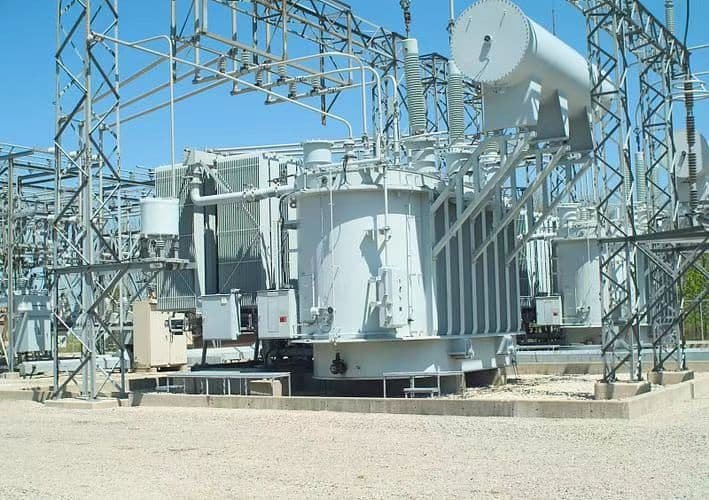
Transformer pricing is influenced by a variety of technical, material, and market factors. Understanding these factors helps buyers make informed decisions that balance cost, performance, and long-term reliability. From capacity and voltage rating to materials and compliance standards, each element contributes to the final price of a transformer.
How Do Capacity and Voltage Ratings Influence Transformer Cost?
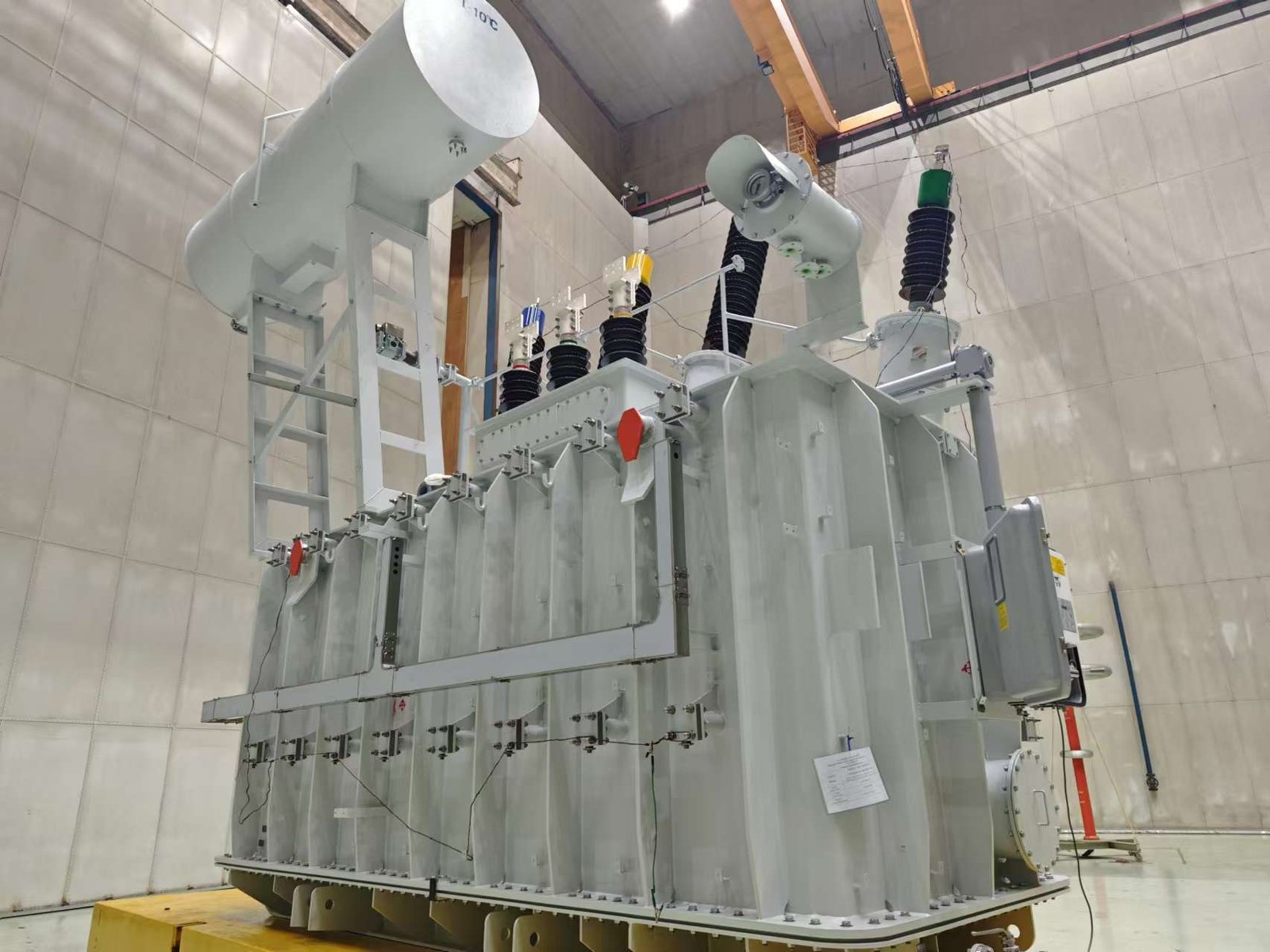
In every power project, the transformer’s capacity (MVA rating) and voltage level (kV class) are the two most critical parameters that determine not only technical performance but also cost structure. Yet many buyers and project planners underestimate how dramatically these specifications influence total investment, operation, and lifecycle cost. Choosing an oversized or incorrectly rated transformer can lead to wasted capital and inefficiency, while undersizing may risk overheating, voltage instability, and early failure. The challenge lies in balancing capacity, voltage, and cost to achieve the best total value.
In short, transformer cost scales primarily with its power capacity (MVA rating) and voltage class. As MVA increases, material consumption—especially copper, core steel, and insulation—rises exponentially. Higher voltage levels require more complex insulation systems, larger clearances, and superior mechanical design. Thus, both parameters directly shape the physical size, weight, efficiency, and total price of a transformer.
Selecting the right combination of capacity and voltage ensures not only economic procurement but also long-term reliability and efficiency, reducing total cost of ownership over decades of operation.
Transformer cost increases linearly with MVA capacity.False
Cost tends to increase non-linearly with capacity due to higher material, insulation, and cooling requirements at larger ratings.
Voltage level has little effect on transformer price.False
High-voltage transformers require advanced insulation systems, greater clearances, and specialized testing, significantly raising cost.
1. Understanding the Relationship Between Capacity, Voltage, and Cost
The transformer’s power rating (kVA or MVA) defines how much apparent power it can handle continuously without exceeding temperature limits, while the voltage rating determines its ability to connect different network levels (e.g., 33 kV to 11 kV). Both directly affect:
- Core cross-section and winding dimensions
- Insulation and dielectric clearance
- Cooling system size and type
- Transportation and installation requirements
| Parameter | Influence on Design | Resulting Cost Impact |
|---|---|---|
| MVA rating | Increases copper & core weight | Major cost driver (40–60%) |
| Voltage rating | Requires thicker insulation and bushings | Adds 15–25% to cost |
| Cooling type (ONAN/ONAF/OFWF) | Affects fan/pump systems and radiators | Adds 10–20% depending on configuration |
| Frequency & loss limits | Dictate lamination quality and precision | Impacts material selection |
Higher voltage levels (>132 kV) require advanced insulation materials (e.g., Nomex, pressboard, epoxy barriers) and longer dielectric clearances, which increase tank dimensions and testing complexity.
2. Cost Scaling with Capacity (MVA Rating)
Transformer cost does not increase linearly with capacity—it follows an approximate power-law relationship due to economies of scale and design limitations.
| Capacity (MVA) | Approximate Cost Range (USD) | Cost per MVA (USD/MVA) | Remarks |
|---|---|---|---|
| 1 MVA | $20,000 – $30,000 | ~ $25,000 | Compact distribution units |
| 10 MVA | $120,000 – $180,000 | ~ $14,000 | Economies of scale begin |
| 50 MVA | $500,000 – $750,000 | ~ $12,000 | Efficiency-driven design |
| 100 MVA | $900,000 – $1.3 million | ~ $11,000 | Complex cooling and testing |
| 200 MVA | $1.8 – $2.6 million | ~ $13,000 | Requires advanced insulation and transport logistics |
Observation: Cost per MVA decreases up to medium power levels (10–100 MVA) due to efficient material utilization but rises again beyond 200 MVA as design complexity and manufacturing precision increase.
3. Voltage Rating and Dielectric Design: The Hidden Cost Factor
Voltage class significantly affects design complexity, insulation structure, and test procedures.
| Voltage Class | Main Design Considerations | Added Cost Factor (%) |
|---|---|---|
| ≤ 33 kV | Basic insulation, air/oil clearances | Reference level (0%) |
| 66–132 kV | Layered paper-oil insulation | +10–20% |
| 220–275 kV | Complex winding geometry, large bushings | +25–35% |
| 400 kV and above | Special test bays, SFRA and impulse testing | +40–60% |
Higher voltage also impacts:
- Tank design and weight (to withstand test pressures)
- Bushing and lead cost (especially for oil-to-SF6 interfaces)
- Factory testing cost, since high-voltage impulse and partial discharge tests require advanced equipment
For instance, upgrading from 132 kV to 220 kV design can add nearly 30% to total transformer cost due to extended insulation path and dielectric testing requirements.
4. Material Cost Breakdown: Influence of Capacity and Voltage
| Component | Cost Share in 33 kV 10 MVA Transformer | Cost Share in 220 kV 100 MVA Transformer |
|---|---|---|
| Core steel | 20% | 25% |
| Copper windings | 30% | 28% |
| Insulation & oil | 10% | 15% |
| Tank & structure | 15% | 18% |
| Cooling system | 10% | 7% |
| Testing & accessories | 5% | 7% |
| Labor & engineering | 10% | 10% |
As capacity and voltage rise, insulation, tank, and testing costs grow disproportionately, reflecting stricter dielectric, mechanical, and safety demands.
5. Impact on Efficiency and Lifecycle Cost
While high-capacity transformers are more expensive, they typically offer lower load losses and higher efficiency, improving long-term return on investment.
| Rating (MVA) | Load Loss (kW) | No-Load Loss (kW) | Efficiency (%) | Annual Energy Savings vs. Smaller Unit |
|---|---|---|---|---|
| 10 MVA | 85 | 18 | 99.10 | Reference |
| 50 MVA | 320 | 65 | 99.30 | +0.2% = ~90 MWh/year |
| 100 MVA | 540 | 110 | 99.45 | +0.35% = ~160 MWh/year |
Conclusion: While the upfront cost increases with rating, lifecycle energy savings often offset the higher initial investment, especially under continuous load conditions.
6. Real Case Study: Cost Sensitivity Analysis
Project Context: 132/33 kV substation, required load 40 MVA, with an option to upgrade to 50 MVA.
- 40 MVA Transformer: $520,000
- 50 MVA Transformer: $590,000
Incremental Cost: $70,000 (≈ +13%)
Added Capacity: +25%
Decision: The buyer selected 50 MVA for future-proofing, gaining operational flexibility for minimal cost increase.
This demonstrates that marginal cost per MVA decreases within certain design ranges, encouraging slightly higher capacity for future expansion.
7. Engineering Implications of Voltage Rating
Voltage level influences more than just cost—it defines the entire manufacturing, testing, and logistics chain.
7.1 Design and Manufacturing Impact
- Requires precision winding with controlled mechanical stress
- Higher impulse voltage means longer creepage distances
- Increased tank volume and oil requirements
7.2 Testing and Certification
High-voltage transformers undergo lightning impulse (LI) and switching impulse (SI) tests per IEC 60076-3, adding testing time and facility cost.
7.3 Transportation
Large units (>200 MVA or >400 kV) require modular assembly and specialized transport—sometimes consuming 5–8% of project budget.
8. Optimization Strategy: Balancing Rating and Cost
Engineering and procurement teams should apply optimization principles to find the best cost-performance ratio.
| Selection Factor | Recommendation |
|---|---|
| Load profile | Size transformer for 70–80% of expected peak |
| Voltage interface | Choose next standard IEC level (avoid custom kV ratings) |
| Efficiency class | Balance capital cost vs. annual loss evaluation |
| Cooling configuration | Start with ONAN, expand to ONAF/OFWF if load factor exceeds 0.85 |
| Future expansion | Consider parallel operation instead of one oversize unit |
Pro Tip: IEC 60076-20 defines EcoDesign principles that mandate optimized efficiency-to-capacity ratios—ensuring economic balance between capital cost and energy performance.
9. Future Trends in Cost Efficiency
- High-temperature insulation systems (e.g., Nomex) reduce size and oil volume, lowering cost at mid-voltage levels.
- Amorphous core materials decrease no-load loss, improving lifecycle ROI even if initial price is higher.
- Digital monitoring systems allow better load management, preventing oversizing and extending service life.
These innovations support the trend toward smarter, more compact, and cost-efficient transformers.
10. Summary: Practical Insights for Buyers
| Parameter | Low-Impact on Cost | Moderate Impact | High Impact |
|---|---|---|---|
| Cooling type | ✔️ | ||
| Winding material | ✔️ | ||
| Capacity (MVA) | ✔️ | ||
| Voltage rating (kV) | ✔️ | ||
| Insulation design | ✔️ | ||
| Testing requirements | ✔️ |
Key Takeaway:
- Capacity defines material and thermal cost,
- Voltage defines insulation and testing cost,
- Together, they shape 60–70% of the total transformer price.
What Role Do Core and Winding Materials Play in Transformer Pricing?
When project engineers and procurement managers assess transformer quotations, they often focus on capacity, voltage class, and cooling type—yet overlook one of the most influential cost factors: the core and winding materials. These components form the electrical and magnetic heart of a transformer, determining not only its performance and efficiency but also a significant portion of its price. In fact, fluctuations in copper and steel markets can shift transformer costs by double-digit percentages within months.
In essence, the choice of core and winding materials directly impacts transformer pricing because they represent 50–70% of total manufacturing cost. Core materials (like cold-rolled grain-oriented steel or amorphous alloys) determine magnetic performance and losses, while winding materials (copper or aluminum) influence conductivity, efficiency, and short-circuit strength. Higher-grade materials reduce losses and operating costs but increase upfront investment.
Balancing material quality against efficiency and lifetime performance is therefore crucial for achieving the best long-term value.
Transformer material selection has little influence on overall cost.False
Core and winding materials account for over half of total transformer cost, making them the most significant economic factor in design.
Copper and aluminum windings offer identical performance in all transformer types.False
Copper provides higher conductivity and mechanical strength, while aluminum offers cost savings with lower density but slightly higher losses.
1. Understanding Material Composition and Its Cost Impact
The transformer core and windings define the main electromagnetic and thermal properties of the machine. Together, they account for the majority of raw material cost, energy efficiency, and overall transformer mass.
| Component | Primary Materials | Typical Cost Share (%) | Influence on Transformer Performance |
|---|---|---|---|
| Core | Grain-Oriented Silicon Steel (CRGO), Amorphous Alloy | 20–35% | Determines no-load losses and magnetizing current |
| LV Windings | Copper or Aluminum | 25–40% | Defines resistance, short-circuit withstand, and load losses |
| HV Windings | Enameled Copper/Aluminum + Insulation Paper | 15–25% | Determines dielectric strength and voltage distribution |
| Other Components | Oil, tank, cooling system, bushings | 20–30% | Secondary impact on price |
As shown, core and winding materials together represent up to 65% of total cost, meaning even small changes in material grade or thickness can alter total price substantially.
2. Core Materials: Efficiency vs. Expense
The magnetic core channels the alternating magnetic flux that links primary and secondary windings. Its composition determines no-load losses, magnetization, and sound levels—all of which are crucial to energy efficiency and lifecycle cost.
| Core Material Type | Typical Application | Magnetic Loss (W/kg @ 1.5 T) | Relative Cost Index | Key Advantages | Limitations |
|---|---|---|---|---|---|
| CRGO (Cold Rolled Grain Oriented) | Standard power transformers | 1.2–1.6 | 1.0 (baseline) | Proven, reliable, widely available | Higher losses than advanced alloys |
| Hi-B CRGO (High-permeability steel) | Medium/high efficiency units | 0.9–1.1 | 1.2 | Lower no-load loss | Higher raw material price |
| Amorphous Alloy | Eco-design, high-efficiency transformers | 0.2–0.4 | 1.6–2.0 | 70–80% lower core loss | Brittle, difficult to process |
| Non-oriented Silicon Steel (CRNO) | Small distribution transformers | 2.0–3.0 | 0.8 | Low cost | Higher magnetizing current |
Example: Replacing standard CRGO with amorphous alloy can reduce no-load losses by up to 75%, but adds 30–60% to the material cost. However, the energy savings typically pay back the cost difference within 3–5 years in continuous service.
3. Winding Materials: Copper vs. Aluminum
Winding materials define load losses (I²R) and short-circuit strength. The global market primarily uses electrolytic copper and aluminum. Each offers distinct technical and cost characteristics:
| Property | Copper | Aluminum | Cost Implication |
|---|---|---|---|
| Conductivity | 100% (IACS reference) | 61% of copper | Copper requires less cross-section |
| Density | 8.9 g/cm³ | 2.7 g/cm³ | Aluminum lighter (easier transport) |
| Thermal Conductivity | High | Moderate | Copper cools faster under load |
| Joint Reliability | Excellent | Moderate (oxidation issues) | Impacts long-term reliability |
| Material Price Volatility | High (LME linked) | Moderate | Copper subject to global fluctuations |
| Cost per kVA | +15–25% higher | Baseline | Aluminum more economical |
Copper-wound transformers are typically smaller, more efficient, and longer-lasting but can cost 10–20% more upfront.
Aluminum-wound transformers are cost-effective for distribution-level projects, provided proper joint design and cooling are implemented.
4. Cost Comparison: Copper vs. Aluminum Designs
| Transformer Rating | Design Type | Material Cost (USD) | Efficiency (%) | Weight (kg) | Expected Service Life (years) |
|---|---|---|---|---|---|
| 1 MVA, 33/11 kV | Copper | $25,000 | 99.20 | 4,000 | 25–30 |
| 1 MVA, 33/11 kV | Aluminum | $20,500 | 98.90 | 3,200 | 20–25 |
| 10 MVA, 132/33 kV | Copper | $150,000 | 99.35 | 27,000 | 30+ |
| 10 MVA, 132/33 kV | Aluminum | $125,000 | 99.10 | 22,000 | 25 |
Insight: Copper’s higher material cost is partially offset by better efficiency and lower energy loss over time. For high-load industrial or utility transformers, copper winding remains the preferred choice, while aluminum is ideal for low-cost or lighter installations.
5. Material Market Volatility and Pricing Impact
Transformer manufacturers must track global metal markets, as material cost swings directly affect equipment pricing.
| Material | 2024 Average Price (USD/ton) | 5-Year Volatility (%) | Effect on Transformer Price |
|---|---|---|---|
| Copper | 8,500 – 9,500 | ±25% | +10–15% price change per 1,000 USD/ton shift |
| Aluminum | 2,200 – 2,500 | ±18% | +4–6% per 300 USD/ton shift |
| CRGO Steel | 2,800 – 3,300 | ±20% | +5–8% for 500 USD/ton increase |
| Amorphous Alloy | 5,000 – 6,000 | ±15% | +10% overall cost increase if adopted |
As these materials are traded globally, exchange rates and supply chain disruptions (e.g., shipping delays, trade policies) can quickly influence transformer quotations.
6. Efficiency vs. Investment Trade-Off
Higher-quality materials raise capital cost but lower operational losses.
The lifecycle cost approach evaluates both investment and 25-year energy savings.
| Material Option | Initial Cost Index | Energy Loss Over 25 Years (MWh) | Total Lifecycle Cost (Normalized) |
|---|---|---|---|
| Standard CRGO + Aluminum | 1.00 | 1000 | 1.00 |
| Hi-B CRGO + Copper | 1.20 | 850 | 0.92 |
| Amorphous Core + Copper | 1.40 | 650 | 0.88 |
Conclusion: Though premium materials increase initial cost by 20–40%, total lifetime cost can decrease by 8–12% due to lower energy losses and extended durability.
7. Manufacturing and Design Implications
7.1 Core Manufacturing
- CRGO laminations require laser scribing and precise stacking to minimize eddy currents.
- Amorphous alloy ribbons need special annealing and vacuum impregnation, adding process cost but enhancing performance.
7.2 Winding Design
- Copper allows tighter winding and smaller transformer volume.
- Aluminum requires larger cross-sectional conductors, increasing tank and oil volume.
These differences affect not only material cost but also assembly labor, transportation, and installation requirements.
8. Case Study: Material Optimization in a 132/33 kV, 60 MVA Transformer
Scenario:
A utility project initially specified copper windings and Hi-B core material. A cost optimization review was conducted.
| Design Variant | Core Material | Winding | Initial Cost (USD) | Efficiency | Energy Cost (25 years) | Lifecycle Cost (USD) |
|---|---|---|---|---|---|---|
| A | Hi-B CRGO | Copper | $620,000 | 99.42% | $180,000 | $800,000 |
| B | Standard CRGO | Copper | $590,000 | 99.35% | $190,000 | $780,000 |
| C | Hi-B CRGO | Aluminum | $560,000 | 99.28% | $210,000 | $770,000 |
Result: Option B was selected as the optimal balance between capital expenditure and lifecycle efficiency, illustrating that slight material downgrades can yield significant cost savings without compromising reliability.
9. Future Trends in Material Development
- Nanocrystalline core materials with ultra-low loss (<0.1 W/kg) are emerging for ultra-high-efficiency transformers.
- Recycled copper and green aluminum are being adopted to meet sustainability goals.
- Hybrid windings combining copper and aluminum sections are under development to reduce cost while maintaining conductivity.
Such advancements will continue to reshape transformer pricing dynamics, promoting both environmental responsibility and cost efficiency.
10. Summary: Key Insights for Buyers
| Material Choice | Advantages | Disadvantages | Cost Impact |
|---|---|---|---|
| CRGO + Copper | Reliable, efficient, durable | Higher cost | +15–25% |
| CRGO + Aluminum | Lower cost, lighter | Slightly higher losses | Baseline |
| Amorphous + Copper | Ultra-efficient, eco-friendly | High initial cost | +30–40% |
| Hi-B CRGO + Copper | Balanced efficiency and cost | Moderate availability | +20% |
Practical Advice:
When evaluating transformer quotations, always analyze material specifications—especially core steel grade and winding type. The lowest upfront price may not yield the lowest total cost once efficiency and service life are considered.
How Do Design Types (Oil-Immersed vs. Dry Type) Affect Transformer Costs?
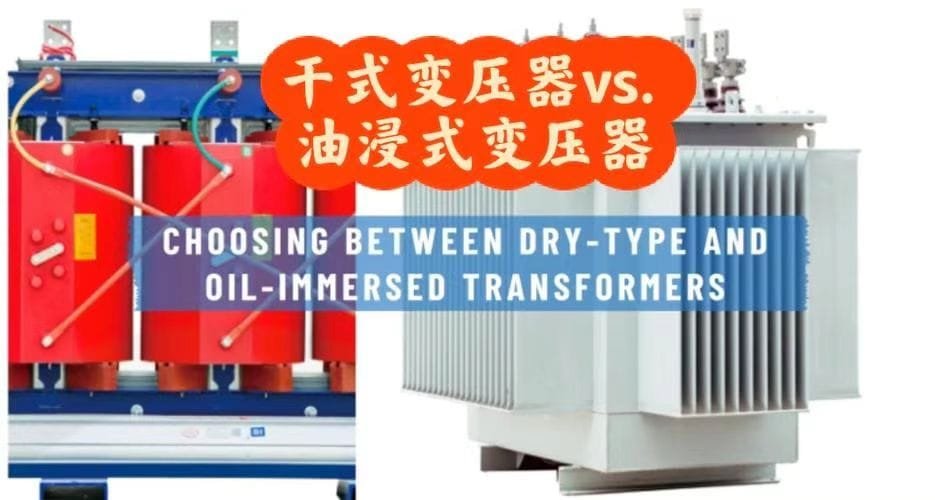
In today’s transformer market, project managers, EPC contractors, and utilities often face a crucial decision: should they select an oil-immersed transformer or a dry-type transformer? Both designs perform the same core electrical function—stepping voltage up or down—but their construction, cooling, insulation, and maintenance needs differ drastically. These differences have a direct and measurable impact on price, installation, safety, and total ownership cost. Many buyers mistakenly focus only on the purchase price, overlooking lifetime cost factors such as energy efficiency, cooling performance, and service life.
The type of transformer design—oil-immersed or dry-type—has a major influence on cost due to differences in materials, cooling systems, insulation media, and maintenance requirements. Oil-immersed transformers generally cost 15–30% less initially and handle higher capacities efficiently, while dry-type transformers offer safer, cleaner, and lower-maintenance solutions suitable for indoor or fire-sensitive environments but at a higher upfront cost.
Understanding how design type affects both capital and lifecycle costs enables smarter investment decisions and better long-term value.
Oil-immersed transformers are always cheaper to operate.False
While oil-immersed transformers have lower initial cost and better cooling efficiency, maintenance and oil testing add periodic operational expenses.
Dry-type transformers do not require fire protection systems.False
Although they are safer and self-extinguishing, dry-type transformers in critical facilities often still require additional fire protection compliance measures.
1. Fundamental Design Differences and Cost Drivers
The cost difference between oil-immersed and dry-type transformers originates from their construction principles and cooling/insulation systems.
| Feature | Oil-Immersed Transformer | Dry-Type Transformer |
|---|---|---|
| Insulation Medium | Mineral or synthetic insulating oil | Epoxy resin or air |
| Cooling Method | Oil Natural (ONAN), Oil Forced (OFAF) | Air Natural (AN), Air Forced (AF) |
| Installation Location | Outdoor or indoor (with containment) | Indoor, clean/dry environments |
| Initial Cost | Lower | 15–35% higher |
| Maintenance | Regular oil testing and filtration | Minimal |
| Efficiency | High (better heat dissipation) | Moderate |
| Fire Risk | Requires fire protection | Low or self-extinguishing |
| Service Life | 25–35 years | 20–25 years |
Oil-immersed designs dominate high-voltage and high-capacity installations, whereas dry-type units are preferred in commercial buildings, hospitals, data centers, and tunnels—where safety and environmental factors outweigh cost.
2. Cost Composition Analysis
The overall cost of a transformer includes materials, assembly, testing, logistics, and after-sales service. The material differences between designs are significant:
| Cost Element | Oil-Immersed | Dry-Type | Relative Cost Impact |
|---|---|---|---|
| Core & Winding Materials | Similar base materials | Similar base materials | Neutral |
| Insulation System | Oil + cellulose paper | Epoxy resin + air gap | +10–15% for dry-type |
| Cooling System | Radiators, oil pumps | Fans, ducts | +5–10% for dry-type |
| Enclosure & Safety Design | Basic steel tank | Reinforced, ventilated housing | +10–20% for dry-type |
| Testing & Certification | Standard IEC 60076 | IEC 60076-11 (more rigorous) | +5–8% |
On average, a dry-type transformer can cost 20–30% more than an equivalent oil-immersed unit at the same kVA rating.
3. Comparative Cost by Rating and Voltage Class
| Rating (kVA) | Voltage Level | Oil-Immersed (USD) | Dry-Type (USD) | Cost Difference (%) |
|---|---|---|---|---|
| 500 | 11/0.4 kV | 8,000 | 10,200 | +27.5% |
| 1,000 | 11/0.4 kV | 13,500 | 17,000 | +26% |
| 2,500 | 33/11 kV | 28,000 | 34,500 | +23% |
| 10,000 | 66/11 kV | 90,000 | N/A (rare) | — |
| 20,000 | 132/33 kV | 165,000 | N/A (not suitable) | — |
Key takeaway: Dry-type units are generally limited to ≤10 MVA and ≤36 kV, where their cost premium is acceptable for indoor or fire-safe installations.
4. Lifecycle Cost and Efficiency Comparison
Although dry-type transformers are safer, their cooling is less efficient, which can increase load losses over time. Oil-immersed units, thanks to better heat transfer, typically exhibit lower total losses and thus lower energy costs throughout service life.
| Factor | Oil-Immersed | Dry-Type | Lifecycle Impact |
|---|---|---|---|
| Initial Cost | Lower | Higher | Short-term advantage for oil-immersed |
| No-Load Loss | Low | Slightly higher | +3–5% more in dry-type |
| Load Loss | Moderate | Higher due to poorer cooling | +2–4% |
| Maintenance Cost (25 years) | Moderate (oil tests) | Low | +$8,000 average for oil-immersed |
| Expected Service Life | 30–35 years | 20–25 years | +10 years advantage for oil type |
| Total Lifecycle Cost Index | 1.00 | 1.08 | Dry-type slightly higher over lifetime |
Conclusion: Despite the higher upfront investment, dry-type transformers often result in higher long-term operational costs unless energy-efficient epoxy and ventilation designs are used.
5. Installation and Maintenance Considerations
Oil-Immersed Transformers
- Require containment pits or bunds to prevent oil leakage.
- Need fire barriers and regular oil monitoring (dissolved gas analysis, moisture content).
- Periodic oil filtration ensures insulation performance.
Dry-Type Transformers
- No oil handling simplifies indoor installation.
- Maintenance limited to dust removal and temperature monitoring.
- No leakage risk, making them ideal for basements and public areas.
| Maintenance Task | Oil-Immersed (Annual Cost) | Dry-Type (Annual Cost) |
|---|---|---|
| Oil Testing & Filtration | $400–$700 | N/A |
| Thermal Scanning | $100 | $150 |
| Cleaning & Inspection | $150 | $250 |
| Total per Year | $650–$950 | $400–$500 |
6. Safety, Environment, and Compliance
Modern projects increasingly emphasize sustainability and fire safety, shifting design preference based on application.
| Parameter | Oil-Immersed Transformer | Dry-Type Transformer |
|---|---|---|
| Fire Safety | Requires containment/firewalls | Self-extinguishing resin |
| Environmental Impact | Risk of oil spills | Clean operation |
| Noise Level | Lower due to oil damping | Slightly higher |
| Applicable Standards | IEC 60076 Series | IEC 60076-11 |
| Applications | Outdoor substations, utilities | Indoor buildings, renewables, tunnels |
Certification only adds unnecessary paperwork and cost to transformer manufacturing.False
Certification verifies design and manufacturing quality, ensuring transformers meet international safety, performance, and reliability requirements.
Type-tested transformers are more reliable than non-tested ones.True
Type testing validates design robustness under simulated operating and fault conditions, reducing future failure rates.
1. Understanding the Scope of Testing and Certification
Transformer testing and certification involve multiple stages, each designed to verify specific aspects of design, materials, and performance.
| Testing Category | Purpose | Performed According to | Impact on Cost |
|---|---|---|---|
| Routine Tests | Ensure every unit meets performance specs | IEC 60076-1 | +3–5% |
| Type Tests | Validate design for short-circuit, impulse, and temperature rise | IEC 60076-3 / IEC 60076-5 | +5–10% |
| Special Tests | Confirm customized or project-specific parameters | Client/IEC specification | +2–5% |
| Certification & Audit | Ensure process quality and documentation | ISO 9001, ISO 14001 | +1–2% |
The total cost impact of full IEC testing and certification ranges from 8–15%, depending on transformer size, voltage, and test scope.
2. Core International Standards That Govern Transformer Compliance
| Standard | Issued By | Focus Area | Typical Application |
|---|---|---|---|
| IEC 60076 Series | International Electrotechnical Commission (IEC) | Design, testing, performance, insulation, and noise | Global standard for all power transformers |
| IEEE C57 Series | Institute of Electrical and Electronics Engineers (IEEE) | North American design and test framework | USA, Canada, and related markets |
| ANSI C57 | American National Standards Institute | Safety and performance standards | US grid compliance |
| ISO 9001 / 14001 / 45001 | International Organization for Standardization | Quality, environmental, and safety management systems | Globally recognized manufacturing certification |
| EU EcoDesign (Tier 2) | European Commission | Efficiency and environmental compliance | European energy projects |
IEC and IEEE testing standards are identical.False
IEC and IEEE share similar goals but differ in test procedures, voltage classifications, and tolerances. IEC is more widely used in global projects, while IEEE dominates North America.
3. Cost Breakdown of Transformer Testing and Compliance
| Testing Phase | Key Tests Performed | Typical Duration | Cost Share (%) |
|---|---|---|---|
| Material Testing | Insulation resistance, oil dielectric strength, steel loss | 1–2 days | 2–3% |
| Routine Factory Tests | Turns ratio, polarity, resistance, insulation, applied voltage | 2–3 days | 3–4% |
| Type Tests | Short-circuit withstand, temperature rise, impulse test | 5–10 days | 5–8% |
| Special Tests | Sound level, partial discharge, harmonics | 1–2 days | 1–3% |
| Certification Audit & Documentation | Quality review, inspection reports, nameplate certification | — | 1–2% |
While these costs increase the selling price slightly, they drastically reduce warranty claims, replacement costs, and operational risk.
4. Comparing Certified vs. Non-Certified Transformer Costs Over Time
| Cost Factor | Certified Transformer | Non-Certified Transformer | Difference (%) |
|---|---|---|---|
| Initial Price | Higher by 8–15% | Lower | +10% |
| Failure Rate (10 years) | <0.5% | 2–3% | -80% |
| Downtime Costs | Minimal | High due to failures | -70% |
| Maintenance Frequency | Scheduled | Unpredictable | -40% |
| Total Lifecycle Cost | Lower by ~12% | Higher due to repair/replacement | -12% |
The data clearly shows that non-certified transformers appear cheaper at purchase but are more expensive to operate due to reliability and safety risks.
5. Major Tests That Influence Cost and Quality
a. Short-Circuit Withstand Test (IEC 60076-5)
Simulates mechanical stresses during fault conditions. Essential for high-voltage units.
- Adds ~3–5% to total cost.
- Prevents catastrophic winding damage in service.
b. Lightning Impulse Test (IEC 60076-3)
Ensures insulation can withstand transient overvoltages.
- Critical for grid-connected systems.
- Adds ~2–3% cost but extends dielectric life.
c. Temperature Rise Test (IEC 60076-2)
Validates cooling design under rated load.
- Guarantees stable performance and oil/insulation integrity.
d. Noise Level and Partial Discharge Tests
Required for urban or renewable applications.
- Ensures compliance with environmental and safety codes.
| Test Name | IEC Reference | Purpose | Cost Impact (%) | Failure Consequence |
|---|---|---|---|---|
| Short-Circuit | IEC 60076-5 | Mechanical endurance | 3–5 | Catastrophic failure |
| Impulse Voltage | IEC 60076-3 | Insulation integrity | 2–3 | Dielectric breakdown |
| Temperature Rise | IEC 60076-2 | Thermal stability | 2–3 | Accelerated aging |
| Partial Discharge | IEC 60270 | Insulation quality | 1–2 | Hidden insulation damage |
6. Case Study: IEC-Certified vs. Non-Tested 10 MVA Transformer
| Parameter | IEC Certified Transformer | Non-Certified Transformer |
|---|---|---|
| Rating | 10 MVA, 33/11 kV | 10 MVA, 33/11 kV |
| Purchase Price | $150,000 | $135,000 |
| Testing & Certification Cost | Included ($12,000) | None |
| Failure Rate (10 Years) | 0.4% | 2.5% |
| Average Downtime Cost | $4,000 | $18,000 |
| Service Life | 30 years | 22 years |
| Total Lifecycle Cost | $220,000 | $260,000 |
Insight: The certified transformer, despite a 10% higher upfront price, achieved a $40,000 total savings over its life cycle.
7. Compliance and Project Approval
For large-scale energy projects, certification is mandatory for grid connection, insurance coverage, and export compliance.
| Project Type | Mandatory Certifications | Relevant Standards |
|---|---|---|
| Utility Substations | Type and routine tested transformers | IEC 60076, ISO 9001 |
| Renewable Energy Projects | EcoDesign + loss limit verification | EU Regulation 548/2014 |
| Industrial Facilities | Safety & noise compliance | IEC 60076-10, ISO 45001 |
| Export Projects | IEC + country-specific (UL, CSA) | IEC/IEEE Dual Logo Standards |
Failure to provide certified test reports can delay commissioning, invalidate tenders, or void warranties—a costly oversight for EPC contractors.
8. Impact on Transformer Reliability and Reputation
Certification builds trust between manufacturers, clients, and regulatory bodies.
- Demonstrates traceability and repeatability of manufacturing quality.
- Ensures material conformity (oil, steel, insulation).
- Simplifies international trade and acceptance testing.
- Reduces warranty claims and field service interventions.
A certified manufacturing process also enables consistent transformer quality across different projects and markets, vital for multinational utilities and contractors.
9. Emerging Trends in Compliance and Smart Testing
- Digital Twin Testing: Virtual validation reduces prototype costs.
- IoT Monitoring Integration: Continuous compliance verification post-installation.
- Sustainability Auditing: IEC and ISO now integrate carbon footprint and recyclability metrics.
- Cybersecurity Standards (IEC 62443): Protect smart transformers in digital grids.
The industry is shifting toward continuous compliance monitoring rather than one-time certification.
10. Summary: Balancing Cost and Compliance
| Aspect | Benefit of Compliance | Cost Impact (%) | Long-Term Gain |
|---|---|---|---|
| Testing | Validates mechanical and electrical endurance | +5–10 | Fewer failures |
| Certification | Ensures global acceptance | +2–3 | Faster approvals |
| Compliance | Meets safety and environmental codes | +3–5 | Avoids penalties |
| Lifecycle Reliability | Extended service life | — | +10–15 years |
Bottom Line: A fully tested and certified transformer may cost 10–15% more initially but delivers over 20% savings through reduced downtime, maintenance, and energy losses across its lifetime.
How Do Logistics, Packaging, and Installation Requirements Add to the Price of Power Transformers?
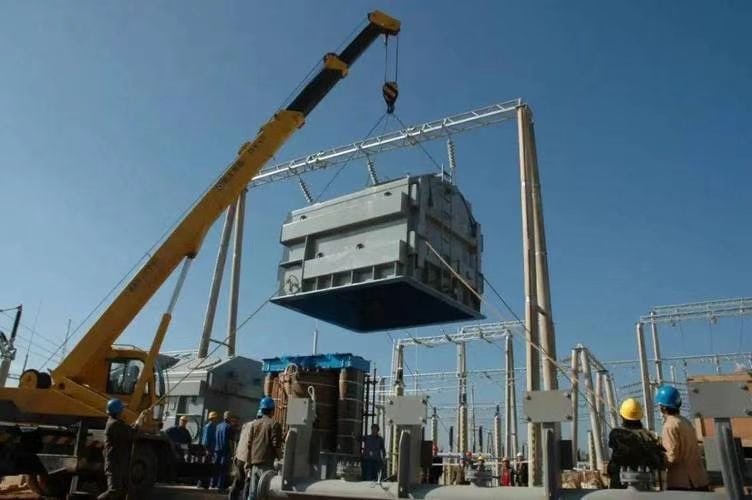
For many project buyers and EPC contractors, the main focus when procuring a power transformer is the equipment price itself—core, winding, and performance parameters. However, the hidden cost drivers that often determine total project expenses lie in logistics, packaging, and installation requirements. These stages are complex, highly specialized, and safety-critical, often representing 10–25% of the total delivered transformer price. Ignoring them can lead to severe cost overruns, delays, and even equipment damage.
Logistics, packaging, and installation requirements significantly influence transformer pricing because they involve customized handling, protection, and site integration processes. These include specialized transport vehicles, shock-resistant packaging, crane operations, oil-filling and drying equipment, and skilled installation teams. Depending on distance, voltage class, and project location, these costs typically add 10–25% to the total transformer project budget while ensuring safety, warranty validity, and long-term reliability.
While these services might seem secondary, they ensure the transformer arrives, installs, and performs exactly as designed—without mechanical stress, insulation damage, or oil contamination.
Logistics and installation costs are negligible compared to the transformer’s price.False
Heavy transformers require specialized packaging, lifting, and transportation that can add 10–25% to the total project cost.
Proper packaging and installation have no effect on transformer reliability.False
Incorrect handling or poor installation can cause vibration, oil leakage, or insulation failure, significantly reducing lifespan.
1. Understanding the Real Impact of Logistics on Transformer Pricing
Transporting a large power transformer—often weighing between 10 and 200 tons—is not a simple delivery. It requires:
- Route surveys for bridge and road clearance.
- Custom trailers with hydraulic suspension systems.
- Police escorts and permits for oversized loads.
- Crane operations at departure and installation sites.
| Transport Element | Description | Cost Impact (%) | Risk if Ignored |
|---|---|---|---|
| Route Survey & Permits | Road clearance, bridge checks, escorts | 2–4% | Legal delay, fines |
| Heavy Trailer Transport | Specialized multi-axle transport | 5–10% | Mechanical stress, damage |
| Port Handling & Customs | Export/import clearance | 2–5% | Delays, storage costs |
| On-Site Crane & Unloading | Lifting and placement | 3–6% | Core or tank deformation |
Total logistics cost typically ranges between 12–20% depending on project distance and difficulty.
2. Packaging: Protecting High-Value Equipment from Transit Damage
Transformers are sensitive to vibration, humidity, and impact, so proper packaging is essential. Advanced packaging methods prevent mechanical or dielectric degradation during long-distance transport.
| Packaging Method | Purpose | Material Used | Typical Cost Share (%) |
|---|---|---|---|
| Vacuum Sealed Wrapping | Prevents moisture absorption | Multilayer aluminum or PE film | 1–2% |
| Steel Frame Crating | Structural protection | Galvanized steel bars | 2–3% |
| Shock-Absorbing Pads | Reduces vibration | Rubber/cork pads | 0.5–1% |
| Weatherproof Coating | For overseas/marine shipping | Polyurethane layer | 0.5–1% |
Proper packaging is not only about protection—it’s part of compliance with IEC 60076 and ISO 9001 quality assurance requirements for export-ready transformers.
Standard wooden crates are sufficient for transporting 100 MVA transformers.False
Large transformers require steel-frame crating, anti-vibration supports, and humidity protection to prevent structural and dielectric damage.
3. Installation: A Hidden Yet Critical Cost Component
After delivery, transformer installation involves site preparation, assembly, oil filling, testing, and commissioning—tasks requiring certified technicians and precision equipment.
| Installation Step | Key Operations | Cost Contribution (%) |
|---|---|---|
| Site Preparation | Foundation leveling, cable trench setup | 2–4% |
| Assembly & Drying | Conservator, radiators, bushings | 3–5% |
| Oil Filling & Filtering | Vacuum treatment, oil testing | 1–3% |
| Testing & Commissioning | Ratio, insulation, and load checks | 2–4% |
| Training & Documentation | Operator training, manuals | 0.5–1% |
Installation costs vary from 8–15% of the equipment price, depending on site complexity and local labor rates.
4. Regional and Environmental Factors Affecting Cost
| Condition | Effect on Cost | Reason |
|---|---|---|
| Remote Locations | +10–20% | Poor road access, longer routes |
| Extreme Climates | +5–10% | Need for insulation, oil heating systems |
| Mountainous Terrain | +8–15% | Limited crane access, transport difficulty |
| Urban or Restricted Zones | +5–12% | Nighttime delivery, safety permits |
Projects in islands, deserts, or offshore substations often require modular disassembly and reassembly, adding 20–30% more to logistics and installation costs.
5. Case Study: 63 MVA Oil-Immersed Transformer Delivery
| Parameter | Value |
|---|---|
| Equipment Cost (Ex-Works) | $250,000 |
| Packaging (Export-Grade) | $8,000 |
| Transport (Port + On-Site) | $35,000 |
| Installation & Commissioning | $28,000 |
| Total Project Cost (Delivered) | $321,000 |
| Logistics Share of Total Cost | 22% |
Even with optimized planning, logistics and installation accounted for over one-fifth of the total project expenditure. However, failure to perform specialized packaging and route assessment would risk damages exceeding $80,000 in potential rework.
6. Hidden Costs of Ignoring Professional Logistics Planning
| Risk Factor | Consequence | Estimated Damage ($) |
|---|---|---|
| Inadequate Packaging | Insulation moisture, bushing cracks | 10,000–30,000 |
| Improper Handling | Core misalignment, vibration fatigue | 15,000–40,000 |
| Transport Delay | Project schedule penalties | 5,000–20,000/day |
| Incorrect Installation | Partial discharge, oil leak | 20,000–50,000 |
Conclusion: Proper logistics and installation are not optional—they protect the entire investment.
7. Modern Innovations Reducing Cost and Risk
- Smart Vibration Monitoring: Real-time data tracking during shipment using IoT sensors.
- 3D Route Simulation: AI-based logistics planning to minimize risk and cost.
- Modular Transformer Design: Reduces shipment size and crane requirements.
- Reusable Steel Crates: Lower long-term export costs.
- Integrated Commissioning Packages: Combined OEM + site testing to streamline warranty validation.
8. Balancing Cost, Safety, and Compliance
| Aspect | Low-Cost Approach | Optimized Professional Approach | Outcome |
|---|---|---|---|
| Packaging | Basic wooden crate | Shock-proof sealed frame | Extended warranty |
| Transport | Standard trailer | Hydraulic modular trailer | Zero vibration damage |
| Installation | Local contractors | Certified OEM team | Reliable startup |
| Total Cost | Lower initially | Slightly higher | 10–15 years longer lifespan |
Investing in professional handling ensures that the transformer arrives safely, performs reliably, and retains warranty validity.
How Do Market Conditions and Customization Options Affect Transformer Pricing?
In the global power industry, transformer prices do not remain constant—they are influenced by a dynamic mix of market conditions and technical customization options. Whether you’re an EPC contractor, utility buyer, or industrial investor, understanding how these two factors interplay is essential for accurate budgeting and procurement. Market conditions determine the base cost of materials and manufacturing, while customization options shape the final configuration, performance, and long-term value of each unit.
Market conditions, such as raw material prices, supply chain stability, and global energy demand, directly affect the base cost of transformers—often causing 10–30% price swings. Customization options, including specific voltage ratings, insulation types, noise limits, and cooling systems, add another 5–25% depending on design complexity. Together, these variables determine not only the initial purchase price but also lifecycle cost, efficiency, and reliability.
Failing to understand these drivers can lead to overspending during market highs or under-specifying equipment that fails operationally.
Transformer prices remain stable regardless of market trends or customization.False
Transformer prices fluctuate due to raw material costs, logistics, energy demand, and design-specific engineering requirements.
Customization has minimal effect on transformer cost.False
Each customized feature, such as higher efficiency or special cooling, requires engineering modifications and special materials that increase cost.
1. Market Conditions: The Foundation of Transformer Pricing
Transformer pricing starts with global economic and industrial conditions.
Raw materials such as copper, electrical steel, and transformer oil account for nearly 60–70% of total production costs.
| Key Market Factor | Influence on Transformer Price | Typical Variation (%) | Explanation |
|---|---|---|---|
| Copper Price | 25–35% | ±15–25 | Conductors and windings depend on copper content |
| Electrical Steel Price | 20–25% | ±10–20 | Core material cost fluctuates with steel index |
| Oil & Insulation Material | 10–15% | ±5–10 | Impacted by petroleum and chemical market |
| Exchange Rate | — | ±3–8 | Affects import/export-based manufacturing |
| Energy & Labor Costs | 10–15% | ±5–10 | Influence manufacturing cost and delivery |
| Logistics and Freight | 5–10% | ±10–15 | Affected by fuel price and route restrictions |
In periods of high raw material prices (such as copper above $9,000/ton), transformer manufacturers often adjust quotes monthly, as long-term fixed pricing becomes unsustainable.
2. Global Market Trend Influence
| Market Event | Effect on Transformer Cost | Impact Level |
|---|---|---|
| Rapid Electrification in Asia & Africa | Increased demand | High |
| Renewable Energy Expansion (Wind/Solar) | Specialized grid transformers | Medium–High |
| Raw Material Inflation | Increased manufacturing cost | High |
| Supply Chain Disruption (e.g., pandemic, shipping bottlenecks) | Delivery delays and cost escalation | High |
| Technological Advancements | Higher efficiency standards | Medium |
When market conditions tighten, delivery lead times can increase from 90 to 180 days, while price adjustments of 15–20% are common across transformer categories.
Copper and electrical steel costs account for less than 20% of transformer pricing.False
Copper and electrical steel together typically represent over 50% of the total material cost in a power transformer.
3. Customization Options: Tailoring Functionality and Cost
Beyond market volatility, customization decisions directly shape transformer pricing. Each non-standard feature—such as special insulation classes, increased cooling capacity, or reduced noise levels—requires dedicated engineering design and unique materials.
| Customization Parameter | Cost Impact (%) | Effect on Performance |
|---|---|---|
| Voltage Rating (kV) | +5–10 | Determines insulation level and design scale |
| Cooling System (ONAN/ONAF/OFWF) | +3–8 | Enhances load capacity and lifespan |
| Efficiency Class (Tier 1 / Tier 2 / DOE 2021) | +5–15 | Reduces energy loss and O&M cost |
| Noise Reduction Design | +2–5 | Meets urban or industrial limits |
| Special Insulation (Aramid, NOMEX) | +8–12 | Increases thermal endurance |
| Earthquake-Resistant or Marine Design | +5–10 | Improves mechanical stability |
| Digital Monitoring and IoT Sensors | +3–6 | Enables predictive maintenance |
For example, an eco-design Tier 2 transformer may cost 10–12% more than a standard model but yield 15–20% lifecycle savings through reduced energy losses.
4. Material Price Sensitivity Chart (Copper & Steel)
| Material | Baseline Price (2022) | Current Price (2025) | Change (%) | Influence on Transformer Cost |
|---|---|---|---|---|
| Copper | $8,500/ton | $9,400/ton | +10.6% | +5–8% |
| Electrical Steel (CRGO) | $2,200/ton | $2,600/ton | +18% | +4–7% |
| Transformer Oil | $1,100/ton | $1,250/ton | +13.6% | +2–3% |
Combined, these shifts contribute to a 10–15% overall transformer cost increase compared to 2022 averages.
5. Impact of Efficiency Standards and Environmental Compliance
Modern global standards (IEC, DOE, EU EcoDesign Tier 2) require lower losses and improved energy efficiency, which adds material and engineering costs.
| Standard | Typical Cost Impact (%) | Efficiency Gain | Lifetime Benefit |
|---|---|---|---|
| IEC 60076-20 (Tier 1) | +3–5 | ~1% | Moderate |
| IEC 60076-20 (Tier 2) | +6–10 | ~2–3% | Long-term energy saving |
| DOE 2021 / C57.12.00 | +8–12 | ~3–4% | Strong ROI |
High-efficiency designs often require larger cores, more copper, and improved cooling systems, all increasing upfront cost but lowering total lifecycle energy loss.
High-efficiency transformers always cost less due to lower energy losses.False
While they save energy long-term, high-efficiency transformers use more material and precise engineering, increasing initial cost by 8–15%.
6. Case Study: Comparing Standard vs. Customized Transformer
| Parameter | Standard 33/11kV, 10MVA | Customized 33/11kV, 10MVA | Difference (%) |
|---|---|---|---|
| Base Price (Ex-Works) | $150,000 | $165,000 | +10% |
| Efficiency | Tier 1 | Tier 2 | +15% energy saving |
| Cooling System | ONAN | ONAF | +5% |
| Monitoring | Basic | Digital IoT | +4% |
| Total Cost (Delivered) | $165,000 | $190,000 | +15% |
Although the customized unit costs 15% more, its annual energy loss reduction (~$2,500/year) and extended lifespan deliver payback within five years.
7. Balancing Customization and Market Timing
Savvy buyers time their procurement and design decisions to balance both price drivers:
- Order during stable copper/steel markets.
- Lock-in contracts when raw materials are at multi-month lows.
- Standardize designs where possible to reduce engineering overhead.
- Specify only performance-critical customizations (efficiency, protection, sensors).
Strategic sourcing and modular standardization can save 10–18% compared to fully bespoke one-off designs ordered during volatile market periods.
8. Lifecycle Perspective: Cost vs. Value
| Aspect | Short-Term Impact | Long-Term Effect |
|---|---|---|
| Market Fluctuation | Immediate price swings | Limited if contracts fixed |
| Customization | Higher purchase cost | Lower operation loss, longer life |
| Efficiency Compliance | +5–10% cost | -10–15% lifetime OPEX |
| Material Inflation | +10–20% | May stabilize over time |
| Digital Features | +5% cost | Enables predictive maintenance savings |
Conclusion: The most cost-effective strategy is not to chase the lowest purchase price, but to secure stable market timing and performance-driven customization aligned with project needs.
Conclusion
Transformer pricing reflects the balance between engineering quality, material selection, and market dynamics. While higher-quality materials and rigorous testing can increase upfront costs, they also ensure better efficiency, safety, and longevity. Understanding these pricing factors allows buyers to make cost-effective decisions without compromising on performance or reliability — achieving long-term value for power infrastructure investments.
FAQ
Q1: What are the main factors that affect transformer pricing?
Transformer pricing depends on several variables that influence materials, manufacturing complexity, and performance requirements. The most significant factors include:
Power rating (kVA/MVA): Larger capacity units require more materials and engineering effort.
Voltage level: Higher voltage classes need stronger insulation and specialized testing.
Material type: Copper vs. aluminum windings and core steel quality greatly affect cost.
Cooling method: ONAN, ONAF, or OFWF systems increase both design and installation costs.
Efficiency standards: Higher efficiency units cost more initially but save energy long-term.
Customization and accessories: Tap changers, monitoring systems, and enclosures add to the price.
Q2: How do raw material prices impact transformer costs?
Copper, core steel, and transformer oil are the largest cost components. Copper price volatility can change total transformer costs by up to 30%, while high-grade silicon steel and insulating materials also fluctuate with market trends. Manufacturers often include price adjustment clauses in contracts to account for these changes.
Q3: Why does transformer type matter in pricing?
Different transformer types serve different applications:
Oil-immersed transformers are generally cheaper and offer better cooling but require maintenance.
Dry-type transformers cost more due to advanced insulation and fire-resistant design.
Cast resin transformers are the most expensive but ideal for indoor and critical environments.
Choosing the right type depends on application, environment, and long-term operational costs.
Q4: How do testing and certification affect transformer pricing?
Compliance with international standards such as IEC 60076, IEEE C57, or ISO 9001 increases production and testing costs but ensures safety, reliability, and warranty support. Type testing, routine testing, and special testing (like short-circuit withstand) can account for 5–10% of total cost.
Q5: What hidden costs should buyers consider when budgeting for transformers?
In addition to the purchase price, buyers should factor in:
Transportation and logistics costs (especially for large units).
Installation and commissioning services.
Oil filling, protection devices, and accessories.
Maintenance and energy loss costs over the transformer’s lifespan.
A Total Cost of Ownership (TCO) approach provides a more accurate measure of investment value.
References
IEC 60076 – Power Transformer Standards: https://webstore.iec.ch
IEEE C57 – Power Transformer Design Standards: https://ieeexplore.ieee.org
Electrical4U – Transformer Price Factors Explained: https://www.electrical4u.com
EEP – Cost Components in Power Transformer Manufacturing: https://electrical-engineering-portal.com
DOE – Transformer Efficiency and Cost Guidelines: https://www.energy.gov
NEMA – Transformer Construction and Material Standards: https://www.nema.org