
The dry-type transformer market is undergoing rapid evolution as global demands for safety, energy efficiency, sustainability, and digital monitoring continue to grow. Emerging technologies are reshaping how these transformers are designed, manufactured, and applied across sectors such as renewable energy, smart grids, urban infrastructure, and industrial automation. Understanding the innovations driving this transformation is essential for engineers, buyers, and decision-makers who need reliable, future-proof power solutions.
What Advances in Insulation and Materials Are Improving Performance?
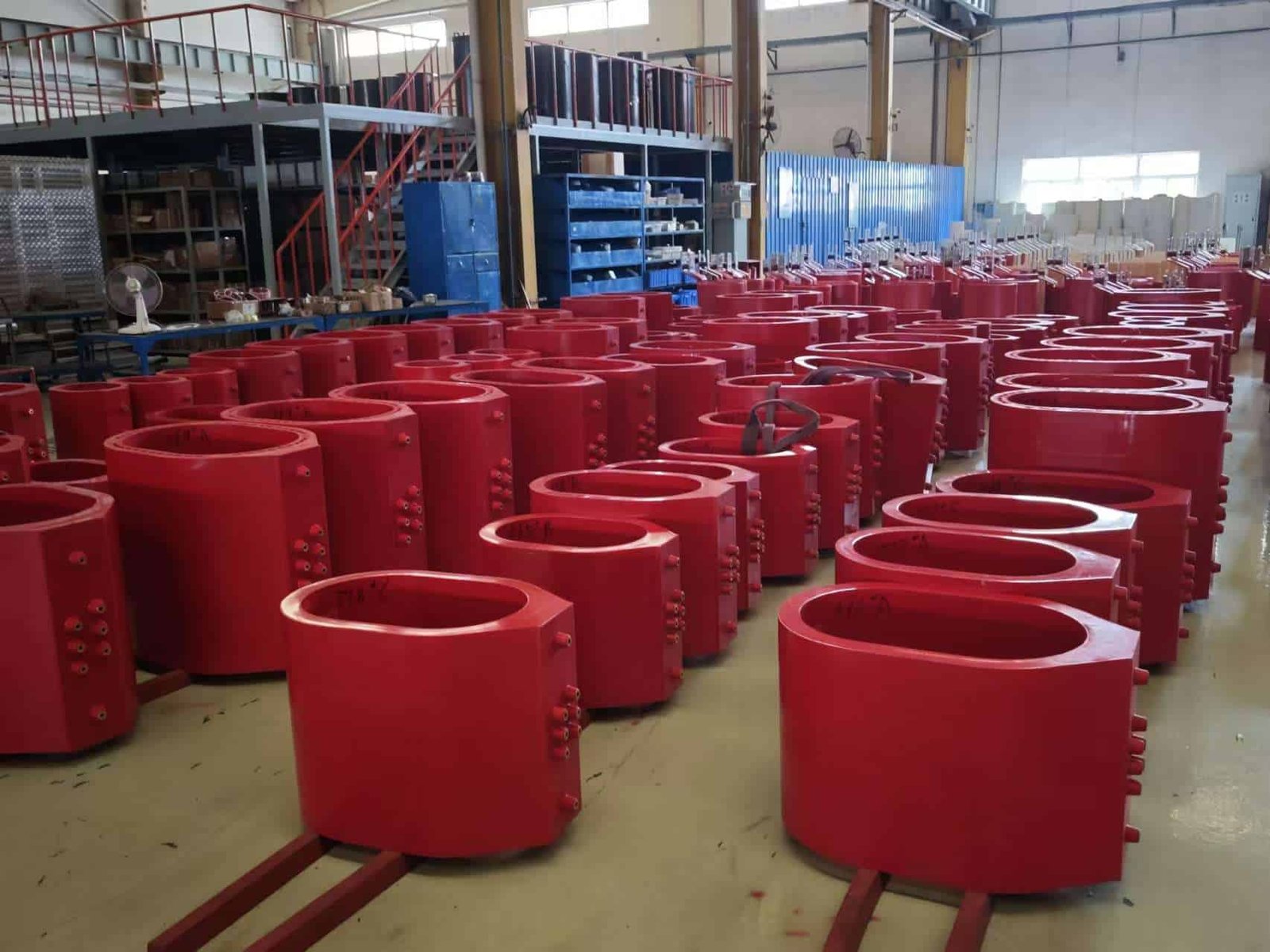
Modern transformer technology—especially for dry-type designs—has been transformed by rapid progress in insulation systems, composite materials, magnetic steel engineering, and thermal-conductive structures. These innovations reduce losses, extend lifetime, improve thermal endurance, and greatly enhance reliability under harmonic, overload, and high-frequency stress. As electrical networks become more compact, more renewable-integrated, and more demanding in operating temperature and duty cycles, insulation and material advancements have become the primary enablers of higher efficiency and more robust transformer performance.
Next-Generation Resin Systems Enhancing Thermal and Electrical Strength
One of the most significant advancements lies in new epoxy and hybrid resin systems. Traditional cast-resin insulation provided strong mechanical rigidity but suffered from thermal cycling fatigue and micro-cracking. Modern formulations incorporate nano-fillers, flexible-chain polymers, and high thermal conductivity additives. These improvements increase dielectric strength, reduce partial discharge activity, and allow coils to operate at higher temperatures without losing structural integrity. The result is higher reliability, better overload resilience, and reduced load losses across the transformer’s service life.
Advanced VPI (Vacuum Pressure Impregnation) systems also contribute to improved performance. High-temperature polyesterimide and silicone-resin varnishes deliver Class F and Class H insulation ratings, ensuring greater resistance to moisture, dust, and chemical exposure. This enhances operational stability in harsh environments that previously challenged dry-type units.
Nanocomposites Improving Dielectric Performance and Heat Dissipation
Nanotechnology has rapidly accelerated insulation evolution. Nano-silica, nano-alumina, and layered nanoparticles (such as graphene derivatives) are now blended into epoxy systems to manipulate molecular behavior at microscopic interfaces. These materials:
- Increase dielectric breakdown strength
- Improve partial discharge resistance
- Enhance thermal conductivity
- Slow insulation aging under high electrical stress
- Reduce expansion–contraction cycles during thermal fluctuation
The net effect is a significant improvement in coil temperature distribution, extending transformer lifespan and maintaining long-term efficiency more effectively than conventional insulation could.
High-Efficiency Magnetic Core Materials Reducing No-Load Losses
Magnetic core engineering has advanced dramatically. Traditional cold-rolled grain-oriented (CRGO) steel is now being supplemented—and in some low-loss applications replaced—by ultra-low-loss high-permeability grades and amorphous metal alloys. These materials reduce hysteresis and eddy-current losses, producing substantial no-load loss savings.
Key improvements include:
- Laser-scribing techniques that align magnetic domains more precisely
- Step-lap and distributed-gap core construction minimizing flux leakage
- Amorphous metal cores delivering up to 70% lower core losses than CRGO
These innovations are especially impactful in dry-type transformers, where efficient heat dissipation from the core is critical to maintaining stable operating temperatures and extending component life.
Thermally Conductive Insulation Pathways Improving Cooling Efficiency
New insulation structures emphasize heat transfer rather than only dielectric strength. Thermally conductive epoxy fillers, resin-bonded mica, and engineered air-duct geometries allow heat to move more efficiently from windings to ambient environment. Enhanced cooling pathways reduce hotspots, improve winding conductivity, stabilize load losses, and allow transformers to run at higher load factors without thermal penalties.
As a result, even without oil circulation, modern dry-type transformers achieve lower operating temperatures and improved energy performance.
Advanced Winding Materials and Structural Reinforcement
Copper and aluminum windings have also benefited from material innovation. Improved conductor purity, specialized foil winding designs, and high-density edge bonding reduce stray losses and minimize vibration—two major contributors to insulation stress. Fiber-reinforced structural materials (fiberglass, aramid paper, epoxy-glass composites) enhance mechanical strength, resisting short-circuit forces and reducing deformation that can lead to insulation damage.
These materials maintain coil geometry more precisely over time, preserving magnetic balance and reducing electrical losses.
Moisture-Resistance and Environmental Durability Improvements
Modern insulation materials provide greater stability against humidity, pollutants, and salt-laden air. Hydrophobic resin systems, moisture-blocking coatings, and improved interface bonding prevent insulation degradation that previously accelerated aging in harsh climates. Dry-type transformers are now deployed more effectively in coastal zones, tunnels, mines, and chemical plants due to these improvements, maintaining efficiency and reliability where older materials would have failed.
How Are Smart Monitoring and IoT Enhancing Dry-Type Transformer Operation?
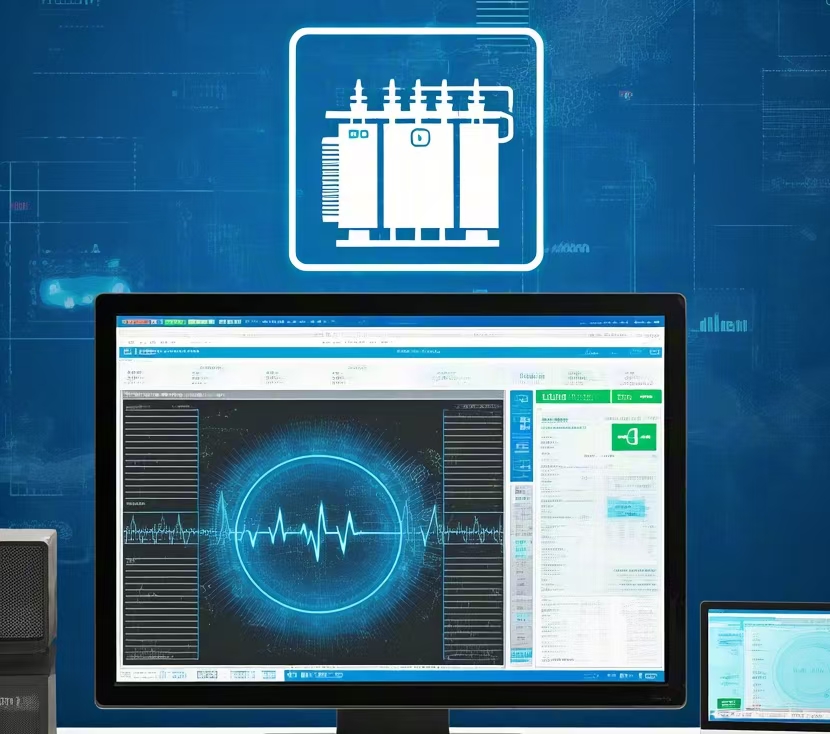
The integration of smart monitoring and IoT technologies is reshaping the way dry-type transformers operate, maintain efficiency, and respond to network conditions. Historically, these transformers relied on periodic manual inspections and basic thermal sensors. Today, embedded intelligence, advanced sensing, and cloud-connected analytics provide continuous insight into performance, aging, and load conditions. This shift transforms transformers from passive electrical devices into active, data-driven assets that contribute directly to grid reliability, energy efficiency, and lifecycle optimization.
Real-Time Condition Monitoring for Continuous Operational Awareness
Modern dry-type transformers are equipped with an array of sensors that track temperature, humidity, vibrations, partial discharge levels, and overall load dynamics in real time. By reporting this information continuously, the transformer offers operators a comprehensive, moment-by-moment view of its internal and external operating conditions.
This visibility removes uncertainty, allowing operators to detect abnormalities early, adjust loads proactively, and prevent failures caused by overheating, insulation decay, or harmonic distortion. Real-time monitoring fundamentally changes the maintenance strategy—from reactive or scheduled maintenance to continuous, precision-based management.
Predictive Analytics Extending Service Life and Minimizing Failures
IoT-connected monitoring platforms don’t simply collect data—they analyze patterns over weeks, months, and years. Machine learning models can identify transformer aging trends, detect early signs of insulation weakening, and forecast when components may reach critical thermal limits.
These predictive insights allow operators to plan maintenance well before a fault occurs, minimizing the risk of outages and extending transformer lifespan. This predictive capability is especially crucial in dry-type units, where insulation conditions, winding temperature, and core behavior directly determine long-term reliability.
Enhanced Load Management for Energy Efficiency and Grid Stability
Smart monitoring also improves how transformers interact with the grid. By continuously assessing load patterns, peak usage periods, and harmonic distortions, IoT systems help optimize load distribution and reduce stress on winding and core materials.
Operators can shift loads, avoid overloading, and improve overall network power quality—ultimately lowering operational losses. In renewable-rich grids or heavy industrial sites, this ability to manage dynamic loads helps maintain grid stability and ensures the transformer always operates within its most efficient window.
Thermal Performance Optimization Through Intelligent Cooling Control
Dry-type transformers rely heavily on proper thermal management, and IoT systems enhance cooling strategies by adjusting airflow and ventilation in response to real-time temperature data. Smart algorithms ensure the cooling system operates only when necessary, reducing energy consumption while preventing thermal hotspots that accelerate insulation aging.
Optimized thermal behavior results in lower operating costs, reduced heat-related degradation, and a more predictable performance profile throughout the transformer’s lifecycle.
Remote Diagnostics Reducing Maintenance Costs and Downtime
Smart monitoring eliminates the need for constant physical inspections. Operators can remotely diagnose problems, view performance logs, and track long-term behavior without sending technicians to the site.
This is especially beneficial for transformers in remote, hazardous, or difficult-to-access environments such as wind farms, offshore platforms, underground substations, and large industrial facilities. Remote diagnostics lowers operational costs, reduces safety risks, and ensures faster response times when abnormalities arise.
Integration with Digital Twins for Accurate Performance Modeling
Digital twin technology—virtual replicas of physical transformers—has become a powerful tool for modern grid management. By feeding sensor and IoT data into these models, operators can simulate future operating conditions, test load scenarios, and evaluate how the transformer will react to environmental changes.
These insights help optimize transformer design, maintenance planning, and operational strategies, providing a deeper understanding of long-term performance under real-world stress.
Cybersecurity Enhancements Protecting Critical Grid Infrastructure
As transformers become connected assets, cybersecurity becomes a central concern. Modern smart monitoring platforms incorporate encrypted communication protocols, authentication systems, and secure cloud architectures. These protections ensure that sensor data, operational logs, and control commands are safeguarded against unauthorized access.
Strong cybersecurity measures allow dry-type transformers to operate safely within increasingly digital and interconnected power networks.
What Role Do New Cooling Methods Play in Efficiency and Reliability?
Advancements in cooling technology have become essential to improving both the efficiency and long-term reliability of dry-type transformers. Because these transformers operate without liquid insulation, their thermal management depends entirely on airflow, material conductivity, and intelligent heat dissipation strategies. New cooling methods address the growing demands of renewable energy integration, higher power density, and continuous operation in harsh or enclosed environments. As a result, modern transformers are engineered not just to remain cool, but to maintain optimal efficiency and predictable aging throughout their service life.
Enhanced Thermal Stability Reducing Energy Losses and Hotspot Formation
One of the most significant contributions of modern cooling technologies is their ability to reduce core and winding temperatures more effectively. Lower temperatures directly correlate with lower resistive losses in windings and reduced magnetization losses in the core. This enables the transformer to maintain higher efficiency even under fluctuating or heavy loads.
Improved cooling pathways, optimized coil geometry, and advanced resin systems significantly reduce hotspot formation—one of the leading factors behind insulation degradation and unexpected failures. By minimizing hotspots, the entire thermal profile becomes more uniform, extending insulation life and maintaining efficiency at all operating points.
Advanced Airflow Designs Supporting Higher Power Density
Traditional dry-type transformers relied on natural ventilation or basic forced-air systems. Newer designs incorporate engineered airflow channels, directed cooling ducts, and computationally optimized ventilation paths. These innovations ensure that air travels across the most thermally stressed surfaces, maximizing heat extraction without requiring excessive fan power.
This improvement allows manufacturers to build smaller, more compact transformers capable of carrying higher loads while remaining within thermal limits. For applications such as data centers, offshore platforms, or renewable turbine towers, higher power density with safe thermal margins is a key performance advantage.
Intelligent Forced-Air Cooling Increasing Operational Flexibility
Modern cooling systems integrate variable-speed fans, smart controllers, and temperature-based automation. Instead of running cooling equipment continuously, the system adjusts fan speed precisely to match the thermal demand of the moment.
This intelligent operation contributes to:
- lower auxiliary power consumption
- reduced acoustic noise
- extended fan and component lifespan
- improved real-time response to load fluctuations
The result is a transformer that adapts to operating conditions, preserving efficiency during light load and providing rapid cooling during peak demand.
Solid-State Heat Dissipation Materials Improving Thermal Conductivity
Another leap in cooling performance comes from high-conductivity materials integrated into coils and structural components. Thermally conductive resin systems, improved insulation composites, and heat-spreading laminates allow heat to move away from windings faster and more evenly.
These materials significantly reduce thermal stress during overload, harmonics, or ambient temperature spikes—conditions that would typically accelerate aging in older transformer designs. Enhanced thermal conductivity ensures greater reliability and stability over decades of operation.
Hybrid Cooling Concepts Expanding Application Possibilities
Some of the newest dry-type transformer designs use hybrid cooling systems that combine natural convection with assisted airflow or phase-change materials. While still oil-free, these systems store and release heat more efficiently, making them suitable for applications with intermittent overloads or tight installation clearances.
Hybrid systems help dry-type transformers operate reliably in environments that were once considered incompatible, such as tunnels, offshore turbines, underground substations, and high-altitude installations.
Improved Overload Capability and Thermal Resilience
New cooling methods enhance a transformer's ability to withstand short-term overloads or sudden changes in demand. With improved heat extraction and controlled temperature rise, modern units tolerate overload events with significantly less impact on insulation life.
This thermal resilience is crucial in renewable energy sites, where fluctuating generation can occasionally push transformers toward their limits. Better cooling helps maintain steady performance even under unpredictable load profiles.
Lower Maintenance Requirements and Longer Service Life
Because modern cooling systems operate more efficiently and generate fewer thermal cycles, they reduce mechanical stress on windings, resin, and structural components. Intelligent temperature control also prevents unnecessary wear on ventilation equipment.
Over time, this translates to:
- fewer service interventions
- lower risk of thermal-related failures
- extended lifespan of insulation systems
- more consistent long-term efficiency
Cooling improvements indirectly enhance every aspect of reliability, making the transformer more predictable and economical throughout its lifecycle.
How Are Eco-Friendly and Biodegradable Materials Influencing Future Designs?

Sustainability is becoming a defining priority in modern transformer engineering, and dry-type transformers are at the center of this shift. As global regulations tighten and industries push toward greener infrastructure, manufacturers are adopting eco-friendly and biodegradable materials that reduce environmental impact without compromising performance. These new materials are reshaping insulation systems, structural components, and manufacturing processes, leading to future designs that are cleaner, safer, and more aligned with circular-economy principles.
Replacing Hazardous Substances with Low-Impact, Non-Toxic Alternatives
One of the most significant changes is the move away from conventional materials that contain hazardous chemicals or generate harmful byproducts during production. Eco-friendly insulation resins, fire-resistant polymers, and halogen-free materials now serve as safer alternatives.
These substances reduce toxicity during manufacturing, operation, and end-of-life disposal. The shift allows transformers to meet stricter environmental regulations, such as RoHS and REACH, while improving safety for workers and nearby personnel. As industries increase their emphasis on low-emission and non-toxic infrastructure, the demand for such cleaner material systems continues to grow.
Biodegradable Insulation Enhancing End-of-Life Sustainability
Biodegradable insulation materials are emerging as important contributors to sustainability. Although dry-type transformers do not use insulating oil, new plant-based resins, natural fiber composites, and bio-derived polymers are being tested as substitutes for traditional epoxy systems.
These materials reduce the long-term environmental footprint by enabling easier recycling, safer decomposition, and simpler component recovery at end-of-life. As circular-economy models become more common in energy infrastructure planning, biodegradable insulation offers a path toward transformers that return more of their material value to the supply chain.
Improving Thermal Performance with Green Composite Materials
Eco-friendly materials are not limited to environmental benefits—they also enhance thermal stability and heat dissipation. Advanced natural composites, high-performance cellulose derivatives, and bio-based thermally conductive fillers improve insulating performance while maintaining lower environmental impact.
This is particularly impactful in dry-type transformers, where thermal behavior directly determines efficiency and reliability. With better thermal conductivity and structural strength, these new materials support higher power density and more stable operation under fluctuating loads.
Strengthening Fire Safety Without Harmful Additives
Traditional fire-retardant materials often rely on halogens or chemicals that release toxic gases when exposed to high temperatures. Eco-friendly fire-resistant polymers eliminate these risks by using mineral-based or bio-derived flame retardants that function cleanly during combustion.
This approach not only improves safety in enclosed or high-risk environments but also reduces hazardous emissions during manufacturing and disposal. As industries prioritize safer, greener fire protection, these materials are becoming essential to next-generation dry-type transformer designs.
Supporting Carbon-Reduction Goals in Manufacturing and Operation
Green materials are helping transformer manufacturers reduce their overall carbon footprint. Bio-derived polymers, recycled metals, and low-energy insulation systems decrease emissions during production while improving the environmental performance of the final product.
Combined with high-efficiency transformer designs, these materials contribute to lower lifecycle emissions—an advantage especially important in renewable energy projects, sustainable buildings, and carbon-conscious utility networks.
Enhancing Compatibility with Sensitive and Urban Installations
Eco-friendly designs are particularly beneficial in applications where environmental sensitivity is paramount. Urban buildings, hospitals, data centers, offshore platforms, and renewable energy stations increasingly require equipment with low toxicity, low emissions, and minimal environmental risk.
Biodegradable and non-toxic materials make dry-type transformers ideal for these spaces, ensuring safety for personnel, infrastructure, and surrounding ecosystems even under abnormal operating conditions or catastrophic failures.
Driving Innovation Toward Fully Sustainable Transformer Architecture
The adoption of eco-friendly materials is influencing not only individual components but the entire design philosophy of dry-type transformers. Manufacturers are developing new structural layouts, resin systems, core configurations, and insulation approaches shaped by sustainability criteria.
The long-term vision includes transformers that are largely recyclable, modular, and designed with minimal waste—from manufacturing to disposal. Research is expanding into natural fiber windings, bio-composite housings, and low-carbon cores, signaling a shift toward next-generation transformers built around environmental responsibility.
What Manufacturing Innovations Are Increasing Durability and Reducing Costs?
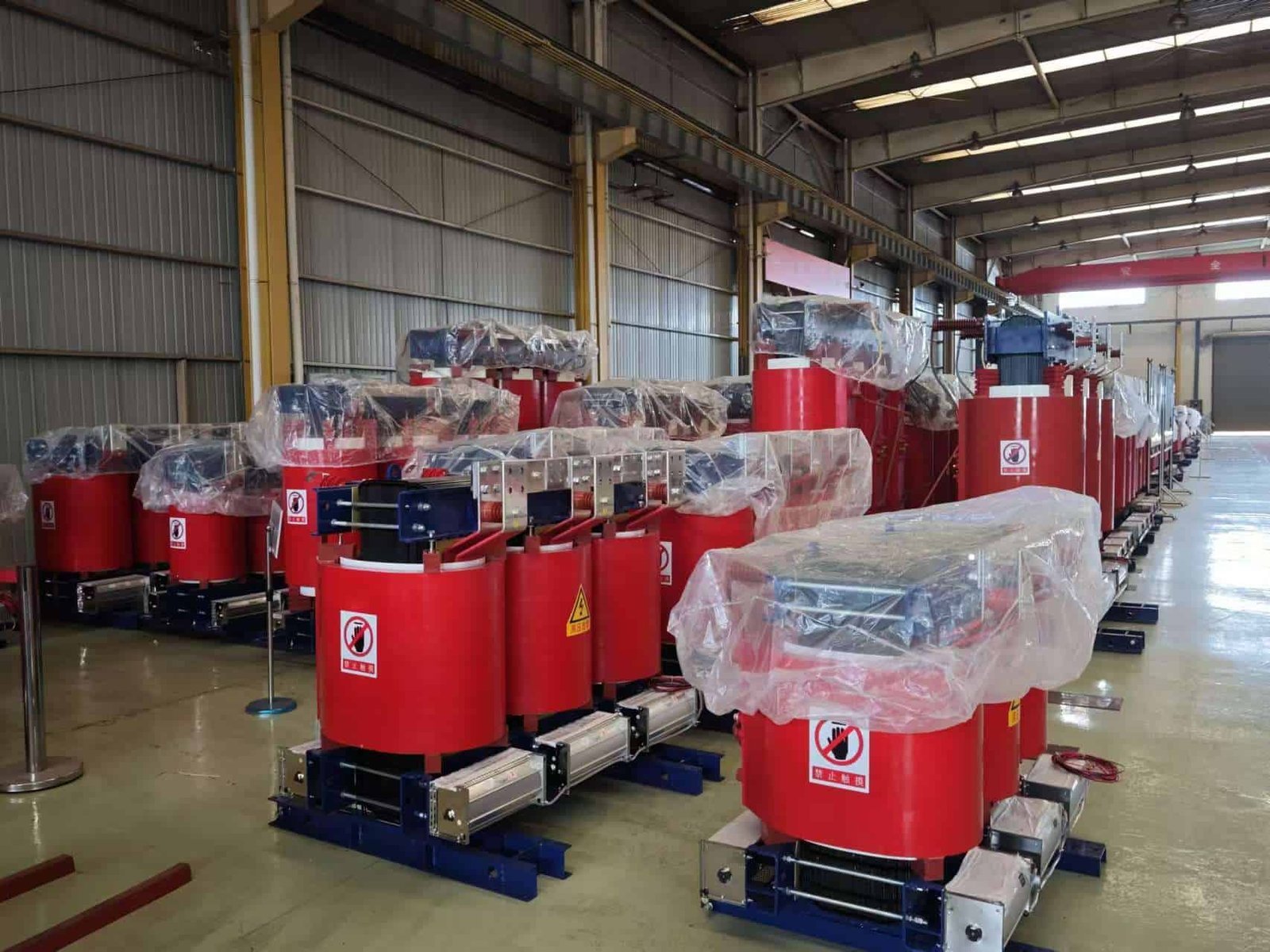
Modern transformer buyers increasingly demand units that last longer, operate more efficiently, and cost less over their lifecycle. However, traditional manufacturing methods often limit cost reductions and restrict design optimization. This creates frustration for procurement teams who face rising material prices, inconsistent product quality, and uncertainty about long-term reliability. The solution lies in advanced manufacturing innovations—automation, new materials, digital quality control, and improved process engineering—that drastically enhance transformer durability while simultaneously lowering production and maintenance costs.
Modern manufacturing innovations increase durability and reduce costs by improving material precision, introducing automated processes, optimizing insulation systems, reducing thermal stress, and applying advanced digital quality control across all production stages. These technologies create transformers with better long-term reliability, lower failure rates, higher mechanical strength, and reduced labor and material waste, giving buyers significantly better lifecycle value.
Today’s transformer production environment is undergoing rapid transformation, and understanding these innovations empowers buyers to compare suppliers effectively. The manufacturers adopting new technologies will always outperform those using outdated methods—making it essential for purchasing engineers, EPC firms, and utilities to look beyond price alone and evaluate the technology behind the product.
Automated winding processes reduce the risk of insulation damage.True
Precision-controlled automated winders maintain consistent tension and eliminate human error, improving dielectric strength.
Robotic core assembly significantly decreases core losses.True
Robotic stacking minimizes air gaps and misalignment, reducing no-load losses and improving long-term efficiency.
Advanced Core Manufacturing Techniques Improving Long-Term Durability
The heart of a transformer lies in its core, and innovations in core manufacturing dramatically influence both durability and cost. Automated laser cutting, step-lap joint formation, and robotic stacking techniques create extremely precise laminations with minimal dimensional deviation. Unlike manual assembly, modern robotic systems ensure consistent interlaminar insulation, reduce gaps between laminations, and maintain uniform pressure throughout the core structure.
A comparison of traditional versus advanced core manufacturing:
| Core Manufacturing Type | Precision Level | Core Loss Performance | Long-Term Durability | Cost Impact |
|---|---|---|---|---|
| Manual Lamination Cutting | Low | Higher losses | Lower | Higher (due to rework) |
| Automated Laser Cutting | High | Lower losses | Higher | Lower waste & fewer defects |
| Robotic Core Stacking | Very High | Excellent | Excellent | Long-term savings |
These innovations also reduce magnetostriction noise, which is a critical parameter in densely populated or sensitive environments such as hospitals and commercial buildings.
Automated Winding Processes Enhancing Electrical and Mechanical Strength
Winding quality directly determines a transformer’s dielectric performance, fault tolerance, and load-handling capability. Automated winding machines maintain perfect tension control throughout the coil manufacturing process, reducing the risk of insulation failure, hot spots, or deformation during short-circuit events.
Benefits of automated winding:
| Benefit | Impact on Durability | Impact on Cost |
|---|---|---|
| Consistent tension | Prevents partial discharge | Reduces scrap |
| Uniform insulation layering | Extends insulation life | Lowers QC failures |
| Reduced human error | Improves long-term reliability | Faster production |
| Precision conductor placement | Lowers heat accumulation | Reduces losses |
Automated winding also improves resilience under through-fault conditions by producing mechanically stronger coils.
Resin Systems and Insulation Technology Innovations Cutting Maintenance Costs
Dry-type transformers rely heavily on the integrity of their insulation systems. New resin formulations, nano-enhanced polymers, and environmentally friendly dielectric materials offer superior moisture resistance, better thermal endurance, and improved mechanical rigidity.
Key improvements include:
- Nanocomposite epoxy resins for higher thermal class (180–200°C)
- Bio-based resin systems for better environmental compliance
- Improved vacuum pressure impregnation (VPI) cycles ensuring deep penetration
- Automated resin mixing for consistent chemical ratios and electrical properties
These improved insulation systems dramatically extend transformer lifespan and reduce partial discharge incidents.
Digital Quality Control Systems Reducing Defects and Warranty Costs
AI-guided inspection, 3D measurement systems, and digital twin modeling now play essential roles in transformer QC. By detecting micro-defects early, manufacturers avoid large-scale failures later in the field.
Digital QC innovations include:
- Automated infrared thermal mapping
- Partial discharge detection sensors
- Core loss measurement with real-time analytics
- Coil dimensional scanning
- Digital twin simulation of stresses before manufacturing
These tools ensure transformers meet tighter tolerances and reduce warranty claims.
Modular Assembly and Lean Manufacturing Lowering Overall Production Costs
Lean production principles—just-in-time component feeding, modular coil-core assembly, and automated testing—reduce operational waste and shorten lead times. Modular production also improves consistency, enabling faster replacement of parts and reducing overall capital costs for buyers.
Effects of lean transformer manufacturing:
- Lower material wastage
- Faster production cycles
- Lower labor dependency
- Better scalability for mass orders
The result is higher quality at a more competitive price point.
How Are Market Demands from Renewables and EV Infrastructure Shaping Development?
The rapid expansion of renewable generation and electric vehicle (EV) infrastructure is one of the most influential forces reshaping power equipment design, procurement, and deployment. These market drivers create specific technical, safety, and economic requirements that ripple through transformer design, grid architecture, manufacturing, standards, and lifecycle planning. The net effect is a fundamental realignment: equipment must be safer, more efficient at partial loads, harmonics-tolerant, faster to deploy, and greener across its whole lifecycle. Below are the concrete ways renewables and EVs are shaping development across the ecosystem.
Faster Load Dynamics and More Stringent Thermal Design
Renewables (solar, wind) and EV charging present highly variable, often pulse-like loads. Transformers must survive frequent start/stop, rapid ramping, and wide load swings without accelerated aging.
• Design implications — stronger thermal margins, improved hotspot control, and higher overload tolerance.
• Materials & construction — higher-class insulation systems, thermally conductive resins, and improved coil geometry to spread heat.
• Cooling advances — forced-air, hybrid cooling, or heat-pipe adoption to manage transient peaks without derating.
Harmonics and Power-Quality Resilience
Inverter-based renewables and power electronics at EV chargers inject harmonics and non-sinusoidal currents, increasing stray and eddy losses.
• Design implications — K-factor aware windings, optimized magnetic circuits, and flux-shielding to reduce stray heating.
• Testing & ratings — more comprehensive harmonic heating tests and standards compliance for non-linear loads.
• System solutions — active or passive filtering, and coordination with power-electronics to limit THD at the transformer terminals.
Higher Partial-Load Efficiency Prioritized Over Peak-Load Efficiency
Many renewable-connected and EV-supporting installations operate most of the time at partial load. Lifecycle cost optimization therefore favors low no-load losses and high efficiency across a broad load range rather than peak efficiency only.
• Product trends — low-loss cores (Hi-B, amorphous, nanocrystalline) and designs optimized for the customer’s load profile.
• Procurement shift — buyers increasingly evaluate loss-cost models (TOC) using real load curves rather than only nameplate metrics.
Modularity, Compactness, and Rapid Deployment
Renewables and EV hubs often require modular, compact installations (containerized substations, roadside charging cabinets, rooftop solar substations). Speed of deployment and transportability matter.
• Design implications — modular transformer-skids, pad-mounted dry-type units, factory-tested plug-and-play assemblies.
• Mechanical trends — lighter cores, optimized frames, and integrated switchgear that reduce site work and commissioning time.
• Logistics — standardized modules that simplify shipping and reduce installation labor in remote or dense urban sites.
Safety and Environment: Oil-Free and Biodegradable Solutions Favored
Environmental sensitivity—near water bodies, urban centers, or inside buildings—makes oil-free or biodegradable solutions attractive to project developers and regulators.
• Preference shift — cast-resin and VPI dry-type, ester-filled oil units where fluid is still needed but eco-friendly options reduce spill risk.
• Insurance & permitting — lower premiums and simpler permitting in many jurisdictions for oil-free or biodegradable-fluid installations.
Digitalization, Monitoring, and Grid Interaction
Renewables and EVs demand intelligent control and coordination. Transformers are increasingly instrumented with temperature, PD, harmonic, load and humidity sensors to enable predictive maintenance and active grid participation.
• Smart features — IoT monitoring, digital twins, and real-time analytics to predict hotspots, manage loads, and schedule preventive action.
• Grid services — transformers and associated switchgear participate in local voltage regulation, demand response, and islanding strategies for microgrids.
Standards, Interconnection Rules, and Certification Gaps
New applications expose shortcomings in legacy standards. Grid codes and interconnection requirements evolve to address inverter behavior, harmonics, and safety for fast-charging facilities.
• Regulatory pressure — utilities and standards bodies updating specs for harmonic limits, anti-islanding, ride-through, and response to transients.
• Manufacturer response — pre-certified products for specific interconnection classes and application-specific test reports become selling points.
Manufacturing & Supply-Chain Effects
Demand surges for renewable and EV projects concentrate volume and require flexible, scalable manufacturing.
• Production trends — investment in automation (winding robots, laser core cutting), modular production lines, and local manufacturing footprints to shorten lead times.
• Materials sourcing — higher demand for copper, high-grade steel, amorphous ribbons, and biodegradable fluids influences pricing and inventory strategies.
• Quality focus — tighter QA to ensure units meet harsh-duty and fast-cycling requirements, reducing field failures.
Economics, Financing, and Total Cost of Ownership (TCO)
Project financiers and owners increasingly analyze lifetime energy losses and reliability risk rather than upfront price alone.
• Financial models — TOC calculations (capital + energy losses + maintenance + downtime risk) drive choices toward slightly higher-capex, lower-loss solutions that pay back faster in high-usage renewable and EV contexts.
• Incentives alignment — grants, tax credits, or green procurement guidelines often require or favor high-efficiency, low-emissions equipment.
Emerging Use-Cases and New Architectures
New architectures arise: distributed substation clusters, on-site microgrids combining storage, PV, and fast chargers, and transformer-integrated power electronics.
• Hybrid solutions — integrated transformer-inverter packages for solar plants and bi-directional transformer designs for vehicle-to-grid (V2G) applications.
• Edge deployments — transformers embedded into energy hubs at the urban edge, designed for serviceability, cyber-security, and multi-vendor interoperability.
Practical Challenges and What Project Teams Must Consider
• Specify with real load profiles and harmonic expectations, not generic nameplate values.
• Prioritize monitoring and digital readiness to detect thermal stress early.
• Evaluate TCO and not just procurement price—energy losses matter hugely in renewables and EV charging economics.
• Confirm interconnection standards with utilities early; noncompliance causes costly redesigns.
• Consider modular, factory-tested solutions to accelerate project schedules and reduce commissioning risk.
Conclusion
Innovation in dry-type transformer technology is accelerating, driven by the global transition toward cleaner energy, safer infrastructure, and smarter electrical systems. Modern materials offer higher thermal class ratings and longer service life, while IoT-based monitoring enables predictive maintenance and operational optimization. Improved cooling designs and the adoption of eco-friendly materials are enhancing both performance and sustainability. At the same time, evolving market demands—especially from renewable energy integration and electric vehicle infrastructure—are pushing manufacturers to deliver more efficient, compact, and intelligent solutions. Together, these advancements define a future where dry-type transformers become even more reliable, environmentally responsible, and technologically advanced components of the world’s power networks.
FAQ
Q1: What technological innovations will define the next generation of dry type transformers?
Next-generation dry type transformers are being shaped by major advancements in materials, digital intelligence, and energy efficiency. One key innovation is nanocomposite insulation, which increases thermal conductivity, enhances dielectric strength, and improves long-term aging resistance. This significantly raises thermal class capability, allowing transformers to operate at higher temperatures with longer lifespan. Another groundbreaking development is the growing use of amorphous metal cores, which reduce core losses by 60–70% compared to conventional silicon steel. This helps meet global energy-efficiency regulations and reduces operational costs for end users.
In addition, epoxy resin systems are evolving to become flame-retardant, low-smoke, and eco-friendly, meeting stricter fire safety requirements for commercial and public infrastructure. The shift toward compact and modular transformer designs enables easier installation, transport, and maintenance, especially in urban and constrained environments. Collectively, these innovations are establishing a new era of high-performance dry type transformers optimized for safety, efficiency, and sustainability.
Q2: How will digitalization and smart monitoring change dry type transformer operation?
Digitalization is one of the most transformative trends. Future dry type transformers will rely heavily on IoT sensors, AI diagnostics, and cloud-connected monitoring platforms. These sensors continuously track temperature, partial discharge, humidity, vibration, and load profiles. Real-time monitoring allows users to detect abnormalities early and switch from reactive to predictive maintenance, reducing failures and extending service life.
AI-based analytics will evaluate performance data and predict insulation degradation, hotspot formation, and loading risks before they escalate. Digital twins—virtual replicas of physical transformers—will be used to simulate performance under various conditions, helping optimize grid integration and load management. Smart monitoring will be essential for renewable energy sites, data centers, and critical infrastructure where reliability is paramount. As grids modernize, smart dry type transformers will become a standard, not an option.
Q3: What materials and insulation innovations are improving performance and safety?
Materials science is rapidly advancing transformer design. Epoxy resin with nanoparticle reinforcement improves mechanical durability, arc resistance, and partial discharge immunity, making transformers more robust under dynamic loads. New resins with ultra-low smoke emission and halogen-free composition support strict fire-safety standards for indoor and public installations.
High-temperature insulation classes (H and even experimental Class 220) allow operation under heavier loads with reduced thermal aging. Improvements in fiber-reinforced structural components enhance strength, allowing transformers to withstand seismic forces, short-circuit stresses, and thermal cycling. Additionally, advanced insulation barriers and vacuum casting techniques reduce voids, lowering partial discharge activity and increasing reliability. These innovations collectively raise performance, efficiency, and safety to new levels.
Q4: How are energy efficiency improvements influencing transformer development?
The global push for energy efficiency is driving manufacturers to adopt amorphous metal cores, optimized magnetic designs, and low-loss winding materials. These advancements significantly reduce no-load losses, which account for a major portion of lifetime energy consumption. Enhanced cooling systems—such as improved natural-air (AN) and forced-air (AF) designs—enable higher efficiency at full load and maintain stable temperatures.
Regulators worldwide are implementing stricter efficiency standards (IEC, DOE, EU Ecodesign), motivating the industry to adopt premium-grade silicon steel, optimized flux density, and precision manufacturing techniques. Improved thermal management, lower operating losses, and higher overload capability are making dry type transformers more economical across their full life cycle. As a result, they are increasingly favored for sensitive and energy-intensive environments like data centers, hospitals, and high-rise buildings.
Q5: What future applications will drive innovation in dry type transformers?
Several emerging applications will shape future dry type transformer development. The rapid expansion of renewable energy systems—including wind turbines, solar plants, and battery energy storage—requires compact, moisture-resistant, and vibration-resistant dry type units. Growth in data centers, fueled by cloud computing and AI, demands ultra-reliable, low-noise, and high-efficiency transformers with real-time monitoring.
Urban infrastructure projects such as metros, tunnels, airports, and smart cities increasingly mandate dry type transformers for fire-safety reasons. Electrification of industries and transportation—including EV charging networks, railways, and marine systems—will further drive demand for rugged and eco-friendly dry type solutions. As global regulations tighten and sustainability priorities rise, dry type transformers will continue to expand their presence across nearly every sector.
References
IEC 60076-11 – Dry Type Transformer Standard — https://www.iec.ch
IEEE Transformer Innovation Research — https://ieeexplore.ieee.org
Schneider Electric Smart Transformer Technologies — https://www.se.com
International Energy Agency – Electrification & Grid Reports — https://www.iea.org
Global Market Insights – Dry Type Transformer Market Trends — https://www.gminsights.com
MarketsandMarkets – Transformer Material Innovations — https://www.marketsandmarkets.com