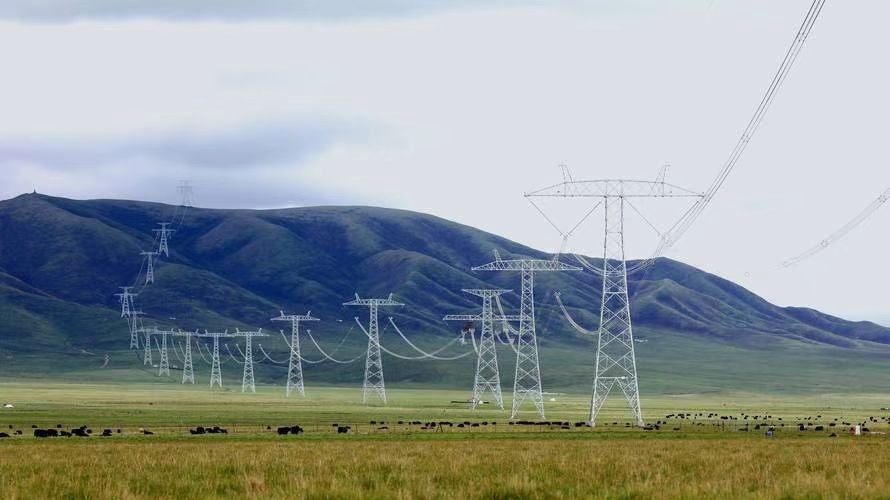
The carbon footprint of a transformer refers to the total greenhouse gas (GHG) emissions generated throughout its entire lifecycle—from raw material extraction and manufacturing to transportation, operation, maintenance, and end-of-life disposal or recycling. As global sustainability goals rise, understanding transformer carbon impact has become crucial for utilities, EPC contractors, and industries aiming to reduce environmental impact and meet regulatory or ESG requirements. Evaluating a transformer’s carbon footprint helps decision-makers choose more efficient, durable, and environmentally friendly solutions.
What Factors Contribute to the Carbon Footprint During Manufacturing?
1. Energy Consumption in Core Production Processes
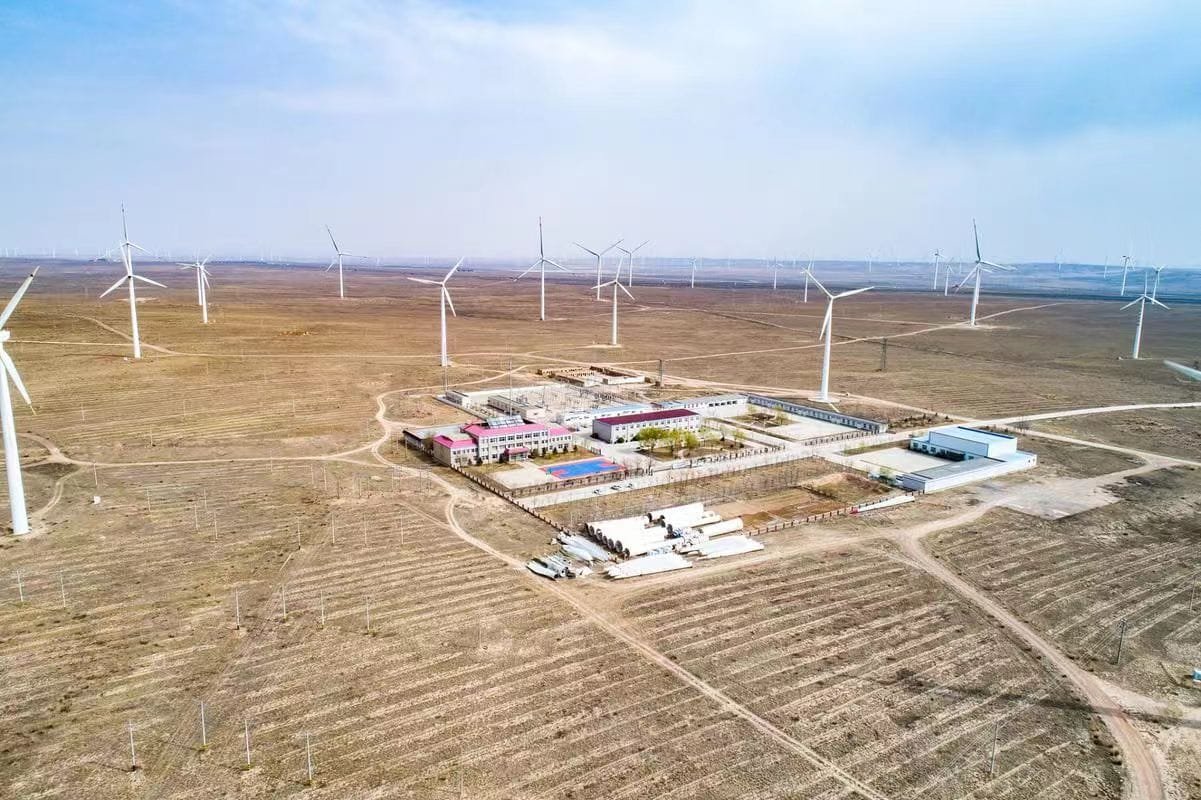
A major portion of a transformer or electrical equipment’s carbon footprint comes from the energy required for core manufacturing steps. Processes such as coil winding, metal cutting, vacuum drying, heat treatment, and welding consume substantial electricity or fossil-fuel-based energy. If the factory relies on carbon-intensive grid power, emissions rise significantly. Facilities using renewable energy or high-efficiency equipment have a much lower production footprint.
2. Material Extraction and Refining of Metals and Insulation
Materials like copper, aluminum, electrical steel, resin compounds, and specialized insulation all require energy-intensive extraction and processing.
Key contributors include:
- Mining and refining of copper and aluminum
- Production of grain-oriented electrical steel
- Chemical processing for epoxy resins and insulation systems
These upstream activities often represent the largest portion of total embodied carbon, especially when raw materials originate from regions with heavy coal or diesel use.
3. Transportation of Raw Materials and Components
Logistics impact total carbon emissions depending on distance, mode of transport, and shipping frequency. Long-distance freight—especially by truck or ship—adds substantial CO₂ output. Complex supply chains with multiple global suppliers increase the embodied carbon in each component before it even reaches the manufacturing plant.
4. Manufacturing Equipment Efficiency and Automation Level
Older production lines with inefficient motors, outdated furnaces, and poorly optimized controls consume more energy per unit produced.
Modern automated lines improve:
- Energy efficiency
- Material precision
- Process yield
This reduces waste and lowers emissions. Inefficient or manual-intensive factories often have a significantly larger per-product carbon footprint.
5. Waste Generation and Scrap Handling During Production
Manufacturing processes generate scrap metal, excess resin, packaging waste, and reject parts. If waste rates are high—or if recycling systems are weak—the carbon footprint rises.
Factors include:
- Offcuts from electrical steel laminations
- Copper and aluminum winding scrap
- Resin overflow or curing defects
Facilities with closed-loop recycling and optimized production planning greatly reduce these emissions.
6. Use of High-Carbon-Intensity Chemicals and Insulating Materials
Certain insulating materials and coatings contain chemical compounds that are carbon-intensive to produce, especially resins, varnishes, and polymer-based insulation. Thermal class upgrades or fire-resistant materials may also involve higher-emission manufacturing inputs. Material selection therefore plays a direct role in carbon output.
7. Packaging, Storage, and On-Site Handling Requirements
Large power equipment requires wooden crates, steel frames, protective films, and moisture-resistant coverings. Producing these materials—plus the handling equipment used in factories—adds to the carbon footprint. Long storage times with climate-controlled environments also contribute to overall emissions.
8. Factory-Level Environmental Management and Operational Practices
Manufacturers with strong sustainability strategies—such as energy monitoring, heat recovery systems, low-emission forklifts, or solar-powered facilities—have lower carbon footprints.
Those with:
- Poor energy practices
- Aging infrastructure
- Limited recycling
- High HVAC loads
tend to generate significantly higher emissions during production.
How Do Materials (Core Steel, Copper, Aluminum, Resin, Oil) Influence Total Emissions?
1. Core Steel: High Embodied Energy from Refining and Rolling
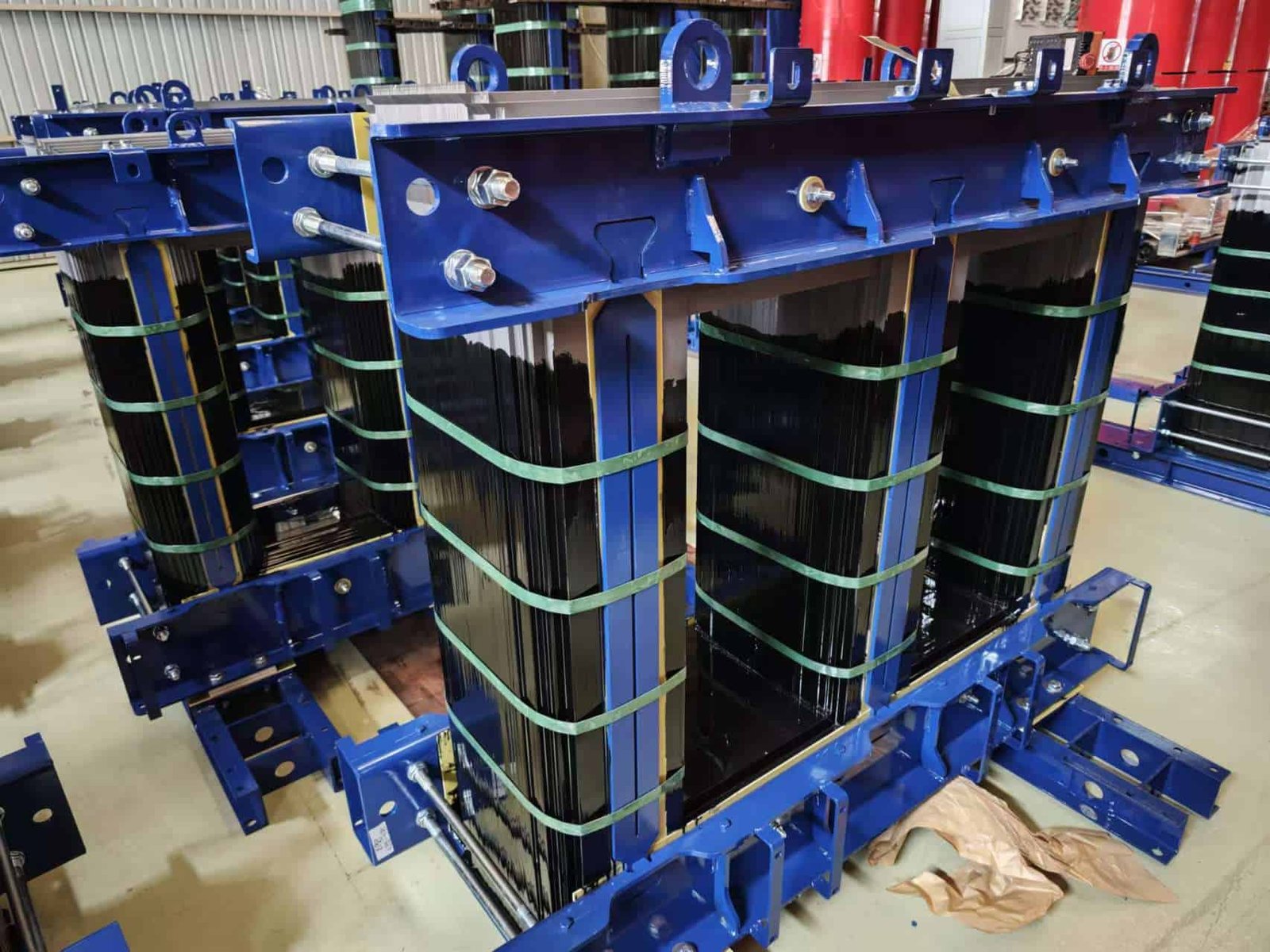
Grain-oriented electrical steel (GOES) is one of the most carbon-intensive materials in transformer manufacturing due to its energy-heavy production cycle. The extraction of iron ore, steelmaking in blast or electric arc furnaces, precision rolling, annealing, and coating all require significant electricity and thermal energy.
Because transformer performance relies heavily on steel quality, higher-grade materials often have a higher embodied carbon footprint, even though they reduce losses during operation. This creates a trade-off: more emissions during production but lower emissions during the equipment’s service life.
2. Copper: Emission-Intensive Mining, Smelting, and Refining
Copper is essential for transformer windings and busbars, but its lifecycle is resource-intensive. Mining operations involve heavy machinery, explosives, and large-scale ore processing. Smelting and electrorefining consume vast amounts of electricity, especially in regions where coal dominates the grid.
While copper is recyclable and its recovery can dramatically reduce emissions, primary copper typically carries a high carbon load. The benefit is that copper’s superior conductivity reduces electrical losses, contributing to lower long-term emissions during operation.
3. Aluminum: Lower Weight but Still Carbon Heavy Depending on Source
Aluminum has a significantly lower density than copper, reducing material mass, but its production requires extremely energy-intensive electrolysis.
The carbon footprint of aluminum varies widely:
- Aluminum produced using hydropower (e.g., in Nordic countries) has a much lower carbon footprint.
- Aluminum from coal-powered smelters can have emissions comparable to or even higher than copper.
Although aluminum is often chosen for cost reasons, its overall emissions depend on its origin. It offers acceptable conductivity but higher losses, potentially increasing lifetime emissions in energy-sensitive applications.
4. Resin and Solid Insulation: High Carbon from Chemical Synthesis
Epoxy resin, polyester resin, and polymer-based insulation systems involve petrochemical processes that emit large amounts of CO₂. The synthesis of monomers, cross-linking agents, and flame-retardant additives requires heat, pressure, and chemical treatments, all of which add to embodied carbon.
Resin-rich and resin-encapsulated dry-type transformers use large quantities of these materials, making insulation a meaningful contributor to total manufacturing emissions. Improved formulations and bio-based alternatives are helping reduce this impact, but the sector is still developing greener options.
5. Transformer Oil: Extraction, Refining, and Additives Drive Emissions
Mineral insulating oil originates from crude petroleum. Drilling, transport, and refining processes generate CO₂, methane, and other emissions.
Oil production emissions include:
- Hydrocarbon extraction
- Atmospheric distillation
- Hydrotreating and chemical refining
- Transportation to manufacturing sites
Some transformer oils—like synthetic esters or natural esters—offer a lower carbon footprint by using biodegradable or plant-based feedstocks. Natural ester oils can reduce emissions significantly while also improving fire safety.
6. Material Quantity and Design Choices Amplify or Reduce Emission Impact
Material emissions are not only a function of the carbon intensity per kilogram but also the quantity used in the transformer’s design. For example:
- A transformer using thicker steel laminations or larger copper windings will naturally have higher emissions.
- High-efficiency designs may use more material to reduce operational losses, shifting emissions from the use phase to the production phase.
- Compact or optimized designs can minimize material usage, lowering the embodied carbon footprint.
7. Recycling Rates Strongly Influence the Overall Carbon Balance
Materials like copper, aluminum, and steel can be recycled with significantly lower emissions—sometimes up to 80–95% less than producing virgin material.
Manufacturers with closed-loop recycling systems reduce the overall carbon intensity of their products. Conversely, reliance on raw materials from mining and refining leads to much higher embodied emissions.
8. Geographic Source of Materials Changes Carbon Intensity
The carbon footprint of materials is heavily shaped by the energy mix of the region where they were produced.
For example:
- Steel from renewable-powered mills emits far less CO₂.
- Copper refined in coal-heavy regions has substantially higher emissions.
- Aluminum smelted using hydroelectric power can be considered relatively low-carbon.
Material sourcing is therefore a strategic factor in reducing total emissions across the manufacturing chain.
How Much Carbon Is Produced During Transformer Transportation and Installation?
1. Transportation Distance and Mode Are the Primary Emission Drivers
The carbon emissions associated with transformer logistics largely depend on how far the unit must travel and the type of transportation used.
Short-distance delivery by trucks emits moderate levels of CO₂, but long-haul transport—especially involving ocean freight or air cargo—significantly increases the carbon footprint. As transformers grow larger (medium-voltage to extra-high-voltage units), their weight and size require specialized trailers or multi-axle vehicles, which increases fuel consumption.
Heavy haulage also requires slow-speed transport, escorts, and support vehicles, further adding to emissions. Therefore, transportation planning directly influences the overall environmental impact of the transformer supply chain.
2. Weight and Size of the Transformer Directly Affect Fuel Consumption
Large power transformers can weigh 50 to 300 tons or more, requiring powerful trucks and reinforced trailers. Fuel consumption rises exponentially with load weight and aerodynamic drag, resulting in increased CO₂ emissions.
Even moderate distribution transformers generate more emissions when transported in bulk quantities, as the cumulative weight limits load efficiency. Manufacturers located closer to project sites inherently minimize this component of carbon output.
3. Specialized Equipment and Handling Increase Transport-Related Emissions
For heavy or high-voltage transformers, additional machinery is required:
- Hydraulic platform trailers
- Cranes and hydraulic lifting systems
- Pilot cars and escort vehicles
- Site access modifications (grading, temporary roads, or bridges)
These machines run on diesel or other fossil fuels, contributing to a higher emissions profile. Each hour of crane operation or heavy-lift maneuver adds measurable CO₂ to the total carbon footprint.
4. Sea Freight and Port Handling Add an Additional Carbon Layer
For international projects, transformers are often shipped using container vessels or break-bulk carriers. While sea transportation is efficient per ton-kilometer, the absolute emissions remain high due to the volume and mass of the equipment.
Port cranes, forklifts, and terminal tractors emit CO₂ during loading and unloading. In some cases, transformers require custom lifting rigs or specialized port handling, increasing the environmental footprint of the shipment.
5. On-Site Installation Activities Carry Their Own Carbon Costs
Installation is another significant contributor to carbon emissions. The following steps typically generate emissions:
- Crane operations
- Temporary power generation
- Welding and fabrication of structural supports
- Concrete pouring for transformer pads or foundations
- Site preparation and leveling
- Forklifts, loaders, and diesel generators
Each of these activities relies on heavy machinery that consumes diesel or electricity produced from carbon-intensive grids. Large power transformers may require several days of continuous on-site equipment operation, amplifying total CO₂ output.
6. Oil Filling and Vacuum Processing Generate Indirect Emissions
For oil-immersed transformers, installation includes vacuum drying, oil filling, and circulating pumps. These processes require significant electrical energy.
If electricity is drawn from a fossil-fuel-dominant grid, the carbon footprint becomes substantial. Additionally, transportation and storage of mineral oil introduce indirect emissions connected to refining and logistics.
7. Packaging Materials Contribute to Embodied Carbon
Before a transformer can be moved, it is often packed using:
- Wooden crates
- Steel frames
- Protective barriers
- Plastic wrapping
- Pallets or skids
The production, transport, and eventual disposal of these materials contribute to greenhouse gas emissions. Oversized or long-distance shipments require stronger and heavier packaging, increasing the overall carbon impact.
8. Remote and Difficult Terrains Amplify Emission Intensity
Transformers installed in mines, deserts, mountainous regions, offshore wind farms, or remote substations often require extensive logistical solutions.
These may include:
- Helicopter lifts
- Off-road convoys
- Barge transport
- Temporary bridges or access roads
Each additional layer of transport complexity escalates emissions far beyond standard delivery scenarios. Remote installations can double or triple the carbon footprint compared to urban or accessible locations.
9. Optimization Strategies Can Reduce Transportation and Installation Emissions
Manufacturers and project developers are adopting several strategies to minimize the environmental impact:
- Locating suppliers closer to project sites
- Consolidating transport loads
- Using hybrid or electric logistics vehicles where available
- Choosing lower-emission shipping modes
- Reducing packaging materials
- Implementing efficient crane and lift scheduling
- Using renewable-powered temporary site equipment
Some companies also conduct lifecycle carbon assessments to quantify and optimize emissions throughout the logistics chain.
What Operational Factors Affect Long-Term Carbon Emissions?
Long-term carbon emissions from transformers and power systems are not determined only by manufacturing and transportation. Operational behavior across the entire service life (20–40 years) has a much larger impact. The following factors most heavily influence lifetime carbon output.
1. Energy Losses (Core Loss + Load Loss)
Transformer losses represent continuous energy waste. These losses must be supplied by power plants, which often burn fossil fuels—therefore contributing directly to long-term CO₂ emissions.
Core Loss (No-Load Loss)
- Occurs 24/7 as long as the transformer remains energized
- Responsible for 40–60% of lifetime transformer emissions in lightly loaded systems
- Strongly influenced by core steel grade and manufacturing precision
Load Loss (Copper/Aluminum Loss)
- Depends on the actual load current
- Poor load management results in overheating, higher resistance, and increased CO₂ output
- Frequently affects distribution transformers more due to fluctuating load patterns
Conclusion: High-efficiency transformers with optimized loading patterns can reduce lifetime carbon emissions by 10–30%.
2. Loading Conditions and Load Management
A transformer’s carbon footprint is heavily affected by how it is loaded during real-world operation.
Under-Loading
- Leads to disproportionate no-load loss dominance
- Wastes energy because the transformer is energized but underutilized
Over-Loading
- Causes rapid rise in load losses
- Increases winding temperature
- Accelerates insulation degradation
- Causes more cooling system operation → higher auxiliary energy consumption
Optimized Loading
- Reduces loss-related CO₂ emissions
- Extends transformer lifespan, deferring carbon emissions from replacement manufacturing
3. Cooling System Operation
Cooling fans, pumps, and temperature-control systems consume energy during operation.
Oil-Immersed Transformers
- ONAN systems have low auxiliary load
- ONAF/ODAF systems require electric fans and pumps
- Increased cooling activity = higher operational carbon footprint
Dry-Type Transformers
- Rely largely on natural air cooling
- Auxiliary consumption is low unless equipped with forced air systems
Key point: Cooling energy can represent 3–8% of operational emissions for large power transformers.
4. Ambient Temperature and Environmental Conditions
Harsh environments increase operational energy consumption and reduce efficiency.
High Temperature Areas
- Require more cooling
- Increase conductor resistance → higher load loss
- Accelerate insulation aging
Dust, Humidity, and Pollution
- Increase the need for cleaning or forced cooling
- May require dehumidifiers or internal heaters, adding energy use
Altitude
- Lower air density reduces cooling efficiency
- May require derating → higher losses at the same load
5. Maintenance Practices
Good maintenance reduces carbon emissions by improving operational efficiency and extending equipment life.
Poor Maintenance Increases Emissions
- Dirty coils restrict heat dissipation
- Aging insulation causes higher losses
- Loose connections increase resistance and hot spots
Effective Maintenance Reduces Emissions
- Thermographic inspections
- Tightening electrical joints
- Cleaning ventilation paths
- Monitoring moisture and insulation condition
- Oil quality testing for immersed units
Proper maintenance lowers losses by 3–6%, reducing long-term CO₂ output.
6. Digital Monitoring and Smart Controls
Modern transformers equipped with sensors and IoT-based monitoring systems significantly reduce carbon emissions.
Benefits:
- Optimized load balancing
- Predictive maintenance avoids efficiency losses
- Better cooling management reduces auxiliary energy use
- Avoids overloading that accelerates losses
- Extends transformer lifetime, reducing replacement-related carbon emissions
Smart monitoring can reduce lifetime energy waste by 5–15%.
7. Grid Operating Conditions
The broader grid environment affects transformer efficiency and emissions.
Key Factors:
- Harmonics, which increase copper losses
- Voltage imbalance, raising winding temperatures
- Fluctuating renewable generation, causing load cycling
- High fault currents, stressing windings and reducing efficiency over time
Grid quality directly correlates with transformer energy waste and therefore lifetime carbon output.
Summary: The Biggest Operational Contributors to Carbon Emissions
- Energy losses (core + load) — the largest long-term contributor
- Loading patterns and over/under-loading
- Cooling system electricity use
- Environmental conditions (heat, altitude, pollution)
- Maintenance quality and frequency
- Smart monitoring and load optimization
- Grid voltage quality and harmonics
A transformer’s operational phase often accounts for 70–90% of its lifetime carbon emissions—far more than manufacturing or installation. Selecting efficient equipment and operating it intelligently is the most powerful way to reduce long-term environmental impact.
How Do Transformer Efficiency Levels Impact Lifetime Carbon Output?

Transformer efficiency has a direct and long-term influence on carbon emissions because losses in the transformer translate into wasted electrical energy that must be replaced by the power grid—much of which still relies on fossil fuels. Even small differences in efficiency generate large cumulative carbon impacts over decades of operation.
1. Higher Efficiency Means Lower Energy Losses Over 20–40 Years
Transformers operate continuously, so even a minor reduction in losses produces thousands of kilowatt-hours of avoided energy waste.
The two major types of losses—core loss (no-load) and load loss (copper/aluminum)—both contribute directly to long-term carbon output.
Core Loss (Always Present)
- Occurs 24/7
- Accounts for a large share of emissions when transformers run lightly loaded
- High-efficiency silicon steel or amorphous metal cores significantly reduce CO₂ output
A reduction of just 50–100 W in no-load losses can eliminate several tons of CO₂ over the service life.
2. Load Losses Increase Carbon Output Under Higher Demand
Load losses rise quadratically with current flow.
This means:
- Overloading causes a steep rise in losses
- High harmonic distortion amplifies copper losses
- Poor load management results in excess carbon emissions
High-efficiency windings (copper or optimized aluminum) significantly reduce these operational losses.
3. Efficiency Standards (DOE, IEC, EU Ecodesign) Directly Lower Carbon Emissions
Modern efficiency standards require improvements such as:
- Better core materials
- Tighter manufacturing tolerances
- Lower-resistance windings
- Optimized cooling systems
These standards can reduce energy waste by 5–20%, translating to major lifetime emissions cuts.
For example, meeting EU Ecodesign Tier 2 prevents the emission of 10–20 tons of CO₂ over a transformer’s lifespan, depending on the rating.
4. Cooling Requirements Are Lower in High-Efficiency Transformers
When losses are lower:
- Less heat is generated
- Cooling fans and pumps operate less frequently
- Auxiliary energy consumption decreases
For large power transformers, this reduction can save hundreds of kWh per year, lowering carbon impact.
5. High-Efficiency Units Extend Service Life and Reduce Replacement Emissions
Transformers with lower heat losses operate at lower temperatures. This improves:
- Winding insulation life
- Core stability
- Overall mechanical integrity
By extending the transformer’s service life, fewer replacements are needed—avoiding the carbon impact of manufacturing an entirely new unit.
6. Efficiency Levels Influence Carbon Emissions More Than Manufacturing or Transport
Studies show:
- Manufacturing and logistics account for 10–30% of lifecycle carbon
- Operational energy losses account for 70–90%
Therefore, efficiency levels are the single most important factor in minimizing long-term emissions.
Even a small improvement in efficiency often provides greater carbon reduction than any logistics or installation optimization.
What End-of-Life Disposal or Recycling Processes Influence Carbon Footprint?
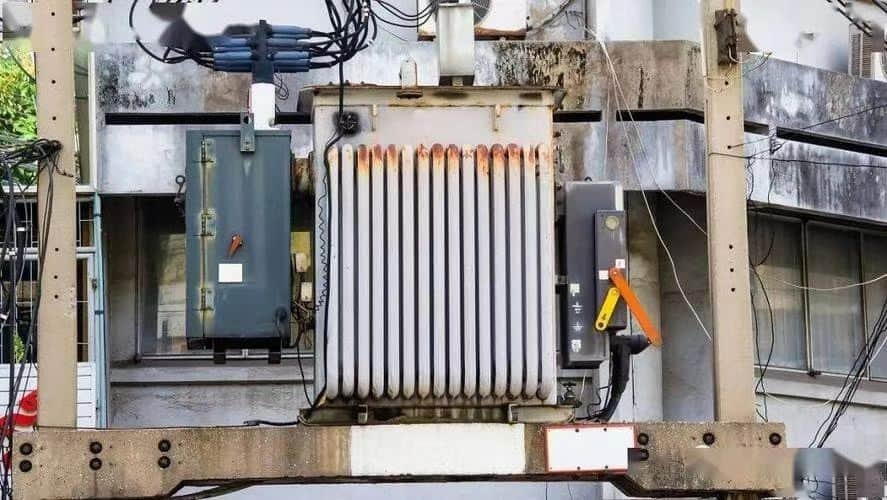
End-of-life (EOL) management of transformers significantly affects their total lifecycle carbon footprint. While operational losses dominate long-term emissions, proper recycling and disposal can recover materials, avoid new raw-material extraction, and prevent harmful environmental impacts. Conversely, poor disposal practices can increase CO₂ output and create additional ecological risks.
1. Material Recovery and Recycling Strongly Reduce Carbon Footprint
Transformers contain valuable materials—copper, aluminum, steel, insulation materials, and mineral or biodegradable oil. Recycling these materials prevents the need for new mining and refining, which are among the highest carbon-emitting industrial processes.
Most Carbon-Beneficial Materials to Recycle
| Material | Carbon Impact of Virgin Production | Benefit of Recycling |
|---|---|---|
| Copper | Very high (energy-intensive mining + smelting) | Saves 60–80% CO₂ |
| Aluminum | Extremely high (electrolysis-based refining) | Saves ~95% CO₂ |
| Steel (Core) | Moderate to high | Recycling saves ~60–75% CO₂ |
| Transformer Oil | High (refining + shipping) | Re-refining saves 30–60% CO₂ |
Conclusion: Recycling copper and aluminum has the biggest carbon benefit, followed by steel and oil.
2. Oil Disposal and Re-Refining Influence Carbon Emissions
Oil-immersed transformers contain mineral oil or natural ester oil that must be removed and processed at end-of-life.
Carbon impact depends on disposal method:
- Re-refining: lowest emissions, regenerates oil for reuse
- Energy recovery (incineration): moderate emissions, but oil acts as fuel
- Landfilling or improper disposal: highest environmental and carbon cost
Re-refining transformer oil typically reduces carbon impact by 50–70% compared to creating new oil.
3. Dismantling and Disassembly Energy Use Adds Emissions
Mechanical disassembly requires:
- Cutting
- Lifting
- Dehydration systems
- Oil draining and filtration
- Separation of metals
Electricity and fuel consumption contribute to carbon emissions, especially when large power transformers require cranes and plasma cutters.
Although emissions occur in this phase, they are small compared to the savings from recycling.
4. Hazardous Material Handling Affects Carbon and Environmental Costs
Older transformers may contain:
- PCB-contaminated oil
- Asbestos insulation
- Lead-based components
Safety procedures require specialized equipment and controlled incineration, which increases CO₂ emissions.
However, proper disposal prevents environmental contamination, which can otherwise create huge long-term remediation emissions.
5. Transportation to Recycling Facilities Generates Additional CO₂
The carbon footprint increases when:
- Recycling centers are far from installation sites
- Transformers are extremely heavy (50–300 tons)
- Multiple trips are required (oil, core steel, windings separated)
Still, transportation emissions are generally small compared to avoided raw-material mining.
6. Recycling Efficiency Determines Final Carbon Outcome
A recycler’s capability directly impacts total carbon savings.
High-efficiency recycling achieves:
95% metal recovery
- Optimization of oil re-refining
- Minimal waste going to landfill
- Low emissions from processing equipment
Poor recycling results in:
- High landfill waste
- Energy-inefficient metal separation
- Material contamination
- Additional carbon from remanufacturing virgin materials
Selecting certified recyclers (ISO 14001, ISO 45001) maximizes carbon reduction.
7. Refurbishing or Remanufacturing Extends Life and Avoids New Production Emissions
Instead of disposing of a transformer entirely, components may be rebuilt or upgraded.
Extending transformer life:
- Avoids manufacturing carbon emissions of a new unit
- Reduces raw material extraction
- Minimizes logistics and installation emissions
This is especially impactful for large power transformers with high material content.
Conclusion
The carbon footprint of a transformer is shaped by every stage of its lifecycle, but long-term operation—driven mainly by efficiency, losses, and load profile—has the greatest impact. Selecting high-efficiency designs, low-loss core and winding materials, eco-friendly insulation, and recyclable components is essential for reducing carbon emissions. By choosing sustainable manufacturing processes and proper disposal or recycling practices, utilities and industries can significantly cut the environmental impact of their power equipment while improving overall system performance.
FAQ
Q1: What is the carbon footprint of a transformer?
The carbon footprint of a transformer refers to the total greenhouse gas emissions (measured in CO₂ equivalent) generated throughout its entire lifecycle—from raw material extraction, manufacturing, and transportation to operation, maintenance, and end-of-life disposal or recycling. Transformers have a significant environmental footprint because they use energy-intensive materials such as copper, aluminum, and electrical steel, and because losses during operation contribute to long-term CO₂ emissions.
Operational losses (no-load and load losses) are the largest contributor, often accounting for over 90% of total lifecycle emissions. Every watt of power loss creates a continuous energy demand, which—depending on the energy source—results in ongoing carbon emissions over 20–40 years of operation. Oil-filled transformers also contribute through mineral oil production and possible leakage risks, while dry type units reduce oil-related emissions.
Overall, a power transformer can produce tens to hundreds of tons of CO₂ throughout its lifecycle, depending on size, efficiency class, and energy mix of the grid. High-efficiency or eco-design models significantly reduce this footprint.
Q2: What factors contribute most to a transformer’s carbon footprint?
Several lifecycle stages and elements impact a transformer’s total carbon emissions:
Material extraction & processing: Steel core laminations, copper/aluminum windings, tank fabrication, and insulating materials all have embedded carbon emissions.
Manufacturing energy use: Large power transformers require heat treatment, welding, core assembly, vacuum processing, and testing—all contributing to emissions.
Transportation: Heavy transformers require long-distance freight, often by truck or ship.
Operational losses: Load and no-load losses create a constant energy demand, making them the largest long-term carbon contributor.
Insulating oils: Mineral oil refining, gas emissions, and leakage risks add to emissions.
End-of-life handling: Recycling of metals reduces impact, while incorrect disposal increases environmental footprint.
Choosing high-efficiency designs and sustainable materials can significantly reduce total emissions.
Q3: How do transformer losses influence their carbon footprint?
Transformer losses include:
No-load (core) losses – occur 24/7 regardless of load.
Load losses – increase with demand and load current.
Because these losses run continuously for decades, even a small reduction can eliminate thousands of kWh annually. When the electricity used to compensate for those losses comes from fossil fuels, the associated CO₂ emissions climb sharply.
For example, a transformer with 500 W more core loss can generate over 150,000 kg of CO₂ over 30 years in coal-heavy regions. Energy-efficient core materials, such as amorphous steel, lower these emissions dramatically. Efficient winding designs also reduce load losses and temperature rise, improving long-term environmental performance.
Q4: Do oil-filled transformers have a higher carbon footprint than dry type units?
Oil-filled transformers can have a higher environmental impact due to:
Mineral oil production and refining
Risk of leakage or contamination
More extensive cooling and monitoring systems
Higher environmental cleanup requirements
However, oil-filled transformers are often more energy efficient than older dry type transformers, which may offset some emissions through lower operational losses.
Modern dry type transformers using advanced insulation, resin systems, and optimized core materials now offer competitive or superior efficiency. Additionally, they eliminate oil-related environmental risks and can use eco-friendly materials, making them a greener option in many installations.
Q5: How can the carbon footprint of transformers be reduced?
Several engineering and operational approaches minimize transformer environmental impact:
Use high-efficiency or eco-design transformer models with low losses.
Choose amorphous core transformers for significant no-load loss reduction.
Use natural ester oils instead of mineral oil for lower toxicity and better biodegradability.
Select manufacturers using sustainable steel, renewable energy, and low-carbon production methods.
Optimize loading to avoid overheating and excessive losses.
Use advanced monitoring tools to improve energy management.
Ensure proper maintenance to extend service life and reduce early replacement.
Promote recycling of copper, aluminum, and steel to lower end-of-life emissions.
Together, these steps help utilities and industries reduce CO₂ emissions while improving system reliability.
References
IEC 60076-20 Environmental Performance of Transformers — https://www.iec.ch
IEEE Transformer Energy Efficiency Reports — https://ieeexplore.ieee.org
Schneider Electric Green Transformer Program — https://www.se.com
EU Ecodesign Regulations for Transformers — https://energy.ec.europa.eu
U.S. DOE Transformer Efficiency Standards — https://www.energy.gov
Electrical Engineering Portal – Transformer Losses Explained — https://electrical-engineering-portal.com
Statista – Power Equipment Environmental Impact Data — https://www.statista.com