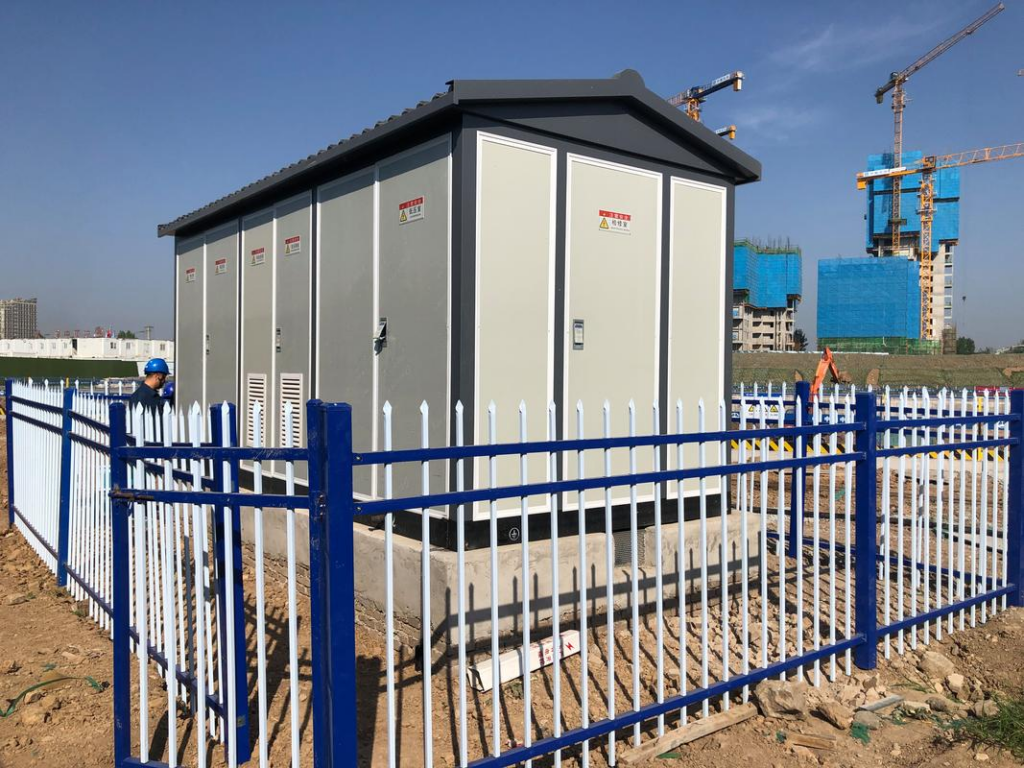
Transformers are designed not only for electrical performance and safety but also with specific color standards that support thermal management, corrosion protection, and environmental blending. The color of a transformer is chosen deliberately based on industry norms, environmental conditions, and functional requirements. Understanding why transformers are painted certain colors helps clarify their role in safety, durability, and grid aesthetics.
What Colors Are Most Commonly Used for Transformers?
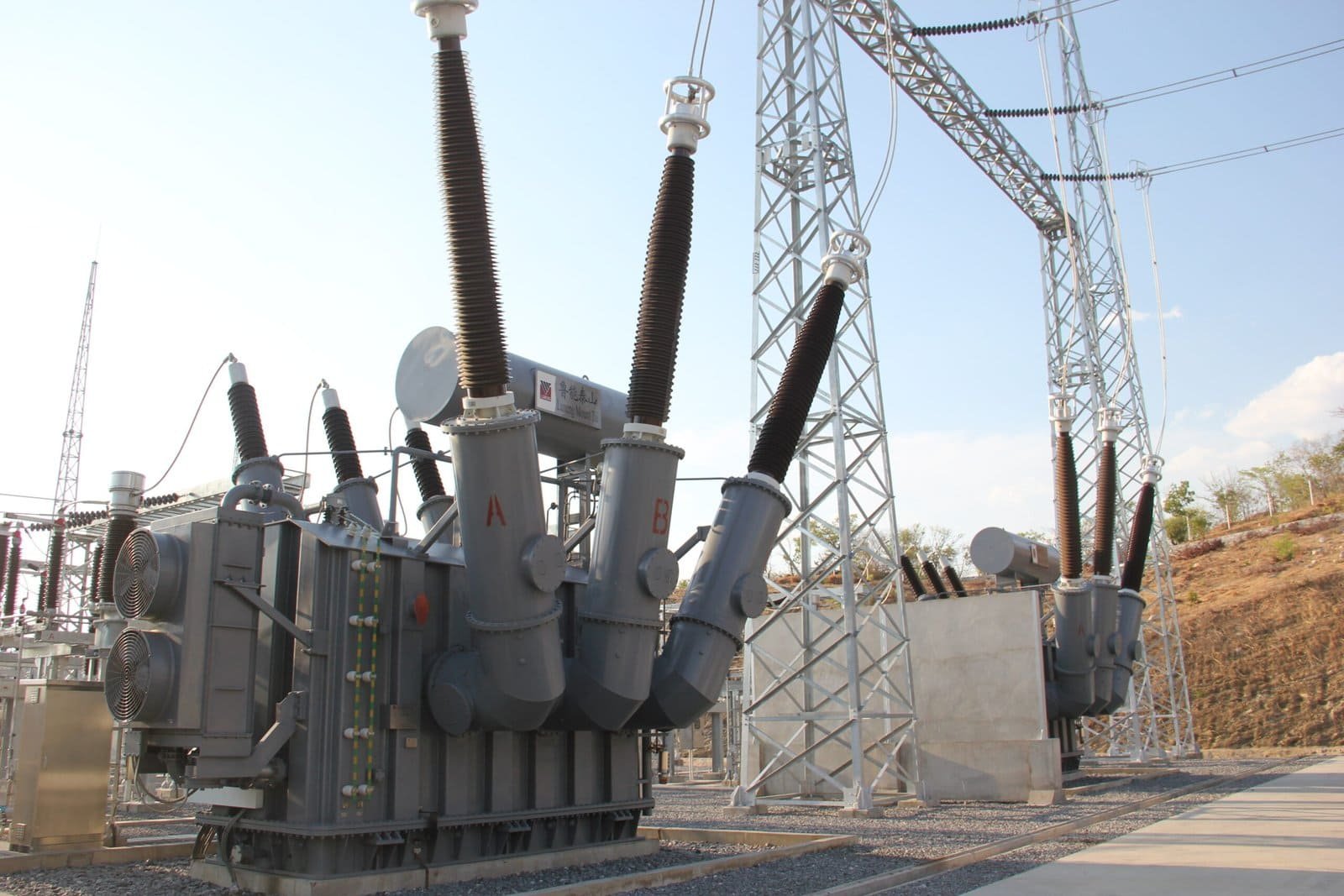
Transformer colors are not chosen randomly—they follow industry norms, corrosion-protection practices, safety standards, and environmental requirements. Below are the most widely used colors across distribution, medium-voltage, and power transformers worldwide.
1. Standard Green (Olive Green / RAL 6003 or RAL 6005)
This is the most common color for outdoor transformers, especially in North America, Europe, and parts of Asia.
Why green?
- Blends naturally with outdoor environments
- Reduces visual pollution in residential and commercial areas
- Absorbs moderate heat while still avoiding extreme temperature rise
- Meets many utility aesthetic guidelines
You will see green used on:
- Pole-mounted distribution transformers
- Pad-mounted transformers
- Small to medium power transformers
2. Light Gray (ANSI 70 Gray / RAL 7035)
Light gray is extremely popular for large power transformers and indoor dry-type units.
Advantages:
- Reflects sunlight → lowers heat absorption
- Improves thermal management in hot climates
- Clean, industrial appearance
- Standard in many European and African markets
Often used on:
- HV and EHV power transformers
- Substation transformers
- Distribution transformers installed in industrial zones
3. Dark Gray or Neutral Gray (RAL 7012, RAL 7024)
Utilities sometimes prefer darker grays for environmental blending or to match substation equipment.
Reasons:
- Matches control buildings, GIS enclosures, steel structures
- Aesthetic consistency across installations
Common in:
- Urban substations
- Enclosed transformer yards
- GIS or hybrid switchgear stations
4. Beige or Sand Color (RAL 1001 / RAL 1015)
Used mostly in desert regions or where heat reflection is critical.
Benefits:
- Excellent solar reflectivity
- Lower ambient heating
- Blends with desert or sandy surroundings
Seen in:
- Middle East installations
- North African utility stations
- Coastal desert substations
5. Red or Orange (Primarily for Dry-Type Transformers)
Dry-type transformers used indoors often use red, orange, or epoxy-coating colors.
Why?
- Signifies high-voltage equipment
- Enhances visibility for safety
- Matches fire-retardant epoxy resin materials
Used in:
- Commercial buildings
- Underground substations
- Tunnels, hospitals, data centers
6. Blue (Less Common, but Used in Some Regions)
Certain utilities use blue (similar to RAL 5015 or 5017) as a corporate or regional branding color.
Typical applications:
- Public utility pad-mounted units
- Distribution areas where branding is standardized
- Specific OEM preferences
7. Customized Corporate Colors
Some large utilities and EPC companies specify unique colors to match corporate identity or installation environment.
Examples:
- Dark green with yellow stripes
- Blue-gray combinations
- Brown in forested regions
Summary Table — Common Transformer Colors and Their Uses
| Color | Typical Code | Common Usage | Purpose |
|---|---|---|---|
| Olive Green | RAL 6003 / 6005 | Outdoor distribution/pad-mount | Environmental blending |
| Light Gray | ANSI 70 / RAL 7035 | Power transformers, substations | Heat management, clean look |
| Dark Gray | RAL 7012 / 7024 | Urban substations | Structural uniformity |
| Beige / Sand | RAL 1001 / 1015 | Desert climates | Solar reflectivity |
| Red / Orange | — | Dry-type transformers | Safety visibility |
| Blue | RAL 5015 / 5017 | Regional utility standards | Branding |
| Custom Colors | Various | Large utilities or EPCs | Corporate identity |
Why Are Transformers Typically Painted Light or Neutral Colors?
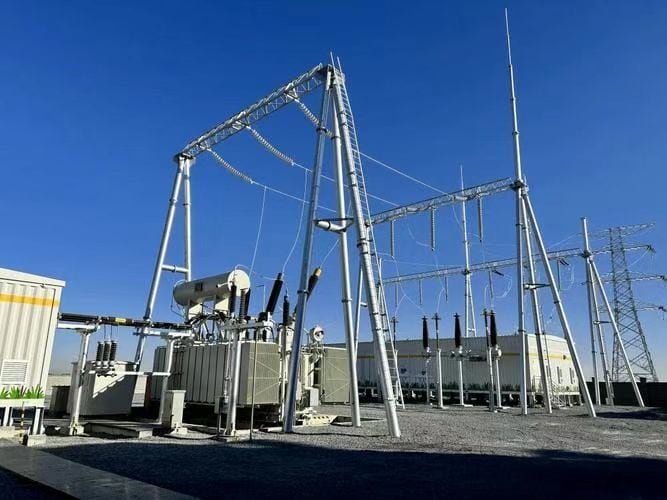
Transformers are not painted randomly—light or neutral colors such as light gray, beige, sand, or pale green are selected for engineering, thermal, environmental, and safety reasons. Below are the key technical factors that explain this industry-wide practice.
1. Light Colors Reduce Heat Absorption
One of the most important reasons transformers are painted in light or neutral shades is thermal control.
How it helps:
- Light colors reflect more solar radiation than dark colors.
- This lowers the surface temperature of the transformer tank.
- Reduced heating helps maintain oil stability, insulation integrity, and core/winding longevity.
- It minimizes unnecessary temperature rise, especially in hot and high-sunlight environments.
A transformer that stays cooler naturally experiences lower losses, less aging, and better efficiency.
2. Improved Performance in Outdoor Installations
Transformers installed outdoors—particularly power transformers—face constant exposure to sun and weather.
Light or neutral colors:
- Prevent excessive thermal cycling
- Reduce stress on gaskets and seals
- Lower the likelihood of oil expansion beyond safe limits
- Minimize paint degradation caused by UV exposure
This leads to longer equipment lifespan and less frequent maintenance.
3. Enhanced Visibility and Safety in Substations
Neutral colors improve safety and operational clarity.
They help by:
- Providing clear contrast with warning labels and HV markings
- Making corrosion, oil leaks, or damage easier to spot
- Allowing inspectors to quickly identify anomalies such as rust, dents, or contamination
Light gray or beige surfaces make faults and maintenance issues more recognizable.
4. Compliance With Utility and International Standards
Many utilities standardize transformer colors to ensure consistency across their networks.
Industry references include:
- ANSI 70 Gray for North America
- RAL 7035 Light Gray for Europe and Asia
- Neutral or sand colors in desert regions
These standards are chosen because they balance thermal performance, aesthetics, and durability.
5. Environmental Integration and Reduced Visual Impact
Neutral colors blend more subtly with:
- Urban infrastructure
- Industrial environments
- Residential zones
- Substation structures and control buildings
This reduces visual impact and makes large equipment appear less intrusive.
6. Better Long-Term Paint Durability
Light and neutral pigments:
- Degrade slower under UV radiation
- Experience less chalking and fading
- Retain gloss and protective qualities longer
This increases the coating’s ability to protect the transformer from:
- Corrosion
- Moisture
- Chemical exposure
Better coating integrity = longer transformer life.
Summary
Transformers are typically painted light or neutral colors because this provides:
Technical Benefits
- Lower heat absorption
- Improved insulation and oil longevity
- Reduced thermal stress on components
Operational & Safety Benefits
- Better visibility of faults or oil leaks
- Easier inspection and maintenance
Environmental & Practical Benefits
- Reduced visual impact
- Compliance with global utility standards
- Longer-lasting paint protection
How Does Color Affect Heat Dissipation and Operating Temperature?
Color selection for transformers is far more than an aesthetic choice—it directly influences thermal behavior, heat dissipation, insulation life, and long-term reliability. Because transformers often operate outdoors and are exposed to sunlight, the surface color plays a meaningful role in determining how much heat is absorbed or reflected.
Below is a detailed breakdown of how color affects transformer temperature performance.
1. Solar Absorption Depends Strongly on Color
The most fundamental relationship is between color and solar reflectance.
Light Colors (e.g., light gray, beige, off-white)
- High reflectivity
- Absorb much less solar radiation
- Tank surface temperature stays significantly cooler
- Reduces internal hot-spot temperature rise
Dark Colors (e.g., black, dark green, dark blue)
- Low reflectivity
- Absorb more heat from sunlight
- Increase surface temperature by 10–25°C under strong solar exposure
- Cause higher internal oil or winding temperatures
Higher absorption creates a cumulative thermal penalty, especially during summer or in high-irradiance regions.
2. Impact on Transformer Operating Temperature
Color directly influences the external tank temperature, which transmits heat into the active part of the transformer.
Light colors lower:
- Tank surface temperature
- Oil temperature rise (in oil-immersed units)
- Hot spot temperature inside windings
- Stress on insulation materials
- Aging rate of cellulose and resin insulation
Dark colors increase:
- Daily heat cycling
- Thermal expansion forces
- Internal pressure variations
- Cooling system workload (fans, radiators, airflow)
In dry-type transformers, darker colors can even raise enclosure temperatures enough to reduce available current-carrying capacity.
3. Influence on Heat Dissipation Efficiency
Transformers lose heat primarily through:
- Radiation
- Convection
- Conduction
Color affects radiation and absorption balance.
When the transformer is sunlit:
- Dark colors absorb heat faster than dissipative surfaces can radiate it away.
- Light colors limit heat absorption, allowing cooling systems to work more efficiently.
At night or without sunlight:
- Color plays a smaller role, but darker surfaces radiate heat slightly better.
- However, the daytime heating dominates overall thermal performance, especially outdoors.
This is why utilities globally standardize light gray or equivalent neutral shades.
4. Effects on Insulation Life and Aging
Transformer insulation life follows an exponential relationship with temperature.
A transformer running just 6–8°C hotter can have its insulation life cut in half.
Because darker colors raise surface and internal temperatures:
- Paper insulation ages faster
- Resin insulation in dry-type units becomes more brittle over time
- Hot spot temperatures rise, increasing risk of partial discharge
Using light colors slows thermal aging, improving both efficiency and lifespan.
5. Regional Climate Considerations
Hot climates
Transformers MUST use light-neutral colors to prevent excessive temperature rise.
This is especially critical in regions with:
- Long summers
- High UV exposure
- Desert climates
Cold climates
Color is less critical, but utilities still prefer light colors for standardization and safety.
High-altitude installations
Solar intensity is higher, making light colors even more essential.
6. Cooling System Implications
Color-related temperature changes influence cooling strategy:
- Transformers with light-colored surfaces often operate safely within natural convection limits.
Dark-colored transformers may require:
- Larger radiators
- Forced-air cooling
- Higher thermal class insulation
Which increases cost and reduces efficiency.
Why Are Outdoor Transformers Often Painted Green or Gray?
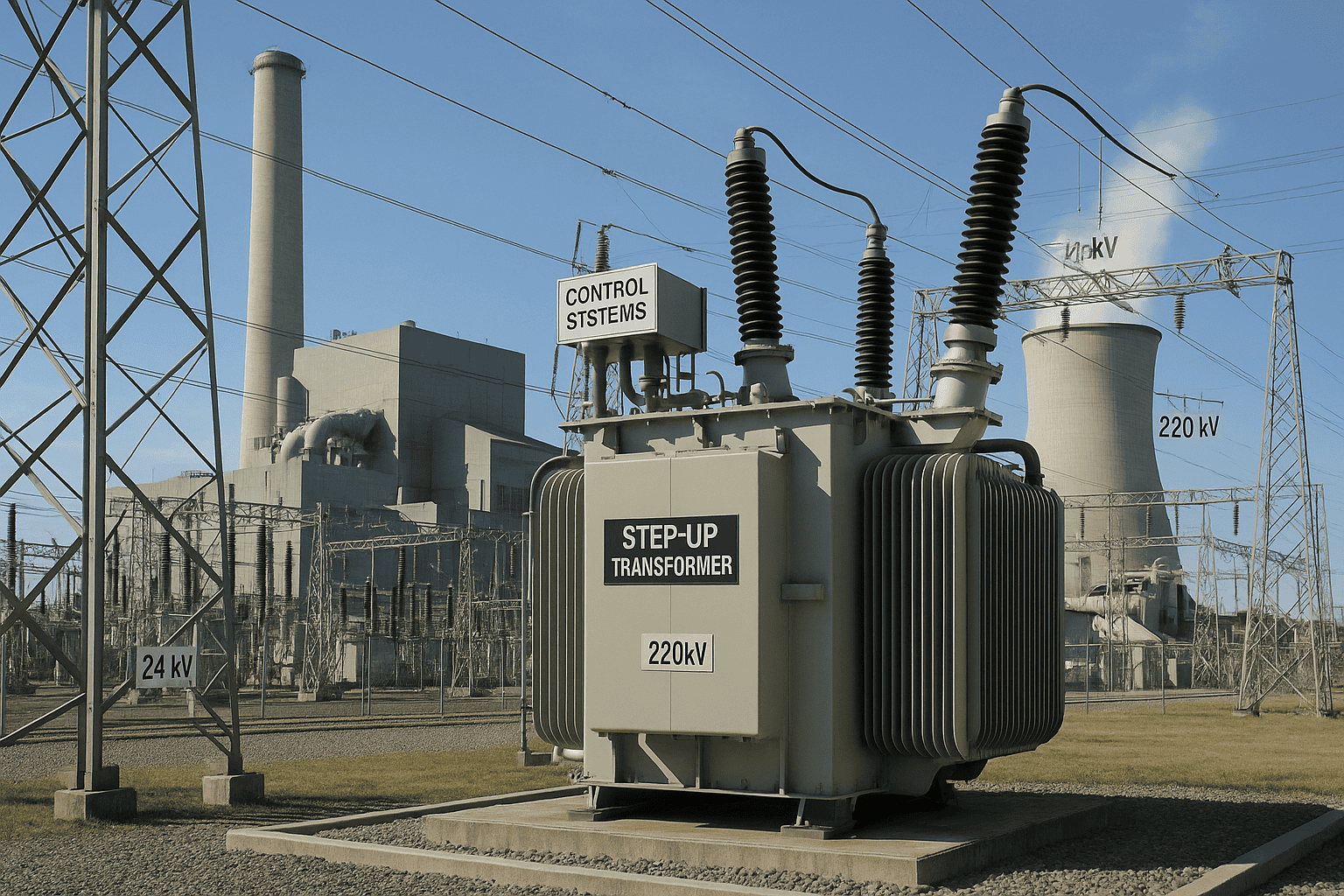
Transformer color may seem like a simple appearance choice, but in reality it is a deliberate engineering and environmental decision. Outdoor transformers—especially distribution units seen in neighborhoods, substations, and industrial facilities—are most commonly painted green or gray for thermal, visual, regulatory, and operational reasons.
1. Green and Gray Blend Naturally Into the Surroundings
Outdoor transformers often sit in residential, commercial, or public areas. Utilities want them to be visible enough for safety but not visually intrusive.
Gray is used because:
- It blends well with concrete, metal structures, and industrial backgrounds
- It looks neutral and professional in substations
- It matches typical utility equipment color schemes
Green is used because:
- It blends into parks, residential landscaping, and roadside vegetation
- It reduces the visual impact of transformers in neighborhoods
- It meets municipal requirements for “aesthetic compatibility”
Many city planners require pad-mounted distribution transformers to be painted green to reduce visual pollution.
2. Light Neutral Colors Improve Heat Management
Both light gray and utility green have good solar reflectance, which helps limit surface temperature rise.
Why that matters:
- Less absorbed heat = lower tank temperature
- Lower temperature = reduced oil temperature rise
- Reduced heat stress = longer insulation lifespan
- Better thermal performance in hot climates
While green absorbs slightly more heat than very light gray, utility-grade greens are still designed to be non-dark, ensuring acceptable heat behavior.
3. Standardization by Utilities and Regulatory Bodies
Many utilities have strict color standards for outdoor equipment to ensure:
- Uniform appearance across the grid
- Easy identification by field technicians
- Compliance with safety and installation codes
- Reduced procurement complexity
Typical standards:
- ANSI 70 Light Gray
- Munsell Green / Utility Green (widely used for pad-mounted distribution units)
Using standard colors reduces manufacturing variation and ensures parts and paint systems are interchangeable.
4. Green and Gray Improve Safety and Visibility
Transformers should be easily identifiable by technicians but not glaring to the public.
Gray benefits safety because:
- It contrasts well with warning labels
- It makes corrosion or damage easier to see
- It doesn’t create harsh glare in sunlight
Green benefits safety because:
- It stands out clearly from natural vegetation when inspected up close
- It avoids high-visibility colors that may alarm the public unnecessarily
Both colors achieve a balance between visibility for workers and discretion for the environment.
5. Environmental and Corrosion Protection
Transformer paint is not just color—it is part of a protective coating system.
Green and gray coatings are typically:
- UV-resistant
- Weather-resistant
- Corrosion-resistant
- Compatible with epoxy primers and polyurethane topcoats
- Durable for 20–30+ years outdoors
Neutral colors hide dirt, oil mist, and weathering better than bright colors, keeping equipment looking clean and well-maintained.
6. Compatibility With Safety Labels and Utility Markings
Transformers require many markings:
- High-voltage warnings
- Serial numbers
- Safety decals
- Ownership labels
Neutral backgrounds (gray and green):
- Provide high contrast
- Keep labels readable under sunlight
- Reduce fading
- Improve compliance with safety standards
This is particularly important for emergency responders and maintenance crews.
7. Cultural and Regional Preferences
Color choice sometimes aligns with local habits or utility traditions:
North America:
- Pad-mounted transformers = green
- Substation transformers = light gray
Europe:
- Most outdoor units = light gray (RAL 7035)
Asia and Middle East:
- Mix of gray and green, depending on utility specifications
These choices reflect decades of standardization and visual expectations.
How Do Corrosion Resistance and Environmental Conditions Influence Color Choice?
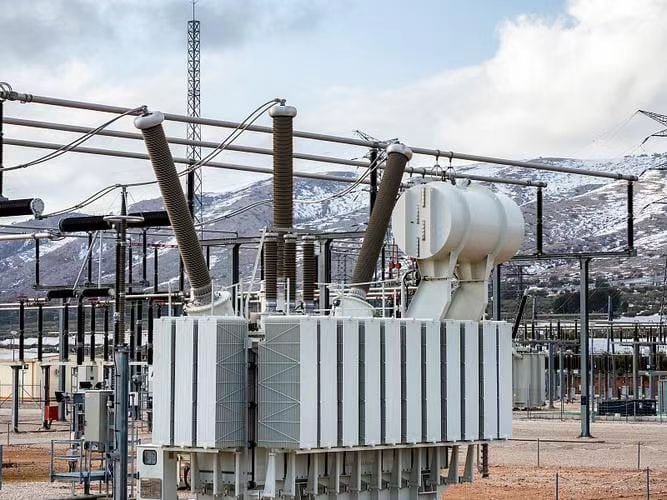
Color selection for transformer enclosures is far more than an aesthetic decision—it directly affects corrosion resistance, durability, thermal behavior, and environmental compatibility. Different climates, pollutants, and operating environments impose unique demands on paint systems, making color a functional engineering factor in long-term transformer reliability.
1. Color Affects Heat Absorption, Which Influences Corrosion Rate
Environmental corrosion processes—especially oxidation and moisture-driven degradation—accelerate when metal temperatures fluctuate aggressively.
Lighter colors (light gray, beige, utility green):
- Absorb less solar heat
- Maintain lower and more stable surface temperatures
- Reduce thermal cycling (expansion and contraction), which slows coating breakdown
- Lower risk of microcracks in the paint film
- Delay onset of rust formation
Darker colors (black, dark blue, deep green):
- Absorb more heat, increasing surface temperature by 10–25°C
- Increase UV exposure damage
- Accelerate corrosion in humid or coastal climates
- Create faster pigment fading and chalking
This is why most outdoor transformers worldwide use light gray or medium green, not dark or saturated colors.
2. Climate Conditions Directly Influence Color Choice
Different environments impose different corrosion risks:
Coastal and Marine Environments
High salinity, humidity, and salt spray accelerate corrosion.
Preferred colors:
- Light gray
- Off-white
- Pastel green
Reason: these shades minimize heat buildup and reduce blistering or paint delamination when exposed to salt-laden moisture.
Industrial and Urban Environments
Pollutants such as SO₂, NOx, and chemical vapors attack coatings.
Preferred colors:
- Light gray
- Medium gray
- Utility green
Reason: they hide soot and contamination better, while light tones maintain low surface temperature to preserve coating integrity.
Desert or High-UV Regions
Extreme solar radiation accelerates fading and UV degradation.
Preferred colors:
- UV-resistant gray
- Sand or beige tones
- Desert-compatible greens
Reason: these colors resist UV bleaching more effectively and reduce thermal stress.
Cold or Alpine Environments
Snow, frost, and ice require colors that maintain visibility.
Preferred colors:
- Medium gray
- Forest green
Reason: they provide good contrast against snow while still offering corrosion-resistant thermal performance.
3. Corrosion-Resistant Coating Formulations Influence Available Colors
Transformers typically use:
- Epoxy primers
- Polyurethane topcoats
- Powder coatings (for dry-type enclosures)
- High-build zinc-rich coatings in corrosive zones
These coatings perform differently depending on pigment concentrations.
Light colors reflect UV better, improving coating longevity.
Green and gray pigments are among the most stable and corrosion-friendly pigment families.
This explains why:
- Neutral grays (RAL 7032, RAL 7035)
- Utility green (Munsell 7GY 3.29/1.5 or equivalent)
are industry standards.
They maintain gloss, resist chalking, and prolong the interval before repainting.
4. Environmental Aesthetics and Compliance Requirements Matter
Color must satisfy both engineering and environmental integration requirements.
Utilities may require specific colors based on:
- Park or residential surroundings
- Industrial zoning
- Wildlife protection areas
- Local aesthetic regulations
For example:
- Green reduces visual impact in residential neighborhoods.
- Gray blends with industrial environments and steel structures.
Choosing a compliant color reduces repainting or replacement costs imposed by municipality regulations.
5. Corrosion Visibility and Maintenance Efficiency
Colors are selected to help technicians detect early corrosion signs.
Gray enables:
- Easier identification of rust spots
- Better visibility of oil leaks
- Faster detection of chalking or coating failure
Green enclosures also show corrosion well because rust contrasts sharply with green pigment.
Choosing colors that enhance visual inspection reduces maintenance risk and prevents severe structural degradation.
Are There Industry Standards or Customer Requirements for Transformer Colors?
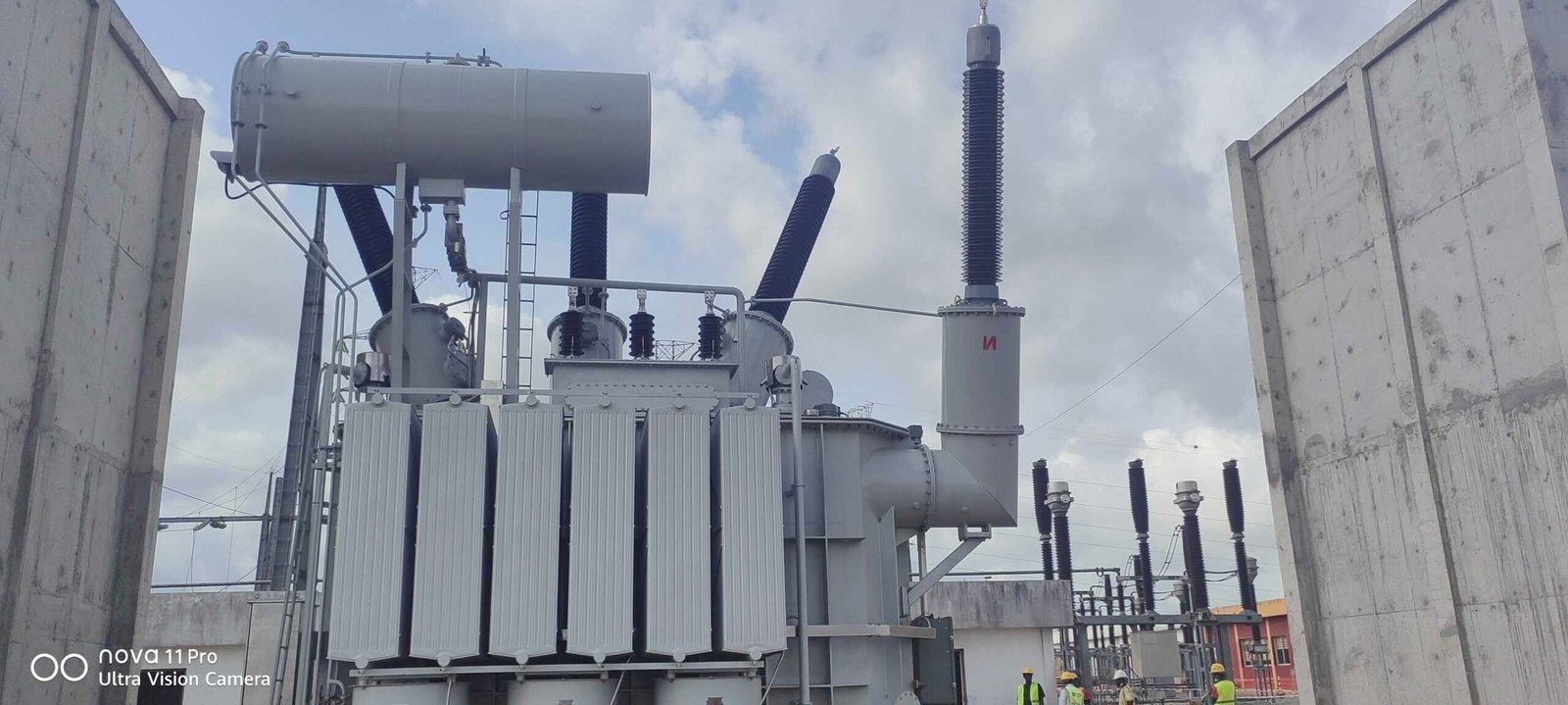
Transformer color selection is not arbitrary—while there is no single global standard dictating exact colors, utilities, manufacturers, and international guidelines follow consistent practices to ensure safety, visibility, durability, and environmental integration. As a result, transformer colors often appear standardized across regions even though multiple specifications exist.
1. Industry Standards That Influence Transformer Color
ANSI / NEMA Standards (Common in North America)
The most widely referenced color standard for electrical equipment in the United States is:
- ANSI 70 Light Gray
This is the default color for substation transformers, switchgear, and most outdoor electrical enclosures.
ANSI/NEMA specify:
- Gloss level
- UV resistance
- Corrosion protection performance
- Color stability under sunlight
While not mandatory, ANSI 70 is used by the majority of utilities and OEMs.
IEC Standards (Common in Europe, Asia, Middle East, Africa)
IEC standards do not define a specific color, but they require:
- UV-resistant coatings
- Corrosion-resistant coatings according to ISO 12944
- Compliance with environmental category (C2, C3, C4, C5)
To meet these requirements, many manufacturers use:
- RAL 7035 Light Gray
- RAL 7032 Pebble Gray
- RAL 6003 or custom greens (for pad-mounted units)
ISO 12944: Corrosion Protection Standard
This global standard doesn't set a color but determines:
- Coating type
- Thickness
- Layers (primer + intermediate + topcoat)
- Performance for corrosive environments (C1–CX)
Colors with high UV stability—gray and utility green—are preferred to ensure compliance with ISO 12944 durability expectations.
2. Utility and Grid Operator Specifications
Many national and regional utilities mandate specific colors:
North American Utilities
- Pad-mounted distribution transformers → Utility Green
- Substation transformers → ANSI 70 Light Gray
Common reasons:
- Neighborhood aesthetic requirements
- Standardized fleet appearance
- Easy identification by line crews
European Utilities
Most specify light gray (RAL 7035) for:
- Distribution transformers
- Substation units
- Medium-voltage equipment
Gray provides high UV resistance and maintains uniform appearance across substations.
3. Municipal and Environmental Requirements
Cities and local governments may impose color requirements for transformers installed in public spaces, particularly pad-mounted units.
Requirements often include:
- Earth-tone greens for residential landscaping
- Gray for industrial/commercial zones
- “Low-visibility colors” to minimize visual impact
For example:
- Parks → dark or forest green
- Urban sidewalks → medium gray
- Coastal areas → lighter gray to reduce heat absorption
Some municipalities legally require green-painted pad-mounted units.
4. Customer-Specific Specifications in Industrial Projects
Large customers often request custom colors to match environments:
- Data Centers: neutral industrial gray
- Oil & Gas Plants: corrosion-resistant epoxy finishes in custom shades
- Rail Systems: yellow or custom-coded colors for safety visibility
- Mining Sites: high-visibility orange or yellow
These choices are driven by:
- Safety standards
- Corporate branding
- Hazard visibility codes
- Corrosive or high-temperature environments
Manufacturers can adjust coatings to match RAL or Pantone color requirements.
5. Why Manufacturers Stick to Green and Gray Even Without Mandatory Rules
Even when customers do not specify a color, OEMs choose gray or green because:
- Proven UV stability
- Better heat dissipation
- Lower maintenance frequency
- Consistent corrosion protection performance
- Compatibility with safety labels
- Universal acceptance across regions
In short, green and gray have become de facto global standards due to engineering practicality and utility expectations.
Summary
There is no single worldwide color regulation, but transformer color choices are strongly influenced by:
✔ ANSI/NEMA preferred colors (ANSI 70 Light Gray, Utility Green)
✔ IEC coatings requirements via ISO 12944
✔ Utility and grid operator standard color policies
✔ Municipal aesthetic and environmental regulations
✔ Customer-specific industrial requirements
✔ Thermal, corrosion, and visibility considerations
This is why most transformers—especially outdoor units—are consistently painted light gray or green, giving the appearance of a global standard even though it is driven by engineering best practices and utility requirements.
Conclusion
Transformers are usually painted in light, neutral, or environment-matching colors for reasons tied to heat management, corrosion resistance, safety, and aesthetics. Light shades reduce heat absorption, helping the transformer operate within safe temperature limits, while durable coatings protect against weather and contaminants. Outdoor units are often green or gray to blend with their surroundings or meet utility specifications. The chosen color ultimately supports reliability, longevity, and compliance with customer or industry standards.
FAQ
Q1: What color are transformers typically, and why are they painted that way?
Transformers are commonly painted green, gray, or beige, depending on their installation environment and utility standards. Pad-mounted distribution transformers in residential areas are typically olive green to blend with landscaping and appear less industrial. Gray is often used for substation and industrial transformers, as it reflects sunlight well and minimizes heat buildup.
The primary reason for painting transformers is protection. Transformers are exposed to moisture, sunlight, chemical pollutants, and drastic temperature changes. Paint acts as a protective coating to prevent corrosion, rust, and UV degradation. The selected color must also withstand high temperatures and weather extremes without fading or cracking. In addition to protection and aesthetics, some utilities choose colors for standardization, safety identification, or regional regulatory compliance.
Q2: Why are many outdoor transformers painted green?
Green-colored transformers are mainly found in residential and commercial areas to help them blend into parks, lawns, and landscaped environments. The muted olive green color makes transformers less visually intrusive, improving community aesthetics.
Green paint also provides good resistance to UV rays, corrosion, and moisture, making it suitable for outdoor environments. Many utility companies in North America, Europe, and parts of Asia have adopted green as the default color for pad-mounted transformers to simplify field identification and material standardization.
Q3: Why are substation or high-voltage transformers mostly gray?
High-voltage power transformers are typically painted light gray to minimize heat absorption from sunlight. Light shades reflect more solar radiation, helping the transformer stay cooler during peak sunlight hours, which improves thermal performance and reduces cooling system load.
Gray paint formulations for transformers also include anti-corrosion additives, UV stabilizers, and moisture-resistant compounds. This makes gray an excellent practical choice for substations, industrial facilities, and high-voltage installations, where performance and durability take priority over aesthetics.
Q4: Do transformer colors follow international standards?
There is no universal global standard, but many regions follow utility-specific or national guidelines. For example:
ANSI standards in North America specify common utility green shades for pad-mounted transformers.
IEC guidelines focus on coating quality, corrosion protection, and environmental durability rather than color.
Utilities in the Middle East often use sand or beige to match desert environments.
Industrial sites may adopt safety colors or custom coatings for identification or maintenance classification.
The most important standards focus on paint performance, such as thickness, corrosion resistance, salt-fog protection, and UV endurance.
Q5: How does transformer paint improve durability and service life?
Transformer coatings play a crucial role in long-term equipment performance by:
Preventing corrosion: Steel tanks exposed to moisture or chemicals corrode quickly without protective coatings.
Blocking UV radiation: High-quality paint prevents discoloration, cracking, and deterioration from sunlight.
Reducing heat absorption: Lighter colors lower temperature rise, enhancing efficiency and insulation life.
Resisting chemicals: Substations often face exposure to pollutants, oils, and industrial chemicals.
Stopping rust: Multi-layer paint systems—primer, epoxy, and polyurethane—provide robust rust protection.
With proper coating, transformers can operate reliably for 30 to 40 years even in harsh climates.
References
ANSI C57 Standards for Distribution Transformers — https://www.ansi.org
IEC 60076 Transformer Design Standards — https://www.iec.ch
IEEE Transformer Coating & Corrosion Studies — https://ieeexplore.ieee.org
Schneider Electric Outdoor Equipment Coatings — https://www.se.com
NACE Corrosion Standards for Coatings — https://www.nace.org
EEP – Transformer Painting Requirements — https://electrical-engineering-portal.com
ASTM Coating and Paint Performance Standards — https://www.astm.org