
The standard service voltage range defines the acceptable voltage limits within which electrical equipment and power systems are designed to operate safely and efficiently. Understanding this range is essential for utilities, engineers, and end users to ensure reliable power supply, prevent equipment damage, and comply with international standards.
What Is the Standard Service Voltage Range?
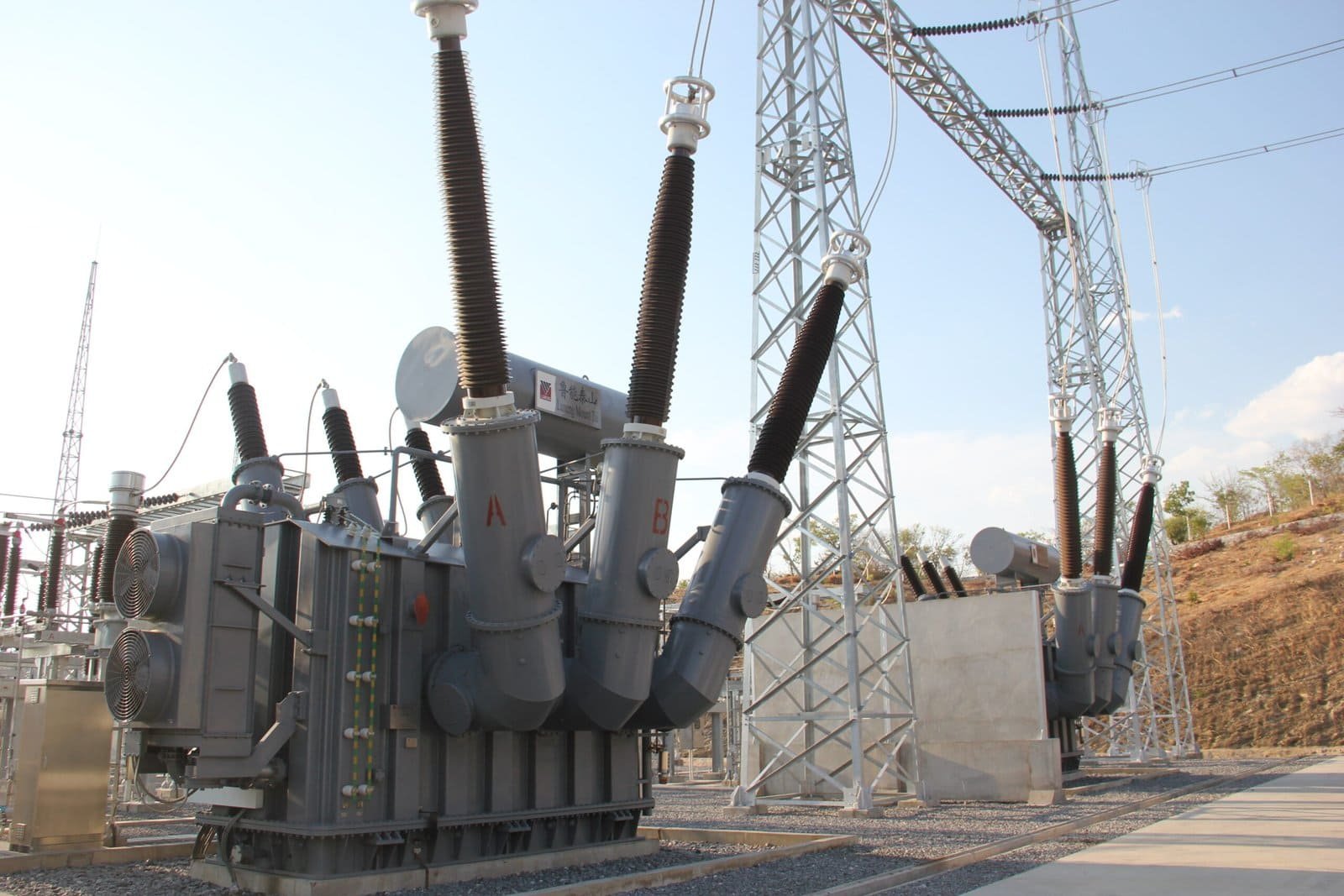
The standard service voltage range defines the allowable operating voltage limits within which a transformer can function safely, efficiently, and in compliance with international standards. It ensures that transformers deliver reliable performance under normal system voltage fluctuations without excessive losses, overheating, or insulation stress. Understanding this range is essential for correct transformer selection, system coordination, and long-term operational reliability.
1. Definition of Standard Service Voltage Range
The standard service voltage range refers to the percentage deviation from rated voltage that a transformer can continuously withstand while maintaining acceptable performance. This range accounts for normal variations caused by load changes, grid regulation, and system operating conditions.
In practical terms, it defines how much higher or lower the actual operating voltage can be compared to the nameplate voltage without damaging the transformer or violating performance guarantees.
2. IEC Standard Service Voltage Range
Under IEC 60076, transformers are designed to operate continuously at:
- ±5% of rated voltage at rated frequency, or
- ±10% of rated voltage, provided the frequency deviation is limited and losses and temperature rise remain within acceptable limits
This means an IEC-compliant transformer can typically handle normal grid fluctuations without derating, insulation stress, or loss of efficiency.
IEC also specifies that voltage and frequency variations combined must stay within defined boundaries to avoid excessive core losses and overheating.
3. IEEE Standard Service Voltage Range
Under IEEE C57 standards, transformers are generally designed to operate continuously at:
- ±5% of rated voltage, with
- Frequency variation typically limited to ±3%
IEEE places strong emphasis on maintaining acceptable temperature rise and insulation life when operating within this voltage range.
While both IEC and IEEE are similar in principle, IEEE standards often provide more detailed guidance on temperature and loading impacts during voltage deviations.
4. Typical Service Voltage Ranges by Transformer Class
The standard service voltage range applies across all voltage classes, including:
- Low-voltage transformers: typically up to 1.1 kV
- Medium-voltage transformers: 3.3 kV to 36 kV
- High-voltage transformers: 66 kV and above
Regardless of voltage level, the allowable service range ensures insulation integrity and stable magnetic operation under normal grid conditions.
5. Role of Tap Changers in Managing Service Voltage
Transformers are equipped with off-circuit tap changers (OCTC) or on-load tap changers (OLTC) to keep operating voltage within the standard service range.
Tap changers allow:
- Adjustment of output voltage to compensate for system variation
- Stable operation even when supply voltage fluctuates
- Reduction of overvoltage stress on downstream equipment
Proper tap selection ensures the transformer operates near its optimal design point.
6. Impact of Operating Outside the Standard Voltage Range
Continuous operation beyond the standard service voltage range can result in:
- Increased core losses and overheating
- Accelerated insulation aging
- Higher noise and vibration levels
- Reduced efficiency
- Increased risk of dielectric failure
Short-term excursions may be tolerated, but long-term operation outside limits significantly reduces transformer lifespan.
7. Importance for System Design and Compliance
Adhering to the standard service voltage range is critical for:
- Grid stability and power quality
- Compliance with IEC/IEEE standards
- Meeting utility and EPC specifications
- Avoiding warranty issues
- Ensuring long-term reliability and safety
Transformer manufacturers design and test units to meet these ranges, but correct system integration and voltage regulation remain essential.
Which International Standards Define Service Voltage Limits?
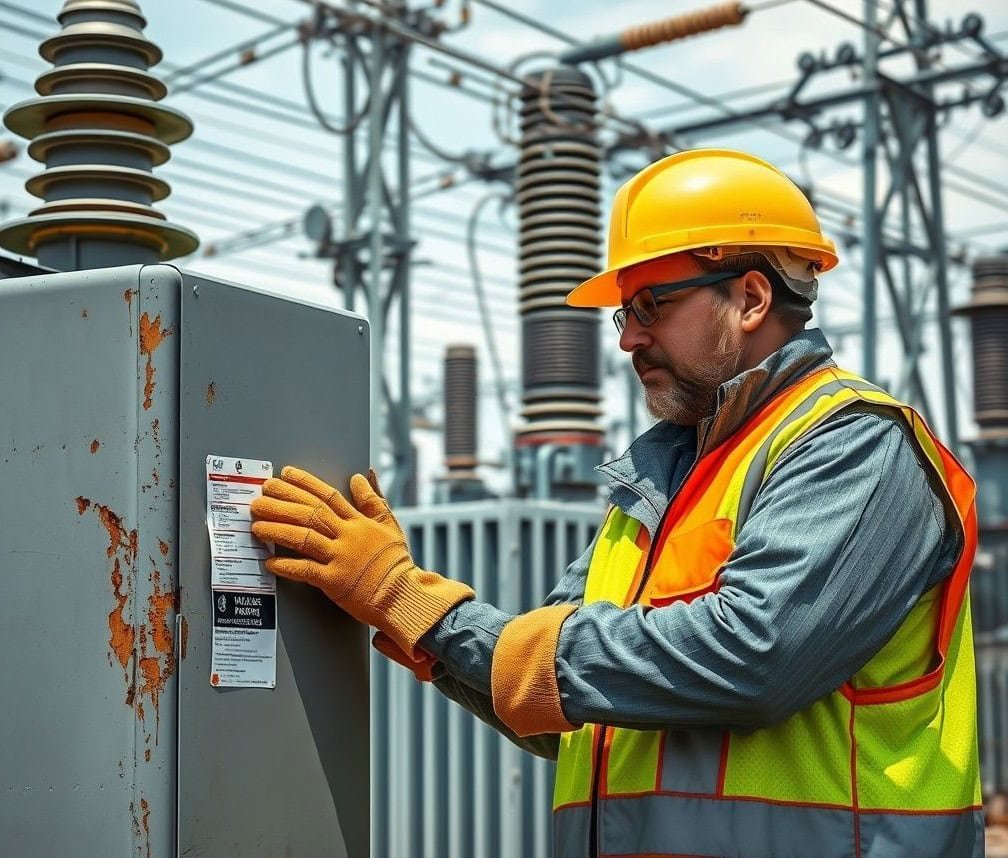
Service voltage limits for transformers are defined by internationally recognized standards to ensure safe operation, reliable performance, and acceptable insulation life under normal power system fluctuations. These standards establish how much deviation from rated voltage is permissible without causing excessive losses, overheating, or accelerated aging. Compliance with these standards is essential for manufacturers, utilities, EPC contractors, and industrial users operating in global markets.
1. IEC Standards Defining Service Voltage Limits
The International Electrotechnical Commission (IEC) is the primary global authority defining transformer operating limits, particularly outside North America.
IEC 60076 Series – Power Transformers
IEC 60076 is the core standard governing power transformers. It specifies allowable service voltage and frequency variations under normal operating conditions.
Key provisions include:
- Continuous operation at ±5% of rated voltage at rated frequency
- Operation up to ±10% of rated voltage, provided frequency deviation is limited and losses and temperature rise remain acceptable
- Combined voltage and frequency deviations must stay within defined boundaries to prevent excessive core flux
These limits ensure transformers remain within thermal and dielectric design margins during normal grid operation.
2. IEEE Standards Defining Service Voltage Limits
In North America and regions following U.S. practices, IEEE standards define service voltage limits.
IEEE C57 Series
The IEEE C57 family of standards governs power and distribution transformers.
Key guidance includes:
- Continuous operation within ±5% of rated voltage
- Limited frequency deviation, typically ±3%
- Emphasis on maintaining temperature rise and insulation life within acceptable limits
IEEE standards provide detailed explanations of how voltage deviation affects losses, heating, and aging.
3. ANSI Voltage Tolerance Framework
While ANSI does not directly test transformers, it establishes voltage tolerance ranges for power systems that influence transformer design.
ANSI C84.1
This standard defines acceptable service voltage ranges for electric power systems, such as:
- Normal operating range
- Emergency or short-duration voltage limits
Transformer manufacturers align designs with ANSI C84.1 to ensure compatibility with real-world system voltages.
4. EN and Regional Adaptations
In Europe, IEC standards are often adopted as:
- EN 60076, with minimal national deviation
Other regions may reference IEC directly or adopt modified versions while keeping the same voltage limits.
5. Utility and Grid Code Specifications
Beyond international standards, many utilities and grid operators define their own service voltage requirements based on:
- Local grid behavior
- Network regulation practices
- Renewable integration levels
These specifications often reference IEC or IEEE limits but may impose stricter constraints or require additional testing.
6. Role of Tap Changer Standards
Service voltage compliance is closely linked to tap changer operation, governed by:
- IEC 60214 (Tap changers)
- IEEE C57.131 (OLTC requirements)
These standards ensure voltage regulation equipment allows transformers to remain within defined service voltage limits during operation.
7. Importance of Compliance With International Standards
Defining and adhering to service voltage limits is critical because it:
- Protects insulation systems
- Prevents excessive core saturation
- Maintains efficiency and thermal performance
- Ensures compatibility across global power systems
- Avoids warranty and compliance issues
Transformers designed to IEC or IEEE standards can operate safely across diverse grid conditions when voltage limits are respected.
Why Is the Standard Service Voltage Range Important?
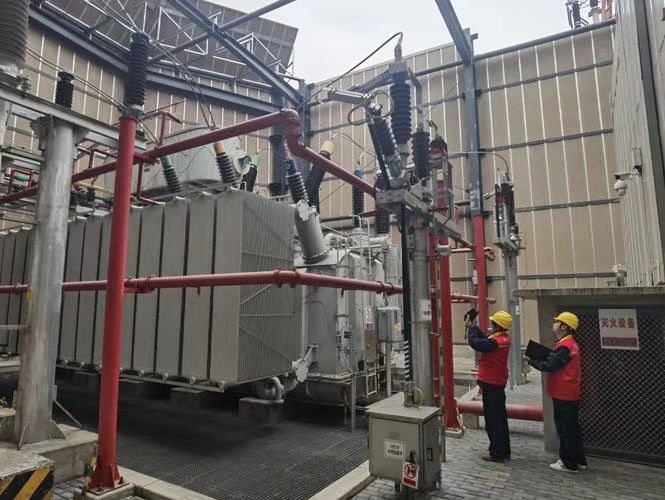
The standard service voltage range is a fundamental design and operating requirement for transformers. It defines the safe voltage deviation limits within which a transformer can operate continuously without compromising efficiency, insulation life, thermal performance, or system reliability. Respecting this range is essential not only for protecting the transformer itself, but also for maintaining stable, safe, and economical operation of the entire power system.
1. Protects Transformer Insulation and Extends Service Life
Transformer insulation systems are designed based on rated voltage and allowable overvoltage margins. Operating within the standard service voltage range ensures:
- Electric field stresses remain within design limits
- Insulation aging follows expected thermal life models
- Partial discharge activity is minimized
- Risk of dielectric breakdown is reduced
Continuous overvoltage accelerates insulation degradation, while undervoltage combined with high load can increase thermal stress. The standard service voltage range prevents both extremes.
2. Prevents Core Saturation and Excessive Losses
Transformer magnetic cores are optimized for rated voltage and frequency. When voltage exceeds the standard service range:
- Core flux density increases disproportionately
- Core saturation may occur
- No-load losses rise sharply
- Noise and vibration increase
- Localized heating develops in the core
Operating within the defined voltage range keeps the core in its linear magnetic region, ensuring efficient and stable operation.
3. Ensures Thermal Stability and Prevents Overheating
Voltage deviations directly influence transformer heating:
- Overvoltage increases core losses
- Undervoltage may cause higher currents to maintain power delivery
- Combined voltage and frequency deviations amplify thermal stress
By maintaining voltage within standard limits, the transformer operates within its designed temperature rise, preserving insulation class limits and avoiding accelerated thermal aging.
4. Maintains System Voltage Quality and Equipment Compatibility
Transformers are key voltage-regulating components in power systems. Operating within the standard service voltage range ensures:
- Stable secondary voltage for downstream equipment
- Reduced risk of damage to motors, drives, electronics, and protection devices
- Proper coordination with relays and circuit breakers
- Compliance with grid codes and utility voltage requirements
Deviations outside the standard range can propagate voltage quality issues throughout the network.
5. Preserves Efficiency and Minimizes Operating Costs
Transformers achieve their guaranteed efficiency only when operating within specified voltage limits. Staying within the standard service voltage range:
- Keeps no-load and load losses within guaranteed values
- Reduces wasted energy
- Lowers operating temperatures
- Decreases cooling system stress
Over a transformer’s lifetime, even small increases in losses due to voltage deviation can translate into significant energy and financial costs.
6. Supports Proper Operation of Tap Changers and Voltage Regulation
Tap changers are designed to adjust voltage within the standard service range—not compensate for chronic overvoltage or undervoltage conditions.
Maintaining voltage within standard limits:
- Reduces tap changer operating frequency
- Minimizes mechanical wear
- Extends tap changer service life
- Improves voltage regulation stability
Excessive deviation forces frequent tap operations, increasing maintenance requirements and failure risk.
7. Ensures Compliance With International Standards and Warranties
IEC and IEEE standards define service voltage ranges as part of transformer design compliance. Operating outside these limits may:
- Violate contractual specifications
- Void manufacturer warranties
- Lead to non-compliance with regulatory or grid codes
- Increase liability in case of failure
Adhering to the standard service voltage range protects both technical performance and commercial interests.
8. Reduces Risk of Unplanned Outages and Failures
Many transformer failures are linked to prolonged operation outside acceptable voltage limits. Staying within the standard service voltage range:
- Reduces insulation breakdown risk
- Prevents overheating-related faults
- Minimizes nuisance protection trips
- Enhances long-term reliability
This is particularly critical for transformers serving hospitals, data centers, industrial plants, and grid substations.
What Are the Risks of Operating Outside the Standard Voltage Range?
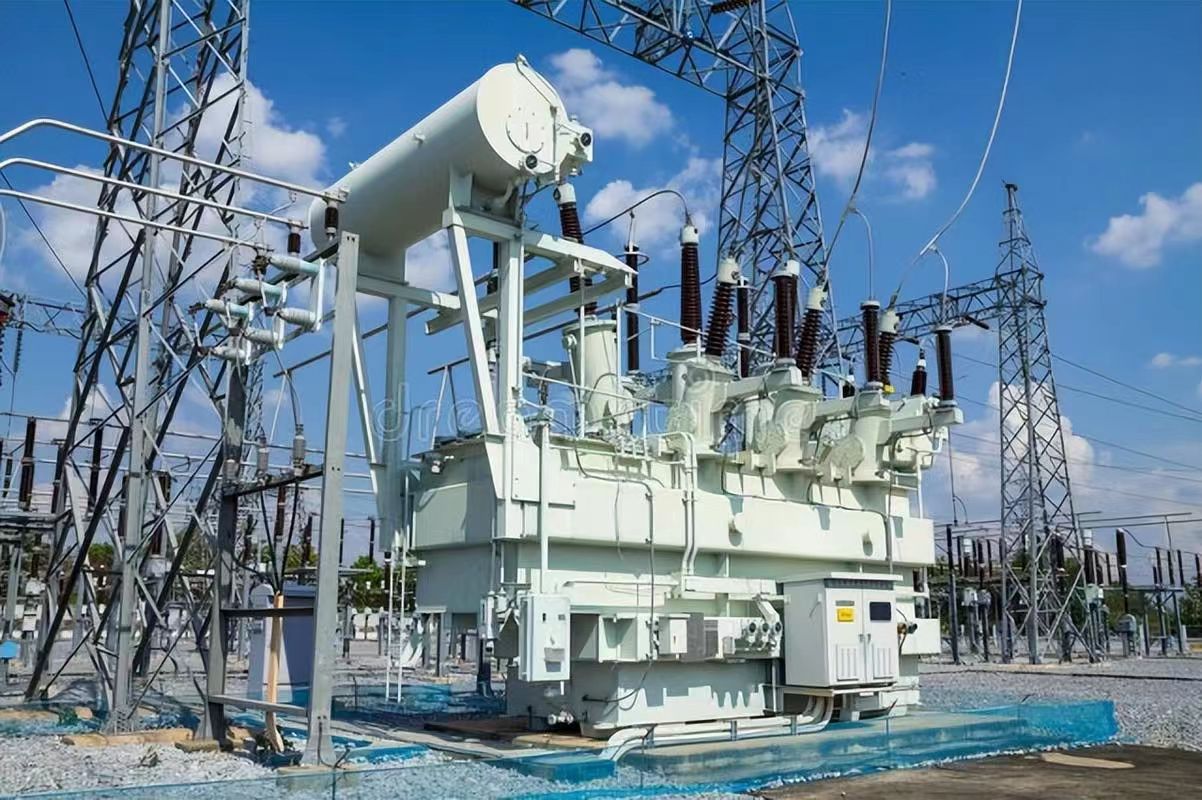
Operating a transformer outside the standard service voltage range introduces serious technical, operational, and financial risks. International standards such as IEC 60076 and IEEE C57 define allowable voltage limits to ensure safe insulation stress, controlled losses, and stable thermal performance. When these limits are exceeded—whether through overvoltage or undervoltage—the transformer and the connected power system are exposed to accelerated aging, reduced efficiency, and increased failure probability.
1. Accelerated Insulation Aging and Dielectric Failure
Transformer insulation systems are designed to withstand electrical stresses within defined voltage limits. When operating outside the standard range:
- Overvoltage increases electric field stress, accelerating insulation deterioration
- Partial discharge activity may increase, especially in high-voltage units
- Moisture migration within insulation accelerates aging
- Dielectric breakdown risk rises significantly over time
Once insulation damage begins, it is irreversible and often leads to catastrophic failure.
2. Core Saturation and Excessive No-Load Losses
Overvoltage drives the magnetic core into saturation:
- Flux density rises non-linearly
- No-load losses increase sharply
- Localized hot spots form in the core
- Audible noise and vibration increase
Sustained core saturation causes thermal stress and mechanical fatigue, reducing transformer reliability.
3. Thermal Overheating and Reduced Cooling Margin
Voltage deviations directly affect transformer heating:
- Overvoltage increases core losses
- Undervoltage forces higher current to deliver the same power
- Combined voltage and frequency deviations worsen thermal conditions
Operating outside standard limits can cause:
- Oil or winding temperatures to exceed design limits
- Accelerated insulation aging
- Overloading of cooling systems
This reduces the effective thermal margin of the transformer.
4. Increased Load Losses and Reduced Energy Efficiency
Transformers achieve guaranteed efficiency only at rated voltage conditions.
Outside the standard range:
- Copper losses increase under undervoltage conditions
- Core losses rise under overvoltage conditions
- Stray losses increase due to distorted flux
Even small efficiency losses accumulate into significant energy waste over the transformer’s lifetime.
5. Mechanical Stress on Windings and Structural Components
Abnormal voltage conditions can cause:
- Higher electromagnetic forces during faults
- Increased vibration
- Loosening of winding clamping structures
Over time, these mechanical stresses may lead to winding displacement, insulation damage, or short circuits.
6. Excessive Operation of Tap Changers
Transformers with tap changers are not designed to compensate for chronic voltage deviation.
Operating outside standard limits:
- Forces frequent tap changer operations
- Accelerates mechanical wear
- Increases maintenance frequency
- Raises failure risk of OLTC mechanisms
Tap changer failure is one of the most common transformer reliability issues.
7. Negative Impact on Downstream Equipment
Transformers supply power to sensitive equipment. Voltage outside standard limits can cause:
- Motor overheating and torque loss
- Malfunction of electronic equipment
- Increased failure rates of insulation in connected devices
- Nuisance tripping of protection systems
This extends the impact beyond the transformer itself.
8. Non-Compliance, Warranty, and Financial Risks
Operating outside the standard voltage range may:
- Violate IEC/IEEE compliance requirements
- Void manufacturer warranties
- Trigger regulatory non-compliance
- Increase liability after failures
- Result in unplanned outages and high repair costs
Utilities and industrial operators face increased operational and financial exposure.
Conclusion
The standard service voltage range is a key factor in ensuring safe, efficient, and reliable power system operation. Adhering to recognized voltage limits helps protect equipment, maintain power quality, and support long-term system stability across transmission, distribution, and end-user applications.
FAQ
Q1: What is meant by the standard service voltage range?
The standard service voltage range refers to the nominal voltage levels at which electrical power is supplied and utilized, along with the allowable operating tolerances. These ranges are defined by international and national standards such as IEC, IEEE, and ANSI to ensure safety, compatibility, and reliable operation of electrical equipment.
Service voltage is typically expressed as a nominal value (e.g., 11 kV or 400 V) with an acceptable variation, commonly ±5% to ±10%, depending on the system and region.
Q2: What is the standard low-voltage (LV) service voltage range?
Low voltage is used for end-user consumption in residential, commercial, and light industrial applications.
IEC standard (global):
Up to 1,000 V AC
Common voltages: 230 V, 400 V, 415 V, 480 V, 690 V
IEEE / ANSI standard (North America):
Up to 600 V AC
Common voltages: 120 V, 208 V, 240 V, 277 V, 480 V
LV service voltages are supplied through distribution transformers stepping down from medium voltage networks.
Q3: What is the standard medium-voltage (MV) service voltage range?
Medium voltage is widely used for power distribution and large customer supply.
IEC definition:
1 kV to 36 kV AC
Typical service voltages: 3.3 kV, 6.6 kV, 10 kV, 11 kV, 13.8 kV, 20 kV, 22 kV, 33 kV
IEEE definition:
1 kV to 35 kV AC
MV systems are common in utility distribution networks, industrial plants, renewable energy projects, and large commercial facilities.
Q4: What are the standard high-voltage (HV) and extra-high-voltage (EHV) ranges?
High and extra-high voltages are used for sub-transmission and transmission of electricity.
High Voltage (HV):
36 kV to 230 kV
Common levels: 66 kV, 110 kV, 132 kV, 220 kV
Extra-High Voltage (EHV):
Above 230 kV
Common levels: 275 kV, 400 kV, 500 kV, 765 kV
Ultra-High Voltage (UHV):
≥ 800 kV AC or ±800 kV DC
These voltage levels reduce transmission losses over long distances and require specialized insulation and protection systems.
Q5: Why is the standard service voltage range important when selecting equipment?
Adhering to standard service voltage ranges ensures:
Interoperability between equipment from different manufacturers
Safe insulation coordination
Compliance with grid codes and regulations
Efficient and reliable operation
Longer equipment service life
Transformers, switchgear, cables, and protection devices must all be rated for the applicable voltage range and tolerance to avoid overheating, insulation stress, and premature failure.
References
IEC 60038 – IEC Standard Voltages
https://webstore.iec.ch/publication/141
IEC 60076 – Power Transformers
https://webstore.iec.ch/publication/602
IEEE Std 141 (Red Book) – Electric Power Distribution
https://ieeexplore.ieee.org/document/6999321
IEEE Voltage Classification Guide
https://standards.ieee.org
Electrical Engineering Portal – Voltage Level Classification
https://electrical-engineering-portal.com
U.S. Department of Energy – Electric Grid Basics
https://www.energy.gov