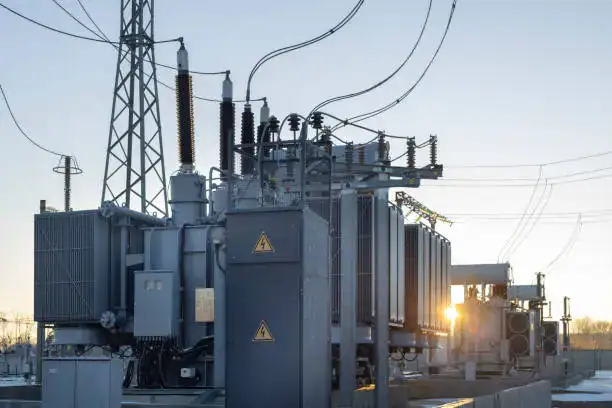
Inrush current is a common electrical phenomenon that occurs when a transformer is first energized. During this moment, the transformer can draw a current several times higher than its normal operating current. Although this surge lasts only a short time, it can affect protection systems, voltage stability, and equipment performance if not properly managed. Understanding inrush current and how it is controlled is essential for ensuring reliable transformer operation and preventing unnecessary system disturbances.
What Is Inrush Current in a Transformer?
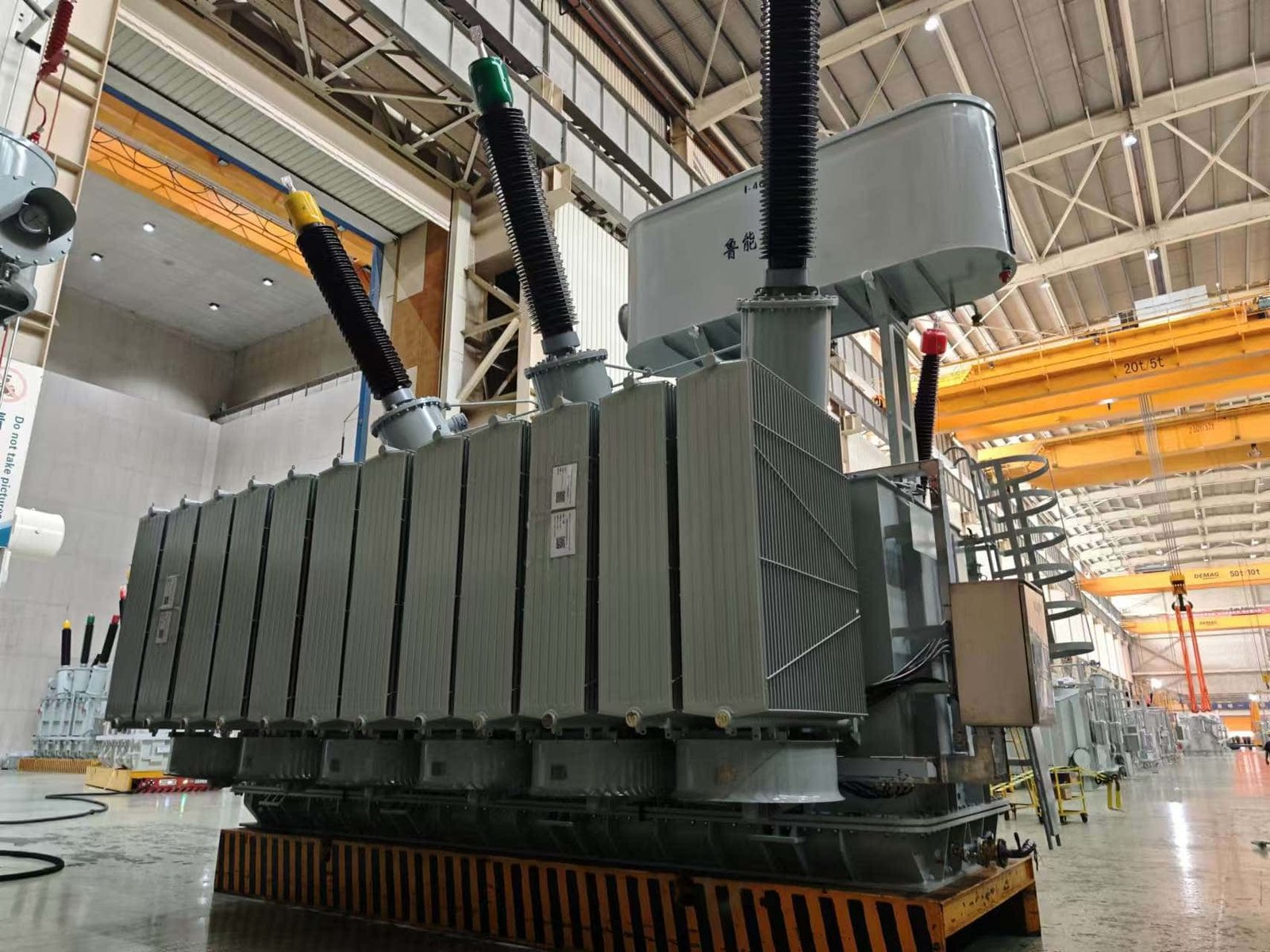
When a transformer is first energized, it may experience a sudden and extremely high current surge that is much larger than its normal operating current. This phenomenon often surprises engineers and operators because it occurs even when the transformer is connected to the power supply without any load. If misunderstood, this transient current can lead to protection system misoperation or unnecessary concern about equipment faults.
Inrush current in a transformer is the large transient current that flows into the transformer windings immediately after the transformer is energized, caused by the sudden establishment of magnetic flux in the core. Although it typically lasts only a short period—usually a few cycles to several seconds—it can be several times higher than the transformer’s rated current.
Transformer inrush current only occurs when the transformer is under heavy load.False
Inrush current occurs primarily during transformer energization and is largely independent of load conditions because it is caused by the sudden magnetization of the transformer core.
1. The Magnetic Principle Behind Inrush Current
A transformer operates based on electromagnetic induction. When voltage is applied to the primary winding, a magnetizing current flows to establish magnetic flux in the core.
The relationship between voltage and magnetic flux is expressed by the transformer voltage equation:
V = N \frac{d\Phi}{dt}
Where:
V = applied voltage
N = number of turns in the winding
Φ = magnetic flux in the core
t = time
When the transformer is energized, the magnetic flux must increase from zero to its steady-state value. Under certain switching conditions, the flux can temporarily exceed its normal operating level, causing the core to saturate.
Core saturation drastically increases the magnetizing current, producing the large current spike known as inrush current.
2. Typical Magnitude of Inrush Current
Inrush current can be significantly larger than the transformer’s normal operating current.
Typical values include:
| Parameter | Typical Range |
|---|---|
| Inrush current magnitude | 5–10 times rated current |
| Duration | A few cycles to several seconds |
| Frequency content | Rich in harmonic components |
| Occurrence | Immediately after energization |
Although large, inrush current is temporary and gradually decays as the magnetic flux stabilizes.
3. Factors That Influence Inrush Current
Several conditions determine how large the inrush current will be.
3.1 Switching Instant of the Voltage Wave
The exact moment when the transformer is energized relative to the AC voltage waveform strongly affects the resulting flux.
If switching occurs at an unfavorable point on the waveform, magnetic flux may exceed normal limits, increasing the magnitude of inrush current.
3.2 Residual Flux in the Core
When a transformer is de-energized, some magnetic flux remains trapped in the core.
If the residual flux adds to the newly applied flux during energization, the core may enter deep saturation, resulting in higher inrush current.
3.3 Core Material and Design
Core characteristics such as:
- Magnetic permeability
- Saturation level
- Core geometry
influence how easily the core saturates. Transformers with higher saturation limits typically experience smaller inrush currents.
3.4 Transformer Size
Larger transformers tend to produce larger inrush currents because:
- Their cores require more magnetizing energy
- Their magnetic circuits are larger
However, the relative magnitude compared to rated current remains similar across transformer sizes.
4. Waveform Characteristics of Inrush Current
Inrush current differs significantly from normal sinusoidal current.
Typical characteristics include:
- Highly asymmetric waveform
- Large peak magnitude
- Significant harmonic content
- Gradual decay over time
The waveform is often rich in second harmonic components, which protection systems use to distinguish inrush current from internal faults.
5. Impact on Power Systems
Although inrush current is a normal phenomenon, it can affect power system operation.
Possible effects include:
- Voltage dips in the network
- False tripping of protection relays
- Mechanical stress on windings
- Disturbance to nearby sensitive equipment
Because of these effects, protection systems must be designed to recognize inrush current and avoid unnecessary transformer disconnection.
6. Methods Used to Limit Inrush Current
Engineers use several techniques to reduce the magnitude of inrush current.
Common methods include:
- Controlled switching – energizing the transformer at optimal points in the voltage waveform
- Pre-insertion resistors – temporarily limiting current during energization
- Sequential energization – gradually connecting large transformers
- Improved core design – reducing residual flux and saturation effects
These methods help minimize transient disturbances when transformers are energized.
7. Protection Systems and Inrush Detection
Transformer protection systems must distinguish between inrush current and internal faults.
Differential protection relays often use harmonic restraint techniques. Because inrush current contains strong second harmonic components, the relay identifies this signature and prevents unnecessary tripping.
This allows the transformer to remain connected during normal energization.
Why Does Inrush Current Occur When a Transformer Is Energized?
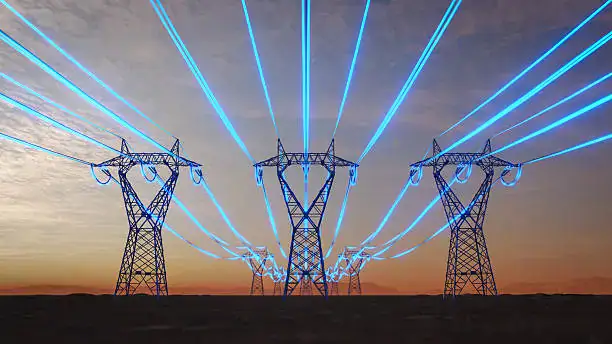
When a transformer is switched on and connected to an AC power supply, a sudden and very large current may flow through the primary winding. This current surge, known as inrush current, can be several times higher than the transformer’s rated current even when no load is connected. Although it usually lasts only a short period, understanding why it occurs is essential for transformer design, protection coordination, and reliable power system operation.
Inrush current occurs when a transformer is energized because the magnetic flux in the core must rapidly build from its initial value to the steady-state operating level. Under certain conditions, this transient flux can exceed the core’s normal operating range, causing magnetic saturation and resulting in a large magnetizing current surge.
Transformer inrush current is caused mainly by external electrical loads connected to the transformer.False
Inrush current occurs primarily due to the magnetization of the transformer core during energization and is largely independent of external load conditions.
1. Sudden Establishment of Magnetic Flux
A transformer works by establishing magnetic flux in its core when voltage is applied to the primary winding. The relationship between applied voltage and magnetic flux is described by the fundamental transformer equation:
V = N \frac{d\Phi}{dt}
Where:
V = applied voltage
N = number of turns in the winding
Φ = magnetic flux in the core
t = time
When voltage is suddenly applied, the flux must quickly rise from its initial state to the value required for steady operation. If this change occurs too abruptly, the flux may exceed the normal design limit of the core, causing magnetic saturation.
When the core saturates, the magnetizing current increases dramatically, producing the inrush current.
2. Magnetic Core Saturation
The transformer core is designed to operate within a specific magnetic flux density range. Under normal conditions, the magnetizing current required to maintain this flux is relatively small.
However, during energization:
- Magnetic flux may temporarily exceed its normal peak value
- The core enters a saturated state
- Magnetic permeability drops sharply
- Much larger current is required to maintain the flux
This large current manifests as the inrush current spike observed when the transformer is first energized.
3. Influence of the Voltage Switching Moment
The exact moment at which the transformer is connected to the AC voltage waveform strongly influences the magnitude of inrush current.
If the transformer is energized at a point in the voltage cycle where the instantaneous voltage does not correspond to the existing magnetic flux in the core, the resulting flux may become abnormally high.
This mismatch between voltage and flux conditions causes a transient overshoot of magnetic flux, which leads to core saturation and large magnetizing current.
4. Residual Magnetism in the Core
Even after a transformer is disconnected from the power supply, some magnetic flux remains trapped in the core. This is called residual flux.
When the transformer is energized again:
- The new flux generated by the applied voltage may add to the residual flux
- The combined flux may exceed the core’s saturation limit
If residual flux and the newly generated flux reinforce each other, the resulting peak flux can be significantly larger than normal operating levels, increasing the magnitude of inrush current.
5. Low Initial Impedance of the Magnetizing Circuit
Before the magnetic flux stabilizes, the transformer’s magnetizing branch behaves like a circuit with relatively low impedance.
Because the current is not yet limited by normal magnetic conditions, a large transient current can flow through the winding until the flux stabilizes and the magnetic circuit returns to its linear operating region.
This transient low impedance condition contributes to the high magnitude of inrush current.
6. Nonlinear Magnetization Characteristics
Transformer cores exhibit nonlinear magnetization behavior. At normal operating flux levels, the core has high permeability and requires only a small magnetizing current.
However, once the core approaches saturation:
- Permeability decreases rapidly
- Magnetizing current increases sharply
This nonlinear relationship between magnetic flux and current is a key reason why energizing the transformer can produce a large current surge.
7. Transient Nature of Inrush Current
Although inrush current can be several times greater than rated current, it is temporary.
As the transformer continues to operate:
- Magnetic flux stabilizes
- Core saturation disappears
- Magnetizing current decreases to normal levels
The current gradually decays to the normal no-load magnetizing current within a few cycles or seconds.
How Large Can Transformer Inrush Current Become?

When a transformer is first energized, a sudden surge of current known as inrush current flows through the primary winding. This transient current occurs even when the transformer is not supplying any load and can be significantly larger than the rated operating current. Because this current surge can influence protection systems, voltage stability, and mechanical stresses in the transformer, understanding its potential magnitude is important for system design and operation.
Transformer inrush current can typically reach between 5 and 10 times the rated full-load current, and in some extreme conditions it may rise to 12–14 times the rated current during the first few cycles after energization. Although this surge is temporary, its magnitude can be substantial enough to affect both the transformer and the connected power system.
Transformer inrush current is usually close to the rated current of the transformer.False
Inrush current is normally several times larger than the rated current and can reach up to ten or more times the full-load current during energization.
1. Typical Magnitude of Transformer Inrush Current
The magnitude of inrush current varies depending on transformer design and switching conditions.
Typical ranges are summarized below:
| Transformer Condition | Approximate Inrush Current |
|---|---|
| Normal energization | 5–8 × rated current |
| Unfavorable switching instant | 8–10 × rated current |
| Extreme cases (high residual flux) | 10–14 × rated current |
For example, if a transformer has a rated current of 100 A, the initial inrush current may temporarily reach 800–1200 A or even higher.
Although these values are large, the current usually decays rapidly within a few cycles to a few seconds.
2. Relationship Between Voltage and Magnetic Flux
The magnitude of inrush current is closely related to the magnetic flux produced in the transformer core when voltage is applied.
This relationship follows the fundamental transformer voltage equation:
V = N \frac{d\Phi}{dt}
Where:
V = applied voltage
N = number of turns in the winding
Φ = magnetic flux
t = time
If the flux rises beyond the normal operating level during energization, the core may enter magnetic saturation. Once saturation occurs, the magnetizing current increases sharply, producing the large inrush current.
3. Factors That Determine the Size of Inrush Current
Several technical factors influence how large the inrush current can become.
3.1 Switching Angle of the Voltage Wave
The instant at which the transformer is energized relative to the AC voltage waveform has a major impact.
If energization occurs at a point where the voltage does not correspond to the required magnetic flux condition, the resulting transient flux may become excessive, leading to larger inrush currents.
3.2 Residual Flux in the Transformer Core
After a transformer is de-energized, some magnetic flux remains in the core.
If the residual flux adds to the new flux created when the transformer is re-energized, the total flux may exceed the normal design limit. This can drive the core into deeper saturation, increasing the inrush current.
3.3 Transformer Core Design
The magnetic characteristics of the transformer core also influence inrush current.
Important factors include:
- Core material permeability
- Core cross-sectional area
- Saturation flux density
Transformers with higher saturation limits typically experience smaller inrush currents.
3.4 Transformer Size and Power Rating
Larger transformers tend to produce higher absolute inrush currents because they require more magnetizing energy to establish the magnetic field in the core.
However, the ratio of inrush current to rated current often remains within a similar range across different transformer sizes.
4. Duration of Inrush Current
Although the peak magnitude of inrush current can be very high, it does not last long.
Typical duration characteristics include:
| Time After Energization | Current Behavior |
|---|---|
| First few cycles | Very high current peak |
| 0.1–1 second | Rapid decay |
| Several seconds | Returns to normal magnetizing current |
The decay occurs because the magnetic flux stabilizes and the core exits the saturated region.
5. Harmonic Characteristics
Inrush current differs from normal load current because it contains large harmonic components.
Notably:
- Strong second harmonic components
- Highly asymmetric waveform
- Non-sinusoidal shape
These characteristics help protection systems distinguish between inrush current and internal faults.
6. Impact on Power System Operation
Large inrush currents can produce several temporary effects in the power system, including:
- Voltage dips on the supply network
- Nuisance tripping of protection relays
- Mechanical stress on transformer windings
- Disturbances to sensitive equipment
Because of these effects, engineers design transformer protection systems specifically to tolerate inrush conditions during energization.
What Problems Can Inrush Current Cause in Power Systems?
When a transformer is energized, a large transient current known as inrush current flows into the primary winding as the magnetic flux in the core rapidly establishes itself. Although this current is temporary and usually lasts only a short time, its magnitude can be several times higher than the transformer’s rated current. Because of this high magnitude and its non-sinusoidal waveform, inrush current can create several operational challenges in power systems.
Inrush current can cause problems such as voltage dips, protection system misoperation, mechanical stress on transformer windings, and disturbances to sensitive electrical equipment. Understanding these effects is essential for designing reliable protection and control systems in electrical networks.
Transformer inrush current has no significant effect on the power system because it lasts only a short time.False
Although inrush current is temporary, its high magnitude can cause voltage dips, protection relay misoperation, and stress on electrical equipment in the power system.
1. Voltage Dips in the Power System
One of the most common effects of transformer inrush current is a temporary voltage drop in the supply network.
When a transformer is energized, the large magnetizing current flows through the system impedance. According to Ohm’s law, the voltage drop across system impedance depends on the current:
genui{"math_block_widget_common_keywords":{"content":"V = IR"}}
Where:
V = voltage drop
I = current flowing through the system
R = system resistance (or impedance)
Because the inrush current is very large, the resulting voltage drop can momentarily reduce the voltage level in the network.
This voltage dip may cause:
- Flickering lights
- Temporary disturbances in nearby loads
- Reduced performance of sensitive equipment
2. False Operation of Protection Systems
Protection systems are designed to detect abnormal currents and disconnect faulty equipment.
However, the magnitude of inrush current can sometimes resemble fault currents. If protection systems are not properly configured, they may misinterpret inrush current as an internal transformer fault.
This can lead to:
- Unnecessary tripping of circuit breakers
- Interruptions in power supply
- Reduced reliability of the power system
To prevent this problem, transformer differential protection systems often use harmonic restraint techniques to distinguish inrush current from genuine fault currents.
3. Mechanical Stress on Transformer Windings
The high magnitude of inrush current produces strong electromagnetic forces inside the transformer windings.
These forces can cause:
- Mechanical vibration
- Winding displacement
- Stress on insulation structures
Although transformers are designed to withstand such forces, repeated energization with high inrush currents may gradually weaken mechanical support structures over time.
Proper transformer design and controlled energization methods help minimize this risk.
4. Disturbances to Sensitive Equipment
Sensitive electrical devices such as computers, communication equipment, and industrial control systems may be affected by voltage disturbances caused by inrush current.
Possible effects include:
- Temporary malfunction of electronic devices
- Resetting of control systems
- Data processing interruptions
In industrial environments, voltage dips caused by transformer energization can affect production equipment and automation systems.
5. Harmonic Distortion in the Network
Inrush current is highly non-sinusoidal and contains significant harmonic components, particularly second harmonic components.
These harmonics can temporarily distort the power system waveform and may:
- Affect power quality
- Interfere with measurement equipment
- Influence relay operation
Although these distortions are usually short-lived, they may still affect sensitive systems connected to the same network.
6. Stress on Circuit Breakers and Switching Equipment
The sudden surge of current during transformer energization places additional stress on switching devices such as circuit breakers and disconnect switches.
High inrush currents can cause:
- Increased electrical wear on contacts
- Higher thermal stress during switching
- Reduced equipment lifespan if switching occurs frequently
Modern switching equipment is designed to handle these transient conditions, but repeated operations under high inrush conditions should be minimized.
7. Impact on Parallel Transformers
When transformers operate in parallel, energizing one transformer can cause circulating currents between transformers if voltage and magnetic conditions are not properly matched.
This can result in:
- Unbalanced load sharing
- Temporary current surges
- Increased system instability
Proper synchronization and energization procedures are necessary when connecting transformers to a network with other transformers already in operation.
How Do Protection Systems Distinguish Inrush Current from Fault Current?

When a transformer is energized, the resulting inrush current can be several times greater than the rated current. This large current surge can resemble the magnitude of a fault current, such as that produced by internal winding short circuits. If protection systems cannot distinguish between these two conditions, they may incorrectly trip circuit breakers and disconnect healthy transformers from the power system.
Protection systems distinguish inrush current from fault current primarily by analyzing waveform characteristics—especially harmonic content, waveform symmetry, and duration—because inrush current contains strong harmonic components and asymmetrical waveforms, while true fault currents are typically more sinusoidal and balanced.
Accurate discrimination is essential to maintain both transformer protection and system reliability.
Transformer protection relays treat inrush current and fault current exactly the same.False
Modern transformer protection relays use harmonic analysis and other techniques to differentiate inrush current from actual internal fault currents.
1. Differential Protection Principle
Most large transformers are protected by differential protection relays. These relays compare the current entering and leaving the transformer.
The differential current can be expressed as:
I_d = I_1 - I_2
Where:
(I_d) = differential current
(I_1) = current entering the transformer
(I_2) = current leaving the transformer
Under normal operating conditions, including energization, the currents should balance except for magnetizing current.
If a significant difference appears, it may indicate an internal fault. However, inrush current also produces differential current, so additional discrimination techniques are required.
2. Harmonic Content Analysis
The most widely used method for distinguishing inrush current from fault current is harmonic restraint.
Inrush current contains significant harmonic components due to the nonlinear magnetization of the transformer core.
Typical harmonic characteristics include:
| Current Type | Harmonic Content |
|---|---|
| Inrush current | Strong second harmonic |
| Internal fault current | Mostly fundamental frequency |
| Overexcitation | Strong fifth harmonic |
Protection relays measure the ratio of harmonic components to the fundamental frequency.
If the second harmonic content exceeds a certain threshold, the relay recognizes the current as magnetizing inrush and blocks tripping.
3. Waveform Shape and Symmetry
Inrush current waveforms are highly asymmetric and distorted compared to fault currents.
Typical features of inrush current include:
- Large initial peaks
- Uneven positive and negative half cycles
- Non-sinusoidal waveform
Fault currents, on the other hand, tend to be more symmetrical and follow the fundamental frequency of the power system.
Modern digital relays analyze waveform patterns to distinguish these conditions.
4. Duration of Current Surge
Inrush current is a temporary phenomenon that gradually decays as the magnetic flux stabilizes in the transformer core.
Typical duration:
- Several cycles to a few seconds
Internal faults, however, produce sustained fault currents that do not decay naturally.
Protection systems can use time-based logic to help differentiate between transient inrush and persistent fault conditions.
5. Flux and Overexcitation Detection
In some abnormal operating conditions, such as overvoltage or incorrect frequency, transformers may experience overexcitation.
This condition also produces harmonic currents.
Protection systems often monitor the ratio of voltage to frequency:
frac{V}{f}
If this ratio becomes excessive, it indicates potential overexcitation rather than a fault.
Relays use this parameter along with harmonic detection to improve discrimination accuracy.
6. Advanced Digital Protection Techniques
Modern transformer protection systems use digital signal processing to improve reliability.
Advanced methods include:
- Waveform pattern recognition
- Adaptive harmonic restraint
- Flux estimation algorithms
- Artificial intelligence–based fault detection
These techniques provide faster and more accurate identification of inrush conditions while maintaining strong protection against real faults.
7. Importance for Power System Stability
Correct discrimination between inrush current and fault current is critical because:
- Unnecessary tripping can interrupt power supply
- Repeated switching stresses equipment
- Grid stability may be affected
Proper relay settings ensure that transformers remain connected during normal energization while still being protected against genuine internal faults.
What Methods Are Used to Manage or Reduce Inrush Current?

When a transformer is energized, the rapid establishment of magnetic flux in the core can cause a large transient surge known as inrush current. Although this current is temporary, it may reach several times the rated current of the transformer and can cause voltage dips, protection system misoperation, and mechanical stress on transformer components. For these reasons, power engineers employ several methods to control or reduce inrush current when transformers are energized.
Transformer inrush current can be managed or reduced through methods such as controlled switching, pre-insertion resistors, sequential energization, residual flux control, and optimized transformer core design. These techniques help minimize transient current peaks and improve system stability during transformer energization.
Inrush current cannot be reduced because it is an unavoidable effect of transformer energization.False
While inrush current is a natural phenomenon, several engineering techniques such as controlled switching and pre-insertion resistors can significantly reduce its magnitude.
1. Controlled Switching
One of the most effective methods for reducing inrush current is controlled switching, also known as point-on-wave switching.
When a transformer is energized at a specific point in the AC voltage waveform, the resulting magnetic flux can be controlled to avoid excessive peaks. If switching occurs at an optimal moment, the initial magnetic flux closely matches the steady-state flux required for normal operation.
The relationship between applied voltage and magnetic flux is described by:
V = N \frac{d\Phi}{dt}
By selecting the correct switching instant, the rate of change of magnetic flux can be controlled, preventing the core from entering deep saturation and thereby reducing the magnitude of inrush current.
Modern circuit breakers equipped with intelligent controllers can perform this type of precise switching.
2. Pre-Insertion Resistors
Another commonly used method involves pre-insertion resistors installed in series with the transformer during energization.
The process works as follows:
- The transformer is initially connected through a temporary resistor.
- The resistor limits the current flowing into the transformer.
- After a short delay, the resistor is bypassed and the transformer is fully connected to the system.
By limiting the initial current surge, this method reduces mechanical stress and voltage disturbances in the network.
Pre-insertion resistors are commonly used in high-voltage transmission systems.
3. Sequential Energization of Transformers
In substations where multiple transformers operate in parallel, energizing all transformers simultaneously can cause extremely large inrush currents.
A simple management method is sequential energization, which involves:
- Energizing one transformer at a time
- Allowing its inrush current to decay
- Then energizing the next transformer
This approach prevents cumulative inrush currents and reduces the impact on the power system.
4. Residual Flux Control
Residual magnetic flux remains in the transformer core after it is de-energized. If the new flux created during energization adds to this residual flux, the resulting peak flux may exceed the saturation limit of the core.
Some advanced switching systems measure or estimate the residual flux and control the energization timing accordingly.
By coordinating the switching instant with the residual flux condition, the maximum magnetic flux in the core can be minimized, reducing inrush current.
5. Core Design Optimization
Transformer design itself can influence the magnitude of inrush current.
Manufacturers can reduce inrush current by optimizing:
- Core material properties
- Core cross-sectional area
- Saturation flux density
- Magnetic circuit geometry
High-quality silicon steel laminations with improved magnetic characteristics can help reduce the severity of core saturation during energization.
6. Series Reactors or Current-Limiting Devices
In some applications, series reactors are used to limit the magnitude of inrush current.
These devices introduce additional inductive reactance into the circuit, which limits the rate at which current can rise when the transformer is energized.
This approach is particularly useful in large industrial installations or systems with sensitive loads.
7. Improved Protection System Coordination
Although protection systems do not reduce inrush current directly, proper coordination ensures that normal energization events do not trigger unnecessary disconnections.
Techniques include:
- Harmonic restraint in differential relays
- Time delays during energization
- Adaptive relay settings
These measures ensure reliable operation while accommodating normal inrush current behavior.
Conclusion
Inrush current is a temporary but significant surge that occurs when a transformer is energized due to the rapid establishment of magnetic flux in the core. Although it is a normal operating phenomenon, excessive inrush current can trigger protection devices or cause voltage disturbances. Proper management techniques—such as controlled energization, appropriate relay protection settings, and advanced switching strategies—help minimize its impact and ensure smooth and reliable transformer operation within power systems.
FAQ
Q1: What is inrush current in a transformer?
Inrush current is a temporary surge of current that occurs when a transformer is first energized. This current can be several times higher than the transformer’s normal operating current and typically lasts for a few cycles to several seconds.
The phenomenon occurs because the transformer core must build up magnetic flux when voltage is first applied. During this brief period, the magnetizing current can rise sharply before stabilizing at its normal level.
Although inrush current is a normal electrical behavior, it must be properly managed to prevent protection system misoperation or stress on electrical equipment.
Q2: Why does inrush current occur when a transformer is energized?
Inrush current occurs due to core magnetization and magnetic flux imbalance at the moment of energization. When voltage is suddenly applied, the magnetic flux in the transformer core may temporarily exceed its normal operating level, causing the core to approach saturation.
This leads to a sudden increase in magnetizing current until the magnetic field stabilizes. The magnitude of the inrush current depends on factors such as switching angle, residual magnetism in the core, system voltage, and transformer design.
Q3: How large can transformer inrush current be?
Transformer inrush current can be 5 to 10 times the rated full-load current in many cases, though it usually lasts only for a short duration.
The magnitude of the inrush current is influenced by:
Transformer size and design
Core material characteristics
Residual magnetic flux in the core
Point on the voltage waveform when switching occurs
System impedance
Larger power transformers generally experience higher inrush currents during energization.
Q4: What problems can inrush current cause?
Although temporary, high inrush currents can cause several operational issues, including:
Tripping of protective relays
Voltage dips in the power system
Mechanical stress on transformer windings
Thermal stress on conductors and switching equipment
If not properly accounted for in protection settings, inrush currents may be mistaken for fault currents.
Q5: How do protection systems distinguish inrush current from faults?
Modern protection systems use harmonic analysis to differentiate inrush current from internal faults. Inrush currents contain a significant amount of second harmonic components, while fault currents are mainly fundamental frequency.
Differential protection relays detect these harmonic patterns and temporarily restrain tripping during transformer energization, allowing the transformer to start normally.
Q6: What methods are used to reduce or control inrush current?
Several techniques are used to manage transformer inrush current, including:
Controlled switching at optimal points in the voltage waveform
Pre-insertion resistors or reactors
Sequential energization of transformer phases
Using soft-start or controlled switching devices
These methods help limit current peaks and reduce electrical stress on the transformer and connected equipment.
Q7: Can transformer design influence inrush current levels?
Yes. Transformer design plays an important role in controlling inrush current. Design factors that influence inrush behavior include:
Core material and magnetic characteristics
Core geometry and air gap design
Winding configuration
Residual flux management
Modern transformer designs aim to minimize inrush current while maintaining high efficiency and reliable performance.
Q8: Why is understanding inrush current important for power systems?
Understanding inrush current helps engineers design protection schemes, switching procedures, and system coordination strategies that maintain grid stability. Proper management ensures transformers can be energized safely without causing unnecessary protection trips or voltage disturbances.
This is especially important for large power transformers and systems with sensitive loads.
References
IEC 60076 – Power Transformers
https://webstore.iec.ch/publication/602
IEEE C57.109 – Guide for Transformer Inrush Current
https://standards.ieee.org
Electrical Engineering Portal – Transformer Inrush Current Explained
https://electrical-engineering-portal.com
CIGRE – Transformer Energization Studies
https://www.cigre.org
NEMA – Transformer Application Guidelines
https://www.nema.org
IEEE Power & Energy Society – Transformer Protection Research
https://ieeexplore.ieee.org