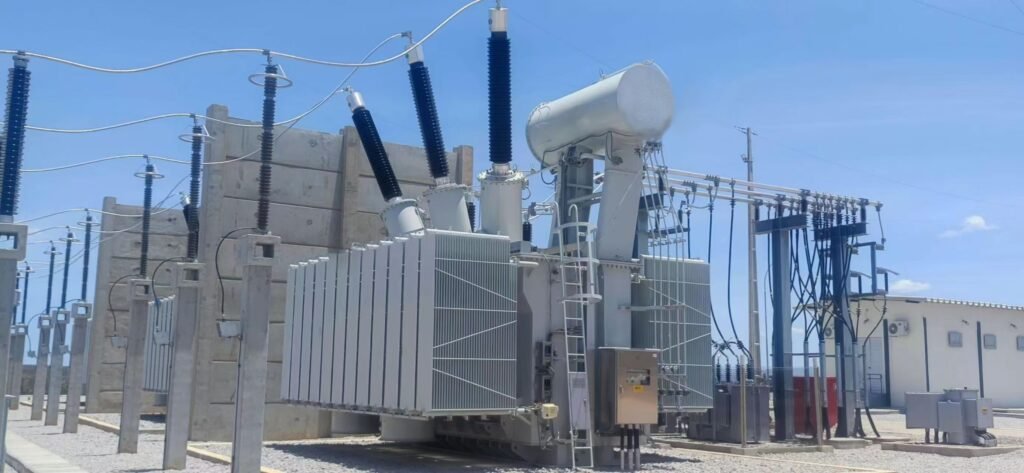
Vacuum drying is a crucial process in transformer manufacturing that removes moisture and gases from insulation materials and internal components. Because transformer insulation—such as paper, pressboard, and solid insulation—can easily absorb moisture, any remaining water can significantly reduce dielectric strength and accelerate aging. Vacuum drying ensures that the transformer’s insulation system is clean, dry, and capable of operating safely under high electrical stress.
What Is Vacuum Drying in Transformer Manufacturing?
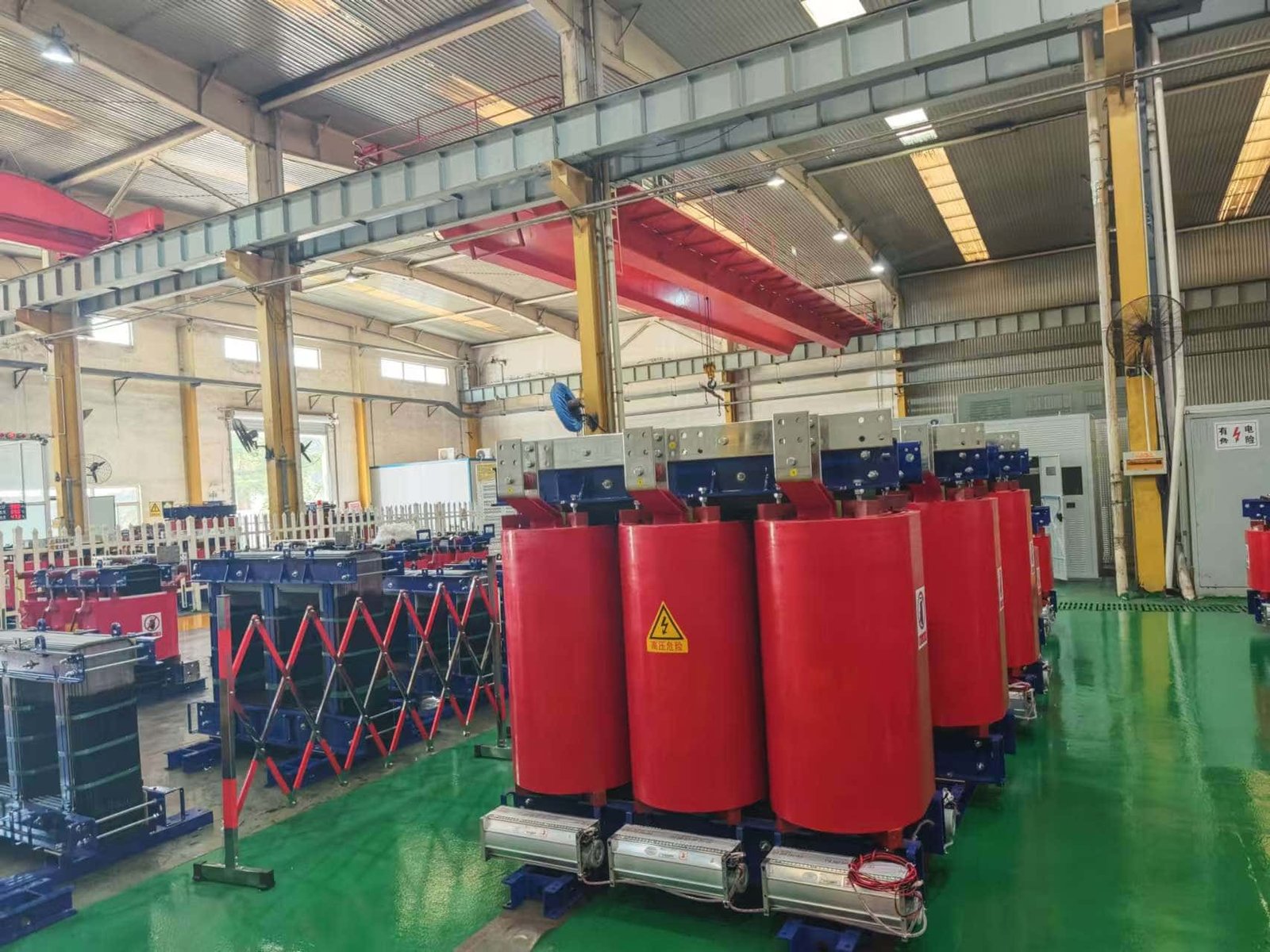
Moisture is one of the most serious threats to transformer insulation systems. During manufacturing, transformer windings, insulation paper, and pressboard materials can absorb moisture from the air. If this moisture remains trapped inside the transformer, it significantly reduces dielectric strength, accelerates insulation aging, and increases the risk of partial discharge or internal failure. For high-voltage equipment expected to operate for decades, even small amounts of residual moisture can compromise reliability.
Vacuum drying is a critical manufacturing process used to remove moisture, gases, and volatile contaminants from transformer insulation materials by heating the transformer under a deep vacuum environment. This process ensures that the insulation system is completely dry before oil filling or resin impregnation, thereby improving dielectric performance, reliability, and service life.
Vacuum drying is mainly used to clean the external surface of transformer components.False
Vacuum drying is specifically used to remove internal moisture from insulation materials such as paper and pressboard inside the transformer windings and core structure.
Understanding how vacuum drying works helps explain why it is one of the most important steps in modern transformer manufacturing.
1. Purpose of Vacuum Drying in Transformer Production
The main objective of vacuum drying is to eliminate moisture trapped in the insulation system.
Transformer insulation is typically composed of materials such as:
- Cellulose paper insulation
- Pressboard insulation barriers
- Solid insulation spacers
These materials are hygroscopic, meaning they naturally absorb moisture from the surrounding environment.
If moisture remains inside the insulation:
- Dielectric strength decreases
- Partial discharge becomes more likely
- Insulation aging accelerates
- Electrical breakdown risk increases
Vacuum drying removes this moisture to ensure optimal insulation performance.
2. Principle of Vacuum Drying
Vacuum drying works by lowering the pressure inside a sealed chamber.
When pressure decreases, the boiling point of water also decreases. This means moisture inside insulation materials can evaporate at much lower temperatures.
The relationship between pressure and boiling point can be expressed conceptually as:
genui{"math_block_widget_common_keywords":{"content":"P V = n R T"}}
Under reduced pressure conditions, the evaporation of water occurs more rapidly, allowing trapped moisture to escape from insulation layers.
The process typically combines:
- High temperature
- Low pressure (deep vacuum)
- Controlled time duration
Together, these conditions remove both surface moisture and deeply absorbed water.
3. Steps in the Vacuum Drying Process
The vacuum drying process usually follows several controlled stages.
3.1 Preheating Stage
The transformer core and windings are gradually heated using hot air or vapor phase heating.
Heating helps:
- Reduce moisture viscosity
- Increase water evaporation rate
- Prepare insulation for vacuum extraction
3.2 Vacuum Application
After heating, the transformer is placed under deep vacuum.
Typical vacuum levels used in transformer drying are:
- 0.5 to 5 mbar (very low pressure)
At this pressure level, water trapped inside insulation materials vaporizes and is removed by vacuum pumps.
3.3 Moisture Extraction
During this stage:
- Moisture evaporates from insulation materials
- Vapor is extracted through vacuum pumps
- Condensation systems collect the extracted moisture
The process continues until the moisture content falls below specified limits.
3.4 Cooling and Stabilization
Once drying is complete:
- The transformer is slowly cooled
- Vacuum conditions are maintained to prevent reabsorption of moisture
After stabilization, the transformer proceeds to oil filling or resin impregnation.
4. Vacuum Drying Equipment
Modern transformer manufacturing uses specialized drying equipment designed to ensure consistent results.
Typical equipment includes:
- Vacuum drying chambers
- High-capacity vacuum pumps
- Heating systems (hot air or vapor phase)
- Moisture condensers
- Monitoring and control systems
These systems precisely control temperature, pressure, and drying duration.
5. Importance for Insulation Performance
Vacuum drying has a direct impact on transformer insulation reliability.
Proper drying ensures:
- High dielectric strength
- Reduced partial discharge risk
- Improved oil impregnation quality
- Longer insulation lifespan
If insulation is not adequately dried, moisture can remain trapped inside the winding structure, leading to long-term reliability problems.
6. Moisture Limits in Transformer Insulation
Manufacturers typically aim for extremely low moisture content after vacuum drying.
Typical target values include:
| Insulation Material | Target Moisture Content |
|---|---|
| Cellulose paper | below 0.5% |
| Pressboard | below 1% |
| Transformer oil (after filling) | below 10 ppm |
Maintaining these low moisture levels ensures stable dielectric performance.
7. Vacuum Drying vs Conventional Drying
Traditional atmospheric drying methods are far less effective for transformer insulation.
Comparison of drying methods:
| Feature | Vacuum Drying | Conventional Drying |
|---|---|---|
| Moisture removal depth | Excellent | Limited |
| Drying temperature | Lower required | Higher required |
| Drying speed | Faster | Slower |
| Insulation protection | High | Moderate |
Because of these advantages, vacuum drying has become the standard process in modern transformer manufacturing.
8. Role in Transformer Oil Filling
After vacuum drying, oil-immersed transformers are typically filled with insulating oil under vacuum.
This process ensures that:
- Oil penetrates deeply into the insulation structure
- No air bubbles remain trapped inside
- Dielectric strength is maximized
Proper vacuum drying therefore prepares the transformer for effective oil impregnation.
Why Must Moisture Be Removed from Transformer Insulation?

Moisture is one of the most harmful contaminants in transformer insulation systems. During manufacturing, transportation, or operation, insulation materials such as cellulose paper and pressboard can absorb moisture from the surrounding environment. Even small amounts of water trapped inside the insulation structure can significantly reduce dielectric strength, accelerate insulation aging, and increase the likelihood of electrical faults. For high-voltage transformers designed to operate reliably for decades, controlling moisture content is essential to maintaining long-term performance and safety.
Moisture must be removed from transformer insulation because it reduces dielectric strength, promotes partial discharge and insulation degradation, increases the risk of electrical breakdown, and shortens the service life of the transformer. Proper drying processes ensure that insulation materials maintain their electrical and mechanical properties throughout the transformer’s operational life.
Small amounts of moisture in transformer insulation have little effect on transformer performance.False
Even small amounts of moisture significantly reduce insulation dielectric strength and accelerate aging, which can lead to transformer failures.
Understanding why moisture is so harmful helps explain why strict drying and moisture control processes are essential in transformer manufacturing and maintenance.
1. Reduction of Dielectric Strength
The primary function of transformer insulation is to electrically isolate conductive components such as windings and the core. This insulation must withstand high voltages without breaking down.
Moisture inside insulation materials weakens this capability. Water molecules increase the electrical conductivity of insulation, allowing leakage currents to flow more easily.
As moisture content increases, the dielectric strength of insulation decreases rapidly. This makes the insulation more vulnerable to electrical breakdown under high voltage conditions.
Lower dielectric strength increases the risk of internal faults and insulation failure.
2. Increased Risk of Partial Discharge
Partial discharge occurs when localized electrical discharges develop within insulation materials due to weak dielectric regions.
Moisture contributes to partial discharge in several ways:
- It creates microscopic voids or weak points in insulation.
- It increases local conductivity.
- It promotes uneven electric field distribution.
These factors allow small electrical discharges to occur within the insulation system. Over time, repeated partial discharges gradually erode insulation materials, leading to serious damage.
Removing moisture greatly reduces the likelihood of partial discharge activity.
3. Acceleration of Insulation Aging
Transformer insulation materials—especially cellulose-based paper insulation—age over time due to thermal and chemical processes.
Moisture accelerates these processes by promoting chemical reactions such as hydrolysis. In hydrolysis reactions, water molecules break down cellulose chains, weakening the mechanical structure of the insulation.
This leads to:
- Reduced mechanical strength
- Faster degradation of insulation materials
- Shortened transformer service life
Controlling moisture content slows the aging process and helps preserve insulation integrity.
4. Formation of Gas and Chemical Byproducts
Moisture inside transformer insulation can react with insulating oil and cellulose materials under high temperature conditions.
These reactions can produce:
- Hydrogen gas
- Carbon monoxide
- Carbon dioxide
- Organic acids
The formation of gases and acids degrades oil quality and increases internal pressure within the transformer.
Over time, these chemical reactions further weaken the insulation system and increase the risk of failure.
5. Reduction of Transformer Oil Performance
In oil-immersed transformers, insulating oil provides both electrical insulation and cooling.
Moisture contamination in the oil can lead to:
- Reduced dielectric strength
- Increased electrical conductivity
- Formation of sludge and oxidation products
Moisture can migrate between oil and solid insulation materials, meaning that wet insulation can continuously contaminate the oil.
Maintaining dry insulation helps preserve the insulating and cooling performance of the transformer oil.
6. Increased Risk of Electrical Breakdown
High-voltage transformers operate under strong electric fields. Moisture inside insulation materials weakens their ability to withstand these fields.
Under severe conditions, moisture can create conductive paths that allow electrical breakdown to occur.
Electrical breakdown inside a transformer can lead to:
- Internal short circuits
- Severe insulation damage
- Transformer shutdown or failure
Removing moisture greatly reduces this risk.
7. Impact on Long-Term Transformer Reliability
Transformer reliability is strongly linked to insulation condition. Because insulation cannot easily be replaced once the transformer is assembled, its quality must be preserved from the beginning of manufacturing.
Moisture removal processes such as vacuum drying ensure that insulation materials reach extremely low moisture levels before final assembly or oil filling.
Typical acceptable moisture levels are very low to maintain reliable operation.
| Insulation Component | Typical Acceptable Moisture Level |
|---|---|
| Cellulose insulation | below 0.5% |
| Pressboard insulation | below 1% |
| Transformer oil | below 10 ppm |
Maintaining these low levels ensures stable electrical performance.
8. Prevention of Long-Term Degradation
Moisture contamination does not always cause immediate failure. Instead, it often leads to gradual deterioration of the insulation system.
Over time, this deterioration can result in:
- Increased dielectric losses
- Reduced insulation strength
- Progressive internal damage
Because transformers are expected to operate for 30–40 years or more, preventing long-term degradation is essential.
Removing moisture during manufacturing and maintenance greatly improves long-term reliability.
How Does the Vacuum Drying Process Work?

Moisture trapped inside transformer insulation materials—such as cellulose paper and pressboard—can seriously compromise electrical performance and long-term reliability. Even small amounts of moisture can reduce dielectric strength, accelerate insulation aging, and increase the risk of internal faults. Because these insulation materials naturally absorb moisture from the surrounding air during manufacturing, a specialized drying process is required before the transformer is filled with insulating oil or sealed for operation.
The vacuum drying process works by heating the transformer insulation while simultaneously applying deep vacuum pressure, which lowers the boiling point of water and allows moisture trapped inside the insulation structure to evaporate and be extracted by vacuum pumps. This controlled process ensures that the insulation system becomes extremely dry, improving dielectric performance and extending transformer service life.
Vacuum drying removes moisture only from the surface of transformer components.False
Vacuum drying removes both surface moisture and deeply absorbed moisture within insulation materials by combining heating with low-pressure conditions.
Understanding the working mechanism of vacuum drying helps explain why it is one of the most critical stages in transformer manufacturing.
1. Basic Principle of Vacuum Drying
Vacuum drying relies on two physical principles:
- Reducing pressure lowers the boiling point of water
- Heating accelerates moisture evaporation
Under normal atmospheric pressure, water boils at about 100°C. However, when pressure is reduced inside a vacuum chamber, the boiling point decreases significantly, allowing water to evaporate at much lower temperatures.
This thermodynamic relationship can be represented conceptually using the ideal gas relation:
genui{"math_block_widget_common_keywords":{"content":"PV = nRT"}}
Where:
P = pressure
V = volume
n = number of gas molecules
R = gas constant
T = temperature
When pressure decreases inside the vacuum chamber, water molecules within insulation materials evaporate more easily and can be removed efficiently.
2. Preparation Before Vacuum Drying
Before the drying process begins, the transformer core and windings are assembled and placed inside a large vacuum drying chamber.
Key preparation steps include:
- Inspection of insulation components
- Assembly of windings and insulation structures
- Placement inside the drying chamber
- Sealing of the chamber to maintain vacuum conditions
The drying system must ensure a controlled environment where both temperature and pressure can be carefully regulated.
3. Heating Stage
The first operational step in the drying process is controlled heating.
Heating systems may include:
- Hot air circulation
- Electric heating elements
- Vapor phase heating systems
The temperature is gradually increased to ensure that moisture trapped inside insulation materials begins to migrate outward.
Heating provides several benefits:
- Reduces the viscosity of moisture
- Accelerates diffusion through insulation layers
- Increases evaporation rate
However, temperatures must be carefully controlled to avoid damaging insulation materials.
4. Vacuum Application Stage
After sufficient heating, vacuum pumps reduce the pressure inside the chamber.
Typical pressure levels used in transformer drying range from:
- 0.1 to 5 millibars
At these extremely low pressures, the boiling point of water decreases dramatically. Moisture trapped deep inside the insulation structure begins to vaporize and move toward the surface.
The vacuum pumps continuously remove this vapor from the chamber.
This stage is crucial because it extracts moisture not only from surfaces but also from deep within insulation layers.
5. Moisture Extraction and Condensation
As water vapor leaves the insulation materials, it is transported through the vacuum system.
The vapor passes through condensers where it cools and turns back into liquid water. The condensed water is then collected and removed from the system.
This continuous cycle allows the drying process to gradually reduce moisture content to extremely low levels.
Drying continues until the measured moisture levels meet the specified standards for transformer insulation.
6. Monitoring and Control During Drying
Modern vacuum drying systems use advanced monitoring equipment to ensure optimal drying performance.
Important parameters include:
| Parameter | Purpose |
|---|---|
| Temperature | Controls evaporation rate |
| Pressure | Determines boiling point of moisture |
| Moisture extraction rate | Indicates drying progress |
| Drying time | Ensures complete moisture removal |
Sensors and control systems continuously adjust heating and vacuum levels to maintain the most effective drying conditions.
7. Cooling and Stabilization
Once moisture removal reaches the required level, the transformer enters the cooling stage.
Key steps include:
- Gradual reduction of temperature
- Maintaining vacuum conditions during cooling
- Stabilizing insulation structure
Maintaining vacuum during cooling prevents insulation materials from reabsorbing moisture from the air.
After cooling is complete, the transformer is ready for the next manufacturing stage, such as vacuum oil filling.
8. Vacuum Drying Duration
The total drying time depends on several factors:
- Transformer size
- Insulation thickness
- Initial moisture content
- Drying temperature
Typical drying durations range from:
| Transformer Type | Typical Drying Time |
|---|---|
| Small distribution transformers | 24–48 hours |
| Medium power transformers | 48–72 hours |
| Large power transformers | 72–120 hours |
Larger transformers require longer drying periods because moisture must travel through thicker insulation structures.
9. Benefits of Vacuum Drying
Vacuum drying offers several important advantages over conventional drying methods.
These include:
- Deep moisture removal from insulation layers
- Lower drying temperatures, protecting insulation materials
- Improved oil impregnation during subsequent oil filling
- Higher dielectric strength of insulation systems
- Longer transformer service life
Because of these benefits, vacuum drying has become the standard technique used in modern transformer manufacturing facilities worldwide.
What Equipment Is Used for Vacuum Drying?

During transformer manufacturing, removing moisture from insulation materials is essential to ensure high dielectric strength and long-term reliability. Because materials such as cellulose paper and pressboard easily absorb moisture from the environment, manufacturers must use specialized equipment to eliminate this moisture before the transformer is filled with insulating oil or sealed. Conventional drying methods cannot remove deeply embedded moisture efficiently, which is why advanced vacuum drying systems are widely used in modern transformer factories.
Vacuum drying equipment consists of a coordinated system that includes a vacuum chamber, heating system, vacuum pumps, condensers, and monitoring controls. These components work together to create a low-pressure, high-temperature environment that allows moisture trapped in transformer insulation to evaporate and be removed effectively.
Vacuum drying only requires a simple vacuum pump to remove moisture from transformer insulation.False
Vacuum drying requires a complete system including a vacuum chamber, heating equipment, vacuum pumps, condensers, and monitoring systems to effectively remove moisture from insulation materials.
Understanding the equipment involved in this process helps illustrate how manufacturers achieve extremely low moisture levels in transformer insulation.
1. Vacuum Drying Chamber
The vacuum drying chamber is the central piece of equipment in the drying system. It is a sealed pressure vessel designed to withstand deep vacuum conditions while accommodating large transformer cores and windings.
Key features of vacuum drying chambers include:
- Heavy steel construction to maintain structural strength under low pressure
- Airtight sealing systems to prevent air leakage
- Large internal space to accommodate transformer assemblies
- Internal heating circulation systems
The chamber provides the controlled environment required for efficient moisture removal.
2. Heating System
Heating systems are used to raise the temperature of the transformer insulation materials during the drying process. Heating accelerates moisture evaporation and helps release water trapped within the insulation layers.
Common heating methods include:
- Hot air circulation systems
- Electric heating elements
- Vapor phase heating systems
The temperature must be carefully controlled to ensure effective drying without damaging insulation materials.
Heating increases the rate at which moisture diffuses from the insulation into the surrounding vacuum environment.
3. Vacuum Pump System
Vacuum pumps are responsible for creating and maintaining the low-pressure environment required for drying.
These pumps remove air and water vapor from the chamber, lowering the internal pressure and enabling moisture evaporation at lower temperatures.
Typical vacuum pump systems include:
- Rotary vane pumps for initial pressure reduction
- Roots blowers for higher pumping capacity
- Diffusion pumps or high-vacuum pumps for deep vacuum levels
Together, these pumps maintain pressures as low as a few millibars inside the drying chamber.
4. Moisture Condensers
During the drying process, water vapor released from the insulation must be removed from the vacuum system.
Condensers perform this function by cooling the vapor and converting it back into liquid water.
The process works as follows:
- Water vapor flows from the chamber toward the vacuum system
- The vapor passes through the condenser
- Cooling surfaces condense the vapor into liquid
- The liquid water is collected and removed
This prevents excessive moisture from reaching the vacuum pumps and improves system efficiency.
5. Temperature Monitoring Devices
Accurate temperature control is critical for successful vacuum drying.
Manufacturers use multiple temperature sensors to monitor conditions inside the chamber and within the transformer components.
Common temperature monitoring devices include:
- Thermocouples
- Resistance temperature detectors (RTDs)
- Infrared sensors
These sensors ensure that insulation materials are heated evenly and safely throughout the drying process.
6. Pressure Measurement Instruments
Maintaining the correct vacuum level is essential for efficient moisture removal.
Pressure monitoring devices measure the vacuum level inside the chamber and help operators adjust the vacuum pump system accordingly.
Common instruments include:
- Vacuum gauges
- Pirani gauges
- Capacitance manometers
These instruments provide precise readings of the chamber pressure during drying.
7. Control and Automation Systems
Modern vacuum drying facilities use automated control systems to manage the entire drying process.
These systems regulate:
- Heating temperature
- Vacuum pressure levels
- Drying duration
- Moisture extraction rate
Automated controls improve process consistency, reduce operator error, and ensure that insulation materials reach the required dryness levels.
8. Vacuum Oil Filling Equipment
After vacuum drying is complete, many transformers proceed directly to vacuum oil filling.
This equipment allows insulating oil to be introduced into the transformer while maintaining vacuum conditions. The process ensures that oil penetrates deeply into the insulation structure and that no air bubbles remain trapped inside.
Vacuum oil filling equipment typically includes:
- Oil storage tanks
- Vacuum oil pumps
- Filtration systems
- Degassing units
Proper oil filling further enhances insulation performance.
9. Integrated Vacuum Drying Systems
In many modern manufacturing plants, vacuum drying equipment is integrated into a complete transformer processing line.
Such integrated systems combine:
| Equipment Component | Function |
|---|---|
| Vacuum chamber | Provides sealed drying environment |
| Heating system | Raises insulation temperature |
| Vacuum pumps | Reduce chamber pressure |
| Condensers | Remove water vapor |
| Sensors and controls | Monitor process conditions |
Together, these components create a highly controlled environment that ensures effective moisture removal from transformer insulation.
How Does Vacuum Drying Improve Transformer Reliability?
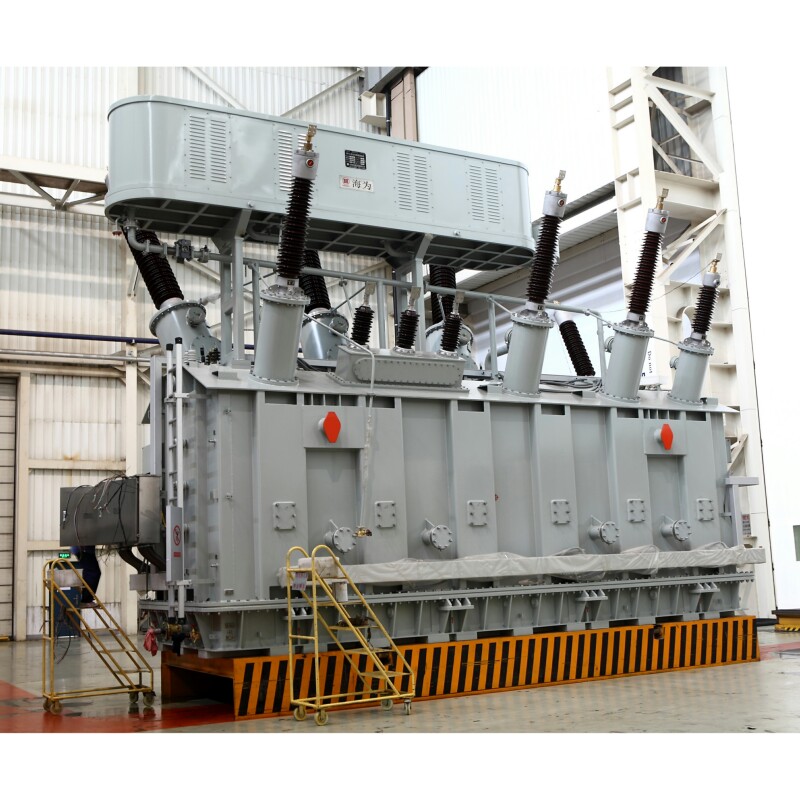
Transformer reliability depends heavily on the condition of its insulation system. During manufacturing, insulation materials such as cellulose paper, pressboard, and solid barriers can absorb moisture from the surrounding environment. Even small amounts of trapped moisture can significantly weaken insulation performance, reduce dielectric strength, and accelerate chemical degradation. If this moisture is not removed before the transformer enters service, it can lead to long-term reliability problems, including partial discharge, insulation breakdown, and premature equipment failure.
Vacuum drying improves transformer reliability by removing moisture and gases from insulation materials under controlled low-pressure and high-temperature conditions, thereby enhancing dielectric strength, preventing insulation degradation, improving oil impregnation, and ensuring stable long-term electrical performance.
Vacuum drying mainly improves transformer appearance and has little effect on internal performance.False
Vacuum drying directly improves the internal insulation condition by removing moisture and gases, which significantly enhances transformer reliability and electrical performance.
Understanding how vacuum drying strengthens transformer reliability helps explain why it is a critical step in modern transformer manufacturing.
1. Increasing Insulation Dielectric Strength
The insulation system inside a transformer must withstand high electrical stresses without breaking down. Moisture inside insulation materials significantly reduces their dielectric strength by increasing electrical conductivity and allowing leakage currents to develop.
Vacuum drying removes this moisture, restoring the insulation’s ability to resist electrical stress.
With properly dried insulation:
- Electric fields remain stable
- Leakage currents are minimized
- Insulation breakdown risk is reduced
Higher dielectric strength ensures that the transformer can safely handle high operating voltages over long periods.
2. Preventing Partial Discharge
Partial discharge is a localized electrical discharge that occurs within weak insulation regions. These discharges gradually erode insulation materials and may eventually lead to internal faults.
Moisture is one of the most common causes of partial discharge because it creates conductive paths and microscopic voids within insulation structures.
Vacuum drying eliminates these moisture-related weaknesses by removing water molecules trapped inside the insulation.
As a result:
- Electric field distribution becomes more uniform
- Internal discharge activity is minimized
- Insulation deterioration is slowed
Reducing partial discharge activity greatly improves long-term transformer reliability.
3. Slowing Insulation Aging
Transformer insulation, particularly cellulose-based materials, naturally degrades over time due to thermal and chemical processes. Moisture accelerates this aging process through chemical reactions such as hydrolysis.
Hydrolysis breaks down cellulose fibers, reducing both mechanical strength and dielectric performance.
Vacuum drying lowers the moisture content of insulation materials to extremely low levels, slowing these chemical reactions and preserving insulation integrity.
Lower moisture levels allow insulation materials to maintain their structural strength for many years.
4. Improving Oil Impregnation Quality
After vacuum drying, oil-immersed transformers are typically filled with insulating oil under vacuum conditions.
Dry insulation allows oil to penetrate deeply into the winding structure and insulation layers. This process is known as oil impregnation.
Effective oil impregnation provides several benefits:
- Eliminates air pockets inside insulation layers
- Enhances heat transfer
- Improves dielectric strength
If insulation materials are not properly dried, trapped moisture and air may prevent oil from fully penetrating the insulation structure, leading to weak points in the insulation system.
Vacuum drying ensures that oil impregnation is thorough and effective.
5. Reducing Internal Gas Formation
Moisture trapped inside insulation materials can react with transformer oil and cellulose components during operation, especially at high temperatures.
These reactions may produce gases such as:
- Hydrogen
- Carbon monoxide
- Carbon dioxide
Gas formation can indicate internal deterioration and may lead to pressure buildup inside the transformer tank.
By removing moisture during the manufacturing process, vacuum drying significantly reduces the likelihood of gas formation and internal chemical reactions.
6. Maintaining Oil Quality
Transformer oil acts as both an electrical insulator and a cooling medium. Moisture contamination can degrade oil quality by reducing its dielectric strength and promoting oxidation.
If insulation materials contain moisture, water can gradually migrate from the solid insulation into the oil during operation.
Vacuum drying removes this moisture before oil filling occurs, helping maintain the oil’s insulating properties throughout the transformer’s service life.
7. Enhancing Thermal Performance
Moisture inside insulation materials can negatively affect heat transfer within the transformer.
Dry insulation improves thermal conductivity and allows heat generated by electrical losses to dissipate more effectively.
Better heat dissipation leads to:
- Lower winding temperatures
- Reduced thermal stress
- Slower insulation aging
Maintaining lower operating temperatures contributes directly to improved reliability and longer transformer lifespan.
8. Supporting Long-Term Operational Stability
Transformers are typically designed to operate for 30–40 years or longer. During such long service periods, insulation stability is critical.
Vacuum drying helps achieve extremely low moisture levels in insulation materials before the transformer is sealed and filled with oil.
Typical moisture targets include:
| Insulation Material | Moisture Level After Drying |
|---|---|
| Cellulose insulation | below 0.5% |
| Pressboard insulation | below 1% |
| Transformer oil | below 10 ppm |
Maintaining these low moisture levels helps ensure consistent electrical performance and reduces the risk of long-term degradation.
What Problems Can Occur Without Proper Vacuum Drying?
During transformer manufacturing, insulation materials such as cellulose paper, pressboard, and solid barriers naturally absorb moisture from the surrounding environment. If this moisture is not properly removed before the transformer is filled with insulating oil or sealed for operation, it can lead to serious performance and reliability problems. Moisture trapped within the insulation structure weakens dielectric strength, accelerates chemical degradation, and creates conditions that increase the risk of electrical faults.
Without proper vacuum drying, transformers may suffer from reduced dielectric strength, partial discharge, accelerated insulation aging, oil contamination, internal gas formation, overheating, and a significantly shorter service life. These issues can eventually lead to costly failures and power system disruptions.
A transformer can operate safely even if significant moisture remains in the insulation after manufacturing.False
Moisture trapped in transformer insulation greatly reduces dielectric strength and accelerates insulation degradation, which can lead to early transformer failure.
Understanding the potential problems caused by inadequate drying highlights why vacuum drying is a critical process in transformer production.
1. Reduced Dielectric Strength
The insulation system in a transformer is designed to withstand high electrical stresses. Moisture within insulation materials increases electrical conductivity and weakens the material’s ability to resist voltage.
When moisture is present:
- Leakage currents increase
- Electric fields become uneven
- Insulation breakdown becomes more likely
Reduced dielectric strength significantly increases the risk of internal electrical faults during operation.
2. Increased Partial Discharge Activity
Partial discharge occurs when localized electrical discharges develop within insulation due to weak dielectric regions.
Moisture contributes to partial discharge by:
- Creating microscopic voids inside insulation
- Increasing electrical conductivity
- Distorting electric field distribution
These small discharges gradually erode insulation materials and can eventually lead to catastrophic insulation failure.
Without proper vacuum drying, the likelihood of partial discharge increases dramatically.
3. Accelerated Insulation Aging
Cellulose insulation used in transformer windings is particularly sensitive to moisture. When water molecules are present, they accelerate chemical degradation processes such as hydrolysis.
Hydrolysis breaks down cellulose chains, weakening the mechanical structure of the insulation.
Consequences include:
- Reduced mechanical strength
- Increased brittleness of insulation materials
- Shortened transformer service life
Once insulation aging accelerates, it cannot be reversed.
4. Formation of Internal Gases
Moisture trapped inside insulation materials may react with transformer oil and cellulose components when the transformer operates at elevated temperatures.
These reactions can generate gases such as:
- Hydrogen
- Carbon monoxide
- Carbon dioxide
Gas formation inside the transformer can indicate internal degradation and may increase internal pressure. Excessive gas accumulation can also activate protective devices or indicate potential faults.
5. Contamination of Transformer Oil
Transformer oil serves as both an insulating medium and a cooling fluid. Moisture present in solid insulation materials can gradually migrate into the oil during operation.
This contamination can cause:
- Reduced dielectric strength of the oil
- Increased electrical conductivity
- Accelerated oil oxidation
Poor oil quality reduces the transformer’s ability to withstand high voltages and maintain efficient cooling.
6. Poor Oil Impregnation
If insulation materials contain moisture before oil filling, the insulating oil may not penetrate fully into the insulation layers.
Incomplete oil impregnation can lead to:
- Air pockets trapped inside windings
- Weak insulation zones
- Increased partial discharge risk
Vacuum drying ensures that insulation materials are dry enough to allow deep oil penetration during filling.
Without proper drying, the insulation system may contain hidden weaknesses from the beginning of operation.
7. Increased Risk of Internal Electrical Faults
Moisture contamination weakens the insulation system and increases the probability of electrical breakdown.
Possible internal faults include:
- Winding short circuits
- Insulation flashover
- Inter-turn faults
Such failures can cause severe damage to the transformer and may require costly repairs or replacement.
8. Overheating and Thermal Instability
Moisture can negatively affect the thermal performance of insulation materials. Wet insulation may have lower thermal conductivity and may generate localized heating under electrical stress.
This can result in:
- Hot spots inside the windings
- Uneven temperature distribution
- Faster insulation deterioration
Over time, these thermal stresses can compromise the stability of the transformer.
9. Reduced Transformer Lifespan
Transformers are typically designed to operate reliably for several decades. However, if insulation contains moisture at the time of manufacturing, long-term degradation begins immediately.
Moisture-related problems can lead to:
- Early insulation failure
- Frequent maintenance requirements
- Unexpected equipment outages
In severe cases, transformers may fail long before their expected service life.
Conclusion
Vacuum drying is an essential step in transformer production that ensures insulation materials are free from moisture and gases before the transformer is sealed and filled with insulating oil or resin. By using vacuum pressure and controlled heating, manufacturers can significantly improve dielectric strength, reduce the risk of partial discharge, and extend transformer service life. Proper vacuum drying therefore plays a key role in guaranteeing transformer quality, reliability, and long-term operational safety.
FAQ
Q1: What is vacuum drying in transformer production?
Vacuum drying is a critical manufacturing process used to remove moisture and gases from transformer insulation materials before final assembly and oil filling. The process typically takes place in a sealed vacuum chamber where pressure is reduced and heat is applied.
Under vacuum conditions, moisture trapped inside insulation materials such as paper, pressboard, and winding insulation evaporates at lower temperatures. This ensures that the insulation system is completely dry before the transformer is energized.
Proper vacuum drying significantly improves transformer reliability and long-term performance.
Q2: Why is moisture removal important in transformer insulation?
Moisture is one of the most damaging contaminants in transformer insulation systems. Even small amounts of water can:
Reduce dielectric strength of insulation
Increase risk of partial discharge
Accelerate insulation aging
Cause internal electrical faults
Because transformer insulation materials are highly hygroscopic (they absorb moisture from the air), thorough drying is essential before the transformer enters service.
Q3: How does the vacuum drying process work?
The vacuum drying process generally follows several steps:
Heating stage: The transformer core and windings are heated to drive moisture toward the surface of insulation materials.
Vacuum stage: Air pressure inside the drying chamber is reduced, allowing water to evaporate quickly at lower temperatures.
Moisture extraction: Vaporized moisture is removed through vacuum pumps and condensers.
Stabilization: The drying cycle continues until moisture content reaches the required level.
This process ensures deep and uniform drying throughout the insulation system.
Q4: What equipment is used in vacuum drying?
Transformer vacuum drying requires specialized equipment, including:
Vacuum drying ovens or autoclaves
High-capacity vacuum pumps
Heating systems (electrical or oil-based heating)
Moisture monitoring instruments
Condensers to collect evaporated water
These systems allow precise control of temperature, pressure, and drying duration.
Q5: What vacuum drying methods are used in transformer manufacturing?
Common vacuum drying technologies include:
Vacuum Oven Drying: Traditional method using heated vacuum chambers
Vapor Phase Drying (VPD): Uses heated solvent vapors to transfer heat efficiently
Hot Air Vacuum Drying: Combines heated air circulation with vacuum conditions
Vapor phase drying is widely used for large power transformers because it provides faster and more uniform drying.
Q6: How does vacuum drying improve transformer reliability?
Vacuum drying enhances transformer reliability by:
Increasing insulation dielectric strength
Preventing internal moisture-related faults
Improving oil-impregnation quality
Extending insulation lifespan
A properly dried transformer can operate safely for decades without insulation degradation caused by trapped moisture.
Q7: When is vacuum drying performed during manufacturing?
Vacuum drying typically occurs after the core and windings are assembled but before final oil filling and tank sealing. This ensures the entire insulation system—including winding insulation, spacers, and pressboard structures—is fully dried before the transformer is sealed.
The process is carefully monitored to ensure moisture content meets strict industry standards.
Q8: Are there standards governing transformer drying processes?
Yes. International standards such as IEC and IEEE transformer manufacturing guidelines define acceptable moisture levels and insulation conditions. Manufacturers must follow strict drying procedures to ensure transformers meet dielectric performance and safety requirements.
Compliance with these standards guarantees high reliability and consistent product quality.
References
IEC 60076 – Power Transformers
https://webstore.iec.ch/publication/602
IEEE C57 Series – Transformer Manufacturing and Testing Standards
https://standards.ieee.org
Electrical Engineering Portal – Transformer Insulation Drying Explained
https://electrical-engineering-portal.com
CIGRE – Transformer Insulation Moisture Control Studies
https://www.cigre.org
NEMA – Transformer Manufacturing Best Practices
https://www.nema.org
IEEE Power & Energy Society – Transformer Insulation Research
https://ieeexplore.ieee.org