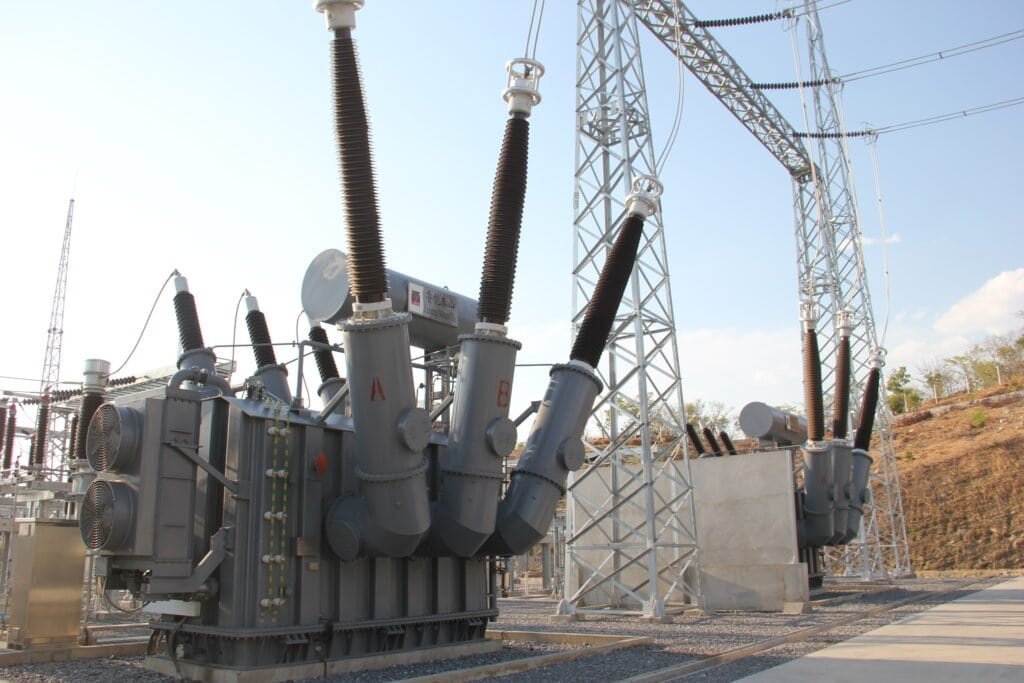
Transformer design is entering a new era driven by the global shift toward cleaner energy, smarter grids, and higher efficiency standards. Modern transformers are no longer just passive devices for voltage conversion—they are becoming intelligent, environmentally friendly, and highly optimized systems. Innovations in materials, digital technologies, and structural design are enabling transformers to meet the evolving demands of power systems while improving reliability and sustainability.
What New Core Materials Are Reducing Energy Losses?
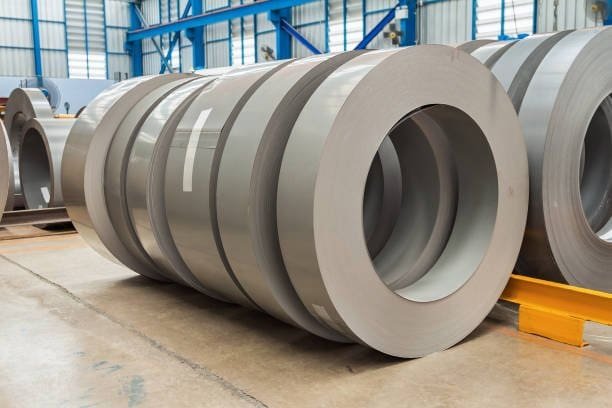
Energy losses in transformers—especially no-load (core) losses—are a persistent concern for utilities, industries, and renewable energy systems aiming to improve efficiency and reduce carbon emissions. Traditional silicon steel cores, while reliable, still dissipate energy as heat due to hysteresis and eddy current losses. Over time, these inefficiencies translate into higher operational costs, reduced system performance, and increased environmental impact. As energy systems move toward net-zero targets, minimizing these losses has become a critical engineering priority.
New core materials such as amorphous metal alloys, nanocrystalline materials, high-grade grain-oriented silicon steel, and advanced composite cores significantly reduce transformer energy losses by lowering hysteresis and eddy current losses, improving magnetic permeability, and enhancing overall efficiency. These innovations enable transformers to operate with much lower no-load losses, making them essential for modern energy-efficient power systems.
To fully understand how these materials contribute to efficiency improvements, it is important to explore their properties, performance differences, and real-world applications in transformer manufacturing.
All transformer core materials have similar energy loss characteristics regardless of their composition.False
Different core materials have significantly different magnetic properties, which directly affect hysteresis and eddy current losses in transformers.
How Core Losses Occur in Transformers
Core losses, also known as no-load losses, occur whenever a transformer is energized, regardless of whether it is supplying load.
These losses primarily consist of:
- Hysteresis Loss – caused by repeated magnetization and demagnetization of the core material
- Eddy Current Loss – caused by circulating currents induced within the core
The total core loss can be approximated by:
P = Ph + Pe
Where
P = total core loss
Ph = hysteresis loss
Pe = eddy current loss
Reducing these losses requires materials with superior magnetic properties and optimized microstructures.
1. Amorphous Metal Alloys
Amorphous metal cores are one of the most significant advancements in transformer core technology.
Key Characteristics
• Non-crystalline atomic structure
• Extremely low hysteresis loss
• Thin ribbon construction (reduces eddy currents)
Because the atomic structure lacks long-range order, magnetic domain movement is more efficient, resulting in much lower energy loss during magnetization cycles.
Performance Comparison
| Property | Conventional Silicon Steel | Amorphous Metal |
|---|---|---|
| Core Loss | High | Very Low (up to 70% reduction) |
| Efficiency | Moderate | Very High |
| Cost | Lower | Higher |
| Application | Standard transformers | Energy-efficient distribution transformers |
Amorphous core transformers are widely used in distribution networks where transformers remain energized continuously.
2. Nanocrystalline Core Materials
Nanocrystalline materials represent the next generation of magnetic core technology.
Key Features
• Ultra-fine grain structure (10–100 nm)
• High magnetic permeability
• Low coercivity
• Excellent thermal stability
These materials combine the advantages of amorphous metals with improved mechanical strength and magnetic performance.
Advantages
- Lower core losses than traditional materials
- Improved efficiency at high frequencies
- Better performance under variable load conditions
Nanocrystalline cores are particularly suitable for advanced power electronics and renewable energy systems.
3. High-Grade Grain-Oriented Silicon Steel
While newer materials are gaining popularity, grain-oriented silicon steel (GO steel) remains widely used due to its cost-effectiveness and proven performance.
Recent advancements in GO steel include:
• Laser scribing technology
• Improved grain alignment
• Thinner laminations
These improvements reduce magnetic domain losses and eddy current losses, resulting in higher efficiency compared to older silicon steel grades.
Performance Enhancements
| Feature | Conventional GO Steel | Advanced GO Steel |
|---|---|---|
| Core Loss | Moderate | Reduced by 10–20% |
| Magnetic Flux Density | Standard | Higher |
| Efficiency | Good | Improved |
Advanced GO steel remains a practical choice for large power transformers.
4. Composite and Hybrid Core Designs
Some modern transformers use hybrid core structures that combine different materials to optimize performance.
Examples include:
• Amorphous steel combined with silicon steel
• Layered core designs for specific flux regions
• Composite magnetic materials
These designs allow manufacturers to balance cost, efficiency, and mechanical strength.
5. Impact on Energy Efficiency and Sustainability
The adoption of advanced core materials has a direct impact on energy efficiency and environmental performance.
Benefits
- Reduced no-load losses
- Lower operating temperatures
- Reduced greenhouse gas emissions
- Improved system efficiency
For utilities operating large transformer fleets, even small efficiency improvements can result in significant energy savings over time.
6. Application in Renewable Energy Systems
Renewable energy systems, such as wind and solar power, require highly efficient transformers due to variable generation profiles.
Advanced core materials help:
• Reduce standby losses in intermittent operation
• Improve efficiency under variable loads
• Support grid stability
Amorphous and nanocrystalline cores are increasingly used in these applications.
7. Cost vs Performance Considerations
While advanced materials offer significant efficiency benefits, they also come with higher initial costs.
| Material Type | Initial Cost | Energy Savings | Payback Period |
|---|---|---|---|
| Silicon Steel | Low | Moderate | Short |
| Amorphous Metal | Medium-High | High | Medium |
| Nanocrystalline | High | Very High | Longer |
In many cases, the long-term energy savings justify the higher upfront investment.
How Are Smart Sensors and Digital Monitoring Enhancing Transformer Performance?
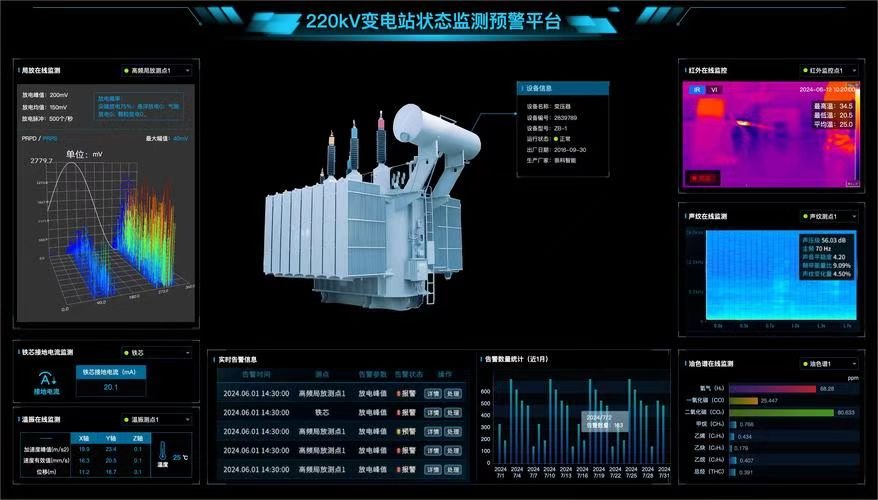
Transformer failures are often caused by hidden issues such as insulation degradation, overheating, moisture ingress, or abnormal loading conditions that go undetected until significant damage occurs. Traditional maintenance approaches rely heavily on periodic inspections, which may miss early warning signs of failure. This reactive approach can lead to unexpected outages, costly repairs, and reduced equipment lifespan. As power systems become more complex and reliability requirements increase, there is a growing need for real-time, data-driven monitoring solutions.
Smart sensors and digital monitoring enhance transformer performance by providing real-time data on key parameters such as temperature, load, moisture, and gas levels, enabling predictive maintenance, early fault detection, improved operational efficiency, and extended transformer lifespan. These technologies transform transformers from passive equipment into intelligent assets within modern power systems.
To fully understand their impact, it is essential to explore how these technologies work and the benefits they provide across transformer operation and maintenance.
Traditional transformer monitoring methods are sufficient and digital monitoring provides little additional value.False
Digital monitoring provides real-time insights, predictive analytics, and early fault detection that significantly improve transformer reliability and performance compared to traditional methods.
How Smart Sensors Work in Transformers
Smart sensors are embedded or externally installed devices that continuously measure critical operating parameters within the transformer.
These sensors collect data such as:
• Oil temperature
• Winding temperature
• Load current and voltage
• Moisture content in oil
• Dissolved gas levels
• Vibration and acoustic signals
The collected data is transmitted to digital monitoring systems, where it is analyzed in real time.
1. Real-Time Condition Monitoring
One of the most significant advantages of smart sensors is the ability to monitor transformer conditions continuously.
Unlike traditional inspection methods, which are performed at fixed intervals, real-time monitoring provides constant visibility into transformer health.
Key Benefits
- Immediate detection of abnormal conditions
- Continuous tracking of performance trends
- Reduced reliance on manual inspections
Real-time data allows operators to respond quickly to potential issues before they escalate.
2. Predictive Maintenance Capabilities
Digital monitoring systems use advanced analytics and algorithms to predict potential failures before they occur.
By analyzing historical and real-time data, these systems can identify patterns that indicate developing faults.
Examples of Predictive Insights
• Insulation degradation trends
• Overheating patterns
• Gas generation indicating internal faults
This approach shifts maintenance from reactive to predictive, reducing downtime and maintenance costs.
3. Dissolved Gas Analysis (DGA) Monitoring
Dissolved Gas Analysis is one of the most important diagnostic tools for transformers.
Smart DGA sensors continuously monitor gases dissolved in transformer oil, such as:
• Hydrogen
• Methane
• Ethylene
• Acetylene
Different gas patterns indicate different types of faults, including overheating, insulation breakdown, or arcing.
Typical Gas Interpretation
| Gas Type | Possible Fault |
|---|---|
| Hydrogen | Partial discharge |
| Methane | Low-temperature overheating |
| Acetylene | Arcing |
| Ethylene | High-temperature faults |
Real-time DGA monitoring enables early detection of internal faults that would otherwise remain hidden.
4. Thermal Monitoring and Load Optimization
Temperature is one of the most critical factors affecting transformer performance and lifespan.
Smart sensors provide accurate measurements of:
• Winding hot-spot temperature
• Top oil temperature
• Ambient temperature
This data allows operators to optimize transformer loading.
Benefits
- Prevents overheating
- Maximizes transformer utilization
- Extends insulation life
Thermal monitoring ensures that transformers operate within safe temperature limits.
5. Moisture Monitoring in Insulation
Moisture is a major factor affecting insulation reliability.
Smart moisture sensors detect water content in transformer oil and insulation materials.
Impact of Moisture Monitoring
• Prevents insulation degradation
• Maintains dielectric strength
• Reduces risk of electrical breakdown
Early detection of moisture ingress allows corrective actions before damage occurs.
6. Digital Twins and Advanced Analytics
Modern transformer monitoring systems often include digital twin technology, which creates a virtual model of the transformer.
This model simulates transformer behavior based on real-time data.
Capabilities
- Predicts future performance
- Simulates different operating conditions
- Identifies potential failure scenarios
Digital twins enable more accurate decision-making and long-term asset management.
7. Remote Monitoring and Control
Smart transformers can be monitored remotely through cloud-based platforms.
Operators can access real-time data from anywhere, enabling:
• Remote diagnostics
• Faster response to faults
• Reduced need for on-site inspections
This is particularly valuable for transformers located in remote or harsh environments.
8. Improved Protection and Fault Detection
Digital monitoring systems integrate with protection systems to improve fault detection accuracy.
Advanced algorithms can distinguish between:
• Normal operating conditions
• Inrush currents
• Fault currents
This reduces false trips and ensures reliable protection.
9. Data-Driven Asset Management
Smart monitoring systems generate large amounts of operational data that can be used for long-term asset management.
Applications
• Lifecycle assessment
• Maintenance scheduling
• Performance benchmarking
Utilities can use this data to optimize their transformer fleets and reduce operational costs.
10. Performance Comparison: Traditional vs Smart Monitoring
| Feature | Traditional Monitoring | Smart Monitoring |
|---|---|---|
| Data Frequency | Periodic | Continuous |
| Fault Detection | Delayed | Real-time |
| Maintenance Approach | Reactive | Predictive |
| Reliability | Moderate | High |
| Operational Insight | Limited | Comprehensive |
Smart monitoring clearly provides significant advantages in performance and reliability.
What Innovations in Insulation Systems Are Improving Safety and Lifespan?
Transformer insulation systems are at the heart of electrical reliability and safety. However, traditional insulation materials and designs face increasing challenges from higher load demands, thermal stress, moisture ingress, and aging mechanisms. When insulation degrades, it can lead to partial discharge, electrical breakdown, overheating, and ultimately catastrophic transformer failure. These risks not only shorten equipment lifespan but also increase maintenance costs and operational downtime, making insulation innovation a critical focus for modern transformer design.
Innovations in transformer insulation systems—such as advanced polymer materials, high-temperature aramid insulation, nano-enhanced fluids, improved resin technologies, hybrid insulation structures, and intelligent monitoring integration—are significantly improving safety, thermal performance, and lifespan by enhancing dielectric strength, reducing aging rates, and increasing resistance to environmental and electrical stress.
To fully appreciate how these innovations are reshaping transformer performance, it is essential to examine the materials, technologies, and engineering approaches that are driving these improvements.
Traditional cellulose insulation is sufficient for all modern transformer applications without any need for innovation.False
Modern power demands and operating conditions require advanced insulation materials and technologies to improve thermal performance, safety, and lifespan beyond what traditional cellulose insulation alone can provide.
1. High-Temperature Aramid Insulation (Nomex-Type Materials)
One of the most significant advancements in transformer insulation is the use of aramid fiber-based materials, commonly known as Nomex-type insulation.
Key Properties
• High thermal class (up to 220°C or higher)
• उत्कृष्ट mechanical strength
• Excellent dielectric properties
• مقاومت to thermal aging
Unlike traditional cellulose insulation, which typically has a thermal limit of around 105–120°C, aramid insulation can withstand much higher temperatures without degradation.
Benefits
- Increased load capacity without overheating
- Extended insulation lifespan
- Improved fire resistance
This makes aramid insulation ideal for high-performance and compact transformer designs.
2. Nano-Enhanced Insulating Fluids
Recent innovations in insulating oils include the use of nanoparticle additives to improve electrical and thermal properties.
These nanoparticles—such as metal oxides or carbon-based materials—are dispersed within the insulating fluid.
Performance Improvements
• Increased dielectric strength
• Enhanced thermal conductivity
• Reduced partial discharge activity
Comparison Table
| Property | Conventional Oil | Nano-Enhanced Oil |
|---|---|---|
| Dielectric Strength | Standard | Higher |
| Thermal Conductivity | Moderate | Improved |
| Breakdown Voltage | Lower | Higher |
| Cooling Efficiency | Good | Enhanced |
Nano-enhanced oils help transformers operate more efficiently while reducing the risk of electrical failure.
3. Advanced Resin Insulation Systems
Dry-type transformers have benefited greatly from improvements in resin-based insulation technologies.
Two major systems include:
• Cast resin insulation
• Vacuum Pressure Impregnation (VPI)
Modern resin formulations offer:
• Improved thermal conductivity
• Higher mechanical strength
• Better resistance to moisture and environmental contaminants
Advantages
- Enhanced fire safety (self-extinguishing properties)
- Reduced maintenance requirements
- Increased resistance to vibration and mechanical stress
These systems are widely used in indoor and urban applications where safety is critical.
4. Hybrid Insulation Systems
Modern transformers often use hybrid insulation systems that combine multiple materials to optimize performance.
Examples include:
• Cellulose paper combined with aramid layers
• Oil-paper insulation enhanced with polymer barriers
• Composite insulation structures for high-stress regions
Benefits
• Improved dielectric performance
• Enhanced thermal resistance
• Better mechanical stability
Hybrid systems allow engineers to tailor insulation properties to specific operating conditions.
5. Moisture-Resistant Insulation Technologies
Moisture is one of the most damaging factors for transformer insulation.
New insulation technologies focus on reducing moisture absorption and improving moisture tolerance.
Innovations Include
• Hydrophobic insulation coatings
• Improved oil-paper impregnation techniques
• Moisture-resistant polymer materials
Impact
- Reduced insulation degradation
- Improved dielectric strength
- Extended service life
Moisture-resistant systems are especially important in humid or harsh environments.
6. Solid Insulation with Improved Thermal Conductivity
Traditional insulation materials can limit heat dissipation.
New developments aim to improve thermal conductivity without compromising electrical insulation.
These include:
• Thermally enhanced pressboard materials
• Composite insulation with conductive fillers
• Optimized winding insulation structures
Better heat dissipation reduces hot spots and slows insulation aging.
7. Fire-Resistant and Eco-Friendly Insulation Systems
Safety and environmental concerns have driven the development of fire-resistant and biodegradable insulation systems.
Examples include:
• Natural ester insulating fluids
• Flame-retardant insulation materials
• Low-toxicity resin systems
Benefits
• Reduced fire risk
• Lower environmental impact
• Compliance with safety regulations
These systems are increasingly used in urban and environmentally sensitive areas.
8. Integration with Smart Monitoring Systems
Modern insulation systems are often integrated with digital monitoring technologies.
Sensors can monitor:
• Temperature
• Moisture levels
• Partial discharge activity
This real-time data helps detect insulation degradation early.
Advantages
- Predictive maintenance
- Reduced failure risk
- Improved asset management
Smart insulation systems combine material innovation with digital intelligence.
9. Improved Manufacturing and Processing Techniques
Advances in manufacturing processes have also improved insulation quality.
Key improvements include:
• Vacuum drying and vacuum oil filling
• Precision winding insulation techniques
• Automated quality control systems
These processes ensure consistent insulation performance and reduce defects.
10. Comparative Performance of Modern Insulation Systems
| Feature | Traditional Insulation | Advanced Insulation Systems |
|---|---|---|
| Thermal Limit | Low | High |
| Moisture Resistance | Moderate | High |
| Fire Safety | Limited | Enhanced |
| Lifespan | Standard | Extended |
| Maintenance Needs | Higher | Lower |
These improvements demonstrate the significant advantages of modern insulation technologies.
How Are Advanced Cooling Technologies Increasing Efficiency?
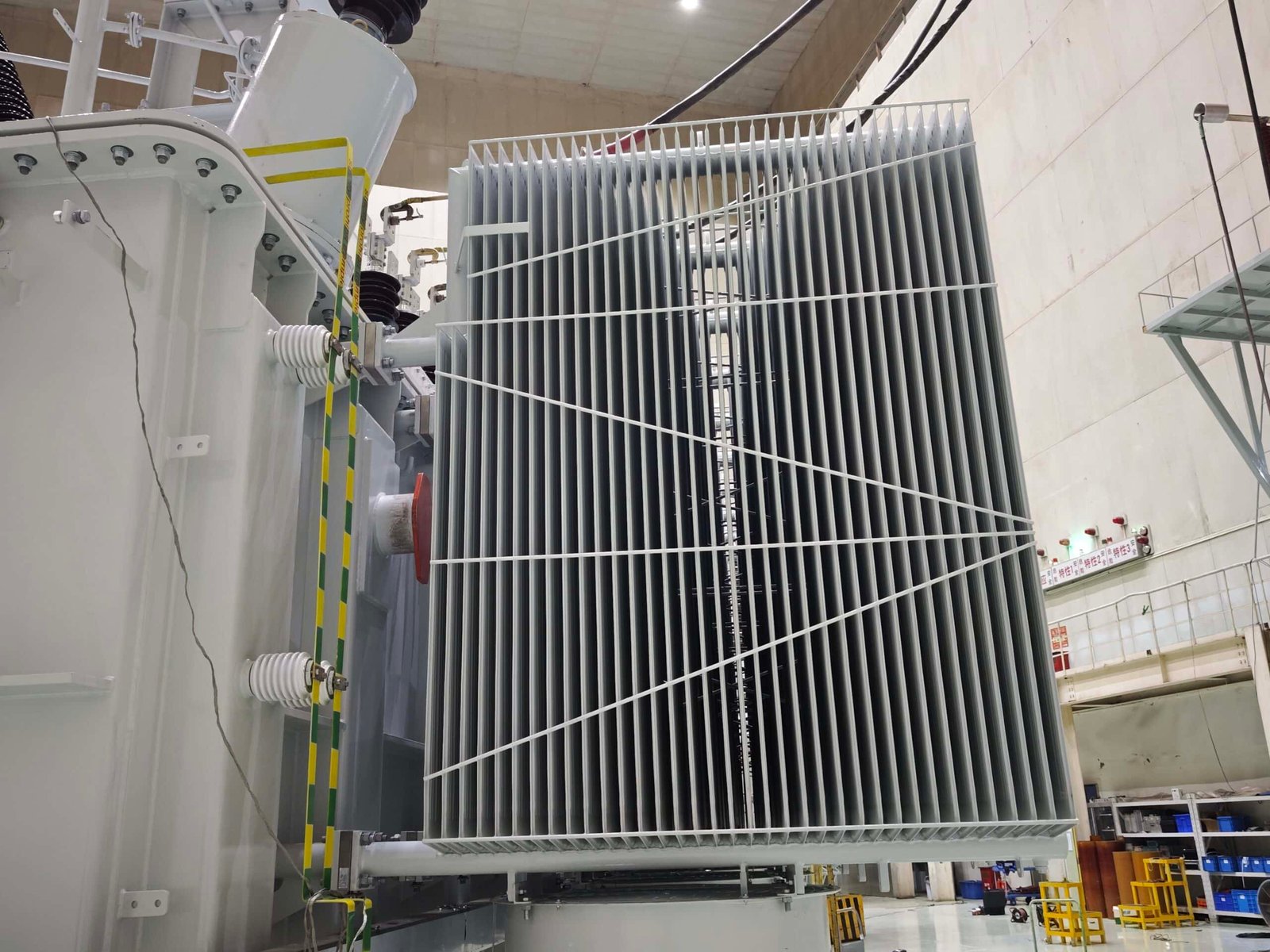
Excessive heat is one of the primary enemies of transformer efficiency and longevity. As transformers operate, electrical losses in windings and cores generate heat, which—if not effectively dissipated—raises operating temperatures, increases resistance losses, accelerates insulation aging, and reduces overall system efficiency. Traditional cooling systems, while functional, often lack the precision and adaptability required for modern high-load and energy-efficient applications. Without advanced cooling strategies, transformers risk operating below optimal efficiency and experiencing premature failure.
Advanced cooling technologies increase transformer efficiency by improving heat transfer, stabilizing operating temperatures, reducing electrical losses, enabling higher load capacity, and extending insulation life through intelligent, adaptive, and high-performance thermal management systems. These innovations allow transformers to operate closer to their design limits while minimizing energy waste.
To fully understand the efficiency gains, it is essential to examine how modern cooling technologies enhance thermal performance and system optimization.
Cooling systems only serve to prevent overheating and do not influence transformer efficiency.False
Cooling systems directly impact efficiency by controlling temperature, which affects resistance losses, insulation aging, and overall transformer performance.
The following sections provide a detailed technical breakdown of how advanced cooling technologies are transforming transformer efficiency.
1. Reduction of Copper Losses Through Temperature Control
Transformer winding losses, commonly referred to as copper losses, are highly dependent on temperature. As temperature increases, the electrical resistance of conductors also increases, leading to higher energy losses.
The relationship is expressed as:
R = R₀ (1 + αΔT)
Where:
R = resistance at operating temperature
R₀ = resistance at reference temperature
α = temperature coefficient
ΔT = temperature rise
By maintaining lower operating temperatures through advanced cooling, resistance is minimized, which directly reduces I²R losses and improves efficiency.
In high-load transformers, even a small reduction in temperature can result in significant energy savings over time.
2. Directed Oil Flow and Internal Cooling Optimization
Modern oil-immersed transformers utilize directed oil flow technology to improve internal heat removal.
Instead of relying on natural convection, advanced designs guide oil precisely through critical heat-generating zones such as:
• winding hot spots
• core regions
• insulation interfaces
This is achieved through engineered oil ducts, barriers, and flow channels.
Benefits of Directed Cooling
- Uniform temperature distribution
- Elimination of localized hot spots
- Improved heat transfer efficiency
By optimizing internal cooling paths, transformers achieve better thermal balance and higher operational efficiency.
3. High-Efficiency Cooling Modes and Configurations
Advanced transformers employ various cooling configurations depending on load requirements.
Cooling Method Comparison
| Cooling Type | Description | Efficiency Impact |
|---|---|---|
| ONAN | Oil Natural Air Natural | Baseline efficiency |
| ONAF | Oil Natural Air Forced | Improved heat removal |
| OFAF | Oil Forced Air Forced | High efficiency |
| OFWF | Oil Forced Water Forced | Maximum heat dissipation |
Forced cooling systems (fans and pumps) significantly increase heat transfer rates, allowing transformers to operate at higher loads without excessive temperature rise.
4. Advanced Heat Exchanger and Radiator Design
Radiators and heat exchangers play a critical role in transferring heat from transformer oil to the surrounding environment.
Recent innovations include:
• optimized fin geometry for increased surface area
• enhanced airflow design
• corrosion-resistant and anti-fouling coatings
These improvements increase the efficiency of heat exchange processes.
Performance Comparison
| Feature | Traditional Radiators | Advanced Radiators |
|---|---|---|
| Heat Transfer Area | Standard | Expanded |
| Cooling Efficiency | Moderate | High |
| Maintenance Needs | Higher | Reduced |
Efficient radiators reduce the temperature difference between oil and ambient air, improving overall system efficiency.
5. Smart Cooling Control Systems
Digitalization has enabled the development of intelligent cooling systems that dynamically adjust cooling performance based on real-time operating conditions.
Key Features
• temperature-based fan and pump control
• load-dependent cooling optimization
• predictive thermal management algorithms
Smart systems ensure that cooling resources are used efficiently, avoiding unnecessary energy consumption.
Advantages
- Reduced auxiliary power consumption
- Optimized thermal performance
- Extended component lifespan
By matching cooling output to actual demand, these systems significantly enhance efficiency.
6. High-Performance Insulating Fluids
Modern insulating fluids contribute to improved cooling efficiency due to enhanced thermal properties.
Examples include:
• synthetic ester fluids
• natural ester oils
• nano-enhanced insulating oils
Key Improvements
• higher thermal conductivity
• improved heat capacity
• better fluid flow characteristics at varying temperatures
These fluids enable faster heat removal from internal components, reducing overall operating temperature.
7. Hybrid Cooling Technologies
Hybrid cooling systems combine multiple cooling mechanisms to maximize efficiency under varying operating conditions.
Examples include:
• oil-air hybrid cooling
• oil-water combined systems
• passive and active cooling integration
Hybrid systems provide flexibility, allowing transformers to maintain optimal performance across different load levels and environmental conditions.
8. Impact on Insulation Lifespan
Cooling technologies directly influence insulation aging.
According to thermal aging principles, insulation life approximately halves for every 6–8°C increase in temperature.
Cooling Benefits
• reduced thermal stress
• slower insulation degradation
• extended transformer lifespan
Maintaining lower temperatures through advanced cooling significantly enhances long-term reliability.
9. Energy Efficiency and Sustainability Benefits
Advanced cooling technologies contribute to broader energy efficiency goals.
Key Outcomes
• reduced total energy losses
• lower greenhouse gas emissions
• improved grid efficiency
• compliance with energy efficiency standards
For utilities operating large transformer fleets, these improvements translate into substantial cost savings and environmental benefits.
10. Performance Summary
| Parameter | Traditional Cooling | Advanced Cooling |
|---|---|---|
| Temperature Control | Moderate | Precise |
| Energy Losses | Higher | Reduced |
| Load Capacity | Limited | Increased |
| Lifespan | Standard | Extended |
| Efficiency | Good | Optimized |
These improvements demonstrate the critical role of advanced cooling technologies in modern transformer design.
What Role Do Eco-Friendly Designs Play in Modern Transformers?
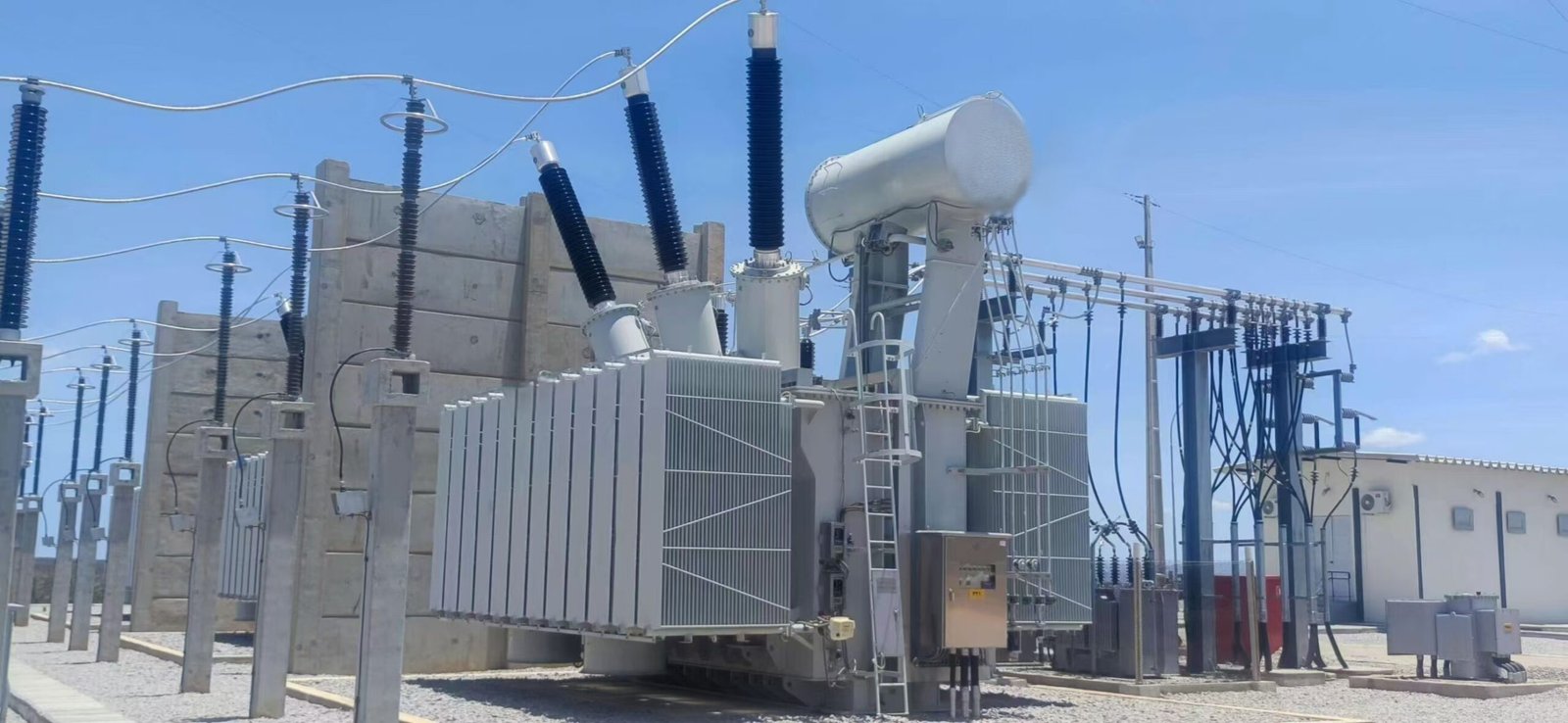
Modern power systems are under increasing pressure to reduce environmental impact while maintaining high reliability and efficiency. Traditional transformers, although essential, can contribute to energy losses, oil leakage risks, and environmental pollution if not properly designed. With stricter environmental regulations and global sustainability goals such as carbon neutrality, transformer manufacturers must rethink design approaches to minimize ecological footprint without compromising performance.
Eco-friendly designs in modern transformers focus on reducing energy losses, using biodegradable insulating materials, improving recyclability, enhancing safety, and lowering lifecycle environmental impact while maintaining high efficiency and reliability. These innovations align transformer technology with global sustainability and net-zero objectives.
To fully understand their importance, it is necessary to explore how eco-friendly design principles are integrated into transformer engineering and how they contribute to both environmental protection and operational performance.
Eco-friendly transformer designs reduce performance and are only implemented to meet environmental regulations.False
Eco-friendly designs often improve efficiency, safety, and lifespan while also reducing environmental impact, making them beneficial both technically and environmentally.
1. Reduction of Energy Losses
One of the most significant contributions of eco-friendly transformer design is the reduction of energy losses.
Transformers experience two primary types of losses:
• no-load (core) losses
• load (copper) losses
Advanced materials and design techniques reduce these losses significantly.
Key Technologies
• amorphous metal cores
• nanocrystalline materials
• optimized winding designs
Impact
| Parameter | Conventional Transformer | Eco-Friendly Transformer |
|---|---|---|
| Core Loss | Higher | Significantly Reduced |
| Copper Loss | Moderate | Lower |
| Efficiency | Standard | High |
Reducing energy losses not only improves efficiency but also decreases greenhouse gas emissions associated with electricity generation.
2. Use of Biodegradable Insulating Fluids
Traditional mineral oil poses environmental risks in case of leakage or spills.
Eco-friendly transformers increasingly use biodegradable insulating fluids, such as:
• natural ester oils (vegetable-based)
• synthetic esters
Advantages
- High biodegradability
- Lower environmental toxicity
- Higher fire point (improved safety)
These fluids reduce the environmental impact of transformer operation, especially in sensitive locations such as urban areas, water protection zones, and forests.
3. Improved Fire Safety
Eco-friendly designs often incorporate materials that enhance fire safety.
Natural ester fluids and advanced insulation materials offer:
• higher flash and fire points
• self-extinguishing properties
• reduced risk of fire propagation
This is particularly important in densely populated or environmentally sensitive areas.
4. Sustainable and Recyclable Materials
Modern transformer design emphasizes the use of recyclable and sustainable materials.
Examples include:
• recyclable steel cores
• environmentally friendly insulation materials
• reduced use of hazardous substances
Designing transformers for easier disassembly and recycling at the end of life reduces waste and supports circular economy principles.
5. Reduction of Carbon Footprint
Eco-friendly transformers contribute to reducing the overall carbon footprint across their lifecycle.
This includes:
• lower operational energy losses
• reduced emissions during manufacturing
• improved efficiency in power transmission
Lifecycle assessment (LCA) is often used to evaluate environmental impact from production to disposal.
Lifecycle Impact Comparison
| Stage | Traditional Design | Eco-Friendly Design |
|---|---|---|
| Manufacturing | Higher emissions | Reduced emissions |
| Operation | Higher losses | Lower losses |
| End-of-Life | Limited recycling | High recyclability |
6. Compact and Resource-Efficient Design
Eco-friendly transformers often feature compact designs that use fewer raw materials while maintaining performance.
Benefits include:
• reduced material consumption
• lower transportation impact
• space-saving installation
Compact designs also contribute to improved efficiency by optimizing internal layouts and reducing losses.
7. Noise Reduction and Environmental Impact
Noise pollution is another environmental concern, especially in urban areas.
Advanced eco-friendly designs reduce transformer noise through:
• improved core materials
• vibration damping structures
• optimized assembly techniques
Lower noise levels improve environmental compatibility and community acceptance.
8. Integration with Renewable Energy Systems
Eco-friendly transformers are essential for integrating renewable energy sources into power systems.
They are widely used in:
• wind power plants
• solar energy systems
• energy storage systems
These transformers must handle variable loads efficiently while minimizing losses, making eco-friendly design critical.
9. Compliance with Environmental Standards
Modern transformers must comply with international environmental and efficiency standards.
Examples include:
• energy efficiency regulations
• environmental protection guidelines
• safety and fire standards
Eco-friendly designs ensure compliance while also improving performance.
10. Long-Term Economic Benefits
Although eco-friendly transformers may have higher initial costs, they offer significant long-term economic advantages.
Benefits
- Reduced energy costs due to higher efficiency
- Lower maintenance requirements
- Longer service life
- Reduced environmental liability
These factors make eco-friendly transformers a cost-effective solution over their lifecycle.
How Are Compact and Modular Designs Changing Installation and Applications?
Traditional transformer installations often require extensive civil works, large footprints, complex wiring, and prolonged on-site assembly. These challenges increase project timelines, labor costs, and installation risks—especially in urban environments or remote locations where space and resources are limited. As power systems expand and diversify, there is a growing demand for faster deployment, flexible configurations, and space-efficient solutions that can adapt to modern infrastructure needs.
Compact and modular transformer designs are transforming installation and applications by integrating multiple components into prefabricated units, reducing footprint, simplifying site work, enabling rapid deployment, and providing flexible scalability for diverse power system requirements. These innovations are redefining how transformers are deployed across industries and environments.
To fully understand their impact, it is important to explore how compact and modular approaches improve efficiency, adaptability, and overall system performance.
Compact transformer designs reduce performance and are only suitable for low-power applications.False
Modern compact and modular transformers are engineered to maintain high performance while offering space-saving and installation advantages across a wide range of applications.
1. Integrated Design and Space Optimization
Compact transformers are designed with high integration of components, combining elements such as:
• transformer core and windings
• switchgear
• protection systems
• cooling systems
into a single enclosure or modular structure.
Benefits
- Reduced installation footprint
- Efficient use of limited space
- Simplified layout planning
This is particularly valuable in urban environments, industrial plants, and renewable energy installations where space is constrained.
Comparison Table
| Feature | Traditional Substation | Compact Modular Design |
|---|---|---|
| Footprint | Large | Significantly Reduced |
| Layout Complexity | High | Simplified |
| Space Utilization | Moderate | Optimized |
2. Reduced Civil Engineering Requirements
Traditional transformer installations often require extensive civil works, including:
• large concrete foundations
• cable trenches
• separate equipment structures
Compact modular systems minimize these requirements by using prefabricated enclosures and standardized interfaces.
Advantages
• shorter construction time
• lower civil engineering costs
• reduced site disruption
In many cases, installation only requires a prepared base or platform, significantly simplifying project execution.
3. Faster Installation and Commissioning
One of the most significant advantages of modular transformer systems is rapid deployment.
Because these systems are preassembled and factory-tested, on-site installation is greatly simplified.
Key Factors
- Plug-and-play electrical connections
- Pre-integrated protection and control systems
- Reduced on-site wiring and assembly
This allows projects to move from delivery to operation in a much shorter timeframe compared to traditional installations.
4. Modular Scalability and Flexibility
Modular transformer systems are designed to be scalable, allowing additional units to be added as demand grows.
Applications
• expanding industrial facilities
• growing urban infrastructure
• renewable energy projects
Benefits
• flexible capacity expansion
• reduced upfront investment
• adaptability to changing requirements
This modular approach enables utilities and industries to scale their systems efficiently without major redesign.
5. Improved Quality Through Factory Assembly
Compact modular transformers are typically assembled and tested in controlled factory environments.
Advantages
• consistent manufacturing quality
• reduced installation errors
• comprehensive pre-delivery testing
Factory-controlled production ensures higher reliability compared to on-site assembly under variable conditions.
6. Enhanced Safety and Environmental Protection
Integrated designs improve safety by enclosing critical components within protective housings.
Safety Features
• sealed enclosures
• integrated fire protection systems
• reduced exposure to live components
Environmental benefits include:
• reduced oil leakage risk
• lower noise levels
• minimized environmental impact
These features make compact transformers suitable for urban and sensitive environments.
7. Application in Urban Infrastructure
Compact transformer systems are widely used in urban environments where space is limited and installation must be efficient.
Typical applications include:
• commercial buildings
• residential developments
• underground substations
• transportation systems
Their small footprint and low visual impact make them ideal for densely populated areas.
8. Use in Renewable Energy Systems
Renewable energy projects often require flexible and rapidly deployable transformer solutions.
Compact modular transformers are commonly used in:
• solar power plants
• wind farms
• energy storage systems
These systems benefit from modularity, allowing easy expansion as generation capacity increases.
9. Deployment in Remote and Harsh Environments
Modular transformers are well-suited for remote or challenging environments due to their ease of transport and installation.
Examples include:
• mining sites
• oil and gas facilities
• Arctic installations
Preassembled units reduce the need for extensive on-site work, which is particularly valuable in locations with limited infrastructure.
10. Lifecycle Cost and Efficiency Benefits
Compact modular designs offer significant economic advantages over their lifecycle.
Key Benefits
- reduced installation costs
- lower maintenance requirements
- improved operational efficiency
- faster return on investment
Cost Comparison Table
| Cost Factor | Traditional System | Modular System |
|---|---|---|
| Installation Cost | High | Lower |
| Construction Time | Long | Short |
| Maintenance Cost | Moderate | Reduced |
| Flexibility | Limited | High |
These benefits make modular transformers an attractive solution for modern power systems.
Conclusion
The latest innovations in transformer design are focused on achieving higher efficiency, smarter operation, and greater environmental compatibility. Advanced core materials significantly reduce no-load losses, while improved insulation systems enhance durability and safety. Digital monitoring technologies allow real-time performance tracking and predictive maintenance, reducing downtime and operational risk. At the same time, eco-friendly materials and compact modular designs are making transformers more adaptable to urban environments and renewable energy systems.
Together, these innovations are redefining transformers as intelligent and sustainable assets within modern power networks, supporting the transition toward more efficient, reliable, and low-carbon energy systems.
FAQ
Q1: What are the latest innovations in transformer design?
Modern transformer design is evolving rapidly to meet the demands of efficiency, sustainability, and digitalization. Key innovations include:
Smart transformers with real-time monitoring
Low-loss core materials such as amorphous metal
Eco-friendly insulating fluids
Digital twin technology for predictive maintenance
Compact and modular substation designs
These innovations improve performance, reduce environmental impact, and enhance grid reliability.
Q2: How are smart transformers changing the power industry?
Smart transformers integrate sensors, communication systems, and data analytics to monitor performance in real time. They can track:
Temperature and load conditions
Oil quality and dissolved gases
Partial discharge activity
Voltage and current variations
This data enables predictive maintenance, reduces downtime, and allows utilities to optimize asset utilization, making power systems more resilient and efficient.
Q3: What role do advanced materials play in modern transformer design?
Advanced materials significantly improve transformer efficiency and sustainability. Examples include:
Amorphous metal cores for reduced no-load losses
High-temperature insulation materials for better thermal performance
Biodegradable ester fluids for environmental safety
High-conductivity conductors to reduce copper losses
These materials help minimize energy losses and extend transformer lifespan.
Q4: What is a digital twin in transformer technology?
A digital twin is a virtual replica of a physical transformer that uses real-time data and simulation models to predict behavior and performance.
Digital twins allow operators to:
Simulate different load scenarios
Predict failures before they occur
Optimize maintenance schedules
Improve operational efficiency
This technology is becoming essential for managing large power networks and critical infrastructure.
Q5: How are transformers becoming more environmentally friendly?
Environmental sustainability is a major focus in transformer innovation. Modern designs include:
Reduced energy losses to lower carbon emissions
Use of biodegradable and non-toxic insulating fluids
Elimination or reduction of mineral oil
Recyclable materials and eco-design principles
These improvements support global efforts toward net-zero energy systems and reduced environmental impact.
Q6: What innovations improve transformer safety?
Safety enhancements in modern transformers include:
Fire-resistant insulation systems
Dry-type and cast resin technologies
Advanced protection and monitoring systems
Improved enclosure designs for public safety
These features reduce risks of fire, leakage, and electrical hazards, especially in urban and indoor installations.
Q7: How is compact and modular design changing transformer deployment?
Compact and modular transformer solutions, such as prefabricated substations and box transformers, allow faster deployment and reduced installation space.
Benefits include:
Plug-and-play installation
Reduced construction time
Lower installation costs
Flexibility for future expansion
These designs are especially useful in urban areas and renewable energy projects.
Q8: What is the future of transformer design?
The future of transformer design will focus on:
Fully digital and autonomous transformer systems
Integration with smart grids and renewable energy sources
Ultra-high efficiency and low-loss designs
Advanced materials for longer service life
Greater sustainability and recyclability
As energy systems evolve, transformers will play a central role in enabling reliable, efficient, and environmentally responsible power distribution.
References
IEC 60076 – Power Transformers
https://webstore.iec.ch/publication/602
IEEE C57 Series – Transformer Design and Innovation Standards
https://standards.ieee.org
Electrical Engineering Portal – Modern Transformer Innovations
https://electrical-engineering-portal.com
U.S. Department of Energy – Advanced Grid Technologies
https://www.energy.gov
World Economic Forum – Future of Energy Infrastructure
https://www.weforum.org