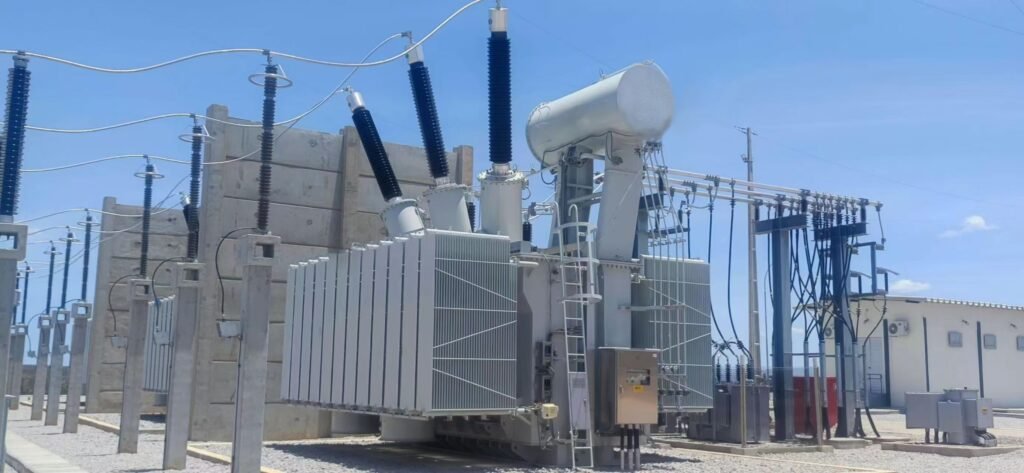
As sustainability becomes a key priority in the power industry, the recyclability of transformers is receiving increasing attention. Transformers contain valuable materials such as copper, steel, and insulating components, many of which can be recovered and reused. However, achieving 100% recyclability presents both technical and environmental challenges. Understanding the extent to which transformers can be recycled helps utilities and manufacturers move toward more sustainable lifecycle management.
What Materials in Transformers Can Be Recycled?

As global industries move toward sustainability and circular economy principles, the question of what happens to transformers at the end of their service life has become increasingly important. Transformers contain a wide range of materials—metals, insulation, and fluids—that, if not properly managed, can contribute to environmental pollution and resource waste. Improper disposal may lead to hazardous leaks, landfill accumulation, and loss of valuable raw materials. This makes recycling not only an environmental responsibility but also an economic opportunity.
Most transformer components can be recycled, including copper and aluminum windings, steel cores and tanks, insulating oil, and certain insulation materials. Recycling these materials reduces environmental impact, conserves resources, and supports sustainable transformer lifecycle management.
Understanding which materials can be recycled—and how—helps industries maximize value recovery while minimizing environmental risks.
Transformers cannot be recycled because they contain complex mixed materials.False
Although transformers contain multiple materials, most components such as metals and oils can be separated and recycled effectively using modern processes.
Let’s explore the key recyclable materials found in transformers and how they contribute to sustainability.
1. Copper Windings
Copper is one of the most valuable and widely recycled materials in transformers.
Characteristics
• high electrical conductivity
• excellent recyclability without loss of properties
• high market value
During recycling, copper windings are removed, cleaned, and melted for reuse in new electrical products.
Benefits
- significant economic return
- reduced need for new copper mining
- energy savings compared to primary production
Copper recycling is a major driver of transformer recycling programs.
2. Aluminum Conductors
Some transformers use aluminum windings instead of copper, particularly in cost-sensitive applications.
Recycling Advantages
• lightweight material
• high recyclability
• lower energy requirement for reprocessing
Although aluminum has lower value than copper, it is still an important recyclable material.
3. Steel Core and Tank
The transformer core and tank are typically made from high-quality steel, including:
• grain-oriented silicon steel (core)
• structural steel (tank and frame)
Recycling Process
Steel components are separated, shredded, and melted for reuse in manufacturing.
Benefits
• high recycling efficiency
• reduced energy consumption compared to new steel production
• contribution to circular economy
Steel is one of the easiest and most widely recycled materials in transformers.
4. Insulating Oil
Transformer oil can be recycled or reconditioned depending on its condition.
Types of Oil Recycling
• filtration and purification
• re-refining into base oil
• energy recovery in controlled processes
Benefits
- reduced environmental contamination risk
- cost savings from oil reuse
- compliance with environmental regulations
Special care is required if the oil contains contaminants such as PCBs (in older transformers).
5. Insulation Materials
Transformer insulation includes materials such as:
• cellulose paper
• pressboard
• polymer insulation
• resin systems (in dry-type transformers)
Recycling Considerations
• some materials can be recycled or reused
• others may require controlled disposal
• advanced processes can recover energy or secondary materials
Although insulation materials are more complex to recycle than metals, ongoing innovations are improving their recyclability.
6. Bushings and Porcelain Components
Transformer bushings often contain:
• porcelain or ceramic insulators
• metal conductors
Recycling Process
• metal parts are separated and recycled
• ceramic materials may be crushed and reused as industrial filler
These components contribute additional recyclable material streams.
7. Plastics and Rubber Components
Transformers include various plastic and rubber parts such as:
• gaskets and seals
• cable insulation
• protective covers
Recycling Options
• material recycling (where possible)
• energy recovery through controlled processes
While not all plastics are easily recyclable, efforts are increasing to use more sustainable materials.
8. Electronic and Monitoring Components
Modern transformers may include electronic devices such as:
• sensors
• control systems
• monitoring units
These components fall under electronic waste (e-waste) recycling processes.
Benefits
• recovery of valuable metals
• proper disposal of hazardous substances
9. Overall Material Recovery Potential
The overall recyclability of transformers is quite high.
Typical Recovery Rates
| Material Type | Recycling Potential |
|---|---|
| Copper/Aluminum | Very High (90–100%) |
| Steel | Very High (95–100%) |
| Insulating Oil | High (70–90%) |
| Insulation Materials | Moderate |
| Plastics/Rubber | Variable |
These high recovery rates make transformer recycling both economically and environmentally beneficial.
10. Environmental and Economic Benefits
Recycling transformer materials provides multiple advantages.
Environmental Benefits
• reduced landfill waste
• lower greenhouse gas emissions
• conservation of natural resources
Economic Benefits
• recovery of valuable metals
• reduced raw material costs
• compliance with environmental regulations
These benefits support sustainable power infrastructure development.
Why Is It Difficult to Achieve 100% Recyclability?
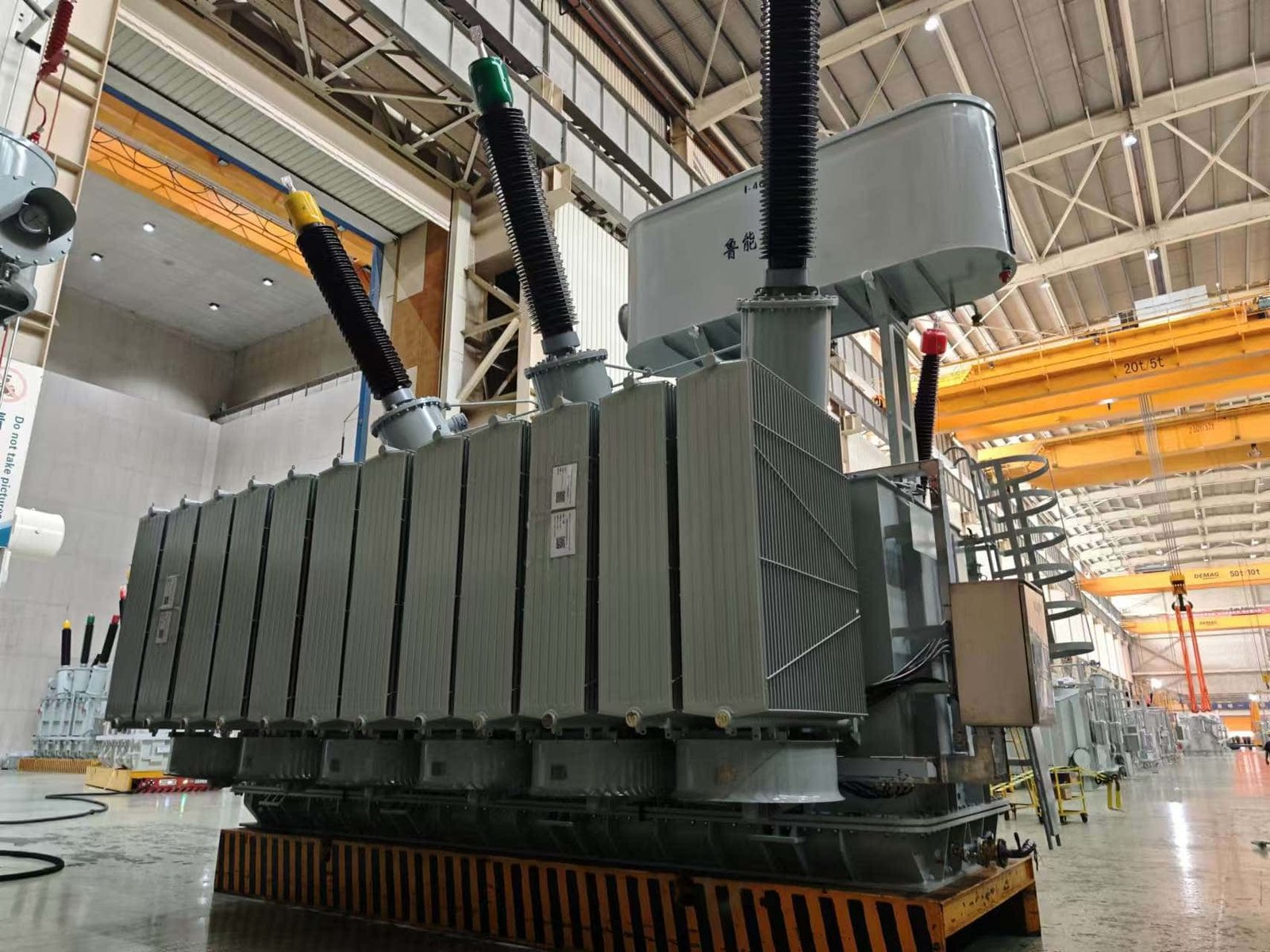
As sustainability becomes a central priority in modern power systems, transformer recycling has gained significant attention. While a large percentage of transformer materials—such as metals and oils—can be recovered and reused, achieving 100% recyclability remains a complex challenge. Transformers are highly engineered systems composed of tightly integrated materials designed for durability, insulation, and safety, not for easy disassembly. This creates technical, economic, and environmental barriers to complete material recovery.
It is difficult to achieve 100% recyclability in transformers because of mixed-material construction, bonded insulation systems, contamination risks, material degradation, economic limitations, and the lack of efficient recycling technologies for certain components. These challenges make full material recovery technically possible in theory but impractical in most real-world scenarios.
To understand this issue in depth, it is essential to examine the key barriers that limit complete recyclability.
All transformer materials can be easily separated and recycled with existing technologies.False
Many transformer components are bonded or degraded during operation, making separation and recycling technically difficult or economically unfeasible.
1. Complex Multi-Material Construction
Transformers are built using a combination of materials that are tightly integrated for optimal electrical and mechanical performance.
These include:
• copper or aluminum conductors
• steel cores and tanks
• cellulose insulation
• resin systems
• insulating oil
• plastics and rubber components
Many of these materials are layered, bonded, or impregnated together, making separation difficult without damaging the materials.
Challenge
Separating these materials into pure streams suitable for recycling often requires complex and costly processes.
2. Bonded and Impregnated Insulation Systems
One of the biggest barriers to full recyclability is the insulation system.
In oil-immersed transformers:
• cellulose paper is impregnated with oil
In dry-type transformers:
• windings are encapsulated in resin
These processes create strong bonds between materials, which improve performance but complicate recycling.
Impact
- difficult separation of materials
- contamination between material streams
- reduced recycling efficiency
Once bonded, these materials are often impossible to fully separate without destroying their structure.
3. Material Degradation Over Time
Transformers typically operate for decades, during which materials undergo thermal, electrical, and chemical aging.
Examples include:
• oxidation of insulating oil
• degradation of cellulose insulation
• corrosion of metals
Consequences
• reduced material quality
• limited reuse potential
• need for additional processing
Degraded materials may not meet the quality requirements for reuse and may instead be downgraded or disposed of.
4. Contamination Issues
Transformer components may become contaminated during operation.
Common contaminants include:
• moisture
• oxidation byproducts
• sludge and deposits
• hazardous substances (e.g., PCBs in older units)
Recycling Challenges
• contamination reduces material purity
• additional cleaning and treatment required
• increased processing cost
In some cases, contamination makes recycling impractical or environmentally unsafe.
5. Difficulty in Recycling Insulation Materials
Unlike metals, insulation materials are much harder to recycle.
Types of Insulation Challenges
| Material Type | Recycling Difficulty |
|---|---|
| Cellulose paper | Moderate to high |
| Pressboard | High |
| Resin systems | Very high |
| Polymers | Variable |
Many insulation materials are either:
• thermally degraded
• chemically altered
• physically bonded to other materials
As a result, they are often incinerated for energy recovery rather than recycled into new insulation.
6. Economic Limitations
Even when recycling is technically possible, it may not be economically viable.
Factors Affecting Cost
• labor-intensive disassembly
• specialized processing equipment
• low value of certain materials
• transportation and logistics costs
Cost vs Value Comparison
| Material | Recycling Cost | Market Value |
|---|---|---|
| Copper | Low | High |
| Steel | Low | Moderate |
| Insulation | High | Low |
Low-value materials such as insulation and plastics may not justify the cost of recycling.
7. Safety and Environmental Regulations
Recycling transformers must comply with strict environmental and safety regulations.
Examples
• handling of hazardous materials
• disposal of contaminated oil
• emissions control during processing
These regulations, while necessary, increase the complexity and cost of recycling operations.
8. Limitations of Current Recycling Technologies
Although recycling technologies continue to improve, some limitations remain.
Challenges
• lack of efficient separation technologies for bonded materials
• limited recycling methods for composite insulation
• difficulty in recovering high-purity materials
Advanced technologies such as chemical recycling or thermal decomposition are still developing and may not yet be widely available.
9. Design Trade-Offs Between Performance and Recyclability
Transformers are primarily designed for:
• high electrical performance
• long lifespan
• mechanical durability
These design priorities often conflict with recyclability.
Examples
• resin encapsulation improves durability but reduces recyclability
• oil impregnation improves insulation but complicates separation
Balancing performance and recyclability remains a key engineering challenge.
10. Partial Recycling vs Circular Economy Goals
While 100% recyclability is difficult, transformers still achieve high overall recycling rates, especially for metals.
Typical Recovery Rates
| Component | Recovery Rate |
|---|---|
| Metals (copper, steel) | 90–100% |
| Oil | 70–90% |
| Insulation | 30–60% |
The focus is shifting toward improving recovery of difficult materials and designing transformers for better end-of-life processing.
How Are Transformer Metals Like Copper and Steel Recovered?
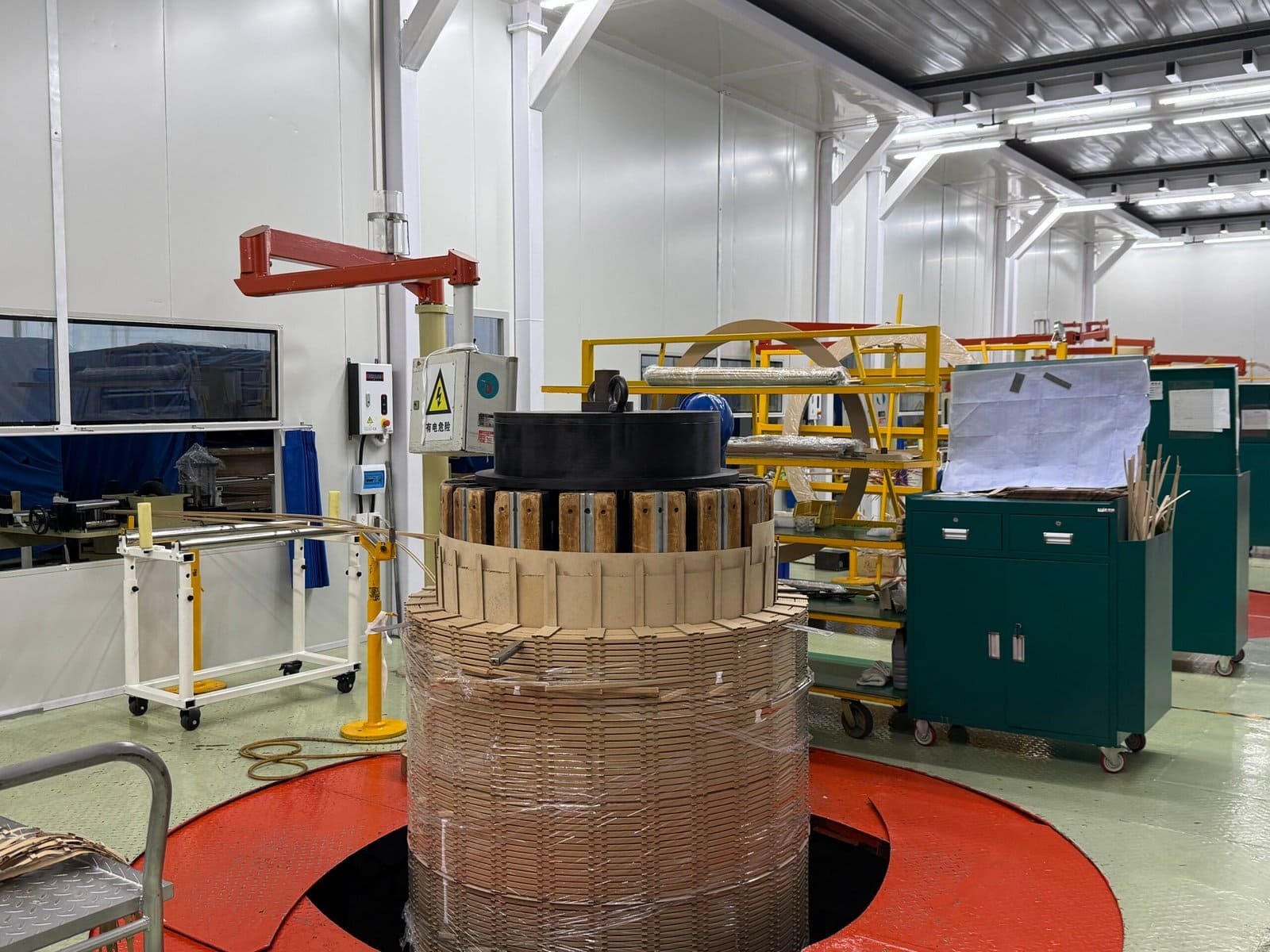
At the end of a transformer’s service life, recovering valuable metals such as copper and steel is both an economic priority and an environmental necessity. These materials represent a significant portion of the transformer’s total value, but they are tightly integrated within complex assemblies such as windings, cores, and structural frames. Without proper recovery processes, these resources could be wasted, contributing to environmental pollution and increased demand for raw material extraction.
Transformer metals like copper and steel are recovered through a systematic process involving dismantling, mechanical separation, shredding, sorting, and refining, allowing high-purity materials to be reused in new industrial and electrical applications. This process ensures maximum material recovery while maintaining environmental compliance and economic efficiency.
Understanding how these metals are extracted and processed helps illustrate the importance of recycling in modern transformer lifecycle management.
Copper and steel in transformers cannot be efficiently recovered due to their integration with other materials.False
Modern recycling processes allow efficient separation and recovery of copper and steel from transformer components, achieving high recycling rates.
1. Initial Decommissioning and Safety Preparation
Before any recovery process begins, transformers must be safely decommissioned.
This stage includes:
• disconnecting from the power system
• draining insulating oil
• removing hazardous substances (if present)
Proper handling of oil and contaminants is critical to prevent environmental damage and ensure safe working conditions.
Once the transformer is prepared, it can be transported to a recycling facility for material recovery.
2. Manual and Mechanical Dismantling
The first major step in metal recovery is dismantling the transformer structure.
Key Components Removed
• external fittings and accessories
• bushings and connectors
• cooling systems and radiators
After external components are removed, the main tank is opened to access internal parts such as:
• windings (copper or aluminum)
• magnetic core (steel laminations)
Manual dismantling is often used for precision, while mechanical tools are applied for larger structures.
3. Copper Winding Extraction
Copper windings are one of the most valuable components in a transformer.
Extraction Process
- Removal of winding assemblies from the core
- Cutting or unwinding copper conductors
- Separation from insulation materials
In some cases, thermal or mechanical stripping methods are used to remove insulation from copper wires.
Copper Recovery Efficiency
| Process Stage | Recovery Efficiency |
|---|---|
| Mechanical removal | High |
| Insulation stripping | Moderate to high |
| Final purification | Very high |
Recovered copper is then cleaned and prepared for melting and reuse.
4. Steel Core and Tank Recovery
Transformer cores are made of laminated silicon steel, while tanks and structural components are made of carbon steel.
Recovery Steps
• separation of core laminations
• removal of bolts and structural parts
• cutting large steel sections
Steel components are then sent for shredding and recycling.
Steel Recycling Advantages
- high recovery rates (often above 95%)
- well-established recycling infrastructure
- significant energy savings compared to new steel production
Steel is one of the easiest materials to recover efficiently.
5. Shredding and Size Reduction
After dismantling, materials are often processed through industrial shredders.
Purpose of Shredding
• reduce material size
• facilitate separation
• prepare for sorting processes
Shredding breaks down mixed material assemblies into smaller fragments, making it easier to separate metals from non-metallic components.
6. Magnetic and Eddy Current Separation
Advanced separation technologies are used to isolate different types of metals.
Separation Methods
• magnetic separation (for steel and ferrous metals)
• eddy current separation (for non-ferrous metals like copper and aluminum)
Separation Efficiency Table
| Method | Target Material | Effectiveness |
|---|---|---|
| Magnetic separation | Steel | Very High |
| Eddy current separation | Copper/Aluminum | High |
These methods ensure that metals are sorted into clean, recyclable streams.
7. Refining and Purification
Recovered metals often require further processing to achieve the purity levels needed for reuse.
Copper Refining
• melting in furnaces
• removal of impurities
• casting into new forms (bars, rods)
Steel Recycling
• melting in electric arc furnaces
• alloy adjustment
• rolling into new steel products
High-purity metals can then be reused in manufacturing new transformers or other industrial products.
8. Environmental and Energy Benefits
Recovering metals from transformers provides significant environmental advantages.
Key Benefits
• reduced need for mining raw materials
• lower greenhouse gas emissions
• conservation of natural resources
Energy Savings Comparison
| Material | Energy Saving vs New Production |
|---|---|
| Copper | Up to 85% |
| Steel | Up to 60–70% |
Recycling metals is far more energy-efficient than producing them from raw ore.
9. Economic Value of Metal Recovery
Metal recovery is a major economic driver in transformer recycling.
Value Factors
• high market price of copper
• large volume of steel components
• demand for recycled materials
Copper, in particular, often represents the most valuable recoverable material in a transformer.
10. Integration with Circular Economy Practices
Metal recovery from transformers supports circular economy principles by:
• reusing materials in new products
• reducing waste generation
• minimizing environmental impact
Recovered metals can be reintroduced into manufacturing processes, reducing reliance on virgin materials.
What Happens to Insulation Materials and Oils During Recycling?
When transformers reach the end of their operational life, much attention is given to recovering valuable metals like copper and steel. However, insulation materials and insulating oils present a more complex challenge. These components are often chemically altered, contaminated, or tightly bonded during years of service, making their recycling less straightforward. Improper handling can lead to environmental hazards such as soil and water contamination, while inefficient recovery wastes potentially reusable resources.
During transformer recycling, insulating oils are typically filtered, reconditioned, or re-refined for reuse, while solid insulation materials such as cellulose, pressboard, and resins are either partially recycled, repurposed for energy recovery, or disposed of under controlled environmental conditions depending on their composition and contamination level. This dual approach ensures both environmental protection and resource optimization.
To better understand this process, it is essential to examine how oils and insulation materials are treated, recovered, or safely managed during recycling operations.
Insulation materials and transformer oils are always discarded and cannot be reused.False
Transformer oils can often be purified and reused, and some insulation materials can be recycled or used for energy recovery depending on their condition.
1. Treatment and Recovery of Insulating Oils
Insulating oil is one of the most critical components in oil-filled transformers, serving both cooling and dielectric functions.
Oil Condition at End-of-Life
After years of operation, transformer oil may contain:
• moisture
• dissolved gases
• oxidation byproducts
• sludge and particles
Despite contamination, much of the oil can still be recovered.
Oil Processing Methods
| Method | Description | Outcome |
|---|---|---|
| Filtration | Removes particles and sludge | Cleaner oil |
| Degassing | Removes dissolved gases | Improved dielectric strength |
| Dehydration | Removes moisture | Restored insulation properties |
| Re-refining | Chemical processing to restore base oil | Like-new oil |
Benefits
- reduced environmental impact
- cost savings through reuse
- compliance with environmental regulations
Reconditioned oil can often be reused in transformers or other industrial applications.
2. Handling of Contaminated or Hazardous Oils
In some cases, insulating oil may contain hazardous substances such as PCBs (in older transformers).
Special Handling Requirements
• strict environmental regulations
• specialized disposal or destruction processes
• high-temperature incineration in controlled facilities
Environmental Importance
Proper handling prevents toxic substances from entering ecosystems and ensures regulatory compliance.
3. Recycling of Cellulose-Based Insulation
Cellulose insulation (paper and pressboard) is widely used in transformers.
Challenges
• oil impregnation
• thermal degradation
• mechanical bonding with other materials
Recycling Options
• limited material recycling
• conversion into secondary products
• energy recovery through controlled combustion
Although cellulose is biodegradable, its contaminated state often limits direct recycling.
4. Processing of Resin-Based Insulation
Dry-type transformers use resin systems such as:
• cast resin
• epoxy-based insulation
Recycling Challenges
• thermoset materials cannot be remelted
• strong bonding with conductors
• resistance to chemical breakdown
Disposal and Recovery Options
| Method | Description |
|---|---|
| Mechanical processing | Crushing and reuse as filler material |
| Thermal recovery | Energy generation through controlled incineration |
| Landfill (controlled) | Used when other methods are not feasible |
Resin insulation is one of the most difficult materials to recycle.
5. Separation from Metals
Before insulation materials can be processed, they must be separated from metal components.
Methods
• mechanical stripping
• thermal treatment
• chemical processes (in advanced facilities)
Separation is often incomplete, which affects the quality and recyclability of both metals and insulation.
6. Energy Recovery from Insulation Materials
When recycling is not feasible, insulation materials can be used for energy recovery.
Process
• controlled incineration
• heat recovery for industrial use
Benefits
• reduces landfill waste
• recovers energy value
• minimizes environmental impact
Energy recovery is a common solution for non-recyclable insulation materials.
7. Environmental Considerations
Proper handling of insulation and oil is essential to prevent environmental damage.
Key Risks
• oil leakage and contamination
• release of toxic substances
• air pollution from improper disposal
Mitigation Measures
• sealed handling systems
• certified recycling facilities
• compliance with environmental regulations
Responsible recycling ensures minimal ecological impact.
8. Advances in Recycling Technologies
New technologies are improving the recyclability of insulation materials and oils.
Innovations
• advanced oil re-refining processes
• chemical recycling of polymers
• improved separation techniques
These developments aim to increase recovery rates and reduce waste.
9. Comparison of Recycling Outcomes
| Material | Recycling Potential | Typical Outcome |
|---|---|---|
| Insulating Oil | High | Reused or re-refined |
| Cellulose Insulation | Moderate | Energy recovery or limited reuse |
| Resin Insulation | Low | Energy recovery or disposal |
| Contaminated Oil | Variable | Specialized treatment |
This table highlights the varying levels of recyclability among transformer materials.
10. Contribution to Sustainable Transformer Lifecycle
Proper recycling of insulation materials and oils supports sustainability by:
• reducing environmental impact
• conserving resources
• improving lifecycle efficiency
Although not all materials can be fully recycled, responsible management ensures maximum recovery and minimal waste.
How Are Manufacturers Improving Transformer Recyclability?
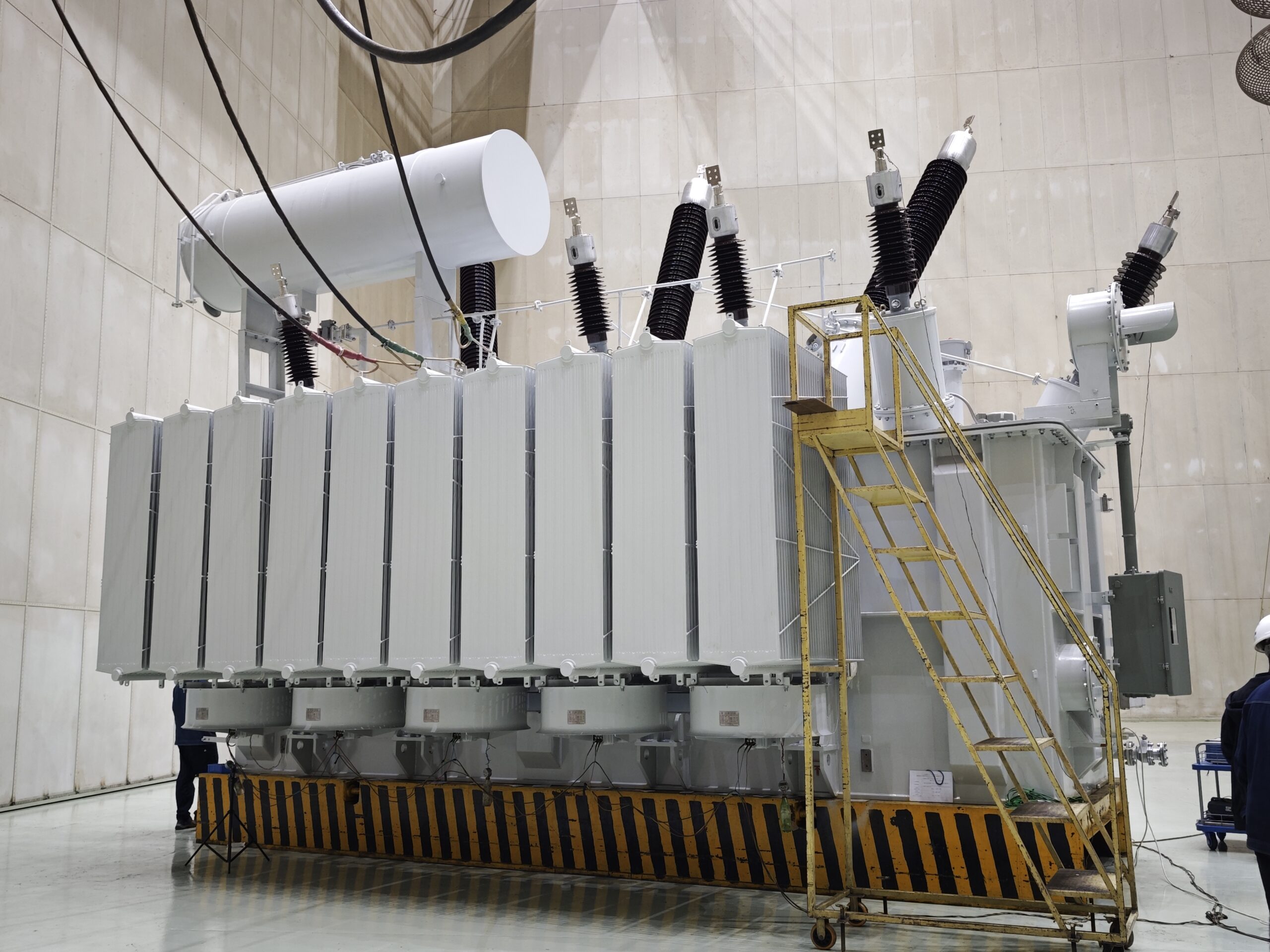
As environmental regulations tighten and sustainability becomes a core priority across the energy sector, transformer manufacturers are under increasing pressure to improve recyclability. Traditional transformer designs, optimized primarily for performance and durability, often make end-of-life disassembly and material recovery difficult. This leads to inefficiencies in recycling processes, higher disposal costs, and environmental concerns. Without innovation, valuable materials may be lost, and ecological impact increases.
Manufacturers are improving transformer recyclability by adopting eco-design principles, using recyclable and biodegradable materials, simplifying component structures, reducing hazardous substances, and integrating modular designs that enable easier disassembly and material separation. These strategies enhance both environmental performance and economic recovery at the end of a transformer’s lifecycle.
To understand how recyclability is being enhanced, it is important to examine the design, material, and technological innovations driving this transformation.
Improving recyclability in transformers compromises their performance and durability.False
Modern engineering allows manufacturers to improve recyclability while maintaining or even enhancing transformer performance and lifespan.
1. Eco-Design Principles in Transformer Engineering
Manufacturers are increasingly applying eco-design (design for environment) principles during the early stages of transformer development.
Key Objectives
• minimize environmental impact
• maximize material recovery
• simplify end-of-life processing
Design Strategies
- reducing material diversity
- selecting recyclable materials
- designing for easy disassembly
Eco-design ensures that recyclability is considered from the beginning rather than as an afterthought.
2. Use of Recyclable Metals and Standardized Materials
Metals such as copper, aluminum, and steel are already highly recyclable, but manufacturers are improving their usability.
Improvements
• standardized material grades
• reduction of mixed alloys
• improved labeling for identification
Benefits
| Material | Traditional Approach | Improved Approach |
|---|---|---|
| Copper | Mixed insulation bonding | Easier separation |
| Steel | Coated or mixed alloys | Cleaner recycling streams |
| Aluminum | Variable composition | Standardized alloys |
These changes simplify sorting and improve recycling efficiency.
3. Development of Eco-Friendly Insulation Materials
One of the biggest challenges in recyclability is insulation.
Manufacturers are developing new insulation materials that are:
• biodegradable
• recyclable
• less chemically complex
Examples
• natural ester-based systems
• thermoplastic insulation (recyclable)
• low-impact polymer composites
These materials are easier to process at end-of-life compared to traditional thermoset resins.
4. Reduction of Hazardous Substances
Modern transformer designs aim to eliminate or reduce hazardous materials.
Key Actions
• phasing out PCB-containing oils
• using non-toxic insulating fluids
• reducing harmful additives in insulation
Impact
• safer recycling processes
• lower environmental risk
• easier regulatory compliance
Removing hazardous substances simplifies disposal and recycling operations.
5. Modular and Disassembly-Friendly Design
Modular design is a major advancement in improving recyclability.
Features
• detachable components
• standardized fasteners
• reduced use of permanent bonding
Advantages
- faster dismantling
- reduced labor costs
- improved material separation
Modular transformers can be disassembled more efficiently, increasing recovery rates.
6. Advanced Manufacturing Techniques
Manufacturers are using modern production techniques to improve recyclability.
Innovations
• precision assembly to reduce material waste
• improved bonding methods that allow later separation
• digital design tools for lifecycle optimization
These techniques ensure better control over material usage and end-of-life processing.
7. Digital Tracking and Material Identification
Digital technologies are helping track materials throughout the transformer lifecycle.
Tools
• material passports
• QR codes and RFID tags
• digital twin systems
Benefits
• easier identification of materials during recycling
• improved sorting accuracy
• enhanced lifecycle management
Digital tracking ensures that recyclers know exactly what materials are present.
8. Improved Oil Management Systems
Manufacturers are designing transformers with better oil handling features.
Enhancements
• easy oil drainage systems
• contamination-resistant designs
• compatibility with biodegradable fluids
These improvements make oil recovery more efficient and environmentally safe.
9. Collaboration with Recycling Industries
Transformer manufacturers are increasingly working with recycling companies to improve processes.
Collaborative Efforts
• designing products for existing recycling capabilities
• sharing material data
• developing new recycling technologies
This collaboration ensures that designs align with real-world recycling practices.
10. Lifecycle Assessment and Sustainability Metrics
Manufacturers now use lifecycle assessment (LCA) tools to evaluate environmental impact.
Key Metrics
• carbon footprint
• recyclability rate
• material recovery efficiency
Comparison Table
| Aspect | Traditional Design | Modern Eco-Design |
|---|---|---|
| Recyclability | Moderate | High |
| Environmental Impact | Higher | Lower |
| Lifecycle Efficiency | Standard | Optimized |
These metrics guide continuous improvement in transformer design.
11. Design Trade-Off Optimization
Balancing performance and recyclability is a key challenge.
Approach
• optimizing material selection
• reducing unnecessary complexity
• maintaining durability while improving recoverability
Manufacturers are finding ways to achieve both high performance and high recyclability.
What Role Does Design for Recycling Play in Sustainability?
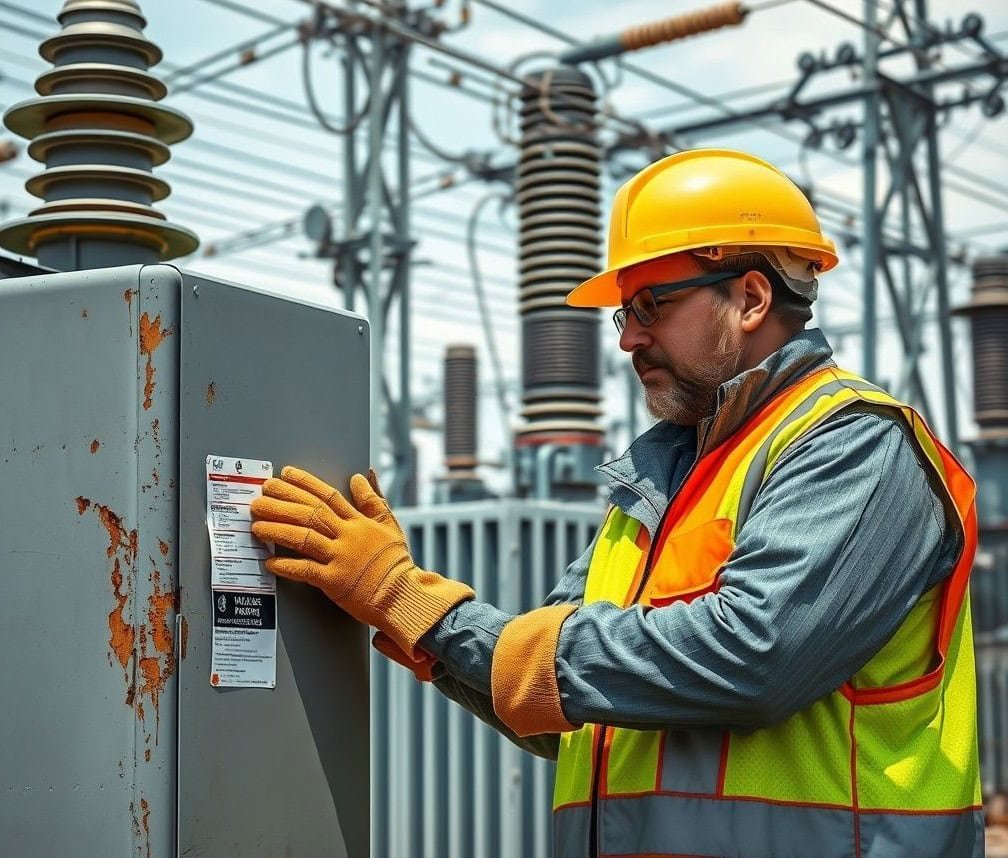
In today’s energy landscape, sustainability is no longer optional—it is a core engineering requirement. However, many traditional transformers were designed primarily for performance and durability, without considering what happens at the end of their lifecycle. This oversight leads to complex disassembly, material waste, environmental pollution, and lost economic value. As regulations tighten and industries pursue carbon reduction goals, the lack of recyclability becomes a critical limitation.
Design for recycling plays a pivotal role in sustainability by ensuring that transformers are engineered from the outset to enable efficient material recovery, reduce waste, lower lifecycle emissions, conserve natural resources, and support circular economy models without compromising performance. By embedding recyclability into the design phase, manufacturers can significantly improve environmental and economic outcomes across the entire lifecycle.
To understand its full impact, we must examine how design for recycling influences materials, engineering practices, and long-term sustainability performance.
Design for recycling only affects disposal and does not influence transformer performance or lifecycle sustainability.False
Design for recycling influences material selection, manufacturing efficiency, operational performance, and end-of-life recovery, making it critical to overall sustainability.
1. Lifecycle-Centered Engineering Approach
Design for recycling fundamentally shifts transformer engineering from a linear model (produce–use–dispose) to a circular lifecycle model.
Key Lifecycle Stages Influenced
• raw material selection
• manufacturing processes
• operational efficiency
• end-of-life recovery
By considering all stages during design, engineers can minimize environmental impact while maximizing resource efficiency.
Lifecycle Comparison Table
| Stage | Conventional Design | Recycling-Oriented Design |
|---|---|---|
| Material Use | High and diverse | Optimized and simplified |
| Manufacturing | Waste-intensive | Resource-efficient |
| Operation | Standard efficiency | Often improved |
| End-of-Life | Disposal-focused | Recovery-focused |
This holistic approach ensures sustainability is embedded throughout the transformer’s life.
2. Material Selection for High Recyclability
Material choice is one of the most critical factors in design for recycling.
Preferred Materials
• copper and aluminum (high recyclability)
• steel (widely recycled)
• biodegradable insulating fluids
• recyclable polymers
Design Strategies
- reducing mixed-material combinations
- avoiding hazardous substances
- selecting materials with established recycling streams
Impact on Sustainability
| Material Type | Recycling Efficiency | Environmental Benefit |
|---|---|---|
| Copper | Very High | Resource conservation |
| Steel | Very High | Energy savings |
| Ester Fluids | High | Low toxicity |
| Advanced Polymers | Moderate | Reduced waste |
Simplified and recyclable materials improve both recovery rates and environmental performance.
3. Design for Disassembly and Modular Construction
One of the most effective ways to improve recyclability is to design transformers for easy disassembly.
Key Features
• modular components
• standardized fasteners instead of permanent bonding
• accessible internal structures
Benefits
• faster dismantling
• reduced labor costs
• higher material purity during recovery
Modular construction allows components such as windings, cores, and insulation to be separated efficiently, improving recycling outcomes.
4. Reduction of Waste and Environmental Impact
Design for recycling directly reduces waste generation.
Environmental Benefits
• less landfill disposal
• reduced soil and water contamination
• lower emissions from material production
By enabling material recovery, transformers contribute less to environmental degradation.
5. Energy Savings Through Recycling
Recycling materials requires significantly less energy than producing new materials.
Energy Efficiency Gains
• copper recycling saves up to 85% energy
• steel recycling saves 60–70% energy
These savings reduce the overall carbon footprint of transformer production and operation.
6. Economic Value and Resource Efficiency
Design for recycling is not only environmentally beneficial but also economically advantageous.
Key Economic Benefits
• recovery of high-value metals
• reduced disposal costs
• lower raw material procurement costs
Economic Comparison Table
| Cost Factor | Traditional Design | Recycling-Oriented Design |
|---|---|---|
| Disposal Cost | High | Lower |
| Material Recovery Value | Moderate | High |
| Lifecycle Cost | Higher | Optimized |
These benefits improve the total cost of ownership for transformer operators.
7. Compliance with Environmental Regulations
Global regulations increasingly require:
• reduced waste generation
• elimination of hazardous substances
• improved recyclability
Design for recycling helps manufacturers and users comply with these requirements more easily, avoiding penalties and ensuring market access.
8. Encouraging Innovation in Materials and Design
The push for recyclability drives technological innovation.
Examples
• development of recyclable insulation materials
• use of thermoplastic instead of thermoset resins
• biodegradable and low-impact insulating fluids
These innovations often improve both sustainability and performance.
9. Supporting Circular Economy Models
Design for recycling enables transformers to become part of a closed-loop system.
Circular Benefits
• materials re-enter production cycles
• reduced dependence on mining
• long-term resource sustainability
This approach aligns with global sustainability initiatives and energy transition goals.
10. Enhancing Long-Term Sustainability and Brand Value
Companies adopting recycling-oriented designs gain strategic advantages.
Benefits
• improved ESG performance
• stronger market competitiveness
• increased customer trust
Sustainability is increasingly a deciding factor in infrastructure investments.
11. Balancing Performance and Recyclability
A key challenge is maintaining high performance while improving recyclability.
Engineering Solutions
• optimizing material combinations
• using advanced but separable bonding techniques
• designing for both durability and disassembly
Modern transformer design successfully balances these requirements, ensuring no compromise in reliability.
Conclusion
Transformers are highly recyclable, with a large percentage of their materials—especially metals like copper and steel—being recoverable and reusable. However, achieving 100% recyclability is currently challenging due to complex insulation systems, composite materials, and certain chemical components. Ongoing innovations in eco-friendly materials and design-for-recycling approaches are improving recyclability rates. While full recyclability may not yet be practical, modern transformers can still play a significant role in supporting a circular and sustainable energy economy.
FAQ
Q1: Can transformers be 100% recyclable?
Transformers cannot currently be 100% recyclable, but they are among the most recyclable pieces of electrical equipment. In many cases, up to 90–98% of transformer materials can be recovered and reused.
The remaining non-recyclable portion typically consists of certain insulation materials, composite components, and contaminants that are difficult to process or separate economically.
Q2: What parts of a transformer can be recycled?
Most transformer components are highly recyclable, including:
Copper and aluminum windings
Steel core laminations
Transformer tank and structural steel
Radiators and metal fittings
Insulating oil (can often be reconditioned or processed)
These materials have high resale value and are commonly recovered during transformer decommissioning.
Q3: Which transformer components are difficult to recycle?
Some components are challenging to recycle due to their composition or contamination, such as:
Cellulose-based insulation paper
Resin-based materials in dry-type transformers
Mixed composite insulation systems
Contaminated oil or hazardous substances (e.g., legacy PCBs in older units)
These materials may require specialized disposal or energy recovery processes rather than direct recycling.
Q4: How does transformer design affect recyclability?
Modern transformer design increasingly focuses on eco-design principles, which improve recyclability by:
Reducing the use of mixed or bonded materials
Using recyclable metals and biodegradable fluids
Designing components for easier disassembly
Minimizing hazardous substances
Designing with end-of-life recycling in mind significantly increases material recovery rates.
Q5: Are dry-type transformers more recyclable than oil-filled transformers?
Both types have high recyclability, but there are differences:
Oil-filled transformers: Easier to recycle metals and oil, but require careful handling of insulating fluids
Dry-type transformers: No oil disposal issues, but resin insulation is harder to recycle
Overall recyclability depends more on design and materials than transformer type alone.
Q6: How is transformer recycling performed?
Transformer recycling involves several steps:
Draining and processing insulating oil
Dismantling the transformer
Separating metals (copper, aluminum, steel)
Processing insulation and non-metal materials
Recycling or safely disposing of remaining waste
Specialized recycling facilities ensure environmental compliance and maximize material recovery.
Q7: How do recyclable transformers support sustainability goals?
High recyclability contributes to sustainability by:
Reducing raw material extraction
Lowering energy consumption in manufacturing
Minimizing landfill waste
Supporting circular economy practices
Transformers with high recyclable content play an important role in reducing the environmental footprint of power infrastructure.
Q8: What innovations are improving transformer recyclability?
Recent innovations aimed at improving recyclability include:
Biodegradable and recyclable insulating fluids
Eco-friendly solid insulation materials
Modular designs for easier disassembly
Reduction of hazardous substances
These advancements are helping move the industry closer to fully sustainable transformer solutions.
References
IEC 60076 – Power Transformers
https://webstore.iec.ch/publication/602
IEEE C57 Series – Transformer Lifecycle and Recycling Standards
https://standards.ieee.org
CIGRE – Transformer End-of-Life and Recycling Studies
https://www.cigre.org
Electrical Engineering Portal – Transformer Recycling Explained
https://electrical-engineering-portal.com
U.S. Environmental Protection Agency – Electrical Equipment Recycling
https://www.epa.gov
World Economic Forum – Circular Economy and Energy Infrastructure
https://www.weforum.org