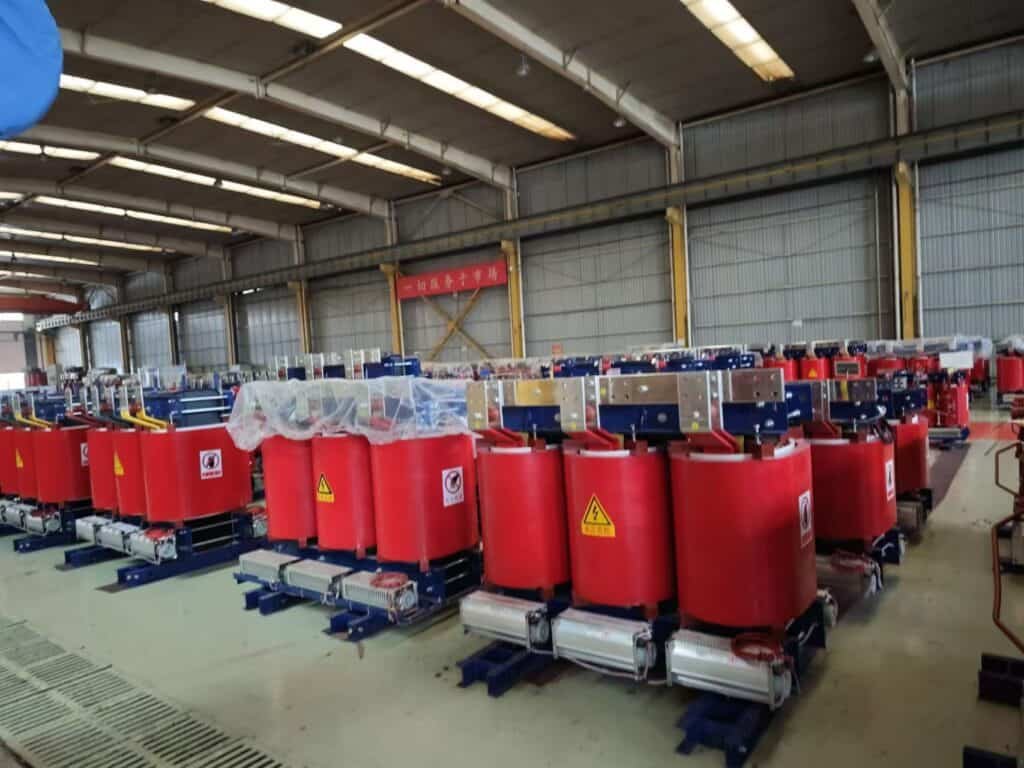
Dry-type transformers are widely used in commercial, industrial, and renewable energy applications due to their safety, low maintenance, and environmental advantages. Unlike oil-filled transformers, they rely on air or resin-based insulation, making them ideal for indoor and fire-sensitive environments. Understanding how to properly use a dry-type transformer is essential to ensure safe operation, optimal performance, and long service life.
What Are the Basic Installation Requirements for a Dry-Type Transformer?
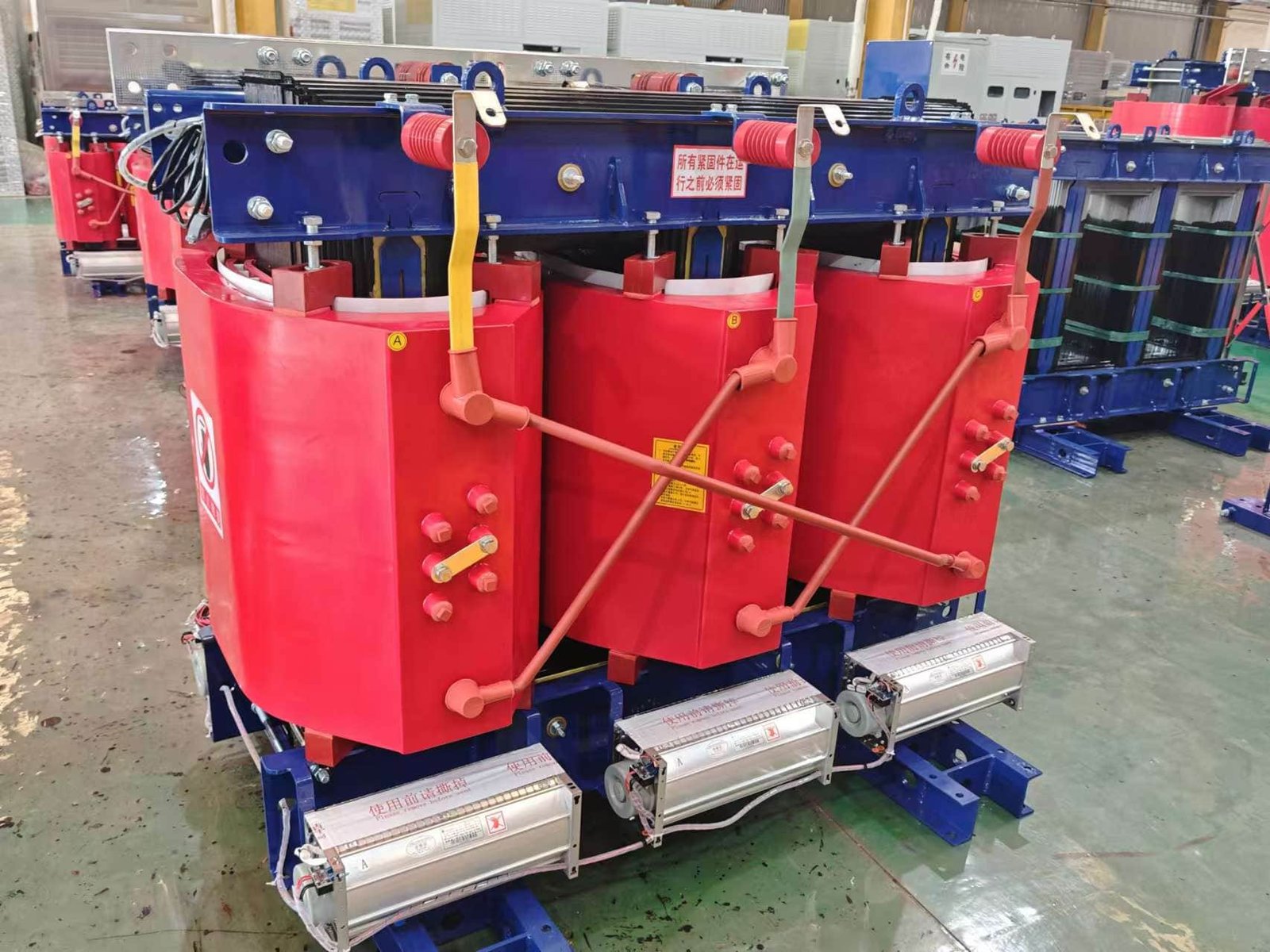
Installing a dry-type transformer may seem straightforward, but improper installation can lead to overheating, reduced efficiency, insulation failure, and even safety hazards such as fire or electrical faults. Many users underestimate the importance of site preparation, ventilation, grounding, and clearances, which are critical for ensuring stable operation. Without meeting these requirements, even a high-quality transformer can suffer premature failure and increased maintenance costs.
The basic installation requirements for a dry-type transformer include proper site selection, adequate ventilation, sufficient clearance, stable foundation, correct electrical connections, effective grounding, environmental protection, and compliance with safety standards to ensure reliable and efficient operation. These factors collectively determine the transformer’s performance, lifespan, and safety.
To ensure optimal installation, it is essential to examine each requirement in detail and understand its technical importance.
Dry-type transformers do not require special installation conditions because they do not use oil.False
Although dry-type transformers eliminate oil-related risks, they still require proper ventilation, clearances, and electrical safety measures for reliable operation.
1. Site Selection and Location Requirements
Choosing the right installation location is the first and most critical step.
Key Considerations
• indoor or outdoor installation suitability
• proximity to load centers
• accessibility for maintenance
• avoidance of flood-prone or hazardous areas
Dry-type transformers are commonly installed indoors, such as in:
• electrical rooms
• industrial facilities
• commercial buildings
Environmental Conditions
| Parameter | Recommended Condition |
|---|---|
| Ambient Temperature | Typically ≤ 40°C |
| Humidity | Low to moderate |
| Altitude | Within design limits |
Proper site selection ensures stable operation and reduces environmental stress.
2. Ventilation and Cooling Requirements
Dry-type transformers rely on air cooling, making ventilation essential.
Types of Cooling
• natural air cooling (AN)
• forced air cooling (AF)
Ventilation Design Requirements
• adequate airflow around the transformer
• proper placement of air inlets and outlets
• avoidance of airflow obstruction
Ventilation Impact Table
| Condition | Effect on Performance |
|---|---|
| Poor ventilation | Overheating, reduced lifespan |
| Proper ventilation | Stable temperature, higher efficiency |
Inadequate ventilation can lead to excessive temperature rise and insulation degradation.
3. Clearance and Spacing Requirements
Maintaining sufficient clearance around the transformer is essential for safety and cooling.
Minimum Clearance Guidelines
• space for airflow circulation
• safe distance from walls and other equipment
• access for inspection and maintenance
Typical Clearance Table
| Area | Recommended Clearance |
|---|---|
| Front | ≥ 1.5 meters |
| Sides | ≥ 1 meter |
| Top | Adequate for ventilation |
Proper spacing prevents heat buildup and allows safe operation.
4. Foundation and Mounting
Dry-type transformers must be installed on a stable and level foundation.
Requirements
• reinforced concrete base or steel platform
• vibration-resistant mounting
• level surface to prevent mechanical stress
Benefits
• reduces vibration and noise
• ensures structural stability
• prevents misalignment
A solid foundation contributes to long-term reliability.
5. Electrical Connections and Cabling
Correct electrical installation is critical for safe and efficient operation.
Key Requirements
• proper cable sizing
• secure and tight connections
• correct phase alignment
Best Practices
- use high-quality connectors
- ensure proper insulation
- follow manufacturer torque specifications
Poor connections can lead to overheating and electrical faults.
6. Grounding and Earthing
Grounding is essential for safety and fault protection.
Grounding Requirements
• connection of transformer frame to earth
• low-resistance grounding system
• compliance with electrical codes
Functions
• protection against electrical faults
• prevention of electric shock
• stabilization of system voltage
Proper grounding is critical for both personnel safety and equipment protection.
7. Protection Against Environmental Factors
Although dry-type transformers are more resistant to environmental risks than oil-filled types, protection is still necessary.
Environmental Risks
• dust and contaminants
• moisture and humidity
• corrosive atmospheres
Protective Measures
• installation in clean, dry environments
• use of enclosures (IP-rated)
• regular cleaning and inspection
Environmental protection ensures consistent performance.
8. Fire Safety Considerations
Dry-type transformers are safer than oil-filled units, but fire safety must still be addressed.
Safety Measures
• installation of fire detection systems
• use of flame-retardant materials
• maintaining safe distances from flammable materials
These measures reduce fire risk and improve safety compliance.
9. Compliance with Standards and Regulations
Installation must comply with relevant electrical and safety standards.
Common Standards
• IEC standards
• local electrical codes
• fire safety regulations
Importance
• ensures safe operation
• avoids legal issues
• guarantees performance compliance
Adhering to standards is essential for certification and reliability.
10. Accessibility for Maintenance
Proper installation must allow easy access for inspection and maintenance.
Requirements
• sufficient working space
• clear labeling of components
• accessible terminals and controls
Benefits
• easier troubleshooting
• reduced downtime
• improved operational efficiency
Good accessibility ensures long-term serviceability.
11. Pre-Commissioning Checks
Before energizing the transformer, several checks must be performed.
Checklist
• insulation resistance testing
• verification of connections
• grounding inspection
• functional testing of protection systems
These checks ensure that the transformer is ready for safe operation.
How Should a Dry-Type Transformer Be Energized and Started Up?
Energizing a dry-type transformer is a critical operation that, if performed incorrectly, can lead to severe consequences such as insulation damage, excessive inrush current, electrical faults, or even system failure. Many issues arise not from the transformer itself, but from improper startup procedures, inadequate pre-checks, or unsafe energization practices. These risks can shorten equipment lifespan and compromise system reliability from the very beginning.
A dry-type transformer should be energized through a controlled startup process that includes thorough pre-commissioning inspections, insulation testing, verification of connections and grounding, gradual energization (where applicable), monitoring of inrush current and voltage conditions, and continuous observation during initial operation to ensure safe and stable performance.
To ensure a reliable and safe startup, it is essential to follow a structured and technically sound energization procedure.
Dry-type transformers can be energized immediately after installation without any checks.False
Proper inspection, testing, and verification are essential before energizing a transformer to prevent faults and ensure safe operation.
1. Pre-Energization Visual Inspection
Before applying power, a comprehensive visual inspection must be conducted.
Key Inspection Points
• cleanliness of windings and core
• absence of foreign objects
• integrity of insulation surfaces
• condition of terminals and connections
Dust, moisture, or debris can significantly affect insulation performance and cooling efficiency.
Objective
Ensure the transformer is physically ready for operation and free from installation-related issues.
2. Verification of Mechanical and Electrical Installation
All installation aspects must be checked carefully.
Mechanical Checks
• secure mounting and alignment
• proper clearance around the transformer
• correct installation of cooling systems (fans if applicable)
Electrical Checks
• correct cable connections and phase sequence
• proper tightening of terminals
• verification of tap changer position
Incorrect connections can lead to serious faults during energization.
3. Insulation Resistance Testing
Insulation integrity must be verified before energization.
Test Method
• use a megohmmeter (Megger)
• measure insulation resistance between windings and ground
Typical Acceptance Criteria
| Voltage Level | Minimum Insulation Resistance |
|---|---|
| Low Voltage | ≥ 1 MΩ |
| High Voltage | Significantly higher (per standards) |
Low insulation resistance indicates moisture or contamination and must be addressed before startup.
4. Grounding System Verification
Proper grounding is essential for safety and system stability.
Checks Include
• secure grounding connections
• low grounding resistance
• compliance with electrical standards
Grounding protects both personnel and equipment during faults.
5. Auxiliary System Checks
If the transformer includes auxiliary systems, they must be tested.
Examples
• cooling fans (for forced air systems)
• temperature monitoring devices
• protection relays and alarms
Importance
Ensures all supporting systems are operational before energization.
6. No-Load Energization Procedure
Dry-type transformers are typically energized under no-load conditions first.
Steps
- ensure all loads are disconnected
- close the circuit breaker to energize the transformer
- observe for abnormal sounds or vibrations
Key Observations
• normal magnetizing inrush current
• stable voltage levels
• absence of unusual noise
Inrush current is expected but should settle quickly.
7. Monitoring Inrush Current and Voltage
During initial energization, inrush current can be several times the rated current.
Characteristics
• short duration (milliseconds to seconds)
• dependent on switching angle and residual flux
Monitoring Parameters
| Parameter | Expected Behavior |
|---|---|
| Inrush Current | High but transient |
| Voltage | Stable after energization |
| Noise | Brief magnetic hum |
Abnormal conditions may indicate internal faults or incorrect installation.
8. Gradual Load Application
After successful no-load energization, load can be applied gradually.
Procedure
• connect loads step by step
• monitor temperature and current
• ensure balanced loading across phases
Benefits
• prevents thermal shock
• allows early detection of issues
• ensures stable operation
Sudden full-load application should be avoided.
9. Temperature and Performance Monitoring
Continuous monitoring is essential during the initial operation period.
Key Parameters
• winding temperature
• ambient temperature
• load current
• cooling system performance
Monitoring Table
| Parameter | Acceptable Condition |
|---|---|
| Temperature Rise | Within design limits |
| Load Current | Below rated value |
| Cooling Performance | Stable |
Proper monitoring helps detect potential issues early.
10. Noise and Vibration Assessment
Dry-type transformers produce some level of noise due to magnetic forces.
Normal Conditions
• low-level humming sound
• minimal vibration
Abnormal Indicators
• loud or irregular noise
• excessive vibration
These may indicate mechanical or electrical problems.
11. Final Commissioning and Documentation
Once stable operation is confirmed, the transformer can be fully commissioned.
Documentation Includes
• test results
• inspection records
• operating parameters
Importance
• ensures traceability
• supports maintenance planning
• verifies compliance with standards
Proper documentation is essential for long-term operation.
What Operating Conditions Must Be Maintained During Use?
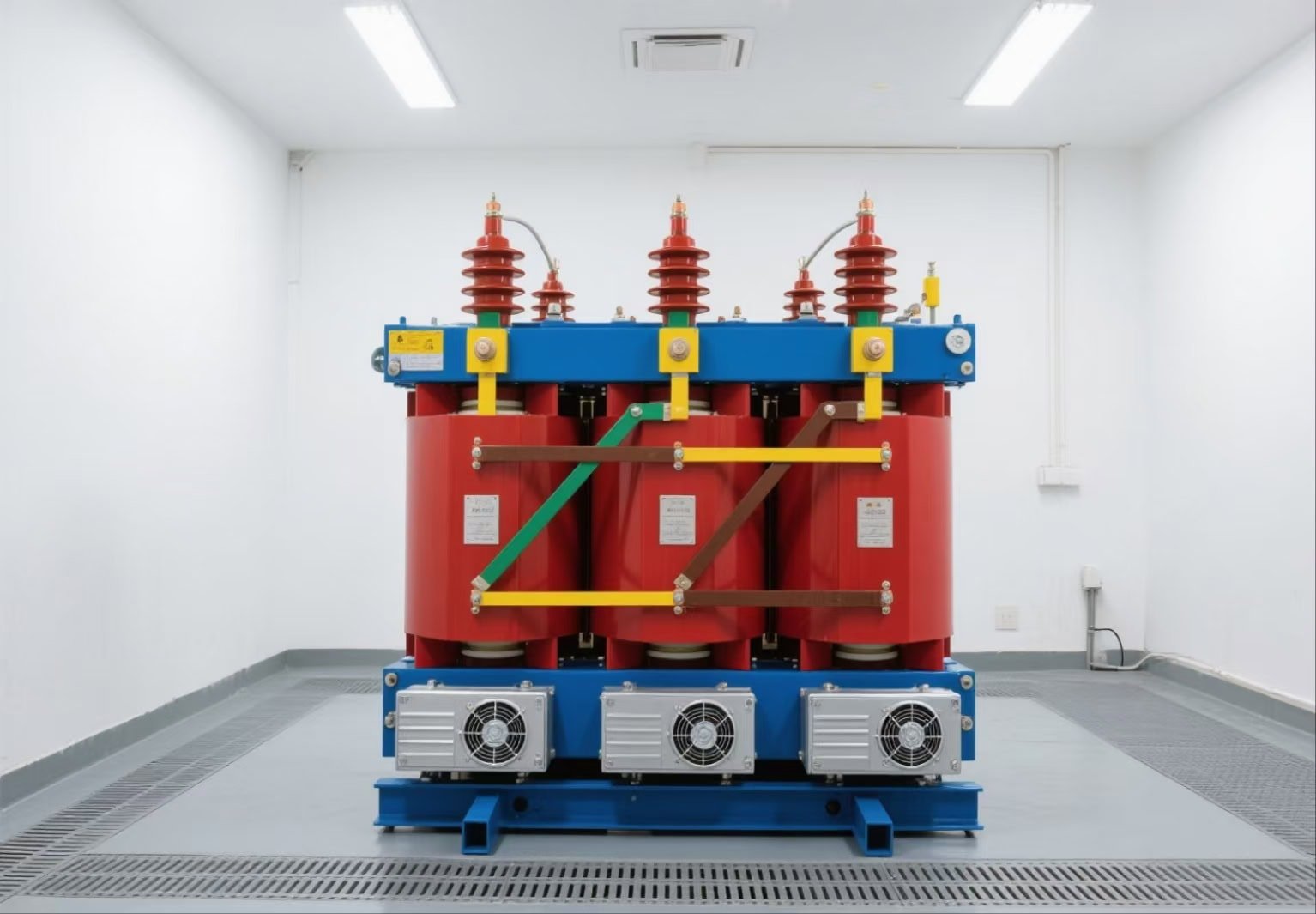
During transformer operation, maintaining proper operating conditions is essential to ensure efficiency, safety, and long service life. Even a well-designed and properly installed transformer can experience premature aging, insulation failure, or unexpected shutdowns if operating parameters are not controlled. Factors such as temperature, load, ventilation, and environmental conditions directly influence performance and reliability. Neglecting these conditions can lead to increased losses, overheating, and costly downtime.
The key operating conditions that must be maintained during transformer use include controlled temperature, proper load levels, adequate ventilation, stable voltage, clean environmental conditions, effective cooling, and continuous monitoring to ensure safe, efficient, and reliable performance. Maintaining these parameters helps prevent failures and extends transformer lifespan.
To fully understand how to ensure stable operation, it is important to examine each critical operating condition in detail.
Once installed, transformers can operate reliably without monitoring operating conditions.False
Continuous monitoring and control of operating conditions are essential to ensure transformer safety, efficiency, and longevity.
1. Temperature Control and Thermal Limits
Temperature is one of the most critical factors affecting transformer performance.
Key Considerations
• winding temperature rise
• ambient temperature
• hotspot temperature
Excessive temperature accelerates insulation aging and reduces lifespan.
Temperature Impact Table
| Temperature Increase | Effect on Insulation Life |
|---|---|
| +6–8°C | Life reduced by ~50% |
| Stable temperature | Normal lifespan |
Best Practices
- maintain ambient temperature within design limits (typically ≤ 40°C)
- ensure proper cooling system operation
- monitor temperature continuously
2. Load Management
Transformers must operate within their rated load capacity.
Load Conditions
• continuous load within rated capacity
• short-term overload within permissible limits
• balanced three-phase loading
Effects of Overloading
• increased losses (I²R losses)
• excessive heating
• insulation degradation
Load Management Table
| Load Level | Impact |
|---|---|
| ≤ 100% rated | Normal operation |
| 100–120% (short-term) | Acceptable with monitoring |
| > 120% | Risk of damage |
Proper load control ensures efficient and safe operation.
3. Voltage Stability
Maintaining stable voltage is essential for transformer performance.
Key Factors
• input voltage within rated range
• avoidance of overvoltage and undervoltage
• correct tap changer settings
Effects of Voltage Deviations
• overvoltage: insulation stress, overheating
• undervoltage: reduced efficiency, increased current
Voltage stability protects both the transformer and connected equipment.
4. Ventilation and Cooling Conditions
Dry-type transformers rely heavily on air cooling.
Requirements
• unobstructed airflow
• proper ventilation system design
• functioning cooling fans (if applicable)
Cooling Impact Table
| Cooling Condition | Result |
|---|---|
| Poor ventilation | Overheating |
| Adequate airflow | Stable operation |
Maintaining airflow is essential for heat dissipation.
5. Environmental Cleanliness
The surrounding environment significantly affects transformer operation.
Risks
• dust accumulation
• moisture and humidity
• corrosive gases
Effects
• reduced insulation performance
• overheating due to blocked airflow
• accelerated material degradation
Preventive Measures
• regular cleaning
• installation in clean, dry areas
• use of protective enclosures
6. Humidity and Moisture Control
Moisture is a major threat to insulation systems.
Acceptable Conditions
• low to moderate humidity
• no condensation on insulation surfaces
Effects of Moisture
• reduced dielectric strength
• increased risk of partial discharge
• insulation failure
Proper environmental control minimizes moisture-related risks.
7. Electrical Balance and Harmonics
Balanced operation is essential for efficient performance.
Key Factors
• equal load distribution across phases
• minimal harmonic distortion
Effects of Imbalance
• uneven heating
• reduced efficiency
• increased losses
Harmonics Impact
• additional heating
• insulation stress
• reduced lifespan
Monitoring power quality is critical in modern systems.
8. Noise and Vibration Control
Although not directly affecting efficiency, noise and vibration indicate operating conditions.
Normal Conditions
• low, steady humming sound
• minimal vibration
Abnormal Indicators
• increased noise
• irregular vibration
These may signal mechanical or electrical issues.
9. Protection and Monitoring Systems
Continuous monitoring ensures stable operation.
Key Systems
• temperature sensors
• overload protection
• fault detection relays
Benefits
- early fault detection
- improved reliability
- reduced downtime
Advanced monitoring systems enhance operational safety.
10. Maintenance and Inspection Conditions
Regular maintenance is essential to maintain operating conditions.
Routine Checks
• inspection of connections
• cleaning of ventilation paths
• testing of protection systems
Maintenance Impact
| Maintenance Level | Operational Reliability |
|---|---|
| Regular | High |
| Irregular | Reduced |
Preventive maintenance ensures long-term stability.
11. Compliance with Operating Standards
Transformers must operate within established standards and guidelines.
Examples
• IEC standards
• manufacturer specifications
• local electrical codes
Importance
• ensures safe operation
• maintains warranty validity
• guarantees performance compliance
Adhering to standards is essential for reliable operation.
How Should Load Be Managed for Safe Operation?
Improper load management is one of the leading causes of transformer overheating, insulation degradation, and premature failure. Many operators assume that as long as a transformer is energized, it will safely handle varying loads—but in reality, exceeding rated capacity, unbalanced loading, or sudden load changes can significantly reduce efficiency and lifespan. Without proper load control, transformers are exposed to thermal stress, increased losses, and potential system instability.
Load should be managed by keeping it within rated capacity, ensuring balanced phase distribution, controlling peak demand, monitoring temperature rise, and applying gradual load changes to maintain safe, efficient, and reliable transformer operation. Effective load management minimizes stress on the transformer and ensures long-term performance.
To achieve safe operation, it is essential to understand the principles and strategies behind proper load management.
Transformers can safely operate at any load level as long as they are energized.False
Operating beyond rated load or under improper conditions can cause overheating, insulation damage, and reduced transformer lifespan.
1. Operating Within Rated Capacity
Every transformer is designed with a specific rated capacity (kVA or MVA), which defines its safe operating limit.
Key Guidelines
• continuous operation at or below 100% rated load
• short-term overload only within permissible limits
• adherence to manufacturer specifications
Load Capacity Table
| Load Level | Operational Condition |
|---|---|
| ≤ 100% | Safe continuous operation |
| 100–120% | Short-term permissible |
| > 120% | High risk of overheating |
Exceeding rated capacity increases current and causes excessive heat generation.
2. Understanding Load vs Temperature Relationship
Transformer load directly affects temperature rise due to copper losses (I²R losses).
Key Principle
• higher current → higher losses → higher temperature
Impact on Insulation Life
| Temperature Increase | Insulation Life Impact |
|---|---|
| +6–8°C | Life reduced by ~50% |
| Controlled temperature | Normal lifespan |
Managing load effectively helps maintain safe temperature levels.
3. Balanced Three-Phase Loading
In three-phase transformers, load must be distributed evenly across all phases.
Effects of Unbalanced Load
• uneven heating of windings
• reduced efficiency
• increased neutral current
Load Balance Example
| Condition | Result |
|---|---|
| Balanced load | Uniform performance |
| Unbalanced load | Hot spots and stress |
Proper phase balancing is essential for safe operation.
4. Managing Peak Load and Demand Fluctuations
Sudden or excessive peak loads can stress the transformer.
Strategies
• stagger large load connections
• use demand-side management
• implement load scheduling
Benefits
- reduced thermal stress
- improved system stability
- extended transformer life
Controlling peaks prevents sudden overheating.
5. Gradual Load Application
Load should be applied gradually, especially during startup or after maintenance.
Reasons
• avoids thermal shock
• prevents mechanical stress
• allows system stabilization
Best Practice
Increase load step-by-step while monitoring performance parameters.
6. Continuous Load Monitoring
Modern transformers often use monitoring systems to track load conditions in real time.
Key Parameters
• current (per phase)
• load percentage
• temperature
Monitoring Benefits
• early detection of overload conditions
• improved operational control
• enhanced reliability
Digital monitoring systems provide valuable insights for load management.
7. Overload Protection Systems
Protection devices are essential to prevent damage from excessive load.
Common Protection Devices
• overcurrent relays
• thermal protection sensors
• circuit breakers
Function
Automatically disconnect or limit load when unsafe conditions occur.
8. Harmonic Load Considerations
Non-linear loads (e.g., electronic equipment) introduce harmonics.
Effects of Harmonics
• additional heating
• increased losses
• reduced efficiency
Mitigation Methods
• use of harmonic filters
• transformer derating
• proper system design
Managing harmonics is crucial in modern power systems.
9. Load Diversity and Planning
Proper system design considers load diversity.
Key Concepts
• not all loads operate simultaneously
• diversity factor reduces effective load
Benefits
• optimized transformer utilization
• reduced overload risk
Load planning ensures efficient capacity usage.
10. Emergency and Short-Term Overload Management
Transformers can handle short-term overloads under controlled conditions.
Conditions for Safe Overload
• limited duration
• proper cooling available
• continuous monitoring
Overload Management Table
| Condition | Acceptability |
|---|---|
| Short-term overload | Acceptable with control |
| Continuous overload | Not acceptable |
Emergency overloads must be carefully managed.
11. Coordination with Cooling Systems
Load capacity is closely linked to cooling performance.
Key Factors
• effectiveness of ventilation
• operation of cooling fans
• ambient temperature
Impact
Better cooling allows higher load handling without exceeding temperature limits.
What Routine Checks Are Needed During Operation?
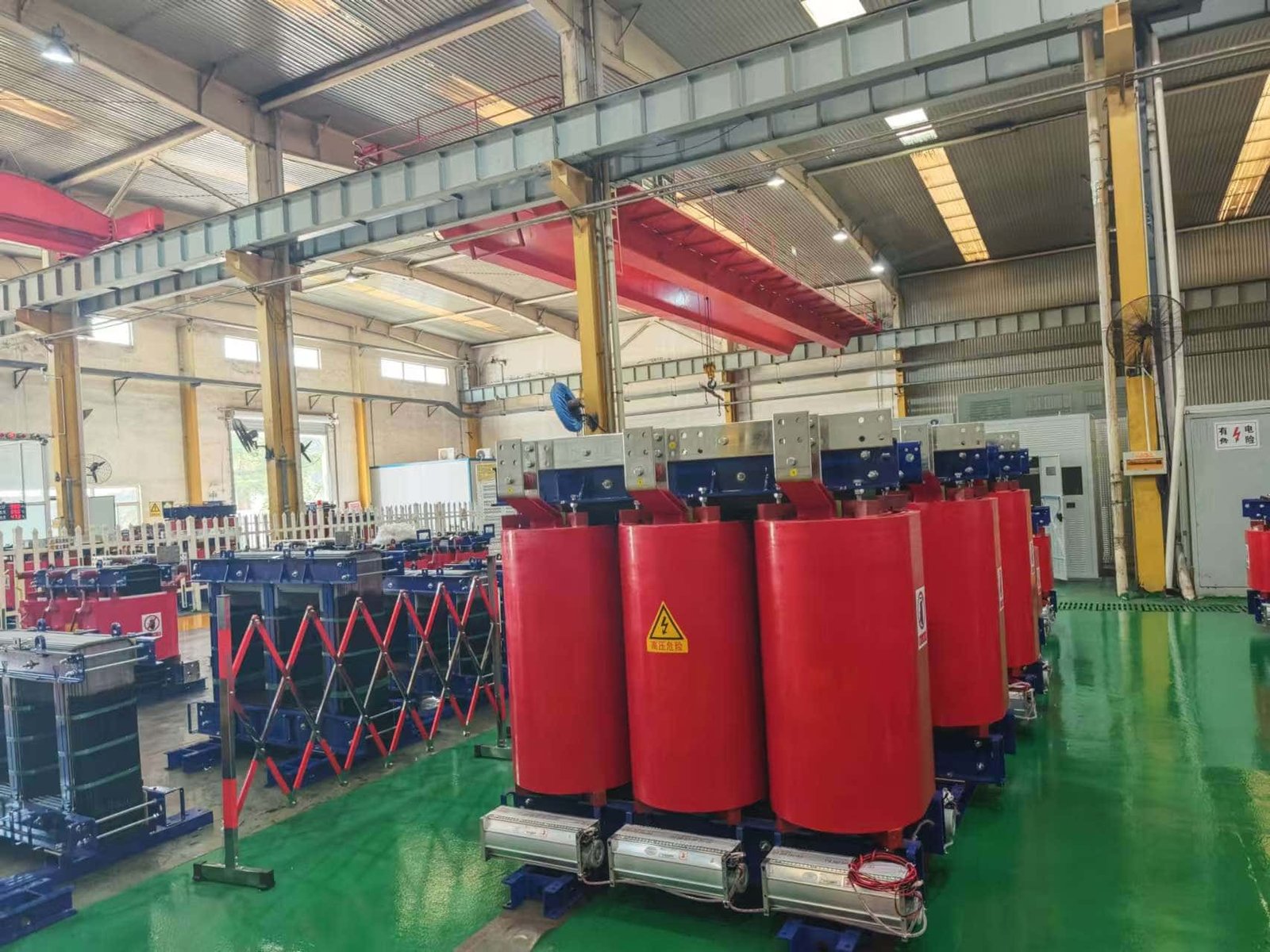
During normal transformer operation, many failures do not occur suddenly—they develop gradually due to overlooked issues such as overheating, loose connections, insulation degradation, or environmental contamination. Without routine checks, these small problems can escalate into major faults, leading to costly downtime, safety hazards, and reduced equipment lifespan. Preventive inspection is therefore essential to ensure continuous and reliable performance.
Routine checks during transformer operation include monitoring temperature, load conditions, ventilation, electrical connections, insulation status, noise and vibration, environmental cleanliness, and protection systems to detect early signs of faults and maintain safe, efficient operation. These inspections help identify abnormalities before they become critical failures.
To ensure optimal performance, each aspect of routine inspection must be carried out systematically and consistently.
Transformers do not require routine checks once they are in operation.False
Regular inspections are essential to detect early faults, maintain efficiency, and ensure safe transformer operation.
1. Temperature Monitoring
Temperature is one of the most critical indicators of transformer health.
Key Areas to Monitor
• winding temperature
• core temperature
• ambient temperature
Importance
Excessive temperature can accelerate insulation aging and reduce transformer lifespan.
Temperature Monitoring Table
| Parameter | Normal Condition | Warning Condition |
|---|---|---|
| Winding Temperature | Within design limits | Rising trend |
| Ambient Temperature | ≤ 40°C | High environment |
Continuous temperature tracking helps prevent overheating.
2. Load and Current Checks
Monitoring load ensures the transformer operates within safe limits.
Key Parameters
• total load percentage
• phase currents
• load balance
Risks of Poor Load Management
• overloading
• unbalanced phases
• increased losses
Load Monitoring Table
| Condition | Impact |
|---|---|
| Balanced load | Stable operation |
| Overload | Overheating risk |
Regular load checks ensure efficient operation.
3. Inspection of Electrical Connections
Loose or damaged connections are a common cause of faults.
What to Check
• tightness of terminals
• signs of overheating (discoloration)
• insulation condition
Consequences of Poor Connections
• increased resistance
• localized heating
• potential failure
Periodic tightening and inspection are essential.
4. Ventilation and Cooling System Checks
Proper cooling is vital for transformer performance.
Inspection Points
• airflow pathways
• operation of cooling fans
• cleanliness of ventilation openings
Cooling Performance Table
| Condition | Result |
|---|---|
| Blocked airflow | Overheating |
| Clear ventilation | Stable temperature |
Maintaining airflow ensures effective heat dissipation.
5. Environmental Condition Monitoring
The surrounding environment significantly affects transformer operation.
Key Factors
• dust accumulation
• humidity levels
• presence of corrosive substances
Preventive Actions
• regular cleaning
• maintaining dry conditions
• using protective enclosures
A clean environment improves insulation performance and cooling efficiency.
6. Insulation Condition Assessment
Insulation health is critical for safe operation.
Routine Checks
• visual inspection for cracks or damage
• insulation resistance testing (periodic)
• monitoring for signs of partial discharge
Importance
Early detection of insulation degradation prevents major failures.
7. Noise and Vibration Observation
Changes in sound or vibration can indicate internal issues.
Normal Conditions
• steady, low humming sound
• minimal vibration
Abnormal Signs
• increased noise
• irregular vibration
These may indicate loose components or electrical problems.
8. Protection System Verification
Protection devices must function correctly to ensure safety.
Systems to Check
• temperature alarms
• overload protection
• circuit breakers and relays
Benefits
• rapid fault detection
• prevention of damage
• improved reliability
Routine testing ensures proper operation during faults.
9. Grounding System Inspection
Grounding ensures safety and fault protection.
Checks Include
• secure grounding connections
• low resistance path to earth
• absence of corrosion
Proper grounding prevents electrical hazards.
10. Monitoring of Harmonics and Power Quality
Modern electrical systems often include non-linear loads.
Key Parameters
• harmonic distortion
• voltage fluctuations
• power factor
Effects
• increased heating
• reduced efficiency
• insulation stress
Monitoring power quality helps maintain stable operation.
11. Record Keeping and Trend Analysis
Maintaining records of inspections is essential.
What to Record
• temperature trends
• load variations
• maintenance activities
Benefits
• early detection of gradual issues
• better maintenance planning
• improved reliability
Data analysis supports predictive maintenance strategies.
How Can You Ensure Long-Term Reliability and Performance?
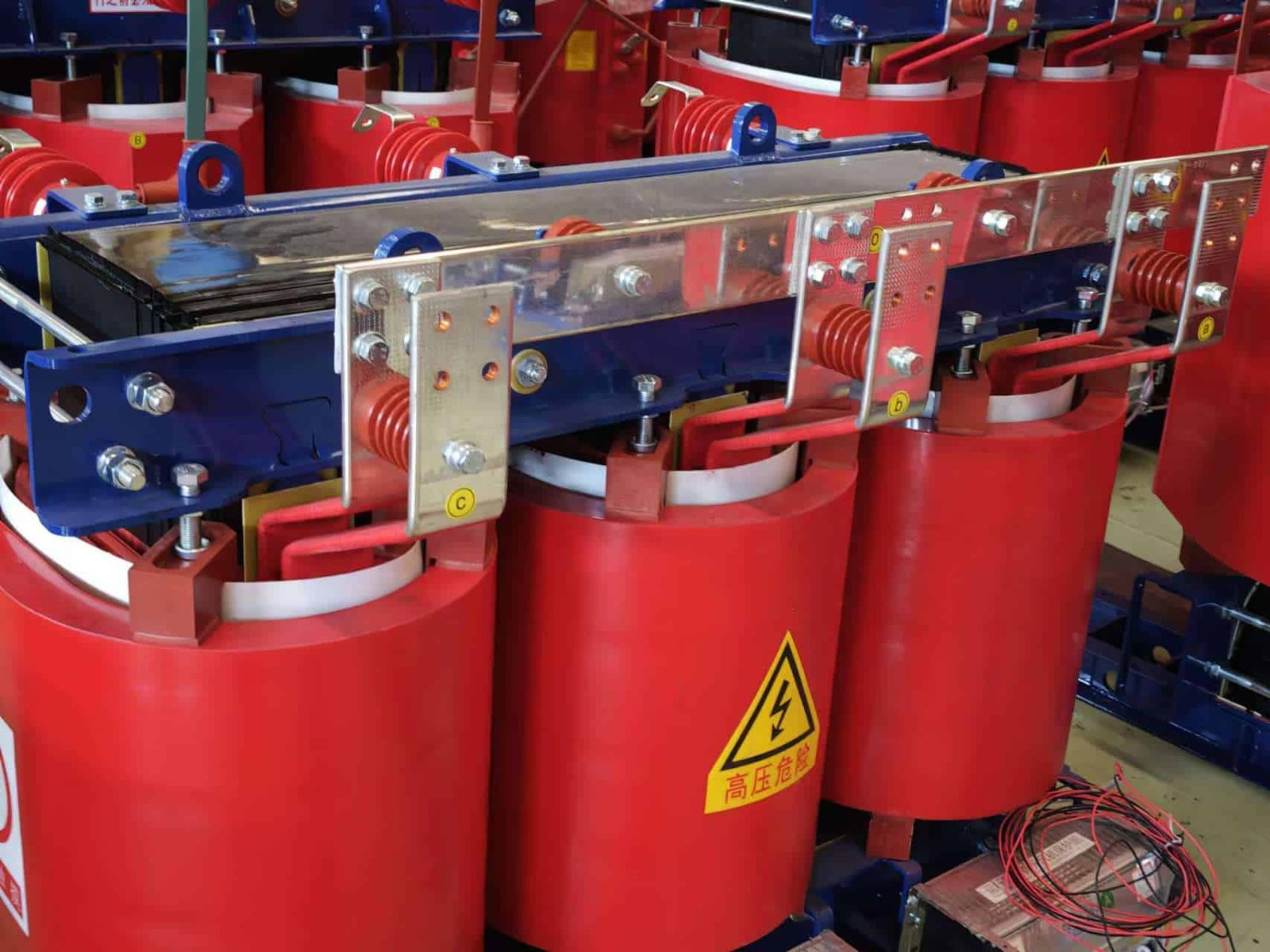
Ensuring long-term reliability and performance of transformers is a major concern for utilities, industrial operators, and infrastructure developers. Even high-quality transformers can suffer premature aging, unexpected failures, or efficiency losses if they are not properly managed throughout their lifecycle. Issues such as overheating, insulation degradation, poor maintenance, and improper loading can gradually reduce performance and lead to costly downtime or system instability.
Long-term transformer reliability and performance can be ensured by maintaining proper operating conditions, implementing preventive and predictive maintenance, managing load effectively, ensuring adequate cooling and insulation health, using advanced monitoring systems, and following strict operational and maintenance standards. These practices help extend service life, improve efficiency, and minimize failure risks.
To achieve sustained performance, a comprehensive and systematic approach must be applied across all aspects of transformer operation.
Transformer reliability depends only on manufacturing quality and does not require ongoing management.False
While manufacturing quality is important, proper operation, maintenance, and monitoring are essential for ensuring long-term reliability and performance.
1. Maintaining Optimal Operating Conditions
Stable operating conditions are the foundation of long-term reliability.
Key Parameters
• temperature within design limits
• stable voltage levels
• controlled humidity and environment
Impact
| Condition | Effect on Reliability |
|---|---|
| Stable conditions | Extended lifespan |
| Fluctuating conditions | Accelerated aging |
Consistent operating conditions prevent stress on transformer components.
2. Effective Load Management
Proper load control is critical to avoid thermal and electrical stress.
Best Practices
• operate within rated capacity
• balance three-phase loads
• avoid frequent overloads
Load Impact Table
| Load Condition | Result |
|---|---|
| Balanced load | Uniform heating |
| Overload | Insulation damage |
Managing load ensures stable thermal performance and reduces wear.
3. Advanced Cooling and Ventilation
Efficient cooling systems are essential for maintaining safe temperatures.
Cooling Strategies
• natural air cooling (AN)
• forced air cooling (AF)
• proper ventilation design
Benefits
• reduced temperature rise
• improved efficiency
• extended insulation life
Cooling directly influences transformer longevity.
4. Regular Preventive Maintenance
Preventive maintenance helps identify and address issues early.
Routine Activities
• inspection of connections
• cleaning of components
• testing insulation resistance
Maintenance Frequency Table
| Activity | Recommended Frequency |
|---|---|
| Visual inspection | Monthly |
| Electrical testing | Annually |
| Cleaning | As needed |
Regular maintenance reduces failure risks.
5. Predictive Maintenance Using Monitoring Systems
Modern transformers use advanced monitoring technologies.
Monitoring Tools
• temperature sensors
• load monitoring systems
• partial discharge detection
Advantages
• early fault detection
• reduced downtime
• optimized maintenance scheduling
Predictive maintenance improves reliability significantly.
6. Insulation System Health Management
Insulation is one of the most critical components affecting lifespan.
Key Factors
• thermal aging
• moisture ingress
• electrical stress
Monitoring Methods
• insulation resistance testing
• partial discharge analysis
Maintaining insulation integrity is essential for long-term operation.
7. Environmental Protection Measures
Environmental conditions must be controlled to prevent degradation.
Risks
• dust accumulation
• humidity
• corrosive environments
Protective Actions
• use of enclosures
• regular cleaning
• environmental monitoring
A controlled environment improves performance stability.
8. Protection Systems and Fault Management
Reliable protection systems prevent damage during abnormal conditions.
Key Systems
• overload protection
• short-circuit protection
• temperature alarms
Benefits
• rapid fault isolation
• prevention of catastrophic failure
• improved system safety
Proper protection enhances operational reliability.
9. Proper Installation and Commissioning
Correct installation is critical for long-term performance.
Key Requirements
• proper grounding
• correct alignment and connections
• thorough pre-commissioning checks
Poor installation can lead to persistent operational issues.
10. Data Recording and Trend Analysis
Long-term reliability depends on data-driven decision-making.
Data to Monitor
• temperature trends
• load patterns
• maintenance history
Benefits
• identification of gradual degradation
• improved maintenance planning
• enhanced operational efficiency
Trend analysis supports proactive management.
11. Compliance with Standards and Best Practices
Adhering to industry standards ensures safe and reliable operation.
Examples
• IEC standards
• manufacturer guidelines
• local electrical regulations
Importance
• ensures performance consistency
• reduces risk of non-compliance
• supports warranty requirements
Standards provide a framework for reliability.
12. Training and Operational Discipline
Human factors play a significant role in transformer reliability.
Key Elements
• trained personnel
• proper operating procedures
• adherence to safety protocols
Well-trained operators can prevent many operational errors.
Conclusion
Using a dry-type transformer involves proper installation, controlled startup, stable operating conditions, and regular monitoring. Ensuring adequate ventilation, avoiding overloading, and performing routine inspections are key to maintaining safe and efficient operation. With correct usage and maintenance practices, dry-type transformers can provide reliable, long-lasting performance in a wide range of applications while minimizing environmental and safety risks.
FAQ
Q1: Can transformers be 100% recyclable?
Transformers cannot currently be 100% recyclable, but they are among the most recyclable pieces of electrical equipment. In many cases, up to 90–98% of transformer materials can be recovered and reused.
The remaining non-recyclable portion typically consists of certain insulation materials, composite components, and contaminants that are difficult to process or separate economically.
Q2: What parts of a transformer can be recycled?
Most transformer components are highly recyclable, including:
Copper and aluminum windings
Steel core laminations
Transformer tank and structural steel
Radiators and metal fittings
Insulating oil (can often be reconditioned or processed)
These materials have high resale value and are commonly recovered during transformer decommissioning.
Q3: Which transformer components are difficult to recycle?
Some components are challenging to recycle due to their composition or contamination, such as:
Cellulose-based insulation paper
Resin-based materials in dry-type transformers
Mixed composite insulation systems
Contaminated oil or hazardous substances (e.g., legacy PCBs in older units)
These materials may require specialized disposal or energy recovery processes rather than direct recycling.
Q4: How does transformer design affect recyclability?
Modern transformer design increasingly focuses on eco-design principles, which improve recyclability by:
Reducing the use of mixed or bonded materials
Using recyclable metals and biodegradable fluids
Designing components for easier disassembly
Minimizing hazardous substances
Designing with end-of-life recycling in mind significantly increases material recovery rates.
Q5: Are dry-type transformers more recyclable than oil-filled transformers?
Both types have high recyclability, but there are differences:
Oil-filled transformers: Easier to recycle metals and oil, but require careful handling of insulating fluids
Dry-type transformers: No oil disposal issues, but resin insulation is harder to recycle
Overall recyclability depends more on design and materials than transformer type alone.
Q6: How is transformer recycling performed?
Transformer recycling involves several steps:
Draining and processing insulating oil
Dismantling the transformer
Separating metals (copper, aluminum, steel)
Processing insulation and non-metal materials
Recycling or safely disposing of remaining waste
Specialized recycling facilities ensure environmental compliance and maximize material recovery.
Q7: How do recyclable transformers support sustainability goals?
High recyclability contributes to sustainability by:
Reducing raw material extraction
Lowering energy consumption in manufacturing
Minimizing landfill waste
Supporting circular economy practices
Transformers with high recyclable content play an important role in reducing the environmental footprint of power infrastructure.
Q8: What innovations are improving transformer recyclability?
Recent innovations aimed at improving recyclability include:
Biodegradable and recyclable insulating fluids
Eco-friendly solid insulation materials
Modular designs for easier disassembly
Reduction of hazardous substances
These advancements are helping move the industry closer to fully sustainable transformer solutions.
References
IEC 60076 – Power Transformers
https://webstore.iec.ch/publication/602
IEEE C57 Series – Transformer Lifecycle and Recycling Standards
https://standards.ieee.org
CIGRE – Transformer End-of-Life and Recycling Studies
https://www.cigre.org
Electrical Engineering Portal – Transformer Recycling Explained
https://electrical-engineering-portal.com
U.S. Environmental Protection Agency – Electrical Equipment Recycling
https://www.epa.gov
World Economic Forum – Circular Economy and Energy Infrastructure
https://www.weforum.org