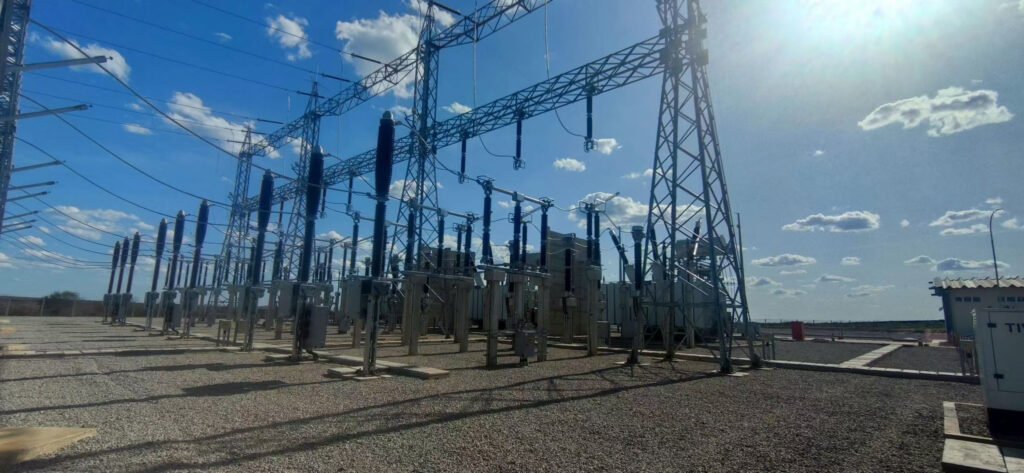
Transformers are designed for long-term, reliable operation, but various operational issues can arise due to loading conditions, environmental factors, aging, or improper maintenance. Identifying common problems early and applying preventive measures is essential to avoid failures, reduce downtime, and extend service life. A proactive approach to operation and maintenance ensures consistent performance and system stability.
What Are the Most Common Operational Issues in Transformers?
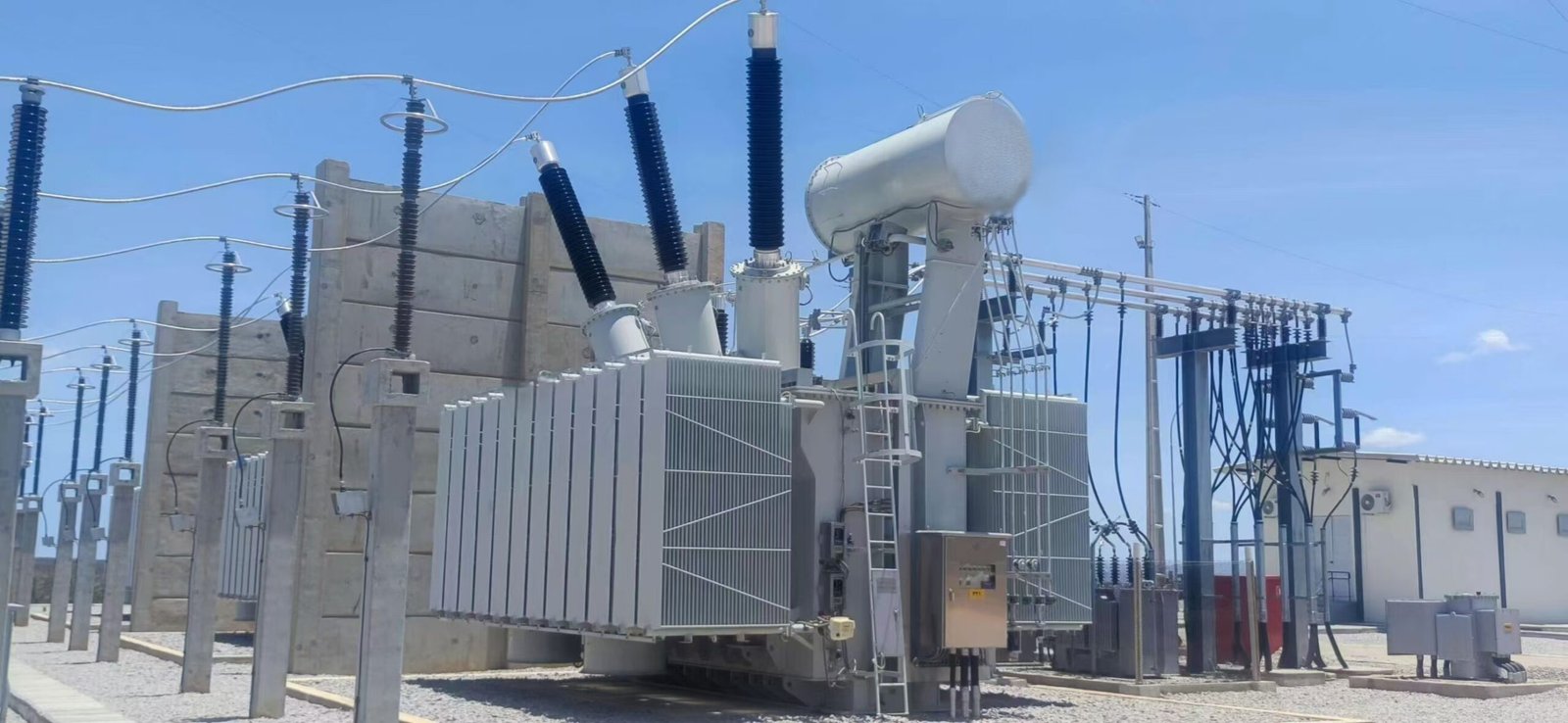
In real-world power systems, transformers are expected to operate continuously and reliably for decades. However, even well-designed transformers can encounter operational issues due to improper usage, environmental stress, aging components, or inadequate maintenance. These problems often develop gradually and, if left unaddressed, can lead to severe failures, costly downtime, or even safety hazards. Understanding the most common operational issues is essential for preventing failures and ensuring long-term performance.
The most common operational issues in transformers include overheating, insulation degradation, overloading, moisture ingress, poor cooling, electrical faults, loose connections, and inadequate maintenance, all of which can reduce efficiency, compromise safety, and shorten transformer lifespan.
To effectively manage these risks, it is important to examine each issue in detail, including its causes, effects, and preventive measures.
Transformer failures usually occur suddenly without warning signs.False
Most transformer issues develop gradually and can be detected early through proper monitoring and maintenance.
1. Overheating
Overheating is one of the most frequent and critical transformer issues.
Causes
• overloading
• inadequate cooling
• high ambient temperature
Effects
• accelerated insulation aging
• reduced efficiency
• potential failure
Overheating Impact Table
| Temperature Condition | Effect |
|---|---|
| Within limits | Normal operation |
| Excessive | Insulation damage |
Prevention
• maintain proper load levels
• ensure effective cooling
• monitor temperature continuously
2. Insulation Degradation
Insulation is vital for transformer operation.
Causes
• thermal aging
• moisture ingress
• electrical stress
Effects
• reduced dielectric strength
• increased risk of faults
• eventual failure
Insulation Condition Table
| Condition | Result |
|---|---|
| Healthy insulation | Reliable operation |
| Degraded insulation | Failure risk |
Prevention
• regular insulation testing
• control of operating temperature
• moisture protection
3. Overloading
Operating beyond rated capacity can severely impact performance.
Effects
• increased losses
• overheating
• reduced lifespan
Load Impact Table
| Load Level | Risk |
|---|---|
| ≤ 100% | Safe |
| > 100% | Increasing risk |
Prevention
• monitor load continuously
• implement load balancing
• avoid sustained overload
4. Moisture Ingress
Moisture is a major threat to transformer insulation.
Sources
• high humidity
• sealing
• environmental exposure
Effects
• reduced insulation strength
• partial discharge
• corrosion
Moisture Impact Table
| Moisture Level | Effect |
|---|---|
| Low | Safe operation |
| High | Failure risk |
Prevention
• use moisture-resistant designs
• maintain proper sealing
• control environment
5. Poor Cooling Performance
Cooling systems are essential for temperature control.
Causes
• blocked airflow
• fan failure
• poor ventilation design
Effects
• overheating
• reduced efficiency
• insulation damage
Cooling Performance Table
| Condition | Result |
|---|---|
| Adequate cooling | Stable operation |
| Poor cooling | Overheating |
Prevention
• inspect cooling systems regularly
• ensure proper airflow
• maintain ventilation
6. Electrical Faults
Electrical faults can occur due to various reasons.
Types
• short circuits
• ground faults
• winding faults
Effects
• sudden failure
• equipment damage
• safety hazards
Prevention
• install protection systems
• monitor electrical parameters
• perform regular testing
7. Loose or Poor Electrical Connections
Connections can degrade over time.
Causes
• vibration
• thermal cycling
• improper installation
Effects
• increased resistance
• localized heating
• potential arcing
Connection Quality Table
| Condition | Impact |
|---|---|
| Tight connections | Stable operation |
| Loose connections | Fault risk |
Prevention
• periodic inspection
• proper tightening
• use of quality connectors
8. Harmonic Distortion
Modern loads introduce harmonics into the system.
Sources
• electronic devices
• variable frequency drives
• power converters
Effects
• additional heating
• increased losses
• insulation stress
Prevention
• use harmonic filters
• design for harmonic loads
• monitor power quality
9. Core Issues and Magnetic Problems
Core-related issues can affect efficiency.
Causes
• core saturation
• poor assembly
• material degradation
Effects
• increased losses
• overheating
• noise and vibration
Prevention
• proper design and operation
• voltage control
• regular inspection
10. Mechanical Stress and Vibration
Mechanical factors can impact transformer integrity.
Causes
• short-circuit forces
• external vibration
• poor mounting
Effects
• structural damage
• insulation wear
• noise increase
Prevention
• secure installation
• inspection
• vibration monitoring
11. Inadequate Maintenance
Lack of maintenance is a common root cause of failures.
Consequences
• undetected faults
• reduced efficiency
• unexpected breakdowns
Maintenance Impact Table
| Maintenance Level | Reliability |
|---|---|
| Regular | High |
| Neglected | Low |
Prevention
• implement maintenance schedules
• perform routine inspections
• use predictive maintenance tools
12. Aging and Wear
All transformers experience aging over time.
Effects
• gradual performance decline
• increased failure risk
Prevention
• monitor aging indicators
• replace worn components
• upgrade when necessary
How Can Overheating and Thermal Stress Be Prevented?
Overheating and thermal stress are among the most critical threats to transformer reliability and lifespan. Excessive temperature accelerates insulation aging, increases energy losses, and can ultimately lead to catastrophic failure. Many transformer issues—such as insulation breakdown, reduced efficiency, and unexpected shutdowns—are directly linked to poor thermal management. Without proper preventive measures, even a well-designed transformer can suffer significant performance degradation over time.
Overheating and thermal stress can be prevented by maintaining proper load levels, ensuring effective cooling and ventilation, monitoring temperature continuously, optimizing installation conditions, using high-quality insulation, and implementing regular maintenance and protection systems. These strategies work together to control temperature rise and ensure stable, long-term operation.
To effectively prevent overheating, it is essential to understand the key factors that influence thermal performance and how to manage them.
Transformer overheating only occurs during extreme overload conditions.False
Overheating can also result from poor cooling, high ambient temperature, unbalanced loads, or inadequate maintenance, even without extreme overload.
1. Proper Load Management
Load is the primary factor influencing transformer temperature.
Key Principles
• operate within rated capacity
• avoid continuous overloading
• balance three-phase loads
Load vs Temperature Table
| Load Level | Thermal Impact |
|---|---|
| ≤ 100% | Normal temperature |
| 100–120% | Increased heating |
| > 120% | High overheating risk |
Best Practices
• monitor load continuously
• implement load scheduling
• avoid sudden load spikes
Proper load control reduces thermal stress significantly.
2. Efficient Cooling System Design
Cooling systems are essential for heat dissipation.
Cooling Methods
• natural air cooling (AN)
• forced air cooling (AF)
• oil cooling (for oil-filled transformers)
Cooling Performance Table
| Cooling Condition | Result |
|---|---|
| Adequate cooling | Stable temperature |
| Poor cooling | Overheating |
Key Measures
• ensure cooling fans are operational
• maintain clear airflow paths
• design adequate ventilation
Effective cooling prevents heat accumulation.
3. Ventilation and Airflow Optimization
Proper airflow is critical, especially for dry-type transformers.
Requirements
• unobstructed air circulation
• sufficient spacing around transformer
• proper placement in well-ventilated areas
Ventilation Impact Table
| Condition | Effect |
|---|---|
| Good airflow | Efficient cooling |
| Blocked airflow | Heat buildup |
Recommendations
• avoid enclosed, poorly ventilated spaces
• regularly clean air passages
Ventilation directly affects heat dissipation efficiency.
4. Continuous Temperature Monitoring
Real-time monitoring helps detect overheating early.
Monitoring Tools
• temperature sensors (PT100, thermistors)
• thermal relays
• digital monitoring systems
Benefits
• early detection of abnormal conditions
• timely corrective action
• prevention of failure
Monitoring Table
| Parameter | Importance |
|---|---|
| Winding temperature | Critical |
| Ambient temperature | Important |
Monitoring ensures proactive thermal management.
5. Use of High-Quality Insulation Materials
Insulation must withstand thermal stress.
Key Properties
• high thermal class (F, H)
• resistance to aging
• stable dielectric performance
Insulation Impact Table
| Insulation Quality | Thermal Performance |
|---|---|
| High-quality | Better heat resistance |
| Low-quality | Faster degradation |
Good insulation extends transformer life.
6. Environmental Control
External conditions significantly influence temperature.
• ambient temperature
• humidity
• dust accumulation
Effects
• higher ambient temperature reduces cooling efficiency
• dust blocks airflow
Environmental Table
| Condition | Impact |
|---|---|
| Clean, cool environment | Optimal operation |
| Hot, dusty environment | Increased risk |
Preventive Actions
• install in suitable environments
• maintain cleanliness
• control humidity
Environmental management supports thermal stability.
7. Regular Maintenance and Inspection
Maintenance ensures all cooling and electrical systems function properly.
Key Activities
• cleaning ventilation paths
• checking fan operation
• inspecting connections
Maintenance Impact Table
| Maintenance Level | Thermal Risk |
|---|---|
| Regular | Low |
| Neglected | High |
Routine checks prevent overheating issues.
8. Avoidance of Harmonic Overheating
Harmonics can increase transformer losses and temperature.
Causes
• non-linear loads
• electronic equipment
Mitigation Methods
• install harmonic filters
• use K-rated transformers
• monitor power quality
Managing harmonics reduces hidden thermal stress.
9. Proper Installation Practices
Installation conditions affect cooling performance.
Key Considerations
• adequate clearance
• proper alignment
• correct positioning
Installation Table
| Practice | Result |
|---|---|
| Proper installation | Efficient cooling |
| Poor installation | Heat accumulation |
Correct installation supports heat dissipation.
10. Use of Protection Systems
Protection systems help prevent thermal damage.
Devices
• thermal overload relays
• temperature alarms
• automatic shutdown systems
Benefits
• prevents damage
• enhances safety
• ensures reliability
Protection systems act as a safety backup.
11. Load and Cooling Coordination
Load capacity depends on cooling efficiency.
Key Concept
• better cooling allows higher load handling
• poor cooling reduces allowable load
Coordination Table
| Cooling Efficiency | Load Capacity |
|---|---|
| High | Full capacity |
| Low | Reduced capacity |
Balancing load and cooling ensures safe operation.
12. Advanced Monitoring and Smart Systems
Modern transformers use intelligent systems for thermal management.
Features
• real-time data analysis
• predictive maintenance
• remote monitoring
Advantages
• early fault detection
• optimized operation
• reduced downtime
Smart systems enhance thermal control.
What Causes Insulation Degradation and How Can It Be Controlled?
Insulation is the backbone of transformer reliability, yet it is also one of the most vulnerable components over time. When insulation begins to degrade, the consequences can be severe—ranging from reduced dielectric strength and partial discharge activity to catastrophic failure and unplanned outages. Many transformer failures can be traced back to gradual insulation deterioration caused by thermal, electrical, environmental, and mechanical stresses. Without proper control measures, this degradation can silently compromise system safety and performance.
Insulation degradation in transformers is primarily caused by thermal aging, moisture ingress, electrical stress, contamination, and mechanical forces, and it can be controlled through proper temperature management, environmental protection, high-quality materials, regular testing, and predictive maintenance strategies.
To effectively manage insulation health, it is essential to understand the root causes and implement targeted control measures.
Transformer insulation degradation happens suddenly and cannot be controlled or predicted.False
Insulation degradation is usually gradual and can be monitored, controlled, and mitigated through proper operation and maintenance practices.
1. Thermal Aging (Primary Cause)
Thermal stress is the most significant factor in insulation degradation.
Mechanism
• high temperatures accelerate chemical breakdown
• insulation loses mechanical and dielectric strength over time
Thermal Aging Table
| Temperature Increase | Life Reduction |
|---|---|
| +6–8°C | Life reduced by ~50% |
| Within limits | Normal lifespan |
Effects
• embrittlement of insulation
• dielectric strength
• increased failure risk
Control Measures
• maintain proper load levels
• ensure efficient cooling systems
• monitor temperature continuously
Controlling temperature is the most effective way to extend insulation life.
2. Moisture Ingress
Moisture significantly weakens insulation performance.
Sources
• high humidity environments
• condensation
• poor sealing or storage
Effects
• reduced insulation resistance
• increased partial discharge
• accelerated aging
Moisture Impact Table
| Moisture Level | Insulation Strength |
|---|---|
| Low | High |
| High | Severely reduced |
Control Measures
• use moisture-resistant insulation (e.g., cast resin)
• maintain dry operating conditions
• apply proper sealing and enclosures
Moisture control is critical for insulation reliability.
3. Electrical Stress and Partial Discharge
Electrical stress can gradually damage insulation.
Causes
• overvoltage
• switching surges
• harmonic distortion
Effects
• partial discharge (PD)
• micro-cracks in insulation
• eventual breakdown
PD Impact Table
| Condition | Result |
|---|---|
| Low PD | Stable insulation |
| High PD | Rapid degradation |
Control Measures
• install surge protection devices
• monitor PD levels
• design for appropriate voltage ratings
Managing electrical stress prevents long-term damage.
4. Contamination and Pollution
Environmental contaminants can degrade insulation.
Sources
• dust and dirt
• industrial pollutants
• corrosive gases
Effects
• surface tracking
• insulation leakage currents
• reduced dielectric strength
Contamination Table
| Environment | Risk Level |
|---|---|
| Clean indoor | Low |
| Industrial | High |
Control Measures
• regular cleaning
• use of protective enclosures
• proper site selection
Keeping insulation clean improves performance.
5. Mechanical Stress and Vibration
Mechanical forces can damage insulation over time.
Causes
• short-circuit forces
• vibration from operation
• poor installation
Effects
• cracks in insulation
• displacement of windings
• reduced structural integrity
Mechanical Stress Table
| Condition | Impact |
|---|---|
| Stable structure | Long life |
| High vibration | Damage risk |
Control Measures
• secure installation
• structural design
• vibration monitoring
Mechanical stability protects insulation integrity.
6. Overloading and Thermal Cycling
Frequent load fluctuations can accelerate degradation.
Effects
• repeated expansion and contraction
• mechanical fatigue
• thermal stress
Load Cycling Table
| Condition | Result |
|---|---|
| Stable load | Minimal stress |
| Frequent cycling | Increased wear |
Control Measures
• avoid frequent overload conditions
• maintain stable load profiles
Load management reduces stress on insulation.
7. Poor Manufacturing Quality
Manufacturing defects can lead to early degradation.
Issues
• air voids in insulation
• uneven material distribution
• improper curing
Effects
• partial discharge initiation
• weak نقاط in insulation
Control Measures
• select high-quality manufacturers
• ensure compliance with standards
• verify testing and certification
Quality manufacturing is the foundation of reliable insulation.
8. Aging and Oxidation
Natural aging occurs over time.
Mechanism
• oxidation of insulation materials
• gradual chemical breakdown
Effects
• reduced flexibility
• loss of strength
Control Measures
• monitor insulation condition
• replace aged components when necessary
Aging cannot be avoided but can be managed.
9. Inadequate Cooling
Poor cooling accelerates all forms of degradation.
Causes
• blocked airflow
• cooling system failure
Effects
• increased temperature
• faster insulation aging
Control Measures
• maintain cooling systems
• ensure proper ventilation
Cooling is critical for insulation longevity.
10. Harmonics and Power Quality Issues
Non-linear loads introduce additional stress.
Effects
• increased heating
• electrical stress
Control Measures
• install harmonic filters
• monitor power quality
Managing harmonics reduces hidden damage.
11. Monitoring and Diagnostic Techniques
Modern diagnostics help detect early degradation.
Methods
• insulation resistance testing
• partial discharge monitoring
• thermal imaging
Benefits
• early fault detection
• predictive maintenance
Diagnostic Table
| Method | Purpose |
|---|---|
| IR test | Measure insulation strength |
| PD test | Detect internal defects |
Monitoring is essential for proactive control.
12. Preventive Maintenance Strategies
Maintenance is key to controlling degradation.
Key Actions
• regular inspections
• cleaning and environmental control
• testing and data analysis
Maintenance Impact Table
| Maintenance Level | Insulation Life |
|---|---|
| Regular | Extended |
| Neglected | Reduced |
Preventive maintenance ensures long-term reliability.
How Can Electrical Faults and Short Circuits Be Avoided?
Electrical faults and short circuits are among the most dangerous and costly issues in transformer operation. They can occur suddenly, causing severe equipment damage, system outages, and even safety hazards such as fires or explosions. In many cases, these faults are not random—they result from predictable factors like insulation failure, improper installation, overloading, or inadequate protection systems. Without proper preventive measures, even minor issues can escalate into catastrophic failures.
Electrical faults and short circuits in transformers can be avoided through proper insulation design, effective protection systems, correct installation practices, load management, regular maintenance, and continuous monitoring of electrical and thermal conditions. These strategies work together to minimize risk and ensure safe, reliable operation.
To effectively prevent faults, it is essential to understand their causes and implement targeted preventive measures.
Short circuits in transformers cannot be prevented and only protective devices can respond after they occur.False
While protection devices are important, many short circuits can be prevented through proper design, maintenance, and operational control.
1. Proper Insulation Design and Maintenance
Insulation is the first line of defense against electrical faults.
Key Factors
• high dielectric strength materials
• uniform insulation without defects
• resistance to thermal and electrical stress
Insulation Performance Table
| Condition | Fault Risk |
|---|---|
| High-quality insulation | Low |
| Degraded insulation | High |
Preventive Measures
• use advanced insulation systems (e.g., cast resin)
• perform regular insulation testing
• avoid overheating
Strong insulation significantly reduces fault occurrence.
2. Installation of Protection Systems
Protection devices detect and isolate faults quickly.
Common Devices
• circuit breakers
• protective relays
• differential protection systems
Protection Function Table
| Device | Function |
|---|---|
| Circuit breaker | Interrupts fault current |
| Relay | Detects abnormal conditions |
Benefits
• prevents equipment damage
• limits fault impact
• enhances system safety
Protection systems act as a critical safety layer.
3. Proper Grounding and Earthing
Grounding ensures safe fault current dissipation.
Importance
• prevents dangerous voltage buildup
• provides a path for fault currents
• protects personnel and equipment
Grounding Impact Table
| Condition | Safety Level |
|---|---|
| Proper grounding | High |
| Poor grounding | Hazardous |
Best Practices
• ensure low-resistance grounding
• inspection of grounding systems
Effective grounding reduces fault severity.
4. Load Management and Overload Prevention
Overloading increases the risk of faults.
Effects
• excessive heating
• insulation degradation
• increased short-circuit risk
Load vs Risk Table
| Load Level | Fault Risk |
|---|---|
| Within rating | Low |
| Overloaded | High |
Preventive Measures
• monitor load continuously
• balance loads across phases
• avoid sustained overload
Proper load management prevents stress-related faults.
5. Regular Maintenance and Inspection
Routine maintenance helps detect potential issues early.
Key Activities
• checking connections
• inspecting insulation condition
• cleaning components
Maintenance Impact Table
| Maintenance Level | Fault Probability |
|---|---|
| Regular | Low |
| Neglected | High |
Benefits
• early fault detection
• improved reliability
• reduced downtime
Maintenance is essential for fault prevention.
6. Ensuring Tight and Secure Connections
Loose connections are a common cause of faults.
Causes
• vibration
• thermal expansion
• improper installation
Effects
• localized heating
• arcing
• eventual short circuit
Connection Quality Table
| Condition | Risk |
|---|---|
| Tight connections | Low |
| Loose connections | High |
Prevention
• periodic tightening
• inspection for wear
Secure connections reduce electrical risk.
7. Control of Environmental Conditions
Environmental factors can contribute to faults.
Risk Factors
• moisture
• dust and contamination
• corrosive gases
Environmental Impact Table
| Condition | Fault Risk |
|---|---|
| Clean, dry | Low |
| Harsh environment | High |
Preventive Measures
• install protective enclosures
• maintain cleanliness
• control humidity
Environmental control protects transformer components.
8. Prevention of Mechanical Damage
Mechanical issues can lead to electrical faults.
Causes
• vibration
• improper handling
• short-circuit forces
Effects
• insulation damage
• conductor displacement
Prevention
• proper installation
• secure mounting
• vibration monitoring
Mechanical stability ensures electrical integrity.
9. Use of Surge Protection Devices
Voltage surges can damage insulation.
Sources
• lightning strikes
• switching operations
Effects
• insulation breakdown
• internal faults
Protection Methods
• surge arresters
• voltage regulators
Surge Protection Table
| Condition | Impact |
|---|---|
| Protected system | Low risk |
| Unprotected | High risk |
Surge protection prevents sudden failures.
10. Monitoring and Diagnostic Systems
Advanced monitoring improves fault prevention.
Tools
• temperature sensors
• partial discharge monitoring
• digital control systems
Benefits
• real-time condition monitoring
• early warning of faults
• predictive maintenance
Monitoring Table
| Parameter | Importance |
|---|---|
| Temperature | Critical |
| PD levels | Early fault indicator |
Monitoring enables proactive management.
11. Harmonic Control and Power Quality Management
Poor power quality can lead to faults.
Effects
• overheating
• insulation stress
Mitigation
• harmonic filters
• proper system design
Managing harmonics reduces electrical stress.
12. Training and Operational Best Practices
Human factors also play a role in fault prevention.
Key Practices
• proper operation procedures
• регуляр training for personnel
• adherence to safety standards
Impact
• reduces operational errors
• improves system reliability
Well-trained personnel are essential for safe operation.
What Maintenance Practices Help Prevent Unexpected Failures?
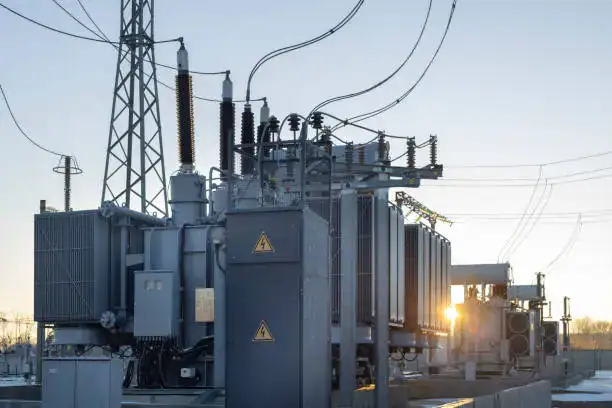
Unexpected transformer failures are one of the most costly and disruptive events in power systems. Even high-quality transformers can fail prematurely if routine maintenance is neglected. Failures often result from cumulative effects of thermal stress, insulation degradation, overloading, moisture ingress, contamination, and mechanical wear. Without systematic maintenance practices, minor issues can escalate, leading to catastrophic faults, unplanned downtime, and expensive repairs or replacements.
Preventing unexpected failures in transformers requires a comprehensive maintenance program that includes regular visual inspections, cleaning, cooling system checks, load and temperature monitoring, insulation testing, oil analysis (for oil-filled units), tightening of connections, and predictive diagnostics. These practices ensure early detection of potential problems, keeping transformers safe, reliable, and efficient.
Transformers do not require routine maintenance if they are of high quality.False
Even high-quality transformers experience wear and environmental stress; regular maintenance is essential to prevent failures and extend service life.
1. Visual Inspection and Cleaning
Regular inspection is the first step in preventive maintenance.
Key Tasks
• check for dust, dirt, and debris on windings and enclosures
• inspect for corrosion or rust on metal parts
• verify that all ventilation openings are unobstructed
Effects of Neglect
• restricted airflow
• accelerated insulation aging
• increased overheating risk
Maintenance Table
| Task | Frequency | Purpose |
|---|---|---|
| Visual inspection | Monthly | Detect early physical issues |
| Cleaning | Quarterly | Maintain airflow and prevent contamination |
Routine visual inspections help identify issues before they cause failures.
2. Cooling System Checks
Cooling is critical to prevent thermal stress.
Key Areas
• fans, blowers, and pumps for proper operation
• radiators and air vents for blockage
• temperature sensors for accurate readings
Effects of Poor Maintenance
• overheating
• accelerated insulation degradation
• decreased transformer efficiency
Cooling Maintenance Table
| Component | Maintenance Action | Frequency |
|---|---|---|
| Fans/blowers | Operational test | Monthly |
| Radiators/vents | Cleaning | Quarterly |
| Sensors | Calibration | Annually |
Ensuring proper cooling prevents thermal-related failures.
3. Electrical Connections and Torque Checks
Loose connections increase fault risk.
Key Tasks
• inspect all terminals and busbars
• tighten bolts and clamps to manufacturer specifications
• check for signs of arcing or overheating
Effects of Neglect
• localized heating
• partial discharge initiation
• potential short circuits
Connection Maintenance Table
| Task | Frequency | Purpose |
|---|---|---|
| Terminal inspection | Monthly | Ensure secure connections |
| Torque verification | Annually | Prevent loosening |
Properly maintained connections reduce unexpected electrical failures.
4. Load and Temperature Monitoring
Monitoring operational conditions identifies stress before it causes damage.
Key Parameters
• winding and ambient temperature
• load currents and phase balance
• harmonics and voltage quality
Effects of Neglect
• unnoticed overloads
• hidden thermal stress
• accelerated insulation wear
Monitoring Maintenance Table
| Parameter | Tool | Frequency |
|---|---|---|
| Temperature | Thermal sensors/IR cameras | Continuous |
| Load | Current meters/SCADA | Continuous |
| Harmonics | Power analyzers | Quarterly |
Monitoring allows proactive intervention before problems escalate.
5. Insulation Testing
Insulation condition is critical for safe operation.
Key Tests
• insulation resistance (IR) measurement
• polarization index (PI) test
• dielectric dissipation factor (tan δ) testing
Effects of Neglect
• hidden degradation
• unexpected partial discharges
• sudden failure
Insulation Maintenance Table
| Test | Purpose | Frequency |
|---|---|---|
| IR Test | Check insulation resistance | Annually |
| PI Test | Assess insulation aging | Annually |
| Tan δ | Detect moisture/contamination | Annually |
Routine insulation testing prevents dielectric-related failures.
6. Oil Analysis (For Oil-Immersed Transformers)
Oil condition reflects internal health.
Key Parameters
• dielectric strength
• moisture content
• dissolved gas analysis (DGA)
Effects of Neglect
• insulation degradation
• undetected faults
• increased risk of catastrophic failure
Oil Maintenance Table
| Test | Purpose | Frequency |
|---|---|---|
| Dielectric strength | Ensure insulation protection | Quarterly |
| DGA | Detect internal arcing or overheating | Quarterly |
| Moisture content | Prevent insulation damage | Quarterly |
Oil analysis enables early fault detection and preventive action.
7. Mechanical Integrity Checks
Structural components must be secure and stable.
Key Tasks
• verify mounting hardware
• inspect vibration dampers and supports
• check bushings and enclosures for damage
Effects of Neglect
• excessive vibration
• displacement of windings
• mechanical failure
Mechanical Maintenance Table
| Task | Frequency | Purpose |
|---|---|---|
| Mounting inspection | Semi-annually | Maintain structural stability |
| Vibration check | Annually | Prevent mechanical stress |
| Bushing inspection | Annually | Ensure insulation integrity |
Mechanical maintenance prevents stress-induced failures.
8. Predictive and Condition-Based Maintenance
Modern transformers benefit from predictive monitoring.
Key Tools
• thermal imaging and IR cameras
• partial discharge (PD) monitoring
• vibration and acoustic sensors
• digital monitoring systems
Benefits
• early detection of anomalies
• optimized maintenance scheduling
• reduced unplanned downtime
Predictive Maintenance Table
| Tool | Function | Frequency |
|---|---|---|
| PD sensors | Detect insulation defects | Continuous |
| Thermal cameras | Identify hotspots | Quarterly |
| Vibration sensors | Monitor mechanical stress | Continuous |
Predictive maintenance reduces the likelihood of unexpected failures.
9. Documentation and Trend Analysis
Keeping records helps identify patterns and predict problems.
Key Actions
• record test results and inspection reports
• track load, temperature, and maintenance history
• analyze trends to anticipate failures
Effects of Neglect
• missed warning signs
• reactive rather than proactive maintenance
Documentation Table
| Record | Purpose | Frequency |
|---|---|---|
| Test results | Trend analysis | Continuous |
| Maintenance logs | Predictive planning | Continuous |
| Load and temperature | Performance assessment | Continuous |
Documentation supports proactive maintenance planning.
10. Training and Operational Best Practices
Human error is a major cause of unexpected failures.
Key Practices
• regular personnel training
• adherence to operational procedures
• awareness of maintenance protocols
Effects of Good Practices
• fewer mistakes
• proper operation and handling
• safer, reliable systems
Training ensures all preventive measures are effectively implemented.
How Do Monitoring and Protection Systems Improve Reliability?
Transformers are critical components of power systems, and any failure can cause widespread outages, equipment damage, and costly downtime. Many failures develop gradually, such as insulation deterioration, overload conditions, or mechanical wear, but without proper monitoring, these issues can go unnoticed until they become severe. Protection systems and continuous monitoring are therefore essential to maintain reliable and safe transformer operation.
Monitoring and protection systems improve transformer reliability by continuously tracking operating conditions, detecting abnormalities such as overheating, overcurrent, partial discharge, or voltage irregularities, and automatically triggering alarms or protective actions to prevent damage and reduce the risk of unexpected failures. These systems enable early intervention, reduce downtime, and extend transformer service life.
Monitoring and protection systems only respond after a failure occurs.False
Modern monitoring systems can detect early warning signs and abnormal conditions, allowing proactive intervention before a failure happens.
1. Real-Time Temperature Monitoring
Temperature is a critical indicator of transformer health.
Key Components
• winding and ambient temperature sensors
• infrared thermal imaging
• digital SCADA integration
Benefits
• identifies hotspots before damage occurs
• ensures cooling systems operate efficiently
• allows predictive load adjustments
Temperature Monitoring Table
| Component | Parameter Monitored | Response |
|---|---|---|
| Winding | Temperature | Alarm if exceeding limits |
| Ambient | Airflow & temperature | Adjust fan operation |
Continuous temperature monitoring prevents overheating and thermal stress.
2. Overcurrent and Fault Detection
Overcurrent and short circuits can cause immediate catastrophic damage.
Protective Devices
• circuit breakers
• differential protection relays
• overcurrent relays
Benefits
• isolates faulty circuits
• prevents equipment damage
• maintains system stability
Overcurrent Protection Table
| Device | Function | Activation Threshold |
|---|---|---|
| Circuit breaker | Interrupt fault current | Set above rated load |
| Differential relay | Detect winding imbalance | Sensitive to short circuits |
These devices limit damage and improve operational reliability.
3. Partial Discharge (PD) Monitoring
Partial discharges are early indicators of insulation failure.
Key Tools
• PD sensors
• acoustic and electromagnetic detection
• online PD monitoring systems
Benefits
• identifies insulation defects early
• allows maintenance before catastrophic failure
• extends insulation life
PD Monitoring Table
| Detection Type | Early Warning | Corrective Action |
|---|---|---|
| Acoustic PD | Crack or void detection | Schedule inspection |
| Electrical PD | Weak insulation spots | Apply corrective measures |
PD monitoring prevents sudden dielectric breakdowns.
4. Voltage and Power Quality Monitoring
Voltage irregularities affect transformer performance and reliability.
Key Parameters
• overvoltage and undervoltage
• harmonics and voltage fluctuations
• phase imbalance
Benefits
• prevents insulation stress
• reduces overheating risk
• enables better load management
Voltage Monitoring Table
| Parameter | Monitoring Tool | Response |
|---|---|---|
| Voltage | Voltage sensors/SCADA | Trigger alarm or trip |
| Harmonics | Power analyzer | Corrective action via filters |
Monitoring ensures stable electrical operation.
5. Oil and Dielectric Fluid Monitoring (For Oil-Filled Transformers)
Oil condition reflects internal health and fault development.
Key Parameters
• dielectric strength
• moisture content
• dissolved gas analysis (DGA)
Benefits
• detects overheating, arcing, or partial discharge
• prevents unexpected failures
• allows planned maintenance
Oil Monitoring Table
| Test | Frequency | Corrective Action |
|---|---|---|
| DGA | Continuous/Quarterly | Investigate internal fault |
| Dielectric strength | Monthly/Quarterly | Schedule oil replacement |
| Moisture content | Monthly | Dry insulation or oil |
Monitoring transformer oil improves safety and reliability.
6. Alarm and Trip Systems
Automated alarms and trip actions reduce risk.
Functions
• send alerts for abnormal conditions
• automatically isolate the transformer in critical events
• coordinate with SCADA and grid control systems
Benefits
• prevents extensive damage
• reduces downtime
• ensures operator awareness
Alarm Systems Table
| Trigger Condition | Action |
|---|---|
| Overtemperature | Alarm & fan boost |
| Overcurrent | Trip breaker |
| PD detection | Maintenance scheduling |
Alarm systems provide early warning and fast response.
7. Predictive Maintenance Integration
Monitoring data enables predictive strategies.
Techniques
• trend analysis of temperature, load, and PD
• machine learning algorithms for failure prediction
• condition-based scheduling of inspections
Benefits
• reduces unexpected outages
• optimizes maintenance costs
• extends transformer life
Predictive Maintenance Table
| Data Source | Predictive Use | Benefit |
|---|---|---|
| Temperature trends | Forecast overload risk | Early intervention |
| PD trends | Detect insulation weakness | Plan maintenance |
| Load trends | Avoid overload cycles | Reduce thermal stress |
Predictive maintenance shifts focus from reactive to proactive management.
8. Integration with SCADA and Remote Monitoring
Centralized monitoring improves reliability and response time.
Key Features
• remote data visualization
• automated reporting and alerts
• coordinated control of multiple transformers
Benefits
• faster detection of issues
• centralized management of large networks
• enhanced operational efficiency
SCADA Monitoring Table
| Feature | Function | Reliability Impact |
|---|---|---|
| Remote alarms | Notify operators | Reduces downtime |
| Historical data | Trend analysis | Supports preventive maintenance |
| Control integration | Adjust cooling/load | Prevents faults |
Integration allows real-time intervention and better system oversight.
9. Environmental and Vibration Monitoring
External conditions can cause faults if unchecked.
Parameters
• ambient temperature and humidity
• vibration and mechanical stress
• dust and contamination levels
Benefits
• protects insulation and mechanical components
• supports safe and efficient operation
Environmental Monitoring Table
| Parameter | Monitoring Tool | Preventive Action |
|---|---|---|
| Vibration | Accelerometers | Adjust mounting |
| Humidity | Hygrometer | Control environment |
| Dust | Particle sensors | Clean or filter air |
Environmental monitoring reduces external stress risks.
10. Harmonic and Power Quality Management
Harmonics can increase transformer losses and stress insulation.
Tools
• harmonic analyzers
• K-rated transformers
• power filters
Benefits
• reduces overheating
• prolongs insulation life
• prevents premature failure
Power Quality Table
| Parameter | Monitoring | Action |
|---|---|---|
| THD (Total Harmonic Distortion) | Analyzer | Install filter or rebalance load |
| Voltage flicker | Power meter | Adjust source or load |
Managing power quality improves reliability.
11. Data Logging and Trend Analysis
Long-term data supports proactive maintenance.
Key Practices
• record temperatures, load, PD, and oil condition
• analyze trends to identify early warning signs
• prioritize maintenance based on condition
Benefits
• prevents unexpected failures
• optimizes inspection intervals
• enhances planning
Trend Analysis Table
| Parameter | Trend Analysis | Preventive Measure |
|---|---|---|
| Temperature | Identify hotspots | Cooling adjustment |
| PD levels | Detect degradation | Insulation repair |
| Oil DGA | Track fault gases | Schedule intervention |
Data-driven management supports reliable operation.
12. Coordination Between Monitoring and Protection
Monitoring and protection systems complement each other.
Key Integration Points
• alarms trigger protective actions
• real-time data informs operational decisions
• predictive analytics reduce trips and outages
Benefits
• minimizes downtime
• extends equipment life
• enhances overall system reliability
Coordination Table
| System | Role | Reliability Impact |
|---|---|---|
| Monitoring | Detects early signs | Preventive intervention |
| Protection | Responds to faults | Damage limitation |
Coordinated systems ensure both prevention and rapid response.
Conclusion
Common transformer operational issues—such as overheating, insulation aging, electrical faults, and environmental contamination—can be effectively managed through proper design, controlled loading, routine maintenance, and continuous monitoring. By implementing preventive strategies and using modern diagnostic tools, operators can significantly reduce the risk of failure, enhance reliability, and ensure long-term, stable transformer performance.
FAQ
Q1: What are the most common operational issues in transformers?
Transformers can experience several operational issues during their service life, including:
Overheating due to excessive load or poor cooling
Insulation degradation caused by aging, moisture, or thermal stress
Oil contamination (in oil-filled transformers)
Partial discharge and internal faults
Loose connections or mechanical failures
These issues can reduce efficiency, cause unexpected outages, and shorten transformer lifespan if not addressed promptly.
Q2: What causes transformer overheating and how can it be prevented?
Overheating is one of the most common and critical problems. It is typically caused by:
Overloading beyond rated capacity
Inefficient cooling systems
High ambient temperatures
Blocked ventilation or dirty radiators
Prevention methods include:
Maintaining proper load levels
Regular inspection of cooling systems (fans, radiators, oil circulation)
Ensuring adequate ventilation
Installing temperature monitoring devices
Keeping operating temperatures within limits is essential to protect insulation and ensure long-term reliability.
Q3: How can insulation failure be avoided?
Insulation failure often results from moisture, heat, and electrical stress. Prevention strategies include:
Proper vacuum drying during manufacturing
Maintaining low moisture levels in oil and insulation
Avoiding overload conditions
Conducting regular insulation resistance and dielectric tests
Monitoring partial discharge activity
Routine diagnostics help detect early signs of insulation degradation before failure occurs.
Q4: How does oil contamination affect transformer performance?
In oil-filled transformers, insulating oil plays a key role in cooling and insulation. Contaminated oil can:
Reduce dielectric strength
Increase risk of internal faults
Accelerate insulation aging
Contamination may be caused by moisture, oxidation, or dissolved gases. Preventive measures include:
Regular oil testing and analysis (DGA)
Oil filtration and purification
Maintaining sealed systems to prevent moisture ingress
Q5: What role does maintenance play in preventing operational issues?
Preventive maintenance is critical for identifying and resolving issues before they escalate. Key maintenance activities include:
Visual inspections for leaks, corrosion, or damage
Cleaning cooling systems and ventilation paths
Checking electrical connections and tightening if necessary
Monitoring load and temperature trends
A structured maintenance program significantly reduces failure rates and extends transformer life.
Q6: How can electrical faults be detected early?
Early fault detection is possible through modern monitoring and diagnostic tools, such as:
Dissolved Gas Analysis (DGA) for oil-filled transformers
Partial discharge monitoring
Thermal imaging to detect hotspots
Online condition monitoring systems
These technologies provide early warning signs, allowing timely intervention.
Q7: How does overloading impact transformer operation?
Overloading increases current flow, leading to higher heat generation. If sustained, it can:
Accelerate insulation aging
Cause thermal damage
Increase risk of failure
Preventive actions include proper load planning, real-time monitoring, and using transformers with appropriate capacity margins.
Q8: What best practices ensure reliable transformer operation?
To ensure stable and reliable transformer operation:
Follow proper installation and commissioning procedures
Maintain adequate cooling and ventilation
Monitor operating parameters continuously
Perform regular preventive maintenance
Use protective relays and alarm systems
Combining good design, monitoring, and maintenance practices ensures optimal transformer performance over its lifecycle.
References
IEC 60076 – Power Transformers
https://webstore.iec.ch/publication/602
IEEE C57 Series – Transformer Operation and Maintenance Standards
https://standards.ieee.org
Electrical Engineering Portal – Transformer Faults and Protection
https://electrical-engineering-portal.com
CIGRE – Transformer Reliability and Failure Analysis
https://www.cigre.org
NEMA – Transformer Application and Maintenance Guidelines
https://www.nema.org
IEEE Power & Energy Society – Transformer Diagnostics Research
https://ieeexplore.ieee.org