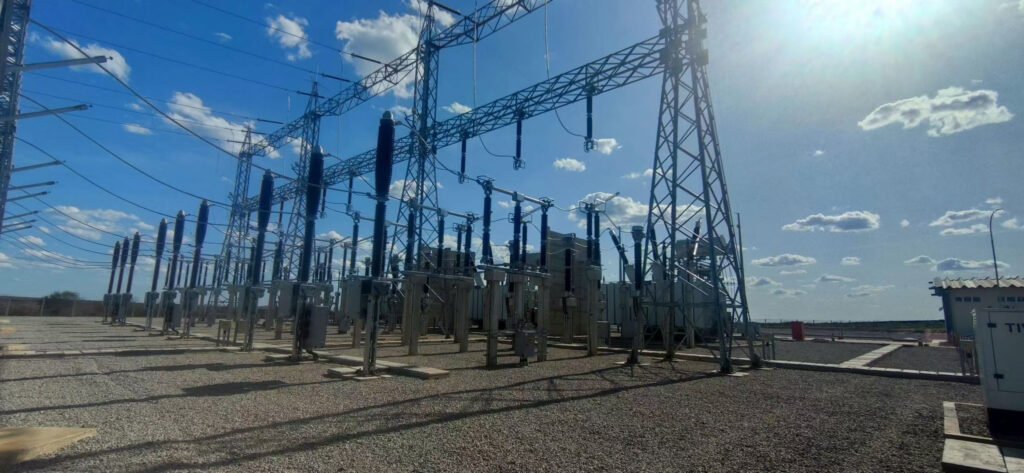
Oil-immersed transformers are designed for long service life, often exceeding 20–30 years, but their longevity depends heavily on proper maintenance. The condition of insulating oil, solid insulation, cooling systems, and mechanical components all influence performance and aging. By applying structured maintenance practices, operators can significantly slow degradation, prevent failures, and extend transformer lifespan while maintaining efficiency and reliability.
What Factors Contribute to the Aging of Oil-Immersed Transformers?
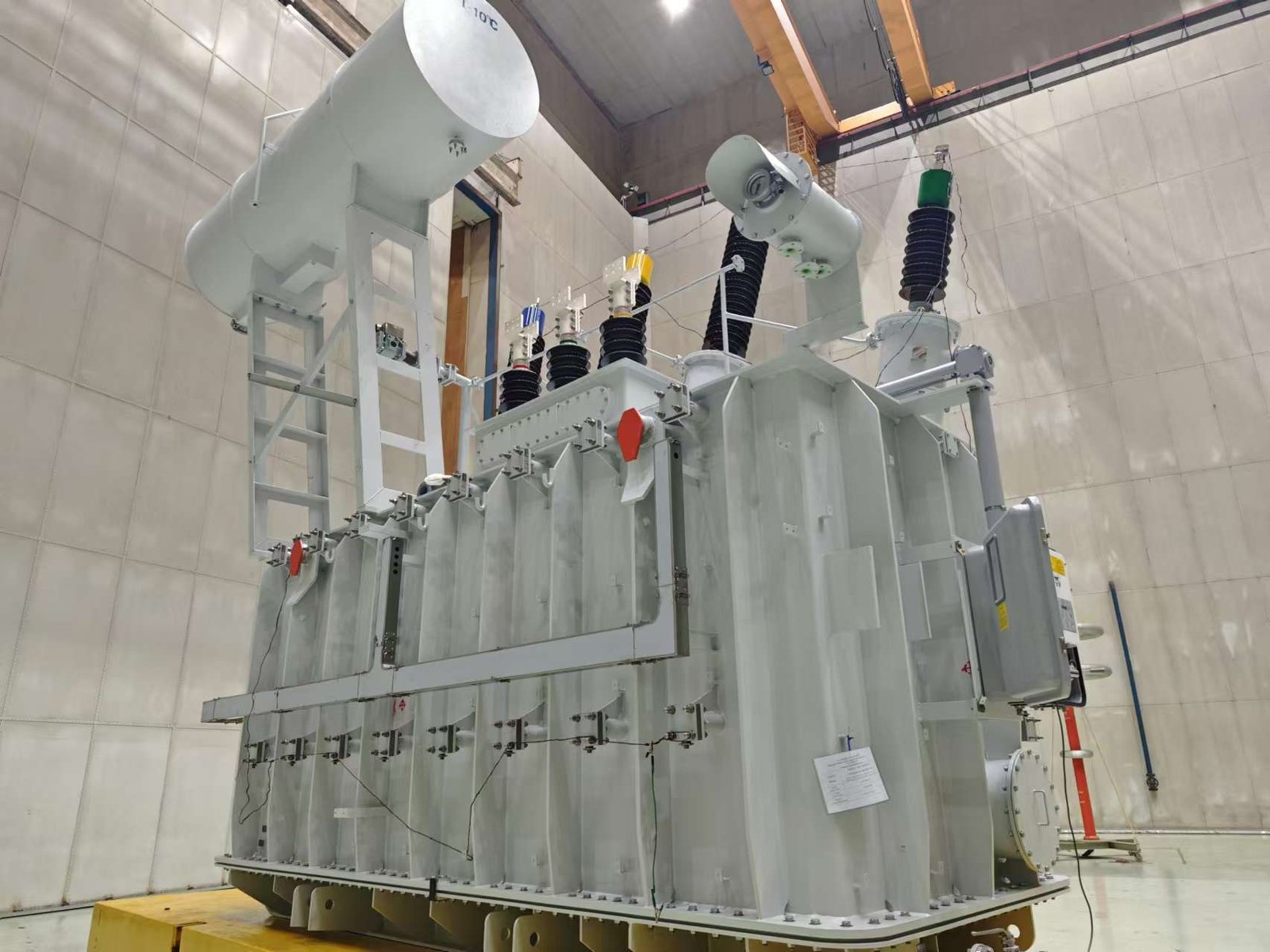
Oil-immersed transformers are designed for long service life, often operating reliably for decades. However, aging is inevitable and can significantly impact performance, safety, and efficiency if not properly managed. Many transformer failures are not caused by sudden faults but by gradual deterioration of insulation, oil quality, and internal components. Without proper understanding and control of aging factors, operators risk unexpected breakdowns, costly repairs, and reduced system reliability.
The aging of oil-immersed transformers is primarily caused by thermal stress, oxidation of insulating oil, moisture ingress, electrical stress, contamination, and mechanical wear, all of which degrade insulation systems and reduce transformer lifespan. Effective management of these factors is essential to prolong operational life and maintain reliability.
To better control transformer aging, it is important to examine each contributing factor in detail.
Transformer aging is only determined by its operating years and cannot be influenced by operating conditions.False
Transformer aging is strongly affected by temperature, load, moisture, and maintenance practices, not just time.
1. Thermal Stress and Overheating
Thermal stress is the most significant factor in transformer aging.
Mechanism
• high temperatures accelerate chemical reactions in insulation and oil
• cellulose insulation degrades faster with heat
Thermal Aging Table
| Temperature Increase | Effect on Lifespan |
|---|---|
| +6–8°C | Lifespan reduced by ~50% |
| Within limits | Normal aging rate |
Effects
• insulation embrittlement
• reduced dielectric strength
• formation of degradation by-products
Control Measures
• maintain proper load levels
• ensure efficient cooling
• monitor temperature continuously
Temperature control is critical for extending transformer life.
2. Oxidation of Transformer Oil
Oil oxidation leads to deterioration of insulating properties.
Causes
• exposure to oxygen
• high operating temperatures
• presence of catalytic metals
Effects
• formation of acids and sludge
• reduced dielectric strength
• blockage of cooling channels
Oil Oxidation Table
| Condition | Result |
|---|---|
| Fresh oil | High الأداء |
| Oxidized oil | Reduced insulation and cooling |
Control Measures
• use sealed or nitrogen-blanketed systems
• perform regular oil testing
• replace or regenerate degraded oil
Maintaining oil quality is essential for transformer health.
3. Moisture Ingress
Moisture significantly accelerates aging.
Sources
• الهواء humidity
• leaks in sealing systems
• aging insulation releasing water
Effects
• reduced dielectric strength
• increased partial discharge
• accelerated cellulose degradation
Moisture Impact Table
| Moisture Level | Aging Rate |
|---|---|
| Low | Normal |
| High | Accelerated |
Control Measures
• maintain proper sealing
• use desiccants and breathers
• perform moisture testing
Moisture control is vital for insulation longevity.
4. Electrical Stress and Overvoltage
Electrical stress damages insulation over time.
Causes
• voltage surges
• switching transients
• harmonic distortion
Effects
• partial discharge
• insulation cracking
• dielectric breakdown
Electrical Stress Table
| Condition | Impact |
|---|---|
| Normal voltage | Stable insulation |
| Overvoltage | Accelerated degradation |
Control Measures
• install surge arresters
• maintain stable voltage levels
• monitor power quality
Electrical protection reduces aging effects.
5. Contamination and Sludge Formation
Contaminants degrade both oil and insulation.
Sources
• dust and particles
• oxidation by-products
• metallic impurities
Effects
• sludge accumulation
• reduced heat transfer
• increased तापमान
Contamination Table
| Condition | Cooling Efficiency |
|---|---|
| Clean oil | High |
| Contaminated oil | Reduced |
Control Measures
• regular oil filtration
• maintain clean environment
• periodic oil replacement
Clean systems ensure efficient operation.
6. Mechanical Stress and Vibration
Mechanical factors contribute to physical degradation.
Causes
• short-circuit forces
• transportation stress
• continuous vibration
Effects
• winding displacement
• insulation damage
• structural fatigue
Mechanical Stress Table
| Condition | Impact |
|---|---|
| Stable structure | Long life |
| High stress | Damage risk |
Control Measures
• secure installation
• नियमित inspection
• vibration monitoring
Mechanical stability protects internal components.
7. Overloading and Load Cycling
Operating beyond design limits accelerates aging.
Effects
• increased temperature
• thermal expansion and contraction
• insulation fatigue
Load Impact Table
| Load Condition | Aging Effect |
|---|---|
| Within rating | Normal |
| Frequent overload | Accelerated |
Control Measures
• manage load effectively
• avoid frequent load fluctuations
Load control reduces thermal and mechanical stress.
8. Dissolved Gas Formation
Gases in oil indicate internal faults.
Causes
• overheating
• arcing
• insulation decomposition
Effects
• reduced insulation performance
• increased failure risk
DGA Table
| Gas Type | Indication |
|---|---|
| Hydrogen | Partial discharge |
| Acetylene | Arcing |
| Methane | Thermal faults |
Control Measures
• perform regular dissolved gas analysis (DGA)
• take corrective action based on results
DGA is a key diagnostic tool for aging assessment.
9. Aging of Solid Insulation (Cellulose)
Solid insulation degrades over time.
Mechanism
• thermal and chemical breakdown
• loss of mechanical strength
Effects
• reduced structural integrity
• increased failure risk
Insulation Aging Table
| Condition | Strength |
|---|---|
| New insulation | High |
| Aged insulation | Reduced |
Control Measures
• limit operating temperature
• monitor insulation condition
Solid insulation health determines transformer life.
10. Inadequate Cooling
Poor cooling accelerates all aging processes.
Causes
• blocked radiators
• fan or pump failure
• poor ventilation
Effects
• overheating
• faster oil and insulation degradation
Control Measures
• maintain cooling systems
• ensure proper airflow
Cooling efficiency is essential for longevity.
11. Poor Maintenance Practices
Neglected maintenance accelerates aging.
Consequences
• undetected faults
• degraded oil and insulation
• increased failure risk
Maintenance Table
| Maintenance Level | Aging Rate |
|---|---|
| Regular | Controlled |
| Neglected | Accelerated |
Control Measures
• implement routine maintenance
• perform diagnostic testing
Maintenance directly affects aging rate.
12. Environmental Conditions
External conditions influence aging.
Factors
• high ambient temperature
• humidity
• pollution
Effects
• increased stress on insulation
• accelerated degradation
Environmental Table
| Condition | Aging Impact |
|---|---|
| Mild environment | Slower aging |
| Harsh environment | Faster aging |
Control Measures
• install protective enclosures
• choose suitable installation sites
Environmental control supports long-term operation.
How Does Regular Oil Testing and Treatment Extend Transformer Life?

Transformer failures rarely happen overnight—they are often the result of gradual degradation inside the insulation system, especially in oil-immersed transformers. Over time, contaminants such as moisture, gases, acids, and solid particles accumulate in the insulating oil, silently reducing its dielectric strength and cooling capability. Without regular oil testing and treatment, these hidden issues can lead to insulation breakdown, overheating, and ultimately catastrophic transformer failure.
Regular oil testing and treatment extend transformer life by maintaining high dielectric strength, removing moisture and contaminants, detecting early signs of internal faults, and preserving the integrity of both liquid and solid insulation systems. This proactive approach ensures reliable operation, reduces failure risk, and significantly prolongs service life.
Understanding how oil testing and treatment contribute to transformer longevity is essential for effective asset management and operational reliability.
Transformer oil does not need testing unless a failure has already occurred.False
Routine oil testing is essential to detect early degradation and prevent failures before they occur.
1. Role of Transformer Oil in Insulation and Cooling
Transformer oil performs two critical functions: electrical insulation and heat dissipation. Its condition directly impacts transformer performance.
Key Functions
• provides dielectric insulation between energized components
• transfers heat from windings to cooling surfaces
• protects solid insulation from oxidation
Oil Function Table
| Function | Importance | Impact if Degraded |
|---|---|---|
| Insulation | Critical | Risk of dielectric failure |
| Cooling | Essential | Overheating and aging |
| Protection | Important | ускоренное degradation |
When oil quality declines, both insulation and cooling performance are compromised.
2. Detection of Early Faults Through Oil Testing
Oil acts as a diagnostic medium that reflects internal transformer conditions.
Key Tests
• dissolved gas analysis (DGA)
• moisture content measurement
• acidity (neutralization number)
• dielectric strength testing
Fault Detection Table
| Test | Detects | Early Warning |
|---|---|---|
| DGA | Arcing, overheating, PD | Yes |
| Moisture | Water contamination | Yes |
| Acidity | Oil oxidation | Yes |
| Dielectric strength | Insulation weakness | Yes |
Benefits
• early identification of internal faults
• prevention of catastrophic failures
• targeted maintenance planning
Oil testing enables predictive maintenance and fault prevention.
3. Moisture Removal and Its Impact on Insulation
Moisture is one of the most harmful contaminants in transformer oil.
Effects of Moisture
• reduces dielectric strength
• accelerates insulation aging
• promotes partial discharge
Moisture Impact Table
| Moisture Level | Dielectric Strength | Risk Level |
|---|---|---|
| Low | High | Safe |
| High | Reduced | Dangerous |
Treatment Methods
• vacuum dehydration
• oil filtration systems
• online drying units
Removing moisture significantly improves insulation performance and extends transformer life.
4. Removal of Dissolved Gases and Air
Gases form due to electrical and thermal faults.
Common Gases
• hydrogen (partial discharge)
• acetylene (arcing)
• methane (thermal faults)
Gas Impact Table
| Gas Type | Indication | Risk |
|---|---|---|
| Hydrogen | PD activity | Moderate |
| Acetylene | Severe fault | High |
| Methane | Overheating | Medium |
Treatment Methods
• vacuum degassing
• oil purification
Gas removal reduces the risk of internal faults and improves insulation reliability.
5. Acid and Sludge Control
Oil oxidation produces acids and sludge that degrade performance.
Effects
• corrosion of metal parts
• blockage of cooling channels
• reduced heat transfer
Acid Impact Table
| Acidity Level | Condition | Action |
|---|---|---|
| Low | Normal | Monitor |
| High | Degraded | Regenerate or replace oil |
Treatment Methods
• oil regeneration
• adsorption techniques
• chemical treatment
Controlling acidity prevents long-term degradation.
6. Improvement of Dielectric Strength
Dielectric strength is a key indicator of oil quality.
Influencing Factors
• moisture
• contaminants
• oxidation products
Dielectric Strength Table
| Condition | Breakdown Voltage |
|---|---|
| Clean oil | High |
| Contaminated oil | Low |
Treatment Methods
• filtration
• dehydration
• degassing
Improving dielectric strength ensures reliable insulation performance.
7. Prevention of Thermal Overheating
Clean oil enhances heat transfer efficiency.
Effects of Contaminated Oil
• reduced cooling efficiency
• localized hotspots
• accelerated insulation aging
Cooling Efficiency Table
| Oil Condition | Cooling Performance |
|---|---|
| Clean | Optimal |
| Sludge-contaminated | Reduced |
Regular treatment maintains effective cooling and prevents overheating.
8. Extension of Solid Insulation Life
Oil and solid insulation work together as a system.
Relationship
• degraded oil accelerates paper insulation aging
• moisture migrates between oil and cellulose
Insulation Life Table
| Oil Condition | Paper Insulation Life |
|---|---|
| Maintained | Extended |
| Degraded | Reduced |
Maintaining oil quality directly protects solid insulation.
9. Reduction of Maintenance and Replacement Costs
Preventive oil management reduces long-term costs.
Benefits
• fewer unexpected failures
• reduced repair expenses
• delayed transformer replacement
Cost Impact Table
| Maintenance Strategy | Cost Over Time |
|---|---|
| Preventive (oil testing) | Lower |
| Reactive (after failure) | Higher |
Investing in oil maintenance yields significant economic benefits.
10. Support for Predictive Maintenance Programs
Oil testing provides valuable data for condition-based maintenance.
Key Advantages
• trend analysis of oil parameters
• early warning of deterioration
• optimized maintenance scheduling
Predictive Maintenance Table
| Parameter | Trend Insight | Action |
|---|---|---|
| DGA | Fault development | Investigate |
| Moisture | Insulation health | Dry oil |
| Acidity | Oxidation level | Regenerate oil |
Data-driven maintenance improves reliability and efficiency.
11. Compliance with Industry Standards
Regular oil testing ensures compliance with standards.
Common Standards
• IEC guidelines
• IEEE standards
Benefits
• ensures safe operation
• maintains regulatory compliance
• improves asset management
Adhering to standards enhances operational reliability.
12. Enhancement of Overall Transformer Reliability
All oil maintenance practices contribute to system reliability.
Combined Effects
• stable insulation performance
• efficient cooling
• early fault detection
Reliability Table
| Practice | Reliability Impact |
|---|---|
| Oil testing | High |
| Oil treatment | High |
| Neglect | Low |
Comprehensive oil management ensures long-term stability.
Why Is Thermal Management Critical for Longevity?
Overheating is the silent enemy of transformers and electrical equipment. Even when operating within rated limits, poor thermal management can gradually degrade insulation, weaken structural components, and accelerate chemical aging processes. Many premature transformer failures can be traced back to inadequate heat dissipation, leading to reduced efficiency, unexpected breakdowns, and costly downtime. Without effective thermal control, the lifespan of a transformer can be drastically shortened.
Thermal management is critical for transformer longevity because it controls operating temperature, slows insulation aging, maintains dielectric strength, ensures efficient heat dissipation, and prevents thermal runaway, thereby significantly extending the service life and reliability of the transformer.
To fully understand its importance, we must examine how temperature influences every aspect of transformer performance and aging.
Transformer lifespan is not significantly affected by operating temperature variations.False
Even small increases in operating temperature can dramatically accelerate insulation aging and reduce transformer lifespan.
1. Impact of Temperature on Insulation Aging
The insulation system is the most temperature-sensitive component in a transformer.
Mechanism
• heat accelerates chemical degradation of cellulose insulation
• polymer chains break down faster at elevated temperatures
Thermal Aging Relationship
| Temperature Rise | Effect on Insulation Life |
|---|---|
| +6–8°C | Life reduced by ~50% |
| Within limits | Normal aging |
Effects
• reduced mechanical strength
• lower dielectric capability
• increased failure probability
Effective thermal management slows insulation degradation and extends transformer life.
2. Preservation of Dielectric Strength
Dielectric strength is essential for safe electrical insulation.
Influencing Factors
• temperature increase reduces oil viscosity
• high heat promotes moisture release from insulation
Dielectric Performance Table
| Temperature Condition | Dielectric Strength |
|---|---|
| Controlled | Stable |
| Overheated | Reduced |
Consequences
• higher risk of partial discharge
• increased likelihood of insulation breakdown
Maintaining stable temperature preserves insulation integrity.
3. Prevention of Thermal Runaway
Thermal runaway is a dangerous feedback process.
Process
• temperature rises → losses increase → more heat generated
• cooling becomes insufficient → rapid temperature escalation
Thermal Runaway Table
| Stage | Condition | Risk |
|---|---|---|
| Initial | Slight overheating | Low |
| Intermediate | Rising losses | Medium |
| Critical | Uncontrolled heating | High |
Prevention
• efficient cooling systems
• real-time temperature monitoring
• automatic protection systems
Thermal management prevents catastrophic failure scenarios.
4. Efficiency and Loss Reduction
Temperature directly affects transformer efficiency.
Loss Types
• copper losses (increase with temperature)
• core losses (affected by magnetic properties)
Efficiency Table
| Temperature | Efficiency |
|---|---|
| Optimal | High |
| Elevated | Reduced |
Benefits of Thermal Control
• reduced energy losses
• improved operational efficiency
• lower operating costs
Efficient thermal management enhances overall performance.
5. Protection of Transformer Oil (Oil-Immersed Units)
Oil condition is highly temperature-dependent.
Effects of High Temperature
• accelerated oxidation
• formation of acids and sludge
• reduced cooling efficiency
Oil Aging Table
| Temperature Level | Oil Condition |
|---|---|
| Normal | Stable |
| High | Degraded |
Mitigation
• maintain proper cooling
• monitor oil temperature
• perform regular oil testing
Temperature control preserves oil quality.
6. Mechanical Integrity and Structural Stability
Thermal stress affects mechanical components.
Causes
• expansion and contraction cycles
• uneven temperature distribution
Effects
• winding deformation
• loosening of connections
• mechanical fatigue
Mechanical Impact Table
| Condition | Structural Integrity |
|---|---|
| Stable temperature | Strong |
| Fluctuating temperature | Weakened |
Thermal management ensures structural stability.
7. Load Capacity and Overload Protection
Thermal limits define transformer loading capability.
Relationship
• higher load → higher temperature
• exceeding limits → accelerated aging
Load vs Temperature Table
| Load Level | Temperature Impact |
|---|---|
| Rated | Safe |
| Overload | Risky |
Benefits
• allows safe utilization of transformer capacity
• prevents overload damage
Proper thermal control enables optimal load management.
8. Role of Cooling Systems
Cooling systems are central to thermal management.
Types
• natural air cooling (AN)
• forced air cooling (AF)
• oil circulation systems (ONAN, ONAF, OFAF)
Cooling Efficiency Table
| Cooling Method | Performance |
|---|---|
| Natural | Moderate |
| Forced | High |
Key Components
• fans and blowers
• radiators
• oil pumps
Efficient cooling systems maintain safe operating temperatures.
9. Environmental Influence on Thermal Performance
External conditions affect heat dissipation.
Factors
• ambient temperature
• ventilation conditions
• altitude
Environmental Impact Table
| Environment | Cooling Efficiency |
|---|---|
| Cool & ventilated | High |
| Hot & enclosed | Low |
Mitigation
• proper installation location
• enhanced ventilation design
Environmental considerations are crucial for thermal management.
10. Monitoring and Control Systems
Modern systems provide real-time thermal management.
Tools
• temperature sensors
• SCADA systems
• thermal imaging
Benefits
• early detection of overheating
• automated cooling control
• improved reliability
Monitoring Table
| System | Function |
|---|---|
| Sensors | Measure temperature |
| SCADA | Analyze and control |
| Alarms | Trigger protective actions |
Monitoring ensures proactive thermal control.
11. Extension of Transformer Service Life
All thermal management benefits contribute to longevity.
Combined Effects
• slower insulation aging
• reduced mechanical stress
• improved oil condition
Lifespan Table
| Thermal Condition | Expected Life |
|---|---|
| Controlled | Extended |
| Poorly managed | Reduced |
Effective thermal management significantly extends service life.
12. Economic and Operational Benefits
Thermal management reduces long-term costs.
Advantages
• fewer failures and outages
• lower maintenance costs
• improved energy efficiency
Cost Impact Table
| Strategy | Cost Outcome |
|---|---|
| Proper thermal management | Lower lifecycle cost |
| Poor management | Higher repair/replacement cost |
Investing in thermal control yields substantial economic benefits.
How Can Insulation Condition Be Monitored and Preserved?
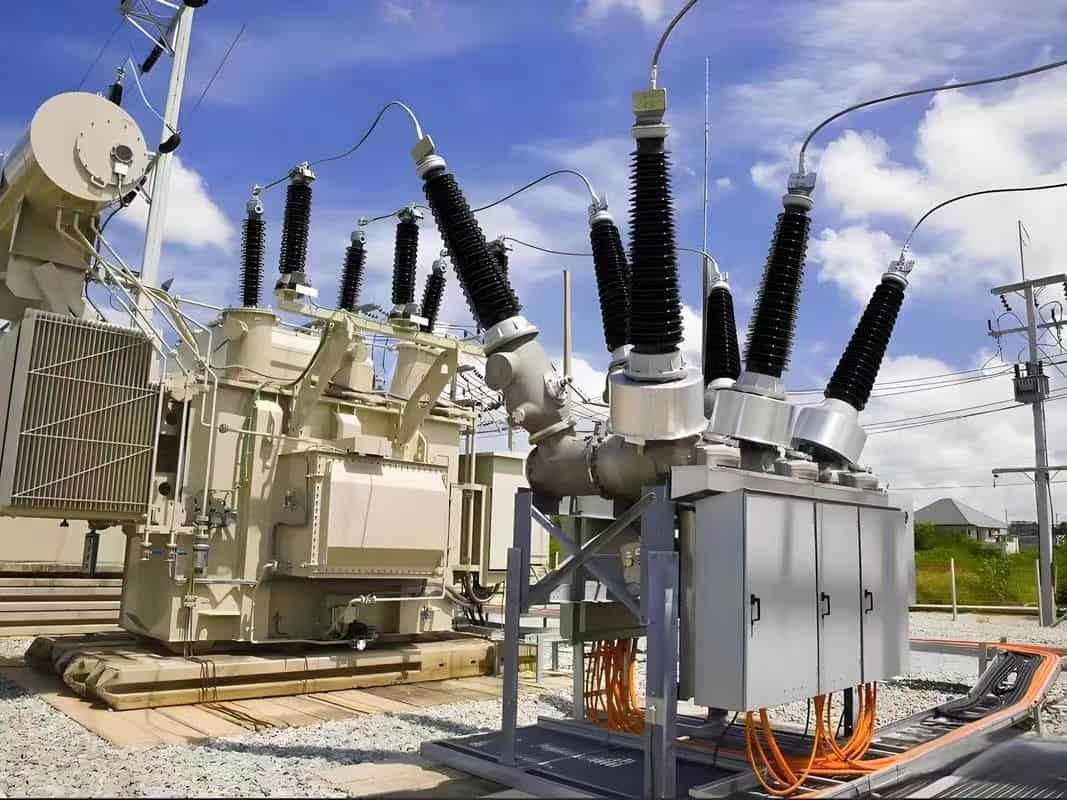
Transformer insulation is the backbone of electrical reliability, yet its degradation is often invisible until a failure occurs. Over time, thermal stress, moisture ingress, electrical faults, and contamination silently weaken insulation systems, leading to reduced dielectric strength and increased risk of breakdown. Without proper monitoring and preservation strategies, minor degradation can escalate into catastrophic transformer failure, causing costly downtime and safety hazards.
Insulation condition can be effectively monitored and preserved through a combination of diagnostic testing (such as DGA, partial discharge, and insulation resistance), continuous monitoring systems, moisture and temperature control, proper maintenance practices, and timely corrective treatments to maintain dielectric integrity and extend transformer life.
To ensure long-term reliability, it is essential to understand both monitoring techniques and preservation strategies in depth.
Transformer insulation condition cannot be assessed without dismantling the equipment.False
Modern diagnostic techniques allow accurate assessment of insulation condition without dismantling the transformer.
1. Key Parameters for Monitoring Insulation Condition
Effective insulation monitoring begins with tracking critical parameters that indicate health and degradation.
Main Parameters
• temperature
• moisture content
• dielectric strength
• partial discharge activity
• dissolved gases
Monitoring Parameters Table
| Parameter | What It Indicates | Risk if Abnormal |
|---|---|---|
| Temperature | Thermal stress | Accelerated aging |
| Moisture | Insulation contamination | Breakdown risk |
| Dielectric strength | Insulation capability | Failure |
| Partial discharge | Local defects | Progressive damage |
| Dissolved gases | Internal faults | Critical failure |
Continuous observation of these parameters enables early fault detection.
2. Dissolved Gas Analysis (DGA)
DGA is one of the most powerful diagnostic tools.
Principle
• gases are generated by thermal and electrical faults
• gas composition reveals fault type
Common Gases
• hydrogen (partial discharge)
• acetylene (arcing)
• methane (thermal faults)
DGA Table
| Gas | Fault Type | Severity |
|---|---|---|
| Hydrogen | Partial discharge | Medium |
| Acetylene | Arcing | High |
| Methane | Overheating | Medium |
Benefits
• early fault detection
• predictive maintenance
• avoidance of major failures
DGA provides deep insight into internal insulation conditions.
3. Insulation Resistance and Polarization Index Testing
These tests evaluate insulation integrity.
Methods
• insulation resistance (IR) test
• polarization index (PI) measurement
Interpretation Table
| PI Value | Condition |
|---|---|
| >2 | Good insulation |
| 1–2 | Moderate |
| <1 | Poor |
Benefits
• quick assessment
• detection of moisture and contamination
These tests are essential for routine maintenance.
4. Partial Discharge (PD) Monitoring
PD indicates localized insulation defects.
Causes
• voids in insulation
• surface contamination
• insulation aging
Effects
• gradual insulation erosion
• eventual breakdown
PD Monitoring Table
| PD Level | Condition |
|---|---|
| Low | Normal |
| High | خطر |
Monitoring Techniques
• online PD sensors
• acoustic detection
• electrical measurement
PD monitoring helps detect defects at an early stage.
5. Moisture Monitoring and Control
Moisture is a critical factor in insulation degradation.
Sources
• ambient humidity
• oil contamination
• aging insulation
Moisture Impact Table
| Moisture Level | Insulation Strength |
|---|---|
| Low | High |
| High | Reduced |
Control Methods
• vacuum drying
• oil filtration
• desiccant breathers
Maintaining low moisture levels is essential for insulation health.
6. Temperature Monitoring and Thermal Management
Temperature directly affects insulation lifespan.
Tools
• temperature sensors
• fiber optic probes
• thermal imaging
Temperature Impact Table
| Temperature Condition | Aging Rate |
|---|---|
| Normal | Controlled |
| High | Accelerated |
Strategies
• efficient cooling systems
• load management
• ventilation optimization
Thermal control slows insulation degradation.
7. Oil Quality Monitoring (Oil-Immersed Transformers)
Oil condition reflects insulation health.
Key Tests
• dielectric strength
• acidity
• moisture content
• interfacial tension
Oil Quality Table
| Parameter | Good Condition | Poor Condition |
|---|---|---|
| Dielectric strength | High | Low |
| Acidity | Low | High |
| Moisture | Low | High |
Maintenance Actions
• oil filtration
• regeneration
• replacement
Maintaining oil quality protects insulation systems.
8. Preventive Maintenance Practices
Routine maintenance preserves insulation condition.
Activities
• regular inspections
• cleaning of components
• tightening connections
Maintenance Table
| Practice | Benefit |
|---|---|
| Inspection | Early fault detection |
| Cleaning | Prevents contamination |
| Testing | Ensures reliability |
Preventive maintenance reduces failure risk.
9. Advanced Online Monitoring Systems
Modern transformers use intelligent monitoring systems.
Features
• real-time data collection
• remote monitoring
• predictive analytics
System Benefits Table
| Feature | Advantage |
|---|---|
| Real-time monitoring | Immediate response |
| Data analytics | Predictive maintenance |
| Remote access | Operational efficiency |
Digital monitoring enhances reliability and decision-making.
10. Protection Against Electrical Stress
Electrical stress damages insulation over time.
Sources
• overvoltage
• switching surges
• harmonics
Protection Methods
• surge arresters
• voltage regulation
• proper grounding
Electrical Stress Table
| Condition | Impact |
|---|---|
| Controlled | Stable insulation |
| Uncontrolled | Degradation |
Reducing electrical stress preserves insulation integrity.
11. Environmental Protection Measures
External conditions influence insulation performance.
Factors
• humidity
• pollution
• temperature extremes
Protection Strategies
• sealed enclosures
• proper installation location
• environmental control systems
Environmental Table
| Condition | Effect |
|---|---|
| Clean environment | Longer life |
| Harsh environment | Faster aging |
Environmental control supports insulation longevity.
12. Timely Corrective Actions
Monitoring must be followed by action.
Examples
• drying insulation when moisture is high
• repairing defects when PD is detected
• replacing degraded oil
Corrective Action Table
| Issue | Action |
|---|---|
| High moisture | Drying |
| Gas generation | Fault investigation |
| Low dielectric strength | Oil treatment |
Timely intervention prevents major failures.
What Role Do Routine Inspections and Preventive Maintenance Play?
Unexpected transformer failures rarely occur without warning—they are usually the result of small, undetected issues that gradually worsen over time. Loose connections, insulation degradation, oil contamination, and cooling inefficiencies can all develop silently, eventually leading to overheating, electrical faults, or complete system breakdown. Without routine inspections and preventive maintenance, these hidden problems remain unnoticed until they cause costly downtime or catastrophic damage.
Routine inspections and preventive maintenance play a critical role by identifying early signs of deterioration, maintaining optimal operating conditions, preventing failures, extending equipment lifespan, and ensuring safe and reliable transformer performance. These practices form the foundation of proactive asset management in modern power systems.
Understanding their role in detail allows operators and engineers to maximize transformer reliability and minimize lifecycle costs.
Preventive maintenance is unnecessary if a transformer is operating normally.False
Even when operating normally, transformers can develop hidden issues that only preventive maintenance can detect early.
1. Early Detection of Potential Faults
Routine inspections allow early identification of developing issues before they escalate.
Common Detectable Issues
• insulation degradation
• oil contamination
• abnormal noise or vibration
• overheating hotspots
Fault Detection Table
| Inspection Method | Detectable Issue | Benefit |
|---|---|---|
| Visual inspection | Leaks, damage | Immediate awareness |
| Thermal imaging | Hotspots | Early overheating detection |
| Oil analysis | Internal faults | Predictive insight |
| Electrical testing | Insulation weakness | Prevent failure |
Impact
Early detection significantly reduces the risk of unexpected failures and improves operational reliability.
2. Prevention of Catastrophic Failures
Preventive maintenance directly reduces the likelihood of major breakdowns.
Mechanism
• small issues are corrected before escalation
• weak components are reinforced or replaced
Failure Prevention Table
| Maintenance Action | Prevented Failure |
|---|---|
| Tightening connections | Overheating |
| Oil treatment | Insulation breakdown |
| Cleaning | Flashover |
Result
• reduced downtime
• improved system stability
• enhanced safety
Preventive maintenance is a key defense against catastrophic events.
3. Extension of Transformer Lifespan
Regular maintenance slows aging processes.
Key Factors
• temperature control
• moisture reduction
• contamination prevention
Lifespan Impact Table
| Maintenance Level | Expected Lifespan |
|---|---|
| Regular | Extended |
| Neglected | Shortened |
Explanation
Maintained transformers can operate reliably for decades, while neglected ones fail prematurely.
4. Optimization of Thermal Performance
Cooling efficiency depends on proper maintenance.
Maintenance Activities
• cleaning radiators and cooling ducts
• checking fans and pumps
• ensuring proper ventilation
Thermal Performance Table
| Condition | Cooling Efficiency |
|---|---|
| Maintained | High |
| Poorly maintained | Low |
Outcome
Improved heat dissipation prevents overheating and insulation damage.
5. Preservation of Insulation Integrity
Insulation is critical for transformer operation.
Maintenance Actions
• insulation resistance testing
• moisture control
• partial discharge monitoring
Insulation Health Table
| Condition | Insulation Performance |
|---|---|
| Maintained | Reliable |
| Degraded | Risky |
Maintaining insulation integrity prevents electrical failures.
6. Monitoring of Oil Quality
Oil condition directly affects transformer performance.
Key Checks
• dielectric strength
• moisture content
• acidity levels
Oil Condition Table
| Oil Quality | Transformer Condition |
|---|---|
| Good | Stable |
| Poor | At risk |
Maintenance Actions
• filtration
• degassing
• regeneration
Oil maintenance is essential for reliability.
7. Reduction of Operational Costs
Preventive maintenance reduces long-term expenses.
Cost Factors
• emergency repairs
• downtime losses
• equipment replacement
Cost Comparison Table
| Strategy | Cost Impact |
|---|---|
| Preventive maintenance | Lower |
| Reactive maintenance | Higher |
Benefit
Investing in maintenance yields significant cost savings.
8. Improvement of Energy Efficiency
Well-maintained transformers operate more efficiently.
Factors
• reduced losses
• optimal cooling
• stable electrical performance
Efficiency Table
| Condition | Efficiency |
|---|---|
| Maintained | High |
| Neglected | Reduced |
Efficiency improvements reduce energy costs.
9. Enhancement of Operational Safety
Maintenance ensures safe operation.
Safety Risks Without Maintenance
• electrical faults
• overheating
• fire hazards
Safety Table
| Condition | Safety Level |
|---|---|
| Maintained | High |
| Neglected | Low |
Measures
• regular inspections
• protective system checks
• proper grounding verification
Maintenance minimizes safety risks.
10. Support for Predictive Maintenance Strategies
Routine inspections provide data for advanced maintenance.
Data Sources
• oil analysis reports
• temperature trends
• electrical test results
Predictive Maintenance Table
| Parameter | Insight | Action |
|---|---|---|
| DGA | Fault trends | Investigate |
| Temperature | Overheating | Adjust cooling |
| Insulation tests | Degradation | Repair |
Advantage
Data-driven decisions improve maintenance efficiency.
11. Compliance with Standards and Regulations
Maintenance ensures regulatory compliance.
Standards
• IEC
• IEEE
Compliance Benefits
• safe operation
• legal adherence
• improved asset management
Compliance Table
| Practice | Compliance Outcome |
|---|---|
| Regular testing | Meets standards |
| Neglect | Risk of violations |
Compliance is essential for reliable operation.
12. Improved System Reliability and Availability
Maintenance enhances overall system performance.
Benefits
• reduced outages
• stable operation
• increased availability
Reliability Table
| Maintenance Level | Reliability |
|---|---|
| High | Excellent |
| Low | Poor |
Result
Reliable transformers ensure uninterrupted power supply.
How Do Monitoring Systems and Diagnostics Help Extend Service Life?
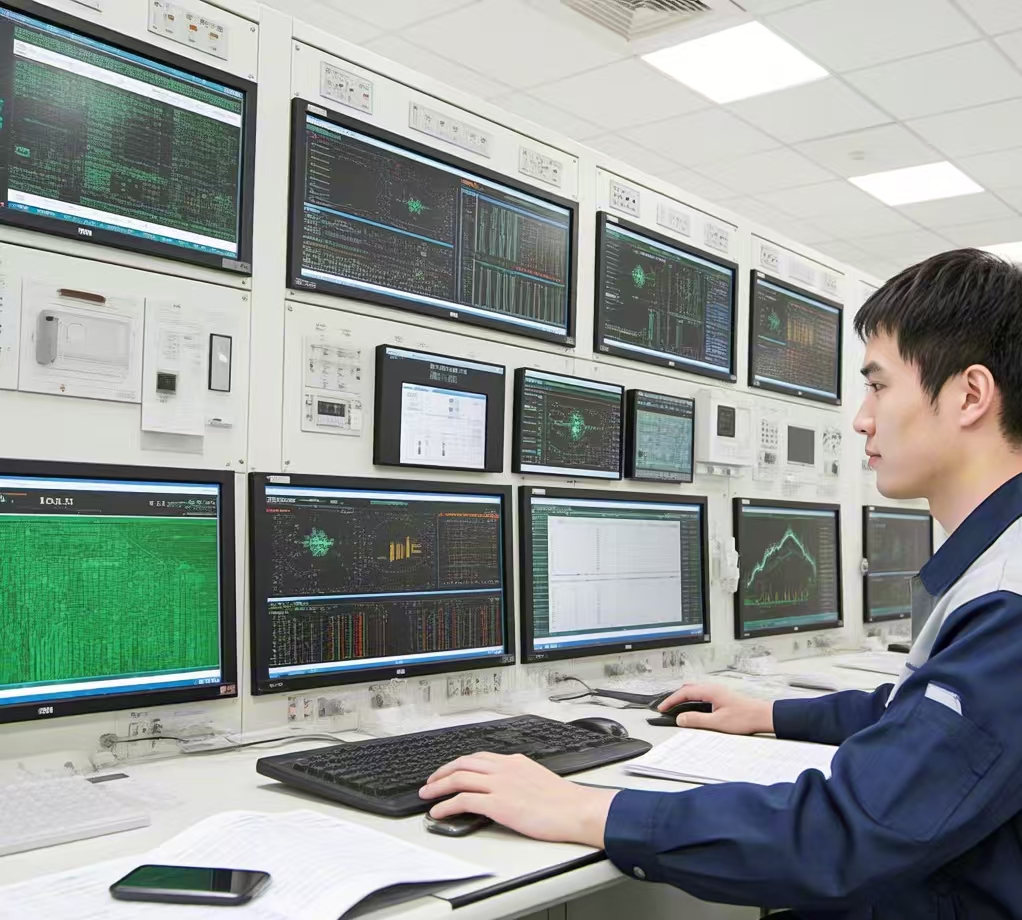
Transformers rarely fail suddenly without warning—most failures are preceded by subtle changes in temperature, insulation condition, gas generation, or electrical behavior. However, without proper monitoring systems and diagnostic tools, these early warning signs go unnoticed, allowing minor issues to evolve into severe faults. This lack of visibility leads to unplanned outages, expensive repairs, and shortened equipment lifespan, which can significantly impact operational efficiency and safety.
Monitoring systems and diagnostics extend transformer service life by enabling real-time condition tracking, early fault detection, predictive maintenance, optimized loading, and timely corrective actions, thereby preventing failures and slowing component aging.
To fully appreciate their impact, it is essential to explore how these technologies work together to enhance transformer longevity and reliability.
Transformer failures cannot be predicted before they occur.False
Modern monitoring and diagnostic systems can detect early warning signs and predict potential failures before they happen.
1. Real-Time Condition Monitoring
Modern transformers are equipped with continuous monitoring systems.
Key Parameters Monitored
• winding temperature
• oil temperature
• load current
• moisture levels
• dissolved gases
Real-Time Monitoring Table
| Parameter | Purpose | Benefit |
|---|---|---|
| Temperature | Detect overheating | Prevent insulation damage |
| Load | Monitor stress | Avoid overload |
| Moisture | Assess insulation | Maintain dielectric strength |
| Gas levels | Detect faults | Early warning |
Impact
Real-time data allows operators to respond immediately to abnormal conditions, preventing damage.
2. Early Fault Detection
Diagnostics identify issues at an early stage.
Common Detectable Faults
• insulation degradation
• partial discharge
• overheating hotspots
• internal arcing
Fault Detection Table
| Diagnostic Tool | Fault Type | Detection Capability |
|---|---|---|
| DGA | Internal faults | High |
| PD monitoring | Insulation defects | Very high |
| Thermal imaging | Hotspots | High |
Benefit
Early detection prevents minor issues from becoming major failures.
3. Predictive Maintenance Strategies
Diagnostics enable predictive rather than reactive maintenance.
Approach
• analyze trends over time
• predict future failures
• schedule maintenance proactively
Predictive Maintenance Table
| Data Trend | Predicted Issue | Action |
|---|---|---|
| Rising temperature | Cooling failure | Repair cooling system |
| Increasing gas levels | Internal fault | Investigate |
| Declining insulation resistance | Degradation | Maintenance |
Advantage
Predictive maintenance reduces downtime and maintenance costs.
4. Optimization of Load Management
Monitoring helps maintain optimal loading conditions.
Benefits
• prevents overload
• balances system demand
• avoids thermal stress
Load Optimization Table
| Load Condition | Effect |
|---|---|
| Optimal | Stable operation |
| Overload | Accelerated aging |
Outcome
Proper load management extends transformer life.
5. Reduction of Thermal Stress
Temperature is a key factor in transformer aging.
Monitoring Tools
• fiber optic sensors
• thermal imaging cameras
• digital temperature indicators
Thermal Stress Table
| Temperature Condition | Impact |
|---|---|
| Controlled | Slow aging |
| High | Rapid degradation |
Benefit
Maintaining optimal temperature reduces insulation wear.
6. Preservation of Insulation Health
Diagnostics provide insight into insulation condition.
Techniques
• insulation resistance testing
• polarization index measurement
• partial discharge monitoring
Insulation Monitoring Table
| Test | Purpose |
|---|---|
| IR | Detect contamination |
| PI | Assess insulation aging |
| PD | Identify defects |
Result
Better insulation health leads to longer service life.
7. Oil Condition Monitoring (Oil-Immersed Transformers)
Oil analysis is critical for diagnosing internal conditions.
Key Tests
• dissolved gas analysis (DGA)
• moisture content
• acidity
Oil Monitoring Table
| Parameter | Insight |
|---|---|
| Gas content | Fault type |
| Moisture | Insulation condition |
| Acidity | Oil aging |
Benefit
Maintaining oil quality prevents insulation failure.
8. Prevention of Catastrophic Failures
Monitoring systems act as an early warning system.
Mechanism
• detect abnormal trends
• trigger alarms
• initiate protective actions
Failure Prevention Table
| Condition | Response |
|---|---|
| Overheating | Cooling activation |
| Gas increase | Alarm |
| Fault detection | Shutdown |
Outcome
Prevention of major failures ensures reliability.
9. Data-Driven Decision Making
Diagnostics provide valuable operational data.
Benefits
• informed maintenance planning
• improved asset management
• optimized performance
Decision-Making Table
| Data Type | Decision |
|---|---|
| Temperature trends | Adjust load |
| Gas analysis | Inspect transformer |
| PD data | Repair insulation |
Result
Data-driven strategies improve efficiency and lifespan.
10. Integration with Smart Grid Systems
Modern monitoring systems integrate with smart grids.
Features
• remote monitoring
• automated control
• real-time communication
Smart Integration Table
| Feature | Benefit |
|---|---|
| Remote access | Faster response |
| Automation | Reduced human error |
| Communication | System coordination |
Advantage
Integration enhances overall system reliability.
11. Reduction of Maintenance Costs
Monitoring reduces unnecessary maintenance.
Cost Benefits
• fewer emergency repairs
• optimized maintenance schedules
• extended component life
Cost Table
| Approach | Cost Impact |
|---|---|
| Predictive maintenance | Lower |
| Reactive maintenance | Higher |
Result
Efficient maintenance reduces operational expenses.
12. Extension of Transformer Service Life
All monitoring and diagnostic benefits contribute to longevity.
Combined Effects
• reduced thermal stress
• improved insulation condition
• early fault mitigation
Lifespan Table
| Monitoring Level | Service Life |
|---|---|
| Advanced | Extended |
| Minimal | Reduced |
Conclusion
Extending the life of an oil-immersed transformer requires a comprehensive maintenance approach focused on oil quality, temperature control, insulation health, and continuous monitoring. Regular oil analysis, effective cooling, timely inspections, and the use of diagnostic technologies help detect issues early and prevent irreversible damage. By maintaining optimal operating conditions and addressing problems proactively, operators can maximize transformer lifespan, reduce downtime, and ensure reliable long-term performance.
FAQ
Q1: How can proper maintenance extend the life of oil-immersed transformers?
Proper maintenance extends the life of oil-immersed transformers by preserving insulation integrity, controlling temperature, and preventing internal faults. Since the insulation system (oil + paper) determines transformer lifespan, maintaining oil quality and minimizing thermal stress are critical.
Regular inspections, oil testing, and condition monitoring help detect early signs of deterioration, allowing timely corrective actions. With proper care, transformers can operate reliably for 30–50 years or more.
Q2: Why is transformer oil maintenance so important?
Transformer oil serves two key functions: electrical insulation and heat dissipation. Poor oil condition can lead to:
Reduced dielectric strength
Increased risk of internal faults
Accelerated aging of insulation
Maintenance practices include:
Dissolved Gas Analysis (DGA) for fault detection
Moisture content testing
Dielectric strength testing
Oil filtration and degassing
Maintaining clean and dry oil significantly improves transformer reliability and longevity.
Q3: How does temperature control affect transformer lifespan?
Temperature is one of the most critical factors affecting transformer life. Excessive heat accelerates insulation aging exponentially.
This relationship is commonly expressed as:
Where higher operating temperature (T) reduces insulation life (L).
To control temperature:
Ensure cooling systems (radiators, fans, pumps) function properly
Avoid overloading
Maintain proper oil circulation
Monitor hotspot temperatures
Even small reductions in operating temperature can significantly extend transformer life.
Q4: What role does load management play in transformer longevity?
Operating a transformer within its rated capacity prevents excessive thermal stress. Overloading causes:
Increased winding temperature
Faster insulation degradation
Higher risk of failure
Best practices include:
Monitoring load profiles
Avoiding continuous overload conditions
Using load tap changers for voltage control
Planning capacity upgrades when needed
Balanced and controlled loading ensures long-term performance.
Q5: How often should oil-immersed transformers be inspected and tested?
Inspection and testing frequency depends on operating conditions, but general guidelines include:
Routine visual inspections: Monthly or quarterly
Oil testing (DGA, moisture): Every 6–12 months
Comprehensive diagnostics: Every 2–5 years
Critical transformers may require continuous online monitoring systems for real-time condition assessment.
Q6: How can moisture be controlled inside transformers?
Moisture is a major enemy of transformer insulation. It reduces dielectric strength and accelerates aging.
Control methods include:
Maintaining sealed transformer systems
Using silica gel breathers
Regular oil dehydration and filtration
Monitoring moisture levels in oil and paper insulation
Keeping moisture levels low significantly enhances insulation life.
Q7: What maintenance practices help prevent internal faults?
Preventive maintenance reduces the risk of internal failures through:
Tightening electrical connections
Checking bushings and tap changers
Monitoring partial discharge activity
Performing insulation resistance tests
Early detection of abnormalities allows corrective action before serious damage occurs.
Q8: What are the best overall strategies to maximize transformer lifespan?
To maximize the life of an oil-immersed transformer:
Maintain high oil quality
Control operating temperature
Avoid overloading
Perform regular inspections and diagnostics
Use modern monitoring systems
Combining these practices ensures reliable operation and significantly extends transformer service life.
References
IEC 60076 – Power Transformers
https://webstore.iec.ch/publication/602
IEEE C57.91 – Transformer Loading Guide
https://standards.ieee.org
CIGRE – Transformer Aging and Life Extension Studies
https://www.cigre.org
NEMA – Transformer Maintenance Standards
https://www.nema.org
IEEE Power & Energy Society – Transformer Reliability Research
https://ieeexplore.ieee.org