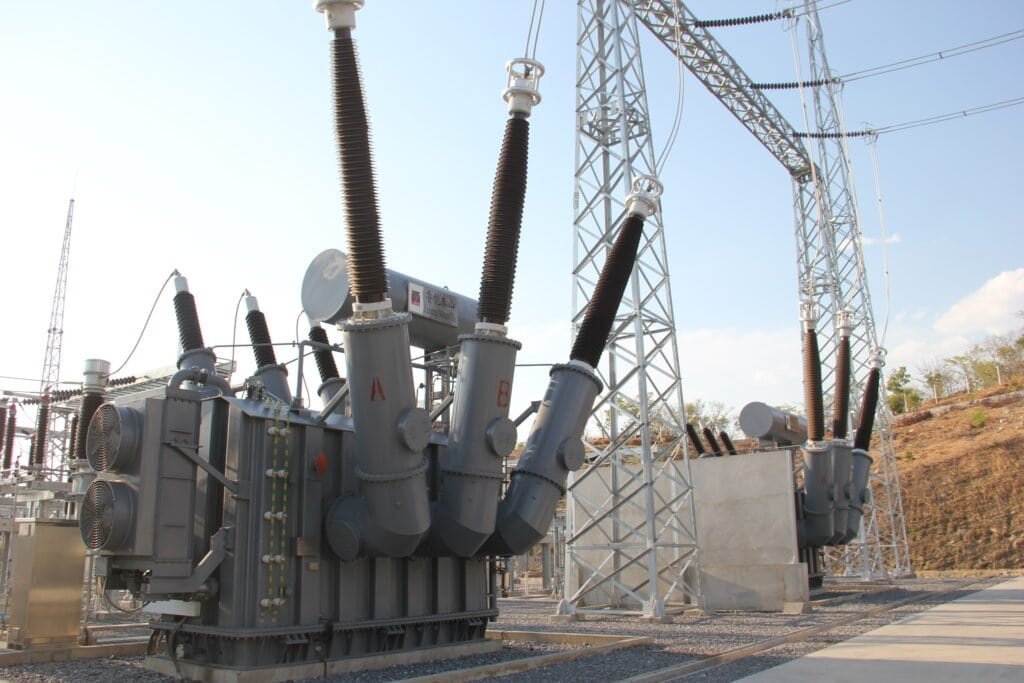
Oil-immersed transformers are designed to perform multiple critical functions within power systems, with transformer oil playing a central role. Unlike dry-type transformers, they rely on insulating oil to enhance both electrical and thermal performance. Understanding the dual purpose of oil-immersed transformers helps clarify why they are widely used in medium- and high-voltage applications.
What Is the Primary Function of an Oil-Immersed Transformer in Electrical Systems?
In modern electrical networks, one of the most critical challenges is efficiently transferring electrical energy between circuits operating at different voltage levels while maintaining safety, stability, and minimal losses. Without proper voltage transformation and insulation, power systems would suffer from excessive energy loss, overheating, and dangerous electrical faults. This is especially problematic in high-voltage transmission and heavy industrial applications, where reliability is non-negotiable. Oil-immersed transformers are specifically designed to solve these issues by combining efficient energy conversion with robust cooling and insulation.
The primary function of an oil-immersed transformer is to transfer electrical energy between circuits through electromagnetic induction while stepping voltage up or down as required, with insulating oil providing essential cooling and dielectric insulation to ensure safe, efficient, and stable operation.
To fully understand this primary function, it is important to explore how energy transfer, voltage transformation, and oil support mechanisms work together in a unified system. The following sections provide an in-depth, engineering-focused explanation.
The main function of an oil-immersed transformer is only to store electrical energy.False
Transformers do not store energy; they transfer electrical energy between circuits and adjust voltage levels using electromagnetic induction.
Core Function: Electrical Energy Transfer via Electromagnetic Induction
At its most fundamental level, an oil-immersed transformer serves as a device for transferring electrical energy from one circuit to another without direct electrical connection. This process is based on electromagnetic induction. When alternating current flows through the primary winding, it generates a changing magnetic field within the transformer core.
This alternating magnetic flux is guided through a laminated silicon steel core, which minimizes energy losses and ensures efficient flux linkage between windings. As the magnetic field changes, it induces a voltage in the secondary winding. This induced voltage is then delivered to the load, completing the energy transfer process.
| Element | Role in Primary Function | Technical Importance |
|---|---|---|
| Primary Winding | Receives input electrical energy | Generates magnetic field |
| Magnetic Core | Transfers magnetic flux | Ensures efficient induction |
| Secondary Winding | Outputs transformed electrical energy | Supplies power to load |
Voltage Transformation: Step-Up and Step-Down Capability
A key aspect of the transformer’s primary function is voltage transformation. Depending on system requirements, the transformer can either increase (step-up) or decrease (step-down) voltage levels. This is determined by the ratio of turns in the primary and secondary windings.
For example, in power generation, voltage is stepped up to reduce transmission losses over long distances. In distribution systems, voltage is stepped down to safe levels for residential and commercial use.
| Transformer Type | Turns Ratio (Primary:Secondary) | Primary Function Application |
|---|---|---|
| Step-Up | 1 : >1 | Transmission from power plants |
| Step-Down | >1 : 1 | توزيع (distribution) to end users |
This voltage transformation capability is essential for efficient power system operation, enabling electricity to be transmitted economically and safely across vast distances.
Role of Insulating Oil in Supporting the Primary Function
While the primary function revolves around energy transfer and voltage transformation, insulating oil plays a crucial supporting role that makes this function possible under real-world conditions. Without effective cooling and insulation, the transformer could not operate reliably.
The oil absorbs heat generated during operation and dissipates it through the tank and radiators. This prevents overheating, which could otherwise increase resistance and reduce efficiency. At the same time, the oil provides a high dielectric medium that prevents electrical breakdown between internal components.
| Oil Function | Contribution to Primary Function |
|---|---|
| Cooling | Maintains optimal operating temperature |
| Insulation | Prevents electrical faults and leakage |
| Arc Suppression | Enhances operational safety |
| Heat Distribution | Ensures uniform thermal conditions |
Efficiency and Loss Minimization
Another important aspect of the primary function is maintaining high efficiency during energy transfer. Oil-immersed transformers are designed to minimize losses, ensuring that most of the input energy is delivered to the output.
Losses occur mainly in two forms: core losses and copper losses. Core losses result from hysteresis and eddy currents in the magnetic material, while copper losses are due to the resistance of the windings.
Oil cooling helps reduce these losses by maintaining lower temperatures, which directly improves conductivity and efficiency.
| Loss Type | Cause | Impact on Function | Mitigation Strategy |
|---|---|---|---|
| Core Loss | Magnetic hysteresis & eddy currents | Reduces efficiency | Laminated core design |
| Copper Loss | Electrical resistance | Generates heat | Efficient oil cooling |
Continuous and Reliable Operation
The primary function of an oil-immersed transformer is not just to transfer energy but to do so continuously and reliably under varying load conditions. In real-world applications, transformers operate 24/7, often under fluctuating demands.
Oil-immersed designs are particularly suited for this role because they can handle high loads and तापमान variations without compromising performance. Their robust construction and effective cooling systems ensure long-term stability.
Real-World Example: Power Grid Application
In a typical power grid, an oil-immersed transformer at a generating station steps up voltage from around 15 kV to 400 kV. This high-voltage electricity is then transmitted over long distances with minimal losses. At substations, other transformers step down the voltage to distribution levels.
This entire process يعتمد (depends) on the transformer’s primary function of energy transfer and voltage transformation. Without it, modern electrical infrastructure would not be feasible.
Integration with Modern Technology
Modern oil-immersed transformers are increasingly equipped with smart monitoring systems that enhance their primary function. Sensors monitor oil temperature, load conditions, and insulation performance in real time, allowing for predictive maintenance and improved efficiency.
These advancements ensure that the transformer continues to perform its primary role effectively even in complex and demanding environments.
Safety and Operational Stability
Safety is inherently linked to the transformer’s primary function. The ability to transfer energy safely depends on proper insulation and cooling. Oil-immersed transformers include protective devices such as Buchholz relays, pressure relief valves, and temperature sensors to detect faults and prevent failures.
What Is the Secondary Role Played by Transformer Oil Beyond Cooling and Insulation?
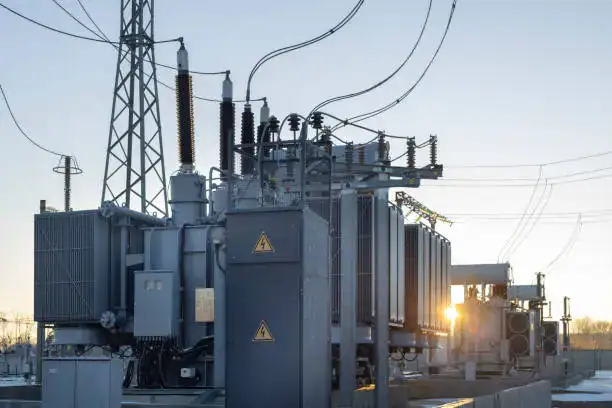
In transformer operation, most engineers focus heavily on the primary roles of insulating oil—cooling and electrical insulation. However, overlooking its secondary functions can lead to serious operational risks, including undetected faults, accelerated insulation aging, and internal damage. When these secondary roles are not properly understood or maintained, transformers may experience hidden failures that are costly and dangerous. Transformer oil is not just a passive medium; it actively contributes to system protection, diagnostics, and longevity in ways that are often underestimated.
The secondary role of transformer oil includes arc suppression, fault detection through gas absorption, moisture and contamination control, protection against oxidation, and enhancement of solid insulation performance, all of which support transformer safety, reliability, and extended service life.
To gain a complete engineering understanding, it is essential to explore these secondary roles in depth, supported by practical insights and real-world applications.
Transformer oil has no role in detecting faults within a transformer.False
Transformer oil plays a critical role in fault detection by dissolving gases generated during internal faults, which can be analyzed through dissolved gas analysis (DGA).
Arc Suppression and Fault Mitigation
One of the most important secondary roles of transformer oil is its ability to suppress electrical arcs. During abnormal conditions such as short circuits or insulation ضعف (weakness), electrical discharges can occur inside the transformer. If not controlled, these arcs can rapidly escalate into severe internal faults or even explosions.
Transformer oil has excellent arc-quenching properties. When an arc forms, the oil absorbs the energy and helps extinguish the discharge by cooling and isolating the प्रभावित (affected) المنطقة (area). This significantly reduces the severity of faults and prevents damage from spreading.
| Function | Mechanism Description | Engineering Benefit |
|---|---|---|
| Arc Suppression | Absorbs and cools electrical discharge | Prevents catastrophic failure |
| Fault Containment | Localizes electrical faults | Protects core and windings |
Fault Detection Through Gas Absorption (DGA)
Transformer oil acts as a الطبيعي (natural) diagnostic medium. When internal faults such as overheating, partial discharge, or arcing occur, they produce gases like hydrogen, methane, ethylene, and acetylene. These gases dissolve in the oil and can be detected through Dissolved Gas Analysis (DGA).
DGA is one of the most powerful predictive maintenance tools in transformer engineering. By analyzing the type and concentration of gases, engineers can identify specific fault conditions long before they become critical.
| Gas Type | Indicative Fault Condition |
|---|---|
| Hydrogen | Partial discharge |
| Methane | Low-temperature overheating |
| Ethylene | High-temperature thermal faults |
| Acetylene | Severe arcing |
This diagnostic capability allows for proactive maintenance, reducing downtime and extending transformer life.
Moisture Control and Contamination Prevention
Moisture is one of the most harmful contaminants in transformer systems. Even small amounts of water can significantly reduce dielectric strength and accelerate insulation degradation. Transformer oil helps control moisture by absorbing and dispersing it, preventing localized concentration.
Additionally, oil acts as a barrier against external contaminants such as dust and oxygen. In sealed transformer designs, the oil system limits exposure to the environment, preserving internal component integrity.
| Contaminant Type | Oil’s Protective Role | Impact on Transformer |
|---|---|---|
| Moisture | Absorbs and disperses water | Maintains insulation strength |
| Dust/Particles | Prevents प्रवेश (entry) into active parts | Reduces wear and नुकसान (damage) |
| Oxygen | Limits oxidation reactions | Slows aging of materials |
Protection Against Oxidation and Aging
Transformer oil also plays a chemical संरक्षण (protection) role by slowing down oxidation processes. Oxidation can degrade both the oil and solid insulation materials, forming acids and sludge that reduce performance.
High-quality transformer oils are formulated with oxidation inhibitors that extend their service life. By maintaining a stable chemical environment, the oil helps preserve the integrity of cellulose insulation and other داخلی (internal) components.
| Aging Factor | Oil’s Role | Resulting Benefit |
|---|---|---|
| Oxidation | مقاومة (resistance) to chemical reactions | Longer oil and insulation lifespan |
| Sludge Formation | Minimization through additives | Maintains cooling efficiency |
Enhancement of Solid Insulation Systems
Transformer oil works synergistically with solid insulation materials such as paper and pressboard. It impregnates these materials, filling microscopic air gaps and improving their dielectric strength.
This combined insulation system is far more effective than either oil or solid insulation alone. It ensures uniform electric field distribution and reduces the risk of partial discharge.
| Insulation Component | Role of Oil | Performance Improvement |
|---|---|---|
| Paper Insulation | Impregnation and moisture control | Higher dielectric strength |
| Pressboard | Gap filling and الدعم (support) | Reduced electrical stress |
Heat Aging Monitoring and Predictive Maintenance
Beyond direct cooling, transformer oil indirectly supports thermal management by providing measurable indicators of aging. Changes in oil properties—such as acidity, اللون (color), and الغاز (gas) content—offer insights into the transformer’s internal condition.
Engineers use these indicators to assess insulation health and schedule maintenance. This predictive approach reduces unexpected failures and improves operational efficiency.
Environmental and Safety Buffer
Transformer oil also acts as a safety buffer in the event of minor faults. It absorbs shock energy and reduces the likelihood of sudden catastrophic failure. In modern systems, advanced oils such as ester-based fluids offer improved fire resistance and biodegradability, further enhancing safety and environmental performance.
Real-World Engineering Insight
In a large صنعتی (industrial) transformer operating under heavy load, routine DGA detected elevated ethylene levels, indicating early-stage overheating. Preventive maintenance was performed before failure occurred, saving significant repair costs and avoiding downtime. This highlights the critical importance of oil’s secondary diagnostic role.
Limitations of Secondary Functions
While transformer oil provides numerous secondary benefits, these functions depend on proper maintenance. Contaminated or degraded oil loses its effectiveness in arc suppression, moisture control, and fault detection. Regular testing and timely replacement are therefore essential.
How Does Oil Provide Electrical Insulation in Transformers?
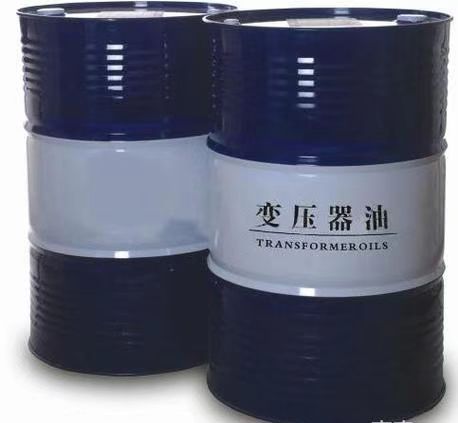
In high-voltage transformers, one of the most critical risks is electrical breakdown between conductors. When insulation fails, it can lead to partial discharge, short circuits, and catastrophic equipment damage. Air alone cannot provide sufficient dielectric strength in compact, high-energy systems, and solid insulation materials can degrade over time. Without an effective insulating medium, transformers would be unreliable and unsafe. This is where transformer oil plays a crucial role, providing a robust and dynamic solution for electrical insulation.
Transformer oil provides electrical insulation by acting as a high-dielectric-strength medium that prevents current flow between energized components, fills gaps to eliminate air pockets, suppresses electrical discharges, and enhances the performance of solid insulation materials within the transformer.
To fully understand this mechanism, it is essential to explore the physical, chemical, and electrical principles that enable oil to function as an effective insulating medium.
Transformer oil conducts electricity easily under high voltage conditions.False
Transformer oil has high dielectric strength and resists electrical conduction, preventing current flow under normal operating conditions.
Dielectric Strength: The Foundation of Insulation
The primary property that allows oil to insulate electrically is its high dielectric strength. Dielectric strength refers to the maximum electric field a material can withstand without breaking down and becoming conductive.
Transformer oil typically has a dielectric strength ranging from 30 kV to 70 kV per 2.5 mm under standard conditions. This makes it significantly more effective than air, especially in confined spaces where high كهربائي (electric) stress exists.
When an electric field is applied, oil molecules remain stable and resist ionization. This prevents the formation of conductive paths that could lead to electrical discharge.
| Medium | Dielectric Strength (Approx.) | Insulation Capability |
|---|---|---|
| Air | ~3 kV/mm | Low in high-voltage systems |
| Transformer Oil | 12–28 kV/mm | High and reliable |
| Solid Insulation | Varies | High but depends on condition |
Prevention of Ionization and Electron Movement
Electrical conduction in a medium occurs when آزاد (free) electrons or ions move under an electric field. Transformer oil has very low मुक्त (free) charge carrier density, meaning there are very few მოძრავი (mobile) particles available to conduct الكهرباء (electricity).
Additionally, oil molecules have strong bonding structures that resist ionization. Even under high voltage, the الزيت (oil) maintains its insulating properties by preventing electrons from gaining enough energy to create an avalanche effect.
This stability is critical in maintaining consistent insulation performance over long periods.
Elimination of Air Gaps and Partial Discharge
Air pockets داخل (inside) a transformer are dangerous because air has much lower dielectric strength than oil. These gaps can lead to partial discharge, a localized electrical breakdown that gradually damages insulation.
Transformer oil fills all voids and microscopic gaps between components, creating a uniform insulating medium. By eliminating air pockets, the oil prevents localized electric field concentration and reduces the risk of partial discharge.
| Issue | Without Oil | With Oil |
|---|---|---|
| Air Gaps | Present | Eliminated |
| Partial Discharge | High risk | Significantly reduced |
| Field Distribution | Uneven | Uniform |
Impregnation of Solid Insulation Materials
Transformer oil enhances the performance of solid insulation materials such as paper and pressboard. It penetrates these materials, filling microscopic pores and displacing air.
This impregnation process increases the overall dielectric strength of the insulation system and ensures uniform electric field distribution. The result is a composite insulation system that is far more effective than either oil or solid insulation alone.
| Insulation Component | Role of Oil | Resulting Benefit |
|---|---|---|
| Paper | Oil impregnation | Increased dielectric strength |
| Pressboard | Gap filling and support | Reduced विद्युत stress |
Suppression of Electrical Discharges
In the event of minor electrical disturbances, transformer oil helps suppress discharges by absorbing energy and cooling the affected area. This prevents the formation of sustained arcs that could damage internal components.
Oil’s arc-quenching ability is particularly important during transient faults, where rapid suppression can prevent escalation into major failures.
Moisture Control and Its Impact on Insulation
Moisture is one of the most significant threats to electrical insulation. Even small amounts of पानी (water) can drastically reduce dielectric strength and promote ionization.
Transformer oil helps manage moisture by absorbing and dispersing it, preventing localized concentration. However, excessive moisture can still degrade performance, which is why regular monitoring is essential.
| Moisture Level | Effect on Dielectric Strength |
|---|---|
| Very Low | Optimal insulation performance |
| Moderate | Reduced dielectric strength |
| High | Risk of electrical breakdown |
Electric Field Distribution and Stability
Transformer oil ensures uniform distribution of the electric field داخل (within) the transformer. Uneven field distribution can lead to stress concentration, increasing the likelihood of insulation failure.
By providing a consistent dielectric medium, oil helps maintain stable electric field conditions, reducing the risk of localized breakdown.
Real-World Engineering Example
In a high-voltage 220 kV transformer, replacing degraded oil with high-quality insulating oil increased dielectric strength by over 40%. This significantly reduced partial discharge activity and improved overall system reliability.
Such real-world results highlight the critical importance of maintaining oil quality for effective insulation.
Factors Affecting Insulation Performance
The insulating performance of transformer oil depends on several factors, including contamination, aging, and operating conditions. Over time, oil can degrade due to oxidation, तापमान stress, and exposure to الهواء (air).
Regular testing—such as dielectric breakdown voltage (BDV) tests and moisture analysis—is essential to ensure continued performance.
| Factor | Impact on Insulation |
|---|---|
| Contamination | Reduces dielectric strength |
| Aging | Leads to chemical degradation |
| Temperature | Affects तेल (oil) stability |
Advanced Insulating Oil Technologies
Modern advancements include ester-based oils and nano-enhanced fluids. These offer improved dielectric properties, higher fire resistance, and better environmental performance.
Such innovations are particularly valuable in applications requiring enhanced safety and sustainability.
How Does Oil Enable Efficient Cooling and Heat Dissipation in Transformers?

In high-capacity transformers, heat generation is unavoidable due to electrical losses in the core and windings. If this heat is not efficiently removed, it leads to rising temperatures, accelerated insulation aging, کاهش (reduction) in efficiency, and ultimately catastrophic failure. Overheating is one of the primary causes of transformer breakdowns, especially in continuous-duty and heavy الصناعية (industrial) environments. Therefore, an effective cooling mechanism is not just beneficial—it is essential. Transformer oil provides a highly efficient and reliable solution for managing heat and maintaining stable operating conditions.
Transformer oil enables efficient cooling and heat dissipation by absorbing heat from the core and windings, circulating through natural or forced convection, transferring heat to the transformer tank and radiators, and releasing it into the surrounding environment, thereby maintaining optimal operating temperatures and preventing thermal damage.
To fully understand this process, it is important to examine the thermal dynamics, fluid behavior, system design, and engineering optimization behind oil-based cooling systems.
Transformer oil cooling relies only on external fans and not on oil movement.False
Transformer oil cooling primarily depends on natural or forced circulation of oil, which transfers heat internally before external cooling systems assist in dissipation.
Heat Generation Inside Transformers
Before exploring cooling, it is essential to understand where heat originates. Transformers generate heat mainly from two types of losses: copper losses and core losses. Copper losses occur due to the resistance of windings when current flows, while core losses result from hysteresis and eddy currents in the magnetic core.
These losses convert electrical energy into heat, which accumulates around the windings and core. Without an effective cooling medium, तापमान would rise rapidly, damaging insulation and reducing الأداء (performance).
| Heat Source | Cause | Impact on Transformer |
|---|---|---|
| Copper Loss | Electrical resistance (I²R losses) | Localized heating in windings |
| Core Loss | Hysteresis & eddy currents | Continuous heat generation |
Oil as a Heat Absorption Medium
Transformer oil acts as a liquid heat sink. It has a relatively high specific heat capacity, allowing it to absorb significant amounts of heat without a rapid increase in temperature. When the windings and core heat up, the surrounding oil absorbs this heat through conduction.
This immediate heat absorption prevents localized hotspots and maintains a more uniform temperature distribution داخل (inside) the transformer.
| Property | Role in Cooling |
|---|---|
| High Specific Heat | Absorbs large كمية (amount) of heat |
| Thermal Stability | Maintains performance at high तापमान |
| Low Viscosity | Facilitates smooth circulation |
Natural Convection Circulation (ONAN)
One of the most fundamental cooling mechanisms is natural convection. As oil بالقرب (near) the गर्म (hot) windings absorbs heat, its density decreases, causing it to rise toward the top of the transformer tank. Cooler oil, being denser, flows downward to replace it.
This creates a continuous circulation loop without the need for mechanical assistance. This method is known as ONAN (Oil Natural Air Natural) cooling.
| Step | Process Description |
|---|---|
| Heat Absorption | Oil absorbs heat from core and windings |
| Density Change | Heated oil becomes lighter |
| Upward Flow | Hot oil rises to the top |
| Cooling | Oil releases heat to tank walls |
| Return Flow | Cooled oil sinks and recirculates |
Forced Oil Circulation Systems
In larger transformers, natural convection alone may not be sufficient. Forced oil circulation systems are used to enhance cooling efficiency. Pumps actively move oil through the transformer and into external cooling equipment such as radiators or heat exchangers.
This method, known as OFAF (Oil Forced Air Forced) or OFWF (Oil Forced Water Forced), significantly increases heat transfer rates and allows transformers to handle much higher loads.
| Cooling Type | Mechanism | Application |
|---|---|---|
| ONAN | Natural oil & air flow | Small to medium transformers |
| ONAF | Natural oil, forced air | Medium load systems |
| OFAF | Forced oil & air | Large industrial transformers |
| OFWF | Forced oil & water | Power plants and critical systems |
Heat Transfer to Tank and Radiators
After absorbing heat, the oil transfers it to the transformer tank and radiators. The tank walls act as heat exchangers, allowing heat to dissipate into the surrounding الهواء (air). Radiators increase the surface area available for heat exchange, improving efficiency.
In forced systems, fans or water cooling further enhance this process by accelerating heat removal.
| Component | Function in Heat Dissipation |
|---|---|
| Tank Walls | Primary heat transfer surface |
| Radiators | Increase surface area for cooling |
| Fans | Enhance air حركة (movement) |
| Heat Exchangers | Transfer heat to water systems |
Uniform Temperature Distribution
One of the key advantages of oil cooling is its ability to maintain uniform temperature distribution. Uneven तापमान can create hotspots, which accelerate insulation aging and increase the risk of failure.
Oil circulation ensures that heat is evenly distributed and continuously removed, reducing thermal stress on components.
Impact on Transformer Efficiency and Lifespan
Efficient cooling directly improves transformer performance. Lower operating temperatures reduce electrical resistance in windings, which in turn decreases energy losses. Additionally, insulation materials last longer at lower temperatures, extending the overall lifespan of the transformer.
Studies show that for every 6–8°C reduction in operating temperature, the life expectancy of insulation can double. This highlights the critical importance of effective cooling.
| Temperature Reduction | Impact on Lifespan |
|---|---|
| 6–8°C decrease | Approx. doubling of insulation life |
| Stable operation | Reduced maintenance frequency |
Real-World Engineering Example
In a 200 MVA power transformer operating under heavy load, upgrading from natural to forced oil cooling reduced hotspot temperatures by over 20°C. This improvement increased efficiency and significantly extended the transformer’s service life, demonstrating the effectiveness of advanced oil cooling systems.
Factors Affecting Cooling Efficiency
Several factors influence how effectively oil can cool a transformer. These include oil quality, viscosity, contamination, and system design. Over time, oil can degrade, مما (which) reduces its thermal conductivity and circulation efficiency.
Regular maintenance, including oil filtration and testing, is essential to maintain optimal performance.
| Factor | Effect on Cooling Performance |
|---|---|
| Oil Quality | Directly affects heat transfer |
| Contamination | Reduces thermal efficiency |
| Viscosity Changes | Impairs circulation |
| System Design | Determines overall cooling capability |
Advanced Cooling Technologies
Modern transformers incorporate advanced cooling technologies such as directed oil flow, smart sensors, and automated cooling control systems. These innovations optimize oil حركة (flow) and ensure precise temperature management.
Additionally, new الزيت (oil) formulations, including ester-based and nano-enhanced oils, offer improved thermal conductivity and environmental performance.
Conclusion
The dual purpose of an oil-immersed transformer lies in electrical insulation and thermal cooling. Transformer oil not only prevents electrical breakdown between internal components by providing high dielectric strength, but also absorbs and dissipates heat generated during operation. This combination ensures safe, efficient, and reliable performance, making oil-immersed transformers ideal for high-capacity and high-voltage power applications.
FAQ
Q1: What is the dual purpose of an oil-immersed transformer?
The dual purpose of an oil-immersed transformer is to provide electrical insulation and effective cooling. The insulating oil surrounds the core and windings, preventing electrical faults while simultaneously absorbing and dissipating heat generated during operation.
These two functions are essential for safe, efficient, and long-term transformer performance.
Q2: How does transformer oil provide electrical insulation?
Transformer oil has high dielectric strength, which allows it to act as an insulating barrier between energized components. It prevents:
Short circuits between windings
Electrical discharges
Breakdown under high voltage conditions
By filling gaps and eliminating air pockets, the oil ensures uniform insulation throughout the transformer.
Q3: How does oil help in cooling the transformer?
The oil absorbs heat generated by core and winding losses and transfers it to external cooling systems such as radiators.
The cooling process works as follows:
Heated oil rises due to lower density
It flows to radiators where heat is dissipated
Cooled oil returns to the transformer tank
This continuous circulation maintains safe operating temperatures.
Q4: Why is combining insulation and cooling important?
Combining insulation and cooling in a single medium improves transformer efficiency and reliability by:
Reducing internal temperature rise
Preventing insulation degradation
Allowing compact design
Enhancing overall performance
This dual-function approach is a key reason why oil-immersed transformers are widely used in high-power applications.
Q5: What happens if the oil fails to perform its dual function?
If transformer oil loses its insulating or cooling properties, it can lead to:
Increased risk of electrical breakdown
Overheating of windings
Accelerated insulation aging
Potential transformer failure
Regular oil testing and maintenance are essential to ensure both functions remain effective.
Q6: How is oil quality maintained to support both functions?
Maintaining oil quality involves:
Regular oil testing (DGA, moisture, dielectric strength)
Oil filtration and purification
Preventing contamination and oxidation
Keeping the transformer sealed from moisture ingress
These practices ensure the oil continues to perform both insulation and cooling roles effectively.
Q7: Are there different types of transformer oils for this purpose?
Yes, different types of insulating fluids are used, including:
Mineral oil (most common)
Synthetic ester fluids
Natural ester (biodegradable) oils
Each type is designed to provide both insulation and cooling, with varying environmental and performance characteristics.
Q8: Does the dual purpose affect transformer design?
Yes, the dual role of oil significantly influences transformer design. Engineers must ensure:
Proper oil circulation paths
Adequate cooling surface area (radiators)
Compatibility with insulation materials
Efficient heat transfer mechanisms
Design optimization ensures that both insulation and cooling functions are fully achieved.
References
IEC 60076 – Power Transformers
https://webstore.iec.ch/publication/602
IEC 60422 – Mineral Insulating Oils in Electrical Equipment
https://webstore.iec.ch
IEEE C57 Series – Transformer Insulation and Cooling Standards
https://standards.ieee.org
Electrical Engineering Portal – Transformer Oil Explained
https://electrical-engineering-portal.com
CIGRE – Transformer Insulation and Cooling Studies
https://www.cigre.org
IEEE Power & Energy Society – Transformer Oil Research
https://ieeexplore.ieee.org