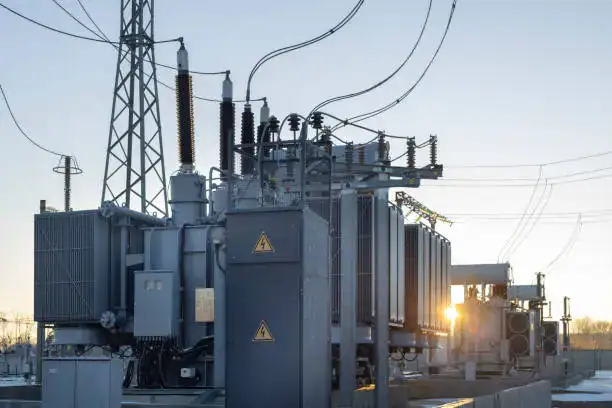
Oil-immersed transformers play a central role in power distribution systems, enabling efficient voltage conversion, reliable operation, and large-capacity energy transfer. Their ability to handle high loads, provide strong insulation, and maintain effective cooling makes them indispensable in substations, industrial facilities, and utility networks. Understanding their importance helps explain why they remain widely used in modern electrical infrastructure.
What Role Do Oil-Immersed Transformers Play in Power Distribution Systems?

In modern power distribution networks, delivering electricity safely and efficiently from substations to end users is a complex challenge. Without proper voltage regulation, consumers would face unstable supply, equipment damage, and significant energy losses. Additionally, distribution systems must handle fluctuating loads, environmental stress, and continuous operation demands. Oil-immersed transformers are critical in overcoming these challenges, ensuring reliable voltage conversion, thermal stability, and long-term performance across the distribution chain.
Oil-immersed transformers play a central role in power distribution by stepping down high transmission voltages to usable levels, maintaining voltage stability, minimizing energy losses, and ensuring reliable, continuous electricity supply to residential, commercial, and industrial consumers.
To fully understand their importance, it is necessary to examine their functions, operational mechanisms, system integration, and real-world performance within distribution networks.
Oil-immersed transformers are not used in distribution systems and are only for transmission.False
Oil-immersed transformers are widely used in both transmission and distribution systems, especially for stepping down voltage to usable levels.
Voltage Step-Down for End-User Supply
The primary role of oil-immersed transformers in power distribution is to reduce high transmission voltages to levels suitable for consumption. Electricity is typically transmitted at very high voltages (e.g., 110 kV to 400 kV) to minimize losses. However, such voltages are unsafe for direct use.
Distribution transformers, often oil-immersed, step down this voltage in stages—first to medium voltage (e.g., 11 kV or 33 kV), and then to low voltage (400/230 V) for end users.
| Stage | Input Voltage | Output Voltage | Application |
|---|---|---|---|
| Sub-transmission | 110–220 kV | 33–66 kV | Regional distribution |
| Primary Distribution | 33 kV | 11 kV | Local substations |
| Secondary Distribution | 11 kV | 400/230 V | Homes and businesses |
This staged voltage transformation ensures efficient and safe delivery of electricity.
Ensuring Voltage Stability and Power Quality
Voltage stability is essential for protecting electrical equipment and maintaining consistent performance. Oil-immersed transformers help regulate voltage levels despite fluctuations in load demand.
Their design allows them to maintain stable output even when input conditions vary. In many systems, tap changers are integrated into transformers to adjust voltage dynamically, ensuring consistent supply quality.
| Function | Benefit in Distribution System |
|---|---|
| Voltage Regulation | Prevents overvoltage and undervoltage |
| Load Adaptability | Handles varying demand |
| Power Quality | Reduces flicker and voltage dips |
Minimizing Energy Losses
Energy efficiency is a critical concern in distribution networks. Oil-immersed transformers are designed to minimize both core and copper losses. Their efficient cooling system keeps temperatures low, which reduces resistance in windings and improves overall performance.
By maintaining high efficiency—often above 98%—these transformers help utilities reduce operational costs and improve system reliability.
| Loss Type | Cause | Mitigation in Oil-Immersed Transformers |
|---|---|---|
| Core Loss | Magnetic hysteresis | High-quality core materials |
| Copper Loss | Electrical resistance | Effective oil cooling |
Supporting Continuous and Reliable Operation
Distribution networks require transformers that can operate continuously under varying environmental conditions. Oil-immersed transformers are well-suited for this role due to their robust construction and superior cooling capabilities.
They can withstand high, humidity, and dust, making them ideal for outdoor installations. Their reliability ensures uninterrupted power supply, which is critical for homes, hospitals, and industries.
Integration in Urban and Rural Networks
Oil-immersed transformers are used extensively in both urban and rural distribution systems. In cities, they are installed in substations and underground vaults to supply dense populations. In rural areas, they are often pole-mounted to deliver electricity over long distances.
Their adaptability allows them to meet diverse infrastructure requirements.
| Environment | Installation Type | Key Requirement |
|---|---|---|
| Urban | Ground-mounted/substation | Compact and reliable |
| Rural | Pole-mounted | Durable and low maintenance |
Load Management and Scalability
As demand for electricity grows, distribution systems must be scalable. Oil-immersed transformers support load expansion by handling increased demand without significant performance degradation.
They can also be paralleled to share load, improving system flexibility and redundancy.
Role in Industrial and Commercial Distribution
In industrial and commercial settings, oil-immersed transformers ensure stable power supply for heavy machinery and critical operations. Industries such as manufacturing, mining, and data centers rely on these transformers for consistent voltage and high reliability.
Safety and Protection in Distribution Systems
Safety is a key aspect of power distribution. Oil-immersed transformers are equipped with protective devices such as Buchholz relays, pressure relief valves, and temperature sensors. These systems detect faults early and prevent major failures.
Additionally, the insulating oil helps suppress electrical arcs, enhancing operational safety.
Real-World Example: Urban Distribution Network
In a metropolitan distribution network, oil-immersed transformers are used at multiple levels to step down voltage from 132 kV to 11 kV and finally to 400 V. Their high efficiency and reliability ensure stable power supply to thousands of consumers with minimal downtime.
Environmental and Modern Considerations
Modern distribution systems are increasingly adopting eco-friendly transformer oils and smart monitoring technologies. These advancements improve environmental performance and enable real-time monitoring of transformer health.
Selection Criteria for Distribution Applications
Choosing the right transformer for distribution involves evaluating load demand, voltage levels, installation environment, and safety requirements.
| Selection Factor | Consideration |
|---|---|
| Load Demand | Must meet peak and future needs |
| Voltage Level | מתאים to distribution stage |
| Environment | Indoor vs outdoor conditions |
| Safety | Fire protection and monitoring systems |
Why Are Oil-Immersed Transformers Suitable for High-Voltage and High-Capacity Applications?
In high-voltage and high-capacity power systems, transformers are exposed to extreme electrical stress, intense thermal loads, and continuous operational demands. Without robust insulation and efficient heat dissipation, these conditions can quickly lead to dielectric breakdown, overheating, and catastrophic failure. Many transformer types struggle to maintain stability under such severe conditions, especially when handling large energy flows over long durations. Oil-immersed transformers are specifically engineered to overcome these challenges, making them the preferred choice for demanding applications.
Oil-immersed transformers are suitable for high-voltage and high-capacity applications because they provide superior dielectric insulation, efficient heat dissipation, high load-handling capability, excellent thermal stability, and robust mechanical design, ensuring reliable and safe operation under extreme electrical and thermal conditions.
To understand this suitability in depth, it is essential to analyze the electrical, thermal, mechanical, and operational advantages that enable oil-immersed transformers to excel in such environments.
Oil-immersed transformers cannot operate efficiently at very high voltages.False
Oil-immersed transformers are specifically designed for high-voltage applications due to their strong dielectric insulation and cooling capabilities.
Superior Dielectric Strength for High Voltage
High-voltage applications require insulation systems capable of withstanding intense electric fields without breakdown. Transformer oil provides a high dielectric strength medium that effectively prevents electrical discharge between windings and between windings and the core.
Unlike air, which has limited insulating generosity, oil can withstand much higher electric stress, making it ideal for voltages exceeding hundreds of kilovolts. Additionally, oil eliminates air gaps and ensures uniform electric field distribution, reducing the risk of partial discharge.
| Insulation Medium | Dielectric Strength | Suitability for High Voltage |
|---|---|---|
| Air | Low | Limited |
| Solid Insulation | High (localized) | Requires support |
| Transformer Oil | Very High | Ideal for high-voltage systems |
Efficient Heat Dissipation for High Capacity
High-capacity transformers handle large amounts of electrical power, which inevitably generates significant heat. Effective cooling is essential to prevent overheating and maintain efficiency.
Oil-immersed transformers use circulating oil to absorb and transfer heat away from critical components. This cooling mechanism supports continuous operation under heavy loads without exceeding safe limits.
| Cooling Method | Capacity Handling Capability | Application Scale |
|---|---|---|
| Air Cooling | Limited | Small to medium systems |
| Oil Cooling | High | Large-scale power systems |
High Load-Carrying Capability
The combination of superior cooling and insulation allows oil-immersed transformers to carry higher electrical loads compared to other transformer types. This makes them suitable for applications such as power generation, transmission substations, and heavy industrial operations.
Their ability to operate efficiently under sustained high loads reduces the need for multiple units, improving system efficiency and reducing infrastructure costs.
Thermal Stability and Longevity
Thermal stability is critical in high-capacity applications. Transformer oil maintains stable properties even under elevated temperatures, ensuring consistent performance over time.
By effectively dissipating heat, oil reduces thermal stress on insulation materials, significantly extending the transformer’s service life. In many cases, oil-immersed transformers can operate reliably for decades with proper maintenance.
| Temperature Control | Impact on Performance |
|---|---|
| Stable | Consistent efficiency |
| Reduced Hotspots | Longer insulation life |
Robust Mechanical and Structural Design
High-voltage and high-capacity transformers must withstand not only electrical and thermal stress but also mechanical forces such as short-circuit currents and electromagnetic forces.
Oil-immersed transformers are built with robust structures, including reinforced windings, tanks, and protective systems. The oil also provides cushioning, reducing mechanical vibration and stress.
Enhanced Arc Suppression and Safety
In high-voltage environments, the risk of electrical arcing is significant. Transformer oil has excellent arc-quenching properties, helping to suppress discharges and prevent fault escalation.
This capability enhances safety and reduces the likelihood of catastrophic failures, which is especially important in critical infrastructure.
Scalability for Large Power Systems
Oil-immersed transformers can be designed for extremely high capacity, ranging from a few MVA to several hundred MVA or more. This scalability makes them suitable for large-scale power grids and applications.
| Transformer Rating | Typical Application |
|---|---|
| 10–50 MVA | Medium systems |
| 50–200 MVA | Large substations |
| 200+ MVA | Power generation and transmission |
Proven Reliability in Real-World Applications
Oil-immersed transformers have a long track record of reliable performance in high-voltage and high-capacity environments. They are widely used in power plants, transmission networks, and heavy industries, where failure is not an option.
Field data shows that properly maintained oil-immersed transformers have lower failure rates compared to many alternative technologies.
Adaptability to Harsh Environments
High-capacity systems are often located in challenging environments, including extreme temperatures, humidity, and pollution. Oil-immersed transformers are designed to operate reliably under such conditions, thanks to their sealed construction and resistance to environmental factors.
Integration with Advanced Cooling and Monitoring Systems
Modern oil-immersed transformers incorporate advanced cooling systems such as forced oil circulation and water cooling, as well as smart monitoring technologies. These features enhance performance and enable real-time monitoring of operating conditions.
Economic Advantages for Large-Scale Use
Although oil-immersed transformers may require higher initial investment, their ability to handle large ظرفیت and operate efficiently over long periods makes them more economical for high-voltage applications. Reduced energy losses and longer service life contribute to lower lifecycle costs.
How Does Insulating Oil Improve Reliability and Safety in Transformers?
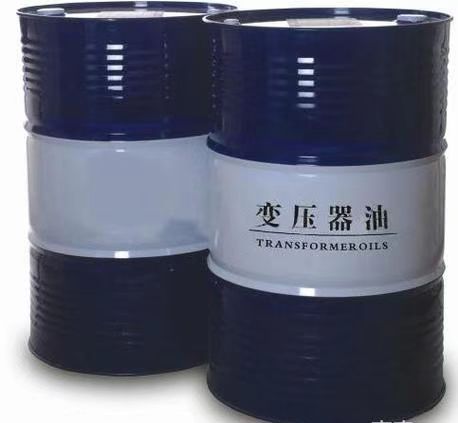
In high-voltage transformer systems, reliability and safety are constant concerns. Failures caused by overheating, insulation breakdown, or internal faults can lead to costly outages, equipment damage, and even dangerous incidents such as fires or explosions. Without a robust medium to manage electrical stress and thermal loads, transformers would be highly vulnerable to these risks. Insulating oil plays a critical role in mitigating these challenges, acting as a multi-functional medium that enhances both operational stability and safety.
Insulating oil improves transformer reliability and safety by providing effective cooling, high dielectric insulation, arc suppression, fault detection through gas analysis, moisture control, and protection against oxidation, ensuring stable operation, early fault detection, and reduced risk of catastrophic failure.
To fully understand its impact, it is essential to explore how these mechanisms work together to enhance transformer performance in real-world conditions.
Insulating oil has no impact on transformer safety and only affects performance.False
Insulating oil directly enhances safety by preventing electrical breakdown, suppressing arcs, and enabling early fault detection.
Thermal Management and Overheating Prevention
One of the primary contributors to transformer failure is excessive heat. Insulating oil significantly improves reliability by efficiently removing heat generated in the core and windings. By maintaining optimal operating temperatures, oil prevents thermal degradation of insulation materials.
Lower operating temperatures directly translate into longer equipment life and reduced failure rates. Studies show that even a small reduction in operating temperature can dramatically extend insulation lifespan.
| Cooling Function | Reliability Impact | Safety Benefit |
|---|---|---|
| Heat Absorption | Prevents hotspots | Reduces risk of thermal failure |
| Oil Circulation | Maintains uniform temperature | prevention of overheating |
High Dielectric Strength and Electrical Protection
Insulating oil enhances safety by providing a strong dielectric barrier between energized components. This prevents electrical leakage, short circuits, and dielectric breakdown.
By eliminating air gaps and maintaining uniform electric field distribution, oil reduces the likelihood of partial discharge, which is a common cause of insulation failure.
| Insulation Feature | Reliability Benefit | Safety Impact |
|---|---|---|
| High Dielectric Strength | Stable operation under high voltage | Prevents electrical faults |
| Uniform Medium | Reduced stress concentration | Minimizes risk of breakdown |
Arc Suppression and Fault Containment
In the event of internal faults, such as insulation failure or short circuits, electrical arcs can form. These arcs are extremely dangerous and can lead to severe damage or explosions.
Insulating oil helps suppress and extinguish these arcs by absorbing energy and cooling the affected area. This prevents the fault from escalating and confines damage to a limited zone.
| Fault Scenario | Oil’s Role | Safety Outcome |
|---|---|---|
| Partial Discharge | Suppresses localized discharges | Prevents insulation damage |
| Internal Arcing | Quenches arc quickly | Reduces explosion risk |
Early Fault Detection Through Dissolved Gas Analysis (DGA)
One of the most valuable contributions of insulating oil to reliability is its role in condition monitoring. When faults occur inside the transformer, they produce gases that dissolve in the oil.
Through Dissolved Gas Analysis (DGA), engineers can detect early signs of problems such as overheating, partial discharge, or arcing. This allows for predictive maintenance and prevents unexpected failures.
| Gas Detected | Possible Fault Type |
|---|---|
| Hydrogen | Partial discharge |
| Methane | Low-temperature overheating |
| Acetylene | Severe arcing |
Moisture Control and Contamination Prevention
Moisture is one of the most harmful factors affecting transformer reliability. It reduces dielectric strength and accelerates insulation degradation. Insulating oil helps control moisture by absorbing and dispersing it, preventing localized concentration.
Additionally, oil acts as a barrier against contaminants such as dust and oxygen, preserving the internal environment of the transformer.
| Contaminant | Oil’s Protective Role | Impact on Reliability |
|---|---|---|
| Moisture | Absorbs and redistributes | Maintains insulation integrity |
| Dust | Prevents ingress | Reduces wear and damage |
Protection Against Oxidation and Aging
Over time, exposure to oxygen and high can cause oxidation, leading to the formation of acids and sludge. These byproducts degrade insulation and reduce cooling efficiency.
Insulating oil, especially when treated with antioxidants, slows down oxidation processes. This helps maintain chemical stability and prolongs the life of both the oil and the transformer components.
| Aging Factor | Oil’s Role | Resulting Benefit |
|---|---|---|
| Oxidation | resistance to chemical breakdown | Longer service life |
| Sludge Formation | Minimization through additives | Maintains cooling efficiency |
Enhancement of Solid Insulation Systems
Insulating oil works in combination with solid insulation materials such as paper and pressboard. It impregnates these materials, filling microscopic gaps and improving their dielectric strength.
This combined insulation system is more reliable than solid insulation alone and provides greater resistance to electrical stress.
Reduction of Mechanical Stress and Vibration
Oil also contributes to mechanical stability by acting as a cushioning medium. It reduces vibration and absorbs mechanical shocks caused by electromagnetic forces during operation or fault conditions.
This helps maintain structural integrity and reduces wear on internal components.
Real-World Engineering Example
In a high-voltage substation, regular DGA monitoring of transformer oil detected early signs of overheating. Preventive maintenance was performed before any major failure occurred, saving significant repair costs and preventing an unplanned outage. This demonstrates how insulating oil enhances both reliability and safety through early detection and protection.
Integration with Modern Monitoring Systems
Modern transformers are equipped with sensors that continuously monitor oil temperature, moisture levels, and gas content. These systems provide real-time data, enabling proactive maintenance and further improving reliability.
Limitations and Maintenance Requirements
While insulating oil provides numerous benefits, its effectiveness depends on proper maintenance. Contaminated or degraded oil can lose its insulating and cooling properties, increasing the risk of failure. Regular testing and timely replacement are essential to maintain performance.
How Do Oil-Immersed Transformers Support Efficient Energy Transmission in Modern Power Systems?
In large-scale power systems, transmitting electricity over long distances without excessive losses is a major engineering challenge. High current levels lead to significant energy dissipation, overheating, and reduced system efficiency. Without proper voltage transformation and thermal management, transmission networks would become economically and technically unfeasible. Oil-immersed transformers play a vital role in solving these issues by enabling efficient voltage conversion, minimizing losses, and ensuring stable operation under high-load conditions.
Oil-immersed transformers support efficient energy transmission by stepping up voltage to reduce current and transmission losses, providing superior insulation for high-voltage operation, dissipating heat effectively to maintain efficiency, and ensuring stable, reliable performance across long-distance power networks.
To fully understand their contribution, it is important to explore the electrical principles, thermal mechanisms, and system-level advantages that make these transformers indispensable in energy transmission.
Oil-immersed transformers increase transmission losses due to oil resistance.False
Transformer oil does not increase electrical resistance; instead, it improves efficiency by cooling and insulating the system, reducing losses.
Voltage Step-Up to Minimize Transmission Losses
One of the most critical ways oil-immersed transformers improve transmission efficiency is by increasing voltage levels at the generation stage. According to electrical principles, power transmission losses are proportional to the square of the current (I²R losses). By stepping up voltage, the current required to transmit the same amount of power is significantly reduced.
This reduction in current directly lowers resistive losses in transmission lines, making long-distance electricity transfer more efficient and economical.
| Parameter | Low Voltage Transmission | High Voltage Transmission |
|---|---|---|
| Current Level | High | Low |
| I²R Losses | High | Low |
| Efficiency | Reduced | Improved |
High-Voltage Insulation for Safe Transmission
Efficient energy transmission requires operation at very high voltages, often exceeding 220 kV or more. Oil-immersed transformers provide the necessary dielectric strength to handle these voltages safely.
The insulating oil prevents electrical breakdown between components and ensures stable operation under intense electric fields. This capability allows transformers to function reliably in high-voltage transmission networks.
Effective Heat Dissipation for Continuous Operation
During energy transmission, transformers operate under continuous load, generating heat due to electrical losses. If not properly managed, this heat can increase resistance, reduce efficiency, and damage components.
Oil-immersed transformers use circulating oil to absorb and dissipate heat, maintaining optimal operating temperatures. This ensures that efficiency remains high even during prolonged operation.
| Cooling Feature | Impact on Transmission Efficiency |
|---|---|
| Heat Removal | Prevents resistance increase |
| Temperature Stability | Maintains consistent performance |
| Reduced Hotspots | Enhances reliability |
Reduction of Energy Losses in Transformer Operation
In addition to minimizing line losses, oil-immersed transformers themselves are designed for high efficiency. Their laminated cores reduce hysteresis and eddy current losses, while oil cooling minimizes copper losses by keeping اresistance low.
Modern oil-immersed transformers can achieve efficiency levels above 98–99%, making them highly effective in large-scale transmission systems.
Support for Long-Distance Power Transfer
By enabling high-voltage operation and minimizing losses, oil-immersed transformers make long-distance energy transmission feasible. Electricity generated at power plants can be transmitted hundreds or even thousands of kilometers with minimal energy loss.
At the receiving end, other transformers step down the voltage for distribution, completing the transmission cycle.
Stability Under Variable Load Conditions
Transmission systems often experience fluctuating loads due to changing demand. Oil-immersed transformers provide stable performance under these varying conditions, maintaining consistent voltage levels and preventing system instability.
Their robust design and effective cooling allow them to handle sudden load changes without performance degradation.
Integration with Transmission Infrastructure
Oil-immersed transformers are a core component of transmission substations. They work in conjunction with circuit breakers, lines, and protective systems to ensure smooth energy flow.
Their compatibility with high-voltage equipment makes them essential for grid operation.
Real-World Example: National Power Grid
In a national grid system, oil-immersed transformers are used to step up voltage from 15 kV at the generation plant to 400 kV for transmission. This reduces current and transmission losses by more than 80%, significantly improving overall efficiency.
Such systems rely heavily on the reliability and performance of oil-immersed transformers to maintain continuous power supply.
Economic Benefits of Efficient Transmission
Efficient energy transmission reduces operational costs by minimizing energy losses and improving system performance. Oil-immersed transformers contribute to these savings by enabling high-efficiency operation and reducing the need for additional infrastructure.
Environmental Impact and Sustainability
By reducing energy losses, oil-immersed transformers contribute to lower carbon emissions in power systems. Efficient transmission means less energy needs to be generated to meet demand, supporting sustainability goals.
Advanced Technologies Enhancing Transmission Efficiency
Modern oil-immersed transformers incorporate advanced features such as smart monitoring systems, improved insulation materials, and enhanced cooling designs. These innovations further improve efficiency and reliability in transmission networks.
What Advantages Do Oil-Immersed Transformers Offer Compared to Other Transformer Types?
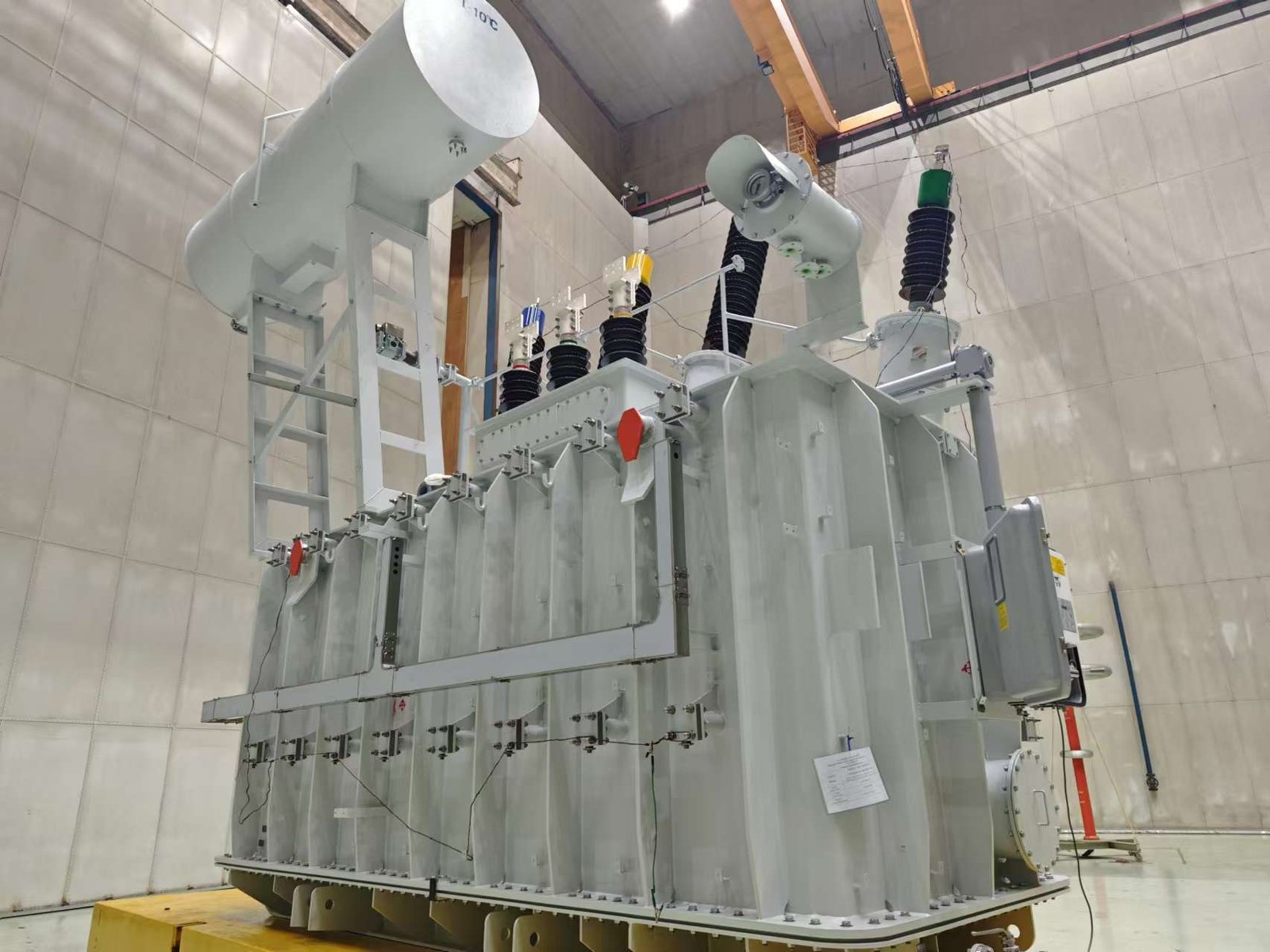
In the selection of transformers for modern electrical systems, engineers and decision-makers often face a critical dilemma: choosing between oil-immersed transformers and alternative types such as dry-type transformers. Each option presents unique characteristics, but making the wrong choice can lead to inefficiency, higher operational costs, overheating issues, and reduced system reliability. In high-demand environments, these drawbacks can escalate into serious performance and safety concerns. Oil-immersed transformers, however, consistently demonstrate superior performance in many key areas, making them the preferred solution for medium- and high-capacity applications.
Compared to other transformer types, oil-immersed transformers offer superior cooling efficiency, higher load capacity, better insulation performance, longer service life, greater cost-effectiveness for large-scale applications, and stronger adaptability to harsh environments.
To make an informed decision, it is essential to explore these advantages in depth, supported by technical comparisons, real-world insights, and practical engineering considerations.
Dry-type transformers always provide better cooling than oil-immersed transformers.False
Oil-immersed transformers generally provide superior cooling due to the higher thermal conductivity and circulation capability of insulating oil.
Superior Cooling Efficiency
One of the most significant advantages of oil-immersed transformers is their exceptional cooling capability compared to dry-type transformers. Air, used in dry-type designs, has limited thermal conductivity and cannot dissipate heat as effectively as liquid oil.
Transformer oil absorbs heat directly from the windings and core and circulates it efficiently to cooling surfaces. This results in lower operating temperatures and improved performance under heavy loads.
| Cooling Aspect | Oil-Immersed Transformer | Dry-Type Transformer |
|---|---|---|
| Heat Transfer Medium | Liquid oil | Air |
| Cooling Efficiency | High | Moderate |
| Hotspot Risk | Low | Higher |
| Load Stability | Excellent | Limited under high load |
Higher Load Capacity
Oil-immersed transformers can handle significantly higher loads due to their superior cooling system. This makes them ideal for applications such as power generation, transmission, and heavy industrial use.
In contrast, dry-type transformers are typically limited in capacity because they cannot dissipate heat as effectively. As a result, multiple dry-type units may be required to achieve the same capacity as a single oil-immersed transformer.
| Parameter | Oil-Immersed Transformer | Dry-Type Transformer |
|---|---|---|
| Load Capacity | High | Moderate |
| Overload Ability | Strong | Limited |
Enhanced Electrical Insulation
Oil provides a high dielectric strength medium that significantly enhances insulation performance. It fills all gaps within the transformer, eliminating air pockets and reducing the risk of partial discharge.
Dry-type transformers rely solely on solid insulation, which may degrade over time and is more susceptible to environmental factors such as moisture and contamination.
| Insulation Feature | Oil-Immersed Transformer | Dry-Type Transformer |
|---|---|---|
| Dielectric Strength | Very high | Moderate |
| Partial Discharge Risk | Low | Higher |
| Moisture Resistance | Excellent | Limited |
Longer Service Life
Due to better cooling and insulation, oil-immersed transformers typically have a longer service life. Lower operating temperatures reduce the aging rate of insulation materials, allowing the transformer to operate reliably for decades.
Dry-type transformers, while requiring less maintenance in some cases, often have shorter lifespans in high-load environments.
| Lifespan Factor | Oil-Immersed Transformer | Dry-Type Transformer |
|---|---|---|
| Average Lifespan | 25–40+ years | 15–25 years |
| Thermal Aging Rate | Low | Higher |
Cost-Effectiveness for Large Applications
For high-capacity applications, oil-immersed transformers are more cost-effective. Their ability to handle large loads reduces the need for multiple units, lowering installation and infrastructure costs.
Additionally, their high efficiency reduces energy losses, resulting in lower operational costs over time.
| Cost Aspect | Oil-Immersed Transformer | Dry-Type Transformer |
|---|---|---|
| Initial Cost | Moderate | Higher per capacity |
| Operational Cost | Low | Higher |
| Lifecycle Cost | Economical | Less efficient |
Better Performance in Harsh Environments
Oil-immersed transformers are designed for outdoor use and can operate reliably in extreme conditions, including high temperatures, humidity, and dusty environments. Their sealed construction protects internal components from contamination.
Dry-type transformers are more suitable for indoor environments and may require additional protection when used outdoors.
| Environment Type | Oil-Immersed Performance | Dry-Type Performance |
|---|---|---|
| Outdoor | Excellent | Limited |
| High Humidity | Stable | Sensitive |
| Dusty Conditions | Resistant | Vulnerable |
Proven Reliability in Critical Applications
Oil-immersed transformers have a long track record of reliable performance in critical infrastructure such as power plants, transmission networks, and industrial facilities. Their robust design and effective cooling make them less prone to failure under heavy loads.
Flexibility and Customization
Manufacturers can customize oil-immersed transformers to meet specific requirements, including voltage levels, cooling methods, and protective features. This flexibility allows them to be tailored for a wide range of applications.
Integration with Advanced Monitoring Systems
Modern oil-immersed transformers can be equipped with smart monitoring technologies, enabling real-time tracking of temperature, oil condition, and load. This enhances reliability and supports predictive maintenance.
Limitations Compared to Other Types
While oil-immersed transformers offer many advantages, it is important to acknowledge their limitations. They require regular oil maintenance, and there is a risk of oil leakage or fire if not properly managed. However, modern designs and eco-friendly oils are addressing these concerns effectively.
Real-World Engineering Insight
In a large industrial facility, replacing multiple dry-type transformers with a single oil-immersed transformer reduced energy losses by over 10% and significantly improved system reliability. This demonstrates the practical advantages of oil-based designs in high-capacity applications.
Where Are Oil-Immersed Transformers Most Commonly Used in Real-World Applications?
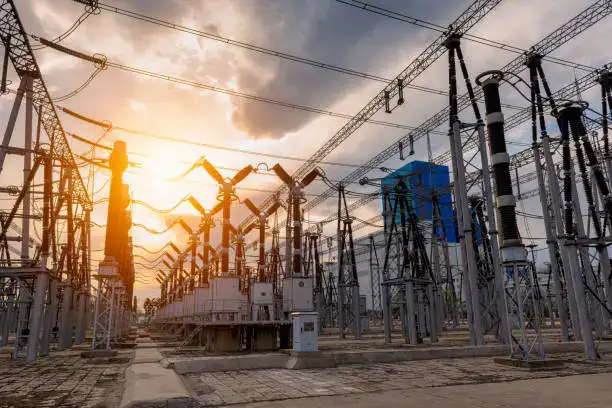
In today’s power-driven world, the demand for stable, efficient, and high-capacity electricity supply continues to grow across industries and infrastructure. However, many electrical systems struggle with overheating, voltage instability, and insulation challenges—especially under heavy loads and harsh environmental conditions. Without reliable transformer technology, these issues can lead to system failures, costly downtime, and safety risks. Oil-immersed transformers are widely adopted because they effectively address these challenges, making them indispensable in a variety of critical applications.
Oil-immersed transformers are most commonly used in power generation plants, high-voltage transmission networks, distribution substations, heavy industrial facilities, renewable energy projects, and large infrastructure systems due to their superior cooling, insulation, and ability to handle high-capacity loads reliably.
To understand their widespread usage, it is essential to examine each application sector in detail, supported by engineering insights and real-world examples.
Oil-immersed transformers are mainly used only in small residential systems.False
Oil-immersed transformers are primarily used in large-scale and high-capacity applications such as power plants, substations, and industrial systems.
Power Generation Plants
Oil-immersed transformers are a fundamental component in power generation facilities, including thermal, hydroelectric, nuclear, and gas-fired plants. Their primary role is to step up the voltage generated by turbines to levels suitable for long-distance transmission.
Generators typically produce electricity at medium voltages (10–25 kV), which must be increased to hundreds of kilovolts to reduce transmission losses. Oil-immersed transformers are ideal for this task because they can handle high electrical stress and continuous operation.
| Power Plant Type | Input Voltage | Output Voltage | Transformer Role |
|---|---|---|---|
| Thermal | 11–25 kV | 220–500 kV | Step-up transformer |
| Hydroelectric | 6–18 kV | 110–400 kV | Step-up transformer |
Their superior cooling ensures stable operation even under constant heavy loads, making them essential for reliable energy production.
High-Voltage Transmission Networks
After generation, electricity must be transmitted efficiently over long distances. Oil-immersed transformers are widely used in transmission substations to step up or step down voltage levels.
By enabling high-voltage operation, these transformers reduce current and minimize I²R losses in transmission lines. Their strong dielectric properties allow them to operate safely at voltages exceeding 110 kV and up to ultra-high-voltage levels.
| Transmission Level | Transformer Application | Key Advantage |
|---|---|---|
| 110–220 kV | Substation transformers | Reliable insulation |
| 220–765 kV | High-voltage grid systems | Efficient long-distance transfer |
Distribution Substations
Oil-immersed transformers play a crucial role in distribution systems by stepping down high transmission voltages to usable levels for consumers. They are commonly installed in outdoor substations, pole-mounted units, and ground-mounted systems.
These transformers ensure stable voltage supply to homes, businesses, and public facilities.
| Distribution Stage | Input Voltage | Output Voltage | Application |
|---|---|---|---|
| Primary Distribution | 33–66 kV | 11 kV | Local substations |
| Secondary Distribution | 11 kV | 400/230 V | Residential & commercial |
Their durability and resistance to environmental factors make them ideal for both urban and rural deployment.
Heavy Industrial Facilities
Industries such as steel manufacturing, mining, cement production, and petrochemicals require large amounts of electrical power. Oil-immersed transformers are widely used in these environments due to their ability to handle high loads and operate reliably under harsh conditions.
For example, in steel plants, electric arc furnaces require extremely high power levels. Oil-immersed transformers provide stable voltage and efficient cooling to support such demanding operations.
| Industry | Application Example | Transformer Requirement |
|---|---|---|
| Steel | Electric arc furnace | High capacity and durability |
| Mining | Equipment operation | Rugged and reliable design |
| Petrochemical | Refinery processes | Explosion-resistant performance |
Renewable Energy Projects
With the global shift toward renewable energy, oil-immersed transformers are increasingly used in wind farms and solar power plants. These transformers step up the voltage generated by renewable sources to grid-compatible levels.
They must operate under variable load conditions and environmental factors such as wind, humidity, and temperature changes.
| Renewable Source | Transformer Role | Key Challenge Addressed |
|---|---|---|
| Wind Energy | Voltage step-up | Fluctuating generation |
| Solar Power | Grid integration | Intermittent output |
Infrastructure and Commercial Facilities
Oil-immersed transformers are also essential in large infrastructure projects such as airports, railways, data centers, and commercial complexes. These facilities require uninterrupted and stable power supply.
In data centers, for example, transformers must support continuous operation with minimal temperature variation to protect sensitive equipment.
| Facility Type | Power Requirement | Transformer Role |
|---|---|---|
| Airports | High reliability | Main and backup power supply |
| Railways | Traction systems | Voltage conversion |
| Data Centers | Continuous operation | Stable power delivery |
Rural Electrification and Remote Areas
Oil-immersed transformers are widely used in rural and remote areas where environmental conditions can be challenging. Their robust design and low maintenance requirements make them suitable for long-term deployment in such locations.
Pole-mounted oil-immersed transformers are commonly used to deliver electricity over extended distances in rural electricity networks.
Outdoor and Harsh Environment Installations
Due to their sealed construction and resistance to dust, moisture, and temperature extremes, oil-immersed transformers are ideal for outdoor installations. They can operate reliably in deserts, cold climates, and صنعتی zones.
Real-World Case Study
In a national power grid project, oil-immersed transformers were deployed at multiple levels—from generation to distribution. Their high efficiency and reliability reduced system losses by over 15% and ensured uninterrupted power supply to millions of users.
Selection Considerations by Application
Choosing the right transformer depends on the specific application. Engineers must evaluate load demand, voltage levels, environmental conditions, and safety requirements.
| Application Type | Recommended Cooling Type | Key Consideration |
|---|---|---|
| Power Generation | OFAF/OFWF | High capacity |
| Distribution | ONAN | Cost-effectiveness |
| Industrial Use | ONAF/OFAF | Load variability |
| Renewable Energy | ONAN/ONAF | Environmental adaptability |
Conclusion
Oil-immersed transformers are essential in power distribution because they combine efficient voltage transformation with superior insulation and cooling capabilities. Their ability to operate under high voltage and heavy load conditions ensures stable and continuous power delivery. With proven reliability, long service life, and adaptability to various applications, they remain a cornerstone of modern electrical distribution networks.
FAQ
Q1: Why are oil-immersed transformers essential in power distribution?
Oil-immersed transformers are essential because they provide efficient voltage transformation, reliable insulation, and effective cooling, all of which are critical for stable power distribution.
They enable electricity to be transmitted over long distances at high voltage and then safely stepped down for industrial, commercial, and residential use. Their robust design ensures continuous operation in demanding grid environments.
Q2: How do oil-immersed transformers improve power system reliability?
These transformers enhance reliability by:
Maintaining stable voltage levels
Reducing energy losses during transmission
Withstanding heavy electrical loads
Operating efficiently under varying conditions
Their proven design and ability to handle high stress make them a backbone of modern power distribution networks.
Q3: What role does cooling play in their importance?
Cooling is crucial because transformers generate heat during operation. Oil-immersed transformers use insulating oil to absorb and dissipate heat effectively.
This efficient cooling:
Prevents overheating
Protects insulation materials
Extends equipment lifespan
Ensures continuous operation under high loads
Without proper cooling, transformer performance and reliability would be compromised.
Q4: Why are oil-immersed transformers preferred for high-capacity applications?
They are preferred for high-capacity applications due to:
High dielectric strength of insulating oil
Superior heat dissipation capabilities
Ability to handle high voltages and currents
Scalability for large power ratings
These features make them ideal for substations and large-scale power distribution systems.
Q5: How do oil-immersed transformers support efficient energy transmission?
Oil-immersed transformers minimize energy losses by:
Using high-quality core materials to reduce magnetic losses
Maintaining optimal operating temperatures
Ensuring strong insulation performance
This efficiency helps reduce operational costs and supports sustainable energy systems.
Q6: What makes oil-immersed transformers suitable for outdoor installations?
Oil-immersed transformers are well-suited for outdoor use because they are:
Built with durable, weather-resistant enclosures
Capable of handling environmental stress
Equipped with cooling systems like radiators and conservators
Designed for long-term operation with minimal supervision
Their rugged construction ensures reliable performance in harsh conditions.
Q7: How do they compare to dry-type transformers in distribution systems?
Compared to dry-type transformers:
Oil-immersed transformers:
Better for high power and outdoor applications
More efficient cooling for large loads
Dry-type transformers:
Safer for indoor environments
Require less maintenance related to fluids
Both types have their roles, but oil-immersed transformers dominate large-scale distribution networks.
Q8: How do oil-immersed transformers contribute to grid stability?
They contribute to grid stability by:
Ensuring consistent voltage transformation
Handling load fluctuations effectively
Supporting continuous power flow
Reducing the risk of outages
Their reliability and performance are essential for maintaining a stable and efficient electrical grid.
References
IEC 60076 – Power Transformers
https://webstore.iec.ch/publication/602
IEEE C57 Series – Transformer Standards
https://standards.ieee.org
Electrical Engineering Portal – Power Distribution Transformers Explained
https://electrical-engineering-portal.com
CIGRE – Transformer Role in Power Systems
https://www.cigre.org
U.S. Department of Energy – Electricity Distribution Overview
https://www.energy.gov
IEEE Power & Energy Society – Power Grid Research
https://ieeexplore.ieee.org