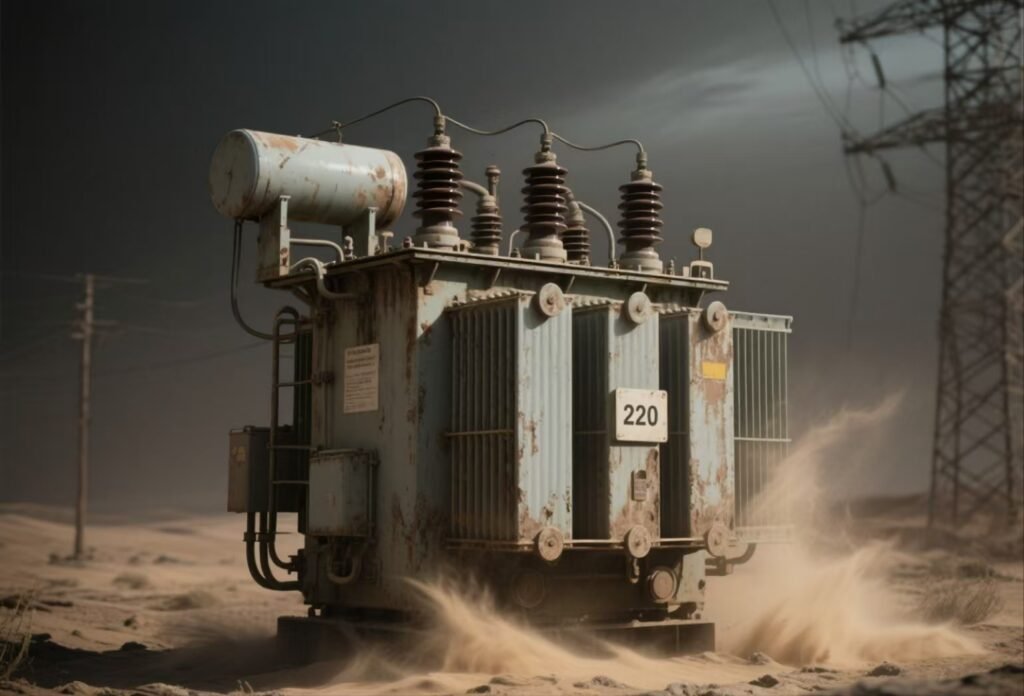
Oil-immersed transformers are widely used in demanding applications such as power generation plants, heavy industry, mining, and large-scale substations. In these environments, transformers must operate under high loads, fluctuating conditions, and sometimes harsh climates. Optimizing their performance is essential to ensure reliability, efficiency, and long service life while minimizing risks of failure and downtime.
What Design Features Improve Performance in Oil-Immersed Transformers for Demanding Applications?
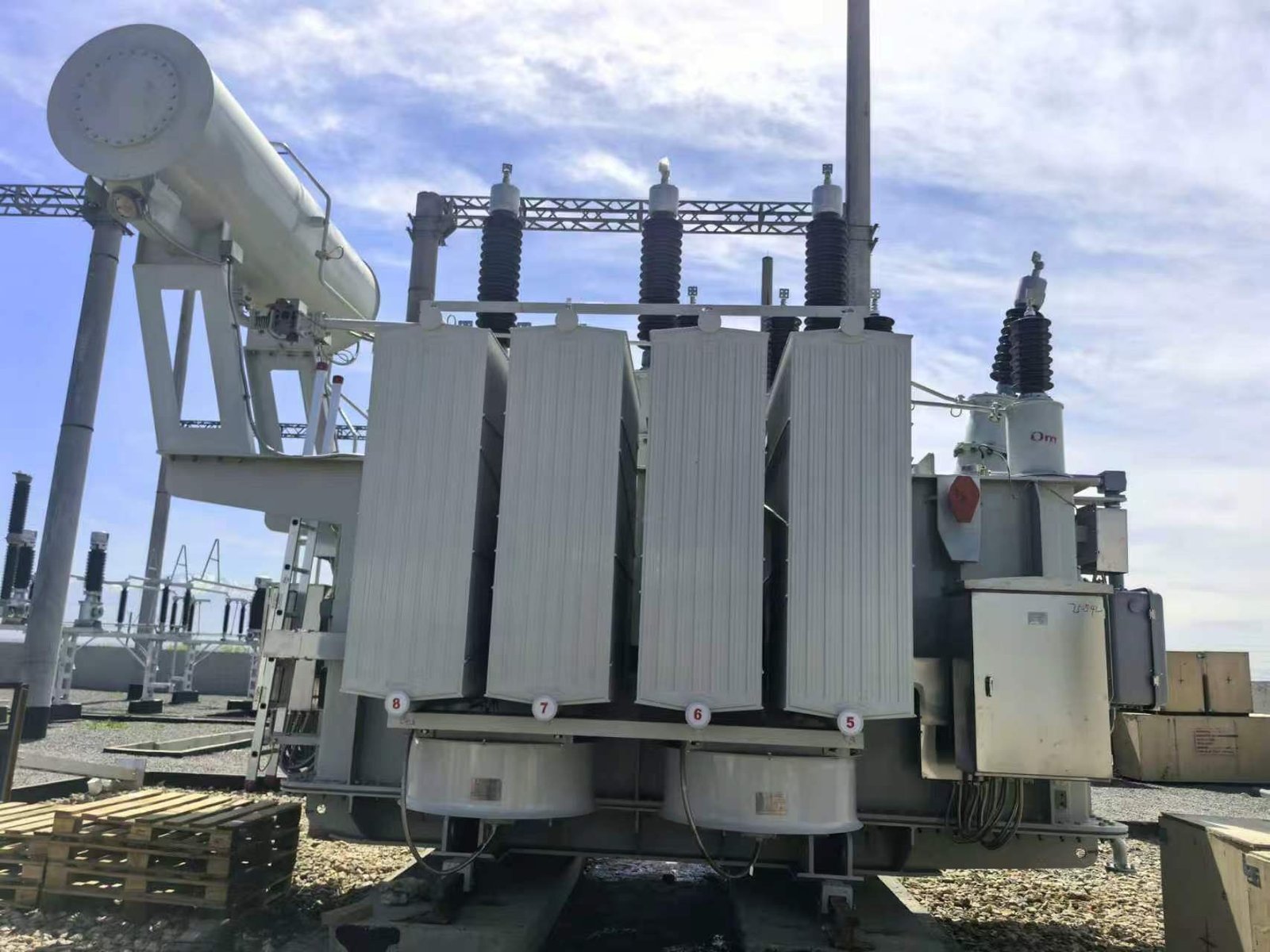
In demanding electrical environments such as high-voltage transmission systems, heavy industrial plants, and renewable energy installations, transformers are subjected to extreme electrical stress, high thermal loads, and continuous operation. Without optimized design features, these conditions can result in overheating, insulation degradation, reduced efficiency, and unexpected failures. Standard transformer configurations often struggle to maintain stability under such conditions, leading to costly downtime and safety risks. Oil-immersed transformers are specifically engineered with advanced design features that address these challenges, ensuring reliable, efficient, and long-term operation.
Key design features that improve the performance of oil-immersed transformers in demanding applications include advanced low-loss core materials, optimized winding structures, directed oil flow cooling systems, enhanced heat dissipation components, high-performance insulation systems, intelligent monitoring technologies, and robust mechanical construction designed to withstand electrical and environmental stress.
To fully understand how these features contribute to superior performance, it is essential to examine each component in detail from a practical engineering perspective.
Transformer performance in demanding applications depends only on its rated capacity.False
Performance depends on multiple design factors such as cooling, insulation, materials, and monitoring systems, not just capacity.
Advanced Core Materials and Magnetic Design
The transformer core is fundamental to efficiency and energy loss reduction. In high-performance oil-immersed transformers, advanced materials such as grain-oriented silicon steel and amorphous alloys are used to minimize hysteresis and eddy current losses. These materials improve magnetic flux alignment and reduce energy dissipation during operation. Laminated core construction further limits circulating currents, which helps control heat generation and improves overall efficiency. In demanding applications where transformers operate continuously at high load, even small reductions in core loss translate into significant energy savings and improved thermal stability over time.
| Core Design Feature | Technical Advantage | Performance Impact |
|---|---|---|
| Grain-Oriented Steel | Optimized magnetic flux direction | Reduced hysteresis loss |
| Amorphous Core | Extremely low core loss | Higher energy efficiency |
| Laminated Structure | Suppression of eddy currents | Lower operating temperature |
Optimized Winding Configuration
Winding design directly influences electrical performance, heat distribution, and mechanical strength. Advanced oil-immersed transformers utilize configurations such as disc windings, helical windings, and interleaved windings. These designs improve voltage distribution across the windings, reduce leakage reactance, and enhance resistance to short-circuit forces. High-conductivity materials such as electrolytic copper are commonly used to reduce resistive losses. Proper spacing and insulation between winding layers also ensure uniform electric field distribution, which is critical in high-voltage environments.
| Winding Type | Key Benefit | Application Suitability |
|---|---|---|
| Disc Winding | Uniform voltage distribution | High-voltage transformers |
| Helical Winding | High current handling capability | Low-voltage, high-current systems |
| Interleaved Winding | Reduced leakage reactance | Precision and regulated systems |
Directed Oil Flow and Circulation Systems
Efficient oil circulation is essential for maintaining thermal balance within the transformer. Modern oil-immersed transformers incorporate directed oil flow systems that channel insulating oil precisely to high-temperature zones such as winding hotspots. This targeted cooling approach ensures uniform heat removal and prevents localized overheating. In high-capacity units, forced oil circulation systems using pumps significantly enhance heat transfer rates. These systems are particularly important in applications where transformers operate near or above rated capacity for extended periods.
| Circulation Method | Cooling Efficiency | Typical Use Case |
|---|---|---|
| Natural Circulation (ONAN) | Moderate | Medium-capacity transformers |
| Forced Oil Circulation (OFAF) | High | Large industrial and grid transformers |
| Oil-Water Cooling (OFWF) | Very High | Power generation facilities |
Enhanced Heat Dissipation Components
Beyond internal oil flow, external cooling components play a critical role in thermal management. Radiators, cooling fins, and heat exchangers increase the surface area available for heat dissipation. In demanding environments, forced-air systems using fans accelerate heat removal, ensuring that the transformer maintains safe operating temperatures even under peak load conditions. Advanced cooling control systems can automatically adjust fan and pump operation based on real-time temperature data, optimizing energy use while maintaining performance.
| Cooling Component | Function | Benefit |
|---|---|---|
| Radiators | Heat exchange with ambient air | Improved cooling efficiency |
| Cooling Fans | Forced air circulation | Faster heat dissipation |
| Heat Exchangers | Transfer heat to water systems | Suitable for very high loads |
High-Performance Insulation System
The insulation system in oil-immersed transformers combines liquid insulation (oil) and solid insulation materials such as cellulose paper and pressboard. The oil fills all voids and eliminates air pockets, significantly increasing dielectric strength and preventing partial discharge. Solid insulation provides structural support and additional electrical resistance. Advanced insulation design ensures uniform electric field distribution, which is essential for maintaining reliability under high-voltage stress. Thermal-resistant insulation materials further extend service life by slowing aging processes.
On-Load Tap Changer (OLTC) Integration
In applications where voltage stability is critical, on-load tap changers allow the transformer to adjust voltage levels without interrupting the power supply. This feature is particularly valuable in transmission networks and industrial systems with fluctuating loads. OLTC systems improve power quality and ensure consistent output voltage, which protects downstream equipment and enhances overall system stability.
Intelligent Monitoring and Diagnostic Systems
Modern oil-immersed transformers are equipped with advanced monitoring technologies that provide real-time insights into operating conditions. Sensors track parameters such as oil temperature, moisture content, dissolved gas levels, and load conditions. These systems enable predictive maintenance by identifying early signs of faults before they escalate into failures. Integration with digital control systems allows operators to optimize performance and reduce maintenance costs.
Robust Mechanical and Structural Design
Transformers used in demanding applications must withstand significant mechanical stress caused by short-circuit currents, electromagnetic forces, and environmental factors. Oil-immersed transformers are built with reinforced windings, rigid clamping structures, and durable steel tanks. The insulating oil also acts as a damping medium, reducing vibration and mechanical shock. This robust construction ensures long-term reliability even in harsh operating conditions.
Sealed Tank and Moisture Control Design
Modern designs often include hermetically sealed tanks or conservator systems with moisture control devices. These features prevent the ingress of moisture and oxygen, which can degrade oil quality and insulation performance. Maintaining a controlled internal environment is essential for long-term reliability and reduced maintenance requirements.
Use of Advanced Insulating Oils
The type of oil used significantly impacts transformer performance. High-quality mineral oils, synthetic fluids, and natural ester oils offer improved thermal conductivity, higher dielectric strength, and enhanced environmental safety. In demanding applications, advanced oils provide better oxidation resistance and longer service life.
Real-World Engineering Example
In a high-capacity transmission transformer rated above 300 MVA, the implementation of directed oil flow, advanced cooling systems, and real-time monitoring reduced hotspot temperatures by more than 20 degrees Celsius. This improvement not only increased efficiency but also extended the expected service life of the transformer by several years, demonstrating the practical value of advanced design features.
Design Optimization for Specific Applications
Different industries require tailored transformer designs. Transmission systems prioritize high dielectric strength and voltage regulation, while industrial applications focus on mechanical durability and overload capacity. Renewable energy systems require flexibility to handle variable generation conditions.
| Application Sector | Key Design Priority |
|---|---|
| Transmission | High-voltage insulation and stability |
| Industrial | Mechanical strength and durability |
| Renewable Energy | Load adaptability and efficiency |
How Does Proper Installation Affect Transformer Efficiency and Reliability?
Improper installation is one of the most overlooked causes of transformer inefficiency, premature failure, and safety hazards. Even a high-quality oil-immersed transformer can suffer from overheating, insulation breakdown, energy losses, and operational instability if it is not installed correctly. Issues such as poor grounding, incorrect alignment, inadequate ventilation, or contaminated oil during installation can severely reduce performance and shorten service life. Proper installation is not just a procedural requirement—it is a critical factor that determines how efficiently and reliably a transformer will operate throughout its lifecycle.
Proper installation directly improves transformer efficiency and reliability by ensuring optimal electrical connections, effective cooling conditions, correct insulation integrity, stable mechanical support, and safe operation, thereby minimizing energy losses, preventing faults, and extending service life.
To fully understand its impact, it is essential to analyze the key installation factors and how each contributes to performance and long-term reliability.
Transformer efficiency is unaffected by installation quality.False
Installation quality directly influences cooling, electrical connections, and insulation performance, all of which affect efficiency and reliability.
Site Selection and Environmental Conditions
The installation location plays a fundamental role in transformer performance. Oil-immersed transformers require adequate space for heat dissipation and must be protected from extreme environmental conditions. Poor site selection can lead to overheating, contamination, and accelerated aging.
A well-chosen site ensures proper airflow, minimizes exposure to dust and moisture, and allows easy maintenance access. Elevated platforms and proper drainage systems are often used to protect the transformer from flooding or water accumulation.
| Installation Factor | Impact on Efficiency | Impact on Reliability |
|---|---|---|
| Ventilation | Improves heat dissipation | Prevents overheating |
| Clean Environment | Reduces contamination | Protects insulation |
| Accessibility | Enables maintenance | Reduces downtime |
Foundation and Mechanical Stability
A stable and properly designed foundation is essential for maintaining mechanical integrity. Transformers are heavy and subject to vibrations and electromagnetic forces during operation. An uneven or weak foundation can cause misalignment, increased vibration, and mechanical stress on internal components.
Proper installation includes reinforced concrete foundations, vibration dampers, and precise leveling to ensure structural stability.
| Structural Element | Function | Performance Benefit |
|---|---|---|
| Concrete Foundation | Supports transformer weight | Prevents structural deformation |
| Leveling | Ensures alignment | Reduces internal stress |
| Vibration Control | Absorbs mechanical forces | Extends component life |
Electrical Connections and Termination Quality
Electrical connections are critical for efficient energy transfer. Poorly installed connections can lead to increased resistance, energy losses, and localized heating. This not only reduces efficiency but also poses a risk of electrical faults.
Proper installation ensures tight, clean, and correctly sized connections, as well as proper insulation and shielding. Cable routing must also be carefully designed to avoid stress and electromagnetic interference.
| Connection Aspect | Impact on Efficiency | Impact on Safety |
|---|---|---|
| Tight Connections | Reduces resistance | Prevents overheating |
| Proper Insulation | Minimizes leakage | Avoids electrical faults |
Grounding and Protection Systems
Grounding is essential for both safety and operational stability. A properly grounded transformer protects against electrical surges, lightning strikes, and fault currents. Inadequate grounding can result in dangerous voltage buildup and equipment damage.
Installation must include a low-resistance grounding system, properly connected to all metallic parts of the transformer.
| Grounding Feature | Benefit | Risk if Improper |
|---|---|---|
| Low Resistance | Safe fault current dissipation | Electrical hazards |
| Surge Protection | Protects against lightning | Equipment damage |
Oil Handling and Contamination Prevention
During installation, the handling of insulating oil is critical. Contaminated oil can significantly reduce dielectric strength and cooling efficiency. Exposure to moisture, dust, or air during filling can compromise insulation performance.
Proper procedures include vacuum oil filling, filtration, and moisture control to ensure oil purity.
| Oil Handling Step | Purpose | Impact on Performance |
|---|---|---|
| Filtration | Removes impurities | Maintains dielectric strength |
| Vacuum Filling | Eliminates air pockets | Prevents partial discharge |
Cooling System Installation
The cooling system must be installed correctly to ensure effective heat dissipation. This includes proper positioning of radiators, fans, and oil circulation components. Blocked airflow or incorrect installation can reduce cooling efficiency and lead to overheating.
Proper spacing around the transformer and unobstructed airflow paths are essential.
| Cooling Aspect | Installation Requirement | Performance Impact |
|---|---|---|
| Radiator Placement | Adequate spacing | Efficient heat transfer |
| Airflow Path | Unobstructed | Prevents तापमान rise |
Alignment and Assembly Accuracy
Precise alignment of internal and external components is essential for optimal performance. Misalignment can cause uneven load distribution, increased losses, and mechanical wear.
Professional installation ensures that all components are correctly positioned and securely fastened.
Testing and Commissioning
Before a transformer is put into service, comprehensive testing and commissioning are required. This includes insulation resistance tests, ratio tests, oil quality analysis, and load testing.
These tests verify that the installation is correct and that the transformer is ready for safe operation.
| Test Type | Purpose | Outcome |
|---|---|---|
| Insulation Test | Checks dielectric strength | Ensures safe operation |
| Oil Analysis | Verifies oil quality | Confirms insulation performance |
| Load Test | Evaluates operational performance | Validates efficiency |
Impact on Energy Efficiency
Proper installation minimizes energy losses by ensuring optimal electrical connections, efficient cooling, and stable operation. This leads to improved overall system efficiency and reduced operational costs.
Impact on Reliability and Lifespan
A correctly installed transformer experiences less mechanical stress, lower operating temperatures, and fewer faults. This significantly extends its service life and reduces maintenance requirements.
Real-World Example
In an industrial facility, a transformer initially experienced frequent overheating due to poor ventilation and improper oil filling. After reinstallation with proper cooling clearance and oil treatment, operating temperatures decreased by 15°C, and system reliability improved significantly.
Common Installation Mistakes to Avoid
| Mistake | Consequence |
|---|---|
| Poor grounding | Safety hazards |
| Inadequate ventilation | Overheating |
| Contaminated oil | Insulation failure |
| Loose connections | Energy loss and faults |
Why Is Thermal Management Critical for High-Load Operation in Oil-Immersed Transformers?
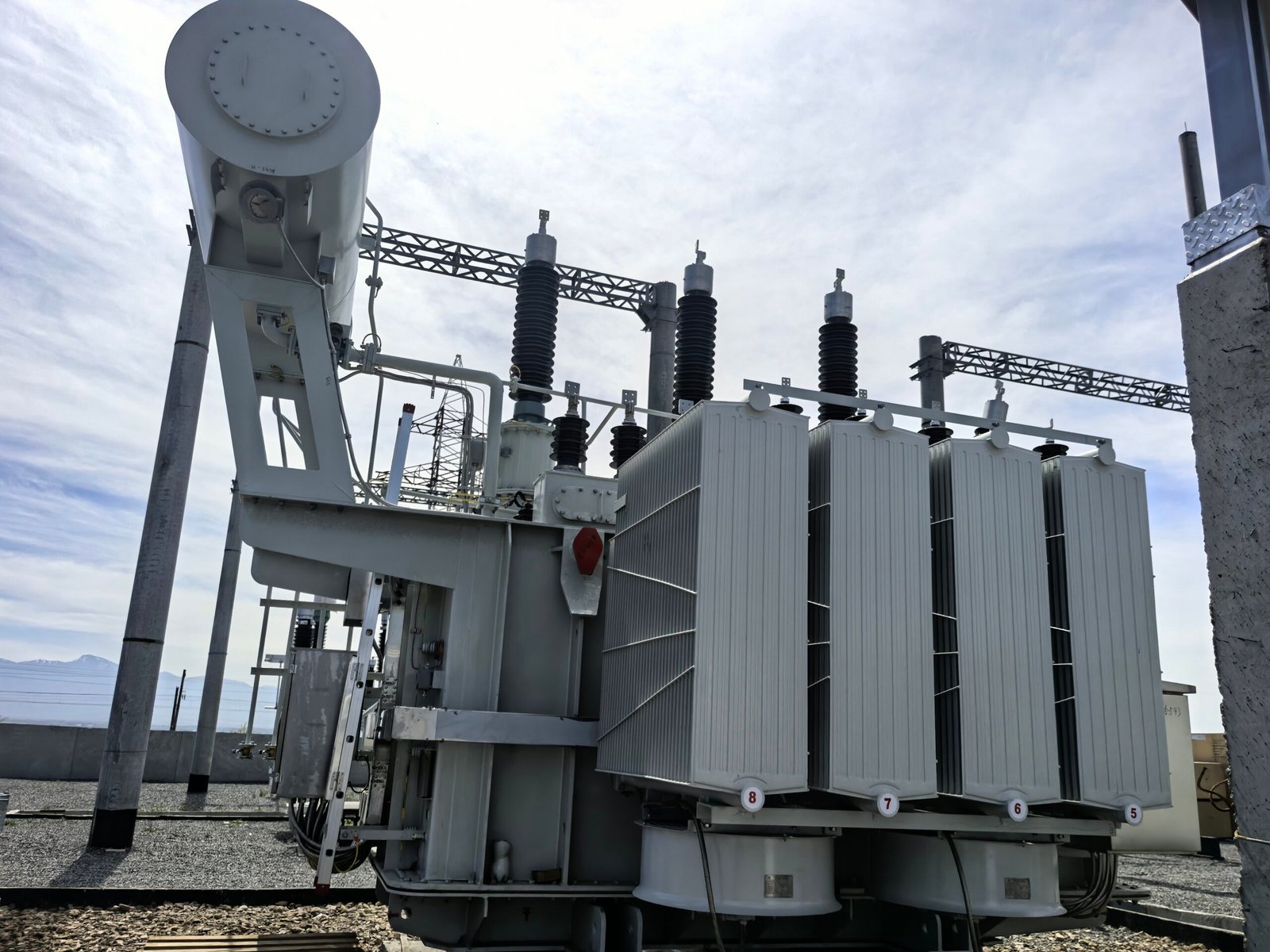
When oil-immersed transformers operate under high-load conditions, they are subjected to intense electrical stress that generates substantial internal heat. If this heat is not effectively controlled, it can quickly lead to insulation degradation, increased electrical resistance, efficiency loss, and eventual failure. In many real-world applications, transformer breakdowns are directly linked to inadequate thermal management. Without a well-designed cooling system, even the most advanced transformer cannot maintain stable and reliable performance under continuous heavy load.
Thermal management is critical for high-load operation because it controls temperature rise, protects insulation materials, minimizes electrical losses, prevents hotspot formation, and ensures long-term efficiency, safety, and reliability of oil-immersed transformers operating under sustained electrical stress.
To fully understand its importance, it is essential to examine how heat is generated, how it impacts transformer components, and how effective cooling strategies maintain optimal performance.
Transformer temperature does not significantly change with load variation.False
As load increases, current rises, leading to higher I²R losses and increased heat generation, making thermal management essential.
Heat Generation in High-Load Operation
Heat in transformers is primarily generated by copper losses and core losses. Copper losses are directly related to current and increase significantly as load increases because they follow the I²R relationship. This means that even a moderate increase in load can result in a disproportionately large increase in heat generation. Core losses, caused by magnetic hysteresis and eddy currents, remain relatively constant but still contribute to the overall thermal profile.
| Heat Source | Cause | Behavior at High Load |
|---|---|---|
| Copper Loss | Electrical resistance (I²R) | Increases rapidly with load |
| Core Loss | Magnetic hysteresis and eddy currents | Remains constant but adds heat |
Impact of Temperature on Insulation Life
Transformer insulation, especially cellulose-based materials, is highly sensitive to temperature. Elevated temperatures accelerate chemical aging, which reduces both mechanical strength and dielectric performance. This degradation is cumulative and irreversible.
A widely accepted engineering rule states that for every 6–8°C increase in operating temperature, the insulation life is reduced by approximately half. This makes temperature control a decisive factor in determining the operational lifespan of a transformer.
| Temperature Increase | Effect on Insulation Life |
|---|---|
| +6–8°C | Life reduced by approximately 50% |
| Stable temperature | Maximum lifespan maintained |
Efficiency Loss Due to Overheating
As temperature rises, the electrical resistance of winding conductors increases. This leads to higher copper losses, which in turn generate more heat. This feedback loop reduces overall efficiency and increases energy consumption.
Effective thermal management interrupts this cycle by maintaining lower operating temperatures, thereby preserving electrical efficiency and reducing operational costs.
Prevention of Hotspots
Hotspots are localized areas within the transformer where temperatures are significantly higher than the average. These zones are particularly vulnerable to insulation failure and are often the starting point of major faults.
Oil circulation systems are designed to distribute heat evenly and remove excess thermal energy from critical areas, preventing the formation of hotspots.
| Condition | Without Proper Cooling | With Effective Cooling |
|---|---|---|
| Hotspot Formation | Frequent | Minimal |
| Temperature Uniformity | Poor | High |
Role of Transformer Oil in Cooling
Transformer oil plays a central role in thermal management. It absorbs heat from the core and windings and transfers it to external cooling components such as radiators. Through natural or forced circulation, the oil continuously moves, maintaining a stable thermal balance within the transformer.
Its high specific heat capacity and good thermal conductivity make it an ideal medium for managing heat in high-load conditions.
Continuous Operation Under Heavy Load
High-load transformers are often required to operate continuously for extended periods. Without proper thermal management, temperature buildup would exceed safe limits, leading to forced shutdowns or equipment failure.
Efficient cooling systems enable continuous operation while maintaining safe temperature levels, ensuring uninterrupted power delivery.
Reduction of Thermal Stress
Temperature fluctuations cause expansion and contraction of transformer materials. Over time, this thermal cycling can lead to mechanical fatigue, loosening of components, and structural damage.
Maintaining stable temperatures reduces thermal stress and enhances the mechanical durability of the transformer.
Safety Considerations
Overheating can lead to oil degradation, gas formation, and internal pressure buildup. In extreme cases, this may result in tank rupture or fire hazards. Effective thermal management minimizes these risks by keeping operating temperatures within safe limits.
Real-World Engineering Example
In a high-capacity industrial transformer operating near its maximum load, upgrading the cooling system reduced the operating temperature by 15°C. This improvement significantly increased efficiency, reduced maintenance frequency, and extended the expected service life by several years.
Advanced Thermal Management Technologies
Modern oil-immersed transformers incorporate advanced technologies such as directed oil flow, forced oil circulation, and intelligent temperature monitoring systems. These innovations optimize cooling performance and adapt to varying load conditions in real time.
Key Factors Affecting Thermal Performance
| Factor | Impact on Thermal Management |
|---|---|
| Oil Quality | Determines heat transfer efficiency |
| Cooling System Design | Controls heat dissipation capacity |
| Load Profile | Influences heat generation rate |
How Can Load Management Enhance Transformer Performance?
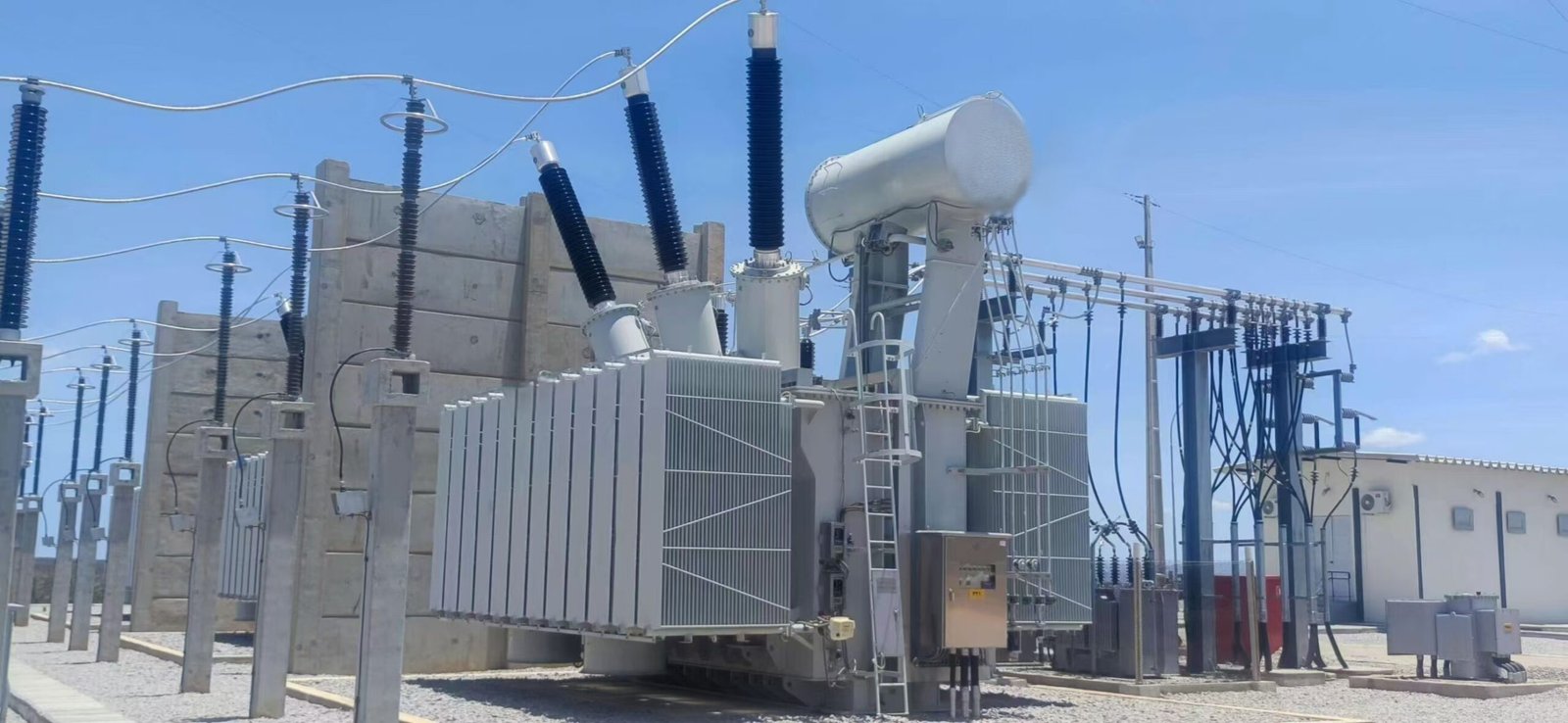
In modern power systems, transformers are rarely subjected to constant, predictable loads. Instead, they experience fluctuating demand patterns that can lead to overloading, overheating, uneven phase distribution, and accelerated aging. Without proper load management, even a well-designed oil-immersed transformer can suffer from reduced efficiency, increased losses, insulation degradation, and unexpected failures. These challenges not only impact operational reliability but also significantly increase maintenance costs and energy waste. Effective load management is therefore a critical strategy for optimizing transformer performance under real-world operating conditions.
Load management enhances transformer performance by controlling load distribution, preventing overloading, reducing thermal stress, minimizing losses, improving efficiency, extending service life, and enabling stable and reliable operation under varying demand conditions.
To fully understand its impact, it is essential to explore the mechanisms, strategies, and practical engineering approaches that make load management a cornerstone of transformer optimization.
Transformer performance is unaffected by load variation.False
Load variation directly impacts temperature, losses, and insulation aging, making load management essential for performance optimization.
Understanding Load Behavior in Transformers
Transformer load is not constant; it varies depending on consumer demand, industrial activity, and grid conditions. These fluctuations can create peak loads that exceed rated capacity and low-load periods that reduce efficiency. Effective load management involves analyzing load profiles and adjusting operation to maintain optimal performance.
| Load Condition | Impact on Transformer | Performance Outcome |
|---|---|---|
| Overload | Excessive heat generation | Reduced lifespan |
| Underload | Low efficiency | Increased energy loss per unit load |
| Balanced Load | Stable operation | Optimal efficiency |
Prevention of Overloading
Overloading is one of the primary causes of transformer failure. When a transformer operates beyond its rated capacity, the resulting increase in current leads to excessive heat generation. This accelerates insulation aging and increases the risk of breakdown.
Load management ensures that transformers operate within safe limits by redistributing loads, using parallel transformers, or implementing demand control strategies.
| Overload Level | Temperature Impact | Risk Level |
|---|---|---|
| Within Rating | Normal temperature rise | Low risk |
| 10–20% Overload | Significant temperature increase | Moderate risk |
| Above 20% | Rapid overheating | High failure risk |
Reduction of Thermal Stress
Thermal stress is directly linked to load levels. Frequent load fluctuations cause temperature cycling, which leads to expansion and contraction of materials. Over time, this results in mechanical fatigue and insulation deterioration.
By maintaining stable load conditions, effective load management reduces thermal cycling and prolongs transformer life.
Improvement of Energy Efficiency
Transformers operate most efficiently near their optimal load range, typically between 60% and 80% of rated capacity. Operating significantly above or below this range reduces efficiency.
Load management helps maintain operation within this optimal range, minimizing losses and improving overall system efficiency.
| Load Percentage | Efficiency Level |
|---|---|
| 20–40% | Low |
| 60–80% | Maximum efficiency |
| 90–100% | Slightly reduced due to heating |
Load Balancing Across Phases
In three-phase transformers, uneven load distribution among phases can cause overheating in specific windings and reduce overall efficiency. Load management includes balancing loads across all phases to ensure uniform current distribution.
Balanced loads reduce localized heating and improve reliability.
| Phase Condition | Impact | Result |
|---|---|---|
| Balanced | Even heat distribution | Stable operation |
| Unbalanced | Localized overheating | Reduced lifespan |
Peak Load Shaving and Demand Control
Peak load periods place significant stress on transformers. Load management techniques such as peak shaving and demand response help reduce peak demand by shifting or limiting loads during high-demand periods.
This reduces stress on transformers and prevents overloading.
Use of Parallel Transformer Operation
In high-demand systems, multiple transformers can be operated in parallel to share the load. This approach distributes electrical stress and improves system reliability.
Load management ensures proper load sharing among transformers to avoid unequal loading.
| Configuration | Benefit |
|---|---|
| Single Transformer | Simpler but limited capacity |
| Parallel Operation | Higher capacity and redundancy |
Integration with Smart Monitoring Systems
Modern transformers are equipped with digital monitoring systems that track load conditions in real time. These systems enable dynamic load management by providing data on current, temperature, and load trends.
Operators can use this information to make informed decisions and optimize performance.
Reduction of Electrical Losses
Load management reduces both copper and stray losses by maintaining optimal current levels. Lower losses result in improved efficiency and reduced operational costs.
Real-World Engineering Example
In a large industrial facility, implementing load management strategies such as phase balancing and peak load control reduced transformer operating temperature by 12°C and improved efficiency by 3%. This also extended the expected service life of the transformer by several years.
Key Load Management Strategies
| Strategy | Purpose | Benefit |
|---|---|---|
| Load Monitoring | Track usage patterns | Prevent overload |
| Demand Response | Control peak demand | Reduce stress |
| Phase Balancing | Equalize load distribution | Improve reliability |
| Parallel Operation | Share load | Increase capacity |
Economic Benefits
Effective load management reduces energy losses, lowers maintenance costs, and delays the need for equipment replacement. This results in significant cost savings over the transformer’s lifecycle.
Impact on Reliability and Lifespan
By preventing overload and reducing thermal stress, load management significantly improves reliability and extends transformer lifespan. Stable operation reduces the likelihood of faults and unplanned outages.
What Role Do Monitoring and Protection Systems Play in Oil-Immersed Transformers?
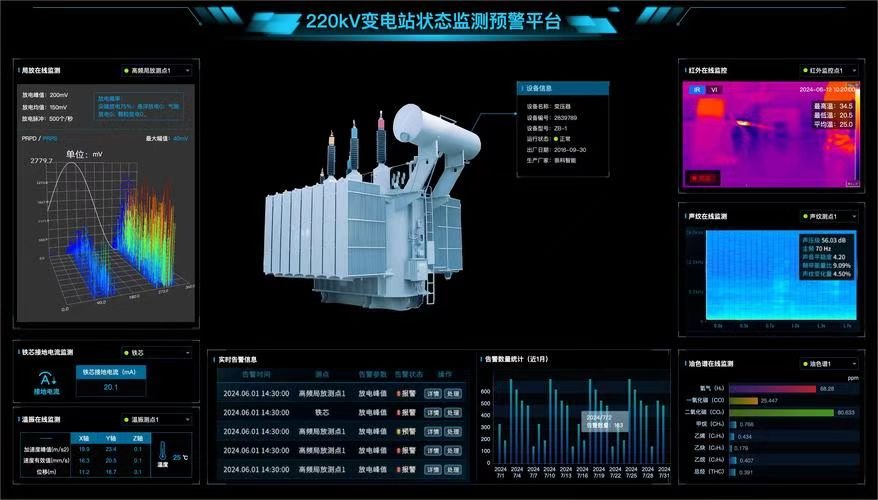
In modern power systems, transformers are expected to operate continuously under varying loads and environmental conditions. However, hidden faults such as insulation degradation, overheating, moisture ingress, or internal electrical discharges can develop silently and escalate into severe failures if not detected early. Without effective monitoring and protection systems, these issues can lead to unexpected outages, costly repairs, and safety hazards. Oil-immersed transformers, especially in high-capacity and high-voltage applications, rely heavily on advanced monitoring and protection mechanisms to ensure stable and secure operation.
Monitoring and protection systems play a critical role by continuously tracking transformer operating conditions, detecting early signs of faults, preventing damage through automatic protection mechanisms, improving reliability, enhancing safety, and enabling predictive maintenance for long-term efficient operation.
To fully understand their importance, it is essential to examine how these systems function and how they contribute to transformer performance and lifecycle management.
Transformers can operate safely without monitoring and protection systems.False
Without monitoring and protection, faults may go undetected, leading to severe damage, safety risks, and system failure.
Real-Time Condition Monitoring
Monitoring systems provide continuous data on key operating parameters such as temperature, oil level, load current, and voltage. This real-time visibility allows operators to understand transformer behavior under different load conditions.
By tracking these parameters, operators can identify abnormal trends before they develop into serious problems.
| Parameter Monitored | Purpose | Performance Benefit |
|---|---|---|
| Temperature | Detect overheating | Prevent thermal damage |
| Load Current | Monitor electrical stress | Avoid overload |
| Oil Level | Ensure proper insulation and cooling | Maintain system stability |
Early Fault Detection
One of the most important roles of monitoring systems is early fault detection. Internal faults such as partial discharge, winding insulation failure, or localized overheating often produce detectable changes in measurable parameters.
Techniques such as Dissolved Gas Analysis (DGA) identify gases generated by faults inside the transformer oil, enabling early diagnosis.
| Detected Indicator | Possible Fault Type |
|---|---|
| Hydrogen | Partial discharge |
| Methane | Low-temperature overheating |
| Acetylene | Severe arcing |
Early detection allows maintenance teams to address issues before they escalate, significantly reducing the risk of catastrophic failure.
Protection Against Electrical Faults
Protection systems are designed to automatically respond to abnormal conditions such as short circuits, overloads, and internal faults. Devices such as relays and circuit breakers isolate the transformer from the network when dangerous conditions are detected.
This prevents damage to the transformer and protects the overall power system.
| Protection Device | Function | Safety Benefit |
|---|---|---|
| Overcurrent Relay | Detect excessive current | Prevent overheating |
| Differential Relay | Identify internal faults | Rapid fault isolation |
| Circuit Breaker | Disconnect faulty equipment | System protection |
Buchholz Relay and Internal Fault Protection
The Buchholz relay is a key protection device used in oil-immersed transformers. It detects gas accumulation and oil flow caused by internal faults such as insulation failure or winding damage.
When abnormal conditions are detected, the relay triggers an alarm or trips the transformer, preventing further damage.
Thermal Protection Systems
Thermal protection devices monitor winding and oil temperatures. If temperatures exceed safe limits, these systems can trigger alarms or initiate shutdown procedures.
This ensures that the transformer does not operate under dangerous thermal conditions.
| Temperature Condition | System Response |
|---|---|
| Normal | Continuous operation |
| Warning Level | Alarm activated |
| Critical Level | Automatic shutdown |
Oil Condition Monitoring
The quality of transformer oil directly affects insulation and cooling performance. Monitoring systems track oil parameters such as moisture content, acidity, and dielectric strength.
Maintaining oil quality ensures long-term reliability and prevents insulation failure.
Load and Performance Monitoring
Monitoring systems also track load patterns and efficiency metrics. This data helps operators optimize transformer usage and avoid inefficient operating conditions.
Integration with Smart Grid Systems
Modern monitoring systems are integrated with digital control platforms and smart grids. This enables remote monitoring, automated control, and data-driven decision-making.
Operators can access real-time data and respond quickly to changing conditions.
Predictive Maintenance and Cost Reduction
By analyzing monitoring data, maintenance can be scheduled based on actual condition rather than fixed intervals. This approach, known as predictive maintenance, reduces unnecessary maintenance and prevents unexpected failures.
| Maintenance Approach | Strategy | Cost Impact |
|---|---|---|
| Reactive | Repair after failure | High cost |
| Preventive | Scheduled maintenance | Moderate cost |
| Predictive | Condition-based maintenance | Lowest cost |
Enhancement of Operational Reliability
Monitoring and protection systems significantly improve reliability by ensuring that transformers operate within safe limits. They reduce the likelihood of faults and enable quick response when issues arise.
Safety Improvement
Safety is a critical concern in transformer operation. Protection systems prevent dangerous conditions such as overheating, electrical faults, and pressure buildup, reducing the risk of fire or explosion.
Real-World Engineering Example
In a high-voltage substation, continuous monitoring detected abnormal gas levels in transformer oil. Maintenance was performed before a major fault occurred, preventing a potential outage and saving significant repair costs.
Challenges and Considerations
While monitoring and protection systems offer significant benefits, they require proper calibration, regular maintenance, and integration with operational processes. Inaccurate data or system failure can reduce effectiveness.
Future Trends in Monitoring Technology
Advancements in sensor technology, data analytics, and artificial intelligence are enhancing monitoring capabilities. Future systems will provide even more accurate diagnostics and automated decision-making.
How Does Maintenance Contribute to Long-Term Optimization of Oil-Immersed Transformers?
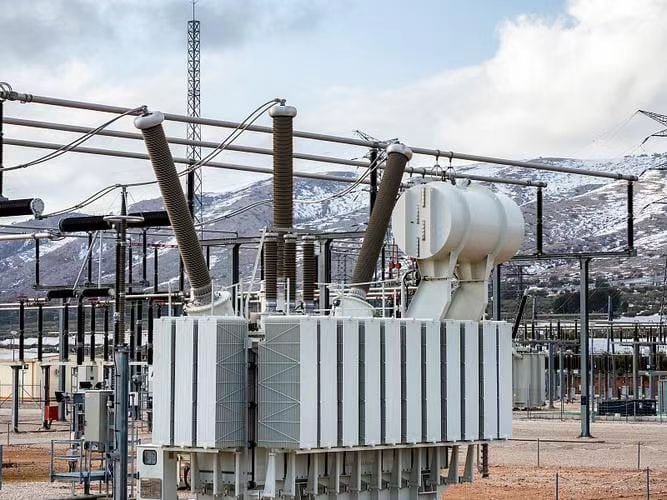
In real-world power systems, even the most advanced oil-immersed transformers are not immune to gradual degradation caused by thermal stress, electrical loading, environmental exposure, and aging of materials. Without a structured maintenance strategy, small issues such as oil contamination, insulation wear, or cooling inefficiencies can evolve into major failures, leading to unplanned outages, high repair costs, and reduced system reliability. Many operators underestimate how critical maintenance is, often focusing only on initial design and installation while neglecting long-term performance optimization. In reality, maintenance is the key factor that determines whether a transformer will operate efficiently for decades or fail prematurely.
Maintenance contributes to long-term optimization by preserving insulation integrity, maintaining cooling efficiency, preventing faults, reducing energy losses, extending service life, improving reliability, and enabling predictive performance management of oil-immersed transformers.
To understand its full impact, it is essential to analyze how different maintenance practices directly influence transformer performance and lifecycle optimization.
Maintenance has minimal impact on transformer lifespan and efficiency.False
Regular maintenance is essential for preserving insulation, cooling performance, and operational reliability, significantly extending transformer lifespan.
Preservation of Insulation Integrity
The insulation system is one of the most critical components of an oil-immersed transformer. Over time, insulation materials degrade due to heat, moisture, and oxidation. Maintenance activities such as oil testing, drying, and filtration help preserve dielectric strength and prevent insulation failure.
Regular monitoring of insulation resistance and oil quality ensures that potential issues are detected early and corrected before they cause serious damage.
| Maintenance Activity | Purpose | Long-Term Benefit |
|---|---|---|
| Oil Testing | Assess dielectric strength | Prevent insulation breakdown |
| Moisture Removal | Eliminate water content | Maintain insulation performance |
Maintenance of Cooling Efficiency
Cooling systems are essential for controlling transformer temperature. Dust accumulation on radiators, blocked oil flow, or degraded oil can reduce heat dissipation efficiency.
Routine cleaning of cooling components and inspection of oil circulation systems ensure that heat is effectively removed, preventing overheating and maintaining optimal operating conditions.
| Cooling Maintenance Task | Function | Performance Impact |
|---|---|---|
| Radiator Cleaning | Improve heat exchange | Lower operating temperature |
| Oil Circulation Check | Ensure proper flow | Prevent hotspots |
Early Detection and Prevention of Faults
Maintenance enables early detection of developing faults through inspections, testing, and monitoring. Techniques such as Dissolved Gas Analysis (DGA), thermal imaging, and electrical testing help identify issues such as partial discharge, overheating, and insulation degradation.
By addressing these issues early, operators can prevent major failures and avoid costly downtime.
| Diagnostic Method | Detects | Benefit |
|---|---|---|
| DGA | Internal faults | Prevent catastrophic failure |
| Thermal Imaging | Hotspots | Improve reliability |
Reduction of Energy Losses
Over time, factors such as increased resistance, खराब (degraded) oil, and загрязнение (contamination) can increase transformer losses. Maintenance ensures that all components operate efficiently, reducing both copper and core losses.
Lower losses result in improved efficiency and reduced operational costs.
Extension of Service Life
Proper maintenance significantly extends the lifespan of oil-immersed transformers. By controlling temperature, preserving insulation, and preventing faults, maintenance slows down the aging process.
Transformers that receive regular maintenance can operate reliably for 30–40 years or more, compared to significantly shorter lifespans without proper care.
| Maintenance Level | Expected Lifespan |
|---|---|
| Poor Maintenance | 10–15 years |
| Regular Maintenance | 25–40+ years |
Improvement of Operational Reliability
Maintenance ensures that transformers operate within safe and optimal conditions. This reduces the likelihood of unexpected failures and improves overall system reliability.
Reliable transformers contribute to stable power supply and reduced downtime.
Support for Predictive Maintenance Strategies
Modern maintenance practices use data from monitoring systems to predict potential failures. This approach allows maintenance to be performed based on actual condition rather than fixed schedules.
Predictive maintenance improves efficiency and reduces unnecessary interventions.
| Maintenance Strategy | Approach | Outcome |
|---|---|---|
| Reactive | Repair after failure | High risk |
| Preventive | Scheduled maintenance | Moderate reliability |
| Predictive | Condition-based maintenance | Optimal performance |
Oil Quality Management
Transformer oil plays a critical role in insulation and cooling. Over time, oil can degrade due to oxidation, moisture, and contamination.
Maintenance includes oil filtration, degassing, and replacement when necessary. Maintaining high-quality oil ensures consistent performance and reliability.
Mechanical Inspection and Component Integrity
Mechanical components such as bushings, tap changers, and seals must be regularly inspected to ensure proper operation. Loose connections or worn components can lead to inefficiency and failure.
Routine inspection and tightening of connections help maintain system integrity.
Environmental Protection and Contamination Control
Maintenance also involves protecting the transformer from environmental factors such as dust, moisture, and pollution. Proper sealing, cleaning, and inspection prevent contamination that could affect performance.
Real-World Engineering Example
In a utility company, implementing a comprehensive maintenance program that included regular oil analysis and thermal inspections reduced transformer failure rates by over 40% and extended average service life by more than 10 years.
Cost Optimization Through Maintenance
Although maintenance requires investment, it significantly reduces long-term costs by preventing major failures, minimizing downtime, and improving efficiency. Lifecycle cost analysis shows that well-maintained transformers have much lower total ownership costs.
Key Maintenance Activities Summary
| Maintenance Area | Key Action | Benefit |
|---|---|---|
| Oil System | Testing and filtration | Maintain insulation and cooling |
| Cooling System | Cleaning and inspection | Prevent overheating |
| Electrical System | Connection checks | Reduce losses |
| Monitoring System | Data analysis | Enable predictive maintenance |
Conclusion
Optimizing the performance of oil-immersed transformers requires a comprehensive approach that includes robust design, proper installation, effective cooling, and strict oil quality control. Advanced monitoring systems and protective devices help detect and prevent faults, while regular maintenance ensures long-term reliability. By managing thermal conditions, maintaining insulation integrity, and applying predictive diagnostics, operators can achieve high efficiency and stable operation even in the most demanding applications.
FAQ
Q1: How can oil-immersed transformer performance be optimized for demanding applications?
Optimizing oil-immersed transformer performance involves enhancing cooling efficiency, maintaining oil quality, controlling load conditions, and implementing advanced monitoring systems. These measures ensure reliable operation under high loads, harsh environments, and continuous duty cycles.
A well-maintained transformer can deliver stable performance, reduced losses, and extended service life even in critical applications such as substations and industrial plants.
Q2: How does cooling optimization improve transformer performance?
Cooling is essential because high temperatures accelerate insulation aging. Performance can be improved by:
Ensuring proper operation of radiators, fans, and oil pumps
Using forced cooling methods (ONAF, OFAF) when needed
Maintaining unobstructed airflow around cooling equipment
Regularly cleaning radiators and cooling surfaces
Efficient cooling reduces thermal stress and enhances transformer reliability.
Q3: Why is transformer oil quality critical for performance?
Transformer oil provides both insulation and cooling, so its condition directly affects performance. Poor oil quality can lead to reduced dielectric strength and overheating.
To maintain oil quality:
Conduct regular Dissolved Gas Analysis (DGA)
Monitor moisture and acidity levels
Perform oil filtration and degassing
Prevent contamination through proper sealing
High-quality oil ensures efficient heat transfer and electrical insulation.
Q4: How does load management enhance transformer efficiency?
Proper load management prevents excessive thermal stress and maintains efficiency. Key practices include:
Operating within rated capacity
Avoiding prolonged overload conditions
Balancing loads across phases
Monitoring load variations in real time
Stable load conditions help maintain optimal operating temperatures and extend transformer life.
Q5: What role does monitoring play in demanding applications?
Advanced monitoring systems provide real-time insights into transformer health. Important parameters include:
Oil and winding temperatures
Load current and voltage
Dissolved gas levels
Partial discharge activity
Continuous monitoring enables predictive maintenance, reduces downtime, and prevents unexpected failures.
Q6: How can environmental conditions be managed?
Harsh environments can impact transformer performance. Optimization strategies include:
Using weatherproof and corrosion-resistant designs
Installing protective enclosures
Ensuring proper drainage and moisture protection
Performing regular cleaning and inspections
Managing environmental factors ensures stable operation in challenging conditions.
Q7: What maintenance practices are essential for high performance?
Preventive maintenance is key to long-term performance:
Routine inspections of bushings, tap changers, and connections
Regular oil testing and treatment
Checking cooling system functionality
Tightening electrical connections
A proactive maintenance program helps avoid failures and maintains efficiency.
Q8: What design features support high-performance oil-immersed transformers?
Transformers designed for demanding applications often include:
High-efficiency core materials to reduce losses
Advanced insulation systems
Enhanced cooling configurations
Robust mechanical construction
Integrated monitoring and protection systems
References
IEC 60076 – Power Transformers
https://webstore.iec.ch/publication/602
IEC 60422 – Mineral Insulating Oils in Electrical Equipment
https://webstore.iec.ch
IEEE C57.91 – Transformer Loading Guide
https://standards.ieee.org
Electrical Engineering Portal – Transformer Efficiency Improvement
https://electrical-engineering-portal.com
CIGRE – Transformer Performance Studies
https://www.cigre.org
IEEE Power & Energy Society – Transformer Reliability Research
https://ieeexplore.ieee.org