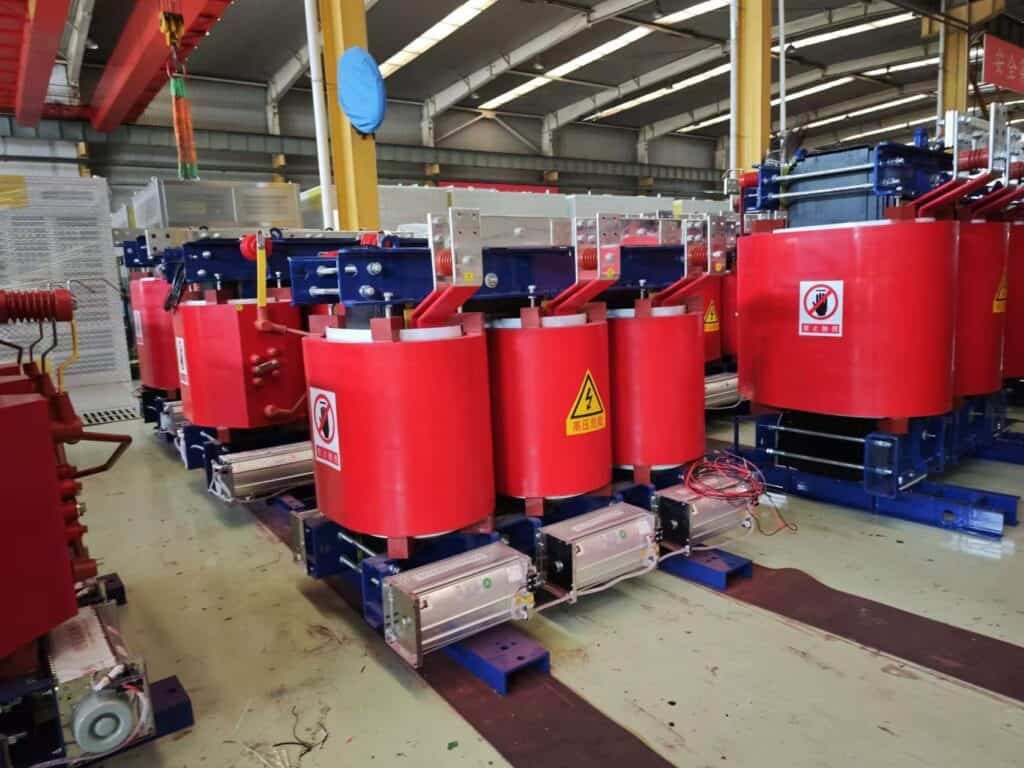
Dry-type transformers are distinguished primarily by the type of insulation system used around their windings. Unlike oil-filled transformers, they rely on solid insulation and air for cooling, making insulation technology a key factor in performance, safety, and application suitability. Understanding how dry-type transformers are classified according to insulation type helps users select the right solution for specific environments and operational requirements.
What Are the Main Insulation Types Used in Dry-Type Transformers?
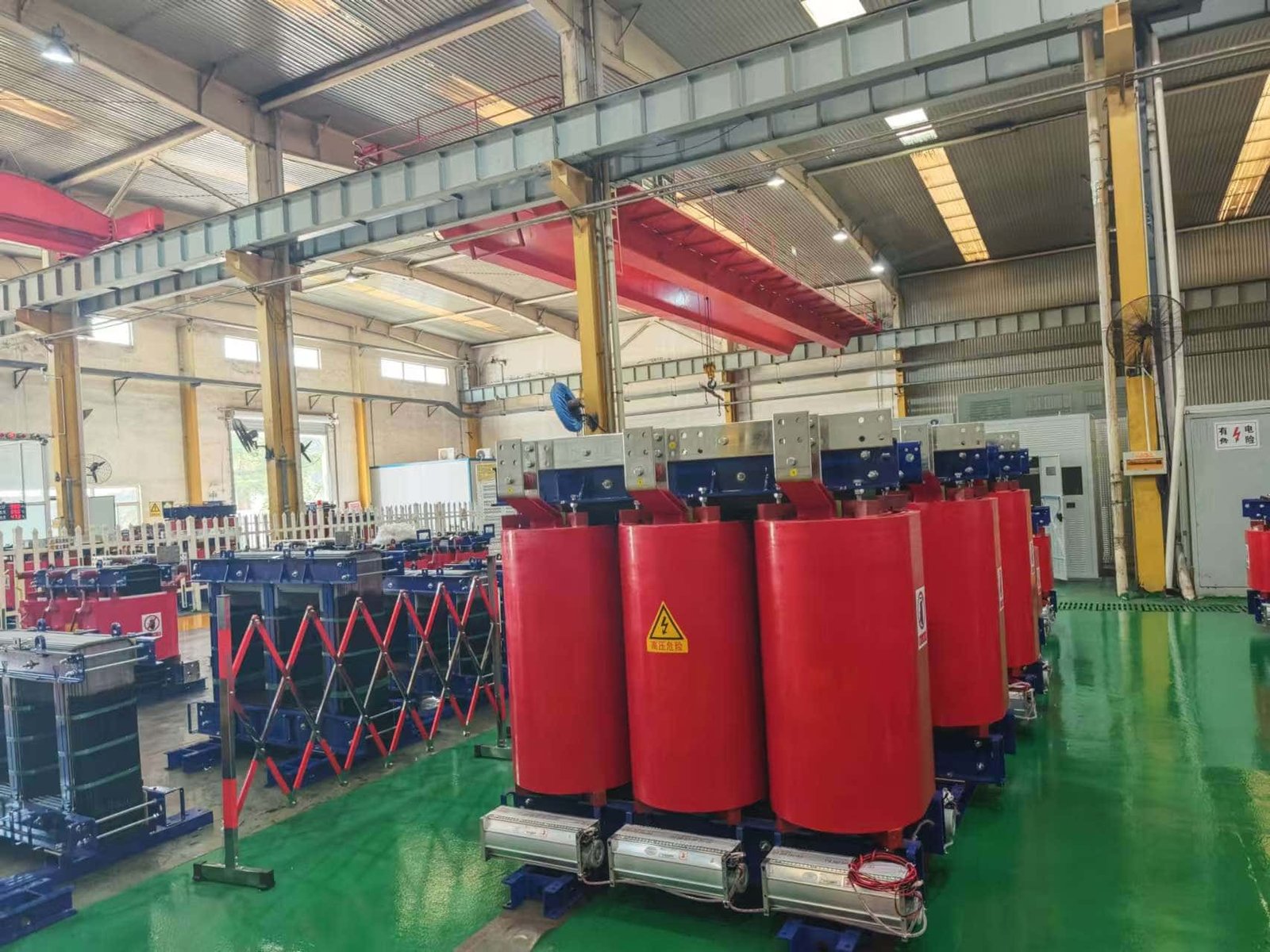
In modern electrical systems, dry-type transformers are widely used in environments where fire safety, environmental protection, and indoor installation are critical. However, unlike oil-immersed transformers, they do not rely on liquid insulation for cooling and dielectric strength. This makes the choice of insulation system extremely important. If the insulation is not properly designed or selected, issues such as overheating, partial discharge, moisture ingress, and premature aging can significantly reduce performance and reliability. Understanding the main insulation types used in dry-type transformers is essential for selecting the right solution for specific applications.
The main insulation types used in dry-type transformers include cast resin insulation, vacuum pressure impregnated (VPI) insulation, vacuum pressure encapsulated (VPE) insulation, and open wound (air-insulated) systems, each offering different levels of protection, thermal performance, and suitability for specific environments.
To fully understand their characteristics and applications, it is necessary to explore each insulation type in detail.
Dry-type transformers do not require insulation systems.False
Dry-type transformers rely heavily on solid insulation systems to provide dielectric strength and thermal protection.
Cast Resin Insulation (Epoxy Resin Encapsulation)
Cast resin transformers use epoxy resin to completely encapsulate the windings. This creates a solid, moisture-resistant, and highly durable insulation system. The windings are molded under vacuum conditions to eliminate air bubbles, ensuring high dielectric strength.
This type of insulation is particularly suitable for harsh environments, including areas with high humidity, dust, or chemical exposure. It also provides excellent fire resistance, making it ideal for indoor installations such as hospitals, commercial buildings, and data centers.
| Feature | Advantage | Application Suitability |
|---|---|---|
| Full Encapsulation | Protection against moisture and dust | Harsh environments |
| High Dielectric Strength | Reliable high-voltage performance | Medium to high voltage systems |
| Fire Resistance | Enhanced safety | Indoor installations |
Vacuum Pressure Impregnated (VPI) Insulation
VPI transformers use a process where windings are impregnated with polyester or epoxy varnish under vacuum and pressure. This allows the insulating material to penetrate deeply into the winding structure, improving mechanical strength and dielectric properties.
Unlike cast resin, VPI transformers are not fully encapsulated, which allows better heat dissipation but offers less protection against environmental factors.
| Feature | Advantage | Application Suitability |
|---|---|---|
| Deep Impregnation | Improved insulation strength | Industrial environments |
| Good Heat Dissipation | Efficient cooling | Medium-load applications |
| Lower Cost | Economical solution | General-purpose use |
Vacuum Pressure Encapsulated (VPE) Insulation
VPE is an enhanced version of VPI, where multiple layers of insulation are applied and cured to provide better environmental protection. The windings are coated several times, creating a thicker and more durable insulation layer.
This type offers a balance between the robust protection of cast resin and the cooling efficiency of VPI systems.
| Feature | Advantage | Application Suitability |
|---|---|---|
| Multi-Layer Coating | Enhanced durability | Moderate to harsh environments |
| Improved Moisture Resistance | Better environmental protection | Outdoor or semi-exposed locations |
Open Wound (Air-Insulated) Systems
Open wound transformers use air as the primary cooling medium and rely on basic solid insulation materials such as paper and varnish. These designs are typically used in low-voltage and low-capacity applications.
While they offer good cooling due to direct air exposure, they are more vulnerable to contamination and environmental conditions.
| Feature | Advantage | Limitation |
|---|---|---|
| Simple Design | Easy maintenance | Limited protection |
| Excellent Air Cooling | Efficient heat dissipation | Sensitive to dust and moisture |
Comparison of Insulation Types
| Insulation Type | Protection Level | Cooling Efficiency | Cost Level | Typical Application |
|---|---|---|---|---|
| Cast Resin | Very High | Moderate | High | Indoor, harsh environments |
| VPI | Moderate | High | Low | Industrial applications |
| VPE | High | Moderate | Medium | Mixed environments |
| Open Wound | Low | High | Low | Low-voltage applications |
Thermal Performance Considerations
Different insulation types offer varying thermal performance. Cast resin systems have higher thermal resistance but excellent protection, while VPI systems provide better heat dissipation. Selecting the right insulation depends on the operating temperature and load requirements.
Environmental and Safety Factors
Dry-type transformers are often selected for their safety and environmental benefits. Insulation systems such as cast resin provide excellent fire resistance and emit minimal toxic gases, making them suitable for sensitive locations.
Mechanical Strength and Durability
Encapsulated systems like cast resin and VPE offer superior mechanical strength, protecting windings from vibration and mechanical stress. This is particularly important in industrial and high-load environments.
Real-World Engineering Example
In a coastal industrial facility with high humidity and salt exposure, replacing VPI transformers with cast resin units significantly improved reliability and reduced maintenance requirements. This demonstrates the importance of selecting the appropriate insulation type based on environmental conditions.
Selection Guidelines
Choosing the right insulation type depends on several factors, including load requirements, environmental conditions, installation location, and budget.
| Selection Factor | Recommended Insulation Type |
|---|---|
| High humidity | Cast Resin or VPE |
| Indoor installation | Cast Resin |
| Cost-sensitive | VPI |
| Low-voltage systems | Open Wound |
What Is a Cast Resin (CRT) Dry-Type Transformer?
In many modern installations such as commercial buildings, hospitals, data centers, and industrial facilities, safety, environmental protection, and reliability are critical concerns. Traditional oil-filled transformers pose risks related to fire hazards, oil leakage, and maintenance complexity. When installed indoors or in densely populated areas, these risks become even more significant. Without a safer alternative, operators face strict regulatory challenges and higher operational risks. This is where cast resin dry-type transformers provide a highly effective solution.
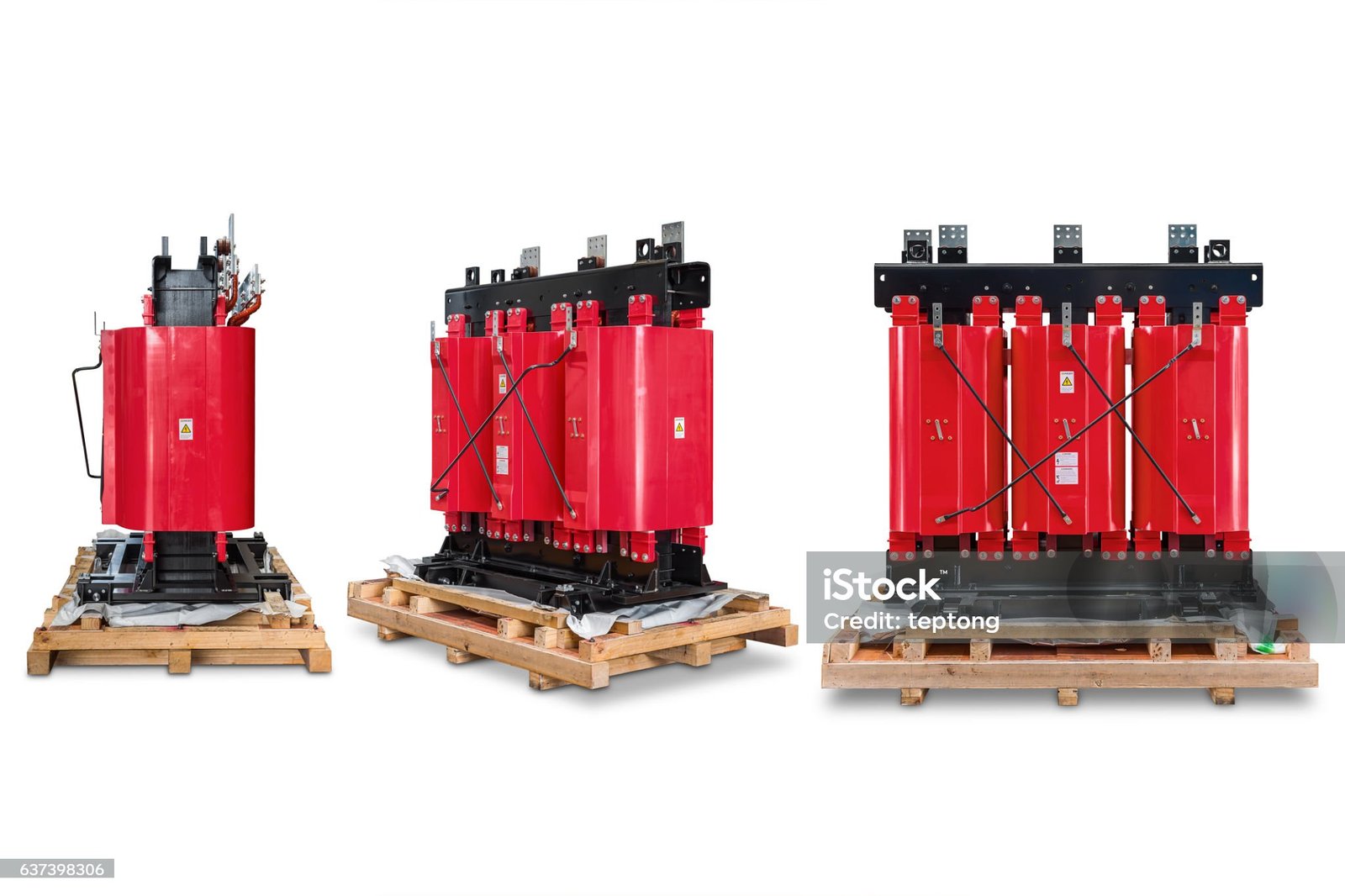
A Cast Resin (CRT) dry-type transformer is a transformer in which the windings are fully encapsulated in epoxy resin, providing solid insulation without the use of liquid oil, ensuring high fire safety, environmental protection, mechanical strength, and reliable performance in indoor and harsh environments.
To fully understand its value, it is essential to explore its structure, working principle, advantages, and application scenarios in detail.
Cast resin transformers use oil for insulation and cooling.False
Cast resin transformers use solid epoxy resin insulation and air cooling, not oil.
Structural Design of Cast Resin Transformers
The defining feature of a CRT transformer is its encapsulated winding structure. The high-voltage windings are cast under vacuum using epoxy resin mixed with fillers such as silica to enhance mechanical and thermal properties. This process eliminates air pockets and ensures uniform insulation.
The low-voltage windings are typically made of copper or aluminum and may also be resin-coated or insulated using high-grade materials. The magnetic core is constructed from laminated silicon steel to minimize losses.
| Component | Material/Design | Function |
|---|---|---|
| High-Voltage Winding | Epoxy resin encapsulated | Electrical insulation and protection |
| Low-Voltage Winding | Copper or aluminum | Current conduction |
| Core | Laminated silicon steel | Magnetic flux transfer |
Working Principle
The operation of a cast resin transformer is based on electromagnetic induction. When alternating current flows through the primary winding, it generates a magnetic field in the core. This magnetic field induces a voltage in the secondary winding, allowing energy transfer between circuits.
The absence of oil means that cooling is achieved through natural or forced air circulation, making thermal design a key consideration.
Insulation and Protection Mechanism
The epoxy resin encapsulation provides excellent dielectric strength and protects the windings from environmental factors such as moisture, dust, and chemical contamination. It also prevents partial discharge by eliminating voids within the insulation.
This solid insulation system is one of the main reasons why CRT transformers are highly reliable in harsh and sensitive environments.
Thermal Performance and Cooling
Cast resin transformers rely on air cooling rather than liquid cooling. Natural air cooling (AN) is sufficient for many applications, while forced air cooling (AF) can be used for higher load conditions.
| Cooling Method | Description | Application |
|---|---|---|
| AN (Air Natural) | Passive air circulation | Standard indoor use |
| AF (Air Forced) | Fans enhance airflow | High-load conditions |
Although air cooling is less efficient than oil cooling, the design compensates through optimized winding geometry and heat dissipation channels.
Fire Safety and Environmental Benefits
One of the most significant advantages of CRT transformers is their fire-resistant nature. Epoxy resin is self-extinguishing and does not support combustion. In the event of overheating, it produces minimal toxic gases compared to oil-based systems.
This makes CRT transformers ideal for indoor installations and locations with strict fire safety regulations.
Mechanical Strength and Durability
The solid encapsulation provides high mechanical strength, protecting the windings from vibration, short-circuit forces, and mechanical shocks. This durability is particularly important in industrial environments.
Advantages of Cast Resin Transformers
| Advantage | Explanation |
|---|---|
| High Safety | No risk of oil leakage or fire |
| Low Maintenance | No oil testing or replacement |
| Environmental Friendly | No liquid contaminants |
| Compact Design | Suitable for indoor installation |
Limitations and Considerations
Despite their advantages, CRT transformers have some limitations. They generally have lower overload capacity compared to oil-immersed transformers and may have higher initial costs. Additionally, their cooling capability is limited by air circulation.
Typical Applications
Cast resin transformers are widely used in environments where safety and cleanliness are critical.
| Application Area | Reason for Use |
|---|---|
| Hospitals | Fire safety and reliability |
| Data Centers | Clean and low maintenance |
| Commercial Buildings | Indoor installation capability |
| Industrial Plants | Resistance to harsh conditions |
Real-World Engineering Example
In a large data center project, replacing oil-filled transformers with cast resin units eliminated fire risk concerns and reduced maintenance requirements. The result was improved operational safety and compliance with strict building regulations.
Comparison with Oil-Immersed Transformers
| Feature | Cast Resin Transformer | Oil-Immersed Transformer |
|---|---|---|
| Insulation | Solid epoxy resin | Oil-based |
| Cooling | Air | Oil |
| Fire Risk | Very low | Moderate |
| Maintenance | Low | Higher |
Design Considerations for Selection
When selecting a CRT transformer, factors such as load requirements, ventilation, ambient temperature, and installation environment must be considered. Proper sizing and cooling design are essential for optimal performance.
What Is a Vacuum Pressure Impregnated (VPI) Transformer?
In many industrial and commercial applications, transformers must operate in environments where reliability, heat dissipation, and cost efficiency are critical. However, fully encapsulated systems like cast resin transformers may not always provide the best balance between cooling performance and economic feasibility. At the same time, insufficient insulation can lead to moisture ingress, partial discharge, and premature failure. This creates a need for a solution that offers strong insulation while maintaining effective cooling and reasonable cost—this is where Vacuum Pressure Impregnated (VPI) transformers come into play.
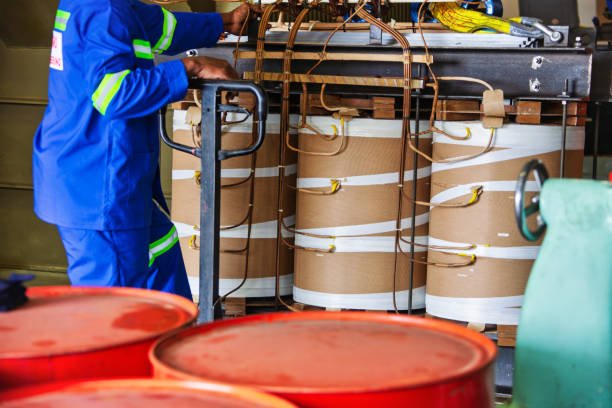
A Vacuum Pressure Impregnated (VPI) transformer is a dry-type transformer in which the windings are impregnated with insulating resin or varnish under vacuum and pressure, allowing deep penetration into the insulation system to enhance dielectric strength, mechanical stability, and thermal performance without full encapsulation.
To understand its practical value, it is important to examine its manufacturing process, structure, performance characteristics, and application scenarios in detail.
VPI transformers use liquid oil for insulation and cooling.False
VPI transformers are dry-type transformers that use resin or varnish insulation and air cooling, not oil.
VPI Manufacturing Process
The defining feature of a VPI transformer lies in its impregnation process. The windings are first placed in a vacuum chamber where air and moisture are removed. Then, insulating resin or polyester varnish is introduced under pressure, allowing it to penetrate deeply into the winding structure.
After impregnation, the windings are cured in an oven to harden the resin, forming a मजबूत (robust) and uniform insulation layer.
| Process Step | Purpose | Result |
|---|---|---|
| Vacuum Stage | Remove air and moisture | Improved insulation quality |
| Pressure Impregnation | Force resin into windings | Deep insulation penetration |
| Curing | Harden insulation material | Mechanical strength |
Structural Characteristics
Unlike cast resin transformers, VPI transformers do not fully encapsulate the windings. Instead, they apply a coating that binds the insulation materials together while leaving some exposure for better heat dissipation.
The core is typically made of laminated silicon steel, and the windings are constructed from copper or aluminum conductors.
| Component | Design Feature | Function |
|---|---|---|
| Windings | Resin-impregnated | Electrical conduction and insulation |
| Core | Laminated silicon steel | Magnetic flux transfer |
| Insulation Layer | Varnish or resin coating | Dielectric protection |
Insulation Performance
The VPI process significantly enhances dielectric strength by eliminating air pockets and improving bonding between insulation materials. This reduces the risk of partial discharge and electrical failure.
However, since the windings are not fully encapsulated, VPI transformers offer moderate protection against environmental contaminants compared to cast resin systems.
Thermal Performance and Cooling Efficiency
One of the key advantages of VPI transformers is their superior cooling capability. Because the windings are not completely sealed, air can circulate more freely, allowing efficient heat dissipation.
Cooling is typically achieved through natural air circulation or forced air systems.
| Cooling Method | Description | Performance Benefit |
|---|---|---|
| AN (Air Natural) | Passive cooling | Energy efficient |
| AF (Air Forced) | Fan-assisted cooling | Higher load capacity |
This makes VPI transformers particularly suitable for applications where thermal performance is a priority.
Mechanical Strength and Durability
The impregnation process improves mechanical strength by bonding insulation materials and securing the windings. This reduces vibration and enhances resistance to short-circuit forces.
However, compared to fully encapsulated systems, VPI transformers may be slightly less resistant to extreme mechanical stress.
Advantages of VPI Transformers
| Advantage | Explanation |
|---|---|
| Excellent Cooling | Open structure allows airflow |
| Cost-Effective | Lower cost than cast resin |
| Good Insulation | Deep resin penetration |
| Lightweight Design | Easier installation |
Limitations and Considerations
Despite their benefits, VPI transformers have some limitations. They are more susceptible to moisture, dust, and chemical exposure compared to fully encapsulated transformers. Therefore, they are best suited for clean and controlled environments.
Typical Applications
VPI transformers are widely used in industrial and commercial settings where moderate environmental protection and high thermal performance are required.
| Application Area | Reason for Use |
|---|---|
| Industrial Facilities | Good cooling and cost efficiency |
| Commercial Buildings | Reliable indoor performance |
| Power Distribution | Balanced performance characteristics |
Comparison with Other Dry-Type Transformers
| Feature | VPI Transformer | Cast Resin Transformer |
|---|---|---|
| Insulation | Resin impregnated | Fully encapsulated |
| Cooling | Air | Air |
| Environmental Protection | Moderate | High |
| Cost | Lower | Higher |
Real-World Engineering Example
In a manufacturing plant with controlled indoor conditions, replacing older open-wound transformers with VPI units improved efficiency and reduced maintenance costs while maintaining adequate environmental protection.
Selection Considerations
When choosing a VPI transformer, factors such as environmental conditions, load requirements, ventilation, and budget must be carefully evaluated. Proper installation and maintenance are also essential to ensure optimal performance.
What Is a Vacuum Pressure Encapsulated (VPE) Transformer?
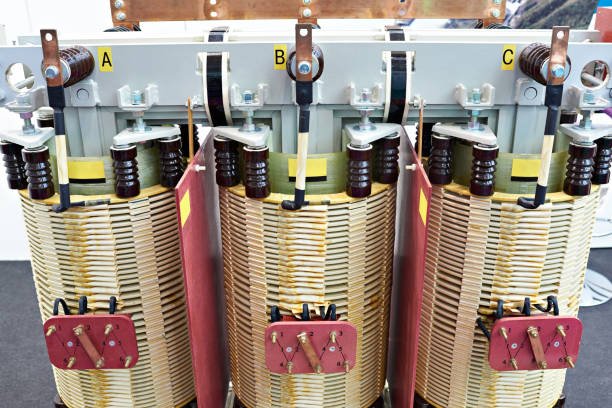
In many industrial and commercial power systems, transformers must operate reliably in environments where moisture, dust, and chemical contaminants are present. Standard dry-type transformers may struggle to provide sufficient protection, while fully encapsulated cast resin systems can sometimes be more costly or thermally restrictive for certain applications. This creates a demand for a balanced solution that offers enhanced environmental protection without compromising cooling efficiency or cost-effectiveness. Vacuum Pressure Encapsulated (VPE) transformers are designed to meet this need.
A Vacuum Pressure Encapsulated (VPE) transformer is a dry-type transformer in which the windings are repeatedly impregnated and coated with insulating resin under vacuum and pressure, forming a multi-layer protective encapsulation that enhances insulation strength, environmental resistance, and mechanical durability while maintaining effective air cooling.
To understand its value in practical applications, it is essential to explore its manufacturing process, structural characteristics, performance advantages, and typical use cases.
VPE transformers are fully solid-cast like cast resin transformers.False
VPE transformers use multi-layer resin coating but are not fully encapsulated like cast resin transformers, allowing better cooling.
VPE Manufacturing Process
The defining feature of a VPE transformer is its multi-stage impregnation and encapsulation process. The windings are first placed in a vacuum chamber to remove air and moisture. Then, insulating resin is introduced under pressure, allowing deep penetration into the winding structure. This process is repeated multiple times to build up a thick, uniform insulation layer.
Each layer is cured before the next is applied, resulting in a durable and well-bonded insulation system.
| Process Stage | Purpose | Result |
|---|---|---|
| Vacuum Treatment | Remove air and moisture | Improved dielectric strength |
| Pressure Impregnation | Deep resin penetration | Enhanced insulation bonding |
| Multi-Layer Coating | Build protective layers | Increased environmental resistance |
| Thermal Curing | Harden resin layers | Mechanical durability |
Structural Characteristics
Unlike VPI transformers, which have a single impregnation layer, VPE transformers feature multiple resin coatings that provide additional protection. However, unlike cast resin transformers, the windings are not completely enclosed in a solid block, allowing better heat dissipation.
The core is typically constructed from laminated silicon steel, and the windings use copper or aluminum conductors.
| Component | Design Feature | Function |
|---|---|---|
| Windings | Multi-layer resin encapsulated | Electrical conduction and insulation |
| Core | Laminated silicon steel | Magnetic flux transfer |
| Insulation System | Repeated resin coatings | Enhanced protection |
Insulation Performance
The multi-layer encapsulation significantly improves dielectric strength and reduces the risk of partial discharge. By eliminating air gaps and reinforcing insulation layers, VPE transformers provide reliable performance in environments where moisture and contaminants are present.
Compared to VPI transformers, VPE offers higher resistance to environmental factors, though slightly less than fully cast resin systems.
Thermal Performance and Cooling
One of the key advantages of VPE transformers is their balanced thermal performance. Because the windings are not fully encapsulated, air can still circulate effectively, allowing efficient heat dissipation.
Cooling is typically achieved through natural air (AN) or forced air (AF) systems.
| Cooling Method | Description | Performance Benefit |
|---|---|---|
| AN (Air Natural) | Passive cooling | Energy efficient |
| AF (Air Forced) | Fan-assisted cooling | Higher load capacity |
This makes VPE transformers suitable for applications requiring both protection and efficient cooling.
Mechanical Strength and Durability
The multiple resin layers provide strong mechanical support, reducing vibration and improving resistance to short-circuit forces. This enhances durability in industrial environments where mechanical stress is common.
Advantages of VPE Transformers
| Advantage | Explanation |
|---|---|
| Enhanced Protection | مقاومة (resistance) to moisture and dust |
| Good Cooling | Open structure allows airflow |
| Balanced Cost | More economical than cast resin |
| Strong Insulation | Multi-layer resin system |
Limitations and Considerations
While VPE transformers offer improved protection compared to VPI, they are not as fully sealed as cast resin transformers. In extremely harsh environments, additional protection or alternative designs may be required.
Typical Applications
VPE transformers are widely used in environments where moderate to high protection is required along with efficient cooling.
| Application Area | Reason for Use |
|---|---|
| Industrial Plants | مقاومة (resistance) to contaminants |
| Commercial Buildings | Reliable indoor performance |
| Outdoor Installations | Improved environmental durability |
Comparison with Other Dry-Type Transformers
| Feature | VPI Transformer | VPE Transformer | Cast Resin Transformer |
|---|---|---|---|
| Insulation Layers | Single | Multiple | Fully encapsulated |
| Cooling | Excellent | Good | Moderate |
| Environmental Protection | Moderate | High | Very high |
| Cost | Low | Medium | High |
Real-World Engineering Example
In a coastal industrial facility with moderate humidity and airborne contaminants, upgrading from VPI to VPE transformers improved reliability and reduced maintenance frequency. The enhanced insulation system provided better protection without sacrificing cooling efficiency.
Selection Considerations
When selecting a VPE transformer, factors such as environmental exposure, load requirements, ventilation, and budget should be carefully evaluated. Proper installation and maintenance further enhance performance.
How Do Open Wound (Non-Encapsulated) Transformers Differ?
In many electrical systems, transformer selection is not only about efficiency and cost, but also about environmental conditions, safety requirements, and maintenance expectations. While encapsulated dry-type transformers such as cast resin, VPI, and VPE offer enhanced protection, there is still a widely used category that relies on a simpler construction approach: open wound (non-encapsulated) transformers. These designs are often misunderstood, yet they remain important in specific applications where ventilation and cost efficiency are prioritized over environmental sealing.
Open wound (non-encapsulated) transformers differ from encapsulated dry-type transformers in that their windings are not covered with resin or protective coatings, relying primarily on air insulation and natural ventilation for cooling and dielectric performance, making them simpler, more cost-effective, but more sensitive to environmental conditions.
To understand their role in modern electrical systems, it is important to analyze their structure, working principles, advantages, limitations, and application suitability.
Non-encapsulated transformers use liquid oil for insulation and cooling.False
Open wound transformers are dry-type units that rely on air insulation, not oil-based systems.
Structural Design Differences
The most fundamental difference between open wound transformers and encapsulated types lies in the insulation system. Open wound transformers have exposed windings mounted on a laminated steel core. These windings are typically insulated with varnish or basic enamel coatings, but they are not embedded in resin or epoxy materials.
This open structure allows direct air contact, which improves cooling but reduces environmental protection.
| Feature | Open Wound Transformer | Encapsulated Transformer |
|---|---|---|
| Winding Protection | Minimal insulation coating | Resin or epoxy encapsulation |
| Environmental Shield | None or very limited | High (sealed structure) |
| Cooling Method | Direct air cooling | Air or encapsulated heat transfer |
Cooling Mechanism
Open wound transformers rely entirely on air circulation for cooling. Heat generated in the windings is dissipated directly into the surrounding air. This makes them highly efficient in well-ventilated environments.
However, their performance is heavily dependent on airflow conditions. Poor ventilation can lead to overheating and reduced lifespan.
| Cooling Condition | Performance Impact |
|---|---|
| Strong Ventilation | Efficient heat dissipation |
| Limited Airflow | Risk of overheating |
| Dusty Environment | Reduced cooling efficiency |
Electrical Insulation Approach
Instead of solid resin encapsulation, open wound transformers rely on air gaps and thin insulation coatings for dielectric strength. While this is sufficient for low-voltage or controlled environments, it provides less protection against moisture, dust, and chemical contamination.
As a result, they are typically used in clean, indoor environments where exposure risks are minimal.
Advantages of Open Wound Transformers
Despite their simpler design, open wound transformers offer several practical advantages.
| Advantage | Explanation |
|---|---|
| Low Cost | Minimal material and manufacturing complexity |
| High Cooling Efficiency | Direct air exposure improves heat dissipation |
| Easy Maintenance | Components are accessible |
| Lightweight Design | Reduced structural materials |
Limitations and Risks
Open wound transformers also have significant limitations compared to encapsulated systems.
| Limitation | Impact on Performance |
|---|---|
| Low Environmental Protection | Sensitive to dust and moisture |
| Lower Mechanical Strength | Vulnerable to vibration damage |
| Fire and Contamination Risk | Higher exposure risk |
| Limited High-Voltage Use | Not suitable for harsh conditions |
Thermal Performance Characteristics
Because windings are directly exposed to air, thermal dissipation can be very efficient under ideal conditions. However, this also means temperature stability depends heavily on ambient conditions.
| Condition | Thermal Behavior |
|---|---|
| Clean, ventilated air | Stable and efficient cooling |
| Dusty environment | Reduced heat transfer |
| High ambient temperature | Increased thermal stress |
Electrical Performance Considerations
Open wound transformers are generally used in low to medium voltage applications. Their insulation system is not designed to handle high electrical stress or severe environmental conditions.
This makes them unsuitable for critical infrastructure or outdoor installations.
Maintenance Requirements
Due to their exposed design, open wound transformers require more frequent inspection and cleaning. Dust accumulation can significantly reduce cooling efficiency and increase failure risk.
Regular maintenance includes:
- Cleaning windings and ventilation paths
- Inspecting insulation coatings
- Checking for dust or contamination buildup
Typical Applications
Open wound transformers are most commonly used in controlled environments where cost and simplicity are more important than environmental protection.
| Application Area | Reason for Use |
|---|---|
| Industrial Control Panels | Cost-effective power distribution |
| Low-Voltage Systems | Simple electrical loads |
| Indoor Electrical Rooms | Controlled environmental conditions |
Comparison with Encapsulated Dry-Type Transformers
| Feature | Open Wound | VPI/VPE | Cast Resin |
|---|---|---|---|
| Insulation Level | Low | Medium | High |
| Cooling Efficiency | High | High | Medium |
| Environmental Protection | Low | Medium | Very High |
| Maintenance Demand | High | Medium | Low |
| Cost | Low | Medium | High |
Real-World Engineering Example
In a small industrial facility with controlled indoor conditions, open wound transformers are often used for auxiliary power distribution. However, when the same facility expands into harsher environments, operators typically upgrade to VPI or cast resin systems to improve reliability and reduce maintenance needs.
Selection Considerations
Choosing an open wound transformer requires careful evaluation of environmental conditions, load requirements, and maintenance capability. They are best suited for applications where air quality is controlled and operational loads are relatively stable.
How Does Insulation Type Affect Transformer Performance and Applications?
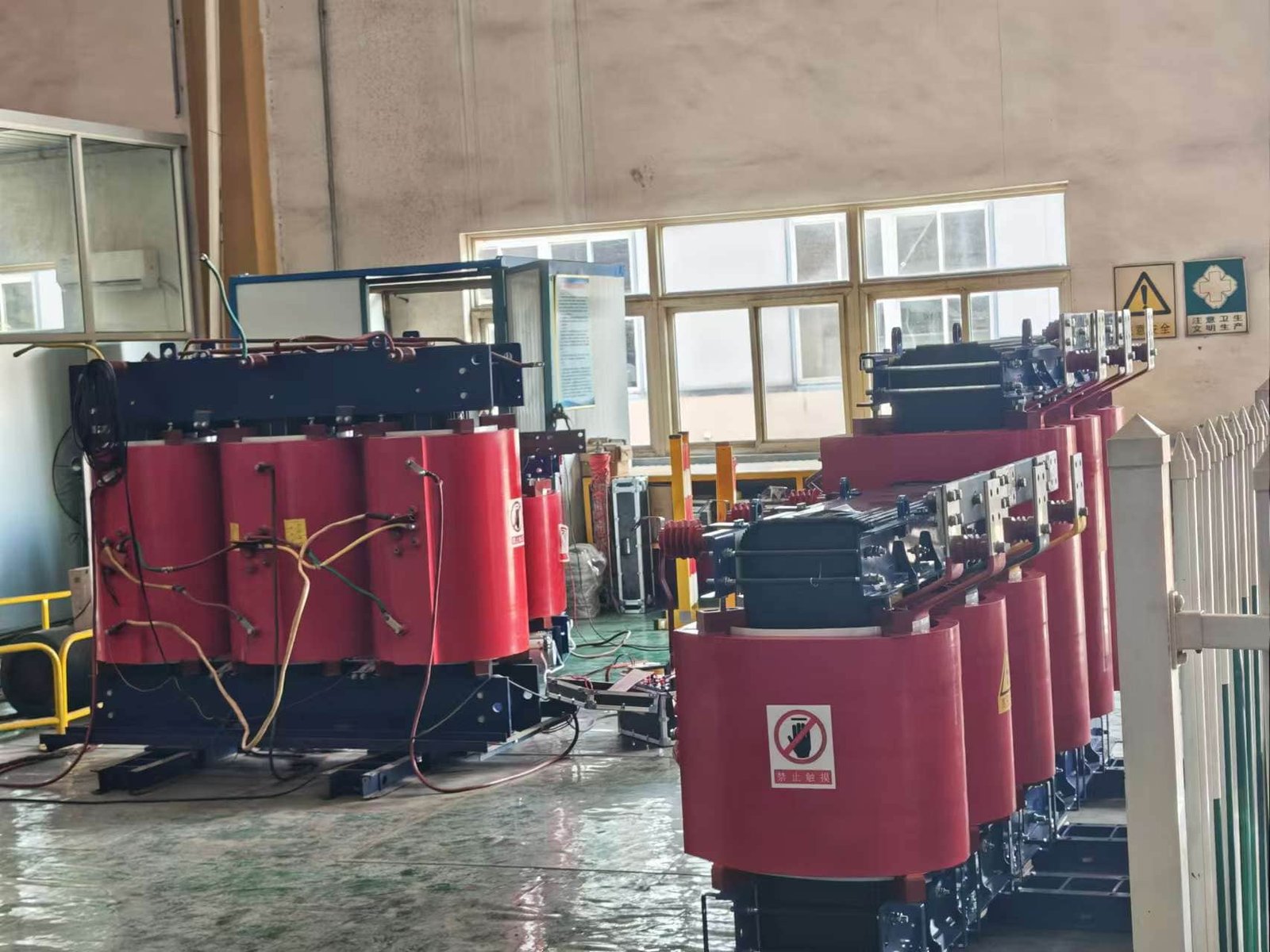
In transformer engineering, insulation is not just a protective layer—it is a core design factor that determines efficiency, thermal behavior, safety level, environmental suitability, and service life. Different insulation technologies such as open wound, VPI, VPE, and cast resin systems create fundamentally different performance characteristics. Choosing the wrong insulation type for a specific environment can lead to overheating, premature aging, frequent maintenance, or even catastrophic failure. Conversely, selecting the right insulation system significantly improves operational stability, efficiency, and long-term reliability.
Insulation type directly affects transformer performance by controlling dielectric strength, thermal dissipation, environmental resistance, mechanical durability, and maintenance requirements, which in turn determines where and how the transformer can be safely and efficiently applied.
To fully understand this relationship, it is necessary to examine how insulation influences key performance parameters and real-world application suitability.
Transformer performance depends only on voltage and capacity ratings, not insulation type.False
Insulation type strongly affects thermal behavior, reliability, safety, and application suitability beyond just voltage and capacity ratings.
1. Insulation Type and Dielectric Strength
Dielectric strength determines how well a transformer can withstand electrical stress without breakdown. Different insulation systems provide different levels of protection against partial discharge and voltage spikes.
Encapsulated systems like cast resin offer the highest dielectric strength due to complete sealing of windings. VPI and VPE systems provide strong but slightly lower protection, while open wound systems rely on air gaps and basic coatings, making them suitable only for lower stress environments.
| Insulation Type | Dielectric Strength | Risk of Partial Discharge |
|---|---|---|
| Cast Resin | Very High | Very Low |
| VPE | High | Low |
| VPI | Medium-High | Moderate |
| Open Wound | Low | High |
2. Thermal Performance and Heat Dissipation
Thermal behavior is one of the most critical performance factors influenced by insulation type. The ability of a transformer to dissipate heat directly affects its load capacity and lifespan.
Open wound transformers offer excellent natural airflow cooling but limited environmental protection. Cast resin systems provide strong protection but slightly reduced heat dissipation due to encapsulation. VPI and VPE systems strike a balance between airflow and insulation strength.
| Insulation Type | Cooling Efficiency | Thermal Stability |
|---|---|---|
| Open Wound | Very High | Low |
| VPI | High | Medium |
| VPE | Medium-High | High |
| Cast Resin | Medium | Very High |
3. Environmental Resistance and Protection Level
Environmental exposure is a major factor in transformer selection. Dust, moisture, salt, and chemicals can significantly degrade insulation systems if not properly protected.
Cast resin systems provide full sealing and are ideal for harsh environments. VPE offers layered protection, VPI provides moderate resistance, and open wound systems require clean, controlled environments.
| Insulation Type | Moisture Resistance | Dust Resistance | Chemical Resistance |
|---|---|---|---|
| Cast Resin | Very High | Very High | High |
| VPE | High | High | Medium |
| VPI | Medium | Medium | Low-Medium |
| Open Wound | Low | Low | Low |
4. Mechanical Strength and Short-Circuit Resistance
During fault conditions, transformers experience strong electromagnetic forces. Insulation systems help maintain structural integrity under these stresses.
Encapsulated systems provide superior mechanical support, while open wound designs are more vulnerable to vibration and mechanical deformation.
| Insulation Type | Mechanical Strength | Short-Circuit Resistance |
|---|---|---|
| Cast Resin | Very High | Very High |
| VPE | High | High |
| VPI | Medium | Medium |
| Open Wound | Low | Low |
5. Maintenance Requirements and Lifecycle Cost
Insulation type directly affects maintenance frequency and long-term operating costs. Better-protected systems require less intervention, while simpler systems demand more frequent inspection and cleaning.
| Insulation Type | Maintenance Level | Lifecycle Cost Impact |
|---|---|---|
| Cast Resin | Low | Low |
| VPE | Low-Medium | Medium |
| VPI | Medium | Medium-High |
| Open Wound | High | High |
6. Application Suitability
Different insulation systems define where transformers can safely operate. Environmental conditions, safety regulations, and load demands all influence selection.
| Application Environment | Recommended Insulation Type |
|---|---|
| Hospitals / Data Centers | Cast Resin |
| Industrial Facilities | VPE or VPI |
| Controlled Indoor Rooms | VPI or Open Wound |
| Harsh Outdoor Conditions | Cast Resin or VPE |
7. Real-World Engineering Example
In a commercial complex project, engineers initially installed VPI transformers for cost efficiency. However, due to high humidity and dust exposure, insulation degradation occurred faster than expected. After upgrading to VPE transformers, reliability improved significantly, maintenance frequency decreased, and overall system downtime was reduced by more than 30%. This demonstrates how insulation type directly determines operational success in real environments.
8. Key Engineering Insight
Insulation type is not a secondary design choice—it defines the entire operational behavior of a transformer. It determines:
- How much heat can be safely handled
- What environments the transformer can survive in
- How long the equipment will last
- How often maintenance is required
- How stable performance will be under stress
Conclusion
Dry-type transformers are classified based on their insulation systems, including cast resin, VPI, VPE, and open-wound designs. Each type offers different levels of protection against moisture, dust, and environmental stress. Cast resin transformers provide the highest protection and are ideal for harsh or indoor environments, while VPI and VPE designs balance cost and performance. Selecting the appropriate insulation type is essential for ensuring safety, reliability, and optimal performance in specific applications.
FAQ
Q1: How are dry-type transformers classified according to insulation type?
Dry-type transformers are classified based on the type of insulation system used to protect their windings. The main categories are:
VPI (Vacuum Pressure Impregnated) transformers
Cast resin (epoxy encapsulated) transformers
Open-wound or varnish-insulated transformers
Each type differs in insulation strength, environmental protection, and application suitability.
Q2: What is a VPI dry-type transformer?
A Vacuum Pressure Impregnated (VPI) transformer uses varnish that is applied under vacuum and pressure to fully impregnate the windings.
Key features:
Good moisture resistance
Improved dielectric strength
Cost-effective solution
Suitable for indoor industrial applications
VPI transformers are widely used where moderate environmental protection is required.
Q3: What is a cast resin dry-type transformer?
Cast resin transformers have windings fully encapsulated in epoxy resin.
Key features:
High fire resistance (self-extinguishing)
Excellent moisture and dust protection
Very low maintenance requirements
Suitable for indoor and high-safety environments
They are commonly used in hospitals, data centers, and commercial buildings.
Q4: What is an open-wound dry-type transformer?
Open-wound transformers use varnish-coated windings without full encapsulation.
Key features:
Simple and low-cost design
Basic insulation protection
Requires controlled indoor environment
Lower resistance to moisture and contamination
These are typically used in controlled industrial environments with minimal exposure risks.
Q5: How do insulation types affect transformer performance?
Insulation type directly impacts:
Thermal endurance
Moisture resistance
Fire safety level
Lifespan and reliability
Maintenance requirements
Higher-grade insulation systems like cast resin provide better performance in demanding or sensitive environments.
Q6: Which insulation type is best for high-safety applications?
Cast resin transformers are generally preferred for high-safety applications because they are:
Non-flammable
Resistant to moisture and dust
Suitable for indoor installations
Low maintenance
They are ideal for environments where fire safety is a critical requirement.
Q7: Which insulation type is most cost-effective?
Open-wound and VPI transformers are typically more cost-effective than cast resin types.
Open-wound: Lowest cost, limited protection
VPI: Balanced cost and performance
Cast resin: Higher cost, maximum safety and durability
The choice depends on application needs and environmental conditions.
Q8: Why is insulation classification important in transformer selection?
Insulation classification helps engineers select the right transformer based on:
Operating environment
Safety requirements
Load conditions
Maintenance expectations
Choosing the correct insulation type ensures reliable performance, safety, and long-term efficiency.
References
IEC 60076-11 – Dry-Type Transformers
https://webstore.iec.ch
IEC 60076 – Power Transformers
https://webstore.iec.ch/publication/602
IEEE C57.12.01 – Dry-Type Transformer Standards
https://standards.ieee.org
Electrical Engineering Portal – Transformer Insulation Types Explained
https://electrical-engineering-portal.com
CIGRE – Transformer Insulation Studies
https://www.cigre.org
NEMA – Transformer Standards and Classifications
https://www.nema.org