
Dry-type transformers and oil-immersed transformers are the two main types used in power systems, each designed with different insulation and cooling methods. While both perform voltage transformation, their differences in structure, performance, safety, and application make them suitable for different environments. Understanding their comparison helps users choose the most appropriate transformer for specific project needs.
What Are the Key Differences Between Dry-Type and Oil-Immersed Transformers?
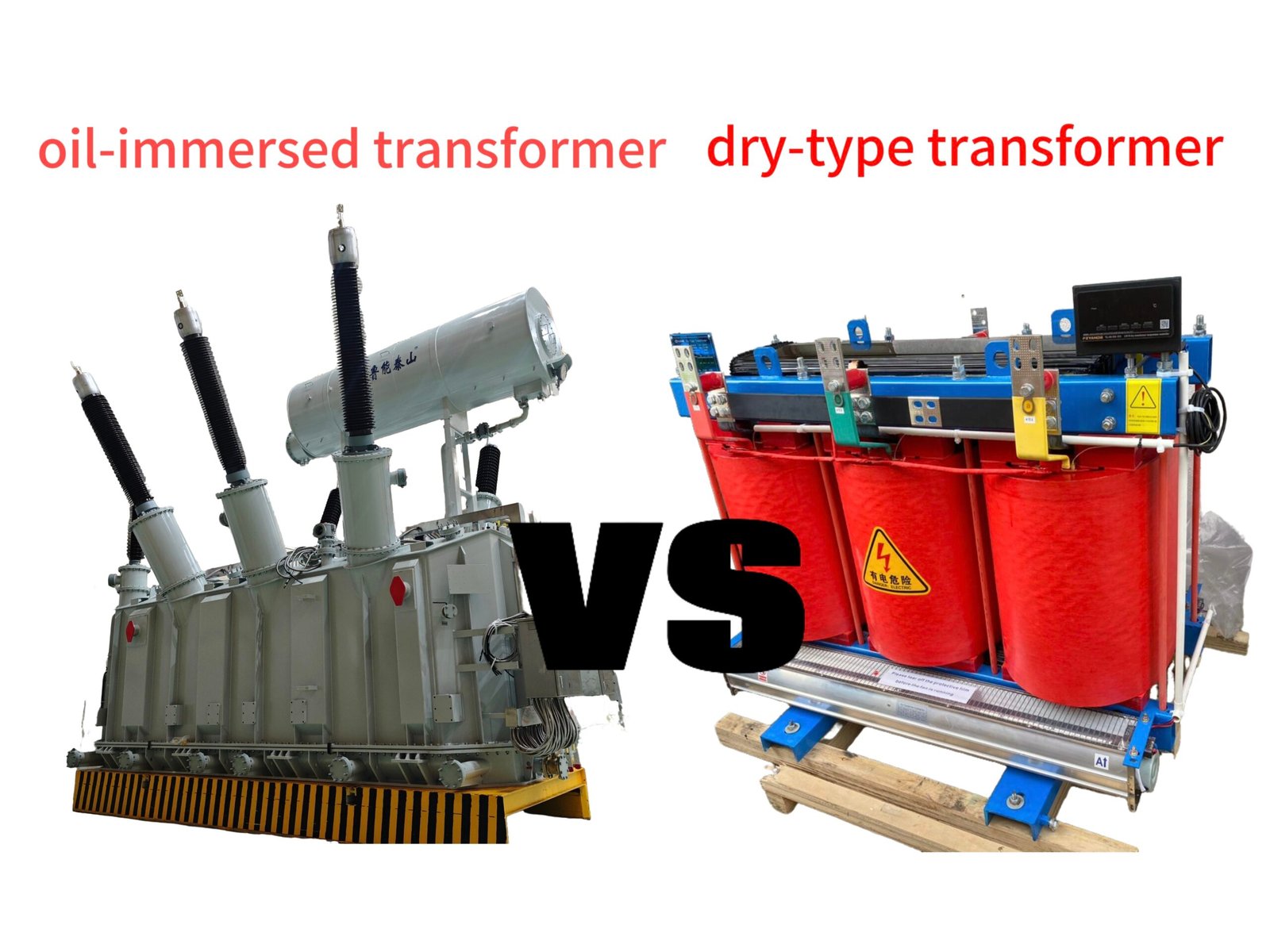
Choosing between dry-type and oil-immersed transformers is a critical decision in power system design, and making the wrong choice can lead to safety risks, higher costs, and reduced system efficiency. Many users struggle to understand the real differences beyond basic concepts, especially when considering installation environment, maintenance requirements, cooling performance, and long-term reliability. Without a clear comparison, it is easy to select a transformer type that does not match the operational demands.
The key differences between dry-type and oil-immersed transformers lie in their cooling method, insulation system, safety characteristics, maintenance needs, installation environment, and performance in high-capacity or high-voltage applications, with oil-immersed transformers offering superior cooling and capacity, while dry-type transformers provide enhanced safety and lower fire risk.
To make an informed decision, it is essential to compare these transformer types across multiple technical dimensions.
Dry-type transformers and oil-immersed transformers have identical performance and can be used interchangeably in all applications.False
Each transformer type has distinct advantages and is suited for different environments and operational requirements.
Cooling Method Differences
The most fundamental difference is how heat is removed during operation.
Oil-immersed transformers use insulating oil as a cooling medium, while dry-type transformers rely on air or forced ventilation.
| Cooling Type | Dry-Type Transformer | Oil-Immersed Transformer |
|---|---|---|
| Cooling medium | Air (natural or forced) | Insulating oil |
| Heat dissipation | Limited efficiency | Highly efficient |
| Temperature control | Moderate | Superior |
Oil provides better heat transfer, allowing higher load capacity.
Insulation System
The insulation systems differ significantly between the two types.
| Insulation Aspect | Dry-Type Transformer | Oil-Immersed Transformer |
|---|---|---|
| Main insulation | Epoxy resin / air | Oil + paper / pressboard |
| Dielectric strength | Moderate | High |
| Moisture sensitivity | Higher | Lower (sealed system) |
Oil-immersed transformers generally provide stronger dielectric performance.
Safety and Fire Risk
Safety is a major consideration, especially in indoor environments.
| Safety Factor | Dry-Type Transformer | Oil-Immersed Transformer |
|---|---|---|
| Fire risk | Very low | Higher (flammable oil) |
| Explosion risk | Minimal | Possible under fault conditions |
| Environmental impact | Cleaner | Requires oil handling |
Dry-type transformers are preferred in buildings, hospitals, and underground installations.
Maintenance Requirements
Maintenance needs vary depending on design and operating conditions.
| Maintenance Aspect | Dry-Type Transformer | Oil-Immersed Transformer |
|---|---|---|
| Routine maintenance | Low | Moderate |
| Oil testing | Not required | Required |
| Inspection frequency | Periodic | More frequent |
Oil quality monitoring is essential for oil-immersed transformers.
Installation Environment
Each transformer type is suited for different installation conditions.
| Environment Type | Preferred Transformer Type |
|---|---|
| Indoor installations | Dry-type |
| Outdoor substations | Oil-immersed |
| High humidity areas | Oil-immersed |
| Fire-sensitive areas | Dry-type |
Capacity and Voltage Capability
Oil-immersed transformers are better suited for high-capacity and high-voltage applications.
| Performance Factor | Dry-Type Transformer | Oil-Immersed Transformer |
|---|---|---|
| Power capacity | Limited | High |
| Voltage level | Medium | Very high |
| Overload capability | Lower | Higher |
Efficiency and Losses
Efficiency is influenced by cooling effectiveness and insulation quality.
| Efficiency Aspect | Dry-Type Transformer | Oil-Immersed Transformer |
|---|---|---|
| Heat loss | Higher | Lower |
| Cooling efficiency | Moderate | High |
| Overall efficiency | Slightly lower | Higher |
Noise Levels
Noise generation can vary based on design.
| Noise Factor | Dry-Type Transformer | Oil-Immersed Transformer |
|---|---|---|
| Operating noise | Higher | Lower |
| Vibration damping | Limited | Oil provides damping |
Real-World Application Example
In a large industrial power system, oil-immersed transformers are used for high-voltage transmission due to their superior cooling and capacity. In contrast, dry-type transformers are installed inside office buildings and hospitals where fire safety and environmental considerations are critical.
Key Differences Summary
| Category | Dry-Type Transformer | Oil-Immersed Transformer |
|---|---|---|
| Cooling | Air | Oil |
| Insulation | Resin/Air | Oil + Solid insulation |
| Safety | High | Moderate |
| Capacity | Medium | High |
| Maintenance | Low | Moderate |
| Application | Indoor | Outdoor / High load |
How Do Their Cooling and Insulation Methods Compare?
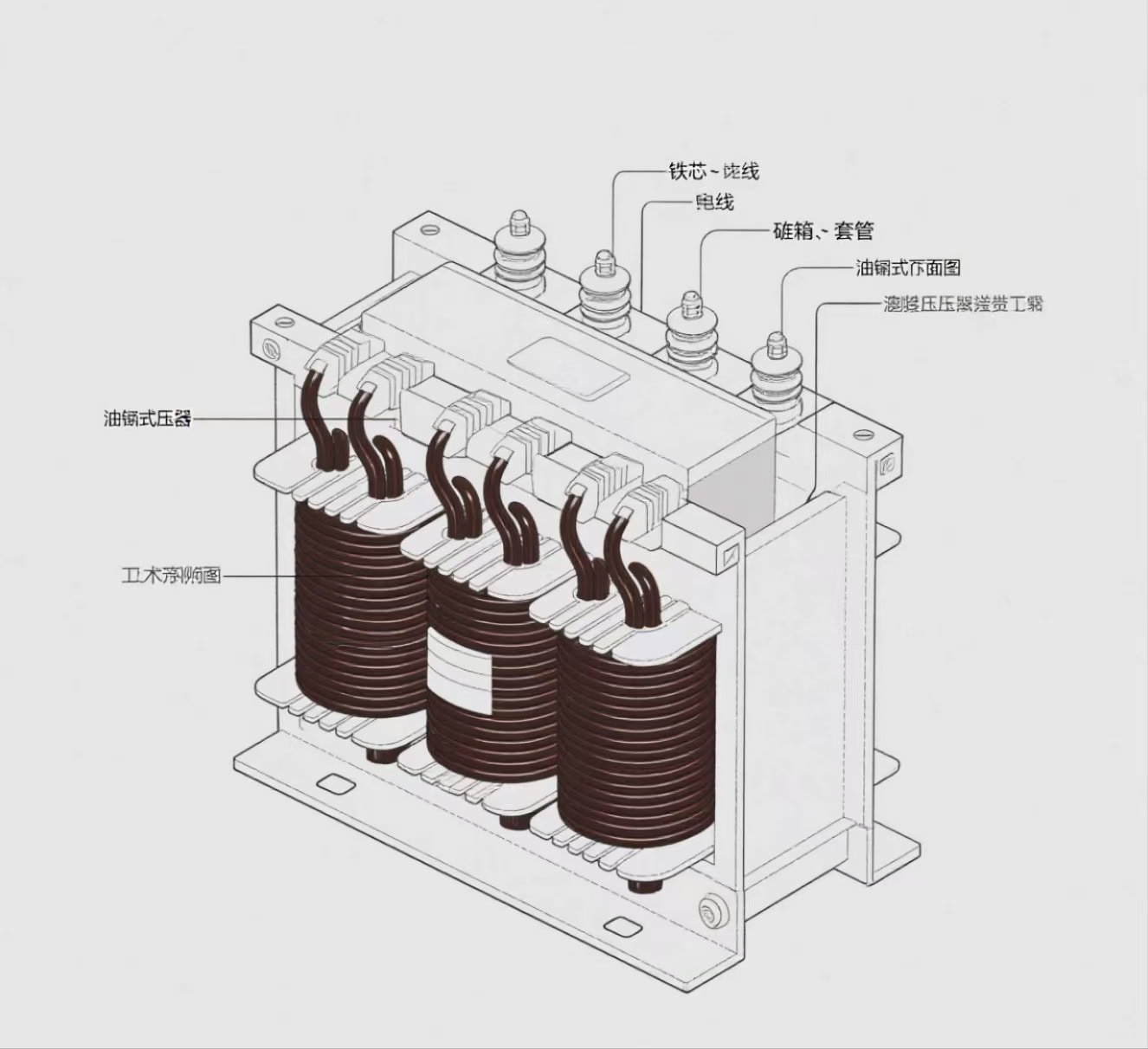
When selecting between dry-type and oil-immersed transformers, the most critical technical distinction lies in how they manage heat and electrical insulation. Poor understanding of these differences can result in overheating, insulation failure, or inefficient system performance. Cooling and insulation are not separate concerns—they directly influence transformer lifespan, load capacity, and operational safety. Choosing the wrong system for the environment can significantly increase maintenance costs and risk.
Dry-type transformers use air (natural or forced) for cooling and solid insulation such as epoxy resin, while oil-immersed transformers use insulating oil for both cooling and dielectric insulation, offering superior heat dissipation and higher dielectric strength for demanding applications.
Understanding this comparison requires a deeper look into both cooling mechanisms and insulation structures.
Air cooling provides the same heat dissipation efficiency as oil cooling in all transformer applications.False
Oil cooling is significantly more efficient than air cooling due to higher thermal conductivity and heat capacity.
Cooling Methods Comparison
Cooling performance determines how effectively a transformer can handle load and avoid overheating.
Dry-Type Transformer Cooling
Dry-type transformers rely on air as the cooling medium. Heat generated by the windings and core is dissipated into the surrounding air through natural convection or forced ventilation.
| Cooling Method | Description | Performance Impact |
|---|---|---|
| AN (Air Natural) | Passive air circulation | Limited cooling capacity |
| AF (Air Forced) | Fans improve airflow | Moderate cooling improvement |
| Ventilated design | Open airflow channels | Enhanced heat dissipation |
However, air has low thermal conductivity, limiting heat transfer efficiency.
Oil-Immersed Transformer Cooling
Oil-immersed transformers use insulating oil as a cooling medium, which circulates inside the tank and transfers heat to external cooling surfaces.
Q = mc\Delta T
| Cooling Method | Description | Performance Impact |
|---|---|---|
| ONAN | Natural oil and air cooling | Efficient for medium loads |
| ONAF | Fans enhance heat dissipation | High cooling efficiency |
| OFAF | Pumps and fans for forced circulation | Maximum cooling performance |
Oil’s higher heat capacity allows it to absorb and transfer more heat than air.
Heat Transfer Efficiency Comparison
| Property | Dry-Type (Air Cooling) | Oil-Immersed (Oil Cooling) |
|---|---|---|
| Thermal conductivity | Low | High |
| Heat capacity | Low | High |
| Cooling efficiency | Moderate | Excellent |
| Overload capability | Limited | Strong |
Oil-immersed transformers clearly outperform in thermal management.
Insulation Methods Comparison
Insulation systems are essential for preventing electrical breakdown and ensuring safe operation.
Dry-Type Transformer Insulation
Dry-type transformers use solid insulation materials such as epoxy resin, varnish, and air gaps.
| Insulation Material | Function | Limitation |
|---|---|---|
| Epoxy resin | Encapsulates windings | Sensitive to cracking under stress |
| Air | Provides separation | Lower dielectric strength |
| Varnish coating | Protects conductors | Limited moisture resistance |
Dry-type insulation is effective but more exposed to environmental conditions.
Oil-Immersed Transformer Insulation
Oil-immersed transformers combine liquid and solid insulation systems for enhanced performance.
| Insulation Component | Function | Benefit |
|---|---|---|
| Transformer oil | Dielectric medium | High insulation strength |
| Insulation paper | Wraps conductors | Reliable separation |
| Pressboard barriers | Maintains spacing | Field control |
Oil fills all voids, eliminating air gaps and reducing discharge risk.
Dielectric Strength Comparison
| Parameter | Dry-Type Transformer | Oil-Immersed Transformer |
|---|---|---|
| Dielectric strength | Moderate | High |
| Partial discharge risk | Higher | Lower |
| Moisture sensitivity | High | Lower (sealed system) |
Oil-based systems provide stronger and more stable insulation performance.
Environmental and Safety Considerations
| Factor | Dry-Type Transformer | Oil-Immersed Transformer |
|---|---|---|
| Fire risk | Very low | Higher |
| Environmental exposure | Sensitive to dust and humidity | Protected in sealed tank |
| Maintenance needs | Lower | Requires oil monitoring |
Dry-type transformers are safer in indoor or fire-sensitive environments.
Real-World Engineering Example
In a manufacturing facility with high dust levels, a dry-type transformer experienced insulation degradation due to contamination and overheating. Replacing it with an oil-immersed transformer improved cooling efficiency and insulation reliability, resulting in stable operation under higher load conditions.
Integrated Performance Comparison
| Performance Area | Dry-Type Transformer | Oil-Immersed Transformer |
|---|---|---|
| Cooling efficiency | Moderate | High |
| Insulation strength | Moderate | High |
| Load capacity | Medium | High |
| Environmental resistance | Lower | Higher |
Which Type Is Safer and More Environmentally Friendly?
When selecting a transformer for modern power systems, safety and environmental impact are no longer secondary considerations—they are critical decision factors. Improper selection can lead to fire hazards, oil leakage, environmental contamination, or costly regulatory issues. Engineers and facility managers often face the challenge of balancing operational performance with safety standards and environmental responsibility, especially in urban, industrial, or sensitive ecological areas.
Dry-type transformers are generally safer and more environmentally friendly because they use non-flammable solid insulation and do not contain oil, while oil-immersed transformers offer higher performance but carry greater fire risk and potential environmental hazards due to insulating oil.
Understanding the trade-offs between these two types requires a detailed comparison of safety risks and environmental factors.
Oil-immersed transformers have no environmental risks because the oil is completely sealed inside the tank.False
Although sealed, oil leaks or failures can occur, posing environmental and fire risks.
Fire Safety Comparison
Fire risk is one of the most critical safety concerns in transformer selection.
Dry-type transformers use solid insulation materials such as epoxy resin, which are either non-flammable or self-extinguishing. In contrast, oil-immersed transformers use mineral oil, which is flammable under fault conditions.
| Safety Factor | Dry-Type Transformer | Oil-Immersed Transformer |
|---|---|---|
| Fire risk | Very low | Moderate to high |
| Combustible material | Minimal | Present (oil) |
| Explosion risk | Extremely low | Possible under severe faults |
This makes dry-type transformers ideal for indoor environments such as hospitals, offices, and underground facilities.
Environmental Impact
Environmental considerations focus on potential contamination and sustainability.
Oil-immersed transformers contain insulating oil that can leak and contaminate soil or water if not properly managed. Dry-type transformers eliminate this risk entirely.
| Environmental Factor | Dry-Type Transformer | Oil-Immersed Transformer |
|---|---|---|
| Oil leakage risk | None | Possible |
| Soil contamination | None | Potential risk |
| Water pollution | None | Possible if leakage occurs |
However, modern oil-immersed transformers often include containment systems to mitigate these risks.
Maintenance and Handling Safety
Maintenance practices also influence safety and environmental performance.
| Maintenance Aspect | Dry-Type Transformer | Oil-Immersed Transformer |
|---|---|---|
| Routine maintenance | Minimal | Requires oil testing and handling |
| Hazardous materials | None | Oil handling required |
| Spill management | Not needed | Required |
Dry-type transformers reduce operational risks associated with fluid handling.
Noise and Air Quality
Environmental friendliness also includes noise levels and air quality.
| Factor | Dry-Type Transformer | Oil-Immersed Transformer |
|---|---|---|
| Noise level | Higher | Lower (oil dampens sound) |
| Air emissions | None | Minimal (sealed system) |
While dry-type transformers are cleaner, oil-immersed transformers may offer quieter operation.
Performance vs Safety Trade-Off
Although dry-type transformers are safer, oil-immersed transformers provide superior performance in certain applications.
| Performance Factor | Dry-Type Transformer | Oil-Immersed Transformer |
|---|---|---|
| Cooling efficiency | Moderate | High |
| Load capacity | Medium | High |
| High-voltage capability | Limited | Excellent |
This creates a trade-off between safety/environmental impact and performance.
Real-World Application Example
In a commercial high-rise building, dry-type transformers are used to minimize fire risk and eliminate the need for oil containment systems. In contrast, a large outdoor substation uses oil-immersed transformers due to their ability to handle high voltage and heavy loads efficiently, with additional environmental protection measures in place.
Safety and Environmental Summary
| Category | Safer Option | Reason |
|---|---|---|
| Fire safety | Dry-type | Non-flammable materials |
| Environmental impact | Dry-type | No oil leakage risk |
| High-capacity operation | Oil-immersed | Better cooling and performance |
| Outdoor heavy-duty use | Oil-immersed | Higher durability |
How Do Maintenance Requirements Differ Between Dry-Type and Oil-Immersed Transformers?
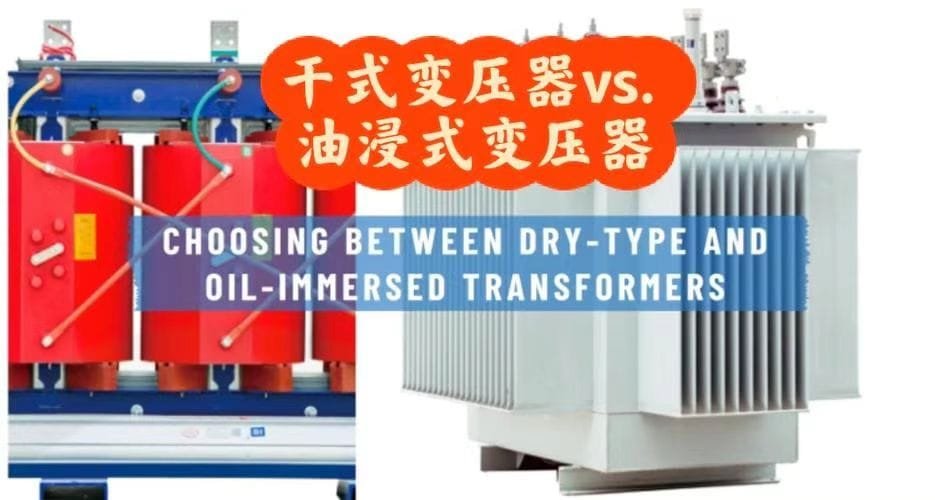
Maintenance strategy is a major factor in transformer selection because it directly affects lifecycle cost, reliability, and system downtime. While both dry-type and oil-immersed transformers are designed for long service life, their maintenance requirements differ significantly due to their cooling systems, insulation media, and exposure to environmental factors. Misunderstanding these differences can lead to unexpected failures, higher operational costs, or reduced efficiency over time.
Dry-type transformers require minimal maintenance focused on cleaning, ventilation checks, and insulation condition monitoring, while oil-immersed transformers require more intensive maintenance including oil testing, leak inspection, bushing maintenance, and cooling system management.
Understanding these differences helps operators choose the right maintenance strategy for long-term reliability and cost control.
Dry-type transformers do not require any maintenance throughout their entire service life.False
Dry-type transformers require periodic maintenance such as cleaning, inspection, and electrical testing to ensure reliable operation.
Maintenance Complexity Overview
The fundamental difference in maintenance stems from the cooling and insulation medium.
| Aspect | Dry-Type Transformer | Oil-Immersed Transformer |
|---|---|---|
| Maintenance frequency | Low | Moderate to high |
| Maintenance type | Visual + electrical checks | Fluid + mechanical + electrical |
| Special handling | Minimal | Oil handling required |
Dry-type systems are simpler because they contain no liquid insulation.
Insulation Maintenance
Insulation health is critical for both types but monitored differently.
Dry-Type Transformer
Dry-type insulation relies on epoxy resin and air, which requires inspection for dust accumulation, moisture, and surface tracking.
| Inspection Task | Purpose |
|---|---|
| Dust cleaning | Prevent surface leakage |
| Visual inspection | Detect cracks or aging |
| Insulation testing | Verify dielectric strength |
Oil-Immersed Transformer
Oil-immersed systems require continuous monitoring of oil quality.
| Oil Test | Purpose |
|---|---|
| Dielectric strength | Check insulation capability |
| Moisture content | Detect contamination |
| Dissolved gas analysis | Identify internal faults |
Oil condition directly affects insulation performance.
Cooling System Maintenance
Cooling systems differ significantly in structure and maintenance needs.
Dry-Type Cooling System
Dry-type transformers rely on air circulation.
| Maintenance Task | Purpose |
|---|---|
| Fan inspection | Ensure airflow efficiency |
| Vent cleaning | Prevent overheating |
| Temperature monitoring | Detect abnormal heating |
Oil-Immersed Cooling System
Oil-immersed transformers use oil circulation and radiators.
Q = mc\Delta T
| Maintenance Task | Purpose |
|---|---|
| Oil level check | Ensure proper cooling volume |
| Radiator cleaning | Maintain heat dissipation |
| Pump inspection | Verify forced circulation systems |
Oil systems require more complex thermal management.
Electrical Connection Maintenance
Both transformer types require periodic inspection of electrical connections, but environmental exposure differs.
| Maintenance Area | Dry-Type Transformer | Oil-Immersed Transformer |
|---|---|---|
| Terminal inspection | Check for dust and looseness | Check for corrosion and heating |
| Busbar connections | Moderate inspection | Frequent tightening required |
| Contact resistance | Basic testing | Advanced monitoring required |
Environmental Impact on Maintenance
Environmental conditions strongly influence maintenance frequency.
| Environment Factor | Dry-Type Transformer | Oil-Immersed Transformer |
|---|---|---|
| Dust exposure | High sensitivity | Lower sensitivity |
| Moisture exposure | High risk | Moderate risk |
| Outdoor durability | Limited | High |
Dry-type transformers are more sensitive to environmental contamination.
Fault Detection and Monitoring
Monitoring systems also differ in complexity.
| Monitoring Feature | Dry-Type Transformer | Oil-Immersed Transformer |
|---|---|---|
| Thermal imaging | Common | Common |
| Oil analysis | Not applicable | Essential |
| Partial discharge test | Important | Important |
Oil-immersed systems require more diagnostic tools.
Maintenance Cost Comparison
| Cost Factor | Dry-Type Transformer | Oil-Immersed Transformer |
|---|---|---|
| Routine maintenance cost | Low | Higher |
| Diagnostic cost | Moderate | High |
| Consumables | Minimal | Oil replacement and treatment |
Real-World Engineering Example
In a commercial building, dry-type transformers required only periodic cleaning and thermal inspections, resulting in low maintenance costs. In contrast, a utility substation using oil-immersed transformers required regular oil sampling, filtration, and radiator maintenance to ensure stable operation under heavy load conditions.
Maintenance Summary Comparison
| Category | Dry-Type Transformer | Oil-Immersed Transformer |
|---|---|---|
| Maintenance level | Low | Moderate to high |
| Special materials | None | Transformer oil |
| Inspection frequency | Periodic | Frequent |
| Operational complexity | Simple | Complex |
What Are the Differences in Efficiency and Load Capacity Between Dry-Type and Oil-Immersed Transformers?
Efficiency and load capacity are two of the most important performance metrics when selecting a transformer for any electrical system. If these parameters are misunderstood, the result can be overheating, unnecessary energy losses, premature insulation aging, or inability to handle peak demand. Dry-type and oil-immersed transformers are built on different thermal and insulation principles, which directly influence how efficiently they operate and how much load they can safely support.
Oil-immersed transformers generally provide higher efficiency and greater load capacity due to superior cooling and lower operating temperatures, while dry-type transformers offer slightly lower efficiency and reduced load capability but are safer and more suitable for indoor and environmentally sensitive applications.
The difference is mainly driven by cooling performance and thermal stress management.
Dry-type transformers always operate with higher efficiency than oil-immersed transformers regardless of load conditions.False
Oil-immersed transformers typically achieve higher efficiency because oil cooling reduces temperature rise and copper losses under load.
Efficiency Differences
Transformer efficiency is determined by how effectively it minimizes losses during energy conversion.
Dry-Type Transformer Efficiency
Dry-type transformers rely on air cooling, which has lower thermal conductivity. As load increases, heat dissipation becomes less effective, causing winding resistance to rise and increasing copper losses.
| Efficiency Factor | Dry-Type Transformer |
|---|---|
| Cooling medium | Air |
| Heat dissipation | Moderate |
| Operating temperature | Higher under load |
| Loss behavior | Increases with temperature |
| Overall efficiency | Medium |
Oil-Immersed Transformer Efficiency
Oil-immersed transformers use insulating oil with high heat capacity and excellent thermal conductivity. This allows faster heat removal and more stable operating temperatures.
| Efficiency Factor | Oil-Immersed Transformer |
|---|---|
| Cooling medium | Insulating oil |
| Heat dissipation | High |
| Operating temperature | Lower and stable |
| Loss behavior | More controlled |
| Overall efficiency | High |
Where Are Dry-Type and Oil-Immersed Transformers Typically Used?
In modern power distribution systems, selecting the correct transformer type is not just about voltage and capacity ratings. It is also about matching the equipment to its installation environment, safety constraints, and long-term operational requirements. Misapplication can result in overheating, fire hazards, excessive maintenance, or reduced service life. Dry-type and oil-immersed transformers are designed for very different operating conditions, and their application areas are defined by cooling capability, insulation structure, and safety considerations.
Dry-type transformers are typically used in indoor, fire-sensitive, and environmentally controlled environments such as commercial buildings, hospitals, and underground facilities, while oil-immersed transformers are mainly used in outdoor substations, industrial plants, and high-voltage transmission systems where higher capacity, superior cooling performance, and strong overload capability are required.
Their usage is determined by technical performance differences rather than interchangeable design preference.
Transition to Application Logic
To understand their real-world applications, it is necessary to evaluate how environmental conditions, safety regulations, and load requirements influence transformer selection in practical engineering systems.
Dry-type transformers can replace oil-immersed transformers in all outdoor high-voltage applications without any limitations.False
Dry-type transformers are generally limited in outdoor high-voltage applications due to cooling constraints and lower overload capacity compared to oil-immersed transformers.
Applications of Dry-Type Transformers
Dry-type transformers are engineered for environments where safety, cleanliness, and fire prevention are more important than maximum power capacity. Their solid insulation and air-cooling system eliminate the need for oil, reducing fire and leakage risks.
Indoor Commercial and Residential Buildings
Dry-type transformers are widely used inside buildings where strict fire codes apply and human safety is the top priority.
| Application Area | Reason for Use |
|---|---|
| Office buildings | Fire safety compliance |
| Shopping malls | Indoor installation requirement |
| Residential complexes | Low noise and safe operation |
These environments prioritize safety and compact installation over heavy load capacity.
Hospitals and Critical Facilities
Healthcare environments require extremely reliable and safe power distribution systems.
| Application Area | Reason for Use |
|---|---|
| Hospitals | Non-flammable insulation system |
| Laboratories | Clean and controlled environment |
| Emergency systems | High reliability requirement |
Dry-type transformers reduce fire risk in areas where evacuation safety is critical.
Underground and Confined Spaces
Dry-type transformers are ideal for enclosed spaces where ventilation is limited and fire hazards must be minimized.
| Application Area | Reason for Use |
|---|---|
| Metro stations | No oil leakage risk |
| Underground parking | Fire safety requirement |
| Tunnels | Compact sealed design |
Applications of Oil-Immersed Transformers
Oil-immersed transformers are designed for high-power, high-voltage, and outdoor environments where thermal performance and load capacity are critical.
Power Transmission and Substations
Oil-immersed transformers are the backbone of electrical grid infrastructure.
Conclusion
Dry-type and oil-immersed transformers each offer unique advantages depending on application requirements. Dry-type transformers provide higher safety, environmental protection, and lower maintenance, making them ideal for indoor and sensitive environments. Oil-immersed transformers, on the other hand, deliver better cooling performance, higher capacity, and greater efficiency, making them suitable for heavy-duty and high-voltage applications. Selecting the right type depends on factors such as installation location, load demand, safety requirements, and long-term operational goals.
FAQ
Q1: What is the main difference between dry-type and oil-immersed transformers?
The main difference lies in the insulation and cooling medium:
Dry-type transformers: Use air or solid insulation (resin/varnish)
Oil-immersed transformers: Use insulating oil for both cooling and insulation
This fundamental difference affects safety, size, maintenance, and application suitability.
Q2: Which transformer type is safer?
Dry-type transformers are generally considered safer because they:
Do not use flammable oil
Have lower fire risk
Are suitable for indoor installations
Oil-immersed transformers, while highly efficient, require additional fire protection systems due to the presence of insulating oil.
Q3: Which transformer has better cooling performance?
Oil-immersed transformers have superior cooling performance because:
Oil has higher heat transfer capability than air
Radiators and oil circulation efficiently dissipate heat
Suitable for high-load and high-power applications
Dry-type transformers rely on air cooling, which is less efficient under heavy loads.
Q4: How do they compare in maintenance requirements?
Dry-type transformers: Low maintenance (no oil testing required)
Oil-immersed transformers: Require regular oil testing, filtration, and leak checks
Dry-type transformers are easier to maintain, especially in indoor environments.
Q5: Which transformer is more cost-effective?
Cost comparison depends on lifecycle stage:
Dry-type transformers: Higher initial cost but lower maintenance cost
Oil-immersed transformers: Lower initial cost but higher maintenance and monitoring cost
Over time, total cost depends on application, load, and maintenance strategy.
Q6: Where are each type commonly used?
Dry-type transformers:
Hospitals
Commercial buildings
Data centers
Indoor installations
Oil-immersed transformers:
Power substations
Industrial plants
Transmission and distribution networks
Outdoor installations
Q7: Which transformer is more efficient?
Oil-immersed transformers are generally more efficient for high-capacity and long-distance power applications due to better cooling and lower losses under heavy loads.
Dry-type transformers are efficient for medium-voltage, indoor, and safety-critical environments, but may have limitations under extreme loads.
Q8: How do you choose between dry-type and oil-immersed transformers?
Selection depends on:
Installation environment (indoor vs outdoor)
Safety requirements (fire risk sensitivity)
Load capacity and voltage level
Maintenance capability
Environmental regulations
There is no universal “better” option—each type is optimized for specific use cases.
References
IEC 60076 – Power Transformers
https://webstore.iec.ch/publication/602
IEC 60076-11 – Dry-Type Transformers
https://webstore.iec.ch
IEEE C57 Series – Transformer Standards
https://standards.ieee.org
Electrical Engineering Portal – Transformer Comparison Explained
https://electrical-engineering-portal.com
CIGRE – Transformer Technology Studies
https://www.cigre.org
NEMA – Transformer Application Standards
https://www.nema.org