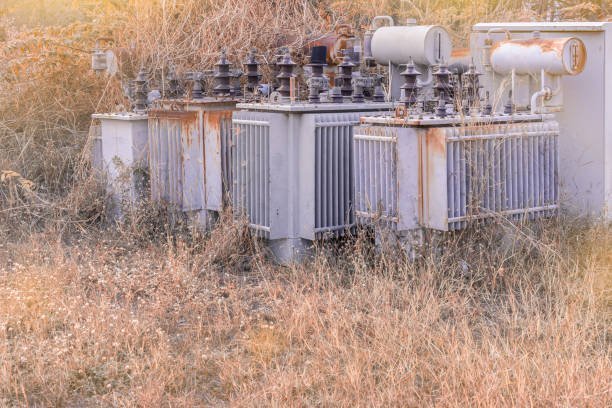
Decommissioning of transformers is the final stage in a transformer’s lifecycle, involving the safe removal of the unit from service and proper handling of its components. This process is essential to ensure environmental protection, personnel safety, and compliance with regulatory requirements. Effective decommissioning also allows valuable materials to be recovered and reused, supporting sustainable asset management.
What Does Decommissioning a Transformer Involve?
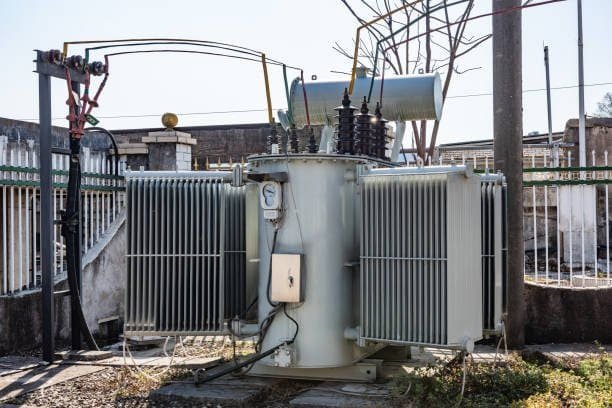
In the lifecycle of electrical equipment, transformers eventually reach the end of their operational life due to aging, inefficiency, upgrades, or failure. However, simply shutting down a transformer is not enough. Improper decommissioning can lead to environmental contamination, safety hazards, regulatory violations, and costly liabilities. From residual oil handling to electrical isolation, the process must be carefully planned and executed to ensure safety, compliance, and sustainability.
Decommissioning a transformer involves a structured process that includes safe shutdown and isolation, removal of electrical connections, draining and handling of insulating oil, dismantling of components, environmental compliance, recycling or disposal, and site restoration.
Each step is critical to minimizing risks and ensuring responsible asset retirement.
Transition to Step-by-Step Decommissioning Process
To fully understand transformer decommissioning, it is important to examine each phase in detail, from initial planning to final disposal and documentation.
Decommissioning a transformer only requires turning off the power and removing it from service.False
Proper decommissioning involves multiple steps including oil handling, environmental protection, dismantling, and regulatory compliance.
Planning and Risk Assessment
The decommissioning process begins with detailed planning and risk evaluation.
| Planning Aspect | Purpose |
|---|---|
| Site assessment | Identify hazards and constraints |
| Regulatory review | Ensure legal compliance |
| Environmental analysis | Prevent contamination |
| Resource allocation | Plan manpower and equipment |
A well-structured plan ensures safe execution.
Electrical Isolation and Shutdown
Before any physical work begins, the transformer must be safely isolated from the grid.
P = V \times I
| Step | Action |
|---|---|
| Load removal | Gradually reduce load |
| Disconnection | Open circuit breakers |
| Grounding | Ensure zero voltage condition |
| Lockout/Tagout | Prevent accidental energization |
This step eliminates electrical hazards.
Oil Draining and Handling
Transformer oil must be carefully removed and processed.
| Oil Handling Step | Description |
|---|---|
| Draining | Remove oil from tank |
| Testing | Check for contaminants (e.g., PCB) |
| Storage | Use approved containers |
| Recycling or disposal | Follow environmental regulations |
Proper oil handling is critical for environmental safety.
Dismantling and Component Removal
After oil removal, the transformer is dismantled into manageable components.
| Component | Handling Method |
|---|---|
| Core and windings | Recycled as metal |
| Tank and structure | Scrap or reuse |
| Insulation materials | Special disposal required |
| Bushings | Removed separately |
This step requires specialized equipment and expertise.
Environmental Protection Measures
Decommissioning must comply with strict environmental standards.
| Environmental Risk | Mitigation Strategy |
|---|---|
| Oil leakage | Spill containment systems |
| Soil contamination | Site cleanup and testing |
| Hazardous materials | Certified disposal procedures |
Environmental compliance avoids legal and ecological issues.
Transportation and Disposal
Transformer components are transported for recycling or disposal.
| Disposal Method | Application |
|---|---|
| Metal recycling | Core, windings, tank |
| Hazardous waste disposal | Contaminated materials |
| Certified facilities | Ensure regulatory compliance |
Efficient disposal reduces environmental impact.
Documentation and Regulatory Compliance
Proper documentation is essential throughout the process.
| Document Type | Purpose |
|---|---|
| Decommissioning report | Record of procedures |
| Environmental records | Compliance verification |
| Waste tracking logs | Disposal accountability |
Documentation ensures transparency and compliance.
Site Restoration and Final Inspection
After removal, the site must be restored to safe conditions.
| Restoration Step | Action |
|---|---|
| Surface cleaning | Remove contaminants |
| Soil testing | Verify environmental safety |
| Equipment removal | Clear all remaining materials |
| Final inspection | Ensure site readiness |
This prepares the site for future use.
Real-World Engineering Example
In an aging substation, a 40-year-old oil-immersed transformer is scheduled for replacement. Engineers begin with a risk assessment and obtain environmental permits. The transformer is safely isolated and de-energized. Oil is drained and tested, revealing no hazardous contamination, allowing for recycling. The unit is dismantled, with copper windings and steel core sent for recycling. The site is cleaned and inspected, ensuring compliance with environmental standards before installing a new transformer.
Decommissioning Process Summary
| Phase | Key Activities |
|---|---|
| Planning | Risk and compliance assessment |
| Isolation | Safe shutdown and grounding |
| Oil handling | Draining and disposal |
| Dismantling | Component removal |
| Environmental control | Pollution prevention |
| Disposal | Recycling and waste management |
| Documentation | Regulatory compliance |
| Restoration | Site cleanup and inspection |
Why Is Proper Decommissioning Important?
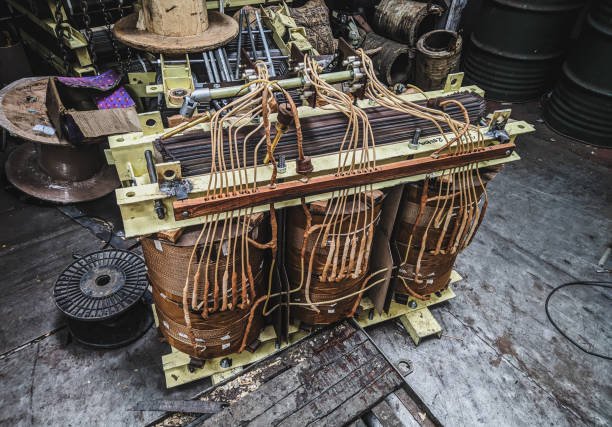
As electrical infrastructure ages, transformers eventually reach the end of their operational life due to insulation degradation, efficiency loss, or system upgrades. At this stage, removing them from service is not just a technical decision—it is a safety, environmental, and regulatory responsibility. Improper handling can lead to oil leaks, electrical hazards, fire risks, and costly environmental damage. Many incidents in industrial facilities occur not during operation, but during poorly managed shutdown and removal processes.
Proper decommissioning is important because it ensures electrical safety, prevents environmental contamination, enables material recycling, complies with regulations, and reduces operational and legal risks associated with retiring high-voltage transformer assets.
It is a controlled engineering process, not a simple shutdown activity.
Transition to Key Impact Areas
To understand its importance, it is necessary to examine the technical, environmental, and economic consequences of improper versus proper decommissioning.
Transformers can be safely abandoned or removed without following formal decommissioning procedures.False
Transformers contain hazardous materials and high-energy components that require controlled decommissioning to ensure safety and compliance.
Electrical Safety and Risk Prevention
Even when disconnected, transformers can retain hazardous energy and materials.
supports long-term grid stability.
Cost Efficiency and Lifecycle Optimization
Proper decommissioning reduces hidden long-term costs.
L = \text{asset lifecycle cost}
| Cost Factor | Impact of Poor Decommissioning |
|---|---|
| Environmental fines | High financial penalties |
| Cleanup operations | Expensive remediation |
| Equipment damage | Increased replacement cost |
Structured removal avoids unnecessary expenses.
Real-World Engineering Example
In an industrial facility, an aging transformer was removed without proper oil handling procedures. Residual oil leaked into surrounding soil, leading to environmental contamination and regulatory penalties. In contrast, a neighboring plant followed full decommissioning procedures, including oil recycling, controlled dismantling, and material recovery. The second site avoided fines, recovered valuable copper and steel, and achieved full regulatory compliance.
Importance Summary
| Category | Why It Matters |
|---|---|
| Safety | Prevents electrical and fire hazards |
| Environment | Avoids contamination |
| Compliance | Meets legal requirements |
| Economy | Reduces lifecycle cost |
| Sustainability | Enables material recycling |
| Reliability | Improves future system design |
What Steps Are Taken During Transformer Decommissioning?
Transformer decommissioning is not a single action but a carefully controlled engineering process. Because transformers contain high stored electrical energy, insulating oil, heavy metals, and environmentally sensitive materials, improper handling can lead to serious risks such as electrical accidents, fire hazards, and environmental contamination. A structured step-by-step approach is therefore essential to ensure safe shutdown, material recovery, and regulatory compliance.
The steps taken during transformer decommissioning include planning and risk assessment, safe electrical isolation, oil draining and treatment, dismantling of components, hazardous material management, recycling and disposal, environmental cleanup, documentation, and final site restoration.
Each step addresses a specific technical, safety, or environmental requirement in the lifecycle closure of the transformer.
Transition to Structured Engineering Process
To understand the full procedure clearly, it is important to follow the sequence in which professional decommissioning is performed.
Transformer decommissioning can be safely completed without structured procedures as long as the unit is disconnected from power.False
Safe decommissioning requires multiple controlled steps including oil handling, dismantling, environmental protection, and regulatory compliance.
Step 1: Planning and Engineering Risk Assessment
The process begins with detailed planning to ensure safe execution.
| Activity | Purpose |
|---|---|
| Site inspection | Identify hazards and constraints |
| Technical evaluation | Assess transformer condition |
| Safety analysis | Determine operational risks |
| Regulatory review | Ensure legal compliance |
Proper planning reduces unexpected failures during execution.
Step 2: Electrical Isolation and Shutdown
The transformer must be completely removed from the electrical network.
How Are Oil and Hazardous Materials Safely Handled?

In electrical power systems, transformers—especially oil-immersed units—contain insulating oil and various materials that can become hazardous during maintenance, repair, or decommissioning. If these substances are mishandled, they can cause serious environmental pollution, fire risks, health hazards, and regulatory violations. Because of this, utilities and engineering teams follow strict safety protocols and environmental standards when managing transformer oil and related waste.
Oil and hazardous materials are safely handled through controlled draining procedures, sealed containment systems, contamination testing, use of certified storage and transport containers, personal protective equipment (PPE), spill prevention measures, and regulated disposal or recycling processes.
These measures ensure safety for personnel, equipment, and the environment.
Transition to Safety-Critical Handling Process
To understand safe handling, it is important to examine each stage of control—from extraction to final disposal.
Transformer oil and hazardous materials can be safely handled using ordinary containers without special procedures or regulations.False
Transformer oil and hazardous substances require specialized containment, handling protocols, and regulatory-compliant disposal methods due to environmental and safety risks.
Controlled Draining and Isolation of Oil
The first step is safe removal of oil from equipment such as transformers or switchgear.
What Materials Can Be Recycled from Decommissioned Transformers?
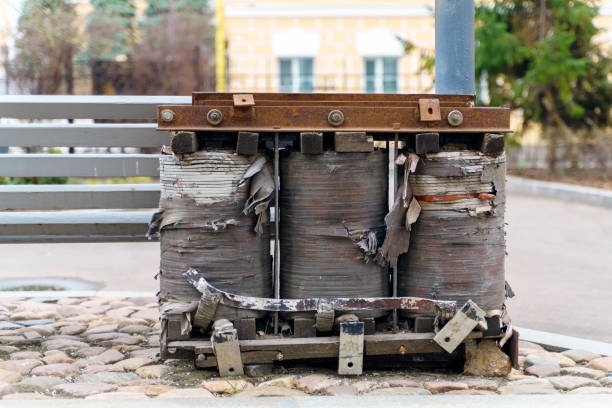
As global power infrastructure continues to modernize, large numbers of aging transformers are reaching the end of their operational lifespan. Utilities, industrial plants, renewable energy facilities, and substations are replacing older transformer fleets with more efficient and environmentally compliant equipment. However, decommissioning a transformer is not simply a matter of disposal. Modern transformers contain substantial quantities of valuable recyclable materials, including high-grade copper, silicon steel, aluminum, insulating oil, and engineered structural metals. If these materials are not properly recovered, enormous economic value is lost and environmental risks increase significantly. Improper disposal can also lead to contamination from oil leakage, hazardous insulation residues, and heavy metal waste. As environmental regulations become stricter and sustainability targets become more aggressive, transformer recycling has evolved into a highly specialized engineering and resource recovery process.
Decommissioned transformers contain a wide range of recyclable materials, including copper windings, grain-oriented silicon steel cores, aluminum conductors, structural steel tanks, transformer insulating oil, cooling system components, bushings, and auxiliary electrical hardware. Through professional dismantling and recycling procedures, more than 85% to 95% of a transformer’s total material mass can often be recovered and reused in industrial manufacturing, electrical production, and metal processing industries.
The economic and environmental importance of transformer recycling continues to grow because transformers are among the heaviest and most material-intensive assets in electrical infrastructure systems. Large power transformers can weigh several hundred tons, with much of that mass consisting of recyclable metals with high commodity value.
Understanding transformer recycling requires a detailed analysis of transformer construction, material composition, decommissioning methodology, contamination control, and industrial recovery technologies. Each material category presents unique opportunities and technical challenges during the recycling process.
Most components inside decommissioned transformers are hazardous waste that cannot be economically recycled.False
The majority of transformer materials, including copper, steel, aluminum, and insulating oil, can be recovered and recycled through specialized industrial processes.
Understanding Transformer Material Composition
Transformers are highly engineered electromechanical systems composed of conductive, magnetic, insulating, structural, and cooling materials. The recyclable value of a transformer depends heavily on its design type, age, voltage class, cooling method, and insulation technology.
| Transformer Component Category | Typical Material Used | Recycling Potential |
|---|---|---|
| Windings | Copper or aluminum | Very high |
| Core | Silicon steel | Very high |
| Tank and frame | Carbon steel | Very high |
| Cooling system | Steel/aluminum | High |
| Insulating oil | Mineral or synthetic oil | Moderate to high |
| Bushings | Porcelain and copper | Moderate |
| Insulation system | Paper, pressboard, resin | Limited to moderate |
In many utility-grade transformers, metals alone account for more than 80% of total transformer mass.
Copper Windings: The Most Economically Valuable Recovery Material
Copper windings represent the single most valuable recyclable component in many transformers. Due to copper’s exceptional electrical conductivity, thermal performance, corrosion resistance, and recyclability, recovered winding copper remains in extremely high industrial demand.
R = \rho \frac{L}{A}
Copper recovery is economically attractive because recycled copper retains nearly identical electrical properties to newly mined copper while requiring substantially less energy to process.
| Copper Recycling Characteristic | Engineering Significance |
|---|---|
| High conductivity retention | Suitable for reuse in electrical systems |
| Low oxidation susceptibility | High recovery quality |
| Strong commodity market value | Significant cost recovery |
| Low recycling energy demand | Environmental advantage |
During transformer dismantling, windings are separated mechanically from the core assembly. The copper is then cleaned, sorted, shredded, and melted for reuse in products such as:
- Power cables
- Electrical busbars
- New transformer windings
- Industrial motors
- Renewable energy systems
- Electric vehicle charging equipment
Large utility transformers may contain several tons of recoverable copper.
Grain-Oriented Silicon Steel Core Recycling
Transformer cores are manufactured using laminated grain-oriented silicon steel specifically designed to minimize hysteresis and eddy current losses. These magnetic steels contain controlled silicon concentrations that improve magnetic permeability and reduce core losses.
| Silicon Steel Property | Importance |
|---|---|
| High magnetic permeability | Efficient transformer operation |
| Low hysteresis loss | Reduced heat generation |
| Laminated structure | Minimized eddy currents |
| High recyclability | Strong recovery potential |
After dismantling, silicon steel laminations are processed through industrial recycling systems. Depending on material quality, recovered steel may be:
- Reprocessed into electrical steel
- Melted for structural steel manufacturing
- Used in industrial magnetic applications
- Incorporated into new transformer core production
Steel recycling significantly reduces mining demand and lowers carbon emissions associated with primary steel production.
Aluminum Recovery from Transformer Components
Many distribution transformers and lightweight transformer designs use aluminum conductors instead of copper due to cost and weight advantages.
| Aluminum Component | Recycling Application |
|---|---|
| Windings | Secondary conductor manufacturing |
| Structural supports | Industrial fabrication |
| Cooling fins | Aluminum processing industry |
| Terminal components | Electrical hardware reuse |
Aluminum recycling consumes dramatically less energy than primary aluminum extraction from bauxite ore.
How Do Regulations and Standards Guide the Decommissioning Process?
Transformer decommissioning is not simply a technical dismantling operation. It is a highly regulated engineering process governed by electrical safety laws, environmental protection requirements, hazardous waste regulations, occupational safety standards, and industrial recycling guidelines. Because transformers contain high-voltage components, insulating oils, heavy metals, combustible materials, and potentially hazardous contaminants, improper handling can create severe risks for personnel, public infrastructure, and the environment. As global environmental awareness and electrical safety requirements continue to increase, governments and international standards organizations have established comprehensive frameworks to guide every phase of transformer retirement and disposal.
Regulations and standards guide the transformer decommissioning process by establishing mandatory procedures for electrical isolation, hazardous material handling, environmental protection, worker safety, oil disposal, recycling practices, documentation, transportation, and site restoration to ensure safe, legally compliant, and environmentally responsible equipment retirement.
Without these regulations, transformer decommissioning could result in uncontrolled pollution, fire hazards, occupational injuries, and large-scale environmental liabilities.
Understanding the role of regulations requires examining how different standards apply across electrical engineering, environmental management, hazardous waste control, occupational safety, and sustainability practices throughout the decommissioning lifecycle.
Transformer decommissioning is mainly an internal maintenance activity and is not significantly affected by environmental or safety regulations.False
Transformer decommissioning is heavily regulated because it involves hazardous materials, high-voltage systems, environmental risks, and worker safety requirements.
Why Regulations Are Critical in Transformer Decommissioning
Transformers operate within highly sensitive electrical infrastructure systems. Even after shutdown, transformers may still contain:
- Residual electrical charge
- Pressurized insulating fluids
- Combustible oil
- Hazardous chemical contaminants
- Structural instability risks
- Heavy industrial components
Regulations exist to control these risks systematically.
| Risk Category | Potential Consequence |
|---|---|
| Electrical hazards | Arc flash and electric shock |
| Oil leakage | Soil and groundwater contamination |
| Fire hazards | Equipment ignition |
| Hazardous waste exposure | Health and environmental damage |
| Improper lifting | Mechanical accidents |
| Uncontrolled disposal | Regulatory penalties |
Standards create a structured framework that minimizes these risks during decommissioning operations.
Electrical Safety Standards During Decommissioning
Electrical isolation procedures are among the first regulated steps during transformer retirement.
Conclusion
Transformer decommissioning is a structured process that includes disconnection, dismantling, safe disposal of hazardous materials, and recycling of valuable components. Proper handling of insulating oil and solid insulation is critical to prevent environmental contamination. By following established procedures and regulations, operators can ensure safe retirement of transformers while recovering materials and minimizing environmental impact.
FAQ
Q1: What is transformer decommissioning?
Transformer decommissioning is the process of safely removing a transformer from service at the end of its operational life. It involves shutdown, disconnection, oil handling, dismantling, recycling, and environmentally responsible disposal.
The goal is to prevent safety hazards, minimize environmental impact, and recover reusable materials such as copper, steel, and insulating oil.
Q2: Why are transformers decommissioned?
Transformers are decommissioned for several reasons, including:
Aging and insulation deterioration
Reduced efficiency or reliability
Damage from faults or overloads
Upgrades to higher-capacity equipment
Compliance with new environmental or safety regulations
End-of-life transformers may become unsafe or economically impractical to maintain.
Q3: What are the main steps in transformer decommissioning?
Typical decommissioning procedures include:
Disconnecting and isolating the transformer from the power system
Draining and testing insulating oil
Removing hazardous materials if present
Dismantling the transformer structure
Recycling metals and reusable components
Safely disposing of non-recyclable materials
Proper documentation and environmental compliance are essential throughout the process.
Q4: How is transformer oil handled during decommissioning?
Transformer oil must be carefully managed because it may contain contaminants or hazardous substances.
Common procedures include:
Oil testing for contamination or PCB content
Oil recycling or reconditioning if suitable
Safe disposal according to environmental regulations
Spill prevention and containment measures
Proper oil handling protects both workers and the environment.
Q5: Can transformers be recycled after decommissioning?
Yes. Most transformers are highly recyclable, with up to 90–98% of materials recoverable.
Recyclable components include:
Copper and aluminum windings
Steel core and tank
Radiators and metal fittings
Some insulating oil
Recycling reduces waste and supports sustainable resource management.
Q6: What environmental concerns are associated with transformer decommissioning?
Environmental risks include:
Oil leakage or spills
Soil and water contamination
Hazardous substances such as PCBs in older transformers
Improper disposal of insulation materials
Strict environmental regulations and certified disposal methods are used to minimize these risks.
Q7: What safety precautions are required during decommissioning?
Safety measures include:
Verifying complete electrical isolation
Using personal protective equipment (PPE)
Managing fire and spill risks
Following lockout/tagout procedures
Handling hazardous materials properly
These precautions protect workers and surrounding infrastructure.
Q8: How does proper decommissioning support sustainability?
Proper decommissioning contributes to sustainability by:
Recovering valuable recyclable materials
Reducing landfill waste
Preventing environmental pollution
Supporting circular economy practices
Modern decommissioning programs focus on maximizing recycling efficiency and minimizing ecological impact.
References
IEC 60076 – Power Transformers
https://webstore.iec.ch/publication/602
IEEE C57 Series – Transformer Lifecycle Standards
https://standards.ieee.org
U.S. Environmental Protection Agency – PCB and Transformer Disposal
https://www.epa.gov
Electrical Engineering Portal – Transformer Decommissioning Explained
https://electrical-engineering-portal.com
CIGRE – Transformer Recycling and Sustainability Studies
https://www.cigre.org
NEMA – Transformer Handling and Disposal Guidelines
https://www.nema.org