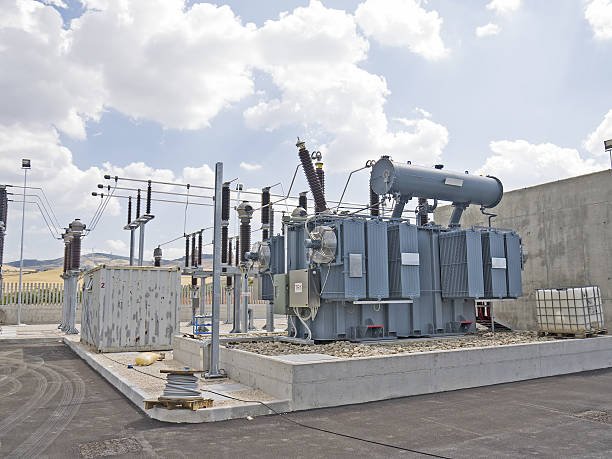
Transformer efficiency is a critical factor in modern power systems because it directly affects energy consumption, operating costs, and environmental impact. Different transformer types are designed for specific applications, and their efficiency depends on factors such as core material, cooling method, load conditions, and construction design. Understanding which transformer types offer the highest efficiency helps users select equipment that maximizes performance and minimizes losses.
What Determines Transformer Efficiency?
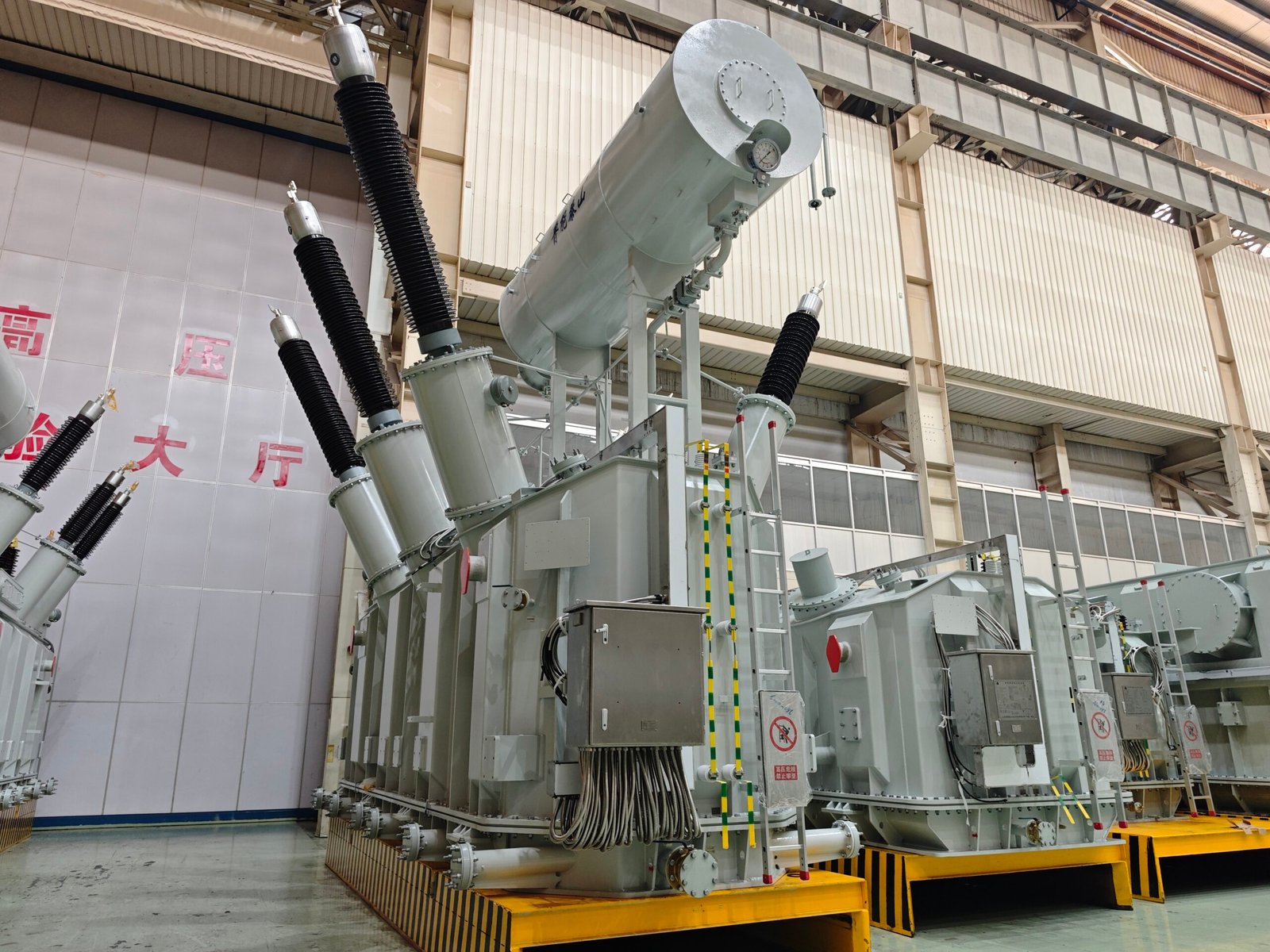
Transformer efficiency is one of the most strategically important parameters in modern electrical power engineering because transformers are among the few major electrical assets that operate continuously throughout their entire service life. A power transformer installed today may remain energized for 30 to 50 years, transferring electrical energy every second of every day. During this long operational lifespan, even extremely small efficiency differences can create massive cumulative impacts on energy consumption, operational cost, thermal aging, carbon emissions, system stability, and overall grid economics. For utilities operating hundreds or thousands of transformers, a fractional percentage improvement in efficiency may translate into millions of kilowatt-hours of annual energy savings and substantial reductions in lifecycle operating expenses.
In modern power systems, transformer efficiency is no longer viewed only as a technical characteristic. It has become an economic, environmental, and strategic infrastructure issue. Governments now impose minimum energy performance standards for transformers, utilities prioritize low-loss transformer procurement, and industrial facilities increasingly analyze transformer efficiency as part of broader sustainability and decarbonization initiatives. High-efficiency transformer design has therefore evolved into a highly advanced engineering discipline involving electromagnetic optimization, thermal-fluid dynamics, materials science, harmonic analysis, insulation engineering, and digital monitoring technologies.
Transformer efficiency is determined by the interaction of magnetic core performance, conductor resistance, load characteristics, thermal behavior, harmonic distortion, insulation quality, cooling effectiveness, manufacturing precision, and overall electromagnetic design optimization that together control the balance between delivered output power and total internal energy losses.
Although transformers are among the most efficient electrical machines ever developed, no transformer operates with perfect efficiency. Every transformer experiences unavoidable losses caused by magnetic hysteresis, eddy currents, conductor resistance, dielectric effects, leakage flux, mechanical vibration, and thermal dissipation. The primary objective of transformer engineering is therefore not to eliminate losses entirely—which is physically impossible—but to minimize them as much as economically and technically feasible.
Understanding transformer efficiency at a professional engineering level requires analyzing the multiple physical mechanisms responsible for power dissipation inside transformer systems.
Transformer efficiency mainly depends on transformer size and rated voltage.False
Transformer efficiency depends on a complex interaction of core material properties, winding resistance, thermal performance, harmonics, cooling systems, magnetic design, and operating conditions.
Fundamental Definition of Transformer Efficiency
Transformer efficiency represents the ratio of useful electrical power delivered to the load compared to the electrical power absorbed from the source.
losses can also be expressed as:
domains within the core material.
dy currents generate unwanted heating and energy dissipation.
resistance increases with heat.
voltages.
Voltage Regulation and Efficiency Relationship
Voltage regulation influences transformer operating conditions and power transfer quality.
Why Are Amorphous Core Transformers Considered Highly Efficient?
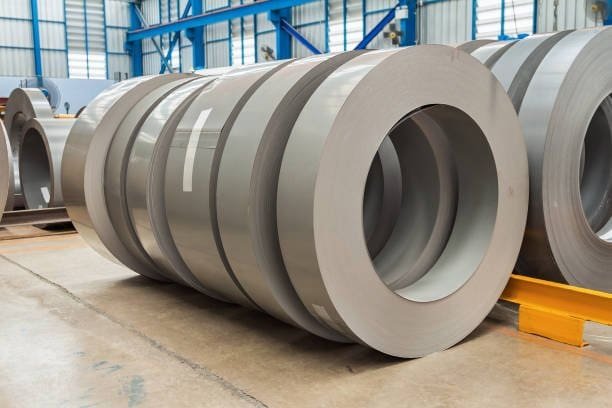
As global energy consumption continues to rise, electrical utilities and industrial facilities are under increasing pressure to reduce transmission and distribution losses across power networks. One of the largest sources of continuous energy waste in electrical systems comes from transformer no-load losses, also called core losses. Conventional transformers using grain-oriented silicon steel cores operate efficiently, but they still dissipate energy continuously whenever energized, regardless of load conditions. Since distribution transformers remain energized 24 hours a day for decades, even relatively small core losses accumulate into substantial energy waste over time. To address this challenge, transformer manufacturers developed amorphous core transformers, which use a fundamentally different magnetic material structure designed to dramatically reduce core losses and improve overall energy efficiency.
Amorphous core transformers are considered highly efficient because their amorphous metal cores significantly reduce hysteresis and eddy current losses compared to conventional silicon steel cores, resulting in much lower no-load losses, reduced operating temperature, improved energy conservation, and lower lifecycle operating costs.
Unlike traditional crystalline silicon steel, amorphous metal has a disordered atomic structure that minimizes magnetic resistance and energy dissipation during alternating magnetization cycles. This unique material property allows amorphous transformers to achieve exceptionally low core losses while maintaining stable long-term performance.
As energy efficiency regulations become stricter worldwide, amorphous core transformer technology has become increasingly important for utilities, renewable energy systems, smart grids, industrial facilities, and energy conservation programs.
Amorphous core transformers achieve higher efficiency mainly because they use larger copper windings.False
The primary efficiency advantage of amorphous core transformers comes from the extremely low magnetic core losses of amorphous metal materials rather than larger windings.
Understanding Transformer Core Losses
To understand why amorphous transformers are highly efficient, it is first necessary to understand how core losses occur inside conventional transformers.
Transformer core losses are generally divided into two major categories:
| Core Loss Type | Physical Cause |
|---|---|
| Hysteresis loss | Magnetic domain reversal |
| Eddy current loss | Induced circulating currents |
These losses occur continuously whenever the transformer is energized, even if no electrical load is connected.
The Role of Magnetic Core Materials in Efficiency
Transformer cores serve as magnetic pathways that transfer energy between primary and secondary windings through electromagnetic induction.
becomes smaller
As a result, hysteresis losses decrease significantly.
Extremely Low Hysteresis Losses
Hysteresis loss is one of the primary reasons amorphous transformers are highly efficient.
Reduction of Eddy Current Losses
Eddy current losses are another major contributor to transformer inefficiency.
How Do Oil-Immersed and Dry-Type Transformers Compare in Efficiency?
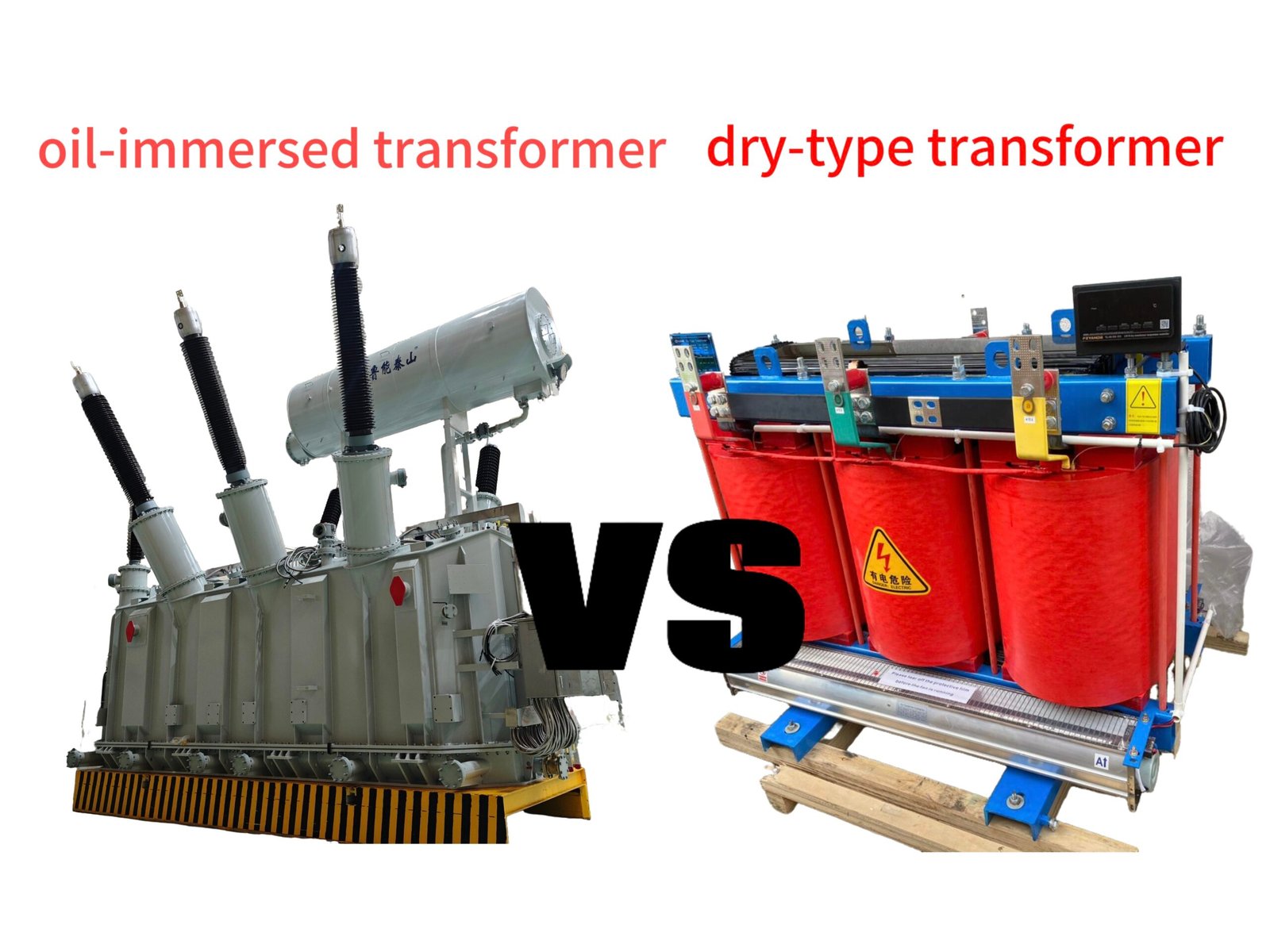
Transformer efficiency is one of the most critical considerations in modern electrical power systems because transformers operate continuously and directly influence energy consumption, operating costs, thermal stability, and infrastructure reliability. Among the many transformer technologies available today, oil-immersed transformers and dry-type transformers are the two dominant categories used across utility networks, industrial facilities, renewable energy systems, commercial buildings, and critical infrastructure projects. Although both transformer types perform the same fundamental function of transferring electrical energy through electromagnetic induction, their cooling methods, insulation systems, thermal behavior, and operational characteristics create important differences in efficiency performance.
In many engineering projects, selecting between oil-immersed and dry-type transformers requires balancing efficiency, safety, environmental impact, installation location, maintenance requirements, and lifecycle operating costs. While efficiency is often one of the most heavily analyzed factors, the answer is not always straightforward because transformer efficiency depends on multiple variables including load profile, cooling capability, operating temperature, harmonics, insulation system performance, and transformer design optimization.
Oil-immersed transformers are generally more efficient than dry-type transformers because transformer oil provides superior insulation and heat dissipation, allowing lower operating temperatures, reduced winding resistance, lower losses, and better overload performance. However, modern dry-type transformers can achieve very high efficiency levels in specific applications through advanced core materials, optimized winding design, and improved cooling technologies.
Understanding the efficiency differences between oil-immersed and dry-type transformers requires a detailed analysis of thermal management, electromagnetic performance, insulation behavior, cooling systems, material science, and long-term operational characteristics.
Dry-type transformers are always more efficient than oil-immersed transformers because they do not use insulating oil.False
Oil-immersed transformers are generally more efficient because transformer oil provides superior cooling and insulation, reducing thermal losses and improving electrical performance.
Fundamental Transformer Efficiency Principles
Transformer efficiency measures how effectively electrical energy is transferred from the primary winding to the secondary winding while minimizing internal losses.
factors affecting transformer efficiency.
by temperature.
What Role Do Core Materials and Winding Design Play?
Transformer performance depends heavily on two foundational engineering elements: the magnetic core and the electrical windings. Although transformers may appear externally simple, their efficiency, thermal stability, voltage regulation, overload capability, insulation reliability, harmonic tolerance, and operational lifespan are all strongly influenced by the materials used in the core and the design of the winding system. In modern power engineering, advancements in magnetic materials and winding optimization technologies have enabled transformers to achieve unprecedented levels of efficiency, reliability, compactness, and energy conservation.
As electrical grids become more complex and energy efficiency regulations become stricter, transformer manufacturers increasingly focus on reducing losses, improving thermal management, and optimizing electromagnetic performance. The selection of core materials and winding design has therefore become one of the most important engineering considerations in transformer manufacturing. A poorly designed core can generate excessive magnetic losses, while an inefficient winding structure may cause overheating, voltage instability, and increased operational costs. Conversely, advanced magnetic materials and optimized winding geometries can dramatically improve transformer efficiency and extend equipment lifespan.
Core materials determine how efficiently magnetic flux is transferred inside the transformer, directly affecting core losses and magnetic performance, while winding design controls electrical conductivity, current distribution, voltage transformation, thermal behavior, and load-handling capability. Together, they form the foundation of transformer efficiency, reliability, and overall operational performance.
Modern transformer engineering requires balancing magnetic optimization, conductor design, insulation coordination, thermal management, and manufacturing precision to achieve the desired electrical and mechanical performance characteristics.
Understanding the role of core materials and winding design requires analyzing electromagnetic theory, material science, thermal dynamics, harmonic behavior, and transformer loss mechanisms in considerable technical depth.
Transformer performance mainly depends on external cooling systems rather than core materials or winding design.False
Core materials and winding design are among the most important factors determining transformer efficiency, losses, thermal behavior, voltage regulation, and operational reliability.
The Core Function of Transformer Magnetic Circuits
The transformer core provides a low-reluctance magnetic pathway that allows magnetic flux generated by the primary winding to couple efficiently with the secondary winding.
This process consumes energy through magnetic friction.
and Core Lamination
Alternating magnetic flux induces circulating currents inside conductive core materials.
the magnetic field necessary for energy transfer.
through transformer conductors generates resistive heating.
conditions.
At higher frequencies, current tends to concentrate near conductor surfaces.
How Does Load Condition Affect Transformer Efficiency?
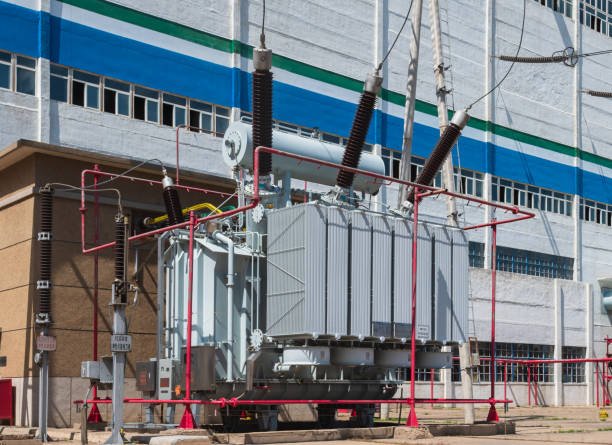
Transformer efficiency is not a fixed value that remains constant under all operating conditions. Instead, transformer efficiency changes continuously depending on load level, temperature, current flow, harmonic content, cooling effectiveness, and operating environment. Among all operational variables, load condition is one of the most influential factors because it directly determines the magnitude of current flowing through transformer windings and therefore strongly affects internal electrical losses, thermal behavior, and energy conversion performance. In practical power systems, transformers rarely operate continuously at rated capacity. Some transformers function under light-load conditions for extended periods, while others experience frequent load fluctuations, cyclic overloads, or rapidly changing industrial demand profiles. As a result, understanding how load conditions influence transformer efficiency is essential for transformer selection, system planning, energy optimization, and long-term operational reliability.
Transformer designers carefully optimize transformer performance based on expected load profiles because the balance between no-load losses and load-dependent losses changes significantly across different operating conditions. A transformer operating at extremely low load may suffer relatively poor efficiency due to constant core losses, while an overloaded transformer may experience excessive copper losses and thermal stress that reduce efficiency and accelerate insulation aging. The highest transformer efficiency is usually achieved at a specific intermediate load point where the major loss components are optimally balanced.
Load condition affects transformer efficiency by changing the relationship between constant core losses and variable load-dependent losses such as copper losses, stray losses, thermal losses, and harmonic-related heating. Transformer efficiency typically increases from no-load conditions to an optimal intermediate load level and then decreases again as overload conditions create excessive resistive and thermal losses.
The interaction between load current, magnetic behavior, conductor resistance, cooling performance, and thermal dynamics makes load condition one of the most critical variables in transformer operation.
Transformer efficiency remains nearly constant regardless of how heavily the transformer is loaded.False
Transformer efficiency changes significantly with load condition because copper losses increase with current while core losses remain relatively constant.
Understanding Transformer Efficiency Fundamentals
Transformer efficiency measures how effectively electrical power is transferred from the primary side to the secondary side.
and output power represents transformer losses.
dependent on load current.
Point
Transformer efficiency reaches its maximum value when:
temperature strongly affects efficiency.
factor also affects transformer loading characteristics.
Which Transformer Type Is Best for Different Applications?
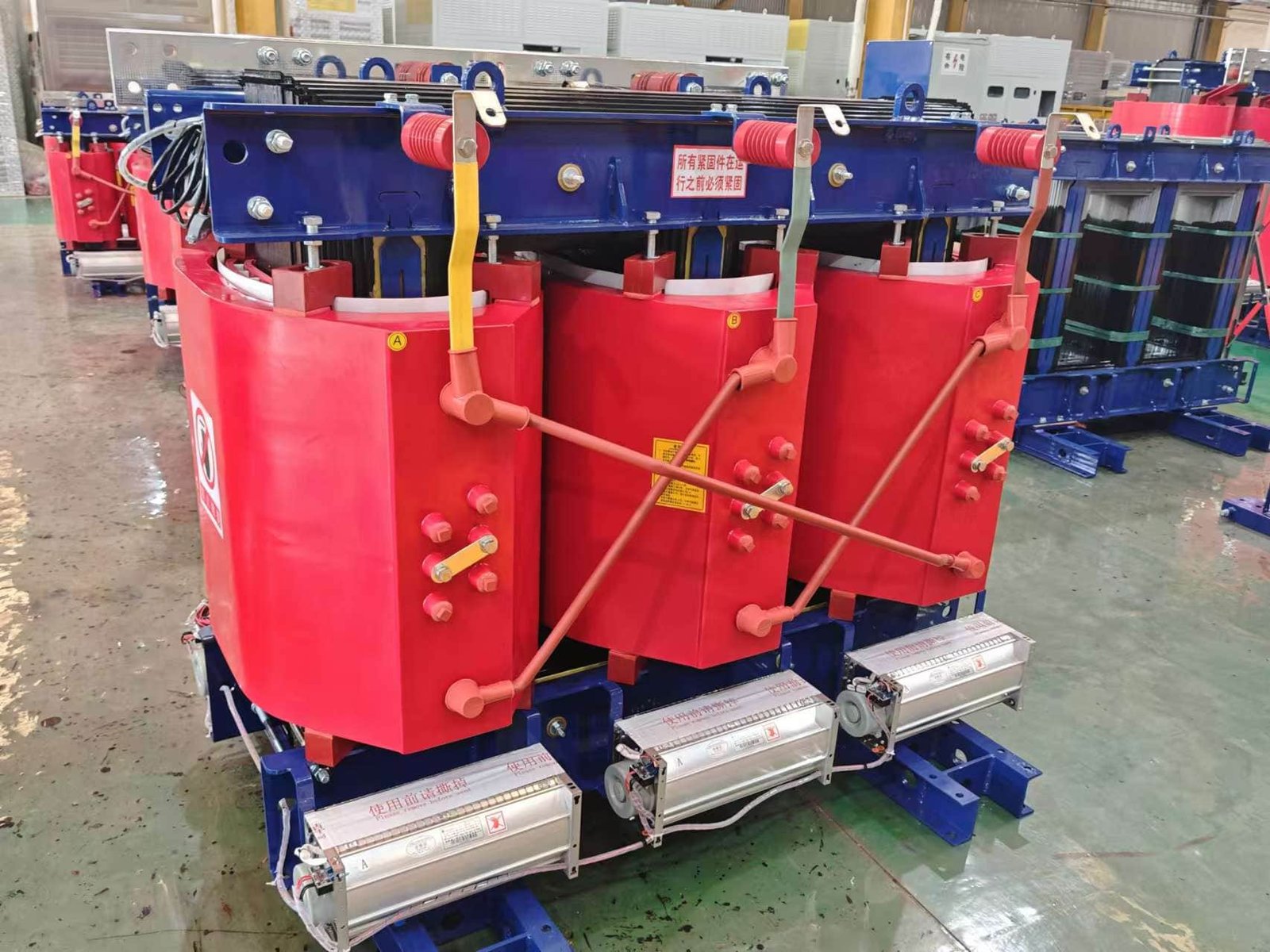
Selecting the correct transformer type is one of the most important decisions in electrical power system engineering because transformers directly influence system reliability, operational safety, energy efficiency, maintenance requirements, environmental protection, installation flexibility, and long-term economic performance. Modern electrical infrastructure includes a wide variety of transformer technologies designed for different operating environments, load conditions, voltage levels, thermal requirements, and regulatory standards. No single transformer type is universally superior for all applications. Instead, each transformer technology offers specific advantages and limitations that make it better suited for particular operating conditions and installation environments.
In practical engineering projects, transformer selection involves balancing multiple technical and economic factors including voltage rating, power capacity, efficiency, cooling method, insulation system, harmonic performance, fire safety, environmental impact, space limitations, maintenance accessibility, and lifecycle operating costs. A transformer that performs exceptionally well in a large outdoor utility substation may not be suitable for a hospital basement, offshore platform, renewable energy installation, underground transportation system, or hazardous industrial facility. Consequently, engineers must understand how different transformer types perform under various real-world operating conditions.
The best transformer type for a specific application depends on factors such as installation environment, voltage level, load profile, fire safety requirements, efficiency targets, maintenance capability, harmonic conditions, environmental regulations, cooling requirements, and operational reliability expectations. Oil-immersed transformers are generally preferred for high-capacity outdoor systems, while dry-type transformers are favored for indoor installations requiring enhanced fire safety and environmental protection.
Transformer technology has evolved substantially over recent decades, resulting in specialized transformer categories optimized for utility networks, industrial systems, renewable energy integration, commercial infrastructure, transportation systems, and smart grid applications.
Understanding which transformer type is best for different applications requires analyzing transformer technologies across multiple engineering dimensions.
One transformer type can provide the best performance for all industrial, commercial, and utility applications.False
Different transformer types are optimized for different applications based on cooling requirements, safety standards, installation conditions, environmental factors, efficiency goals, and operational demands.
Main Categories of Transformers Used in Modern Power Systems
Modern transformers can be classified into several major categories.
| Transformer Category | Primary Characteristic |
|---|---|
| Oil-immersed transformers | Liquid insulation and cooling |
| Dry-type transformers | Air-cooled solid insulation |
| Cast resin transformers | Encapsulated dry insulation |
| Distribution transformers | Medium-to-low voltage power distribution |
| Power transformers | High-capacity transmission systems |
| Amorphous core transformers | Ultra-low core losses |
| Isolation transformers | Electrical isolation and protection |
| Furnace transformers | Extreme industrial current applications |
Each transformer category serves different engineering purposes.
Oil-Immersed Transformers for Utility and Heavy Industrial Applications
Oil-immersed transformers remain the most widely used transformer type in large-scale power systems.
Why Oil-Immersed Transformers Are Widely Used
Oil-immersed transformers use insulating oil for both:
- Electrical insulation
- Thermal cooling
This provides major performance advantages.
| Oil-Immersed Transformer Advantage | Engineering Benefit |
|---|---|
| Excellent heat dissipation | Lower operating temperature |
| High dielectric strength | Compact high-voltage design |
| Strong overload capability | Better load flexibility |
| Efficient cooling | Higher power density |
Because of these advantages, oil-immersed transformers dominate high-capacity applications.
Best Applications for Oil-Immersed Transformers
| Application | Why Oil-Immersed Transformers Are Preferred |
|---|---|
| Utility substations | Excellent high-voltage performance |
| Transmission systems | Superior cooling capacity |
| Heavy industrial plants | Strong overload handling |
| Outdoor installations | Effective environmental durability |
| Large renewable energy stations | High efficiency under fluctuating loads |
Oil-immersed transformers are especially effective in outdoor and high-load environments.
Limitations of Oil-Immersed Transformers
Despite excellent efficiency, oil-immersed transformers also present challenges.
| Limitation | Engineering Concern |
|---|---|
| Fire risk | Flammable insulating oil |
| Oil leakage possibility | Environmental contamination |
| Maintenance requirements | Oil testing and filtration |
| Indoor installation restrictions | Safety regulations |
For indoor or sensitive environments, other transformer types may be preferable.
Dry-Type Transformers for Indoor and Safety-Critical Installations
Dry-type transformers use air and solid insulation systems instead of liquid insulation.
Key Advantages of Dry-Type Transformers
| Dry-Type Transformer Advantage | Operational Benefit |
|---|---|
| No flammable oil | Improved fire safety |
| Minimal leakage risk | Cleaner operation |
| Reduced environmental concerns | Indoor suitability |
| Lower routine maintenance | Simplified operation |
Dry-type transformers are often preferred where fire safety is critically important.
Best Applications for Dry-Type Transformers
| Application | Reason for Selection |
|---|---|
| Hospitals | Fire safety and indoor operation |
| Commercial buildings | Reduced environmental risk |
| Airports | Safe public installation |
| Underground transportation | No oil leakage risk |
| Data centers | Cleaner operation |
| High-rise buildings | Fire protection compliance |
Dry-type transformers are ideal for occupied indoor environments.
Cast Resin Transformers for Harsh Indoor Environments
Cast resin transformers are a specialized dry-type transformer technology using epoxy resin encapsulation.
Benefits of Cast Resin Design
| Cast Resin Advantage | Operational Impact |
|---|---|
| Moisture resistance | Improved reliability |
| Dust protection | Better industrial performance |
| Enhanced insulation strength | Stable electrical operation |
| Improved mechanical protection | Longer operational life |
Best Applications for Cast Resin Transformers
| Application | Benefit |
|---|---|
| Chemical plants | Corrosion resistance |
| Offshore platforms | Moisture tolerance |
| Mining operations | Dust protection |
| Marine systems | Harsh environment capability |
| Renewable energy systems | Environmental durability |
Cast resin transformers perform well in contaminated or humid environments.
Distribution Transformers for Power Delivery Networks
Distribution transformers reduce medium voltage to low utilization voltage.
Conclusion
Among conventional transformer technologies, amorphous core transformers are generally considered the most energy-efficient because they significantly reduce no-load (core) losses compared to traditional silicon steel designs. Oil-immersed transformers also tend to achieve higher overall efficiency than dry-type transformers in high-capacity applications due to superior cooling performance. However, the “most efficient” transformer ultimately depends on the specific application, load profile, operating environment, and lifecycle requirements. Proper transformer selection and operation are essential for achieving maximum efficiency and long-term energy savings.
FAQ
Q1: What is the most efficient type of transformer?
The most efficient transformers are typically amorphous core transformers and high-quality oil-immersed power transformers designed with low-loss materials and optimized cooling systems.
Modern transformers can achieve efficiencies above 98–99%, especially at medium and high power ratings. Efficiency depends on factors such as core material, winding design, load conditions, and cooling method.
Q2: Why are amorphous core transformers highly efficient?
Amorphous core transformers use a special metal alloy with a non-crystalline structure that significantly reduces core (no-load) losses.
Advantages include:
Lower hysteresis losses
Reduced energy waste
Improved efficiency under light-load conditions
Lower operating temperature
They are widely used in energy-efficient distribution systems.
Q3: Are oil-immersed transformers more efficient than dry-type transformers?
In general, oil-immersed transformers are more efficient, especially for high-capacity applications, because oil provides superior cooling and heat dissipation.
Benefits include:
Lower operating temperature
Reduced winding resistance losses
Better overload capability
Dry-type transformers are efficient for indoor and safety-sensitive applications but may have slightly higher losses under heavy loads.
Q4: What factors determine transformer efficiency?
Transformer efficiency depends on:
Core material quality
Copper or aluminum winding resistance
Cooling effectiveness
Load level and operating conditions
Harmonic distortion in the system
Efficient transformer design minimizes both no-load and load losses.
Q5: How is transformer efficiency calculated?
Transformer efficiency is calculated as:
Efficiency=Input Power Output Power ×100%
High-efficiency transformers minimize energy losses caused by:
Core losses
Copper losses
Stray and dielectric losses
Efficiency is usually highest near the transformer’s optimal load level.
Q6: Which transformer is best for energy-saving applications?
For energy-saving applications, the best options are:
Amorphous core transformers for low no-load losses
Eco-design transformers compliant with high-efficiency standards
K-rated transformers where harmonics are significant
The ideal choice depends on load profile and application environment.
Q7: Can transformer efficiency decrease over time?
Yes. Efficiency may decrease due to:
Insulation aging
Increased winding resistance
Oil degradation
Poor maintenance
Harmonic-related heating
Regular maintenance and condition monitoring help maintain high efficiency throughout the transformer lifecycle.
Q8: Why is transformer efficiency important in power systems?
High-efficiency transformers are important because they:
Reduce energy losses
Lower operating costs
Minimize greenhouse gas emissions
Improve grid reliability and sustainability
Even small efficiency improvements can result in significant long-term energy savings across large power systems.
References
IEC 60076 – Power Transformers
https://webstore.iec.ch/publication/602
DOE Energy Efficiency Standards for Transformers
https://www.energy.gov
IEEE C57 Series – Transformer Efficiency Standards
https://standards.ieee.org
Electrical Engineering Portal – Transformer Efficiency Explained
https://electrical-engineering-portal.com
CIGRE – Transformer Loss Reduction Studies
https://www.cigre.org
NEMA – Premium Efficiency Transformer Standards
https://www.nema.org