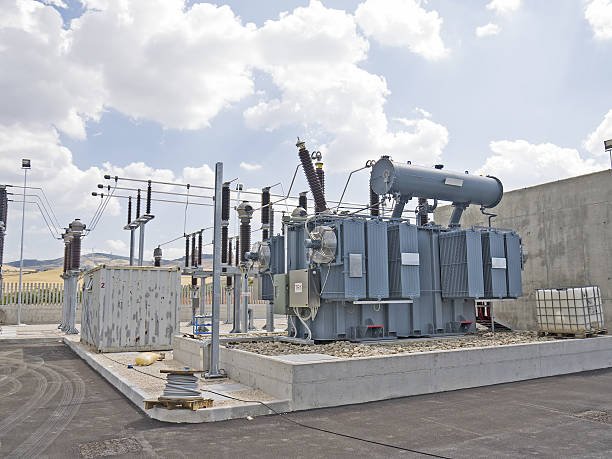
Oil-filled transformers, also known as oil-immersed transformers, are widely used in power systems because of their excellent cooling capability, high insulation strength, and ability to handle large electrical loads. They are particularly suitable for demanding applications where efficiency, reliability, and high capacity are required. Understanding when to use an oil-filled transformer helps ensure optimal system performance and long-term operational stability.
What Is an Oil-Filled Transformer?
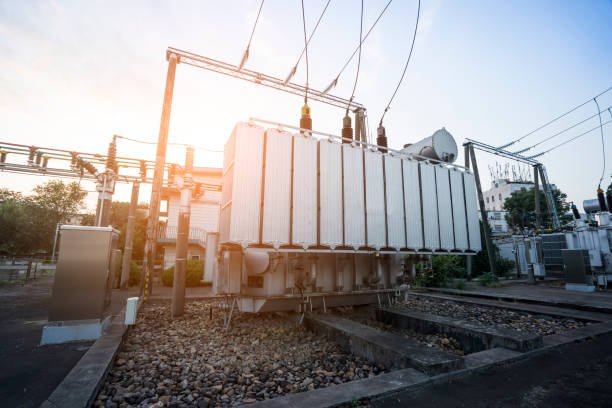
Electric power systems cannot operate efficiently without transformers because transformers enable voltage conversion for safe transmission, distribution, and utilization of electrical energy. Among the many transformer technologies used worldwide, oil-filled transformers are the most common and widely deployed type in utility grids, industrial facilities, renewable energy systems, transmission substations, mining operations, manufacturing plants, and large infrastructure projects. Their popularity comes from their ability to handle high voltages, large electrical loads, and long-term continuous operation while maintaining excellent efficiency, thermal stability, and operational reliability.
Transformers naturally generate heat during operation due to magnetic losses inside the core and resistive losses inside the windings. If this heat is not controlled effectively, transformer temperatures can rise to dangerous levels, causing insulation breakdown, accelerated aging, reduced efficiency, thermal stress, and eventually catastrophic equipment failure. Oil-filled transformers solve this engineering challenge by using specially formulated insulating oil that simultaneously acts as an electrical insulation medium and a highly efficient cooling fluid. This combination allows oil-filled transformers to operate safely and efficiently under demanding electrical conditions for decades.
An oil-filled transformer is a transformer that uses insulating oil inside a sealed steel tank to provide electrical insulation, remove internally generated heat, suppress electrical arcing, protect internal components, improve thermal performance, and ensure stable long-term operation in electrical power systems.
Oil-filled transformers are especially important in medium-voltage and high-voltage systems because oil provides much stronger dielectric insulation and superior thermal conductivity compared to air-based insulation systems. These advantages make oil-filled transformers highly efficient, compact, durable, and capable of carrying heavy electrical loads continuously.
Understanding how oil-filled transformers work requires examining their internal structure, electromagnetic operation, insulation systems, thermal management methods, protection devices, efficiency characteristics, maintenance requirements, and practical applications in modern power engineering.
Oil inside an oil-filled transformer mainly serves as a lubricant for mechanical movement.False
Transformer oil primarily functions as an electrical insulator and cooling medium rather than as a lubricant because transformers contain very few moving mechanical components.
Basic Working Principle of an Oil-Filled Transformer
Oil-filled transformers operate according to the principle of electromagnetic induction discovered by Michael Faraday.
When alternating current flows through the primary winding, it creates a changing magnetic field inside the transformer core. This changing magnetic flux induces voltage in the secondary winding.
ysteresis losses result from repeated magnetic domain realignment.
Alternating magnetic fields induce circulating currents inside the core.
Why Are Oil-Filled Transformers Preferred for High-Capacity Applications?
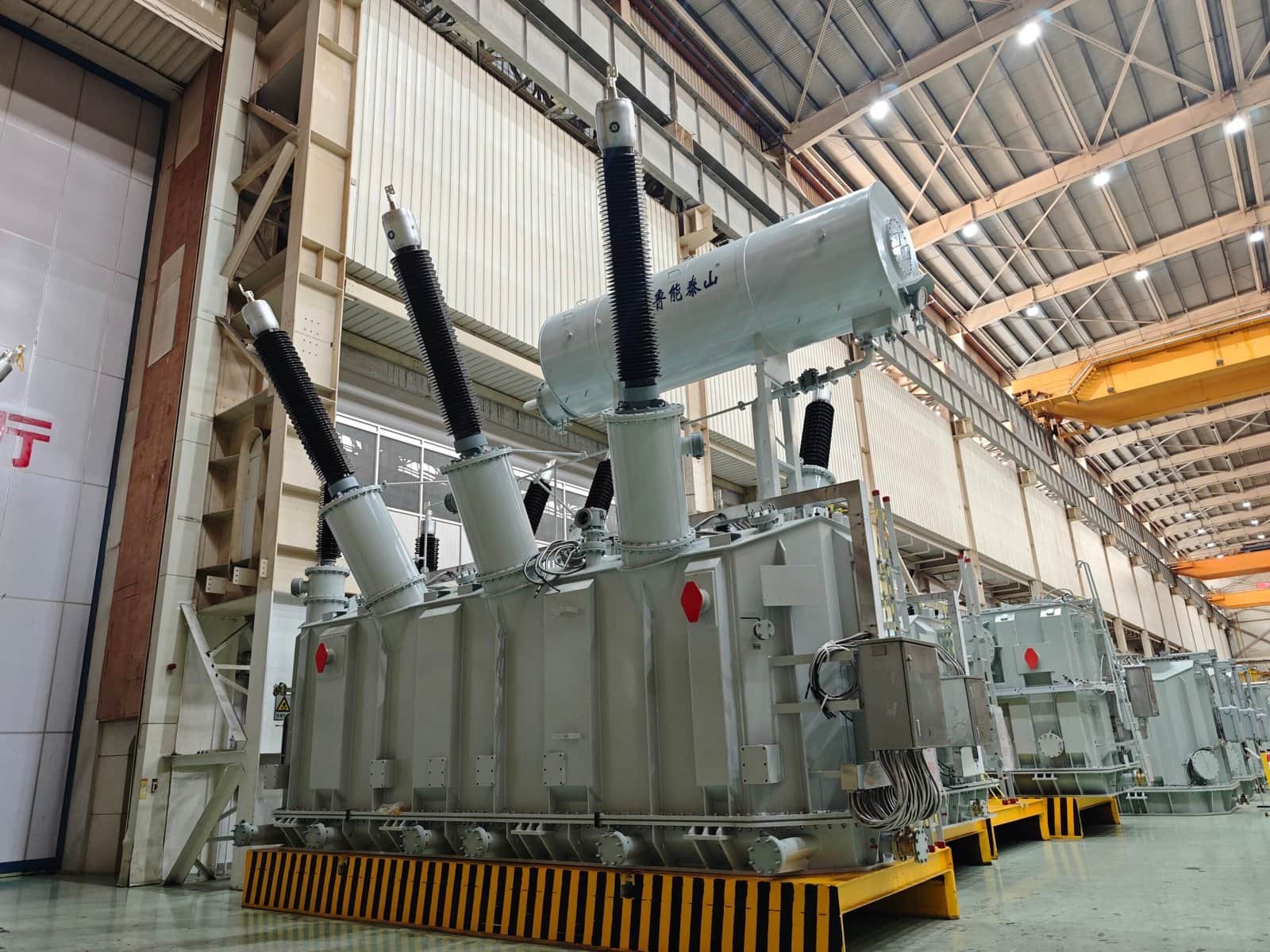
Modern power systems require transformers capable of handling enormous electrical loads reliably, efficiently, and continuously under demanding operational conditions. Utility transmission networks, industrial manufacturing facilities, mining operations, renewable energy stations, transportation infrastructure, and large metropolitan substations all depend on transformers that can operate safely at high voltages and high power capacities for decades. In these demanding environments, oil-filled transformers have become the dominant solution because they offer superior thermal performance, excellent dielectric insulation, strong overload capability, long operational lifespan, and exceptional reliability under heavy electrical stress.
As transformer capacity increases, the engineering challenges associated with heat dissipation, insulation coordination, electromagnetic forces, voltage stress, and operational stability become dramatically more complex. Large transformers generate substantial heat from copper losses, core losses, stray flux losses, and harmonic effects. If this heat is not removed efficiently, winding temperatures rise rapidly, insulation deteriorates, efficiency declines, and catastrophic failures may occur. Oil-filled transformers solve these problems by using insulating oil that simultaneously performs cooling and electrical insulation functions. This dual-function system enables compact designs, stable thermal management, high dielectric strength, and superior operational reliability in high-capacity applications.
Oil-filled transformers are preferred for high-capacity applications because transformer oil provides superior heat dissipation, excellent dielectric insulation, higher overload capability, improved thermal stability, compact high-voltage insulation design, enhanced efficiency, and longer operational lifespan compared to air-insulated transformer technologies.
These advantages make oil-filled transformers the preferred technology for utility-scale transmission systems, industrial power networks, renewable energy infrastructure, and heavy-load electrical applications worldwide.
Understanding why oil-filled transformers dominate high-capacity applications requires analyzing thermal dynamics, insulation performance, cooling efficiency, electrical stress management, overload handling, economic considerations, operational reliability, and lifecycle engineering factors in depth.
Dry-type transformers are generally better than oil-filled transformers for very high-capacity power transmission systems.False
Oil-filled transformers are generally preferred for high-capacity systems because oil provides superior cooling and dielectric insulation performance under heavy electrical loads and high voltages.
The Importance of Thermal Management in High-Capacity Transformers
One of the biggest engineering challenges in large transformers is heat generation.
Transformers continuously generate heat due to internal losses.
| Loss Type | Heat Source |
|---|---|
| Copper losses | Winding resistance |
| Core losses | Hysteresis and eddy currents |
| Stray losses | Leakage magnetic flux |
| Harmonic losses | Distorted currents |
As transformer capacity increases, total heat generation rises substantially.
Why Heat Is Dangerous in Large Transformers
Excessive temperature rise can severely damage transformer components.
| Thermal Problem | Consequence |
|---|---|
| Insulation aging | Reduced lifespan |
| Winding overheating | Electrical failure |
| Oil degradation | Reduced dielectric strength |
| Thermal expansion stress | Mechanical deformation |
| Increased resistance | Higher losses |
Thermal control therefore becomes critical in high-capacity transformers.
Superior Cooling Capability of Transformer Oil
Oil-filled transformers excel because oil is an excellent heat transfer medium.
How Transformer Oil Removes Heat
The transformer cooling cycle operates continuously:
- Windings and core generate heat
- Oil absorbs thermal energy
- Heated oil rises upward naturally
- Radiators dissipate heat externally
- Cooled oil circulates back downward
This continuous circulation stabilizes internal temperatures efficiently.
Oil Cooling vs Air Cooling
| Cooling Characteristic | Oil-Filled Transformer | Dry-Type Transformer |
|---|---|---|
| Thermal conductivity | High | Lower |
| Heat capacity | Excellent | Limited |
| Cooling efficiency | Superior | Moderate |
| High-load capability | Excellent | More restricted |
Oil cooling allows large transformers to handle much greater power densities.
Dielectric Strength Advantages
Transformer oil provides extremely strong electrical insulation.
Why Dielectric Strength Matters
High-capacity transformers operate at extremely high voltages.
| Voltage Level | Typical Application |
|---|---|
| 33 kV | Distribution substations |
| 132 kV | Transmission systems |
| 400 kV+ | Ultra-high-voltage grids |
As voltage increases, insulation requirements become far more demanding.
Oil Provides Superior Insulation
Transformer oil fills microscopic air gaps around energized components.
| Oil Insulation Advantage | Operational Benefit |
|---|---|
| High dielectric strength | Reduced flashover risk |
| Arc suppression | Improved safety |
| Uniform insulation distribution | Better voltage stress control |
| Reduced partial discharge | Longer insulation lifespan |
These properties make oil ideal for very high-voltage transformers.
Compact Design Benefits
Superior oil insulation allows compact transformer construction.
Why Compactness Matters
| Compact Design Advantage | Benefit |
|---|---|
| Reduced conductor spacing | Smaller transformer size |
| Lower material usage | Reduced manufacturing cost |
| Improved magnetic coupling | Better efficiency |
| Easier transportation | Simplified installation |
Dry-type transformers generally require larger insulation clearances.
Higher Overload Capability
High-capacity power systems often experience temporary overload conditions.
Oil-filled transformers handle overloads better because:
| Oil-Filled Advantage | Result |
|---|---|
| Better thermal inertia | Slower temperature rise |
| Efficient heat removal | Stable winding temperature |
| Uniform cooling | Reduced hot spots |
This improves operational flexibility during peak demand periods.
Thermal Inertia and Heat Capacity
Transformer oil stores thermal energy efficiently.
Why Thermal Inertia Is Important
| Thermal Property | Operational Benefit |
|---|---|
| Slow temperature fluctuation | Reduced thermal stress |
| Stable operating temperature | Improved insulation life |
| Better transient load handling | Enhanced reliability |
Dry-type transformers generally experience faster temperature rise under overload.
High Efficiency Under Heavy Load
Oil-filled transformers maintain excellent efficiency even under heavy load conditions.
Copper Loss Control
depends on temperature.
When Are Oil-Filled Transformers More Suitable Than Dry-Type Transformers?
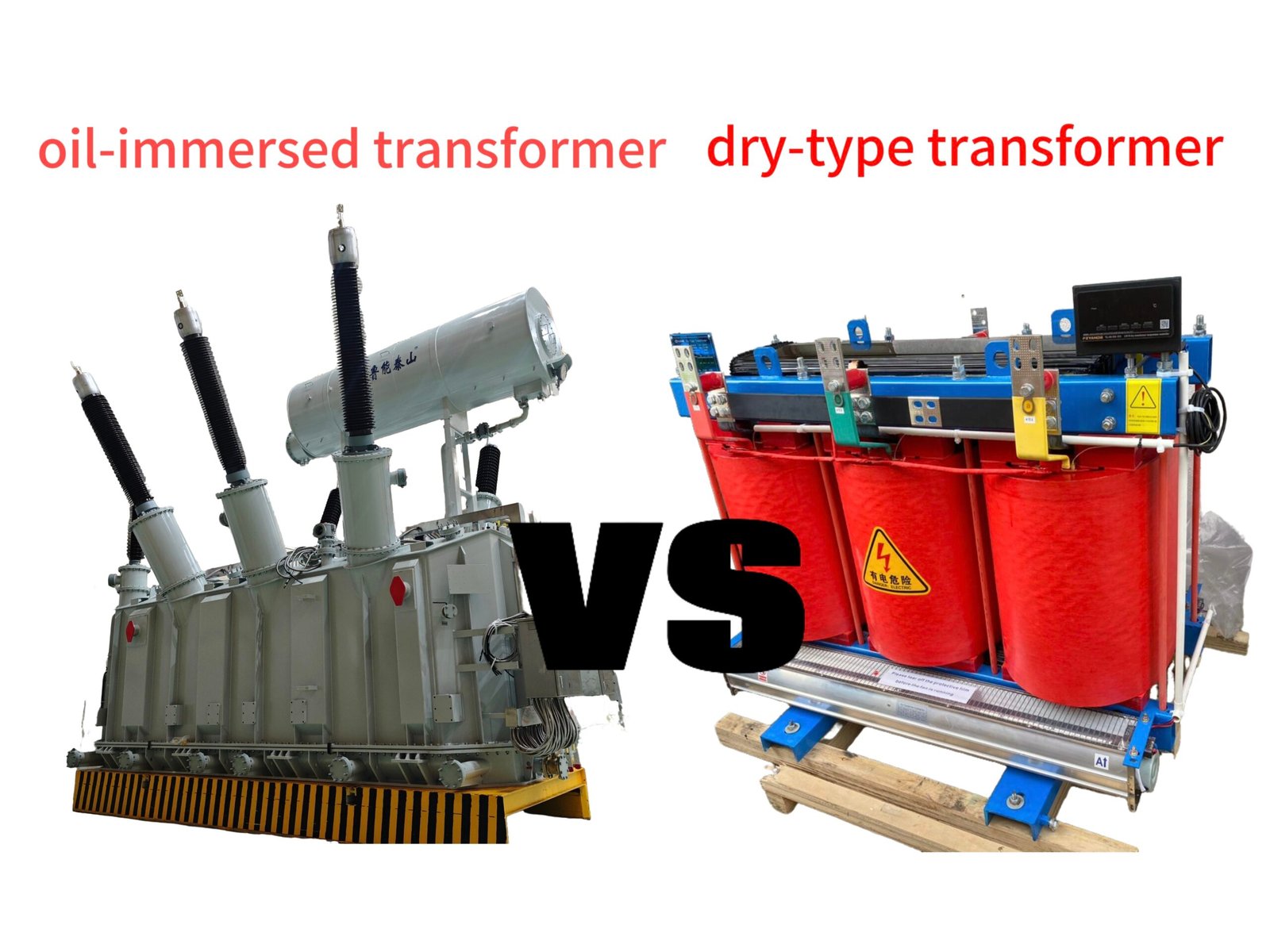
Choosing between oil-filled transformers and dry-type transformers is one of the most important engineering decisions in electrical power system design because transformer type directly affects efficiency, cooling performance, operational reliability, fire safety, environmental protection, maintenance requirements, installation flexibility, and long-term operating costs. Although both transformer technologies perform the same fundamental function of voltage transformation through electromagnetic induction, their cooling systems, insulation methods, thermal behavior, and application suitability differ significantly. As a result, one transformer type may perform exceptionally well in certain operating environments while being less suitable in others.
Oil-filled transformers and dry-type transformers each offer unique advantages and limitations. Dry-type transformers are widely favored for indoor installations requiring high fire safety and low environmental risk, while oil-filled transformers are generally preferred for high-capacity, outdoor, utility-scale, and heavy industrial applications because of their superior cooling capability, stronger dielectric insulation, better overload handling, and higher efficiency under demanding load conditions. In practical engineering projects, the decision depends on balancing technical performance requirements with environmental conditions, safety regulations, maintenance capabilities, and economic considerations.
Oil-filled transformers are more suitable than dry-type transformers in high-capacity, high-voltage, outdoor, heavy-load, utility-scale, and thermally demanding applications where superior cooling performance, higher dielectric strength, stronger overload capability, compact design, and maximum operational efficiency are required.
Understanding when oil-filled transformers are preferable requires detailed analysis of thermal performance, voltage capability, environmental conditions, maintenance strategy, lifecycle economics, installation constraints, and long-term operational reliability.
Dry-type transformers are always better than oil-filled transformers in every industrial and utility application.False
Oil-filled transformers are generally superior for high-capacity, high-voltage, and thermally demanding applications because they provide better cooling, stronger dielectric insulation, and improved overload capability.
Fundamental Differences Between Oil-Filled and Dry-Type Transformers
The main difference between these transformer types is the insulation and cooling system.
| Transformer Type | Primary Cooling and Insulation Method |
|---|---|
| Oil-filled transformer | Insulating oil |
| Dry-type transformer | Air and solid insulation |
This difference influences nearly every aspect of transformer performance.
Why Cooling Performance Matters
Transformers generate heat continuously during operation.
| Heat Source | Cause |
|---|---|
| Copper losses | Winding resistance |
| Core losses | Magnetic hysteresis and eddy currents |
| Stray losses | Leakage magnetic flux |
| Harmonic losses | Distorted current flow |
If this heat is not removed effectively, transformer temperature rises rapidly.
Superior Cooling Capability of Oil-Filled Transformers
Transformer oil is an excellent thermal transfer medium.
How Oil Cooling Works
The cooling process follows these steps:
- Core and windings generate heat
- Oil absorbs thermal energy
- Heated oil rises upward
- Radiators release heat externally
- Cooled oil returns downward
This continuous circulation stabilizes operating temperature efficiently.
Oil Cooling vs Air Cooling
| Cooling Characteristic | Oil-Filled Transformer | Dry-Type Transformer |
|---|---|---|
| Thermal conductivity | Higher | Lower |
| Heat transfer efficiency | Excellent | Moderate |
| Cooling capacity | Superior | Limited |
| High-load performance | Better | More restricted |
This is one of the main reasons oil-filled transformers dominate high-capacity systems.
High-Capacity Applications Favor Oil-Filled Transformers
As transformer size increases, thermal management becomes increasingly important.
Why Large Transformers Need Oil Cooling
| High-Capacity Challenge | Oil-Filled Advantage |
|---|---|
| Large heat generation | Efficient heat removal |
| Heavy current flow | Better temperature control |
| Long-duration operation | Stable thermal performance |
| Overload conditions | Improved thermal inertia |
Dry-type transformers become increasingly difficult to cool at extremely large capacities.
High-Voltage Applications Prefer Oil-Filled Transformers
Transformer oil provides very high dielectric strength.
Importance of Dielectric Insulation
High-voltage systems require strong insulation to prevent electrical breakdown.
| Voltage Range | Common Transformer Choice |
|---|---|
| Low voltage | Dry-type or oil-filled |
| Medium voltage | Both types possible |
| High voltage | Usually oil-filled |
| Ultra-high voltage | Primarily oil-filled |
Oil insulation allows compact high-voltage transformer construction.
Compact Design Advantages
Because oil has excellent dielectric properties, oil-filled transformers require smaller insulation clearances.
| Compact Design Benefit | Engineering Advantage |
|---|---|
| Smaller conductor spacing | Reduced transformer size |
| Compact winding layout | Improved efficiency |
| Lower material requirement | Reduced manufacturing cost |
| Better magnetic coupling | Improved performance |
Dry-type transformers generally require larger air insulation gaps.
Outdoor Installations Favor Oil-Filled Transformers
Oil-filled transformers are highly suitable for outdoor environments.
Why Outdoor Applications Prefer Oil-Filled Designs
| Outdoor Requirement | Oil-Filled Benefit |
|---|---|
| Weather resistance | Sealed tank protection |
| Thermal stability | Efficient cooling |
| Heavy-load operation | Strong overload capability |
| Long-distance transmission | High-voltage suitability |
Most utility substations use oil-filled transformers for these reasons.
Utility Transmission Systems
Large transmission systems rely heavily on oil-filled transformers.
Why Utilities Prefer Oil-Filled Transformers
| Utility Requirement | Oil-Filled Advantage |
|---|---|
| Continuous operation | Excellent reliability |
| High power transfer | Superior thermal management |
| Grid stability | Strong overload capability |
| Long service life | Reduced infrastructure replacement |
Oil-filled transformers are therefore dominant in utility substations worldwide.
Heavy Industrial Applications
Heavy industrial systems often require transformers capable of handling severe electrical loads.
Industries That Prefer Oil-Filled Transformers
| Industry | Reason |
|---|---|
| Steel manufacturing | High-current operation |
| Mining | Large motor loads |
| Petrochemical plants | Heavy continuous demand |
| Cement production | Extreme industrial loads |
Oil-filled transformers handle these conditions more effectively than dry-type designs.
Better Overload Capability
Temporary overloads are common in industrial and utility systems.
Why Oil-Filled Transformers Handle Overloads Better
| Oil-Filled Advantage | Result |
|---|---|
| Higher thermal mass | Slower temperature rise |
| Better heat dissipation | Stable operation |
| Uniform cooling | Reduced hot spots |
Dry-type transformers generally heat more rapidly under overload conditions.
Thermal Inertia Advantages
Transformer oil stores heat effectively.
Importance of Thermal Inertia
| Thermal Property | Operational Benefit |
|---|---|
| Slower temperature fluctuation | Reduced thermal stress |
| Improved transient handling | Better reliability |
| Stable winding temperature | Longer insulation life |
This is especially important during fluctuating industrial loads.
Higher Efficiency Under Heavy Load
Oil-filled transformers often achieve higher efficiency at large capacities.
What Environmental and Installation Conditions Favor Oil-Filled Transformers?
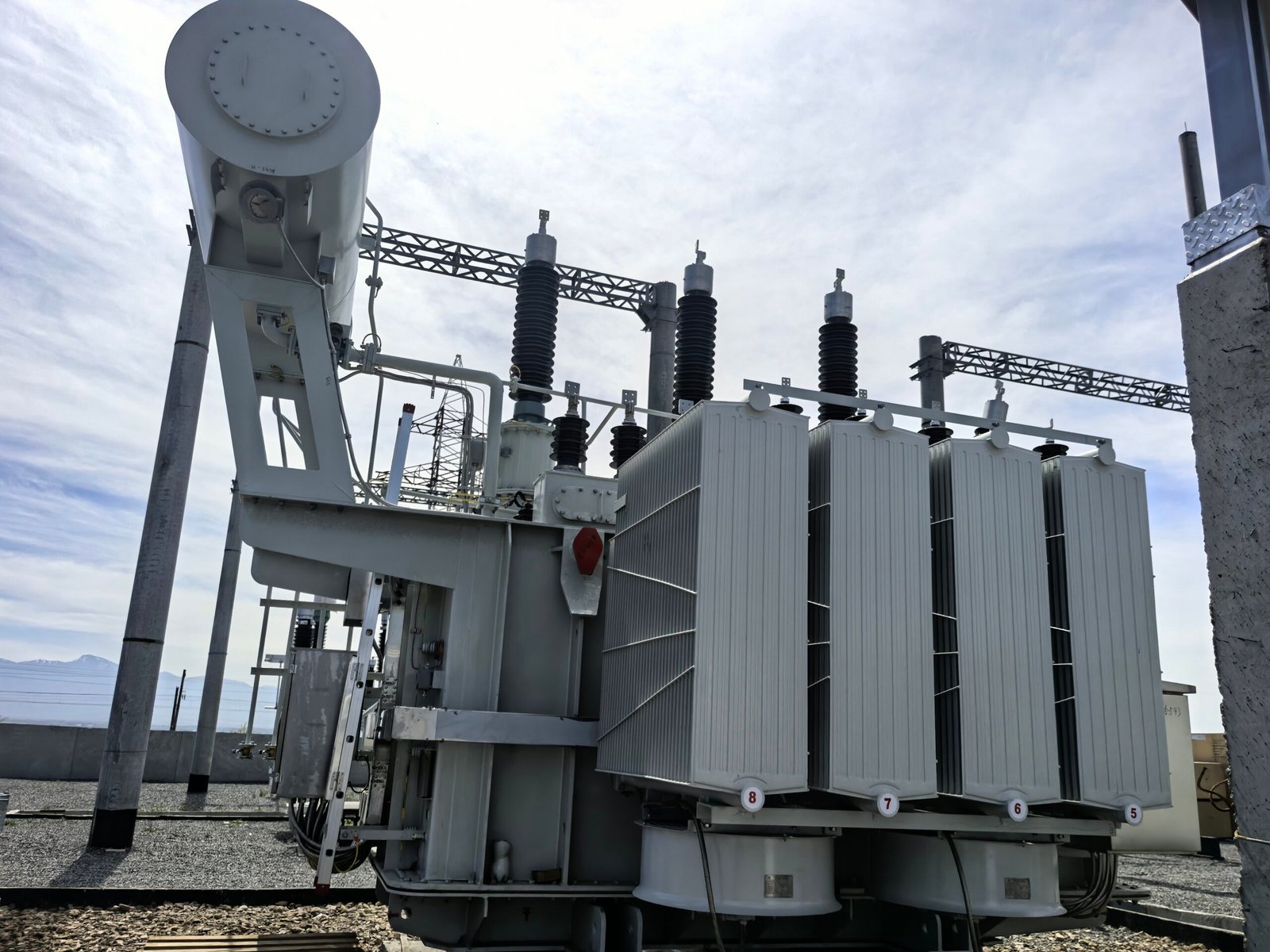
Selecting the correct transformer type requires careful evaluation of environmental conditions, installation constraints, thermal requirements, electrical load characteristics, maintenance accessibility, safety regulations, and long-term operational expectations. Among all transformer technologies, oil-filled transformers are particularly well suited for demanding outdoor, high-capacity, and high-voltage applications because they combine superior cooling performance, excellent dielectric insulation, strong overload capability, environmental durability, and long operational lifespan. Although dry-type transformers are often preferred for indoor locations with strict fire safety requirements, oil-filled transformers remain the dominant technology in utility substations, transmission systems, industrial facilities, renewable energy stations, and large infrastructure projects where environmental and operating conditions require maximum thermal and electrical performance.
Environmental conditions directly influence transformer reliability, efficiency, insulation aging, cooling effectiveness, corrosion behavior, and maintenance requirements. High ambient temperature, fluctuating load conditions, outdoor exposure, heavy industrial pollution, humidity, dust contamination, and long-duration continuous operation can place severe stress on transformer systems. Oil-filled transformers are designed specifically to withstand many of these challenges by using sealed tank construction and insulating oil that simultaneously provides thermal cooling and dielectric insulation. These characteristics make oil-filled transformers highly effective in harsh and demanding environments.
Oil-filled transformers are most suitable in outdoor, high-capacity, high-voltage, thermally demanding, industrial, utility-scale, and environmentally challenging installations where superior cooling performance, strong dielectric insulation, environmental durability, and long-term operational reliability are required.
Understanding the environmental and installation conditions that favor oil-filled transformers requires analyzing thermal behavior, climate effects, pollution exposure, voltage stress, installation space, cooling requirements, infrastructure scale, and operational demands in detail.
Oil-filled transformers are mainly intended for small indoor applications with limited cooling requirements.False
Oil-filled transformers are primarily favored for large outdoor, high-capacity, and thermally demanding applications because oil provides superior cooling and electrical insulation performance.
Why Environmental Conditions Matter in Transformer Selection
Transformer operating conditions directly influence:
| Operational Factor | Impact |
|---|---|
| Temperature | Insulation aging |
| Humidity | Dielectric reliability |
| Dust and pollution | Cooling efficiency |
| Altitude | Heat dissipation |
| Load variation | Thermal stress |
Proper transformer selection ensures stable operation under these environmental conditions.
Outdoor Installations Strongly Favor Oil-Filled Transformers
Oil-filled transformers are especially well suited for outdoor installations.
Why Outdoor Systems Favor Oil-Filled Designs
| Outdoor Requirement | Oil-Filled Advantage |
|---|---|
| Weather resistance | Sealed tank protection |
| High thermal demand | Excellent cooling |
| High-voltage insulation | Superior dielectric strength |
| Long-term durability | Strong environmental resistance |
This is why most utility substations use oil-filled transformers.
Utility Transmission Substations
Transmission substations are one of the most common environments for oil-filled transformers.
Environmental Conditions in Utility Substations
| Condition | Requirement |
|---|---|
| Continuous operation | Thermal stability |
| High voltage | Strong insulation |
| Outdoor weather exposure | Environmental durability |
| Heavy electrical loading | Efficient cooling |
Oil-filled transformers are optimized for these conditions.
High Ambient Temperature Environments
Hot climates create major thermal challenges for transformers.
Why Oil Cooling Helps in High Temperatures
| Cooling Characteristic | Oil-Filled Benefit |
|---|---|
| High thermal conductivity | Better heat removal |
| Large thermal capacity | Stable temperature |
| Efficient circulation | Reduced hot spots |
Oil-filled transformers perform especially well in high-temperature regions.
Industrial Environments Favor Oil-Filled Transformers
Heavy industrial facilities often impose severe operating conditions.
Typical Industrial Challenges
| Industrial Condition | Transformer Stress |
|---|---|
| Heavy continuous load | High heat generation |
| Harmonic distortion | Additional losses |
| Dust and contamination | Cooling obstruction |
| Frequent overloads | Thermal stress |
Oil-filled transformers handle these conditions effectively.
Heavy Manufacturing Facilities
Industries such as steel, mining, cement, and petrochemicals often use oil-filled transformers.
| Industry | Reason Oil-Filled Transformers Are Preferred |
|---|---|
| Steel plants | High current loads |
| Mining operations | Large motor demand |
| Petrochemical plants | Continuous heavy operation |
| Cement factories | Severe thermal loading |
These industries require maximum thermal reliability.
High-Voltage Installations Favor Oil-Filled Transformers
Oil provides excellent dielectric insulation.
Why Dielectric Strength Is Important
High-voltage systems create intense electrical stress.
| Voltage Category | Typical Transformer Type |
|---|---|
| Low voltage | Dry-type or oil-filled |
| Medium voltage | Both types |
| High voltage | Usually oil-filled |
| Ultra-high voltage | Primarily oil-filled |
Oil insulation allows compact and reliable high-voltage operation.
Superior Dielectric Performance
Transformer oil fills internal air gaps around energized components.
| Oil Insulation Benefit | Operational Advantage |
|---|---|
| High dielectric strength | Reduced breakdown risk |
| Arc suppression | Improved safety |
| Uniform electric field distribution | Longer insulation life |
These characteristics are critical in large power systems.
High-Capacity Installations Favor Oil-Filled Transformers
Large transformers generate enormous amounts of heat.
Why High Capacity Requires Oil Cooling
| High-Capacity Challenge | Oil-Filled Solution |
|---|---|
| Large copper losses | Efficient heat transfer |
| Core heating | Stable cooling |
| Overload stress | Better thermal inertia |
| Continuous operation | Long-term temperature stability |
Dry-type transformers become increasingly difficult to cool at extremely high capacities.
Renewable Energy Installations
Large renewable energy systems frequently use oil-filled transformers.
Solar Farms
| Environmental Condition | Oil-Filled Advantage |
|---|---|
| Outdoor installation | Weather resistance |
| Variable load cycles | Thermal stability |
| Utility interconnection | High-voltage capability |
Wind Power Installations
| Environmental Challenge | Oil-Filled Advantage |
|---|---|
| Harsh climate exposure | Sealed construction |
| Fluctuating generation | Overload capability |
| High power transfer | Superior cooling |
Oil-filled transformers are widely used in renewable energy substations.
Long-Distance Transmission Networks
High-voltage transmission systems require exceptional reliability.
Why Transmission Networks Favor Oil-Filled Transformers
| Transmission Requirement | Oil-Filled Benefit |
|---|---|
| Ultra-high voltage insulation | Excellent dielectric strength |
| Continuous operation | Thermal reliability |
| Heavy load transfer | Efficient cooling |
These systems operate continuously for decades.
Areas with Significant Load Variation
Load fluctuations create thermal cycling stress.
Oil-Filled Transformers Handle Thermal Cycling Better
| Thermal Characteristic | Operational Benefit |
|---|---|
| High thermal inertia | Slower temperature variation |
| Stable cooling performance | Reduced thermal fatigue |
| Better overload tolerance | Improved reliability |
This makes oil-filled transformers ideal for fluctuating industrial and utility loads.
Dusty and Polluted Environments
Severe environmental contamination can damage electrical equipment.
Advantages of Sealed Oil-Filled Construction
| Environmental Condition | Oil-Filled Advantage |
|---|---|
| Dust exposure | Sealed internal insulation |
| Industrial pollution | Reduced contamination risk |
| Chemical exposure | Better environmental isolation |
Dry-type transformers may require more cleaning in dusty environments.
High Humidity and Moisture Exposure
Moisture severely affects electrical insulation systems.
Oil-Filled Transformer Moisture Protection
| Moisture Protection Feature | Benefit |
|---|---|
| Sealed tank design | Reduced moisture ingress |
| Oil insulation | Moisture isolation |
| Conservator systems | Controlled air exposure |
Properly maintained oil-filled transformers perform well in humid climates.
Large Outdoor Infrastructure Projects
Infrastructure systems often favor oil-filled transformers.
| Infrastructure Application | Why Oil-Filled Transformers Are Used |
|---|---|
| Railway substations | High-capacity operation |
| Airports | Reliable outdoor power distribution |
| Utility switching stations | High-voltage capability |
| Water treatment plants | Continuous heavy-duty operation |
These systems demand strong thermal and electrical reliability.
Installations with Adequate Outdoor Space
Oil-filled transformers generally require outdoor placement because of fire safety considerations.
Why Outdoor Space Matters
| Installation Factor | Oil-Filled Benefit |
|---|---|
| Better ventilation | Improved cooling |
| Easier radiator installation | Enhanced heat dissipation |
| Reduced indoor fire risk | Improved safety compliance |
Large substations are therefore ideal environments.
Cooling Requirements Favor Oil-Filled Transformers
Oil cooling systems provide major thermal advantages.
Common Cooling Methods
| Cooling Method | Description |
|---|---|
| ONAN | Oil Natural Air Natural |
| ONAF | Oil Natural Air Forced |
| OFAF | Oil Forced Air Forced |
| OFWF | Oil Forced Water Forced |
These systems support extremely high transformer capacities.
Overload-Prone Systems Favor Oil-Filled Transformers
Temporary overload conditions are common in utility and industrial systems.
Why Oil-Filled Transformers Handle Overloads Better
| Oil-Filled Characteristic | Result |
|---|---|
| Better heat dissipation | Reduced hot spots |
| Larger thermal mass | Slower temperature rise |
| Efficient cooling circulation | Stable operation |
Dry-type transformers typically experience faster thermal stress under overload.
Economic Considerations in Large Installations
Oil-filled transformers often provide superior lifecycle economics in large systems.
| Economic Advantage | Operational Benefit |
|---|---|
| Higher efficiency | Lower energy losses |
| Longer service life | Reduced replacement cost |
| Better overload capability | Improved operational flexibility |
| Compact high-voltage design | Reduced infrastructure cost |
These advantages become increasingly important in large installations.
Situations Where Dry-Type Transformers May Be Better
Although oil-filled transformers excel in many environments, dry-type transformers are preferable in some conditions.
| Environment | Reason Dry-Type Transformers Are Preferred |
|---|---|
| Hospitals | Fire safety |
| Commercial buildings | Indoor installation |
| Underground transportation | No oil leakage risk |
| High-rise buildings | Fire code compliance |
Transformer selection always depends on balancing technical and safety requirements.
Real-World Utility Example
A regional utility planned a new 220 kV outdoor transmission substation in a high-temperature industrial region.
Evaluation Results
| Requirement | Dry-Type Transformer | Oil-Filled Transformer |
|---|---|---|
| Cooling performance | Moderate | Excellent |
| Outdoor durability | Good | Superior |
| High-voltage insulation | More limited | Excellent |
| Overload capability | Moderate | Strong |
| Thermal stability | Lower | Higher |
The utility selected oil-filled transformers because they offered superior thermal and electrical performance under demanding environmental conditions.
Key Environmental and Installation Conditions Favoring Oil-Filled Transformers
| Environmental or Installation Condition | Why Oil-Filled Transformers Are Favored |
|---|---|
| Outdoor substations | Weather-resistant sealed design |
| High ambient temperature | Superior cooling |
| High-voltage systems | Excellent dielectric insulation |
| High-capacity installations | Strong thermal management |
| Industrial environments | Overload capability |
| Renewable energy substations | Thermal stability |
| Heavy load fluctuation | Better thermal inertia |
| Polluted environments | Sealed insulation system |
Which Industries and Facilities Commonly Use Oil-Filled Transformers?
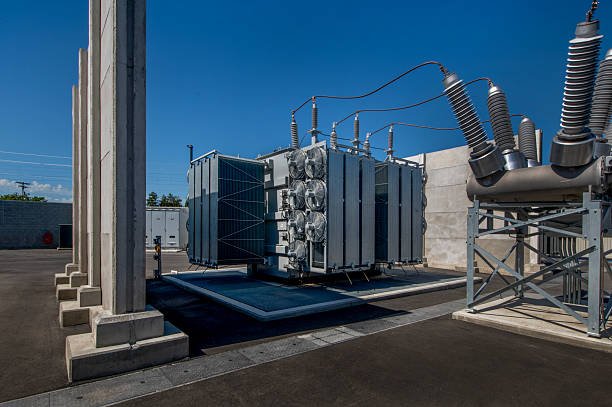
Modern industrial civilization depends on stable and efficient electrical power systems capable of delivering enormous amounts of energy continuously across transmission networks, substations, factories, transportation infrastructure, renewable energy installations, and heavy industrial facilities. At the center of these systems are transformers, which adjust voltage levels for safe and efficient transmission, distribution, and utilization of electrical energy. Among the various transformer technologies available today, oil-filled transformers remain the dominant choice for high-capacity and high-voltage applications because they provide superior cooling performance, excellent dielectric insulation, strong overload capability, exceptional reliability, and long operational lifespan under demanding operating conditions.
Many industries operate heavy electrical equipment, large motors, high-current production systems, renewable generation facilities, continuous manufacturing processes, or utility-scale infrastructure that generate substantial electrical loads and thermal stress. These operating conditions require transformers capable of handling large power capacities efficiently while maintaining stable temperatures and reliable insulation integrity over decades of continuous operation. Oil-filled transformers are particularly well suited for these environments because transformer oil simultaneously provides thermal cooling and high-strength electrical insulation. This combination enables compact designs, efficient heat dissipation, high-voltage operation, and superior reliability in severe industrial and utility applications.
Oil-filled transformers are commonly used in utility transmission and distribution systems, manufacturing facilities, mining operations, renewable energy plants, petrochemical industries, transportation infrastructure, steel mills, data centers, and other high-capacity electrical installations that require excellent cooling, strong dielectric insulation, and reliable long-term operation under heavy electrical loads.
Understanding which industries rely on oil-filled transformers requires examining the electrical demands, environmental conditions, operational requirements, and thermal challenges associated with different industrial sectors and infrastructure systems.
Oil-filled transformers are mainly used only in small residential electrical systems.False
Oil-filled transformers are primarily used in high-capacity industrial, utility, and infrastructure applications because they provide superior cooling and insulation performance for demanding electrical loads.
Why Many Industries Prefer Oil-Filled Transformers
Large electrical systems generate substantial heat during operation.
| Heat Source | Cause |
|---|---|
| Copper losses | Winding resistance |
| Core losses | Magnetic hysteresis and eddy currents |
| Harmonic losses | Nonlinear electrical loads |
| Stray losses | Leakage magnetic flux |
Oil-filled transformers provide superior thermal management for these conditions.
Key Advantages for Industrial Applications
| Oil-Filled Transformer Advantage | Industrial Benefit |
|---|---|
| Excellent cooling capability | Stable heavy-load operation |
| High dielectric strength | Reliable high-voltage insulation |
| Strong overload capability | Operational flexibility |
| Long service life | Reduced replacement costs |
| High efficiency | Lower operating expenses |
These advantages make oil-filled transformers ideal for large-scale electrical systems.
Utility Power Generation Facilities
Power plants are among the largest users of oil-filled transformers.
Why Power Plants Use Oil-Filled Transformers
| Requirement | Reason |
|---|---|
| Large power transfer | Superior cooling |
| High-voltage operation | Strong dielectric insulation |
| Continuous operation | Long-term reliability |
| Heavy load capability | Efficient thermal management |
Types of Power Plants Using Oil-Filled Transformers
| Power Plant Type | Transformer Application |
|---|---|
| Thermal power plants | Generator step-up transformers |
| Hydroelectric plants | Voltage transformation |
| Nuclear plants | High-capacity transmission |
| Gas turbine stations | Grid interconnection |
These facilities require extremely reliable transformer performance.
Utility Transmission and Distribution Substations
Utility substations are one of the most common environments for oil-filled transformers.
Role in Transmission Systems
Oil-filled transformers perform critical voltage conversion functions.
| Substation Function | Transformer Role |
|---|---|
| Step-up transformation | Increase voltage for transmission |
| Step-down transformation | Reduce voltage for distribution |
| Load balancing | Stabilize grid operation |
| Power flow control | Support transmission reliability |
Most transmission substations rely heavily on oil-filled transformers.
Renewable Energy Facilities
Renewable energy infrastructure increasingly depends on oil-filled transformers.
Solar Power Plants
Large solar farms require efficient voltage conversion.
| Solar Plant Requirement | Oil-Filled Advantage |
|---|---|
| Outdoor operation | Weather-resistant design |
| Variable generation | Thermal stability |
| Utility interconnection | High-voltage capability |
Wind Energy Facilities
Wind farms frequently use oil-filled transformers.
| Wind Farm Challenge | Oil-Filled Benefit |
|---|---|
| Fluctuating load conditions | Strong overload handling |
| Harsh environmental exposure | Sealed insulation system |
| Long transmission distances | Excellent dielectric strength |
Renewable energy growth continues increasing transformer demand globally.
Heavy Manufacturing Industries
Manufacturing facilities often operate energy-intensive equipment.
Common Manufacturing Sectors
| Industry | Electrical Demand |
|---|---|
| Automotive manufacturing | Large robotic systems |
| Heavy machinery production | High-current equipment |
| Shipbuilding | Large welding systems |
| Aerospace manufacturing | Precision industrial loads |
Oil-filled transformers support these demanding electrical systems.
Steel and Metal Processing Industries
Steel mills are among the most demanding industrial electrical environments.
Why Steel Plants Need Oil-Filled Transformers
| Steel Industry Condition | Transformer Requirement |
|---|---|
| Arc furnace operation | High-current handling |
| Continuous heavy load | Efficient cooling |
| Harmonic distortion | Thermal stability |
| Severe overload conditions | Strong thermal inertia |
Dry-type transformers often struggle in these extreme environments.
Mining Operations
Mining facilities use large motors, crushers, conveyors, and drilling systems.
Mining Industry Challenges
| Mining Condition | Oil-Filled Transformer Advantage |
|---|---|
| Remote outdoor locations | Environmental durability |
| Heavy motor loads | Strong overload capability |
| Harsh climate conditions | Thermal reliability |
| Continuous operation | Long service life |
Mining operations require extremely rugged transformer systems.
Petrochemical and Oil Refining Facilities
Petrochemical facilities demand highly reliable electrical infrastructure.
Why Petrochemical Plants Use Oil-Filled Transformers
| Requirement | Benefit |
|---|---|
| Continuous process operation | Stable thermal performance |
| Large motor systems | High-capacity operation |
| Utility-scale loads | Efficient cooling |
| Outdoor installations | Sealed environmental protection |
These facilities often operate continuously for years without shutdown.
Chemical Processing Industries
Chemical plants frequently rely on oil-filled transformers.
| Chemical Industry Requirement | Oil-Filled Benefit |
|---|---|
| High process reliability | Long operational lifespan |
| Heavy industrial loads | Efficient thermal management |
| Outdoor installations | Weather resistance |
Stable electrical supply is essential for process safety.
Cement Manufacturing Plants
Cement factories require large electrical loads for grinding and kiln operation.
Transformer Requirements in Cement Plants
| Operating Condition | Oil-Filled Advantage |
|---|---|
| High motor starting currents | Overload handling |
| Dusty environments | Sealed tank protection |
| Continuous heavy-duty operation | Strong cooling performance |
Oil-filled transformers are highly suitable for these environments.
Railway and Transportation Infrastructure
Transportation systems require reliable high-capacity power distribution.
Railway Systems
| Railway Requirement | Transformer Role |
|---|---|
| Traction power supply | Voltage conversion |
| Substation operation | Grid integration |
| Continuous operation | Thermal reliability |
Oil-filled transformers are widely used in railway substations.
Airports and Seaports
Large transportation hubs require highly reliable electrical infrastructure.
Airport Electrical Systems
| Airport Requirement | Oil-Filled Advantage |
|---|---|
| High-capacity power distribution | Efficient cooling |
| Outdoor substations | Weather durability |
| Continuous operation | High reliability |
Port Facilities
Ports operate large cranes, conveyors, and industrial systems requiring stable power supply.
Water Treatment and Utility Infrastructure
Municipal infrastructure often depends on oil-filled transformers.
| Infrastructure Application | Transformer Function |
|---|---|
| Water treatment plants | Motor and pump supply |
| Wastewater facilities | Industrial load distribution |
| Desalination plants | High-capacity power handling |
These systems require long-term operational reliability.
Large Commercial and Institutional Facilities
Some large commercial complexes also use oil-filled transformers.
Common Facilities
| Facility Type | Reason |
|---|---|
| Large hospitals | Backup utility substations |
| University campuses | High-capacity distribution |
| Sports complexes | Heavy event loads |
| Data centers | Utility-scale power delivery |
However, indoor fire safety regulations sometimes favor dry-type transformers.
Data Centers and Digital Infrastructure
Large-scale data centers increasingly require substantial electrical capacity.
Why Data Centers Use Oil-Filled Transformers
| Data Center Requirement | Oil-Filled Benefit |
|---|---|
| Continuous operation | Thermal stability |
| High power density | Efficient cooling |
| Utility interconnection | High-voltage capability |
Rapid growth in cloud computing is increasing transformer demand.
Marine and Offshore Applications
Some offshore energy platforms and marine infrastructure use specialized oil-filled transformers.
| Offshore Condition | Transformer Requirement |
|---|---|
| Harsh environmental exposure | Sealed insulation system |
| Continuous operation | Reliability |
| High power density | Efficient cooling |
These systems require advanced corrosion protection.
Why Outdoor Facilities Prefer Oil-Filled Transformers
Oil-filled transformers are especially effective outdoors.
Outdoor Advantages
| Environmental Condition | Oil-Filled Benefit |
|---|---|
| Weather exposure | Sealed tank protection |
| High ambient temperatures | Efficient cooling |
| Industrial pollution | Isolated insulation system |
This is why they dominate utility substations worldwide.
Economic Benefits for Large Facilities
Oil-filled transformers often provide strong lifecycle economics.
| Economic Benefit | Operational Advantage |
|---|---|
| Higher efficiency | Lower energy loss cost |
| Long service life | Reduced replacement frequency |
| Better overload capability | Improved operational flexibility |
These benefits are substantial in high-capacity systems.
Real-World Industrial Example
A large steel manufacturing complex upgraded its aging electrical infrastructure using high-capacity oil-filled transformers.
Operational Improvements
| Parameter | Previous System | Modern Oil-Filled Transformer |
|---|---|---|
| Cooling efficiency | Moderate | Excellent |
| Harmonic tolerance | Limited | Improved |
| Overload capability | Moderate | Strong |
| Operational reliability | Lower | Significantly improved |
| Energy efficiency | Reduced | Higher |
The modernization improved production reliability and reduced energy losses.
Industries Most Commonly Using Oil-Filled Transformers
| Industry or Facility | Primary Reason for Using Oil-Filled Transformers |
|---|---|
| Utility substations | High-voltage capability |
| Power generation plants | Large power transfer |
| Steel mills | Heavy current handling |
| Mining operations | Rugged outdoor operation |
| Renewable energy plants | Thermal stability |
| Petrochemical facilities | Continuous operation |
| Transportation infrastructure | Reliable high-capacity supply |
| Manufacturing plants | Efficient heavy-load operation |
| Data centers | High power density support |
What Factors Should Be Considered Before Selecting an Oil-Filled Transformer?
Selecting the correct oil-filled transformer is one of the most important engineering decisions in any electrical power system because transformer performance directly influences energy efficiency, operational reliability, voltage stability, equipment lifespan, maintenance cost, thermal behavior, and long-term infrastructure safety. Whether the transformer is intended for a utility substation, renewable energy project, industrial manufacturing facility, mining operation, petrochemical plant, commercial infrastructure system, or power transmission network, choosing the wrong transformer can lead to overheating, insulation degradation, voltage instability, excessive losses, premature aging, operational downtime, and costly system failures.
Oil-filled transformers are widely used because they provide excellent cooling performance, strong dielectric insulation, superior overload capability, and reliable operation under heavy electrical loads. However, transformer selection is not simply a matter of choosing a voltage rating or power capacity. Engineers must evaluate electrical characteristics, environmental conditions, load profiles, harmonic distortion, installation constraints, cooling requirements, protection systems, maintenance expectations, safety regulations, efficiency targets, and future expansion plans before selecting the most suitable transformer design.
Before selecting an oil-filled transformer, engineers should carefully evaluate voltage requirements, load capacity, cooling performance, insulation level, environmental conditions, efficiency, overload capability, harmonic distortion, installation location, safety standards, maintenance requirements, protection systems, and long-term operational reliability to ensure safe and efficient transformer performance.
Proper transformer selection improves system stability, minimizes operating costs, extends service life, enhances energy efficiency, and reduces the risk of operational failure throughout the transformer lifecycle.
Transformer selection is mainly based only on transformer price and physical size.False
Proper transformer selection requires evaluating electrical, thermal, environmental, operational, safety, and maintenance factors in addition to cost and physical dimensions.
Understanding the Importance of Proper Transformer Selection
Transformers are critical assets in power systems.
A poorly selected transformer can create major operational problems.
| Incorrect Selection Problem | Possible Consequence |
|---|---|
| Undersized transformer | Overheating and failure |
| Incorrect voltage rating | System instability |
| Inadequate cooling | Reduced insulation lifespan |
| Poor environmental suitability | Accelerated degradation |
| Insufficient overload capability | Operational interruptions |
Careful engineering evaluation is therefore essential.
Load Capacity Requirements
One of the most important selection factors is transformer capacity.
Transformer Capacity Definition
Transformer capacity is typically expressed in:
- kVA
- MVA
The transformer must safely handle expected electrical loads continuously.
Determining Required Transformer Capacity
Engineers must evaluate:
| Load Factor | Importance |
|---|---|
| Peak load demand | Maximum operating condition |
| Continuous load | Long-term thermal stress |
| Future load growth | System expansion planning |
| Motor starting current | Temporary overload handling |
Improper sizing can severely reduce transformer lifespan.
Load Calculations
Transformer loading is closely related to current flow.
Conclusion
Oil-filled transformers are best used in applications requiring high voltage, large capacity, efficient cooling, and reliable long-term operation. They are commonly installed in substations, industrial plants, power generation facilities, and outdoor distribution networks where space and fire restrictions are less critical. By carefully evaluating load demands, environmental conditions, and safety requirements, users can determine whether an oil-filled transformer is the most suitable solution for their power system.
FAQ
Q1: When should you use an oil-filled transformer?
Oil-filled transformers should be used when high power capacity, efficient cooling, and long-term reliability are required, especially in outdoor or utility-scale applications.
They are commonly selected for high-voltage transmission and distribution systems where continuous heavy loading is expected.
Q2: What are the main applications of oil-filled transformers?
Oil-filled transformers are typically used in:
Power generation plants
Transmission substations
Utility distribution networks
Industrial facilities with high energy demand
Renewable energy plants (wind and solar farms)
They are ideal for large-scale and high-voltage operations.
Q3: Why are oil-filled transformers preferred for high-power systems?
They are preferred because they offer:
Excellent heat dissipation through insulating oil
High dielectric strength for insulation
Ability to handle large load variations
Strong overload capacity
These features make them suitable for demanding electrical networks.
Q4: When should oil-filled transformers NOT be used?
They are not ideal in situations where:
Fire safety is a major concern (e.g., hospitals, high-rise buildings)
Indoor space is limited
Environmental leakage risk must be avoided
Maintenance access is difficult
In such cases, dry-type transformers are often preferred.
Q5: How does environment influence the choice of oil-filled transformers?
Environmental conditions play a major role:
Outdoor environments: Oil-filled transformers perform well due to rugged construction
Harsh climates: Suitable with proper cooling and protection
Sensitive ecological areas: Require special containment systems to prevent oil leaks
Their durability makes them suitable for exposed installations.
Q6: What role does cooling play in selecting oil-filled transformers?
Cooling is a key advantage because oil:
Efficiently absorbs heat from windings
Transfers heat to radiators or cooling systems
Allows operation under high loads
This makes oil-filled transformers ideal for continuous, heavy-duty operation.
Q7: Are oil-filled transformers suitable for renewable energy systems?
Yes. They are widely used in renewable energy systems because:
They handle variable load conditions effectively
They support grid integration at high voltages
They provide reliable long-term operation
They are commonly found in solar and wind power substations.
Q8: What factors should be considered before choosing an oil-filled transformer?
Key selection factors include:
Power rating and voltage level
Installation environment (indoor vs outdoor)
Safety and environmental regulations
Maintenance capability
Load profile and system demand
Proper evaluation ensures optimal performance and cost efficiency.
References
IEC 60076 – Power Transformers
https://webstore.iec.ch/publication/602
IEC 60422 – Insulating Oils in Electrical Equipment
https://webstore.iec.ch
IEEE C57 Series – Transformer Application Standards
https://standards.ieee.org
Electrical Engineering Portal – Oil-Filled Transformer Uses
https://electrical-engineering-portal.com
CIGRE – Power System Transformer Studies
https://www.cigre.org
U.S. Department of Energy – Electrical Grid Equipment Overview
https://www.energy.gov