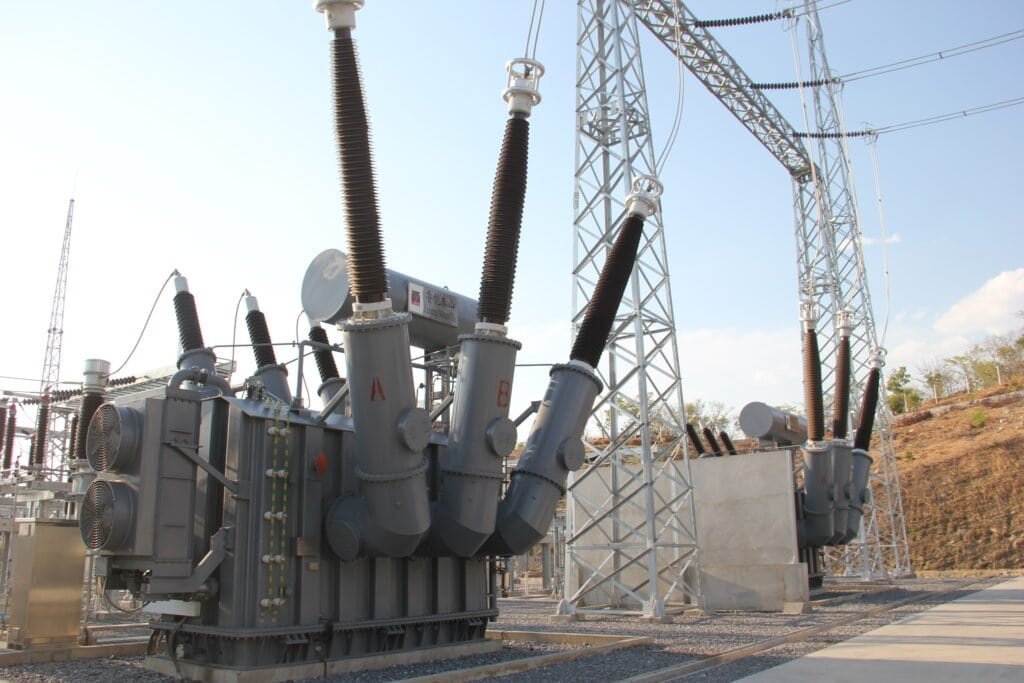
Power transformers are essential components of modern electrical infrastructure, enabling efficient transmission and distribution of electricity across long distances. Designed to handle high voltages and large power capacities, they are used in a wide range of applications throughout power generation, transmission, and industrial systems. Understanding where power transformers are used helps illustrate their importance in maintaining reliable and stable energy supply networks.
What Role Do Power Transformers Play in Electrical Systems?
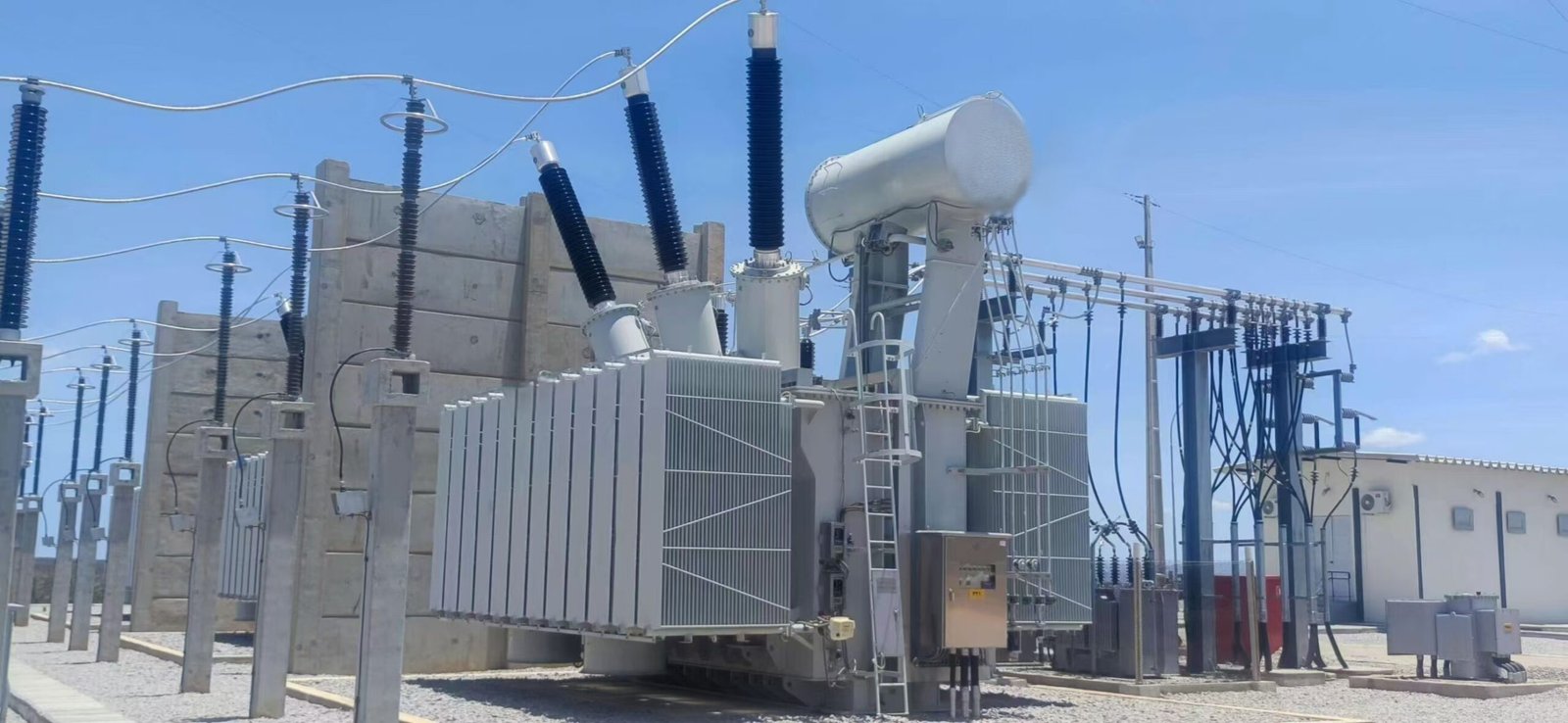
Modern society depends entirely on stable electrical infrastructure, yet electricity generated at power plants cannot be transmitted directly to homes, factories, transportation systems, or commercial buildings without major energy losses and severe voltage mismatches. Without proper voltage conversion and grid regulation, long-distance transmission would become highly inefficient, electrical equipment would suffer damage, and large-scale power distribution networks would be practically impossible to operate. Power transformers solve this problem by enabling efficient voltage transformation, reliable power flow management, and stable grid operation across every stage of the electrical system.
Power transformers play essential roles in electrical systems by stepping voltage up for efficient long-distance transmission, stepping voltage down for safe utilization, reducing transmission losses, stabilizing power flow, improving grid reliability, providing electrical isolation, and supporting the integration of renewable energy and industrial power systems.
From power generation plants to urban distribution substations, transformers serve as the backbone of modern electrical infrastructure. Understanding their role helps engineers, utilities, industries, and energy developers optimize efficiency, reliability, and long-term system performance.
Modern electrical grids could operate efficiently without power transformers.False
Without transformers, long-distance power transmission would experience enormous energy losses, unstable voltage conditions, and impractical infrastructure requirements, making modern electrical systems impossible to operate efficiently.
Why Power Transformers Are Essential in Electrical Systems
Electrical systems require multiple voltage levels because generation, transmission, distribution, and utilization all operate under different technical requirements.
Different Voltage Requirements Across the Power System
| Electrical System Stage | Typical Voltage Level | Main Objective |
|---|---|---|
| Power generation | Medium voltage | Efficient generator design |
| Transmission network | High or extra-high voltage | Minimize transmission losses |
| Distribution network | Medium voltage | Localized power delivery |
| Residential and commercial use | Low voltage | Safety and equipment compatibility |
Without transformers, electrical energy could not move efficiently between these voltage levels.
Basic Working Principle of a Power Transformer
Power transformers operate according to electromagnetic induction principles.
Electromagnetic Induction Equation
E=4.44fN\Phi
Where:
- (E) = induced voltage
- (f) = frequency
- (N) = winding turns
- (\Phi) = magnetic flux
This principle allows electrical energy to transfer between circuits while maintaining electrical isolation.
Role of Transformers in Voltage Step-Up Transmission
One of the most important transformer functions is increasing voltage for long-distance transmission.
Why High Voltage Transmission Is Necessary
Electrical power transmission efficiency improves dramatically at higher voltages.
Power Equation
P=VI
For the same power level:
- Higher voltage means lower current
- Lower current reduces transmission losses
Transmission Loss Equation
P_{loss}=I^2R
This relationship explains why high-voltage transmission is critical for modern power grids.
Benefits of High-Voltage Transmission
| Benefit | Technical Result |
|---|---|
| Lower transmission current | Reduced conductor heating |
| Reduced power loss | Improved efficiency |
| Smaller conductor size | Lower infrastructure cost |
| Longer transmission distance | Wider grid coverage |
Generator step-up transformers installed at power plants raise voltage before electricity enters transmission networks.
Role of Transformers in Voltage Step-Down Distribution
After transmission, transformers reduce voltage to safer and more practical levels.
Why Voltage Must Be Reduced
Industrial equipment, buildings, and residential systems cannot operate safely at transmission voltages.
Common Utilization Voltage Levels
| Application | Typical Voltage Requirement |
|---|---|
| Residential systems | Low voltage |
| Commercial buildings | Medium/low voltage |
| Heavy industrial systems | Medium voltage |
| Transportation systems | Specialized voltage levels |
Distribution transformers located near consumers perform this voltage reduction process.
Role of Power Transformers in Power Generation Systems
Power transformers connect generating stations to transmission grids.
Generator Step-Up (GSU) Transformers
GSU transformers increase generator output voltage to transmission voltage levels.
Main Functions of GSU Transformers
| Function | Importance |
|---|---|
| Voltage increase | Efficient transmission |
| Grid synchronization | Stable interconnection |
| Power transfer | Large-scale energy delivery |
Large thermal, hydroelectric, nuclear, solar, and wind power plants all depend on GSU transformers.
Role in Transmission Networks
Transmission systems require large high-voltage transformers for power flow control and voltage regulation.
Functions of Transmission Transformers
| Function | Purpose |
|---|---|
| Interconnection between voltage levels | Grid integration |
| Voltage stabilization | System reliability |
| Load balancing | Operational efficiency |
| Power routing | Transmission flexibility |
These transformers are usually installed in substations.
Role in Distribution Systems
Distribution transformers provide the final voltage conversion stage before electricity reaches consumers.
Distribution Transformer Functions
| Function | Result |
|---|---|
| Reduce medium voltage | Consumer safety |
| Supply localized loads | Reliable power access |
| Stabilize local networks | Improved power quality |
Distribution transformers are among the most widely deployed transformers globally.
Electrical Isolation and System Protection
Power transformers also provide electrical isolation between circuits.
Why Electrical Isolation Matters
| Benefit | Operational Advantage |
|---|---|
| Fault isolation | Improved safety |
| Equipment protection | Reduced damage risk |
| Grounding flexibility | Better system design |
| Noise suppression | Improved power quality |
Isolation reduces fault propagation across electrical networks.
Role in Renewable Energy Integration
Renewable energy systems depend heavily on transformers.
Renewable Energy Applications
| Renewable System | Transformer Function |
|---|---|
| Solar farms | Voltage conversion |
| Wind farms | Grid interconnection |
| Battery energy storage | Power conditioning |
| Hybrid microgrids | Load balancing |
Because renewable generation voltages vary significantly, transformers are essential for stable grid integration.
Voltage Regulation and Tap Changers
Modern transformers regulate voltage dynamically using tap changers.
Voltage Ratio Equation
\frac{V_1}{V_2}=\frac{N_1}{N_2}
Changing the effective winding turns ratio adjusts transformer output voltage.
Types of Tap Changers
| Tap Changer Type | Function |
|---|---|
| Off-circuit tap changer | Adjustment during shutdown |
| On-load tap changer (OLTC) | Live voltage regulation |
OLTC systems are widely used in transmission substations.
Role in Industrial Power Systems
Heavy industries rely on transformers for stable operation.
Industrial Applications of Power Transformers
| Industry | Transformer Application |
|---|---|
| Steel manufacturing | Furnace transformers |
| Mining | Heavy motor systems |
| Petrochemical plants | Process power distribution |
| Semiconductor manufacturing | Precision voltage regulation |
Industrial transformers often operate under severe thermal and harmonic conditions.
Role in Urban Infrastructure
Modern cities depend on extensive transformer networks.
Urban Infrastructure Applications
| Application | Transformer Function |
|---|---|
| Commercial towers | Building power distribution |
| Hospitals | Reliable emergency supply |
| Rail systems | Transportation electrification |
| Data centers | Stable high-reliability power |
Urban transformers must also minimize noise and environmental impact.
Power Quality Improvement
Transformers improve power quality throughout electrical systems.
Power Quality Functions
| Function | Benefit |
|---|---|
| Voltage stabilization | Equipment protection |
| Harmonic isolation | Reduced electrical distortion |
| Load balancing | System stability |
| Reactive power support | Improved efficiency |
Modern smart transformers increasingly support digital monitoring and automated control.
Role in Grid Reliability and Stability
Transformers are central to power system reliability.
Reliability Functions
| Function | Result |
|---|---|
| Redundant network connections | Reduced outage risk |
| Fault current management | Improved protection |
| Load transfer capability | Operational flexibility |
| Voltage support | Stable grid operation |
Grid operators continuously monitor transformer performance because transformer failures can affect large portions of the electrical network.
Thermal Performance and Efficiency
Transformer efficiency directly affects national energy consumption.
Transformer Efficiency Equation
\eta=\frac{P{out}}{P{in}}\times100%
Modern large power transformers often achieve efficiency levels above 99%.
Factors Affecting Transformer Efficiency
| Factor | Influence |
|---|---|
| Core material quality | Core losses |
| Winding resistance | Copper losses |
| Cooling system performance | Temperature rise |
| Load conditions | Operational efficiency |
High-efficiency transformers significantly reduce grid operating costs.
Role in Smart Grids and Future Energy Systems
Modern smart grids require advanced transformer technologies.
Smart Transformer Functions
| Smart Function | Benefit |
|---|---|
| Real-time monitoring | Predictive maintenance |
| Digital diagnostics | Reduced downtime |
| Remote control | Grid automation |
| Renewable balancing | Flexible operation |
Future energy systems will increasingly rely on digitally integrated transformer networks.
Real-World Example of Transformer Voltage Flow
A typical electrical grid may involve several transformer stages.
Example Power Flow Path
| Stage | Voltage Level |
|---|---|
| Generator output | Medium voltage |
| Step-up transformer output | Extra-high voltage |
| Transmission substation | High voltage |
| Distribution transformer | Low voltage |
| Consumer equipment | Utilization voltage |
Every stage depends on transformers for safe and efficient operation.
Key Roles of Power Transformers in Electrical Systems
| Transformer Role | Main Purpose |
|---|---|
| Voltage transformation | Efficient energy transfer |
| Transmission loss reduction | Improved efficiency |
| Electrical isolation | Operational safety |
| Grid stabilization | Reliable operation |
| Renewable integration | Modern energy support |
| Industrial power supply | Heavy equipment operation |
| Distribution support | Consumer electricity delivery |
Where Are Power Transformers Used in Power Generation Facilities?
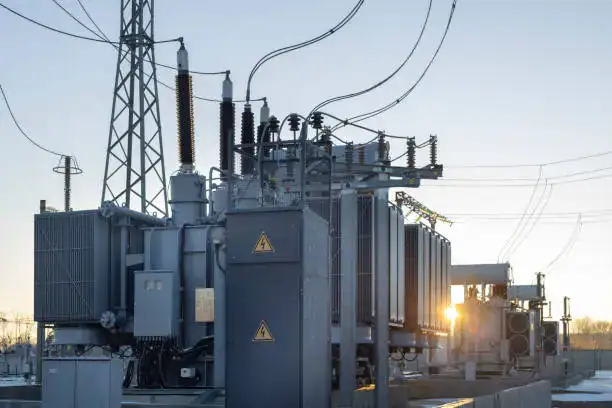
Electricity generated inside power plants cannot be transmitted directly to national grids, industrial systems, or urban distribution networks without proper voltage transformation, power regulation, and electrical isolation. Generators typically produce electricity at medium voltage levels, while long-distance transmission systems require extremely high voltages to reduce current, minimize energy losses, and improve transmission efficiency. In addition, modern power generation facilities contain multiple auxiliary systems, control networks, protection equipment, and internal distribution systems that all operate at different voltage levels. Without power transformers, stable and efficient operation of modern generating stations would be impossible.
Power transformers therefore play central roles throughout every stage of power generation infrastructure. They are used to increase generator output voltage for transmission, supply auxiliary plant systems, stabilize grid connections, isolate electrical equipment, integrate renewable energy systems, regulate voltage levels, and ensure reliable operation under changing load conditions. From large thermal and hydroelectric stations to solar farms, wind parks, nuclear plants, and combined-cycle gas turbine facilities, transformers are integrated into nearly every electrical subsystem within the generation environment.
Power transformers are used extensively in power generation facilities for generator voltage step-up, auxiliary power supply, grid interconnection, renewable energy integration, voltage regulation, electrical isolation, and internal power distribution to ensure efficient, reliable, and stable electricity generation and transmission.
Their role extends far beyond simple voltage conversion because they directly influence plant efficiency, operational reliability, grid stability, and power quality.
Power generators can connect directly to long-distance transmission systems without requiring power transformers.False
Generators typically produce electricity at medium voltages that are unsuitable for efficient long-distance transmission, making power transformers essential for voltage step-up and grid integration.
Why Power Transformers Are Essential in Power Generation Facilities
Power generation facilities operate with multiple electrical systems requiring different voltage levels.
Typical Voltage Levels in Power Plants
| System | Typical Voltage Range |
|---|---|
| Generator output | Medium voltage |
| Transmission system | High or extra-high voltage |
| Auxiliary equipment | Low or medium voltage |
| Control systems | Low voltage |
Transformers provide the voltage conversion required between these systems.
Generator Step-Up Transformers (GSU)
The most important transformer in a power generation facility is usually the Generator Step-Up (GSU) transformer.
Main Function of GSU Transformers
GSU transformers increase generator voltage to transmission voltage levels.
Power Equation
P=VI
For constant power transmission:
- Higher voltage reduces current
- Lower current reduces transmission losses
Transmission Loss Equation
P_{loss}=I^2R
This is why voltage step-up is critical for efficient power delivery.
Why Generator Voltage Must Be Increased
Power generators are not designed to produce electricity directly at extra-high transmission voltages.
Reasons Generators Operate at Medium Voltage
| Engineering Factor | Explanation |
|---|---|
| Insulation limitations | Higher voltage increases insulation complexity |
| Mechanical constraints | Large generators become impractical at very high voltage |
| Economic optimization | Medium-voltage generators are more cost-effective |
GSU transformers solve this challenge by increasing voltage after generation.
Typical Generator and Transmission Voltages
| System Stage | Typical Voltage |
|---|---|
| Generator terminal voltage | Medium voltage |
| Transmission output voltage | High or extra-high voltage |
Large power stations may use transmission voltages above hundreds of kilovolts.
Power Transformers in Thermal Power Plants
Thermal power plants rely heavily on large transformer systems.
Transformer Applications in Thermal Plants
| Transformer Type | Function |
|---|---|
| GSU transformer | Voltage step-up |
| Auxiliary transformer | Internal equipment supply |
| Startup transformer | Initial plant energization |
| Station service transformer | Operational support |
Thermal plants require highly reliable transformers because outages can affect massive power generation capacity.
Role of Auxiliary Transformers
Power plants consume part of their own generated electricity.
Equipment Supplied by Auxiliary Transformers
| Equipment | Purpose |
|---|---|
| Boiler systems | Steam generation |
| Cooling pumps | Thermal management |
| Fans and blowers | Combustion support |
| Control systems | Plant automation |
Auxiliary transformers ensure stable internal plant operation.
Startup Transformers in Power Plants
Large generating stations cannot start entirely from zero power.
Why Startup Transformers Are Necessary
| Function | Importance |
|---|---|
| Supply startup power | Plant energization |
| Operate auxiliary systems | Safe startup sequence |
| Synchronize generation equipment | Grid integration |
Startup transformers may receive power directly from external transmission networks.
Power Transformers in Hydroelectric Plants
Hydroelectric facilities also require extensive transformer infrastructure.
Transformer Functions in Hydroelectric Stations
| Function | Purpose |
|---|---|
| Generator voltage step-up | Grid transmission |
| Auxiliary supply | Turbine and gate systems |
| Protection coordination | Operational safety |
Hydropower transformers often operate in high-moisture environmental conditions.
Transformers in Nuclear Power Plants
Nuclear generating facilities require exceptionally reliable transformer systems.
Nuclear Power Transformer Applications
| Transformer Application | Function |
|---|---|
| Main generator transformer | Transmission interconnection |
| Safety-related auxiliary transformer | Critical plant systems |
| Backup supply transformer | Emergency operation |
Nuclear facilities typically require redundant transformer configurations for maximum reliability.
Power Transformers in Wind Farms
Wind energy systems rely heavily on transformers.
Wind Turbine Transformer Functions
| Function | Purpose |
|---|---|
| Turbine voltage increase | Collector system integration |
| Grid voltage conversion | Transmission compatibility |
| Power stabilization | Renewable integration |
Each wind turbine may contain its own transformer.
Wind Farm Collection Systems
Electricity from multiple turbines must be combined efficiently.
Wind Farm Electrical Structure
| System Component | Function |
|---|---|
| Turbine transformer | Local voltage increase |
| Collector transformer | Power aggregation |
| Main substation transformer | Transmission connection |
Large offshore wind farms depend on complex transformer systems.
Transformers in Solar Power Plants
Solar photovoltaic systems also require transformer integration.
Solar Plant Transformer Applications
| Application | Purpose |
|---|---|
| Inverter output transformer | Voltage matching |
| Collector transformer | Array aggregation |
| Main step-up transformer | Grid transmission |
Solar facilities often require harmonic mitigation transformer designs.
Combined-Cycle Power Plants
Combined-cycle plants combine gas and steam turbine systems.
Transformer Functions in Combined-Cycle Facilities
| Transformer Type | Purpose |
|---|---|
| Generator transformer | Grid connection |
| Auxiliary transformer | Plant support |
| Distribution transformer | Internal systems |
These plants require high-efficiency transformer operation to maximize fuel utilization.
Grid Interconnection and Synchronization
Power transformers help connect generation facilities to national grids.
Grid Interconnection Functions
| Function | Benefit |
|---|---|
| Voltage matching | Stable connection |
| Electrical isolation | Protection coordination |
| Reactive power support | Voltage stability |
Transformers also assist in load balancing across interconnected systems.
Voltage Regulation in Generation Facilities
Voltage stability is critical for generation reliability.
Transformer Voltage Regulation Equation
\frac{V_1}{V_2}=\frac{N_1}{N_2}
Tap changers allow dynamic voltage adjustment.
Benefits of Voltage Regulation
| Benefit | Operational Impact |
|---|---|
| Stable transmission voltage | Grid reliability |
| Improved power quality | Equipment protection |
| Better load control | Efficient operation |
Electrical Isolation and Protection
Transformers also isolate generation systems electrically.
Protection Functions
| Protection Role | Importance |
|---|---|
| Fault isolation | Prevent equipment damage |
| Surge protection | Improve reliability |
| Grounding coordination | Safety improvement |
Generation facilities contain extensive transformer protection systems.
Cooling and Thermal Management
Large power plant transformers generate significant heat.
Main Transformer Heat Sources
| Heat Source | Cause |
|---|---|
| Copper losses | Winding resistance |
| Core losses | Magnetic hysteresis and eddy currents |
Copper Loss Equation
P_{cu}=I^2R
Efficient cooling systems are essential for reliable operation.
Types of Cooling Used in Power Plant Transformers
| Cooling Method | Application |
|---|---|
| ONAN | Natural cooling |
| ONAF | Forced-air cooling |
| OFAF | Forced oil and air cooling |
| OFWF | Water-cooled systems |
Large generating stations often use advanced cooling systems.
Reliability Requirements in Generation Facilities
Transformer failures in power plants can cause severe operational disruption.
Consequences of Transformer Failure
| Impact | Result |
|---|---|
| Generator outage | Lost generation capacity |
| Grid instability | System reliability risk |
| Production interruption | Economic losses |
For this reason, generating station transformers undergo rigorous testing and monitoring.
Monitoring and Diagnostic Systems
Modern generation transformers use advanced monitoring technologies.
Common Monitoring Systems
| Monitoring Function | Purpose |
|---|---|
| Dissolved gas analysis | Fault detection |
| Temperature monitoring | Thermal protection |
| Partial discharge detection | Insulation assessment |
| Oil quality analysis | Dielectric reliability |
Condition monitoring improves predictive maintenance capability.
Real-World Example of Transformer Usage in a Power Plant
A large thermal power station may contain:
| Transformer System | Function |
|---|---|
| Main GSU transformer | Generator-to-grid connection |
| Unit auxiliary transformer | Internal plant operation |
| Reserve auxiliary transformer | Backup supply |
| Station service transformer | Plant distribution |
Multiple transformer systems work together simultaneously.
Key Roles of Power Transformers in Power Generation Facilities
| Transformer Role | Main Purpose |
|---|---|
| Voltage step-up | Efficient transmission |
| Auxiliary supply | Internal plant operation |
| Grid interconnection | Stable synchronization |
| Renewable integration | Modern energy support |
| Electrical isolation | Equipment protection |
| Voltage regulation | Grid stability |
| Power distribution | Facility operation |
How Are Power Transformers Applied in Transmission and Distribution Networks?
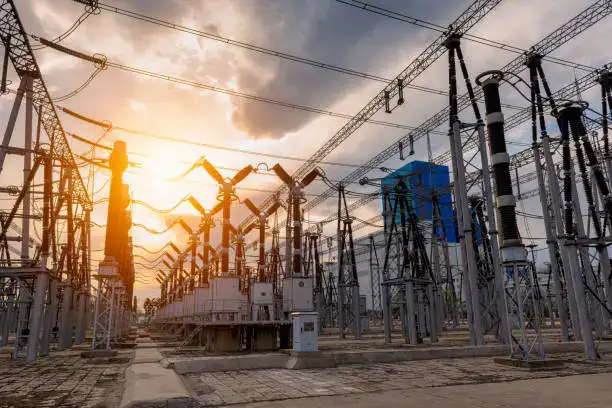
Modern electrical transmission and distribution systems are designed to deliver enormous amounts of electrical energy across long distances while maintaining efficiency, reliability, voltage stability, and operational safety. However, electricity generated at power plants cannot be transmitted directly to consumers at generation voltage levels because transmission over long distances at lower voltages would cause excessive current flow, severe power losses, overheating of conductors, and extremely inefficient grid operation. Likewise, the very high voltages used in transmission systems are unsuitable and dangerous for industrial facilities, commercial buildings, and residential consumers. Power transformers solve this challenge by enabling efficient voltage conversion throughout every stage of the transmission and distribution process.
In transmission networks, power transformers increase voltage to extra-high levels for long-distance bulk power transfer and later reduce voltage at substations for regional and local distribution systems. In distribution networks, transformers further reduce voltage to levels suitable for industrial machinery, commercial infrastructure, and residential utilization. Beyond voltage transformation, modern power transformers also support grid interconnection, load balancing, fault management, reactive power control, renewable energy integration, voltage stabilization, and smart grid operation.
Power transformers are applied throughout transmission and distribution networks to increase voltage for efficient long-distance transmission, reduce voltage for safe local distribution, stabilize electrical systems, improve power quality, support grid reliability, and enable efficient delivery of electricity from generating stations to end users.
Their role is fundamental to the operation of modern electrical infrastructure because virtually every stage of electrical power transfer depends on transformer-based voltage conversion.
Transmission and distribution systems could efficiently deliver electricity over long distances without using power transformers.False
Without transformers, transmission systems would suffer enormous power losses, excessive conductor heating, unstable voltages, and impractical infrastructure costs, making modern electrical grids inefficient and unreliable.
Why Power Transformers Are Essential in Transmission and Distribution Systems
Electrical power systems require multiple voltage levels for efficient operation.
Typical Voltage Levels Across the Grid
| Power System Stage | Typical Voltage Requirement |
|---|---|
| Power generation | Medium voltage |
| Long-distance transmission | High or extra-high voltage |
| Regional distribution | Medium voltage |
| Residential and commercial use | Low voltage |
Transformers allow electricity to move efficiently between these voltage levels.
Basic Transformer Operating Principle
Power transformers operate using electromagnetic induction.
Electromagnetic Induction Formula
E=4.44fN\Phi
Where:
- (E) = induced voltage
- (f) = operating frequency
- (N) = number of winding turns
- (\Phi) = magnetic flux
This principle enables electrical energy transfer between circuits without direct electrical connection.
Role of Transformers in Transmission Networks
Transmission systems move bulk electrical energy across long distances.
Why High Voltage Transmission Is Necessary
Long-distance transmission becomes more efficient at higher voltages.
Electrical Power Equation
P=VI
For constant power transfer:
- Higher voltage reduces current
- Lower current reduces energy losses
Transmission Loss Equation
P_{loss}=I^2R
Reducing current dramatically decreases conductor heating and transmission losses.
Generator Step-Up Transformers in Transmission Systems
Power generation stations use Generator Step-Up (GSU) transformers.
Main Functions of GSU Transformers
| Function | Purpose |
|---|---|
| Increase generator voltage | Efficient transmission |
| Connect generators to the grid | System integration |
| Reduce transmission current | Lower losses |
GSU transformers are typically installed near generating stations.
Transmission Substation Transformers
Transmission substations contain large high-voltage transformers.
Main Transmission Substation Functions
| Function | Importance |
|---|---|
| Voltage conversion | Grid compatibility |
| Interconnection | Regional power exchange |
| Power routing | Load balancing |
| Voltage stabilization | Grid reliability |
These substations form the backbone of national electrical networks.
Extra-High Voltage (EHV) and Ultra-High Voltage (UHV) Systems
Large transmission systems often use EHV and UHV transformers.
Why EHV Transmission Is Used
| Benefit | Technical Result |
|---|---|
| Lower transmission losses | Higher efficiency |
| Longer transmission distance | Expanded grid coverage |
| Increased power transfer capacity | Improved grid performance |
Modern transmission systems may operate at hundreds of kilovolts.
Interconnection Between Transmission Networks
Transformers allow multiple transmission systems to operate together.
Grid Interconnection Benefits
| Benefit | Result |
|---|---|
| Shared generation resources | Improved reliability |
| Emergency power transfer | Better outage management |
| Load balancing | Stable operation |
Large interconnected grids depend heavily on transformer substations.
Voltage Regulation in Transmission Systems
Voltage stability is critical for power system reliability.
Transformer Voltage Ratio Equation
\frac{V_1}{V_2}=\frac{N_1}{N_2}
Changing the transformer turns ratio regulates output voltage.
Tap Changer Applications
| Tap Changer Type | Function |
|---|---|
| Off-circuit tap changer | Fixed adjustment |
| On-load tap changer (OLTC) | Dynamic voltage regulation |
OLTC transformers help stabilize transmission voltages under changing load conditions.
Role of Transformers in Distribution Networks
After transmission, electricity enters regional distribution systems.
Distribution Transformer Functions
| Function | Purpose |
|---|---|
| Reduce medium voltage | Safe consumer supply |
| Support local loads | Reliable distribution |
| Improve power quality | Equipment protection |
Distribution transformers are installed in urban, industrial, and rural networks.
Urban Distribution Systems
Cities require extensive transformer infrastructure.
Urban Distribution Applications
| Application | Transformer Role |
|---|---|
| Commercial buildings | Local voltage reduction |
| Residential areas | Consumer electricity supply |
| Hospitals | Reliable power support |
| Transportation systems | Electrified transit operation |
Urban transformer networks are often highly interconnected for reliability.
Industrial Distribution Systems
Industrial facilities frequently use dedicated transformers.
Industrial Transformer Applications
| Industry | Transformer Use |
|---|---|
| Steel manufacturing | Heavy motor supply |
| Mining operations | Large equipment operation |
| Petrochemical facilities | Process power systems |
| Data centers | High-reliability supply |
Industrial systems often require specialized transformer configurations.
Pole-Mounted and Pad-Mounted Distribution Transformers
Distribution transformers come in different installation forms.
Common Distribution Transformer Types
| Transformer Type | Installation Environment |
|---|---|
| Pole-mounted transformer | Overhead rural systems |
| Pad-mounted transformer | Underground urban networks |
| Indoor distribution transformer | Commercial facilities |
Each design is selected according to installation conditions and load requirements.
Electrical Isolation in Distribution Systems
Transformers provide electrical isolation between voltage levels.
Benefits of Electrical Isolation
| Benefit | Operational Advantage |
|---|---|
| Fault isolation | Improved safety |
| Reduced surge propagation | Equipment protection |
| Flexible grounding | Better system coordination |
Isolation improves system reliability significantly.
Reactive Power and Voltage Support
Transmission and distribution transformers influence reactive power flow.
Why Reactive Power Matters
| Factor | Importance |
|---|---|
| Voltage stability | Grid reliability |
| Power factor correction | System efficiency |
| Load balancing | Reduced network stress |
Large substations often integrate transformer-based reactive compensation systems.
Renewable Energy Integration
Modern grids increasingly depend on renewable generation.
Renewable Energy Transformer Applications
| Renewable Source | Transformer Function |
|---|---|
| Solar farms | Voltage conversion |
| Wind farms | Grid interconnection |
| Battery storage systems | Power stabilization |
Transformers help integrate variable renewable generation into stable electrical networks.
Smart Grid Applications
Modern transmission and distribution systems are becoming digitally integrated.
Smart Transformer Functions
| Smart Function | Benefit |
|---|---|
| Real-time monitoring | Predictive maintenance |
| Remote diagnostics | Reduced downtime |
| Automated voltage control | Grid optimization |
| Load forecasting support | Improved efficiency |
Smart transformers are becoming increasingly important in advanced grids.
Transformer Cooling in Transmission and Distribution Systems
Large transformers generate substantial heat.
Main Sources of Transformer Heating
| Heat Source | Cause |
|---|---|
| Copper losses | Winding resistance |
| Core losses | Magnetic hysteresis |
| Stray losses | Leakage flux heating |
Copper Loss Equation
P_{cu}=I^2R
Efficient cooling systems are essential for long-term reliability.
Cooling Methods Used in Grid Transformers
| Cooling Method | Typical Application |
|---|---|
| ONAN | Distribution transformers |
| ONAF | Medium power transformers |
| OFAF | Large transmission transformers |
| OFWF | Extra-large utility transformers |
Cooling performance directly affects transformer lifespan.
Reliability Requirements in Transmission and Distribution Networks
Transformer failures can disrupt large sections of the electrical grid.
Consequences of Transformer Failure
| Impact | Result |
|---|---|
| Power outage | Consumer disruption |
| Grid instability | Reliability problems |
| Industrial downtime | Economic loss |
For this reason, transmission and distribution transformers are designed for decades of continuous operation.
Monitoring and Protection Systems
Modern transformers use advanced protection systems.
Common Monitoring Technologies
| Monitoring System | Purpose |
|---|---|
| Dissolved gas analysis | Fault detection |
| Temperature monitoring | Thermal protection |
| Partial discharge analysis | Insulation monitoring |
| Oil quality testing | Dielectric assessment |
Condition monitoring improves preventive maintenance capability.
Real-World Example of Transmission and Distribution Transformer Flow
A typical power delivery system may involve several transformer stages.
Example Electrical Flow Path
| Grid Stage | Voltage Level |
|---|---|
| Generator output | Medium voltage |
| GSU transformer output | Extra-high voltage |
| Transmission substation | High voltage |
| Distribution substation | Medium voltage |
| Consumer transformer | Low voltage |
Every stage relies on transformer-based voltage conversion.
Key Applications of Power Transformers in Transmission and Distribution Networks
| Transformer Application | Main Purpose |
|---|---|
| Generator step-up | Efficient transmission |
| Transmission substations | Voltage conversion |
| Distribution substations | Local power delivery |
| Industrial systems | Equipment supply |
| Renewable integration | Grid compatibility |
| Voltage regulation | Stable operation |
| Electrical isolation | System protection |
Why Are Power Transformers Important in Industrial Applications?
Industrial systems are among the most demanding electrical environments in modern power engineering. Unlike residential or commercial loads, industrial facilities operate large motors, arc furnaces, compressors, rectifiers, automated production lines, and high-power electronic drives that require stable, high-capacity, and precisely regulated electrical supply. At the same time, they often introduce severe electrical disturbances such as harmonics, voltage fluctuations, switching surges, and rapidly changing load conditions. Without proper voltage transformation, isolation, and power conditioning, industrial operations would suffer from equipment damage, production downtime, inefficiency, and safety risks.
Power transformers are essential in industrial applications because they provide voltage conversion, load adaptation, electrical isolation, power quality improvement, fault protection, and stable energy distribution across complex industrial power networks. They ensure that incoming grid power is transformed into suitable voltage levels for different production systems while maintaining reliability and operational efficiency under heavy and fluctuating loads.
Power transformers are important in industrial applications because they enable efficient voltage conversion, ensure stable and reliable power supply, reduce electrical losses, isolate sensitive equipment, support heavy machinery operation, and improve overall power quality and system safety in high-demand industrial environments.
Their role is fundamental in enabling modern industries to operate continuously, safely, and efficiently at large scale.
Industrial facilities can operate heavy electrical equipment directly from utility transmission voltage without using power transformers.False
Industrial equipment requires specific voltage levels and controlled power quality; direct use of transmission voltage would be unsafe, incompatible, and damaging to equipment.
Why Industrial Systems Depend on Power Transformers
Industrial facilities require multiple voltage levels for different processes.
Typical Industrial Voltage Requirements
| Industrial System | Voltage Level | Function |
|---|---|---|
| Utility incoming supply | High voltage | Bulk power intake |
| Distribution within plant | Medium voltage | Subsystem power |
| Motors and drives | Low/medium voltage | Equipment operation |
| Control systems | Low voltage | Automation and monitoring |
Transformers bridge these voltage levels efficiently.
Voltage Transformation for Heavy Industrial Loads
Industrial loads are large, dynamic, and often non-linear.
Power Relationship in Industrial Systems
P=VI
For high power demand:
- Increasing voltage reduces current
- Lower current reduces conductor size and heating
Loss Reduction in Industrial Power Systems
P_{loss}=I^2R
Reducing current significantly improves system efficiency and reduces infrastructure cost.
Role in Steel and Metallurgical Industries
Steel plants are among the most transformer-intensive industrial facilities.
Transformer Applications in Steel Plants
| Application | Function |
|---|---|
| Electric arc furnaces | High-power melting |
| Rolling mills | Motor drive systems |
| Ladle furnaces | Temperature control |
| Auxiliary systems | Plant operations |
Arc furnaces require extremely high and stable power delivery, often supplied through dedicated furnace transformers.
Furnace Transformers in Heavy Industry
Furnace transformers are specialized industrial transformers.
Key Characteristics
| Feature | Purpose |
|---|---|
| High current capacity | Arc stability |
| Voltage regulation | Process control |
| Robust insulation | Fault tolerance |
They operate under extreme thermal and electrical stress.
Role in Chemical and Petrochemical Plants
Chemical plants require continuous, stable electrical supply.
Transformer Functions in Chemical Industry
| Function | Importance |
|---|---|
| Process power supply | Continuous operation |
| Pump and compressor operation | Flow control |
| Safety system power | Emergency protection |
Even brief power interruptions can cause production losses or safety hazards.
Role in Mining and Mineral Processing
Mining operations rely heavily on electrical equipment in harsh environments.
Mining Transformer Applications
| Equipment | Power Requirement |
|---|---|
| Crushers | High mechanical load |
| Conveyors | Continuous operation |
| Drilling systems | High torque motors |
| Processing plants | Variable load systems |
Transformers ensure stable power delivery in remote and harsh conditions.
Role in Manufacturing and Automation Facilities
Modern factories use automated production lines requiring stable voltage.
Transformer Functions in Manufacturing
| System | Function |
|---|---|
| Robotics | Precision control |
| CNC machines | Stable power input |
| Conveyor systems | Continuous operation |
| Assembly lines | Process reliability |
Voltage fluctuations can directly affect product quality.
Role in Data Centers and Digital Infrastructure
Data centers are highly sensitive to power quality issues.
Transformer Importance in Data Centers
| Requirement | Purpose |
|---|---|
| Stable voltage | Server protection |
| Redundant supply | High availability |
| Low noise operation | Signal stability |
Even small voltage variations can disrupt digital systems.
Electrical Isolation and Safety Protection
Transformers provide critical isolation between electrical systems.
Benefits of Electrical Isolation
| Benefit | Impact |
|---|---|
| Fault containment | Prevents system-wide failure |
| Operator safety | Reduces shock risk |
| Equipment protection | Limits damage |
Isolation is essential in high-energy industrial environments.
Harmonic Mitigation in Industrial Systems
Industrial loads often generate harmonics due to power electronics and non-linear loads.
Harmonic Sources
| Source | Example |
|---|---|
| Variable frequency drives | Motor control systems |
| Rectifiers | DC power conversion |
| Arc furnaces | Non-linear loads |
Transformers help reduce harmonic propagation and improve power quality.
Voltage Regulation in Industrial Networks
Industrial processes require stable voltage levels.
Transformer Voltage Ratio
\frac{V_1}{V_2}=\frac{N_1}{N_2}
Tap-changing transformers allow dynamic voltage adjustment under load conditions.
Benefits of Voltage Regulation
| Benefit | Result |
|---|---|
| Stable production quality | Reduced defects |
| Equipment protection | Longer lifespan |
| Process consistency | Higher efficiency |
Load Handling and System Flexibility
Industrial loads vary significantly during operation.
Load Variation Challenges
| Condition | Transformer Role |
|---|---|
| Peak demand | Supply stability |
| Low load | Efficiency maintenance |
| Sudden load change | System balance |
Transformers provide flexibility to handle dynamic industrial demands.
Energy Efficiency in Industrial Systems
Industrial electricity consumption is extremely high.
Efficiency Equation
\eta=\frac{P{out}}{P{in}}\times100%
High-efficiency transformers reduce long-term operational costs.
Cooling Systems in Industrial Transformers
Industrial transformers often operate under heavy thermal stress.
Main Heat Sources
| Source | Cause |
|---|---|
| Copper losses | High current |
| Core losses | Magnetic flux |
| Harmonic losses | Non-linear loads |
Copper Loss Relationship
P_{cu}=I^2R
Efficient cooling systems are essential for industrial reliability.
Reliability and Continuous Operation
Industrial processes often require 24/7 operation.
Consequences of Transformer Failure
| Impact | Result |
|---|---|
| Production shutdown | Financial loss |
| Equipment damage | High repair cost |
| Safety risks | Operational hazards |
Transformers are designed for high reliability and redundancy.
Role in Industrial Substations
Industrial facilities often have dedicated substations.
Substation Transformer Functions
| Function | Purpose |
|---|---|
| Voltage transformation | Equipment supply |
| Power distribution | Internal networks |
| Fault isolation | System protection |
These substations form the backbone of industrial power systems.
Renewable and Hybrid Industrial Systems
Modern industries integrate renewable energy sources.
Renewable Integration Applications
| Source | Transformer Function |
|---|---|
| Solar rooftop systems | Voltage matching |
| Wind integration | Grid compatibility |
| Battery storage | Power stabilization |
Transformers enable hybrid energy systems in industry.
Real-World Industrial Transformer Configuration
A large industrial plant may include:
| Transformer Type | Function |
|---|---|
| Main step-down transformer | Grid connection |
| Distribution transformers | Internal power supply |
| Furnace transformers | High-load processes |
| Isolation transformers | Equipment protection |
Key Reasons Power Transformers Are Essential in Industry
| Role | Function |
|---|---|
| Voltage conversion | Equipment compatibility |
| Power distribution | System organization |
| Electrical isolation | Safety protection |
| Power quality improvement | Process stability |
| Load management | Operational flexibility |
| Energy efficiency | Cost reduction |
How Are Power Transformers Used in Renewable Energy Projects?
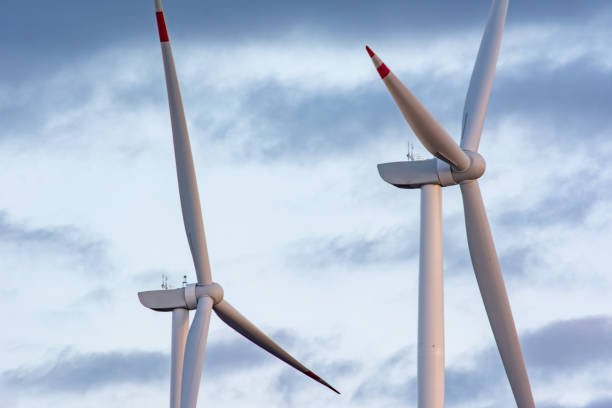
Renewable energy projects such as solar farms, wind farms, hydroelectric systems, and battery energy storage plants generate electricity in a highly variable and geographically distributed manner. Unlike conventional power plants, renewable sources often produce electricity at low or medium voltage levels and in fluctuating quantities depending on environmental conditions such as sunlight, wind speed, or water flow. However, electrical grids require stable, synchronized, high-voltage power for efficient long-distance transmission and integration into national energy systems. This mismatch between generation characteristics and grid requirements makes power transformers essential components in renewable energy infrastructure.
Power transformers are used in renewable energy systems to step up voltage for efficient transmission, connect renewable sources to the grid, stabilize voltage fluctuations, manage power quality issues such as harmonics, integrate energy storage systems, and ensure safe and efficient energy conversion from variable generation sources to stable grid supply. They serve as the critical interface between renewable generation assets and high-voltage transmission networks.
Power transformers are used in renewable energy projects to convert variable low-voltage generation into grid-compatible high-voltage electricity, stabilize fluctuating power output, enable efficient long-distance transmission, support energy storage integration, and ensure reliable connection between renewable energy systems and electrical grids.
Without transformers, renewable energy systems could not be efficiently or safely integrated into modern power networks.
Renewable energy sources such as solar and wind can be directly connected to high-voltage transmission grids without using transformers.False
Renewable energy systems typically generate electricity at low or medium voltages and require transformers to step up voltage for efficient transmission and grid compatibility.
Why Power Transformers Are Essential in Renewable Energy Systems
Renewable energy generation differs significantly from traditional centralized power plants.
Key Characteristics of Renewable Generation
| Feature | Impact on Power Systems |
|---|---|
| Intermittent output | Requires voltage stabilization |
| Distributed locations | Needs local transformation |
| Low/medium voltage generation | Requires step-up conversion |
| Variable frequency/quality | Needs conditioning |
Transformers address all of these challenges.
Role of Step-Up Transformers in Solar Power Plants
Solar photovoltaic (PV) systems generate DC power that is converted to AC through inverters, but at relatively low voltage.
Solar Power Transformation Process
| Stage | Function |
|---|---|
| PV panels | DC electricity generation |
| Inverters | DC to AC conversion |
| Step-up transformers | Voltage increase for grid connection |
| Substation transformers | Grid integration |
Why Voltage Must Be Increased
To reduce transmission losses over long distances.
Power Relationship
P=VI
Higher voltage reduces current for the same power level, improving efficiency.
Loss Reduction Equation
P_{loss}=I^2R
This is critical in large solar farms where collector distances are significant.
Role of Transformers in Wind Energy Systems
Wind turbines generate variable electrical power that must be stabilized and stepped up.
Wind Energy Electrical Structure
| Component | Function |
|---|---|
| Turbine generator | Variable AC power |
| Turbine transformer | Local voltage step-up |
| Collector system | Aggregates power |
| Substation transformer | Grid transmission |
Why Each Wind Turbine Needs a Transformer
Modern wind turbines often include individual pad-mounted transformers.
Functions of Turbine Transformers
| Function | Purpose |
|---|---|
| Voltage step-up | Match collector grid voltage |
| Electrical isolation | Equipment protection |
| Power conditioning | Grid compliance |
Offshore Wind Farm Transformer Systems
Offshore wind farms require specialized transformer configurations.
Offshore Transformer Chain
| Stage | Function |
|---|---|
| Turbine transformers | Initial step-up |
| Offshore substation transformers | Aggregation |
| Export transformers | Grid transmission |
These systems must withstand harsh marine environments.
Role in Hydroelectric Renewable Systems
Hydropower plants also rely heavily on transformers.
Hydropower Transformer Applications
| Function | Purpose |
|---|---|
| Generator step-up | Transmission connection |
| Auxiliary supply | Plant operation |
| Voltage regulation | System stability |
Hydro systems provide relatively stable power, but still require voltage conversion for grid integration.
Role in Battery Energy Storage Systems (BESS)
Energy storage is a key part of modern renewable grids.
BESS Transformer Functions
| Function | Purpose |
|---|---|
| Bidirectional voltage conversion | Charge/discharge operation |
| Grid interface | Synchronization |
| Voltage stabilization | Power smoothing |
Energy Flow Flexibility
BESS systems require transformers that can handle:
- Charging mode (grid → battery)
- Discharging mode (battery → grid)
Grid-Scale Renewable Integration
Renewable energy plants must connect to high-voltage transmission networks.
Grid Integration Requirements
| Requirement | Transformer Role |
|---|---|
| Voltage matching | Step-up conversion |
| Frequency synchronization | Grid compatibility |
| Power quality control | Harmonic reduction |
Voltage Transformation in Renewable Systems
Transformers ensure voltage compatibility between systems.
Voltage Ratio Relationship
\frac{V_1}{V_2}=\frac{N_1}{N_2}
Adjusting winding turns allows precise voltage adaptation.
Harmonic Mitigation in Renewable Energy
Power electronic converters in renewable systems generate harmonics.
Common Harmonic Sources
| Source | Example |
|---|---|
| Solar inverters | Switching distortion |
| Wind converters | Variable frequency output |
| Battery inverters | Bidirectional conversion |
Transformers help reduce harmonic propagation and improve waveform quality.
Voltage Stabilization and Grid Support
Renewable energy output is variable and requires stabilization.
Transformer Stabilization Functions
| Function | Benefit |
|---|---|
| Voltage regulation | Grid stability |
| Reactive power support | Power factor correction |
| Load balancing | System reliability |
Role in Smart Renewable Energy Grids
Modern renewable systems rely on smart grid technologies.
Smart Transformer Functions
| Feature | Benefit |
|---|---|
| Real-time monitoring | Predictive maintenance |
| Digital control | Grid optimization |
| Load forecasting support | Efficient energy use |
Cooling Requirements in Renewable Energy Transformers
Renewable installations often operate in challenging environments.
Main Heat Sources
| Source | Cause |
|---|---|
| Copper losses | Load current |
| Core losses | Magnetic flux |
| Harmonic losses | Power electronics |
Copper Loss Equation
P_{cu}=I^2R
Efficient cooling ensures long-term reliability.
Reliability Requirements in Renewable Projects
Renewable energy plants are often located in remote areas.
Reliability Challenges
| Challenge | Impact |
|---|---|
| Remote location | Difficult maintenance |
| Harsh environment | Equipment stress |
| Continuous operation | High uptime requirement |
Transformers must be highly reliable and low-maintenance.
Offshore and Desert Environment Considerations
Renewable energy projects are often installed in extreme environments.
Environmental Challenges
| Environment | Transformer Requirement |
|---|---|
| Offshore wind | Corrosion resistance |
| Desert solar farms | High-temperature tolerance |
| High humidity zones | Moisture protection |
Power Quality in Renewable Energy Systems
Power quality is a major concern in renewable integration.
Power Quality Issues
| Issue | Cause |
|---|---|
| Voltage fluctuations | Intermittent generation |
| Harmonics | Power electronics |
| Frequency variation | Load imbalance |
Transformers help stabilize these issues at grid interface points.
Real-World Renewable Energy Transformer Configuration
A large renewable energy project may include:
| System | Transformer Function |
|---|---|
| Solar array | Step-up transformers |
| Wind turbines | Individual turbine transformers |
| Collection substation | Aggregation transformers |
| Grid interconnection station | High-voltage transmission |
Key Roles of Power Transformers in Renewable Energy Projects
| Role | Function |
|---|---|
| Voltage conversion | Grid compatibility |
| Power aggregation | System efficiency |
| Grid integration | Stable operation |
| Harmonic mitigation | Power quality |
| Energy storage support | System flexibility |
| Electrical isolation | Equipment protection |
What Specialized Applications Require Power Transformers?

Power transformers are not limited to conventional power generation, transmission, and distribution systems. In modern engineering, a wide range of specialized applications require highly customized transformer designs to handle extreme electrical conditions, non-linear loads, strict power quality requirements, harsh environments, and mission-critical reliability demands. These applications often go beyond standard voltage conversion and require transformers with advanced insulation systems, harmonic mitigation capability, dynamic load handling, thermal resilience, and specialized winding or core configurations.
Unlike standard utility transformers, specialized power transformers are engineered for unique operating conditions such as high harmonic distortion, rapid load fluctuations, bidirectional power flow, extreme voltages (including HVDC systems), traction power demands, furnace loads, offshore environments, and precision-sensitive digital infrastructure. Each application imposes distinct electrical, thermal, and mechanical stresses that require tailored transformer solutions.
Specialized applications that require power transformers include HVDC transmission systems, rail electrification networks, electric arc furnaces, mining operations, offshore energy systems, data centers, shipboard power systems, and large industrial power electronics systems where customized voltage transformation, harmonic control, and high-reliability performance are essential.
These transformers are critical enablers of advanced infrastructure and industrial technologies.
Standard utility transformers are sufficient for all specialized industrial and high-tech applications without modification.False
Specialized applications require customized transformer designs due to extreme loads, harmonics, environmental conditions, and system requirements that standard transformers cannot safely handle.
Why Specialized Applications Need Custom Power Transformers
Specialized systems often operate under extreme or non-standard electrical conditions.
Key Challenges in Specialized Applications
| Challenge | Impact on Transformer Design |
|---|---|
| High harmonic distortion | Requires reinforced windings and filtering |
| Rapid load fluctuations | Demands thermal robustness |
| Extreme voltages | Requires advanced insulation systems |
| Harsh environments | Requires corrosion protection |
| Critical uptime requirements | Requires redundancy and monitoring |
These challenges require engineered transformer customization.
HVDC (High Voltage Direct Current) Transmission Systems
HVDC systems are one of the most advanced applications of power transformers.
Role of Transformers in HVDC Systems
| Function | Purpose |
|---|---|
| AC-to-DC conversion support | Converter operation |
| Voltage adaptation | Grid interface |
| Electrical isolation | System protection |
Converter Transformers in HVDC
HVDC systems use specialized converter transformers designed for:
- High harmonic stress
- DC bias effects
- Complex voltage waveforms
Why HVDC Needs Specialized Design
Unlike standard AC systems, HVDC introduces:
- Non-sinusoidal waveforms
- High harmonic content
- Bi-directional power flow
These conditions require reinforced insulation and advanced cooling systems.
Rail Electrification and Traction Systems
Railway systems require highly dynamic power supply transformers.
Applications in Rail Systems
| System Type | Voltage Level |
|---|---|
| High-speed rail | High voltage AC |
| Metro systems | Medium voltage |
| Freight rail networks | Variable voltage systems |
Traction Transformer Functions
| Function | Purpose |
|---|---|
| Voltage conversion | Train power supply |
| Load fluctuation handling | Acceleration/deceleration cycles |
| Harmonic mitigation | Power quality improvement |
Traction loads are highly variable and cyclic, requiring robust thermal design.
Electric Arc Furnace (EAF) Transformers
Steel manufacturing uses some of the most demanding transformers.
Why Arc Furnaces Are Special
Arc furnaces create:
- Extremely high current
- Severe voltage fluctuations
- Strong electrical arcs
- Rapid load variation
Furnace Transformer Functions
| Function | Purpose |
|---|---|
| High-current delivery | Metal melting |
| Voltage regulation | Arc stability |
| Thermal endurance | Continuous operation |
Power Relationship in Furnace Systems
P=VI
Arc furnaces operate at low voltage but extremely high current levels.
Mining and Heavy Extraction Industries
Mining operations rely on rugged transformer systems.
Mining Transformer Applications
| Equipment | Transformer Role |
|---|---|
| Crushers | Motor power supply |
| Conveyor systems | Continuous operation |
| Excavators | High torque drives |
| Processing plants | Stable energy distribution |
Mining environments require:
- Dust resistance
- Vibration tolerance
- High overload capacity
Offshore Oil, Gas, and Wind Energy Platforms
Offshore installations require specialized transformer systems.
Offshore Challenges
| Challenge | Transformer Requirement |
|---|---|
| Salt corrosion | Protective coatings |
| High humidity | Sealed insulation systems |
| Limited maintenance access | High reliability design |
Offshore Transformer Functions
| Function | Purpose |
|---|---|
| Voltage step-up | Grid export |
| System stabilization | Renewable integration |
| Power distribution | Platform operation |
Data Centers and Digital Infrastructure
Data centers require extremely stable electrical supply.
Transformer Requirements in Data Centers
| Requirement | Purpose |
|---|---|
| High reliability | Continuous uptime |
| Low noise | Signal stability |
| Voltage precision | Server protection |
Why Power Quality Matters
Even small disturbances can cause:
- Server crashes
- Data corruption
- Network interruption
Transformers help stabilize voltage and isolate disturbances.
Shipboard and Marine Power Systems
Marine vessels use specialized onboard transformers.
Applications on Ships
| System | Function |
|---|---|
| Propulsion systems | Motor power supply |
| Navigation systems | Stable control power |
| Hotel load systems | Passenger services |
Marine Challenges
- Constant vibration
- Limited space
- High humidity exposure
Renewable Hybrid Microgrids
Microgrids combine multiple energy sources.
Microgrid Transformer Functions
| Function | Purpose |
|---|---|
| Bidirectional power flow | Energy flexibility |
| Voltage regulation | Stability |
| Source integration | Solar, wind, diesel systems |
Electrochemical and Battery Manufacturing Plants
High-tech industries require precision transformers.
Applications in Manufacturing
| Process | Requirement |
|---|---|
| Semiconductor fabrication | Ultra-stable voltage |
| Battery production | Controlled power supply |
| Chemical processing | Continuous operation |
Harmonic-Rich Industrial Systems
Modern industries use power electronics extensively.
Harmonic Sources
| Equipment | Cause |
|---|---|
| Variable frequency drives | Switching distortion |
| Rectifiers | Non-linear loads |
| Inverters | PWM switching noise |
Transformers in these systems require:
- Special winding design
- Harmonic-resistant insulation
- Enhanced thermal capacity
Power Transformers in HV Testing Laboratories
High-voltage test facilities use specialized transformers.
Applications
| Test Type | Transformer Role |
|---|---|
| Impulse testing | Surge generation |
| Dielectric testing | Insulation verification |
| Load simulation | Performance evaluation |
Transformer Voltage Adaptation Principle
Voltage transformation remains fundamental in all specialized applications.
Transformer Ratio Equation
\frac{V_1}{V_2}=\frac{N_1}{N_2}
Custom applications often require adjustable tap ranges.
Efficiency in Specialized Transformers
Efficiency remains critical even under extreme conditions.
Efficiency Equation
\eta=\frac{P{out}}{P{in}}\times100%
Specialized transformers are designed for:
- High efficiency under variable load
- Thermal stability
- Long service life
Cooling Requirements in Specialized Applications
Cooling systems vary significantly depending on application.
Cooling Methods
| Cooling Type | Application |
|---|---|
| ONAN | Standard loads |
| ONAF | Industrial systems |
| OFAF | High-load systems |
| OFWF | Extreme power applications |
Reliability and Redundancy Requirements
Specialized systems often require redundancy.
Why Redundancy Matters
| Risk | Impact |
|---|---|
| Transformer failure | System shutdown |
| Industrial downtime | Financial loss |
| Grid instability | Regional disruption |
Real-World Example of Specialized Transformer Systems
A large industrial or infrastructure project may include:
| Application | Transformer Type |
|---|---|
| HVDC station | Converter transformers |
| Steel plant | Furnace transformers |
| Metro system | Traction transformers |
| Data center | Isolation transformers |
| Offshore wind farm | Marine-grade transformers |
Key Specialized Applications Requiring Power Transformers
| Application Area | Transformer Role |
|---|---|
| HVDC transmission | Power conversion and isolation |
| Rail electrification | Traction power supply |
| Arc furnaces | High-current industrial supply |
| Mining systems | Heavy load distribution |
| Offshore energy | Corrosion-resistant conversion |
| Data centers | Precision power stability |
| Marine systems | Compact, vibration-resistant power |
| Microgrids | Bidirectional energy flow |
Conclusion
Power transformers are used wherever large amounts of electrical energy must be transferred efficiently between different voltage levels. They are widely installed in power plants, substations, industrial facilities, renewable energy systems, and major infrastructure projects. By enabling safe and efficient voltage conversion, power transformers play a critical role in ensuring stable electricity supply and supporting modern economic and industrial development.
FAQ
Q1: Where are power transformers used?
Power transformers are used throughout electrical power systems to increase or decrease voltage levels for efficient energy transmission and distribution.
They are commonly installed in:
Power generation plants
Transmission substations
Distribution networks
Industrial facilities
Renewable energy systems
Their main function is to ensure electricity can be transmitted safely and efficiently over long distances.
Q2: Why are power transformers used in power plants?
In power plants, transformers are used to step up generator voltage to very high transmission levels.
This is important because:
High voltage reduces transmission current
Lower current minimizes energy losses
Long-distance power transmission becomes more efficient
Without step-up transformers, electricity transmission would be inefficient and costly.
Q3: How are transformers used in substations?
Substations use transformers to:
Step down transmission voltage for distribution networks
Regulate voltage levels across the grid
Isolate sections of the power system
Support stable and reliable electricity supply
They are critical components in both transmission and distribution substations.
Q4: What industries use power transformers?
Power transformers are widely used in industries such as:
Manufacturing and heavy industry
Mining operations
Oil and gas facilities
Chemical plants
Steel mills
These industries require large amounts of stable electrical power for machinery and production systems.
Q5: Are power transformers used in renewable energy systems?
Yes. Renewable energy projects rely heavily on power transformers.
Applications include:
Solar farms
Wind power plants
Hydroelectric stations
Battery energy storage systems
Transformers help integrate renewable power into the electrical grid by adjusting voltage levels appropriately.
Q6: Why are transformers important in transmission networks?
In transmission systems, transformers:
Enable high-voltage power transfer
Reduce transmission losses
Improve overall grid efficiency
Maintain voltage stability across regions
They are essential for modern interconnected power grids.
Q7: Are power transformers used in commercial buildings?
Yes. Large commercial facilities such as:
Data centers
Shopping malls
Airports
Hospitals
use transformers to distribute electricity safely and efficiently within the facility.
Q8: How do power transformers support reliable electricity supply?
Power transformers support reliability by:
Managing voltage conversion efficiently
Handling load fluctuations
Reducing electrical losses
Protecting equipment through insulation and cooling systems
Their reliable operation is critical for maintaining continuous power delivery.
References
IEC 60076 – Power Transformers
https://webstore.iec.ch/publication/602
IEEE C57 Series – Transformer Application Standards
https://standards.ieee.org
Electrical Engineering Portal – Power Transformer Applications Explained
https://electrical-engineering-portal.com
U.S. Department of Energy – Electrical Grid Infrastructure
https://www.energy.gov
CIGRE – Power Transmission and Transformer Studies
https://www.cigre.org
NEMA – Transformer Usage and Standards
https://www.nema.org