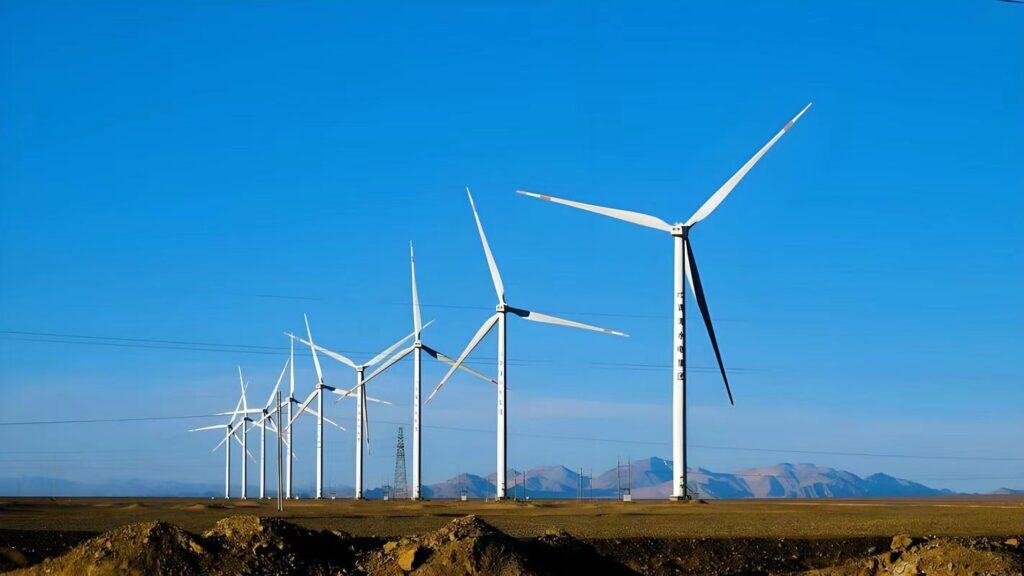
Renewable energy systems such as solar, wind, hydro, and energy storage require reliable voltage conversion and grid integration to deliver electricity efficiently. Transformers are essential in this process because they adapt voltage levels, stabilize power flow, and connect renewable generation to transmission and distribution networks. As renewable energy capacity continues to grow worldwide, transformers have become a critical component in enabling clean and sustainable power systems.
What Role Do Transformers Play in Renewable Energy Systems?
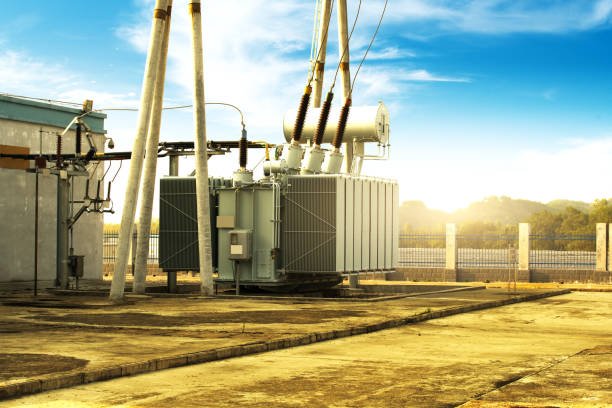
Transformers play a fundamental role in renewable energy systems because they enable efficient voltage conversion, power transmission, grid integration, electrical isolation, system stability, and energy distribution across modern clean energy infrastructure. Without transformers, renewable energy generated by solar farms, wind turbines, hydroelectric plants, battery storage systems, and hydrogen energy facilities could not be safely transmitted, integrated into utility grids, or delivered efficiently to industrial, commercial, and residential consumers.
Renewable energy generation often produces electricity at voltage levels that differ significantly from those required for transmission networks and end-user consumption. Solar photovoltaic systems may generate electricity at low DC voltages, wind turbines produce variable-frequency AC power, and battery storage systems operate within wide voltage ranges depending on charging conditions. Transformers provide the essential voltage adaptation needed to connect these energy sources to medium-voltage and high-voltage power grids while maintaining stable, efficient, and reliable electrical operation.
In addition to voltage conversion, transformers help renewable energy systems manage fluctuating generation output, harmonics, reactive power flow, fault current limitation, grid synchronization, and power quality challenges. Modern renewable power systems increasingly rely on advanced transformer technologies such as smart transformers, digitally monitored transformers, high-efficiency amorphous-core transformers, and converter transformers to support large-scale renewable integration into modern electrical grids.
As global investment in solar, wind, hydroelectric, offshore wind, green hydrogen, and battery energy storage continues to expand, transformers have become one of the most critical components in renewable energy infrastructure worldwide.
Transformers in renewable energy systems provide voltage conversion, grid integration, power transmission, electrical isolation, fault current limitation, and system stability, enabling renewable electricity to be transmitted efficiently and safely from generation sources to power grids and end users.
Without transformers, renewable energy systems would face severe voltage incompatibility, transmission inefficiency, unstable grid operation, and major power quality problems.
Renewable energy systems can operate efficiently without transformers because solar panels and wind turbines already generate usable electricity directly for power grids.False
Renewable energy systems require transformers to convert voltage levels, stabilize power flow, integrate with utility grids, and transmit electricity efficiently over long distances.
Why Transformers Are Essential in Renewable Energy Systems
Renewable energy systems operate at multiple voltage levels.
Main Transformer Functions in Renewable Systems
| Function | Importance |
|---|---|
| Voltage conversion | Grid compatibility |
| Power transmission | Reduced energy loss |
| Electrical isolation | System protection |
| Fault current limitation | Equipment safety |
| Grid stabilization | Reliable operation |
Transformers are therefore central to renewable energy infrastructure.
Voltage Conversion in Renewable Energy Systems
Voltage conversion is the primary transformer function.
Why Voltage Conversion Is Necessary
| Renewable Source | Typical Output Voltage |
|---|---|
| Solar photovoltaic systems | Low voltage |
| Wind turbines | Medium voltage |
| Battery storage systems | Variable voltage |
These voltages are often unsuitable for long-distance transmission.
Step-Up Transformers in Renewable Energy Plants
Renewable energy facilities use step-up transformers to increase voltage before transmission.
Transformer Voltage Relationship
\frac{V_p}{V_s}=\frac{N_p}{N_s}
Where:
- (V_p) = primary voltage
- (V_s) = secondary voltage
- (N_p) = primary winding turns
- (N_s) = secondary winding turns
Higher transmission voltage reduces current and energy loss.
Why High Voltage Improves Efficiency
Electrical transmission losses increase with current.
Power Loss Equation
P_{loss}=I^2R
Where:
- (P_{loss}) = transmission loss
- (I) = current
- (R) = conductor resistance
By increasing voltage, transformers reduce current and minimize energy loss.
Transformers in Solar Power Systems
Solar photovoltaic systems rely heavily on transformers.
Solar System Transformer Functions
| Function | Purpose |
|---|---|
| Inverter output voltage increase | Grid integration |
| Medium-voltage collection | Power aggregation |
| Utility interconnection | Grid synchronization |
How Solar Energy Flows Through Transformers
Solar panels generate DC electricity that must be converted and transformed.
Solar Energy Flow
| Stage | Equipment |
|---|---|
| DC generation | Solar panels |
| DC-to-AC conversion | Inverters |
| Voltage increase | Step-up transformers |
| Grid transmission | High-voltage network |
Central Inverter Transformer Systems
Large solar farms often use centralized transformer configurations.
Centralized Solar Transformer Benefits
| Benefit | Result |
|---|---|
| Simplified maintenance | Lower operating cost |
| Improved efficiency | Reduced losses |
| Easier grid integration | Stable operation |
Transformers in Wind Energy Systems
Wind turbines require specialized transformer systems.
Wind Turbine Voltage Characteristics
Wind generators produce variable electrical output depending on wind speed.
Wind Power Transformer Applications
| Transformer Type | Function |
|---|---|
| Turbine transformer | Local voltage step-up |
| Collector substation transformer | Farm-level aggregation |
| Grid transformer | High-voltage transmission |
Offshore Wind Transformer Systems
Offshore wind farms require especially advanced transformers.
Offshore Wind Challenges
| Challenge | Transformer Requirement |
|---|---|
| Saltwater corrosion | Corrosion-resistant design |
| Space limitations | Compact construction |
| Harsh weather | Enhanced insulation |
Converter Transformers in Renewable Energy
Many renewable systems use power electronic converters.
Converter Transformer Functions
| Function | Importance |
|---|---|
| Harmonic isolation | Power quality improvement |
| Voltage matching | Converter compatibility |
| Electrical isolation | Equipment protection |
Harmonics in Renewable Energy Systems
Power electronic inverters generate harmonics.
Harmonic Problems
| Problem | Consequence |
|---|---|
| Waveform distortion | Equipment overheating |
| Voltage instability | Power quality degradation |
| Increased losses | Reduced efficiency |
Transformers help mitigate these effects.
Reactive Power and Voltage Stability
Renewable energy systems require stable reactive power control.
Reactive Power Equation
Q=VI\sin\phi
Where:
- (Q) = reactive power
- (V) = voltage
- (I) = current
- (\phi) = phase angle
Transformers support voltage stability and reactive power management.
Transformers in Battery Energy Storage Systems
Battery storage systems rely on transformers for grid integration.
Battery Storage Transformer Functions
| Function | Purpose |
|---|---|
| Voltage matching | Grid compatibility |
| Bidirectional power flow | Charging/discharging |
| Isolation protection | System safety |
Bidirectional Power Flow
Battery systems both consume and supply power.
Bidirectional Energy Flow
| Operating Mode | Power Direction |
|---|---|
| Charging | Grid to battery |
| Discharging | Battery to grid |
Transformers must support both modes safely.
Hydroelectric Power Transformers
Hydroelectric facilities also rely heavily on transformers.
Hydropower Transformer Applications
| Application | Function |
|---|---|
| Generator step-up transformer | Transmission voltage increase |
| Auxiliary transformer | Plant internal supply |
| Station service transformer | Equipment support |
Green Hydrogen Energy Systems
Hydrogen production systems increasingly use transformers.
Electrolyzer Transformer Requirements
| Requirement | Importance |
|---|---|
| Stable voltage supply | Efficient electrolysis |
| Harmonic control | Equipment protection |
| High reliability | Continuous hydrogen production |
Grid Integration Challenges
Renewable energy systems create unique grid challenges.
Common Renewable Grid Challenges
| Challenge | Transformer Role |
|---|---|
| Variable generation | Voltage stabilization |
| Intermittency | Power balancing |
| Harmonic distortion | Electrical filtering |
| Weak grids | Voltage support |
Smart Transformers in Renewable Energy
Modern renewable systems increasingly use smart transformers.
Smart Transformer Technologies
| Technology | Function |
|---|---|
| Online monitoring | Real-time diagnostics |
| AI analysis | Predictive maintenance |
| Dynamic voltage regulation | Grid optimization |
Monitoring Systems for Renewable Transformers
Continuous monitoring improves reliability.
Monitored Parameters
| Parameter | Importance |
|---|---|
| Temperature | Thermal protection |
| Moisture content | Insulation health |
| Dissolved gas analysis | Fault detection |
| Load profile | Capacity management |
Transformer Cooling in Renewable Applications
Renewable transformers often operate in harsh environments.
Cooling Methods
| Cooling Type | Application |
|---|---|
| ONAN | Standard outdoor installations |
| ONAF | High-capacity systems |
| OFAF | Large utility transformers |
Renewable Energy Transformer Efficiency
Efficiency is extremely important in renewable systems.
Transformer Efficiency Equation
\eta=\frac{P{out}}{P{in}}\times100%
Where:
- (\eta) = efficiency
- (P_{out}) = output power
- (P_{in}) = input power
High-efficiency transformers reduce renewable energy losses.
Environmental Requirements for Renewable Transformers
Renewable installations often face difficult environmental conditions.
Environmental Challenges
| Environment | Challenge |
|---|---|
| Desert solar farms | High temperature |
| Offshore wind farms | Salt contamination |
| Mountain hydro plants | High altitude |
| Arctic wind farms | Extreme cold |
Impedance Selection in Renewable Systems
Transformer impedance strongly affects renewable system stability.
Impedance Considerations
| Requirement | Importance |
|---|---|
| Fault current limitation | Grid protection |
| Stable voltage regulation | Inverter operation |
| Harmonic performance | Power quality |
Renewable Microgrids
Microgrids rely on transformers for local energy management.
Microgrid Transformer Functions
| Function | Purpose |
|---|---|
| Voltage balancing | Stable operation |
| Islanding support | Autonomous operation |
| Load management | Energy optimization |
International Standards for Renewable Transformers
Renewable transformers must comply with global standards.
Common Standards
| Standard | Organization |
|---|---|
| IEC 60076 | IEC |
| IEEE C57 | IEEE |
| IEC 61400 | Wind power systems |
| IEC 62109 | Solar inverter safety |
Typical Transformer Types Used in Renewable Systems
| Transformer Type | Renewable Application |
|---|---|
| Step-up transformer | Solar and wind farms |
| Converter transformer | HVDC systems |
| Pad-mounted transformer | Distributed solar |
| Dry-type transformer | Indoor renewable facilities |
| Smart transformer | Digital grid integration |
Future Trends in Renewable Energy Transformers
Renewable transformer technology continues evolving rapidly.
Emerging Technologies
| Technology | Future Benefit |
|---|---|
| Solid-state transformers | Faster voltage control |
| AI-integrated transformers | Predictive optimization |
| Eco-friendly insulation fluids | Environmental sustainability |
| Digital twin systems | Advanced diagnostics |
Key Roles of Transformers in Renewable Energy Systems
| Transformer Role | System Benefit |
|---|---|
| Voltage conversion | Efficient transmission |
| Grid integration | Stable operation |
| Fault current limitation | Equipment protection |
| Reactive power support | Voltage stability |
| Harmonic mitigation | Power quality |
| Electrical isolation | Operational safety |
How Do Transformers Enable Solar and Wind Power Integration?
Transformers are one of the most critical technologies enabling large-scale integration of solar and wind power into modern electrical grids. Without transformers, renewable energy generated by photovoltaic solar panels and wind turbines could not be efficiently transmitted, stabilized, synchronized, or distributed across utility transmission and distribution systems. As renewable energy capacity continues expanding worldwide, transformers have become essential for converting voltage levels, controlling power flow, supporting grid stability, limiting fault current, reducing transmission losses, and maintaining reliable operation of increasingly complex renewable energy networks.
Solar and wind power systems generate electricity under highly variable operating conditions. Solar farms experience changing output due to cloud cover, sunlight intensity, and temperature variation, while wind farms continuously fluctuate based on wind speed and atmospheric conditions. Unlike traditional fossil-fuel generators that produce relatively stable output, renewable energy systems require advanced transformer technologies capable of handling dynamic loading, harmonics, rapid voltage changes, bidirectional power flow, and smart grid communication requirements.
Transformers help renewable systems integrate into existing power grids by stepping up low and medium generation voltages to high transmission voltages, minimizing energy losses over long distances, supporting reactive power management, isolating faults, and improving overall system reliability. Modern renewable energy projects increasingly rely on smart transformers, converter transformers, digitally monitored transformers, and high-efficiency transformer designs to support stable and efficient renewable energy integration.
Transformers enable solar and wind power integration by converting voltage levels, supporting grid synchronization, reducing transmission losses, stabilizing voltage, managing fault current, improving power quality, and connecting renewable generation systems safely to utility power networks.
Without transformers, renewable energy systems would face severe voltage incompatibility, unstable power flow, excessive losses, poor grid synchronization, and unreliable electrical operation.
Solar panels and wind turbines can connect directly to high-voltage utility grids without transformers because renewable generators already produce grid-compatible electricity.False
Renewable energy systems require transformers to match voltage levels, stabilize power flow, reduce losses, and integrate safely with utility transmission and distribution networks.
Why Transformers Are Essential for Renewable Integration
Renewable energy systems generate electricity at voltage levels unsuitable for transmission networks.
Main Transformer Functions in Renewable Integration
| Function | Importance |
|---|---|
| Voltage conversion | Grid compatibility |
| Transmission efficiency | Reduced energy loss |
| Electrical isolation | Equipment protection |
| Reactive power support | Voltage stability |
| Fault current limitation | Grid safety |
Transformers therefore serve as the bridge between renewable generation and utility grids.
Voltage Challenges in Solar and Wind Systems
Solar and wind generators produce electricity differently from conventional power plants.
Typical Renewable Output Voltages
| Renewable Source | Typical Output Voltage |
|---|---|
| Solar photovoltaic strings | Low-voltage DC |
| Wind turbine generators | Medium-voltage AC |
| Battery storage systems | Variable DC voltage |
These voltages must be transformed before grid connection.
How Solar Power Systems Use Transformers
Solar photovoltaic systems generate direct current electricity.
Solar Power Conversion Process
| Stage | Equipment |
|---|---|
| DC generation | Solar panels |
| DC-to-AC conversion | Inverters |
| Voltage increase | Step-up transformers |
| Grid transmission | High-voltage network |
Transformers are essential after inverter output.
Why Solar Voltage Must Be Increased
Low-voltage transmission causes high current and severe energy loss.
Transmission Loss Equation
P_{loss}=I^2R
Where:
- (P_{loss}) = transmission loss
- (I) = current
- (R) = conductor resistance
Higher voltage reduces current and minimizes losses.
Step-Up Transformers in Solar Farms
Solar farms use step-up transformers to raise voltage for efficient transmission.
Transformer Voltage Relationship
\frac{V_p}{V_s}=\frac{N_p}{N_s}
Where:
- (V_p) = primary voltage
- (V_s) = secondary voltage
- (N_p) = primary winding turns
- (N_s) = secondary winding turns
Higher secondary turns produce higher output voltage.
Typical Solar Farm Voltage Levels
| System Stage | Typical Voltage |
|---|---|
| Solar panel string | 600V–1500V DC |
| Inverter output | 400V–800V AC |
| Collector system | 11kV–35kV |
| Transmission grid | 66kV–500kV |
Transformers connect these different voltage levels efficiently.
Centralized vs Distributed Solar Transformers
Solar systems may use different transformer configurations.
Centralized Transformer Systems
| Benefit | Result |
|---|---|
| Simplified maintenance | Lower operating cost |
| Easier monitoring | Improved diagnostics |
| Centralized control | Stable operation |
Distributed Transformer Systems
| Benefit | Result |
|---|---|
| Improved redundancy | Better reliability |
| Reduced cable losses | Higher efficiency |
| Flexible expansion | Easier scalability |
How Wind Power Systems Use Transformers
Wind turbines also require multiple transformer stages.
Wind Power Integration Process
| Stage | Function |
|---|---|
| Generator output | Variable-frequency power |
| Turbine transformer | Voltage increase |
| Collector substation | Power aggregation |
| Grid transformer | Transmission connection |
Wind Turbine Transformer Challenges
Wind turbines operate under continuously changing conditions.
Wind Power Variability Challenges
| Challenge | Transformer Requirement |
|---|---|
| Variable wind speed | Dynamic loading capability |
| Frequent power fluctuation | Stable voltage support |
| Harmonics from converters | Harmonic tolerance |
Offshore Wind Transformer Systems
Offshore wind farms require highly specialized transformers.
Offshore Wind Conditions
| Condition | Design Requirement |
|---|---|
| Saltwater exposure | Corrosion resistance |
| Space limitations | Compact construction |
| Harsh weather | Enhanced insulation |
Collector Substations in Wind Farms
Collector substations combine output from multiple turbines.
Collector Transformer Functions
| Function | Importance |
|---|---|
| Voltage step-up | Efficient transmission |
| Power aggregation | Centralized export |
| Grid synchronization | Stable operation |
Grid Synchronization and Frequency Stability
Renewable systems must synchronize with utility grid frequency and voltage.
Synchronization Requirements
| Parameter | Importance |
|---|---|
| Voltage matching | Safe interconnection |
| Frequency matching | Stable operation |
| Phase alignment | Power quality |
Transformers support this synchronization process.
Reactive Power Support
Renewable systems require reactive power management for voltage stability.
Reactive Power Equation
Q=VI\sin\phi
Where:
- (Q) = reactive power
- (V) = voltage
- (I) = current
- (\phi) = phase angle
Transformers help stabilize voltage through reactive power control.
Harmonics in Renewable Energy Systems
Power electronic inverters generate harmonics.
Harmonic Sources
| Source | Effect |
|---|---|
| Solar inverters | Waveform distortion |
| Wind converters | Harmonic injection |
| Battery systems | Switching harmonics |
How Transformers Help Reduce Harmonics
Special transformer designs improve power quality.
Harmonic Mitigation Methods
| Method | Benefit |
|---|---|
| Delta winding configurations | Triplen harmonic reduction |
| K-rated transformers | Harmonic heating tolerance |
| Converter transformers | Improved waveform quality |
Fault Current Limitation
Transformers also protect renewable systems during faults.
Short-Circuit Current Equation
I{sc}=\frac{I{rated}}{Z_{pu}}
Where:
- (I_{sc}) = short-circuit current
- (I_{rated}) = rated current
- (Z_{pu}) = per-unit impedance
Transformer impedance limits dangerous fault current.
Why Fault Protection Matters in Renewables
Renewable systems contain sensitive electronic equipment.
Protection Importance
| Equipment | Protection Need |
|---|---|
| Inverters | Fault current limitation |
| Wind converters | Voltage surge protection |
| Battery systems | Thermal protection |
Smart Transformers in Renewable Systems
Modern renewable projects increasingly use smart transformers.
Smart Transformer Technologies
| Technology | Function |
|---|---|
| Online monitoring | Real-time diagnostics |
| AI analysis | Predictive maintenance |
| Digital communication | Smart grid integration |
Renewable Energy and Smart Grids
Smart grids require advanced transformer communication systems.
Smart Grid Transformer Functions
| Function | Benefit |
|---|---|
| Dynamic voltage regulation | Grid stability |
| Load balancing | Improved efficiency |
| Real-time monitoring | Faster fault detection |
Battery Energy Storage Integration
Battery systems require transformers for bidirectional power flow.
Bidirectional Energy Flow
| Operating Mode | Power Direction |
|---|---|
| Charging | Grid to battery |
| Discharging | Battery to grid |
Transformers must support both safely.
High-Voltage Direct Current (HVDC) Systems
Large renewable projects increasingly use HVDC transmission.
HVDC Transformer Functions
| Function | Importance |
|---|---|
| Converter voltage matching | HVDC compatibility |
| Electrical isolation | System protection |
| Harmonic filtering | Power quality improvement |
Environmental Challenges for Renewable Transformers
Renewable transformers often operate in difficult environments.
Environmental Conditions
| Environment | Challenge |
|---|---|
| Desert solar farms | High temperature |
| Offshore wind farms | Salt contamination |
| Arctic wind projects | Extreme cold |
| Tropical installations | High humidity |
Transformer Cooling in Renewable Systems
Cooling systems are critical for reliability.
Common Cooling Methods
| Cooling Method | Application |
|---|---|
| ONAN | Standard renewable installations |
| ONAF | Large utility transformers |
| OFAF | High-capacity grid transformers |
Renewable Transformer Efficiency
Efficiency is essential for maximizing renewable energy output.
Efficiency Equation
\eta=\frac{P{out}}{P{in}}\times100%
High-efficiency transformers reduce renewable energy losses significantly.
Renewable Microgrids
Microgrids rely heavily on transformers for local energy management.
Microgrid Transformer Functions
| Function | Purpose |
|---|---|
| Voltage stabilization | Reliable local supply |
| Islanding capability | Autonomous operation |
| Load balancing | Efficient energy management |
International Standards for Renewable Transformers
Renewable transformer systems must meet global standards.
Common Standards
| Standard | Organization |
|---|---|
| IEC 60076 | IEC |
| IEEE C57 | IEEE |
| IEC 61400 | Wind energy systems |
| IEC 62109 | Solar power safety |
Typical Transformer Types Used in Renewable Integration
| Transformer Type | Application |
|---|---|
| Step-up transformer | Solar and wind farms |
| Pad-mounted transformer | Distributed solar |
| Converter transformer | HVDC renewable systems |
| Smart transformer | Digital grid integration |
| Dry-type transformer | Indoor renewable facilities |
Future Trends in Renewable Integration Transformers
Renewable transformer technology continues evolving rapidly.
Emerging Technologies
| Technology | Future Benefit |
|---|---|
| Solid-state transformers | Faster power control |
| AI-integrated transformers | Predictive optimization |
| Eco-friendly insulating fluids | Environmental sustainability |
| Digital twin monitoring | Advanced diagnostics |
Key Ways Transformers Enable Solar and Wind Integration
| Transformer Function | Renewable Energy Benefit |
|---|---|
| Voltage conversion | Efficient transmission |
| Grid synchronization | Stable operation |
| Fault current limitation | Equipment protection |
| Reactive power support | Voltage stability |
| Harmonic reduction | Improved power quality |
| Smart grid communication | Advanced energy management |
Why Is Voltage Conversion Important for Renewable Energy Transmission?
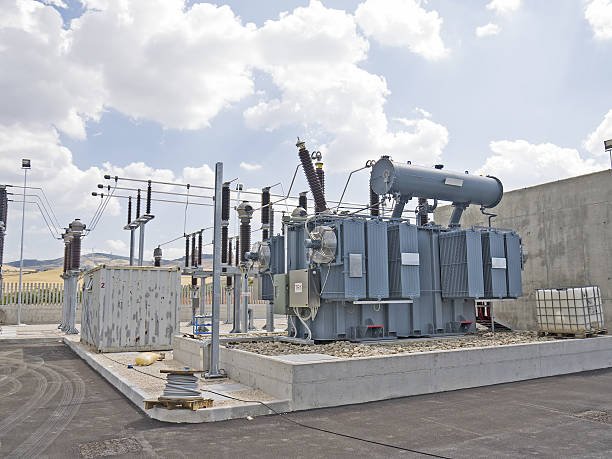
Voltage conversion is one of the most critical processes in renewable energy transmission because it enables electricity generated by solar farms, wind turbines, hydroelectric stations, battery storage systems, and other renewable energy facilities to be transmitted efficiently, safely, and reliably across long distances. Without voltage conversion, renewable energy systems would suffer severe power losses, unstable operation, excessive conductor heating, limited transmission distance, poor grid compatibility, and extremely high infrastructure costs.
Most renewable energy sources generate electricity at relatively low or medium voltage levels. Solar photovoltaic systems produce low-voltage direct current, wind turbines often generate medium-voltage alternating current, and battery storage systems operate across varying voltage ranges. However, utility transmission networks operate at very high voltages such as 66kV, 132kV, 220kV, 400kV, or even higher. Transformers are therefore required to convert renewable generation voltages into transmission-level voltages before electricity can be transported efficiently through the power grid.
The importance of voltage conversion becomes especially significant in modern renewable energy projects because renewable generation facilities are often located far from population centers and industrial load areas. Offshore wind farms may be hundreds of kilometers from shore, solar farms are commonly built in remote desert regions, and hydroelectric plants are often located in mountainous areas. Long-distance transmission without voltage conversion would create enormous energy losses and make renewable energy economically impractical.
Voltage conversion also supports grid stability, fault current control, reactive power management, power quality improvement, and renewable energy integration into smart grids and modern transmission systems.
Voltage conversion is important for renewable energy transmission because it increases transmission voltage, reduces current flow, minimizes energy losses, improves transmission efficiency, supports grid integration, and enables renewable electricity to be transported economically over long distances.
Without voltage conversion, renewable energy systems would experience excessive transmission losses, unstable voltage, overheating conductors, and severe limitations on power delivery capacity.
Renewable energy can be transmitted efficiently over long distances at low voltage without transformers because renewable systems naturally produce low-loss electricity.False
Low-voltage transmission causes high current flow and severe energy loss. Transformers are required to increase voltage and improve renewable energy transmission efficiency.
Why Renewable Energy Requires Voltage Conversion
Renewable energy generation voltages differ significantly from transmission grid voltages.
Typical Renewable Energy Output Voltages
| Renewable Source | Typical Output Voltage |
|---|---|
| Solar photovoltaic strings | 600V–1500V DC |
| Wind turbine generators | 690V–35kV AC |
| Battery storage systems | Variable DC voltage |
| Hydroelectric generators | Medium-voltage AC |
These voltages are unsuitable for efficient long-distance transmission.
What Is Voltage Conversion?
Voltage conversion changes electrical voltage levels using transformers.
Transformer Voltage Relationship
\frac{V_p}{V_s}=\frac{N_p}{N_s}
Where:
- (V_p) = primary voltage
- (V_s) = secondary voltage
- (N_p) = primary winding turns
- (N_s) = secondary winding turns
Step-up transformers increase voltage for transmission.
Why High Voltage Improves Transmission Efficiency
Electrical power transmission losses depend heavily on current.
Power Loss Equation
P_{loss}=I^2R
Where:
- (P_{loss}) = transmission loss
- (I) = current
- (R) = conductor resistance
Reducing current dramatically lowers transmission losses.
Relationship Between Voltage and Current
Power transmission follows a basic electrical relationship.
Power Equation
P=VI
Where:
- (P) = power
- (V) = voltage
- (I) = current
For constant power, increasing voltage reduces current.
Why Reduced Current Matters
High current creates several serious transmission problems.
Problems Caused by High Current
| Problem | Consequence |
|---|---|
| Conductor heating | Energy waste |
| Voltage drop | Poor power quality |
| Cable overheating | Reduced lifespan |
| Large conductor size | Higher infrastructure cost |
Voltage conversion helps eliminate these problems.
Example of Renewable Transmission Loss Reduction
Consider transmission of the same power at different voltages.
Transmission Comparison
| Transmission Voltage | Current Level | Relative Power Loss |
|---|---|---|
| Low voltage | Very high current | Very high loss |
| Medium voltage | Moderate current | Moderate loss |
| High voltage | Low current | Low loss |
This is why renewable energy systems use high-voltage transmission.
Long-Distance Renewable Energy Transmission
Renewable generation facilities are often located far from load centers.
Common Renewable Facility Locations
| Renewable Type | Typical Location |
|---|---|
| Solar farms | Deserts and remote land |
| Offshore wind farms | Coastal ocean regions |
| Hydroelectric plants | Mountainous areas |
Efficient long-distance transmission is therefore essential.
Voltage Conversion in Solar Power Systems
Solar systems require multiple voltage conversion stages.
Solar Power Flow
| Stage | Voltage Level |
|---|---|
| Solar panels | Low-voltage DC |
| Inverter output | Low-voltage AC |
| Collector transformer | Medium voltage |
| Grid transformer | High voltage |
Why Solar Farms Use Step-Up Transformers
Solar farms generate large amounts of electricity at low voltage.
Benefits of Solar Step-Up Transformers
| Benefit | Result |
|---|---|
| Reduced transmission current | Lower losses |
| Improved grid compatibility | Stable operation |
| Longer transmission distance | Better project economics |
Voltage Conversion in Wind Power Systems
Wind turbines also require extensive voltage conversion.
Wind Power Voltage Stages
| System Stage | Typical Voltage |
|---|---|
| Wind generator output | 690V |
| Turbine transformer output | 33kV |
| Offshore substation output | 132kV–220kV |
Offshore Wind Transmission Challenges
Offshore wind farms often transmit power over very long distances.
Offshore Wind Challenges
| Challenge | Importance |
|---|---|
| Long submarine cables | Loss reduction critical |
| Remote locations | High-voltage transmission necessary |
| Large power capacity | Efficient transmission required |
Role of High-Voltage Transmission
Very high voltage enables bulk renewable energy transfer.
Common Renewable Transmission Voltages
| Voltage Level | Application |
|---|---|
| 33kV | Collection systems |
| 66kV–132kV | Regional transmission |
| 220kV–500kV | Long-distance bulk transmission |
Reactive Power and Voltage Stability
Voltage conversion also supports reactive power management.
Reactive Power Equation
Q=VI\sin\phi
Where:
- (Q) = reactive power
- (V) = voltage
- (I) = current
- (\phi) = phase angle
Stable voltage is critical for renewable grid integration.
Voltage Drop Reduction
High voltage significantly reduces voltage drop.
Voltage Drop Equation
V_{drop}=IZ
Where:
- (V_{drop}) = voltage drop
- (I) = current
- (Z) = impedance
Lower current means smaller voltage drop.
Economic Importance of Voltage Conversion
Voltage conversion greatly reduces transmission infrastructure cost.
Economic Benefits
| Benefit | Financial Impact |
|---|---|
| Smaller conductor size | Lower material cost |
| Reduced energy loss | Higher efficiency |
| Longer transmission distance | Better project viability |
Grid Integration and Synchronization
Renewable systems must integrate safely with utility grids.
Grid Integration Requirements
| Requirement | Purpose |
|---|---|
| Voltage matching | Safe interconnection |
| Frequency synchronization | Stable operation |
| Reactive power control | Voltage stability |
Transformers help achieve these conditions.
Fault Current Limitation
Transformers also help manage fault current.
Short-Circuit Current Equation
I{sc}=\frac{I{rated}}{Z_{pu}}
Where:
- (I_{sc}) = short-circuit current
- (I_{rated}) = rated current
- (Z_{pu}) = per-unit impedance
Transformer impedance protects renewable systems during faults.
Renewable Energy and HVDC Transmission
Large renewable projects increasingly use HVDC systems.
Advantages of HVDC for Renewables
| Advantage | Benefit |
|---|---|
| Lower long-distance losses | Improved efficiency |
| Better offshore transmission | Wind farm integration |
| Stable asynchronous interconnection | Grid flexibility |
Converter Transformers in HVDC Systems
HVDC systems require specialized transformers.
Converter Transformer Functions
| Function | Purpose |
|---|---|
| Voltage adaptation | HVDC conversion |
| Electrical isolation | System protection |
| Harmonic reduction | Power quality |
Smart Grids and Renewable Transmission
Modern smart grids rely heavily on advanced transformer systems.
Smart Transformer Technologies
| Technology | Benefit |
|---|---|
| Digital monitoring | Real-time diagnostics |
| AI analysis | Predictive maintenance |
| Dynamic voltage regulation | Grid optimization |
Battery Energy Storage Integration
Battery systems also require voltage conversion.
Battery System Functions
| Function | Purpose |
|---|---|
| Bidirectional power flow | Charging/discharging |
| Voltage stabilization | Grid support |
| Renewable balancing | Energy management |
Environmental Benefits of Efficient Voltage Conversion
Efficient transmission supports renewable sustainability goals.
Sustainability Benefits
| Benefit | Result |
|---|---|
| Reduced transmission loss | Lower wasted energy |
| Smaller infrastructure footprint | Reduced material consumption |
| Improved renewable utilization | Lower carbon emissions |
Renewable Energy Microgrids
Microgrids also depend on voltage conversion.
Microgrid Transformer Functions
| Function | Purpose |
|---|---|
| Voltage balancing | Stable local supply |
| Islanding support | Autonomous operation |
| Load management | Energy optimization |
International Standards for Renewable Transmission Transformers
Renewable transmission systems follow global standards.
Common Standards
| Standard | Organization |
|---|---|
| IEC 60076 | IEC |
| IEEE C57 | IEEE |
| IEC 61400 | Wind energy systems |
| IEC 62109 | Solar power safety |
Typical Transformers Used in Renewable Transmission
| Transformer Type | Application |
|---|---|
| Step-up transformer | Solar and wind farms |
| Generator transformer | Hydroelectric plants |
| Converter transformer | HVDC renewable systems |
| Smart transformer | Smart grid integration |
Future Trends in Renewable Voltage Conversion
Renewable transmission technology continues evolving rapidly.
Emerging Technologies
| Technology | Future Benefit |
|---|---|
| Solid-state transformers | Faster voltage control |
| AI-integrated transformers | Smart optimization |
| Eco-friendly insulating fluids | Environmental sustainability |
| Digital twin systems | Predictive diagnostics |
Key Reasons Voltage Conversion Is Important for Renewable Transmission
| Voltage Conversion Function | Renewable Energy Benefit |
|---|---|
| Reduces transmission current | Lower energy loss |
| Minimizes voltage drop | Stable power delivery |
| Enables long-distance transmission | Remote renewable integration |
| Improves grid compatibility | Reliable operation |
| Reduces infrastructure cost | Better economics |
| Supports smart grids | Advanced energy management |
How Do Transformers Help Maintain Grid Stability and Power Quality?
Transformers play a critical role in maintaining grid stability and power quality in modern electrical power systems by regulating voltage levels, controlling power flow, limiting fault current, stabilizing frequency support, reducing harmonics, balancing electrical loads, and enabling reliable integration of renewable energy sources into utility grids. Without transformers, electrical networks would experience severe voltage instability, excessive transmission losses, harmonic distortion, equipment overheating, unreliable power delivery, and widespread operational failures across industrial, commercial, and residential power systems.
Modern electrical grids are becoming increasingly complex due to rising electricity demand, distributed energy resources, renewable energy integration, electric vehicle charging infrastructure, smart grid technologies, and highly sensitive electronic equipment. Solar farms, wind turbines, battery storage systems, industrial variable-frequency drives, data centers, and power electronics all introduce dynamic operating conditions that can destabilize voltage, generate harmonics, and reduce overall power quality. Transformers help manage these challenges by providing voltage conversion, electrical isolation, impedance control, reactive power support, harmonic mitigation, and intelligent grid coordination.
Grid stability refers to the ability of the electrical network to maintain continuous operation under changing load conditions, faults, generation fluctuations, and disturbances. Power quality refers to the consistency and reliability of voltage, frequency, waveform purity, and uninterrupted power delivery. Transformers support both by ensuring that electricity is transmitted and distributed at appropriate voltage levels while minimizing losses and stabilizing system performance.
Modern transformer technologies such as smart transformers, digitally monitored transformers, harmonic mitigation transformers, phase-shifting transformers, and converter transformers are becoming increasingly important for supporting stable and efficient operation of future smart grids and renewable energy systems.
Transformers help maintain grid stability and power quality by regulating voltage, controlling power flow, limiting fault current, reducing harmonics, supporting reactive power management, balancing loads, and stabilizing electrical networks during changing operating conditions.
Without transformers, power systems would suffer from unstable voltage, poor waveform quality, high transmission losses, equipment damage, and unreliable electricity delivery.
Transformers only change voltage levels and have little influence on overall grid stability or power quality.False
Transformers significantly influence voltage regulation, fault current limitation, harmonic mitigation, reactive power management, load balancing, and renewable energy integration, all of which directly affect grid stability and power quality.
What Is Grid Stability?
Grid stability is the ability of a power system to maintain reliable operation under normal and abnormal conditions.
Main Components of Grid Stability
| Stability Type | Purpose |
|---|---|
| Voltage stability | Maintain consistent voltage |
| Frequency stability | Maintain system frequency |
| Transient stability | Recover from disturbances |
| Load stability | Balance power demand |
Transformers support all these stability functions.
What Is Power Quality?
Power quality refers to the condition of electrical power delivered to equipment.
Main Power Quality Parameters
| Parameter | Importance |
|---|---|
| Voltage magnitude | Equipment protection |
| Frequency stability | Motor performance |
| Harmonic distortion | Electronic reliability |
| Voltage interruptions | Continuous operation |
Poor power quality can damage sensitive equipment.
Voltage Regulation and Grid Stability
One of the primary transformer functions is voltage regulation.
Voltage Regulation Formula
VR%=\frac{V{NL}-V{FL}}{V_{FL}}\times100
Where:
- (VR%) = voltage regulation
- (V_{NL}) = no-load voltage
- (V_{FL}) = full-load voltage
Transformers help maintain stable voltage during changing load conditions.
Why Voltage Stability Is Important
Stable voltage is essential for reliable power system operation.
Problems Caused by Voltage Instability
| Problem | Consequence |
|---|---|
| Low voltage | Motor overheating |
| High voltage | Insulation stress |
| Voltage fluctuation | Equipment malfunction |
| Voltage collapse | Grid failure |
Step-Up and Step-Down Voltage Control
Transformers adapt voltage levels throughout the power system.
Transformer Voltage Relationship
\frac{V_p}{V_s}=\frac{N_p}{N_s}
Where:
- (V_p) = primary voltage
- (V_s) = secondary voltage
- (N_p) = primary turns
- (N_s) = secondary turns
This voltage adaptation is essential for efficient transmission and distribution.
Reducing Transmission Losses
High-voltage transmission reduces energy loss.
Power Loss Equation
P_{loss}=I^2R
Where:
- (P_{loss}) = transmission loss
- (I) = current
- (R) = conductor resistance
By increasing voltage, transformers reduce current and minimize losses.
Reactive Power Support
Transformers help control reactive power flow in electrical systems.
Reactive Power Equation
Q=VI\sin\phi
Where:
- (Q) = reactive power
- (V) = voltage
- (I) = current
- (\phi) = phase angle
Reactive power management is critical for voltage stability.
Tap Changers and Voltage Control
Many transformers use tap changers to regulate voltage dynamically.
Types of Tap Changers
| Type | Function |
|---|---|
| Off-circuit tap changer | Manual voltage adjustment |
| On-load tap changer (OLTC) | Automatic voltage regulation |
How OLTC Systems Improve Grid Stability
OLTC transformers adjust voltage during operation.
OLTC Benefits
| Benefit | Result |
|---|---|
| Stable customer voltage | Improved power quality |
| Dynamic load response | Better grid stability |
| Reduced voltage fluctuation | Equipment protection |
Fault Current Limitation
Transformers help protect power systems during faults.
Short-Circuit Current Equation
I{sc}=\frac{I{rated}}{Z_{pu}}
Where:
- (I_{sc}) = short-circuit current
- (I_{rated}) = rated current
- (Z_{pu}) = per-unit impedance
Transformer impedance limits dangerous fault current.
Why Fault Current Limitation Matters
High fault current can destabilize the grid.
Fault Current Risks
| Risk | Consequence |
|---|---|
| Equipment damage | Power outages |
| Arc flash hazards | Personnel danger |
| Protection failure | Cascading faults |
| Mechanical stress | Transformer damage |
Harmonic Distortion in Modern Grids
Modern electrical systems contain many nonlinear loads.
Common Harmonic Sources
| Source | Application |
|---|---|
| Solar inverters | Renewable energy |
| Variable-frequency drives | Industrial motors |
| Data centers | IT infrastructure |
| EV chargers | Transportation systems |
How Harmonics Affect Power Quality
Harmonics distort normal sinusoidal waveforms.
Harmonic Problems
| Problem | Consequence |
|---|---|
| Transformer overheating | Reduced lifespan |
| Voltage distortion | Equipment malfunction |
| Increased losses | Lower efficiency |
| Resonance problems | System instability |
Harmonic Mitigation Transformers
Special transformer designs help reduce harmonics.
Harmonic Mitigation Methods
| Method | Benefit |
|---|---|
| Delta windings | Triplen harmonic suppression |
| K-rated transformers | Harmonic heating tolerance |
| Phase-shifting transformers | Harmonic cancellation |
Electrical Isolation and Noise Reduction
Transformers provide electrical isolation between circuits.
Isolation Benefits
| Benefit | Importance |
|---|---|
| Noise reduction | Improved signal quality |
| Fault isolation | Equipment protection |
| Ground loop prevention | Stable operation |
Load Balancing in Power Systems
Transformers help distribute electrical loads evenly.
Importance of Load Balancing
| Benefit | Result |
|---|---|
| Reduced overload risk | Improved reliability |
| Stable voltage | Better power quality |
| Lower losses | Higher efficiency |
Parallel Transformer Operation
Parallel transformers improve grid flexibility and reliability.
Benefits of Parallel Operation
| Benefit | Importance |
|---|---|
| Increased capacity | Large load support |
| Backup redundancy | Improved reliability |
| Maintenance flexibility | Reduced downtime |
Renewable Energy Integration
Renewable energy introduces variability into the grid.
Renewable Energy Challenges
| Challenge | Transformer Role |
|---|---|
| Intermittent generation | Voltage stabilization |
| Harmonic injection | Harmonic mitigation |
| Dynamic power flow | Load balancing |
Smart Transformers and Digital Grids
Modern smart grids increasingly rely on intelligent transformers.
Smart Transformer Technologies
| Technology | Function |
|---|---|
| Online monitoring | Real-time diagnostics |
| AI analysis | Predictive maintenance |
| Dynamic voltage control | Grid optimization |
| Digital communication | Smart grid integration |
Monitoring Systems for Grid Stability
Continuous transformer monitoring improves reliability.
Monitored Parameters
| Parameter | Importance |
|---|---|
| Temperature | Thermal protection |
| Moisture | Insulation health |
| Dissolved gas analysis | Fault detection |
| Load current | Capacity management |
Frequency Stability Support
Transformers indirectly support frequency stability.
Frequency Stability Functions
| Function | Importance |
|---|---|
| Stable power transfer | Grid synchronization |
| Renewable integration | Frequency balancing |
| Load management | System reliability |
Phase-Shifting Transformers
Some transformers actively control power flow.
Phase-Shifting Transformer Benefits
| Benefit | Purpose |
|---|---|
| Power flow control | Grid balancing |
| Congestion reduction | Transmission optimization |
| Stability improvement | Reliable operation |
HVDC Converter Transformers
Modern grids increasingly use HVDC systems.
Converter Transformer Functions
| Function | Purpose |
|---|---|
| Voltage adaptation | HVDC conversion |
| Harmonic reduction | Power quality |
| Electrical isolation | System protection |
Transformer Cooling and Reliability
Stable transformer temperature improves grid reliability.
Common Cooling Methods
| Cooling Method | Application |
|---|---|
| ONAN | Standard distribution transformers |
| ONAF | Large utility transformers |
| OFAF | High-capacity transmission systems |
Microgrids and Distributed Energy Systems
Transformers are essential in microgrid stability.
Microgrid Transformer Functions
| Function | Purpose |
|---|---|
| Voltage balancing | Stable local supply |
| Islanding support | Autonomous operation |
| Load management | Efficient energy control |
International Standards for Grid Stability Transformers
Transformer systems follow international standards.
Common Standards
| Standard | Organization |
|---|---|
| IEC 60076 | IEC |
| IEEE C57 | IEEE |
| IEC 61000 | Electromagnetic compatibility |
Future Trends in Grid Stability Transformers
Transformer technology continues evolving rapidly.
Emerging Technologies
| Technology | Future Benefit |
|---|---|
| Solid-state transformers | Fast voltage control |
| AI-integrated transformers | Predictive optimization |
| Digital twin systems | Advanced diagnostics |
| Eco-friendly insulation fluids | Sustainability |
Key Ways Transformers Maintain Grid Stability and Power Quality
| Transformer Function | Grid Benefit |
|---|---|
| Voltage regulation | Stable power delivery |
| Fault current limitation | System protection |
| Harmonic mitigation | Improved waveform quality |
| Reactive power support | Voltage stability |
| Load balancing | Reliable operation |
| Renewable integration | Sustainable grid expansion |
What Special Transformer Designs Are Used in Renewable Energy Projects?
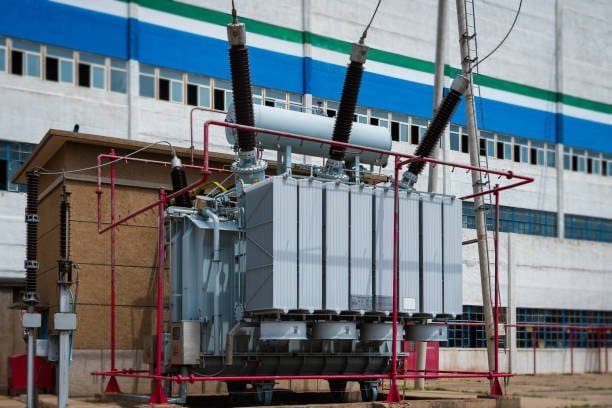
Renewable energy projects require specialized transformer designs because solar, wind, hydro, and battery storage systems do not behave like conventional steady-state power plants. Instead, they produce variable, inverter-based, and often intermittent power that must be carefully conditioned, stabilized, and adapted before being integrated into the electrical grid. This creates unique technical demands on transformers, including harmonic suppression, bidirectional power flow capability, high efficiency under fluctuating loads, enhanced insulation stress handling, compact design requirements, and compatibility with power electronics.
Unlike traditional transformers used in fossil-fuel plants, renewable energy transformers must operate in environments with rapid power fluctuations, high switching frequencies from inverters, voltage variability, and increased harmonic distortion. As a result, engineers use a range of advanced transformer types specifically designed for renewable integration, grid stability, and long-distance power transmission.
Special transformer designs in renewable energy projects include step-up transformers, inverter-duty transformers, converter transformers, pad-mounted transformers, dry-type transformers, smart transformers, phase-shifting transformers, and HVDC converter transformers, all engineered to handle variable generation, harmonic distortion, bidirectional power flow, and grid integration challenges.
Without these specialized designs, renewable energy systems would suffer from poor efficiency, instability, excessive losses, and unreliable grid connection.
Standard distribution transformers are sufficient for all renewable energy projects without requiring any special design modifications.False
Renewable energy systems require specialized transformer designs to handle harmonics, variable generation, inverter-based output, bidirectional flow, and grid integration challenges.
Why Renewable Energy Requires Special Transformer Designs
Renewable energy sources behave differently from conventional generators.
Key Challenges in Renewable Power Systems
| Challenge | Impact on Transformer Design |
|---|---|
| Variable power output | Requires dynamic load handling |
| Power electronics (inverters) | Creates harmonics and switching stress |
| Bidirectional energy flow | Requires reverse power capability |
| Remote installations | Requires compact and durable designs |
| Grid instability risk | Requires voltage regulation support |
These conditions make standard transformer designs insufficient.
Step-Up Transformers for Renewable Energy Plants
Step-up transformers are the most widely used renewable energy transformers.
Function in Renewable Systems
They increase low or medium voltage from generation sites to high transmission voltage levels.
Voltage Conversion Principle
\frac{V_p}{V_s}=\frac{N_p}{N_s}
Where:
- (V_p) = primary voltage
- (V_s) = secondary voltage
- (N_p) = primary turns
- (N_s) = secondary turns
Applications
| Renewable Source | Use of Step-Up Transformer |
|---|---|
| Solar farms | Inverter output voltage increase |
| Wind farms | Collector system voltage rise |
| Hydropower plants | Generator voltage transmission |
Inverter-Duty Transformers
Renewable systems rely heavily on power electronic inverters.
Why Special Design Is Needed
Inverters introduce:
- Harmonics
- High-frequency switching noise
- Non-sinusoidal waveforms
Inverter-Duty Transformer Features
| Feature | Purpose |
|---|---|
| Enhanced insulation | Withstand voltage spikes |
| Harmonic tolerance | Handle distorted waveforms |
| Low loss core | Improve efficiency |
| Thermal reinforcement | Handle additional heating |
These transformers are essential in solar PV plants and battery systems.
Converter Transformers for Wind and HVDC Systems
Converter transformers are critical in large-scale renewable energy transmission.
Where They Are Used
| Application | Purpose |
|---|---|
| Offshore wind farms | Grid connection via HVDC |
| HVDC transmission | Long-distance power transfer |
| Large renewable hubs | Multi-source integration |
Key Functions
- AC to DC or DC to AC interface
- Electrical isolation
- Harmonic filtering
- Voltage adaptation
Pad-Mounted Transformers in Solar and Distributed Systems
Pad-mounted transformers are widely used in distributed solar installations.
Key Characteristics
| Feature | Benefit |
|---|---|
| Ground-level installation | Easy maintenance |
| Tamper-proof enclosure | High safety |
| Compact design | Space efficiency |
| Weather resistance | Outdoor durability |
Common Use
- Rooftop solar systems
- Community solar farms
- Urban renewable installations
Dry-Type Transformers for Indoor Renewable Systems
Dry-type transformers are increasingly used in renewable installations where fire safety and environmental concerns are important.
Advantages
| Advantage | Benefit |
|---|---|
| No oil insulation | Fire safety improvement |
| Low maintenance | Reduced operating cost |
| Eco-friendly design | Environmental compliance |
| Indoor installation | Space flexibility |
Applications
- Battery energy storage systems (BESS)
- Data center renewable integration
- Urban substations
Phase-Shifting Transformers for Grid Control
Phase-shifting transformers help control power flow in complex renewable grids.
Why They Are Important
Renewable energy can create congestion in transmission lines.
Function
They control the phase angle of voltage to manage power flow.
Benefits
| Benefit | Result |
|---|---|
| Power flow control | Prevents grid congestion |
| Load balancing | Improves stability |
| Transmission optimization | Reduces bottlenecks |
Smart Transformers in Renewable Energy Systems
Smart transformers integrate digital intelligence into grid operations.
Smart Features
| Technology | Function |
|---|---|
| IoT sensors | Real-time monitoring |
| AI analytics | Predictive maintenance |
| Digital communication | Grid integration |
| Adaptive control | Voltage optimization |
Benefits
- Higher efficiency
- Reduced downtime
- Improved grid stability
- Faster fault detection
Harmonic Mitigation Transformer Designs
Renewable systems produce harmonic distortion due to inverters.
Common Solutions
| Design Type | Function |
|---|---|
| Delta winding transformers | Suppress triplen harmonics |
| K-rated transformers | Handle harmonic heating |
| Multi-pulse transformers | Reduce waveform distortion |
Harmonic Impact Reduction
THD = \frac{\sqrt{V_2^2 + V_3^2 + \cdots}}{V_1} \times 100%
Where:
- THD = Total Harmonic Distortion
- (V_1) = fundamental voltage
Bi-Directional Transformers for Battery Energy Storage
Battery energy storage systems require reverse power flow capability.
Operating Modes
| Mode | Power Direction |
|---|---|
| Charging | Grid → Battery |
| Discharging | Battery → Grid |
Design Requirements
- Thermal stability
- Voltage regulation
- Fast response capability
Offshore Wind Transformer Special Designs
Offshore wind farms require extreme durability designs.
Environmental Challenges
| Condition | Requirement |
|---|---|
| Salt corrosion | Anti-corrosion materials |
| High humidity | Sealed insulation systems |
| Space limitations | Compact transformer design |
| Harsh weather | Reinforced mechanical structure |
Eco-Friendly Transformer Designs
Sustainability is a major requirement in renewable energy.
Green Transformer Features
| Feature | Benefit |
|---|---|
| Biodegradable oil | Environmental safety |
| Low-loss core materials | Higher efficiency |
| Reduced noise design | Urban compatibility |
| Recyclable components | Sustainable lifecycle |
Efficiency in Renewable Transformer Design
Efficiency is critical in renewable systems where energy loss must be minimized.
Efficiency Equation
\eta = \frac{P{out}}{P{in}} \times 100%
Where:
- η = efficiency
- P_out = output power
- P_in = input power
Even small efficiency improvements significantly impact renewable energy output.
Typical Special Transformer Types in Renewable Projects
| Transformer Type | Application |
|---|---|
| Step-up transformer | Solar and wind farms |
| Converter transformer | HVDC transmission |
| Pad-mounted transformer | Distributed solar systems |
| Dry-type transformer | Indoor renewable systems |
| Smart transformer | Digital grid integration |
| Phase-shifting transformer | Power flow control |
| Inverter-duty transformer | Solar and BESS systems |
How Do Smart and Efficient Transformers Support Sustainable Energy Goals?
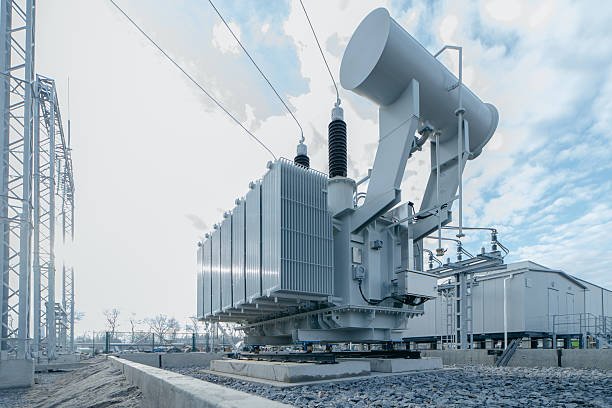
Smart and efficient transformers are becoming a cornerstone of global sustainable energy strategies because they directly improve energy efficiency, reduce electrical losses, enable renewable energy integration, support grid modernization, and lower carbon emissions across transmission and distribution networks. As the world transitions toward cleaner energy systems, transformers are no longer passive electrical devices—they are now intelligent, highly optimized components that actively contribute to energy conservation and grid sustainability.
Traditional transformers already play a key role in voltage conversion and power distribution, but modern “smart” and “high-efficiency” transformer designs go much further. They incorporate advanced magnetic materials, low-loss core structures, digital monitoring systems, real-time analytics, and adaptive control features that significantly reduce energy waste and improve system performance. In large-scale power networks, even small efficiency gains at the transformer level translate into massive reductions in total energy consumption and greenhouse gas emissions.
Smart transformers also support renewable energy sources such as solar and wind by stabilizing fluctuating power output, managing bidirectional energy flow, improving voltage regulation, and integrating distributed energy resources into the grid. This makes them essential for achieving long-term sustainability goals and building resilient, low-carbon electricity systems.
Smart and efficient transformers support sustainable energy goals by reducing transmission losses, improving energy efficiency, enabling renewable integration, lowering carbon emissions, stabilizing grid operation, and providing real-time intelligent control of modern power systems.
Without smart and efficient transformers, power systems would experience higher energy waste, reduced renewable integration capability, and significantly greater environmental impact.
Smart transformers are mainly digital monitoring devices and do not significantly improve actual energy efficiency in power systems.False
Smart transformers improve both monitoring and operational efficiency through reduced losses, optimized voltage control, harmonic mitigation, and adaptive grid management, directly contributing to energy savings and sustainability.
Why Transformers Are Central to Sustainability
Electricity networks depend heavily on transformers for energy transmission and distribution.
Key Sustainability Roles of Transformers
| Function | Sustainability Impact |
|---|---|
| Voltage conversion | Enables efficient transmission |
| Loss reduction | Saves large-scale energy |
| Renewable integration | Supports clean energy growth |
| Grid stabilization | Reduces energy waste |
| Load balancing | Improves system efficiency |
Transformers influence nearly every part of the energy lifecycle.
High-Efficiency Transformers and Energy Loss Reduction
One of the most important sustainability contributions is reducing energy losses.
Transformer Efficiency Equation
\eta = \frac{P{out}}{P{in}} \times 100%
Where:
- η = efficiency
- P_out = output power
- P_in = input power
Even small efficiency improvements significantly reduce global energy waste.
Why Transformer Losses Matter for Sustainability
Transformer losses occur continuously in all power systems.
Types of Transformer Losses
| Loss Type | Description |
|---|---|
| Core (iron) losses | Constant no-load losses |
| Copper losses | Load-dependent losses |
| Stray losses | Leakage flux losses |
Reducing these losses directly improves energy sustainability.
Advanced Materials Used in Efficient Transformers
Modern transformers use improved materials to increase efficiency.
Key Material Innovations
| Material | Benefit |
|---|---|
| Amorphous steel cores | Very low no-load losses |
| Grain-oriented silicon steel | Improved magnetic performance |
| High-conductivity copper | Reduced resistive losses |
| Eco-friendly insulation fluids | Lower environmental impact |
These materials significantly reduce lifetime energy waste.
Smart Transformers and Digital Energy Optimization
Smart transformers integrate digital intelligence into grid operation.
Smart Transformer Technologies
| Technology | Function |
|---|---|
| IoT sensors | Real-time monitoring |
| AI algorithms | Predictive optimization |
| Digital communication | Grid coordination |
| Automated voltage control | Dynamic efficiency improvement |
These features allow transformers to actively optimize energy flow.
How Smart Transformers Reduce Energy Waste
Smart transformers continuously adjust to grid conditions.
Optimization Mechanisms
| Mechanism | Result |
|---|---|
| Dynamic voltage regulation | Reduced losses |
| Load-aware operation | Improved efficiency |
| Predictive maintenance | Lower downtime losses |
| Harmonic compensation | Cleaner power delivery |
This reduces unnecessary energy consumption across the grid.
Supporting Renewable Energy Integration
Renewable energy sources are variable and intermittent.
Renewable Energy Challenges
| Challenge | Impact |
|---|---|
| Fluctuating output | Voltage instability |
| Power electronics | Harmonics generation |
| Distributed generation | Grid complexity |
Smart transformers help stabilize these conditions.
Voltage Regulation for Renewable Systems
Stable voltage is essential for renewable integration.
Voltage Regulation Formula
VR% = \frac{V{NL} - V{FL}}{V_{FL}} \times 100
Where:
- VR% = voltage regulation
- V_NL = no-load voltage
- V_FL = full-load voltage
Smart transformers help maintain stable voltage automatically.
Reducing Carbon Emissions Through Efficiency
Energy losses in transformers translate directly into carbon emissions.
Environmental Impact Pathway
| Energy Loss | Environmental Effect |
|---|---|
| Heat loss | Increased generation demand |
| Transmission loss | Higher fuel consumption |
| Inefficiency | Greater CO₂ emissions |
Improving transformer efficiency reduces overall emissions.
Smart Grids and Distributed Energy Systems
Modern grids are becoming decentralized and complex.
Smart Grid Requirements
| Requirement | Transformer Role |
|---|---|
| Real-time control | Digital monitoring |
| Bidirectional flow | Adaptive operation |
| Renewable integration | Voltage stabilization |
Smart transformers are essential for these systems.
Harmonic Reduction and Power Quality Improvement
Renewable and electronic loads generate harmonics.
Harmonic Distortion Concept
THD = \frac{\sqrt{V_2^2 + V_3^2 + \cdots}}{V_1} \times 100%
Where:
- THD = Total Harmonic Distortion
- V₁ = fundamental voltage
Smart transformers help reduce harmonic impact.
Load Management and Grid Efficiency
Smart transformers balance electrical loads dynamically.
Load Optimization Benefits
| Function | Benefit |
|---|---|
| Load balancing | Reduced overload risk |
| Peak shaving | Lower energy demand stress |
| Demand response | Efficient energy use |
Fault Detection and Predictive Maintenance
Smart transformers improve reliability through monitoring.
Monitored Parameters
| Parameter | Purpose |
|---|---|
| Temperature | Thermal protection |
| Dissolved gas analysis | Fault detection |
| Load current | Capacity management |
| Moisture content | Insulation health |
Predictive maintenance reduces energy waste from failures.
Bidirectional Power Flow for Modern Energy Systems
Energy systems now flow in both directions.
Bidirectional Operation
| Mode | Power Flow |
|---|---|
| Charging | Grid → Storage |
| Discharging | Storage → Grid |
Smart transformers manage this efficiently.
Supporting Electric Vehicle Infrastructure
EV charging increases grid demand variability.
EV Impact on Grid
| Challenge | Transformer Role |
|---|---|
| Fast charging peaks | Load balancing |
| High demand fluctuations | Voltage stabilization |
| Distributed charging points | Power distribution |
Lifecycle Sustainability Benefits
Efficient transformers reduce environmental impact across their entire lifecycle.
Lifecycle Improvements
| Stage | Sustainability Benefit |
|---|---|
| Manufacturing | Lower material usage |
| Operation | Reduced energy losses |
| Maintenance | Predictive efficiency |
| End-of-life | Recyclable components |
Smart Transformer Role in Renewable Energy Systems
Smart transformers enhance renewable integration significantly.
Renewable Benefits
| Benefit | Impact |
|---|---|
| Voltage stability | Reliable output |
| Grid synchronization | Smooth integration |
| Energy optimization | Reduced waste |
Global Standards Supporting Efficiency
Transformer sustainability is guided by international standards.
Key Standards
| Standard | Organization |
|---|---|
| IEC 60076 | International Electrotechnical Commission |
| IEEE C57 | Institute of Electrical and Electronics Engineers |
| ISO 50001 | Energy management systems |
Future of Smart and Efficient Transformers
Transformer technology is rapidly evolving toward full digital integration.
Emerging Trends
| Technology | Future Impact |
|---|---|
| Solid-state transformers | Ultra-fast control |
| AI energy optimization | Maximum efficiency |
| Digital twin systems | Predictive grid modeling |
| Eco-design transformers | Carbon-neutral infrastructure |
Key Ways Smart Transformers Support Sustainability
| Sustainability Goal | Transformer Contribution |
|---|---|
| Energy efficiency | Reduced electrical losses |
| Carbon reduction | Lower generation demand |
| Renewable integration | Stable grid support |
| Grid modernization | Smart control systems |
| Reliability improvement | Fewer outages and waste |
| Resource optimization | Efficient energy use |
Conclusion
Transformers support renewable energy by enabling efficient voltage conversion, stable grid connection, and reliable power transmission from renewable sources to end users. They help integrate variable energy sources such as solar and wind into the electrical network while maintaining voltage stability and power quality. Through specialized designs, high efficiency, and smart monitoring technologies, modern transformers play a vital role in advancing sustainable and low-carbon energy systems.
FAQ
Q1: How do transformers support renewable energy systems?
Transformers support renewable energy systems by adjusting voltage levels and enabling efficient integration of solar, wind, and other renewable sources into the electrical grid.
They step up low generator voltages for transmission or step them down for distribution, ensuring stable and efficient power flow.
Q2: Why are transformers important in solar power systems?
In solar photovoltaic (PV) systems, transformers:
Step up inverter output voltage to grid level
Ensure safe and stable grid connection
Isolate solar arrays from the utility network
Improve power quality and reduce losses
Without transformers, solar energy could not be efficiently transmitted to the grid.
Q3: How do transformers support wind energy systems?
In wind farms, transformers:
Convert variable generator voltage to grid-compatible levels
Handle fluctuating power output due to wind variability
Enable long-distance transmission from remote wind sites
Improve system stability and reliability
They are typically installed in turbine nacelles or substations.
Q4: What role do transformers play in grid integration?
Transformers are essential for integrating renewable energy into the grid because they:
Match voltage levels between renewable sources and transmission systems
Stabilize fluctuating power output
Support bi-directional power flow in modern grids
Reduce transmission losses over long distances
They ensure seamless interaction between renewable sources and conventional power systems.
Q5: How do transformers handle variability in renewable energy?
Renewable energy sources like wind and solar are variable, and transformers help manage this by:
Operating efficiently under fluctuating loads
Supporting voltage regulation through tap changers
Maintaining stable output despite input variations
Working with grid control systems for dynamic adjustment
This helps maintain grid reliability.
Q6: What types of transformers are used in renewable energy projects?
Common transformer types include:
Step-up transformers (for transmission)
Step-down transformers (for distribution)
Pad-mounted transformers (solar farms)
Offshore wind transformers (specialized designs)
Converter transformers (for HVDC systems)
Each type supports specific renewable applications.
Q7: How do transformers improve efficiency in renewable systems?
Transformers improve efficiency by:
Reducing transmission losses through high-voltage transfer
Matching voltage levels precisely
Supporting optimal power flow
Enabling long-distance energy transmission from remote sites
This maximizes the usable energy delivered to consumers.
Q8: What is the future role of transformers in renewable energy?
Future transformer technologies will support:
Smart grid integration
Real-time monitoring and control
Higher efficiency and lower losses
Increased renewable penetration
Bidirectional energy flow (including storage systems)
They will remain a key enabler of global energy transition.
References
IEC 60076 – Power Transformers
https://webstore.iec.ch/publication/602
IEEE Smart Grid Standards
https://standards.ieee.org
IEA – Renewable Energy Integration Reports
https://www.iea.org
Electrical Engineering Portal – Renewable Energy Transformers
https://electrical-engineering-portal.com
CIGRE – Renewable Integration Studies
https://www.cigre.org
U.S. Department of Energy – Clean Energy Grid Integration
https://www.energy.gov