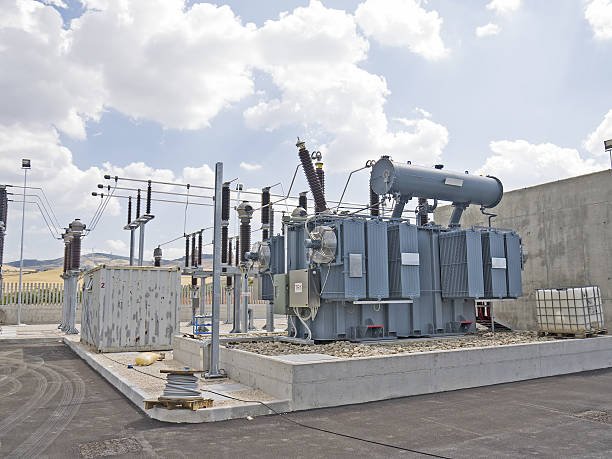
Transformers installed in coastal areas face unique challenges due to high humidity, salt-laden air, and corrosive environments. These conditions can accelerate insulation degradation, corrosion of metallic parts, and electrical faults. To ensure long-term reliability and safe operation, transformers in coastal locations require specialized protective measures and design adaptations.
Why Are Coastal Environments Challenging for Transformers?
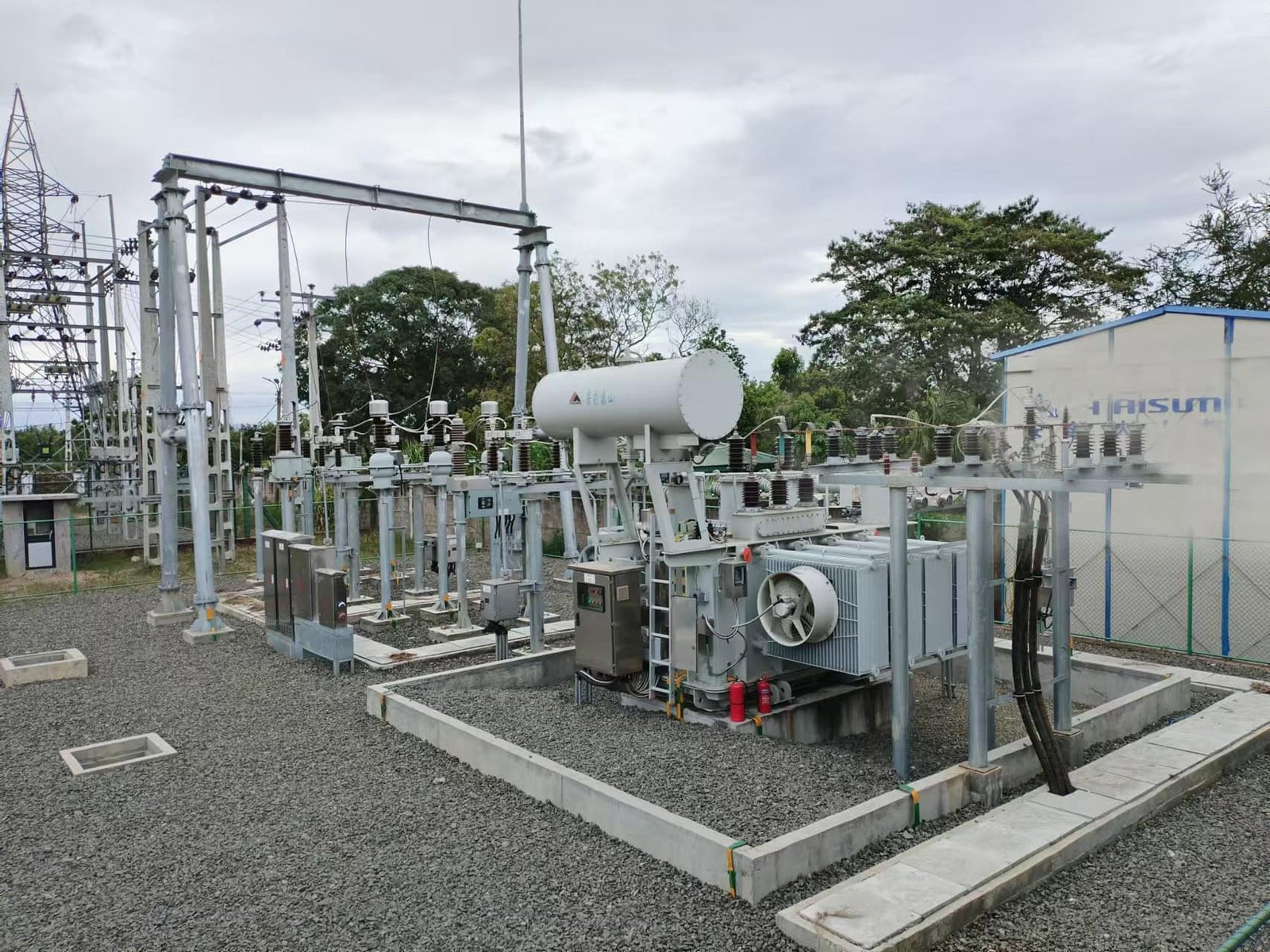
Coastal environments are among the most demanding operating conditions for power transformers because they combine high humidity, salt contamination, strong winds, temperature fluctuations, heavy rainfall, and accelerated corrosion mechanisms that can significantly reduce transformer reliability and lifespan. Unlike inland installations, transformers located near oceans, seas, harbors, offshore platforms, and coastal industrial facilities are continuously exposed to airborne salt particles and moisture that can attack metal components, degrade insulation systems, contaminate cooling surfaces, and increase the risk of electrical failures.
Salt-laden air is particularly harmful because it deposits conductive contaminants on transformer bushings, insulators, radiators, cooling fins, and external surfaces. When combined with moisture, these deposits can create leakage currents, flashovers, corrosion, insulation deterioration, and overheating problems. In severe coastal climates, transformers that are not specifically designed for marine environments may experience significantly shorter service lives and higher maintenance costs than comparable inland installations.
Coastal transformers are therefore often equipped with enhanced corrosion protection systems, sealed tank designs, specialized coatings, stainless steel hardware, moisture-control devices, and advanced monitoring systems. These measures help ensure reliable operation despite the harsh environmental conditions associated with marine and coastal locations.
Coastal environments are challenging for transformers because salt contamination, high humidity, moisture ingress, corrosion, pollution deposits, strong winds, and harsh weather conditions accelerate equipment aging, increase insulation stress, and raise the risk of electrical failures.
Proper transformer design, environmental protection measures, and preventive maintenance are essential for ensuring long-term reliability in coastal applications.
Coastal environments affect transformers mainly through humidity, while salt contamination has little influence on transformer reliability.False
Salt contamination is one of the most significant threats in coastal environments because it accelerates corrosion, increases surface conductivity, promotes flashovers, and contributes to insulation degradation and equipment failure.
Why Coastal Environments Are Unique
Coastal installations experience environmental conditions that differ significantly from inland locations.
Key Coastal Environmental Factors
| Environmental Factor | Transformer Impact |
|---|---|
| Salt spray | Corrosion and contamination |
| High humidity | Insulation stress |
| Strong winds | Salt transport and contamination |
| Heavy rainfall | Moisture exposure |
| Temperature variation | Condensation formation |
These factors often occur simultaneously.
What Is Salt Contamination?
Salt contamination refers to airborne salt particles carried by marine winds.
Sources of Salt Deposits
| Source | Description |
|---|---|
| Ocean waves | Salt aerosol generation |
| Sea spray | Fine salt particle transport |
| Coastal storms | Increased contamination levels |
| Offshore winds | Long-distance salt movement |
Salt particles can travel many kilometers inland.
Why Salt Is Dangerous for Transformers
Salt becomes conductive when combined with moisture.
Effects of Salt Deposits
| Effect | Consequence |
|---|---|
| Surface conductivity increase | Leakage current |
| Corrosion acceleration | Structural deterioration |
| Flashover risk | Insulation failure |
| Cooling obstruction | Reduced heat dissipation |
Corrosion of Transformer Components
Corrosion is one of the most serious coastal transformer challenges.
Components Vulnerable to Corrosion
| Component | Corrosion Risk |
|---|---|
| Transformer tank | Surface deterioration |
| Radiators | Reduced cooling efficiency |
| Fasteners and hardware | Structural weakening |
| Control cabinets | Electrical connection degradation |
Why Corrosion Accelerates Near the Coast
Salt water acts as an electrolyte that speeds up electrochemical reactions.
Corrosion Mechanism
Moisture combined with salt deposits creates highly corrosive conditions on exposed metal surfaces.
Humidity and Moisture Problems
Coastal regions often experience persistently high humidity.
Typical Coastal Humidity Conditions
| Environment | Relative Humidity |
|---|---|
| Inland dry regions | 30–60% |
| Coastal regions | 70–95% |
| Offshore platforms | Frequently above 90% |
Moisture Effects on Transformer Insulation
Moisture significantly reduces insulation performance.
Moisture-Related Risks
| Risk | Consequence |
|---|---|
| Lower dielectric strength | Increased breakdown risk |
| Insulation aging | Reduced lifespan |
| Condensation formation | Surface tracking |
| Oil contamination | Reduced insulating performance |
Condensation Formation
Condensation frequently occurs in coastal environments.
Why Condensation Develops
Rapid temperature changes cause moisture to condense on transformer surfaces.
Condensation Risks
| Risk | Impact |
|---|---|
| Surface leakage currents | Electrical stress |
| Corrosion initiation | Equipment damage |
| Moisture accumulation | Insulation degradation |
Flashover Risk in Coastal Areas
Contaminated insulators are more likely to experience flashovers.
What Is Flashover?
A flashover occurs when electrical current travels across an insulation surface.
Flashover Contributing Factors
| Factor | Effect |
|---|---|
| Salt contamination | Increased conductivity |
| Moisture | Surface wetting |
| Pollution deposits | Leakage path formation |
Bushings and Insulators Under Coastal Conditions
Bushings are particularly vulnerable to contamination.
Common Problems
| Problem | Consequence |
|---|---|
| Salt accumulation | Leakage current |
| Surface tracking | Insulation damage |
| Flashover | Service interruption |
Impact on Transformer Cooling Systems
Salt contamination affects cooling performance.
Cooling Component Challenges
| Component | Problem |
|---|---|
| Radiators | Corrosion |
| Cooling fins | Contamination buildup |
| Fans | Salt exposure |
Why Cooling Efficiency Matters
Transformer temperature directly affects lifespan.
Heat Transfer Relationship
Q=hA(T_s-T_a)
Where:
- (Q) = heat transfer rate
- (h) = heat transfer coefficient
- (A) = cooling area
- (T_s) = surface temperature
- (T_a) = ambient temperature
Contaminated cooling surfaces reduce heat dissipation efficiency.
Coastal Storms and Extreme Weather
Coastal transformers frequently face severe weather conditions.
Weather-Related Challenges
| Condition | Transformer Impact |
|---|---|
| Tropical storms | Physical damage |
| Hurricanes | Flying debris |
| Heavy rainfall | Water ingress risk |
| Storm surge | Flooding threat |
Flooding Risks in Coastal Installations
Flooding presents a major threat to transformers.
Flood-Related Hazards
| Hazard | Consequence |
|---|---|
| Water ingress | Insulation failure |
| Oil contamination | Reduced dielectric strength |
| Structural damage | Equipment replacement |
Offshore Transformer Applications
Offshore wind farms present even harsher conditions.
Offshore Challenges
| Challenge | Severity |
|---|---|
| Continuous salt exposure | Extremely high |
| Strong marine winds | Severe |
| Space limitations | Significant |
| Maintenance difficulty | High |
Renewable Energy Projects in Coastal Areas
Many renewable projects are located near coastlines.
Common Coastal Renewable Installations
| Project Type | Transformer Application |
|---|---|
| Offshore wind farms | Collection and export transformers |
| Coastal solar farms | Step-up transformers |
| Marine energy systems | Specialized transformers |
Corrosion Protection Systems
Special protection measures are required.
Common Protection Methods
| Method | Purpose |
|---|---|
| Protective coatings | Corrosion resistance |
| Galvanization | Metal protection |
| Stainless steel hardware | Corrosion prevention |
| Sealed enclosures | Moisture exclusion |
Specialized Transformer Coatings
Marine-grade coatings improve durability.
Coating Benefits
| Benefit | Result |
|---|---|
| Salt resistance | Reduced corrosion |
| Moisture protection | Longer lifespan |
| UV resistance | Improved durability |
Sealed Transformer Designs
Sealed transformers minimize environmental exposure.
Advantages of Sealed Designs
| Feature | Benefit |
|---|---|
| Reduced moisture ingress | Better insulation health |
| Lower contamination risk | Improved reliability |
| Reduced maintenance | Lower operating cost |
Breathers and Moisture Control Systems
Moisture management is essential.
Moisture Protection Devices
| Device | Function |
|---|---|
| Silica gel breathers | Air drying |
| Membrane systems | Moisture isolation |
| Nitrogen blankets | Internal protection |
Monitoring Systems for Coastal Transformers
Modern transformers use advanced monitoring technologies.
Common Monitoring Parameters
| Parameter | Purpose |
|---|---|
| Moisture content | Insulation health |
| Temperature | Thermal management |
| Dissolved gas analysis | Fault detection |
| Corrosion condition | Asset protection |
Maintenance Requirements in Coastal Areas
Coastal transformers typically require more frequent maintenance.
Common Maintenance Activities
| Activity | Purpose |
|---|---|
| Insulator cleaning | Remove salt deposits |
| Corrosion inspection | Early damage detection |
| Coating maintenance | Surface protection |
| Moisture monitoring | Insulation preservation |
Environmental Standards and Coastal Design Requirements
Transformers in marine environments often follow stricter specifications.
Common Standards
| Standard | Organization |
|---|---|
| IEC 60076 | IEC |
| IEEE C57 | IEEE |
| ISO 12944 | Corrosion protection coatings |
Common Mistakes in Coastal Transformer Installations
| Mistake | Consequence |
|---|---|
| Inadequate corrosion protection | Accelerated deterioration |
| Poor sealing systems | Moisture ingress |
| Insufficient maintenance | Increased failure risk |
| Ignoring salt contamination | Flashover incidents |
Key Challenges of Coastal Transformer Installations
| Challenge | Primary Impact |
|---|---|
| Salt contamination | Leakage current and corrosion |
| High humidity | Insulation stress |
| Condensation | Surface tracking |
| Corrosion | Structural degradation |
| Flooding | Catastrophic damage |
| Cooling contamination | Reduced thermal performance |
How Is Corrosion Prevented in Coastal Installations?

Corrosion prevention is one of the most important design and maintenance priorities for transformers installed in coastal environments. Salt-laden air, high humidity, ocean spray, condensation, and frequent weather exposure create highly aggressive conditions that can rapidly deteriorate metal surfaces, weaken structural components, damage cooling systems, and compromise electrical reliability. Without proper protection, corrosion can significantly shorten transformer lifespan, increase maintenance costs, reduce cooling efficiency, and eventually lead to equipment failure.
Coastal corrosion occurs when airborne salt particles settle on transformer surfaces and combine with moisture to form conductive electrolytes. These electrolytes accelerate electrochemical reactions that attack steel, aluminum, copper, fasteners, radiators, enclosures, and other exposed metallic components. Because power transformers are expected to operate reliably for decades, manufacturers and utilities implement multiple layers of corrosion protection rather than relying on a single defense method.
Modern coastal transformer installations typically use corrosion-resistant materials, marine-grade coating systems, sealed designs, moisture-control technologies, environmental monitoring, and preventive maintenance programs to ensure long-term performance in harsh marine environments.
Corrosion is prevented in coastal transformer installations through protective coatings, galvanized and stainless-steel components, sealed enclosures, moisture-control systems, regular cleaning, corrosion monitoring, proper site design, and scheduled maintenance programs that minimize exposure to salt and humidity.
A comprehensive corrosion protection strategy significantly extends transformer service life and improves reliability in coastal and offshore applications.
Applying paint to a transformer is usually sufficient to prevent corrosion in coastal environments for the entire service life of the equipment.False
Effective coastal corrosion protection requires multiple measures including specialized coating systems, corrosion-resistant materials, sealing systems, moisture control, inspections, and ongoing maintenance throughout the transformer's life.
Why Corrosion Is Severe in Coastal Environments
Coastal locations expose transformers to unique environmental stress factors.
Main Corrosion Drivers
| Factor | Impact |
|---|---|
| Salt contamination | Accelerates oxidation |
| High humidity | Supports electrochemical reactions |
| Ocean spray | Direct salt deposition |
| Condensation | Creates conductive moisture films |
| Temperature cycling | Increases coating stress |
These conditions create an ideal environment for corrosion.
How Corrosion Occurs
Corrosion is an electrochemical process.
Basic Corrosion Mechanism
When metal, moisture, oxygen, and salt are present together, oxidation reactions occur that gradually degrade metal surfaces.
Components Most Vulnerable to Corrosion
Certain transformer components are especially susceptible.
Commonly Affected Parts
| Component | Corrosion Risk |
|---|---|
| Transformer tank | High |
| Radiators | High |
| Fasteners and bolts | High |
| Control cabinets | Moderate to high |
| Structural supports | High |
| Cable terminations | Moderate |
Protecting these areas is a primary design objective.
Protective Coating Systems
Protective coatings are the first line of defense against corrosion.
Purpose of Coatings
| Function | Benefit |
|---|---|
| Isolate metal from moisture | Corrosion reduction |
| Block salt penetration | Longer equipment life |
| Resist UV exposure | Improved durability |
| Protect against chemicals | Enhanced environmental resistance |
Multi-Layer Coating Systems
Modern coastal transformers often use several coating layers.
Typical Coating Structure
| Layer | Function |
|---|---|
| Surface preparation | Adhesion improvement |
| Zinc-rich primer | Corrosion protection |
| Intermediate coating | Barrier protection |
| Topcoat | Weather and UV resistance |
Multiple layers provide stronger long-term protection.
Marine-Grade Paint Systems
Specialized marine coatings are designed for harsh coastal service.
Marine Coating Advantages
| Advantage | Result |
|---|---|
| Salt resistance | Reduced degradation |
| Moisture resistance | Better protection |
| UV stability | Longer coating life |
| Chemical resistance | Improved durability |
Galvanized Components
Galvanization provides additional corrosion resistance.
What Is Galvanization?
Galvanization applies a zinc coating to steel surfaces.
Benefits of Galvanized Steel
| Benefit | Impact |
|---|---|
| Sacrificial protection | Corrosion prevention |
| Long service life | Reduced maintenance |
| Mechanical durability | Improved reliability |
Stainless Steel Hardware
Fasteners are common corrosion failure points.
Why Stainless Steel Is Used
| Component | Benefit |
|---|---|
| Bolts | Corrosion resistance |
| Nuts | Long-term durability |
| Washers | Improved reliability |
Marine-grade stainless steel significantly extends service life.
Aluminum and Corrosion-Resistant Materials
Material selection plays a major role in corrosion prevention.
Common Corrosion-Resistant Materials
| Material | Application |
|---|---|
| Stainless steel | Hardware and structures |
| Aluminum alloys | Enclosures |
| Copper alloys | Specialized components |
Sealed Transformer Designs
Reducing environmental exposure is essential.
Benefits of Sealed Designs
| Feature | Advantage |
|---|---|
| Reduced moisture ingress | Better insulation health |
| Lower contamination levels | Improved reliability |
| Reduced oxidation | Longer equipment life |
Moisture Control Systems
Humidity management helps reduce corrosion risk.
Moisture Protection Technologies
| Device | Function |
|---|---|
| Silica gel breathers | Dry incoming air |
| Membrane breathers | Block moisture ingress |
| Nitrogen blankets | Internal atmosphere protection |
Why Moisture Control Matters
Corrosion rates increase dramatically when moisture is present.
Condensation Prevention
Condensation frequently occurs in coastal environments.
Causes of Condensation
| Cause | Effect |
|---|---|
| Temperature changes | Water formation |
| High humidity | Surface moisture |
| Poor ventilation | Persistent dampness |
Condensation Control Methods
| Method | Benefit |
|---|---|
| Anti-condensation heaters | Moisture reduction |
| Ventilation systems | Air circulation |
| Sealed compartments | Environmental isolation |
Radiator Protection
Radiators are highly exposed to coastal conditions.
Radiator Corrosion Challenges
| Challenge | Consequence |
|---|---|
| Salt buildup | Reduced cooling |
| Surface corrosion | Material loss |
| Coating damage | Accelerated deterioration |
Why Cooling Surface Protection Is Critical
Reduced cooling performance increases transformer temperature.
Heat Transfer Relationship
Q=hA(T_s-T_a)
Where:
- (Q) = heat transfer rate
- (h) = heat transfer coefficient
- (A) = cooling surface area
- (T_s) = surface temperature
- (T_a) = ambient temperature
Corrosion can reduce effective cooling surface performance.
Site Selection and Layout Considerations
Installation location influences corrosion severity.
Site Planning Strategies
| Strategy | Benefit |
|---|---|
| Increased distance from shoreline | Reduced salt exposure |
| Elevated installation platforms | Flood protection |
| Wind barrier placement | Reduced salt deposition |
Offshore Installations
Offshore transformers face the harshest corrosion conditions.
Offshore Challenges
| Challenge | Severity |
|---|---|
| Continuous salt exposure | Extreme |
| High humidity | Severe |
| Maintenance difficulty | Significant |
Offshore equipment requires enhanced protection systems.
Regular Cleaning Programs
Salt deposits should be removed periodically.
Cleaning Benefits
| Benefit | Result |
|---|---|
| Reduced conductivity | Lower flashover risk |
| Less corrosion initiation | Longer service life |
| Improved cooling efficiency | Better thermal performance |
Inspection and Monitoring
Early detection prevents serious corrosion damage.
Inspection Areas
| Area | Purpose |
|---|---|
| Coatings | Detect damage |
| Fasteners | Identify corrosion |
| Radiators | Check cooling surfaces |
| Structural supports | Assess integrity |
Corrosion Monitoring Technologies
Modern systems use advanced monitoring methods.
Monitoring Techniques
| Technology | Function |
|---|---|
| Corrosion sensors | Rate measurement |
| Visual inspections | Surface assessment |
| Drone inspections | Remote evaluation |
| Digital asset monitoring | Condition tracking |
Cathodic Protection Systems
Some installations use electrochemical protection.
How Cathodic Protection Works
The protected metal becomes the cathode of an electrochemical system, reducing corrosion activity.
Cathodic Protection Applications
| Application | Usage |
|---|---|
| Coastal substations | Selective use |
| Offshore platforms | Common |
| Marine structures | Extensive use |
Maintenance Programs for Coastal Transformers
Preventive maintenance is essential.
Typical Maintenance Activities
| Activity | Frequency |
|---|---|
| Visual inspection | Regular |
| Salt deposit cleaning | Periodic |
| Coating repair | As required |
| Corrosion assessment | Scheduled |
International Standards for Corrosion Protection
Transformer corrosion control follows recognized standards.
Common Standards
| Standard | Organization |
|---|---|
| ISO 12944 | Corrosion protection coatings |
| IEC 60076 | Transformer requirements |
| IEEE C57 | Transformer standards |
Common Mistakes in Coastal Corrosion Protection
| Mistake | Consequence |
|---|---|
| Poor surface preparation | Coating failure |
| Inadequate coating thickness | Reduced protection |
| Ignoring maintenance | Accelerated corrosion |
| Improper material selection | Premature degradation |
Key Corrosion Prevention Methods
| Method | Primary Benefit |
|---|---|
| Marine-grade coatings | Surface protection |
| Galvanization | Sacrificial corrosion resistance |
| Stainless steel hardware | Long-term durability |
| Sealed designs | Moisture exclusion |
| Moisture control systems | Reduced corrosion activity |
| Regular cleaning | Salt removal |
| Monitoring programs | Early problem detection |
What Insulation and Sealing Measures Are Used Against Moisture and Salt?
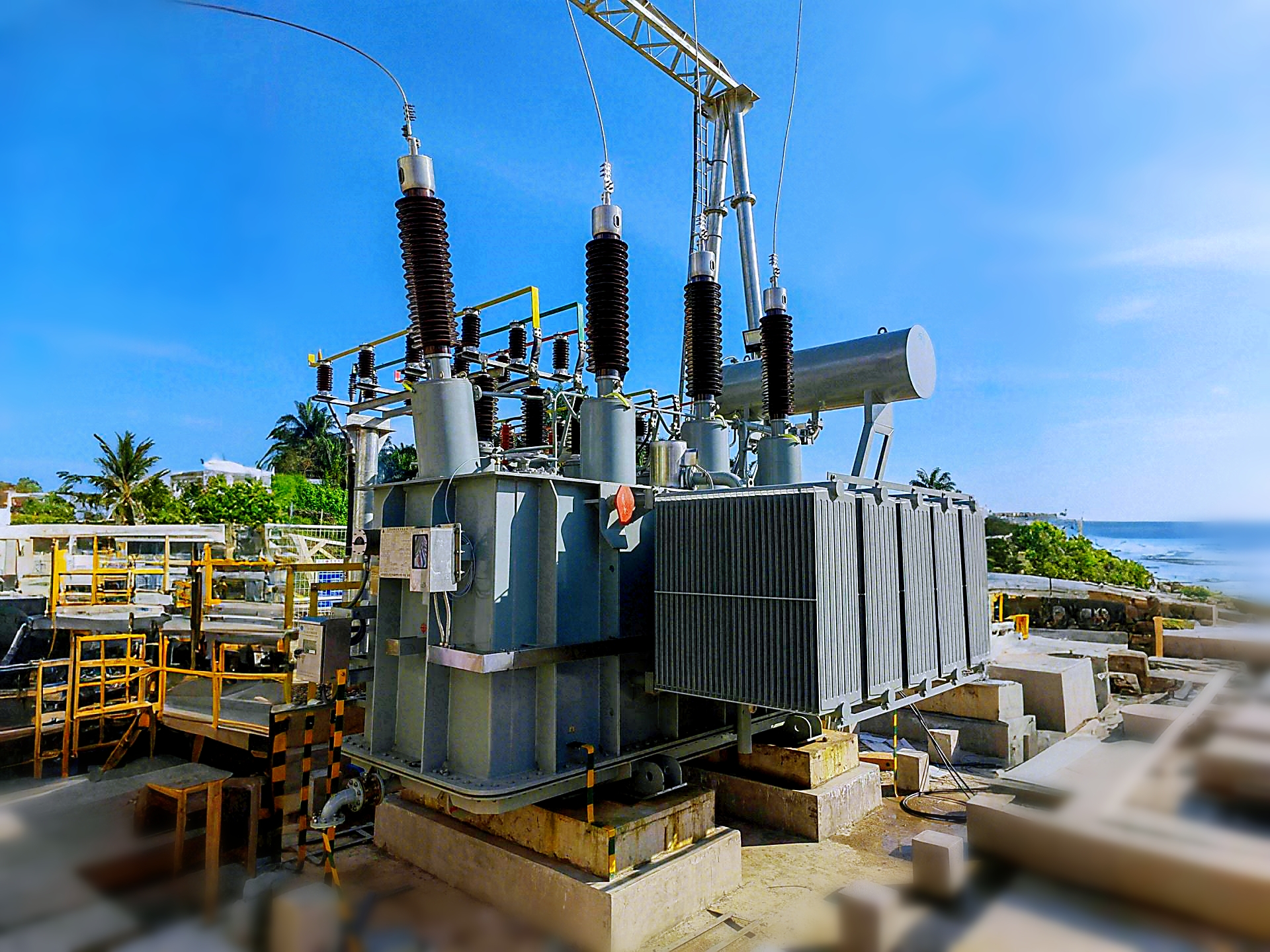
Moisture and salt contamination are among the most serious threats to transformer reliability, particularly in coastal, offshore, tropical, and high-humidity environments. Moisture reduces insulation strength, accelerates insulation aging, promotes corrosion, and increases the risk of partial discharge and dielectric breakdown. Salt contamination is equally dangerous because it creates conductive deposits on insulation surfaces, increasing leakage currents, tracking, flashovers, and long-term deterioration of electrical components. To ensure safe and reliable operation, modern transformers incorporate multiple insulation and sealing measures designed to prevent moisture ingress, minimize salt exposure, and maintain dielectric integrity throughout their service life.
Effective protection requires a combination of high-quality insulating materials, sealed tank construction, moisture-control devices, specialized bushings, weatherproof enclosures, corrosion-resistant components, and continuous monitoring systems. Rather than relying on a single protective feature, transformer manufacturers employ a layered defense strategy that addresses both external contamination and internal moisture accumulation.
In coastal and offshore applications, these protective systems are especially critical because transformers may be exposed to salt-laden air, heavy rainfall, high humidity, condensation, strong winds, and severe weather conditions for decades. Proper insulation and sealing measures significantly extend transformer lifespan, improve reliability, and reduce maintenance requirements.
Transformers are protected against moisture and salt through sealed tank designs, high-quality insulation materials, moisture barriers, silica gel breathers, nitrogen protection systems, weatherproof gaskets, silicone rubber insulators, corrosion-resistant enclosures, and advanced monitoring technologies that prevent contamination and preserve dielectric performance.
A comprehensive insulation and sealing strategy is essential for maintaining transformer reliability in harsh environmental conditions.
Transformer insulation systems are designed only to withstand electrical voltage and do not play a significant role in protecting against moisture or salt contamination.False
Transformer insulation systems provide both electrical isolation and environmental protection by preventing moisture ingress, reducing contamination risks, preserving dielectric strength, and maintaining long-term reliability.
Why Moisture Is Dangerous for Transformers
Moisture is one of the leading causes of insulation deterioration.
Effects of Moisture on Insulation
| Moisture Effect | Consequence |
|---|---|
| Reduced dielectric strength | Higher breakdown risk |
| Increased leakage current | Lower insulation performance |
| Accelerated aging | Reduced lifespan |
| Partial discharge activity | Insulation damage |
Even small amounts of moisture can significantly affect transformer reliability.
Why Salt Contamination Is Harmful
Salt deposits become conductive when exposed to moisture.
Salt-Related Problems
| Problem | Impact |
|---|---|
| Surface conductivity increase | Leakage current |
| Tracking formation | Insulation damage |
| Flashover risk | Service interruption |
| Corrosion acceleration | Equipment deterioration |
Importance of Insulation Systems
Transformer insulation performs several critical functions.
Main Functions of Insulation
| Function | Purpose |
|---|---|
| Electrical isolation | Prevent short circuits |
| Dielectric protection | Withstand voltage stress |
| Mechanical support | Stabilize windings |
| Environmental protection | Resist moisture contamination |
Cellulose-Based Insulation
Cellulose remains one of the most widely used transformer insulation materials.
Common Cellulose Components
| Material | Application |
|---|---|
| Kraft paper | Winding insulation |
| Pressboard | Structural insulation |
| Insulating blocks | Mechanical support |
Moisture Sensitivity of Cellulose
Cellulose absorbs moisture from the environment.
Why Moisture Control Is Critical
Moisture reduces the dielectric strength and mechanical integrity of cellulose insulation.
Transformer Oil as a Moisture Barrier
Insulating oil helps protect internal insulation.
Functions of Transformer Oil
| Function | Benefit |
|---|---|
| Electrical insulation | Dielectric protection |
| Heat transfer | Cooling |
| Moisture isolation | Insulation preservation |
Dielectric Strength and Moisture
Water contamination reduces insulating performance.
Dielectric Relationship
Higher moisture content generally lowers dielectric withstand capability.
Sealed Transformer Tank Designs
Sealed tanks prevent external contaminants from entering the transformer.
Advantages of Sealed Construction
| Feature | Benefit |
|---|---|
| Reduced moisture ingress | Improved insulation health |
| Lower oxidation | Longer oil life |
| Contamination prevention | Greater reliability |
Hermetically Sealed Transformers
Hermetic sealing completely isolates internal components from ambient air.
Characteristics of Hermetic Designs
| Characteristic | Advantage |
|---|---|
| Airtight construction | Moisture exclusion |
| Minimal oxidation | Improved oil stability |
| Reduced maintenance | Lower operating cost |
Conservator Tanks with Moisture Protection
Many transformers use conservator systems.
Purpose of Conservator Tanks
Conservators accommodate oil expansion and contraction caused by temperature changes.
Moisture Risks in Conventional Conservators
Air entering the conservator can introduce moisture.
Potential Problems
| Issue | Consequence |
|---|---|
| Moisture ingress | Insulation degradation |
| Oxygen exposure | Oil oxidation |
| Contamination | Reduced reliability |
Silica Gel Breathers
Silica gel breathers are widely used for moisture control.
How Silica Gel Works
Moisture is absorbed from incoming air before it enters the transformer.
Benefits of Silica Gel Breathers
| Benefit | Result |
|---|---|
| Reduced moisture ingress | Better insulation condition |
| Lower oil contamination | Improved dielectric strength |
| Longer insulation life | Enhanced reliability |
Membrane and Bladder Sealing Systems
Modern conservators often use internal barriers.
Common Barrier Technologies
| Technology | Function |
|---|---|
| Rubber bladder | Oil-air separation |
| Flexible diaphragm | Moisture isolation |
| Membrane system | Oxygen reduction |
Nitrogen Protection Systems
Large transformers may use nitrogen blanketing.
Purpose of Nitrogen Blanketing
Nitrogen creates a dry, inert atmosphere above the oil surface.
Advantages of Nitrogen Systems
| Benefit | Impact |
|---|---|
| Moisture reduction | Better insulation protection |
| Reduced oxidation | Longer oil life |
| Improved reliability | Lower aging rate |
Gaskets and Sealing Materials
Gaskets are essential components of transformer sealing systems.
Typical Gasket Locations
| Location | Purpose |
|---|---|
| Tank covers | Leak prevention |
| Inspection ports | Environmental sealing |
| Radiator connections | Oil containment |
Characteristics of High-Quality Gaskets
| Property | Importance |
|---|---|
| UV resistance | Outdoor durability |
| Oil compatibility | Long-term performance |
| Compression stability | Leak prevention |
Cable Entry Sealing Systems
Cable penetrations are common moisture entry points.
Protection Methods
| Method | Function |
|---|---|
| Compression glands | Water exclusion |
| Environmental seals | Moisture prevention |
| Multi-layer barriers | Enhanced protection |
Bushings and External Insulation
Bushings are directly exposed to environmental conditions.
Common Bushing Materials
| Material | Application |
|---|---|
| Porcelain | Traditional installations |
| Silicone rubber | Coastal environments |
| Composite insulation | High-pollution areas |
Why Silicone Rubber Bushings Are Popular
Silicone surfaces resist contamination better than traditional materials.
Silicone Rubber Advantages
| Benefit | Result |
|---|---|
| Hydrophobic properties | Reduced leakage current |
| Salt resistance | Improved coastal performance |
| Lower maintenance | Enhanced reliability |
Surface Leakage and Flashover Prevention
Contaminated insulation surfaces increase electrical stress.
Flashover Contributing Factors
| Factor | Effect |
|---|---|
| Salt deposits | Increased conductivity |
| Moisture films | Leakage current paths |
| Pollution buildup | Tracking risk |
Creepage Distance Enhancement
Longer creepage paths improve contamination resistance.
What Is Creepage Distance?
Creepage distance is the shortest path along an insulation surface between conductive parts.
Benefits of Increased Creepage Distance
| Benefit | Impact |
|---|---|
| Reduced flashover risk | Better reliability |
| Improved pollution performance | Longer service life |
Weatherproof Enclosures
Outdoor transformers require additional environmental protection.
Enclosure Functions
| Function | Benefit |
|---|---|
| Moisture exclusion | Improved insulation health |
| Salt protection | Reduced contamination |
| UV shielding | Material preservation |
Anti-Condensation Measures
Condensation is a major concern in humid environments.
Causes of Condensation
| Cause | Result |
|---|---|
| Rapid cooling | Water droplet formation |
| High humidity | Moisture accumulation |
Condensation Control Technologies
| Technology | Function |
|---|---|
| Space heaters | Temperature stabilization |
| Ventilation systems | Moisture reduction |
| Insulated enclosures | Condensation prevention |
Corrosion-Resistant Sealing Components
Seals must withstand harsh coastal conditions.
Common Materials
| Material | Benefit |
|---|---|
| Stainless steel | Corrosion resistance |
| Fluoropolymer seals | Chemical resistance |
| Marine-grade elastomers | Salt tolerance |
Moisture Monitoring Systems
Modern transformers continuously monitor moisture levels.
Monitoring Technologies
| Technology | Function |
|---|---|
| Online moisture sensors | Real-time measurement |
| Oil analysis systems | Water detection |
| Digital monitoring platforms | Trend analysis |
Dissolved Water Monitoring
Moisture dissolved in oil can indicate insulation problems.
Why Monitoring Matters
Early detection allows corrective action before insulation damage occurs.
Offshore and Coastal Transformer Protection
Marine applications require enhanced sealing systems.
Offshore Protection Features
| Feature | Purpose |
|---|---|
| Hermetic sealing | Complete isolation |
| Marine-grade coatings | Corrosion resistance |
| Composite insulators | Salt contamination protection |
| Redundant sealing systems | Maximum reliability |
Standards for Moisture and Salt Protection
Transformer protection systems follow international standards.
Common Standards
| Standard | Organization |
|---|---|
| IEC 60076 | Transformer standards |
| IEEE C57 | Transformer requirements |
| IEC 60529 | Ingress protection ratings |
Common Mistakes in Moisture Protection
| Mistake | Consequence |
|---|---|
| Damaged gaskets | Moisture ingress |
| Neglected breathers | Increased humidity |
| Poor enclosure sealing | Salt contamination |
| Inadequate monitoring | Late fault detection |
Key Insulation and Sealing Measures Against Moisture and Salt
| Protection Measure | Primary Benefit |
|---|---|
| Hermetically sealed tanks | Moisture exclusion |
| Silica gel breathers | Air drying |
| Nitrogen blanketing | Oxidation prevention |
| Silicone rubber bushings | Salt contamination resistance |
| Weatherproof enclosures | Environmental protection |
| High-quality gaskets | Leak prevention |
| Moisture monitoring systems | Early detection |
How Are Transformer Tanks and Components Coated for Protection?
Transformer tanks and external components are coated with specialized protective systems to defend against corrosion, ultraviolet radiation, moisture, chemical exposure, industrial pollution, salt contamination, and mechanical wear throughout decades of service. Since power transformers are often installed outdoors in challenging environments such as coastal substations, industrial facilities, renewable energy projects, deserts, tropical regions, and high-humidity areas, coating systems play a critical role in preserving structural integrity, maintaining appearance, reducing maintenance costs, and extending equipment lifespan.
A transformer's steel tank, radiators, conservators, control cabinets, support structures, and external accessories are constantly exposed to environmental conditions that can cause rust, paint degradation, metal deterioration, and eventual equipment failure. To prevent these problems, manufacturers employ multi-layer coating systems consisting of surface preparation, primers, intermediate protective layers, and durable topcoats. These coating systems are carefully selected based on environmental severity, expected service life, and international standards.
Modern transformer coating technology has advanced significantly, incorporating high-performance epoxy coatings, zinc-rich primers, polyurethane finishes, fluoropolymer systems, and specialized marine-grade protection solutions. When properly applied and maintained, these coatings can protect transformers for decades even in highly corrosive coastal and industrial environments.
Transformer tanks and components are protected using multi-layer coating systems that typically include surface preparation, abrasive blasting, corrosion-resistant primers, epoxy intermediate coatings, and weather-resistant topcoats designed to prevent rust, moisture penetration, UV damage, and environmental deterioration.
Proper coating selection and application are essential for maximizing transformer reliability, reducing maintenance requirements, and extending service life.
A single layer of exterior paint provides sufficient long-term protection for transformer tanks operating in all environmental conditions.False
Modern transformers require carefully engineered multi-layer coating systems that include primers, intermediate coatings, and protective topcoats to provide durable protection against corrosion, moisture, UV radiation, and environmental contaminants.
Why Transformer Coatings Are Necessary
Transformers operate in a wide range of environmental conditions.
Environmental Threats to Transformer Surfaces
| Threat | Potential Damage |
|---|---|
| Moisture | Corrosion |
| Salt contamination | Accelerated rusting |
| UV radiation | Paint degradation |
| Industrial chemicals | Surface deterioration |
| Temperature cycling | Coating stress |
Protective coatings help mitigate these risks.
What Components Require Protective Coatings?
Many transformer components require corrosion protection.
Common Coated Components
| Component | Protection Requirement |
|---|---|
| Transformer tank | High |
| Radiators | High |
| Conservator tank | High |
| Control cabinets | Moderate to high |
| Support structures | High |
| Cooling system components | High |
Functions of Transformer Coatings
Coatings provide more than aesthetic benefits.
Primary Functions
| Function | Benefit |
|---|---|
| Corrosion prevention | Longer service life |
| Moisture barrier | Reduced deterioration |
| Chemical resistance | Improved durability |
| UV protection | Coating longevity |
| Mechanical protection | Reduced wear |
Surface Preparation: The Foundation of Protection
Proper coating performance begins with surface preparation.
Why Surface Preparation Matters
Poor preparation is one of the leading causes of coating failure.
Cleaning Before Coating
Contaminants must be removed before coating application.
Typical Contaminants
| Contaminant | Source |
|---|---|
| Oil and grease | Manufacturing processes |
| Dirt and dust | Handling and storage |
| Mill scale | Steel production |
| Rust | Surface oxidation |
Abrasive Blasting
Abrasive blasting is commonly used before coating.
Benefits of Abrasive Blasting
| Benefit | Result |
|---|---|
| Removes rust | Improved adhesion |
| Creates surface profile | Better coating bond |
| Eliminates contaminants | Enhanced durability |
Surface Cleanliness Standards
Blasting quality is often evaluated using international standards.
Common Surface Preparation Standards
| Standard | Organization |
|---|---|
| ISO 8501 | ISO |
| SSPC standards | SSPC |
| NACE specifications | NACE |
Zinc-Rich Primers
Primers provide the first layer of corrosion protection.
Why Zinc Is Used
Zinc acts as a sacrificial metal that corrodes before steel.
Benefits of Zinc-Rich Primers
| Benefit | Impact |
|---|---|
| Cathodic protection | Corrosion reduction |
| Strong adhesion | Improved coating life |
| Surface coverage | Better protection |
Epoxy Intermediate Coatings
Epoxy coatings are widely used in transformer protection systems.
Advantages of Epoxy Coatings
| Advantage | Benefit |
|---|---|
| Excellent adhesion | Long-term durability |
| Moisture resistance | Corrosion prevention |
| Chemical resistance | Industrial protection |
Why Epoxy Is Popular
Epoxy coatings provide excellent barrier protection against environmental contaminants.
Polyurethane Topcoats
Topcoats protect underlying coating layers.
Functions of Polyurethane Finishes
| Function | Benefit |
|---|---|
| UV resistance | Color retention |
| Weather resistance | Long service life |
| Surface durability | Mechanical protection |
Typical Multi-Layer Coating Structure
Most modern transformers use multiple coating layers.
Standard Coating System
| Layer | Purpose |
|---|---|
| Abrasive blasted steel | Surface preparation |
| Zinc-rich primer | Corrosion protection |
| Epoxy intermediate coat | Barrier protection |
| Polyurethane topcoat | Weather resistance |
Marine-Grade Coating Systems
Coastal transformers require enhanced protection.
Coastal Environmental Challenges
| Challenge | Impact |
|---|---|
| Salt spray | Severe corrosion |
| High humidity | Moisture penetration |
| UV exposure | Coating degradation |
Features of Marine Coatings
| Feature | Benefit |
|---|---|
| Salt resistance | Corrosion control |
| High durability | Longer service life |
| Enhanced adhesion | Improved reliability |
Offshore Transformer Protection
Offshore installations face extreme conditions.
Offshore Coating Requirements
| Requirement | Importance |
|---|---|
| Continuous salt resistance | Critical |
| High humidity tolerance | Critical |
| Long maintenance intervals | Essential |
Corrosion Categories and Coating Selection
Environmental severity influences coating design.
Typical Corrosion Categories
| Category | Environment |
|---|---|
| Low | Indoor installations |
| Medium | Urban environments |
| High | Industrial areas |
| Very high | Coastal regions |
| Extreme | Offshore installations |
Coating Thickness Requirements
Coating thickness affects protection performance.
Why Thickness Matters
Insufficient thickness reduces corrosion resistance and coating lifespan.
Typical Dry Film Thickness
| Coating Layer | Typical Thickness |
|---|---|
| Primer | Moderate |
| Intermediate coat | High |
| Topcoat | Moderate |
Total system thickness depends on environmental requirements.
Radiator Coating Protection
Radiators require special attention because they support cooling.
Radiator Challenges
| Challenge | Effect |
|---|---|
| Salt contamination | Corrosion |
| Paint degradation | Reduced protection |
| Surface damage | Reduced cooling efficiency |
Cooling Performance Considerations
Coatings must protect surfaces without significantly reducing heat dissipation.
Heat Transfer Relationship
Q=hA(T_s-T_a)
Where:
- (Q) = heat transfer rate
- (h) = heat transfer coefficient
- (A) = cooling area
- (T_s) = surface temperature
- (T_a) = ambient temperature
Proper coating systems preserve both protection and thermal performance.
Conservator Tank Coatings
Conservators require internal and external protection.
Protection Objectives
| Objective | Benefit |
|---|---|
| Corrosion resistance | Structural integrity |
| Moisture protection | Oil preservation |
| Environmental durability | Longer service life |
Internal Coatings
Certain transformer components may receive internal protective coatings.
Internal Coating Applications
| Application | Purpose |
|---|---|
| Conservators | Corrosion prevention |
| Oil-contact surfaces | Long-term protection |
Powder Coating Technology
Some transformer accessories use powder coating.
Powder Coating Benefits
| Benefit | Result |
|---|---|
| Uniform coverage | Consistent protection |
| Durable finish | Improved lifespan |
| Environmental compliance | Reduced emissions |
Quality Control During Coating Application
Quality assurance is essential for coating performance.
Inspection Activities
| Activity | Purpose |
|---|---|
| Surface profile measurement | Verify preparation |
| Thickness testing | Confirm protection level |
| Adhesion testing | Ensure durability |
| Visual inspection | Detect defects |
Holiday Testing
Holiday testing identifies coating defects.
What Is a Holiday?
A holiday is a discontinuity or pinhole in the coating.
Benefits of Holiday Detection
| Benefit | Result |
|---|---|
| Improved coating integrity | Better protection |
| Reduced corrosion risk | Longer service life |
Coating Maintenance and Repair
Protective systems require periodic maintenance.
Maintenance Activities
| Activity | Purpose |
|---|---|
| Visual inspection | Identify damage |
| Touch-up painting | Restore protection |
| Corrosion treatment | Prevent spread |
| Surface cleaning | Remove contaminants |
Monitoring Coating Performance
Modern asset management programs track coating condition.
Monitoring Methods
| Method | Function |
|---|---|
| Visual inspections | Surface assessment |
| Corrosion surveys | Damage evaluation |
| Digital asset systems | Lifecycle management |
International Standards for Transformer Coatings
Coating systems follow recognized industry standards.
Common Standards
| Standard | Organization |
|---|---|
| ISO 12944 | Corrosion protection |
| IEC 60076 | Transformer standards |
| NACE standards | Corrosion engineering |
Common Coating Failures
Improper application can lead to premature deterioration.
Typical Failure Causes
| Cause | Consequence |
|---|---|
| Poor surface preparation | Adhesion failure |
| Insufficient thickness | Reduced protection |
| Mechanical damage | Corrosion initiation |
| UV degradation | Coating breakdown |
Key Elements of Transformer Coating Protection
| Protection Measure | Primary Function |
|---|---|
| Abrasive blasting | Surface preparation |
| Zinc-rich primer | Sacrificial corrosion protection |
| Epoxy coating | Moisture barrier |
| Polyurethane topcoat | Weather resistance |
| Marine-grade systems | Salt protection |
| Quality inspections | Performance verification |
| Maintenance programs | Long-term durability |
What Maintenance Practices Are Essential in Coastal Areas?
Transformers installed in coastal areas require more intensive and systematic maintenance than those operating in inland environments because they are continuously exposed to salt-laden air, high humidity, moisture, strong winds, ultraviolet radiation, and corrosive marine conditions. These environmental factors accelerate corrosion, contaminate insulation surfaces, degrade protective coatings, increase moisture ingress risks, and shorten equipment lifespan if not properly managed. As a result, preventive maintenance becomes one of the most important strategies for ensuring transformer reliability, safety, and long-term performance in coastal installations.
Unlike inland substations where inspections may focus primarily on electrical and mechanical conditions, coastal transformer maintenance must address both electrical health and environmental degradation. Maintenance programs typically include regular cleaning of salt deposits, corrosion inspections, coating repairs, moisture monitoring, oil testing, sealing system verification, thermal inspections, and condition-based monitoring. The objective is to identify and correct small problems before they develop into major failures that could lead to costly repairs, outages, or transformer replacement.
Modern coastal maintenance strategies increasingly combine traditional inspection methods with advanced diagnostic technologies such as online moisture monitoring, dissolved gas analysis (DGA), infrared thermography, corrosion sensors, and predictive maintenance software. These approaches help operators maintain transformer performance while minimizing downtime and lifecycle costs.
Essential maintenance practices in coastal areas include salt contamination cleaning, corrosion inspections, coating maintenance, moisture control, oil testing, breather servicing, seal inspections, thermal monitoring, dissolved gas analysis, and continuous condition monitoring to prevent environmental damage and maintain transformer reliability.
A proactive maintenance program is critical for maximizing transformer lifespan and minimizing failure risks in harsh coastal environments.
Transformers installed in coastal areas require essentially the same maintenance schedule as transformers located in dry inland environments.False
Coastal transformers require more frequent inspections and maintenance because salt contamination, humidity, corrosion, and moisture exposure accelerate deterioration and increase operational risks.
Why Coastal Transformers Need Specialized Maintenance
Coastal environments create unique challenges for electrical equipment.
Major Environmental Threats
| Environmental Factor | Maintenance Concern |
|---|---|
| Salt contamination | Insulation cleaning |
| High humidity | Moisture control |
| Corrosion | Surface protection |
| Ocean spray | Equipment deterioration |
| UV exposure | Coating degradation |
These factors increase maintenance requirements significantly.
Salt Contamination Management
Salt accumulation is one of the most serious coastal maintenance issues.
Sources of Salt Deposits
| Source | Description |
|---|---|
| Ocean spray | Direct contamination |
| Marine winds | Salt transport |
| Coastal storms | Heavy deposition |
Salt deposits can accumulate on transformer surfaces and insulators.
Why Salt Removal Is Important
Salt becomes electrically conductive when wet.
Risks of Salt Contamination
| Risk | Consequence |
|---|---|
| Leakage currents | Insulation stress |
| Flashovers | Service interruptions |
| Accelerated corrosion | Equipment damage |
Insulator Cleaning Programs
Regular cleaning helps maintain insulation performance.
Typical Cleaning Targets
| Component | Reason |
|---|---|
| Bushings | Prevent leakage currents |
| Insulators | Reduce flashover risk |
| External insulation surfaces | Improve reliability |
Cleaning Methods
Several cleaning methods are used depending on contamination severity.
Common Cleaning Techniques
| Method | Application |
|---|---|
| Water washing | Moderate contamination |
| High-pressure cleaning | Heavy deposits |
| Manual cleaning | Localized contamination |
Corrosion Inspection Programs
Corrosion monitoring is a fundamental maintenance activity.
Areas Requiring Inspection
| Component | Corrosion Risk |
|---|---|
| Transformer tank | High |
| Radiators | High |
| Fasteners | High |
| Control cabinets | Moderate |
| Structural supports | High |
Why Early Corrosion Detection Matters
Minor corrosion can often be repaired before major structural damage occurs.
Protective Coating Inspection
Coating integrity should be evaluated regularly.
Common Coating Problems
| Problem | Effect |
|---|---|
| Peeling | Loss of protection |
| Cracking | Moisture penetration |
| Blistering | Corrosion initiation |
| Mechanical damage | Exposed metal |
Coating Repair and Restoration
Damaged coatings should be repaired promptly.
Benefits of Timely Repairs
| Benefit | Result |
|---|---|
| Reduced corrosion | Longer service life |
| Lower maintenance cost | Asset preservation |
| Improved appearance | Better equipment condition |
Moisture Monitoring
Moisture is one of the leading causes of insulation degradation.
Moisture Sources
| Source | Impact |
|---|---|
| Humid air | Insulation stress |
| Condensation | Surface contamination |
| Seal deterioration | Moisture ingress |
Why Moisture Control Is Critical
Moisture reduces insulation performance and accelerates aging.
Transformer Oil Testing
Oil analysis is a key maintenance tool.
Important Oil Tests
| Test | Purpose |
|---|---|
| Moisture content | Water contamination detection |
| Dielectric strength | Insulation assessment |
| Acidity testing | Aging evaluation |
| Interfacial tension | Oil quality assessment |
Dielectric Strength Monitoring
Oil dielectric strength indicates insulation condition.
Importance of Dielectric Testing
Higher moisture contamination generally reduces dielectric performance.
Dissolved Gas Analysis (DGA)
DGA is one of the most powerful diagnostic techniques.
What DGA Detects
| Gas Type | Possible Condition |
|---|---|
| Hydrogen | Partial discharge |
| Methane | Thermal faults |
| Acetylene | Arcing |
Why DGA Is Valuable
DGA can identify developing faults before catastrophic failure occurs.
Breather Maintenance
Breathers help prevent moisture ingress.
Common Breather Types
| Type | Function |
|---|---|
| Silica gel breather | Air drying |
| Advanced membrane breather | Moisture exclusion |
Silica Gel Inspection
Silica gel condition should be checked regularly.
Signs of Saturation
| Condition | Meaning |
|---|---|
| Color change | Moisture absorption complete |
| Reduced drying effectiveness | Replacement required |
Seal and Gasket Inspection
Sealing systems are essential for environmental protection.
Inspection Areas
| Component | Purpose |
|---|---|
| Tank gaskets | Leak prevention |
| Access covers | Moisture protection |
| Cable entry points | Environmental sealing |
Consequences of Seal Failure
| Problem | Result |
|---|---|
| Moisture ingress | Insulation degradation |
| Oil leakage | Operational risk |
| Contamination | Reduced reliability |
Thermal Inspection Programs
Heat-related issues can indicate developing problems.
Infrared Thermography Applications
| Application | Purpose |
|---|---|
| Connection inspection | Detect hot spots |
| Cooling system evaluation | Verify performance |
| Load distribution assessment | Thermal analysis |
Why Thermal Monitoring Matters
Excessive temperature accelerates insulation aging.
Heat Transfer Relationship
Q=hA(T_s-T_a)
Where:
- (Q) = heat transfer rate
- (h) = heat transfer coefficient
- (A) = cooling surface area
- (T_s) = surface temperature
- (T_a) = ambient temperature
Contaminated cooling surfaces reduce heat dissipation effectiveness.
Radiator and Cooling System Maintenance
Cooling systems require regular attention.
Cooling System Inspection Tasks
| Task | Objective |
|---|---|
| Radiator cleaning | Improve heat transfer |
| Fan inspection | Verify operation |
| Pump inspection | Ensure circulation |
Condensation Control
Condensation is common in coastal climates.
Condensation Risks
| Risk | Consequence |
|---|---|
| Surface tracking | Electrical stress |
| Corrosion initiation | Equipment deterioration |
| Moisture accumulation | Insulation damage |
Anti-Condensation Equipment Maintenance
| Equipment | Function |
|---|---|
| Space heaters | Moisture prevention |
| Ventilation systems | Air circulation |
| Environmental controls | Humidity reduction |
Bushing Maintenance
Bushings are highly exposed to coastal contamination.
Bushing Inspection Activities
| Activity | Purpose |
|---|---|
| Visual inspection | Surface condition |
| Cleaning | Contamination removal |
| Leakage current monitoring | Insulation assessment |
Online Monitoring Systems
Modern coastal transformers often use continuous monitoring.
Common Monitoring Parameters
| Parameter | Purpose |
|---|---|
| Moisture content | Insulation health |
| Temperature | Thermal management |
| Dissolved gases | Fault detection |
| Load levels | Operational analysis |
Corrosion Monitoring Technologies
Advanced monitoring improves maintenance planning.
Monitoring Methods
| Method | Benefit |
|---|---|
| Corrosion sensors | Early detection |
| Digital asset management | Trend analysis |
| Condition-based monitoring | Optimized maintenance |
Storm Preparedness and Emergency Inspections
Coastal transformers may experience severe weather.
Post-Storm Inspection Priorities
| Inspection Area | Purpose |
|---|---|
| Structural integrity | Damage assessment |
| Insulator condition | Contamination evaluation |
| Flood exposure | Moisture risk analysis |
Vegetation and Site Maintenance
Proper site conditions improve reliability.
Site Maintenance Tasks
| Task | Benefit |
|---|---|
| Vegetation control | Improved access |
| Drainage maintenance | Flood prevention |
| Debris removal | Equipment protection |
Maintenance Frequency Considerations
Maintenance schedules depend on environmental severity.
Factors Affecting Frequency
| Factor | Impact |
|---|---|
| Distance from shoreline | Salt exposure level |
| Humidity | Moisture risk |
| Industrial pollution | Contamination severity |
| Weather conditions | Corrosion rate |
International Standards and Best Practices
Maintenance programs often follow recognized standards.
Common Standards
| Standard | Organization |
|---|---|
| IEC 60076 | Transformer standards |
| IEEE C57 | Transformer maintenance guidance |
| ISO 12944 | Corrosion protection standards |
Common Maintenance Mistakes in Coastal Areas
| Mistake | Consequence |
|---|---|
| Delayed cleaning | Increased contamination |
| Ignoring corrosion | Structural damage |
| Neglecting breathers | Moisture ingress |
| Infrequent oil testing | Undetected insulation deterioration |
Key Maintenance Practices for Coastal Transformers
| Maintenance Activity | Primary Objective |
|---|---|
| Salt deposit cleaning | Reduce leakage current |
| Corrosion inspection | Prevent structural deterioration |
| Coating maintenance | Maintain protection |
| Moisture monitoring | Preserve insulation |
| Oil testing | Evaluate dielectric condition |
| Breather servicing | Control humidity |
| Thermal inspection | Detect hot spots |
| DGA testing | Identify internal faults |
How Do Monitoring Systems Help Protect Coastal Transformers?
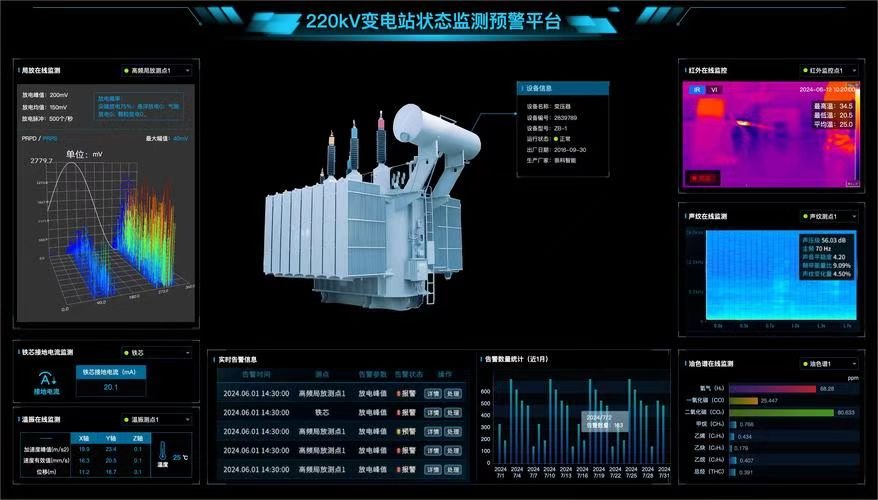
Coastal transformers operate in some of the most challenging environments in the power industry. High humidity, salt-laden air, corrosion, condensation, strong winds, and severe weather conditions continuously threaten transformer insulation systems, cooling equipment, structural components, and electrical performance. While traditional inspection and maintenance programs remain essential, modern monitoring systems provide an additional layer of protection by continuously tracking transformer health and detecting developing problems before they become critical failures.
Unlike periodic inspections that provide only occasional snapshots of equipment condition, online monitoring systems collect real-time operational data 24 hours a day. These systems allow operators to identify abnormal trends, assess equipment deterioration, predict maintenance requirements, and respond quickly to emerging issues. In coastal environments where moisture intrusion, corrosion, and contamination can accelerate rapidly, early detection is particularly valuable.
Modern coastal transformer monitoring systems integrate sensors, communication networks, cloud-based analytics, artificial intelligence, and predictive maintenance software to provide comprehensive visibility into transformer condition. By continuously monitoring critical parameters such as temperature, moisture, dissolved gases, oil quality, load levels, and corrosion rates, utilities and industrial operators can significantly improve reliability, reduce maintenance costs, and extend transformer service life.
Monitoring systems protect coastal transformers by continuously detecting moisture ingress, corrosion development, insulation deterioration, overheating, contamination, oil degradation, cooling system problems, and emerging electrical faults, allowing operators to take corrective action before serious damage occurs.
Real-time monitoring transforms maintenance from a reactive process into a predictive strategy that improves transformer reliability and asset management.
Routine visual inspections alone are generally sufficient to detect all major problems affecting coastal transformers before damage occurs.False
Many transformer problems such as internal moisture accumulation, insulation degradation, dissolved gas generation, overheating, and corrosion progression develop long before they become visible, making continuous monitoring systems essential for early detection.
Why Coastal Transformers Require Advanced Monitoring
Coastal environments accelerate transformer aging mechanisms.
Major Coastal Risks
| Environmental Factor | Potential Impact |
|---|---|
| Salt contamination | Corrosion and flashovers |
| High humidity | Moisture ingress |
| Condensation | Insulation degradation |
| Marine atmosphere | Accelerated aging |
| Severe weather | Mechanical stress |
Continuous monitoring helps identify these threats early.
What Is Transformer Condition Monitoring?
Condition monitoring refers to the continuous measurement and analysis of transformer operating parameters.
Objectives of Monitoring
| Objective | Benefit |
|---|---|
| Early fault detection | Reduced failure risk |
| Predictive maintenance | Lower maintenance cost |
| Asset life extension | Improved return on investment |
| Reliability improvement | Fewer outages |
Moisture Monitoring Systems
Moisture is one of the most serious threats in coastal environments.
Why Moisture Monitoring Is Important
Moisture reduces dielectric strength and accelerates insulation aging.
Parameters Commonly Measured
| Parameter | Purpose |
|---|---|
| Moisture in oil | Insulation assessment |
| Relative humidity | Environmental monitoring |
| Water activity | Moisture risk evaluation |
Benefits of Moisture Detection
| Benefit | Result |
|---|---|
| Early ingress identification | Prevent insulation damage |
| Improved maintenance planning | Reduced downtime |
| Better asset protection | Longer transformer life |
Online Moisture Sensors
Modern sensors provide continuous measurements.
Advantages of Online Monitoring
| Feature | Benefit |
|---|---|
| Real-time data | Immediate awareness |
| Trend analysis | Predictive maintenance |
| Remote access | Improved management |
Dissolved Gas Analysis (DGA) Monitoring
DGA is one of the most powerful transformer diagnostic tools.
What DGA Measures
Transformer faults generate characteristic gases that dissolve in insulating oil.
Common Diagnostic Gases
| Gas | Possible Fault Indication |
|---|---|
| Hydrogen | Partial discharge |
| Methane | Thermal overheating |
| Ethylene | High-temperature faults |
| Acetylene | Electrical arcing |
Why DGA Is Valuable in Coastal Areas
Moisture and contamination can accelerate internal insulation degradation, making early fault detection critical.
Temperature Monitoring Systems
Temperature directly affects transformer lifespan.
Key Temperature Measurements
| Measurement | Importance |
|---|---|
| Top oil temperature | Cooling performance |
| Winding temperature | Insulation protection |
| Ambient temperature | Environmental assessment |
Thermal Aging and Temperature
Higher temperatures accelerate insulation deterioration.
Thermal Performance Relationship
Q=hA(T_s-T_a)
Where:
- (Q) = heat transfer rate
- (h) = heat transfer coefficient
- (A) = cooling area
- (T_s) = transformer surface temperature
- (T_a) = ambient temperature
Monitoring temperature helps ensure effective cooling performance.
Hot-Spot Monitoring
The winding hot spot is often the most critical temperature location.
Benefits of Hot-Spot Monitoring
| Benefit | Result |
|---|---|
| Reduced insulation stress | Longer lifespan |
| Improved load management | Better utilization |
| Early overheating detection | Reduced failure risk |
Corrosion Monitoring Systems
Corrosion is a major concern in marine environments.
Components Commonly Monitored
| Component | Monitoring Objective |
|---|---|
| Transformer tank | Structural protection |
| Radiators | Cooling integrity |
| Fasteners | Mechanical reliability |
| Support structures | Safety assurance |
Corrosion Sensors
Modern sensors can measure corrosion activity directly.
Advantages of Corrosion Monitoring
| Benefit | Impact |
|---|---|
| Early warning | Prevent structural damage |
| Maintenance optimization | Lower costs |
| Improved asset management | Longer equipment life |
Oil Quality Monitoring
Transformer oil health is critical for insulation performance.
Common Oil Parameters
| Parameter | Purpose |
|---|---|
| Moisture content | Insulation condition |
| Dielectric strength | Electrical performance |
| Acidity | Aging assessment |
| Gas content | Fault diagnosis |
Continuous Oil Monitoring
Online oil monitoring provides ongoing visibility into transformer condition.
Load Monitoring Systems
Loading directly influences transformer temperature and aging.
Parameters Measured
| Parameter | Importance |
|---|---|
| Current | Loading assessment |
| Voltage | Power quality |
| Power factor | System efficiency |
| Load profile | Capacity planning |
Benefits of Load Monitoring
| Benefit | Result |
|---|---|
| Prevent overloads | Reduced thermal stress |
| Improve utilization | Better efficiency |
| Support future planning | Capacity optimization |
Cooling System Monitoring
Cooling performance is critical in coastal environments.
Monitored Components
| Component | Monitoring Purpose |
|---|---|
| Fans | Operational verification |
| Oil pumps | Circulation monitoring |
| Radiators | Heat transfer evaluation |
Why Cooling Monitoring Matters
Salt contamination and corrosion can reduce cooling effectiveness.
Infrared Thermography
Thermal imaging identifies abnormal heat patterns.
Applications
| Application | Benefit |
|---|---|
| Hot connection detection | Prevent failures |
| Cooling system evaluation | Verify performance |
| Load imbalance detection | Improve reliability |
Partial Discharge Monitoring
Partial discharge often indicates insulation deterioration.
Importance of Partial Discharge Detection
Small insulation defects can develop into major failures if left unaddressed.
Partial Discharge Monitoring Benefits
| Benefit | Result |
|---|---|
| Early fault detection | Reduced outage risk |
| Better maintenance planning | Lower repair cost |
Weather and Environmental Monitoring
Environmental conditions strongly influence transformer health.
Environmental Parameters
| Parameter | Importance |
|---|---|
| Humidity | Moisture risk |
| Wind speed | Salt transport |
| Ambient temperature | Cooling performance |
| Rainfall | Environmental exposure |
Salt Contamination Monitoring
Some coastal utilities monitor contamination severity directly.
Benefits
| Benefit | Impact |
|---|---|
| Cleaning optimization | Reduced maintenance cost |
| Flashover prevention | Improved reliability |
| Better asset protection | Longer service life |
Remote Monitoring Systems
Modern transformers increasingly support remote operation.
Remote Monitoring Advantages
| Advantage | Benefit |
|---|---|
| Real-time visibility | Faster response |
| Reduced site visits | Lower operating costs |
| Centralized management | Improved efficiency |
SCADA Integration
Many monitoring systems integrate with supervisory control systems.
SCADA Functions
| Function | Benefit |
|---|---|
| Alarm generation | Rapid response |
| Data collection | Historical analysis |
| Remote diagnostics | Improved decision-making |
Predictive Maintenance Analytics
Artificial intelligence is increasingly used in transformer monitoring.
Predictive Maintenance Benefits
| Benefit | Result |
|---|---|
| Failure prediction | Reduced outages |
| Maintenance optimization | Cost savings |
| Asset life extension | Improved ROI |
Digital Twin Technology
Advanced utilities use digital models of transformer assets.
Digital Twin Applications
| Application | Purpose |
|---|---|
| Condition simulation | Risk assessment |
| Maintenance planning | Resource optimization |
| Performance forecasting | Operational improvement |
Alarm and Warning Systems
Monitoring systems provide automatic alerts.
Typical Alarm Conditions
| Condition | Trigger |
|---|---|
| High moisture | Insulation concern |
| Elevated temperature | Thermal stress |
| Excessive gas generation | Internal fault |
| Cooling failure | Reduced heat removal |
Data Trending and Historical Analysis
Long-term data provides valuable insights.
Trend Analysis Benefits
| Benefit | Result |
|---|---|
| Aging assessment | Better planning |
| Fault progression tracking | Early intervention |
| Maintenance optimization | Reduced costs |
Common Monitoring Mistakes
| Mistake | Consequence |
|---|---|
| Ignoring alarms | Increased failure risk |
| Poor sensor calibration | Inaccurate data |
| Incomplete monitoring coverage | Missed faults |
| Lack of trend analysis | Reduced predictive capability |
Key Monitoring Systems for Coastal Transformers
| Monitoring System | Primary Protection Function |
|---|---|
| Moisture monitoring | Prevent insulation degradation |
| DGA monitoring | Detect internal faults |
| Temperature monitoring | Control thermal aging |
| Corrosion monitoring | Protect structural integrity |
| Oil quality monitoring | Preserve dielectric performance |
| Cooling system monitoring | Maintain heat dissipation |
| Environmental monitoring | Assess external risks |
| SCADA integration | Enable rapid response |
Conclusion
Transformers in coastal areas are protected through corrosion-resistant coatings, sealed enclosures, specialized insulation, and routine maintenance to mitigate the effects of salt, humidity, and moisture. Additionally, monitoring systems can detect early signs of corrosion or insulation degradation, allowing timely intervention. By combining design adaptations and proactive maintenance, transformers can operate safely and reliably in harsh coastal environments.
FAQ
Q1: Why do transformers require special protection in coastal areas?
Coastal environments expose transformers to challenging conditions such as:
Salt-laden air
High humidity
Strong winds
Heavy rainfall and storms
Accelerated corrosion risks
These factors can degrade transformer components, reduce insulation performance, and shorten equipment lifespan if proper protective measures are not implemented.
Q2: How does salt air affect transformers?
Salt particles carried by sea breezes can accumulate on transformer surfaces and insulators.
Potential consequences include:
Corrosion of tanks, radiators, and hardware
Reduced insulation performance
Surface leakage currents
Increased flashover risk on bushings and insulators
Regular cleaning and protective coatings are essential in marine environments.
Q3: What corrosion protection methods are used for coastal transformers?
Manufacturers often use:
Hot-dip galvanized steel components
Marine-grade stainless steel hardware
Epoxy-based protective coatings
Polyurethane paint systems
Corrosion-resistant fasteners and fittings
These materials help extend transformer life despite continuous exposure to salt and moisture.
Q4: How is moisture controlled in coastal transformer installations?
Moisture management is critical because high humidity can reduce insulation strength.
Common solutions include:
Hermetically sealed transformer tanks
Nitrogen-blanketed systems
Silica gel breathers
Moisture-resistant insulation materials
Online moisture monitoring systems
These measures prevent water ingress and insulation degradation.
Q5: How are transformer bushings and insulators protected near the coast?
Bushings and insulators often receive additional protection through:
Silicone rubber coatings
Anti-pollution insulator designs
Increased creepage distance
Periodic washing and cleaning programs
These solutions reduce the risk of flashovers caused by salt contamination.
Q6: What maintenance practices are recommended for coastal transformers?
Maintenance programs in coastal areas typically include:
Frequent visual inspections
Corrosion monitoring and touch-up painting
Insulator cleaning schedules
Oil quality and moisture testing
Thermal imaging inspections
Gasket and seal integrity checks
Preventive maintenance helps identify issues before they become serious failures.
Q7: Are dry-type transformers suitable for coastal environments?
Yes, but they require proper protection.
For coastal installations, dry-type transformers often feature:
Cast resin insulation
IP-rated enclosures
Anti-corrosion coatings
Controlled ventilation systems
However, oil-immersed transformers remain common for larger outdoor utility applications due to their superior cooling capabilities.
Q8: What advanced technologies improve transformer reliability in coastal regions?
Modern coastal transformer protection may include:
Online condition monitoring systems
Corrosion sensors
Smart humidity monitoring devices
Remote asset management platforms
Advanced weather-resistant materials
These technologies enable predictive maintenance and improve long-term operational reliability.
References
IEC 60076 – Power Transformers
https://webstore.iec.ch/publication/602
IEC 60529 – Degrees of Protection (IP Code)
https://webstore.iec.ch
IEEE C57 Series – Transformer Application and Maintenance Standards
https://standards.ieee.org
Electrical Engineering Portal – Transformer Corrosion Protection Methods
https://electrical-engineering-portal.com
CIGRE – Transformer Performance in Coastal and Polluted Areas
https://www.cigre.org
NACE International – Corrosion Control Best Practices
https://www.ampp.org