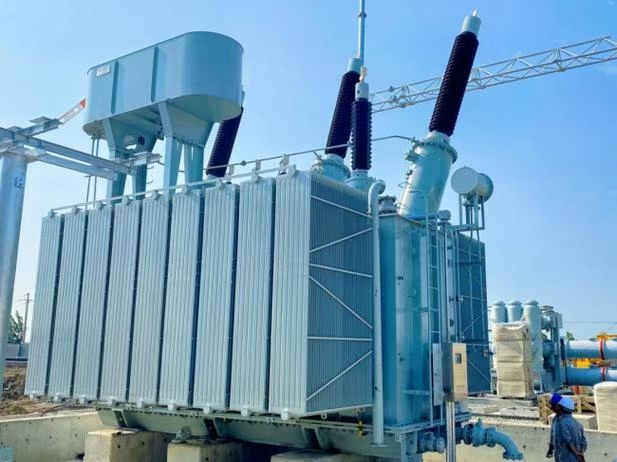
Transformer winding connections play a crucial role in determining voltage relationships, grounding methods, fault behavior, and system performance. Among the most commonly used three-phase transformer configurations are Y-Y (Wye-Wye) and Y-Δ (Wye-Delta) connections. Each arrangement offers distinct advantages and is selected based on the requirements of transmission, distribution, and industrial power systems.
What Is a Y-Y (Wye-Wye) Transformer Connection?
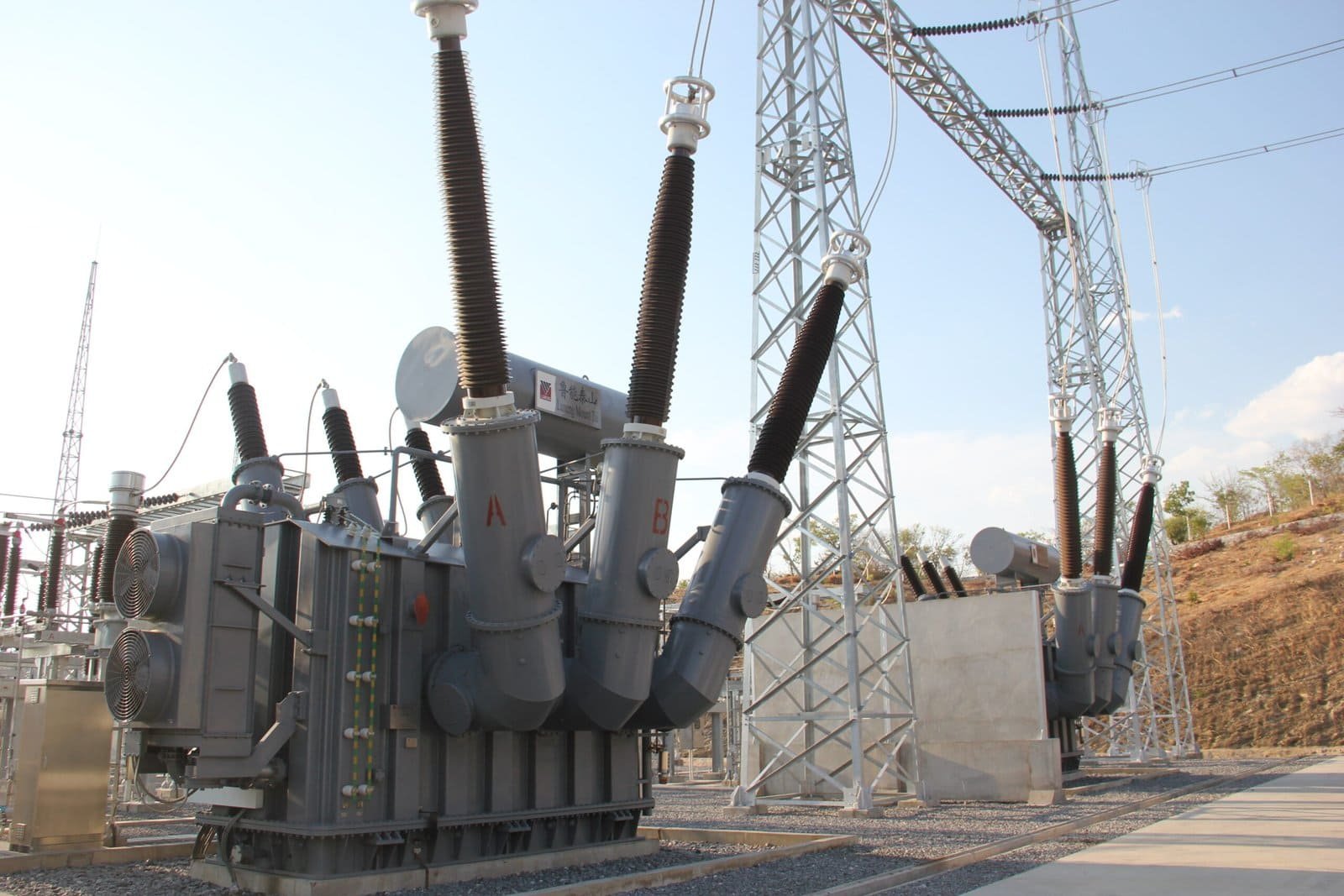
Three-phase transformers can be connected in several different configurations, each offering unique electrical characteristics and application advantages. One of the most fundamental arrangements is the Y-Y (Wye-Wye) transformer connection, where both the primary and secondary windings are connected in a wye (star) configuration. This connection is commonly used in transmission and distribution systems where a neutral point is required and where balanced three-phase loads dominate.
In a wye connection, one end of each phase winding is connected to a common point known as the neutral. The remaining ends are connected to the three phase conductors. When both the primary and secondary windings are connected this way, the transformer is referred to as a Y-Y or Wye-Wye transformer.
Although the Y-Y configuration offers several practical advantages, including neutral availability and reduced insulation requirements, it also presents challenges related to harmonics, voltage imbalance, and load performance. As a result, engineers must carefully evaluate system requirements before selecting this connection type.
A Y-Y (Wye-Wye) transformer connection is a three-phase transformer configuration in which both the primary and secondary windings are connected in a wye (star) arrangement. This connection provides neutral points on both sides, supports phase-to-neutral loads, and is commonly used in transmission and distribution systems, particularly where balanced loads and grounding requirements are important.
Proper grounding and harmonic management are critical to achieving reliable operation in Y-Y transformer installations.
Y-Y transformer connections are always the preferred configuration for every three-phase transformer application because they provide neutral connections on both sides.False
While Y-Y connections offer valuable advantages, they can experience harmonic and voltage imbalance issues under certain operating conditions. Other configurations such as Delta-Wye or Delta-Delta may be better suited for some applications.
Understanding the Wye (Star) Connection
A wye connection joins one end of each phase winding to a common neutral point.
Basic Wye Configuration
Phase A ----\
             \
Phase B ------ Neutral
             /
Phase C ----/
This arrangement creates both phase voltages and line voltages.
Wye Connection Characteristics
| Feature | Description |
|---|---|
| Three phase windings | Connected to common neutral |
| Neutral point | Available |
| Phase-to-neutral voltage | Available |
| Three-phase power | Supported |
These characteristics make the wye connection highly versatile.
What Does Y-Y Mean?
The notation "Y-Y" indicates the winding arrangement on both sides of the transformer.
Configuration Definition
| Side | Connection Type |
|---|---|
| Primary winding | Wye (Y) |
| Secondary winding | Wye (Y) |
Both sides have a neutral point available.
Basic Y-Y Transformer Structure
Primary Side (Y)           Secondary Side (Y)

     A                           a
      \                         /
       \                       /
        N ------------------- n
       /                       \
      /                         \
     B                           b
      \                         /
       \                       /
        N ------------------- n
       /                       \
      /                         \
     C                           c
Where:
- A, B, C = primary phases
- a, b, c = secondary phases
- N, n = neutral points
Voltage Relationships in a Wye System
One of the most important aspects of a Y-Y transformer is the relationship between line voltage and phase voltage.
Voltage Equation
V_L=\sqrt{3}V_P
Where:
- (V_L) = line voltage
- (V_P) = phase voltage
This relationship applies to both primary and secondary sides.
Example
| Parameter | Value |
|---|---|
| Phase voltage | 120 V |
| Line voltage | 208 V |
Since:
[
208 \approx \sqrt{3} \times 120
]
This is a common commercial power system configuration.
Current Relationships
In a wye connection:
Current Equation
I_L=I_P
Where:
- (I_L) = line current
- (I_P) = phase current
This simplifies current calculations compared to some other configurations.
Main Advantages of Y-Y Transformers
The Y-Y configuration offers several benefits.
Key Advantages
| Advantage | Benefit |
|---|---|
| Neutral available on both sides | Supports single-phase loads |
| Reduced insulation requirements | Lower winding stress |
| Grounding flexibility | Improved protection |
| Suitable for high voltages | Common in transmission systems |
These characteristics make Y-Y transformers attractive for specific applications.
Availability of Neutral Points
One major advantage is access to neutral connections.
Benefits of Neutral Availability
| Benefit | Application |
|---|---|
| Phase-to-neutral loads | Residential supply |
| Grounding systems | System protection |
| Voltage stabilization | Improved operation |
This feature is often essential in distribution networks.
Reduced Insulation Requirements
Wye-connected windings experience lower phase voltages.
Insulation Advantage
| Parameter | Wye Connection |
|---|---|
| Winding voltage stress | Lower |
| Insulation requirements | Reduced |
| Material usage | Potentially lower |
This can reduce transformer manufacturing costs.
Grounding Capabilities
Grounding improves system stability and protection.
Grounded Neutral Benefits
| Benefit | Impact |
|---|---|
| Fault detection | Improved |
| Overvoltage control | Enhanced |
| System stability | Improved |
Grounded Y-Y systems are common in utility applications.
Common Applications of Y-Y Transformers
Y-Y transformers are often used where balanced three-phase loads dominate.
Typical Applications
| Application | Usage |
|---|---|
| Transmission substations | Common |
| Distribution substations | Common |
| Industrial power systems | Moderate |
| Utility networks | Frequent |
Their suitability depends on system design requirements.
High-Voltage Transmission Systems
Transmission systems often utilize wye-connected transformers.
Reasons
| Factor | Benefit |
|---|---|
| Neutral grounding | System protection |
| Reduced insulation stress | Economic design |
| High-voltage suitability | Practical implementation |
These advantages support widespread use.
Challenges of Y-Y Connections
Despite their advantages, Y-Y transformers have limitations.
Main Challenges
| Challenge | Impact |
|---|---|
| Harmonic distortion | Voltage quality issues |
| Voltage imbalance | Performance concerns |
| Unbalanced load sensitivity | System instability |
These factors must be addressed during design.
Third Harmonic Issues
Third harmonic currents present a unique challenge.
Harmonic Frequency Relationship
f_3=3f_1
Where:
- (f_1) = fundamental frequency
- (f_3) = third harmonic frequency
Third harmonics can distort voltages if not properly managed.
Why Harmonics Occur
Transformer magnetizing currents are not perfectly sinusoidal.
Harmonic Effects
| Effect | Consequence |
|---|---|
| Voltage distortion | Reduced power quality |
| Neutral voltage shifts | System instability |
| Equipment stress | Increased losses |
These effects are more pronounced in Y-Y systems without proper grounding.
Importance of Neutral Grounding
Grounding helps stabilize transformer operation.
Grounding Benefits
| Benefit | Result |
|---|---|
| Harmonic suppression | Improved voltage waveform |
| Voltage stabilization | Better performance |
| Fault current path | Enhanced protection |
Many Y-Y transformers require grounded neutrals on both sides.
Use of Tertiary Delta Windings
A common solution is adding a tertiary delta winding.
Purpose of Delta Tertiary
| Function | Benefit |
|---|---|
| Harmonic circulation | Reduced distortion |
| Voltage stabilization | Improved regulation |
| System balance | Enhanced operation |
This significantly improves Y-Y transformer performance.
Unbalanced Load Performance
Y-Y transformers perform best with balanced loads.
Balanced vs Unbalanced Loads
| Condition | Performance |
|---|---|
| Balanced load | Excellent |
| Mild imbalance | Acceptable |
| Severe imbalance | Potential issues |
Engineers often evaluate expected load conditions carefully.
Voltage Regulation Characteristics
Voltage regulation depends on load conditions.
Influencing Factors
| Factor | Effect |
|---|---|
| Load magnitude | Direct |
| Power factor | Direct |
| System balance | Significant |
Proper system design minimizes voltage variation.
Comparison with Other Transformer Connections
Y-Y vs Delta-Wye
| Characteristic | Y-Y | Delta-Wye |
|---|---|---|
| Neutral on secondary | Yes | Yes |
| Harmonic performance | Lower | Better |
| Grounding flexibility | High | High |
| Industrial usage | Moderate | Very common |
Y-Y vs Delta-Delta
| Characteristic | Y-Y | Delta-Delta |
|---|---|---|
| Neutral available | Yes | No |
| Single-phase load support | Excellent | Limited |
| Harmonic circulation | Limited | Excellent |
Each connection has unique strengths.
Typical Utility Applications
Utilities frequently use Y-Y transformers in:
| System Area | Application |
|---|---|
| Transmission substations | Voltage transformation |
| Grounded networks | System interconnection |
| High-voltage systems | Power transfer |
These applications often include additional grounding measures.
Protection Considerations
Protection systems must account for neutral availability.
Common Protective Devices
| Device | Function |
|---|---|
| Ground fault relays | Fault detection |
| Differential relays | Internal protection |
| Overcurrent relays | Fault isolation |
Proper protection enhances reliability.
Advantages and Disadvantages Summary
| Advantages | Disadvantages |
|---|---|
| Neutral available on both sides | Harmonic sensitivity |
| Lower insulation stress | Voltage imbalance potential |
| Grounding flexibility | May require tertiary winding |
| Suitable for high-voltage systems | Less tolerant of unbalanced loads |
How Does a Y-Δ (Wye-Delta) Transformer Connection Work?
Three-phase transformer connections are essential for transmitting and distributing electrical power efficiently across modern power systems. Among the most widely used configurations is the Y-Δ (Wye-Delta) transformer connection, in which the primary winding is connected in a wye (star) configuration and the secondary winding is connected in a delta configuration. This arrangement combines the advantages of both connection types and is commonly found in utility substations, industrial facilities, power generation plants, and transmission networks.
The Y-Δ connection is particularly valuable because it provides a grounded neutral on the primary side while benefiting from the harmonic suppression and load-balancing characteristics of the delta-connected secondary. Additionally, it introduces a specific phase shift between primary and secondary voltages, which can be advantageous in many power system applications.
Understanding how a Y-Δ transformer works requires examining its winding arrangement, voltage relationships, current flow characteristics, and practical advantages within electrical networks.
A Y-Δ (Wye-Delta) transformer connection operates by connecting the primary windings in a wye configuration and the secondary windings in a delta configuration. The wye side provides grounding and reduced insulation requirements, while the delta side offers harmonic suppression, improved load balancing, and reliable operation under unbalanced load conditions. The connection also introduces a 30-degree phase shift between primary and secondary voltages.
Because of its versatility and electrical performance, the Y-Δ connection remains one of the most commonly used transformer configurations in power systems worldwide.
A Y-Δ transformer connection provides identical voltage and phase relationships on both sides of the transformer without introducing any phase shift.False
A Y-Δ transformer introduces a 30-degree phase shift between primary and secondary voltages due to the difference between wye and delta winding configurations.
Understanding the Wye (Y) Primary Connection
In a wye connection, one end of each phase winding is connected to a common neutral point.
Primary Wye Arrangement
Phase A ----\
             \
Phase B ------ Neutral
             /
Phase C ----/
This creates three phase windings connected to a shared neutral.
Characteristics of the Wye Side
| Feature | Benefit |
|---|---|
| Neutral point available | Grounding capability |
| Lower phase voltage stress | Reduced insulation requirements |
| Suitable for high voltages | Common in transmission systems |
These features make wye connections attractive for transformer primaries.
Understanding the Delta (Δ) Secondary Connection
In a delta connection, the three windings are connected end-to-end in a closed loop.
Delta Arrangement
        A
       / \
      /   \
     C-----B
Each winding forms one side of the delta.
Characteristics of the Delta Side
| Feature | Benefit |
|---|---|
| No neutral required | Simplified operation |
| Harmonic circulation | Improved voltage quality |
| Handles unbalanced loads well | Better system stability |
Delta connections are common in industrial power systems.
Basic Structure of a Y-Δ Transformer
The transformer combines these two connection methods.
Configuration
| Side | Connection |
|---|---|
| Primary | Wye (Y) |
| Secondary | Delta (Δ) |
Power is transferred magnetically between the two winding systems.
Voltage Relationships on the Wye Side
For the wye-connected primary:
Voltage Equation
V_L=\sqrt{3}V_P
Where:
- (V_L) = line voltage
- (V_P) = phase voltage
This means line voltage is greater than phase voltage by a factor of √3.
Example
| Parameter | Value |
|---|---|
| Phase voltage | 6.35 kV |
| Line voltage | 11 kV |
This relationship is common in utility systems.
Current Relationships on the Wye Side
For a wye connection:
I_L=I_P
Where:
- (I_L) = line current
- (I_P) = phase current
Line and phase currents are equal.
Voltage Relationships on the Delta Side
For a delta-connected secondary:
Voltage Equation
V_L=V_P
Where:
- (V_L) = line voltage
- (V_P) = phase voltage
In a delta connection, line voltage equals phase voltage.
Current Relationships on the Delta Side
Current behaves differently in a delta system.
Current Equation
I_L=\sqrt{3}I_P
Where:
- (I_L) = line current
- (I_P) = phase current
This relationship affects conductor sizing and protection design.
The 30-Degree Phase Shift
One of the defining characteristics of a Y-Δ transformer is the phase displacement between primary and secondary voltages.
Phase Shift
\theta=30^\circ
The exact direction depends on winding polarity and vector group designation.
Why the Phase Shift Occurs
The phase shift results from differences between:
| Factor | Effect |
|---|---|
| Wye voltage relationships | Phase reference changes |
| Delta voltage relationships | Different phase alignment |
The geometry of the connections inherently creates the displacement.
Importance of Phase Shift
Phase shift affects transformer operation in interconnected systems.
Applications
| Application | Importance |
|---|---|
| Parallel transformer operation | Critical |
| Utility substations | Important |
| System synchronization | Essential |
Engineers must account for vector group compatibility.
Harmonic Performance
One major advantage of the Y-Δ connection is harmonic suppression.
Third Harmonic Frequency
f_3=3f_1
Where:
- (f_1) = fundamental frequency
- (f_3) = third harmonic frequency
Third harmonics naturally circulate within the delta winding.
Harmonic Benefits
| Benefit | Result |
|---|---|
| Reduced voltage distortion | Improved power quality |
| Stable neutral voltages | Better system performance |
| Lower harmonic propagation | Enhanced reliability |
This is one reason the configuration is widely used.
Handling Unbalanced Loads
Delta connections accommodate load imbalances effectively.
Why Delta Helps
| Characteristic | Benefit |
|---|---|
| Closed winding loop | Current redistribution |
| Internal balancing effect | Stable voltages |
| Reduced phase imbalance | Improved operation |
This is valuable in industrial environments.
Grounding Advantages
The primary wye connection provides a neutral point.
Grounding Benefits
| Benefit | Function |
|---|---|
| Ground fault protection | Fault detection |
| Voltage stabilization | System reliability |
| Surge control | Equipment protection |
Grounded neutrals improve system safety.
Common Applications of Y-Δ Transformers
This connection is used extensively throughout power systems.
Typical Applications
| Application | Usage |
|---|---|
| Utility substations | Very common |
| Industrial power distribution | Common |
| Power generation plants | Common |
| Renewable energy facilities | Frequent |
Its flexibility supports diverse electrical networks.
Utility Substation Applications
Utilities often use Y-Δ transformers for voltage conversion.
Reasons
| Factor | Benefit |
|---|---|
| High-voltage compatibility | Efficient transmission |
| Grounded primary | Improved protection |
| Harmonic suppression | Better power quality |
These advantages are highly valued in utility systems.
Industrial Applications
Industrial facilities frequently utilize delta-connected secondary systems.
Benefits
| Advantage | Importance |
|---|---|
| Motor load compatibility | High |
| Load imbalance tolerance | High |
| Harmonic control | High |
These characteristics support reliable industrial operation.
Renewable Energy Projects
Solar and wind facilities often use Y-Δ transformers.
Typical Uses
| Facility | Purpose |
|---|---|
| Solar farms | Grid interconnection |
| Wind farms | Voltage step-up |
| Energy storage systems | Power conversion |
The connection supports stable power export.
Advantages of Y-Δ Transformers
| Advantage | Benefit |
|---|---|
| Neutral grounding on primary | Protection |
| Harmonic suppression | Improved power quality |
| Handles unbalanced loads | Stable operation |
| Reduced insulation requirements | Lower costs |
| Widely accepted design | Proven reliability |
Disadvantages of Y-Δ Transformers
| Limitation | Impact |
|---|---|
| 30° phase shift | Parallel operation constraints |
| No neutral on secondary | Limits single-phase loads |
| More complex protection | Additional engineering |
These factors must be considered during system design.
Comparison with Other Connections
Y-Δ vs Y-Y
| Characteristic | Y-Δ | Y-Y |
|---|---|---|
| Harmonic suppression | Better | |
| Unbalanced load performance | Better | |
| Secondary neutral | No | |
| Phase shift | 30° |
Y-Δ vs Δ-Y
| Characteristic | Y-Δ | Δ-Y |
|---|---|---|
| Primary grounding | Available | |
| Secondary neutral | Not available | |
| Utility usage | Common | |
| Distribution usage | Project dependent |
Summary of Electrical Relationships
| Parameter | Wye Side | Delta Side |
|---|---|---|
| Line voltage | √3 × phase voltage | Equal to phase voltage |
| Line current | Equal to phase current | √3 × phase current |
| Neutral point | Available | Not available |
| Harmonic handling | Moderate | Excellent |
What Are the Advantages and Limitations of Y-Y Connections?
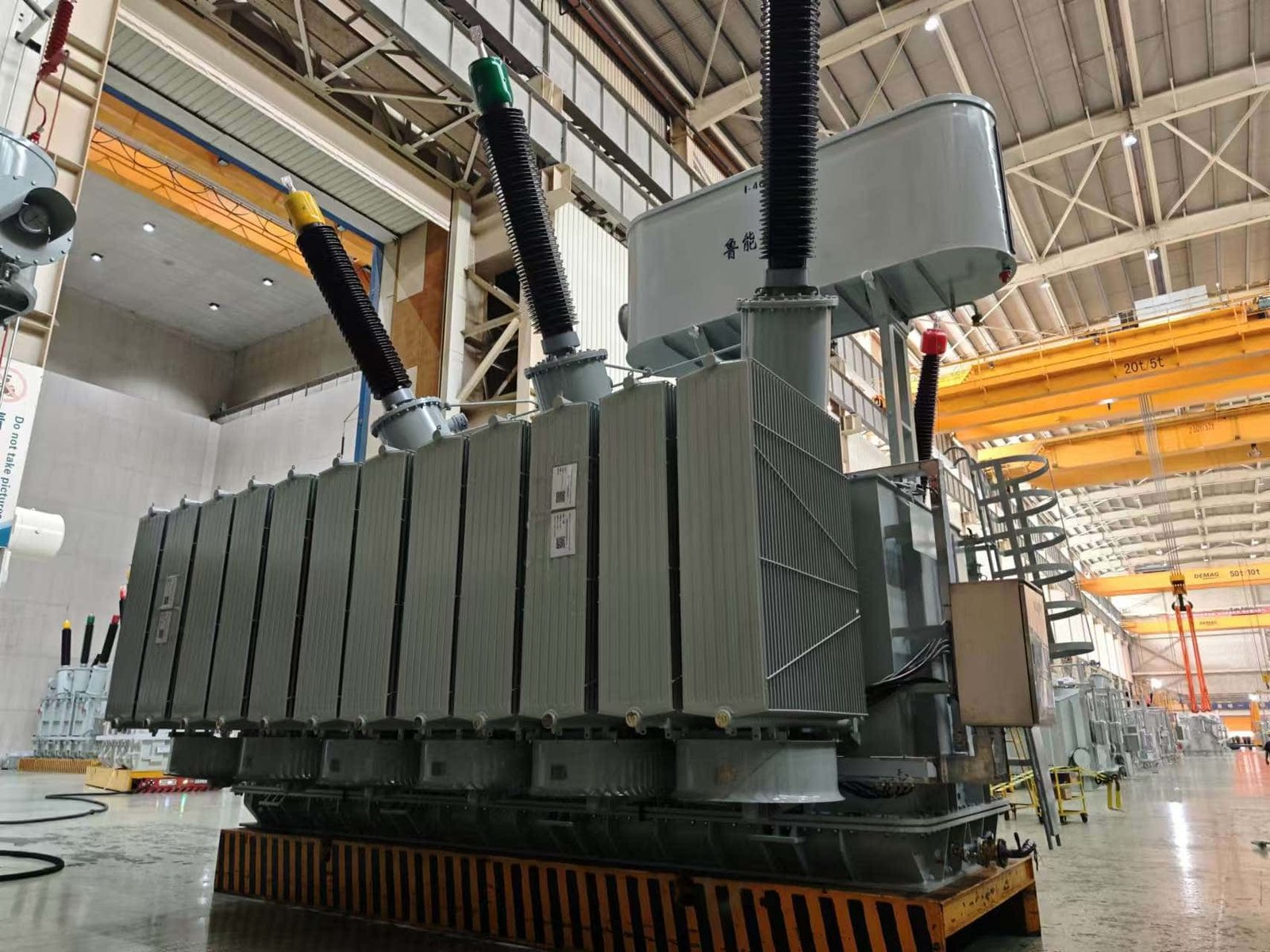
The Y-Y (Wye-Wye) transformer connection is one of the most fundamental three-phase transformer configurations used in power systems. In this arrangement, both the primary and secondary windings are connected in a wye (star) configuration, creating neutral points on both sides of the transformer. This design offers several operational advantages, particularly in high-voltage transmission and distribution systems where grounding, insulation economy, and phase-to-neutral loads are important considerations.
Despite its simplicity and usefulness, the Y-Y connection is not universally applicable. Engineers must carefully evaluate harmonic performance, load balance, grounding requirements, and voltage stability before selecting this configuration. While Y-Y transformers perform very well under balanced operating conditions, certain system characteristics can introduce challenges that are less pronounced in Delta-Wye or Delta-Delta arrangements.
Understanding both the advantages and limitations of Y-Y transformer connections helps utilities, industrial users, and power system designers choose the most appropriate transformer configuration for a given application.
The Y-Y transformer connection provides grounded neutrals on both sides, reduced insulation requirements, and suitability for high-voltage systems. However, it can be susceptible to third-harmonic distortion, voltage imbalance, and performance issues under unbalanced loading conditions unless proper grounding and harmonic mitigation measures are implemented.
As a result, Y-Y transformers are often used in transmission and distribution networks but may require additional design considerations to ensure reliable operation.
A Y-Y transformer connection has no disadvantages because both sides provide a neutral point and simple voltage relationships.False
Although Y-Y transformers offer several advantages, they can experience harmonic distortion, voltage instability, and unbalanced load problems if grounding and system design are not properly addressed.
Understanding the Y-Y Transformer Connection
In a Y-Y transformer, both winding sets are connected in a wye configuration.
Basic Configuration
| Side | Connection Type |
|---|---|
| Primary | Wye (Y) |
| Secondary | Wye (Y) |
Each side includes a neutral point.
Wye Voltage Relationship
The line voltage and phase voltage relationship is:
V_L=\sqrt{3}V_P
Where:
- (V_L) = line voltage
- (V_P) = phase voltage
This relationship applies to both primary and secondary windings.
Major Advantages of Y-Y Connections
The Y-Y arrangement offers several significant benefits.
Advantage 1: Neutral Points Available on Both Sides
One of the most important advantages is the availability of neutral connections.
Benefits of Neutral Access
| Benefit | Application |
|---|---|
| Phase-to-neutral loads | Residential service |
| Grounding systems | Protection |
| Voltage stabilization | Network operation |
Few transformer configurations provide neutrals on both sides.
Support for Single-Phase Loads
Many distribution systems require single-phase service.
Applications
| Load Type | Compatibility |
|---|---|
| Residential loads | Excellent |
| Lighting circuits | Excellent |
| Small commercial loads | Excellent |
The neutral point makes these applications possible.
Advantage 2: Reduced Insulation Requirements
Wye-connected windings experience lower phase voltages.
Voltage Relationship
Because:
V_P=\frac{V_L}{\sqrt{3}}
Each winding sees less voltage stress than the line voltage.
Insulation Benefits
| Benefit | Result |
|---|---|
| Lower dielectric stress | Improved reliability |
| Reduced insulation material | Lower cost |
| Simplified design | Easier manufacturing |
This is particularly beneficial in high-voltage transformers.
Advantage 3: Suitability for High-Voltage Systems
Y-Y transformers are commonly used in transmission networks.
Reasons
| Factor | Benefit |
|---|---|
| Lower phase voltage | Easier insulation design |
| Grounding capability | Improved protection |
| Efficient voltage transformation | Transmission support |
These characteristics make Y-Y attractive for utility applications.
Advantage 4: Grounding Flexibility
Grounding is essential for system protection and stability.
Grounding Benefits
| Function | Impact |
|---|---|
| Fault current path | Improved protection |
| Surge suppression | Equipment safety |
| Voltage stabilization | Reliable operation |
Grounded neutrals enhance overall system performance.
Advantage 5: Simple Winding Construction
The Y-Y configuration is relatively straightforward.
Manufacturing Benefits
| Benefit | Result |
|---|---|
| Simplified winding arrangement | Easier production |
| Lower conductor stress | Improved longevity |
| Flexible voltage design | Broad applicability |
This contributes to its widespread use.
Advantage 6: Suitable for Long Transmission Lines
Transmission systems often require grounded neutrals.
Benefits
| Requirement | Y-Y Solution |
|---|---|
| Ground fault detection | Excellent |
| Voltage stability | Good |
| High-voltage operation | Excellent |
This supports reliable power transmission.
Major Limitations of Y-Y Connections
Despite many benefits, several limitations must be considered.
Limitation 1: Third-Harmonic Distortion
The most significant challenge is harmonic behavior.
Third Harmonic Frequency
f_3=3f_1
Where:
- (f_1) = fundamental frequency
- (f_3) = third harmonic frequency
Transformer magnetizing currents naturally generate third harmonics.
Why Third Harmonics Are Problematic
Without a path for circulation:
| Effect | Consequence |
|---|---|
| Voltage waveform distortion | Reduced power quality |
| Neutral voltage shifts | Instability |
| Equipment stress | Higher losses |
These issues can significantly affect performance.
Limitation 2: Voltage Imbalance
Y-Y transformers are sensitive to load imbalance.
Causes
| Cause | Effect |
|---|---|
| Unequal phase loading | Voltage deviation |
| Unbalanced currents | Neutral displacement |
| System asymmetry | Reduced stability |
Balanced loading is highly desirable.
Limitation 3: Poor Performance with Unbalanced Loads
Unbalanced loads can produce unequal phase voltages.
Load Conditions
| Condition | Performance |
|---|---|
| Balanced load | Excellent |
| Moderate imbalance | Acceptable |
| Severe imbalance | Potential problems |
Other transformer configurations often handle imbalance better.
Limitation 4: Neutral Shift
Neutral displacement can occur under certain conditions.
Effects
| Issue | Consequence |
|---|---|
| Unequal voltages | Equipment stress |
| Voltage instability | Operational issues |
| Reduced power quality | Customer complaints |
Proper grounding helps minimize this problem.
Limitation 5: Harmonic Amplification Risks
Harmonics may distort system voltages.
Common Effects
| Harmonic Issue | Impact |
|---|---|
| Increased heating | Reduced efficiency |
| Voltage distortion | Power quality degradation |
| Relay maloperation | Protection concerns |
These effects must be controlled.
Why Grounding Is Essential
Grounding significantly improves Y-Y transformer performance.
Grounded Neutral Benefits
| Benefit | Result |
|---|---|
| Voltage stabilization | Improved operation |
| Harmonic reduction | Better waveform quality |
| Fault protection | Enhanced safety |
Grounding is often considered mandatory.
Use of Tertiary Delta Windings
Many Y-Y transformers include a tertiary delta winding.
Purpose of Tertiary Delta
| Function | Benefit |
|---|---|
| Harmonic circulation | Reduced distortion |
| Voltage stabilization | Improved balance |
| System support | Better performance |
This is a common engineering solution.
Harmonic Circulation Mechanism
The tertiary delta provides a closed path for harmonic currents.
Result
| Without Delta | With Delta |
|---|---|
| Harmonic buildup | Harmonic circulation |
| Voltage distortion | Improved waveform |
| Potential instability | Greater stability |
The improvement can be substantial.
Comparison with Other Connections
Y-Y vs Δ-Y
| Characteristic | Y-Y | Δ-Y |
|---|---|---|
| Neutral on secondary | Yes | Yes |
| Harmonic performance | Lower | Better |
| Load balancing | Moderate | Better |
| Grounding flexibility | High | Moderate |
Y-Y vs Δ-Δ
| Characteristic | Y-Y | Δ-Δ |
|---|---|---|
| Neutral availability | Yes | No |
| Harmonic handling | Lower | Excellent |
| Unbalanced load performance | Lower | Better |
Each configuration serves different needs.
Applications Where Y-Y Excels
Y-Y transformers perform particularly well in:
| Application | Suitability |
|---|---|
| High-voltage substations | Excellent |
| Transmission networks | Excellent |
| Grounded utility systems | Excellent |
| Balanced industrial loads | Very good |
These applications take advantage of Y-Y strengths.
Applications Where Alternatives May Be Better
Other configurations may be preferred when:
| Condition | Preferred Alternative |
|---|---|
| Significant harmonics | Δ-Y |
| Heavy load imbalance | Δ-Δ |
| Large motor loads | Δ-Y |
| Industrial distribution | Δ-Y |
The final selection depends on system requirements.
Summary of Advantages
| Advantage | Benefit |
|---|---|
| Neutral available on both sides | Load flexibility |
| Reduced insulation requirements | Lower cost |
| Grounding capability | Improved protection |
| Suitable for high voltages | Transmission applications |
| Simple construction | Easier manufacturing |
Summary of Limitations
| Limitation | Impact |
|---|---|
| Third-harmonic distortion | Power quality concerns |
| Voltage imbalance sensitivity | Reduced stability |
| Poor unbalanced load handling | Performance limitations |
| Neutral shift possibility | Voltage variation |
| Often requires tertiary delta | Added complexity |
Advantages vs Limitations Overview
| Category | Assessment |
|---|---|
| High-voltage performance | Excellent |
| Grounding flexibility | Excellent |
| Harmonic handling | Moderate to poor |
| Unbalanced load capability | Moderate |
| Distribution system suitability | Good with proper design |
Why Are Y-Δ Connections Commonly Used in Power Systems?
The Y-Δ (Wye-Delta) transformer connection is one of the most widely used three-phase transformer configurations in electrical power systems. Utilities, industrial facilities, renewable energy projects, and power generation plants frequently employ this connection because it combines the advantages of both wye and delta configurations while minimizing many of their individual limitations.
In a Y-Δ transformer, the primary winding is connected in a wye (star) configuration, while the secondary winding is connected in a delta arrangement. This combination provides grounding capability on the primary side, reduced insulation requirements, excellent harmonic suppression, and improved performance under unbalanced load conditions. These characteristics make the Y-Δ connection particularly valuable in transmission and distribution networks where reliability, power quality, and system stability are essential.
Although other transformer connections such as Y-Y, Δ-Y, and Δ-Δ are also widely used, the Y-Δ configuration has become a preferred solution in many applications due to its balanced mix of operational advantages.
Y-Δ transformer connections are commonly used because they provide a grounded high-voltage side, effective harmonic suppression, excellent handling of unbalanced loads, improved system stability, reduced insulation requirements, and reliable performance in transmission, distribution, and industrial power systems. These advantages make Y-Δ transformers one of the most versatile and dependable transformer configurations available.
Their ability to enhance power quality and support stable system operation explains their widespread adoption across modern electrical networks.
Y-Δ transformers are commonly used only because they are less expensive to manufacture than all other transformer connections.False
The popularity of Y-Δ transformers is primarily due to their technical advantages, including grounding capability, harmonic suppression, load-balancing performance, and system reliability rather than manufacturing cost alone.
Understanding the Y-Δ Transformer Connection
A Y-Δ transformer combines two different winding configurations.
Basic Arrangement
| Transformer Side | Connection Type |
|---|---|
| Primary | Wye (Y) |
| Secondary | Delta (Δ) |
The primary side is typically connected to a higher-voltage network, while the secondary side supplies lower-voltage loads.
Primary Wye Connection Benefits
The wye-connected primary provides several important advantages.
Wye Characteristics
| Feature | Benefit |
|---|---|
| Neutral point available | Grounding capability |
| Lower phase voltage stress | Reduced insulation requirements |
| Suitable for high voltages | Ideal for transmission systems |
These characteristics make the wye connection attractive for utility applications.
Reduced Insulation Requirements
In a wye-connected system:
V_P=\frac{V_L}{\sqrt{3}}
Where:
- (V_P) = phase voltage
- (V_L) = line voltage
Each winding experiences only a fraction of the total line voltage.
Benefits
| Advantage | Result |
|---|---|
| Lower insulation stress | Improved reliability |
| Reduced insulation material | Lower manufacturing cost |
| Easier high-voltage design | Better scalability |
This is particularly important in transmission systems.
Grounding Capability
The neutral point of the wye winding can be grounded.
Grounding Advantages
| Benefit | Impact |
|---|---|
| Ground fault detection | Improved protection |
| Surge control | Equipment safety |
| Voltage stabilization | Better system performance |
Grounded systems are generally safer and easier to protect.
Secondary Delta Connection Benefits
The delta-connected secondary contributes several important operational advantages.
Delta Characteristics
| Feature | Benefit |
|---|---|
| Closed winding loop | Harmonic circulation |
| No neutral required | Simplified operation |
| Excellent load balancing | Stable voltages |
These properties complement the advantages of the wye primary.
Superior Harmonic Suppression
One of the biggest reasons for the popularity of Y-Δ transformers is harmonic control.
Third Harmonic Relationship
f_3=3f_1
Where:
- (f_1) = fundamental frequency
- (f_3) = third harmonic frequency
Transformer magnetizing currents naturally generate third harmonics.
How Delta Windings Help
The closed delta loop provides a path for harmonic currents.
Result
| Without Delta Path | With Delta Path |
|---|---|
| Harmonic distortion | Harmonic circulation |
| Voltage waveform distortion | Cleaner waveform |
| Reduced power quality | Improved power quality |
This significantly enhances system performance.
Improved Voltage Stability
Voltage stability is critical in large power systems.
Delta Contribution
| Characteristic | Benefit |
|---|---|
| Internal current circulation | Stable voltages |
| Harmonic suppression | Better waveform quality |
| Balanced phase relationships | Improved operation |
Stable voltages improve overall network reliability.
Excellent Performance with Unbalanced Loads
Many real-world electrical systems experience load imbalance.
Sources of Imbalance
| Source | Example |
|---|---|
| Uneven industrial loads | Motor groups |
| Mixed commercial loads | Building systems |
| Distribution networks | Variable customer demand |
The delta winding helps mitigate these effects.
Why Delta Handles Imbalance Well
The closed-loop configuration allows redistribution of currents.
Benefits
| Advantage | Result |
|---|---|
| Current sharing | Reduced voltage imbalance |
| Phase stabilization | Improved power quality |
| Better load tolerance | Greater reliability |
This is especially valuable in industrial systems.
Improved Fault Performance
Power systems must withstand short-circuit events.
Electromagnetic Force Relationship
F\propto I^2
Where:
- (F) = fault force
- (I) = fault current
Proper transformer connections help manage system behavior during faults.
Fault Management Benefits
| Benefit | Impact |
|---|---|
| Stable grounding reference | Better protection |
| Controlled fault current paths | Faster fault clearing |
| Improved relay coordination | Enhanced safety |
These characteristics are highly valued by utilities.
High Reliability in Utility Networks
Utilities prioritize reliability above almost all other factors.
Why Utilities Favor Y-Δ
| Requirement | Y-Δ Advantage |
|---|---|
| Grounding | Excellent |
| Harmonic control | Excellent |
| Load balancing | Excellent |
| Proven field performance | Excellent |
This combination contributes to widespread adoption.
Common Utility Applications
Y-Δ transformers are frequently installed in:
| Application | Purpose |
|---|---|
| Transmission substations | Voltage conversion |
| Distribution substations | Power delivery |
| Interconnection points | Grid support |
Many power systems rely heavily on this configuration.
Industrial Power Distribution
Industrial facilities often contain large motor loads.
Industrial Advantages
| Factor | Benefit |
|---|---|
| Motor starting currents | Better handling |
| Load imbalance | Improved performance |
| Harmonic suppression | Enhanced power quality |
This makes Y-Δ transformers highly attractive in manufacturing environments.
Renewable Energy Integration
Renewable energy projects commonly utilize Y-Δ transformers.
Typical Installations
| Facility | Application |
|---|---|
| Solar farms | Step-up transformers |
| Wind farms | Collection substations |
| Battery energy storage | Grid interconnection |
The connection supports reliable power export.
Generator Step-Up Applications
Power plants frequently use Y-Δ transformers.
Benefits
| Feature | Importance |
|---|---|
| Grounded transmission interface | High |
| Stable voltage operation | High |
| Harmonic management | High |
These characteristics support efficient generation systems.
Reduced System Overvoltages
Grounding helps control transient voltages.
Overvoltage Sources
| Source | Example |
|---|---|
| Lightning strikes | Transmission systems |
| Switching operations | Circuit breakers |
| Fault conditions | Ground faults |
Grounded wye primaries improve protection.
Better Power Quality
Power quality has become increasingly important.
Power Quality Improvements
| Issue | Y-Δ Benefit |
|---|---|
| Harmonics | Reduced |
| Voltage imbalance | Reduced |
| Waveform distortion | Reduced |
This supports sensitive equipment operation.
The 30-Degree Phase Shift
Y-Δ transformers introduce a phase displacement.
Phase Shift
\theta=30^\circ
This characteristic must be considered when paralleling transformers.
Why the Phase Shift Can Be Useful
| Application | Benefit |
|---|---|
| Network interconnections | System flexibility |
| Harmonic mitigation | Improved performance |
| Power system design | Engineering options |
The phase shift is not necessarily a disadvantage.
Comparison with Other Transformer Connections
Y-Δ vs Y-Y
| Characteristic | Y-Δ | Y-Y |
|---|---|---|
| Harmonic suppression | Better | |
| Load balancing | Better | |
| Voltage stability | Better | |
| Grounding capability | Excellent |
Y-Δ vs Δ-Δ
| Characteristic | Y-Δ | Δ-Δ |
|---|---|---|
| Grounded primary | Yes | |
| Harmonic handling | Excellent | |
| High-voltage suitability | Better |
These comparisons help explain the popularity of Y-Δ systems.
Summary of Major Advantages
| Advantage | Importance |
|---|---|
| Grounded primary neutral | Very high |
| Reduced insulation requirements | High |
| Harmonic suppression | Very high |
| Unbalanced load capability | Very high |
| Voltage stability | Very high |
| Proven reliability | Very high |
Why Utilities Continue to Use Y-Δ Transformers
| Utility Requirement | Y-Δ Performance |
|---|---|
| Reliability | Excellent |
| Protection coordination | Excellent |
| Grounding support | Excellent |
| Power quality | Excellent |
| Long-term operation | Excellent |
These qualities have made the configuration an industry standard.
How Do These Connections Affect Grounding and Harmonics?
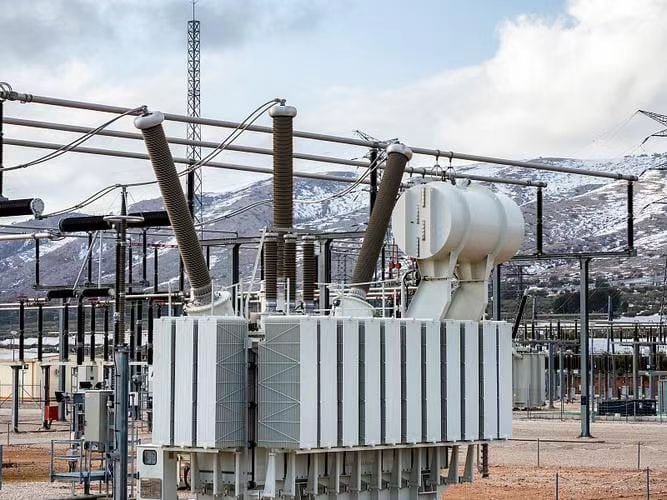
Transformer winding connections have a significant influence on two critical aspects of power system performance: grounding and harmonic behavior. While voltage transformation is the primary purpose of a transformer, the way its windings are connected—such as Y-Y (Wye-Wye), Y-Δ (Wye-Delta), Δ-Y (Delta-Wye), or Δ-Δ (Delta-Delta)—can dramatically affect fault protection, voltage stability, power quality, and harmonic distortion.
Grounding determines how a power system responds to faults, lightning surges, and transient overvoltages, while harmonics affect equipment efficiency, transformer heating, voltage waveform quality, and system reliability. Because transformer connections directly influence both phenomena, engineers carefully evaluate grounding requirements and harmonic performance when selecting transformer vector groups.
Transformer connections affect grounding by determining whether neutral points are available for grounding and fault-current paths. They affect harmonics by controlling whether harmonic currents can circulate within transformer windings. Wye-connected systems facilitate grounding, while delta-connected windings provide natural paths for harmonic current circulation, helping reduce voltage distortion and improve power quality.
The interaction between grounding and harmonics is one of the primary reasons certain transformer connections are preferred in specific utility, industrial, and renewable energy applications.
Transformer winding connections only affect voltage transformation and have no impact on grounding methods or harmonic performance.False
Transformer connections strongly influence grounding capability, fault-current behavior, harmonic circulation, voltage stability, and overall power quality within electrical systems.
Why Grounding Matters in Power Systems
Grounding provides a reference point for system voltages and fault currents.
Primary Functions of Grounding
| Function | Benefit |
|---|---|
| Fault current path | Protection operation |
| Voltage stabilization | Improved reliability |
| Surge protection | Equipment safety |
| Personnel protection | Enhanced safety |
Proper grounding is essential for safe and reliable operation.
What Are Harmonics?
Harmonics are voltage or current components that occur at multiples of the fundamental frequency.
Harmonic Frequency Formula
f_n=nf_1
Where:
- (f_n) = harmonic frequency
- (n) = harmonic order
- (f_1) = fundamental frequency
For a 60 Hz system:
| Harmonic Order | Frequency |
|---|---|
| 3rd | 180 Hz |
| 5th | 300 Hz |
| 7th | 420 Hz |
These harmonics can affect transformer and system performance.
Sources of Harmonics
Harmonics originate from various electrical devices.
Common Sources
| Source | Example |
|---|---|
| Transformer magnetizing current | Core excitation |
| Variable frequency drives | Industrial motors |
| Power electronics | Inverters |
| Renewable energy systems | Solar converters |
Transformer connections influence how these harmonics behave.
Grounding Characteristics of Wye Connections
Wye-connected windings provide a neutral point.
Wye Grounding Structure
Phase A
   \
    \
     N ---- Ground
    /
   /
Phase B

Phase C
The neutral can be directly grounded.
Advantages of Wye Grounding
| Benefit | Impact |
|---|---|
| Ground fault detection | Improved protection |
| Stable phase voltages | Better operation |
| Surge dissipation | Equipment protection |
This is one reason wye connections are widely used.
Grounding in Y-Y Transformers
Y-Y transformers provide neutral points on both sides.
Configuration
| Side | Neutral Available |
|---|---|
| Primary Y | Yes |
| Secondary Y | Yes |
This offers maximum grounding flexibility.
Benefits of Y-Y Grounding
| Advantage | Description |
|---|---|
| Grounding on both sides | Enhanced protection |
| Fault current paths | Easier relay coordination |
| Stable voltage reference | Improved operation |
These characteristics are valuable in transmission systems.
Harmonic Challenges in Y-Y Transformers
Although Y-Y connections provide excellent grounding, they can experience harmonic issues.
Third Harmonic Frequency
f_3=3f_1
Third harmonics are particularly important in transformer operation.
Why Third Harmonics Cause Problems
Magnetizing currents contain third-harmonic components.
Potential Effects
| Issue | Consequence |
|---|---|
| Voltage distortion | Reduced power quality |
| Neutral instability | Voltage imbalance |
| Increased losses | Lower efficiency |
Without a circulation path, harmonics can accumulate.
Why Delta Windings Help Harmonics
Delta-connected windings form a closed electrical loop.
Delta Harmonic Path
      A
     / \
    /   \
   C-----B
This closed loop allows harmonic currents to circulate internally.
Harmonic Suppression Benefits
| Benefit | Result |
|---|---|
| Third harmonic circulation | Reduced distortion |
| Improved voltage waveform | Better power quality |
| Stable system voltages | Enhanced reliability |
This is a major advantage of delta windings.
Grounding Characteristics of Y-Δ Transformers
A Y-Δ transformer combines a grounded wye side with a delta side.
Configuration
| Side | Connection |
|---|---|
| Primary | Wye |
| Secondary | Delta |
The wye side provides grounding capability.
Grounding Advantages
| Benefit | Impact |
|---|---|
| Ground fault protection | Improved safety |
| Voltage stabilization | Reliable operation |
| Surge management | Equipment protection |
This arrangement is common in utility substations.
Harmonic Performance of Y-Δ Transformers
Y-Δ transformers provide excellent harmonic control.
Why?
The delta winding traps and circulates third-harmonic currents.
Harmonic Flow
| Harmonic Type | Behavior |
|---|---|
| Fundamental current | Delivered to load |
| Third harmonic current | Circulates in delta |
| Triplen harmonics | Contained internally |
This reduces harmonic propagation into the power system.
Grounding Characteristics of Δ-Y Transformers
Δ-Y transformers reverse the arrangement.
Configuration
| Side | Connection |
|---|---|
| Primary | Delta |
| Secondary | Wye |
The secondary neutral can be grounded.
Advantages
| Benefit | Description |
|---|---|
| Grounded load side | Distribution support |
| Harmonic suppression | Delta primary |
| Voltage stability | Improved operation |
This is common in distribution substations.
Grounding Characteristics of Δ-Δ Transformers
Delta-delta transformers have no natural neutral.
Configuration
| Side | Neutral Available |
|---|---|
| Primary Δ | No |
| Secondary Δ | No |
Grounding options are more limited.
Limitations
| Issue | Impact |
|---|---|
| No neutral point | Difficult grounding |
| Limited phase-to-neutral loads | Reduced flexibility |
These limitations affect application selection.
Harmonic Performance of Δ-Δ Transformers
Delta-delta transformers provide excellent harmonic control.
Benefits
| Benefit | Result |
|---|---|
| Harmonic circulation | Excellent |
| Voltage waveform quality | High |
| Load balancing | Good |
The closed-loop structure naturally suppresses triplen harmonics.
Ground Fault Behavior
Transformer connections influence fault-current flow.
Ground Fault Current
I_f=\frac{V}{Z_f}
Where:
- (I_f) = fault current
- (V) = system voltage
- (Z_f) = fault impedance
Grounding determines the available fault-current path.
Protection System Impact
| Connection | Ground Fault Detection |
|---|---|
| Y-Y | Excellent |
| Y-Δ | Excellent on Y side |
| Δ-Y | Excellent on Y side |
| Δ-Δ | Limited |
Protection engineers consider these characteristics carefully.
Voltage Stability Comparison
| Connection | Voltage Stability |
|---|---|
| Y-Y | Good with grounding |
| Y-Δ | Excellent |
| Δ-Y | Excellent |
| Δ-Δ | Very good |
Delta windings often improve overall stability.
Harmonic Performance Comparison
| Connection | Harmonic Control |
|---|---|
| Y-Y | Moderate |
| Y-Δ | Excellent |
| Δ-Y | Excellent |
| Δ-Δ | Excellent |
Delta windings provide a significant advantage.
Why Tertiary Delta Windings Are Added to Y-Y Transformers
Many large Y-Y transformers include a tertiary delta winding.
Purpose
| Function | Benefit |
|---|---|
| Harmonic circulation | Reduced distortion |
| Voltage stabilization | Improved operation |
| System balancing | Enhanced reliability |
This effectively combines Y-Y grounding benefits with delta harmonic control.
Common Utility Practices
Utilities often select transformer connections based on both grounding and harmonic requirements.
Typical Choices
| Application | Preferred Connection |
|---|---|
| Transmission substations | Y-Y with tertiary delta |
| Distribution substations | Δ-Y |
| Industrial facilities | Y-Δ |
| Renewable energy projects | Y-Δ or Δ-Y |
Each application prioritizes different system characteristics.
Summary of Grounding Characteristics
| Connection | Neutral Availability | Grounding Capability |
|---|---|---|
| Y-Y | Both sides | Excellent |
| Y-Δ | Primary side | Excellent |
| Δ-Y | Secondary side | Excellent |
| Δ-Δ | None | Limited |
Summary of Harmonic Characteristics
| Connection | Harmonic Performance |
|---|---|
| Y-Y | Moderate |
| Y-Y with tertiary delta | Excellent |
| Y-Δ | Excellent |
| Δ-Y | Excellent |
| Δ-Δ | Excellent |
When Should Y-Y or Y-Δ Connections Be Selected?
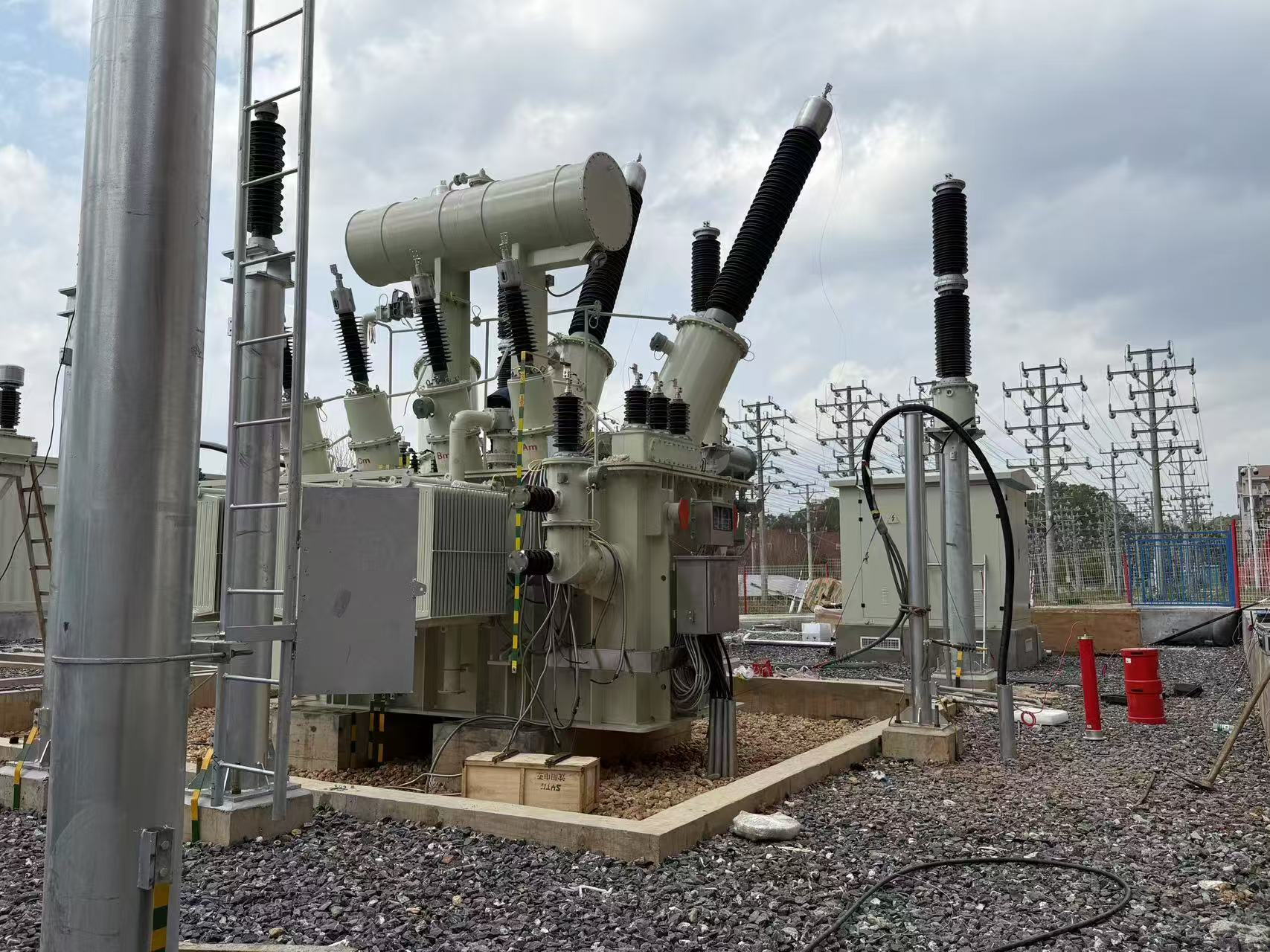
Selecting the appropriate transformer connection is a critical step in power system design. Among the most commonly considered configurations are the Y-Y (Wye-Wye) and Y-Δ (Wye-Delta) connections. While both provide reliable voltage transformation, they differ significantly in grounding characteristics, harmonic performance, load-balancing capability, and application suitability.
The choice between Y-Y and Y-Δ should never be based solely on voltage levels. Instead, engineers must evaluate factors such as system grounding requirements, harmonic distortion levels, load characteristics, fault-current behavior, protection coordination, and future expansion plans. A connection that performs exceptionally well in a transmission substation may not be the best choice for an industrial plant or renewable energy facility.
Y-Y connections are typically selected for high-voltage transmission systems and applications requiring neutrals on both sides of the transformer, especially when loads are balanced and proper harmonic mitigation is provided. Y-Δ connections are generally preferred in utility substations, industrial facilities, and renewable energy systems because they offer grounded primary operation, superior harmonic suppression, and excellent performance under unbalanced loading conditions.
Understanding the strengths and limitations of each configuration allows engineers to make informed decisions that improve reliability, efficiency, and power quality.
Y-Δ transformers should always be chosen over Y-Y transformers because they provide better performance in every application.False
While Y-Δ transformers offer significant advantages in harmonic control and load balancing, Y-Y transformers remain highly effective for certain transmission, grounding, and voltage transformation applications when properly designed and grounded.
Understanding the Fundamental Differences
The primary distinction lies in how the transformer windings are connected.
Basic Configurations
| Connection | Primary Side | Secondary Side |
|---|---|---|
| Y-Y | Wye | Wye |
| Y-Δ | Wye | Delta |
These differences directly affect system behavior.
Key Selection Factors
Before choosing either configuration, engineers typically evaluate:
| Design Factor | Importance |
|---|---|
| Grounding requirements | Critical |
| Harmonic performance | Critical |
| Load balance | High |
| Voltage stability | High |
| Protection coordination | High |
| Fault-current behavior | High |
Each factor influences the optimal transformer choice.
When Should a Y-Y Connection Be Selected?
Y-Y transformers are often selected when both sides of the system require neutral points.
Ideal Y-Y Applications
| Application | Suitability |
|---|---|
| High-voltage transmission systems | Excellent |
| Interconnected utility networks | Excellent |
| Grounded systems on both sides | Excellent |
| Balanced industrial loads | Good |
| Transmission substations | Very good |
These applications benefit from dual-neutral availability.
Requirement for Neutrals on Both Sides
One of the strongest reasons to select Y-Y is the availability of neutral connections.
Benefits
| Advantage | Result |
|---|---|
| Grounding flexibility | Improved protection |
| Phase-to-neutral loads | Greater versatility |
| Fault-current paths | Better relay operation |
Few other transformer connections provide neutrals on both sides.
High-Voltage Transmission Applications
Y-Y transformers are especially useful at high voltages.
Voltage Relationship
V_L=\sqrt{3}V_P
Since phase voltage is lower than line voltage, insulation requirements are reduced.
Advantages for High Voltage
| Factor | Benefit |
|---|---|
| Lower phase stress | Reduced insulation cost |
| Easier winding design | Improved manufacturability |
| High-voltage suitability | Utility preference |
This makes Y-Y attractive in transmission networks.
Balanced Load Environments
Y-Y transformers perform best when loads are balanced.
Load Conditions
| Condition | Performance |
|---|---|
| Balanced three-phase load | Excellent |
| Mild imbalance | Good |
| Significant imbalance | Reduced performance |
System balance should be carefully evaluated.
When Harmonic Mitigation Is Available
Y-Y transformers often require additional harmonic control.
Common Solutions
| Method | Purpose |
|---|---|
| Grounded neutrals | Voltage stabilization |
| Tertiary delta winding | Harmonic circulation |
| Harmonic filters | Distortion reduction |
When these measures are present, Y-Y performance improves significantly.
When Should a Y-Δ Connection Be Selected?
Y-Δ transformers are among the most versatile transformer configurations.
Typical Applications
| Application | Suitability |
|---|---|
| Utility distribution substations | Excellent |
| Industrial facilities | Excellent |
| Renewable energy projects | Excellent |
| Generator step-up systems | Very good |
| Mixed-load environments | Excellent |
These applications benefit from the strengths of both wye and delta windings.
Systems Requiring Strong Harmonic Control
One of the primary reasons for choosing Y-Δ is harmonic suppression.
Third Harmonic Frequency
f_3=3f_1
Transformer magnetizing currents naturally contain third-harmonic components.
Why Y-Δ Excels
| Feature | Benefit |
|---|---|
| Delta loop | Harmonic circulation |
| Reduced voltage distortion | Better power quality |
| Stable waveforms | Improved operation |
This is a major advantage over basic Y-Y systems.
Industrial Facilities with Unbalanced Loads
Industrial plants rarely operate under perfectly balanced conditions.
Common Sources of Imbalance
| Source | Example |
|---|---|
| Motor groups | Uneven loading |
| Production equipment | Variable demand |
| Mixed power systems | Phase imbalance |
Delta-connected secondaries handle these conditions effectively.
Performance Under Unbalanced Loads
| Connection | Unbalanced Load Capability |
|---|---|
| Y-Y | Moderate |
| Y-Δ | Excellent |
This is often a deciding factor in industrial projects.
Utility Distribution Substations
Many utilities prefer Y-Δ transformers in distribution systems.
Reasons
| Benefit | Impact |
|---|---|
| Grounded primary | Improved protection |
| Harmonic suppression | Better power quality |
| Load balancing | Greater reliability |
These characteristics support stable operation.
Renewable Energy Integration
Solar and wind projects often utilize Y-Δ transformers.
Applications
| Facility | Function |
|---|---|
| Solar farms | Grid interconnection |
| Wind farms | Voltage transformation |
| Battery storage systems | Power export |
Power quality requirements make Y-Δ particularly attractive.
Generator Step-Up Systems
Power generation facilities often use Y-Δ transformers.
Benefits
| Factor | Advantage |
|---|---|
| Grounded transmission interface | Improved safety |
| Harmonic management | Better operation |
| Reliable voltage conversion | Enhanced performance |
These factors contribute to long-term reliability.
Grounding Considerations
Grounding requirements strongly influence transformer selection.
Grounding Comparison
| Feature | Y-Y | Y-Δ |
|---|---|---|
| Neutral on primary | Yes | Yes |
| Neutral on secondary | Yes | No |
| Grounding flexibility | Excellent | Very good |
The need for a secondary neutral often favors Y-Y.
Harmonic Performance Comparison
Harmonic Handling
| Characteristic | Y-Y | Y-Δ |
|---|---|---|
| Third-harmonic suppression | Moderate | |
| Harmonic circulation | Limited | |
| Voltage waveform quality | Good | |
| Power quality performance | Excellent |
Y-Δ generally provides superior harmonic behavior.
Voltage Stability Comparison
Stable voltages improve equipment performance.
Stability Assessment
| Condition | Y-Y | Y-Δ |
|---|---|---|
| Balanced load | Excellent | |
| Unbalanced load | Moderate | |
| Harmonic-rich environment | Moderate | |
| Industrial systems | Excellent |
Y-Δ often provides more robust operation.
Protection System Considerations
Protection engineers evaluate fault-current paths and grounding.
Protection Comparison
| Factor | Y-Y | Y-Δ |
|---|---|---|
| Ground fault detection | Excellent | |
| Relay coordination | Excellent | |
| System stability during faults | Very good |
Both configurations support effective protection when properly designed.
Cost Considerations
Economic factors may influence selection.
General Comparison
| Factor | Y-Y | Y-Δ |
|---|---|---|
| Winding complexity | Lower | |
| Harmonic mitigation requirements | Higher | |
| System performance benefits | Moderate | |
| Operational flexibility | High |
Total lifecycle costs should be evaluated rather than initial cost alone.
Selection Guide by Application
| Application Type | Preferred Connection |
|---|---|
| Transmission substations | Y-Y |
| High-voltage interconnections | Y-Y |
| Grounded systems requiring dual neutrals | Y-Y |
| Utility distribution substations | Y-Δ |
| Industrial facilities | Y-Δ |
| Renewable energy projects | Y-Δ |
| Harmonic-rich environments | Y-Δ |
| Unbalanced load systems | Y-Δ |
Quick Decision Matrix
| Requirement | Recommended Choice |
|---|---|
| Neutral on both sides | Y-Y |
| Best harmonic suppression | Y-Δ |
| High-voltage transmission | Y-Y |
| Industrial load balancing | Y-Δ |
| Renewable energy integration | Y-Δ |
| Balanced utility network | Y-Y |
| Mixed and variable loads | Y-Δ |
Advantages Summary
| Connection | Main Strength |
|---|---|
| Y-Y | Dual neutrals and high-voltage suitability |
| Y-Δ | Harmonic suppression and load balancing |
Both configurations remain important in modern power systems.
Conclusion
Y-Y and Y-Δ are two widely used three-phase transformer connection configurations. A Y-Y connection uses star-connected windings on both primary and secondary sides, providing neutral points and suitability for certain transmission and distribution applications. A Y-Δ connection combines a star-connected primary with a delta-connected secondary, offering advantages in harmonic suppression, fault tolerance, and industrial power distribution. Selecting the appropriate connection depends on voltage requirements, grounding strategy, load characteristics, and overall system design objectives.
FAQ
Q1: What are Y-Y and Y-Δ transformer connections?
Y-Y (Star-Star) and Y-Δ (Star-Delta) are two common three-phase transformer winding configurations used in power transmission and distribution systems.
Y-Y Connection: Both primary and secondary windings are connected in a star (Y) configuration.
Y-Δ Connection: The primary winding is connected in a star (Y) configuration, while the secondary winding is connected in a delta (Δ) configuration.
Each connection offers unique benefits depending on system voltage, grounding requirements, and load characteristics.
Q2: How does a Y-Y (Star-Star) transformer connection work?
In a Y-Y connection:
Both primary and secondary windings have one end connected to a common neutral point.
The neutral can be grounded for system stability.
Line voltage is √3 times the phase voltage.
Advantages:
Requires less insulation for high-voltage windings.
Neutral point is available for grounding.
Suitable for high-voltage transmission systems.
Disadvantages:
More susceptible to harmonic distortion.
May experience voltage imbalance under unbalanced loads without proper grounding.
Q3: How does a Y-Δ (Star-Delta) transformer connection work?
In a Y-Δ connection:
The primary side is connected in star.
The secondary side is connected in delta.
No neutral is available on the delta side.
Advantages:
Delta winding helps suppress third-harmonic currents.
Handles unbalanced loads better than Y-Y connections.
Commonly used for stepping down transmission voltages.
Disadvantages:
Secondary neutral is not directly available.
More complex winding arrangement.
Q4: What is the phase shift in a Y-Δ transformer connection?
A Y-Δ transformer introduces a 30-degree phase shift between the primary and secondary voltages.
This phase displacement is important when:
Operating transformers in parallel
Designing power system protection schemes
Connecting different sections of the electrical grid
Engineers must account for this phase shift during system planning.
Q5: Where are Y-Y transformer connections commonly used?
Y-Y transformers are often used in:
High-voltage transmission networks
Generator step-up transformers
Systems requiring grounded neutrals
Long-distance power transmission applications
They are particularly useful when voltage transformation and neutral grounding are both required.
Q6: Where are Y-Δ transformer connections commonly used?
Y-Δ transformers are widely used in:
Distribution substations
Industrial power systems
Motor loads and manufacturing facilities
Utility voltage step-down applications
Their ability to manage harmonics and unbalanced loads makes them popular in practical distribution networks.
Q7: How do Y-Y and Y-Δ connections compare?
Feature Y-Y Connection Y-Δ Connection
Primary Configuration Star (Y) Star (Y)
Secondary Configuration Star (Y) Delta (Δ)
Neutral Availability Yes No (on delta side)
Harmonic Performance Lower Better
Unbalanced Load Handling Moderate Good
Phase Shift 0° 30°
Common Applications Transmission Distribution & Industry
The selection depends on system requirements and operating conditions.
Q8: How do engineers choose between Y-Y and Y-Δ connections?
The choice depends on factors such as:
Grounding requirements
Harmonic mitigation needs
Load balance conditions
Voltage levels
System protection design
Generally:
Y-Y is preferred for transmission systems requiring neutral grounding.
Y-Δ is preferred for distribution and industrial systems where harmonic suppression and load flexibility are important.
References
IEC 60076 – Power Transformers
https://webstore.iec.ch/publication/602
IEEE C57 Series – Transformer Standards
https://standards.ieee.org
Electrical Engineering Portal – Transformer Vector Groups Explained
https://electrical-engineering-portal.com
CIGRE – Power Transformer Design and Operation Studies
https://www.cigre.org
NEMA – Transformer Engineering Standards
https://www.nema.org
IEEE Power & Energy Society – Transformer Research Publications
https://ieeexplore.ieee.org