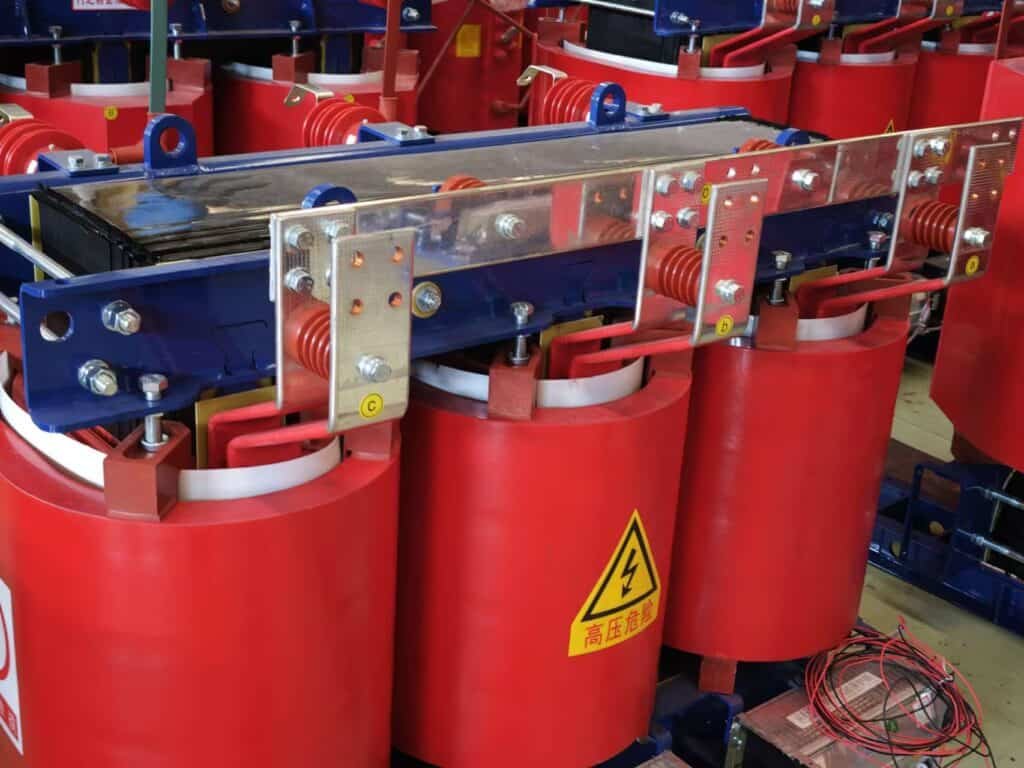
Sustainability and environmental responsibility have become increasingly important considerations in the electrical power industry. Dry-type transformers are often recognized as an environmentally friendly alternative to oil-filled transformers because they eliminate the risk of oil leakage and reduce fire hazards. Modern dry-type transformer designs are also developed to meet strict environmental regulations, energy-efficiency requirements, and sustainability objectives throughout their lifecycle.
How Do Dry-Type Transformers Reduce Environmental Risks?
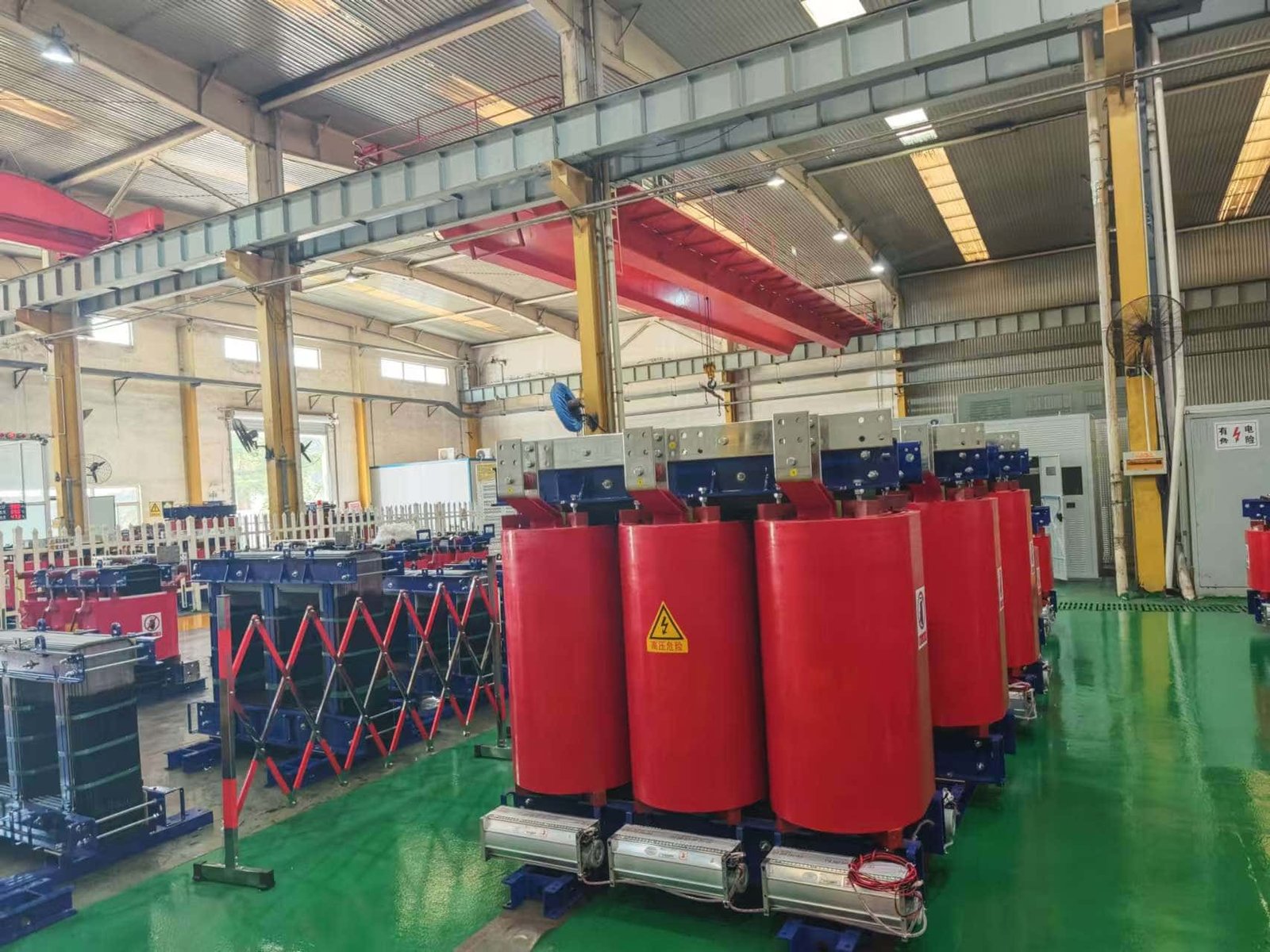
Dry-type transformers are increasingly used in modern electrical infrastructure because environmental protection and safety requirements are becoming stricter across commercial, industrial, and renewable energy projects. Traditional oil-filled transformers introduce risks related to leakage, fire hazards, and long-term soil and groundwater contamination. As regulations tighten and sustainability targets become more important, engineers are shifting toward solutions that inherently minimize environmental impact.
Dry-type transformers eliminate insulating oil and replace it with solid insulation systems such as epoxy resin or vacuum pressure impregnation (VPI), significantly reducing environmental exposure risks. Their design also supports safer indoor installation, lower maintenance waste, and improved lifecycle sustainability performance.
Dry-type transformers reduce environmental risks by eliminating insulating oil, preventing soil and groundwater contamination, lowering fire hazards, reducing hazardous waste generation, minimizing maintenance-related pollution, improving indoor environmental safety, and supporting sustainable and low-carbon infrastructure development.
Dry-type transformers completely eliminate all environmental risks in electrical power systems.False
Dry-type transformers significantly reduce environmental risks compared to oil-filled units, but still involve material use, manufacturing emissions, and end-of-life recycling considerations.
Elimination of Insulating Oil and Leakage Risk
One of the most important environmental advantages of dry-type transformers is the absence of liquid insulation. Oil-filled transformers rely on mineral oil or synthetic fluids for cooling and insulation, which can leak under fault conditions, mechanical damage, or aging seals.
Environmental impact of oil leakage
| Risk factor | Environmental consequence |
|---|---|
| Soil contamination | Long-term land degradation |
| Groundwater pollution | Drinking water risk |
| Surface water contamination | Ecosystem damage |
| Cleanup operations | Chemical waste generation |
Dry-type transformers remove this entire risk pathway by using solid insulation systems instead of liquid dielectric fluids.
Reduced Fire and Combustion-Related Pollution
Oil-filled transformers contain combustible materials that can intensify fire events. In contrast, dry-type transformers significantly reduce fire load.
Fire-related environmental differences
| Aspect | Dry-type transformer | Oil-filled transformer |
|---|---|---|
| Combustible material | Very low | High |
| Smoke emissions | Reduced | Higher |
| Toxic byproducts | Lower risk | Higher risk |
| Environmental cleanup | Minimal | Extensive |
This makes dry-type transformers especially suitable for hospitals, airports, data centers, and urban infrastructure where environmental safety is critical.
No Oil Handling, Disposal, or Waste Streams
Oil-filled transformers require periodic oil testing, filtration, and sometimes replacement. These activities generate waste streams that must be managed carefully.
Waste sources eliminated by dry-type transformers
| Activity | Environmental burden avoided |
|---|---|
| Oil sampling | Chemical waste handling |
| Oil replacement | Hazardous waste disposal |
| Oil filtration | Contaminated filter media |
| Spill cleanup | Soil remediation materials |
By eliminating insulating oil, dry-type transformers reduce hazardous waste generation throughout their lifecycle.
Lower Risk of Environmental Contamination in Sensitive Areas
Dry-type transformers are widely used in environmentally sensitive locations such as:
- Hospitals
- Schools and universities
- Underground metro systems
- Coastal infrastructure
- Data centers
In these environments, even minor oil leaks can lead to serious regulatory and remediation challenges. Dry-type designs remove this concern entirely.
Reduced Maintenance-Related Environmental Impact
Maintenance activities for oil-filled transformers often involve environmental handling procedures. Dry-type transformers require fewer such interventions.
Maintenance comparison
| Maintenance activity | Dry-type | Oil-filled |
|---|---|---|
| Oil testing | Not required | Required |
| Oil filtration | Not required | Required |
| Leak monitoring | Minimal | Critical |
| Fluid disposal | None | Periodic |
This reduction in maintenance-related environmental handling directly lowers long-term ecological impact.
Support for Sustainable and Green Building Projects
Dry-type transformers align well with modern sustainability frameworks and green building certification systems.
Sustainability contributions
| Area | Contribution |
|---|---|
| Energy efficiency | Lower electrical losses |
| Indoor safety | Reduced fire risk |
| Environmental protection | No oil contamination risk |
| Material optimization | Improved recyclability |
These features make them highly suitable for LEED-style green building projects and ESG-driven infrastructure development.
Lower Lifecycle Environmental Footprint
Environmental impact is not limited to operation—it spans manufacturing, installation, operation, and end-of-life stages.
Lifecycle impact comparison
| Stage | Dry-type transformer advantage |
|---|---|
| Manufacturing | No oil system production |
| Installation | No containment systems required |
| Operation | Lower maintenance emissions |
| End-of-life | Easier recycling process |
The elimination of oil simplifies environmental management across the entire lifecycle.
Improved End-of-Life Recycling Efficiency
Dry-type transformers contain highly recyclable materials such as copper, aluminum, and steel.
Recyclable components
| Component | Recycling potential |
|---|---|
| Copper windings | Very high |
| Aluminum windings | Very high |
| Steel core | Very high |
| Structural steel | Very high |
Without oil contamination, material recovery is simpler and more environmentally efficient.
Contribution to Carbon Reduction Goals
Although transformers do not directly emit carbon during operation, they influence energy consumption through losses.
Dry-type transformers help reduce carbon emissions by:
- Lowering no-load losses
- Reducing load losses
- Improving system efficiency
- Reducing cooling energy demand
Over decades of operation, these savings can significantly reduce indirect carbon emissions.
What Energy Efficiency Standards Must Dry-Type Transformers Meet?
Dry-type transformers are widely used in commercial buildings, industrial plants, and renewable energy systems, but their deployment is increasingly governed by strict energy efficiency regulations. These standards are designed to reduce electrical losses, lower lifecycle energy consumption, and minimize indirect carbon emissions from power generation. Because transformers operate continuously, even small improvements in efficiency can result in significant long-term energy savings.
Modern dry-type transformers must comply with international, regional, and national efficiency standards that define maximum allowable losses and minimum performance levels under specified operating conditions.
Dry-type transformers must meet energy efficiency standards that regulate no-load losses, load losses, and minimum efficiency levels defined by frameworks such as DOE regulations in the United States, EU Ecodesign requirements, and IEC-based performance guidelines. These standards ensure transformers operate with reduced energy waste and improved lifecycle sustainability.
Energy efficiency standards for dry-type transformers only affect labeling requirements and do not change transformer design or materials.False
Efficiency standards directly influence core materials, winding design, conductor sizing, and manufacturing processes to reduce losses and improve performance.
Why Energy Efficiency Standards Exist
Energy efficiency standards are designed to reduce waste energy in electrical systems.
Transformers consume energy in the form of losses, even when not actively delivering power.
| Loss Type | Description |
|---|---|
| No-load losses | Occur whenever transformer is energized |
| Load losses | Increase with electrical load |
Reducing these losses lowers electricity demand and reduces greenhouse gas emissions from power generation.
United States DOE Efficiency Requirements
In the United States, dry-type transformer efficiency is regulated by the United States Department of Energy.
The DOE establishes minimum efficiency levels based on transformer type and rating.
Key regulatory focus areas
| Requirement Area | Purpose |
|---|---|
| Minimum efficiency thresholds | Reduce energy consumption |
| Standardized test conditions | Ensure comparability |
| Loss limits (no-load & load) | Control operational waste |
These requirements directly influence transformer design, including core steel selection and winding configuration.
European Union Ecodesign Requirements
The European Union enforces transformer efficiency through its Ecodesign framework.
These rules apply to both oil-filled and dry-type transformers and aim to reduce energy losses across the entire power distribution network.
Main objectives
| Objective | Environmental Benefit |
|---|---|
| Limit maximum losses | Lower energy consumption |
| Improve system efficiency | Reduced carbon emissions |
| Standardize performance classes | Easier product comparison |
Manufacturers must demonstrate compliance before placing transformers on the EU market.
IEC Standards and Global Harmonization
The International Electrotechnical Commission provides the global technical foundation for transformer performance evaluation.
IEC standards define:
| Area | Function |
|---|---|
| Loss measurement methods | Standardized testing |
| Efficiency classification | Performance comparison |
| Temperature rise limits | Safe operation conditions |
Many countries adopt IEC standards directly or use them as the basis for national regulations.
Key Efficiency Parameters for Compliance
Dry-type transformer efficiency compliance is primarily evaluated through loss control and operational efficiency.
Main performance parameters
| Parameter | Importance |
|---|---|
| No-load losses | Continuous energy consumption |
| Load losses | Operational efficiency under demand |
| Temperature rise | Affects resistance and losses |
| Efficiency at reference load | Regulatory benchmark |
Improving these parameters typically requires advanced materials and optimized electrical design.
How Standards Influence Transformer Design
Efficiency regulations significantly affect transformer engineering.
Design areas impacted
| Design Element | Impact of Standards |
|---|---|
| Core material | Requires low-loss silicon steel or amorphous metal |
| Winding conductors | Larger or higher-quality conductors reduce losses |
| Magnetic design | Optimized flux paths reduce waste energy |
| Cooling systems | Maintain lower operating temperatures |
These requirements often increase initial manufacturing cost but reduce lifetime energy expenses.
Efficiency Classes and Performance Levels
Many standards classify transformers into efficiency tiers based on performance.
Typical efficiency ranges
| Transformer Category | Efficiency Range |
|---|---|
| Standard dry-type | 96% – 97.5% |
| High-efficiency models | 97.5% – 98.5% |
| Premium efficiency designs | 98.5% – 99%+ |
Higher efficiency models are typically used in data centers, hospitals, and renewable energy systems.
Lifecycle Energy and Carbon Impact
Efficiency standards are not only technical requirements—they directly influence environmental outcomes.
Lifecycle benefits
| Improvement | Environmental Result |
|---|---|
| Reduced losses | Lower electricity demand |
| Improved efficiency | Reduced CO₂ emissions |
| Lower heating losses | Reduced cooling energy needs |
Over a 20–40 year service life, efficiency improvements can produce substantial carbon savings.
Testing and Certification Requirements
To ensure compliance, transformers must undergo standardized testing.
Common test categories
| Test Type | Purpose |
|---|---|
| No-load loss test | Core efficiency validation |
| Load loss test | Winding efficiency validation |
| Temperature rise test | Thermal performance verification |
| Routine factory tests | Quality assurance |
These tests confirm compliance with regulatory efficiency requirements before installation.
Emerging Trends in Efficiency Standards
Transformer efficiency regulations continue to evolve.
Future directions
| Trend | Impact |
|---|---|
| Stricter loss limits | Higher efficiency designs |
| Carbon-based regulations | Lifecycle emissions focus |
| Smart monitoring integration | Real-time efficiency optimization |
| Lifecycle assessment requirements | Full environmental accounting |
These trends are pushing manufacturers toward ultra-high-efficiency dry-type transformers.
How Do Dry-Type Transformers Support Carbon Reduction Goals?
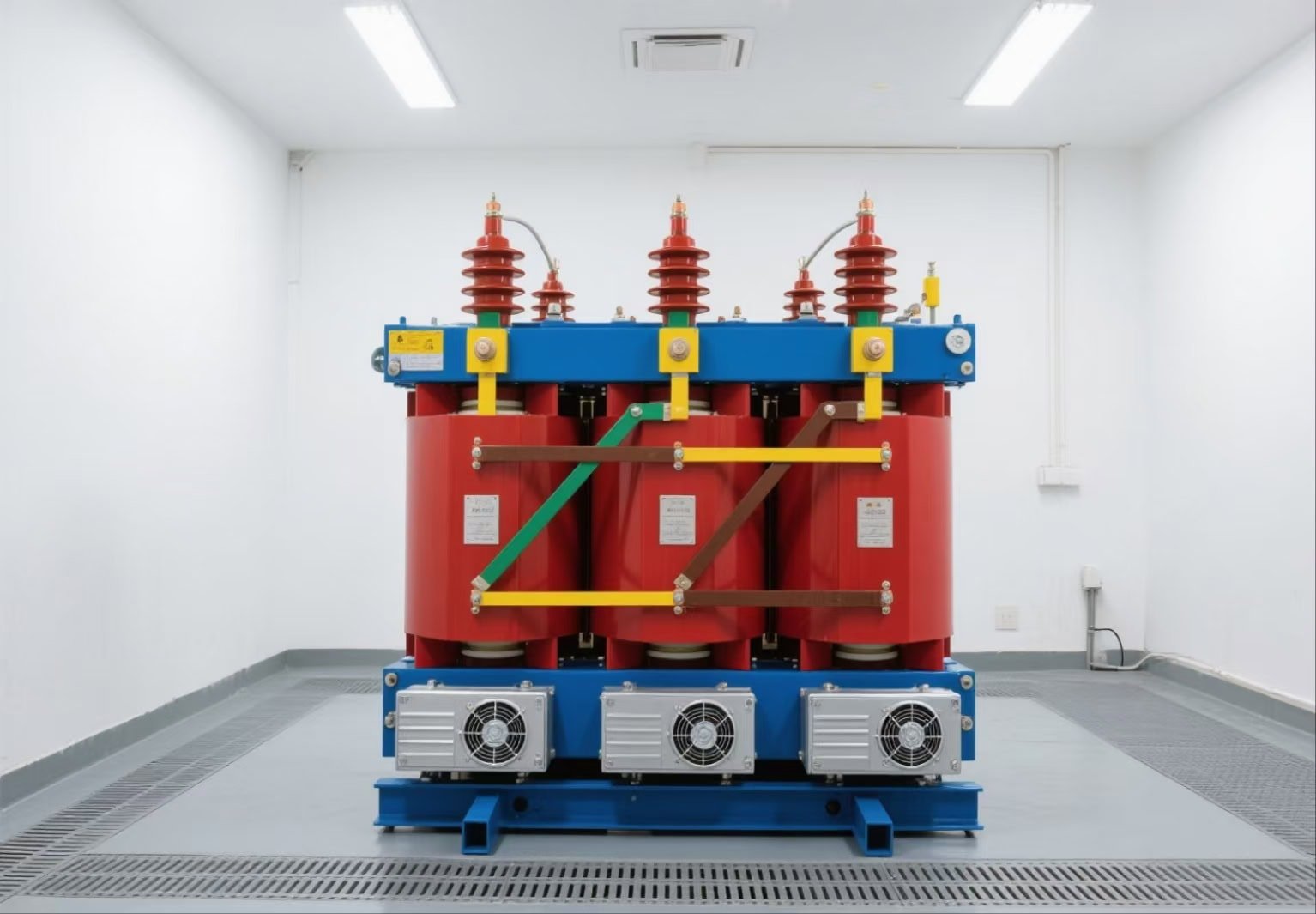
Dry-type transformers are becoming a core component of modern low-carbon electrical infrastructure because they directly reduce energy waste and eliminate several environmental risks associated with traditional oil-filled equipment. Since transformers operate continuously in most installations, even small efficiency improvements can translate into significant carbon savings over decades of operation.
Carbon reduction in electrical systems is mainly achieved by lowering energy losses, improving system efficiency, supporting renewable energy integration, and reducing lifecycle environmental impact. Dry-type transformers contribute to all of these areas through their design and operational characteristics.
Dry-type transformers support carbon reduction goals by reducing no-load and load losses, improving energy efficiency, enabling renewable energy integration, eliminating oil-related environmental risks, reducing cooling energy demand, and lowering lifecycle carbon emissions across manufacturing, operation, and disposal stages.
Dry-type transformers reduce carbon emissions only because they are safer than oil-filled transformers.False
Their carbon reduction impact primarily comes from reduced electrical losses and improved energy efficiency, not only from safety improvements.
Reduction of Electrical Losses (Core Carbon Driver)
The most important contribution of dry-type transformers to carbon reduction is improved efficiency, which directly reduces electricity consumption.
Transformers waste energy in two main forms:
- No-load losses (continuous energy consumption)
- Load losses (depend on system loading)
Impact on carbon emissions
| Loss reduction | Carbon impact |
|---|---|
| Lower no-load losses | Reduced continuous grid demand |
| Lower load losses | Reduced peak energy consumption |
| Improved efficiency | Reduced generation requirements |
Because electricity generation is still partially dependent on fossil fuels in many regions, reducing demand directly reduces CO₂ emissions.
Improved Energy Efficiency Over Long Service Life
Dry-type transformers typically operate for 20–40 years.
Even small efficiency improvements accumulate significantly over time.
| Efficiency improvement | Long-term effect |
|---|---|
| 1–2% loss reduction | Large lifecycle energy savings |
| Lower heat losses | Reduced cooling energy use |
| Better load performance | Reduced system stress |
This long operating lifespan makes efficiency improvements extremely impactful in carbon accounting.
Lower Cooling Energy Requirements
Transformer losses are converted into heat, which must be managed by ventilation or cooling systems.
Dry-type transformers often produce lower total losses, leading to reduced cooling demand.
Carbon-related benefits
| Cooling impact | Result |
|---|---|
| Reduced HVAC load | Lower building energy use |
| Less auxiliary power consumption | Reduced indirect emissions |
| Improved thermal efficiency | Lower operational costs |
This is especially important in enclosed environments such as commercial buildings and data centers.
Support for Renewable Energy Integration
Dry-type transformers play a key role in renewable energy systems, including solar and wind power.
Applications
| Renewable system | Transformer role |
|---|---|
| Solar PV plants | Voltage step-up and distribution |
| Wind farms | Collection and grid connection |
| Battery energy storage systems | Grid stabilization |
By enabling efficient integration of renewable energy, they indirectly reduce reliance on fossil fuel-based generation.
Elimination of Oil-Related Environmental Risks
Unlike oil-filled transformers, dry-type transformers use solid insulation systems instead of liquid dielectric fluids.
Environmental advantages
| Risk area | Improvement |
|---|---|
| Oil leakage | Eliminated |
| Soil contamination | Prevented |
| Groundwater pollution | Prevented |
| Spill cleanup emissions | Reduced |
While this does not directly reduce CO₂ emissions, it significantly reduces environmental impact and remediation-related carbon costs.
Lower Lifecycle Carbon Footprint
Carbon reduction is not limited to operation—it also includes manufacturing and end-of-life stages.
Lifecycle stages
| Stage | Carbon contribution |
|---|---|
| Manufacturing | Material production emissions |
| Transportation | Logistics emissions |
| Operation | Energy-loss emissions |
| End-of-life | Recycling or disposal impact |
Dry-type transformers reduce lifecycle emissions mainly through lower operational losses and simpler environmental management.
Reduced Material and Maintenance Impact
Dry-type transformers generally require less maintenance related to insulating fluids.
Maintenance-related benefits
| Factor | Carbon impact |
|---|---|
| No oil replacement | Reduced material consumption |
| No filtration systems | Lower operational energy use |
| Fewer service interventions | Reduced logistics emissions |
These factors collectively reduce indirect carbon emissions over the equipment lifecycle.
High Efficiency in Urban and Green Building Applications
Dry-type transformers are widely used in sustainable building projects such as:
- Hospitals
- Commercial complexes
- Universities
- Data centers
Their indoor-safe and high-efficiency design supports green building certification systems and ESG targets.
Contribution to Smart Grid Efficiency
Modern smart grids aim to optimize energy distribution and reduce waste.
Dry-type transformers support this by:
| Function | Carbon benefit |
|---|---|
| Efficient voltage conversion | Reduced losses |
| Stable operation | Reduced system inefficiencies |
| Integration with monitoring systems | Optimized energy use |
Better grid efficiency leads directly to lower emissions.
Alignment with Energy Efficiency Standards
International regulations promote transformer efficiency improvements as a carbon reduction strategy.
Key governing bodies include:
- International Electrotechnical Commission
- United States Department of Energy
These standards enforce limits on transformer losses, ensuring that new designs contribute to lower system-wide emissions.
Comparison: Carbon Impact of Dry-Type vs Oil-Filled Transformers
| Factor | Dry-Type Transformer | Oil-Filled Transformer |
|---|---|---|
| Energy efficiency | Higher in many indoor designs | High but dependent on design |
| Cooling energy demand | Lower in many applications | Higher in some installations |
| Oil-related emissions | None | Present in lifecycle |
| Maintenance emissions | Lower | Higher |
| Environmental risk | Lower | Higher |
This comparison explains why dry-type transformers are widely adopted in carbon-focused infrastructure projects.
What Materials and Manufacturing Practices Improve Sustainability?
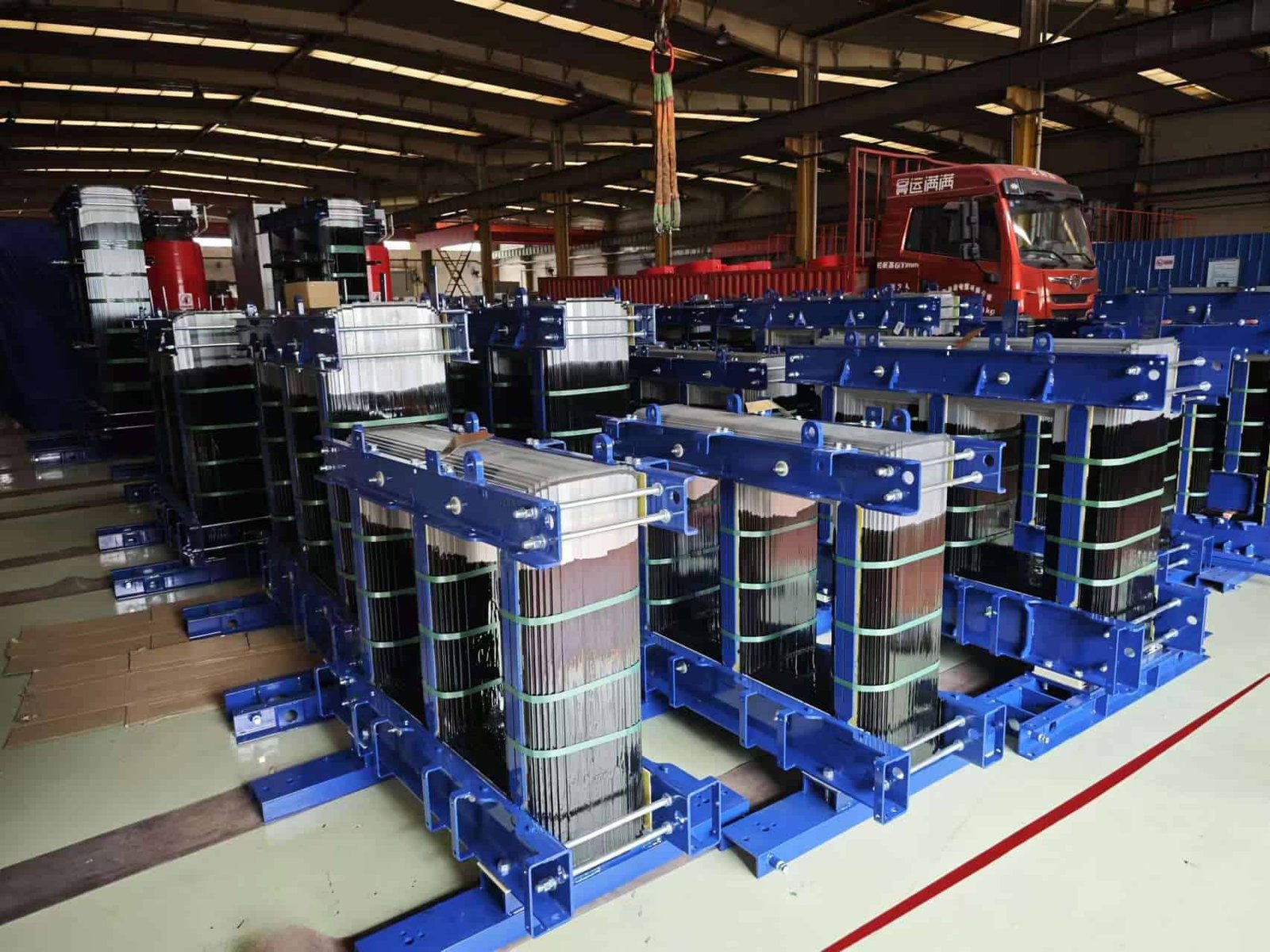
Sustainability in transformer engineering is no longer defined only by operational efficiency. It now depends heavily on material selection, manufacturing processes, supply chain responsibility, and end-of-life recyclability. Dry-type transformers, in particular, have become a focal point for sustainable electrical design because they avoid insulating oil and allow greater flexibility in using low-impact materials and cleaner production methods.
In modern power systems, improving sustainability means reducing lifecycle carbon emissions, minimizing hazardous materials, increasing recyclability, and lowering energy and resource consumption during manufacturing. These goals are achieved through a combination of advanced materials and environmentally responsible production practices.
Sustainability in dry-type transformers is improved through the use of low-loss magnetic core materials, recyclable copper or aluminum conductors, epoxy resin or VPI insulation systems, recycled structural metals, energy-efficient manufacturing processes, waste reduction systems, renewable energy-powered production, and lifecycle-oriented product design focused on durability and recyclability.
Sustainability in transformers depends mainly on using recycled metals and is not influenced by manufacturing processes.False
Manufacturing processes such as energy consumption, process efficiency, waste management, and emissions control are equally important as material selection in determining overall sustainability performance.
Low-Loss Core Materials for Energy Efficiency
The transformer core is one of the most critical components influencing both efficiency and sustainability.
Reducing core losses directly reduces electricity demand over the transformer’s lifetime.
Common sustainable core materials
| Material type | Sustainability benefit |
|---|---|
| Grain-oriented silicon steel | Lower hysteresis losses |
| High-permeability steel | Improved efficiency |
| Amorphous metal alloys | Extremely low no-load losses |
Amorphous metal cores are particularly effective in reducing idle energy consumption, making them ideal for carbon-focused projects.
Sustainable Conductor Materials: Copper vs Aluminum
Windings are typically made of copper or aluminum, both of which are highly recyclable but differ in environmental and performance characteristics.
Material comparison
| Property | Copper | Aluminum |
|---|---|---|
| Conductivity | Higher | Lower |
| Weight | Heavier | Lighter |
| Recyclability | Very high | Very high |
| Mining impact | Higher | Lower energy intensity |
From a sustainability perspective, both materials can be environmentally responsible when sourced from recycled streams and optimized designs.
Recycled Material Integration
Using recycled materials significantly reduces the environmental footprint of transformer production.
Key recycled inputs
| Material | Environmental benefit |
|---|---|
| Recycled copper | Reduces mining emissions |
| Recycled aluminum | Lower energy production cost |
| Recycled steel | Reduced raw material extraction |
Increasing recycled content supports circular economy principles and reduces embodied carbon.
Eco-Friendly Insulation Systems
Dry-type transformers use solid insulation systems instead of oil-based insulation, which eliminates a major environmental risk source.
Common insulation technologies
| System | Sustainability advantage |
|---|---|
| Cast resin (epoxy) | No oil contamination risk |
| Vacuum Pressure Impregnation (VPI) | Reduced environmental hazards |
| Vacuum Pressure Encapsulation (VPE) | Improved durability and longevity |
These systems eliminate oil leaks, reduce fire risks, and simplify end-of-life disposal.
Energy-Efficient Manufacturing Processes
Manufacturing itself contributes significantly to a transformer’s total lifecycle emissions.
Sustainable manufacturing improvements
| Practice | Environmental benefit |
|---|---|
| Automated winding systems | Reduced material waste |
| Optimized curing processes | Lower energy consumption |
| Precision machining | Reduced scrap generation |
| Digital production control | Improved efficiency |
These practices reduce both energy use and raw material waste during production.
Renewable Energy-Powered Factories
A major trend in sustainable manufacturing is the use of clean energy to power production facilities.
Energy sources used in modern factories
| Energy source | Sustainability impact |
|---|---|
| Solar power | Zero operational emissions |
| Wind energy | Reduced carbon footprint |
| Green electricity contracts | Lower lifecycle emissions |
When manufacturing is powered by renewable energy, the embodied carbon of transformers is significantly reduced.
Waste Reduction and Material Optimization
Efficient manufacturing reduces environmental impact by minimizing scrap and waste.
Waste reduction strategies
| Strategy | Environmental benefit |
|---|---|
| Optimized cutting patterns | Less material waste |
| Reuse of metal scrap | Reduced raw material demand |
| Closed-loop recycling systems | Resource efficiency |
| Lean manufacturing methods | Lower emissions |
These practices also reduce production costs while improving sustainability performance.
Water and Chemical Management
Transformer manufacturing may involve cooling systems, resin processing, and cleaning procedures that require water and chemicals.
Sustainable management approaches
| Practice | Benefit |
|---|---|
| Closed-loop water systems | Reduced water consumption |
| Safe resin handling systems | Lower environmental risk |
| Wastewater treatment | Pollution prevention |
These measures reduce environmental contamination risks during production.
Design for Longevity and Durability
A key sustainability principle is extending product lifespan to reduce replacement frequency.
Design strategies
| Feature | Sustainability benefit |
|---|---|
| Thermal stability design | Reduced aging |
| High-quality insulation | Longer service life |
| Robust mechanical structure | Reduced failure rate |
Longer-lasting transformers reduce lifecycle material consumption and manufacturing demand.
Design for Recyclability
Sustainable transformer design also considers end-of-life recovery.
Highly recyclable components
| Component | Recycling potential |
|---|---|
| Copper windings | Very high |
| Aluminum windings | Very high |
| Steel core | Very high |
| Structural frames | Very high |
Designing for easy disassembly improves recycling efficiency and supports circular economy goals.
Lifecycle-Oriented Manufacturing Strategy
Sustainability is best achieved when the entire lifecycle is considered during design and production.
Lifecycle stages
| Stage | Sustainability focus |
|---|---|
| Material sourcing | Responsible procurement |
| Manufacturing | Energy and waste reduction |
| Operation | Efficiency optimization |
| End-of-life | Recycling and reuse |
This holistic approach ensures that environmental impact is minimized at every stage.
Digital Manufacturing and Smart Production Systems
Modern factories increasingly use digital technologies to improve sustainability.
Key technologies
| Technology | Sustainability benefit |
|---|---|
| IoT monitoring | Reduced waste and downtime |
| AI process optimization | Improved efficiency |
| Predictive maintenance systems | Reduced material loss |
| Digital twin modeling | Better design optimization |
These systems reduce resource consumption while improving production quality.
Environmental Management Standards
Many manufacturers operate under structured environmental frameworks.
Relevant systems include:
- International Organization for Standardization ISO 14001 environmental management system
- ISO 50001 energy management systems
Benefits of certification
| Area | Improvement |
|---|---|
| Energy efficiency | Reduced consumption |
| Waste control | Lower environmental impact |
| Process optimization | Higher sustainability |
These frameworks ensure consistent environmental performance across manufacturing operations.
How Do International Environmental Standards Influence Transformer Design?
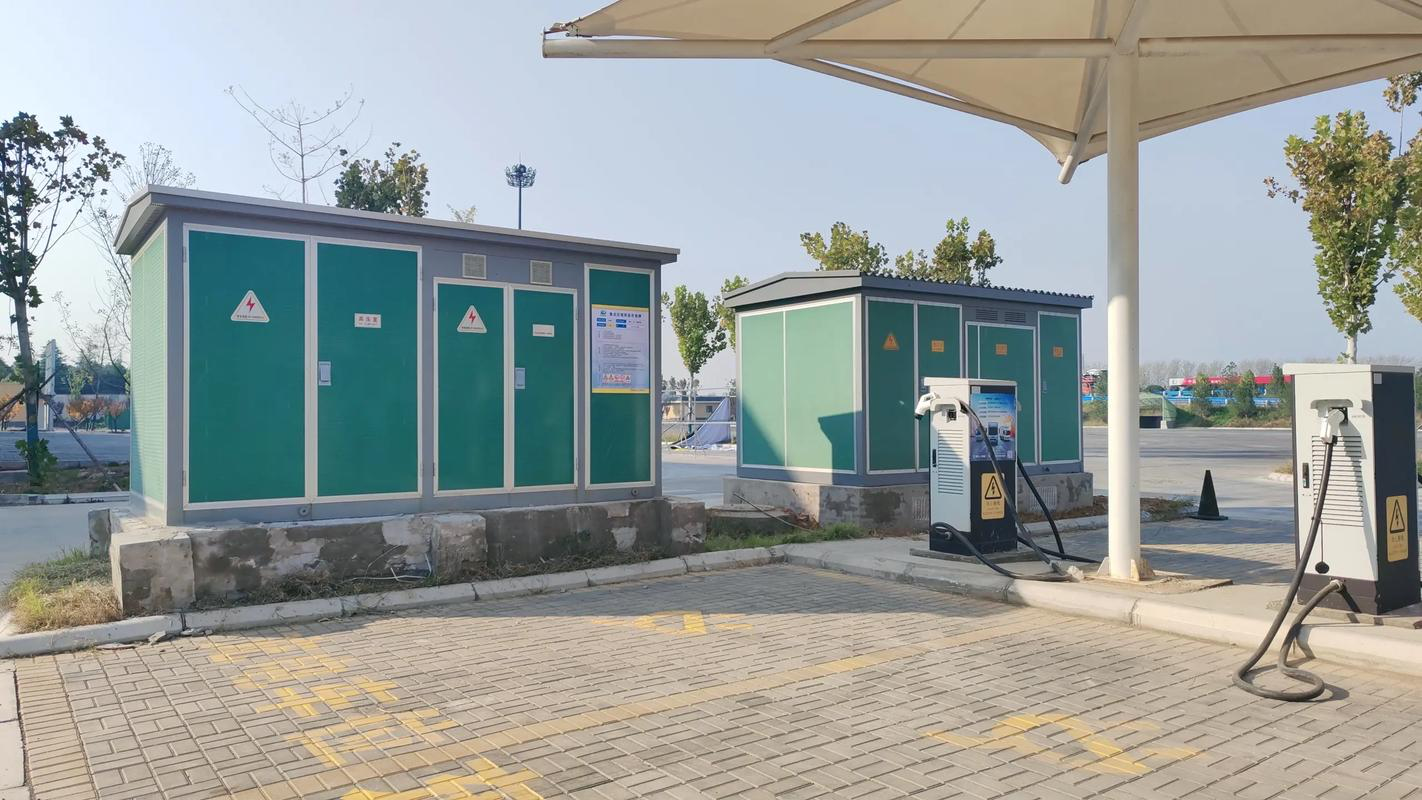
Environmental standards are now one of the strongest forces shaping modern transformer engineering. What used to be driven mainly by electrical performance and cost has expanded into a multi-dimensional requirement set that includes energy efficiency, carbon reduction, material safety, recyclability, and lifecycle environmental impact. As a result, transformer design is no longer just an electrical discipline—it is also an environmental engineering task.
International standards influence every major design decision, from core steel selection to winding geometry, insulation systems, cooling methods, and even factory manufacturing processes. For dry-type transformers, these requirements are particularly important because they are widely used in buildings, renewable energy systems, and urban infrastructure where environmental compliance is strict.
International environmental standards influence transformer design by defining efficiency limits, regulating losses, restricting hazardous materials, enforcing lifecycle sustainability principles, guiding material selection, requiring recyclability, and pushing manufacturers toward low-carbon, high-efficiency, and environmentally safe transformer technologies.
International environmental standards only affect transformer labeling and documentation without influencing technical design.False
Environmental standards directly impact transformer core design, conductor sizing, insulation systems, efficiency levels, manufacturing processes, and material selection to ensure compliance with performance and sustainability targets.
Energy Efficiency Requirements Drive Core and Winding Design
One of the most significant influences of environmental standards is the reduction of electrical losses.
Transformers consume energy continuously through:
- No-load losses (core losses)
- Load losses (copper losses)
To meet international requirements, manufacturers must redesign core and winding structures.
Design impacts of efficiency standards
| Design area | Required improvement |
|---|---|
| Core material | Low-loss silicon steel or amorphous metal |
| Magnetic flux path | Optimized geometry |
| Winding conductors | Larger cross-section, lower resistance |
| Cooling performance | Improved heat dissipation |
These changes directly reduce energy waste and carbon emissions.
Influence of IEC Global Standards Framework
The International Electrotechnical Commission plays a central role in defining transformer performance and environmental expectations worldwide.
IEC standards regulate:
| Category | Design influence |
|---|---|
| Loss measurement | Standardized efficiency evaluation |
| Temperature rise limits | Thermal design constraints |
| Performance classification | Efficiency tier definition |
| Testing procedures | Manufacturing validation |
Many countries base their national regulations on IEC frameworks, making them globally influential.
Energy Efficiency Regulations in the United States
In the United States, transformer efficiency is regulated by the United States Department of Energy.
These regulations define minimum efficiency levels and maximum allowable losses for different transformer categories.
Design consequences
| Requirement | Engineering response |
|---|---|
| Loss limits | Improved core materials |
| Efficiency thresholds | Optimized conductor design |
| Standard test conditions | Precise manufacturing control |
This ensures transformers meet strict lifecycle energy performance goals.
EU Ecodesign Requirements and Carbon Reduction Goals
The European Union applies Ecodesign regulations to transformers to reduce environmental impact across the power grid.
Key objectives
| Objective | Design impact |
|---|---|
| Reduce energy losses | Higher efficiency cores |
| Standardize performance classes | Clear efficiency grading |
| Lower lifecycle emissions | Material and design optimization |
These requirements strongly influence dry-type transformer specifications used in European markets.
Restrictions on Hazardous Materials
Environmental standards also restrict the use of harmful substances in electrical equipment.
This affects material selection and insulation design.
Typical design adjustments
| Requirement | Design change |
|---|---|
| Reduced hazardous materials | Safer insulation systems |
| Eliminated toxic compounds | Alternative resin systems |
| Improved recyclability | Material substitution |
Dry-type transformers benefit significantly because they already eliminate insulating oil.
Push Toward Low-Carbon Manufacturing
Environmental regulations increasingly consider not only operation but also manufacturing emissions.
Manufacturing impacts
| Area | Improvement required |
|---|---|
| Energy use in factories | Renewable integration |
| Material sourcing | Lower-carbon inputs |
| Waste generation | Recycling systems |
| Process efficiency | Lean manufacturing |
These requirements influence how transformers are produced, not just how they operate.
Recyclability and Circular Economy Design
Modern environmental standards encourage circular economy principles.
Transformers must increasingly be designed for end-of-life recovery.
Recyclable components
| Component | Recycling potential |
|---|---|
| Copper windings | High |
| Aluminum windings | High |
| Steel core | High |
| Structural frames | High |
Designers must ensure easy disassembly and material separation.
Noise and Environmental Impact Control
Environmental regulations are not limited to energy use—they also address noise pollution.
Design responses
| Requirement | Engineering solution |
|---|---|
| Noise limits | Core clamping optimization |
| Vibration control | Structural reinforcement |
| Acoustic compliance | Enclosures or damping materials |
This is especially important in urban installations.
Lifecycle Assessment (LCA) Requirements
Many modern standards now require lifecycle evaluation of environmental impact.
This includes:
- Material extraction
- Manufacturing emissions
- Operational energy use
- End-of-life recycling
Designers must consider total environmental footprint, not just operational efficiency.
Environmental Product Declarations (EPDs)
Some regulations and procurement policies require transparent environmental reporting.
EPD content typically includes:
| Data type | Purpose |
|---|---|
| Carbon footprint | Emissions transparency |
| Material composition | Sustainability analysis |
| Energy consumption | Lifecycle evaluation |
This influences both design documentation and material selection.
Design Optimization for Renewable Energy Systems
Environmental standards also indirectly promote transformer use in renewable energy systems.
Dry-type transformers are commonly used in:
- Solar photovoltaic plants
- Wind power substations
- Battery energy storage systems
These applications require high efficiency and low environmental risk.
Comparison of Design Impact Before and After Environmental Standards
| Design aspect | Traditional design | Modern standards-driven design |
|---|---|---|
| Core materials | Standard steel | Low-loss or amorphous metal |
| Efficiency level | Moderate | High / ultra-high |
| Insulation system | Conventional | Eco-friendly / low-risk |
| Manufacturing | Cost-focused | Sustainability-focused |
| Lifecycle design | Limited focus | Full LCA integration |
This shows how deeply standards reshape engineering decisions.
How Can Dry-Type Transformers Contribute to Green Building and Renewable Energy Projects?
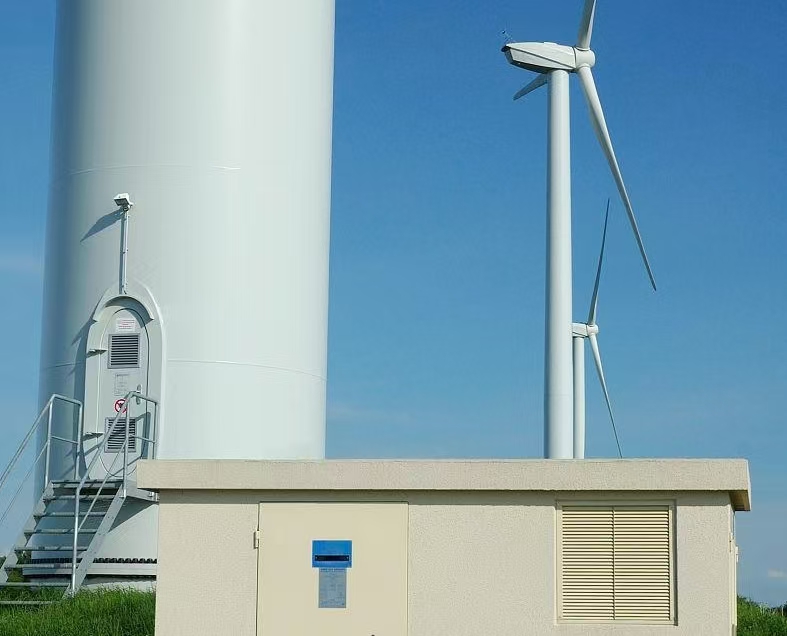
Green buildings and renewable energy systems are both driven by the same engineering goal: deliver reliable electricity with the lowest possible environmental impact over the entire lifecycle of a project. While solar panels, wind turbines, and energy-efficient HVAC systems often receive the most attention, transformers play a quietly critical role in determining overall system efficiency, safety, and sustainability performance.
Dry-type transformers are increasingly selected in these applications because they combine high electrical performance with strong environmental advantages. Unlike oil-filled transformers, they eliminate the risk of fluid leakage and reduce fire hazards, making them especially suitable for indoor installations and environmentally sensitive locations.
Dry-type transformers contribute to green building and renewable energy projects by improving energy efficiency, reducing electrical losses, eliminating oil-related environmental risks, enhancing fire safety, supporting renewable integration, lowering maintenance requirements, and reducing lifecycle carbon emissions in both construction and operational phases.
Dry-type transformers are used in green buildings only because they take up less physical space than oil-filled transformers.False
Their adoption is primarily driven by environmental safety, fire risk reduction, lifecycle sustainability, and efficiency performance rather than footprint alone.
Energy Efficiency and Reduced Carbon Emissions in Green Buildings
Energy efficiency is one of the core requirements of any green building certification system.
Dry-type transformers help reduce energy consumption through improved electrical design and lower losses.
Key efficiency contributions
| Loss type | Environmental benefit |
|---|---|
| No-load losses | Reduced continuous energy waste |
| Load losses | Improved operational efficiency |
| Heat losses | Lower cooling demand |
Because transformers operate 24/7, even small efficiency gains lead to significant lifetime energy savings.
Elimination of Oil and Environmental Risk in Buildings
One of the most important advantages of dry-type transformers is the elimination of insulating oil.
This has a direct impact on environmental safety in buildings.
Environmental protection benefits
| Risk factor | Improvement |
|---|---|
| Oil leakage | Eliminated |
| Soil contamination | Prevented |
| Groundwater pollution | Prevented |
| Spill cleanup | Not required |
This makes dry-type transformers ideal for hospitals, schools, airports, and commercial buildings where environmental safety is critical.
Improved Fire Safety for Urban and Indoor Installations
Green buildings often require electrical equipment to be installed indoors or near occupied spaces.
Dry-type transformers significantly reduce fire risk due to their solid insulation system.
Fire safety advantages
| Aspect | Dry-type transformer | Oil-filled transformer |
|---|---|---|
| Combustible materials | Low | High |
| Smoke generation risk | Lower | Higher |
| Fire suppression requirements | Reduced | Extensive |
| Environmental damage risk | Lower | Higher |
This contributes directly to safer and more sustainable building design.
Support for Renewable Energy Integration
Renewable energy systems require efficient voltage transformation and grid connection infrastructure.
Dry-type transformers are widely used in:
- Solar photovoltaic power plants
- Wind energy facilities
- Battery energy storage systems (BESS)
- Microgrid systems
Renewable integration benefits
| Application | Transformer role |
|---|---|
| Solar farms | Step-up voltage transformation |
| Wind turbines | Power collection and distribution |
| Battery storage | Grid interface and stabilization |
Their reliability and environmental safety make them ideal for clean energy systems.
Contribution to Lower Lifecycle Carbon Footprint
Sustainability is evaluated across the full lifecycle of a project, not just during operation.
Dry-type transformers reduce carbon impact at multiple stages:
Lifecycle impact reduction
| Stage | Contribution |
|---|---|
| Manufacturing | No oil processing required |
| Transportation | Simplified handling |
| Operation | Reduced electrical losses |
| Maintenance | Fewer service interventions |
| End-of-life | Easier recycling |
Over decades of operation, these improvements significantly reduce total carbon emissions.
Reduced Cooling Energy Demand in Buildings
Transformer losses generate heat, which must be managed through ventilation or cooling systems.
Dry-type transformers often reduce overall heat output due to improved efficiency.
Cooling impact
| Factor | Environmental effect |
|---|---|
| Lower heat generation | Reduced HVAC load |
| Reduced ventilation demand | Lower energy consumption |
| Improved thermal stability | Better system efficiency |
This indirectly improves building energy performance ratings.
Compliance With Green Building Certification Systems
Many sustainable construction projects must comply with environmental certification frameworks.
Dry-type transformers support requirements in systems such as:
- LEED (Leadership in Energy and Environmental Design)
- BREEAM (Building Research Establishment Environmental Assessment Method)
- Local ESG and energy efficiency regulations
They contribute through:
| Certification category | Contribution |
|---|---|
| Energy efficiency | Reduced losses |
| Environmental safety | No oil risk |
| Material sustainability | Recyclable components |
| Operational efficiency | Lower maintenance impact |
Role in Smart Building Energy Systems
Modern green buildings use digital monitoring and energy management systems.
Dry-type transformers integrate well with:
- Smart metering systems
- Building automation systems
- Energy optimization platforms
This enables real-time monitoring and improved energy efficiency control.
Enhanced Sustainability in Urban Infrastructure
Urban environments require compact, safe, and environmentally responsible equipment.
Dry-type transformers are widely used in:
- High-rise commercial buildings
- Underground substations
- Hospitals and healthcare facilities
- Transportation hubs
Their oil-free design minimizes environmental risk in densely populated areas.
Improved Material Sustainability and Recyclability
Dry-type transformers are built primarily from highly recyclable materials.
Recyclable components
| Component | Recycling potential |
|---|---|
| Copper windings | High |
| Aluminum windings | High |
| Steel core | High |
| Structural metals | High |
This supports circular economy principles in sustainable construction.
Comparison: Dry-Type vs Oil-Filled in Green Projects
| Feature | Dry-Type Transformer | Oil-Filled Transformer |
|---|---|---|
| Indoor safety | Excellent | Limited |
| Oil contamination risk | None | Present |
| Fire risk | Lower | Higher |
| Renewable integration | Strong | Moderate |
| Maintenance burden | Lower | Higher |
| Green building suitability | High | Medium |
This explains why dry-type transformers are increasingly preferred in sustainable infrastructure.
Conclusion
Dry-type transformers comply with sustainability and environmental standards through their oil-free design, high energy efficiency, reduced maintenance requirements, and compatibility with green infrastructure projects. By eliminating the risk of oil contamination, minimizing energy losses, and incorporating recyclable materials, they support environmental protection and carbon reduction initiatives. As regulations continue to emphasize sustainability and energy efficiency, dry-type transformers will remain an important technology for modern, environmentally responsible power systems.
FAQ
Q1: Why are detailed terms and conditions important in power transformer procurement contracts?
Power transformers are high-value, long-life assets that play a critical role in electrical infrastructure. A well-structured procurement contract helps minimize technical, financial, and operational risks by clearly defining the responsibilities of both the buyer and supplier.
Comprehensive contract terms help ensure:
Product quality and compliance
On-time delivery
Performance reliability
Effective risk allocation
Warranty protection
Smooth project execution
Poorly defined contracts can lead to disputes, delays, unexpected costs, and operational issues.
Q2: What technical specifications should be included in the contract?
The contract should contain a detailed technical specification covering:
Rated power (kVA or MVA)
Primary and secondary voltage ratings
Frequency
Vector group
Impedance
Cooling method
Insulation class
Tap changer requirements
Efficiency requirements
Noise limits
Environmental conditions
Applicable standards (IEC, IEEE, ANSI)
The technical specification should be attached as a contractual document to avoid ambiguity.
Q3: What testing and inspection requirements are critical?
The contract should clearly define all testing requirements before shipment.
Typical requirements include:
Routine Tests
Winding resistance
Turns ratio
Insulation resistance
Polarity and phase relationship
Type Tests
Temperature rise tests
Lightning impulse tests
Short-circuit withstand tests
Special Tests
Noise level measurements
Partial discharge testing
Frequency response analysis
The agreement should also specify Factory Acceptance Testing (FAT) procedures and buyer witness rights.
Q4: What warranty provisions should be included?
Warranty clauses are among the most important contract elements.
Typical provisions include:
Warranty period (commonly 24–60 months)
Defect correction responsibilities
Repair or replacement obligations
Response time requirements
Coverage for manufacturing defects
Performance guarantee commitments
Clear warranty language helps protect the buyer from unexpected failures and quality issues.
Q5: How should delivery and transportation responsibilities be defined?
The contract should clearly specify:
Delivery schedule and milestones
Shipping terms (Incoterms)
Packaging requirements
Transportation responsibilities
Insurance coverage
Customs clearance obligations
Site delivery conditions
Responsibility transfer points should be explicitly stated to avoid disputes over damage or delays during transit.
Q6: What performance guarantees are commonly included?
Manufacturers are often required to guarantee specific performance metrics such as:
Efficiency
Load losses
No-load losses
Temperature rise limits
Sound levels
Impedance values
Overload capability
The contract should also define remedies if guaranteed values are not achieved during testing or operation.
Q7: Why are liquidated damages and penalty clauses important?
Liquidated damages (LDs) help compensate buyers for supplier non-performance.
Common LD provisions cover:
Delivery delays
Failure to meet guaranteed losses
Efficiency shortfalls
Performance test failures
Contract milestone delays
These clauses encourage compliance and provide financial protection when obligations are not met.
Q8: What acceptance and payment terms should be defined?
Acceptance criteria should clearly describe when the transformer is considered successfully delivered and accepted.
Typical acceptance stages include:
Factory Acceptance Test (FAT)
Delivery inspection
Site Acceptance Test (SAT)
Commissioning verification
Payment schedules are often linked to these milestones, such as:
Advance payment upon contract award
Progress payment during manufacturing
Payment after FAT
Payment upon delivery
Final payment after successful commissioning
Clearly defined acceptance and payment terms help ensure transparency and reduce contractual disputes.
References
IEC 60076 – Power Transformers
https://webstore.iec.ch/publication/602
IEEE C57 Series – Transformer Standards and Procurement Guidelines
https://standards.ieee.org
FIDIC Conditions of Contract for Plant and Design-Build Projects
https://fidic.org
International Chamber of Commerce (ICC) – Incoterms Rules
https://iccwbo.org
CIGRE – Transformer Procurement and Asset Management Publications
https://www.cigre.org
World Bank Procurement Framework for Electrical Infrastructure Projects
https://www.worldbank.org