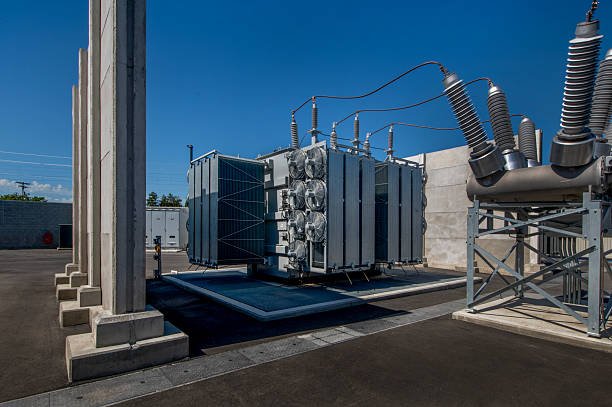
Oil-immersed transformers are widely used in power generation, transmission, and distribution systems due to their excellent insulation performance, efficient cooling capability, and ability to handle high voltages and large capacities. To ensure reliable operation and compliance with project requirements, these transformers must meet specific technical specifications and industry standards. Understanding the key specifications and applicable standards is essential for proper selection, procurement, and operation.
What Are the Fundamental Electrical Specifications of Oil-Immersed Transformers?
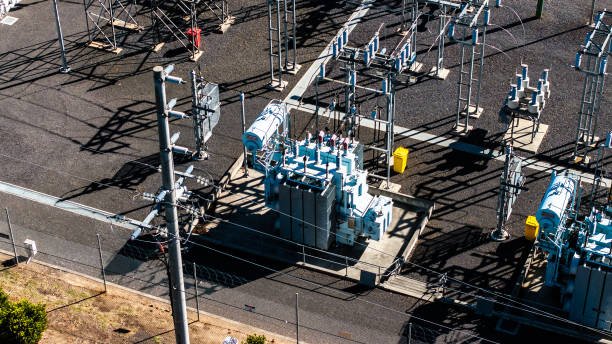
Selecting an oil-immersed transformer involves much more than choosing a power rating. Electrical specifications determine how the transformer will perform under normal operating conditions, withstand system disturbances, maintain efficiency, and integrate with the power network. Whether the transformer is used in a utility substation, industrial facility, renewable energy project, or commercial distribution system, understanding its fundamental electrical specifications is essential for ensuring reliability, safety, and long-term performance.
Many transformer failures, inefficiencies, and operational issues can be traced back to improperly defined specifications during the design or procurement stage. Therefore, engineers must carefully evaluate voltage ratings, power capacity, impedance, frequency, insulation levels, and other key parameters before selecting a transformer.
The fundamental electrical specifications of an oil-immersed transformer include rated power, rated voltage, frequency, phase configuration, vector group, impedance voltage, insulation level, temperature rise, efficiency, losses, short-circuit withstand capability, and tap-changing range. Together, these parameters define the transformer's electrical performance, operating limits, and compatibility with the power system.
The rated power of a transformer is the only specification needed to determine whether it is suitable for an electrical system.False
A transformer's suitability depends on multiple electrical specifications including voltage ratings, impedance, insulation levels, frequency, cooling capability, and system compatibility, not just rated power.
Rated Power (Transformer Capacity)
Rated power is one of the most important specifications and represents the maximum continuous load the transformer can deliver under specified operating conditions.
Common rating units
| Unit | Description |
|---|---|
| kVA | Kilovolt-amperes |
| MVA | Megavolt-amperes |
Typical applications
| Transformer Size | Common Application |
|---|---|
| 50–500 kVA | Commercial buildings |
| 500–5000 kVA | Industrial facilities |
| 5–100 MVA | Utility substations |
| Above 100 MVA | Transmission networks |
The selected rating must accommodate both current demand and future load growth.
Rated Primary and Secondary Voltage
Voltage ratings define the transformer's input and output operating voltages.
Voltage specification example
| Parameter | Example |
|---|---|
| Primary voltage | 33 kV |
| Secondary voltage | 11 kV |
The transformer must be matched to the electrical network to ensure proper operation.
Typical voltage classes
| System Type | Voltage Range |
|---|---|
| Low voltage | Below 1 kV |
| Medium voltage | 1 kV–35 kV |
| High voltage | Above 35 kV |
Voltage ratings also determine insulation and testing requirements.
System Frequency
Transformers are designed to operate at a specific system frequency.
Common frequencies worldwide
| Frequency | Typical Regions |
|---|---|
| 50 Hz | Europe, Asia, Africa |
| 60 Hz | North America, parts of South America |
Operating a transformer at an incorrect frequency can increase losses and overheating.
Phase Configuration
Transformers may be designed for single-phase or three-phase systems.
Comparison
| Configuration | Typical Use |
|---|---|
| Single-phase | Residential and rural systems |
| Three-phase | Industrial and utility applications |
Three-phase transformers dominate modern power distribution systems due to superior efficiency and capacity.
Vector Group
The vector group defines the phase relationship between primary and secondary windings.
Functions of vector groups
| Purpose | Benefit |
|---|---|
| Defines phase displacement | System compatibility |
| Determines grounding arrangement | Protection coordination |
| Enables parallel operation | Load sharing |
Common examples include Dyn11, Dyn5, Yyn0, and Yd1.
Percentage Impedance
Impedance is a critical specification that influences fault current levels and voltage regulation.
Impedance effects
| Higher Impedance | Lower Impedance |
|---|---|
| Lower fault current | Higher fault current |
| Greater voltage drop | Better voltage regulation |
Typical oil-immersed power transformers have impedance values between 5% and 15%.
Short-Circuit Withstand Capability
Power systems experience fault conditions that can subject transformers to extreme electrical and mechanical stresses.
Key requirements
| Requirement | Purpose |
|---|---|
| Thermal withstand | Resist fault heating |
| Mechanical withstand | Resist winding deformation |
The transformer must withstand specified short-circuit currents without damage.
Insulation Level (BIL and Power Frequency Withstand)
Insulation systems protect transformers against overvoltages caused by lightning and switching operations.
Important insulation ratings
| Rating | Purpose |
|---|---|
| BIL (Basic Insulation Level) | Lightning surge protection |
| Power-frequency withstand voltage | Insulation verification |
Higher system voltages require higher insulation levels.
Tap-Changing Range
Voltage levels in electrical systems fluctuate due to load changes and network conditions.
Tap changers allow voltage adjustment.
Types of tap changers
| Type | Application |
|---|---|
| Off-circuit tap changer (OCTC) | Manual adjustment |
| On-load tap changer (OLTC) | Automatic voltage regulation |
Typical adjustment ranges are ±5% to ±15%.
Transformer Losses
Losses directly affect efficiency and operating costs.
Main loss categories
| Loss Type | Description |
|---|---|
| No-load loss | Core loss when energized |
| Load loss | Copper and stray losses |
Reducing losses improves energy efficiency and lowers lifecycle costs.
Efficiency Requirements
Transformer efficiency measures how effectively electrical energy is transferred from primary to secondary.
Typical efficiency levels
| Transformer Type | Efficiency |
|---|---|
| Distribution transformer | 97–99% |
| Power transformer | 98–99.7% |
Higher efficiency reduces energy waste and carbon emissions.
Temperature Rise Limits
Electrical losses generate heat.
Temperature rise limits ensure safe operation and acceptable insulation life.
Typical limits
| Component | Common Limit |
|---|---|
| Oil temperature rise | 50–65°C |
| Winding temperature rise | 55–80°C |
Proper cooling design is essential for maintaining these limits.
Cooling Classification
Oil-immersed transformers use standardized cooling methods.
Common cooling classes
| Cooling Method | Description |
|---|---|
| ONAN | Oil Natural Air Natural |
| ONAF | Oil Natural Air Forced |
| OFAF | Oil Forced Air Forced |
| OFWF | Oil Forced Water Forced |
Cooling method directly affects transformer loading capability.
Loadability and Overload Capability
Transformers may occasionally operate above rated load under controlled conditions.
Factors influencing overload capability
| Factor | Influence |
|---|---|
| Ambient temperature | Thermal stress |
| Oil temperature | Insulation aging |
| Duration of overload | Equipment life |
Manufacturers specify permissible overload limits.
Harmonic Performance
Modern electrical systems often contain nonlinear loads that generate harmonics.
Harmonic effects
| Impact | Consequence |
|---|---|
| Increased losses | Reduced efficiency |
| Additional heating | Reduced insulation life |
| Voltage distortion | Power quality issues |
Transformers may require special designs for harmonic-rich environments.
Grounding Requirements
Grounding configuration influences safety and protection system performance.
Common grounding arrangements
| Configuration | Application |
|---|---|
| Solid grounding | Distribution systems |
| Resistance grounding | Industrial systems |
| Ungrounded systems | Specialized applications |
Grounding requirements must align with overall system design.
Testing Parameters
Electrical specifications are verified through factory and site testing.
Common tests
| Test | Purpose |
|---|---|
| Turns ratio test | Verify voltage ratio |
| Winding resistance test | Verify conductor integrity |
| Insulation resistance test | Assess insulation condition |
| Impedance measurement | Confirm fault characteristics |
| Temperature rise test | Validate cooling performance |
These tests ensure compliance with design specifications.
How Are Insulation Levels, Temperature Rise, and Cooling Methods Specified?
Insulation levels, temperature rise limits, and cooling methods are among the most critical technical specifications of an oil-immersed transformer. These parameters directly affect transformer reliability, service life, safety, overload capability, and overall performance. Even if a transformer has the correct power rating and voltage class, inadequate insulation design, excessive operating temperature, or an improperly selected cooling system can significantly reduce its operational lifespan and increase the risk of failure.
When preparing transformer specifications for procurement or engineering design, these parameters must be clearly defined according to applicable standards and operating conditions. Utilities, industrial facilities, renewable energy projects, and commercial installations all rely on these specifications to ensure long-term system reliability.
Insulation levels are specified by power-frequency withstand voltage and lightning impulse withstand voltage (BIL), temperature rise is specified as the allowable increase above ambient temperature for oil and windings, and cooling methods are specified using standardized cooling classifications such as ONAN, ONAF, OFAF, and OFWF. Together, these parameters define a transformer's dielectric strength, thermal capability, and heat dissipation performance.
A transformer with a higher power rating automatically has sufficient insulation strength and cooling capability for any application.False
Insulation levels, temperature rise limits, and cooling systems must be separately specified according to system voltage, environmental conditions, and operating requirements regardless of transformer power rating.
Why These Specifications Are Critical
Transformers are exposed to electrical, thermal, and environmental stresses throughout their service life.
Proper specification ensures:
| Requirement | Purpose |
|---|---|
| Electrical insulation | Prevent dielectric failure |
| Temperature control | Extend insulation life |
| Effective cooling | Maintain performance |
| Overvoltage protection | Improve reliability |
A deficiency in any of these areas can lead to premature transformer failure.
Understanding Transformer Insulation Levels
Insulation systems must withstand normal operating voltages as well as temporary overvoltages caused by switching operations and lightning strikes.
Main insulation ratings
| Rating | Purpose |
|---|---|
| Power-frequency withstand voltage | Verifies insulation under sustained voltage |
| Lightning impulse withstand voltage (BIL) | Verifies surge resistance |
| Switching impulse withstand voltage | Used in higher-voltage systems |
These ratings are selected according to the transformer's voltage class and applicable standards.
Power-Frequency Withstand Voltage
Power-frequency withstand voltage testing verifies insulation performance under conditions similar to normal operating frequency.
Typical test characteristics
| Parameter | Description |
|---|---|
| Test frequency | 50 Hz or 60 Hz |
| Duration | Typically 60 seconds |
| Objective | Demonstrate insulation integrity |
The transformer must withstand the specified voltage without flashover or insulation breakdown.
Basic Insulation Level (BIL)
The Basic Insulation Level (BIL) defines a transformer's ability to withstand lightning-induced surges.
Importance of BIL
| Benefit | Impact |
|---|---|
| Lightning protection | Reduced outage risk |
| Equipment protection | Improved reliability |
| Insulation coordination | System compatibility |
Higher voltage systems require correspondingly higher BIL ratings.
Example insulation levels
| System Voltage | Typical BIL |
|---|---|
| 11 kV | 75 kV |
| 33 kV | 170 kV |
| 66 kV | 325 kV |
| 132 kV | 550 kV |
Actual requirements depend on applicable standards and utility specifications.
Insulation Coordination
Insulation coordination ensures that transformer insulation strength aligns with the protection characteristics of the power system.
Coordination objectives
| Objective | Result |
|---|---|
| Proper surge protection | Reduced equipment damage |
| Optimized insulation cost | Economic design |
| Reliable operation | Improved system availability |
Surge arresters are often selected in conjunction with transformer insulation levels.
Understanding Temperature Rise
Temperature rise refers to the increase in transformer temperature above ambient conditions during operation.
Electrical losses generate heat continuously within:
- Core
- Windings
- Structural components
If temperatures become excessive, insulation aging accelerates significantly.
Why Temperature Rise Matters
Transformer insulation life is highly dependent on operating temperature.
Thermal impact on insulation
| Temperature Condition | Effect |
|---|---|
| Within design limits | Normal aging |
| Moderately elevated | Accelerated aging |
| Excessively high | Rapid insulation degradation |
Controlling temperature is therefore essential for long-term reliability.
Oil Temperature Rise Specification
Oil acts as both an insulating medium and a cooling medium in oil-immersed transformers.
Typical oil temperature rise limits
| Cooling Class | Typical Oil Rise |
|---|---|
| ONAN | 55°C–60°C |
| ONAF | 55°C–65°C |
The exact values depend on manufacturer design and project requirements.
Winding Temperature Rise Specification
Windings normally operate at temperatures higher than the surrounding oil.
Typical winding rise limits
| Insulation System | Typical Rise |
|---|---|
| Conventional design | 65°C |
| Enhanced design | 80°C |
Winding temperature is one of the most important factors affecting insulation lifespan.
Hot-Spot Temperature Considerations
The hottest location inside a transformer is known as the hot spot.
Importance of hot-spot temperature
| Factor | Impact |
|---|---|
| Insulation aging | Direct relationship |
| Overload capability | Thermal limitation |
| Expected service life | Temperature dependent |
Transformer loading studies often focus on hot-spot temperature rather than average winding temperature.
Ambient Temperature Assumptions
Temperature rise specifications are based on assumed ambient conditions.
Common design assumptions
| Parameter | Typical Value |
|---|---|
| Average daily ambient | 30°C |
| Maximum ambient | 40°C |
Projects in deserts, tropical climates, or enclosed installations may require special design considerations.
Transformer Cooling Methods
Cooling systems remove heat generated by transformer losses.
Cooling method selection influences:
- Loading capability
- Efficiency
- Size
- Cost
ONAN (Oil Natural Air Natural)
ONAN is the most common cooling method for medium-sized oil-immersed transformers.
Operating principle
| Cooling Medium | Circulation Method |
|---|---|
| Oil | Natural convection |
| Air | Natural circulation |
Advantages include simplicity, reliability, and low maintenance.
ONAF (Oil Natural Air Forced)
ONAF cooling enhances heat dissipation through forced-air cooling.
Additional equipment
| Component | Function |
|---|---|
| Cooling fans | Increase airflow |
| Control system | Automatic fan operation |
This allows higher loading capacity without increasing transformer size significantly.
OFAF (Oil Forced Air Forced)
OFAF systems use both forced oil circulation and forced air cooling.
Performance benefits
| Advantage | Result |
|---|---|
| Improved heat transfer | Higher capacity |
| Enhanced cooling efficiency | Better overload capability |
These systems are often used in large power transformers.
OFWF (Oil Forced Water Forced)
OFWF cooling provides the highest cooling performance among conventional methods.
Characteristics
| Feature | Benefit |
|---|---|
| Water heat exchangers | Superior cooling |
| Compact design | Space savings |
| High power capability | Utility applications |
This method is commonly used in large generating stations and transmission substations.
Cooling Method Comparison
| Cooling Method | Complexity | Capacity | Maintenance |
|---|---|---|---|
| ONAN | Low | Moderate | Low |
| ONAF | Moderate | Higher | Moderate |
| OFAF | High | High | Higher |
| OFWF | Very high | Very high | Highest |
Selection depends on project requirements and operating conditions.
Relationship Between Cooling and Transformer Rating
The cooling system directly influences transformer loading capability.
Example
| Cooling Stage | Available Capacity |
|---|---|
| ONAN | 100% |
| ONAF Stage 1 | 120–130% |
| ONAF Stage 2 | 140–170% |
Manufacturers often specify multiple ratings corresponding to different cooling stages.
Standards Governing These Specifications
Several international standards define insulation, temperature rise, and cooling requirements.
Common standards
| Standard | Scope |
|---|---|
| International Electrotechnical Commission IEC 60076 | Power transformers |
| Institute of Electrical and Electronics Engineers transformer standards | North American requirements |
These standards provide testing methods and performance criteria.
Key Specification Checklist
When preparing transformer specifications, engineers should clearly define:
| Parameter | Required Information |
|---|---|
| Voltage class | System operating voltage |
| BIL | Lightning withstand level |
| Power-frequency withstand | Dielectric test level |
| Oil temperature rise | Maximum allowable value |
| Winding temperature rise | Maximum allowable value |
| Cooling class | ONAN, ONAF, OFAF, or OFWF |
| Ambient conditions | Site environment |
Clear specification reduces procurement and operational risks.
What Impedance, Loss, and Efficiency Requirements Must Be Considered?
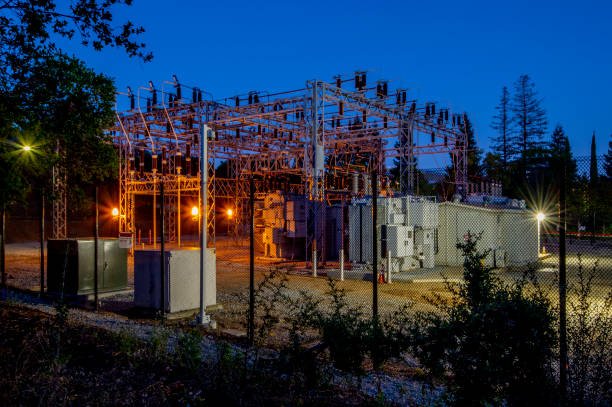
When specifying or purchasing an oil-immersed transformer, engineers often focus first on power rating and voltage levels. However, impedance, losses, and efficiency are equally important because they directly influence system reliability, fault performance, voltage regulation, operating costs, and lifecycle economics. A transformer that meets voltage and capacity requirements but has poorly selected impedance or excessive losses can increase energy costs, create protection coordination problems, and reduce overall system performance.
Modern utility, industrial, commercial, and renewable energy projects increasingly emphasize lifecycle cost rather than initial purchase price alone. As a result, transformer specifications now place significant attention on optimizing impedance values, minimizing losses, and achieving high efficiency throughout the equipment's service life.
Transformer impedance determines fault current levels and voltage regulation, losses determine energy consumption and operating costs, and efficiency measures how effectively electrical energy is transferred from the primary to the secondary winding. Proper specification of these parameters is essential for system reliability, economic operation, and compliance with energy efficiency regulations.
The transformer with the lowest purchase price always provides the lowest total ownership cost.False
Transformers operate continuously for decades, and energy losses often exceed the initial purchase cost over the equipment's lifetime. Losses and efficiency significantly affect lifecycle cost.
Understanding Transformer Impedance
Transformer impedance is the apparent opposition to current flow under load conditions and is usually expressed as a percentage of rated voltage.
Impedance plays a crucial role in determining:
- Fault current levels
- Voltage regulation
- Parallel operation capability
- System stability
Percentage impedance definition
During testing, a reduced voltage is applied to the transformer to produce rated current under short-circuit conditions.
The required voltage is expressed as a percentage of rated voltage.
| Example Parameter | Value |
|---|---|
| Rated voltage | 33 kV |
| Voltage required during short-circuit test | 2.64 kV |
| Percentage impedance | 8% |
This percentage becomes a key design and procurement specification.
Why Impedance Is Important
Transformer impedance affects both normal operation and fault conditions.
Primary impacts
| Parameter | Influence of Impedance |
|---|---|
| Short-circuit current | Inversely proportional |
| Voltage regulation | Directly related |
| Protection coordination | Strong influence |
| Parallel operation | Must be compatible |
Improper impedance selection can lead to operational and protection challenges.
Effect of Impedance on Short-Circuit Current
One of the most important functions of transformer impedance is limiting fault current.
Relationship between impedance and fault current
| Impedance (%) | Relative Fault Current |
|---|---|
| 5% | Higher |
| 8% | Moderate |
| 12% | Lower |
| 15% | Much lower |
Higher impedance transformers reduce the mechanical and thermal stresses associated with system faults.
Effect of Impedance on Voltage Regulation
While higher impedance reduces fault current, it also increases voltage drop under load.
Voltage regulation considerations
| Lower Impedance | Higher Impedance |
|---|---|
| Better voltage regulation | Greater voltage drop |
| Higher fault current | Lower fault current |
Engineers must balance these competing requirements.
Typical Impedance Ranges
Different transformer applications require different impedance values.
Typical industry ranges
| Transformer Type | Typical Impedance |
|---|---|
| Distribution transformer | 4%–8% |
| Medium power transformer | 6%–12% |
| Large power transformer | 8%–18% |
| Generator step-up transformer | 10%–20% |
The optimum value depends on network characteristics and fault level limitations.
Understanding Transformer Losses
Transformer losses represent electrical energy converted into heat rather than delivered to the load.
Losses occur continuously throughout operation and significantly affect operating costs.
Main categories of losses
| Loss Type | Occurs When |
|---|---|
| No-load loss | Transformer energized |
| Load loss | Transformer carrying load |
Both categories must be specified and evaluated during procurement.
No-Load (Core) Losses
No-load losses are present whenever the transformer is energized, regardless of loading level.
These losses originate primarily in the magnetic core.
Components of no-load losses
| Component | Cause |
|---|---|
| Hysteresis loss | Magnetization cycles |
| Eddy current loss | Circulating currents in core steel |
Reducing core losses is especially important for transformers that remain energized continuously.
Factors Affecting Core Losses
Core losses depend largely on magnetic design and materials.
Design factors
| Factor | Influence |
|---|---|
| Core material quality | Major |
| Magnetic flux density | Major |
| Core geometry | Moderate |
| Operating frequency | Significant |
Modern high-efficiency transformers often use advanced grain-oriented silicon steel or amorphous metal cores.
Load Losses
Load losses occur when current flows through the transformer windings.
These losses increase approximately with the square of load current.
Major load loss components
| Component | Source |
|---|---|
| Copper loss | Winding resistance |
| Stray loss | Leakage flux effects |
| Eddy current loss | Conductive structural parts |
Load losses dominate at higher loading levels.
Factors Affecting Load Losses
Key design influences
| Design Element | Effect |
|---|---|
| Conductor size | Lower resistance |
| Winding arrangement | Reduced stray losses |
| Cooling effectiveness | Improved thermal performance |
| Material quality | Lower losses |
Optimized winding design can significantly improve efficiency.
Total Loss Evaluation
Transformer specifications usually define both no-load and load losses.
Total loss calculation
| Operating Condition | Dominant Loss |
|---|---|
| Light load | Core loss |
| Medium load | Mixed |
| Full load | Load loss |
Lifecycle evaluations consider expected loading patterns rather than only full-load operation.
Understanding Transformer Efficiency
Efficiency measures how effectively the transformer converts input power into useful output power.
The basic relationship is:
Higher efficiency means lower energy waste and lower operating costs.
Typical Efficiency Levels
Oil-immersed transformers are among the most efficient electrical devices in power systems.
Typical efficiencies
| Transformer Category | Efficiency |
|---|---|
| Small distribution transformer | 97%–98.5% |
| Medium power transformer | 98%–99.3% |
| Large power transformer | 99%–99.7% |
Even small efficiency improvements can generate significant savings over decades of operation.
Why Efficiency Matters
Transformer efficiency affects:
- Energy consumption
- Operating costs
- Carbon emissions
- Regulatory compliance
Long-term impact
| Efficiency Increase | Benefit |
|---|---|
| Reduced losses | Lower electricity cost |
| Lower heat generation | Improved reliability |
| Reduced emissions | Better sustainability performance |
Efficiency is therefore a major procurement consideration.
Capital Cost Versus Loss Cost
Highly efficient transformers often have higher purchase prices.
However, they typically produce lower lifecycle costs.
Economic comparison
| Factor | Standard Design | High-Efficiency Design |
|---|---|---|
| Initial cost | Lower | Higher |
| Energy losses | Higher | Lower |
| Operating cost | Higher | Lower |
| Lifecycle cost | Often higher | Often lower |
Many utilities evaluate transformers based on total ownership cost rather than acquisition price.
Loss Capitalization in Procurement
Utilities frequently assign financial values to losses during bid evaluation.
Typical approach
| Loss Type | Evaluation Method |
|---|---|
| No-load loss | Capitalized value |
| Load loss | Capitalized value based on load factor |
This method rewards manufacturers that provide more efficient designs.
Regulatory Efficiency Requirements
Many countries now impose minimum efficiency requirements for transformers.
Common objectives
| Objective | Benefit |
|---|---|
| Reduced energy waste | Lower operating cost |
| Lower carbon emissions | Environmental compliance |
| Improved grid efficiency | National energy savings |
Efficiency standards increasingly influence transformer design and procurement specifications.
Relationship Between Impedance and Efficiency
Impedance and efficiency are related but distinct specifications.
Design trade-offs
| Lower Impedance | Higher Impedance |
|---|---|
| Lower voltage drop | Better fault limitation |
| Often lower load losses | Often higher regulation impact |
Design optimization requires balancing both requirements.
Key Specification Requirements
When preparing transformer procurement documents, engineers should define:
| Parameter | Typical Requirement |
|---|---|
| Percentage impedance | Specified value and tolerance |
| No-load loss | Maximum allowable value |
| Load loss | Maximum allowable value |
| Total losses | Lifecycle evaluation basis |
| Efficiency | Minimum required value |
| Test standards | Applicable compliance criteria |
Clear requirements help avoid performance disputes during manufacturing and acceptance testing.
Evaluating Lifecycle Performance
The best transformer is not necessarily the one with the lowest initial cost.
Lifecycle evaluation should include:
| Consideration | Importance |
|---|---|
| Energy losses | Very high |
| Expected loading profile | High |
| Electricity costs | High |
| Maintenance requirements | Moderate |
| Reliability impact | Very high |
This approach provides a more accurate assessment of total ownership cost.
Which International Standards Govern Oil-Immersed Transformer Design and Testing?
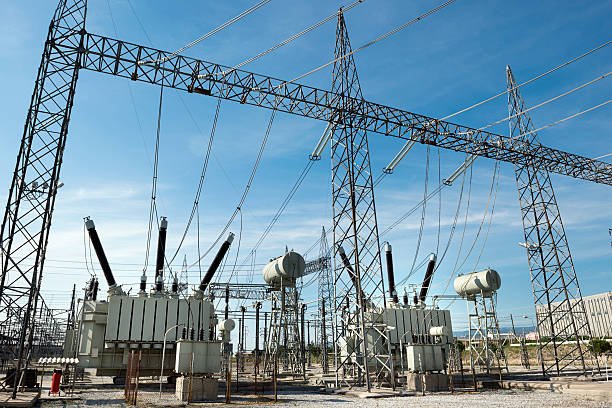
Oil-immersed transformers are among the most critical assets in electrical power systems, and their reliability directly affects grid stability, industrial operations, and energy infrastructure performance. Because transformers operate under high electrical, thermal, and mechanical stresses for decades, internationally recognized standards have been developed to ensure consistent design, manufacturing quality, testing procedures, safety, and performance verification.
Without standardized requirements, transformer specifications, testing methods, and acceptance criteria would vary significantly among manufacturers, making it difficult for utilities, industrial users, and project developers to compare products and ensure long-term reliability. Consequently, most transformer procurement contracts require compliance with one or more international standards.
The primary international standards governing oil-immersed transformer design and testing include IEC 60076, IEEE C57 series, ANSI standards, ISO management standards, and various regional grid and utility specifications. These standards define requirements for electrical performance, insulation coordination, temperature rise, losses, short-circuit withstand capability, testing procedures, efficiency, safety, and quality assurance.
IEC and IEEE transformer standards only apply to factory testing and do not influence transformer design.False
IEC and IEEE standards affect every stage of transformer development, including design calculations, insulation selection, thermal performance, testing requirements, manufacturing quality, and acceptance criteria.
Why Transformer Standards Are Important
International standards provide a common technical framework for manufacturers and purchasers.
Their objectives include:
| Objective | Benefit |
|---|---|
| Standardized design requirements | Consistent performance |
| Uniform testing procedures | Comparable results |
| Safety assurance | Reduced operational risk |
| Quality control | Improved reliability |
| International compatibility | Easier procurement |
Compliance helps ensure transformers perform as expected throughout their service life.
IEC 60076: The Primary Global Transformer Standard
The most widely used transformer standard worldwide is published by the International Electrotechnical Commission.
IEC 60076 serves as the foundation for oil-immersed power and distribution transformer design.
Main areas covered by IEC 60076
| Subject | Coverage |
|---|---|
| Ratings and general requirements | Electrical characteristics |
| Temperature rise limits | Thermal performance |
| Insulation levels | Dielectric strength |
| Testing procedures | Factory verification |
| Short-circuit withstand capability | Mechanical strength |
| Loading guidelines | Operational performance |
Many national standards are derived directly from IEC 60076.
IEC 60076 Part Structure
IEC 60076 consists of multiple sections covering specific technical topics.
Major components
| Standard | Subject |
|---|---|
| IEC 60076-1 | General requirements |
| IEC 60076-2 | Temperature rise |
| IEC 60076-3 | Insulation levels and dielectric tests |
| IEC 60076-5 | Short-circuit withstand capability |
| IEC 60076-7 | Loading guide |
| IEC 60076-10 | Sound level determination |
| IEC 60076-11 | Dry-type transformers |
| IEC 60076-18 | Frequency response analysis |
Together, these documents provide comprehensive transformer guidance.
IEEE C57 Series Standards
In North America, transformer design is heavily influenced by standards developed by the Institute of Electrical and Electronics Engineers.
The IEEE C57 series provides detailed requirements for transformer performance and testing.
Major IEEE transformer standards
| Standard | Purpose |
|---|---|
| IEEE C57.12.00 | General requirements |
| IEEE C57.12.90 | Test code |
| IEEE C57.91 | Loading guide |
| IEEE C57.104 | Oil analysis guide |
| IEEE C57.152 | Diagnostic testing guide |
These standards are commonly referenced in utility procurement specifications throughout North America.
ANSI Standards and Their Relationship to IEEE
Many transformer specifications in the United States reference standards issued by the American National Standards Institute.
In practice, many ANSI transformer requirements are coordinated with IEEE standards.
Areas covered
| Area | Purpose |
|---|---|
| Equipment ratings | Uniform classification |
| Dimensional requirements | Interchangeability |
| Performance criteria | Consistent expectations |
ANSI and IEEE standards are frequently specified together.
Insulation Coordination Standards
Transformer insulation design must be coordinated with system overvoltage conditions.
Several standards address this area.
Important requirements
| Subject | Purpose |
|---|---|
| Lightning impulse withstand | Surge protection |
| Switching impulse withstand | High-voltage systems |
| Power-frequency withstand | Dielectric verification |
These standards ensure adequate insulation margins throughout the transformer's life.
Standards Governing Transformer Testing
Testing is one of the most heavily standardized aspects of transformer engineering.
Main testing categories
| Test Category | Purpose |
|---|---|
| Routine tests | Manufacturing verification |
| Type tests | Design validation |
| Special tests | Project-specific requirements |
Testing confirms compliance with contractual specifications.
Routine Tests Required by International Standards
Routine tests are performed on every transformer before shipment.
Common routine tests
| Test | Objective |
|---|---|
| Winding resistance | Verify conductor integrity |
| Turns ratio | Confirm voltage ratio |
| Impedance measurement | Verify fault characteristics |
| Insulation resistance | Assess insulation condition |
| Dielectric tests | Confirm insulation strength |
| No-load loss measurement | Verify efficiency performance |
| Load loss measurement | Verify efficiency performance |
These tests are mandatory under most standards.
Type Tests for Design Verification
Type tests demonstrate that a transformer design satisfies specified performance requirements.
Typical type tests
| Test | Purpose |
|---|---|
| Temperature rise test | Thermal verification |
| Lightning impulse test | Insulation validation |
| Short-circuit test | Mechanical strength verification |
| Sound level measurement | Noise compliance |
Type tests are usually conducted on representative units.
Special Tests for Critical Projects
Large utility and industrial projects often require additional testing.
Examples
| Special Test | Purpose |
|---|---|
| Frequency response analysis | Mechanical condition assessment |
| Zero-sequence impedance | System studies |
| Harmonic analysis | Power quality evaluation |
| Vacuum testing | Oil system integrity |
Requirements vary depending on project specifications.
Efficiency and Loss Standards
Modern transformers are increasingly subject to energy efficiency regulations.
Typical areas of regulation
| Requirement | Objective |
|---|---|
| No-load loss limits | Reduce wasted energy |
| Load loss limits | Improve efficiency |
| Minimum efficiency requirements | Lower operating cost |
These requirements influence core design and conductor sizing.
Environmental and Sustainability Standards
Environmental performance has become increasingly important in transformer procurement.
Relevant standards and frameworks
| Standard or Framework | Focus Area |
|---|---|
| International Organization for Standardization ISO 14001 | Environmental management |
| ISO 50001 | Energy management |
| Sustainability regulations | Carbon reduction |
Manufacturers often maintain these certifications to demonstrate environmental responsibility.
Quality Management Standards
Quality management systems are essential for transformer manufacturing.
Common quality standards
| Standard | Purpose |
|---|---|
| International Organization for Standardization ISO 9001 | Quality management system |
| Manufacturing quality procedures | Process control |
| Inspection requirements | Product consistency |
These standards help ensure repeatable manufacturing quality.
Utility and Grid Operator Specifications
In addition to international standards, many utilities impose supplemental requirements.
Typical utility requirements
| Area | Additional Requirement |
|---|---|
| Reliability | Enhanced testing |
| Loss evaluation | Stricter efficiency targets |
| Short-circuit strength | Higher margins |
| Monitoring systems | Digital diagnostics |
These requirements often exceed minimum international standards.
Comparison of Major Standards
| Standard Family | Primary Region | Main Focus |
|---|---|---|
| IEC 60076 | Global | Design and testing |
| IEEE C57 | North America | Design, testing, operation |
| ANSI | North America | Ratings and interoperability |
| ISO | Global | Quality and environmental management |
Many large projects require compliance with multiple standards simultaneously.
Standards Referenced in Procurement Contracts
Transformer procurement documents commonly specify:
| Requirement | Typical Reference |
|---|---|
| Design standard | IEC 60076 or IEEE C57 |
| Testing standard | IEC or IEEE test codes |
| Quality management | ISO 9001 |
| Environmental management | ISO 14001 |
| Efficiency compliance | Applicable regional regulations |
Clear references help prevent contractual disputes.
Future Trends in Transformer Standards
Transformer standards continue to evolve in response to changing industry needs.
Emerging focus areas
| Trend | Impact |
|---|---|
| Higher efficiency requirements | Reduced losses |
| Digital monitoring integration | Improved diagnostics |
| Carbon footprint reporting | Sustainability focus |
| Grid modernization requirements | Enhanced performance criteria |
Future standards will increasingly emphasize lifecycle performance and environmental responsibility.
What Routine, Type, and Special Tests Are Required for Compliance?
Oil-immersed transformers are expected to operate reliably for 25 to 40 years or more under demanding electrical, thermal, and environmental conditions. To ensure that every transformer delivered to a customer meets its design specifications and applicable international standards, a comprehensive testing program is required before shipment. These tests verify electrical performance, insulation integrity, thermal capability, mechanical strength, and overall manufacturing quality.
International standards such as the International Electrotechnical Commission IEC 60076 series and the Institute of Electrical and Electronics Engineers C57 standards classify transformer tests into three main categories: routine tests, type tests, and special tests. Each category serves a different purpose and provides a different level of performance verification.
Routine tests are performed on every transformer manufactured, type tests validate a transformer design's performance characteristics, and special tests verify project-specific requirements or advanced performance parameters. Together, these tests ensure compliance with international standards, contractual specifications, and long-term reliability requirements.
If a transformer passes routine factory tests, type tests and special tests are unnecessary.False
Routine tests verify manufacturing quality on each unit, while type tests validate design performance and special tests confirm additional project-specific requirements that routine tests do not address.
Why Transformer Testing Is Necessary
Transformer testing serves several critical objectives:
| Objective | Purpose |
|---|---|
| Design verification | Confirm engineering calculations |
| Manufacturing quality assurance | Detect production defects |
| Contract compliance | Verify specification requirements |
| Operational reliability | Reduce failure risk |
| Safety assurance | Validate insulation and protection margins |
Testing provides documented evidence that the transformer satisfies both technical and contractual obligations.
Classification of Transformer Tests
International standards generally divide transformer tests into three categories.
Test categories
| Category | Purpose |
|---|---|
| Routine tests | Performed on every transformer |
| Type tests | Validate design performance |
| Special tests | Verify additional customer requirements |
Each category contributes to a comprehensive quality assurance program.
Routine Tests
Routine tests are mandatory and are performed on every transformer before shipment.
Their primary purpose is to verify manufacturing quality and confirm that the unit conforms to the approved design.
Characteristics of routine tests
| Feature | Description |
|---|---|
| Performed on every unit | Yes |
| Required by standards | Yes |
| Detect manufacturing defects | Yes |
| Verify design capability | Limited |
Routine tests are usually witnessed by factory quality personnel and may also be observed by customer inspectors.
Winding Resistance Measurement
Winding resistance testing confirms the integrity of conductors and electrical connections.
Objectives
| Verification Area | Purpose |
|---|---|
| Conductor continuity | Detect open circuits |
| Connection quality | Identify poor joints |
| Resistance balance | Verify winding uniformity |
Abnormal resistance values may indicate manufacturing issues requiring correction before shipment.
Voltage Ratio (Turns Ratio) Test
The turns ratio test verifies that the transformer produces the correct output voltage.
Purpose
| Requirement | Benefit |
|---|---|
| Correct voltage transformation | System compatibility |
| Tap changer verification | Proper voltage regulation |
| Winding accuracy confirmation | Manufacturing quality |
Results must fall within the tolerances specified by applicable standards.
Vector Group Verification
Vector group testing confirms phase displacement and winding connection configuration.
Common checks
| Parameter | Importance |
|---|---|
| Phase sequence | System compatibility |
| Phase displacement | Parallel operation |
| Connection designation | Protection coordination |
Incorrect vector groups can create serious operational problems.
Measurement of No-Load Loss and Current
This test evaluates core performance when the transformer is energized without load.
Measured parameters
| Parameter | Purpose |
|---|---|
| No-load loss | Efficiency verification |
| Excitation current | Core quality assessment |
Results are compared with guaranteed values specified in the contract.
Measurement of Load Loss and Impedance Voltage
Load loss and impedance testing are essential for verifying operational performance.
Measured values
| Parameter | Significance |
|---|---|
| Load loss | Operating efficiency |
| Percentage impedance | Fault current limitation |
| Voltage regulation characteristics | System performance |
These values must comply with design guarantees.
Dielectric Routine Tests
Dielectric testing verifies insulation integrity.
Typical dielectric tests
| Test | Purpose |
|---|---|
| Applied voltage test | Insulation verification |
| Induced voltage test | Turn-to-turn insulation assessment |
Successful completion demonstrates that the transformer can withstand specified electrical stresses.
Routine Test Summary
The most common routine tests required by international standards include:
| Routine Test | Performed on Every Unit |
|---|---|
| Winding resistance | Yes |
| Voltage ratio | Yes |
| Vector group verification | Yes |
| No-load loss measurement | Yes |
| Load loss measurement | Yes |
| Impedance measurement | Yes |
| Applied voltage test | Yes |
| Induced voltage test | Yes |
These tests form the foundation of transformer quality assurance.
Type Tests
Type tests validate the overall design of a transformer rather than a specific manufactured unit.
A successful type test usually applies to transformers of the same design family.
Purpose of type testing
| Objective | Benefit |
|---|---|
| Design validation | Engineering confidence |
| Performance verification | Specification compliance |
| Standard compliance demonstration | Procurement acceptance |
Type tests are normally performed on representative units.
Temperature Rise Test
Temperature rise testing verifies thermal performance under rated load conditions.
Parameters evaluated
| Measurement | Importance |
|---|---|
| Oil temperature rise | Cooling performance |
| Winding temperature rise | Insulation life |
| Hot-spot temperature | Thermal reliability |
This test is one of the most important type tests because temperature strongly influences transformer lifespan.
Lightning Impulse Test
Lightning impulse testing evaluates insulation strength under surge conditions.
Purpose
| Requirement | Benefit |
|---|---|
| Surge withstand capability | Improved reliability |
| Insulation coordination validation | System protection |
The test simulates the effects of lightning strikes and switching surges.
Short-Circuit Withstand Test
This test verifies the transformer's ability to withstand severe fault currents.
Evaluation areas
| Parameter | Importance |
|---|---|
| Mechanical strength | Winding integrity |
| Thermal strength | Fault tolerance |
| Structural stability | Long-term reliability |
Short-circuit testing is complex and often conducted at specialized laboratories.
Sound Level Measurement
Noise performance is increasingly important, especially in urban and commercial installations.
Purpose
| Requirement | Benefit |
|---|---|
| Noise compliance | Regulatory acceptance |
| Environmental performance | Improved community impact |
Sound level measurements are conducted according to standardized procedures.
Type Test Summary
Typical type tests include:
| Type Test | Main Objective |
|---|---|
| Temperature rise test | Thermal verification |
| Lightning impulse test | Dielectric validation |
| Short-circuit test | Mechanical verification |
| Sound level test | Acoustic performance |
These tests confirm that the transformer design satisfies performance requirements.
Special Tests
Special tests are not mandatory for all transformers but may be specified by customers or project requirements.
Reasons for special testing
| Reason | Example |
|---|---|
| Utility specifications | Additional reliability requirements |
| Critical infrastructure | Enhanced validation |
| Large power transformers | Advanced diagnostics |
Special tests provide additional assurance beyond standard compliance.
Frequency Response Analysis (FRA)
FRA is used to evaluate winding mechanical condition.
Benefits
| Function | Purpose |
|---|---|
| Detect winding displacement | Mechanical assessment |
| Establish baseline signature | Future diagnostics |
FRA is especially valuable for large power transformers.
Capacitance and Dissipation Factor Measurement
This test evaluates insulation quality.
Parameters measured
| Parameter | Significance |
|---|---|
| Capacitance | Insulation condition |
| Dissipation factor (tan δ) | Dielectric losses |
Abnormal values may indicate insulation contamination or deterioration.
Zero-Sequence Impedance Measurement
Certain power system studies require zero-sequence impedance data.
Applications
| Application | Purpose |
|---|---|
| Ground fault analysis | Protection studies |
| Network modeling | System simulations |
This information is particularly important for utility systems.
Harmonic and Stray Loss Evaluation
Projects involving renewable energy systems or power electronics may require harmonic assessment.
Evaluation objectives
| Parameter | Benefit |
|---|---|
| Harmonic loss capability | Improved reliability |
| Additional heating assessment | Thermal design validation |
These tests help verify performance under non-linear loading conditions.
Vacuum and Pressure Tests
Oil system integrity is critical for oil-immersed transformers.
Verification areas
| Test | Purpose |
|---|---|
| Vacuum test | Tank integrity |
| Pressure test | Leak prevention |
Successful completion confirms oil containment reliability.
Oil Quality Tests
Transformer oil must meet strict quality requirements before energization.
Common oil tests
| Test | Purpose |
|---|---|
| Breakdown voltage | Dielectric strength |
| Moisture content | Insulation protection |
| Dissolved gas analysis baseline | Future condition monitoring |
Oil quality significantly affects long-term transformer reliability.
Factory Acceptance Testing (FAT)
Many projects require a formal Factory Acceptance Test program.
FAT objectives
| Objective | Benefit |
|---|---|
| Witness testing | Customer confidence |
| Contract compliance verification | Risk reduction |
| Documentation review | Quality assurance |
FAT often includes routine tests plus selected type and special tests.
Site Acceptance Testing (SAT)
After delivery and installation, site testing verifies transformer condition before energization.
Typical SAT activities
| Test | Purpose |
|---|---|
| Insulation resistance | Transportation damage check |
| Turns ratio verification | Installation confirmation |
| Oil testing | Condition assessment |
| Functional checks | Operational readiness |
SAT complements factory testing and provides final acceptance verification.
Typical Testing Matrix
| Test | Routine | Type | Special |
|---|---|---|---|
| Winding resistance | ✓ | ||
| Voltage ratio | ✓ | ||
| Impedance measurement | ✓ | ||
| Applied voltage test | ✓ | ||
| Temperature rise test | ✓ | ||
| Lightning impulse test | ✓ | ||
| Short-circuit test | ✓ | ||
| FRA | ✓ | ||
| Dissipation factor | ✓ | ||
| Zero-sequence impedance | ✓ |
This matrix illustrates how different tests contribute to overall compliance verification.
How Do Regional and Project-Specific Standards Influence Transformer Specifications?
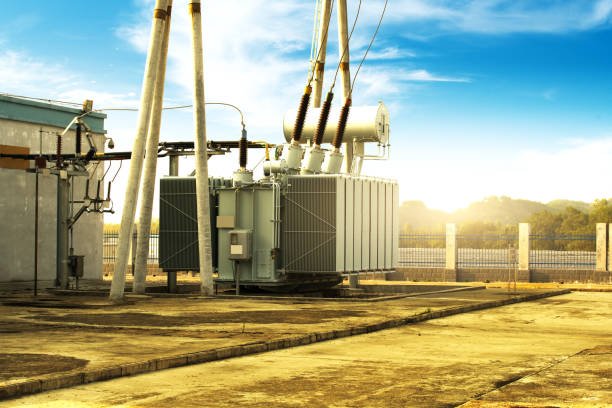
Oil-immersed transformers are designed according to internationally recognized standards, but compliance with global standards alone is rarely sufficient for major utility, industrial, infrastructure, or renewable energy projects. In practice, transformer specifications are heavily influenced by regional regulations, utility requirements, environmental policies, grid codes, climatic conditions, and project-specific performance criteria. As a result, two transformers with identical ratings may require significantly different designs depending on where and how they will be installed.
Failure to consider regional and project-specific requirements during the specification stage can lead to procurement delays, compliance issues, increased costs, operational limitations, or even rejection during factory acceptance testing. Therefore, understanding how these additional standards affect transformer design is essential for engineers, consultants, EPC contractors, and asset owners.
Regional and project-specific standards influence transformer specifications by imposing additional requirements related to voltage classes, insulation levels, efficiency targets, environmental conditions, cooling systems, seismic performance, noise limits, testing procedures, monitoring systems, and utility-specific operational requirements. These requirements often exceed the minimum provisions of international standards and must be incorporated during transformer design and procurement.
Compliance with IEC or IEEE transformer standards automatically guarantees compliance with all regional utility and project requirements.False
Regional regulations, utility specifications, environmental rules, and project-specific requirements often impose additional criteria beyond the minimum requirements of IEC or IEEE standards.
Why Regional Requirements Matter
International standards establish minimum technical requirements, but actual operating environments vary considerably around the world.
Factors influencing transformer design include:
- Climate conditions
- Grid configuration
- Utility operating practices
- Environmental regulations
- Local safety requirements
These factors often necessitate modifications beyond standard transformer designs.
Influence of National Electrical Standards
Many countries adopt international standards while introducing additional national requirements.
Common regulatory influences
| Area | Potential Impact |
|---|---|
| Voltage classifications | Different standard ratings |
| Testing requirements | Additional acceptance criteria |
| Safety regulations | Enhanced design features |
| Environmental compliance | Material restrictions |
Manufacturers must often customize designs to meet local regulations.
Utility-Specific Technical Specifications
Electric utilities frequently publish transformer specifications that supplement international standards.
Typical utility requirements
| Requirement Area | Additional Criteria |
|---|---|
| Loss guarantees | Stricter limits |
| Reliability targets | Enhanced design margins |
| Monitoring systems | Mandatory sensors |
| Short-circuit capability | Higher withstand levels |
Utility specifications often become contractual requirements during procurement.
Impact on Voltage Ratings and Tapping Arrangements
Regional power systems operate at different nominal voltages.
Examples of common transmission voltages
| Region | Typical Voltages |
|---|---|
| North America | 69 kV, 138 kV, 230 kV |
| Europe | 110 kV, 220 kV, 400 kV |
| Asia | 66 kV, 132 kV, 220 kV, 500 kV |
These differences directly influence transformer design and tap changer selection.
Influence on Insulation Levels
Environmental conditions and network characteristics affect insulation requirements.
Factors influencing insulation design
| Factor | Impact |
|---|---|
| Lightning density | Higher BIL requirements |
| Altitude | Increased insulation distances |
| Switching surge levels | Enhanced dielectric design |
| Pollution severity | Improved external insulation |
Utilities in high-lightning regions often require insulation levels above standard minimum values.
Climate and Ambient Temperature Requirements
Transformers installed in different climates experience vastly different operating conditions.
Environmental design considerations
| Condition | Design Adjustment |
|---|---|
| Desert climate | Enhanced cooling |
| Tropical climate | Moisture protection |
| Arctic climate | Low-temperature materials |
| Coastal environment | Corrosion protection |
Environmental conditions significantly affect cooling system selection and material specifications.
High-Altitude Installation Requirements
Transformers installed at elevated locations require special design considerations.
Effects of altitude
| Parameter | Impact |
|---|---|
| Air density | Reduced cooling efficiency |
| Dielectric strength | Lower insulation capability |
| Temperature rise | Increased operating temperature |
Manufacturers often apply derating factors or enhanced insulation designs for high-altitude installations.
Seismic Design Requirements
Certain regions require transformers to withstand earthquake forces.
Common seismic requirements
| Region Type | Design Emphasis |
|---|---|
| High seismic zones | Structural reinforcement |
| Critical infrastructure | Enhanced qualification testing |
Projects in earthquake-prone areas often specify seismic performance standards in addition to electrical requirements.
Environmental Regulations and Sustainability Standards
Environmental regulations increasingly influence transformer specifications.
Key areas of influence
| Requirement | Design Impact |
|---|---|
| Energy efficiency | Reduced losses |
| Carbon reduction targets | High-efficiency designs |
| Material restrictions | Alternative materials |
| Noise control | Acoustic optimization |
Environmental requirements have become major procurement drivers worldwide.
Influence on Efficiency and Loss Requirements
Many regions impose minimum efficiency requirements that exceed international baseline standards.
Typical requirements
| Parameter | Regulatory Focus |
|---|---|
| No-load losses | Strict limitation |
| Load losses | Efficiency improvement |
| Total ownership cost | Lifecycle evaluation |
Utilities often evaluate bids using loss capitalization methods.
Noise Performance Requirements
Urban installations frequently face strict noise restrictions.
Common project requirements
| Installation Type | Noise Priority |
|---|---|
| Residential areas | Very high |
| Hospitals | Very high |
| Commercial districts | High |
| Industrial sites | Moderate |
Meeting noise requirements may require larger cores, special clamping systems, or acoustic enclosures.
Influence on Cooling System Selection
Regional climate conditions significantly affect cooling specifications.
Cooling considerations
| Climate | Preferred Cooling Approach |
|---|---|
| Temperate | ONAN often sufficient |
| Hot climates | ONAF frequently required |
| Large utility installations | OFAF or OFWF |
Cooling systems must be matched to actual site conditions.
Renewable Energy Project Requirements
Renewable energy projects often impose unique transformer specifications.
Common renewable project requirements
| Application | Special Requirement |
|---|---|
| Solar farms | Variable loading capability |
| Wind farms | Harmonic tolerance |
| Battery energy storage | Frequent cycling capability |
These applications often require customized transformer designs.
Industrial Project Requirements
Industrial facilities frequently have operating conditions that differ from utility networks.
Industrial considerations
| Industry | Common Requirement |
|---|---|
| Mining | High mechanical robustness |
| Steel plants | Harmonic tolerance |
| Petrochemical facilities | Enhanced reliability |
| Data centers | High efficiency and redundancy |
Transformer specifications must reflect actual operating conditions.
Monitoring and Digitalization Requirements
Modern projects increasingly require advanced monitoring systems.
Common monitoring features
| System | Function |
|---|---|
| Online dissolved gas monitoring | Condition assessment |
| Winding temperature monitoring | Thermal management |
| Moisture sensors | Insulation protection |
| SCADA integration | Remote monitoring |
Digital monitoring requirements often originate from utility or project standards.
Factory Acceptance Testing Requirements
Project-specific standards frequently expand the factory testing scope.
Additional testing requirements
| Test Area | Potential Requirement |
|---|---|
| Loss verification | Guaranteed-value validation |
| FRA testing | Baseline diagnostics |
| Sound measurements | Noise compliance |
| Special dielectric tests | Enhanced insulation verification |
These requirements are typically documented in procurement specifications.
Documentation and Compliance Requirements
Large projects often require extensive documentation beyond standard test reports.
Common documentation requirements
| Document | Purpose |
|---|---|
| Design calculations | Engineering review |
| Certified drawings | Installation planning |
| Quality records | Compliance verification |
| Material certifications | Traceability |
Documentation requirements can vary substantially among projects.
Comparison of Standard and Customized Specifications
| Specification Area | International Standard | Project-Specific Requirement |
|---|---|---|
| Voltage ratings | Standard values | Utility-specific values |
| Loss limits | Standard thresholds | Enhanced guarantees |
| Testing scope | Routine and type tests | Additional special tests |
| Monitoring systems | Optional | Mandatory |
| Noise levels | Standard compliance | Reduced limits |
This comparison highlights the importance of project-specific engineering.
Managing Specification Complexity
Successful transformer procurement requires balancing:
- International standards
- National regulations
- Utility requirements
- Project objectives
- Economic considerations
A comprehensive specification review process helps prevent costly design revisions later in the project.
Conclusion
The key specifications of oil-immersed transformers include rated power, voltage ratings, frequency, impedance, insulation level, cooling method, temperature rise limits, efficiency, and loss characteristics. These parameters are defined and verified according to internationally recognized standards such as IEC 60076, IEEE C57, ANSI, and other regional regulations. Compliance with these specifications and standards ensures safe operation, reliable performance, long service life, and compatibility with power system requirements.
FAQ
Q1: What are the key specifications of an oil-immersed transformer?
Oil-immersed transformers are defined by a range of technical specifications that determine their performance, safety, and suitability for specific applications.
Key specifications include:
Rated power (kVA or MVA)
Primary and secondary voltage ratings
Frequency (50 Hz or 60 Hz)
Vector group
Percentage impedance
Cooling method
Insulation level
Temperature rise limits
Tap changer configuration
Efficiency and loss values
These specifications are typically listed on the transformer's nameplate and technical datasheet.
Q2: What are the most important electrical ratings?
Electrical ratings establish the transformer's operating capabilities.
Rated Power
Expressed in:
kVA for distribution transformers
MVA for power transformers
Voltage Rating
Examples:
11 kV / 0.4 kV
33 kV / 11 kV
132 kV / 33 kV
Frequency
Common values:
50 Hz
60 Hz
These ratings must match the requirements of the electrical network.
Q3: What cooling methods are used in oil-immersed transformers?
Oil-immersed transformers use insulating oil for both cooling and insulation.
Common IEC cooling classifications include:
ONAN
Oil Natural Air Natural
ONAF
Oil Natural Air Forced
OFAF
Oil Forced Air Forced
OFWF
Oil Forced Water Forced
The selected cooling method affects transformer capacity, efficiency, and thermal performance.
Q4: What insulation standards apply to oil-immersed transformers?
Insulation systems must withstand normal operating voltages as well as transient overvoltages.
Important insulation parameters include:
Basic Insulation Level (BIL)
Power-frequency withstand voltage
Lightning impulse withstand voltage
Switching impulse withstand voltage
Insulation design is critical for ensuring long-term reliability and protection against electrical stress.
Q5: Which international standards govern oil-immersed transformers?
Several international standards regulate transformer design, manufacturing, and testing.
IEC Standards
IEC 60076 Series – Power Transformers
IEC 60296 – Mineral Insulating Oils
IEC 60422 – Maintenance of Insulating Oils
IEEE Standards
IEEE C57 Series
IEEE C57.12.00
IEEE C57.91
ANSI Standards
ANSI C57 transformer requirements
Compliance ensures interoperability, safety, and quality.
Q6: What routine, type, and special tests are required?
Transformers must undergo testing before shipment.
Routine Tests
Winding resistance
Voltage ratio verification
Insulation resistance
Impedance measurement
Type Tests
Temperature rise test
Lightning impulse test
Special Tests
Partial discharge testing
Sound level measurement
Frequency response analysis
These tests verify design integrity and manufacturing quality.
Q7: What environmental and safety requirements must be considered?
Modern oil-immersed transformers must comply with environmental and safety regulations covering:
Oil containment systems
Fire protection requirements
Spill prevention measures
Noise limits
Energy efficiency regulations
PCB-free insulating fluids
Utilities and industrial operators often specify additional environmental protections based on local regulations.
Q8: What information is typically included on an oil-immersed transformer nameplate?
A transformer nameplate usually contains:
Manufacturer name
Serial number
Rated power
Voltage ratings
Frequency
Vector group
Impedance percentage
Cooling method
Oil volume
Total weight
Insulation level
Applicable standards
The nameplate provides essential operating and maintenance information throughout the transformer's service life.
References
IEC 60076 – Power Transformers
https://webstore.iec.ch/publication/602
IEC 60296 – Fluids for Electrotechnical Applications: Mineral Insulating Oils
https://webstore.iec.ch
IEC 60422 – Supervision and Maintenance Guide for Insulating Oils
https://webstore.iec.ch
IEEE C57 Series – Transformer Standards
https://standards.ieee.org
ANSI C57 Transformer Standards
https://www.ansi.org