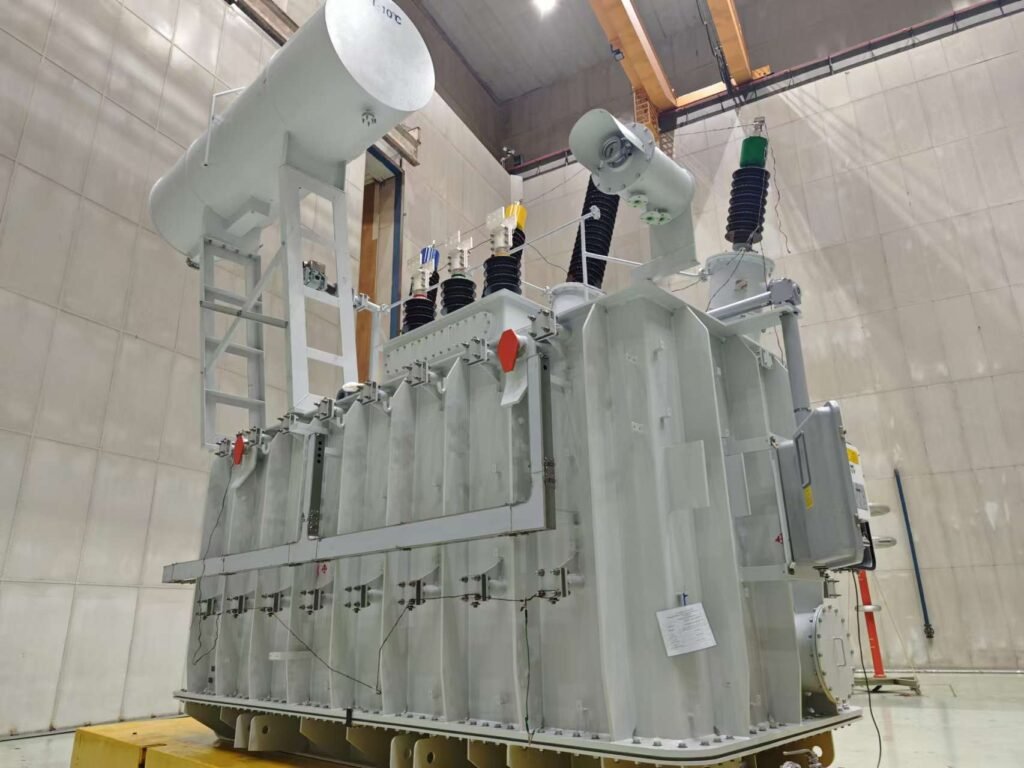
Power transformers are among the most critical assets in electrical transmission and distribution systems, yet they are also one of the longest-lead electrical equipment purchases. Whether you're planning a new substation, expanding an industrial facility, or replacing aging infrastructure, an inaccurate estimate of transformer delivery time can delay an entire project. The challenge is that there is no universal lead time—every transformer is built around unique technical specifications, manufacturing priorities, and logistical considerations. Understanding what determines production schedules allows buyers to make informed procurement decisions, reduce project uncertainty, and avoid costly delays. This guide explores typical power transformer lead times, explains why they vary, and shares practical tips for keeping your project on track.
What Is the Typical Lead Time for Ordering a Power Transformer?
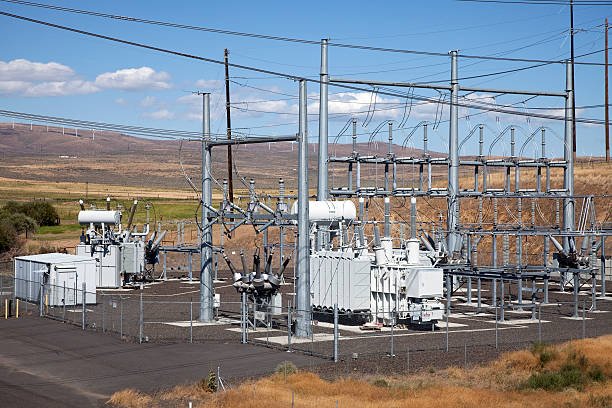
Power transformers are highly engineered pieces of electrical equipment that are rarely manufactured as standard stock items. Each transformer is typically designed to meet specific project requirements, including voltage ratings, capacity, cooling method, impedance, tap changer configuration, environmental conditions, and applicable international standards. As a result, procurement lead times can vary significantly depending on transformer size, technical complexity, manufacturing capacity, raw material availability, testing requirements, and transportation logistics. Understanding these factors early in a project helps owners and contractors develop realistic schedules and avoid costly delays.
The typical lead time for ordering a power transformer ranges from approximately 4 to 18 months. Standard distribution transformers may be delivered within 8–20 weeks, while medium power transformers generally require 4–8 months. Large utility power transformers often require 9–18 months or longer due to custom engineering, specialized materials, extensive factory testing, and complex transportation arrangements.
All power transformers can normally be delivered within one month because manufacturers keep complete units in stock.False
Most power transformers are custom-engineered and manufactured to project specifications. Lead times typically range from several months to more than a year, depending on transformer size, design complexity, testing requirements, and production schedules.
Why power transformers require long manufacturing lead times
Unlike mass-produced electrical equipment, power transformers are built specifically for each project.
Every order may require customized:
- Voltage ratings
- Power capacity
- Cooling system
- Vector group
- Tap changer configuration
- Protection accessories
- Environmental requirements
- National or utility specifications
Engineering, procurement, manufacturing, testing, and logistics must all be completed before delivery.
Typical lead times by transformer type
Lead time depends primarily on transformer rating and complexity.
| Transformer Type | Typical Lead Time |
|---|---|
| Standard distribution transformer | 8–20 weeks |
| Small power transformer (5–30 MVA) | 4–6 months |
| Medium power transformer (30–100 MVA) | 5–8 months |
| Large power transformer (100–300 MVA) | 8–12 months |
| Extra-large utility transformer (>300 MVA) | 12–18 months or longer |
Actual schedules vary depending on factory workload and customer specifications.
Engineering and design phase
Manufacturing begins only after the technical design has been approved.
Typical engineering activities include:
- Electrical design
- Mechanical calculations
- Thermal analysis
- Short-circuit strength verification
- Insulation coordination
- Drawing preparation
- Customer design review
Engineering activities
| Activity | Purpose |
|---|---|
| Electrical calculations | Verify performance |
| Mechanical design | Ensure structural integrity |
| Drawing approval | Confirm customer requirements |
| Design review | Finalize manufacturing documents |
Large utility projects may require several rounds of technical review before production begins.
Procurement of raw materials
Transformer manufacturing depends on specialized materials that may have long procurement cycles.
Critical materials include:
- Grain-oriented silicon steel
- Copper or aluminum conductors
- Insulating paper
- Pressboard
- Transformer oil or ester fluid
- Bushings
- On-load tap changers
- Cooling equipment
Availability of these materials directly affects manufacturing schedules.
Manufacturing process
Transformer production involves numerous precision manufacturing operations.
Typical steps include:
- Core fabrication
- Winding manufacturing
- Coil drying
- Core-and-coil assembly
- Insulation installation
- Tank fabrication
- Vacuum drying
- Oil filling
- Final assembly
Each stage requires strict quality control to ensure long-term reliability.
Factory testing adds to the schedule
Every transformer undergoes extensive testing before shipment.
Routine tests generally include:
- Winding resistance
- Turns ratio
- Vector group verification
- Insulation resistance
- Applied voltage test
- Induced voltage test
- No-load losses
- Load losses
Additional type or special tests may extend the manufacturing schedule.
Typical testing requirements
| Test Type | Purpose |
|---|---|
| Routine tests | Verify manufacturing quality |
| Type tests | Validate design performance |
| Special tests | Meet project-specific requirements |
| Factory Acceptance Test (FAT) | Customer inspection before shipment |
Scheduling customer representatives for FAT may also influence delivery timing.
Transportation planning is an important consideration
Large transformers require specialized transportation.
Planning may include:
- Heavy-haul trucking
- Rail transport
- Ocean shipping
- Barge transport
- Route surveys
- Bridge capacity assessments
- Permit approvals
For very large transformers, transportation planning can begin months before shipment.
Site preparation should align with delivery
A transformer should not arrive before the installation site is ready.
Project teams should complete:
- Foundation construction
- Grounding system installation
- Oil containment facilities
- Cable trenches
- Access roads
- Crane planning
Proper coordination minimizes storage time and installation delays.
Factors that influence lead time
Several variables can significantly affect delivery schedules.
| Factor | Effect on Lead Time |
|---|---|
| Transformer size | Larger units require longer production |
| Custom specifications | Increase engineering time |
| Factory production schedule | May delay manufacturing |
| Material availability | Can extend procurement |
| Testing requirements | Increase completion time |
| Transportation complexity | May delay delivery |
Projects with highly customized technical requirements generally require longer lead times.
Emergency replacement transformers
When an existing transformer fails unexpectedly, utilities may require emergency replacements.
Possible solutions include:
- Manufacturer inventory units
- Standardized designs
- Rental transformers
- Mobile substations
- Refurbished transformers
Although these options can shorten delivery times, they may not fully match the original equipment specifications.
Procurement strategies to reduce lead time
Owners can shorten project schedules by:
- Finalizing technical specifications early
- Completing design reviews promptly
- Ordering long-lead accessories in advance
- Avoiding late design changes
- Coordinating Factory Acceptance Tests efficiently
- Confirming transportation routes before shipment
Early planning is one of the most effective ways to reduce procurement delays.
Importance of clear technical specifications
Incomplete or frequently changing specifications often result in manufacturing delays.
A complete specification should define:
- Rated power
- Voltage levels
- Frequency
- Cooling method
- Tap changer type
- Impedance
- Efficiency requirements
- Applicable standards
- Testing requirements
- Accessory configuration
Well-defined specifications reduce redesign and approval time.
Global supply chain considerations
Transformer production depends on international supply chains for many critical components.
Potential influences include:
- Steel market conditions
- Copper availability
- Bushing manufacturing capacity
- Tap changer delivery schedules
- Shipping congestion
- Customs clearance
Monitoring supply chain risks helps improve project planning and scheduling.
Best practices for project scheduling
To improve procurement success, project teams should:
- Issue technical specifications early
- Allow sufficient engineering review time
- Schedule FAT well in advance
- Coordinate transportation planning with manufacturing
- Prepare installation sites before delivery
- Include schedule contingency for unexpected delays
These practices help ensure smooth project execution and timely commissioning.
Why Do Some Power Transformers Take Much Longer to Deliver Than Others?
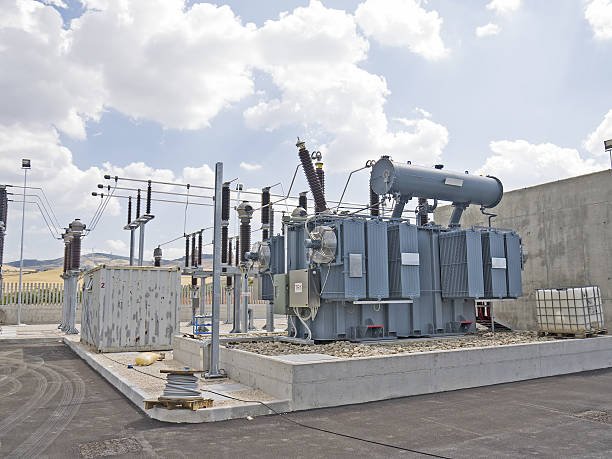
Power transformer lead times can vary dramatically, even between units with similar power ratings. While some standard transformers may be delivered within a few months, others require more than a year from purchase order to site delivery. The difference is rarely due to manufacturing alone. Instead, lead time is influenced by a combination of engineering complexity, material availability, production scheduling, testing requirements, customer approvals, transportation logistics, and global supply chain conditions. Understanding these factors allows project owners to better plan procurement schedules and reduce the risk of costly project delays.
Some power transformers take much longer to deliver because they require custom engineering, specialized raw materials, longer manufacturing cycles, extensive testing, customer approvals, and complex transportation arrangements. Large utility transformers, custom designs, and projects with stringent technical specifications generally have the longest lead times, often ranging from 12 to 18 months or more.
The delivery time of a power transformer depends only on its power rating.False
Although transformer size affects manufacturing time, delivery schedules are also influenced by design complexity, material procurement, production capacity, testing requirements, customer approvals, transportation logistics, and global supply chain conditions.
Custom engineering significantly extends production schedules
Unlike standardized electrical equipment, most power transformers are designed specifically for each project.
The engineering team must customize numerous parameters, including:
- Rated power
- Primary and secondary voltages
- Vector group
- Impedance
- Cooling method
- Tap changer configuration
- Insulation level
- Environmental requirements
- Applicable standards
Each design must undergo detailed calculations, drawing preparation, and customer review before manufacturing begins.
Impact of customization
| Design Characteristic | Effect on Lead Time |
|---|---|
| Standard design | Shorter engineering cycle |
| Customized design | Additional engineering and approvals |
| Utility-specific specification | Extended review period |
| Special environmental requirements | Additional design verification |
Highly customized transformers typically require considerably more engineering effort than standard products.
Large transformers require more manufacturing time
Transformer size directly affects manufacturing complexity.
Larger transformers require:
- More core steel
- Larger windings
- Greater quantities of insulation
- Larger tanks
- More complex assembly processes
Manufacturing operations such as winding, drying, assembly, and oil filling become increasingly time-consuming as transformer capacity increases.
Typical manufacturing complexity
| Transformer Rating | Relative Manufacturing Time |
|---|---|
| Distribution transformer | Low |
| Medium power transformer | Moderate |
| Large utility transformer | High |
| Generator step-up transformer | Very high |
Large utility transformers often involve thousands of individual manufacturing operations.
Specialized raw materials may have long procurement cycles
Several transformer components are sourced from specialized suppliers with limited global manufacturing capacity.
Critical materials include:
- Grain-oriented silicon steel
- Copper conductors
- High-voltage bushings
- On-load tap changers
- Insulating paper
- Pressboard
- Cooling equipment
Delays in receiving even one critical component can postpone the entire production schedule.
Factory production capacity affects delivery
Transformer manufacturers typically operate with limited production capacity for large units.
Factors affecting scheduling include:
- Existing order backlog
- Available manufacturing bays
- Skilled labor availability
- Testing facility capacity
- Crane availability
During periods of high market demand, new orders may need to wait several months before entering production.
Customer approvals can delay manufacturing
Manufacturing generally cannot begin until customers approve all technical documentation.
Typical approval documents include:
- General arrangement drawings
- Nameplate data
- Electrical diagrams
- Foundation drawings
- Terminal arrangements
- Accessory lists
If multiple review cycles are required, the project schedule may be extended significantly.
Extensive testing increases completion time
Power transformers undergo comprehensive testing before shipment.
Routine tests include:
- Turns ratio
- Winding resistance
- Insulation resistance
- Applied voltage
- Induced voltage
- No-load losses
- Load losses
Additional type or special tests may include:
- Temperature rise test
- Lightning impulse test
- Switching impulse test
- Short-circuit withstand verification
- Sound level measurement
Testing requirements
| Test Category | Influence on Schedule |
|---|---|
| Routine tests | Standard manufacturing duration |
| Type tests | Additional testing time |
| Special tests | Project-specific extension |
| Factory Acceptance Test (FAT) | Customer scheduling required |
Complex testing programs often require additional preparation and coordination.
Factory Acceptance Testing (FAT) requires coordination
Many customers witness transformer testing before shipment.
The FAT process typically involves:
- Scheduling customer representatives
- Completing documentation reviews
- Conducting witnessed testing
- Resolving any observations
- Obtaining shipment approval
Delays in customer attendance or documentation approval can postpone shipment.
Transportation planning becomes more complex for large transformers
Power transformers frequently exceed standard transportation dimensions and weights.
Transportation planning may require:
- Heavy-haul permits
- Route surveys
- Bridge capacity analysis
- Specialized trailers
- Rail coordination
- Ocean freight scheduling
- Port handling arrangements
These logistical activities often begin months before shipment.
International shipping introduces additional variables
For export projects, additional factors include:
- Customs clearance
- Port congestion
- Shipping schedules
- Import documentation
- Local transportation permits
Unexpected shipping disruptions may further extend overall delivery time.
Utility specifications are often more demanding
Electric utilities frequently impose technical requirements beyond international standards.
These may include:
- Utility-specific insulation coordination
- Additional testing
- Enhanced efficiency requirements
- Customized accessories
- Special protection systems
Meeting these specifications increases both engineering and manufacturing effort.
Supply chain disruptions affect global production
Modern transformer manufacturing depends on international supply chains.
Potential disruptions include:
- Steel shortages
- Copper price volatility
- Component manufacturing delays
- Shipping bottlenecks
- Geopolitical events
- Labor shortages
Manufacturers often adjust production schedules based on component availability.
Design changes after order placement increase lead time
Late project modifications are among the most common causes of delivery delays.
Examples include:
- Voltage changes
- Capacity increases
- Revised cooling methods
- Additional accessories
- Updated utility requirements
Each change may require new engineering calculations, revised drawings, and procurement adjustments.
Site readiness can influence delivery planning
Manufacturers often coordinate shipment with project construction schedules.
Factors include:
- Foundation completion
- Oil containment installation
- Access road construction
- Crane availability
- Electrical connection readiness
If the installation site is not prepared, shipment may be postponed to avoid extended storage.
Factors with the greatest impact on lead time
| Factor | Typical Impact |
|---|---|
| Transformer size | High |
| Design customization | High |
| Material availability | High |
| Factory workload | High |
| Customer approvals | Moderate to High |
| FAT scheduling | Moderate |
| Transportation logistics | Moderate to High |
| Design revisions | High |
| International shipping | Moderate |
Projects affected by several of these factors simultaneously typically experience the longest delivery schedules.
How buyers can reduce procurement delays
Project owners and EPC contractors can shorten lead times by:
- Finalizing technical specifications early
- Avoiding unnecessary design revisions
- Completing drawing approvals promptly
- Scheduling FAT in advance
- Coordinating transportation early
- Selecting manufacturers with available production capacity
- Ordering long-lead accessories as soon as possible
Early collaboration between the purchaser and manufacturer is one of the most effective ways to improve delivery performance.
Which Stages of Power Transformer Manufacturing Have the Greatest Impact on Lead Time?
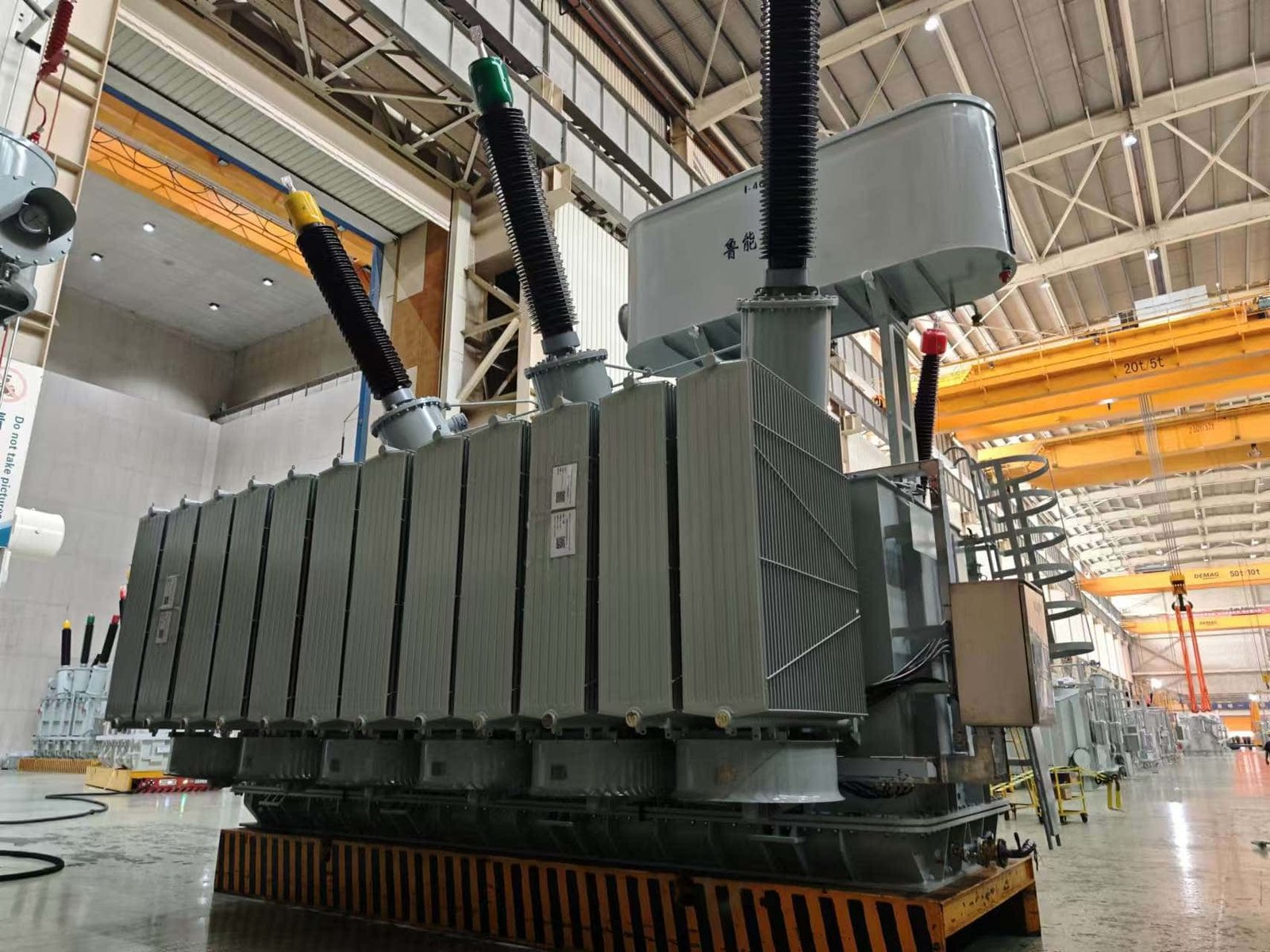
Power transformer manufacturing is a complex, multi-stage process that requires meticulous engineering, precision fabrication, rigorous quality control, and extensive testing. Unlike standardized electrical equipment, most power transformers are built to customer-specific requirements, meaning every project follows a carefully coordinated production schedule. While the overall lead time typically ranges from several months to more than a year, certain manufacturing stages have a much greater influence on delivery than others. Identifying these critical stages helps project owners, EPC contractors, and utilities better manage procurement schedules and reduce the risk of project delays.
The manufacturing stages with the greatest impact on power transformer lead time are engineering and design, procurement of long-lead materials, winding and core fabrication, insulation drying, tank manufacturing, final assembly, factory testing, customer inspections, and transportation preparation. Delays in any of these critical stages can significantly extend the overall project schedule.
The assembly stage is the only part of transformer manufacturing that determines the delivery schedule.False
Although final assembly is important, engineering, material procurement, insulation processing, testing, customer approvals, and logistics all play major roles in determining the total manufacturing lead time.
Engineering and design
The manufacturing process begins with detailed engineering after the purchase order is confirmed.
Engineering activities typically include:
- Electrical design calculations
- Mechanical strength analysis
- Thermal performance evaluation
- Insulation coordination
- Short-circuit withstand calculations
- Preparation of manufacturing drawings
- Customer drawing approval
Engineering cannot be rushed without increasing the risk of design errors, making it one of the most critical stages in the production schedule.
Engineering activities and schedule impact
| Activity | Impact on Lead Time |
|---|---|
| Electrical design | High |
| Mechanical design | High |
| Customer drawing approval | High |
| Design revisions | Very High |
Projects involving multiple design review cycles generally require longer lead times.
Procurement of long-lead materials
After engineering is completed, manufacturers begin sourcing specialized materials and components.
Key long-lead items include:
- Grain-oriented silicon steel
- Copper or aluminum conductors
- High-voltage bushings
- On-load tap changers
- Insulating paper
- Pressboard
- Cooling radiators
- Monitoring devices
Many of these components are produced by specialized global suppliers with limited manufacturing capacity.
Core manufacturing
The transformer core is assembled from precision-cut laminated electrical steel.
Typical manufacturing operations include:
- Lamination cutting
- Step-lap assembly
- Core clamping
- Dimensional verification
- Core loss measurement
Although highly automated in many factories, the core must be assembled with exceptional precision to minimize losses and noise.
Winding fabrication
Winding production is among the most labor-intensive stages.
Manufacturing includes:
- Conductor preparation
- Coil winding
- Insulation placement
- Axial compression
- Dimensional inspection
Larger transformers require increasingly complex winding structures that demand greater manufacturing time.
Winding complexity
| Transformer Size | Manufacturing Complexity |
|---|---|
| Small distribution transformer | Low |
| Medium power transformer | Moderate |
| Large utility transformer | High |
| Generator step-up transformer | Very High |
Precision during winding fabrication directly affects transformer performance and reliability.
Insulation assembly and active part construction
After the core and windings are completed, technicians assemble the active part.
This stage includes:
- Installing insulation barriers
- Pressboard assembly
- Lead routing
- Tap connection installation
- Mechanical clamping
- Dimensional verification
Because insulation integrity is essential for long-term reliability, every component must be positioned accurately.
Vacuum drying and insulation processing
Moisture removal is one of the longest manufacturing stages.
The active part undergoes:
- Vacuum drying
- Controlled heating
- Moisture extraction
- Insulation stabilization
The duration depends on:
- Transformer size
- Insulation thickness
- Moisture content
- Drying equipment capacity
Proper drying is critical because residual moisture significantly reduces insulation performance.
Tank fabrication
Transformer tanks are manufactured separately from the active part.
Production typically includes:
- Steel plate fabrication
- Welding
- Machining
- Surface preparation
- Pressure testing
- Painting
Larger transformers require thicker steel plates and more extensive welding procedures, increasing production time.
Final assembly
Once the active part and tank are ready, the transformer enters final assembly.
Operations include:
- Installing the active part into the tank
- Mounting bushings
- Installing radiators
- Fitting cooling equipment
- Installing tap changers
- Mounting accessories
Each component undergoes quality inspection before assembly is completed.
Vacuum oil filling
Transformer oil is introduced under vacuum conditions to eliminate trapped air and moisture.
The process includes:
- Vacuum evacuation
- Oil filtration
- Controlled oil filling
- Degassing
- Final sealing
This stage requires careful process control to ensure optimum dielectric performance.
Factory testing
Testing is one of the most critical stages before shipment.
Routine tests generally include:
- Transformer turns ratio
- Winding resistance
- No-load losses
- Load losses
- Insulation resistance
- Applied voltage
- Induced voltage
- Functional verification
Additional project-specific testing may include:
- Temperature rise tests
- Lightning impulse tests
- Switching impulse tests
- Sound level measurements
- Partial discharge tests
Typical testing stages
| Test Category | Schedule Impact |
|---|---|
| Routine tests | Moderate |
| Type tests | High |
| Special tests | High |
| Customer witness tests | High |
Complex testing programs often require additional preparation and specialized facilities.
Factory Acceptance Testing (FAT)
Many customers witness final testing before shipment.
The FAT process includes:
- Documentation review
- Witnessed electrical tests
- Visual inspections
- Functional verification
- Resolution of customer comments
- Shipment approval
Scheduling customer representatives and addressing any observations may extend delivery schedules.
Packaging and transportation preparation
Before shipment, manufacturers prepare transformers for transportation.
Activities include:
- Oil draining (if required)
- Protection of exposed components
- Packaging accessories
- Securing internal parts
- Transport frame installation
- Shipping documentation
Large transformers often require specialized lifting equipment and transportation fixtures.
Transportation planning
Delivery planning is particularly important for large transformers.
Manufacturers coordinate:
- Heavy-haul permits
- Route surveys
- Bridge evaluations
- Rail transport
- Ocean freight
- Customs documentation
Transportation planning often begins well before manufacturing is completed.
Manufacturing stages with the greatest influence on lead time
| Manufacturing Stage | Relative Impact |
|---|---|
| Engineering and approvals | Very High |
| Material procurement | Very High |
| Winding fabrication | High |
| Vacuum drying | High |
| Tank fabrication | Moderate |
| Final assembly | Moderate |
| Factory testing | High |
| Factory Acceptance Test | High |
| Transportation preparation | Moderate |
These stages typically determine the project's critical path.
How project owners can reduce manufacturing delays
Purchasers can help shorten production schedules by:
- Providing complete technical specifications at the outset
- Approving drawings promptly
- Avoiding late design changes
- Scheduling Factory Acceptance Testing early
- Confirming transportation requirements in advance
- Coordinating installation schedules with manufacturing progress
Close communication between the manufacturer, customer, and EPC contractor helps prevent unnecessary delays.
How Do Design Specifications and Material Availability Affect Power Transformer Delivery?
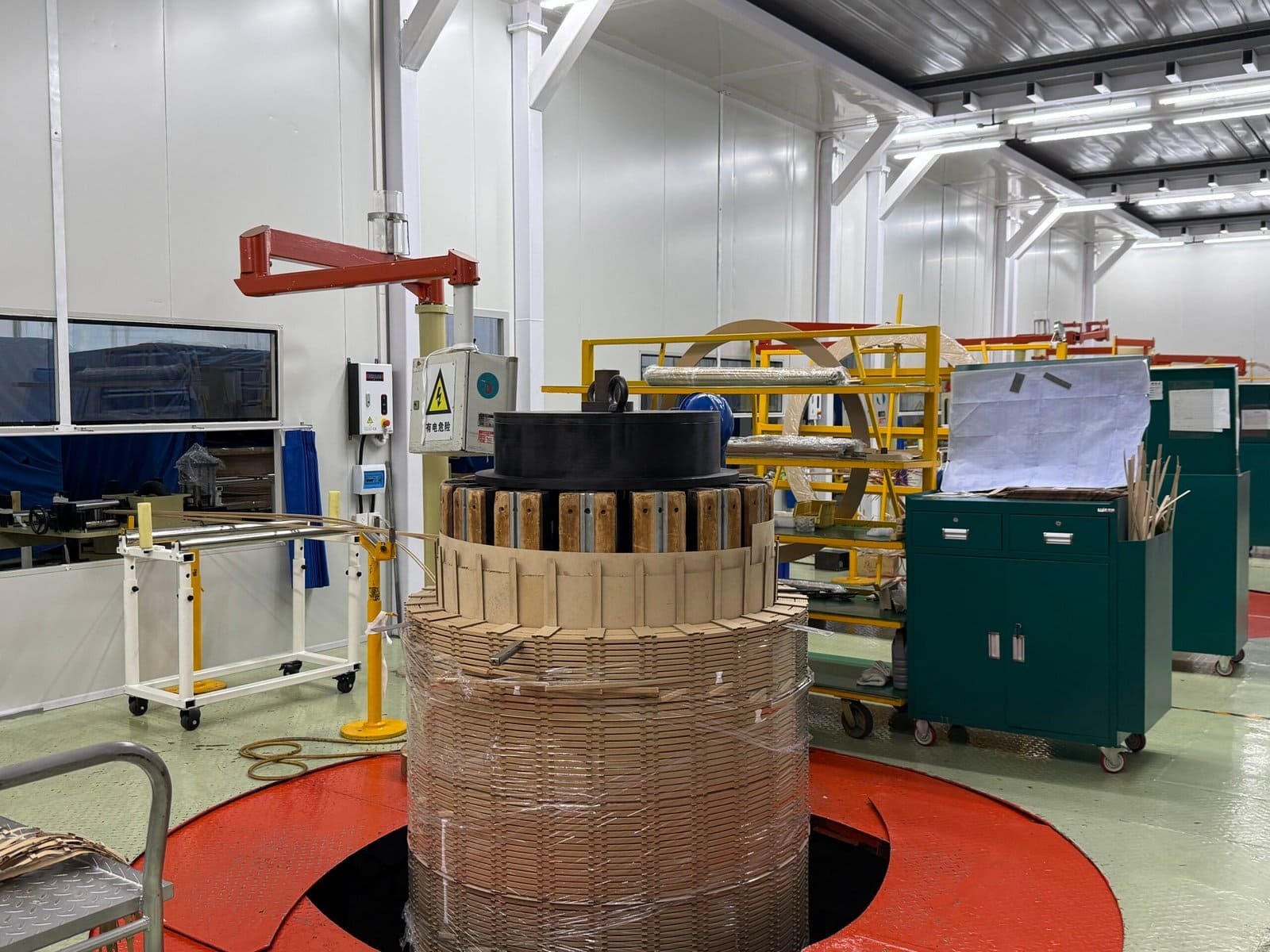
Power transformer delivery schedules are influenced by far more than factory production capacity. Two of the most significant factors are the complexity of the design specifications and the availability of critical raw materials and components. Because most power transformers are custom-engineered rather than mass-produced, even small changes in technical requirements can increase engineering time, extend procurement cycles, and delay manufacturing. Likewise, shortages of specialized materials such as grain-oriented electrical steel, copper conductors, bushings, or on-load tap changers can significantly impact production schedules. Understanding these factors enables utilities, EPC contractors, and industrial buyers to develop realistic procurement plans and minimize project risks.
Design specifications affect transformer delivery by determining the level of engineering, customization, testing, and approval required, while material availability influences how quickly manufacturing can begin and progress. Highly customized transformers and projects dependent on long-lead materials typically require the longest delivery times, often extending procurement schedules by several months.
Once a transformer design is approved, material availability has little influence on the delivery schedule.False
Even after engineering is completed, shortages of critical materials or major components such as electrical steel, copper, bushings, or tap changers can significantly delay manufacturing and shipment.
Design specifications determine engineering complexity
Every power transformer is designed to meet the specific requirements of its intended application.
Typical design parameters include:
- Rated power (MVA)
- Primary and secondary voltages
- Frequency
- Vector group
- Percentage impedance
- Cooling method
- Tap changer type
- Insulation level
- Environmental conditions
- Applicable international standards
Each specification influences the engineering effort required before manufacturing can begin.
Engineering complexity by specification level
| Specification Type | Impact on Delivery |
|---|---|
| Standard configuration | Low |
| Moderate customization | Medium |
| Utility-specific requirements | High |
| Highly customized design | Very High |
Projects with extensive customization generally require longer engineering and approval periods.
Voltage and power ratings influence manufacturing time
As transformer ratings increase, both the electrical and mechanical design become more complex.
Higher ratings require:
- Larger magnetic cores
- More winding material
- Increased insulation distances
- Stronger mechanical structures
- Larger cooling systems
These factors increase both engineering calculations and manufacturing time.
Cooling system selection affects production schedules
The specified cooling method influences the number of components that must be manufactured and assembled.
Common cooling methods include:
- ONAN (Oil Natural Air Natural)
- ONAF (Oil Natural Air Forced)
- OFAF (Oil Forced Air Forced)
- OFWF (Oil Forced Water Forced)
More advanced cooling systems require additional equipment such as pumps, fans, piping, control systems, and monitoring devices, all of which add to procurement and assembly time.
Tap changer configuration impacts lead time
On-load tap changers (OLTCs) are among the most specialized transformer components.
Factors affecting delivery include:
- Voltage regulation range
- Number of tap positions
- Current rating
- Motor drive configuration
- Control and monitoring systems
Since OLTCs are manufactured by a limited number of specialized suppliers, their availability often influences the overall production schedule.
Special testing requirements extend manufacturing
Customer specifications frequently require testing beyond standard routine tests.
Additional testing may include:
- Lightning impulse tests
- Switching impulse tests
- Temperature rise tests
- Partial discharge measurements
- Sound level tests
- Short-circuit withstand verification
Testing requirements and schedule impact
| Testing Requirement | Impact on Lead Time |
|---|---|
| Routine tests | Low |
| Type tests | Moderate |
| Special tests | High |
| Customer-witnessed FAT | High |
Scheduling specialized test facilities and customer representatives may further extend delivery.
Utility and project-specific standards require additional engineering
Many utilities specify technical requirements that exceed international standards.
Examples include:
- Lower loss guarantees
- Higher short-circuit withstand capability
- Customized protection systems
- Special painting systems
- Enhanced corrosion resistance
- Seismic design requirements
Each additional requirement increases engineering, verification, and documentation effort.
Design revisions after order placement create delays
Changes introduced after engineering has started are among the most common causes of schedule extensions.
Typical revisions include:
- Increased transformer capacity
- Voltage changes
- Additional accessories
- Revised cooling arrangements
- Updated utility standards
Late design changes often require:
- New engineering calculations
- Revised manufacturing drawings
- Additional material procurement
- Production rescheduling
Grain-oriented electrical steel is a critical material
The magnetic core is manufactured from grain-oriented electrical steel, one of the most important transformer materials.
Its availability directly affects:
- Core fabrication
- Manufacturing start dates
- Production scheduling
Because production of high-quality electrical steel is concentrated among a relatively small number of global manufacturers, supply constraints can significantly affect lead times.
Critical transformer materials
| Material | Importance |
|---|---|
| Grain-oriented electrical steel | Magnetic core |
| Copper conductor | Windings |
| Cellulose insulation | Electrical insulation |
| Pressboard | Structural insulation |
| Transformer oil | Cooling and insulation |
Any disruption in the supply of these materials may delay production.
Copper availability influences winding production
Copper represents a significant portion of transformer manufacturing cost.
Supply conditions affect:
- Procurement schedules
- Material pricing
- Production planning
Large utility transformers require substantial quantities of high-conductivity copper, making procurement particularly important.
Specialized components often have the longest procurement cycles
Several transformer accessories are manufactured by specialized suppliers.
These include:
- High-voltage bushings
- On-load tap changers
- Cooling radiators
- Monitoring instruments
- Protection devices
If one critical component is delayed, final assembly cannot proceed.
Global supply chains influence manufacturing schedules
Modern transformer manufacturing relies on international suppliers for many components.
Potential challenges include:
- Shipping delays
- Port congestion
- Customs procedures
- Geopolitical disruptions
- Transportation constraints
Manufacturers often adjust production schedules to accommodate changes in component availability.
Factory production planning depends on material delivery
Manufacturers typically schedule production only after confirming material availability.
Efficient planning requires:
- Timely receipt of raw materials
- Coordinated supplier deliveries
- Available manufacturing capacity
- Qualified production personnel
Unexpected procurement delays may require production to be rescheduled.
Early procurement reduces project risk
Many manufacturers begin purchasing long-lead materials immediately after design approval.
Early procurement helps:
- Secure production capacity
- Reduce supplier delays
- Stabilize pricing
- Improve delivery certainty
For very large projects, some owners authorize advance procurement before final contract award.
Collaboration between customer and manufacturer improves delivery
Successful projects rely on close coordination throughout the procurement process.
Best practices include:
- Finalizing technical specifications early
- Minimizing design revisions
- Approving drawings promptly
- Confirming testing requirements in advance
- Monitoring long-lead component procurement
- Maintaining regular project reviews
Early communication reduces uncertainty and helps manufacturers maintain production schedules.
Key factors affecting transformer delivery
| Factor | Influence on Lead Time |
|---|---|
| Design complexity | Very High |
| Engineering approvals | High |
| Electrical steel availability | Very High |
| Copper procurement | High |
| Bushings and tap changers | Very High |
| Factory workload | High |
| Special testing | Moderate to High |
| Transportation logistics | Moderate |
Managing these factors proactively is essential for achieving on-time delivery.
What Can Buyers Do to Shorten the Lead Time for a Power Transformer?
Power transformers are among the longest lead-time items in electrical infrastructure projects. Depending on their size and complexity, delivery can take anywhere from several months to well over a year. While factors such as manufacturing capacity and global supply chains are beyond a buyer's direct control, many of the most common causes of delay originate during project planning and procurement. By preparing comprehensive technical specifications, accelerating approval processes, and collaborating closely with manufacturers, buyers can significantly reduce procurement risks and improve delivery certainty.
Buyers can shorten power transformer lead times by finalizing technical specifications early, minimizing design changes, selecting experienced manufacturers, approving engineering documents promptly, securing long-lead materials in advance, coordinating Factory Acceptance Testing (FAT) efficiently, and planning transportation and site readiness before production is complete. Early procurement and proactive project management are the most effective strategies for reducing delivery time.
Once a purchase order is issued, buyers have little influence over the transformer delivery schedule.False
Buyers continue to influence delivery through timely engineering approvals, prompt responses to technical questions, efficient FAT scheduling, early logistics planning, and avoiding late design changes throughout the manufacturing process.
Develop complete technical specifications before requesting quotations
Incomplete specifications often lead to repeated engineering revisions after the contract is awarded.
A comprehensive specification should define:
- Rated power (MVA)
- Primary and secondary voltages
- Frequency
- Vector group
- Percentage impedance
- Cooling method
- Tap changer requirements
- Efficiency targets
- Applicable standards
- Required accessories
- Site environmental conditions
Well-defined requirements enable manufacturers to begin engineering immediately after order placement.
Benefits of complete specifications
| Procurement Practice | Effect on Lead Time |
|---|---|
| Complete specification package | Reduces engineering revisions |
| Clear performance requirements | Accelerates design approval |
| Defined testing requirements | Simplifies production planning |
| Early accessory selection | Shortens procurement cycle |
Finalize technical requirements before placing the order
Late modifications are among the most common causes of delivery delays.
Examples include:
- Increasing transformer capacity
- Changing voltage ratings
- Revising cooling methods
- Adding monitoring equipment
- Modifying protection requirements
Each change may require:
- New engineering calculations
- Updated drawings
- Additional material procurement
- Production rescheduling
Avoiding post-order design changes helps maintain the original manufacturing schedule.
Select a manufacturer with available production capacity
Not all transformer manufacturers have the same production workload.
When evaluating suppliers, buyers should consider:
- Current factory backlog
- Annual production capacity
- Manufacturing facilities
- Testing capability
- Experience with similar projects
Choosing a manufacturer with sufficient capacity can significantly reduce waiting time before production begins.
Approve engineering drawings promptly
Manufacturing typically cannot start until customer approval is received.
Documents requiring review often include:
- General arrangement drawings
- Nameplate information
- Terminal layouts
- Foundation drawings
- Wiring diagrams
- Accessory lists
Customer approval activities
| Approval Stage | Schedule Impact |
|---|---|
| Drawing review | High |
| Technical clarification | Moderate |
| Final approval | High |
| Design revision requests | Very High |
Prompt review and approval prevent unnecessary production delays.
Order long-lead components as early as possible
Several transformer components require extended procurement periods.
Typical long-lead items include:
- Grain-oriented electrical steel
- High-voltage bushings
- On-load tap changers
- Copper conductors
- Cooling equipment
- Digital monitoring systems
Early procurement reduces the risk of supplier shortages affecting production.
Minimize special customization where practical
Custom features often increase engineering and manufacturing time.
Examples include:
- Utility-specific accessories
- Non-standard voltage combinations
- Special paint systems
- Customized monitoring equipment
- Project-specific testing
Standardized configurations, where technically acceptable, generally reduce production time without compromising performance.
Coordinate Factory Acceptance Testing (FAT) early
Factory Acceptance Testing is an important milestone before shipment.
To avoid delays:
- Schedule witness testing well in advance
- Confirm attendee availability
- Review test procedures beforehand
- Resolve documentation questions early
- Prepare acceptance criteria before testing begins
Efficient FAT coordination helps prevent shipment postponements.
Maintain regular communication with the manufacturer
Consistent communication helps identify potential schedule risks before they become critical.
Recommended practices include:
- Monthly progress meetings
- Manufacturing status reports
- Procurement updates
- Production milestone reviews
- Logistics planning discussions
Early visibility allows both parties to resolve issues proactively.
Plan transportation before manufacturing is complete
Large power transformers require specialized transportation.
Planning should include:
- Route surveys
- Heavy-haul permits
- Bridge evaluations
- Port coordination
- Customs documentation
- Crane availability
Transportation arrangements should begin well before factory completion to avoid shipment delays.
Prepare the installation site in parallel
Project schedules are often affected when the transformer arrives before the site is ready.
Site preparation should include:
- Foundation construction
- Grounding installation
- Oil containment systems
- Access roads
- Cable trenches
- Lifting equipment planning
Completing these activities during manufacturing shortens the overall project timeline.
Consider framework agreements for recurring projects
Utilities and large industrial organizations that purchase transformers regularly may benefit from long-term supply agreements.
Advantages include:
- Reserved manufacturing capacity
- Faster engineering processes
- Standardized designs
- Improved delivery predictability
- Reduced administrative effort
Framework agreements can significantly shorten lead times for repeat orders.
Balance technical requirements with delivery objectives
Some performance enhancements may extend manufacturing time.
Examples include:
- Extremely low loss guarantees
- Extensive special testing
- Customized accessories
- Additional monitoring devices
Buyers should evaluate whether each requirement is essential or whether a standard configuration can achieve project objectives with a shorter delivery schedule.
Monitor critical procurement milestones
Tracking key milestones improves schedule control.
Important project milestones
| Milestone | Buyer's Responsibility |
|---|---|
| Technical specification approval | Complete before tender |
| Purchase order issuance | Avoid unnecessary delay |
| Drawing approval | Respond promptly |
| Long-lead material procurement | Monitor progress |
| Factory Acceptance Test | Confirm schedule early |
| Transportation planning | Coordinate before shipment |
| Site readiness | Complete before delivery |
Active milestone management helps keep manufacturing on schedule.
Build realistic schedule contingency
Even with excellent planning, external factors may affect delivery.
Potential risks include:
- Material shortages
- Shipping disruptions
- Regulatory approvals
- Extreme weather
- Global supply chain constraints
Including reasonable contingency in project schedules reduces the impact of unforeseen delays.
Work collaboratively throughout the project
The most successful transformer projects involve continuous cooperation between:
- Project owners
- EPC contractors
- Consulting engineers
- Manufacturers
- Logistics providers
- Installation contractors
Regular coordination ensures technical issues are resolved quickly and production progresses without unnecessary interruptions.
Best practices for reducing transformer lead time
| Best Practice | Benefit |
|---|---|
| Complete specifications before tender | Faster engineering |
| Minimize design changes | Stable production schedule |
| Select experienced manufacturers | Improved delivery reliability |
| Approve drawings quickly | Earlier manufacturing start |
| Procure long-lead materials early | Reduced supply chain risk |
| Schedule FAT in advance | Avoid shipment delays |
| Plan transportation early | Smoother logistics |
| Prepare installation site during manufacturing | Faster project completion |
Implementing these practices can significantly improve procurement efficiency and delivery performance.
How Should You Plan a Power Transformer Purchase to Prevent Schedule Delays?
Power transformers are among the most critical and longest lead-time components in power infrastructure projects. Because most units are custom-engineered and manufactured to specific project requirements, delays during procurement can affect construction schedules, commissioning dates, and overall project costs. Successful transformer procurement requires more than simply placing an order—it involves careful planning from the earliest project stages through engineering, manufacturing, testing, transportation, and installation. By identifying potential risks early and coordinating closely with all stakeholders, buyers can significantly reduce schedule uncertainty and improve project execution.
To prevent schedule delays when purchasing a power transformer, buyers should define technical requirements early, develop realistic procurement schedules, select qualified manufacturers, approve engineering documents promptly, secure long-lead materials, coordinate Factory Acceptance Testing (FAT), prepare the installation site in advance, and maintain close communication throughout manufacturing and delivery. A proactive procurement strategy is the most effective way to ensure on-time project completion.
The best way to avoid transformer procurement delays is simply to place the purchase order as early as possible.False
Early ordering is important, but preventing delays also requires complete technical specifications, timely engineering approvals, effective supplier coordination, logistics planning, and site readiness throughout the project lifecycle.
Begin procurement planning during the project design stage
Transformer procurement should begin well before construction starts.
Early planning allows sufficient time for:
- Technical specification development
- Budget approval
- Supplier evaluation
- Engineering coordination
- Manufacturing scheduling
- Transportation planning
Starting procurement during the design phase reduces the likelihood of critical schedule conflicts later in the project.
Early planning activities
| Activity | Benefit |
|---|---|
| Project load assessment | Correct transformer sizing |
| Preliminary technical specifications | Faster procurement |
| Budget planning | Timely purchasing decisions |
| Procurement scheduling | Improved project coordination |
Early preparation provides manufacturers with adequate time to allocate production capacity.
Develop complete technical specifications
Incomplete specifications are a common cause of procurement delays.
A comprehensive specification should include:
- Rated power
- Primary and secondary voltages
- Frequency
- Cooling method
- Vector group
- Percentage impedance
- Tap changer requirements
- Efficiency targets
- Environmental conditions
- Applicable standards
- Required accessories
- Testing requirements
Clear technical documentation minimizes engineering revisions after the order is placed.
Select the appropriate transformer for future system needs
Choosing a transformer based only on current demand may create future capacity limitations.
Planning should consider:
- Expected load growth
- Renewable energy integration
- Future network expansion
- Emergency overload capability
- Operational flexibility
Selecting an appropriately rated transformer reduces the likelihood of future upgrades or replacements.
Choose an experienced and qualified manufacturer
Manufacturer selection should evaluate more than price alone.
Important considerations include:
- Engineering expertise
- Manufacturing capacity
- Quality management systems
- Factory testing capabilities
- Industry experience
- After-sales technical support
An experienced manufacturer is generally better equipped to manage complex projects and maintain reliable delivery schedules.
Establish a realistic procurement schedule
Every stage of transformer production should be incorporated into the overall project schedule.
Typical milestones include:
- Contract award
- Engineering review
- Drawing approval
- Material procurement
- Core and winding manufacturing
- Assembly
- Factory testing
- Factory Acceptance Testing
- Shipment
- Site delivery
- Installation
- Commissioning
Typical procurement milestones
| Milestone | Planning Objective |
|---|---|
| Purchase order | Manufacturing authorization |
| Engineering approval | Production release |
| Material procurement | Secure long-lead items |
| FAT | Verify manufacturing quality |
| Delivery | Coordinate installation |
| Commissioning | Energize transformer safely |
Tracking each milestone improves schedule visibility.
Approve engineering documents without unnecessary delay
Manufacturing usually cannot begin until customer approval is received.
Typical documents requiring review include:
- General arrangement drawings
- Nameplate details
- Wiring diagrams
- Foundation drawings
- Accessory lists
- Technical calculations
Prompt review helps prevent production delays.
Minimize design changes after production begins
Late modifications often require:
- New engineering calculations
- Updated drawings
- Material reordering
- Manufacturing rescheduling
- Additional testing
Whenever possible, technical requirements should be finalized before manufacturing starts.
Monitor long-lead materials
Several transformer components have extended procurement periods.
Critical materials include:
- Grain-oriented electrical steel
- Copper conductors
- High-voltage bushings
- On-load tap changers
- Cooling equipment
- Digital monitoring systems
Regular progress reviews help identify procurement risks before they affect production.
Coordinate Factory Acceptance Testing (FAT)
Factory Acceptance Testing should be planned early.
Preparation includes:
- Scheduling customer representatives
- Reviewing test procedures
- Confirming acceptance criteria
- Preparing documentation
- Coordinating travel arrangements if necessary
Well-organized FAT activities reduce the risk of shipment delays.
Prepare transportation well in advance
Large transformers often require specialized transportation.
Planning may involve:
- Heavy-haul permits
- Route surveys
- Bridge evaluations
- Port scheduling
- Customs documentation
- Specialized lifting equipment
Transportation planning should proceed in parallel with manufacturing rather than after production is complete.
Ensure the installation site is ready before delivery
The transformer should arrive only after essential site work has been completed.
Preparation typically includes:
- Concrete foundation construction
- Grounding system installation
- Oil containment facilities
- Cable trench completion
- Access road preparation
- Crane access planning
Proper coordination minimizes storage requirements and accelerates installation.
Maintain regular project communication
Successful transformer procurement depends on continuous collaboration.
Recommended communication practices include:
- Progress meetings
- Manufacturing updates
- Procurement status reports
- Risk assessments
- Schedule reviews
- Logistics coordination
Open communication enables rapid resolution of technical or scheduling issues.
Include schedule contingency for unforeseen risks
Even well-managed projects may encounter unexpected delays.
Potential risks include:
- Raw material shortages
- Transportation disruptions
- Regulatory approvals
- Extreme weather
- Supply chain interruptions
Reasonable contingency improves overall project resilience.
Integrate procurement with the overall project schedule
Transformer manufacturing should be synchronized with:
- Civil construction
- Substation installation
- Protection system installation
- Cable installation
- Commissioning activities
Integrated planning prevents the transformer from becoming the critical path for project completion.
Best practices for preventing schedule delays
| Best Practice | Project Benefit |
|---|---|
| Start procurement early | More manufacturing flexibility |
| Complete technical specifications | Fewer engineering revisions |
| Select experienced manufacturers | Improved delivery reliability |
| Approve drawings promptly | Earlier production start |
| Monitor long-lead materials | Reduced supply chain risk |
| Schedule FAT early | Timely shipment |
| Prepare installation site in advance | Faster commissioning |
| Maintain regular communication | Better project coordination |
Following these practices significantly improves schedule certainty.
Conclusion
Ordering a power transformer is not simply a purchasing decision—it is a long-term planning process that requires careful coordination between the buyer and the manufacturer. Lead times can range from a few months for standard units to well over a year for large, highly customized transformers, depending on design complexity, production capacity, testing requirements, and transportation arrangements. By understanding these influencing factors, defining technical requirements early, and working with a reliable manufacturer, organizations can improve procurement efficiency, minimize project risks, and ensure that critical power infrastructure is delivered when it is needed. A proactive purchasing strategy is the key to balancing cost, quality, and delivery performance in today's competitive transformer market.
FAQ
Q1: What is the typical lead time for ordering a power transformer?
The lead time for a power transformer depends on its size, design complexity, customization, and manufacturing capacity. As a general guideline:
Transformer Type Typical Lead Time
Standard Distribution Transformer 8–16 weeks
Custom Distribution Transformer 12–24 weeks
Medium Power Transformer (5–50 MVA) 20–40 weeks
Large Power Transformer (50–300 MVA) 40–70 weeks
Extra-High Voltage (EHV) Transformer 12–24 months
During periods of high global demand or supply chain disruptions, lead times for large power transformers can extend beyond 24 months.
Q2: What factors affect transformer lead times?
Several factors influence how long it takes to manufacture and deliver a transformer, including:
Transformer size and MVA rating
Voltage class
Custom engineering requirements
Core steel and copper availability
Insulating oil or ester fluid supply
Factory production capacity
Customer testing requirements
Transportation logistics
Import/export regulations
Project scheduling
Highly customized transformers generally require significantly longer manufacturing periods than standard models.
Q3: What stages are involved in transformer manufacturing?
The production process typically includes the following stages:
Engineering design and drawing approval
Procurement of raw materials
Core fabrication
Winding manufacturing
Core and coil assembly
Tank fabrication and painting
Vacuum drying and oil filling
Final assembly
Factory Acceptance Testing (FAT)
Packaging and shipment
Each stage contributes to the overall production schedule.
Q4: How can procurement delays be minimized?
Utilities and industrial buyers can shorten project timelines by:
Finalizing technical specifications early
Placing orders well in advance
Selecting standard transformer designs when possible
Approving drawings promptly
Scheduling Factory Acceptance Tests (FAT) early
Coordinating transportation before production is complete
Working with experienced manufacturers that have available production capacity
Early procurement planning is particularly important for large infrastructure and renewable energy projects.
Q5: How do Factory Acceptance Tests (FAT) affect delivery schedules?
Factory Acceptance Testing is conducted before shipment to verify that the transformer meets contractual and technical requirements.
Typical FAT activities include:
Routine electrical tests
Winding resistance measurement
Transformer turns ratio testing
Insulation tests
Impedance verification
Functional testing of accessories
Witness inspection by the customer (if required)
Scheduling and customer approval of FAT can add several days or weeks to the overall delivery timeline.
Q6: Does transportation affect the total project timeline?
Yes. Transportation can account for a significant portion of the overall delivery schedule, particularly for large power transformers.
Factors include:
Distance to the installation site
Road, rail, or sea transport availability
Heavy-haul permits
Customs clearance
Weather conditions
Crane and unloading coordination
Large transformers often require specialized transport equipment and detailed route planning.
Q7: Why have transformer lead times increased in recent years?
Global demand for electrical infrastructure has increased due to:
Expansion of renewable energy projects
Grid modernization programs
Data center construction
Industrial electrification
Aging transformer replacement programs
At the same time, supply chain challenges, shortages of electrical steel, copper, and skilled labor have extended manufacturing lead times in many regions.
Q8: What should buyers consider when planning transformer procurement?
Successful procurement requires more than selecting the right transformer. Buyers should also consider:
Technical specifications and applicable standards
Manufacturing lead time
Factory production schedule
Transportation and logistics
Site readiness
Installation and commissioning plans
Warranty and after-sales support
Availability of spare parts
Planning procurement several months—or even years for large power transformers—ahead of project commissioning helps avoid costly delays and ensures reliable project execution.
References
IEC 60076 – Power Transformers
https://webstore.iec.ch/publication/602
IEEE C57 Series – Power Transformer Standards
https://standards.ieee.org
Electrical Engineering Portal – Power Transformer Manufacturing Process
https://electrical-engineering-portal.com
National Electrical Manufacturers Association (NEMA) – Transformer Standards
https://www.nema.org
IEEE Power & Energy Society – Transformer Engineering and Supply Chain Publications
https://ieeexplore.ieee.org