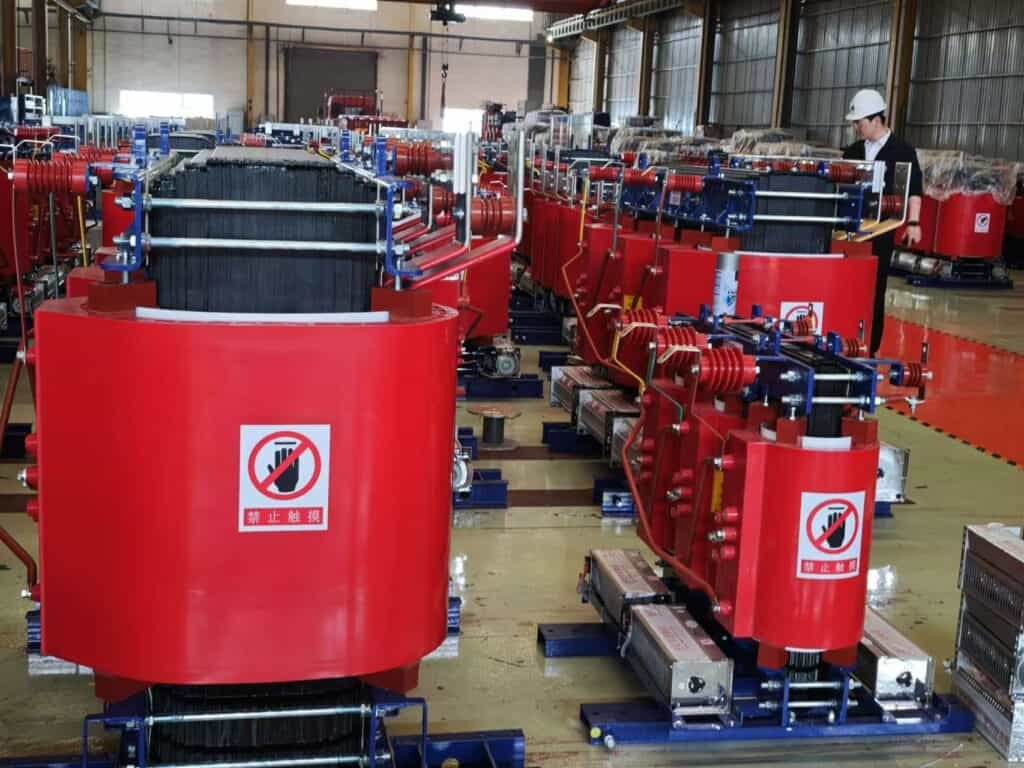
Selecting the right transformer is about more than voltage and capacity—it also involves safety, installation environment, maintenance, and long-term operating costs. Many facility owners and engineers struggle to decide between dry-type and oil-filled transformers, especially for commercial buildings and indoor installations. Choosing the wrong type can increase fire risks, maintenance requirements, or installation expenses. Understanding when and why a dry transformer is the better choice can help ensure a safer, more efficient, and more reliable electrical system.
Dry transformers are used because they offer enhanced fire safety, require minimal maintenance, eliminate the risk of oil leaks, and can be installed indoors or in environmentally sensitive locations. They are commonly selected for commercial buildings, hospitals, schools, data centers, factories, and renewable energy facilities where safety, environmental protection, and ease of installation are higher priorities than maximum power capacity.
Although oil-filled transformers remain the preferred option for many outdoor and high-capacity applications, dry transformers provide significant advantages in specific environments. This article explains when a dry transformer is the right choice, its key benefits, and the applications where it delivers the greatest value.
Why Would You Use a Dry Transformer Instead of an Oil-Filled Transformer?
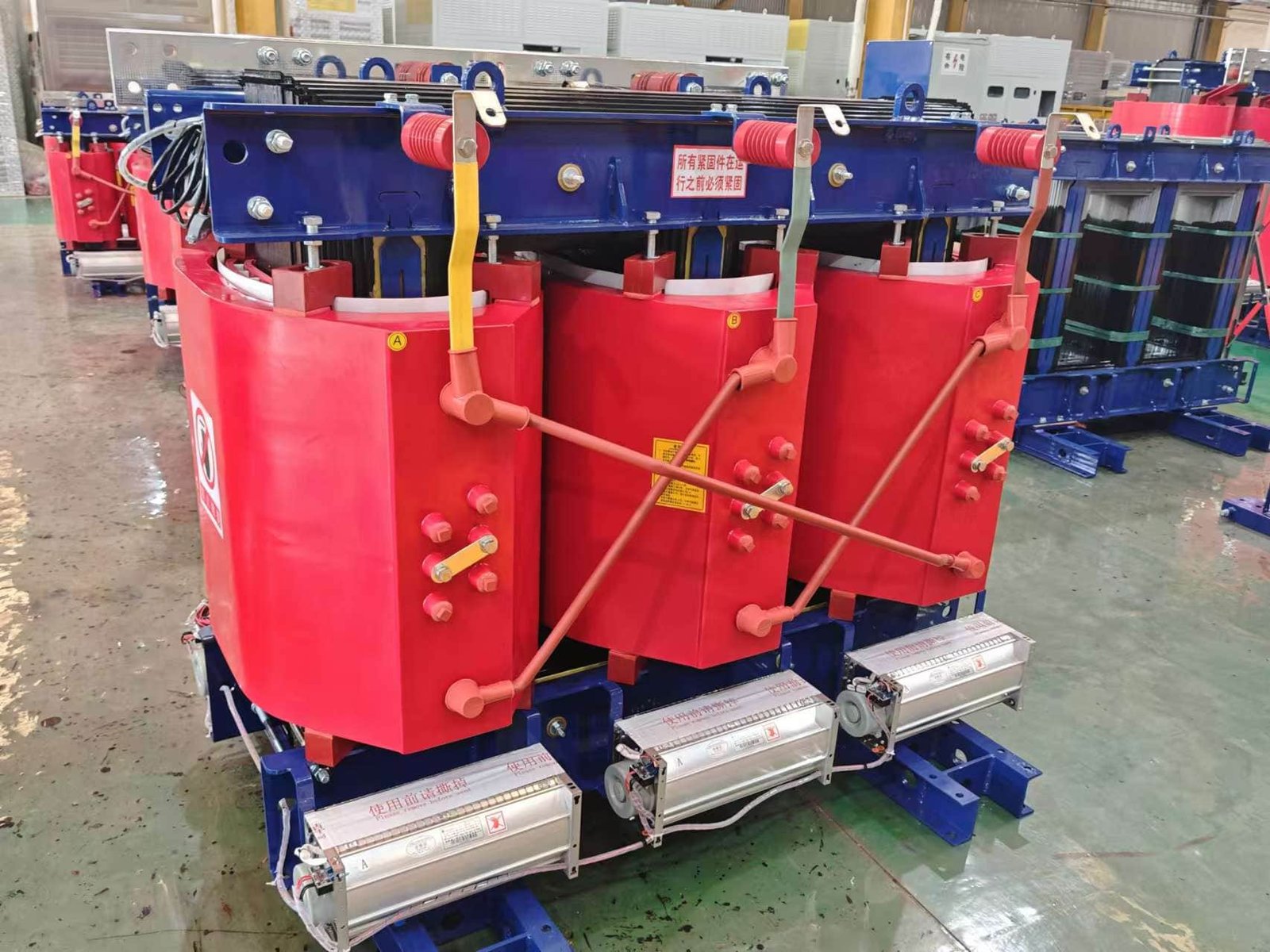
Choosing between a dry transformer and an oil-filled transformer is one of the most important decisions when designing an electrical power system. While oil-filled transformers are known for their superior cooling performance and high-capacity applications, they are not always the best choice. In many commercial, institutional, and indoor industrial environments, safety regulations, fire protection requirements, environmental concerns, and maintenance considerations make dry transformers the preferred solution. Understanding the strengths and limitations of each technology helps engineers and facility owners select the transformer that best matches their project's operational and regulatory requirements.
A dry transformer is preferred over an oil-filled transformer when fire safety, environmental protection, indoor installation, low maintenance, and reduced spill risk are higher priorities than maximum power capacity. Dry transformers use air and solid insulation instead of insulating liquid, making them ideal for buildings, hospitals, schools, data centers, and other occupied facilities where safety and environmental compliance are critical.
Dry transformers are always a better choice than oil-filled transformers because they require no maintenance and have higher power capacity.False
Dry transformers offer important advantages for indoor safety and environmental protection, but oil-filled transformers generally provide better cooling, higher power capacity, and greater overload capability for utility and heavy industrial applications.
Improved fire safety
One of the biggest advantages of dry transformers is the absence of flammable insulating oil.
Because they use solid insulation and air cooling, dry transformers:
- Eliminate the risk of oil fires
- Reduce fire hazards inside buildings
- Simplify fire protection design
- Improve occupant safety
These characteristics make them well suited for locations with strict fire safety regulations.
Fire safety comparison
| Feature | Dry Transformer | Oil-Filled Transformer |
|---|---|---|
| Flammable insulating liquid | No | Yes (unless using fire-resistant fluids) |
| Oil leak risk | None | Present |
| Fire protection requirements | Lower | Higher |
| Indoor installation suitability | Excellent | Limited in some applications |
This enhanced safety is a major reason why dry transformers are commonly selected for occupied buildings.
Ideal for indoor installations
Dry transformers are specifically designed for indoor environments where space, ventilation, and safety are key considerations.
Typical indoor applications include:
- Office buildings
- Shopping malls
- Hospitals
- Schools
- Universities
- Hotels
- Airports
- Data centers
Since they do not contain insulating oil, they can often be installed closer to electrical loads, reducing cable lengths and associated power losses.
Reduced environmental risk
Oil leaks can contaminate soil and groundwater if not properly contained.
Dry transformers eliminate concerns related to:
- Oil spills
- Oil disposal
- Containment systems
- Environmental remediation
This makes them particularly attractive for environmentally sensitive locations.
Lower maintenance requirements
Because there is no insulating liquid to monitor, routine maintenance is generally simpler.
Typical maintenance includes:
- Visual inspections
- Cleaning insulation surfaces
- Checking electrical connections
- Monitoring operating temperatures
- Inspecting cooling passages
Unlike oil-filled transformers, there is no need for:
- Oil sampling
- Dissolved gas analysis
- Oil filtration
- Moisture testing of insulating liquid
This can reduce maintenance costs over the transformer's service life.
Better suited for public buildings
Facilities with large numbers of occupants often prioritize safety above all else.
Dry transformers are commonly installed in:
- Healthcare facilities
- Educational institutions
- Government buildings
- Museums
- Convention centers
- Residential high-rise buildings
Their fire-resistant design supports compliance with building and fire codes.
Compact installation near electrical loads
Dry transformers can often be installed within electrical equipment rooms close to distribution panels.
Benefits include:
- Reduced voltage drop
- Lower cable installation costs
- Improved system efficiency
- Simplified electrical distribution
Locating transformers closer to the load can also reduce overall project costs.
Typical dry transformer applications
| Facility Type | Suitability |
|---|---|
| Hospital | Excellent |
| School | Excellent |
| Commercial office | Excellent |
| Shopping center | Excellent |
| Indoor manufacturing | Very Good |
| High-rise building | Excellent |
These applications prioritize safety, accessibility, and operational reliability.
Excellent performance in clean indoor environments
Dry transformers perform best in environments with:
- Controlled temperature
- Low humidity
- Minimal airborne contaminants
- Adequate ventilation
Proper environmental conditions help maintain insulation performance and extend service life.
Lower installation complexity
Compared with oil-filled transformers, dry transformers often require fewer supporting systems.
In many installations, there is no need for:
- Oil containment pits
- Spill collection systems
- Oil-water separators
- Extensive environmental protection measures
This can simplify installation and reduce civil construction costs.
Improved environmental sustainability
Dry transformers contribute to sustainability by:
- Eliminating mineral oil use
- Reducing spill-related environmental risks
- Simplifying end-of-life disposal
- Supporting green building projects
Many modern dry transformers are designed with recyclable materials and energy-efficient cores to further reduce environmental impact.
Quiet and reliable operation
Advances in core materials and manufacturing techniques have improved the acoustic performance of modern dry transformers.
They are commonly selected for:
- Office complexes
- Educational campuses
- Healthcare facilities
- Mixed-use developments
where low noise levels contribute to occupant comfort.
Situations where oil-filled transformers remain the better choice
Despite their advantages, dry transformers are not suitable for every application.
Oil-filled transformers are generally preferred for:
- Utility transmission substations
- Large distribution substations
- Power generation plants
- Utility-scale renewable energy projects
- Heavy industrial facilities
- Mining operations
- High-capacity outdoor installations
Their superior cooling performance allows them to handle larger power ratings and heavier continuous loads.
Factors to consider when choosing between dry and oil-filled transformers
The appropriate transformer type depends on the specific project requirements.
Key evaluation factors include:
- Installation location
- Power rating
- Fire safety requirements
- Environmental regulations
- Cooling performance
- Maintenance strategy
- Available space
- Lifecycle costs
- Future expansion plans
Dry transformer versus oil-filled transformer
| Selection Factor | Dry Transformer | Oil-Filled Transformer |
|---|---|---|
| Indoor installation | Excellent | Limited in some cases |
| Outdoor installation | Good | Excellent |
| Fire safety | Excellent | Good |
| Environmental protection | Excellent | Good with proper containment |
| Cooling performance | Moderate | Excellent |
| High-capacity applications | Moderate | Excellent |
| Maintenance complexity | Lower | Higher |
| Overload capability | Moderate | Excellent |
Selecting the correct transformer requires balancing technical, operational, and regulatory considerations.
Future trends in dry transformer technology
Modern dry transformers continue to improve through:
- Vacuum pressure impregnation (VPI) insulation
- Cast resin insulation systems
- Low-loss magnetic core materials
- Digital temperature monitoring
- Smart condition monitoring
- Enhanced energy efficiency
These innovations are expanding the range of applications where dry transformers can be successfully deployed.
What Are the Main Advantages of a Dry Transformer?
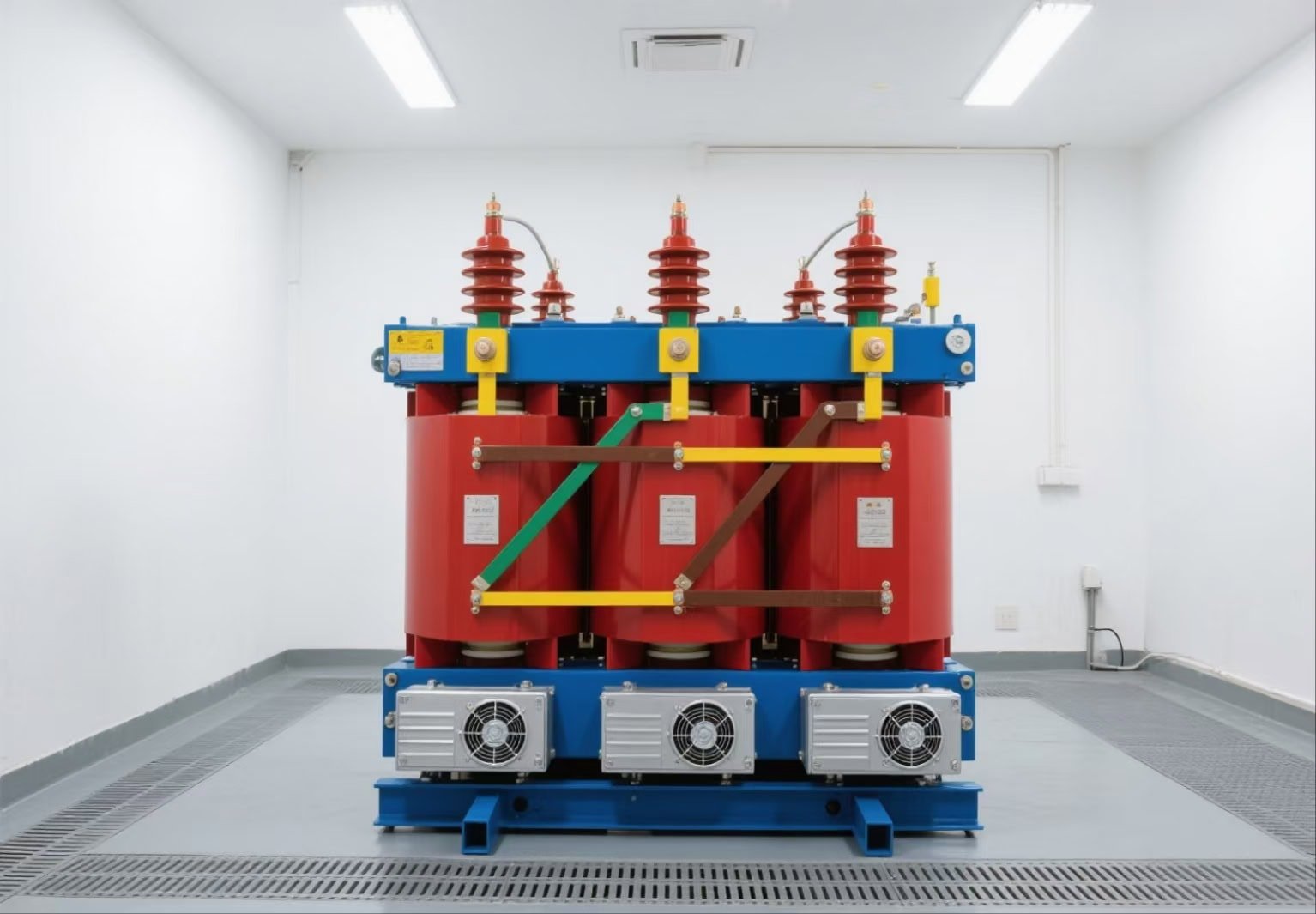
Dry transformers have become an increasingly important solution in modern electrical distribution systems, especially in buildings and environments where safety, environmental protection, and ease of installation are top priorities. Unlike oil-filled transformers, dry transformers use air and solid insulation systems instead of liquid coolant, eliminating the risks associated with oil leakage and combustion. As urban infrastructure expands and regulations on fire safety and environmental protection become stricter, dry transformers are being widely adopted in commercial, institutional, and indoor industrial applications.
The main advantages of a dry transformer include enhanced fire safety, no risk of oil leakage, environmentally friendly operation, lower maintenance requirements, easy indoor installation, reduced environmental compliance burden, and high reliability in clean and controlled environments. These benefits make dry transformers ideal for buildings, hospitals, schools, data centers, and other occupied or sensitive locations.
Dry transformers are superior to oil-filled transformers in all applications because they require no cooling system.False
Dry transformers are safer and easier to maintain in indoor environments, but oil-filled transformers provide better cooling performance and are more suitable for high-capacity, outdoor, and utility-scale applications.
Excellent fire safety performance
One of the most significant advantages of dry transformers is their inherent fire safety.
Because they do not use flammable insulating oil, they:
- Eliminate the risk of oil-based fires
- Reduce fire spread potential
- Require fewer fire suppression systems
- Improve safety in occupied buildings
This makes them particularly suitable for environments where human safety is the highest priority.
Fire safety comparison
| Feature | Dry Transformer | Oil-Filled Transformer |
|---|---|---|
| Flammable liquid | No | Yes |
| Fire risk | Low | Moderate to high (depending on oil type) |
| Indoor suitability | Excellent | Limited |
| Fire protection requirements | Reduced | Higher |
This safety advantage is a key reason for their widespread use in public buildings.
No risk of oil leakage or environmental contamination
Dry transformers do not contain insulating oil, which eliminates several environmental risks.
They avoid:
- Soil contamination
- Groundwater pollution
- Oil spill cleanup costs
- Environmental remediation requirements
This makes them highly suitable for environmentally sensitive or regulated areas.
Ideal for indoor installation
Dry transformers are specifically designed for indoor environments where space and safety are critical considerations.
Typical installation locations include:
- Electrical rooms in commercial buildings
- Hospitals and healthcare facilities
- Schools and universities
- Shopping malls
- Airports
- High-rise residential buildings
- Data centers
Because no oil containment systems are required, installation is simpler and more flexible.
Lower maintenance requirements
Dry transformers generally require less maintenance compared to oil-filled units.
Routine maintenance typically includes:
- Visual inspections
- Cleaning of insulation surfaces
- Tightening electrical connections
- Temperature monitoring
- Ventilation checks
They do not require:
- Oil sampling
- Dissolved gas analysis (DGA)
- Oil filtration or replacement
- Moisture testing of insulating liquid
This reduces long-term maintenance effort and cost.
Simple installation and reduced infrastructure requirements
Dry transformers do not require extensive civil works or environmental protection systems.
This eliminates the need for:
- Oil containment pits
- Spill control systems
- Oil-water separators
- Large drainage infrastructure
As a result, installation is faster and often more cost-effective in building projects.
Compact and space-efficient design
Dry transformers can often be installed close to electrical loads inside buildings.
This provides benefits such as:
- Reduced cable length
- Lower voltage drop
- Improved system efficiency
- Better use of building space
They are especially useful in dense urban environments where space is limited.
Typical applications by building type
| Application | Suitability |
|---|---|
| Hospitals | Excellent |
| Commercial offices | Excellent |
| Schools | Excellent |
| Data centers | Excellent |
| Residential buildings | Very good |
Environmentally friendly design
Dry transformers support sustainability goals by eliminating the use of insulating oil.
Environmental benefits include:
- No risk of oil pollution
- Reduced hazardous waste concerns
- Easier end-of-life disposal
- Compatibility with green building standards
Many dry transformers are also manufactured using recyclable materials and high-efficiency cores.
High reliability in clean environments
Dry transformers perform exceptionally well in controlled indoor environments.
They are optimized for:
- Stable temperature conditions
- Low dust environments
- Controlled humidity
- Continuous operation in electrical rooms
Under these conditions, they can provide long service life with minimal degradation.
Reduced regulatory and compliance burden
Because they do not contain oil, dry transformers often face fewer environmental regulations.
This can simplify:
- Permitting processes
- Fire safety approvals
- Environmental impact assessments
- Building code compliance
This advantage is particularly important in urban construction projects.
Quiet operation in modern designs
Advancements in core technology and manufacturing have significantly reduced noise levels in dry transformers.
They are commonly used in:
- Office buildings
- Hospitals
- Hotels
- Educational facilities
where acoustic comfort is important.
Easy integration with building systems
Dry transformers are well suited for integration into modern building electrical systems.
They support:
- Close coupling with switchgear
- Compact electrical room layouts
- Modular power distribution systems
- Smart building energy management systems
This improves overall electrical system efficiency and design flexibility.
Good performance in medium voltage applications
Dry transformers are widely used in medium-voltage distribution systems.
Typical voltage ranges include:
- 11 kV
- 13.8 kV
- 22 kV
- 33 kV
They provide reliable step-down power for commercial and institutional facilities.
Safety advantage in occupied environments
Because they do not use oil, dry transformers are particularly suitable for environments where people are frequently present.
This includes:
- Hospitals
- Schools
- Shopping centers
- Airports
- Office buildings
Their reduced fire risk enhances overall building safety design.
Situations where dry transformers are not ideal
Despite their advantages, dry transformers are not suitable for all applications.
They are generally less suitable for:
- High-voltage transmission systems
- Utility substations with large power ratings
- Heavy industrial plants with high continuous loads
- Outdoor remote installations requiring high overload capacity
In these cases, oil-filled transformers are usually preferred due to superior cooling and higher power-handling capability.
Dry transformer vs oil-filled transformer overview
| Feature | Dry Transformer | Oil-Filled Transformer |
|---|---|---|
| Fire safety | Excellent | Good |
| Environmental risk | Very low | Moderate (with containment) |
| Cooling performance | Moderate | Excellent |
| Power capacity | Moderate | High |
| Maintenance | Low | Moderate |
| Indoor suitability | Excellent | Limited |
| Outdoor suitability | Limited | Excellent |
This comparison highlights why each technology serves different application needs.
Future improvements in dry transformer technology
Dry transformers continue to evolve with advancements such as:
- Vacuum pressure impregnation (VPI) insulation systems
- Cast resin technology improvements
- Low-loss magnetic materials
- Smart monitoring and diagnostics
- Improved thermal management designs
These innovations are expanding their use in modern electrical infrastructure.
Where Are Dry Transformers Most Commonly Used?
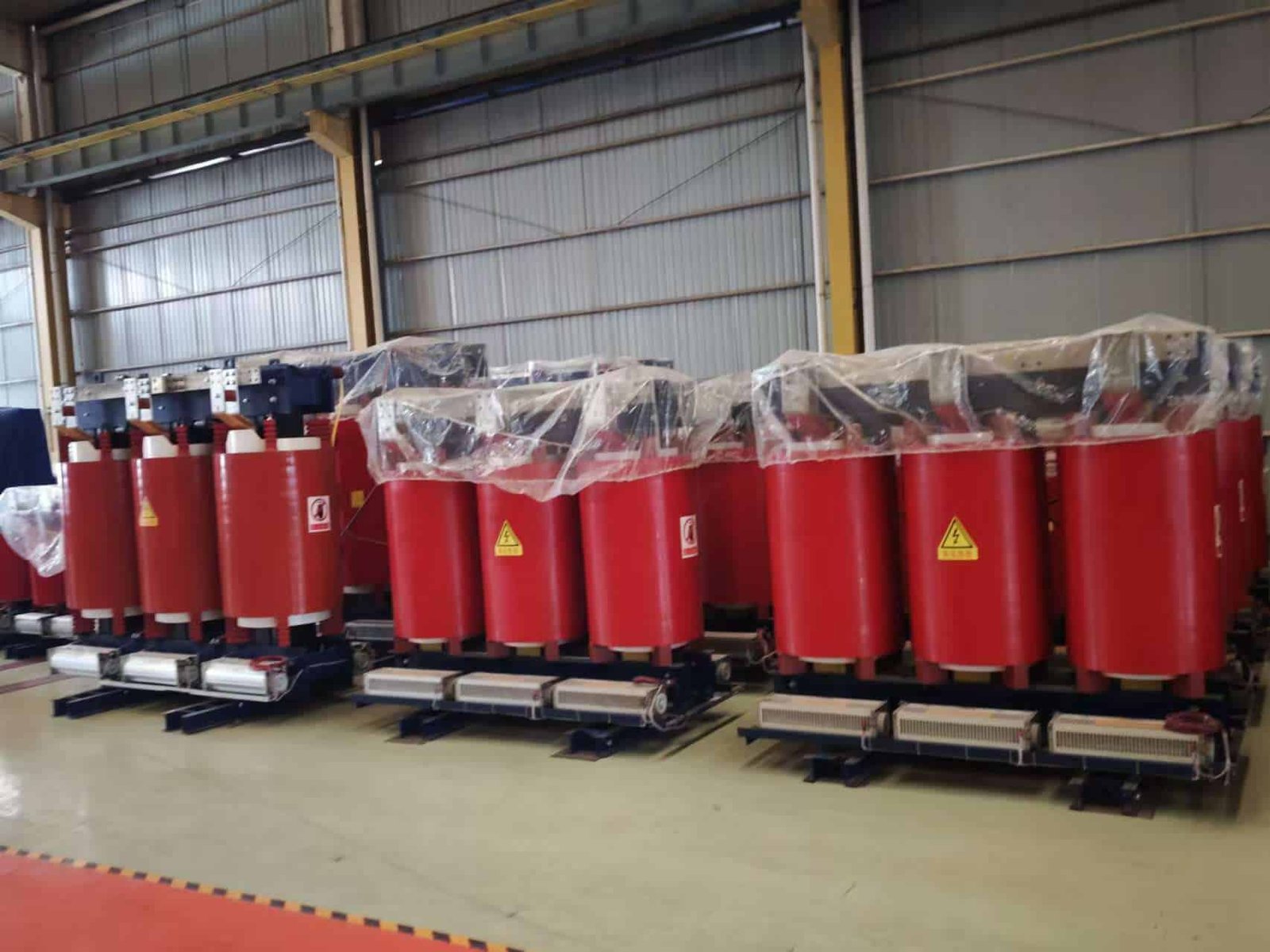
Dry transformers are widely used in electrical power distribution systems where safety, environmental protection, and indoor installation flexibility are more important than maximum power capacity. Unlike oil-filled transformers, dry transformers use air and solid insulation instead of liquid coolant, making them especially suitable for occupied buildings and environmentally sensitive locations. Their compact design, low maintenance requirements, and reduced fire risk make them a preferred solution in modern urban infrastructure and commercial electrical systems.
Dry transformers are most commonly used in commercial buildings, hospitals, schools, data centers, airports, shopping malls, high-rise residential buildings, industrial indoor facilities, and other environments where indoor installation, fire safety, and environmental protection are critical requirements.
Dry transformers are mainly used in outdoor utility substations because they can handle the highest power capacities.False
Dry transformers are primarily used in indoor and medium-voltage applications such as buildings and facilities. Utility substations and high-capacity outdoor systems typically rely on oil-filled transformers due to better cooling performance and higher power handling capability.
Commercial buildings and office complexes
Dry transformers are extensively used in commercial real estate due to their safe indoor operation and compact footprint.
Typical applications include:
- Office towers
- Business parks
- Mixed-use developments
- Retail complexes
They are often installed in basement electrical rooms or dedicated transformer areas close to the load center.
Why they are used in commercial buildings
| Requirement | Dry Transformer Advantage |
|---|---|
| Fire safety | No flammable oil |
| Space constraints | Compact installation |
| Noise control | Low acoustic levels |
| Maintenance access | Simple servicing |
These features make them ideal for densely populated urban environments.
Hospitals and healthcare facilities
Hospitals rely heavily on uninterrupted and safe electrical supply systems.
Dry transformers are used for:
- Operating theaters
- Intensive care units (ICUs)
- Diagnostic equipment
- Emergency power systems
Their fire-resistant design is critical in environments where patient safety is paramount.
Data centers and IT facilities
Modern data centers require highly reliable and efficient power distribution systems.
Dry transformers support:
- Server power distribution
- UPS systems
- Cooling infrastructure
- Redundant power feeds
They are often preferred indoors because they reduce fire risk near sensitive electronic equipment.
Educational institutions
Schools, universities, and research facilities commonly use dry transformers due to safety regulations.
Applications include:
- Campus power distribution
- Laboratory power systems
- Administrative buildings
- Lecture halls
Their low maintenance requirements are also beneficial for institutions with limited technical staff.
Shopping malls and entertainment centers
Large commercial complexes use dry transformers for safe indoor power distribution.
They support:
- Lighting systems
- Escalators and elevators
- HVAC systems
- Retail electrical loads
Because these environments have high public traffic, fire safety is a key requirement.
High-rise residential buildings
Dry transformers are commonly installed in tall residential structures where space is limited and safety regulations are strict.
They are used for:
- Basement electrical rooms
- Floor-level distribution systems
- Emergency power systems
Their oil-free design reduces fire risk in densely populated housing environments.
Airports and transportation hubs
Airports require reliable and safe electrical systems for continuous operation.
Dry transformers are used in:
- Terminal buildings
- Control systems
- Lighting systems
- Baggage handling systems
Their ability to operate safely indoors makes them ideal for critical infrastructure.
Indoor industrial facilities
Some industrial environments prefer dry transformers for indoor applications where fire safety is important.
Typical uses include:
- Assembly plants
- Food processing facilities
- Pharmaceutical manufacturing
- Electronics production
These environments often require clean and controlled conditions.
Renewable energy auxiliary systems
While oil-filled transformers dominate utility-scale renewable plants, dry transformers are often used in supporting infrastructure.
Applications include:
- Inverter buildings
- Control rooms
- Monitoring stations
- Auxiliary power systems
Their indoor safety advantages make them suitable for electrical control environments.
Underground and confined spaces
Dry transformers are frequently used where ventilation and oil containment are difficult to implement.
Examples include:
- Underground stations
- Metro systems
- Subways
- Tunnel infrastructure
Their oil-free design eliminates the need for complex spill containment systems.
Government and public buildings
Public infrastructure projects often specify dry transformers due to safety regulations.
Common installations include:
- Administrative buildings
- Courthouses
- Museums
- Libraries
These facilities prioritize reliability and public safety.
Industrial zones with strict environmental rules
In environmentally regulated areas, dry transformers are often preferred to avoid potential oil contamination.
These include:
- Eco-industrial parks
- Coastal industrial zones
- Protected environmental areas
- Urban redevelopment projects
Typical voltage levels for dry transformers
Dry transformers are most commonly used in medium-voltage distribution systems.
Common voltage applications
| Voltage Level | Typical Use |
|---|---|
| 11 kV | Commercial buildings |
| 13.8 kV | Industrial facilities |
| 22 kV | Urban distribution |
| 33 kV | Large commercial or industrial loads |
They are generally used for stepping down voltage for local distribution.
Where dry transformers are NOT typically used
Dry transformers are not the preferred choice for:
- High-voltage transmission substations
- Utility-scale power generation step-up systems
- Heavy industrial high-load operations
- Remote outdoor substations with high power demands
In these cases, oil-filled transformers are usually selected due to superior cooling and higher capacity.
Dry transformer application summary
| Application Area | Suitability |
|---|---|
| Commercial buildings | Excellent |
| Hospitals | Excellent |
| Data centers | Excellent |
| Schools | Excellent |
| Airports | Excellent |
| Residential buildings | Very good |
| Indoor industrial plants | Good to very good |
| Utility substations | Limited |
Why these environments prefer dry transformers
Across all these applications, dry transformers are chosen for several key reasons:
- No fire hazard from insulating oil
- Safe operation in occupied spaces
- Minimal environmental impact
- Lower maintenance requirements
- Easy indoor installation
- Compliance with strict building codes
These advantages make them essential for modern urban and institutional electrical systems.
What Are the Limitations of Dry Transformers?
Dry transformers are widely valued for their safety, environmental friendliness, and suitability for indoor installations. However, like any engineering solution, they also have inherent limitations that make them less suitable for certain high-demand or harsh operating environments. Understanding these constraints is essential when selecting between dry-type and oil-filled transformers, especially in utility-scale, industrial, or high-voltage applications.
The main limitations of dry transformers include lower cooling efficiency, reduced overload capability, smaller power ratings, higher size and weight per kVA, sensitivity to environmental conditions (dust, humidity, contamination), and less suitability for high-voltage or heavy industrial applications compared to oil-filled transformers.
Dry transformers can always replace oil-filled transformers in any application because they are safer and require no maintenance.False
Dry transformers are safer in indoor environments, but they have lower cooling capacity and power ratings, making them unsuitable for many high-voltage, high-capacity, and utility-scale applications where oil-filled transformers are preferred.
Limited cooling performance
One of the most significant limitations of dry transformers is their reliance on air for cooling instead of liquid insulation.
Because air has much lower thermal conductivity than oil:
- Heat dissipation is slower
- Temperature rises more quickly under load
- Continuous high-load operation is more constrained
- Forced cooling (fans) is often required for higher ratings
Cooling comparison
| Feature | Dry Transformer | Oil-Filled Transformer |
|---|---|---|
| Cooling medium | Air | Insulating oil |
| Heat transfer efficiency | Moderate | High |
| Overload capability | Limited | High |
| High-power suitability | Moderate | Excellent |
This makes dry transformers less suitable for heavy-duty continuous operations.
Lower overload capacity
Dry transformers have stricter thermal limits because their insulation is directly exposed to air.
As a result, they:
- Cannot sustain high overloads for long periods
- Have faster temperature rise under sudden load increases
- Require more conservative loading practices
This limitation is especially important in systems with fluctuating demand.
Smaller power rating range
Dry transformers are generally used in low to medium power applications.
Typical practical limits include:
- Commercial buildings: up to a few MVA
- Industrial facilities: moderate range
- Rare use in large utility-scale systems
Application capacity comparison
| Application Type | Dry Transformer Suitability |
|---|---|
| Small commercial buildings | Excellent |
| Medium industrial plants | Good |
| Large industrial facilities | Limited |
| Utility substations | Not ideal |
For higher capacities, oil-filled transformers are preferred.
Larger physical size for equivalent capacity
Dry transformers tend to be bulkier than oil-filled transformers for the same power rating.
This is due to:
- Lower heat transfer efficiency
- Increased insulation spacing requirements
- Air-based cooling limitations
This leads to:
- Larger installation footprint
- More space required in electrical rooms
- Higher structural load requirements
Higher sensitivity to environmental conditions
Dry transformers are more affected by their surrounding environment because their insulation is exposed.
Key risks include:
- Dust accumulation reducing cooling efficiency
- High humidity affecting insulation performance
- Corrosive atmospheres degrading components
- Poor ventilation leading to overheating
Environmental sensitivity
| Condition | Impact on Dry Transformer |
|---|---|
| Dusty environments | Cooling blockage |
| High humidity | Insulation stress |
| Poor ventilation | Overheating risk |
| Chemical exposure | Material degradation |
Proper environmental control is essential for reliable operation.
Lower suitability for outdoor harsh environments
Dry transformers are not typically designed for exposed outdoor use unless housed in specialized enclosures.
Challenges include:
- Weather exposure (rain, snow, wind)
- Temperature extremes
- UV degradation of insulation materials
- Lack of consistent cooling airflow
Oil-filled transformers are generally more robust in outdoor installations.
Reduced short-term thermal resilience
Dry transformers have less thermal inertia compared to oil-filled units.
This means:
- Faster temperature rise under fault conditions
- Less buffer for emergency overload
- More stringent protection requirements
Oil-filled transformers can absorb and dissipate heat more effectively during transient conditions.
Higher noise levels in some applications
Although modern designs have improved significantly, dry transformers can still produce noticeable noise due to:
- Magnetostriction in core materials
- Air movement in cooling systems
- Vibration in enclosures
This can be a limitation in:
- Hospitals
- Offices
- Residential buildings
Higher dependency on forced cooling for larger units
For higher-rated dry transformers:
- Cooling fans are often required
- Maintenance of ventilation systems becomes necessary
- Failure of cooling systems can quickly lead to overheating
This introduces additional operational dependencies.
Limited suitability for high-voltage applications
Dry transformers are generally restricted to medium-voltage levels.
They are rarely used in:
- Extra-high-voltage transmission systems
- Large power generation step-up applications
- Grid interconnection substations above certain voltage levels
Oil-filled transformers dominate these applications due to superior insulation performance.
Maintenance of environmental conditions is critical
Unlike oil-filled transformers, dry transformers require a controlled environment to maintain performance.
Necessary conditions include:
- Clean air circulation
- Stable temperature
- Low moisture levels
- Regular cleaning schedules
Failure to maintain these conditions can reduce lifespan and efficiency.
Lifecycle cost trade-offs in large systems
While dry transformers often have lower maintenance needs, they may not always provide the lowest total cost of ownership in large systems due to:
- Higher space requirements
- Cooling system dependencies
- Limited overload capacity requiring larger sizing margins
Dry transformer limitation summary
| Limitation | Impact |
|---|---|
| Lower cooling efficiency | Reduced high-load performance |
| Limited overload capability | Less flexibility in peak demand |
| Smaller power rating range | Not suitable for utility-scale use |
| Larger physical size | Higher space requirements |
| Environmental sensitivity | Requires controlled conditions |
| Limited high-voltage use | Not suitable for transmission systems |
| Dependence on forced cooling | Additional system complexity |
When dry transformers are still the best choice
Despite their limitations, dry transformers remain ideal for:
- Hospitals and healthcare facilities
- Commercial buildings
- Schools and universities
- Data centers
- Indoor industrial environments
- Underground installations
Their safety advantages outweigh performance limitations in these environments.
How Do Dry Transformers Compare with Oil-Filled Transformers?
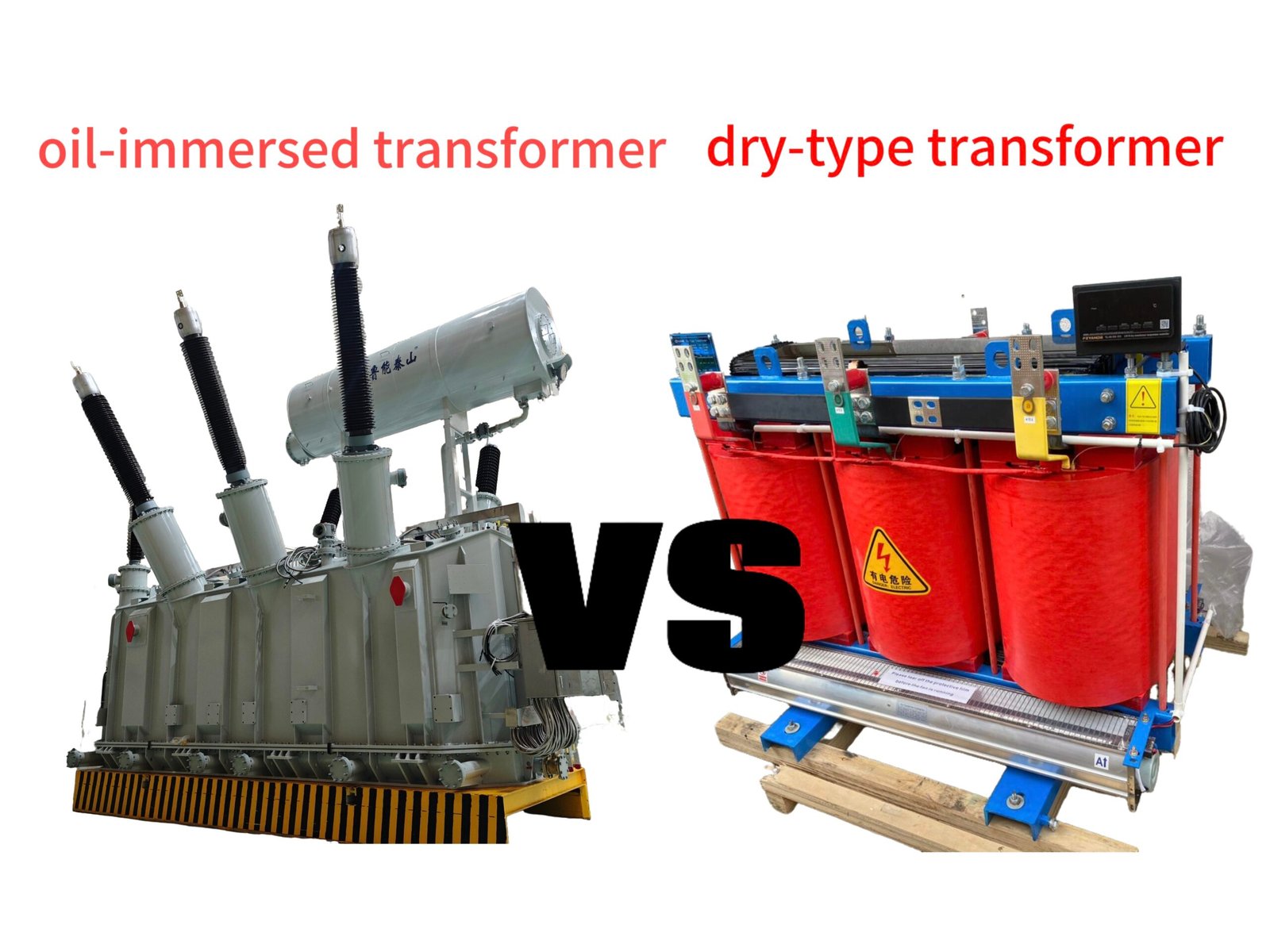
Dry transformers and oil-filled transformers are two fundamental technologies used in electrical power distribution, and each is optimized for very different operating environments. The choice between them is not about which is “better” in general, but which is better suited to a specific application. Dry transformers prioritize safety and indoor compatibility, while oil-filled transformers prioritize high capacity, superior cooling, and utility-scale performance.
Dry transformers are best for indoor, safety-critical, and environmentally sensitive applications, while oil-filled transformers are best for high-voltage, high-capacity, outdoor, and utility-scale systems where superior cooling and overload capability are required.
Dry transformers and oil-filled transformers perform identically in terms of cooling, efficiency, and load capacity.False
Oil-filled transformers generally provide superior cooling performance, higher overload capability, and better suitability for large power ratings due to the thermal advantages of insulating oil compared to air-based cooling systems.
Core design differences
The most fundamental difference lies in the insulation and cooling medium used.
- Dry transformers use air and solid insulation (such as resin or varnish)
- Oil-filled transformers use insulating liquid (mineral oil or ester fluids)
This difference affects almost every performance characteristic, including size, safety, cooling, and capacity.
Performance comparison overview
| Feature | Dry Transformer | Oil-Filled Transformer |
|---|---|---|
| Cooling method | Air (natural or forced) | Oil circulation + air/water cooling |
| Fire risk | Very low | Moderate (depends on fluid type) |
| Power capacity | Low to medium | Medium to very high |
| Efficiency | Good | Very high |
| Overload capability | Limited | Strong |
| Installation | Indoor-friendly | Outdoor preferred |
| Maintenance | Low | Moderate |
| Environmental risk | Very low | Requires oil containment |
Cooling performance differences
Cooling is one of the most important distinctions.
Dry transformers rely on air, which has limited heat transfer capability, while oil-filled transformers use liquid circulation, which is far more efficient at absorbing and dissipating heat.
Cooling efficiency comparison
Where heat transfer (Q) depends on the heat transfer coefficient (h), surface area (A), and temperature difference (ΔT). Oil has a much higher effective heat transfer coefficient than air, resulting in better cooling performance.
Practical impact
- Dry transformers heat up faster under load
- Oil-filled transformers maintain stable temperatures under heavy load
- Oil-filled units support higher continuous power ratings
Power capacity and scalability
Oil-filled transformers dominate high-capacity applications.
| Application scale | Dry Transformer | Oil-Filled Transformer |
|---|---|---|
| Small commercial loads | Excellent | Good |
| Medium industrial loads | Good | Excellent |
| Utility substations | Limited | Excellent |
| Transmission systems | Not suitable | Standard choice |
Dry transformers are generally used up to medium voltage and moderate MVA ratings, while oil-filled transformers can scale to hundreds of MVA.
Safety and fire risk
Safety is a key reason dry transformers are used in buildings.
- Dry transformers: no flammable liquid → very low fire risk
- Oil-filled transformers: insulating oil may be flammable under fault conditions
However, modern oil-filled transformers may use:
- High fire point mineral oil
- Natural ester fluids (biodegradable and less flammable)
Safety comparison
| Safety Aspect | Dry Transformer | Oil-Filled Transformer |
|---|---|---|
| Fire hazard | Very low | Moderate (mitigated with design) |
| Leak risk | None | Present (needs containment) |
| Indoor use | Preferred | Limited |
Environmental impact
Dry transformers are simpler environmentally because they contain no oil.
- No risk of soil contamination
- No oil disposal requirements
- Easier regulatory approval in sensitive areas
Oil-filled transformers require:
- Oil containment systems
- Spill management
- Periodic oil testing and maintenance
Size and installation footprint
Dry transformers are typically larger for the same power rating because air cooling is less efficient.
| Factor | Dry Transformer | Oil-Filled Transformer |
|---|---|---|
| Size per kVA | Larger | More compact |
| Installation space | Higher requirement | Lower requirement |
| Weight | Often higher for same rating | More optimized |
Maintenance requirements
| Maintenance aspect | Dry Transformer | Oil-Filled Transformer |
|---|---|---|
| Oil testing | Not required | Required |
| Cooling system | Simpler | More complex |
| Inspection frequency | Lower | Moderate |
| Lifespan monitoring | Basic | Advanced (DGA, moisture, etc.) |
Dry transformers generally require less routine maintenance, but oil-filled transformers allow more advanced condition monitoring.
Efficiency and lifecycle performance
Oil-filled transformers often achieve higher efficiency in large-scale applications due to better cooling and optimized core designs.
However:
- Dry transformers perform very well in low and medium power applications
- Oil-filled transformers dominate where efficiency at scale is critical
Typical application areas
| Sector | Dry Transformer | Oil-Filled Transformer |
|---|---|---|
| Commercial buildings | Excellent | Limited |
| Hospitals | Excellent | Limited |
| Data centers | Excellent | Good (outdoor use) |
| Industrial plants | Moderate | Excellent |
| Utilities | Not common | Standard |
| Renewable energy | Indoor systems | Main grid connection |
Summary: when to choose each type
Choose dry transformers when:
- Installation is indoors
- Fire safety is critical
- Environmental risk must be minimized
- Power demand is moderate
- Maintenance simplicity is important
Choose oil-filled transformers when:
- High power capacity is required
- Installation is outdoors
- Utility or grid-level applications are involved
- Strong cooling and overload capability are needed
- Long-distance power transmission is required
How Do You Choose the Right Dry Transformer for Your Application?
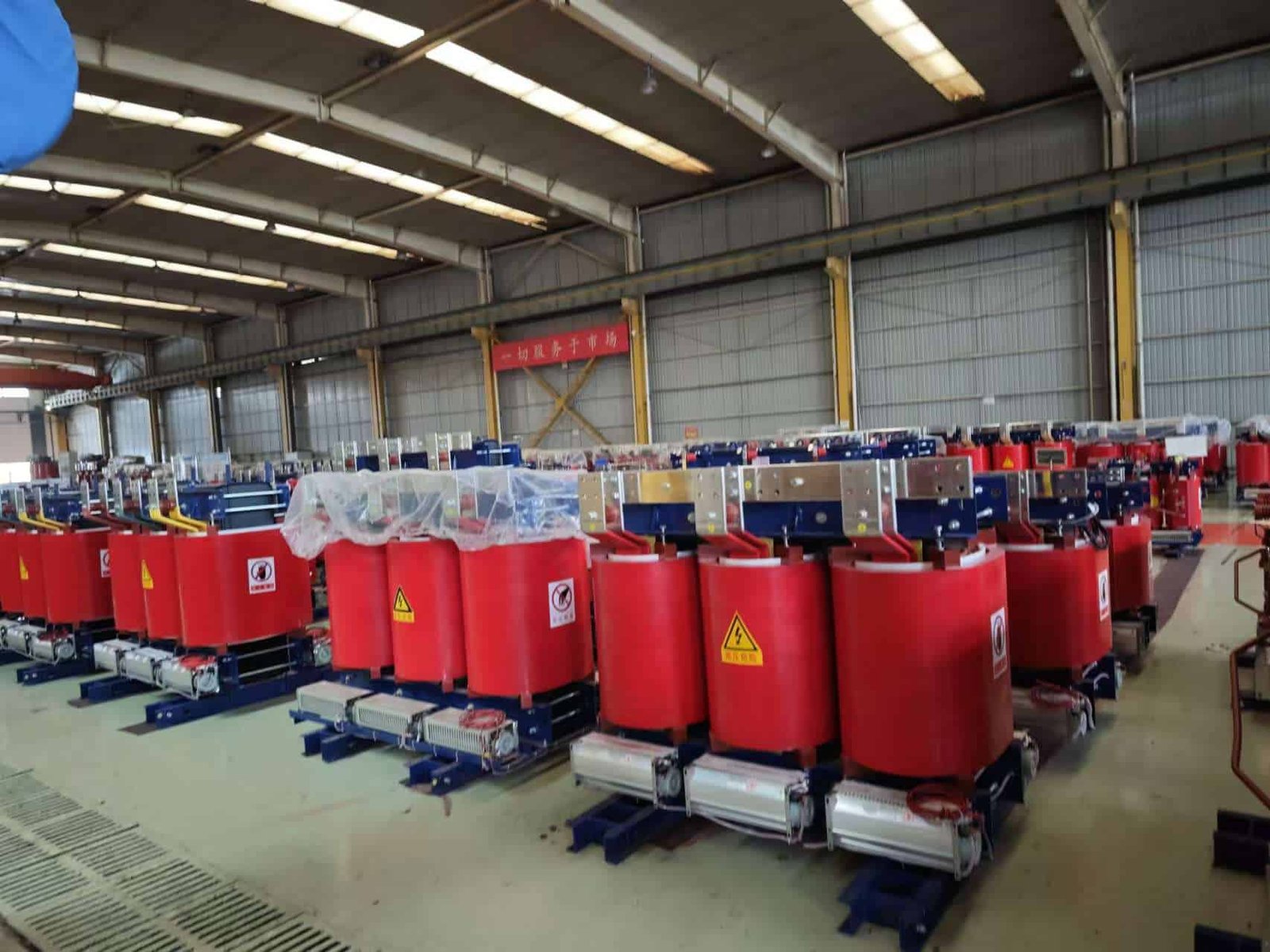
Selecting the right dry transformer is a critical engineering decision that directly affects system reliability, energy efficiency, safety, and long-term operating cost. Because dry transformers are commonly used in buildings, data centers, hospitals, and industrial indoor environments, the selection process must carefully balance electrical demand, installation constraints, fire safety requirements, and future expansion needs. A properly specified transformer ensures stable voltage supply, minimizes energy losses, and avoids costly oversizing or premature equipment failure.
To choose the right dry transformer, you must evaluate load demand (kVA), system voltage, installation environment, cooling method, insulation class, harmonic distortion levels, efficiency requirements, safety standards, and future expansion margin. The optimal selection ensures safe indoor operation, reliable performance, and long-term cost efficiency.
The best dry transformer is always the one with the highest kVA rating regardless of load conditions.False
Oversizing a transformer unnecessarily increases capital cost and can reduce operating efficiency. Proper selection should match actual load demand with appropriate safety margins rather than simply choosing the largest available rating.
Determine your load requirements (kVA sizing)
The most important step in selecting a dry transformer is calculating the total connected load and converting it into kVA.
Key considerations include:
- Total connected load (kW or kVA)
- Diversity factor (not all loads operate simultaneously)
- Peak demand conditions
- Future expansion allowance (typically 15%–30%)
Typical load categories
| Application Type | Typical Load Range |
|---|---|
| Small commercial buildings | 100–500 kVA |
| Medium commercial facilities | 500–2,000 kVA |
| Large buildings / campuses | 2–10 MVA |
| Industrial indoor systems | 1–20 MVA |
Correct sizing ensures efficiency and prevents overheating or underutilization.
Select the correct voltage rating
Dry transformers must match both upstream supply voltage and downstream distribution requirements.
Common configurations include:
- Primary voltage: 6.6 kV, 11 kV, 22 kV, 33 kV
- Secondary voltage: 400 V, 415 V, 690 V
Key factors:
- Utility supply standard
- Building distribution design
- Equipment compatibility
- Frequency (50 Hz or 60 Hz)
Incorrect voltage selection can lead to system failure or inefficiency.
Evaluate installation environment
Dry transformers are highly sensitive to their installation conditions because they rely on air cooling.
Important environmental factors include:
- Indoor temperature
- Ventilation quality
- Humidity levels
- Dust and pollution
- Altitude (affects cooling efficiency)
Environmental suitability
| Environment Condition | Suitability |
|---|---|
| Clean, ventilated electrical room | Excellent |
| High humidity area | Requires protection |
| Dusty industrial space | Needs enclosure/filters |
| Poor ventilation | Not recommended |
Proper airflow design is essential for safe operation.
Choose the correct cooling class
Dry transformers use air-based cooling systems classified as:
- AN (Air Natural) – natural convection cooling
- AF (Air Forced) – fan-assisted cooling
Higher-capacity transformers often require forced cooling.
Cooling selection guide
| Cooling Type | Suitable For |
|---|---|
| AN | Small to medium loads |
| AF | Medium to large loads |
| Hybrid systems | Variable load environments |
Cooling selection directly affects allowable loading and transformer lifespan.
Consider insulation class and thermal limits
Insulation determines how much heat the transformer can safely withstand.
Common insulation classes include:
- Class F (155°C)
- Class H (180°C)
Higher insulation classes allow:
- Higher operating temperatures
- Better overload tolerance
- Longer lifespan under stress
Proper thermal design prevents premature insulation degradation.
Assess harmonic distortion in the load
Modern electrical systems often include nonlinear loads such as:
- Variable frequency drives (VFDs)
- UPS systems
- LED lighting systems
- Data center servers
These loads introduce harmonics, which increase transformer heating.
Harmonic impact
| Load Type | Transformer Requirement |
|---|---|
| Linear load | Standard dry transformer |
| Moderate harmonics | K-rated transformer |
| High harmonics | Special K-factor design |
Ignoring harmonics can significantly reduce transformer lifespan.
Evaluate efficiency and energy losses
Transformer efficiency affects long-term operating costs.
Key loss components:
- No-load (core) losses
- Load (copper) losses
High-efficiency designs reduce:
- Electricity bills
- Heat generation
- Cooling requirements
Energy-efficient dry transformers are especially important for data centers and 24/7 operations.
Verify compliance with international standards
Dry transformers must comply with relevant standards depending on region and application:
- IEC standards (global applications)
- IEEE/ANSI standards (North America)
- Local utility regulations
- Building fire safety codes
Compliance ensures:
- Electrical safety
- Grid compatibility
- Regulatory approval
Consider physical size and installation space
Dry transformers require more space than oil-filled transformers for the same rating.
Key considerations:
- Electrical room dimensions
- Ventilation clearance
- Cable entry space
- Maintenance access
Proper layout design prevents overheating and service difficulties.
Select appropriate protection and monitoring devices
Modern dry transformers can include advanced protection features such as:
- Temperature sensors (PT100)
- Thermal protection relays
- Fan control systems
- Overload alarms
- Digital monitoring interfaces
These systems improve reliability and reduce failure risk.
Plan for future load expansion
Many installations grow over time.
It is important to consider:
- Future building expansion
- Additional equipment loads
- Increased occupancy
- System upgrades
A typical design margin is:
- 15%–30% spare capacity
However, excessive oversizing should be avoided.
Balance cost versus lifecycle performance
Selection should not be based only on initial purchase price.
Lifecycle cost includes:
- Initial investment
- Energy losses
- Maintenance costs
- Downtime risk
- Replacement interval
Cost comparison factors
| Factor | Importance |
|---|---|
| Purchase cost | Medium |
| Energy efficiency | High |
| Maintenance cost | Medium |
| Reliability | Very high |
High-efficiency transformers often provide better long-term value.
Dry transformer selection checklist
| Selection Factor | Importance |
|---|---|
| Load sizing (kVA) | Critical |
| Voltage rating | Critical |
| Cooling method | High |
| Environment suitability | High |
| Harmonic handling | High |
| Efficiency | High |
| Standards compliance | High |
| Installation space | High |
| Future expansion | Medium–High |
Conclusion
Dry transformers are an excellent choice for applications where safety, environmental protection, and low maintenance are the primary concerns. Their oil-free design minimizes fire hazards, eliminates the possibility of fluid leakage, and makes them ideal for indoor installations and locations with strict environmental or building regulations. While they may not match the capacity and cooling performance of oil-filled transformers in every situation, dry transformers provide reliable, efficient, and cost-effective power distribution for a wide range of commercial, institutional, and industrial facilities. Choosing the right transformer ultimately depends on your operating environment, power requirements, and long-term maintenance objectives.
FAQ
Q1: Why would you use a dry type transformer?
A dry type transformer is used when safety, indoor installation, and environmental protection are higher priorities than maximum power capacity or extreme outdoor ruggedness. Unlike oil-filled transformers, it uses air and solid insulation (such as epoxy resin) instead of flammable liquid, significantly reducing fire and leakage risks.
It is commonly selected for buildings and facilities where people, equipment, or sensitive operations are present.
Q2: What are the main safety advantages of dry type transformers?
Dry type transformers are preferred in environments where fire safety is critical because:
No insulating oil is used
No risk of oil leakage or spills
Lower fire hazard compared to oil-filled units
Reduced toxic smoke risk in case of fault (especially cast resin types)
Better suitability for enclosed spaces
This makes them ideal for hospitals, schools, high-rise buildings, and data centers.
Q3: Where are dry type transformers typically used?
Dry type transformers are commonly installed in:
Commercial buildings and office towers
Hospitals and healthcare facilities
Airports and transportation hubs
Data centers and IT facilities
Underground substations
Shopping malls and residential complexes
Industrial plants with indoor substations
Renewable energy inverter stations (indoor or enclosed)
Their design makes them especially suitable for indoor and densely populated environments.
Q4: How does maintenance differ from oil-filled transformers?
Dry type transformers generally require less maintenance because there is no oil system to monitor or maintain.
Advantages include:
No oil testing (no DGA or oil sampling required)
No oil filtration or replacement
Fewer environmental compliance checks
Simpler inspection procedures
Reduced risk of contamination-related failures
However, periodic checks of cooling airflow, insulation condition, and connections are still necessary.
Q5: Are dry type transformers environmentally friendly?
Yes. Dry type transformers are considered environmentally safer because:
They contain no mineral oil or hazardous liquids
There is no risk of soil or water contamination from leaks
Many designs use recyclable materials
Lower environmental cleanup requirements after failure
This makes them suitable for green buildings and environmentally sensitive locations.
Q6: What are the limitations of dry type transformers?
Despite their advantages, dry type transformers have some limitations:
Lower power capacity compared to oil-filled transformers
Larger size for the same rating
Less efficient cooling in extreme overload conditions
Higher cost per kVA in some cases
Not ideal for very high-voltage transmission applications
These factors make them more suitable for distribution-level and indoor applications.
Q7: How do dry type transformers handle cooling?
Dry type transformers use air-based cooling methods:
Air Natural (AN)
Heat dissipates through natural air circulation
No moving parts required
Air Forced (AF)
Fans increase airflow
Improves cooling capacity under higher loads
Cast resin transformers also benefit from epoxy resin, which helps transfer heat from windings to the surrounding air.
Q8: When should you choose a dry type transformer over an oil-filled one?
A dry type transformer is the better choice when:
Installation is indoors or in confined spaces
Fire safety is a major concern
Environmental regulations restrict oil use
Maintenance resources are limited
Noise and risk reduction are priorities
Load levels are moderate (distribution applications)
Oil-filled transformers are still preferred for high-voltage transmission and very large power ratings, but dry type units dominate indoor and safety-critical environments.
References
IEC 60076-11 – Dry-Type Power Transformers
https://webstore.iec.ch
IEEE C57.12 Series – Dry-Type Transformer Standards
https://standards.ieee.org
IEEE Power & Energy Society – Transformer Application Research
https://ieeexplore.ieee.org