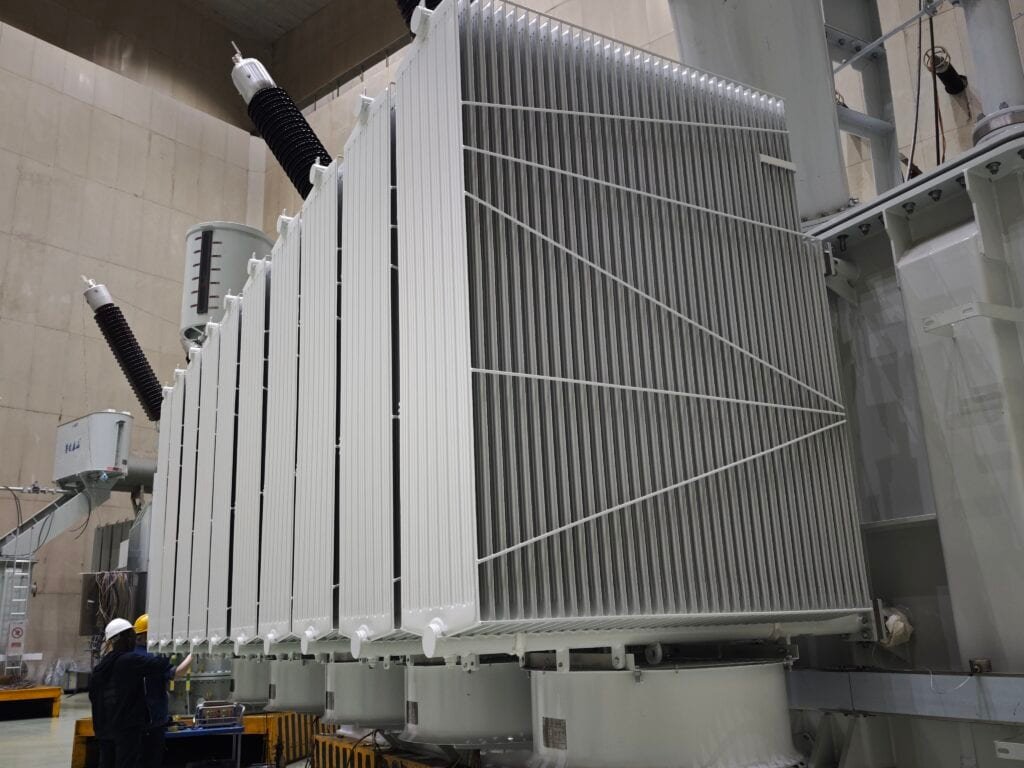
Heat is one of the biggest factors affecting the performance, efficiency, and lifespan of a power transformer. During operation, electrical losses in the core and windings generate heat that must be dissipated effectively to prevent insulation deterioration, reduced efficiency, and premature equipment failure. Choosing the wrong cooling method can lead to higher maintenance costs, limited loading capacity, and reduced transformer reliability. Understanding the available transformer cooling methods helps utilities, industrial users, and engineers select the most suitable solution for their operating conditions and performance requirements.
Power transformers use several cooling methods, including Air Natural (AN), Air Forced (AF), Oil Natural Air Natural (ONAN), Oil Natural Air Forced (ONAF), Oil Forced Air Forced (OFAF), and Oil Forced Water Forced (OFWF). Each cooling method is designed for different transformer capacities, installation environments, and load requirements, balancing cooling efficiency, operational reliability, energy consumption, and maintenance needs.
As transformer ratings increase, more advanced cooling systems become necessary to manage higher heat loads and maintain safe operating temperatures. Understanding how each cooling method works makes it easier to choose the right transformer for both current and future power demands.
What Cooling Methods Are Available for Power Transformers?
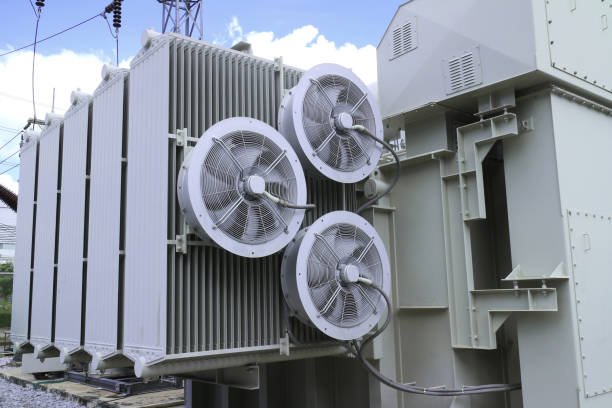
Power transformers generate heat continuously during operation due to core losses, winding losses, and stray losses. If this heat is not effectively removed, excessive temperatures can accelerate insulation aging, reduce efficiency, limit loading capacity, and shorten the transformer's service life. To maintain safe operating temperatures, manufacturers use various cooling methods based on transformer size, power rating, installation environment, and application requirements. From natural air cooling for small dry-type units to sophisticated oil and water cooling systems for large transmission transformers, selecting the appropriate cooling method is essential for ensuring reliable, efficient, and long-lasting transformer performance.
Power transformers use several cooling methods, including Air Natural (AN), Air Forced (AF), Oil Natural Air Natural (ONAN), Oil Natural Air Forced (ONAF), Oil Forced Air Forced (OFAF), and Oil Forced Water Forced (OFWF). Each method is designed to remove heat efficiently, maintain insulation integrity, improve loading capability, and extend transformer service life according to the transformer's size and operating conditions.
All power transformers use the same cooling method regardless of their size or application.False
Cooling methods vary depending on transformer type, capacity, installation environment, and thermal requirements. Larger transformers typically require more advanced cooling systems than smaller units.
Why is transformer cooling important?
Electrical losses generated during transformer operation are converted into heat.
The primary sources include:
- Core (iron) losses
- Copper (winding) losses
- Eddy current losses
- Stray losses
Without adequate cooling, excessive heat can lead to:
- Faster insulation aging
- Reduced dielectric strength
- Lower efficiency
- Increased maintenance requirements
- Premature transformer failure
An effective cooling system maintains acceptable operating temperatures, preserving both performance and equipment lifespan.
Benefits of effective cooling
| Benefit | Impact |
|---|---|
| Lower operating temperature | Longer insulation life |
| Improved efficiency | Reduced energy losses |
| Higher load capability | Increased operational flexibility |
| Better reliability | Fewer unexpected failures |
| Extended service life | Lower lifecycle costs |
Air Natural (AN) cooling
Air Natural (AN) cooling is the simplest cooling method and is commonly used for dry-type transformers.
Heat generated by the windings and core is transferred directly to the surrounding air through natural convection.
Characteristics include:
- No cooling fans
- No insulating oil
- Simple construction
- Low maintenance
- Quiet operation
AN cooling is typically suitable for:
- Indoor installations
- Commercial buildings
- Hospitals
- Schools
- Small industrial facilities
Because cooling relies entirely on natural airflow, this method is generally used for lower-capacity transformers.
Air Forced (AF) cooling
Air Forced (AF) cooling enhances heat removal by using electrically driven fans.
Compared with AN cooling, AF systems provide:
- Increased cooling capacity
- Higher allowable loading
- Improved temperature control
- Better overload capability
Cooling fans operate automatically when transformer temperatures exceed preset limits.
AF cooling is commonly used for larger dry-type transformers where natural airflow alone is insufficient.
Comparison of dry-type cooling methods
| Cooling Method | Cooling Medium | Typical Application |
|---|---|---|
| AN | Natural air | Small and medium dry-type transformers |
| AF | Forced air | Higher-capacity dry-type transformers |
Oil Natural Air Natural (ONAN)
ONAN is the most widely used cooling method for oil-immersed power transformers.
In this system:
- Transformer oil circulates naturally through convection.
- Heat is transferred from the windings and core to the oil.
- The heated oil rises into radiators.
- Ambient air removes heat naturally from the radiator surfaces.
Advantages include:
- Simple operation
- High reliability
- Low maintenance
- No external pumps or fans
- Quiet performance
ONAN cooling is commonly applied to distribution and medium-sized power transformers.
Oil Natural Air Forced (ONAF)
ONAF cooling improves upon ONAN by adding cooling fans to the radiator system.
Oil circulation remains natural, while fans increase airflow across the radiators.
Benefits include:
- Increased cooling efficiency
- Higher transformer loading
- Improved overload capability
- Automatic fan control
Many transformers operate in ONAN mode during light loading and automatically switch to ONAF when temperatures increase.
This staged cooling improves energy efficiency while maintaining safe operating temperatures.
Comparison of oil cooling methods
| Cooling Method | Oil Circulation | Air Movement |
|---|---|---|
| ONAN | Natural | Natural |
| ONAF | Natural | Forced by fans |
Oil Forced Air Forced (OFAF)
OFAF cooling is used for larger power transformers with higher thermal loads.
In this system:
- Oil pumps circulate insulating oil.
- Cooling fans force air across radiators.
- Heat removal is significantly increased.
Advantages include:
- Excellent thermal performance
- Greater continuous loading capability
- Improved temperature uniformity
- Enhanced efficiency for high-capacity transformers
OFAF systems are commonly installed on transmission transformers and large industrial units.
Oil Forced Water Forced (OFWF)
OFWF cooling is designed for very large power transformers where air cooling alone is insufficient.
In this arrangement:
- Oil is pumped through oil-to-water heat exchangers.
- Cooling water removes heat efficiently.
- Water is recirculated through a cooling system.
Benefits include:
- Extremely high cooling capacity
- Compact installation
- Stable operating temperatures
- Suitable for confined spaces
OFWF cooling is often used in:
- Large generating stations
- Underground substations
- Industrial plants
- High-capacity transmission installations
High-capacity cooling methods
| Cooling Method | Heat Transfer Medium | Typical Application |
|---|---|---|
| OFAF | Forced air | Large transmission transformers |
| OFWF | Cooling water | Very large utility transformers |
Directed oil flow cooling
Some modern transformers use directed oil flow systems to improve cooling efficiency.
Instead of allowing oil to circulate freely, specially designed ducts direct oil toward:
- Winding hot spots
- High-loss regions
- Critical insulation areas
Advantages include:
- Better temperature distribution
- Reduced hot-spot temperatures
- Longer insulation life
- Higher transformer loading capability
Directed oil flow is especially valuable in large extra-high-voltage transformers.
Intelligent cooling control
Modern cooling systems increasingly incorporate digital control technologies.
These systems automatically adjust cooling equipment based on:
- Oil temperature
- Winding temperature
- Transformer loading
- Ambient conditions
Functions include:
- Automatic fan sequencing
- Pump control
- Alarm generation
- Energy-efficient cooling optimization
Intelligent cooling minimizes unnecessary energy consumption while maintaining safe operating temperatures.
Factors affecting cooling method selection
Several factors determine the most appropriate cooling method.
These include:
- Transformer power rating
- Voltage class
- Installation location
- Ambient temperature
- Available space
- Environmental conditions
- Fire safety requirements
- Maintenance accessibility
For example:
- Indoor dry-type transformers often use AN or AF cooling.
- Outdoor utility transformers commonly use ONAN or ONAF.
- Large generating station transformers typically require OFAF or OFWF systems.
Cooling and transformer lifespan
Temperature has a direct influence on insulation aging.
According to widely accepted insulation aging principles:
- Lower operating temperatures extend insulation life.
- Excessive temperatures accelerate chemical degradation.
- Efficient cooling reduces thermal stress on all major components.
Maintaining proper cooling therefore improves:
- Reliability
- Efficiency
- Service life
- Overload capability
Cooling system maintenance—including radiator cleaning, fan inspection, pump servicing, and oil circulation checks—is essential for long-term performance.
Summary of transformer cooling methods
| Cooling Method | Typical Transformer Type | Main Advantages |
|---|---|---|
| AN | Dry-type | Simple, low maintenance |
| AF | Dry-type | Increased cooling capacity |
| ONAN | Oil-immersed | Reliable and energy efficient |
| ONAF | Oil-immersed | Higher loading capability |
| OFAF | Large power transformers | Excellent heat removal |
| OFWF | Extra-large transformers | Maximum cooling performance |
How Does Natural Air Cooling Compare with Oil-Based Cooling Systems?
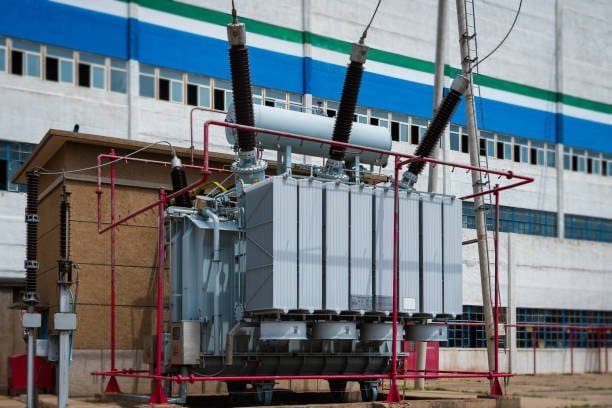
Selecting the right cooling method is one of the most important decisions in transformer design because temperature directly affects efficiency, insulation life, loading capacity, and long-term reliability. Natural air cooling is commonly used in dry-type transformers due to its simple design and minimal maintenance, while oil-based cooling systems dominate medium- and high-capacity power transformers because of their superior heat transfer capability. Understanding the differences between these cooling methods helps engineers and facility owners choose the most suitable transformer for their operating environment, safety requirements, and performance expectations.
Natural air cooling relies on ambient air to dissipate heat and is best suited for dry-type transformers in indoor, low- to medium-capacity applications. Oil-based cooling systems use insulating oil to transfer heat from the core and windings to radiators or heat exchangers, providing significantly better cooling efficiency, higher load capacity, and longer insulation life. The choice depends on transformer rating, installation environment, fire safety requirements, maintenance preferences, and overall project needs.
Natural air cooling provides the same cooling performance as oil-based cooling systems for large power transformers.False
Oil-based cooling systems transfer heat much more efficiently than natural air cooling, making them the preferred choice for medium- and high-capacity power transformers that operate under heavy electrical loads.
How does natural air cooling work?
Natural Air (AN) cooling is primarily used in dry-type transformers.
The cooling process is straightforward:
- Heat generated by the core and windings transfers directly to the surrounding air.
- Warm air naturally rises through convection.
- Cooler ambient air replaces the warm air, continuously removing heat.
Since no liquid coolant is required, natural air-cooled transformers have a relatively simple construction with fewer auxiliary components.
Typical applications include:
- Commercial buildings
- Hospitals
- Schools
- Office complexes
- Indoor industrial facilities
Natural air cooling performs best where transformer loads remain within moderate operating limits and adequate ventilation is available.
Characteristics of natural air cooling
| Feature | Natural Air Cooling (AN) |
|---|---|
| Cooling medium | Ambient air |
| Cooling method | Natural convection |
| Auxiliary equipment | None |
| Maintenance | Low |
| Typical transformer type | Dry-type |
How do oil-based cooling systems work?
Oil-based cooling systems are used in oil-immersed transformers.
The insulating oil performs two essential functions:
- Electrical insulation
- Heat transfer
Heat produced within the windings and magnetic core is absorbed by the oil, which circulates through the transformer tank and cooling equipment.
Depending on transformer size, oil circulation may be:
- Natural convection
- Pump-assisted circulation
Heat is then dissipated through:
- Radiators
- Cooling fans
- Oil-to-water heat exchangers
Common oil-based cooling methods include:
- ONAN (Oil Natural Air Natural)
- ONAF (Oil Natural Air Forced)
- OFAF (Oil Forced Air Forced)
- OFWF (Oil Forced Water Forced)
These systems allow transformers to handle much larger power ratings than air-cooled designs.
Which cooling method removes heat more efficiently?
The greatest advantage of oil-based cooling is its superior heat transfer capability.
Transformer oil has significantly better thermal conductivity and heat capacity than air.
As a result:
- Heat moves away from the windings more quickly.
- Hot spots are reduced.
- Temperature distribution becomes more uniform.
- Higher continuous loading is possible.
Natural air cooling remains effective for smaller transformers but becomes increasingly limited as transformer capacity increases.
Cooling performance comparison
| Performance Factor | Natural Air Cooling | Oil-Based Cooling |
|---|---|---|
| Heat transfer efficiency | Moderate | Excellent |
| Temperature uniformity | Moderate | Excellent |
| Maximum loading capability | Lower | Higher |
| Cooling flexibility | Limited | Multiple cooling stages available |
How do the two systems affect transformer efficiency?
Cooling performance directly influences transformer efficiency.
Lower operating temperatures help:
- Reduce winding resistance
- Slow insulation aging
- Improve long-term reliability
- Maintain stable operating characteristics
Oil-cooled transformers generally achieve higher efficiencies under heavy loading because they maintain lower internal temperatures.
Natural air-cooled transformers also offer high efficiency but are typically optimized for smaller capacities and lighter load profiles.
Which system supports higher power ratings?
One of the primary reasons oil-immersed transformers dominate utility and transmission applications is their ability to dissipate large amounts of heat.
Oil-based systems support:
- Higher voltages
- Greater current levels
- Larger transformer cores
- Continuous heavy loading
- Temporary overload operation
Natural air cooling is generally more suitable for:
- Low-voltage distribution
- Indoor commercial installations
- Medium-capacity industrial systems
Large transmission transformers almost always require oil-based cooling.
How do maintenance requirements compare?
Maintenance differs considerably between the two cooling methods.
Natural air-cooled transformers typically require:
- Dust removal
- Ventilation inspection
- Periodic electrical testing
- Thermal inspections
Oil-based transformers require additional maintenance, including:
- Oil sampling
- Dissolved gas analysis (DGA)
- Moisture testing
- Oil filtration when necessary
- Radiator inspection
- Cooling fan and pump maintenance
Although oil-cooled transformers involve more maintenance, proper servicing significantly extends equipment life.
Maintenance comparison
| Maintenance Item | Natural Air Cooling | Oil-Based Cooling |
|---|---|---|
| Cooling equipment inspection | Minimal | Regular |
| Oil testing | Not required | Required |
| Fan maintenance | Sometimes | Often required |
| Pump maintenance | Not applicable | Required on forced-oil systems |
| Overall maintenance complexity | Lower | Higher |
Which cooling method offers better fire safety?
Fire safety is an important consideration when selecting a transformer.
Dry-type transformers using natural air cooling:
- Contain no insulating oil
- Eliminate oil leakage risks
- Have lower fire hazards
- Are preferred for occupied buildings
Oil-filled transformers contain combustible insulating liquids, although modern insulating fluids and protection systems greatly reduce fire risks.
Natural ester insulating fluids further improve fire safety due to their high flash and fire points.
Installation location often determines which cooling system is most appropriate.
How do installation environments influence the choice?
Natural air-cooled transformers are commonly selected for:
- Indoor buildings
- Hospitals
- Shopping centers
- Office buildings
- Schools
- Underground facilities
Oil-based transformers are better suited for:
- Outdoor substations
- Utility transmission networks
- Power plants
- Heavy industrial facilities
- Renewable energy installations
Each cooling method performs best when matched to its intended operating environment.
How does cooling affect transformer service life?
Temperature is one of the most important factors affecting insulation aging.
Efficient cooling helps:
- Lower hot-spot temperatures
- Reduce thermal stress
- Preserve dielectric strength
- Extend insulation life
Oil-based cooling generally provides superior thermal management, enabling transformers to operate reliably for several decades under demanding conditions.
Natural air-cooled transformers also achieve long service lives when operated within their intended ratings and environmental conditions.
Which cooling system is more environmentally friendly?
Environmental performance depends on several factors.
Natural air cooling offers:
- No insulating liquid
- No oil leakage risk
- Simpler end-of-life recycling
- Lower maintenance waste
Oil-based systems have improved considerably through the use of:
- Biodegradable natural ester fluids
- Synthetic ester fluids
- Improved containment systems
- Leak detection technologies
Modern eco-friendly insulating liquids have significantly reduced the environmental impact of oil-immersed transformers.
Overall comparison
| Feature | Natural Air Cooling | Oil-Based Cooling |
|---|---|---|
| Cooling efficiency | Moderate | Excellent |
| Transformer capacity | Low to medium | Medium to very high |
| Fire safety | Excellent | Good to excellent (depending on insulating fluid) |
| Maintenance | Low | Moderate |
| Indoor suitability | Excellent | Limited in some environments |
| Outdoor applications | Limited | Excellent |
| Overload capability | Moderate | High |
| Initial complexity | Low | Higher |
Which cooling method should you choose?
The best cooling method depends on the specific application.
Natural air cooling is often the preferred choice when:
- Indoor installation is required.
- Fire safety is a primary concern.
- Maintenance simplicity is desired.
- Transformer capacity is relatively modest.
Oil-based cooling is generally the better option when:
- High power ratings are required.
- Continuous heavy loading is expected.
- Maximum efficiency is needed.
- Outdoor installation is available.
- Long-distance power transmission is involved.
Proper selection should consider electrical requirements, environmental conditions, lifecycle costs, and applicable safety standards.
What Do ONAN, ONAF, OFAF, and OFWF Mean?
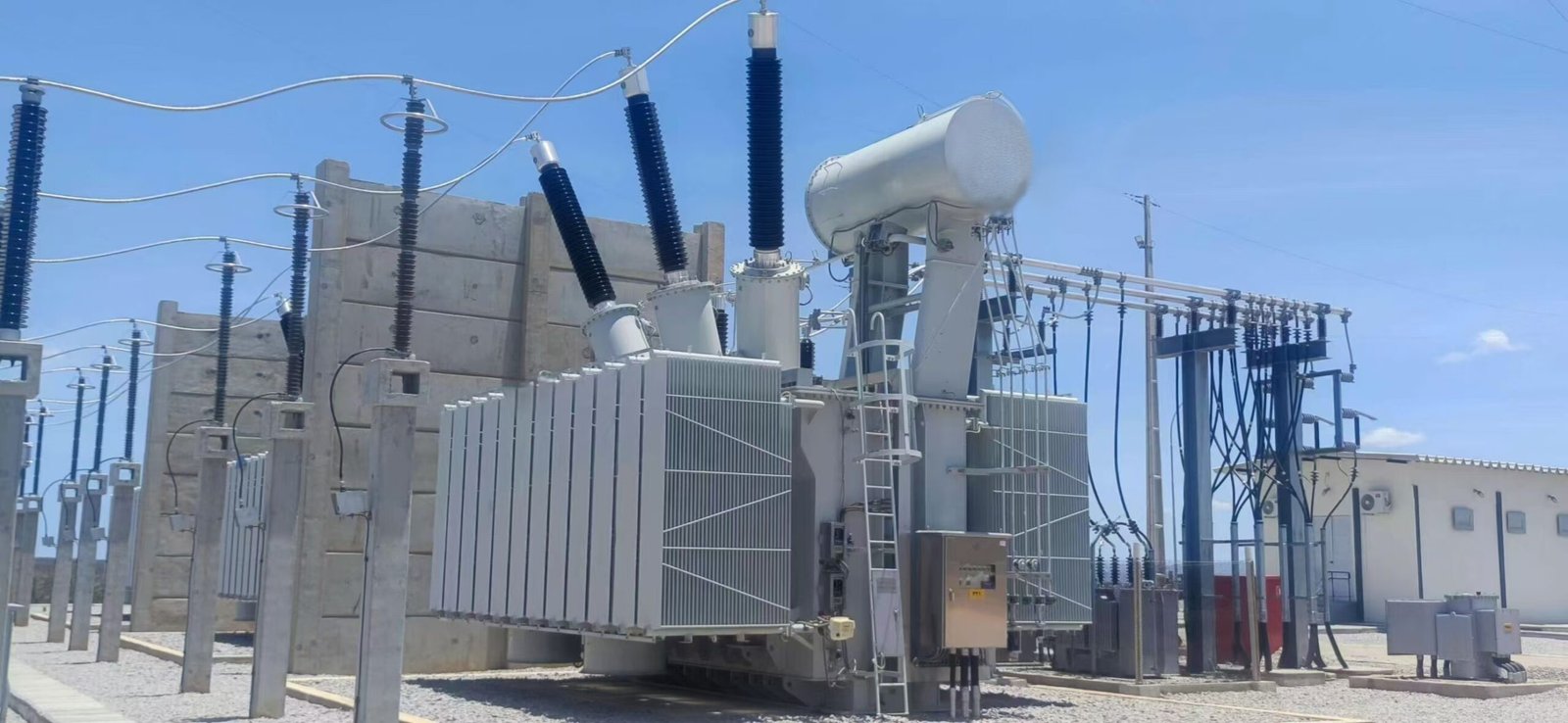
Power transformers generate heat whenever they are energized, and effective cooling is essential to maintain insulation integrity, ensure efficient operation, and extend equipment life. To standardize cooling system descriptions, the International Electrotechnical Commission and other international standards use four-letter cooling designations such as ONAN, ONAF, OFAF, and OFWF. Each abbreviation identifies how the insulating liquid circulates and how heat is ultimately dissipated. Understanding these cooling classifications helps engineers and buyers select the appropriate transformer for specific power ratings, operating conditions, and installation environments.
ONAN, ONAF, OFAF, and OFWF are standardized transformer cooling classifications. The first two letters describe how the insulating oil circulates, while the last two letters indicate how the external cooling medium removes heat. As cooling systems become more advanced—from ONAN to OFWF—they provide greater heat dissipation, allowing transformers to handle higher loads and larger power ratings.
The letters in transformer cooling designations refer only to the type of insulating oil used.False
The letters identify both the circulation method of the insulating liquid and the external cooling medium, not the oil type itself.
How are transformer cooling designations interpreted?
Each four-letter designation follows a standardized format.
The first letter identifies the internal cooling medium:
- O = Oil (or another insulating liquid)
The second letter describes how the insulating liquid circulates:
- N = Natural circulation
- F = Forced circulation using pumps
The third letter identifies the external cooling medium:
- A = Air
- W = Water
The fourth letter describes how the external cooling medium moves:
- N = Natural circulation
- F = Forced circulation using fans or pumps
Meaning of each letter
| Position | Letter | Meaning |
|---|---|---|
| First | O | Oil (insulating liquid) |
| Second | N | Natural oil circulation |
| Second | F | Forced oil circulation |
| Third | A | Air cooling |
| Third | W | Water cooling |
| Fourth | N | Natural airflow or water flow |
| Fourth | F | Forced airflow or water circulation |
What does ONAN mean?
ONAN stands for:
- O – Oil
- N – Natural oil circulation
- A – Air
- N – Natural air circulation
In an ONAN transformer:
- Heat generated by the windings and core is absorbed by the insulating oil.
- As the oil warms, it naturally rises through convection.
- The heated oil flows into radiators.
- Heat is transferred to the surrounding air through natural airflow.
- Cooler oil returns to the transformer tank without pumps.
Because no pumps or cooling fans are required, ONAN systems are:
- Simple
- Reliable
- Energy efficient
- Low maintenance
ONAN cooling is widely used for distribution transformers and medium-capacity power transformers.
What does ONAF mean?
ONAF stands for:
- O – Oil
- N – Natural oil circulation
- A – Air
- F – Forced air circulation
The oil continues to circulate naturally, but electrically driven fans increase airflow across the radiator surfaces.
Advantages include:
- Improved heat dissipation
- Increased loading capability
- Better overload performance
- Automatic temperature control
Many transformers operate in ONAN mode under normal conditions and automatically activate cooling fans to switch into ONAF mode when temperatures rise.
ONAN versus ONAF
| Feature | ONAN | ONAF |
|---|---|---|
| Oil circulation | Natural | Natural |
| Air movement | Natural | Forced by fans |
| Cooling capacity | Moderate | Higher |
| Overload capability | Moderate | Improved |
What does OFAF mean?
OFAF stands for:
- O – Oil
- F – Forced oil circulation
- A – Air
- F – Forced air circulation
Unlike ONAN and ONAF systems, OFAF transformers use oil pumps to circulate insulating oil through the cooling system.
At the same time:
- Cooling fans force air across the radiators.
- Heat is removed much more efficiently.
- Oil flow becomes more uniform throughout the transformer.
Benefits include:
- Higher continuous loading
- Better hot-spot temperature control
- Improved thermal stability
- Greater efficiency for large transformers
OFAF cooling is commonly used for:
- Large utility transformers
- Transmission substations
- Heavy industrial facilities
- High-capacity power transformers
What does OFWF mean?
OFWF stands for:
- O – Oil
- F – Forced oil circulation
- W – Water
- F – Forced water circulation
Instead of transferring heat to air, OFWF systems use water-cooled heat exchangers.
The cooling process works as follows:
- Oil pumps circulate hot insulating oil.
- Oil passes through a heat exchanger.
- Cooling water removes heat from the oil.
- Pumps circulate the cooling water continuously.
OFWF offers:
- Extremely high cooling capacity
- Stable operating temperatures
- Compact installation
- Efficient cooling in confined spaces
These systems are commonly found in:
- Large power stations
- Underground substations
- Industrial process plants
- Extra-high-voltage transmission systems
OFAF versus OFWF
| Feature | OFAF | OFWF |
|---|---|---|
| Heat rejection medium | Air | Water |
| Cooling equipment | Radiators and fans | Heat exchangers |
| Cooling performance | Excellent | Outstanding |
| Typical applications | Large substations | Power stations and high-capacity installations |
Why do larger transformers require more advanced cooling?
Transformer losses increase as power ratings increase.
Higher-capacity transformers generate:
- More winding losses
- Greater core losses
- Higher hot-spot temperatures
Natural convection alone eventually becomes insufficient to remove this heat efficiently.
By introducing:
- Cooling fans
- Oil pumps
- Water heat exchangers
manufacturers can greatly increase the transformer's cooling capacity while maintaining safe operating temperatures.
This enables larger transformers to operate continuously under demanding electrical loads.
How do cooling methods affect transformer performance?
Cooling performance directly influences several key operating characteristics.
Effective cooling provides:
- Lower winding temperatures
- Reduced insulation aging
- Improved efficiency
- Higher permissible loading
- Greater reliability
- Longer service life
More advanced cooling systems also improve temperature uniformity, reducing thermal stresses within the transformer.
Which cooling method is best?
There is no universally "best" cooling method.
Selection depends on factors including:
- Transformer rating
- Voltage level
- Installation location
- Ambient temperature
- Available space
- Maintenance capability
- Project budget
General guidelines include:
- ONAN for small to medium outdoor transformers
- ONAF for medium and large transformers requiring increased capacity
- OFAF for large transmission and industrial transformers
- OFWF for very large installations where maximum cooling efficiency is required
Choosing the correct cooling system ensures reliable operation while optimizing both performance and lifecycle costs.
Summary of transformer cooling classifications
| Cooling Class | Oil Circulation | External Cooling | Typical Application |
|---|---|---|---|
| ONAN | Natural | Natural air | Distribution and medium power transformers |
| ONAF | Natural | Forced air | Medium and large power transformers |
| OFAF | Forced | Forced air | Utility transmission and industrial transformers |
| OFWF | Forced | Forced water | Power stations and extra-large transformers |
How Do Different Cooling Methods Affect Transformer Performance and Capacity?
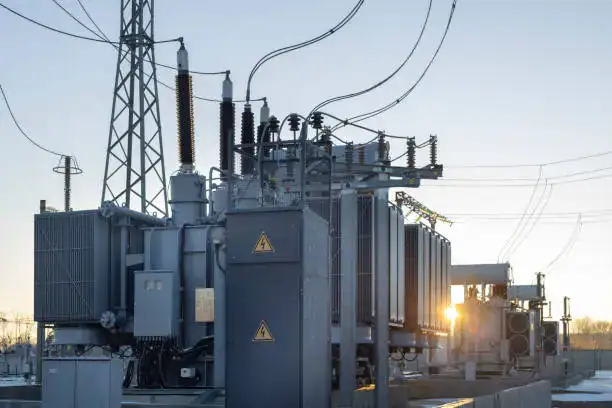
Cooling is one of the most critical factors influencing a power transformer's performance, reliability, and loading capability. Every transformer generates heat from core losses, winding losses, and stray losses during operation. If this heat is not removed efficiently, excessive temperatures can accelerate insulation aging, reduce efficiency, limit loading capacity, and shorten service life. Different cooling methods—from simple natural air cooling to advanced oil- and water-cooled systems—offer varying levels of heat dissipation. Selecting the appropriate cooling method ensures that a transformer can safely handle its intended load while maintaining optimal operating conditions throughout its lifecycle.
Different transformer cooling methods directly affect operating temperature, efficiency, loading capacity, overload capability, insulation life, and overall reliability. Natural cooling systems are suitable for lower-capacity transformers, while forced air, forced oil, and water-cooled systems provide increasingly effective heat removal, enabling transformers to operate at higher power ratings and under heavier continuous loads.
A transformer's cooling method only affects its operating temperature and has no impact on capacity or service life.False
Cooling performance directly influences transformer loading capability, efficiency, insulation aging, overload capacity, reliability, and overall service life, making it a key factor in transformer design and operation.
Why is cooling essential for transformer performance?
Whenever a transformer operates, electrical losses are converted into heat.
The primary heat sources include:
- Core (iron) losses
- Winding (copper) losses
- Eddy current losses
- Stray losses
If heat accumulates faster than it can be removed, internal temperatures rise.
Excessive temperatures can lead to:
- Faster insulation degradation
- Reduced dielectric strength
- Increased winding resistance
- Lower efficiency
- Premature component failure
An effective cooling system maintains stable temperatures, allowing the transformer to operate safely and efficiently.
Benefits of effective cooling
| Benefit | Effect on Transformer |
|---|---|
| Lower operating temperature | Slower insulation aging |
| Improved heat removal | Higher continuous loading |
| Better thermal stability | Increased reliability |
| Reduced hot spots | Longer service life |
| Improved efficiency | Lower operating costs |
How does natural air cooling affect performance?
Natural Air (AN) cooling is primarily used in dry-type transformers.
Heat is removed by natural convection as warm air rises and cooler ambient air replaces it.
Advantages include:
- Simple construction
- Low maintenance
- No insulating liquid
- Good fire safety
- Quiet operation
However, natural air has relatively low heat transfer capability.
As transformer capacity increases, natural convection alone becomes less effective at maintaining acceptable temperatures.
Natural air cooling is therefore best suited for:
- Small commercial installations
- Indoor distribution systems
- Light industrial applications
Its loading capacity is generally lower than that of oil-cooled transformers.
How does forced air cooling improve capacity?
Forced Air (AF) cooling adds cooling fans to increase airflow across transformer surfaces.
Compared with natural air cooling, forced air provides:
- Greater heat removal
- Lower winding temperatures
- Higher loading capability
- Improved overload performance
Many dry-type transformers automatically activate fans only when temperatures exceed preset limits.
This staged cooling approach increases transformer capacity without significantly increasing energy consumption during normal operation.
Air-cooled transformer comparison
| Cooling Method | Cooling Efficiency | Typical Capacity |
|---|---|---|
| AN | Moderate | Low to medium |
| AF | Higher | Medium to higher |
How do oil-based cooling systems improve transformer performance?
Oil-immersed transformers use insulating oil to perform two critical functions:
- Electrical insulation
- Heat transfer
Compared with air, transformer oil has:
- Higher thermal conductivity
- Greater heat capacity
- Better temperature uniformity
Oil absorbs heat directly from the windings and core before transferring it to radiators or heat exchangers.
This significantly improves thermal performance.
Common oil cooling methods include:
- ONAN
- ONAF
- OFAF
- OFWF
Each progressively increases cooling capability.
How does ONAN cooling influence capacity?
Oil Natural Air Natural (ONAN) cooling relies on natural oil circulation and natural airflow.
Characteristics include:
- No pumps
- No cooling fans
- High reliability
- Low maintenance
ONAN transformers offer:
- Stable operating temperatures
- Good efficiency
- Moderate overload capability
They are commonly used for:
- Distribution transformers
- Medium-capacity power transformers
- Outdoor substations
Although highly reliable, ONAN cooling has practical limits for very large transformers.
How does ONAF cooling increase transformer ratings?
Oil Natural Air Forced (ONAF) cooling retains natural oil circulation while adding radiator fans.
The increased airflow:
- Removes heat more quickly
- Lowers oil temperature
- Improves winding cooling
- Increases allowable loading
Many transformers operate in ONAN mode under normal conditions and automatically transition to ONAF when higher cooling capacity is required.
This allows utilities to safely utilize additional transformer capacity during peak demand.
ONAN versus ONAF performance
| Feature | ONAN | ONAF |
|---|---|---|
| Oil circulation | Natural | Natural |
| Air movement | Natural | Forced |
| Cooling performance | Good | Better |
| Continuous loading | Moderate | Higher |
How does OFAF cooling support high-capacity transformers?
Oil Forced Air Forced (OFAF) cooling uses both oil pumps and cooling fans.
Forced oil circulation:
- Increases oil flow through windings
- Reduces hot spots
- Improves temperature uniformity
Forced airflow across radiators further enhances heat rejection.
Advantages include:
- Higher continuous ratings
- Better overload capability
- Improved efficiency
- Lower thermal stress
OFAF cooling is widely used for:
- Large industrial transformers
- Utility transmission systems
- High-capacity substations
How does OFWF provide maximum cooling?
Oil Forced Water Forced (OFWF) cooling uses oil-to-water heat exchangers instead of air-cooled radiators.
Water removes heat much more efficiently than air.
This provides:
- Exceptional cooling performance
- Stable operating temperatures
- Compact installation
- High continuous loading capability
OFWF systems are commonly installed in:
- Power stations
- Underground substations
- Heavy industrial facilities
- Extra-high-voltage transmission networks
Oil cooling comparison
| Cooling Method | Heat Removal | Typical Transformer Size |
|---|---|---|
| ONAN | Good | Small to medium |
| ONAF | Very good | Medium to large |
| OFAF | Excellent | Large |
| OFWF | Outstanding | Extra-large |
How does cooling affect transformer efficiency?
Transformer efficiency is closely related to operating temperature.
Lower temperatures result in:
- Reduced conductor resistance
- Lower winding losses
- Improved voltage regulation
- Better insulation performance
Advanced cooling systems maintain lower internal temperatures, helping transformers sustain high efficiency even under heavy loading.
How does cooling influence overload capability?
Utilities often require transformers to carry temporary overloads during:
- Peak demand periods
- Emergency conditions
- Maintenance outages
More effective cooling allows transformers to dissipate additional heat generated during overload operation.
Transformers equipped with:
- ONAF
- OFAF
- OFWF
typically have significantly greater overload capability than naturally cooled units.
How does cooling affect insulation life?
Insulation aging is strongly influenced by temperature.
Each increase in operating temperature accelerates the chemical aging of cellulose insulation.
Efficient cooling:
- Reduces hot-spot temperatures
- Slows insulation degradation
- Maintains dielectric strength
- Extends transformer lifespan
Because insulation replacement is generally impractical, maintaining low operating temperatures is one of the most effective ways to maximize transformer service life.
Which cooling method should be selected?
Selecting the appropriate cooling method depends on multiple project factors, including:
- Transformer rating
- Voltage level
- Installation location
- Ambient temperature
- Available space
- Maintenance capabilities
- Budget
- Future load growth
General recommendations include:
- AN for indoor dry-type distribution transformers.
- AF for larger dry-type installations requiring additional cooling.
- ONAN for standard oil-immersed distribution and medium-capacity power transformers.
- ONAF for applications with variable or higher loading requirements.
- OFAF for high-capacity industrial and transmission transformers.
- OFWF for very large transformers where maximum cooling performance is essential.
Overall comparison of cooling methods
| Cooling Method | Cooling Performance | Loading Capability | Typical Application |
|---|---|---|---|
| AN | Moderate | Low to medium | Indoor dry-type transformers |
| AF | Good | Medium | Large dry-type transformers |
| ONAN | Good | Medium | Distribution and power transformers |
| ONAF | Very good | High | Utility substations |
| OFAF | Excellent | Very high | Transmission and industrial transformers |
| OFWF | Outstanding | Maximum | Power plants and extra-high-voltage installations |
Which Cooling Method Is Best for Different Power Transformer Applications?
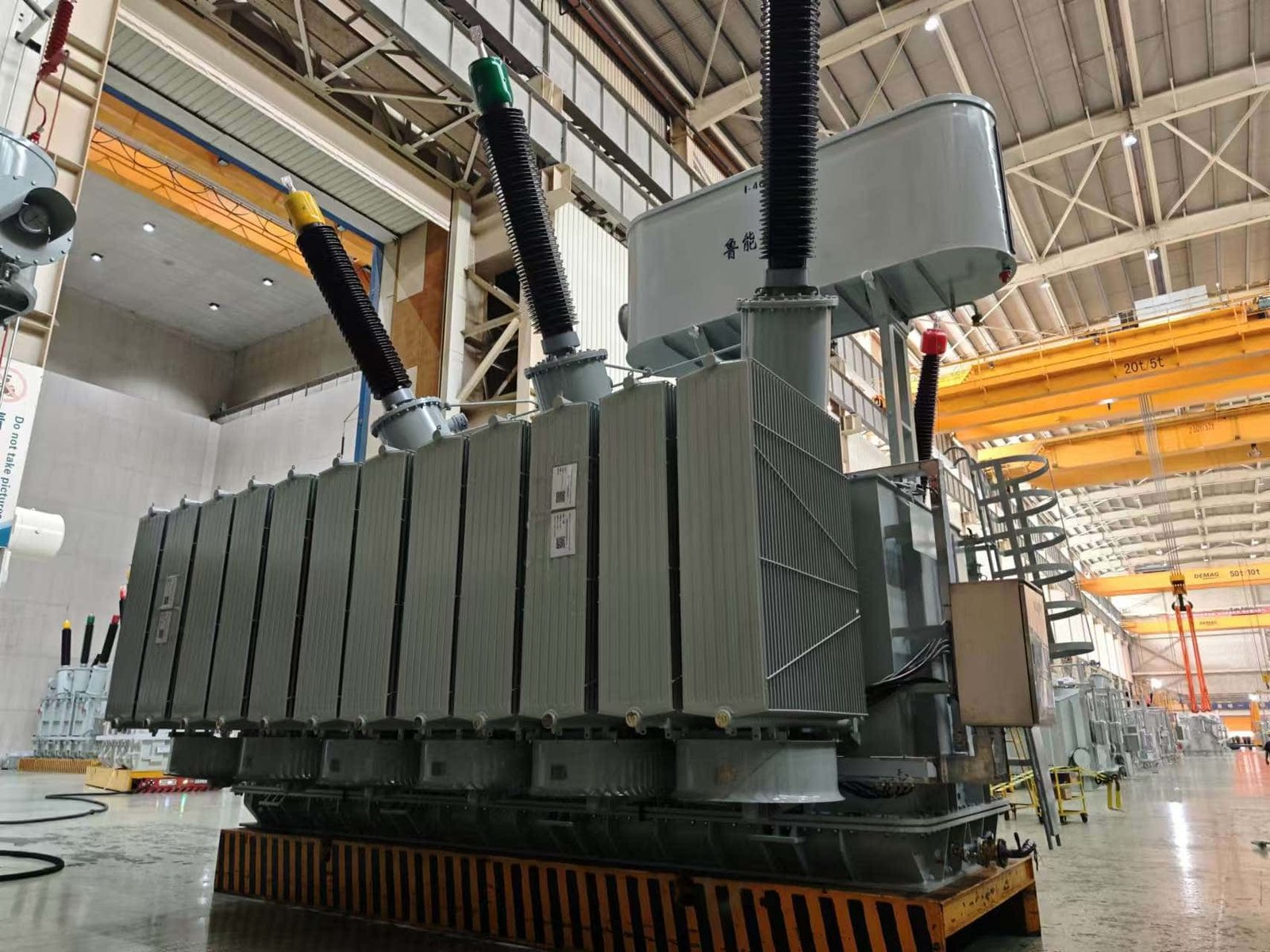
Selecting the right cooling method is essential to ensuring a power transformer operates safely, efficiently, and reliably throughout its service life. Every transformer generates heat from electrical losses, but the amount of heat varies greatly depending on its power rating, loading conditions, installation environment, and application. A cooling system that performs well for a small indoor distribution transformer may be inadequate for a utility transmission transformer carrying hundreds of megavolt-amperes. Understanding how different cooling methods match specific applications allows engineers and project owners to optimize performance, control costs, extend equipment life, and meet safety and environmental requirements.
The best transformer cooling method depends on the application's power rating, operating environment, loading profile, and safety requirements. Natural air cooling is ideal for smaller dry-type transformers in indoor installations, while ONAN cooling suits standard oil-immersed distribution transformers. ONAF is preferred for medium- to large-capacity transformers with variable loading, OFAF is commonly used in high-capacity industrial and transmission systems, and OFWF provides maximum cooling performance for the largest power station and extra-high-voltage transformers.
The most advanced cooling method is always the best choice for every transformer application.False
The optimal cooling method depends on transformer capacity, installation conditions, operating requirements, maintenance capability, and project cost. More advanced cooling systems provide greater heat removal but also increase complexity and investment.
Why does application determine the cooling method?
Transformer cooling systems are designed to balance thermal performance, reliability, and cost.
The appropriate cooling method depends on several factors:
- Transformer power rating
- Voltage level
- Continuous load demand
- Overload requirements
- Indoor or outdoor installation
- Ambient temperature
- Available installation space
- Fire safety regulations
- Maintenance capabilities
A properly selected cooling system ensures efficient heat removal without unnecessary complexity.
Factors influencing cooling method selection
| Design Factor | Influence on Cooling Choice |
|---|---|
| Power rating | Higher ratings require greater cooling capacity |
| Installation environment | Indoor and outdoor conditions differ significantly |
| Load profile | Variable loads may require staged cooling |
| Fire safety | Dry-type or high-fire-point fluids may be preferred |
| Maintenance resources | Simpler systems require less maintenance |
When is natural air (AN) cooling the best choice?
Natural Air (AN) cooling is primarily used for dry-type transformers.
Because it relies solely on natural air circulation, it offers:
- Simple construction
- Low maintenance
- No insulating liquid
- Reduced fire risk
- Quiet operation
AN cooling is best suited for:
- Commercial buildings
- Schools
- Hospitals
- Office complexes
- Residential developments
- Indoor substations
It is particularly advantageous where fire safety and environmental cleanliness are priorities.
However, natural air cooling is generally limited to lower-capacity transformers because air removes heat less efficiently than insulating oil.
When should forced air (AF) cooling be selected?
Forced Air (AF) cooling improves upon AN by using electrically driven fans.
This method is ideal when:
- Transformer loading varies throughout the day.
- Additional cooling is occasionally required.
- Indoor installation remains necessary.
- Higher transformer capacity is desired without switching to an oil-filled design.
Typical applications include:
- Large commercial buildings
- Manufacturing facilities
- Data centers
- Airports
- Shopping centers
Cooling fans operate automatically as temperatures increase, allowing greater loading while maintaining safe operating conditions.
Dry-type cooling applications
| Cooling Method | Best Applications |
|---|---|
| AN | Small to medium indoor installations |
| AF | Larger indoor transformers with higher loading |
Why is ONAN the standard choice for distribution transformers?
Oil Natural Air Natural (ONAN) cooling is the most widely used method for oil-immersed transformers.
Its popularity results from its:
- Proven reliability
- Simple operation
- Low maintenance
- Excellent balance of performance and cost
ONAN transformers are commonly installed in:
- Utility distribution networks
- Rural substations
- Industrial distribution systems
- Renewable energy collection networks
Because oil circulates naturally without pumps and heat is dissipated through naturally cooled radiators, ONAN systems operate efficiently with minimal auxiliary equipment.
When is ONAF the preferred solution?
Oil Natural Air Forced (ONAF) cooling is ideal when transformer loading varies or exceeds the continuous capability of ONAN cooling.
Cooling fans increase airflow over the radiators while oil circulation remains natural.
Typical applications include:
- Urban substations
- Industrial plants
- Renewable energy substations
- Mining operations
- Manufacturing facilities
Advantages include:
- Higher continuous loading
- Improved overload capability
- Automatic cooling control
- Better temperature management
Many modern transformers operate in ONAN mode during normal loading and automatically switch to ONAF during peak demand.
ONAN versus ONAF applications
| Cooling Method | Typical Application | Main Advantage |
|---|---|---|
| ONAN | Standard distribution systems | Simplicity and reliability |
| ONAF | Higher-load utility and industrial installations | Increased cooling capacity |
Where is OFAF cooling most appropriate?
Oil Forced Air Forced (OFAF) cooling is designed for transformers that generate significant amounts of heat.
Oil pumps continuously circulate insulating oil through the cooling system while fans increase radiator airflow.
OFAF is commonly selected for:
- Transmission substations
- Large industrial facilities
- Steel mills
- Chemical plants
- Utility power transformers
Benefits include:
- Excellent heat removal
- Lower winding hot-spot temperatures
- Higher loading capability
- Improved thermal stability
OFAF systems are particularly valuable where transformers operate near full capacity for extended periods.
Why do power stations often use OFWF cooling?
Oil Forced Water Forced (OFWF) cooling provides the highest cooling capacity among conventional transformer cooling systems.
Instead of air-cooled radiators, oil transfers heat to water through heat exchangers.
OFWF is best suited for:
- Large generating stations
- Underground substations
- Hydroelectric plants
- Nuclear facilities
- Extra-high-voltage transmission systems
Advantages include:
- Exceptional cooling efficiency
- Compact equipment layout
- Stable operating temperatures
- Excellent performance in restricted spaces
Although OFWF systems require additional infrastructure such as cooling water supplies, they provide unmatched thermal performance for very large transformers.
High-capacity cooling applications
| Cooling Method | Best Applications |
|---|---|
| OFAF | Large industrial and transmission transformers |
| OFWF | Power plants and extra-high-voltage substations |
Which cooling method is best for renewable energy projects?
Renewable energy systems often experience rapidly changing load conditions.
Suitable cooling methods include:
- ONAN for smaller wind and solar substations
- ONAF for medium- to large-scale renewable projects
- OFAF for high-capacity grid connection transformers
These cooling systems accommodate:
- Variable power generation
- Frequent load changes
- High ambient temperatures
- Continuous operation
Proper cooling helps maintain transformer reliability despite fluctuating renewable energy output.
How does installation environment influence the choice?
The surrounding environment plays a major role in cooling system selection.
Indoor installations often favor:
- AN
- AF
because they eliminate insulating oil or minimize associated fire concerns.
Outdoor installations commonly use:
- ONAN
- ONAF
- OFAF
where space allows for radiators and cooling equipment.
Locations with limited ventilation, confined spaces, or high ambient temperatures may require more advanced cooling systems.
How do maintenance considerations affect selection?
Each cooling method has different maintenance requirements.
Natural air systems generally require:
- Cleaning
- Ventilation inspection
- Periodic electrical testing
Oil-cooled transformers additionally require:
- Oil sampling
- Dissolved gas analysis (DGA)
- Cooling fan inspection
- Pump maintenance
- Radiator cleaning
Projects with limited maintenance resources may benefit from simpler cooling arrangements when operating conditions allow.
How does cooling choice influence lifecycle costs?
Initial purchase price is only one part of transformer economics.
Cooling systems also affect:
- Energy consumption
- Maintenance costs
- Equipment availability
- Transformer lifespan
- Replacement intervals
More advanced cooling systems involve higher installation costs but often deliver lower lifecycle costs for heavily loaded transformers by improving efficiency and extending insulation life.
Choosing the right cooling method
| Application | Recommended Cooling Method | Primary Reason |
|---|---|---|
| Commercial buildings | AN | Fire safety and low maintenance |
| Large indoor facilities | AF | Increased cooling without oil |
| Distribution networks | ONAN | Proven reliability and economy |
| Industrial plants | ONAF | Higher loading capability |
| Transmission substations | OFAF | Excellent thermal performance |
| Power stations | OFWF | Maximum cooling capacity |
| Renewable energy substations | ONAN or ONAF | Flexible operation under variable loads |
How Can Proper Cooling Extend the Service Life of a Power Transformer?
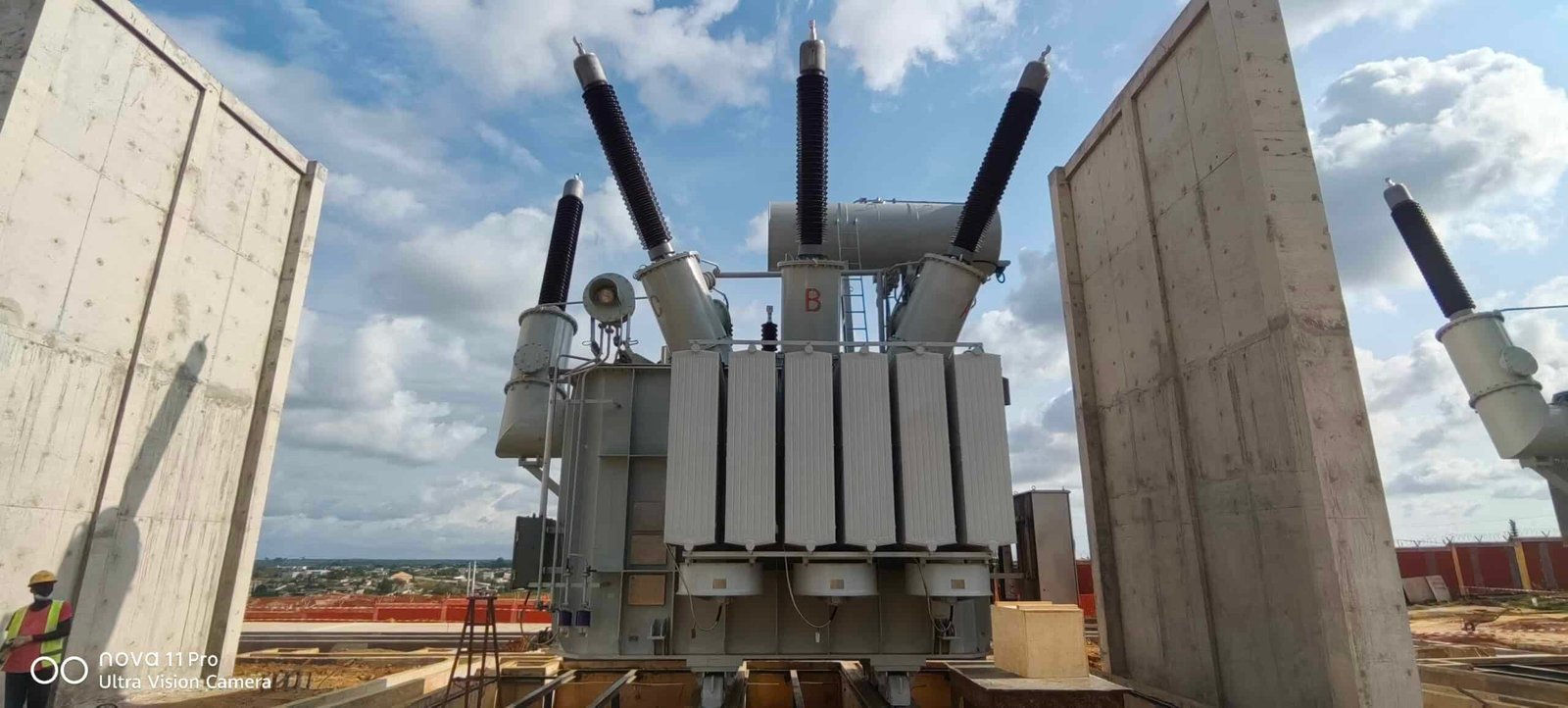
Power transformers are designed to operate reliably for 30 to 50 years or more, but their longevity depends heavily on operating temperature. Every transformer generates heat through core losses, winding losses, and stray losses, and if this heat is not effectively removed, excessive temperatures accelerate insulation aging, reduce dielectric strength, increase electrical losses, and place additional stress on critical components. A properly designed and maintained cooling system controls these temperatures, protects the insulation system, and helps ensure stable performance under varying load conditions. As a result, effective cooling is one of the most important factors in maximizing transformer service life and minimizing lifecycle costs.
Proper cooling extends the service life of a power transformer by maintaining safe operating temperatures, slowing insulation aging, reducing thermal stress on windings and core components, improving efficiency, and preventing overheating. Well-maintained cooling systems also enhance overload capability, reduce maintenance requirements, and lower the risk of premature transformer failure.
Transformer service life is determined mainly by its mechanical construction, so cooling has little influence on longevity.False
While mechanical design is important, operating temperature is one of the primary factors affecting insulation aging. Effective cooling significantly extends transformer service life by limiting thermal deterioration.
Why is temperature the most important factor affecting transformer life?
The insulation system is widely recognized as the life-limiting component of a power transformer.
During normal operation, electrical losses generate heat within:
- The magnetic core
- High- and low-voltage windings
- Structural components
- Connections and leads
If internal temperatures rise above design limits, insulation materials begin to deteriorate more rapidly.
Consequences of excessive temperature include:
- Accelerated cellulose aging
- Reduced dielectric strength
- Increased moisture generation
- Higher winding resistance
- Greater mechanical stress
Keeping temperatures under control is therefore essential for preserving transformer health over decades of operation.
Effects of excessive temperature
| Temperature Effect | Impact on Transformer |
|---|---|
| Faster insulation aging | Shorter service life |
| Reduced dielectric strength | Higher failure risk |
| Increased winding resistance | Lower efficiency |
| Thermal expansion | Greater mechanical stress |
| Hot-spot formation | Localized insulation damage |
How does proper cooling protect insulation?
The solid insulation, primarily cellulose paper and pressboard, surrounds the transformer windings and provides electrical isolation.
These materials gradually age through thermal oxidation and chemical degradation.
Proper cooling helps by:
- Lowering winding temperatures
- Reducing hot-spot formation
- Maintaining oil quality
- Slowing chemical aging reactions
Because insulation replacement is generally impractical, preserving insulation is the most effective way to maximize transformer lifespan.
Why are winding hot spots critical?
The average oil temperature does not always represent the hottest location inside a transformer.
Localized winding hot spots often develop where:
- Current density is highest
- Cooling oil circulation is restricted
- Magnetic leakage flux increases losses
Modern cooling systems are designed to minimize these hot spots by improving heat transfer throughout the transformer.
Lower hot-spot temperatures reduce localized insulation deterioration and improve long-term reliability.
How does cooling improve transformer efficiency?
Operating temperature directly influences electrical resistance.
As winding temperature increases:
- Copper resistance rises.
- Load losses increase.
- Overall efficiency decreases.
Efficient cooling maintains lower conductor temperatures, reducing resistive losses and improving energy efficiency throughout the transformer's operating life.
Cooling and operational performance
| Cooling Benefit | Performance Improvement |
|---|---|
| Lower winding temperature | Reduced copper losses |
| Stable oil temperature | Improved insulation performance |
| Better heat distribution | Reduced thermal stress |
| Lower operating temperature | Higher efficiency |
How does cooling reduce thermal stress?
Transformer components continuously expand and contract as temperatures change.
Repeated thermal cycling affects:
- Windings
- Clamping structures
- Insulation
- Bushings
- Connections
Large temperature fluctuations can gradually loosen mechanical supports and increase the likelihood of insulation damage.
Proper cooling stabilizes operating temperatures, minimizing thermal expansion and reducing long-term mechanical fatigue.
How do different cooling methods influence service life?
Each cooling method offers a different level of thermal protection.
Typical cooling methods include:
- Air Natural (AN)
- Air Forced (AF)
- Oil Natural Air Natural (ONAN)
- Oil Natural Air Forced (ONAF)
- Oil Forced Air Forced (OFAF)
- Oil Forced Water Forced (OFWF)
As cooling performance improves:
- Operating temperatures decrease.
- Loading capability increases.
- Insulation aging slows.
- Transformer lifespan is extended.
Higher-capacity transformers generally require more advanced cooling systems because they generate substantially more heat.
Cooling methods and longevity
| Cooling Method | Relative Cooling Performance | Expected Effect on Service Life* |
|---|---|---|
| AN | Moderate | Suitable for lower-capacity applications |
| AF | Good | Improved thermal stability |
| ONAN | Good | Long service life under normal loading |
| ONAF | Very good | Better overload performance and reduced aging |
| OFAF | Excellent | Lower hot-spot temperatures for large transformers |
| OFWF | Outstanding | Maximum thermal protection for very high-capacity units |
*Assuming proper design, loading, and maintenance.
How does cooling improve overload capability?
Power systems occasionally require transformers to carry temporary overloads during:
- Peak electricity demand
- Emergency conditions
- Planned maintenance
- Renewable generation fluctuations
Efficient cooling removes additional heat produced during these periods.
Advanced cooling systems allow transformers to safely tolerate higher short-term loads without exceeding insulation temperature limits.
This operational flexibility also reduces cumulative thermal damage.
Why is insulating oil temperature important?
For oil-immersed transformers, insulating oil serves two primary functions:
- Electrical insulation
- Heat transfer
Proper cooling maintains stable oil temperatures, which helps:
- Preserve oil dielectric strength
- Slow oil oxidation
- Reduce sludge formation
- Improve moisture control
Maintaining oil quality also protects the solid insulation from premature aging.
How does cooling reduce maintenance requirements?
A well-functioning cooling system minimizes excessive thermal stress, reducing wear on transformer components.
Benefits include:
- Less insulation degradation
- Reduced oil deterioration
- Lower risk of overheating alarms
- Fewer emergency repairs
- Longer maintenance intervals
Routine maintenance of cooling equipment—including radiator cleaning, fan testing, pump inspection, and oil circulation checks—is essential to maintain these advantages.
How does digital monitoring enhance cooling performance?
Modern transformers increasingly use intelligent monitoring systems to optimize cooling.
Common monitoring technologies include:
- Fiber-optic winding temperature sensors
- Top-oil temperature indicators
- Cooling fan controllers
- Oil pump monitoring
- Online dissolved gas analysis (DGA)
These systems automatically adjust cooling equipment based on actual operating conditions, preventing unnecessary overheating while reducing auxiliary energy consumption.
Digital cooling management
| Monitoring Function | Benefit |
|---|---|
| Temperature monitoring | Prevents overheating |
| Automatic fan control | Optimizes cooling efficiency |
| Pump condition monitoring | Improves system reliability |
| Oil temperature trending | Supports predictive maintenance |
What maintenance practices help preserve cooling performance?
Even the most advanced cooling system requires regular inspection.
Recommended maintenance includes:
- Cleaning radiators and cooling fins
- Verifying fan operation
- Inspecting oil pumps
- Checking oil level and oil quality
- Testing temperature sensors
- Inspecting control systems
- Removing obstructions to airflow
Preventive maintenance ensures that the cooling system continues operating at its designed efficiency throughout the transformer's life.
How does proper cooling reduce lifecycle costs?
Although advanced cooling systems may increase initial investment, they often reduce total ownership costs by:
- Extending equipment life
- Improving energy efficiency
- Reducing maintenance expenses
- Preventing catastrophic failures
- Increasing transformer availability
Over several decades of operation, these benefits can significantly outweigh the additional installation cost.
Long-term benefits of effective cooling
| Long-Term Benefit | Operational Value |
|---|---|
| Slower insulation aging | Longer transformer life |
| Lower operating temperatures | Higher efficiency |
| Reduced maintenance | Lower operating costs |
| Improved overload capability | Greater operational flexibility |
| Higher reliability | Reduced outage risk |
Conclusion
An effective cooling system is essential for maintaining the efficiency, reliability, and longevity of a power transformer. From simple natural air cooling for dry-type transformers to advanced oil- and water-assisted cooling systems for large utility transformers, each method is designed to meet specific operational requirements. Selecting the appropriate cooling method depends on factors such as transformer capacity, installation environment, ambient temperature, loading conditions, and maintenance expectations. By understanding the strengths and limitations of each cooling approach, operators can improve transformer performance, reduce operating costs, and ensure stable power delivery throughout the equipment's service life.
FAQ
Q1: Why do power transformers require cooling?
Power transformers generate heat due to core (no-load) losses and winding (load) losses during operation. If this heat is not effectively dissipated, excessive temperatures can degrade insulation, reduce efficiency, and shorten the transformer's service life.
Effective cooling helps to:
Maintain safe operating temperatures
Extend insulation life
Improve transformer efficiency
Increase load-carrying capacity
Prevent overheating and premature failure
Enhance long-term reliability
The choice of cooling method depends on the transformer's size, power rating, installation environment, and operating conditions.
Q2: What are the main cooling methods for oil-immersed transformers?
Oil-immersed transformers use insulating oil as both a cooling medium and an electrical insulator. The most common IEC cooling classifications are:
ONAN (Oil Natural Air Natural)
Oil circulates naturally by convection.
Heat is dissipated through radiators using natural airflow.
No pumps or fans are required.
Applications: Distribution transformers and medium-capacity power transformers.
ONAF (Oil Natural Air Forced)
Oil circulates naturally.
Cooling fans force air across the radiators.
Provides greater cooling capacity than ONAN.
Applications: Medium- and large-power transformers with variable loading.
OFAF (Oil Forced Air Forced)
Oil pumps circulate oil through the cooling system.
Fans increase airflow over radiators.
Suitable for higher power ratings and heavy-duty applications.
Applications: Large utility and industrial power transformers.
OFWF (Oil Forced Water Forced)
Oil is circulated by pumps.
Heat is transferred to water through heat exchangers.
Offers the highest cooling efficiency.
Applications: Power plants, underground substations, and installations where water cooling is available.
Q3: What cooling methods are used for dry-type transformers?
Dry-type transformers rely on air instead of insulating oil.
AN (Air Natural)
Heat dissipates through natural air circulation.
No moving parts are required.
Advantages:
Low maintenance
Quiet operation
High reliability
AF (Air Forced)
Fans increase airflow over the transformer windings.
Improves cooling efficiency and overload capability.
Applications: Commercial buildings, hospitals, data centers, and industrial facilities with higher load demands.
Q4: How does natural cooling differ from forced cooling?
The primary difference lies in how the cooling medium circulates.
Natural Cooling
Relies on natural convection.
No mechanical equipment required.
Lower maintenance requirements.
Suitable for moderate load conditions.
Forced Cooling
Uses fans, pumps, or water circulation.
Provides faster heat removal.
Supports higher transformer loading.
Common in high-capacity power transformers.
Forced cooling systems improve performance during peak demand but require additional monitoring and maintenance.
Q5: How do radiators contribute to transformer cooling?
Radiators increase the surface area available for heat dissipation.
Their operation involves:
Hot oil flows from the transformer tank into the radiators.
Heat transfers through the radiator fins.
Air or water removes the heat.
Cooled oil returns to the transformer.
In forced-air systems, cooling fans accelerate this process, improving heat exchange and reducing operating temperatures.
Q6: How is the appropriate cooling method selected?
Several factors determine the most suitable cooling system:
Transformer power rating
Voltage level
Continuous and peak load requirements
Ambient temperature
Indoor or outdoor installation
Available installation space
Water availability (for OFWF systems)
Maintenance capabilities
Energy efficiency goals
Larger transformers typically require more advanced cooling methods to ensure reliable operation under heavy loads.
Q7: How do cooling systems affect transformer performance?
Efficient cooling directly impacts transformer performance by:
Reducing operating temperatures
Limiting insulation aging
Improving voltage regulation
Increasing overload capacity
Lowering the risk of thermal failure
Extending service life
Modern transformers often include automatic controls that activate fans or oil pumps only when needed, optimizing energy consumption and operational efficiency.
Q8: How can transformer cooling systems be maintained for reliable operation?
Routine maintenance helps ensure cooling systems operate efficiently throughout the transformer's lifespan.
Recommended maintenance practices include:
Inspect radiators for leaks or blockages
Clean cooling fins and ventilation paths
Test cooling fans and oil pumps
Check oil level and oil quality
Verify temperature sensors and alarms
Inspect heat exchangers (for OFWF systems)
Monitor winding and oil temperatures
Perform regular preventive maintenance according to manufacturer recommendations
A well-maintained cooling system improves transformer reliability, reduces downtime, and supports safe operation under varying load conditions.
References
IEC 60076 – Power Transformers
https://webstore.iec.ch/publication/602
IEC 60076-2 – Temperature Rise for Liquid-Immersed Transformers
https://webstore.iec.ch
IEEE C57.91 – Guide for Loading Mineral-Oil-Immersed Transformers
https://standards.ieee.org
IEEE C57 Series – Transformer Cooling and Performance Standards
https://standards.ieee.org
Electrical Engineering Portal – Transformer Cooling Methods Explained
https://electrical-engineering-portal.com