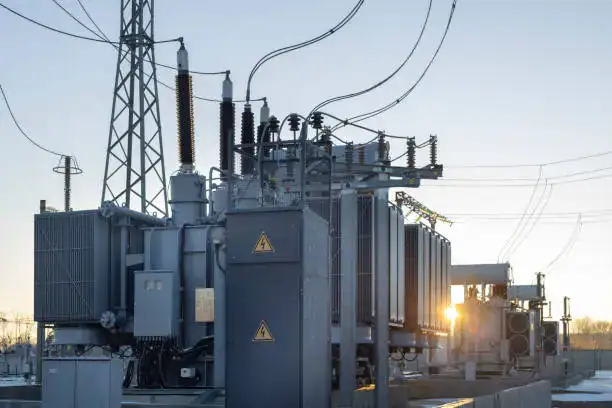
Power transformers are designed to operate for decades, making energy efficiency one of the most important factors influencing their lifetime operating cost. While the initial purchase price is often the focus, inefficient transformers can consume significantly more electricity through continuous energy losses, leading to higher operating expenses and increased carbon emissions over their service life. Understanding which efficiency ratings and performance indicators matter most enables buyers to make informed purchasing decisions that balance upfront investment with long-term savings and regulatory compliance.
The most important efficiency ratings when purchasing power transformers include no-load (core) losses, load (copper) losses, total transformer efficiency, impedance, temperature rise, and compliance with recognized efficiency standards such as IEC 60076, IEEE C57, DOE, and the EU EcoDesign Regulation. Evaluating these performance metrics helps buyers minimize energy losses, reduce operating costs, improve grid reliability, and maximize the transformer's lifecycle value.
Because a transformer operates continuously for 20 to 40 years or more, even small improvements in efficiency can generate substantial energy savings over its lifetime. Understanding how efficiency ratings are measured and applied is essential for selecting the most cost-effective transformer for your application.
Which Efficiency Ratings Matter Most When Purchasing Power Transformers?
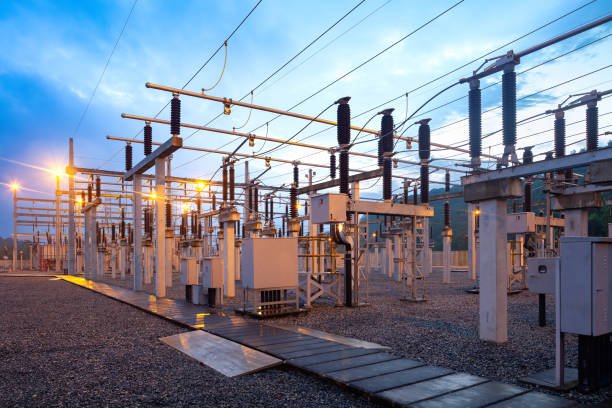
Choosing a power transformer based solely on its purchase price can lead to significantly higher operating costs over its service life. Since transformers typically remain in operation for 30 to 50 years, even small improvements in efficiency can translate into substantial energy savings and lower carbon emissions. Understanding the key efficiency ratings and performance indicators enables utilities, industrial facilities, renewable energy developers, and commercial users to compare transformer designs more effectively and select equipment that delivers the best long-term value rather than simply the lowest initial cost.
The most important efficiency ratings when purchasing a power transformer include no-load losses, load losses, total losses at the expected operating load, efficiency at the intended load profile, compliance with international efficiency standards, and total owning cost (TOC). Buyers should evaluate lifecycle performance rather than peak efficiency alone, as the most economical transformer is the one that minimizes energy losses over its entire operating life.
The transformer with the highest published efficiency percentage is always the best purchasing choice.False
Overall value depends on operating load profile, no-load and load losses, energy costs, and lifecycle economics. A transformer with slightly lower peak efficiency may have a lower total owning cost in a specific application.
Why is transformer efficiency important?
Unlike many electrical devices, power transformers operate continuously, often 24 hours a day throughout the year.
Even when supplying little or no load, transformers consume energy through:
- Core (no-load) losses
- Magnetizing current
As loading increases, additional energy is lost through:
- Winding resistance
- Eddy currents
- Stray losses
Over decades of operation, these losses represent a substantial portion of the transformer's total ownership cost.
Benefits of high-efficiency transformers
| Benefit | Long-Term Impact |
|---|---|
| Lower energy losses | Reduced electricity costs |
| Reduced operating temperature | Longer insulation life |
| Lower carbon emissions | Improved sustainability |
| Improved system efficiency | Better overall network performance |
| Reduced lifecycle costs | Higher return on investment |
What are no-load losses?
No-load losses (also called core losses or iron losses) occur whenever the transformer is energized, regardless of how much electrical load it carries.
These losses originate primarily from:
- Magnetic hysteresis
- Eddy currents within the core
Because no-load losses occur continuously, they are especially important for transformers that remain energized around the clock.
Manufacturers reduce no-load losses by using:
- High-grade grain-oriented silicon steel
- Amorphous metal cores
- Improved core joint designs
- Precision manufacturing techniques
For lightly loaded transformers, low no-load losses can significantly reduce annual energy consumption.
Why are load losses important?
Load losses occur only when current flows through the transformer windings.
These include:
- Copper losses
- Eddy current losses
- Stray losses
Load losses increase approximately with the square of the load current.
Consequently:
- Lightly loaded transformers experience relatively low load losses.
- Heavily loaded transformers generate substantially more heat and energy loss.
For industrial facilities and utility substations operating near rated capacity, load losses often become the dominant contributor to operating costs.
Comparison of transformer losses
| Loss Type | Occurs When | Primary Cause |
|---|---|---|
| No-load loss | Transformer energized | Core magnetization |
| Load loss | Transformer supplies load | Winding current and stray effects |
Why should total losses be evaluated?
Neither no-load losses nor load losses alone provide a complete picture.
The most useful comparison considers:
Total losses = No-load losses + Load losses at the expected operating load
Because every application has a different loading profile, the transformer with the lowest total losses under actual operating conditions often provides the greatest economic benefit.
For example:
- A renewable energy transformer with fluctuating loading may prioritize low no-load losses.
- A continuously loaded industrial transformer may benefit more from exceptionally low load losses.
What is transformer efficiency at different load levels?
Transformer efficiency is not constant.
It varies according to load.
Typical characteristics include:
- Lower efficiency at very light loads
- Peak efficiency near the designed operating point
- Slight reduction near maximum loading due to increased copper losses
Rather than focusing only on maximum efficiency, buyers should evaluate efficiency across the expected operating range.
Typical efficiency considerations
| Operating Condition | Most Important Performance Factor |
|---|---|
| Light loading | Low no-load losses |
| Moderate loading | Balanced total losses |
| Heavy loading | Low load losses and effective cooling |
Why does Total Owning Cost (TOC) matter?
Many utilities evaluate transformers using Total Owning Cost rather than purchase price.
TOC combines:
- Initial purchase cost
- Cost of no-load losses
- Cost of load losses
- Maintenance expenses
- Expected service life
Although high-efficiency transformers generally cost more initially, they often produce substantial lifetime savings through lower energy consumption.
This approach allows buyers to compare transformers based on long-term economic performance rather than upfront investment alone.
Which international efficiency standards should buyers consider?
Power transformer efficiency is governed by various international standards and regulations.
Commonly referenced standards include:
- International Electrotechnical Commission IEC 60076 (Power Transformers)
- Institute of Electrical and Electronics Engineers transformer standards
- Regional minimum efficiency regulations
- Utility-specific technical specifications
Compliance with recognized standards helps ensure consistent performance, quality, and testing methods.
When comparing products from different manufacturers, verifying compliance with applicable standards is essential.
How does cooling influence efficiency ratings?
Cooling systems affect operating temperature, which influences electrical losses.
Lower winding temperatures provide:
- Reduced conductor resistance
- Lower copper losses
- Improved voltage regulation
- Better insulation preservation
Transformers equipped with efficient cooling systems can maintain high efficiency even during periods of heavy loading.
Why should load profile influence purchasing decisions?
Every transformer application has a unique operating profile.
Examples include:
Utility distribution
- Energized continuously
- Moderate average loading
Industrial production
- High continuous loading
- Frequent peak demand
Solar and wind farms
- Variable loading
- Daily power fluctuations
Selecting a transformer optimized for the expected load profile often provides greater savings than simply choosing the highest published efficiency rating.
How do advanced core materials improve efficiency?
Core material selection has a major influence on no-load losses.
Modern high-efficiency transformers may use:
- Premium grain-oriented silicon steel
- Amorphous metal cores
- Improved magnetic flux designs
These materials reduce magnetization losses while maintaining reliable long-term performance.
Although advanced core materials increase manufacturing cost, they often deliver significant energy savings over decades of operation.
Factors affecting transformer efficiency
| Design Feature | Primary Benefit |
|---|---|
| Advanced core materials | Lower no-load losses |
| High-conductivity windings | Reduced load losses |
| Optimized cooling | Lower operating temperatures |
| Precision manufacturing | Reduced stray losses |
| Intelligent monitoring | Sustained operating efficiency |
Why is lifecycle performance more important than nameplate efficiency?
Two transformers with nearly identical nameplate efficiency may have different:
- No-load losses
- Load losses
- Cooling performance
- Expected maintenance requirements
- Operating costs
Lifecycle evaluation considers:
- Annual energy consumption
- Electricity prices
- Expected loading
- Maintenance costs
- Equipment lifespan
This comprehensive approach provides a much more accurate assessment of long-term value.
What questions should buyers ask before purchasing?
Before selecting a transformer, buyers should evaluate:
- What is the expected average loading?
- Will loading vary significantly during operation?
- Which efficiency standard applies?
- What are the guaranteed no-load and load losses?
- What cooling method is provided?
- What is the estimated Total Owning Cost?
- Are efficiency test reports available?
- Does the transformer support future load growth?
Asking these questions helps ensure the selected transformer meets both technical and economic objectives.
Key purchasing criteria
| Evaluation Item | Why It Matters |
|---|---|
| No-load losses | Continuous energy consumption |
| Load losses | Operating cost under load |
| Total losses | Overall efficiency |
| Total Owning Cost | Lifecycle economics |
| Cooling system | Thermal performance and reliability |
| International standards compliance | Verified performance and quality |
| Manufacturer testing | Confidence in guaranteed values |
Why Are No-Load and Load Losses the Most Important Efficiency Indicators?
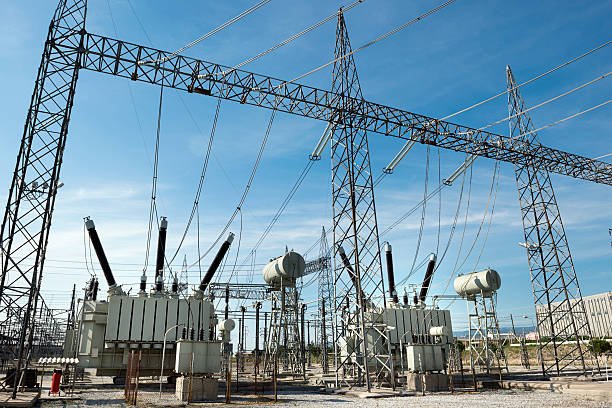
When evaluating power transformer performance, many buyers initially focus on “efficiency percentage,” but this single number can be misleading. In reality, transformer efficiency is best understood through its two fundamental loss components: no-load losses and load losses. These two parameters determine how much energy a transformer consumes throughout its entire operating life, regardless of whether it is lightly loaded or running near full capacity. Because transformers operate continuously for decades, even small differences in these losses translate into large financial and energy impacts over time.
No-load losses and load losses are the most important efficiency indicators because they represent the total real energy wasted by a transformer under all operating conditions. No-load losses occur continuously whenever the transformer is energized, while load losses increase with electrical loading. Together, they determine lifecycle energy consumption, operating cost, thermal performance, and overall transformer efficiency.
Transformer efficiency can be accurately judged without considering no-load and load losses separately.False
Overall efficiency depends on both loss types and operating conditions. Separating no-load and load losses is essential to accurately evaluate real-world performance and lifecycle cost.
What are no-load losses and why do they matter continuously?
No-load losses (also called core or iron losses) occur whenever the transformer is energized—even if no load is connected.
They are caused by:
- Magnetic hysteresis in the core
- Eddy currents induced in the steel laminations
A key point is that these losses are constant 24/7, as long as the transformer remains energized.
genui{"physics_electricity_magnetism_learning_block_staging":{"type_id":"MAGNET_INDUCED_CURRENT"}}
This means that even a lightly loaded transformer still consumes a significant amount of energy over time due to core magnetization effects.
Why no-load losses are critical
| Characteristic | Impact on Transformer |
|---|---|
| Occur continuously | Energy consumed even at zero load |
| Independent of load | Always present in operation |
| Long-term effect | Major contributor to lifecycle cost |
| Design sensitivity | Depends on core material quality |
Because transformers often remain energized for years without interruption, no-load losses can account for a large portion of total energy cost in distribution networks.
What are load losses and how do they behave under operation?
Load losses occur when the transformer supplies electrical current to a load.
They are mainly caused by:
- Copper (I²R) losses in windings
- Stray losses due to leakage flux
- Additional eddy current losses in conductors and structural parts
genui{"physics_electricity_magnetism_learning_block_staging":{"type_id":"OHMS_LAW"}}
Unlike no-load losses, load losses vary with loading and increase significantly as current rises.
A key relationship is:
- Doubling current increases losses approximately four times
Why load losses matter in real operation
| Characteristic | Impact on Transformer |
|---|---|
| Load-dependent | Increases with demand |
| Heat generation | Major source of temperature rise |
| Efficiency impact | Dominates at high loading |
| Cooling demand | Drives cooling system design |
Load losses are especially important for industrial transformers and utility substations that operate near rated capacity for long periods.
Why these two losses define total transformer efficiency
Transformer efficiency is not a fixed value—it changes depending on load conditions.
The true energy performance is defined by:
- Continuous no-load losses (always present)
- Variable load losses (depend on demand level)
Together, they determine:
- Total energy consumption
- Operating cost over time
- Thermal loading behavior
- Required cooling capacity
Loss contribution comparison
| Loss Type | When It Occurs | Dominant Influence |
|---|---|---|
| No-load losses | Always energized | Light-load operation |
| Load losses | Under electrical load | Medium to heavy load operation |
This dual behavior is why both losses must be evaluated together rather than independently.
Why no-load losses dominate in lightly loaded transformers
In many utility distribution networks, transformers are energized 24/7 but often operate at low load levels.
In these cases:
- Load losses are relatively small
- No-load losses dominate total energy consumption
This makes core design and magnetic material selection extremely important.
Modern improvements include:
- Grain-oriented silicon steel
- Amorphous metal cores
- Laser-scribed magnetic domains
These materials significantly reduce continuous energy waste.
Why load losses dominate in heavily loaded transformers
In industrial applications, transformers often operate near full capacity.
In these situations:
- Current is high
- Copper losses increase sharply
- Thermal stress becomes significant
Load losses become the primary driver of:
- Efficiency reduction
- Temperature rise
- Cooling system requirements
- Insulation aging rate
This is why conductor design and winding optimization are critical in high-power applications.
How losses affect total owning cost (TOC)
Efficiency cannot be fully understood without considering economic impact.
Utilities often evaluate transformers using Total Owning Cost, which includes:
- Purchase price
- Cost of no-load losses (continuous energy loss)
- Cost of load losses (variable energy loss)
- Maintenance and lifecycle costs
Even small reductions in losses can result in substantial savings over 30–50 years of operation.
Lifecycle impact comparison
| Factor | No-Load Loss Impact | Load Loss Impact |
|---|---|---|
| Energy cost | Continuous | Load-dependent |
| Importance in grid | Always significant | Peaks during demand |
| Design focus | Core material | Winding design |
| Economic influence | High over lifespan | High under heavy load |
How cooling systems interact with losses
Losses directly determine heat generation inside the transformer.
- No-load losses produce constant background heat
- Load losses generate variable additional heat
genui{"physics_energy_fluids_machines_materials_learning_block_staging":{"type_id":"POTENTIAL_ENERGY"}}
Efficient cooling systems help manage this heat, but they do not eliminate losses—they only control temperature effects.
Higher losses require:
- Larger radiators
- Forced air systems (ONAF, OFAF)
- Oil circulation pumps
- Water-cooled exchangers (OFWF)
Thus, loss levels directly influence transformer size and cooling complexity.
Why manufacturers optimize both loss types separately
Improving one type of loss can sometimes negatively affect the other.
For example:
- Improving core steel reduces no-load losses but may increase cost
- Increasing conductor size reduces load losses but increases material usage
Manufacturers must balance:
- Efficiency
- Cost
- Size
- Thermal performance
- Mechanical strength
This is why both loss values are always specified separately in technical datasheets.
Why buyers should never ignore loss guarantees
When purchasing a transformer, guaranteed values for:
- No-load losses
- Load losses at rated load
are more important than general efficiency claims.
These values directly determine:
- Annual electricity cost
- Thermal performance
- Cooling requirements
- Lifecycle economics
Even small deviations from guaranteed losses can significantly affect long-term operating costs.
Key reasons no-load and load losses matter most
1. They represent real energy waste
They measure actual power lost as heat inside the transformer.
2. They determine lifecycle cost
Energy losses over decades often exceed purchase cost.
3. They define thermal behavior
Heat generation is directly tied to losses.
4. They influence cooling design
Higher losses require more advanced cooling systems.
5. They affect reliability and lifespan
More losses mean higher temperatures and faster insulation aging.
Which International Standards Define Power Transformer Efficiency?

Power transformer efficiency is not defined by a single universal number but by a set of internationally recognized standards that specify how losses are measured, reported, and regulated. These standards ensure that transformers from different manufacturers can be compared fairly using consistent test methods and performance criteria. They also establish minimum energy performance requirements in many regions, helping utilities, industries, and governments reduce lifecycle energy consumption and improve grid efficiency. Because transformers operate continuously for decades, adherence to these standards plays a crucial role in controlling long-term operating costs and environmental impact.
Power transformer efficiency is primarily defined by international standards such as IEC 60076 series, IEEE C57 series, and regional energy efficiency regulations (such as EU Ecodesign Tier requirements). These standards do not only define “efficiency,” but more importantly regulate how no-load losses, load losses, total losses, and temperature rise are measured and limited to ensure consistent and comparable performance across manufacturers.
Power transformer efficiency is defined by a single global standard that all countries follow identically.False
Different regions use different standards and regulations. IEC, IEEE, and regional efficiency rules vary in test methods, loss limits, and compliance requirements.
Why do international standards matter for transformer efficiency?
Without standardized rules, comparing transformers would be unreliable because:
- Different manufacturers could use different test methods
- Loss values might not be measured under the same conditions
- Efficiency claims would not be directly comparable
- Energy cost predictions would be inconsistent
International standards solve this problem by defining:
- How losses are measured
- How temperature corrections are applied
- How efficiency is calculated
- Minimum performance requirements
- Testing procedures and tolerances
This ensures transparency and fairness in global transformer markets.
IEC 60076 series – The most widely used global standard
The most important international framework for transformer performance is the International Electrotechnical Commission 60076 series, which is used across Europe, Asia, the Middle East, Africa, and many other regions.
This series defines:
- Loss measurement methods
- Temperature rise limits
- Efficiency-related performance requirements
- Testing procedures for transformers
- Guaranteed performance verification
Key relevance to efficiency
| IEC 60076 Part | Focus Area | Efficiency Impact |
|---|---|---|
| IEC 60076-1 | General requirements | Defines baseline performance rules |
| IEC 60076-2 | Temperature rise | Affects allowable loading and losses |
| IEC 60076-3 | Insulation levels | Ensures safe high-voltage operation |
| IEC 60076-5 | Short-circuit withstand | Impacts winding design and losses |
| IEC 60076-7 | Oil-filled transformers | Thermal modeling and aging |
| IEC 60076-11 | Dry-type transformers | Efficiency and thermal limits |
IEC standards are especially important because they provide the foundation for energy efficiency regulations in many countries.
IEEE C57 series – North American efficiency framework
In the United States and parts of North America, transformer efficiency is primarily governed by the Institute of Electrical and Electronics Engineers C57 series of standards.
These standards define:
- Loss measurement procedures
- Transformer test methods
- Efficiency calculation approaches
- Performance classifications
- Design and testing requirements
Key IEEE standards related to efficiency
| Standard | Description | Efficiency Role |
|---|---|---|
| IEEE C57.12.00 | General requirements | Defines performance criteria |
| IEEE C57.12.90 | Test code | Standardizes loss measurement |
| IEEE C57.110 | Loading guide | Defines thermal and efficiency behavior |
IEEE standards are widely used by utilities such as power grid operators and industrial energy systems in North America.
Regional efficiency regulations (energy performance rules)
In addition to IEC and IEEE standards, many regions enforce mandatory minimum efficiency levels.
European Union Ecodesign Regulations
The EU applies transformer efficiency rules through Ecodesign directives, which define:
- Maximum allowable no-load losses
- Maximum allowable load losses
- Efficiency tiers for different voltage classes
These regulations are often more restrictive than baseline IEC requirements.
Other regional frameworks include:
- China energy efficiency standards for transformers
- India BIS standards for distribution transformers
- Middle East utility specifications
- Australia and New Zealand efficiency requirements
These regulations ensure transformers meet national energy-saving goals.
How standards define transformer efficiency in practice
Unlike appliances that use a single “efficiency rating,” transformer efficiency is evaluated indirectly through losses.
Standards focus on:
- No-load losses (core losses)
- Load losses (copper and stray losses)
- Temperature rise limits
- Test conditions and correction factors
The efficiency is then calculated based on operating conditions.
genui{"physics_electricity_magnetism_learning_block_staging":{"type_id":"OHMS_LAW"}}
This approach ensures that efficiency reflects real-world operating behavior rather than a simplified label.
Why losses are more important than “efficiency percentage”
International standards emphasize losses instead of a single efficiency number because:
- Transformers operate at varying loads
- Losses are measurable and verifiable
- Operating conditions differ by application
- Lifecycle cost depends on actual energy consumption
Loss-based evaluation approach
| Metric | Why It Matters |
|---|---|
| No-load losses | Continuous energy consumption |
| Load losses | Performance under demand |
| Total losses | Real operating cost |
| Temperature rise | Impacts lifespan and safety |
This loss-based approach provides a more accurate representation of real performance.
How standards ensure fair comparison between manufacturers
Transformer procurement often involves multiple suppliers from different countries.
Standards ensure:
- Identical test procedures
- Controlled temperature conditions
- Standard voltage and frequency settings
- Consistent measurement equipment requirements
- Defined tolerance limits
This prevents manufacturers from inflating performance claims and ensures fair bidding in utility and industrial projects.
How efficiency standards influence transformer design
To comply with IEC, IEEE, and regional regulations, manufacturers optimize:
- Core materials (to reduce no-load losses)
- Winding geometry (to reduce load losses)
- Cooling systems (to control temperature rise)
- Insulation systems (to improve thermal endurance)
- Magnetic flux density (to balance efficiency and cost)
Higher efficiency requirements typically lead to:
- Larger cores
- Higher-grade materials
- Improved cooling systems
- Increased manufacturing precision
How efficiency standards affect lifecycle cost
Standards not only ensure compliance but also influence total cost of ownership.
Lower losses lead to:
- Reduced electricity consumption
- Lower cooling requirements
- Extended insulation life
- Reduced maintenance frequency
This is why utilities often specify efficiency limits stricter than minimum regulatory requirements.
Key international standards for transformer efficiency
Summary table
| Standard System | Region | Main Focus |
|---|---|---|
| IEC 60076 | Global (widely adopted) | Performance, testing, loss measurement |
| IEEE C57 | North America | Testing, performance, loading behavior |
| EU Ecodesign | European Union | Mandatory efficiency tiers |
| National standards (BIS, GB, etc.) | Country-specific | Minimum efficiency and loss limits |
How Does Transformer Efficiency Affect Lifetime Operating Costs?
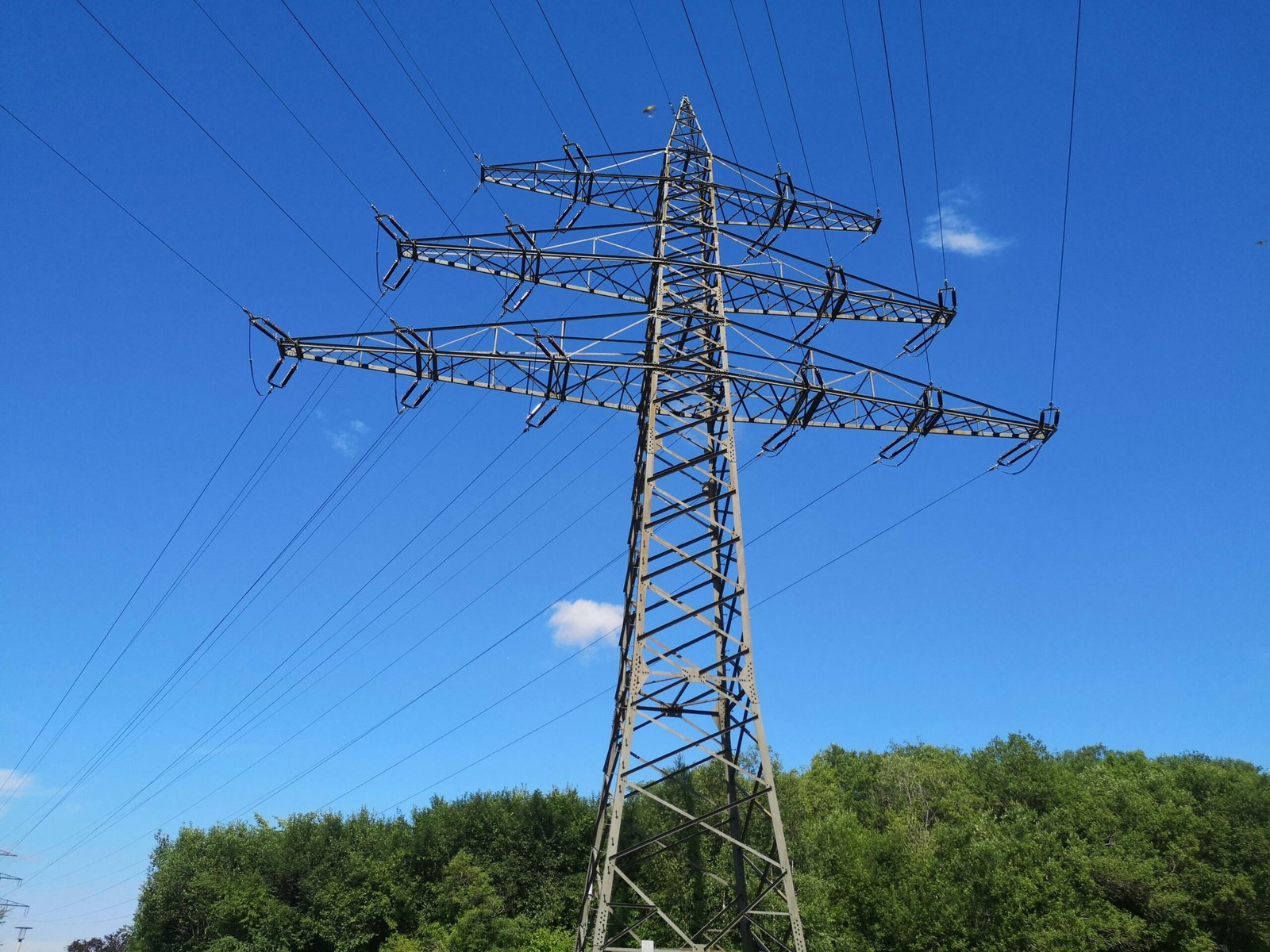
Transformer efficiency is one of the most decisive—but often underestimated—factors in determining the true cost of ownership over a power transformer's lifetime. While the initial purchase price is important, it typically represents only a small fraction of the total cost incurred over 30–50 years of operation. The majority of expenses come from continuous energy losses, cooling requirements, maintenance, and eventual replacement. Because transformers operate around the clock in most applications, even small improvements in efficiency can translate into substantial financial savings over time.
Transformer efficiency directly affects lifetime operating costs by determining how much electrical energy is continuously lost as heat through no-load and load losses. Higher efficiency transformers reduce energy consumption, lower cooling demand, extend insulation life, decrease maintenance frequency, and improve system reliability—ultimately reducing total owning cost (TOC) over the equipment’s entire service life.
Transformer operating cost is mainly determined by purchase price, not efficiency.False
For power transformers, lifetime energy losses and maintenance costs typically exceed initial purchase cost, making efficiency a major factor in total owning cost (TOC).
Why do lifetime operating costs matter more than purchase price?
A transformer is a long-life asset, often operating continuously for decades. During this time:
- It consumes energy 24/7 (even at no load)
- It experiences thermal aging
- It requires maintenance and monitoring
- It may undergo load fluctuations and overloads
Because of this long operational life, energy losses accumulate significantly.
Cost structure over transformer lifetime
| Cost Component | Share of Total Cost |
|---|---|
| Initial purchase cost | Low to moderate |
| Energy losses (no-load + load) | Very high |
| Maintenance and repairs | Moderate |
| End-of-life replacement | Variable |
In many utility applications, energy losses account for the largest portion of lifetime cost.
How do no-load losses impact lifetime operating cost?
No-load losses occur whenever the transformer is energized, regardless of load level.
They are caused by:
- Magnetic hysteresis in the core
- Eddy currents in laminated steel
genui{"physics_electricity_magnetism_learning_block_staging":{"type_id":"MAGNET_INDUCED_CURRENT"}}
Because transformers are typically energized continuously, these losses:
- Accumulate 24 hours per day
- Occur even during low-demand periods
- Are independent of load variations
Economic impact of no-load losses
| Operating Condition | Cost Behavior |
|---|---|
| Light load | Dominant cost factor |
| Medium load | Significant constant baseline cost |
| Heavy load | Still continuously present |
For distribution transformers in urban grids or renewable substations, no-load losses can represent a major portion of annual energy cost.
How do load losses influence operating cost?
Load losses occur only when the transformer carries current.
They include:
- Copper (I²R) losses
- Stray losses from leakage flux
- Eddy current losses in conductors
genui{"physics_electricity_magnetism_learning_block_staging":{"type_id":"OHMS_LAW"}}
These losses increase rapidly with loading:
- If load current doubles, losses increase approximately four times
Economic impact of load losses
| Load Condition | Cost Impact |
|---|---|
| Light load | Minimal |
| Medium load | Moderate |
| Heavy load | Very high |
In industrial and transmission systems where transformers operate near full capacity, load losses become the dominant operating expense.
Why total losses determine real lifecycle cost
Neither no-load nor load losses alone provide a complete picture.
Real operating cost depends on:
Total energy losses = No-load losses + Load losses at actual operating load
Because transformers operate under varying conditions, total losses must be evaluated across the expected load profile.
Example of cost behavior
| Application Type | Dominant Loss Type |
|---|---|
| Distribution network | No-load losses |
| Industrial plant | Load losses |
| Renewable energy systems | Mixed (variable) |
This is why utility procurement focuses on guaranteed loss values rather than simple efficiency percentages.
How does efficiency affect cooling system costs?
All transformer losses are converted into heat.
Higher losses lead to:
- Higher operating temperatures
- Increased cooling requirements
- Greater auxiliary power consumption
genui{"physics_energy_fluids_machines_materials_learning_block_staging":{"type_id":"POTENTIAL_ENERGY"}}
More advanced cooling systems (ONAF, OFAF, OFWF) require:
- Fans
- Oil pumps
- Control systems
- In some cases, water circulation systems
These systems increase:
- Energy consumption
- Maintenance requirements
- Capital investment
Therefore, lower-loss transformers reduce both direct energy costs and cooling-related expenses.
How does efficiency influence transformer lifespan?
Transformer insulation life is strongly dependent on temperature.
Higher losses → higher temperature → faster aging.
Efficient transformers:
- Operate at lower winding temperatures
- Reduce hot-spot stress
- Slow insulation degradation
- Extend service life
This reduces long-term replacement costs and improves asset utilization.
Thermal aging impact
| Operating Temperature | Effect on Life Expectancy |
|---|---|
| Lower temperature | Extended lifespan |
| Moderate temperature | Normal lifespan |
| High temperature | Accelerated aging |
Even a small temperature reduction can significantly extend transformer life.
How does efficiency affect maintenance costs?
More efficient transformers generate less heat and operate under lower stress, resulting in:
- Reduced oil degradation
- Lower risk of insulation breakdown
- Fewer cooling system failures
- Less frequent corrective maintenance
Additionally:
- Oil testing intervals may be extended
- Cooling equipment experiences less wear
- Emergency repairs become less likely
This directly reduces operational expenditure.
What is Total Owning Cost (TOC) and why is it important?
Total Owning Cost is the most accurate way to evaluate transformer economics.
It includes:
- Purchase price
- Cost of no-load losses
- Cost of load losses
- Maintenance expenses
- Expected service life
TOC reveals that:
A transformer with a higher purchase price but lower losses often costs significantly less over time.
Why efficiency matters more for certain applications
Efficiency impact depends on how the transformer is used.
Application-based cost sensitivity
| Application | Efficiency Importance |
|---|---|
| Utility distribution | Very high (24/7 energization) |
| Renewable energy | High (variable load, continuous operation) |
| Industrial plants | Very high (heavy load operation) |
| Commercial buildings | Moderate to high |
| Temporary installations | Lower |
Long operating hours amplify the importance of efficiency.
How small efficiency improvements create large savings
Even small reductions in losses can produce large savings over time.
For example:
- A reduction of a few kilowatts in no-load loss
- Multiplied by 8,760 hours per year
- Multiplied over 30–40 years
This results in substantial cumulative energy savings.
This is why high-efficiency transformer design focuses heavily on:
- Core material optimization
- Winding geometry improvements
- Magnetic flux control
- Advanced cooling integration
Key ways efficiency reduces lifetime operating costs
1. Lower energy consumption
Less wasted power directly reduces electricity bills.
2. Reduced cooling requirements
Lower heat generation reduces auxiliary system usage.
3. Extended insulation life
Slower thermal aging reduces replacement frequency.
4. Lower maintenance costs
Reduced stress leads to fewer failures.
5. Higher system reliability
Fewer outages and improved operational stability.
How Can You Compare the Efficiency Ratings of Different Power Transformers?
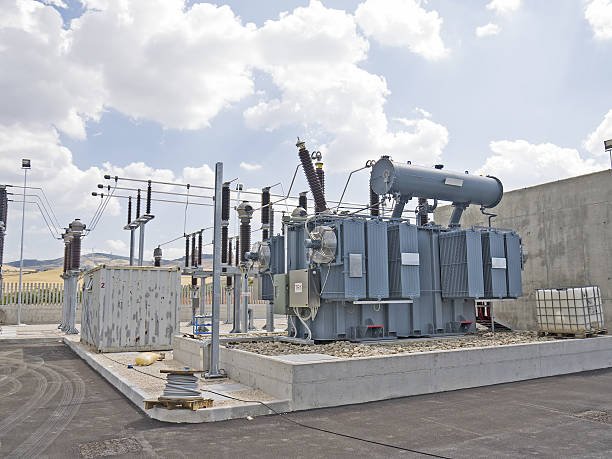
Comparing the efficiency ratings of power transformers is not as simple as looking at a single percentage on a datasheet. Because transformers operate under different loads, environments, and duty cycles, true efficiency must be evaluated using standardized loss values and lifecycle-based performance metrics. Proper comparison requires understanding no-load losses, load losses, test conditions, and compliance with international standards so that different designs can be assessed on a fair and technical basis.
You can compare the efficiency of different power transformers by evaluating their guaranteed no-load losses, load losses at rated and typical operating loads, total losses, test conditions defined by IEC/IEEE standards, and lifecycle cost (Total Owning Cost). The most accurate comparison is not a single efficiency percentage but a full loss-based and load-profile-based evaluation.
Transformer efficiency can be reliably compared using only nameplate efficiency percentages.False
Nameplate efficiency alone is insufficient because it does not reflect load profile, no-load losses, or real operating conditions. Loss-based comparison is required for accurate evaluation.
Why is transformer efficiency difficult to compare directly?
Unlike many electrical devices, transformers do not operate at a fixed load.
Their performance varies depending on:
- Load level (light, medium, or heavy)
- Operating hours (continuous or intermittent)
- Temperature conditions
- Cooling method
- System voltage fluctuations
Because of this variability, two transformers with similar efficiency ratings may perform very differently in real operation.
What are the most important parameters for comparison?
To compare transformers accurately, engineers focus on measurable loss values rather than a single efficiency number.
Key comparison parameters
| Parameter | Why It Matters |
|---|---|
| No-load losses | Constant energy consumption whenever energized |
| Load losses | Energy loss under actual operating load |
| Total losses | Real-world energy consumption |
| Guaranteed values | Manufacturer performance commitment |
| Test conditions | Ensures fair comparison |
| Temperature rise | Affects long-term efficiency |
Why are no-load losses critical for comparison?
No-load losses occur whenever the transformer is energized, even without load.
They are caused by:
- Core magnetization
- Hysteresis losses
- Eddy currents in the steel core
genui{"physics_electricity_magnetism_learning_block_staging":{"type_id":"MAGNET_INDUCED_CURRENT"}}
Because transformers are often energized 24/7, no-load losses represent a continuous energy cost.
Comparison impact
| Transformer Type | Importance of No-Load Loss |
|---|---|
| Distribution transformers | Very high |
| Renewable substations | High |
| Industrial transformers | Moderate |
Lower no-load losses usually indicate better core design and higher long-term efficiency.
Why are load losses equally important?
Load losses occur when current flows through the transformer windings.
They include:
- Copper (I²R) losses
- Stray losses from leakage flux
- Eddy current losses
genui{"physics_electricity_magnetism_learning_block_staging":{"type_id":"OHMS_LAW"}}
These losses increase significantly with load:
- Doubling current → losses increase ~4×
Comparison impact
| Load Condition | Dominant Loss Type |
|---|---|
| Light load | No-load losses |
| Medium load | Balanced |
| Heavy load | Load losses |
Transformers designed for industrial or high-capacity applications must prioritize low load losses.
Why total losses give the most accurate comparison
Neither no-load nor load losses alone is sufficient.
True performance is based on:
Total losses = No-load losses + Load losses at expected operating load
This is critical because:
- Utility transformers run lightly loaded most of the time
- Industrial transformers often run near full load
- Renewable systems fluctuate daily
Therefore, comparison must reflect actual usage conditions.
Why test conditions matter in comparisons
Transformer efficiency values are only meaningful if measured under identical conditions.
International standards such as those from the International Electrotechnical Commission and Institute of Electrical and Electronics Engineers define:
- Temperature reference conditions
- Frequency and voltage standards
- Loss measurement procedures
- Tolerance limits
Without standardized testing, efficiency data would not be comparable between manufacturers.
Why load profile is essential for fair comparison
A transformer’s efficiency depends heavily on how it is used.
Typical application profiles
| Application | Load Behavior | Key Efficiency Factor |
|---|---|---|
| Utility grid | Mostly light load | Low no-load losses |
| Industrial plants | Heavy continuous load | Low load losses |
| Solar/wind farms | Variable load | Balanced loss design |
A transformer optimized for one scenario may perform poorly in another.
Why cooling systems affect efficiency comparison
Cooling systems influence operating temperature, which affects electrical resistance.
Higher temperatures lead to:
- Increased copper losses
- Reduced efficiency
- Faster insulation aging
Efficient cooling systems (ONAN, ONAF, OFAF, OFWF) help maintain stable performance under load.
Why Total Owning Cost (TOC) is better than efficiency rating alone
The most reliable comparison method is lifecycle-based evaluation.
TOC includes:
- Purchase price
- No-load loss cost over time
- Load loss cost over time
- Maintenance expenses
- Expected service life
Two transformers may have similar efficiency but very different lifetime costs depending on:
- Load profile
- Energy prices
- Operating hours
How manufacturers optimize efficiency differently
Different transformer designs prioritize different performance goals:
Core-focused design
- Lower no-load losses
- Better for distribution systems
Winding-focused design
- Lower load losses
- Better for industrial systems
Balanced design
- Optimized for variable loads
- Common in renewable systems
Key mistakes when comparing transformer efficiency
Many buyers make errors such as:
- Comparing only nameplate efficiency
- Ignoring load profile differences
- Overlooking test conditions
- Not evaluating total losses
- Focusing only on purchase price
These mistakes can lead to significantly higher lifetime operating costs.
Practical method for comparing transformers
A structured comparison should include:
Step 1: Compare no-load losses
Important for continuously energized systems.
Step 2: Compare load losses at expected load
Critical for industrial and high-capacity applications.
Step 3: Evaluate total losses
Reflects real operating conditions.
Step 4: Check compliance with IEC/IEEE standards
Ensures fair and validated testing.
Step 5: Calculate Total Owning Cost
Provides full lifecycle economic comparison.
How Do You Choose the Most Energy-Efficient Power Transformer for Your Application?

Selecting the most energy-efficient power transformer is a lifecycle engineering decision rather than a simple product comparison. The best choice is not always the transformer with the highest nameplate efficiency, but the one that minimizes total energy losses under your actual operating conditions over 20–40+ years. Because transformers run continuously and losses accumulate year after year, small improvements in design efficiency can lead to substantial long-term savings in electricity costs, cooling energy, and maintenance.
To choose the most energy-efficient power transformer, you must evaluate no-load losses, load losses at your real operating profile, cooling performance, compliance with IEC/IEEE efficiency standards, and total owning cost (TOC). The optimal transformer is the one that delivers the lowest lifecycle energy consumption—not just the highest nominal efficiency rating.
Why “most efficient” depends on your application
Transformer efficiency is not fixed—it changes depending on how the unit is used:
- Light-load systems → dominated by no-load losses
- Heavy-load systems → dominated by load losses
- Variable-load systems → require balanced optimization
genui{"physics_electricity_magnetism_learning_block_staging":{"type_id":"ELECTRIC_FIELD"}}
This is why two transformers with similar datasheet efficiency can perform very differently in real-world operation.
Step 1: Identify your load profile (most important step)
Before comparing transformers, you must define how they will actually operate.
Typical load profiles
| Application Type | Load Behavior | Efficiency Priority |
|---|---|---|
| Utility distribution | Low–medium, 24/7 energized | Low no-load losses |
| Industrial plants | High continuous load | Low load losses |
| Renewable energy | Highly variable | Balanced losses |
| Commercial buildings | Moderate daily cycles | Balanced design |
If you skip this step, you may select a transformer that is efficient on paper but expensive in operation.
Step 2: Compare no-load losses (core efficiency)
No-load losses occur whenever the transformer is energized—even at zero load.
genui{"physics_electricity_magnetism_learning_block_staging":{"type_id":"MAGNET_INDUCED_CURRENT"}}
They depend mainly on:
- Core material quality (grain-oriented steel or amorphous metal)
- Magnetic flux density design
- Core construction technique
When no-load losses matter most:
- Utility distribution grids
- Renewable energy substations
- Transformers energized 24/7 but lightly loaded
👉 Lower no-load losses = lower constant energy cost
Step 3: Compare load losses (winding efficiency)
Load losses occur only when current flows in the windings.
genui{"physics_electricity_magnetism_learning_block_staging":{"type_id":"OHMS_LAW"}}
They depend on:
- Conductor material and cross-section
- Winding geometry
- Leakage flux design
- Operating temperature
When load losses matter most:
- Industrial plants
- Steel mills and heavy manufacturing
- High-capacity transmission transformers
👉 Lower load losses = lower cost during peak operation
Step 4: Evaluate total losses at your actual operating load
The most important comparison metric is:
Total losses = no-load losses + load losses at expected load level
This is critical because:
- Light-load systems are dominated by core losses
- Heavy-load systems are dominated by copper losses
- Real systems fluctuate daily
Why this matters:
| Scenario | Misleading Choice | Correct Choice |
|---|---|---|
| Light load | Low load-loss transformer | Low no-load-loss transformer |
| Heavy load | Low core-loss transformer | Low winding-loss transformer |
| Mixed load | One-sided optimization | Balanced design |
Step 5: Check cooling system efficiency
Cooling does not reduce losses, but it controls temperature—and temperature directly affects losses.
genui{"physics_energy_fluids_machines_materials_learning_block_staging":{"type_id":"POTENTIAL_ENERGY"}}
Better cooling systems (ONAN → ONAF → OFAF → OFWF) provide:
- Lower operating temperature
- Reduced resistance losses
- Higher allowable loading
- Slower insulation aging
Cooling selection impact
| Cooling Type | Efficiency Impact |
|---|---|
| ONAN | Simple, moderate efficiency |
| ONAF | Higher capacity, better thermal control |
| OFAF | High-load efficiency stability |
| OFWF | Maximum thermal performance |
Step 6: Compare efficiency using IEC / IEEE standards
Always ensure efficiency data is based on recognized standards:
- International Electrotechnical Commission (IEC 60076 series)
- Institute of Electrical and Electronics Engineers (C57 series)
These standards ensure:
- Consistent test conditions
- Verified loss measurements
- Comparable performance data
- Defined tolerances
Without standardization, efficiency claims cannot be reliably compared.
Step 7: Evaluate Total Owning Cost (TOC), not just efficiency
The most energy-efficient transformer in real life is often the one with the lowest TOC.
TOC includes:
- Purchase price
- No-load loss cost (continuous energy use)
- Load loss cost (operational energy use)
- Maintenance cost
- Cooling system energy consumption
Key insight:
A transformer with higher purchase price but lower losses often becomes cheaper within a few years of operation.
Step 8: Consider lifecycle and operating hours
Efficiency gains multiply over time:
- 1 kW loss × 8,760 hours/year = 8,760 kWh/year
- Over 30 years = 262,800 kWh per 1 kW loss
So even small improvements in losses can lead to large savings.
Step 9: Match design type to application
Application-based selection guide
| Application | Best Efficiency Strategy |
|---|---|
| Utility grid | Minimize no-load losses |
| Industrial plant | Minimize load losses |
| Renewable energy | Balanced optimization |
| Commercial buildings | Low-loss + low maintenance |
| High-capacity substations | Advanced cooling + low total losses |
Step 10: Don’t ignore future load growth
A transformer should be selected not only for current conditions but also for:
- Load expansion
- Grid upgrades
- Renewable integration
- Peak demand growth
Oversizing or undersizing efficiency assumptions can lead to long-term inefficiency.
Key principles for selecting the most energy-efficient transformer
- Always analyze both no-load and load losses
- Match efficiency to real operating load profile
- Use IEC/IEEE standardized test data
- Evaluate total owning cost (TOC), not just efficiency
- Consider cooling system impact on thermal efficiency
- Plan for future load growth and variability
Conclusion
Selecting a power transformer based solely on its purchase price can result in significantly higher operating costs over its service life. By carefully evaluating key efficiency ratings—including core losses, copper losses, overall efficiency, impedance, temperature rise, and compliance with international efficiency standards—buyers can identify transformers that deliver lower energy consumption, improved reliability, and greater long-term value. A comprehensive lifecycle cost analysis, rather than focusing only on initial investment, is the most effective approach to choosing an energy-efficient power transformer that meets both technical requirements and sustainability goals.
FAQ
Q1: Which efficiency ratings matter most when purchasing power transformers?
When selecting a power transformer, efficiency should be evaluated beyond a single percentage value. Buyers should consider the transformer's energy losses, operating conditions, and compliance with recognized efficiency standards to ensure long-term performance and cost savings.
The most important efficiency metrics include:
No-load (core) losses
Load (copper) losses
Total transformer efficiency
Peak efficiency at expected load
Impedance and voltage regulation
Compliance with international energy-efficiency standards
Total Cost of Ownership (TCO)
Considering these factors helps minimize lifetime operating costs rather than focusing solely on the purchase price.
Q2: What are no-load and load losses?
Transformer losses are generally divided into two categories:
No-Load (Core) Losses
Also called iron losses, these occur whenever the transformer is energized, even if it is not supplying power to a load.
They are caused by:
Hysteresis losses
Eddy current losses
Because no-load losses occur continuously, selecting a transformer with a high-quality core can significantly reduce long-term energy consumption.
Load (Copper) Losses
Load losses occur when current flows through the windings.
They depend on:
Load current
Winding resistance
Operating temperature
Copper losses increase as the electrical load increases and are a key factor in transformer efficiency during normal operation.
Q3: Why is total transformer efficiency important?
Transformer efficiency measures how effectively electrical power is transferred from the primary winding to the secondary winding.
It is typically expressed as:
Efficiency (%) = (Output Power ÷ Input Power) × 100
Modern power transformers often achieve efficiencies exceeding 98%, with large utility transformers frequently reaching 99% or higher under rated operating conditions.
However, the highest efficiency occurs near the transformer's optimal loading point, making proper sizing essential.
Q4: Which international efficiency standards should buyers consider?
Purchasing transformers that comply with recognized international standards helps ensure quality, safety, and energy performance.
Common standards include:
IEC 60076 – Power Transformers
IEC 60076-20 – Energy Efficiency
IEEE C57 Series – Power Transformer Standards
EU EcoDesign Regulation (EU) 2019/1783 – Minimum efficiency requirements for power transformers
U.S. DOE Energy Conservation Standards (where applicable)
Compliance with these standards demonstrates that the transformer meets established performance and efficiency requirements.
Q5: How does transformer loading affect efficiency?
Transformer efficiency changes with loading conditions.
Low Load
Core losses dominate.
Overall efficiency is lower.
Normal Operating Load
Core and copper losses are balanced.
Efficiency reaches its highest level.
Heavy Load
Copper losses increase rapidly.
Higher operating temperatures reduce efficiency.
Selecting a transformer that closely matches the expected load profile helps maximize energy efficiency throughout its service life.
Q6: Why is Total Cost of Ownership (TCO) more important than purchase price?
A transformer operates continuously for decades, making energy losses a major contributor to lifecycle cost.
TCO typically includes:
Initial purchase price
Energy losses over the service life
Installation costs
Maintenance expenses
Downtime and reliability costs
End-of-life disposal or recycling
A transformer with a higher purchase price but lower energy losses may provide significant long-term savings through reduced operating costs.
Q7: What design features improve transformer efficiency?
Several engineering improvements contribute to higher transformer efficiency, including:
Grain-oriented silicon steel or amorphous metal cores
Optimized winding geometry
High-conductivity copper or aluminum windings
Low-loss insulation materials
Efficient cooling systems
Precision manufacturing techniques
Advanced magnetic flux design
Modern computer-aided design (CAD) and finite element analysis (FEA) also help optimize electrical and thermal performance.
Q8: How can buyers compare the efficiency of different power transformers?
When evaluating transformer options, buyers should request detailed technical data rather than relying solely on efficiency percentages.
Key comparison criteria include:
Guaranteed no-load losses
Guaranteed load losses
Efficiency at expected operating load
Temperature rise
Impedance values
Compliance with IEC, IEEE, or regional standards
Cooling method
Expected service life
Manufacturer's test reports and Factory Acceptance Test (FAT) results
Comparing these specifications provides a more accurate assessment of long-term performance, energy savings, and return on investment.
References
IEC 60076 – Power Transformers
https://webstore.iec.ch/publication/602
IEC 60076-20 – Power Transformers: Energy Efficiency
https://webstore.iec.ch
IEEE C57 Series – Power Transformer Standards
https://standards.ieee.org
European Commission – Regulation (EU) 2019/1783 (EcoDesign Requirements for Power Transformers)
https://eur-lex.europa.eu
U.S. Department of Energy – Energy Conservation Standards for Distribution Transformers
https://www.energy.gov
Electrical Engineering Portal – Transformer Efficiency, Losses, and Lifecycle Cost Analysis
https://electrical-engineering-portal.com