
A power transformer is expected to operate reliably for decades, often under demanding electrical and environmental conditions. While electrical performance is a primary consideration, mechanical strength is equally critical because transformers must withstand transportation stresses, installation handling, thermal expansion, vibration, and high short-circuit forces throughout their service life. A transformer with inadequate mechanical integrity may experience winding deformation, insulation damage, oil leakage, or catastrophic failure during fault conditions. Understanding how to evaluate mechanical strength enables buyers to select transformers that deliver greater reliability, lower maintenance costs, and longer operational life.
Buyers can assess the mechanical strength of power transformers by evaluating compliance with international standards, short-circuit withstand capability, winding and core construction, tank and structural design, material quality, factory testing procedures, seismic and vibration resistance, and the manufacturer's quality control system. Reviewing factory acceptance test (FAT) reports, design documentation, and quality certifications also helps verify that the transformer can withstand mechanical stresses during transportation and operation.
Mechanical strength is not determined by a single specification but by the overall engineering quality of the transformer. By understanding the key design features and testing methods, buyers can confidently compare manufacturers and select equipment built for long-term durability.
How Can Buyers Assess the Mechanical Strength of Power Transformers?
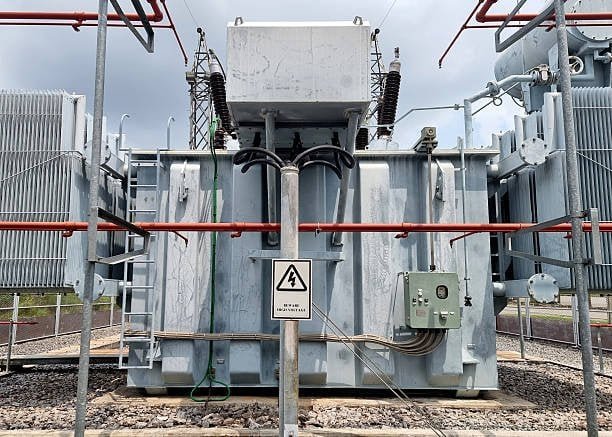
Mechanical strength is one of the most important yet often overlooked factors when selecting a power transformer. While electrical ratings such as voltage, capacity, and efficiency are easy to compare, the transformer's ability to withstand transportation, vibration, thermal expansion, and short-circuit forces determines its long-term reliability and service life. A transformer with inadequate mechanical strength may suffer winding deformation, insulation damage, increased vibration, or internal faults after experiencing electrical disturbances. Therefore, buyers should carefully evaluate the manufacturer's design capabilities, testing procedures, quality control systems, and compliance with international standards before making a purchasing decision.
Buyers can assess the mechanical strength of power transformers by reviewing short-circuit withstand capability, winding support design, clamping systems, structural construction, factory testing, quality assurance procedures, compliance with international standards, manufacturer experience, and project documentation. Evaluating these factors helps ensure the transformer can withstand mechanical stresses throughout its service life.
Mechanical strength can be determined simply by comparing the external size or weight of two power transformers.False
Although size and weight may vary, transformer mechanical strength primarily depends on internal winding construction, clamping systems, insulation supports, structural design, manufacturing quality, and verified testing rather than external dimensions alone.
Why is mechanical strength important?
Power transformers experience mechanical stresses during:
- Transportation
- Installation
- Normal operation
- Thermal expansion and contraction
- System switching
- Short-circuit faults
The most severe stress usually occurs during a short circuit, when fault currents generate extremely high electromagnetic forces inside the transformer.
A mechanically robust transformer maintains:
- Winding alignment
- Insulation clearances
- Structural stability
- Reliable electrical performance
Review the transformer's short-circuit withstand capability
One of the best indicators of mechanical strength is the transformer's ability to withstand short-circuit forces.
Ask the manufacturer:
- What short-circuit current has the transformer been designed to withstand?
- How was the mechanical design verified?
- Were electromagnetic force calculations performed?
- Has the design undergone type testing where applicable?
A transformer designed for high fault levels generally has stronger internal construction.
| Evaluation Item | Why It Matters |
|---|---|
| Short-circuit withstand capability | Demonstrates structural strength |
| Fault current rating | Indicates mechanical design level |
| Design verification | Confirms engineering analysis |
Examine the winding support system
Transformer windings are the components most vulnerable to mechanical damage.
Ask how the manufacturer supports the windings.
Important design features include:
- Axial support blocks
- Radial spacers
- Pressboard cylinders
- Reinforced insulation structures
- Uniform winding compression
Proper support minimizes winding movement during electrical faults.
Evaluate the clamping system
The winding clamping system maintains compression throughout the transformer's service life.
Questions to ask include:
- How is clamping pressure controlled?
- What materials are used?
- How is pressure maintained during thermal cycling?
- Are clamping components inspected during production?
A well-designed clamping system improves resistance to vibration and short-circuit forces.
| Clamping Feature | Mechanical Benefit |
|---|---|
| Uniform compression | Prevents winding movement |
| High-strength materials | Improves durability |
| Precision assembly | Maintains alignment |
Review the structural design
The overall transformer structure contributes significantly to mechanical integrity.
Important structural components include:
- Core frame
- Tank construction
- Tie rods
- End frames
- Support beams
These components must withstand internal forces without excessive deformation.
A robust structural design also improves transportation durability.
Assess the quality of construction materials
Material quality directly influences mechanical performance.
Ask about the materials used for:
- Windings
- Core
- Structural steel
- Insulation supports
- Fasteners
- Transformer tank
High-quality materials improve:
- Mechanical strength
- Fatigue resistance
- Corrosion resistance
- Long-term durability
| Component | Mechanical Importance |
|---|---|
| Copper conductors | High mechanical strength |
| Electrical steel | Stable core structure |
| Pressboard | Reliable insulation support |
| Structural steel | Strong mechanical framework |
Request factory test reports
Factory testing provides valuable evidence that the transformer has been manufactured correctly.
Request documentation for:
- Winding resistance measurement
- Turns ratio test
- Short-circuit impedance measurement
- Applied voltage test
- Induced voltage test
- Leak test
- Pressure test
Consistent test results help confirm that the transformer has been assembled without internal movement or defects.
Verify compliance with international standards
Standards compliance demonstrates that the transformer has been designed according to recognized engineering practices.
The most widely used standards are published by:
- International Electrotechnical Commission
- Institute of Electrical and Electronics Engineers
These standards include requirements for:
- Mechanical design
- Short-circuit withstand capability
- Factory testing
- Quality assurance
- Performance verification
Evaluate the manufacturer's engineering capability
Mechanical strength depends heavily on engineering expertise.
Ask whether the manufacturer performs:
- Electromagnetic force analysis
- Mechanical stress calculations
- Thermal analysis
- Computer simulation
- Structural optimization
Modern engineering tools help identify potential weaknesses before production begins.
Review manufacturing quality control
Even an excellent design requires consistent manufacturing.
Ask about quality control procedures such as:
- Material inspection
- Dimensional verification
- Winding tension control
- Clamping pressure measurement
- Welding inspection
- Final mechanical inspection
Strong quality management improves consistency and reliability.
| Quality Control Activity | Purpose |
|---|---|
| Incoming material inspection | Verify material quality |
| Dimensional inspection | Ensure assembly accuracy |
| Torque verification | Maintain structural stability |
| Final inspection | Confirm manufacturing quality |
Ask about transportation protection
Large power transformers may travel long distances before installation.
Ask how the manufacturer protects the transformer during transportation.
Important considerations include:
- Internal transport supports
- Core locking systems
- Shock monitoring
- Packaging methods
- Lifting provisions
Transportation damage can compromise mechanical integrity before the transformer is even energized.
Review manufacturer experience
Experience often reflects the ability to produce mechanically reliable transformers.
Ask about previous projects involving:
- Utility substations
- Renewable energy plants
- Heavy industrial facilities
- Mining operations
- Data centers
- Infrastructure projects
Manufacturers with extensive experience are generally better equipped to handle demanding applications.
Evaluate warranty and after-sales support
A comprehensive warranty can indicate confidence in product quality.
Questions include:
- Warranty duration
- Mechanical defect coverage
- Technical support availability
- Spare parts support
- Inspection assistance
Reliable after-sales service adds value throughout the transformer's operating life.
Request design documentation
For major projects, buyers may request technical documentation such as:
- General arrangement drawings
- Mechanical design descriptions
- Test certificates
- Quality records
- Inspection reports
This documentation provides additional confidence in the transformer's construction.
Compare lifecycle value instead of purchase price
Mechanical strength influences many long-term costs.
A transformer with superior mechanical design can offer:
- Longer service life
- Lower maintenance costs
- Reduced failure risk
- Higher system availability
- Lower lifecycle cost
Choosing solely on purchase price may increase total ownership costs over time.
| Evaluation Factor | Long-Term Benefit |
|---|---|
| Strong mechanical design | Improved reliability |
| High manufacturing quality | Longer service life |
| Verified testing | Reduced operational risk |
| Experienced manufacturer | Better technical support |
Buyer assessment checklist
Before selecting a transformer supplier, confirm the following:
| Assessment Item | Verified |
|---|---|
| Short-circuit withstand capability | ✓ |
| Winding support design | ✓ |
| Clamping system quality | ✓ |
| Structural construction | ✓ |
| Factory test reports | ✓ |
| Standards compliance | ✓ |
| Quality control procedures | ✓ |
| Manufacturer experience | ✓ |
| Warranty coverage | ✓ |
| After-sales support | ✓ |
Why Is Short-Circuit Withstand Capability Critical to Transformer Mechanical Strength?
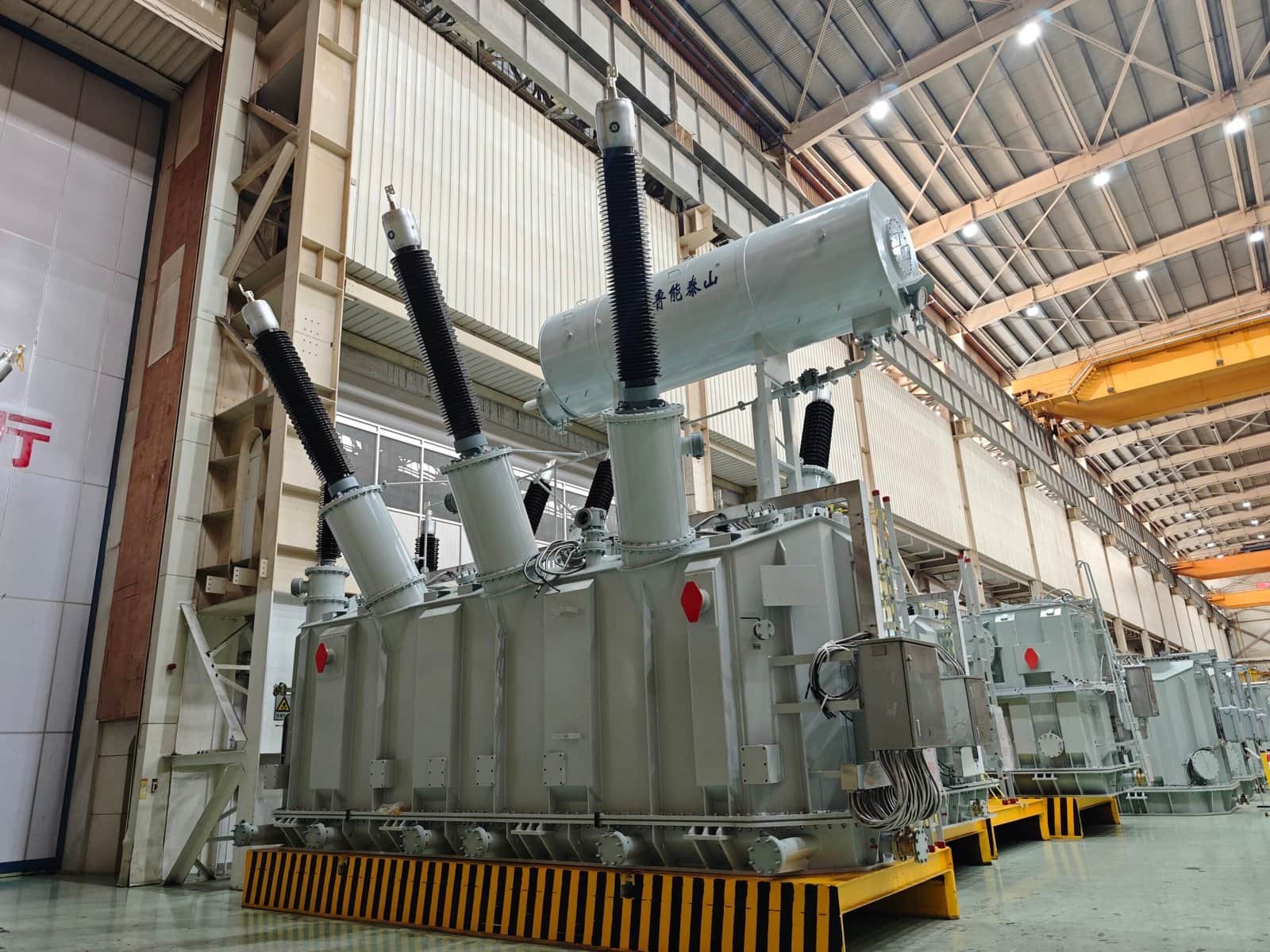
Power transformers are expected to operate reliably for decades under normal electrical conditions, but they must also survive occasional fault events such as short circuits without suffering permanent mechanical damage. During a short circuit, the transformer can experience fault currents many times greater than its rated current, generating enormous electromagnetic forces inside the windings. These forces can deform conductors, loosen clamping structures, damage insulation, and reduce the transformer's long-term reliability. For utilities, industrial facilities, renewable energy plants, and critical infrastructure, selecting a transformer with adequate short-circuit withstand capability is essential for ensuring mechanical integrity, minimizing downtime, and extending service life.
Short-circuit withstand capability is critical because it enables a power transformer to resist the extreme mechanical forces produced during electrical faults. A transformer with sufficient mechanical strength maintains winding alignment, insulation integrity, and structural stability during high fault currents, reducing the risk of permanent damage, unplanned outages, and costly repairs.
If a power transformer passes routine electrical tests, its mechanical strength during short circuits is guaranteed regardless of its structural design.False
Routine electrical tests verify electrical performance, but short-circuit withstand capability depends on mechanical design, winding support, clamping systems, insulation strength, and compliance with applicable short-circuit design requirements.
Why do short circuits create mechanical stress?
A short circuit causes current to increase dramatically within a fraction of a second. Depending on the system, fault currents may reach 10 to 30 times the transformer's rated current before protective devices isolate the fault.
These high currents generate powerful electromagnetic forces between the transformer windings.
The magnitude of these forces depends on:
- Fault current level
- Winding geometry
- Transformer impedance
- Fault duration
- Mechanical support structure
Even though the fault may last only a short time, the resulting forces can be severe enough to permanently deform internal components.
What types of mechanical forces occur during a short circuit?
Transformer windings experience two primary types of mechanical stress.
Axial forces
Axial forces act along the length of the windings and may cause:
- Winding compression
- Winding stretching
- Buckling
- Movement of insulation spacers
Radial forces
Radial forces act inward or outward across the winding diameter and may result in:
- Conductor deformation
- Coil expansion
- Coil collapse
- Loss of winding alignment
| Mechanical Force | Possible Effect |
|---|---|
| Axial compression | Winding displacement |
| Axial tension | Insulation damage |
| Radial compression | Coil distortion |
| Radial expansion | Structural deformation |
Why is winding stability so important?
Transformer windings are precisely manufactured to maintain electrical clearances and magnetic balance.
If a short circuit moves the windings even slightly, the transformer may experience:
- Reduced dielectric strength
- Uneven magnetic fields
- Increased vibration
- Higher losses
- Partial discharge
- Premature insulation aging
In severe cases, winding displacement may lead to internal faults and transformer failure.
How does mechanical strength protect insulation?
The insulation system depends on stable winding geometry.
Mechanical deformation can:
- Crack solid insulation
- Damage paper insulation
- Create oil flow restrictions
- Reduce dielectric clearances
- Increase the likelihood of electrical breakdown
Even if the transformer continues operating after a fault, hidden insulation damage may shorten its service life.
Which transformer components improve short-circuit withstand capability?
Manufacturers enhance mechanical strength through several design features.
These include:
- Robust winding clamping systems
- High-strength conductor supports
- Reinforced insulation spacers
- Rigid core structures
- Strong end blocks
- Secure tie rods
- Precision winding assembly
Each component helps resist movement during fault conditions.
| Component | Contribution to Mechanical Strength |
|---|---|
| Winding clamps | Prevent coil movement |
| End blocks | Resist axial forces |
| Insulation spacers | Maintain electrical clearances |
| Core frame | Supports structural stability |
| Tie rods | Maintain compression |
How does conductor design influence short-circuit performance?
The conductor itself must withstand both electrical heating and mechanical loading.
Manufacturers optimize:
- Conductor cross-section
- Mechanical rigidity
- Winding arrangement
- Transposition methods
- Support spacing
Proper conductor design reduces deformation under extreme fault currents.
Why is winding clamping pressure important?
Windings are compressed during assembly to prevent movement.
Correct clamping pressure:
- Maintains winding alignment
- Prevents vibration
- Reduces mechanical fatigue
- Improves fault resistance
Insufficient clamping may allow winding displacement during a short circuit, while excessive clamping can damage insulation.
How does transformer impedance affect short-circuit forces?
Transformer impedance influences the magnitude of fault current.
Generally:
- Lower impedance allows higher fault currents.
- Higher fault currents produce larger electromagnetic forces.
Designers balance impedance requirements with system performance and mechanical strength to achieve reliable operation.
| Transformer Characteristic | Effect on Fault Performance |
|---|---|
| Lower impedance | Higher fault current |
| Higher fault current | Greater mechanical stress |
| Stronger mechanical design | Better fault resistance |
Can repeated faults weaken a transformer?
Yes.
Although a transformer may survive an individual short circuit, repeated fault events can gradually reduce mechanical integrity.
Possible long-term effects include:
- Loosened winding supports
- Insulation fatigue
- Increased vibration
- Reduced dielectric strength
- Accelerated aging
For this reason, transformers exposed to multiple fault events should be evaluated through condition assessment and diagnostic testing.
How is short-circuit withstand capability verified?
Manufacturers verify transformer mechanical strength through:
- Mechanical design calculations
- Electromagnetic force analysis
- Material strength evaluation
- Quality control during manufacturing
- Factory routine testing
For certain transformer designs, additional verification may include short-circuit testing performed at specialized high-power laboratories.
What inspections are recommended after a major fault?
After a significant short circuit, utilities often perform diagnostic tests before returning a transformer to full service.
Common evaluations include:
- Winding resistance measurement
- Turns ratio testing
- Insulation resistance testing
- Sweep Frequency Response Analysis (SFRA)
- Dissolved Gas Analysis (DGA)
- Insulation power factor testing
- Visual inspection where practical
These tests help identify hidden mechanical or insulation damage.
| Diagnostic Test | Purpose |
|---|---|
| SFRA | Detect winding movement |
| DGA | Identify internal faults |
| Winding resistance | Check conductor integrity |
| Turns ratio test | Verify winding condition |
| Insulation resistance | Evaluate insulation health |
Which applications require high short-circuit strength?
Mechanical withstand capability is especially important in applications where fault currents may be high.
These include:
- Utility transmission substations
- Distribution networks
- Heavy industrial facilities
- Mining operations
- Steel plants
- Renewable energy grid connections
- Large commercial power systems
In these environments, transformers may experience severe electrical disturbances during their operating life.
Which standards define short-circuit withstand requirements?
Power transformers should be designed and manufactured according to internationally recognized standards that include requirements for mechanical strength under fault conditions.
The most widely adopted standards are published by:
- International Electrotechnical Commission
- Institute of Electrical and Electronics Engineers
These standards provide guidance for:
- Short-circuit design criteria
- Mechanical strength verification
- Temperature limits
- Dielectric performance
- Factory testing
- Reliability requirements
Compliance with these standards helps ensure that transformers can safely withstand expected fault conditions throughout their service life.
How can buyers evaluate short-circuit withstand capability?
When selecting a power transformer, buyers should review:
- System fault current levels
- Transformer impedance
- Mechanical design features
- Applicable standards
- Factory test documentation
- Manufacturer experience
- Project-specific fault requirements
Working closely with an experienced transformer manufacturer helps ensure that the selected design is suitable for the electrical system's fault conditions.
| Selection Factor | Why It Matters |
|---|---|
| Available fault current | Determines required mechanical strength |
| Transformer impedance | Influences fault current magnitude |
| Winding support design | Prevents deformation |
| Manufacturing quality | Improves long-term reliability |
| Standards compliance | Confirms design verification |
Which Design Features Improve the Mechanical Strength of Power Transformers?

Power transformers operate under demanding electrical and mechanical conditions throughout their service life. Although transformers are designed for continuous operation under normal load conditions, they must also withstand severe events such as short circuits, switching surges, transportation stress, and mechanical vibration. During a short circuit, fault currents can generate enormous electromagnetic forces that act on transformer windings within milliseconds. Without sufficient mechanical strength, these forces can cause winding deformation, insulation damage, loss of electrical clearances, and premature failure. For this reason, transformer manufacturers use advanced structural designs, reinforced components, and precise manufacturing processes to improve mechanical strength and ensure reliable operation under extreme conditions.
The mechanical strength of power transformers is improved through robust winding structures, strong clamping systems, reinforced insulation supports, high-quality core frames, optimized conductor designs, advanced electromagnetic analysis, and strict manufacturing controls. These features help transformers withstand short-circuit forces, vibration, transportation stresses, and long-term mechanical aging while maintaining electrical reliability.
Transformer mechanical strength depends only on the thickness of the external tank because internal components do not experience significant forces during operation.False
The highest mechanical stresses during short circuits occur inside the transformer, especially in the windings, supports, clamps, and insulation structures. Internal mechanical design is critical for short-circuit withstand capability.
Why is mechanical strength important in power transformer design?
A power transformer contains several internal components that must remain precisely positioned throughout its operating life.
The most mechanically sensitive components include:
- High-voltage windings
- Low-voltage windings
- Core assembly
- Clamping structures
- Insulation supports
- Lead connections
During a short circuit, current levels can increase dramatically, creating electromagnetic forces between conductors.
These forces may cause:
- Axial winding movement
- Radial winding deformation
- Coil compression
- Insulation displacement
- Structural fatigue
A transformer with strong mechanical design can absorb these forces and return to normal operation after the fault is cleared.
How do short-circuit forces affect transformer windings?
When current flows through transformer windings, magnetic fields are created around the conductors. During a fault condition, the current increases significantly, causing electromagnetic forces to rise rapidly.
genui{"physics_electricity_magnetism_learning_block_staging":{"type_id":"CURRENT_TO_MAGNETIC_FIELD","locale_override":"en"}}
These forces can act in multiple directions.
| Force Type | Direction | Potential Damage |
|---|---|---|
| Radial force | Toward or away from winding center | Coil deformation |
| Axial force | Along winding height | Coil movement |
| Electromagnetic vibration | Repeated mechanical stress | Fatigue damage |
1. Reinforced winding design
The winding structure is one of the most important factors determining transformer mechanical strength.
Manufacturers improve winding strength through:
- Optimized conductor arrangement
- Strong mechanical support
- Proper insulation spacing
- High-strength materials
- Controlled winding tension
A well-designed winding maintains its shape even when exposed to high electromagnetic forces.
Important winding design factors include:
- Number of turns
- Conductor dimensions
- Radial support
- Axial compression
- Current distribution
| Winding Feature | Mechanical Benefit |
|---|---|
| Compact winding arrangement | Reduces movement |
| Strong conductor support | Improves fault resistance |
| Uniform compression | Prevents deformation |
| Optimized geometry | Reduces force concentration |
2. Strong winding clamping systems
The clamping structure keeps transformer windings firmly positioned around the core.
A high-quality clamping system:
- Maintains compression pressure
- Prevents winding movement
- Reduces vibration
- Improves short-circuit withstand capability
Clamping pressure must be carefully controlled.
Too little pressure may allow movement, while excessive pressure may damage insulation.
Modern transformer designs use:
- High-strength clamping frames
- Reinforced steel structures
- Precision pressure control systems
3. Improved insulation support structures
Insulation systems serve both electrical and mechanical functions.
Besides preventing electrical breakdown, insulation components help maintain winding stability.
Mechanical insulation components include:
- Pressboard cylinders
- Spacers
- End blocks
- Barriers
- Support rings
These components help:
- Maintain winding position
- Distribute mechanical forces
- Preserve oil circulation paths
- Protect conductors
| Insulation Component | Mechanical Function |
|---|---|
| Spacers | Maintain conductor spacing |
| End blocks | Resist axial forces |
| Cylinders | Support winding structure |
| Barriers | Maintain separation |
4. Optimized core and frame construction
The transformer core is not only a magnetic component; it also contributes to overall mechanical stability.
A strong core structure includes:
- Rigid clamping frames
- Secure core bolts
- Reinforced supporting structures
- Accurate assembly methods
A stable core assembly reduces:
- Vibration
- Noise
- Mechanical movement
Poor core assembly can increase vibration and accelerate component fatigue.
5. Advanced conductor design
Transformer conductors must withstand both electrical and mechanical stresses.
Manufacturers improve conductor strength through:
- Proper conductor dimensions
- High-quality copper or aluminum materials
- Transposed conductor technology
- Optimized winding arrangement
These designs help reduce:
- Localized stress concentration
- Uneven current distribution
- Mechanical deformation
| Conductor Design Feature | Benefit |
|---|---|
| High-quality copper | Improved strength |
| Transposed conductors | Reduced losses and stress |
| Proper sizing | Better current handling |
| Optimized arrangement | Lower force concentration |
6. Electromagnetic force calculation and simulation
Modern transformer manufacturers use computer-based analysis to predict mechanical stresses before manufacturing.
Engineering tools evaluate:
- Short-circuit forces
- Magnetic field distribution
- Winding deformation risk
- Structural stress points
Computer simulation allows designers to improve:
- Winding geometry
- Support structures
- Clamping systems
This reduces design risks and improves transformer reliability.
7. High-quality materials selection
Material selection strongly influences mechanical durability.
Important materials include:
- Electrical steel
- Copper conductors
- Insulation materials
- Structural steel
- Pressboard components
High-quality materials provide:
- Better mechanical strength
- Improved thermal stability
- Longer service life
| Material | Mechanical Role |
|---|---|
| Copper | Conductive and mechanically strong winding material |
| Electrical steel | Provides core stability |
| Pressboard | Supports insulation and structure |
| Steel frames | Provides mechanical reinforcement |
8. Precision manufacturing processes
Even an excellent design can fail if manufacturing quality is poor.
Mechanical strength depends on:
- Accurate winding assembly
- Correct clamping pressure
- Proper drying processes
- Controlled insulation installation
- Precise core assembly
Manufacturing quality directly affects the transformer's ability to withstand faults.
9. Improved tank and structural design
Although internal components experience the greatest electromagnetic forces, the transformer tank also contributes to overall mechanical reliability.
A strong tank design provides:
- Protection against external impacts
- Resistance to pressure changes
- Support during transportation
- Protection from environmental conditions
Important features include:
- Reinforced tank walls
- Strong welding quality
- Reliable sealing systems
- Pressure relief devices
10. Vibration reduction design
Transformers experience vibration caused by:
- Magnetic forces
- Core magnetostriction
- Load changes
Long-term vibration can loosen components and accelerate aging.
Manufacturers reduce vibration through:
- Improved core assembly
- Better clamping systems
- Noise reduction structures
- Mechanical reinforcement
| Vibration Source | Control Method |
|---|---|
| Core vibration | Improved core clamping |
| Winding vibration | Stronger supports |
| Mechanical resonance | Optimized structural design |
11. Short-circuit testing and verification
Manufacturers verify mechanical performance through:
- Design calculations
- Type testing
- Routine testing
- Quality inspections
Short-circuit withstand verification confirms that the transformer can survive expected fault conditions.
Testing evaluates:
- Winding stability
- Structural integrity
- Electrical performance after stress
12. Transportation-resistant design
Large power transformers may experience significant mechanical stress during transportation.
Risks include:
- Shock loads
- Vibration
- Sudden acceleration
- Handling forces
Manufacturers consider transportation conditions through:
- Strong internal supports
- Secure packaging
- Impact monitoring
- Transport locking systems
How do design features improve transformer reliability?
Mechanical strength directly affects transformer lifecycle performance.
A mechanically robust transformer provides:
- Better fault resistance
- Reduced maintenance requirements
- Lower failure risk
- Longer service life
- Higher system availability
| Design Feature | Reliability Improvement |
|---|---|
| Strong winding support | Prevents deformation |
| Reinforced clamping | Maintains alignment |
| Quality materials | Improves durability |
| Simulation analysis | Reduces design risks |
| Manufacturing control | Ensures consistency |
Which applications require stronger transformer mechanical design?
Some electrical systems experience higher fault levels and require stronger transformer construction.
These include:
| Application | Mechanical Requirement |
|---|---|
| Utility transmission substations | Very high fault withstand |
| Industrial plants | High short-circuit capability |
| Renewable energy connections | Grid disturbance resistance |
| Mining operations | Rugged construction |
| Data centers | High reliability |
| Heavy manufacturing | Continuous operation |
How can buyers evaluate transformer mechanical strength?
Before purchasing, buyers should review:
- Short-circuit withstand rating
- Applicable standards
- Manufacturer experience
- Design documentation
- Test reports
- Quality assurance procedures
Important questions include:
- What fault current can the transformer withstand?
- Has the design been verified through calculation or testing?
- What winding support technology is used?
- What quality controls are applied during manufacturing?
Which standards define transformer mechanical strength requirements?
Power transformer mechanical design and short-circuit performance are guided by international standards developed by:
- International Electrotechnical Commission
- Institute of Electrical and Electronics Engineers
These standards address:
- Short-circuit withstand capability
- Transformer design requirements
- Testing procedures
- Performance verification
Compliance with recognized standards provides confidence that transformers can withstand expected operating stresses.
What Factory Tests Verify the Mechanical Integrity of a Power Transformer?
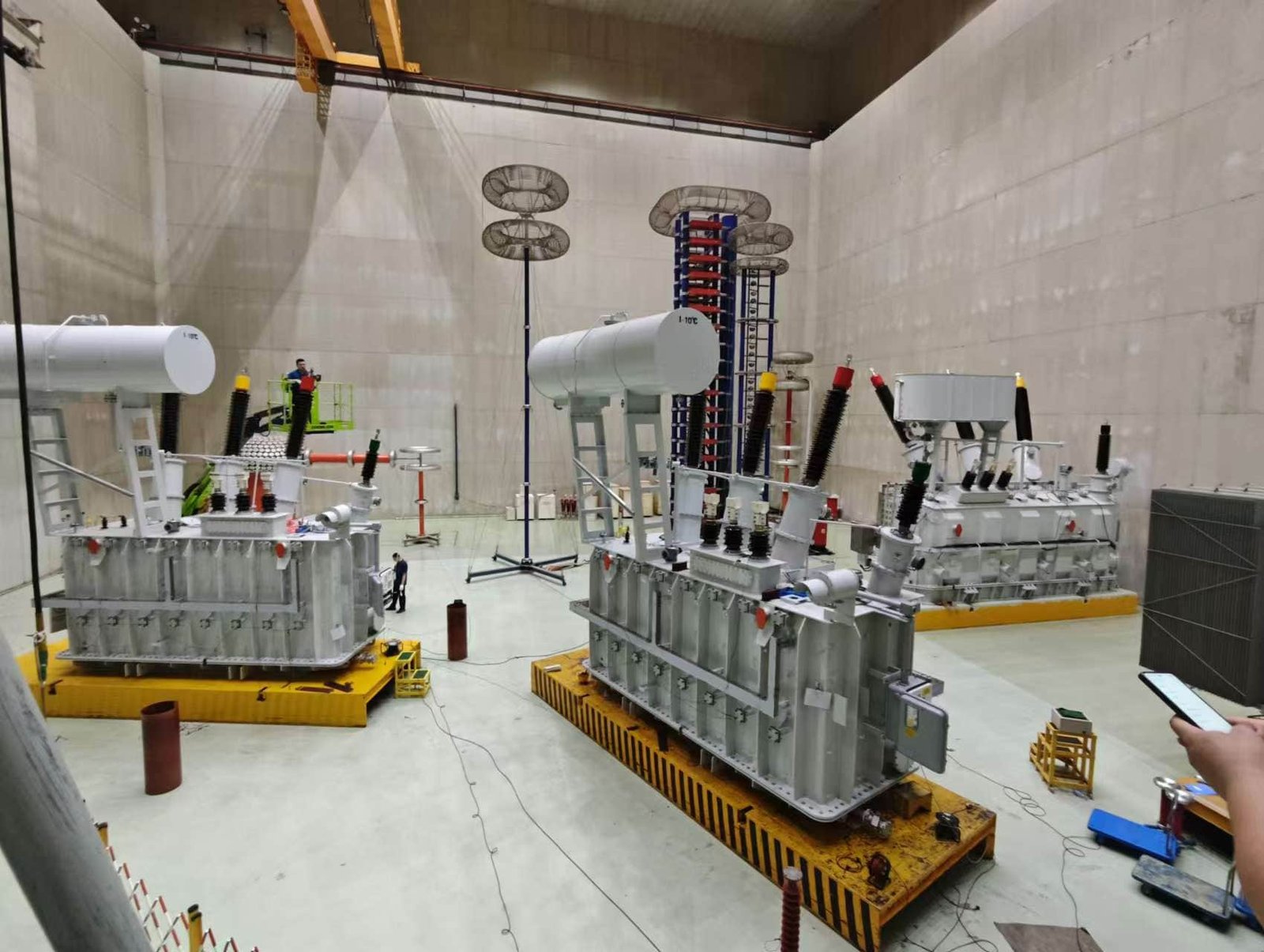
A power transformer must not only meet its electrical performance requirements but also possess sufficient mechanical strength to withstand transportation, installation, normal operating conditions, and severe electrical faults throughout its service life. Mechanical integrity is particularly important because internal winding movement or structural deformation can lead to insulation failure, reduced dielectric strength, increased vibration, and premature transformer failure. Although many mechanical characteristics cannot be observed directly after assembly, manufacturers verify mechanical integrity through a combination of routine factory tests, type tests, design verification, and quality inspections. These tests ensure that the transformer is capable of maintaining its structural stability under both normal and abnormal operating conditions.
Factory verification of transformer mechanical integrity includes routine electrical tests, winding resistance measurements, impedance and short-circuit impedance tests, insulation tests, vibration and leakage inspections, pressure tests, and comprehensive mechanical quality checks. For certain transformer designs, additional short-circuit withstand testing and transportation simulations may also be performed to validate structural strength under extreme operating conditions.
A transformer's mechanical integrity can be confirmed by a single electrical test performed at the end of production.False
Mechanical integrity is verified through multiple manufacturing inspections, routine electrical tests, mechanical quality controls, pressure tests, dimensional inspections, and, when required, specialized type tests such as short-circuit withstand verification.
Why is mechanical integrity verification important?
A transformer contains numerous components that must remain securely positioned throughout decades of operation.
Critical mechanical components include:
- Windings
- Core assembly
- Clamping structures
- Insulation supports
- Lead connections
- Tank structure
If any of these components shift during transportation or electrical faults, transformer reliability may be significantly reduced.
Factory testing confirms that manufacturing quality meets the specified design requirements before shipment.
What types of tests contribute to mechanical integrity verification?
Mechanical integrity is verified through a combination of:
- Routine factory tests
- Type tests
- Design verification
- Mechanical inspections
- Quality assurance procedures
While some tests directly evaluate mechanical strength, others indirectly confirm that no internal movement or manufacturing defects are present.
| Test Category | Primary Purpose |
|---|---|
| Routine electrical tests | Verify manufacturing quality |
| Mechanical inspections | Confirm structural assembly |
| Pressure tests | Verify tank strength and sealing |
| Type tests | Validate design performance |
| Short-circuit tests | Verify mechanical withstand capability |
1. Visual and dimensional inspection
Before electrical testing begins, manufacturers perform detailed inspections of the completed transformer.
Typical inspection items include:
- Core alignment
- Winding positioning
- Clamping assembly
- Fastener tightening
- Tank welding quality
- Painting quality
- Nameplate verification
Dimensional inspections confirm that the transformer has been manufactured according to approved drawings and tolerances.
2. Winding resistance measurement
Winding resistance testing verifies the continuity and integrity of transformer windings.
This test can identify:
- Loose electrical connections
- Damaged conductors
- Incorrect winding assembly
- Manufacturing defects
Stable resistance values also provide confidence that no winding displacement occurred during final assembly.
| Test | Mechanical Significance |
|---|---|
| Winding resistance | Confirms winding continuity and assembly quality |
| Stable measurements | Indicates consistent winding construction |
3. Transformer turns ratio test
The transformer turns ratio test verifies that the winding turns match the design specifications.
Unexpected ratio deviations may indicate:
- Incorrect winding connections
- Manufacturing errors
- Internal winding damage
Although primarily an electrical test, it also helps confirm correct winding positioning.
4. Short-circuit impedance measurement
Short-circuit impedance is one of the most important routine tests related to mechanical integrity.
The measured impedance should closely match the design value.
Significant changes may indicate:
- Winding movement
- Mechanical deformation
- Improper assembly
- Internal structural changes
Because winding geometry directly influences impedance, this test provides valuable indirect evidence of mechanical stability.
5. Applied voltage and induced voltage tests
These dielectric tests verify the integrity of the insulation system under high-voltage conditions.
Successful completion demonstrates that:
- Windings remain properly insulated.
- Internal clearances are maintained.
- No damage occurred during assembly.
If winding displacement had significantly altered insulation spacing, these tests might reveal insulation weaknesses.
6. Insulation resistance testing
Insulation resistance testing evaluates the condition of the insulation system before shipment.
It helps identify:
- Moisture contamination
- Insulation damage
- Manufacturing defects
- Contamination inside the transformer
Reliable insulation performance depends on stable mechanical positioning of internal components.
| Insulation Test | Purpose |
|---|---|
| Insulation resistance | Verify insulation quality |
| Applied voltage | Confirm dielectric strength |
| Induced voltage | Validate inter-turn insulation |
7. Pressure and leak testing
The transformer tank must safely withstand internal pressure generated during operation.
Manufacturers perform pressure tests to verify:
- Tank mechanical strength
- Weld quality
- Flange sealing
- Gasket integrity
Leak testing confirms that insulating oil will remain securely contained throughout the transformer's operating life.
8. Vacuum tightness testing
Oil-filled transformers are often subjected to vacuum during manufacturing and oil filling.
Vacuum testing confirms:
- Structural rigidity
- Tank integrity
- Leak-free construction
Maintaining vacuum integrity is essential for proper insulation drying and oil impregnation.
9. Core grounding verification
Manufacturers verify that the transformer core grounding system is correctly installed.
Proper core grounding:
- Prevents circulating currents
- Reduces overheating
- Improves operational reliability
Incorrect grounding may indicate assembly problems affecting mechanical integrity.
10. Vibration and noise inspection
Although transformers naturally produce some vibration because of magnetic forces, excessive vibration may indicate mechanical problems.
Manufacturers inspect for:
- Loose clamping
- Core movement
- Structural resonance
- Assembly defects
Acceptable vibration levels indicate good mechanical construction.
| Inspection Item | Mechanical Benefit |
|---|---|
| Noise measurement | Detects abnormal vibration |
| Vibration inspection | Confirms secure assembly |
| Visual examination | Identifies structural defects |
11. Mechanical inspection of clamping systems
Before the transformer tank is sealed, manufacturers inspect the winding clamping system.
Inspection includes:
- Clamping pressure
- Alignment
- Fastener torque
- Spacer positioning
- Structural supports
Proper clamping prevents winding movement during transportation and short-circuit events.
12. Factory Acceptance Test (FAT)
The Factory Acceptance Test combines routine inspections and electrical testing before shipment.
Typical FAT activities include:
- Review of test reports
- Visual inspection
- Electrical testing
- Mechanical inspection
- Customer witness testing
The FAT provides confidence that the transformer satisfies contractual specifications.
Does factory testing directly simulate a short circuit?
Routine factory tests generally do not apply full short-circuit currents because such testing requires specialized high-power laboratories.
Instead, manufacturers verify short-circuit capability through:
- Electromagnetic force calculations
- Mechanical stress analysis
- Design verification
- Compliance with applicable standards
For certain transformer designs, type testing may include actual short-circuit withstand testing performed at accredited laboratories.
What is short-circuit withstand testing?
A short-circuit withstand test subjects a transformer to controlled fault currents to verify that its windings and structural components can withstand extreme electromagnetic forces without permanent deformation.
Following the test, manufacturers repeat routine electrical measurements such as:
- Winding resistance
- Turns ratio
- Short-circuit impedance
- Dielectric tests
Stable results demonstrate that no significant mechanical movement has occurred.
How does quality control support mechanical integrity?
Mechanical reliability depends not only on testing but also on manufacturing quality.
Important quality control activities include:
- Material inspection
- Dimensional verification
- Welding inspection
- Torque control
- Drying process monitoring
- Assembly documentation
Strict process control minimizes the risk of hidden mechanical defects.
| Quality Control Activity | Purpose |
|---|---|
| Material inspection | Verify component quality |
| Dimensional inspection | Ensure assembly accuracy |
| Torque verification | Maintain structural integrity |
| Welding inspection | Confirm tank strength |
| Final inspection | Validate completed transformer |
Which standards define factory testing requirements?
Power transformer factory tests are specified by internationally recognized standards developed by:
- International Electrotechnical Commission
- Institute of Electrical and Electronics Engineers
These standards define requirements for:
- Routine tests
- Type tests
- Special tests
- Dielectric testing
- Mechanical verification
- Factory acceptance procedures
Compliance with these standards helps ensure consistent manufacturing quality and long-term transformer reliability.
What should buyers request before shipment?
Before accepting delivery, buyers should request:
- Factory test reports
- Routine test certificates
- Quality inspection records
- Dimensional inspection reports
- Pressure test records
- Material certificates
- Factory Acceptance Test documentation, if applicable
Reviewing this documentation provides assurance that the transformer has been manufactured and tested according to project specifications.
How Do International Standards Ensure Power Transformer Mechanical Reliability?
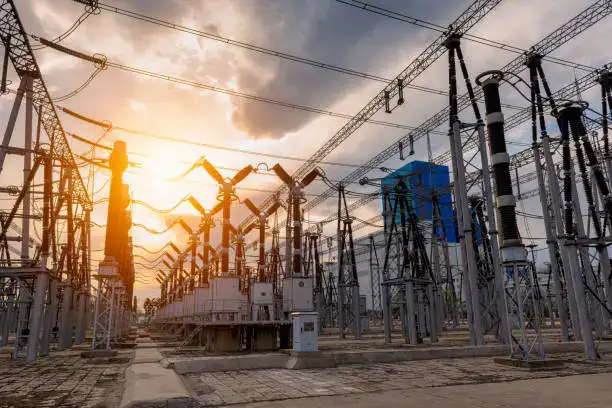
Power transformers are expected to operate safely and reliably for 30 years or more under demanding electrical, thermal, and mechanical conditions. Throughout their service life, they may experience transportation shocks, installation stresses, continuous vibration, thermal expansion, switching operations, and severe short-circuit faults. To ensure transformers can withstand these conditions, international standards establish uniform design, manufacturing, testing, and quality requirements. These standards provide manufacturers, utilities, industrial users, and project owners with a common framework for evaluating transformer mechanical strength, ensuring that equipment delivered anywhere in the world meets consistent levels of safety, durability, and reliability.
International standards ensure power transformer mechanical reliability by defining requirements for mechanical design, short-circuit withstand capability, material quality, manufacturing processes, testing procedures, inspection methods, and quality assurance. Compliance with these standards helps transformers maintain winding stability, structural integrity, insulation performance, and long-term reliability under normal operation and fault conditions.
International transformer standards only specify electrical performance and do not address mechanical reliability.False
International transformer standards include requirements for mechanical strength, short-circuit withstand capability, construction quality, testing procedures, and design verification to ensure reliable operation throughout the transformer's service life.
Why are international standards important?
Power transformers are installed in a wide variety of environments, including:
- Utility transmission networks
- Distribution substations
- Manufacturing facilities
- Renewable energy plants
- Mining operations
- Data centers
- Transportation infrastructure
Although operating conditions differ, every transformer must satisfy fundamental requirements for:
- Mechanical strength
- Electrical safety
- Thermal performance
- Reliability
- Service life
International standards provide consistent technical requirements that manufacturers can follow regardless of project location.
Which organizations develop transformer standards?
The two most widely recognized organizations responsible for transformer standards are:
- International Electrotechnical Commission
- Institute of Electrical and Electronics Engineers
Their standards establish internationally accepted practices covering:
- Design requirements
- Manufacturing quality
- Mechanical performance
- Electrical testing
- Short-circuit capability
- Acceptance testing
Many utilities and industrial users specify compliance with one or both organizations when purchasing transformers.
How do standards address mechanical design?
Mechanical reliability begins during the design stage.
International standards require manufacturers to consider:
- Electromagnetic forces
- Mechanical stresses
- Thermal expansion
- Transportation loads
- Installation conditions
- Fault currents
The transformer structure must be capable of maintaining winding alignment and insulation clearances throughout its expected operating life.
| Design Requirement | Mechanical Benefit |
|---|---|
| Structural calculations | Verify mechanical strength |
| Electromagnetic analysis | Predict fault forces |
| Thermal evaluation | Reduce expansion stress |
| Material selection | Improve durability |
Why is short-circuit withstand capability emphasized?
One of the most demanding mechanical conditions a transformer can experience is a short circuit.
During a fault:
- Current increases rapidly.
- Electromagnetic forces become extremely large.
- Windings experience axial and radial forces.
- Structural components undergo severe mechanical stress.
International standards require transformer designs to withstand expected short-circuit forces without permanent mechanical deformation.
This requirement significantly improves long-term reliability.
How do standards protect winding integrity?
Transformer windings are precisely positioned to maintain:
- Electrical clearances
- Magnetic balance
- Cooling oil circulation
- Insulation spacing
Standards require manufacturers to design winding support systems capable of resisting:
- Compression
- Expansion
- Vibration
- Electromagnetic loading
Proper winding support reduces the likelihood of:
- Winding displacement
- Insulation damage
- Internal faults
- Partial discharge
| Winding Requirement | Reliability Improvement |
|---|---|
| Secure clamping | Prevents movement |
| Proper spacing | Maintains insulation |
| Structural support | Resists fault forces |
| Stable geometry | Improves long-term performance |
How do standards improve material quality?
Mechanical reliability depends heavily on the quality of construction materials.
International standards specify requirements for:
- Electrical steel
- Copper or aluminum conductors
- Insulation materials
- Structural steel
- Transformer oil
- Mechanical fasteners
Using qualified materials improves:
- Mechanical strength
- Thermal stability
- Corrosion resistance
- Service life
How do standards regulate manufacturing quality?
Even the best transformer design can fail if manufacturing quality is inconsistent.
International standards encourage controlled manufacturing processes including:
- Winding assembly
- Core installation
- Clamping procedures
- Drying processes
- Oil filling
- Final inspection
Manufacturing quality directly influences mechanical integrity.
| Manufacturing Process | Mechanical Purpose |
|---|---|
| Precision winding | Maintain geometry |
| Controlled clamping | Prevent movement |
| Vacuum drying | Preserve insulation strength |
| Accurate assembly | Improve reliability |
What factory tests are required?
Standards specify routine factory tests to verify manufacturing quality before shipment.
Typical routine tests include:
- Winding resistance measurement
- Transformer turns ratio test
- Insulation resistance testing
- Applied voltage test
- Induced voltage test
- Short-circuit impedance measurement
- Leak testing
Although these tests primarily evaluate electrical performance, they also provide indirect confirmation that internal mechanical structures remain stable after assembly.
How do standards address type testing?
For new transformer designs or special projects, standards may require additional type tests.
These can include:
- Temperature rise testing
- Lightning impulse testing
- Sound level measurement
- Short-circuit withstand testing
Type tests validate that the transformer design performs as intended under demanding operating conditions.
Why is short-circuit testing important?
Short-circuit testing is one of the most demanding mechanical evaluations.
It demonstrates that:
- Windings remain correctly positioned.
- Clamping systems remain secure.
- Mechanical supports withstand fault forces.
- No permanent deformation occurs.
After testing, manufacturers repeat electrical measurements to verify that winding geometry has not changed.
How do standards support transportation reliability?
Large transformers often travel thousands of kilometers before installation.
Transportation introduces mechanical stresses including:
- Road vibration
- Railway movement
- Marine transport
- Lifting operations
International standards encourage manufacturers to consider transportation loads during structural design.
This includes:
- Tank reinforcement
- Internal supports
- Secure core clamping
- Transportation locking devices
| Transportation Consideration | Mechanical Protection |
|---|---|
| Reinforced tank | Prevents deformation |
| Core locking | Reduces movement |
| Shipping supports | Protects windings |
| Lifting design | Prevents structural damage |
How do standards improve long-term reliability?
Mechanical reliability depends on maintaining structural integrity throughout decades of service.
Standards contribute by requiring:
- Conservative design margins
- Proven construction methods
- Quality materials
- Reliable testing
- Comprehensive documentation
These requirements reduce the likelihood of:
- Winding movement
- Insulation deterioration
- Structural fatigue
- Unexpected failures
What documentation do standards require?
Manufacturers typically provide documentation demonstrating compliance with project specifications and applicable standards.
Common documentation includes:
- Routine test reports
- Type test certificates
- Material certificates
- Quality inspection records
- Factory acceptance documentation
- Design calculations when required
This documentation allows buyers to verify that manufacturing requirements have been satisfied.
How do standards benefit transformer buyers?
Compliance with internationally recognized standards provides several advantages.
| Buyer Benefit | Explanation |
|---|---|
| Consistent quality | Uniform manufacturing requirements |
| Improved reliability | Verified mechanical performance |
| Easier procurement | Standardized specifications |
| Lower lifecycle cost | Reduced failure risk |
| Global acceptance | Suitable for international projects |
Standards also simplify technical evaluation because buyers can compare equipment using common performance requirements.
Which industries depend most on standardized mechanical reliability?
Mechanical reliability is especially important in industries where transformer failure has significant operational or financial consequences.
These include:
- Electric utilities
- Renewable energy
- Heavy manufacturing
- Mining
- Oil and gas
- Transportation systems
- Data centers
- Commercial infrastructure
In these sectors, compliance with recognized standards helps ensure dependable long-term operation.
What should buyers verify during procurement?
When evaluating transformer suppliers, buyers should confirm:
- Compliance with applicable IEC or IEEE standards
- Short-circuit withstand capability
- Factory testing procedures
- Quality management systems
- Manufacturing experience
- Documentation availability
A thorough technical review helps ensure that the selected transformer will meet both mechanical and electrical performance requirements.
What Questions Should Buyers Ask Manufacturers Before Purchasing a Power Transformer?

Purchasing a power transformer is a long-term investment that directly affects the reliability, efficiency, and operating costs of an electrical power system. Since power transformers typically remain in service for 30 to 40 years or more, selecting the right manufacturer is just as important as selecting the right technical specifications. Buyers should evaluate not only transformer ratings but also manufacturing capabilities, quality control, testing procedures, engineering support, delivery schedules, and after-sales service. Asking the right questions before placing an order helps reduce technical risks, avoid unexpected costs, and ensure the transformer will meet current and future operational requirements.
Before purchasing a power transformer, buyers should ask manufacturers about technical specifications, compliance with international standards, design capabilities, short-circuit withstand strength, cooling methods, efficiency, factory testing, quality assurance, lead times, warranty coverage, maintenance support, and after-sales service. These questions help verify that the transformer is suitable for the intended application and capable of delivering reliable long-term performance.
The lowest purchase price is the most important factor when selecting a power transformer manufacturer.False
The total lifecycle value of a power transformer depends on design quality, efficiency, reliability, testing, warranty, technical support, and service life rather than purchase price alone.
Why is it important to evaluate the manufacturer?
Even if two transformers have identical voltage and power ratings, their long-term performance may differ significantly because of:
- Engineering design
- Material quality
- Manufacturing processes
- Testing procedures
- Quality control
- Technical support
A thorough evaluation helps buyers reduce operational risks and maximize return on investment.
1. Which international standards does the transformer comply with?
Standards compliance should always be one of the first questions.
Ask whether the transformer is designed and manufactured in accordance with standards published by:
- International Electrotechnical Commission
- Institute of Electrical and Electronics Engineers
Standards compliance demonstrates that the transformer meets recognized requirements for:
- Electrical performance
- Mechanical strength
- Insulation
- Temperature rise
- Factory testing
- Safety
2. Is the transformer designed specifically for my application?
Every application has different operating conditions.
Provide information such as:
- Utility network
- Industrial facility
- Renewable energy project
- Data center
- Mining operation
- Marine installation
Ask whether the transformer design has been optimized for those conditions.
3. What voltage and frequency ratings are available?
Confirm:
- Primary voltage
- Secondary voltage
- Frequency
- Dual-frequency capability if required
- Tap changer range
Incorrect voltage or frequency selection may reduce transformer performance and reliability.
| Technical Question | Why It Matters |
|---|---|
| Rated voltage | Ensures system compatibility |
| Frequency rating | Prevents core saturation |
| Tap range | Supports voltage regulation |
| Vector group | Ensures proper system integration |
4. What cooling method is recommended?
Cooling directly affects transformer capacity and lifespan.
Ask which cooling method best suits the application.
Common options include:
- ONAN
- ONAF
- OFAF
- OFWF
The manufacturer should explain why the selected cooling system is appropriate for the expected load profile and installation environment.
5. What efficiency level can be expected?
Efficiency influences operating costs throughout the transformer's life.
Ask about:
- No-load losses
- Load losses
- Total losses
- Guaranteed efficiency values
Although higher-efficiency transformers may have a higher purchase price, they often reduce lifetime energy costs.
6. How is short-circuit withstand capability verified?
Mechanical reliability is essential.
Ask whether the transformer design includes:
- Short-circuit calculations
- Electromagnetic force analysis
- Reinforced winding supports
- Mechanical design verification
- Type testing where applicable
This information helps confirm the transformer's ability to survive fault conditions.
| Reliability Question | Importance |
|---|---|
| Short-circuit withstand capability | Prevents winding damage |
| Mechanical design verification | Improves long-term reliability |
| Structural reinforcement | Enhances fault resistance |
7. What factory tests will be performed?
Manufacturers should provide a detailed testing plan.
Typical factory tests include:
- Winding resistance measurement
- Turns ratio test
- Applied voltage test
- Induced voltage test
- Insulation resistance test
- Short-circuit impedance test
- Leak test
- Functional inspection
Ask whether customer witness testing or a Factory Acceptance Test (FAT) is available.
8. What quality control procedures are followed?
Quality control is essential for manufacturing consistency.
Questions include:
- Are incoming materials inspected?
- How are winding dimensions verified?
- How is clamping pressure controlled?
- What documentation is maintained?
- Is every transformer individually tested?
9. Which materials are used?
Material quality directly affects transformer performance.
Ask about:
- Core material
- Conductor material
- Insulation system
- Transformer oil
- Tank construction
Higher-quality materials generally improve efficiency, durability, and service life.
| Component | Questions to Ask |
|---|---|
| Core | What electrical steel is used? |
| Windings | Copper or aluminum? |
| Insulation | What insulation class is provided? |
| Oil | Which insulating fluid is supplied? |
10. What protection and monitoring options are available?
Modern transformers can include numerous monitoring devices.
Ask about:
- Temperature indicators
- Oil level gauges
- Pressure relief devices
- Gas relays
- Online monitoring systems
- Moisture sensors
- Dissolved gas monitoring
These features help improve reliability and predictive maintenance.
11. What is the expected service life?
A quality power transformer should provide decades of reliable operation.
Ask about:
- Expected design life
- Insulation aging assumptions
- Maintenance intervals
- Recommended operating conditions
Manufacturers should explain how their design supports long-term durability.
12. What maintenance is recommended?
Understanding maintenance requirements helps estimate lifecycle costs.
Questions include:
- Oil testing intervals
- Inspection schedules
- Cooling system maintenance
- Bushing inspection
- Tap changer servicing
Well-designed transformers generally require less maintenance.
13. What warranty is provided?
Review warranty details carefully.
Important questions include:
- Warranty duration
- Covered components
- Performance guarantees
- Response time
- Spare parts availability
A clear warranty demonstrates the manufacturer's confidence in its product.
14. What is the manufacturing lead time?
Lead time has become increasingly important because of growing global demand.
Ask about:
- Production schedule
- Material availability
- Testing duration
- Shipping preparation
- Delivery estimate
Early planning can reduce project delays.
| Delivery Question | Benefit |
|---|---|
| Manufacturing lead time | Supports project planning |
| Production capacity | Reduces schedule risk |
| Delivery options | Improves logistics planning |
15. Is technical support available after installation?
After-sales support is an important part of transformer ownership.
Ask whether the manufacturer provides:
- Installation guidance
- Commissioning support
- Maintenance training
- Troubleshooting assistance
- Spare parts
- Technical documentation
Strong technical support reduces downtime throughout the transformer's service life.
16. Can the transformer be customized?
Many projects require customized solutions.
Possible customization includes:
- Voltage ratings
- Cooling systems
- Enclosure design
- Corrosion protection
- Monitoring systems
- Environmental requirements
Manufacturers with strong engineering capabilities can tailor designs to specific project needs.
17. Can references or project experience be provided?
Experienced manufacturers often have successful installations across multiple industries.
Ask about projects involving:
- Utilities
- Renewable energy
- Heavy industry
- Data centers
- Mining
- Infrastructure
Relevant experience demonstrates technical capability and manufacturing expertise.
18. What documentation will be supplied?
Comprehensive documentation simplifies installation and future maintenance.
Request:
- Test reports
- Drawings
- Operation manuals
- Maintenance manuals
- Nameplate data
- Quality certificates
- Warranty documents
Complete documentation supports efficient asset management.
| Documentation | Purpose |
|---|---|
| Test reports | Verify factory performance |
| Drawings | Support installation |
| Manuals | Guide operation and maintenance |
| Certificates | Confirm compliance |
Why should buyers consider total lifecycle value?
The purchase price represents only a small portion of the transformer's total cost.
Lifecycle value also includes:
- Energy efficiency
- Maintenance costs
- Reliability
- Downtime risk
- Spare parts
- Service life
Selecting a high-quality transformer often results in lower overall ownership costs despite a higher initial investment.
A practical buyer checklist
Before placing an order, confirm the following:
| Checklist Item | Verified |
|---|---|
| Compliance with IEC or IEEE standards | ✓ |
| Correct voltage and frequency ratings | ✓ |
| Appropriate cooling method | ✓ |
| Required efficiency level | ✓ |
| Short-circuit withstand capability | ✓ |
| Factory testing plan | ✓ |
| Quality assurance procedures | ✓ |
| Delivery schedule | ✓ |
| Warranty terms | ✓ |
| After-sales support | ✓ |
Conclusion
Mechanical strength is a fundamental indicator of a power transformer's long-term reliability and resilience. A well-designed transformer should be capable of withstanding transportation impacts, installation stresses, thermal cycling, vibration, and severe short-circuit forces without compromising its structural or electrical integrity. Buyers should evaluate not only technical specifications but also construction quality, compliance with IEC and IEEE standards, factory testing procedures, and the manufacturer's engineering expertise. By carefully assessing these factors before purchase, organizations can reduce the risk of premature failures, lower maintenance costs, and ensure dependable transformer performance throughout its expected service life.
FAQ
Q1: Why is the mechanical strength of a power transformer important?
Mechanical strength is a critical factor in ensuring a power transformer can withstand the physical forces encountered during transportation, installation, operation, and electrical faults. During short circuits, transformers experience extremely high electromagnetic forces that can deform windings, damage insulation, or loosen structural components if the design is inadequate.
A mechanically robust transformer offers:
Greater resistance to short-circuit forces
Improved operational reliability
Reduced risk of winding deformation
Longer service life
Lower maintenance and repair costs
Higher system availability
For utilities and industrial facilities, evaluating mechanical strength helps minimize the risk of costly failures and unplanned outages.
Q2: What design features contribute to transformer mechanical strength?
Several design elements enhance the structural integrity of a power transformer.
Important features include:
Rigid core clamping structures
Strong winding support systems
Reinforced insulation spacers
High-strength pressboard cylinders
Robust winding compression assemblies
Durable tank construction
Secure lead supports
Vibration-resistant fastening systems
Modern transformer designs also use computer-aided engineering to optimize the mechanical performance of internal components under fault conditions.
Q3: How does short-circuit withstand capability indicate mechanical strength?
One of the most important indicators of mechanical strength is a transformer's ability to withstand short-circuit forces without permanent damage.
Buyers should verify that the transformer complies with short-circuit requirements specified in standards such as:
IEC 60076-5 – Ability to Withstand Short Circuit
IEEE C57.12.90 – Standard Test Code for Liquid-Immersed Distribution, Power, and Regulating Transformers
Manufacturers may provide:
Short-circuit design calculations
Type test reports
Independent laboratory test certificates
Finite Element Analysis (FEA) results
These documents demonstrate that the transformer has been designed to withstand mechanical stresses during electrical faults.
Q4: What factory tests help verify mechanical integrity?
Although mechanical strength cannot always be measured directly, several factory tests help confirm that the transformer has been manufactured correctly.
Typical Factory Acceptance Tests (FAT) include:
Winding resistance measurement
Transformer turns ratio (TTR) test
Short-circuit impedance measurement
Applied voltage test
Induced voltage test
Insulation resistance test
Partial discharge test (where specified)
Leak test and pressure test
Comparing these results with design values helps identify potential manufacturing defects before shipment.
Q5: What manufacturing practices improve transformer durability?
High manufacturing quality plays a significant role in mechanical strength.
Buyers should evaluate whether the manufacturer uses:
Precision core stacking
Automated winding machines
Vacuum drying processes
Controlled winding compression
High-quality insulation materials
Strict dimensional inspections
Certified welding procedures
Comprehensive quality management systems (such as ISO 9001)
Consistent manufacturing processes help ensure every transformer meets its mechanical design requirements.
Q6: What documents should buyers request from manufacturers?
During procurement, buyers should request documentation that verifies the transformer's mechanical design and quality.
Recommended documents include:
Technical datasheets
General arrangement drawings
Short-circuit withstand design statement
Type test reports
Routine test reports
Factory Acceptance Test (FAT) records
Quality assurance certificates
Material certificates
Warranty information
Installation and maintenance manuals
Reviewing these documents provides confidence that the transformer complies with contractual specifications and applicable standards.
Q7: Which international standards address transformer mechanical strength?
Several internationally recognized standards define requirements related to transformer mechanical performance and testing.
Key standards include:
IEC 60076 – Power Transformers
IEC 60076-5 – Ability to Withstand Short Circuit
IEEE C57 Series – Power Transformer Standards
IEEE C57.12.90 – Standard Test Code
National utility specifications and grid codes
Compliance with these standards demonstrates that the transformer has been designed and tested according to recognized engineering practices.
Q8: What should buyers evaluate before purchasing a power transformer?
In addition to mechanical strength, buyers should assess the transformer's overall quality and suitability for the intended application.
Key evaluation criteria include:
Short-circuit withstand capability
Mechanical design of the core and windings
Manufacturing quality and experience
Compliance with IEC and IEEE standards
Factory testing and inspection results
Cooling system design
Insulation system quality
Expected service life
Maintenance requirements
Manufacturer reputation and after-sales support
A comprehensive technical evaluation helps ensure the transformer delivers reliable performance throughout its operational life while reducing long-term ownership costs.
References
IEC 60076 – Power Transformers
https://webstore.iec.ch/publication/602
IEC 60076-5 – Power Transformers: Ability to Withstand Short Circuit
https://webstore.iec.ch
IEEE C57.12.90 – Standard Test Code for Liquid-Immersed Distribution, Power, and Regulating Transformers
https://standards.ieee.org
IEEE C57 Series – Power Transformer Standards
https://standards.ieee.org
Electrical Engineering Portal – Short-Circuit Strength and Transformer Design
https://electrical-engineering-portal.com