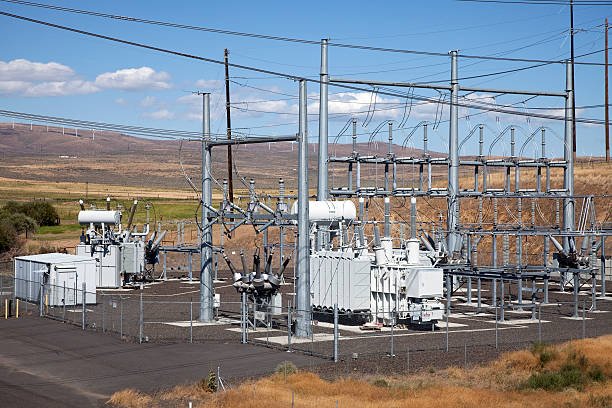
Power transformers are available in several designs, but oil-immersed transformers remain the most widely used solution for medium- and high-voltage power systems worldwide. Many buyers comparing oil-immersed and dry-type transformers often wonder why oil-filled models continue to dominate utility networks and industrial applications. Choosing the wrong transformer type can affect cooling performance, operating costs, maintenance requirements, and long-term reliability. Understanding what oil-immersed power transformers are and why they remain so popular helps engineers and project managers select the most suitable transformer for their electrical systems.
Oil-immersed power transformers are transformers whose core and windings are fully submerged in insulating oil that provides both electrical insulation and efficient heat dissipation. They are popular because they offer superior cooling performance, higher power capacity, excellent overload capability, long service life, high energy efficiency, and cost-effective operation. These advantages make oil-immersed transformers the preferred choice for utility substations, industrial plants, renewable energy projects, mining operations, and large-scale power distribution networks.
Despite the growing use of dry-type transformers in certain indoor environments, oil-immersed transformers continue to dominate the global market due to their proven performance, durability, and ability to operate reliably under demanding conditions. The following guide explains their construction, benefits, applications, and key considerations when selecting one.
What Are Oil-Immersed Power Transformers and How Do They Work?
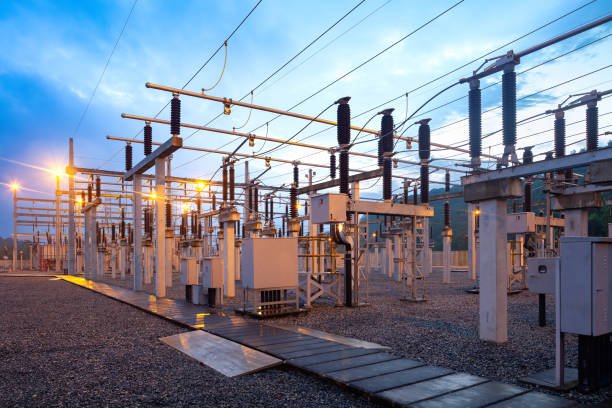
Oil-immersed power transformers are the most widely used transformers in electrical transmission and distribution systems because they offer excellent cooling performance, high insulation strength, and long service life. Found in utility substations, industrial plants, renewable energy facilities, commercial buildings, and large infrastructure projects, these transformers are designed to operate continuously under demanding conditions. Unlike dry-type transformers, oil-immersed transformers use specially formulated insulating oil to provide both electrical insulation and efficient heat dissipation. Understanding how these transformers work helps engineers, utilities, and buyers select the right solution for reliable, efficient, and safe power delivery.
An oil-immersed power transformer is a transformer whose core and windings are completely submerged in insulating mineral oil or other dielectric insulating liquids. The insulating oil provides electrical insulation, removes heat generated during operation, protects internal components from moisture and oxidation, and significantly extends transformer service life. Heat produced by the windings and core is transferred to the oil, which circulates naturally or mechanically to cooling radiators where it is dissipated into the surrounding air or water.
The primary purpose of transformer insulating oil is to lubricate the transformer windings during operation.False
Transformer insulating oil is used primarily for electrical insulation and heat dissipation. It also helps protect internal insulation from moisture and oxidation, but it does not serve as a lubricant for transformer windings.
What is an oil-immersed power transformer?
An oil-immersed power transformer is an electrical transformer in which the active components are enclosed inside a sealed steel tank filled with insulating liquid.
The oil surrounds:
- Magnetic core
- High-voltage windings
- Low-voltage windings
- Internal insulation
- Structural support components
The insulating liquid performs multiple critical functions simultaneously, making oil-immersed transformers highly reliable for medium- and high-voltage applications.
What are the main components?
A typical oil-immersed power transformer consists of several major components working together.
| Component | Primary Function |
|---|---|
| Magnetic core | Transfers magnetic flux efficiently |
| High-voltage winding | Receives input electrical energy |
| Low-voltage winding | Delivers transformed output voltage |
| Insulating oil | Provides insulation and cooling |
| Transformer tank | Protects internal components |
| Radiators | Dissipate heat |
| Conservator (where applicable) | Accommodates oil expansion |
| Bushings | Connect external power conductors |
| Tap changer | Regulates output voltage |
| Protection devices | Improve operational safety |
Each component contributes to reliable and efficient transformer operation.
How does an oil-immersed transformer work?
Oil-immersed transformers operate according to the principle of electromagnetic induction.
The operating sequence is as follows:
- Alternating current enters the primary winding.
- The current generates an alternating magnetic field.
- Magnetic flux passes through the laminated steel core.
- The changing magnetic field induces voltage in the secondary winding.
- Electrical energy is delivered at the required output voltage.
- Heat generated by the core and windings is absorbed by the insulating oil.
- The heated oil circulates toward the cooling system.
- Heat is released through radiators before the cooled oil returns to the transformer.
This continuous cycle enables stable operation under varying load conditions.
Why is insulating oil so important?
Transformer oil performs several essential functions simultaneously.
Its primary roles include:
- Electrical insulation
- Heat transfer
- Arc suppression
- Moisture protection
- Oxidation reduction
Without effective insulating oil, transformer operating temperatures would increase rapidly, reducing insulation life and increasing the likelihood of failure.
| Oil Function | Benefit |
|---|---|
| Electrical insulation | Prevents internal flashover |
| Heat dissipation | Maintains safe operating temperature |
| Moisture protection | Preserves insulation quality |
| Arc suppression | Improves operational safety |
| Component protection | Extends transformer life |
How does the cooling process work?
As the transformer operates, electrical losses generate heat within the core and windings.
The cooling process follows these steps:
- Heat transfers from conductors to the surrounding oil.
- The heated oil becomes less dense and rises naturally.
- Cooler oil flows downward to replace it.
- Heat reaches external radiators.
- Heat is released into the surrounding environment.
- Cooled oil returns to the transformer tank.
Depending on transformer size, circulation may be:
- Natural
- Fan-assisted
- Pump-assisted
This continuous circulation maintains acceptable operating temperatures.
What insulating liquids are used?
Several insulating liquids are available depending on application requirements.
Common options include:
- Mineral insulating oil
- Natural ester fluids
- Synthetic ester fluids
- Silicone-based insulating liquids
Each offers different advantages regarding:
- Fire safety
- Environmental performance
- Cooling capability
- Oxidation resistance
| Insulating Liquid | Typical Application |
|---|---|
| Mineral oil | Most utility and industrial transformers |
| Natural ester | Environmentally sensitive locations |
| Synthetic ester | High fire safety applications |
| Silicone fluid | Specialized installations |
Why are oil-immersed transformers highly efficient?
Oil provides excellent heat transfer characteristics.
Lower operating temperatures result in:
- Reduced insulation aging
- Higher loading capability
- Improved efficiency
- Longer service life
Efficient cooling also allows compact transformer designs while maintaining high power ratings.
What cooling methods are commonly used?
Oil-immersed transformers use several internationally recognized cooling methods.
Common cooling classifications include:
- ONAN (Oil Natural Air Natural)
- ONAF (Oil Natural Air Forced)
- OFAF (Oil Forced Air Forced)
- OFWF (Oil Forced Water Forced)
The selected cooling method depends on:
- Transformer rating
- Installation environment
- Required capacity
- Operating conditions
| Cooling Method | Typical Application |
|---|---|
| ONAN | Medium-capacity transformers |
| ONAF | Higher loading requirements |
| OFAF | Large power transformers |
| OFWF | Very high-capacity installations |
What are the advantages of oil-immersed power transformers?
Oil-immersed transformers provide numerous operational benefits.
Major advantages include:
- Excellent cooling efficiency
- High dielectric strength
- Long operating life
- High overload capability
- Reliable performance
- Low maintenance requirements
- Suitable for high-voltage applications
These advantages make them the preferred choice for utility transmission and industrial power systems.
Are there any limitations?
Although highly reliable, oil-immersed transformers require proper management.
Considerations include:
- Periodic oil testing
- Leak prevention
- Fire protection planning
- Environmental compliance
- Routine maintenance
Proper maintenance minimizes these concerns and supports decades of reliable service.
How is transformer oil monitored?
Regular oil analysis provides valuable information about transformer condition.
Typical tests include:
- Dielectric strength
- Moisture content
- Acidity
- Dissolved gas analysis (DGA)
- Interfacial tension
Oil testing helps identify developing problems before major failures occur.
| Oil Test | Purpose |
|---|---|
| Dielectric strength | Evaluate insulation quality |
| Moisture analysis | Detect water contamination |
| Dissolved gas analysis | Identify internal faults |
| Acidity test | Monitor oil aging |
Which industries use oil-immersed transformers?
Oil-immersed power transformers are widely used across many industries.
Typical applications include:
- Electrical transmission networks
- Utility substations
- Renewable energy projects
- Manufacturing plants
- Mining operations
- Oil and gas facilities
- Commercial infrastructure
- Data centers
- Transportation systems
Their high reliability makes them suitable for continuous operation in demanding environments.
How do protection systems improve reliability?
Modern oil-immersed transformers incorporate numerous protection features.
Common protective devices include:
- Pressure relief devices
- Oil level indicators
- Temperature indicators
- Gas-operated relays
- Sudden pressure relays
- Online monitoring systems
These devices help detect abnormal conditions before significant damage occurs.
What maintenance is recommended?
Routine maintenance ensures reliable long-term operation.
Typical maintenance activities include:
- Visual inspections
- Oil sampling
- Cooling system inspection
- Bushing inspection
- Temperature monitoring
- Leak inspection
- Protection device testing
Preventive maintenance significantly extends transformer service life.
| Maintenance Activity | Recommended Purpose |
|---|---|
| Oil analysis | Assess insulation condition |
| Cooling inspection | Verify heat dissipation |
| Leak inspection | Prevent oil loss |
| Protection testing | Confirm safe operation |
What should buyers evaluate before purchasing?
When selecting an oil-immersed transformer, buyers should consider:
| Evaluation Item | Importance |
|---|---|
| Voltage rating | Match system requirements |
| Power rating | Support anticipated load |
| Cooling method | Ensure adequate heat removal |
| Insulating liquid type | Meet safety and environmental needs |
| Efficiency | Reduce operating costs |
| Factory testing | Verify quality |
| Protection systems | Improve reliability |
| Manufacturer experience | Ensure long-term support |
Which international standards apply?
Oil-immersed power transformers are designed and tested according to internationally recognized standards published by organizations including:
- International Electrotechnical Commission
- Institute of Electrical and Electronics Engineers
These standards establish requirements for:
- Electrical performance
- Insulation coordination
- Temperature rise
- Factory testing
- Mechanical strength
- Safety
Compliance ensures consistent performance and reliable operation.
Why Are Oil-Immersed Power Transformers More Popular Than Other Transformer Types?

Oil-immersed power transformers have become the preferred choice for electric utilities, industrial facilities, renewable energy projects, and large infrastructure because they offer an outstanding combination of efficiency, reliability, cooling performance, and long service life. Although dry-type transformers are widely used in indoor and fire-sensitive environments, oil-immersed transformers remain the dominant solution for medium- and high-voltage power systems. Their ability to dissipate heat efficiently, withstand heavy loads, and operate continuously for decades makes them the standard choice for demanding electrical applications where performance and durability are critical.
Oil-immersed power transformers are more popular than other transformer types because they provide superior cooling efficiency, higher power ratings, better overload capability, stronger insulation performance, longer service life, lower lifecycle costs, and excellent reliability. Their oil-based insulation and cooling system allows them to operate safely and efficiently in demanding utility and industrial environments for several decades with proper maintenance.
Oil-immersed transformers are more popular simply because they are less expensive than every other type of transformer.False
Although oil-immersed transformers are often cost-effective over their service life, their popularity is primarily due to superior cooling performance, excellent insulation, high power capacity, long operational life, and proven reliability rather than purchase price alone.
Why are oil-immersed transformers widely used?
Power transmission and distribution systems require transformers that can operate continuously under varying electrical loads and environmental conditions.
Oil-immersed transformers meet these requirements by providing:
- Excellent thermal management
- High dielectric strength
- Robust mechanical construction
- Stable long-term performance
These characteristics make them suitable for critical power applications where interruptions are unacceptable.
How does superior cooling make oil-immersed transformers more effective?
One of the biggest advantages of oil-immersed transformers is their highly efficient cooling system.
Insulating oil absorbs heat generated by:
- Transformer core
- High-voltage windings
- Low-voltage windings
The heated oil circulates naturally or mechanically through radiators, where heat is released before the cooled oil returns to the transformer.
Efficient cooling provides several benefits:
- Lower operating temperatures
- Reduced insulation aging
- Higher continuous loading
- Longer equipment life
| Cooling Characteristic | Oil-Immersed Transformer | Dry-Type Transformer |
|---|---|---|
| Heat dissipation | Excellent | Moderate |
| Overload capability | High | Lower |
| Operating temperature | Lower | Higher |
| Cooling efficiency | Superior | Limited by air circulation |
Why do oil-immersed transformers have better insulation performance?
The insulating oil surrounds all energized internal components.
It provides:
- High dielectric strength
- Uniform electrical insulation
- Arc suppression
- Protection against moisture
Because the oil fills small gaps around conductors and insulation materials, electrical stress is distributed more evenly than in air-insulated systems.
This reduces the risk of:
- Partial discharge
- Flashover
- Insulation breakdown
Why are oil-immersed transformers suitable for higher power ratings?
Large power transformers generate significant heat.
Air cooling alone becomes insufficient as transformer capacity increases.
Oil cooling enables transformers to achieve:
- Higher MVA ratings
- Higher voltage classes
- Greater current capacity
- Stable continuous operation
For this reason, most transmission substations use oil-immersed transformers.
| Application | Preferred Transformer Type |
|---|---|
| Distribution substations | Oil-immersed |
| Transmission substations | Oil-immersed |
| Heavy industry | Oil-immersed |
| Indoor commercial buildings | Often dry-type |
How does oil improve service life?
Lower operating temperatures significantly slow insulation aging.
Because oil removes heat efficiently:
- Paper insulation ages more slowly.
- Mechanical components experience less thermal stress.
- Electrical performance remains stable for longer periods.
With proper maintenance, oil-immersed transformers commonly achieve service lives exceeding 30 years, and many remain in operation for 40 to 50 years or more.
Why do oil-immersed transformers handle overloads better?
Power demand often fluctuates throughout the day.
Oil-immersed transformers can safely accommodate temporary overloads because:
- Oil stores thermal energy.
- Heat is distributed uniformly.
- Cooling systems respond effectively.
This thermal capacity provides valuable operating flexibility for utilities and industrial facilities.
Are oil-immersed transformers more energy efficient?
Yes.
Lower operating temperatures reduce electrical losses.
Efficient cooling allows designers to optimize:
- Core losses
- Load losses
- Overall efficiency
Reduced losses result in:
- Lower operating costs
- Reduced energy consumption
- Improved lifecycle economics
| Performance Factor | Oil-Immersed Transformer |
|---|---|
| Cooling efficiency | Excellent |
| Energy efficiency | High |
| Thermal stability | Excellent |
| Lifecycle cost | Low over long-term operation |
Why are they more reliable in harsh environments?
Oil-immersed transformers are designed for outdoor service under demanding environmental conditions.
They perform reliably in:
- High temperatures
- Cold climates
- Heavy industrial environments
- Coastal regions
- Renewable energy installations
Sealed construction protects internal components from:
- Moisture
- Dust
- Atmospheric contaminants
How do maintenance practices support long service life?
Although oil-immersed transformers require periodic maintenance, modern diagnostic techniques make maintenance highly effective.
Typical maintenance includes:
- Oil sampling
- Dissolved gas analysis (DGA)
- Moisture testing
- Visual inspections
- Cooling system inspections
These procedures help identify developing problems before failures occur.
| Maintenance Activity | Purpose |
|---|---|
| Oil analysis | Assess insulation condition |
| Dissolved gas analysis | Detect internal faults |
| Cooling inspection | Verify heat dissipation |
| Leak inspection | Prevent oil loss |
How do oil-immersed transformers compare with dry-type transformers?
Both transformer types have important applications.
Oil-immersed transformers are generally preferred when:
- High capacity is required.
- Outdoor installation is acceptable.
- Long service life is a priority.
- Maximum efficiency is desired.
Dry-type transformers are often selected when:
- Indoor installation is required.
- Fire safety regulations are especially strict.
- Environmental conditions favor non-liquid insulation.
| Feature | Oil-Immersed | Dry-Type |
|---|---|---|
| Cooling performance | Excellent | Good |
| Maximum power rating | Very high | Moderate |
| Outdoor suitability | Excellent | Limited |
| Initial maintenance | Moderate | Lower |
| Long-term efficiency | Higher | Slightly lower |
| Typical service life | Longer | Generally shorter under similar loading |
Why are oil-immersed transformers widely used in renewable energy?
Renewable energy facilities require transformers that can withstand variable loading and continuous outdoor operation.
Oil-immersed transformers are widely used in:
- Wind farms
- Solar power plants
- Hydroelectric facilities
- Battery energy storage systems
Their excellent cooling capability allows stable operation despite rapidly changing power output.
Why do utilities continue to prefer oil-immersed transformers?
Electric utilities require equipment capable of operating continuously for decades with minimal interruption.
Oil-immersed transformers provide:
- High reliability
- Proven technology
- Excellent fault withstand capability
- Low lifecycle costs
These advantages have made them the industry standard for transmission and distribution networks worldwide.
What protection systems improve their reliability?
Modern oil-immersed transformers incorporate numerous protective devices, including:
- Pressure relief devices
- Oil level indicators
- Temperature indicators
- Gas-operated relays
- Online monitoring systems
- Sudden pressure relays
These systems help detect abnormal operating conditions early and reduce the likelihood of catastrophic failures.
What should buyers evaluate before selecting an oil-immersed transformer?
When comparing transformer types, buyers should evaluate:
| Evaluation Item | Importance |
|---|---|
| Voltage rating | Match system requirements |
| Power capacity | Support future expansion |
| Cooling method | Ensure adequate thermal performance |
| Efficiency | Reduce operating costs |
| Insulation system | Improve long-term reliability |
| Maintenance requirements | Plan lifecycle support |
| Environmental conditions | Select the appropriate design |
| Factory testing | Verify product quality |
Which international standards govern oil-immersed transformers?
Oil-immersed power transformers are designed and tested according to internationally recognized standards published by:
- International Electrotechnical Commission
- Institute of Electrical and Electronics Engineers
These standards define requirements for:
- Electrical performance
- Temperature rise
- Insulation coordination
- Mechanical strength
- Factory testing
- Operational safety
Compliance ensures dependable performance across a wide range of applications.
What Are the Main Components of an Oil-Immersed Power Transformer?
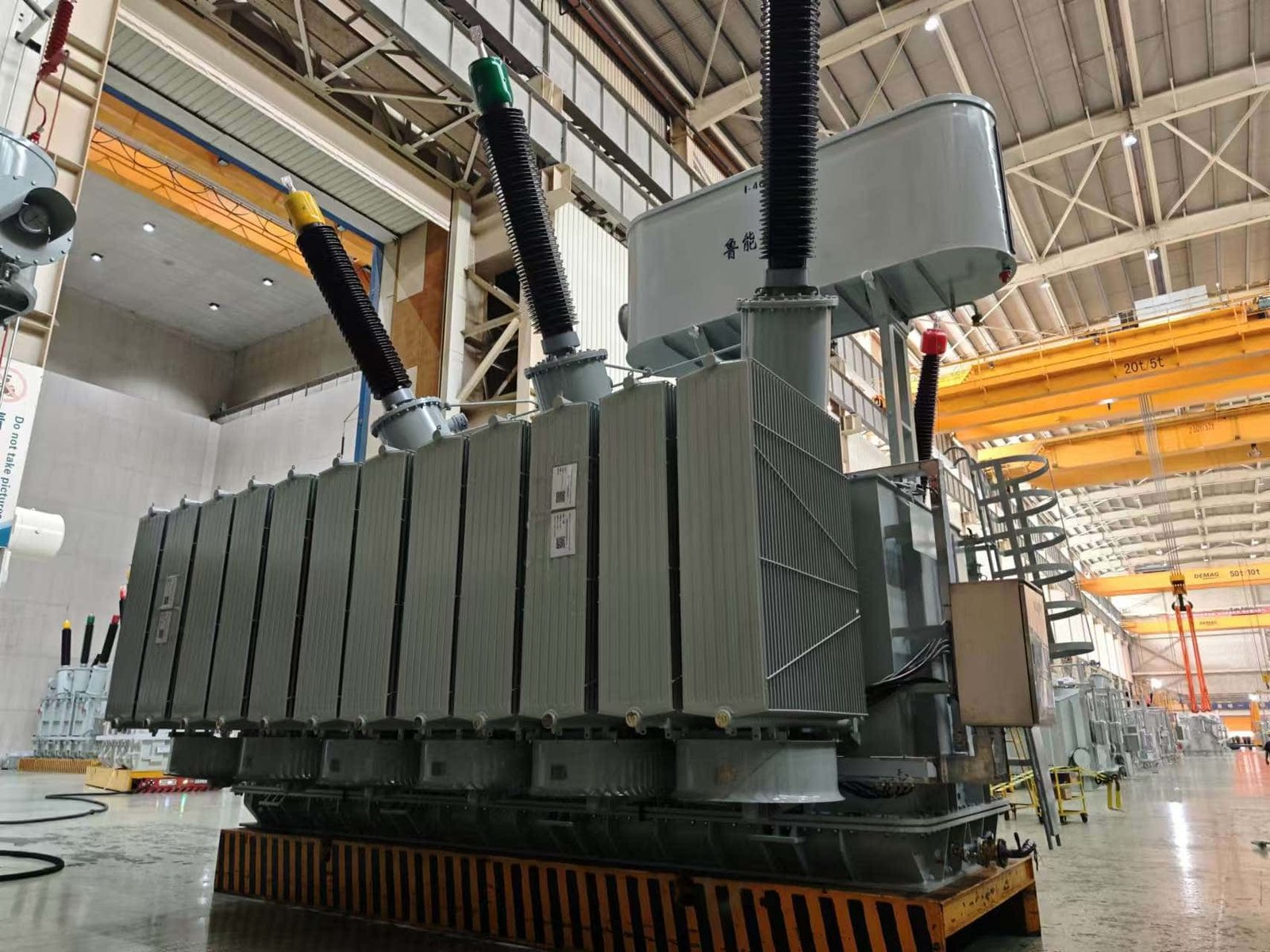
Oil-immersed power transformers are complex electrical devices designed to transfer electrical energy efficiently while providing reliable insulation, effective cooling, and long-term mechanical stability. Their outstanding performance depends not on a single component but on the coordinated operation of several carefully engineered parts. From the magnetic core and windings to the insulating oil, cooling system, bushings, and protection devices, every component performs a critical function that contributes to transformer efficiency, reliability, and service life. Understanding these major components helps utilities, industrial users, renewable energy developers, and equipment buyers make informed decisions when selecting, operating, and maintaining oil-immersed power transformers.
The main components of an oil-immersed power transformer include the magnetic core, high- and low-voltage windings, insulating oil, transformer tank, cooling system, bushings, tap changer, conservator (where applicable), breather, protection devices, and monitoring instruments. Together, these components provide voltage transformation, electrical insulation, heat dissipation, mechanical strength, and operational safety.
The transformer tank is the only component responsible for cooling an oil-immersed power transformer.False
The transformer tank provides mechanical protection and contains the insulating oil, but effective cooling depends on the combined operation of the insulating oil, radiators, cooling fans or pumps where applicable, and the overall cooling system design.
Why is every transformer component important?
Each component of an oil-immersed transformer performs a specialized function.
Together they ensure:
- Efficient power transfer
- Safe electrical insulation
- Effective heat removal
- Mechanical stability
- Reliable long-term operation
Failure of a single major component can affect the performance of the entire transformer.
What is the magnetic core?
The magnetic core is the central magnetic circuit of the transformer.
It provides a low-reluctance path for magnetic flux generated by the primary winding.
Modern transformer cores are manufactured from thin laminated grain-oriented electrical steel to minimize:
- Eddy current losses
- Hysteresis losses
- Heat generation
- Operating noise
A well-designed core improves both efficiency and reliability.
| Component | Primary Function |
|---|---|
| Magnetic core | Transfers magnetic flux efficiently |
What are the transformer windings?
The windings are insulated conductors that transfer electrical energy through electromagnetic induction.
Most power transformers contain:
- High-voltage (HV) winding
- Low-voltage (LV) winding
When alternating current flows through the primary winding, a changing magnetic field induces voltage in the secondary winding.
Copper is commonly used because of its:
- High electrical conductivity
- Mechanical strength
- Long-term reliability
Some applications also use aluminum conductors.
| Winding | Function |
|---|---|
| High-voltage winding | Receives or delivers high-voltage power |
| Low-voltage winding | Supplies transformed output voltage |
Why is insulating oil essential?
Insulating oil performs multiple critical functions simultaneously.
It provides:
- Electrical insulation
- Heat transfer
- Arc suppression
- Moisture protection
- Oxidation reduction
The oil completely surrounds the core and windings, ensuring effective insulation while removing heat generated during operation.
Common insulating liquids include:
- Mineral oil
- Natural ester fluid
- Synthetic ester fluid
What is the transformer tank?
The transformer tank is a welded steel enclosure that houses the active parts and insulating oil.
Its functions include:
- Mechanical protection
- Oil containment
- Environmental protection
- Structural support
The tank is designed to withstand:
- Internal pressure
- Mechanical stresses
- Outdoor weather conditions
- Thermal expansion
| Tank Function | Benefit |
|---|---|
| Oil containment | Prevents leakage |
| Structural protection | Protects internal components |
| Environmental sealing | Keeps out moisture and contaminants |
How does the cooling system work?
Electrical losses generate heat within the transformer.
The cooling system removes this heat to maintain safe operating temperatures.
Depending on transformer size, cooling equipment may include:
- Radiators
- Cooling fans
- Oil pumps
- Water heat exchangers
Common cooling methods include:
- ONAN
- ONAF
- OFAF
- OFWF
Efficient cooling extends insulation life and improves transformer performance.
What are transformer radiators?
Radiators increase the surface area available for heat dissipation.
As heated oil circulates through the radiators:
- Heat transfers to the surrounding air.
- The cooled oil returns to the transformer tank.
Larger transformers typically use multiple radiator banks to improve cooling efficiency.
What are bushings?
Bushings provide insulated electrical connections between internal windings and external power systems.
They allow conductors to pass safely through the grounded transformer tank without electrical breakdown.
Bushings are designed to withstand:
- High operating voltages
- Environmental exposure
- Mechanical stress
Common bushing insulation materials include:
- Porcelain
- Composite polymers
| Component | Function |
|---|---|
| High-voltage bushing | Connects HV winding to the power system |
| Low-voltage bushing | Connects LV winding to the load |
What is a tap changer?
Electrical system voltage varies with operating conditions.
A tap changer adjusts the effective winding turns ratio to maintain the desired output voltage.
Two common types are:
- Off-circuit tap changer
- On-load tap changer (OLTC)
On-load tap changers allow voltage regulation without interrupting transformer operation.
What is the conservator?
Many oil-immersed transformers use a conservator tank mounted above the main transformer tank.
As oil temperature changes:
- Oil expands when heated.
- Oil contracts when cooled.
The conservator accommodates these volume changes while minimizing contact between insulating oil and atmospheric air.
This helps reduce:
- Moisture contamination
- Oxidation
- Oil aging
What is the breather?
Transformers equipped with conservators typically include a breather.
The breather contains moisture-absorbing material, usually silica gel.
As air enters or leaves the conservator:
- Moisture is removed.
- Dry air enters the transformer.
This protects both the insulating oil and solid insulation.
| Component | Function |
|---|---|
| Conservator | Accommodates oil expansion |
| Breather | Prevents moisture contamination |
Which protection devices are commonly installed?
Modern oil-immersed transformers include multiple protective devices to improve safety and reliability.
Common devices include:
- Pressure relief device
- Oil level indicator
- Temperature indicator
- Gas-operated relay
- Sudden pressure relay
These devices provide early warning of abnormal operating conditions.
What monitoring instruments are installed?
Monitoring equipment allows operators to assess transformer condition during operation.
Typical instruments include:
- Oil temperature indicator
- Winding temperature indicator
- Oil level gauge
- Pressure gauge
- Online monitoring systems
Modern digital monitoring improves predictive maintenance and reduces unexpected failures.
Why are sealing systems important?
Effective sealing prevents contaminants from entering the transformer.
Good sealing systems protect against:
- Moisture
- Dust
- Oxygen
- Oil leakage
Modern sealing materials significantly improve long-term transformer reliability.
How do structural components improve reliability?
Mechanical components ensure that the active parts remain securely positioned throughout decades of operation.
Important structural elements include:
- Core clamps
- Winding supports
- Pressboard insulation
- Clamping frames
These components resist mechanical forces produced during:
- Normal loading
- Thermal expansion
- Short-circuit events
| Structural Component | Reliability Benefit |
|---|---|
| Core clamps | Reduce vibration |
| Winding supports | Prevent conductor movement |
| Pressboard insulation | Maintain insulation spacing |
| Clamping frame | Improve mechanical strength |
How do all components work together?
During normal operation:
- Electrical energy enters the high-voltage winding.
- The magnetic core transfers magnetic flux.
- Voltage is induced in the low-voltage winding.
- Heat generated by losses is absorbed by the insulating oil.
- Oil circulates through the cooling system.
- Protection devices monitor operating conditions.
- Monitoring instruments provide continuous operating information.
Each component supports the others to ensure efficient and reliable operation.
What should buyers evaluate before purchasing?
When selecting an oil-immersed transformer, buyers should carefully evaluate component quality.
| Evaluation Item | Importance |
|---|---|
| Core material | Affects efficiency and noise |
| Winding conductor | Influences electrical and mechanical performance |
| Insulating oil | Determines cooling and insulation quality |
| Cooling system | Supports continuous operation |
| Bushings | Ensure safe electrical connections |
| Tap changer | Provides voltage regulation |
| Protection devices | Improve operational safety |
| Monitoring systems | Support predictive maintenance |
Which international standards govern transformer components?
Oil-immersed power transformers are designed and manufactured according to internationally recognized standards established by:
- International Electrotechnical Commission
- Institute of Electrical and Electronics Engineers
These standards define requirements for:
- Component performance
- Electrical insulation
- Temperature rise
- Mechanical strength
- Factory testing
- Operational safety
Compliance helps ensure consistent quality and dependable long-term performance.
Where Are Oil-Immersed Power Transformers Commonly Used?
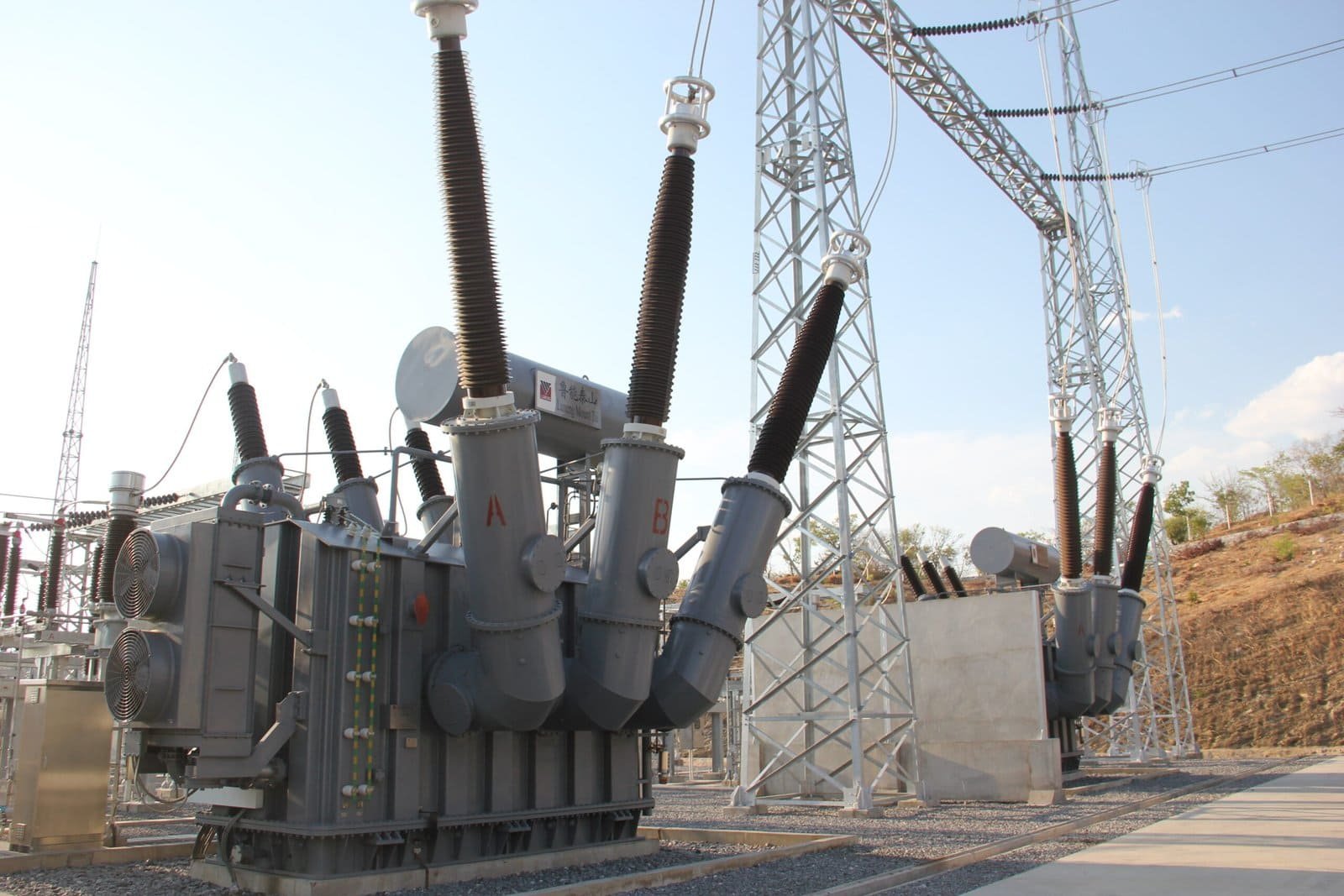
Oil-immersed power transformers are the backbone of modern electrical infrastructure, providing reliable voltage transformation for power generation, transmission, and distribution. Thanks to their excellent cooling performance, high insulation strength, and ability to handle large power capacities, they are widely deployed in industries that require continuous, efficient, and dependable electricity. From utility substations and renewable energy plants to manufacturing facilities, mining operations, and transportation systems, oil-immersed transformers play a vital role in ensuring stable power delivery across a broad range of applications.
Oil-immersed power transformers are commonly used in utility transmission and distribution networks, renewable energy projects, heavy industries, mining operations, oil and gas facilities, commercial infrastructure, transportation systems, and large data centers. Their superior cooling capability, high voltage capacity, excellent overload performance, and long service life make them the preferred choice for medium- and high-voltage applications requiring continuous and reliable operation.
Oil-immersed power transformers are suitable only for utility substations and cannot be used in industrial or renewable energy applications.False
Oil-immersed power transformers are widely used in utility grids, industrial facilities, renewable energy projects, mining, transportation, commercial infrastructure, and many other applications that require reliable medium- and high-voltage power transformation.
Why are oil-immersed transformers suitable for so many applications?
Oil-immersed transformers combine several advantages that make them adaptable to numerous industries.
These advantages include:
- Excellent cooling efficiency
- High dielectric insulation
- Large power capacity
- High overload capability
- Long operational life
- Reliable outdoor performance
These characteristics allow them to operate continuously under demanding electrical and environmental conditions.
| Key Advantage | Practical Benefit |
|---|---|
| Efficient cooling | Supports continuous heavy loading |
| High insulation strength | Reliable high-voltage operation |
| Long service life | Reduced lifecycle cost |
| Robust construction | Suitable for harsh environments |
How are oil-immersed transformers used in electric utilities?
Electric utilities represent the largest users of oil-immersed power transformers.
These transformers are installed throughout the electrical grid to:
- Step up generator voltage
- Transfer bulk power over transmission networks
- Reduce voltage at substations
- Supply electricity to distribution systems
They operate continuously to ensure stable and reliable electricity delivery to residential, commercial, and industrial consumers.
| Utility Application | Transformer Function |
|---|---|
| Power plant | Generator step-up |
| Transmission substation | Voltage transformation |
| Distribution substation | Voltage reduction for local networks |
Why are they essential for renewable energy projects?
Renewable energy systems generate electricity that must be integrated into the power grid at appropriate voltage levels.
Oil-immersed transformers are commonly used in:
- Solar photovoltaic plants
- Wind farms
- Hydroelectric stations
- Battery energy storage systems
Their efficient cooling and high overload capability allow them to accommodate variable power generation while maintaining stable operation.
How do manufacturing facilities use oil-immersed transformers?
Large manufacturing plants require dependable electrical power for continuous production.
Oil-immersed transformers supply electricity to:
- Production lines
- Heavy machinery
- Electric furnaces
- Rolling mills
- Automated manufacturing systems
Their high reliability minimizes production interruptions and supports stable industrial operations.
Why are they widely used in mining operations?
Mining environments often present demanding operating conditions, including:
- High dust levels
- Heavy electrical loads
- Remote locations
- Continuous operation
Oil-immersed transformers provide reliable power for:
- Excavators
- Crushers
- Conveyors
- Ventilation systems
- Mineral processing equipment
Their rugged construction makes them well suited to harsh industrial environments.
| Mining Application | Typical Use |
|---|---|
| Surface mining | Equipment power supply |
| Underground mining | Distribution substations |
| Mineral processing | Heavy industrial loads |
How do oil and gas facilities benefit?
Oil and gas installations require highly reliable electrical systems for safe operation.
Oil-immersed transformers are commonly installed in:
- Refineries
- Offshore platforms
- Pipeline pumping stations
- Petrochemical plants
- LNG terminals
They support critical equipment such as:
- Compressors
- Pumps
- Control systems
- Processing equipment
Why are commercial infrastructure projects using larger transformers?
Modern commercial developments consume increasing amounts of electrical power.
Oil-immersed transformers are used in:
- Airports
- Hospitals
- Shopping centers
- Convention centers
- Large office complexes
These facilities require stable power supplies for:
- HVAC systems
- Elevators
- Lighting
- Emergency systems
- Critical equipment
How are data centers using oil-immersed transformers?
Data centers require uninterrupted electrical power to support servers and networking equipment.
Oil-immersed transformers provide:
- High efficiency
- Stable voltage
- Excellent reliability
- Continuous operation
They are often installed in outdoor substations supplying large-scale computing facilities.
| Data Center Requirement | Transformer Benefit |
|---|---|
| Continuous operation | High reliability |
| Energy efficiency | Reduced operating costs |
| Stable voltage | Protects sensitive equipment |
Why are transportation systems dependent on oil-immersed transformers?
Transportation infrastructure relies on dependable electrical systems.
Oil-immersed transformers support:
- Railway substations
- Metro systems
- Electric vehicle charging infrastructure
- Ports
- Airports
Typical applications include:
- Traction power
- Station distribution
- Terminal facilities
- Maintenance depots
How are oil-immersed transformers used in power generation?
Power plants require transformers to transfer generated electricity to transmission systems.
Applications include:
- Generator step-up transformers
- Auxiliary transformers
- Station service transformers
These transformers operate under high electrical loads and require efficient cooling for continuous service.
Why are they preferred in rural and remote locations?
Remote installations often experience:
- Limited maintenance access
- Harsh weather
- High reliability requirements
Oil-immersed transformers perform well because they offer:
- Robust mechanical construction
- Efficient natural cooling
- Long maintenance intervals
- Excellent outdoor durability
They are widely installed in rural substations and isolated industrial facilities.
How do utilities use oil-immersed transformers in distribution networks?
Distribution utilities install oil-immersed transformers to reduce transmission voltages for local consumption.
Typical installations include:
- Primary substations
- Distribution substations
- Industrial feeders
- Rural distribution systems
Their high efficiency helps reduce energy losses throughout the electrical network.
Why are they suitable for high-voltage applications?
Oil provides excellent dielectric insulation, enabling transformers to operate safely at high voltage levels.
Applications commonly include:
- Medium-voltage distribution
- High-voltage transmission
- Extra-high-voltage substations
Their insulation performance supports reliable operation under demanding electrical stresses.
| Voltage Application | Typical Usage |
|---|---|
| Medium voltage | Industrial distribution |
| High voltage | Utility substations |
| Extra-high voltage | Transmission networks |
What environmental conditions can they withstand?
Modern oil-immersed transformers are designed for outdoor operation in diverse climates.
They perform reliably in:
- High temperatures
- Cold environments
- Coastal regions
- Desert conditions
- High-humidity areas
Appropriate enclosure design and sealing systems protect internal components from environmental contamination.
What should buyers consider when selecting an application?
Before choosing an oil-immersed transformer, buyers should evaluate:
| Evaluation Item | Importance |
|---|---|
| Voltage level | Match system requirements |
| Power rating | Support present and future loads |
| Cooling method | Ensure adequate heat dissipation |
| Installation environment | Indoor or outdoor suitability |
| Environmental conditions | Climate and pollution levels |
| Efficiency | Reduce lifecycle costs |
| Protection features | Improve operational reliability |
| Maintenance accessibility | Simplify long-term servicing |
Which international standards apply?
Oil-immersed power transformers used across these applications are designed and tested according to internationally recognized standards developed by:
- International Electrotechnical Commission
- Institute of Electrical and Electronics Engineers
These standards establish requirements for:
- Electrical performance
- Temperature rise
- Insulation coordination
- Mechanical strength
- Factory testing
- Operational safety
Compliance ensures dependable performance across utility, industrial, and commercial applications.
What Are the Advantages and Limitations of Oil-Immersed Power Transformers?
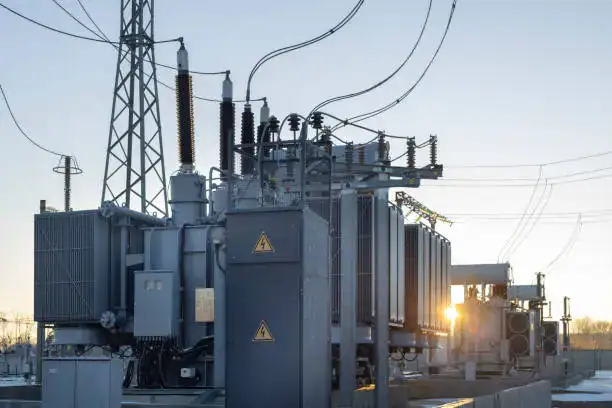
Oil-immersed power transformers are the most widely used transformers in medium- and high-voltage power systems because they provide exceptional cooling performance, high electrical insulation, and proven long-term reliability. They are essential for electric utilities, renewable energy projects, heavy industries, mining operations, transportation infrastructure, and commercial power distribution. However, like any engineering solution, oil-immersed transformers have both strengths and limitations. Understanding these advantages and potential drawbacks helps engineers, utilities, and buyers choose the most suitable transformer for their specific operating environment and application.
Oil-immersed power transformers offer superior cooling efficiency, excellent insulation performance, high power capacity, outstanding overload capability, long service life, and low lifecycle costs. Their primary limitations include the need for regular oil maintenance, potential oil leakage, fire safety considerations, environmental compliance requirements, and larger installation space compared with some dry-type transformers. When properly designed and maintained, oil-immersed transformers remain the preferred solution for most medium- and high-voltage applications.
Oil-immersed power transformers have no maintenance requirements because the insulating oil never changes during their service life.False
Although oil-immersed transformers are highly reliable, periodic oil testing, inspections, cooling system maintenance, and condition monitoring are essential for maintaining long-term performance and extending service life.
Why are oil-immersed transformers the industry standard?
Oil-immersed transformers have been successfully used for decades because they combine proven technology with excellent operational performance.
Their widespread adoption is based on:
- Reliable long-term operation
- Efficient thermal management
- High voltage capability
- Excellent electrical insulation
- Strong mechanical construction
These characteristics make them suitable for continuous operation under demanding electrical loads.
What are the major advantages of oil-immersed power transformers?
Oil-immersed transformers offer numerous technical and economic advantages.
The most significant benefits include:
- Superior cooling performance
- High dielectric insulation
- Excellent overload capability
- High efficiency
- Long operating life
- High reliability
- Wide power rating range
| Major Advantage | Benefit |
|---|---|
| Efficient cooling | Lower operating temperature |
| Excellent insulation | Reliable high-voltage operation |
| High power capacity | Suitable for large substations |
| Long service life | Lower lifecycle costs |
Why is cooling performance one of the biggest advantages?
Insulating oil serves as both a dielectric medium and an efficient cooling fluid.
During operation:
- Heat generated by the core and windings is absorbed by the oil.
- The heated oil circulates through radiators.
- Heat is released into the surrounding air or water.
- Cooled oil returns to the transformer.
Efficient heat removal provides:
- Lower operating temperatures
- Reduced insulation aging
- Higher continuous loading capability
- Improved efficiency
How does oil improve electrical insulation?
Transformer oil has excellent dielectric properties.
It surrounds the energized components and provides:
- High dielectric strength
- Uniform electrical insulation
- Arc suppression
- Moisture protection
This significantly reduces the risk of:
- Partial discharge
- Flashover
- Insulation breakdown
Why can oil-immersed transformers handle higher power ratings?
Air cooling alone becomes less effective as transformer capacity increases.
Oil cooling allows transformers to operate efficiently at:
- Medium voltage
- High voltage
- Extra-high voltage
Large utility transformers with ratings of hundreds of MVA rely on oil-based cooling systems for stable operation.
| Transformer Type | Typical Power Capacity |
|---|---|
| Dry-type transformer | Low to medium capacity |
| Oil-immersed transformer | Medium to very high capacity |
How does efficient cooling extend service life?
Insulation aging is strongly influenced by operating temperature.
Because oil removes heat effectively:
- Paper insulation ages more slowly.
- Mechanical stresses are reduced.
- Electrical characteristics remain stable.
With proper maintenance, many oil-immersed transformers operate reliably for more than 30 years, while some remain in service for 40 to 50 years or longer.
Why are overload capabilities better?
Power demand is rarely constant.
Oil-immersed transformers tolerate temporary overloads because:
- Oil absorbs thermal energy efficiently.
- Heat is distributed throughout the transformer.
- Cooling systems remove excess heat effectively.
This flexibility is especially valuable for utilities and industrial facilities experiencing variable loading.
Are oil-immersed transformers energy efficient?
Yes.
Modern designs use:
- Low-loss magnetic cores
- Premium grain-oriented electrical steel
- Optimized winding configurations
- Advanced cooling systems
These improvements reduce:
- No-load losses
- Load losses
- Operating costs
| Performance Characteristic | Oil-Immersed Transformer |
|---|---|
| Cooling efficiency | Excellent |
| Energy efficiency | High |
| Thermal stability | Excellent |
| Long-term operating cost | Low |
What are the main limitations?
Despite their many advantages, oil-immersed transformers also have several considerations.
Common limitations include:
- Periodic oil maintenance
- Risk of oil leakage
- Fire safety requirements
- Environmental regulations
- Larger installation footprint
These factors should be evaluated during project planning.
Why is oil maintenance necessary?
The insulating oil gradually changes during long-term operation because of:
- Thermal aging
- Oxidation
- Moisture contamination
- Electrical stress
Routine oil testing helps assess:
- Dielectric strength
- Moisture content
- Acidity
- Dissolved gas levels
Preventive maintenance keeps the transformer operating safely and efficiently.
| Maintenance Activity | Purpose |
|---|---|
| Oil sampling | Monitor insulation condition |
| Dissolved gas analysis | Detect internal faults |
| Moisture testing | Protect insulation quality |
| Visual inspection | Identify leaks or damage |
Are oil leaks a concern?
Modern transformers use advanced sealing systems that greatly reduce leakage risk.
However, damage caused by:
- Aging seals
- Mechanical impact
- Improper maintenance
may occasionally result in oil leakage.
Routine inspections help detect small leaks before they become significant problems.
Why are fire safety measures important?
Most conventional mineral insulating oils are combustible.
Although transformer designs incorporate numerous safety features, installations often require:
- Fire separation distances
- Fire protection systems
- Oil containment structures
- Environmental protection measures
For applications requiring enhanced fire safety, natural ester or synthetic ester insulating fluids may be selected.
How do environmental regulations affect transformer selection?
Many countries require measures to prevent environmental contamination from insulating oil.
Common environmental protections include:
- Oil containment pits
- Drainage control systems
- Spill prevention measures
- Proper oil disposal procedures
These requirements are especially important in environmentally sensitive locations.
Why do oil-immersed transformers require more installation space?
Compared with many dry-type transformers, oil-immersed units generally require additional space for:
- Radiators
- Conservator tanks
- Cooling equipment
- Safety clearances
This makes indoor installation more challenging in confined spaces.
| Installation Consideration | Oil-Immersed Transformer |
|---|---|
| Outdoor installation | Excellent |
| Indoor installation | Possible with proper design |
| Space requirement | Larger than many dry-type units |
How do they compare with dry-type transformers?
Both technologies offer important advantages depending on the application.
| Feature | Oil-Immersed | Dry-Type |
|---|---|---|
| Cooling efficiency | Excellent | Good |
| Maximum voltage rating | Very high | Moderate |
| Overload capability | High | Lower |
| Outdoor performance | Excellent | Limited |
| Maintenance | Periodic oil inspection required | Generally lower routine maintenance |
| Fire resistance | Depends on insulating fluid | Generally higher |
Which applications benefit most?
Oil-immersed transformers are particularly well suited for:
- Utility transmission networks
- Distribution substations
- Wind farms
- Solar power plants
- Manufacturing facilities
- Mining operations
- Oil and gas installations
- Large commercial infrastructure
- Data centers
These applications require continuous operation, high efficiency, and reliable long-term performance.
What should buyers evaluate before purchasing?
Selecting the right transformer involves balancing advantages against application requirements.
| Evaluation Item | Importance |
|---|---|
| Voltage rating | Match system design |
| Power capacity | Meet present and future demand |
| Cooling method | Ensure sufficient heat dissipation |
| Insulating fluid | Address safety and environmental requirements |
| Efficiency | Reduce operating costs |
| Maintenance needs | Plan lifecycle support |
| Installation environment | Indoor or outdoor suitability |
| Protection systems | Improve operational reliability |
Which international standards apply?
Oil-immersed power transformers are designed and tested according to internationally recognized standards published by:
- International Electrotechnical Commission
- Institute of Electrical and Electronics Engineers
These standards establish requirements for:
- Electrical performance
- Insulation coordination
- Temperature rise
- Mechanical strength
- Factory testing
- Operational safety
Compliance helps ensure reliable operation throughout the transformer's service life.
How Can You Choose the Right Oil-Immersed Power Transformer for Your Application?
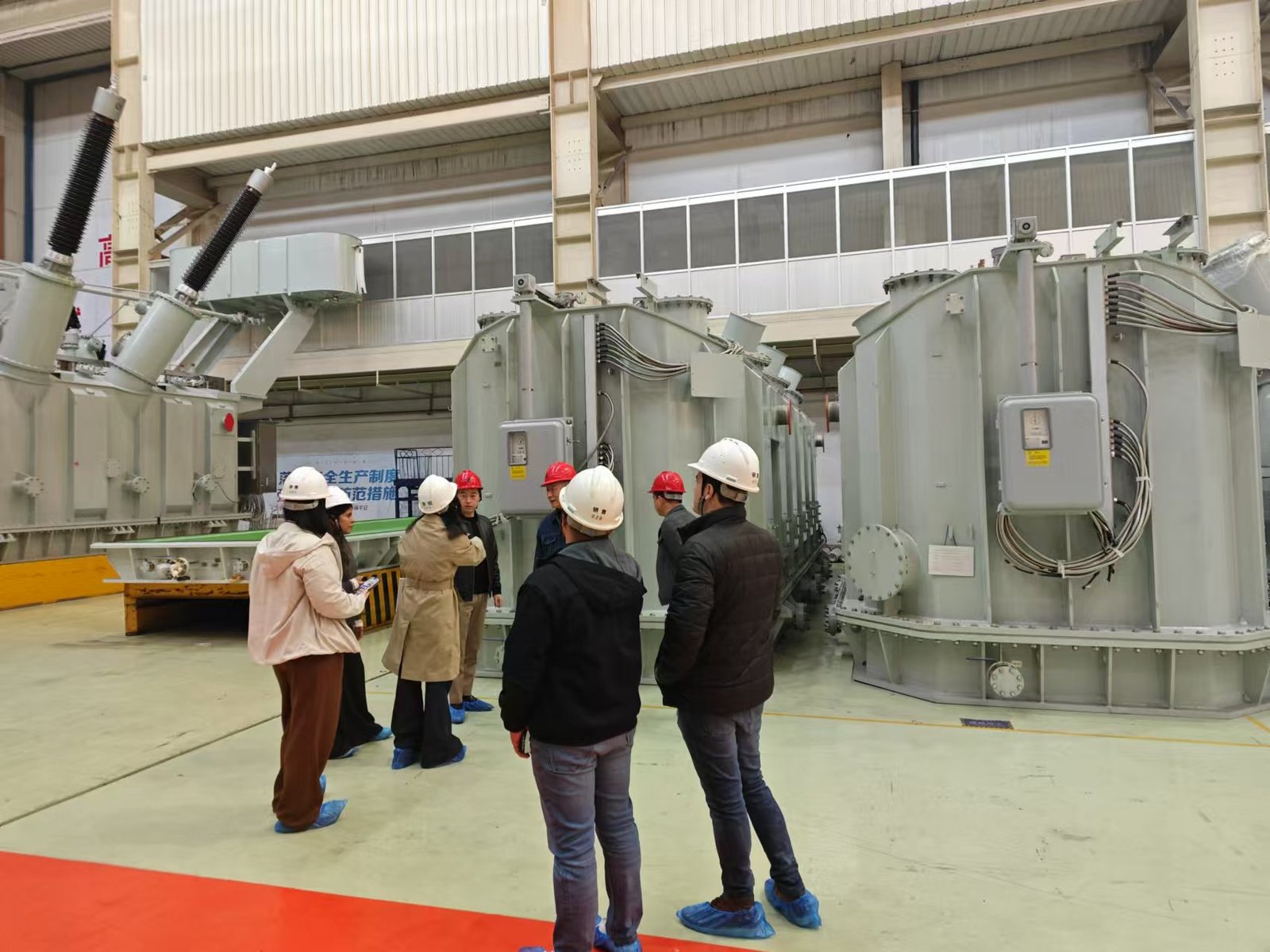
Selecting the right oil-immersed power transformer is one of the most important decisions for any electrical power system. An incorrectly specified transformer can lead to reduced efficiency, premature aging, increased operating costs, voltage instability, and unexpected downtime. On the other hand, a properly selected transformer delivers reliable power, maximizes energy efficiency, supports future expansion, and provides decades of dependable service. Whether the application involves utility transmission, renewable energy, industrial manufacturing, mining, commercial infrastructure, or data centers, understanding the key selection criteria helps buyers make informed investment decisions.
To choose the right oil-immersed power transformer, evaluate the system voltage, power rating, frequency, cooling method, insulation level, installation environment, efficiency requirements, overload capability, protection features, applicable standards, and the manufacturer's technical expertise. A transformer that matches both current operating conditions and future expansion plans will provide the best long-term reliability and lowest lifecycle cost.
Selecting the largest available oil-immersed transformer always provides the best long-term solution regardless of the application.False
Oversizing a transformer unnecessarily can increase capital costs and no-load losses. The best choice is a transformer that matches the application's electrical requirements, operating profile, environmental conditions, and future growth plans.
Why is proper transformer selection important?
A power transformer is expected to operate reliably for several decades.
Proper selection helps achieve:
- Stable voltage regulation
- High energy efficiency
- Lower operating costs
- Longer equipment life
- Improved system reliability
Poor transformer selection can result in:
- Excessive losses
- Higher maintenance costs
- Overheating
- Reduced service life
- Capacity limitations
How do you determine the required power rating?
The transformer power rating should satisfy both present and anticipated future demand.
Consider:
- Maximum load
- Average operating load
- Peak demand
- Future expansion
- Emergency loading
Avoid selecting a transformer that is either significantly oversized or undersized.
| Consideration | Recommendation |
|---|---|
| Continuous load | Match expected operating demand |
| Peak load | Include sufficient operating margin |
| Future growth | Allow practical expansion capacity |
Why are voltage ratings critical?
The transformer must match the electrical characteristics of the power system.
Important voltage parameters include:
- Primary voltage
- Secondary voltage
- System voltage
- Voltage regulation requirements
Incorrect voltage selection may cause:
- Equipment malfunction
- Reduced efficiency
- Operational instability
Why should frequency be verified?
Transformers are designed for specific operating frequencies.
Common frequency ratings include:
- 50 Hz
- 60 Hz
- Dual-frequency (50/60 Hz)
Using the wrong frequency can result in:
- Increased losses
- Excessive heating
- Reduced efficiency
- Shortened insulation life
How does cooling method influence selection?
Cooling performance directly affects transformer capacity and reliability.
Common cooling methods include:
- ONAN (Oil Natural Air Natural)
- ONAF (Oil Natural Air Forced)
- OFAF (Oil Forced Air Forced)
- OFWF (Oil Forced Water Forced)
The appropriate cooling method depends on:
- Power rating
- Ambient temperature
- Installation environment
- Loading profile
| Cooling Method | Typical Application |
|---|---|
| ONAN | Standard distribution and medium-capacity transformers |
| ONAF | Higher loading applications |
| OFAF | Large utility transformers |
| OFWF | Very high-capacity installations |
Why should insulation requirements be evaluated?
Proper insulation design ensures reliable operation under electrical stress.
Important considerations include:
- Insulation class
- Basic Insulation Level (BIL)
- System grounding
- Switching surges
- Lightning protection
Correct insulation coordination improves operational safety and equipment longevity.
How does the installation environment affect selection?
Environmental conditions influence transformer design requirements.
Evaluate:
- Indoor or outdoor installation
- Ambient temperature
- Altitude
- Humidity
- Dust levels
- Corrosive atmosphere
- Seismic conditions
Transformers installed in harsh environments may require enhanced protective features and specialized coatings.
| Environmental Factor | Design Consideration |
|---|---|
| High temperature | Enhanced cooling |
| Coastal environment | Corrosion-resistant protection |
| High altitude | Adjusted cooling performance |
| Heavy pollution | Improved sealing systems |
Why is efficiency important?
Energy losses occur throughout the transformer's service life.
High-efficiency transformers provide:
- Lower no-load losses
- Reduced load losses
- Lower electricity costs
- Reduced carbon emissions
Although high-efficiency transformers may have higher initial purchase costs, they often provide significant long-term savings.
Should overload capability be considered?
Many applications experience temporary load increases.
The transformer should accommodate expected overload conditions without excessive temperature rise.
Applications requiring good overload capability include:
- Utility distribution
- Manufacturing
- Renewable energy
- Mining
Proper thermal design improves operational flexibility.
Why are protection and monitoring features important?
Modern transformers include numerous protective devices.
Recommended features include:
- Pressure relief device
- Oil level indicator
- Temperature indicators
- Gas-operated relay
- Sudden pressure relay
- Online monitoring systems
Advanced monitoring enables predictive maintenance and reduces unexpected outages.
| Protection Feature | Benefit |
|---|---|
| Temperature monitoring | Prevent overheating |
| Oil level indication | Detect oil loss |
| Gas relay | Identify internal faults |
| Online monitoring | Support condition-based maintenance |
How should the insulating liquid be selected?
Several insulating fluids are available depending on application requirements.
Options include:
- Mineral oil
- Natural ester fluid
- Synthetic ester fluid
Selection depends on:
- Fire safety requirements
- Environmental regulations
- Cooling performance
- Maintenance strategy
Environmentally sensitive installations may benefit from biodegradable insulating fluids.
Why should mechanical design be evaluated?
Mechanical strength influences transformer reliability during:
- Transportation
- Installation
- Short-circuit events
- Long-term operation
Evaluate features such as:
- Core clamping
- Winding support
- Tank construction
- Sealing system
Robust mechanical construction helps minimize maintenance requirements.
How important is manufacturer experience?
Choosing an experienced manufacturer is as important as selecting the correct technical specifications.
A qualified manufacturer should provide:
- Proven engineering expertise
- Modern manufacturing facilities
- Comprehensive quality control
- Complete factory testing
- Technical documentation
- After-sales support
An experienced supplier can also recommend the most suitable transformer configuration for the intended application.
Which factory tests should buyers request?
Every transformer should undergo comprehensive routine and acceptance testing before shipment.
Typical factory tests include:
- Ratio test
- Winding resistance test
- Insulation resistance test
- Applied voltage test
- Induced voltage test
- Temperature rise test (when required)
- Leak test
- Functional inspection
These tests verify that the transformer complies with project specifications.
| Factory Test | Purpose |
|---|---|
| Ratio test | Verify voltage transformation |
| Winding resistance | Confirm winding integrity |
| Dielectric testing | Validate insulation system |
| Leak test | Ensure oil containment |
What questions should buyers ask before purchasing?
Before placing an order, buyers should discuss several technical topics with the manufacturer.
| Question | Why It Matters |
|---|---|
| Does the transformer match my system voltage? | Ensure compatibility |
| Is the cooling system suitable for my load profile? | Maintain thermal performance |
| Which insulating fluid is recommended? | Address safety and environmental needs |
| What efficiency level is guaranteed? | Reduce operating costs |
| Which factory tests are included? | Verify product quality |
| What monitoring options are available? | Support predictive maintenance |
| What warranty and technical support are provided? | Ensure long-term reliability |
Which international standards should the transformer comply with?
Oil-immersed power transformers should comply with internationally recognized standards published by:
- International Electrotechnical Commission
- Institute of Electrical and Electronics Engineers
These standards establish requirements for:
- Electrical performance
- Temperature rise
- Insulation coordination
- Mechanical strength
- Factory testing
- Operational safety
Compliance provides confidence in product quality, safety, and long-term performance.
Conclusion
Oil-immersed power transformers have earned their widespread popularity through decades of reliable performance in electrical transmission and distribution systems. By combining effective insulation with exceptional cooling capability, they support higher power ratings, improved overload performance, lower operating temperatures, and longer service life than many alternative transformer designs. Although they require periodic oil maintenance and are generally better suited to outdoor installations, their efficiency, durability, and cost-effectiveness make them the preferred choice for utilities, industrial facilities, renewable energy plants, and critical infrastructure projects. Selecting the right oil-immersed power transformer ultimately depends on factors such as voltage level, capacity, installation environment, maintenance strategy, and long-term operational objectives.
FAQ
Q1: What are oil-immersed power transformers?
Oil-immersed power transformers, also known as oil-filled transformers, are electrical transformers in which the core and windings are completely immersed in insulating oil. The oil serves two essential functions: it provides electrical insulation between energized components and efficiently transfers heat away from the transformer to maintain safe operating temperatures.
A typical oil-immersed transformer consists of:
Magnetic core
Primary and secondary windings
Transformer tank
Insulating oil
Radiators or cooling fins
Bushings
Conservator tank (on many models)
Breather
Tap changer
Protection and monitoring devices
These transformers are widely used in power generation, transmission, distribution, and industrial applications because they can handle high voltages and large power capacities with excellent efficiency and reliability.
Q2: How do oil-immersed power transformers work?
Oil-immersed transformers operate based on the principle of electromagnetic induction. When alternating current flows through the primary winding, it generates a magnetic field in the transformer core. This changing magnetic field induces a voltage in the secondary winding, allowing electrical energy to be transferred between circuits without direct electrical contact.
During operation:
Electrical losses generate heat in the core and windings.
The insulating oil absorbs this heat.
Warm oil circulates naturally or is pumped through radiators.
Heat is released into the surrounding air or water.
The cooled oil returns to the transformer, repeating the cycle.
This continuous cooling process helps maintain optimal operating temperatures and protects the insulation system from premature aging.
Q3: Why are oil-immersed power transformers so popular?
Oil-immersed transformers remain the preferred choice for many power system applications because they combine high performance with proven long-term reliability.
Their key advantages include:
Excellent electrical insulation
Superior heat dissipation
High overload capability
Long service life
High energy efficiency
Ability to handle large power ratings
Reliable operation under continuous heavy loads
Lower lifecycle cost with proper maintenance
These benefits make oil-immersed transformers the industry standard for utility substations, industrial facilities, and large-scale infrastructure projects.
Q4: What are the advantages of insulating oil?
Transformer oil performs multiple critical functions beyond cooling.
Its primary benefits include:
High dielectric strength
Efficient heat transfer
Arc suppression during internal faults
Protection of paper insulation from oxygen and moisture
Reduction of partial discharge activity
Improved transformer reliability
Extended insulation life
Modern transformers may use different insulating fluids, including:
Mineral oil
Natural ester fluids
Synthetic ester fluids
Natural and synthetic esters are increasingly used where enhanced fire safety and environmental performance are required.
Q5: Where are oil-immersed power transformers commonly used?
Oil-immersed transformers are installed wherever high-capacity, reliable power transformation is required.
Common applications include:
Electrical transmission substations
Distribution substations
Power generation plants
Renewable energy facilities
Heavy manufacturing plants
Mining operations
Oil and gas facilities
Railway electrification systems
Data centers
Large commercial and infrastructure projects
Their robust cooling capability makes them particularly suitable for outdoor installations and high-load environments.
Q6: How do oil-immersed transformers compare with dry-type transformers?
Both transformer types serve important roles, but each is best suited for different applications.
Feature Oil-Immersed Transformer Dry-Type Transformer
Cooling Oil-based Air-based
Insulation Oil and paper Cast resin or air
Power Rating Very high Low to medium
Efficiency Higher for large capacities High for indoor applications
Maintenance Requires oil monitoring Lower routine maintenance
Installation Mainly outdoor Mainly indoor
Fire Safety Depends on insulating fluid Generally higher
Oil-immersed transformers are generally preferred for high-voltage and high-capacity systems, while dry-type transformers are often selected for indoor environments where fire safety and environmental considerations are priorities.
Q7: What maintenance is required for oil-immersed power transformers?
Routine maintenance is essential to ensure safe operation and maximize transformer lifespan.
Recommended maintenance activities include:
Visual inspections
Oil level checks
Dissolved Gas Analysis (DGA)
Dielectric strength testing
Moisture content analysis
Cooling system inspection
Bushing inspection
Breather maintenance
Temperature monitoring
Tap changer inspection
A proactive maintenance program helps detect developing faults early, reducing the risk of unexpected failures and extending service life.
Q8: What should buyers consider when selecting an oil-immersed power transformer?
Choosing the right oil-immersed transformer requires evaluating both technical specifications and operational requirements.
Important selection criteria include:
Rated power (kVA or MVA)
Primary and secondary voltage ratings
Frequency (50 Hz or 60 Hz)
Cooling method (ONAN, ONAF, OFAF, OFWF)
Insulating fluid type
Energy efficiency
Short-circuit withstand capability
Compliance with IEC 60076 or IEEE C57 standards
Environmental conditions
Manufacturer experience and after-sales support
Carefully matching these factors to the intended application ensures reliable performance, lower operating costs, and a long service life.
References
IEC 60076 – Power Transformers
https://webstore.iec.ch/publication/602
IEC 60296 – Fluids for Electrotechnical Applications – Unused Mineral Insulating Oils for Transformers and Switchgear
https://webstore.iec.ch
IEEE C57 Series – Power Transformer Standards
https://standards.ieee.org
IEEE C57.106 – Guide for Acceptance and Maintenance of Insulating Mineral Oil in Electrical Equipment
https://standards.ieee.org
Electrical Engineering Portal – Oil-Immersed Transformers: Construction, Operation, and Advantages
https://electrical-engineering-portal.com