
Power transformers are among the most valuable assets in electrical transmission and distribution systems, making their service life a key consideration for utilities, industrial facilities, and infrastructure developers. While these transformers are designed for long-term operation, their actual lifespan depends on factors such as design quality, loading conditions, maintenance practices, operating environment, and insulation aging. Unexpected transformer failures can lead to costly outages, expensive replacements, and significant operational disruptions. Understanding the typical lifespan of a power transformer—and the factors that influence it—helps buyers maximize their investment and develop effective asset management strategies.
The typical lifespan of a power transformer is between 30 and 50 years, although many well-designed and properly maintained transformers remain in service for 60 years or longer. Factors such as insulation aging, operating temperature, loading conditions, maintenance quality, environmental conditions, and manufacturing standards all play a significant role in determining a transformer's service life. Regular inspections, oil testing, and condition monitoring are essential for extending operational longevity and ensuring reliable performance.
Although aging is inevitable, many transformer failures can be prevented through proper design, preventive maintenance, and timely condition assessments. Understanding what affects transformer lifespan enables operators to reduce lifecycle costs and improve system reliability.
What Is the Typical Lifespan of a Power Transformer?
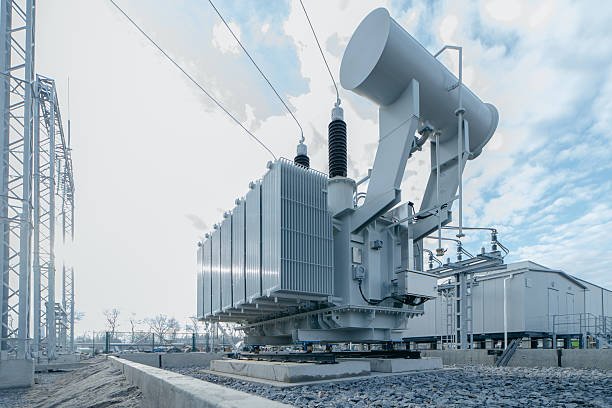
Power transformers are among the most valuable and long-lasting assets in electrical power systems. They are designed to operate continuously under demanding conditions while delivering reliable voltage transformation for utilities, industrial facilities, renewable energy plants, commercial infrastructure, and critical power applications. However, a transformer's actual service life depends on far more than its manufacturing quality. Loading conditions, operating temperature, insulation aging, maintenance practices, environmental factors, and condition monitoring all influence how long a transformer remains reliable. Understanding these factors helps asset owners maximize return on investment and reduce unexpected failures.
The typical lifespan of a power transformer is 30 to 50 years under normal operating conditions, although many well-designed and properly maintained transformers remain in service for more than 50 years. Factors such as insulation quality, operating temperature, loading, cooling performance, maintenance, environmental conditions, and condition monitoring have a significant impact on transformer longevity. Preventive maintenance and regular condition assessment can substantially extend service life while reducing lifecycle costs.
Every power transformer must be replaced after exactly 30 years of operation regardless of its condition.False
Transformer replacement should be based on its actual condition rather than age alone. Many power transformers continue operating safely and efficiently for more than 50 years when properly maintained and regularly monitored.
What is the expected service life of a power transformer?
Power transformers are designed for long-term continuous operation.
Under normal operating conditions, the typical service life is:
- 30 to 40 years for many industrial applications
- 40 to 50 years for most utility transformers
- More than 50 years for well-maintained transformers operating under favorable conditions
Actual lifespan depends on both design quality and operating conditions rather than age alone.
| Transformer Condition | Typical Service Life |
|---|---|
| Normal industrial service | 30–40 years |
| Utility transmission service | 40–50 years |
| Excellent maintenance and loading conditions | More than 50 years |
Why does insulation determine transformer life?
The insulation system is generally considered the life-limiting component of a power transformer.
The insulation consists primarily of:
- Cellulose paper
- Pressboard
- Insulating oil or ester fluid
Over time, insulation gradually ages because of:
- Heat
- Moisture
- Oxygen
- Electrical stress
As insulation deteriorates, its mechanical and dielectric strength decreases, eventually limiting safe operation.
How does operating temperature affect lifespan?
Temperature has the greatest influence on insulation aging.
Higher temperatures accelerate the chemical degradation of insulation materials.
Proper cooling helps:
- Slow insulation aging
- Maintain dielectric strength
- Extend transformer life
- Improve operational reliability
Efficient cooling systems are therefore essential for long-term performance.
| Operating Condition | Effect on Service Life |
|---|---|
| Stable operating temperature | Extends insulation life |
| Frequent overheating | Accelerates aging |
| Proper cooling | Improves reliability |
| Continuous overloading | Reduces expected lifespan |
How does loading influence transformer longevity?
Power transformers are designed to operate within specified loading limits.
Continuous overloading increases:
- Winding temperature
- Oil temperature
- Insulation stress
Occasional overloads may be acceptable if permitted by the transformer's thermal design, but repeated excessive loading accelerates insulation deterioration and shortens service life.
Why is cooling system performance important?
An effective cooling system removes heat generated by the core and windings.
Depending on transformer size, cooling methods may include:
- ONAN
- ONAF
- OFAF
- OFWF
Proper cooling reduces thermal stress and allows the transformer to operate safely under varying load conditions.
How does insulating oil affect transformer life?
Insulating oil performs several critical functions:
- Electrical insulation
- Heat transfer
- Moisture protection
- Arc suppression
As oil ages, its properties gradually change because of:
- Oxidation
- Moisture contamination
- Thermal degradation
Routine oil testing helps identify these changes before they affect transformer performance.
| Oil Condition | Impact |
|---|---|
| Clean, dry oil | Supports long service life |
| Moisture contamination | Accelerates insulation aging |
| Oxidized oil | Reduces cooling and insulation performance |
| Regular oil testing | Improves reliability |
How does preventive maintenance extend service life?
Routine maintenance allows operators to identify developing problems before failures occur.
Recommended maintenance includes:
- Visual inspections
- Oil sampling
- Dissolved gas analysis (DGA)
- Bushing inspection
- Cooling system inspection
- Temperature monitoring
- Protection device testing
Preventive maintenance significantly reduces the risk of catastrophic failures.
Why is condition monitoring valuable?
Modern transformers increasingly use online monitoring systems to evaluate operating condition continuously.
Typical monitoring includes:
- Oil temperature
- Winding temperature
- Dissolved gas analysis
- Moisture monitoring
- Load monitoring
- Vibration monitoring
Condition-based maintenance enables operators to schedule repairs based on actual equipment health rather than age alone.
How do environmental conditions affect lifespan?
Environmental factors also influence transformer reliability.
These include:
- High ambient temperature
- Coastal salt contamination
- Industrial pollution
- Dust
- Humidity
- Altitude
Proper enclosure design, corrosion protection, and maintenance help minimize environmental effects.
| Environmental Factor | Potential Impact |
|---|---|
| High temperature | Faster insulation aging |
| High humidity | Moisture contamination |
| Coastal environment | Increased corrosion risk |
| Industrial pollution | Additional maintenance requirements |
Can transformers remain reliable after 50 years?
Yes.
Many utility transformers continue operating safely beyond 50 years because of:
- Conservative original design
- High manufacturing quality
- Proper loading
- Excellent maintenance
- Regular condition assessment
Age alone should not determine replacement decisions.
Instead, utilities often evaluate:
- Insulation condition
- Oil quality
- Mechanical integrity
- Electrical test results
- Operational reliability
What signs indicate transformer aging?
Operators should monitor for:
- Increasing dissolved gas levels
- Rising operating temperatures
- Higher moisture content
- Oil deterioration
- Insulation degradation
- Increasing maintenance frequency
- Declining dielectric strength
These indicators help determine whether refurbishment or replacement is appropriate.
How can owners maximize transformer lifespan?
Several best practices help extend service life:
- Avoid continuous overloading
- Maintain effective cooling
- Perform routine oil analysis
- Monitor operating temperatures
- Inspect bushings regularly
- Maintain proper oil level
- Repair leaks promptly
- Implement online condition monitoring
These practices reduce insulation stress and improve long-term reliability.
| Best Practice | Benefit |
|---|---|
| Routine inspections | Early fault detection |
| Oil analysis | Monitor insulation health |
| Cooling maintenance | Lower operating temperature |
| Condition monitoring | Predictive maintenance |
| Proper loading | Reduce thermal aging |
When should a transformer be replaced?
Replacement decisions should consider:
- Condition assessment results
- Repair costs
- Operational reliability
- Efficiency improvements
- Spare parts availability
- Future system requirements
A transformer that is well maintained and in good condition may continue operating safely even after several decades of service.
What should buyers consider when selecting a long-life transformer?
Selecting a high-quality transformer from the beginning helps maximize service life.
Key evaluation criteria include:
| Evaluation Item | Importance |
|---|---|
| Core design | Improves efficiency and reduces losses |
| Winding quality | Enhances mechanical reliability |
| Insulation system | Determines long-term durability |
| Cooling system | Controls operating temperature |
| Factory testing | Verifies manufacturing quality |
| Monitoring capability | Supports predictive maintenance |
| Manufacturer experience | Ensures engineering quality |
| After-sales support | Facilitates long-term maintenance |
Which international standards support long-term transformer reliability?
Power transformers are designed, tested, and maintained according to internationally recognized standards published by:
- International Electrotechnical Commission
- Institute of Electrical and Electronics Engineers
These standards establish requirements for:
- Electrical performance
- Temperature rise
- Insulation coordination
- Mechanical strength
- Factory testing
- Maintenance guidance
Compliance helps ensure safe operation and dependable long-term performance.
What Factors Have the Greatest Impact on Power Transformer Lifespan?
Power transformers are designed to provide reliable service for several decades, making them one of the most valuable assets in electrical power systems. However, their actual lifespan is influenced by many operating and environmental factors rather than age alone. Excessive temperatures, overloading, poor maintenance, moisture contamination, and insulation degradation can significantly shorten transformer life, while proper operation and preventive maintenance can extend it well beyond its expected design life. Understanding the factors that most affect transformer longevity helps utilities, industrial facilities, renewable energy operators, and commercial users maximize equipment reliability and minimize lifecycle costs.
The factors with the greatest impact on power transformer lifespan include insulation aging, operating temperature, loading conditions, cooling system performance, insulating oil quality, moisture contamination, electrical faults, environmental conditions, maintenance practices, and condition monitoring. By controlling these factors, many power transformers can operate reliably for 40 to 50 years or even longer while maintaining high efficiency and dependable performance.
Transformer age alone determines when a power transformer should be replaced.False
Although age is an important consideration, a transformer's actual condition, insulation health, maintenance history, loading, and diagnostic test results are much more reliable indicators of its remaining service life.
Why is insulation aging the most important factor?
The insulation system is generally considered the life-limiting component of a power transformer.
It consists primarily of:
- Cellulose insulation paper
- Pressboard insulation
- Insulating oil or ester fluid
Over time, insulation gradually deteriorates because of:
- Heat
- Moisture
- Oxygen
- Electrical stress
As insulation weakens, both its dielectric and mechanical strength decrease, eventually limiting the transformer's ability to operate safely.
| Insulation Factor | Impact on Lifespan |
|---|---|
| High-quality insulation | Extends service life |
| Thermal aging | Accelerates deterioration |
| Moisture contamination | Reduces dielectric strength |
| Regular condition monitoring | Supports long-term reliability |
How does operating temperature affect transformer life?
Operating temperature has one of the greatest influences on insulation aging.
Higher temperatures accelerate chemical degradation within the insulation system.
Proper temperature control helps:
- Preserve insulation strength
- Reduce thermal stress
- Improve reliability
- Extend service life
Efficient cooling is therefore essential for long-term transformer performance.
| Temperature Condition | Effect |
|---|---|
| Normal operating temperature | Maximizes insulation life |
| Frequent overheating | Rapid insulation aging |
| Stable cooling | Improves reliability |
| Excessive hot spots | Shortens service life |
Why do loading conditions matter?
Power transformers are designed to operate within specified loading limits.
Continuous overloading increases:
- Winding temperature
- Core temperature
- Oil temperature
- Insulation stress
Occasional emergency overloads may be acceptable if permitted by the transformer design, but repeated excessive loading significantly reduces insulation life.
Proper load management improves both efficiency and longevity.
How does the cooling system influence lifespan?
The cooling system removes heat generated by electrical losses.
Common cooling methods include:
- ONAN
- ONAF
- OFAF
- OFWF
Efficient cooling:
- Maintains acceptable operating temperatures
- Prevents overheating
- Slows insulation aging
- Supports continuous operation
Cooling system failures can quickly lead to excessive thermal stress.
| Cooling Performance | Result |
|---|---|
| Proper cooling | Longer service life |
| Blocked radiators | Reduced cooling efficiency |
| Fan or pump failure | Higher operating temperatures |
| Routine maintenance | Improved reliability |
Why is insulating oil quality so important?
In oil-immersed transformers, insulating oil performs several essential functions.
These include:
- Electrical insulation
- Heat transfer
- Moisture protection
- Arc suppression
As oil ages, its characteristics may change because of:
- Oxidation
- Moisture ingress
- Thermal degradation
- Contamination
Routine oil testing helps detect these changes before they affect transformer reliability.
How does moisture reduce transformer life?
Moisture is one of the most damaging contaminants in transformer insulation.
Water can enter through:
- Aging seals
- Improper maintenance
- Oil contamination
- Condensation
Moisture reduces dielectric strength and accelerates cellulose degradation, increasing the risk of insulation failure.
Maintaining a dry insulation system is essential for maximizing transformer life.
What role do electrical faults play?
Electrical disturbances place additional stress on transformer insulation and mechanical components.
Common electrical stresses include:
- Short circuits
- Switching surges
- Lightning impulses
- Overvoltage events
- Partial discharge
Repeated exposure to these conditions gradually weakens insulation and mechanical integrity.
Appropriate protection systems help minimize damage.
| Electrical Stress | Possible Effect |
|---|---|
| Short circuit | Mechanical winding stress |
| Lightning surge | Insulation damage |
| Overvoltage | Increased dielectric stress |
| Partial discharge | Progressive insulation deterioration |
How do environmental conditions affect lifespan?
The operating environment significantly influences transformer aging.
Important environmental factors include:
- High ambient temperature
- Humidity
- Dust
- Salt contamination
- Industrial pollution
- Altitude
Proper installation, sealing, and maintenance help reduce environmental impacts and improve long-term reliability.
Why is preventive maintenance essential?
Routine maintenance allows developing problems to be identified before they become major failures.
Typical maintenance activities include:
- Visual inspections
- Oil analysis
- Dissolved gas analysis (DGA)
- Cooling system inspection
- Bushing inspection
- Leak inspection
- Protection device testing
Preventive maintenance helps maintain transformer performance throughout its service life.
| Maintenance Activity | Benefit |
|---|---|
| Oil sampling | Monitor insulation health |
| Dissolved gas analysis | Detect internal faults |
| Cooling inspection | Maintain thermal performance |
| Leak inspection | Prevent oil contamination |
How does condition monitoring improve transformer longevity?
Modern condition monitoring systems continuously assess transformer health.
Common monitoring technologies include:
- Oil temperature monitoring
- Winding temperature monitoring
- Dissolved gas monitoring
- Moisture monitoring
- Load monitoring
- Online diagnostics
Condition-based maintenance allows operators to perform maintenance based on actual equipment condition rather than fixed schedules, reducing both maintenance costs and failure risks.
Why is manufacturing quality important?
The quality of materials and manufacturing directly affects long-term transformer reliability.
Important quality factors include:
- Premium core steel
- Precision winding construction
- High-quality insulation materials
- Reliable sealing systems
- Robust mechanical design
High manufacturing standards reduce the likelihood of premature failures and improve long-term performance.
How does mechanical strength influence lifespan?
Transformers experience significant mechanical forces during operation, particularly under short-circuit conditions.
Strong mechanical construction helps prevent:
- Winding displacement
- Core movement
- Structural vibration
- Mechanical fatigue
Proper clamping and support systems maintain transformer integrity throughout decades of service.
Can proper operation significantly extend service life?
Yes.
Operators can maximize transformer life by:
- Avoiding continuous overloading
- Maintaining effective cooling
- Keeping insulation dry
- Monitoring oil quality
- Performing regular inspections
- Repairing minor issues promptly
- Using online condition monitoring
These practices greatly reduce insulation aging and unexpected failures.
What indicators suggest reduced remaining life?
Several diagnostic indicators help evaluate transformer condition.
Common warning signs include:
- Rising dissolved gas concentrations
- Increasing moisture content
- Declining dielectric strength
- Higher operating temperatures
- Increased partial discharge activity
- Frequent maintenance requirements
Trend analysis is generally more valuable than isolated measurements when assessing transformer health.
| Condition Indicator | What It May Indicate |
|---|---|
| Increasing dissolved gases | Developing internal fault |
| Higher moisture content | Insulation deterioration |
| Rising temperature | Cooling or loading problem |
| Reduced dielectric strength | Aging insulating oil |
What should buyers consider to maximize transformer lifespan?
When purchasing a power transformer, buyers should evaluate:
| Evaluation Item | Importance |
|---|---|
| Core design | Reduce energy losses |
| Insulation system | Improve long-term durability |
| Cooling method | Control operating temperature |
| Oil quality | Ensure reliable insulation |
| Protection devices | Minimize fault damage |
| Monitoring capability | Support predictive maintenance |
| Factory testing | Verify manufacturing quality |
| Manufacturer experience | Ensure dependable long-term performance |
Which international standards support long transformer life?
Power transformers are designed, manufactured, and tested according to internationally recognized standards published by:
- International Electrotechnical Commission
- Institute of Electrical and Electronics Engineers
These standards establish requirements for:
- Electrical performance
- Insulation coordination
- Temperature rise
- Mechanical strength
- Factory testing
- Operational safety
Compliance helps ensure reliable operation throughout the transformer's expected service life.
How Does Insulation Aging Affect the Service Life of Power Transformers?
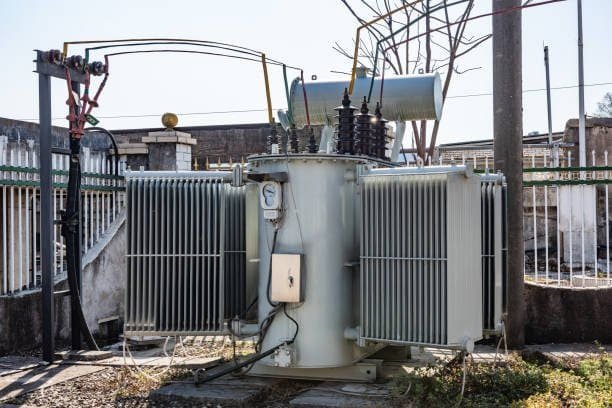
The insulation system is the most critical component determining the service life of a power transformer. While the magnetic core, windings, and tank can often remain mechanically sound for decades, the gradual deterioration of insulation ultimately limits the transformer's ability to operate safely and reliably. Every transformer experiences insulation aging throughout its operating life due to thermal, electrical, mechanical, chemical, and environmental stresses. Understanding how insulation ages and how this process can be slowed is essential for utilities, industrial facilities, renewable energy operators, and infrastructure owners seeking to maximize transformer reliability and minimize lifecycle costs.
Insulation aging directly affects the service life of power transformers by gradually reducing the mechanical strength and dielectric performance of the insulation system. High operating temperatures, moisture, oxygen, electrical stress, and contamination accelerate insulation deterioration, increasing the risk of insulation failure and reducing transformer reliability. Proper cooling, oil maintenance, condition monitoring, and preventive maintenance can significantly slow insulation aging and extend transformer service life beyond 40 to 50 years.
The magnetic core usually determines the service life of a power transformer rather than the insulation system.False
In most power transformers, the insulation system is the primary life-limiting component. The magnetic core often remains serviceable for decades, while insulation gradually deteriorates due to thermal, electrical, and environmental stresses.
Why is insulation considered the life-limiting component?
The insulation system separates energized components while maintaining electrical safety and mechanical stability.
It consists primarily of:
- Cellulose insulation paper
- Pressboard insulation
- Insulating oil or ester fluid
- Solid insulating spacers
Unlike metallic components, insulation materials gradually deteriorate with age and cannot fully regenerate once damaged.
For this reason, insulation condition largely determines the remaining useful life of a transformer.
| Insulation Component | Primary Function |
|---|---|
| Cellulose paper | Electrical insulation around windings |
| Pressboard | Mechanical support and insulation |
| Insulating oil | Cooling and dielectric insulation |
| Solid spacers | Maintain insulation clearances |
How does insulation aging occur?
Insulation aging is a gradual chemical and physical process.
The primary aging mechanisms include:
- Thermal degradation
- Oxidation
- Hydrolysis
- Electrical stress
- Mechanical stress
Over many years, these processes reduce both dielectric strength and mechanical integrity.
The rate of aging depends on transformer operating conditions rather than age alone.
Why is temperature the most important aging factor?
Heat is the single greatest contributor to insulation deterioration.
As operating temperature increases:
- Chemical reactions accelerate.
- Cellulose fibers weaken.
- Insulation becomes brittle.
- Mechanical strength declines.
Efficient cooling systems reduce thermal stress and significantly slow the aging process.
| Temperature Condition | Effect on Insulation |
|---|---|
| Normal operating temperature | Slow aging |
| Elevated temperature | Accelerated degradation |
| Frequent overheating | Rapid loss of insulation strength |
| Stable cooling | Longer insulation life |
How does cellulose insulation deteriorate?
Most power transformers use cellulose paper to insulate the windings.
During long-term operation:
- Polymer chains gradually break down.
- Mechanical strength decreases.
- Flexibility is reduced.
- The insulation becomes more fragile.
A common indicator of cellulose condition is the degree of polymerization (DP), which decreases as the insulation ages.
Lower DP values indicate reduced mechanical strength and a shorter remaining service life.
What role does insulating oil play?
Insulating oil supports the insulation system by performing several important functions.
These include:
- Heat transfer
- Electrical insulation
- Moisture control
- Arc suppression
However, the oil itself also ages over time because of:
- Oxidation
- Thermal stress
- Moisture contamination
- Dissolved gases
Regular oil testing helps determine whether corrective maintenance is needed before insulation damage occurs.
How does moisture accelerate insulation aging?
Moisture is one of the most harmful contaminants affecting transformer insulation.
Water may enter the transformer through:
- Aging seals
- Oil contamination
- Atmospheric exposure
- Condensation
Moisture causes:
- Reduced dielectric strength
- Faster cellulose degradation
- Increased partial discharge risk
- Lower insulation reliability
Maintaining a dry insulation system is essential for extending transformer life.
| Moisture Condition | Effect |
|---|---|
| Dry insulation | Maximum dielectric strength |
| Low moisture | Normal operation |
| High moisture | Accelerated aging |
| Severe contamination | Increased failure risk |
How does oxygen affect insulation?
Oxygen contributes to oxidation of both insulating oil and cellulose insulation.
Oxidation produces:
- Organic acids
- Sludge
- Varnish deposits
These by-products reduce cooling efficiency and accelerate insulation deterioration.
Many transformers use conservators and silica gel breathers to minimize oxygen and moisture exposure.
What is the impact of electrical stress?
Electrical stresses gradually weaken insulation during normal operation.
Examples include:
- Operating voltage
- Switching surges
- Lightning impulses
- Partial discharge
- Voltage transients
Repeated electrical stress slowly damages insulation and increases the likelihood of dielectric failure.
Proper insulation coordination helps reduce these effects.
How do mechanical forces contribute to aging?
Transformers experience mechanical stress from:
- Electromagnetic forces
- Thermal expansion
- Short-circuit events
- Transportation and installation
Repeated mechanical loading may gradually weaken insulation supports and winding structures, particularly in older transformers.
Robust mechanical design minimizes long-term damage.
How can insulation aging be monitored?
Modern diagnostic techniques provide valuable information about insulation condition.
Common methods include:
- Dissolved gas analysis (DGA)
- Moisture analysis
- Oil dielectric strength testing
- Furan analysis
- Insulation resistance testing
- Polarization index testing
These tests help identify insulation deterioration long before operational failures occur.
| Diagnostic Test | Purpose |
|---|---|
| Dissolved gas analysis | Detect internal electrical or thermal faults |
| Furan analysis | Evaluate cellulose insulation aging |
| Moisture testing | Assess insulation dryness |
| Dielectric strength test | Verify insulating oil quality |
Can insulation aging be slowed?
Although insulation aging cannot be completely prevented, it can be significantly reduced through proper operation and maintenance.
Recommended practices include:
- Maintaining effective cooling
- Avoiding continuous overloading
- Keeping insulating oil clean and dry
- Performing regular oil analysis
- Monitoring operating temperatures
- Inspecting seals for leaks
- Using condition-based maintenance
These measures help preserve insulation integrity and extend transformer service life.
What happens when insulation becomes severely aged?
As insulation deteriorates, several problems become more likely.
These include:
- Reduced dielectric strength
- Winding movement during faults
- Partial discharge
- Internal short circuits
- Catastrophic insulation failure
Once insulation reaches an advanced stage of deterioration, refurbishment may be limited, and transformer replacement may become the most practical solution.
Why is condition monitoring so valuable?
Online monitoring systems continuously assess transformer operating conditions.
Parameters commonly monitored include:
- Oil temperature
- Winding temperature
- Moisture content
- Dissolved gases
- Load current
Continuous monitoring allows maintenance teams to identify developing insulation problems early and schedule maintenance before serious damage occurs.
What should buyers consider when selecting a transformer with long insulation life?
High-quality insulation systems begin with excellent design and manufacturing.
Buyers should evaluate:
| Evaluation Item | Importance |
|---|---|
| Insulation material quality | Determines long-term durability |
| Cooling system design | Controls insulation temperature |
| Oil quality | Supports dielectric performance |
| Sealing system | Prevents moisture ingress |
| Factory testing | Verifies insulation integrity |
| Monitoring capability | Enables predictive maintenance |
| Manufacturer experience | Ensures proven insulation design |
| Compliance with standards | Supports long-term reliability |
Which international standards address transformer insulation?
Power transformer insulation systems are designed and tested according to internationally recognized standards developed by:
- International Electrotechnical Commission
- Institute of Electrical and Electronics Engineers
These standards establish requirements for:
- Insulation coordination
- Dielectric testing
- Temperature rise
- Electrical performance
- Factory acceptance testing
- Operational safety
Compliance helps ensure reliable insulation performance throughout the transformer's service life.
What Maintenance Practices Can Extend the Lifespan of a Power Transformer?

Power transformers are designed to operate reliably for decades, but their actual service life depends largely on how well they are maintained. Even a high-quality transformer can experience premature aging if problems such as overheating, moisture contamination, oil deterioration, or loose electrical connections are not detected early. In contrast, a comprehensive preventive maintenance program can significantly slow insulation aging, reduce unexpected failures, improve operating efficiency, and extend transformer service life well beyond its original design expectation. For utilities, industrial facilities, renewable energy projects, and commercial infrastructure, effective maintenance is one of the most cost-effective ways to maximize transformer reliability and minimize lifecycle costs.
The most effective maintenance practices for extending the lifespan of a power transformer include routine visual inspections, insulating oil analysis, dissolved gas analysis (DGA), cooling system maintenance, temperature monitoring, bushing inspections, tap changer maintenance, moisture control, electrical testing, and continuous condition monitoring. Combined with proper loading and timely repairs, these practices help many power transformers operate reliably for 40 to 50 years or longer.
Power transformers require maintenance only after a fault or failure occurs.False
Preventive maintenance is essential for detecting developing problems before they become failures. Regular inspections, testing, oil analysis, and condition monitoring significantly improve transformer reliability and extend service life.
Why is preventive maintenance essential?
Preventive maintenance identifies small problems before they develop into major failures.
A well-planned maintenance program helps:
- Extend insulation life
- Improve operational reliability
- Reduce unplanned outages
- Lower repair costs
- Maximize return on investment
Routine maintenance is considerably less expensive than replacing or repairing a failed transformer.
| Maintenance Objective | Benefit |
|---|---|
| Early fault detection | Prevent catastrophic failures |
| Improved reliability | Increase system availability |
| Lower operating costs | Reduce emergency repairs |
| Longer service life | Maximize asset value |
Why should routine visual inspections be performed?
Visual inspections are the first step in identifying abnormal operating conditions.
Operators should check for:
- Oil leaks
- Corrosion
- Damaged paint
- Loose hardware
- Abnormal vibration
- Unusual noise
- Damaged bushings
- Oil level abnormalities
Routine inspections often reveal problems before they affect transformer performance.
How does insulating oil analysis extend transformer life?
Insulating oil performs both cooling and electrical insulation functions.
Regular oil analysis evaluates:
- Dielectric strength
- Moisture content
- Acidity
- Interfacial tension
- Oxidation condition
- Particle contamination
Maintaining high-quality insulating oil helps preserve the transformer's insulation system and cooling performance.
| Oil Test | Purpose |
|---|---|
| Dielectric strength | Verify insulation quality |
| Moisture analysis | Detect water contamination |
| Acid number | Evaluate oil aging |
| Interfacial tension | Assess oxidation condition |
Why is Dissolved Gas Analysis (DGA) so important?
Dissolved Gas Analysis is one of the most valuable diagnostic tools for oil-immersed transformers.
It detects gases generated by:
- Thermal faults
- Electrical discharge
- Partial discharge
- Insulation deterioration
- Arcing
Trending gas concentrations over time allows maintenance teams to identify developing faults long before they become serious failures.
How does maintaining the cooling system improve transformer lifespan?
The cooling system controls transformer operating temperature.
Routine maintenance includes inspecting:
- Radiators
- Cooling fans
- Oil pumps
- Heat exchangers
- Temperature sensors
Keeping cooling equipment clean and operational helps:
- Prevent overheating
- Reduce insulation aging
- Improve efficiency
- Support continuous loading
| Cooling Component | Maintenance Task |
|---|---|
| Radiators | Clean external surfaces |
| Cooling fans | Verify operation |
| Oil pumps | Inspect performance |
| Temperature sensors | Confirm accurate readings |
Why should operating temperature be monitored?
Temperature has the greatest influence on insulation aging.
Operators should regularly monitor:
- Top oil temperature
- Winding temperature
- Ambient temperature
- Hot-spot temperature
Unexpected temperature increases may indicate:
- Overloading
- Cooling system problems
- Internal faults
Continuous monitoring helps prevent excessive thermal stress.
How do bushing inspections improve reliability?
Bushings provide insulated electrical connections between transformer windings and external circuits.
Routine inspections should check for:
- Cracks
- Oil leakage
- Contamination
- Loose connections
- Abnormal heating
Damaged bushings can lead to insulation failure if not repaired promptly.
Why is tap changer maintenance necessary?
Tap changers regulate transformer output voltage.
Because they operate mechanically and electrically, they require periodic inspection.
Maintenance typically includes:
- Contact inspection
- Mechanical adjustment
- Lubrication
- Electrical testing
- Oil replacement (where applicable)
Proper maintenance helps ensure reliable voltage regulation and minimizes contact wear.
How does moisture control extend transformer life?
Moisture is one of the most harmful contaminants affecting transformer insulation.
Maintenance practices include:
- Checking sealing systems
- Inspecting breathers
- Monitoring oil moisture
- Replacing saturated silica gel
- Repairing oil leaks promptly
Maintaining dry insulation significantly slows cellulose aging and improves dielectric performance.
| Moisture Control Practice | Benefit |
|---|---|
| Breather maintenance | Prevent moisture ingress |
| Seal inspection | Reduce oil contamination |
| Moisture testing | Protect insulation |
| Leak repair | Maintain oil quality |
Why should electrical testing be performed?
Periodic electrical testing verifies transformer condition and identifies developing problems.
Common tests include:
- Insulation resistance
- Winding resistance
- Transformer turns ratio
- Power factor testing
- Sweep frequency response analysis (SFRA)
- Excitation current testing
These tests help evaluate both electrical and mechanical integrity.
How does condition monitoring improve maintenance?
Modern transformers increasingly use online monitoring systems.
Typical monitored parameters include:
- Oil temperature
- Winding temperature
- Dissolved gases
- Moisture content
- Load current
- Oil level
Continuous monitoring enables condition-based maintenance, reducing unnecessary inspections while improving reliability.
Why is proper loading important?
Even excellent maintenance cannot compensate for continuous overloading.
Operators should:
- Monitor load profiles
- Avoid prolonged overloads
- Balance system loading
- Verify cooling capacity
Proper loading reduces insulation stress and slows thermal aging.
How do clean surroundings improve transformer life?
The installation environment influences maintenance requirements.
Good housekeeping includes:
- Removing vegetation
- Cleaning radiators
- Controlling dust accumulation
- Maintaining drainage
- Preventing standing water
A clean installation improves cooling performance and reduces corrosion.
Why is accurate maintenance documentation valuable?
Comprehensive maintenance records help identify long-term trends.
Important records include:
- Oil analysis reports
- DGA results
- Temperature history
- Inspection reports
- Repair history
- Loading records
Trend analysis supports more accurate condition assessment and maintenance planning.
| Maintenance Record | Purpose |
|---|---|
| Oil analysis history | Track insulation condition |
| Temperature records | Monitor thermal performance |
| Inspection reports | Identify recurring issues |
| Repair history | Support asset management |
How often should maintenance be performed?
Maintenance frequency depends on factors such as:
- Transformer age
- Loading conditions
- Operating environment
- Criticality
- Previous test results
Typical programs include:
- Routine visual inspections
- Annual electrical testing
- Periodic oil analysis
- Continuous online monitoring for critical transformers
Maintenance intervals should be adjusted according to transformer condition rather than following a fixed schedule alone.
What should owners prioritize to maximize transformer lifespan?
Asset owners should focus on:
| Priority | Importance |
|---|---|
| Oil quality management | Preserve insulation |
| Cooling system maintenance | Prevent overheating |
| Moisture control | Maintain dielectric strength |
| Dissolved gas analysis | Detect developing faults |
| Temperature monitoring | Reduce insulation aging |
| Electrical testing | Verify transformer condition |
| Preventive repairs | Avoid major failures |
| Condition monitoring | Enable predictive maintenance |
Which international standards support transformer maintenance?
Power transformer maintenance programs are commonly developed in accordance with internationally recognized standards published by:
- International Electrotechnical Commission
- Institute of Electrical and Electronics Engineers
These standards provide guidance for:
- Inspection procedures
- Diagnostic testing
- Oil analysis
- Electrical testing
- Condition assessment
- Maintenance planning
Following these standards helps ensure safe operation, improved reliability, and maximum service life.
What Are the Warning Signs That a Power Transformer Is Reaching the End of Its Service Life?
Power transformers are designed to operate reliably for 30 to 50 years or more, but no transformer lasts forever. As the insulation system, cooling components, and mechanical structures gradually age, the transformer begins to exhibit measurable signs of deterioration. Recognizing these warning signs early allows utilities, industrial facilities, renewable energy operators, and commercial users to schedule maintenance, refurbishment, or replacement before a costly failure occurs. Regular inspections, diagnostic testing, and condition monitoring are essential for identifying aging transformers and maximizing system reliability.
The most common warning signs that a power transformer is approaching the end of its service life include deteriorating insulation, abnormal dissolved gas analysis (DGA) results, increasing operating temperatures, declining insulating oil quality, excessive moisture, frequent protection system alarms, abnormal noise or vibration, oil leaks, failed electrical tests, and rising maintenance requirements. These indicators should be evaluated together through a comprehensive condition assessment rather than relying on transformer age alone.
The age of a power transformer is the only reliable indicator that it should be replaced.False
Transformer replacement should be based on condition assessment, including insulation health, oil analysis, diagnostic testing, operating history, and maintenance records. Many transformers continue operating safely beyond 50 years when their condition remains good.
Why is transformer condition more important than age?
Although transformer age provides useful information, actual operating condition is a much better indicator of remaining service life.
Two transformers of the same age may have very different conditions depending on:
- Operating temperature
- Loading history
- Maintenance quality
- Environmental conditions
- Fault exposure
Condition-based assessment allows owners to make more informed maintenance and replacement decisions.
| Evaluation Factor | Importance |
|---|---|
| Chronological age | General reference |
| Insulation condition | Critical |
| Oil quality | Critical |
| Diagnostic testing | Critical |
| Maintenance history | High |
Why is insulation deterioration the most serious warning sign?
The insulation system is generally the life-limiting component of a power transformer.
As insulation ages:
- Dielectric strength decreases.
- Mechanical strength declines.
- Cellulose becomes brittle.
- Failure risk increases.
Signs of insulation deterioration include:
- Low insulation resistance
- High moisture content
- Elevated furan compounds
- Reduced dielectric strength
Progressive insulation degradation is one of the clearest indicators that transformer life is approaching its limit.
How does Dissolved Gas Analysis (DGA) indicate aging?
Dissolved Gas Analysis detects gases produced by electrical and thermal faults inside oil-filled transformers.
Common gases include:
- Hydrogen
- Methane
- Ethane
- Ethylene
- Acetylene
- Carbon monoxide
- Carbon dioxide
Increasing gas concentrations or rapidly changing gas trends may indicate:
- Overheating
- Partial discharge
- Arcing
- Cellulose insulation decomposition
Trending DGA results over time provides valuable insight into transformer health.
| Gas Trend | Possible Condition |
|---|---|
| Rising hydrogen | Partial discharge |
| Increasing ethylene | High-temperature overheating |
| Acetylene present | Electrical arcing |
| Elevated carbon monoxide | Cellulose insulation aging |
Why are increasing operating temperatures a concern?
Higher operating temperatures accelerate insulation aging.
Warning signs include:
- Rising top-oil temperature
- Elevated winding temperature
- Increasing hot-spot temperature
- Frequent overheating alarms
Possible causes include:
- Cooling system degradation
- Excessive loading
- Internal faults
- Reduced cooling efficiency
Persistent temperature increases should always be investigated promptly.
How does insulating oil reveal transformer condition?
Transformer oil gradually deteriorates throughout its service life.
Routine oil analysis may reveal:
- Increased acidity
- Reduced dielectric strength
- Oxidation
- Sludge formation
- Contamination
Poor oil quality reduces both insulation performance and cooling efficiency.
| Oil Condition | Possible Meaning |
|---|---|
| High acidity | Oil oxidation |
| Low dielectric strength | Reduced insulation capability |
| Sludge formation | Advanced oil aging |
| Contamination | Increased insulation risk |
Why is excessive moisture dangerous?
Moisture significantly reduces insulation reliability.
High moisture levels may indicate:
- Aging seals
- Oil contamination
- Breather problems
- Advanced insulation deterioration
Moisture accelerates cellulose aging and increases the likelihood of insulation failure.
Maintaining a dry insulation system is essential for extending transformer life.
What do abnormal electrical test results indicate?
Routine electrical testing provides valuable information about transformer condition.
Warning signs include:
- Reduced insulation resistance
- Abnormal winding resistance
- Increased power factor
- Poor transformer turns ratio results
- Changes in sweep frequency response analysis (SFRA)
These results may indicate insulation deterioration, winding movement, or internal mechanical damage.
Why should abnormal noise and vibration be investigated?
Power transformers normally produce a steady, low-frequency humming sound.
Changes in noise characteristics may indicate:
- Loose core clamping
- Winding movement
- Cooling fan problems
- Mechanical looseness
- Electrical faults
Increasing vibration levels may also signal structural deterioration.
Any significant change from normal operating conditions should be investigated.
How do oil leaks affect transformer life?
Oil leakage can reduce both insulation and cooling performance.
Leaks may result from:
- Aging gaskets
- Damaged seals
- Corrosion
- Mechanical damage
Even small leaks can eventually allow:
- Moisture ingress
- Air contamination
- Reduced oil level
Prompt repair helps prevent accelerated insulation aging.
| Oil Leak Severity | Recommended Action |
|---|---|
| Minor seepage | Monitor and repair during maintenance |
| Continuous leakage | Repair promptly |
| Significant oil loss | Immediate corrective action |
Why are protection system alarms important?
Protective devices are designed to detect abnormal operating conditions before serious damage occurs.
Common warning devices include:
- Gas relay
- Pressure relief device
- Oil level indicator
- Temperature alarms
- Sudden pressure relay
Frequent alarms may indicate developing internal problems that require immediate investigation.
Why do maintenance requirements increase with age?
As transformers approach the end of their service life, maintenance needs often increase.
Typical signs include:
- More frequent oil treatment
- Repeated leak repairs
- Cooling system failures
- Bushing replacement
- Tap changer servicing
Increasing maintenance costs may indicate that refurbishment or replacement should be considered.
How does condition monitoring help identify aging transformers?
Modern online monitoring systems continuously assess transformer health.
Typical monitored parameters include:
- Oil temperature
- Winding temperature
- Dissolved gases
- Moisture content
- Load current
- Oil level
Condition monitoring allows operators to detect gradual deterioration before it develops into a major failure.
When should refurbishment or replacement be considered?
Replacement decisions should consider multiple factors rather than a single measurement.
Important evaluation criteria include:
- Insulation condition
- DGA trends
- Oil quality
- Electrical test results
- Mechanical condition
- Reliability history
- Maintenance costs
- Future system requirements
A comprehensive condition assessment provides the best basis for deciding whether continued operation, refurbishment, or replacement is the most economical option.
What should owners monitor regularly?
A comprehensive asset management program should include:
| Monitoring Item | Purpose |
|---|---|
| Dissolved gas analysis | Detect internal faults |
| Oil quality testing | Evaluate insulation health |
| Moisture analysis | Protect cellulose insulation |
| Temperature monitoring | Prevent thermal aging |
| Electrical testing | Verify transformer integrity |
| Visual inspections | Detect leaks and damage |
| Vibration monitoring | Identify mechanical deterioration |
| Maintenance records | Track long-term condition trends |
Which international standards support transformer condition assessment?
Power transformer condition assessment and maintenance are commonly performed according to internationally recognized standards developed by:
- International Electrotechnical Commission
- Institute of Electrical and Electronics Engineers
These standards provide guidance for:
- Diagnostic testing
- Oil analysis
- Electrical testing
- Condition monitoring
- Maintenance planning
- Asset management
Following these standards helps improve reliability, reduce unexpected failures, and optimize replacement decisions.
How Can Buyers Maximize the Long-Term Value of a Power Transformer Investment?

Purchasing a power transformer is a long-term investment that affects the reliability, efficiency, and operating costs of an electrical system for decades. While the initial purchase price is important, it represents only a small portion of the transformer's total lifecycle cost. Energy losses, maintenance expenses, downtime, repairs, and service life have a much greater impact on the overall return on investment. Buyers who focus on total ownership value rather than upfront cost can significantly reduce operating expenses and improve power system reliability throughout the transformer's lifespan.
Buyers can maximize the long-term value of a power transformer investment by selecting the correct transformer capacity, prioritizing high energy efficiency, choosing premium insulation and cooling systems, ensuring compliance with international standards, investing in condition monitoring, implementing preventive maintenance, and partnering with an experienced manufacturer that provides strong technical support and after-sales service. These practices help reduce lifecycle costs, improve reliability, and extend transformer service life beyond 40 to 50 years.
The lowest purchase price always provides the best long-term value when buying a power transformer.False
A transformer with a lower initial purchase price may have higher energy losses, increased maintenance costs, shorter service life, and lower reliability. Evaluating total lifecycle cost provides a more accurate measure of long-term value.
Why should buyers focus on lifecycle cost instead of purchase price?
The purchase price typically represents only a fraction of the transformer's total ownership cost.
Lifecycle cost includes:
- Initial purchase
- Transportation
- Installation
- Energy losses
- Maintenance
- Repairs
- Downtime
- Replacement costs
Selecting a transformer with higher efficiency and better reliability often produces substantial savings over several decades.
| Cost Category | Long-Term Impact |
|---|---|
| Initial purchase | One-time investment |
| Energy losses | Continuous operating expense |
| Maintenance | Ongoing lifecycle cost |
| Downtime | Production and revenue loss |
| Replacement | Major future investment |
Why is selecting the correct transformer capacity important?
The transformer should match both present and future load requirements.
Oversized transformers may result in:
- Higher no-load losses
- Increased capital cost
- Lower operating efficiency at light load
Undersized transformers may cause:
- Frequent overloading
- Higher operating temperatures
- Accelerated insulation aging
- Reduced service life
Proper sizing provides the best balance between efficiency, reliability, and future expansion.
How does energy efficiency improve long-term value?
Energy losses occur every hour the transformer operates.
High-efficiency transformers reduce:
- No-load losses
- Load losses
- Electricity consumption
- Carbon emissions
Lower losses generate continuous savings throughout the transformer's operating life.
| Efficiency Benefit | Long-Term Value |
|---|---|
| Lower no-load losses | Reduced operating cost |
| Lower load losses | Improved energy efficiency |
| Reduced heat generation | Longer insulation life |
| Lower electricity consumption | Better return on investment |
Why should insulation quality be a priority?
The insulation system largely determines transformer lifespan.
Premium insulation materials provide:
- Higher dielectric strength
- Better thermal endurance
- Improved mechanical stability
- Slower aging
A high-quality insulation system can significantly extend service life and reduce maintenance requirements.
How does the cooling system influence investment value?
Efficient cooling helps maintain safe operating temperatures.
Benefits include:
- Lower insulation aging
- Higher continuous loading capability
- Better overload performance
- Improved reliability
Well-designed cooling systems reduce thermal stress and help maximize transformer lifespan.
Why are international standards important?
Transformers manufactured in accordance with internationally recognized standards generally provide greater confidence in quality and performance.
Compliance with standards helps ensure:
- Reliable electrical performance
- Verified insulation strength
- Mechanical durability
- Comprehensive factory testing
- Operational safety
Standards also simplify project approval and future maintenance planning.
Why should buyers evaluate manufacturer experience?
The manufacturer's engineering capability directly affects transformer quality.
An experienced manufacturer offers:
- Proven design expertise
- Advanced manufacturing processes
- Strict quality control
- Comprehensive testing
- Technical consultation
- Reliable after-sales support
Choosing a reputable manufacturer reduces technical and operational risks.
| Manufacturer Capability | Customer Benefit |
|---|---|
| Engineering experience | Optimized transformer design |
| Quality control | Consistent product reliability |
| Factory testing | Verified performance |
| Technical support | Faster problem resolution |
How does factory testing protect the investment?
Comprehensive factory testing verifies transformer quality before shipment.
Recommended tests include:
- Transformer turns ratio
- Winding resistance
- Insulation resistance
- Applied voltage test
- Induced voltage test
- Oil leak test
- Functional inspection
These tests help ensure the transformer meets project specifications before installation.
Why should buyers invest in condition monitoring?
Modern condition monitoring systems continuously assess transformer health.
Typical monitored parameters include:
- Oil temperature
- Winding temperature
- Dissolved gases
- Moisture content
- Oil level
- Load current
Early fault detection reduces unexpected outages and allows maintenance to be scheduled before failures occur.
How does preventive maintenance maximize value?
Preventive maintenance slows equipment aging and reduces repair costs.
Recommended maintenance activities include:
- Routine inspections
- Oil analysis
- Dissolved gas analysis (DGA)
- Cooling system maintenance
- Bushing inspection
- Tap changer maintenance
- Electrical testing
A proactive maintenance strategy significantly extends transformer service life.
Why should operating conditions be managed carefully?
Even a premium transformer can experience reduced lifespan if operated improperly.
Operators should:
- Avoid continuous overloading
- Maintain adequate cooling
- Monitor operating temperatures
- Repair oil leaks promptly
- Keep insulation dry
Proper operating practices preserve transformer condition and improve long-term reliability.
How does planning for future expansion improve investment value?
Electrical systems often grow over time.
Buyers should consider:
- Future load growth
- Renewable energy integration
- Capacity expansion
- Grid modernization
- Additional distribution requirements
Planning for moderate future expansion may reduce the need for premature transformer replacement.
Why is documentation important?
Complete documentation simplifies maintenance and asset management.
Important documents include:
- Factory test reports
- Operating manuals
- Maintenance records
- Oil analysis reports
- Inspection history
- Repair records
Accurate documentation supports condition assessment and improves long-term asset management.
| Documentation | Purpose |
|---|---|
| Factory test reports | Verify product quality |
| Maintenance records | Track equipment condition |
| Oil analysis history | Monitor insulation health |
| Inspection reports | Support lifecycle management |
What questions should buyers ask before purchasing?
A thorough technical evaluation helps ensure the transformer meets long-term operational requirements.
| Question | Why It Matters |
|---|---|
| Is the transformer correctly sized for current and future loads? | Maximize efficiency and reliability |
| What are the guaranteed no-load and load losses? | Reduce operating costs |
| Which cooling method is recommended? | Maintain thermal performance |
| What monitoring options are available? | Enable predictive maintenance |
| Which factory tests are included? | Verify manufacturing quality |
| What warranty and technical support are provided? | Protect long-term investment |
| Are spare parts readily available? | Reduce maintenance downtime |
| Does the transformer comply with international standards? | Ensure quality and safety |
Which international standards support long-term transformer performance?
Power transformers should comply with internationally recognized standards published by:
- International Electrotechnical Commission
- Institute of Electrical and Electronics Engineers
These standards establish requirements for:
- Electrical performance
- Insulation coordination
- Temperature rise
- Mechanical strength
- Factory testing
- Operational safety
Compliance improves long-term reliability and supports consistent performance throughout the transformer's service life.
Conclusion
Power transformers are engineered for decades of dependable operation, with a typical service life of 30 to 50 years and, in many cases, much longer when properly maintained. Their longevity depends on a combination of high-quality design, appropriate loading, effective cooling, insulation health, routine maintenance, and continuous condition monitoring. By implementing preventive maintenance programs, performing regular oil analysis, monitoring critical operating parameters, and addressing potential issues before they become major failures, operators can significantly extend transformer lifespan, reduce lifecycle costs, and ensure reliable power delivery for many years to come.
FAQ
Q1: What is the typical lifespan of power transformers?
Power transformers are designed for long-term operation and are among the most durable assets in electrical power systems. Under normal operating conditions and with proper maintenance, a power transformer typically has a service life of 30 to 50 years. Many well-maintained transformers remain in operation for 50 to 70 years or even longer.
The actual lifespan depends on several factors, including:
Transformer design and manufacturing quality
Load conditions
Operating temperature
Insulation aging
Maintenance practices
Environmental conditions
Frequency of electrical faults
Cooling system performance
Regular inspections and condition monitoring can significantly extend the useful life of a transformer.
Q2: What factors have the greatest impact on transformer lifespan?
Several operational and environmental factors influence how long a power transformer will remain reliable.
The most important factors include:
Insulation system quality
Winding operating temperature
Moisture contamination
Oxygen exposure
Overloading
Short-circuit events
Cooling efficiency
Oil condition
Ambient environment
Manufacturing quality
Among these, insulation aging caused by excessive heat is generally considered the primary factor limiting transformer life.
Q3: How does temperature affect transformer aging?
Heat is the greatest enemy of transformer insulation.
As operating temperature increases:
Insulation deteriorates more rapidly.
Paper insulation loses mechanical strength.
Moisture generation increases.
Oil oxidation accelerates.
Overall transformer reliability declines.
Industry guidance based on insulation aging principles indicates that even a modest increase in hot-spot temperature can significantly reduce insulation life. Maintaining proper cooling and avoiding continuous overloading are therefore essential for extending transformer lifespan.
Q4: Why is insulating oil important for transformer longevity?
In oil-immersed transformers, insulating oil performs two essential functions:
Electrical insulation
Heat dissipation
Healthy transformer oil helps:
Remove heat from the windings and core
Protect paper insulation from moisture
Reduce oxidation
Prevent electrical discharge
Improve dielectric strength
Routine oil testing—including Dissolved Gas Analysis (DGA), moisture measurement, dielectric strength testing, and acidity analysis—helps detect developing problems before they become serious failures.
Q5: How does preventive maintenance extend transformer life?
A comprehensive preventive maintenance program reduces wear, identifies defects early, and minimizes the risk of unexpected failures.
Recommended maintenance activities include:
Routine visual inspections
Oil quality testing
Cooling system maintenance
Bushing inspection
Tap changer servicing
Electrical testing
Temperature monitoring
Tightening electrical connections
Cleaning radiators and ventilation paths
Maintaining detailed service records
Proactive maintenance is generally more cost-effective than emergency repairs or premature replacement.
Q6: How does online condition monitoring help maximize service life?
Modern power transformers increasingly use digital monitoring systems that continuously assess transformer health.
Common monitoring technologies include:
Online Dissolved Gas Analysis (DGA)
Fiber optic winding temperature sensors
Moisture-in-oil monitoring
Bushing monitoring
Partial discharge detection
Oil level monitoring
Cooling system performance monitoring
Remote SCADA integration
These systems support condition-based maintenance by identifying abnormal trends early, allowing corrective actions before permanent damage occurs.
Q7: What are the signs that a power transformer is nearing the end of its service life?
As transformers age, several indicators may suggest declining condition.
Common warning signs include:
Increasing insulation degradation
Frequent overheating
Rising dissolved gas concentrations
Declining dielectric strength
Oil leaks
Excessive noise or vibration
Repeated maintenance issues
Reduced reliability
Failed electrical diagnostic tests
Increased operating costs
A comprehensive condition assessment helps determine whether refurbishment, life extension, or replacement is the most appropriate option.
Q8: What strategies help maximize the lifespan of a power transformer?
Utilities and industrial operators can significantly extend transformer service life by following best practices throughout the equipment lifecycle.
Recommended strategies include:
Select a transformer with appropriate capacity and specifications
Avoid continuous overloading
Maintain effective cooling systems
Perform regular oil testing and electrical diagnostics
Implement online condition monitoring for critical assets
Protect the transformer from moisture and contamination
Follow manufacturer maintenance recommendations
Analyze historical operating and test data
Address minor issues before they escalate
Ensure compliance with IEC and IEEE maintenance standards
By combining high-quality design, proper operation, and predictive maintenance, organizations can maximize transformer reliability, reduce lifecycle costs, and achieve decades of dependable service.
References
IEC 60076 – Power Transformers
https://webstore.iec.ch/publication/602
IEC 60422 – Mineral Insulating Oils in Electrical Equipment: Supervision and Maintenance Guide
https://webstore.iec.ch
IEEE C57.91 – Guide for Loading Mineral-Oil-Immersed Transformers
https://standards.ieee.org
IEEE C57.106 – Guide for Acceptance and Maintenance of Insulating Mineral Oil in Electrical Equipment
https://standards.ieee.org
Electrical Engineering Portal – Factors Affecting Transformer Service Life and Maintenance
https://electrical-engineering-portal.com