
Purchasing a power transformer is a long-term investment, and warranty protection plays an important role in managing equipment reliability risks and lifecycle costs. Since transformers are expected to operate for decades, buyers need to understand what warranty coverage typically includes, how long protection lasts, and what conditions may affect warranty claims. An unclear warranty agreement can create unexpected repair expenses, disputes with suppliers, and difficulties when dealing with equipment failures. Understanding common transformer warranty terms helps buyers evaluate manufacturers more effectively and make more secure purchasing decisions.
Common warranty terms for power transformers typically include a warranty period of 12 to 36 months after commissioning or delivery, coverage for manufacturing defects and material failures, repair or replacement obligations, and specific conditions related to installation, operation, maintenance, and environmental factors. Some manufacturers may offer extended warranties or additional service agreements for critical transformer applications, depending on project requirements and customer needs.
A transformer warranty is more than a guarantee of product quality—it reflects the manufacturer's confidence in design, manufacturing processes, and after-sales support. Reviewing warranty details carefully helps buyers protect their investment and ensure reliable long-term transformer performance.
What Warranty Terms Are Common for Power Transformers?
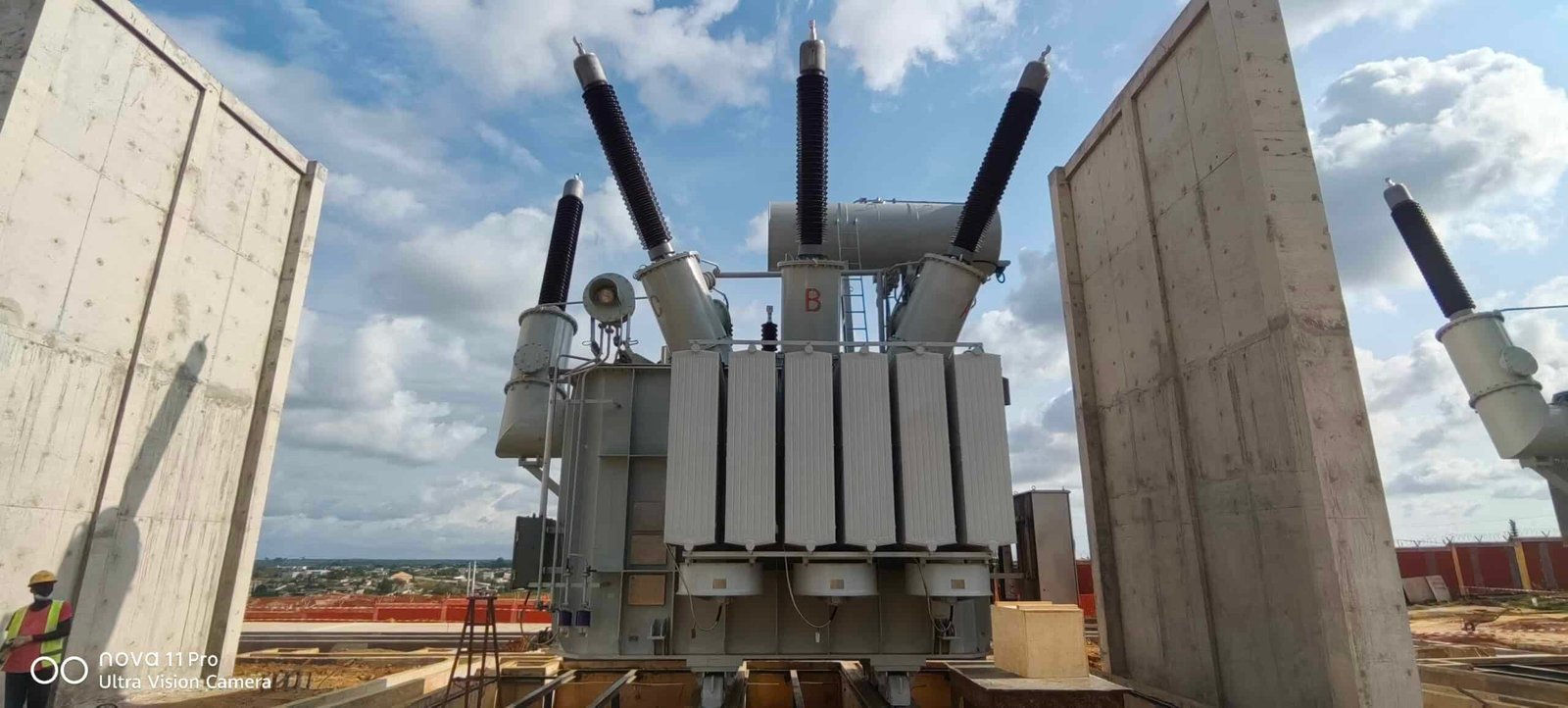
Power transformers are long-term investments that require reliable performance, technical support, and lifecycle protection. Because transformers often operate continuously for decades under demanding electrical and environmental conditions, warranty terms are an important consideration when purchasing from a manufacturer. A well-defined transformer warranty helps customers understand the supplier’s responsibility for manufacturing quality, material defects, performance commitments, and after-sales support. However, warranty conditions vary depending on transformer type, voltage level, application, manufacturer policies, installation environment, and project requirements.
Common warranty terms for power transformers typically include a 12–24 month warranty period after commissioning or delivery, coverage for manufacturing defects and material failures, repair or replacement obligations, performance guarantees, and exclusions related to improper installation, operation beyond rated conditions, accidents, or inadequate maintenance. Many manufacturers also provide extended warranty options, technical support, and service agreements to improve long-term transformer reliability.
A power transformer warranty usually covers all failures throughout the entire operating life of the transformer regardless of operating conditions.False
Transformer warranties generally cover manufacturing defects and specified failures within the warranty period. Failures caused by misuse, overload, improper maintenance, or external events are typically excluded.
Why are transformer warranty terms important?
A power transformer represents a significant capital investment. Large power transformers may require:
- Extensive engineering design
- Specialized manufacturing
- Transportation planning
- Installation preparation
- Commissioning procedures
A clear warranty protects customers by defining:
- Manufacturer responsibilities
- Customer responsibilities
- Coverage period
- Repair procedures
- Replacement conditions
| Warranty Element | Purpose |
|---|---|
| Coverage period | Defines protection duration |
| Defect coverage | Protects against manufacturing problems |
| Repair obligation | Defines corrective actions |
| Exclusions | Clarifies limitations |
What is the typical warranty period for power transformers?
The warranty period depends on the transformer type and project requirements.
Common warranty durations include:
| Transformer Type | Common Warranty Period |
|---|---|
| Distribution transformer | 12–24 months |
| Oil-immersed power transformer | 18–24 months |
| Large utility transformer | 24 months or project-specific |
| Custom industrial transformer | Negotiated agreement |
Some manufacturers provide warranty coverage based on:
- Delivery date
- Installation date
- Commissioning date
- First energization date
The starting point should always be clearly stated in the purchase contract.
What does a standard transformer warranty usually cover?
Most transformer warranties focus on manufacturing-related problems.
Typical covered issues include:
- Defective materials
- Manufacturing errors
- Faulty components
- Internal construction defects
- Failure to meet agreed specifications
Examples may include:
- Winding defects
- Core manufacturing problems
- Tank leakage caused by manufacturing faults
- Defective bushings or accessories
| Covered Issue | Typical Warranty Response |
|---|---|
| Manufacturing defect | Repair or replacement |
| Material failure | Corrective action |
| Specification non-compliance | Rectification |
What transformer components are commonly included in warranty coverage?
Depending on the agreement, warranty coverage may include major transformer components such as:
- Core assembly
- Windings
- Insulation system
- Tank structure
- Bushings
- Cooling equipment
- Tap changer components
- Monitoring devices
However, accessory coverage may differ between manufacturers.
Are transformer accessories covered under warranty?
Transformer accessories are often included, but conditions vary.
Common accessories include:
- Buchholz relay
- Temperature indicators
- Oil level gauges
- Cooling fans
- Control panels
- Protection devices
Buyers should confirm whether accessories have:
- The same warranty period
- Separate warranty terms
- Different replacement conditions
What failures are usually excluded from transformer warranties?
Transformer warranties normally exclude failures caused by conditions outside manufacturer control.
Common exclusions include:
| Exclusion | Reason |
|---|---|
| Incorrect installation | Not caused by manufacturing |
| Improper operation | Outside rated conditions |
| Overloading | Excessive thermal stress |
| Poor maintenance | Preventable damage |
| External faults | Grid or environmental events |
Examples include:
- Operating above rated capacity
- Incorrect voltage application
- Failure to maintain oil quality
- Damage during customer handling
How does installation affect transformer warranty validity?
Proper installation is often a condition of warranty coverage.
Important installation requirements may include:
- Correct foundation preparation
- Proper electrical connections
- Correct grounding
- Appropriate oil handling
- Commissioning tests
Manufacturers may require installation records to confirm compliance.
Why is commissioning important for warranty protection?
Transformer commissioning verifies that the equipment operates correctly before entering service.
Typical commissioning activities include:
- Insulation resistance testing
- Ratio testing
- Winding resistance measurement
- Oil testing
- Protection system checks
- Functional inspections
Commissioning records provide evidence that:
- Installation was performed correctly.
- The transformer met initial performance requirements.
- Future failures can be evaluated accurately.
What performance guarantees may be included?
In addition to defect warranties, manufacturers may provide performance guarantees.
These may cover:
- Rated capacity
- Voltage ratio
- Efficiency
- Temperature rise
- Noise level
- No-load losses
- Load losses
| Performance Parameter | Warranty Consideration |
|---|---|
| Rated power | Capacity confirmation |
| Efficiency | Energy performance |
| Temperature rise | Thermal reliability |
| Losses | Operating cost control |
How do extended transformer warranties work?
Some manufacturers offer extended warranty agreements beyond the standard period.
Extended warranties may include:
- Longer defect coverage
- Additional inspections
- Technical support
- Priority service
- Spare parts support
Extended coverage is especially valuable for:
- Utility projects
- Data centers
- Industrial plants
- Renewable energy facilities
What factors affect transformer warranty duration?
Warranty terms are influenced by several factors.
Important factors include:
- Transformer rating
- Voltage class
- Application criticality
- Installation environment
- Customer requirements
- Contract conditions
For example:
A transformer installed in a critical data center may require stronger warranty and service commitments than a standard commercial installation.
How do buyers evaluate transformer warranty terms?
Before purchasing, buyers should carefully review warranty documentation.
Important questions include:
| Buyer Question | Reason |
|---|---|
| When does warranty coverage begin? | Avoid timing misunderstandings |
| What failures are covered? | Understand protection scope |
| Are labor costs included? | Evaluate total support |
| Are transportation costs included? | Understand replacement costs |
| Are accessories covered? | Confirm complete protection |
What is the difference between warranty and service support?
Warranty and service agreements are related but different.
A warranty generally covers:
- Manufacturing defects
- Specified failures
- Limited repair obligations
Service agreements may include:
- Preventive maintenance
- Condition monitoring
- Technical inspections
- Spare parts planning
| Support Type | Main Purpose |
|---|---|
| Warranty | Defect protection |
| Maintenance agreement | Reliability improvement |
| Technical support | Operational assistance |
How can proper maintenance protect warranty coverage?
Regular maintenance helps prevent failures and supports warranty claims.
Recommended practices include:
- Oil quality testing
- Thermal inspections
- Electrical testing
- Cooling system checks
- Load monitoring
Maintenance records demonstrate that the transformer has been operated responsibly.
How do international standards influence transformer warranty expectations?
Transformer manufacturing and testing commonly follow standards developed by organizations such as:
- International Electrotechnical Commission
- Institute of Electrical and Electronics Engineers
These standards provide guidance for:
- Transformer design
- Factory testing
- Performance verification
- Reliability evaluation
Compliance with recognized standards helps establish confidence in transformer quality.
What warranty terms should buyers negotiate for large transformer projects?
Large projects often require customized warranty agreements.
Important negotiation points include:
- Warranty duration
- Response time requirements
- Spare parts availability
- On-site technical support
- Failure analysis procedures
- Replacement responsibilities
For critical applications, buyers may request:
- Extended warranty periods
- Preventive inspection programs
- Performance guarantees
How can manufacturers improve transformer warranty reliability?
Manufacturers improve warranty performance through:
- Strict material selection
- Advanced manufacturing processes
- Factory testing
- Quality control systems
- Design verification
Important factory tests may include:
| Test | Purpose |
|---|---|
| Routine tests | Verify manufacturing quality |
| Temperature rise test | Confirm thermal performance |
| Insulation tests | Verify dielectric strength |
| Load loss measurement | Confirm efficiency |
What Types of Failures Are Usually Covered Under a Power Transformer Warranty?
Power transformers are designed to operate reliably for decades, but manufacturing defects, material problems, or hidden design issues can occasionally lead to failures during service. A power transformer warranty provides protection against specific failures that are related to the manufacturer’s responsibility, helping customers reduce financial risks and ensure corrective action when equipment does not perform according to agreed specifications. Understanding which failures are normally covered under a transformer warranty allows buyers to evaluate supplier commitments, compare technical proposals, and establish realistic expectations for after-sales support.
Power transformer warranties usually cover failures caused by manufacturing defects, defective materials, workmanship problems, and failure to meet agreed technical specifications during the warranty period. Common covered issues may include winding defects, insulation system problems, core assembly defects, oil leakage caused by manufacturing faults, defective components, and performance failures confirmed through technical investigation. Failures caused by improper installation, overload, poor maintenance, external faults, or incorrect operation are typically excluded.
Power transformer warranties normally cover all transformer failures regardless of whether the failure is caused by manufacturing defects or operating conditions.False
Transformer warranties generally apply only to failures related to manufacturing quality, materials, or contractual performance. Failures caused by misuse, overload, poor maintenance, or external events are usually excluded.
Why is warranty coverage important for power transformers?
Power transformers are among the most valuable assets in electrical infrastructure. Large transformers require:
- Advanced engineering design
- Specialized manufacturing processes
- High-quality materials
- Factory testing
- Professional installation
A transformer failure can cause:
- Production interruptions
- Grid reliability issues
- Expensive repairs
- Extended downtime
- Replacement costs
A clear warranty provides customers with protection against failures that originate from manufacturing or design issues.
| Warranty Protection Area | Customer Benefit |
|---|---|
| Manufacturing defects | Reduced repair costs |
| Material failures | Supplier accountability |
| Performance issues | Specification compliance |
| Technical investigation | Accurate failure evaluation |
What are the main categories of failures covered by transformer warranties?
Most transformer warranties focus on three major categories:
- Manufacturing defects
- Material defects
- Failure to meet agreed performance requirements
These categories cover problems that should have been prevented through proper engineering, production control, and quality testing.
| Failure Category | Typical Warranty Coverage |
|---|---|
| Manufacturing defect | Usually covered |
| Material defect | Usually covered |
| Design non-compliance | Often covered |
| Operating damage | Usually excluded |
| External electrical fault | Usually excluded |
Are transformer winding failures covered under warranty?
Winding defects are among the most serious transformer failures and are commonly reviewed under warranty claims.
Potential covered winding problems include:
- Manufacturing errors
- Incorrect conductor assembly
- Poor insulation application
- Defective winding materials
- Improper clamping or mechanical construction
Winding failures may cause:
- Short circuits
- Abnormal heating
- Insulation breakdown
- Loss of transformer output capability
A manufacturer may investigate:
- Winding resistance measurements
- Insulation test results
- Internal inspection records
- Failure analysis reports
| Winding Issue | Typical Warranty Evaluation |
|---|---|
| Manufacturing defect | Potentially covered |
| Overload damage | Usually excluded |
| External short circuit damage | Usually excluded |
| Installation error | Usually excluded |
Are insulation system failures covered?
The insulation system is one of the most critical parts of a power transformer.
Warranty coverage may apply when insulation failure results from:
- Incorrect insulation materials
- Manufacturing contamination
- Improper insulation processing
- Production defects
Possible symptoms include:
- Low insulation resistance
- Partial discharge problems
- Dielectric breakdown
- Internal flashover
However, insulation failures caused by:
- Excessive operating temperature
- Moisture contamination
- Aging beyond warranty period
- Poor maintenance
are generally not covered.
Are transformer core failures covered by warranty?
The transformer core is responsible for efficient magnetic operation.
Core-related warranty claims may involve:
- Manufacturing defects
- Incorrect core assembly
- Damaged laminations
- Improper grounding of core components
Possible consequences include:
- Increased no-load losses
- Abnormal heating
- Increased noise
- Reduced efficiency
Manufacturers typically verify core problems through:
- Loss measurement tests
- Visual inspection
- Electrical testing
Are oil leakage problems covered under warranty?
For oil-immersed power transformers, oil containment is essential for:
- Insulation performance
- Cooling
- Long-term reliability
Warranty coverage may include oil leakage caused by:
- Defective welding
- Poor sealing
- Manufacturing errors
- Faulty tank components
Common inspection points include:
- Tank seams
- Gaskets
- Bushings
- Valves
- Radiator connections
| Oil Leakage Cause | Warranty Status |
|---|---|
| Manufacturing weld defect | Often covered |
| Damaged during transport | Depends on contract |
| Poor maintenance | Usually excluded |
| External mechanical damage | Usually excluded |
Are transformer bushing failures covered?
Bushings provide electrical insulation between transformer conductors and the external system.
Warranty coverage may apply to:
- Manufacturing defects
- Material failures
- Incorrect assembly
Bushing problems may result in:
- Flashover
- Insulation failure
- Partial discharge
- Transformer shutdown
However, failures caused by:
- Lightning
- External overvoltage
- Incorrect installation
may not be covered.
Are cooling system failures included in warranty coverage?
Cooling systems are important for maintaining transformer temperature limits.
Warranty coverage may include defective:
- Cooling fans
- Pumps
- Radiators
- Temperature control components
A cooling system failure caused by manufacturing problems may result in:
- Excessive temperature rise
- Reduced transformer loading capability
- Protective shutdown
Regular maintenance is usually required to maintain warranty validity.
Are tap changer failures covered?
Tap changers regulate transformer output voltage.
Warranty consideration may include:
- Mechanical manufacturing defects
- Defective switching mechanisms
- Faulty control components
Failures caused by:
- Incorrect operation
- Lack of maintenance
- Excessive switching cycles
may be excluded.
Are performance failures covered under warranty?
Many transformer warranties include performance guarantees.
These may cover failure to achieve agreed values for:
- Rated capacity
- Voltage ratio
- Efficiency
- Loss levels
- Temperature rise
- Noise levels
For example:
If a transformer exceeds guaranteed loss values because of manufacturing issues, the supplier may be responsible for corrective action.
| Performance Parameter | Possible Warranty Coverage |
|---|---|
| Rated output | Yes |
| Voltage ratio | Yes |
| Efficiency | Contract dependent |
| Noise level | Contract dependent |
| Temperature rise | Often covered |
What failures are usually excluded from transformer warranties?
Understanding exclusions is equally important.
Common exclusions include:
| Failure Cause | Reason for Exclusion |
|---|---|
| Overloading | Operating beyond rating |
| Incorrect installation | Customer responsibility |
| Poor maintenance | Preventable damage |
| Lightning strikes | External event |
| Grid faults | System conditions |
| Unauthorized modification | Changed equipment condition |
Examples:
- Running a transformer continuously above rated capacity
- Using incorrect voltage
- Failing to maintain transformer oil quality
- Ignoring protection system alarms
may invalidate warranty coverage.
How are transformer warranty claims investigated?
When a transformer failure occurs, manufacturers typically perform technical analysis.
The investigation may include:
- Failure history review
- Operating data analysis
- Inspection reports
- Electrical test results
- Internal examination
Common diagnostic methods include:
- Insulation resistance testing
- Dissolved gas analysis (DGA)
- Oil testing
- Winding resistance testing
- Partial discharge analysis
The goal is to determine whether the failure originated from:
- Manufacturing quality
- Operating conditions
- External causes
What documents help support a transformer warranty claim?
Customers should maintain:
- Purchase documents
- Factory test reports
- Installation records
- Commissioning reports
- Maintenance records
- Operating data
These documents help prove that:
- The transformer was installed correctly.
- The equipment was operated within specifications.
- Maintenance requirements were followed.
How can buyers evaluate warranty coverage before purchasing?
Before purchasing a power transformer, buyers should review:
- Warranty duration
- Covered components
- Failure definitions
- Repair responsibilities
- Replacement procedures
- Investigation process
Important questions include:
| Buyer Question | Purpose |
|---|---|
| Which failures are covered? | Understand protection |
| Are labor costs included? | Evaluate support level |
| Who performs failure analysis? | Clarify responsibility |
| Are transportation costs covered? | Avoid unexpected expenses |
| What maintenance is required? | Protect warranty validity |
How do manufacturers reduce warranty-related failures?
Reliable manufacturers use strict quality control methods.
Important practices include:
- Material inspection
- Advanced design verification
- Controlled manufacturing processes
- Factory acceptance testing
- Final performance testing
Typical factory tests include:
| Test | Purpose |
|---|---|
| Insulation test | Verify dielectric strength |
| Ratio test | Confirm voltage relationship |
| Temperature rise test | Verify cooling performance |
| Loss measurement | Confirm efficiency |
| Routine inspection | Ensure manufacturing quality |
How do international standards influence transformer warranty expectations?
Power transformer design, manufacturing, and testing commonly follow standards from:
- International Electrotechnical Commission
- Institute of Electrical and Electronics Engineers
These standards define requirements related to:
- Transformer performance
- Factory testing
- Insulation coordination
- Temperature limits
- Reliability evaluation
Compliance with recognized standards provides greater confidence in transformer quality and warranty support.
What Warranty Conditions Can Affect Power Transformer Coverage?
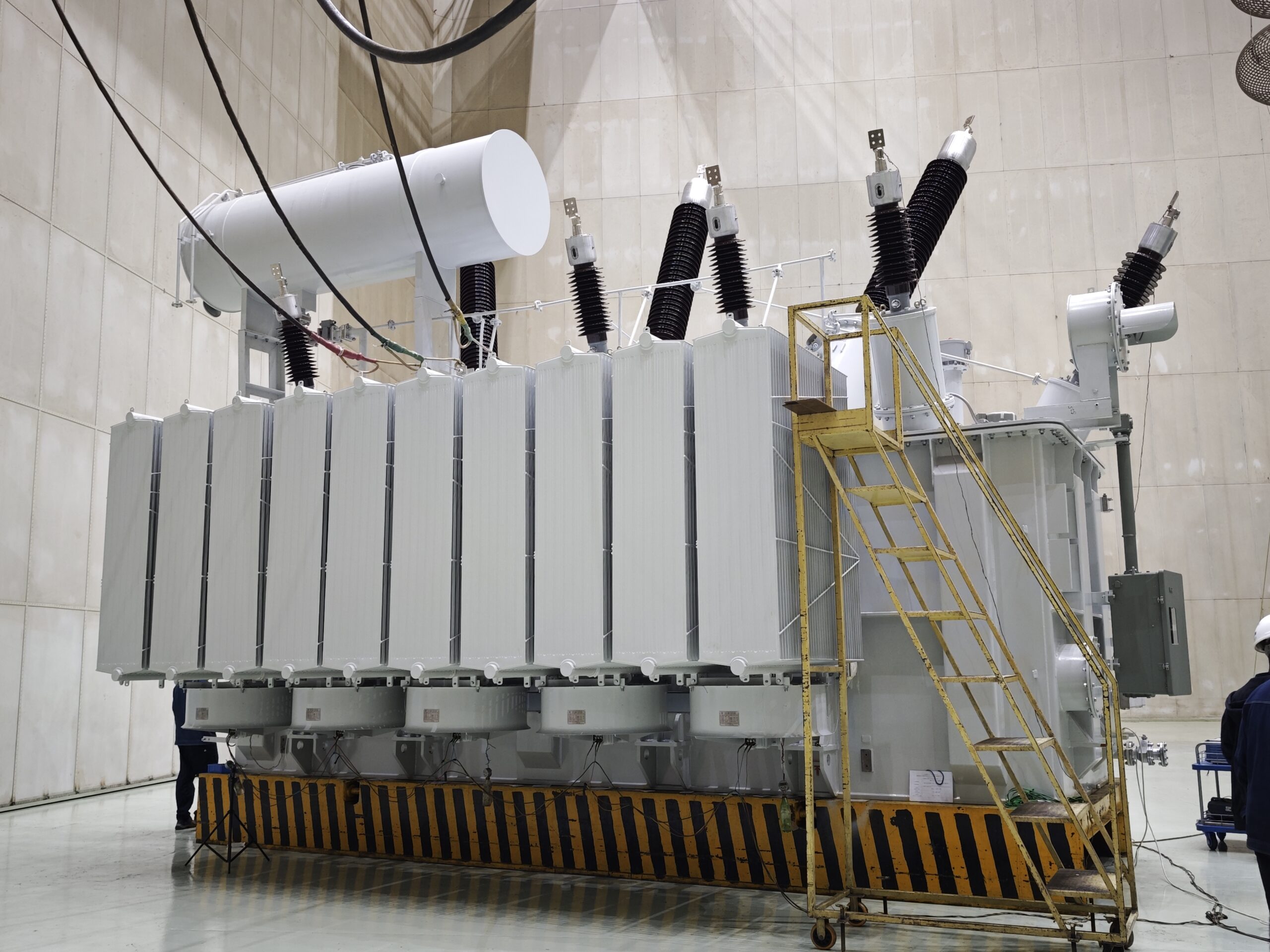
Power transformer warranties provide important protection against manufacturing defects, material problems, and performance issues, but warranty coverage is usually subject to specific conditions. Many customers assume that any transformer failure during the warranty period will automatically be covered; however, manufacturers typically evaluate whether the transformer was installed, operated, maintained, and protected according to the agreed requirements. Warranty conditions define the responsibilities of both the manufacturer and the customer and determine whether a failure qualifies for repair, replacement, or compensation.
Power transformer warranty coverage can be affected by conditions such as proper installation, commissioning procedures, operating within rated limits, regular maintenance, correct voltage and frequency application, environmental conditions, transportation handling, and compliance with manufacturer instructions. Failures caused by manufacturing defects are generally covered, while damage caused by overload, improper operation, insufficient maintenance, external faults, or unauthorized modifications is usually excluded.
A power transformer warranty remains valid regardless of installation quality, operating conditions, or maintenance practices as long as the failure occurs during the warranty period.False
Transformer warranties normally require customers to follow installation, operation, and maintenance requirements. Failure caused by improper conditions may invalidate warranty coverage.
Why do warranty conditions matter for power transformers?
Power transformers are complex electrical assets that depend on correct system integration and proper operation. A transformer may fail because of:
- Manufacturing defects
- Installation errors
- Operating overload
- External electrical faults
- Poor maintenance
- Environmental stress
A warranty condition helps determine whether the manufacturer or the customer is responsible for the failure.
| Warranty Condition | Purpose |
|---|---|
| Installation requirements | Ensure correct commissioning |
| Operating limits | Prevent abnormal stress |
| Maintenance requirements | Protect long-term reliability |
| Documentation requirements | Support failure investigation |
What installation conditions affect transformer warranty coverage?
Correct installation is one of the most important warranty requirements.
Manufacturers usually require that transformers are installed according to approved procedures.
Important installation conditions include:
- Proper foundation preparation
- Correct electrical connections
- Appropriate grounding
- Correct oil handling procedures
- Proper alignment of accessories
- Protection system installation
Incorrect installation may cause:
- Insulation failure
- Oil leakage
- Excessive vibration
- Poor cooling performance
- Electrical faults
| Installation Issue | Possible Warranty Impact |
|---|---|
| Incorrect wiring | Warranty may be rejected |
| Poor grounding | Damage may be excluded |
| Improper oil filling | Coverage may be affected |
| Incorrect assembly | Customer responsibility |
How does commissioning affect warranty validity?
Commissioning confirms that the transformer was installed correctly and is ready for operation.
Typical commissioning activities include:
- Insulation resistance testing
- Transformer ratio testing
- Winding resistance testing
- Oil quality testing
- Protection system verification
- Functional inspection
Manufacturers may require commissioning records because these documents prove that:
- Installation met requirements.
- Initial performance was acceptable.
- The transformer entered service correctly.
Failure to perform required commissioning tests may complicate future warranty claims.
Can transformer overload affect warranty coverage?
Yes. Operating a transformer beyond its rated capacity is one of the most common causes of warranty disputes.
Overloading can cause:
- Excessive winding temperature
- Accelerated insulation aging
- Increased losses
- Reduced mechanical strength
Manufacturers typically specify:
- Rated capacity
- Maximum loading conditions
- Allowable overload duration
- Temperature limits
| Operating Condition | Warranty Risk |
|---|---|
| Within rated load | Normal operation |
| Temporary approved overload | Usually acceptable |
| Continuous overload | Possible exclusion |
| Severe overload | Likely excluded |
How do voltage and frequency conditions affect warranty protection?
Transformers are designed for specific electrical parameters.
Important operating requirements include:
- Primary voltage
- Secondary voltage
- Frequency
- Phase configuration
Operating outside these values may damage the transformer.
Examples:
- Applying excessive voltage can increase core flux and heating.
- Incorrect frequency can affect magnetic performance.
- Incorrect connection configuration can create abnormal stress.
Customers should ensure the transformer matches the actual power system conditions.
Does poor maintenance affect transformer warranty coverage?
Regular maintenance is often required to maintain warranty protection.
Recommended maintenance activities may include:
- Oil testing
- Leakage inspection
- Cooling system checks
- Electrical testing
- Protection device verification
Poor maintenance may result in failures such as:
- Insulation deterioration
- Oil contamination
- Cooling failure
- Corrosion damage
| Maintenance Activity | Reliability Benefit |
|---|---|
| Oil analysis | Detect internal problems |
| Temperature monitoring | Identify overheating |
| Visual inspection | Prevent external damage |
| Electrical testing | Verify insulation condition |
How do environmental conditions influence warranty coverage?
Transformers must operate within specified environmental conditions.
Important factors include:
- Ambient temperature
- Altitude
- Humidity
- Pollution level
- Outdoor exposure
Extreme conditions may require special transformer designs.
For example:
- High altitude reduces cooling efficiency.
- High temperature increases thermal stress.
- Coastal environments may accelerate corrosion.
If a transformer is installed in conditions beyond its design rating without approval, warranty coverage may be affected.
Can transportation and handling affect warranty claims?
Yes. Large power transformers require careful transportation because mechanical damage can occur before installation.
Potential transportation issues include:
- Tank damage
- Bushing damage
- Internal displacement
- Oil leakage
Manufacturers may specify:
- Lifting procedures
- Storage requirements
- Inspection after delivery
| Handling Stage | Important Requirement |
|---|---|
| Transportation | Prevent mechanical impact |
| Storage | Protect from moisture |
| Installation | Follow lifting instructions |
| Inspection | Record condition before operation |
How do unauthorized modifications affect warranty coverage?
Modifying a transformer without manufacturer approval may invalidate warranty protection.
Examples include:
- Changing protection settings
- Replacing components with non-approved parts
- Altering cooling systems
- Modifying control circuits
Manufacturers need to maintain control over design integrity because unauthorized changes may create unexpected failure risks.
Are external electrical faults covered under transformer warranties?
Usually, external system events are not considered manufacturing defects.
Common excluded events include:
- Lightning strikes
- Grid short circuits
- Switching surges
- External overvoltage
- Incorrect protection coordination
However, manufacturers may investigate whether the transformer design provided the required withstand capability.
How do protection systems influence warranty conditions?
Proper protection helps prevent transformer damage.
Important protection systems include:
- Overcurrent protection
- Differential protection
- Overtemperature protection
- Buchholz relay
- Surge protection
Failure to install or maintain proper protection may affect warranty claims.
| Protection System | Function |
|---|---|
| Differential relay | Detect internal faults |
| Surge arrester | Protect against overvoltage |
| Temperature monitoring | Prevent overheating |
| Buchholz relay | Detect internal gas formation |
Why are operating records important for warranty claims?
Manufacturers often require operating history during failure investigations.
Useful records include:
- Load history
- Temperature records
- Alarm history
- Maintenance reports
- Test results
These records help determine whether the failure resulted from:
- Manufacturing problems
- Operating conditions
- Maintenance issues
What documents should customers keep to protect warranty rights?
Customers should maintain:
- Purchase contracts
- Technical specifications
- Factory test reports
- Installation records
- Commissioning reports
- Maintenance records
- Operating logs
Good documentation improves the efficiency of warranty evaluation.
| Document | Purpose |
|---|---|
| Factory test report | Verify original condition |
| Commissioning report | Confirm installation quality |
| Maintenance records | Prove proper care |
| Operating data | Support failure analysis |
How do warranty conditions differ between transformer manufacturers?
Warranty terms vary depending on:
- Manufacturer policies
- Transformer size
- Application requirements
- Contract terms
- Service agreements
Large utility and industrial projects often negotiate customized warranty conditions, including:
- Extended coverage periods
- Faster response requirements
- Spare parts commitments
- On-site technical support
What should buyers check before accepting transformer warranty terms?
Before purchasing, buyers should carefully review warranty documents.
Important questions include:
| Question | Why It Matters |
|---|---|
| What failures are covered? | Defines protection scope |
| When does coverage begin? | Avoids timing disputes |
| What maintenance is required? | Protects warranty validity |
| Are labor costs included? | Understand total support |
| Are accessories covered? | Avoid unexpected costs |
How do international standards support transformer warranty expectations?
Power transformer design and testing commonly follow international standards from:
- International Electrotechnical Commission
- Institute of Electrical and Electronics Engineers
These standards provide guidance for:
- Transformer performance
- Factory testing
- Insulation systems
- Temperature limits
- Reliability requirements
Compliance with recognized standards helps establish clear technical expectations between manufacturers and customers.
How Do Manufacturers Handle Power Transformer Repair or Replacement Claims?
Power transformer failures can create serious operational and financial challenges because transformers are critical components in utility networks, industrial facilities, renewable energy systems, and commercial power infrastructure. When a transformer experiences a failure during the warranty period, manufacturers typically follow a structured repair or replacement claim process to determine the cause, evaluate warranty responsibility, and provide an appropriate solution. This process involves technical investigation, documentation review, failure analysis, repair planning, and coordination with the customer to restore reliable operation as quickly as possible.
Manufacturers handle power transformer repair or replacement claims by first reviewing the customer’s failure report, collecting operating and maintenance records, performing technical failure analysis, determining whether the issue is covered under warranty, and then providing repair, component replacement, or complete transformer replacement when applicable. The final solution depends on the failure cause, warranty conditions, transformer condition, repair feasibility, and contractual responsibilities.
Power transformer manufacturers automatically replace failed transformers whenever a failure occurs during the warranty period.False
Manufacturers usually investigate the failure cause first. Replacement decisions depend on whether the failure is covered by warranty, the extent of damage, and whether repair is technically and economically practical.
Why is a structured warranty claim process important for transformers?
Power transformers are complex systems containing:
- Magnetic cores
- High-voltage windings
- Insulation systems
- Cooling equipment
- Bushings
- Tap changers
- Protection accessories
A failure can have many possible causes, including:
- Manufacturing defects
- Material problems
- Installation errors
- Operating overload
- External electrical faults
- Insufficient maintenance
Because transformer failures can involve multiple factors, manufacturers must perform a detailed investigation before approving repair or replacement.
| Claim Process Stage | Main Purpose |
|---|---|
| Failure notification | Start investigation |
| Data collection | Understand operating conditions |
| Technical analysis | Identify failure cause |
| Warranty evaluation | Determine responsibility |
| Corrective action | Restore operation |
What is the first step in a transformer warranty claim?
The first step is usually a formal failure notification from the customer.
The customer typically provides:
- Transformer identification information
- Purchase details
- Installation date
- Failure description
- Operating conditions
- Alarm records
- Initial inspection results
Manufacturers may request information such as:
- Transformer model
- Serial number
- Rated voltage
- Rated capacity
- Location
- Maintenance history
This information allows the manufacturer to confirm warranty status and begin technical evaluation.
What information do manufacturers collect during claim investigation?
A complete investigation requires detailed technical information.
Common documents include:
| Required Information | Purpose |
|---|---|
| Factory test reports | Verify original condition |
| Commissioning records | Confirm installation quality |
| Maintenance records | Evaluate operating care |
| Load history | Check operating stress |
| Protection records | Identify fault events |
Manufacturers compare this information with:
- Design specifications
- Operating limits
- Warranty requirements
How do manufacturers determine the cause of transformer failure?
Failure analysis is the most important stage of the warranty process.
Manufacturers evaluate whether the failure resulted from:
- Manufacturing problems
- Design issues
- Material defects
- Operating conditions
- External events
Typical analysis methods include:
- Visual inspection
- Electrical testing
- Oil analysis
- Dissolved gas analysis (DGA)
- Insulation evaluation
- Internal examination
| Failure Cause | Typical Warranty Evaluation |
|---|---|
| Manufacturing defect | Usually covered |
| Material defect | Usually covered |
| Customer overload | Usually excluded |
| External short circuit | Usually excluded |
| Poor maintenance | Usually excluded |
What happens if the failure is confirmed as a warranty issue?
If the manufacturer determines that the failure resulted from a covered defect, several corrective options may be considered.
Possible solutions include:
- Repair at customer site
- Repair at factory
- Replacement of defective components
- Complete transformer replacement
The selected solution depends on:
- Damage severity
- Transformer size
- Transportation requirements
- Downtime impact
- Technical feasibility
How are minor transformer repairs handled?
For limited failures, manufacturers may provide component-level repair.
Examples include:
- Replacing damaged accessories
- Repairing control systems
- Replacing faulty sensors
- Correcting sealing problems
Typical steps include:
- Identify failed component.
- Provide replacement parts.
- Send technical personnel if required.
- Test the transformer after repair.
| Repair Type | Example |
|---|---|
| Accessory replacement | Temperature indicator |
| Control repair | Monitoring panel |
| Sealing repair | Oil leakage correction |
| Component replacement | Faulty relay |
How are major transformer repairs handled?
Major failures involving internal components require more extensive procedures.
Examples include:
- Winding damage
- Core problems
- Severe insulation failure
Repair options may involve:
- Factory return
- Transformer dismantling
- Internal inspection
- Rewinding
- Core repair
- Reassembly
- Full testing
For large power transformers, factory repair may require significant planning because of:
- Transportation requirements
- Heavy lifting equipment
- Long production schedules
When will manufacturers replace a power transformer instead of repairing it?
Replacement is usually considered when:
- Repair is technically impractical
- Damage is extensive
- Repair cost is excessive
- Reliability cannot be guaranteed after repair
- The transformer cannot meet original specifications
A replacement decision considers:
| Evaluation Factor | Importance |
|---|---|
| Failure severity | Determines repair feasibility |
| Transformer age | Affects economic decision |
| Repair cost | Compared with replacement |
| Future reliability | Ensures long-term operation |
How does the manufacturer evaluate repair versus replacement?
Manufacturers typically compare:
Repair option:
Advantages:
- Lower cost
- Faster in some cases
- Preserves existing installation
Disadvantages:
- May require downtime
- May not restore full condition
Replacement option:
Advantages:
- New equipment reliability
- Updated technology
- Longer service life
Disadvantages:
- Higher cost
- Longer manufacturing time
| Option | Best Application |
|---|---|
| Component repair | Minor defects |
| Factory repair | Major but repairable damage |
| Replacement | Severe failures |
What costs are usually included in transformer warranty claims?
Warranty responsibility depends on the contract.
Possible covered costs may include:
- Replacement parts
- Repair labor
- Technical support
- Factory repair services
Potentially excluded costs may include:
- Customer downtime losses
- Production interruption
- Site modifications
- External damage costs
Buyers should carefully review warranty terms before purchase.
How does transportation affect transformer replacement claims?
Large power transformers require special transportation planning.
Replacement may involve:
- Factory production scheduling
- Heavy transport vehicles
- Special lifting equipment
- Installation coordination
Manufacturers and customers usually coordinate:
- Delivery timing
- Site preparation
- Installation procedures
- Commissioning activities
What testing is performed after transformer repair?
After repair, manufacturers typically perform verification tests.
These may include:
| Test | Purpose |
|---|---|
| Insulation resistance test | Verify insulation condition |
| Transformer ratio test | Confirm voltage ratio |
| Winding resistance test | Check winding integrity |
| Oil test | Verify insulation medium |
| Functional test | Confirm operation |
For major repairs, additional factory tests may be required according to applicable standards.
How do manufacturers communicate during warranty claims?
Effective communication is essential because transformer failures may affect critical operations.
Manufacturers typically provide:
- Initial response confirmation
- Investigation reports
- Repair recommendations
- Progress updates
- Final failure analysis reports
A professional claim process helps customers understand:
- What happened
- Why it happened
- How it will be corrected
- How future failures can be prevented
What responsibilities do customers have during warranty claims?
Customers also have important responsibilities.
They should:
- Operate transformers within rated limits
- Maintain equipment properly
- Preserve operation records
- Report failures promptly
- Prevent additional damage
Failure to follow these responsibilities may affect warranty approval.
How can customers improve the success of a warranty claim?
Customers can improve claim processing by maintaining complete records.
Recommended practices include:
- Regular maintenance documentation
- Periodic testing reports
- Load monitoring records
- Protection system records
- Installation documentation
| Customer Action | Benefit |
|---|---|
| Maintain records | Faster investigation |
| Report quickly | Reduce secondary damage |
| Preserve evidence | Improve failure analysis |
| Follow procedures | Protect warranty rights |
How do international standards influence transformer repair decisions?
Transformer repair and evaluation processes are commonly guided by industry standards from:
- International Electrotechnical Commission
- Institute of Electrical and Electronics Engineers
These standards support:
- Transformer testing
- Performance evaluation
- Repair assessment
- Reliability verification
Following recognized standards helps manufacturers and customers establish consistent technical judgment.
What should buyers check before purchasing transformer warranty protection?
Before signing a transformer purchase agreement, buyers should review:
| Warranty Question | Reason |
|---|---|
| How are failures investigated? | Understand claim process |
| Who pays repair costs? | Avoid unexpected expenses |
| Are replacement parts included? | Clarify coverage |
| Is technical support available? | Improve response speed |
| Are transportation costs covered? | Understand replacement conditions |
What Additional Warranty and Service Options Are Available for Power Transformers?
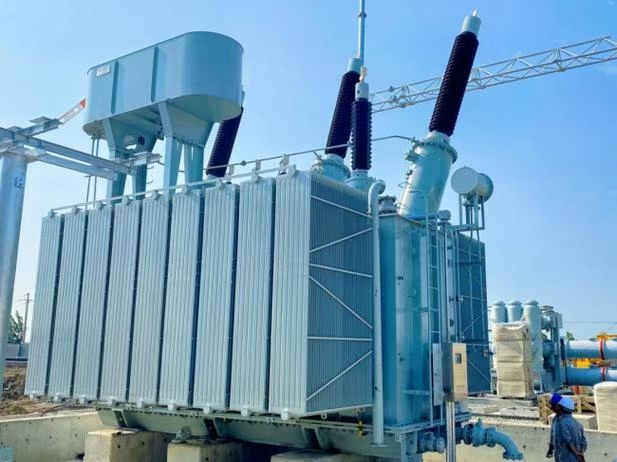
Power transformers are long-term electrical assets that often remain in operation for several decades, making extended protection and service support valuable considerations during procurement. While a standard transformer warranty usually covers manufacturing defects and material failures for a limited period, many manufacturers offer additional warranty and service options to help customers improve reliability, reduce downtime, and manage lifecycle risks. These options can include extended warranties, preventive maintenance programs, condition monitoring services, spare parts support, technical assistance, and performance guarantees tailored to specific applications.
Additional warranty and service options available for power transformers may include extended warranty coverage, preventive maintenance agreements, remote condition monitoring, spare parts programs, emergency technical support, on-site inspection services, performance guarantees, and lifecycle service contracts. These options help customers reduce operational risks, improve transformer reliability, and maximize the long-term value of their transformer investment.
Extended transformer warranties and service agreements can eliminate all possible transformer failures throughout the entire operating life of the equipment.False
Additional warranty and service options reduce risks and improve support but cannot eliminate failures caused by aging, external faults, abnormal operation, or environmental conditions.
Why are additional warranty and service options important for power transformers?
Power transformers require long-term management because they are:
- High-value electrical assets
- Difficult to replace quickly
- Critical to system operation
- Exposed to thermal, electrical, and environmental stress
A transformer failure can result in:
- Production interruptions
- Grid instability
- Emergency repair costs
- Extended downtime
Additional service options provide protection beyond basic warranty coverage.
| Service Option | Main Benefit |
|---|---|
| Extended warranty | Longer defect protection |
| Maintenance agreement | Improved reliability |
| Monitoring service | Early failure detection |
| Spare parts support | Faster recovery |
What is an extended warranty for a power transformer?
An extended warranty provides additional coverage beyond the standard warranty period.
A typical transformer warranty may cover:
- Manufacturing defects
- Material problems
- Performance issues
for a limited period after delivery or commissioning.
An extended warranty may add:
- Additional years of coverage
- Longer component protection
- Continued manufacturer responsibility
- Technical assistance
| Warranty Type | Typical Coverage |
|---|---|
| Standard warranty | Initial defect protection |
| Extended warranty | Longer protection period |
| Customized warranty | Project-specific requirements |
What factors determine extended warranty availability?
Extended warranty terms depend on:
- Transformer size
- Application type
- Operating environment
- Maintenance practices
- Customer requirements
- Manufacturer policies
Critical applications are more likely to require extended protection.
Examples include:
- Utility substations
- Data centers
- Renewable energy facilities
- Industrial plants
What does an extended transformer warranty usually include?
Coverage varies by agreement, but extended warranties may include:
- Defective component replacement
- Technical investigation
- Repair support
- Factory assistance
- Performance verification
Some agreements may also include:
- Labor support
- Transportation assistance
- Emergency response
Buyers should carefully review exactly what is included.
| Extended Warranty Feature | Customer Value |
|---|---|
| Longer coverage period | Reduced financial risk |
| Technical support | Faster troubleshooting |
| Replacement assistance | Reduced downtime |
| Failure analysis | Better reliability improvement |
What are transformer preventive maintenance service agreements?
Preventive maintenance agreements provide scheduled inspections and testing to reduce failure risks.
Typical services include:
- Visual inspections
- Oil testing
- Electrical testing
- Cooling system checks
- Protection system verification
Preventive maintenance helps identify problems before they become major failures.
What maintenance services are commonly offered?
Manufacturers and service providers may provide:
| Maintenance Service | Purpose |
|---|---|
| Oil analysis | Detect insulation problems |
| Dissolved gas analysis | Identify internal faults |
| Thermal inspection | Detect overheating |
| Electrical testing | Verify insulation condition |
| Mechanical inspection | Check physical condition |
How does condition monitoring extend transformer service support?
Modern transformers can be equipped with monitoring systems that continuously evaluate operating conditions.
Common monitoring parameters include:
- Oil temperature
- Winding temperature
- Load current
- Moisture level
- Partial discharge activity
- Gas generation
Condition monitoring allows operators to move from reactive maintenance to predictive maintenance.
| Monitoring Method | Detects |
|---|---|
| Temperature monitoring | Thermal stress |
| DGA monitoring | Internal insulation problems |
| Partial discharge monitoring | Dielectric defects |
| Load monitoring | Overloading risks |
What are remote transformer monitoring services?
Remote monitoring allows manufacturers or service providers to analyze transformer conditions without requiring frequent site visits.
Benefits include:
- Real-time data access
- Faster fault detection
- Reduced inspection costs
- Improved maintenance planning
Remote services are especially useful for:
- Remote substations
- Renewable energy sites
- Large industrial facilities
What spare parts support options are available?
Power transformer downtime can be expensive, so spare parts planning is an important service option.
Manufacturers may provide:
- Recommended spare parts lists
- Critical component inventory
- Replacement accessories
- Emergency parts supply
Common spare parts include:
- Bushings
- Relays
- Temperature indicators
- Cooling fans
- Control components
- Sealing materials
| Spare Part Program | Advantage |
|---|---|
| Basic spare kit | Routine replacement |
| Critical spare inventory | Faster recovery |
| Long-term supply agreement | Better availability |
What emergency response services do manufacturers provide?
For critical transformer applications, manufacturers may offer emergency support.
Services may include:
- Technical diagnosis
- Remote troubleshooting
- On-site engineering support
- Repair recommendations
- Replacement coordination
Emergency response agreements help reduce downtime during unexpected failures.
What are transformer performance guarantees?
Some manufacturers provide performance guarantees in addition to warranty coverage.
These may include:
- Efficiency guarantees
- Loss guarantees
- Temperature rise limits
- Noise level guarantees
- Voltage regulation requirements
| Performance Guarantee | Purpose |
|---|---|
| Efficiency | Reduce operating costs |
| Loss level | Confirm design performance |
| Temperature rise | Protect insulation life |
| Noise level | Meet environmental requirements |
What are lifecycle service agreements?
Lifecycle service agreements provide long-term support throughout the transformer’s operating life.
They may include:
- Regular inspections
- Maintenance planning
- Data analysis
- Technical consulting
- Upgrade recommendations
These agreements help customers manage transformer performance over decades.
How do service agreements benefit industrial users?
Industrial facilities often depend on continuous electrical supply.
Service agreements help industries:
- Reduce unexpected downtime
- Improve production reliability
- Plan maintenance activities
- Control operating costs
Industries with high-value production equipment often benefit from proactive transformer management.
How do service options benefit renewable energy projects?
Renewable energy systems require reliable transformer operation because power generation directly affects energy revenue.
Additional services may include:
- Remote monitoring
- Performance analysis
- Scheduled inspections
- Emergency repair support
These services help maintain:
- Grid compliance
- Energy production
- Equipment availability
How do service options benefit utility transformers?
Utility transformers require extremely high reliability because failures affect large numbers of users.
Utilities may require:
- Long-term maintenance contracts
- Condition assessment programs
- Spare transformer planning
- Emergency response agreements
| Utility Service | Reliability Benefit |
|---|---|
| Condition monitoring | Early fault detection |
| Maintenance planning | Reduced failures |
| Spare management | Faster restoration |
| Technical support | Improved operation |
What factors should buyers consider when selecting additional services?
Buyers should evaluate:
- Transformer criticality
- Failure consequences
- Operating environment
- Available maintenance resources
- Expected service life
Important questions include:
| Question | Purpose |
|---|---|
| How critical is the transformer? | Determine support level |
| What downtime can be tolerated? | Select response requirements |
| Is remote monitoring needed? | Improve visibility |
| Are spare parts available? | Reduce repair delays |
How do international standards influence transformer service programs?
Power transformer maintenance, testing, and reliability programs commonly follow guidance from:
- International Electrotechnical Commission
- Institute of Electrical and Electronics Engineers
These standards provide recommendations for:
- Transformer testing
- Condition assessment
- Loading evaluation
- Maintenance practices
- Reliability management
Following recognized standards improves consistency and technical confidence.
How can customers maximize the value of additional warranty services?
Customers can improve the effectiveness of warranty and service programs by:
- Providing accurate operating data
- Performing scheduled maintenance
- Keeping detailed records
- Reporting abnormal conditions early
- Following manufacturer recommendations
Proper cooperation between customers and manufacturers improves transformer reliability.
How Should Buyers Evaluate a Power Transformer Warranty Before Purchasing?
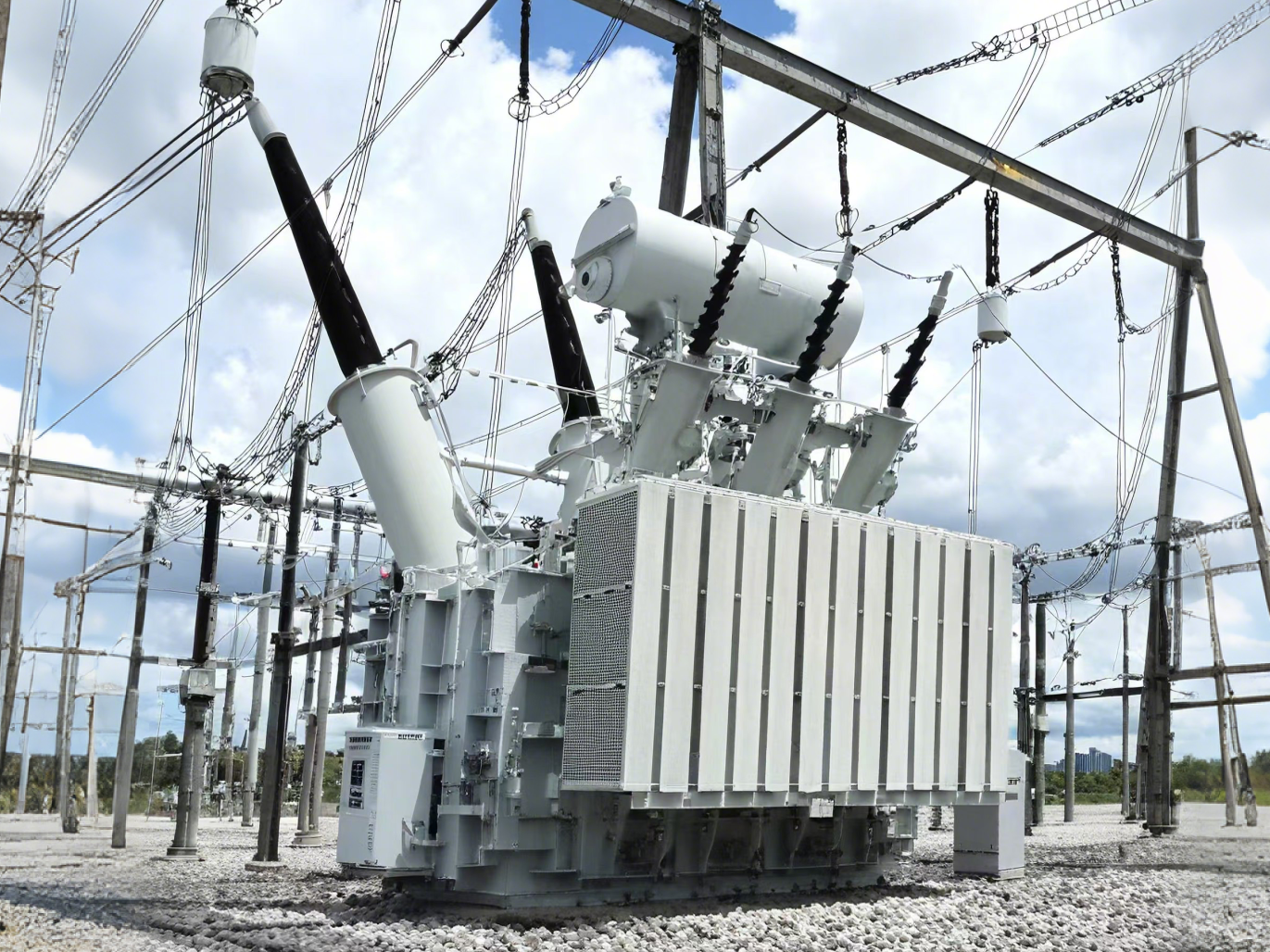
Purchasing a power transformer is a major investment that affects electrical reliability, operational continuity, and long-term maintenance costs. While transformer specifications, efficiency, and price are important factors, warranty terms are equally critical because they define the level of protection and manufacturer responsibility after delivery. A poorly evaluated warranty may leave buyers exposed to unexpected repair expenses, long downtime, or disputes over failure responsibility. Before purchasing a power transformer, buyers should carefully review warranty duration, coverage scope, exclusions, service response, documentation requirements, and manufacturer support capabilities to ensure the warranty provides meaningful protection throughout the transformer’s expected service life.
Buyers should evaluate a power transformer warranty by reviewing the coverage period, included components, covered failure types, exclusions, repair or replacement responsibilities, service response commitments, maintenance requirements, and manufacturer reputation. A strong transformer warranty should clearly define protection against manufacturing defects while providing practical technical support, transparent claim procedures, and lifecycle service options that match the application’s reliability requirements.
The longest power transformer warranty always provides the best protection regardless of coverage details or manufacturer service capability.False
Warranty quality depends on coverage scope, exclusions, response time, technical support, and manufacturer reliability. A longer warranty with limited coverage may provide less value than a shorter but comprehensive warranty.
Why should buyers evaluate transformer warranties before purchase?
A power transformer can remain in operation for 30 years or more, but problems during the early operating period can significantly affect project performance.
A transformer warranty helps protect against:
- Manufacturing defects
- Material failures
- Design problems
- Performance issues
- Certain component failures
However, not all warranties provide the same level of protection.
A buyer should evaluate whether the warranty matches:
- Transformer importance
- Application requirements
- Operating environment
- Expected service life
- Reliability expectations
| Warranty Evaluation Area | Why It Matters |
|---|---|
| Coverage period | Defines protection duration |
| Failure coverage | Determines financial protection |
| Exclusions | Identifies limitations |
| Service support | Affects recovery speed |
What warranty period should buyers expect for power transformers?
Warranty periods vary depending on transformer type, manufacturer, and contract conditions.
Common warranty durations include:
| Transformer Application | Common Warranty Range |
|---|---|
| Distribution transformers | 12–24 months |
| Industrial transformers | 18–24 months |
| Utility power transformers | 24 months or negotiated terms |
| Critical infrastructure projects | Extended coverage possible |
Buyers should confirm whether the warranty starts from:
- Delivery date
- Installation date
- Commissioning date
- First energization date
The warranty start point can significantly affect actual protection time.
Why is warranty coverage scope more important than warranty length?
A long warranty period does not automatically mean better protection.
For example:
A five-year warranty covering only major manufacturing defects may provide less value than a two-year warranty including:
- Component replacement
- Technical support
- On-site assistance
- Failure investigation
Buyers should focus on what failures are actually covered.
| Coverage Type | Importance |
|---|---|
| Manufacturing defects | Essential |
| Material defects | Essential |
| Performance failures | Important |
| Accessories | Should be reviewed |
| Service support | Highly valuable |
Which transformer failures should be covered under warranty?
A comprehensive transformer warranty usually covers failures caused by manufacturer responsibility.
Common covered issues may include:
- Winding manufacturing defects
- Insulation system defects
- Core assembly problems
- Tank manufacturing defects
- Defective accessories
- Failure to meet agreed specifications
Examples include:
| Failure Type | Typical Warranty Status |
|---|---|
| Defective winding production | Usually covered |
| Poor material quality | Usually covered |
| Incorrect manufacturing process | Usually covered |
| Overload damage | Usually excluded |
| Lightning damage | Usually excluded |
What warranty exclusions should buyers carefully review?
Warranty exclusions define situations where the manufacturer is not responsible.
Common exclusions include:
- Improper installation
- Incorrect operation
- Overloading
- Poor maintenance
- External electrical faults
- Unauthorized modifications
Buyers should avoid accepting unclear exclusion language.
Important questions include:
- What operating conditions invalidate coverage?
- What maintenance actions are required?
- What customer responsibilities apply?
- How is failure responsibility determined?
How should buyers evaluate transformer repair and replacement obligations?
A strong warranty should clearly explain what happens after a confirmed failure.
Possible manufacturer responsibilities include:
- Repair defective components
- Replace failed parts
- Perform factory repair
- Replace the complete transformer
Buyers should check:
| Warranty Item | Question to Ask |
|---|---|
| Repair responsibility | Who performs the repair? |
| Replacement responsibility | When is replacement provided? |
| Labor costs | Are labor expenses included? |
| Transportation | Who covers logistics costs? |
Does the warranty cover transformer accessories?
Many transformer failures involve auxiliary components rather than the main transformer body.
Buyers should confirm coverage for:
- Bushings
- Tap changers
- Cooling fans
- Temperature indicators
- Control panels
- Protection relays
- Monitoring systems
Accessory warranty periods may differ from the main transformer warranty.
| Component | Warranty Consideration |
|---|---|
| Core and windings | Usually main warranty |
| Bushings | Confirm coverage |
| Tap changer | Confirm separate terms |
| Monitoring equipment | May have different warranty |
How do maintenance requirements affect transformer warranty validity?
Many manufacturers require customers to perform regular maintenance.
Required activities may include:
- Oil testing
- Visual inspections
- Cooling system checks
- Electrical testing
- Protection system verification
Failure to maintain records may weaken warranty claims.
| Maintenance Requirement | Warranty Benefit |
|---|---|
| Oil analysis | Shows proper insulation care |
| Load monitoring | Confirms operation within limits |
| Inspection records | Supports claim evaluation |
| Testing reports | Provides failure evidence |
How should buyers evaluate manufacturer claim procedures?
A good warranty should include a clear claim process.
Buyers should understand:
- How failures are reported.
- How quickly the manufacturer responds.
- Who performs failure analysis.
- How responsibility is determined.
- How corrective action is provided.
A transparent process reduces disputes and improves recovery speed.
What service response commitments should buyers request?
For critical applications, warranty support speed is extremely important.
Important service commitments include:
- Response time
- Technical support availability
- On-site assistance
- Emergency troubleshooting
- Spare parts availability
| Service Feature | Importance |
|---|---|
| Fast response | Reduces downtime |
| Technical expertise | Improves diagnosis |
| Spare parts access | Speeds repair |
| Field support | Helps restore operation |
How does manufacturer experience affect warranty value?
The manufacturer’s capability directly affects warranty reliability.
Buyers should evaluate:
- Manufacturing experience
- Quality control systems
- Factory testing capability
- Previous project references
- Technical support resources
A warranty from an experienced transformer manufacturer usually provides stronger practical protection.
Why should buyers review factory testing requirements?
Factory testing provides evidence that the transformer meets technical requirements before shipment.
Important tests include:
| Factory Test | Purpose |
|---|---|
| Insulation testing | Verify dielectric strength |
| Ratio testing | Confirm voltage relationship |
| Winding resistance test | Check winding quality |
| Loss measurement | Verify efficiency |
| Temperature rise test | Confirm thermal performance |
Buyers should ensure test reports are included with delivery documentation.
Should buyers consider extended warranty options?
Extended warranties can be valuable for critical applications.
They may include:
- Additional coverage years
- Periodic inspections
- Remote monitoring
- Technical consultation
- Priority service
Extended warranty options are especially useful for:
- Utility transformers
- Data centers
- Renewable energy facilities
- Large industrial plants
How should buyers compare warranty offers from different manufacturers?
Warranty comparison should consider more than duration.
A practical evaluation includes:
| Evaluation Factor | Manufacturer A | Manufacturer B |
|---|---|---|
| Warranty period | Compare | Compare |
| Covered failures | Compare | Compare |
| Exclusions | Review | Review |
| Service response | Review | Review |
| Spare parts support | Review | Review |
The lowest equipment price does not always provide the lowest lifecycle cost.
What questions should buyers ask transformer manufacturers?
Before signing a purchase agreement, buyers should ask:
| Question | Purpose |
|---|---|
| What failures are covered? | Understand protection |
| What conditions void the warranty? | Avoid disputes |
| Are accessories included? | Confirm complete coverage |
| How are claims investigated? | Understand procedures |
| Is extended support available? | Plan lifecycle management |
| Are spare parts guaranteed? | Improve long-term availability |
How do international standards support warranty evaluation?
Power transformer design, manufacturing, and testing commonly follow standards developed by:
- International Electrotechnical Commission
- Institute of Electrical and Electronics Engineers
These standards help define expectations for:
- Transformer performance
- Factory testing
- Insulation systems
- Loading capability
- Reliability evaluation
Compliance with recognized standards provides buyers with greater confidence when evaluating warranty commitments.
Conclusion
Power transformer warranties provide important protection against manufacturing defects, material issues, and early equipment failures, but the exact terms vary between manufacturers and projects. Most warranties cover a defined period after delivery or commissioning and require proper installation, operation, and maintenance to remain valid. Buyers should carefully review warranty duration, coverage scope, exclusions, claim procedures, and after-sales support before selecting a supplier. Choosing a manufacturer with strong engineering capabilities, quality control systems, and reliable service support ensures not only better warranty protection but also greater confidence in long-term transformer performance.
FAQ
Q1: What warranty terms are common for power transformers?
Power transformer warranties typically define the manufacturer's responsibility for defects in design, materials, and workmanship during a specified period after delivery or commissioning. Since power transformers are long-life assets, warranty terms are an important part of procurement contracts.
Common warranty terms include:
Warranty period: Usually 12–24 months after commissioning or 18–36 months after delivery, depending on the contract.
Coverage: Defects related to manufacturing, materials, and design.
Repair or replacement obligations: Manufacturer responsibility for correcting covered failures.
Testing requirements: Factory acceptance tests and site acceptance tests may be required.
Exclusions: Damage caused by improper installation, operation, maintenance, or external events.
Large utility-grade transformers often involve customized warranty agreements with additional performance guarantees and service commitments.
Q2: How long is the typical warranty period for a power transformer?
The warranty period varies depending on the manufacturer, transformer type, application, and contract requirements.
Typical warranty durations include:
12 months after commissioning
18 months after delivery
24 months after commissioning
24–36 months for large or customized projects
For major transmission transformers, buyers may negotiate extended warranty coverage due to the high equipment value and long manufacturing lead times.
Some suppliers also offer:
Extended warranty programs
Long-term service agreements
Preventive maintenance contracts
Condition monitoring services
The final warranty period should always be clearly defined in the purchase agreement.
Q3: What does a power transformer warranty usually cover?
A standard transformer warranty generally covers failures caused by issues attributable to the manufacturer.
Typical covered items include:
Manufacturing defects
Defective materials
Design errors
Faulty workmanship
Internal component failures under normal operating conditions
Failure to meet guaranteed technical specifications
Depending on the contract, warranty coverage may include:
Transformer repair
Replacement components
Engineering support
Factory investigation
Transportation costs for defective parts
The exact scope should be reviewed carefully before signing a procurement contract.
Q4: What issues are usually excluded from transformer warranty coverage?
Manufacturers commonly exclude failures caused by conditions outside their control.
Typical exclusions include:
Incorrect installation
Improper commissioning
Poor maintenance practices
Operation beyond rated limits
Overloading
External short circuits
Lightning or natural disasters
Transportation damage after acceptance
Unauthorized modifications
Contaminated or incorrect insulating oil
Failure to follow operating instructions
To maintain warranty validity, buyers must follow manufacturer installation, operation, and maintenance requirements.
Q5: What warranty-related documents should buyers request?
Before purchasing a power transformer, buyers should request clear warranty documentation.
Important documents include:
Warranty certificate
Warranty terms and conditions
Scope of coverage
Warranty duration
Claim procedures
Response time requirements
Repair or replacement obligations
Exclusion clauses
Spare parts commitments
Service support details
These documents help avoid disputes and clarify responsibilities between buyers and manufacturers.
Q6: How do factory and site acceptance tests affect warranty terms?
Factory Acceptance Tests (FAT) and Site Acceptance Tests (SAT) are often linked to warranty conditions.
Factory Acceptance Tests typically verify:
Transformer ratio
Winding resistance
Insulation performance
No-load losses
Load losses
Impedance
Temperature rise
Dielectric strength
Site Acceptance Tests verify:
Correct installation
Electrical connections
Protection system operation
Insulation condition after transport
Commissioning performance
Successful completion of these tests helps establish that the transformer was delivered and installed according to specifications.
Q7: Can buyers negotiate extended warranty and service agreements?
Yes. For high-value transformers, buyers often negotiate additional protection beyond standard warranty terms.
Extended options may include:
Longer warranty periods
Preventive maintenance agreements
Emergency repair support
Spare transformer component packages
Remote condition monitoring services
Performance guarantees
Guaranteed response times
These agreements are especially valuable for critical applications such as:
Power plants
Transmission substations
Data centers
Renewable energy facilities
Industrial production sites
Q8: What warranty terms should buyers pay special attention to when purchasing transformers?
Buyers should carefully review warranty clauses before finalizing a transformer purchase contract.
Key considerations include:
Warranty start date definition
Covered components and systems
Required maintenance procedures
Performance guarantees
Failure investigation process
Repair timelines
Replacement responsibilities
Transportation cost responsibility
Availability of technical support
Spare parts availability
A well-defined warranty protects the buyer's investment and ensures reliable manufacturer support throughout the early operational period of the transformer.
References
IEC 60076 – Power Transformers
https://webstore.iec.ch/publication/602
IEEE C57 Series – Power Transformer Standards
https://standards.ieee.org
Electrical Engineering Portal – Transformer Procurement and Maintenance Practices
https://electrical-engineering-portal.com
U.S. Department of Energy – Transformer Efficiency and Reliability Resources
https://www.energy.gov