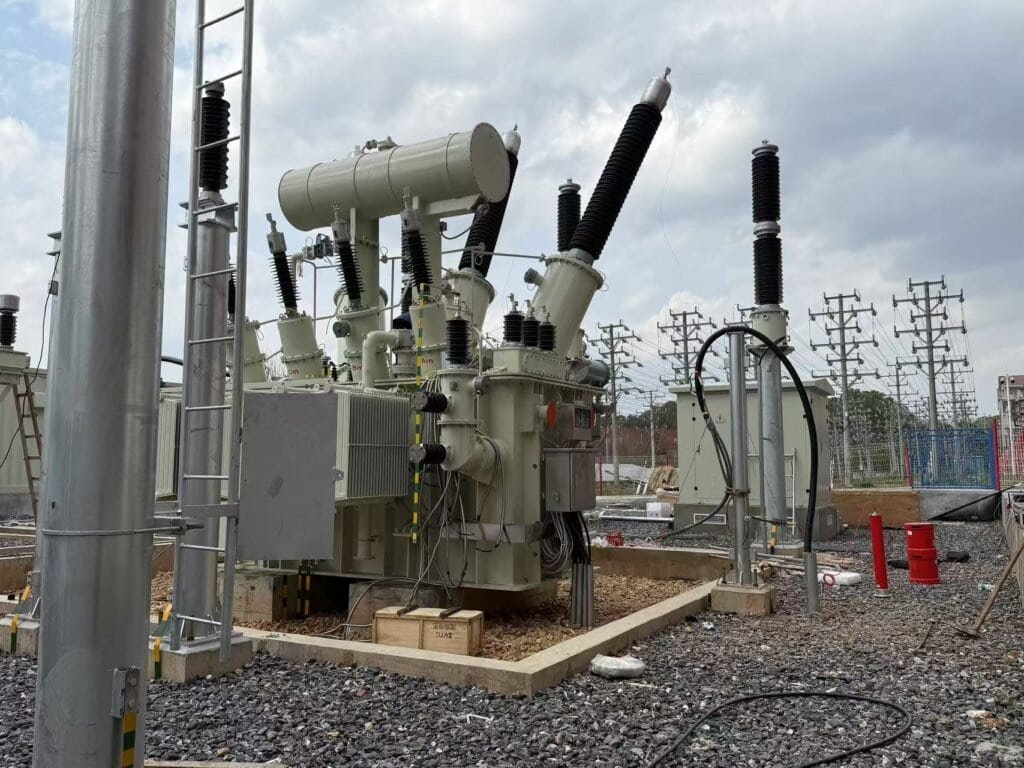
The cost of a power transformer is influenced by many factors, but raw material prices are among the most significant drivers of manufacturing expenses. Since transformers require large quantities of specialized materials such as electrical steel, copper, aluminum, transformer oil, insulation materials, and structural steel, fluctuations in global commodity markets can directly affect final product pricing. For buyers, unexpected increases in material costs can impact project budgets, procurement schedules, and investment decisions. Understanding how raw material prices influence transformer costs helps organizations plan purchases more effectively and manage supply chain risks.
Raw material prices significantly affect power transformer costs because key materials such as copper, electrical steel, aluminum, transformer oil, and insulation components represent a major portion of manufacturing expenses. When commodity prices increase, transformer production costs rise due to higher material procurement expenses, which are often reflected in final equipment prices. Buyers can reduce cost uncertainty by planning purchases early, selecting appropriate specifications, monitoring market trends, and working with reliable manufacturers that have strong supply chain management.
Because power transformers are complex, long-life assets, material selection affects not only purchase price but also efficiency, reliability, and operating costs. Understanding the relationship between materials and transformer pricing enables buyers to make better decisions when balancing initial investment with long-term performance.
How Do Raw Material Prices Affect Power Transformer Costs?
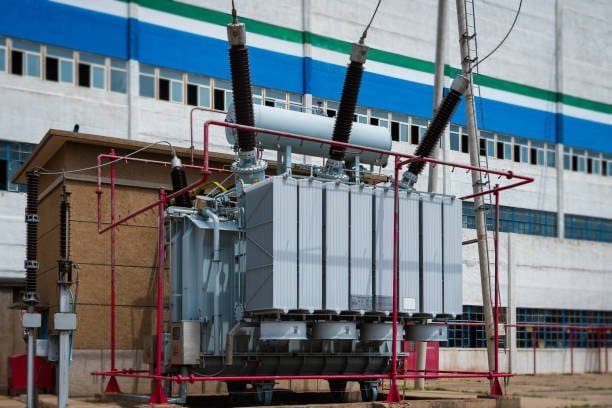
Raw material prices have a significant impact on power transformer costs because transformers are highly material-intensive electrical equipment that rely on large quantities of specialized metals, insulation materials, and structural components. Changes in the prices of copper, electrical steel, aluminum, transformer oil, steel, and insulation materials can directly influence manufacturing expenses, supplier pricing, and final transformer quotations. For utilities, industrial users, renewable energy developers, and infrastructure investors, understanding how raw material markets affect transformer costs is essential for accurate budgeting, procurement planning, and long-term investment decisions.
Raw material prices affect power transformer costs by changing the cost of major components such as copper or aluminum windings, electrical steel cores, transformer oil, insulation materials, and structural steel tanks. When commodity prices rise, transformer manufacturing costs increase, often resulting in higher equipment prices, longer procurement cycles, and greater supply chain uncertainty. Manufacturers reduce these impacts through strategic sourcing, material optimization, long-term supplier agreements, and efficient transformer design.
Raw material prices have only a minor effect on power transformer costs because labor and manufacturing processes determine most of the final price.False
Raw materials represent a major portion of transformer manufacturing costs, especially copper, electrical steel, insulation materials, and structural components.
Why are raw materials a major cost factor in power transformers?
Power transformers are large, complex products that require substantial quantities of specialized materials.
Unlike many electrical devices that rely mainly on electronic components, transformers contain large physical structures including:
- Magnetic cores
- Conductive windings
- Insulation systems
- Oil systems
- Steel tanks
- Cooling components
The cost structure of a transformer is therefore highly sensitive to commodity markets.
| Transformer Component | Main Material | Cost Influence |
|---|---|---|
| Windings | Copper or aluminum | Very high |
| Core | Electrical steel | High |
| Tank and structure | Carbon steel | Medium |
| Insulation system | Paper and pressboard | Medium |
| Cooling system | Steel, aluminum, accessories | Medium |
| Transformer oil | Mineral or ester oil | Variable |
How much do raw materials contribute to transformer cost?
The exact percentage varies depending on transformer type, capacity, design, and market conditions. However, materials generally represent one of the largest portions of total manufacturing cost.
Typical cost distribution:
| Cost Category | Approximate Influence |
|---|---|
| Raw materials | 50–70% |
| Manufacturing labor | 10–20% |
| Testing and quality control | 5–10% |
| Engineering and design | 5–10% |
| Logistics and overhead | Remaining portion |
Large power transformers are particularly sensitive to material price changes because they require:
- Hundreds of kilograms to many tons of copper or aluminum
- Large quantities of electrical steel
- Significant insulation materials
- Heavy steel structures
How do copper prices affect power transformer costs?
Copper is one of the most important materials used in transformer manufacturing because it provides excellent electrical conductivity and mechanical strength.
Copper is commonly used for:
- High-voltage windings
- Low-voltage windings
- Conductive connections
When copper prices increase, transformer costs rise because winding materials represent a significant portion of the total equipment cost.
Copper price increases affect:
- Material procurement costs
- Manufacturing margins
- Final transformer quotations
| Copper Price Change | Transformer Cost Impact |
|---|---|
| Moderate increase | Higher winding cost |
| Large increase | Significant price adjustment |
| Rapid volatility | Longer quotation validity limitations |
Why is copper important for transformer performance?
Copper is preferred because it offers:
- High conductivity
- Low electrical resistance
- Strong mechanical properties
- Good thermal performance
Replacing copper with lower-cost materials may reduce initial cost but can affect:
- Transformer size
- Efficiency
- Heat generation
- Mechanical strength
Therefore, manufacturers must balance material cost and technical performance.
How do aluminum prices affect transformer manufacturing costs?
Aluminum is an alternative conductor material used in some transformer designs.
Advantages of aluminum include:
- Lower material cost
- Lower weight
- Good conductivity-to-cost ratio
However, aluminum requires:
- Larger conductor dimensions
- Different winding designs
- Careful joint technology
| Conductor Material | Cost Advantage | Design Consideration |
|---|---|---|
| Copper | Higher performance | Higher material cost |
| Aluminum | Lower cost | Larger conductor size |
Manufacturers may choose aluminum windings when customers prioritize:
- Lower initial investment
- Weight reduction
- Cost optimization
How do electrical steel prices influence transformer costs?
The transformer core is made from high-quality electrical steel, also called grain-oriented electrical steel (GOES).
The core determines:
- Magnetic efficiency
- No-load losses
- Transformer energy performance
Electrical steel price changes affect transformer costs because the core requires precision manufacturing.
Higher electrical steel prices increase costs through:
- Material procurement
- Core processing
- Inventory expenses
| Electrical Steel Factor | Cost Impact |
|---|---|
| Material price | Direct cost increase |
| Availability | Production scheduling impact |
| Quality grade | Efficiency performance |
Why is high-quality electrical steel important?
Premium electrical steel reduces:
- Core losses
- Operating energy consumption
- Heat generation
Using lower-quality materials may reduce purchase price but increase lifecycle energy costs.
How do transformer oil prices affect transformer costs?
Oil-immersed transformers require insulating and cooling fluids.
Common transformer oils include:
- Mineral oil
- Natural ester fluids
- Synthetic ester fluids
Oil prices affect:
- Manufacturing costs
- Maintenance costs
- Long-term operation expenses
| Oil Type | Cost Consideration |
|---|---|
| Mineral oil | Common and economical |
| Natural ester | Higher initial cost but environmental benefits |
| Synthetic ester | Higher performance and cost |
Oil availability can also influence delivery schedules.
How do insulation material prices affect transformer costs?
Insulation materials are essential for transformer reliability.
Common materials include:
- Kraft paper
- Pressboard
- Laminated insulation materials
- Composite insulation systems
Price changes affect transformer costs because insulation systems must meet strict technical requirements.
High-quality insulation improves:
- Dielectric strength
- Thermal durability
- Transformer lifespan
| Insulation Material | Function |
|---|---|
| Kraft paper | Turn insulation |
| Pressboard | Structural insulation |
| Oil insulation | Cooling and dielectric protection |
How do steel prices influence transformer tank costs?
Transformer tanks and structural components require large amounts of steel.
Steel price increases affect:
- Tank manufacturing
- Structural supports
- Radiators
- Frames
Large transformers are especially affected because they require heavy steel fabrication.
| Steel Component | Purpose |
|---|---|
| Tank | Contains oil and active parts |
| Radiators | Provides cooling surface |
| Supports | Maintains mechanical strength |
How do raw material shortages affect transformer prices?
Price is not the only issue. Material availability can also affect transformer costs.
Shortages may cause:
- Longer production schedules
- Increased supplier prices
- Higher inventory costs
- Delayed projects
Examples include:
- Copper supply disruptions
- Electrical steel shortages
- Insulation material limitations
| Supply Issue | Transformer Impact |
|---|---|
| Material shortage | Longer lead time |
| Supplier limitation | Higher procurement cost |
| Transportation disruption | Increased expenses |
How do manufacturers manage raw material price fluctuations?
Professional transformer manufacturers use several strategies to reduce cost risks.
Common approaches include:
Strategic supplier management
Manufacturers establish relationships with reliable suppliers to improve:
- Material availability
- Price stability
- Quality consistency
Long-term purchasing agreements
Contracts can reduce exposure to sudden market changes.
Material optimization
Engineers optimize:
- Core dimensions
- Winding designs
- Material usage
without reducing reliability.
| Strategy | Benefit |
|---|---|
| Supplier diversification | Reduces supply risk |
| Bulk purchasing | Improves pricing |
| Design optimization | Reduces waste |
| Inventory planning | Improves availability |
How does transformer design influence material costs?
Transformer design choices directly affect material consumption.
Examples include:
- Copper versus aluminum windings
- Core optimization
- Efficiency class selection
- Cooling system selection
A higher-efficiency transformer may require:
- More electrical steel
- More conductor material
- Advanced insulation
However, it can provide lower operating costs over decades.
Why do higher-efficiency transformers sometimes cost more?
Improving transformer efficiency often requires additional or higher-quality materials.
Examples:
- More core steel reduces magnetic losses
- Larger conductors reduce copper losses
- Better insulation improves reliability
The result is:
- Higher purchase price
- Lower operating cost
- Longer service life
| Transformer Choice | Initial Cost | Lifecycle Cost |
|---|---|---|
| Standard efficiency | Lower | Higher energy loss |
| High efficiency | Higher | Lower operating cost |
How should buyers manage raw material price risks?
Buyers can reduce cost uncertainty through better procurement strategies.
Recommended approaches include:
- Requesting detailed quotations
- Understanding price adjustment clauses
- Planning purchases earlier
- Comparing technical alternatives
Important contract considerations:
| Contract Item | Purpose |
|---|---|
| Price validity period | Controls volatility risk |
| Material adjustment clause | Defines price changes |
| Delivery schedule | Reduces project delays |
| Specification flexibility | Allows optimization |
What questions should buyers ask transformer manufacturers?
Before purchasing, buyers should discuss material-related issues.
| Buyer Question | Purpose |
|---|---|
| Which conductor material is used? | Understand cost structure |
| What electrical steel grade is applied? | Evaluate efficiency |
| Are material prices fixed during production? | Manage budget risk |
| How are shortages handled? | Evaluate supply reliability |
| Are alternative designs available? | Optimize cost |
How do international standards affect material selection?
Power transformer materials must meet strict quality requirements defined by organizations such as:
- International Electrotechnical Commission
- Institute of Electrical and Electronics Engineers
Standards influence:
- Electrical steel performance
- Insulation requirements
- Conductor quality
- Transformer efficiency testing
Using compliant materials ensures reliability while maintaining expected performance.
How do raw material prices affect total transformer lifecycle value?
The lowest purchase price does not always represent the best economic choice.
Material selection influences:
- Energy losses
- Maintenance requirements
- Reliability
- Service life
A transformer built with high-quality materials may provide:
- Lower operating costs
- Fewer failures
- Better long-term value
| Material Quality | Long-Term Impact |
|---|---|
| High-quality conductors | Lower losses |
| Premium core steel | Better efficiency |
| Reliable insulation | Longer lifespan |
| Strong structural materials | Improved durability |
Which Raw Materials Have the Greatest Impact on Power Transformer Prices?
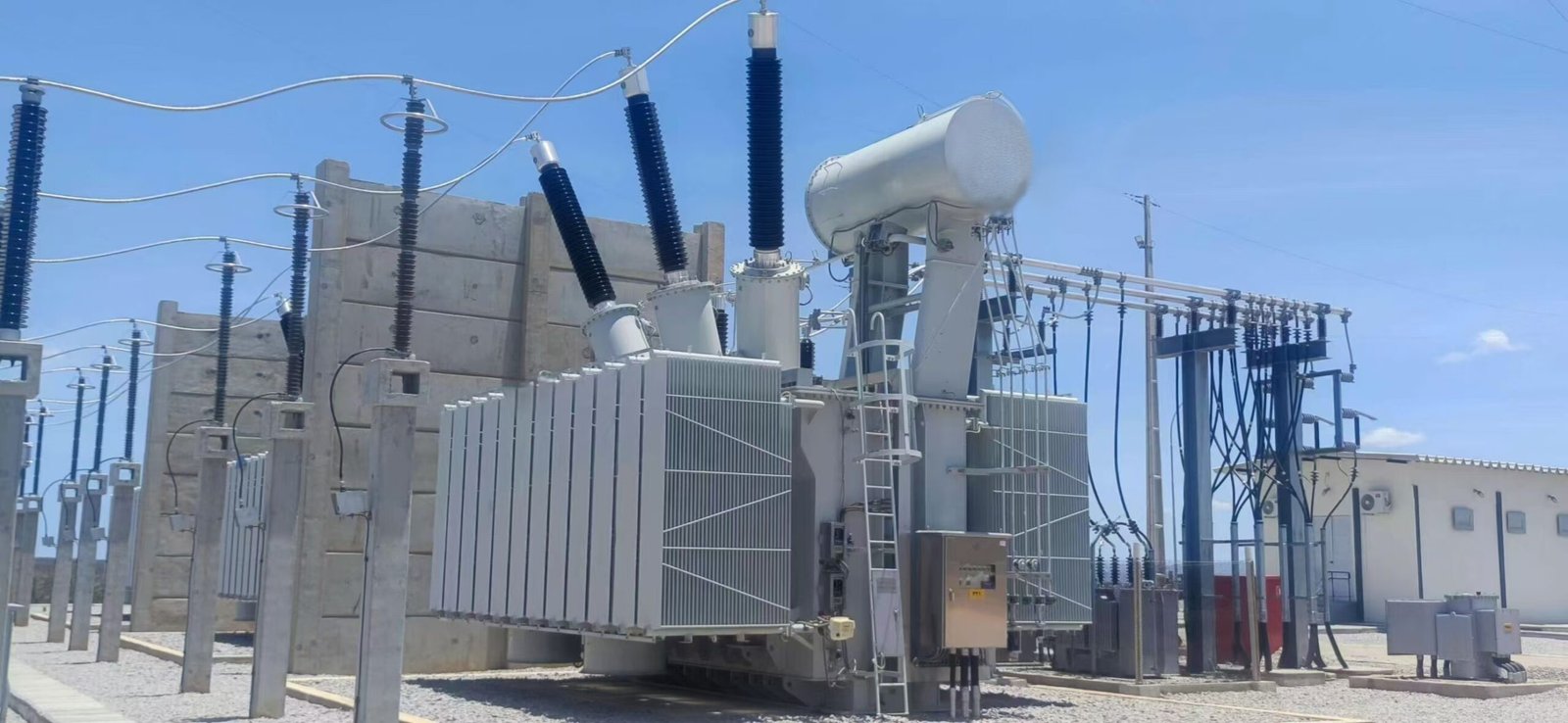
Power transformer prices are strongly influenced by the cost of raw materials because transformers are among the most material-intensive electrical products used in modern power systems. Unlike many electronic devices, a power transformer contains large quantities of metals, insulation materials, cooling fluids, and structural components that directly determine manufacturing costs. Fluctuations in commodity markets, supply availability, geopolitical conditions, and energy prices can significantly affect transformer quotations. For utilities, industrial facilities, renewable energy developers, and infrastructure investors, understanding which raw materials have the greatest impact on transformer prices helps improve budgeting accuracy and procurement planning.
The raw materials with the greatest impact on power transformer prices are copper, electrical steel, aluminum, transformer oil, insulation materials, and structural steel. Copper and electrical steel usually have the largest influence because they directly determine winding and core costs, while insulation materials, oil, and steel components also significantly affect final transformer pricing depending on transformer size, design requirements, and market conditions.
Copper and electrical steel are among the most influential raw materials affecting power transformer prices because they represent major portions of transformer manufacturing cost.True
Copper windings and electrical steel cores are essential transformer components and their market price fluctuations directly affect production costs.
Why do raw materials have such a large impact on transformer prices?
A power transformer is manufactured from several high-value materials that must meet strict electrical, thermal, and mechanical requirements.
The main material-intensive components include:
- Conductive windings
- Magnetic core
- Insulation system
- Transformer tank
- Cooling equipment
- Insulating fluid
The quantity of materials increases significantly with transformer capacity. A large transmission transformer may require several tons of:
- Copper or aluminum
- Grain-oriented electrical steel
- Steel structures
- Insulation materials
- Transformer oil
| Transformer Component | Primary Raw Material | Cost Influence |
|---|---|---|
| Windings | Copper / Aluminum | Very high |
| Core | Electrical steel | Very high |
| Tank and accessories | Steel | Medium-high |
| Insulation system | Paper / Pressboard | Medium |
| Cooling system | Steel / Aluminum | Medium |
| Insulating fluid | Mineral oil / Ester oil | Variable |
Which raw materials have the greatest influence on transformer prices?
The impact of raw materials depends on transformer design, but the most influential materials are generally:
- Copper
- Electrical steel
- Aluminum
- Transformer oil
- Insulation materials
- Structural steel
Each material affects transformer cost differently.
| Raw Material | Cost Impact Level | Main Function |
|---|---|---|
| Copper | Very High | Electrical windings |
| Electrical steel | Very High | Magnetic core |
| Aluminum | High | Alternative conductor material |
| Transformer oil | Medium | Cooling and insulation |
| Insulation materials | Medium | Electrical isolation |
| Steel | Medium | Tank and mechanical structure |
How do copper prices affect power transformer costs?
Copper is usually one of the most important cost drivers in power transformer manufacturing because windings contain large amounts of conductive material.
Copper is used for:
- High-voltage windings
- Low-voltage windings
- Leads and connections
Its importance comes from its excellent:
- Electrical conductivity
- Mechanical strength
- Thermal conductivity
- Corrosion resistance
When copper prices increase, transformer manufacturers face higher production costs.
| Copper Price Change | Transformer Cost Effect |
|---|---|
| Small increase | Moderate cost adjustment |
| Significant increase | Higher transformer quotations |
| Extreme volatility | Pricing uncertainty |
Why does copper have such a large cost impact?
Transformer windings must carry high electrical currents while minimizing losses.
Copper helps achieve:
- Lower resistance
- Reduced copper losses
- Better efficiency
- Improved thermal performance
However, copper is a globally traded commodity, meaning transformer prices are affected by:
- Mining output
- Energy costs
- Global demand
- Currency exchange rates
- Supply chain disruptions
How do electrical steel prices affect transformer costs?
Electrical steel is the second major raw material influencing transformer prices.
The transformer core uses grain-oriented electrical steel (GOES), which provides efficient magnetic performance.
The core determines:
- No-load losses
- Magnetic efficiency
- Transformer energy performance
Higher electrical steel prices directly increase core manufacturing costs.
| Electrical Steel Factor | Cost Impact |
|---|---|
| Material price increase | Higher core cost |
| Supply shortage | Longer lead times |
| Premium grade requirement | Higher transformer price |
Why is electrical steel expensive?
Electrical steel requires specialized manufacturing processes to achieve:
- Low magnetic losses
- High permeability
- Precise grain orientation
High-quality electrical steel improves:
- Transformer efficiency
- Energy savings
- Operating reliability
Using lower-quality steel may reduce initial cost but increase lifecycle energy expenses.
How do aluminum prices influence transformer costs?
Aluminum is an alternative conductor material used in certain transformer designs.
It is selected because it provides:
- Lower material cost
- Lower weight
- Good conductivity
However, aluminum requires larger conductor sizes compared with copper.
| Material | Advantage | Cost Effect |
|---|---|---|
| Copper | Higher conductivity | Higher cost |
| Aluminum | Lower cost and weight | Lower initial cost |
Manufacturers may choose aluminum windings when customers prioritize:
- Budget optimization
- Weight reduction
- Specific application requirements
How does transformer oil affect transformer pricing?
Oil-immersed transformers require insulating fluids that provide both:
- Electrical insulation
- Heat transfer
Common fluids include:
- Mineral oil
- Natural ester fluids
- Synthetic ester fluids
Oil costs affect:
- Manufacturing expenses
- Maintenance considerations
- Environmental compliance
| Oil Type | Cost Level | Application |
|---|---|---|
| Mineral oil | Lower | Standard transformers |
| Natural ester | Higher | Environment-sensitive projects |
| Synthetic ester | Higher | Specialized applications |
Why can transformer oil availability affect prices?
Oil supply disruptions may cause:
- Higher material costs
- Production delays
- Alternative material selection
Environmental regulations may also increase demand for biodegradable ester fluids, affecting market pricing.
How do insulation material prices influence transformer costs?
Insulation materials are essential for transformer reliability and safety.
Major insulation materials include:
- Kraft paper
- Pressboard
- Laminated insulation components
- Composite materials
They provide:
- Turn-to-turn insulation
- Layer separation
- Mechanical support
- Dielectric protection
| Insulation Material | Function |
|---|---|
| Kraft paper | Insulates conductors |
| Pressboard | Provides structural insulation |
| Composite materials | Improves durability |
High-quality insulation materials increase transformer cost but improve:
- Service life
- Thermal stability
- Failure resistance
How do steel prices affect transformer costs?
Steel is used extensively in transformer construction.
Applications include:
- Transformer tanks
- Radiators
- Structural frames
- Supports
Steel prices influence manufacturing costs because large transformers require significant fabricated steel structures.
| Steel Component | Function |
|---|---|
| Tank | Contains oil and active parts |
| Radiators | Transfers heat |
| Supports | Provides mechanical strength |
Steel cost changes are especially important for:
- Large oil-filled transformers
- Outdoor transformers
- High-capacity units
How do raw material quality levels affect transformer prices?
Raw material selection is not only about price. Quality directly affects transformer performance.
Higher-quality materials typically provide:
- Lower losses
- Higher efficiency
- Longer service life
- Better reliability
Examples:
| Material Upgrade | Performance Benefit |
|---|---|
| Premium electrical steel | Lower core losses |
| High-grade copper | Lower winding losses |
| Better insulation | Longer lifespan |
| Improved oil quality | Better thermal performance |
How do supply chain conditions influence raw material costs?
Material prices are affected by both market prices and availability.
Supply chain risks include:
- Mining disruptions
- Transportation problems
- Trade restrictions
- Supplier limitations
These risks may cause:
- Longer transformer lead times
- Higher manufacturing costs
- Price adjustment clauses
| Supply Chain Risk | Transformer Impact |
|---|---|
| Copper shortage | Higher winding cost |
| Steel shortage | Higher structural cost |
| Electrical steel shortage | Production delays |
| Logistics disruption | Increased delivery cost |
How do manufacturers reduce the impact of raw material price fluctuations?
Experienced transformer manufacturers use several strategies.
Strategic sourcing
Manufacturers maintain relationships with multiple suppliers to improve:
- Material availability
- Price stability
- Quality control
Long-term procurement agreements
Contracts can reduce exposure to short-term market fluctuations.
Material optimization
Engineers optimize designs through:
- Improved winding arrangements
- Efficient core structures
- Reduced material waste
| Strategy | Benefit |
|---|---|
| Multiple suppliers | Reduces supply risk |
| Bulk purchasing | Improves pricing |
| Design optimization | Reduces material usage |
| Inventory planning | Improves availability |
How does transformer size affect raw material cost sensitivity?
Large transformers are more sensitive to material price changes because they use more raw materials.
A small distribution transformer may require:
- Hundreds of kilograms of materials
A large transmission transformer may require:
- Several tons of materials
| Transformer Type | Material Sensitivity |
|---|---|
| Small distribution transformer | Moderate |
| Medium industrial transformer | High |
| Large transmission transformer | Very high |
How should buyers manage raw material price risks?
Buyers can reduce cost uncertainty by using better procurement strategies.
Recommended approaches include:
- Early project planning
- Comparing technical options
- Understanding supplier pricing methods
- Reviewing contract conditions
Important contract items include:
| Contract Element | Purpose |
|---|---|
| Price validity period | Controls quotation risk |
| Material adjustment clauses | Defines price changes |
| Delivery commitments | Reduces schedule risk |
| Specification flexibility | Allows optimization |
What questions should buyers ask transformer manufacturers?
Before purchasing, buyers should discuss material-related factors.
| Buyer Question | Purpose |
|---|---|
| What conductor material is used? | Understand winding cost |
| What electrical steel grade is selected? | Evaluate efficiency |
| How are material shortages managed? | Assess supply reliability |
| Are alternative materials available? | Optimize cost |
| How are lifecycle costs evaluated? | Compare total value |
How do raw materials influence total transformer lifecycle costs?
The cheapest transformer is not always the most economical choice.
Material selection affects:
- Energy losses
- Maintenance requirements
- Reliability
- Service life
A transformer using premium materials may cost more initially but provide:
- Lower operating costs
- Higher efficiency
- Fewer failures
| Material Decision | Long-Term Effect |
|---|---|
| Better core steel | Lower energy losses |
| Better conductors | Higher efficiency |
| Better insulation | Longer lifespan |
| Stronger materials | Improved durability |
How do international standards influence material selection?
Power transformer materials must meet technical requirements established by organizations such as:
- International Electrotechnical Commission
- Institute of Electrical and Electronics Engineers
Standards influence:
- Electrical steel performance
- Insulation quality
- Conductor requirements
- Transformer testing procedures
Compliance ensures that material choices support safe and reliable transformer operation.
How Do Copper and Electrical Steel Prices Influence Transformer Manufacturing Costs?
Copper and electrical steel prices have a major influence on power transformer manufacturing costs because these two materials are essential to the transformer’s two most important active components: the windings and the magnetic core. Copper determines the electrical conductivity, load loss performance, and current-carrying capability of windings, while electrical steel determines magnetic efficiency, no-load losses, and overall energy performance of the core. When global commodity prices change, transformer manufacturers must adjust procurement strategies, production costs, and quotations. Understanding the relationship between copper, electrical steel, and transformer pricing helps buyers make better investment decisions and manage project budgets more effectively.
Copper and electrical steel prices strongly influence power transformer manufacturing costs because copper is used in windings and electrical steel is used in the magnetic core, together representing a significant portion of transformer material expenses. Rising copper prices increase winding costs and load-loss-related design expenses, while higher electrical steel prices increase core costs and may affect transformer efficiency upgrades, production schedules, and final equipment pricing.
Copper and electrical steel are the two most important raw materials affecting power transformer manufacturing costs because they directly form the windings and core.True
Copper windings and electrical steel cores are fundamental transformer components, and their prices significantly affect manufacturing costs.
Why are copper and electrical steel critical to transformer manufacturing?
A power transformer converts electrical energy between voltage levels through electromagnetic induction. This process depends mainly on:
- Conductive windings
- Magnetic core
- Insulation system
- Cooling structure
Among all materials used in manufacturing, copper and electrical steel have the greatest technical and economic importance.
Copper is responsible for:
- Carrying electrical current
- Reducing resistance losses
- Maintaining thermal performance
- Providing mechanical strength
Electrical steel is responsible for:
- Guiding magnetic flux
- Reducing magnetic losses
- Improving transformer efficiency
- Supporting stable operation
| Material | Transformer Component | Main Function | Cost Impact |
|---|---|---|---|
| Copper | Windings | Electrical conduction | Very high |
| Electrical steel | Core | Magnetic performance | Very high |
| Insulation materials | Insulation system | Electrical separation | Medium |
| Steel | Tank and structure | Mechanical protection | Medium |
How do copper prices affect transformer manufacturing costs?
Copper is one of the largest contributors to transformer production costs because windings require large amounts of conductive material.
Power transformer windings may contain:
- High-voltage winding conductors
- Low-voltage winding conductors
- Lead connections
- Internal electrical connections
The amount of copper required increases with:
- Transformer capacity
- Rated current
- Voltage design
- Efficiency requirements
When copper prices rise, manufacturers experience direct increases in:
- Material purchasing costs
- Production expenses
- Inventory costs
| Copper Price Condition | Manufacturing Impact |
|---|---|
| Stable copper prices | Predictable transformer quotations |
| Moderate increase | Higher production cost |
| Rapid increase | Price adjustment and quotation uncertainty |
| Supply shortage | Longer procurement periods |
Why does copper have such a strong effect on transformer pricing?
Copper provides excellent electrical conductivity, which makes it the preferred winding material for many power transformers.
Its advantages include:
- Low electrical resistance
- High current capacity
- Good heat dissipation
- Strong mechanical durability
Lower resistance reduces:
- Copper losses
- Heat generation
- Cooling requirements
However, copper is also a globally traded commodity affected by:
- Mining output
- Energy prices
- Industrial demand
- Currency fluctuations
- International trade conditions
Therefore, transformer manufacturers are highly exposed to copper market changes.
How do copper prices affect transformer efficiency requirements?
Copper cost is closely connected with transformer efficiency.
Higher copper prices may encourage manufacturers to optimize:
- Conductor dimensions
- Winding arrangement
- Current density
- Material utilization
However, reducing copper quantity too aggressively may increase:
- Electrical losses
- Temperature rise
- Insulation stress
Manufacturers must balance material savings with performance requirements.
| Design Choice | Cost Effect | Performance Effect |
|---|---|---|
| More copper | Higher initial cost | Lower losses |
| Less copper | Lower material cost | Potentially higher losses |
| Optimized copper usage | Balanced cost | Efficient operation |
How do electrical steel prices affect transformer manufacturing costs?
Electrical steel is the primary material used in transformer cores.
Modern power transformers typically use grain-oriented electrical steel (GOES), which is specially manufactured to provide excellent magnetic properties.
The core controls:
- Magnetic flux distribution
- No-load losses
- Energy efficiency
Higher electrical steel prices increase:
- Core material costs
- Manufacturing expenses
- Transformer quotations
| Electrical Steel Price Factor | Effect |
|---|---|
| Material price increase | Higher core cost |
| Supply shortage | Production delays |
| Premium efficiency requirements | Higher material demand |
Why is electrical steel more expensive than ordinary steel?
Electrical steel requires specialized manufacturing processes to achieve:
- Controlled grain orientation
- Low magnetic loss
- High magnetic permeability
- Precise thickness control
Unlike structural steel, electrical steel must meet strict electromagnetic performance requirements.
The manufacturing process includes:
- Special alloying
- Rolling processes
- Heat treatment
- Surface insulation coating
These processes increase production costs.
How does electrical steel quality affect transformer prices?
Not all electrical steels have the same performance.
Higher-grade electrical steel provides:
- Lower no-load losses
- Better efficiency
- Reduced operating temperature
However, premium materials increase transformer manufacturing costs.
| Electrical Steel Grade | Cost | Transformer Benefit |
|---|---|---|
| Standard grade | Lower | Normal efficiency |
| High-performance grade | Higher | Reduced losses |
| Premium efficiency grade | Highest | Maximum energy savings |
How do copper and electrical steel costs interact?
Copper and electrical steel influence different transformer losses.
Copper affects:
- Load losses
- Current-related heating
Electrical steel affects:
- No-load losses
- Magnetic efficiency
Together, they determine transformer lifecycle performance.
| Material | Main Loss Type | Operating Condition |
|---|---|---|
| Copper | Load losses | Increases with current |
| Electrical steel | Core losses | Exists continuously |
A manufacturer must optimize both materials to achieve the desired balance between:
- Purchase price
- Energy efficiency
- Operating cost
How do material price increases affect transformer quotations?
Transformer manufacturers usually calculate prices based on:
- Current material costs
- Production expenses
- Market conditions
- Delivery period
Because copper and electrical steel prices can change significantly, quotations often have limited validity periods.
Price increases may result in:
- Higher equipment prices
- Material adjustment clauses
- Longer negotiation periods
| Market Situation | Buyer Impact |
|---|---|
| Stable commodity market | Easier budgeting |
| Rising material prices | Higher transformer price |
| Material volatility | Greater quotation uncertainty |
How do raw material shortages affect transformer production schedules?
Price is only one challenge. Availability is equally important.
Copper and electrical steel shortages can cause:
- Delayed manufacturing
- Increased supplier competition
- Longer transformer lead times
Electrical steel shortages are especially critical because only a limited number of suppliers produce high-grade transformer core materials.
| Material Issue | Production Effect |
|---|---|
| Copper shortage | Delayed winding production |
| Electrical steel shortage | Delayed core manufacturing |
| Transportation disruption | Extended delivery time |
How do manufacturers reduce copper and electrical steel cost risks?
Experienced transformer manufacturers apply several strategies.
1. Supplier diversification
Using multiple qualified suppliers reduces dependency on one source.
Benefits include:
- Improved availability
- Reduced supply risk
- Better negotiation flexibility
2. Long-term purchasing agreements
Contracts help stabilize:
- Material availability
- Purchase prices
- Production planning
3. Engineering optimization
Manufacturers reduce unnecessary material consumption through:
- Improved core design
- Optimized winding layouts
- Advanced simulation
| Cost Control Strategy | Benefit |
|---|---|
| Multiple suppliers | Reduces supply risk |
| Bulk purchasing | Improves pricing |
| Design optimization | Reduces waste |
| Inventory planning | Supports production |
How does transformer design influence copper and electrical steel consumption?
Transformer design directly affects material requirements.
Factors include:
- Efficiency class
- Voltage ratio
- Capacity rating
- Cooling method
- Loss requirements
Higher-efficiency transformers may require:
- More copper
- Higher-grade electrical steel
- Improved manufacturing processes
Although initial cost increases, lifecycle savings may justify the investment.
| Design Approach | Initial Cost | Long-Term Effect |
|---|---|---|
| Standard materials | Lower | Higher losses |
| Premium materials | Higher | Lower operating costs |
How should buyers evaluate transformer prices when raw material costs fluctuate?
Buyers should avoid evaluating transformer prices based only on the initial quotation.
Important evaluation factors include:
- Material quality
- Transformer efficiency
- Lifetime energy losses
- Supplier reliability
- Delivery capability
A lower-cost transformer may use:
- Lower-grade materials
- Less optimized designs
- Reduced efficiency features
This can increase lifetime operating expenses.
What questions should buyers ask manufacturers about copper and electrical steel?
Before purchasing a transformer, buyers should request detailed information.
| Buyer Question | Purpose |
|---|---|
| What copper grade is used? | Evaluate conductor quality |
| Is copper or aluminum used for windings? | Understand cost structure |
| What electrical steel grade is selected? | Evaluate efficiency |
| What are guaranteed losses? | Compare lifecycle cost |
| How are material price changes managed? | Control budget risk |
How do international standards influence copper and electrical steel selection?
Transformer material selection is influenced by international standards from organizations such as:
- International Electrotechnical Commission
- Institute of Electrical and Electronics Engineers
These standards help define:
- Transformer efficiency requirements
- Loss measurement methods
- Material performance expectations
- Testing procedures
Using compliant materials ensures that cost optimization does not compromise reliability.
How do copper and electrical steel choices affect lifecycle cost?
The cheapest material choice is not always the most economical over the transformer’s operating life.
Copper and electrical steel selection affects:
- Energy consumption
- Maintenance requirements
- Reliability
- Service lifespan
| Material Decision | Long-Term Result |
|---|---|
| High-quality copper | Lower load losses |
| Efficient electrical steel | Lower no-load losses |
| Optimized design | Better lifecycle value |
How Do Supply Chain Conditions Affect the Availability and Cost of Transformer Materials?
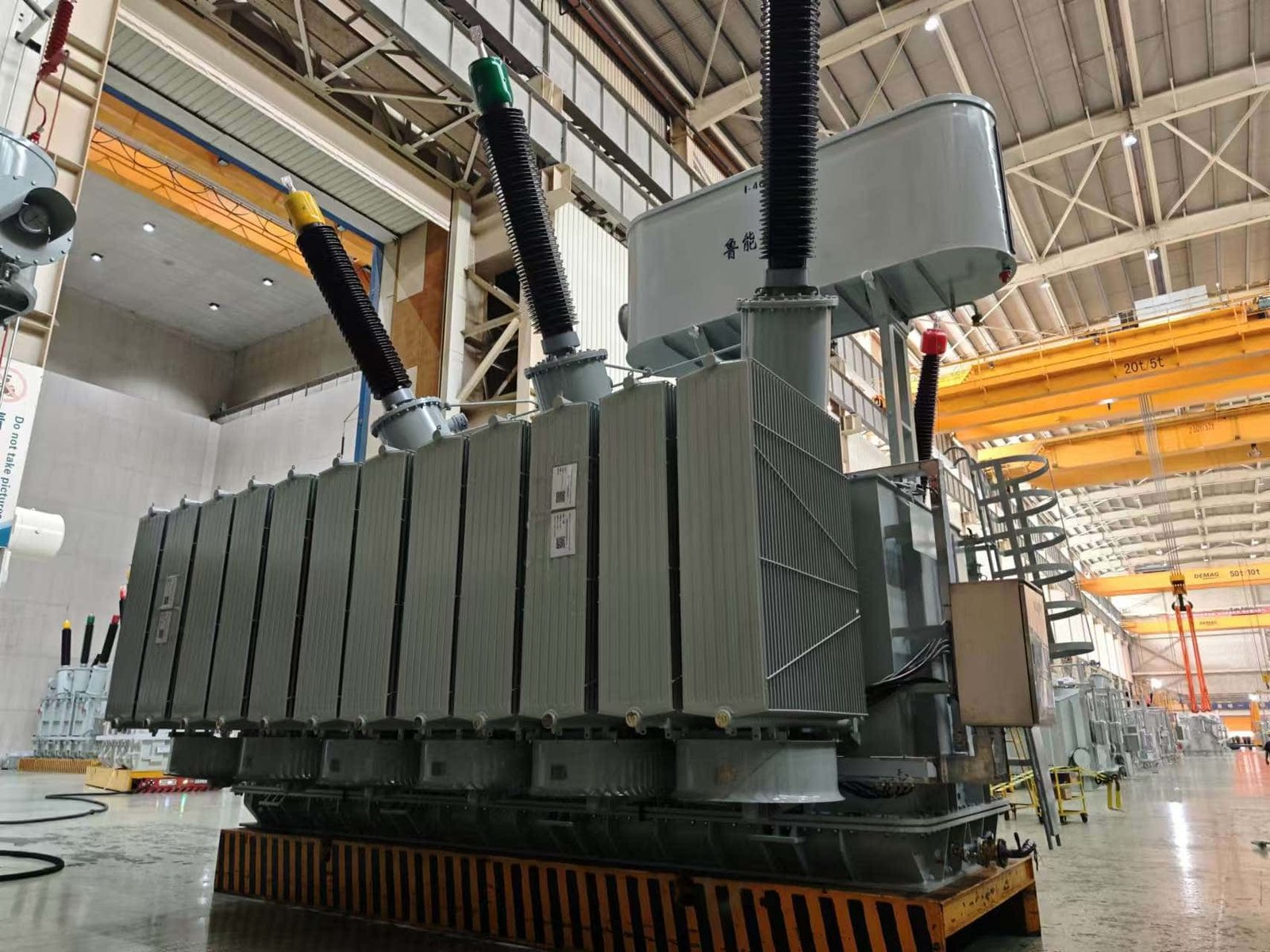
Supply chain conditions have a major impact on the availability and cost of power transformer materials because transformers depend on specialized raw materials that are produced through complex global manufacturing networks. Copper, electrical steel, aluminum, insulation materials, transformer oil, and structural steel must be sourced, processed, transported, and quality-tested before transformer production can begin. Any disruption in mining, manufacturing capacity, logistics, energy supply, or international trade can increase material costs, extend delivery times, and create uncertainty for transformer projects. For utilities, industrial companies, and renewable energy developers, understanding supply chain risks is essential for accurate procurement planning and reliable transformer delivery.
Supply chain conditions affect transformer material availability and cost by influencing raw material production, transportation, supplier capacity, inventory levels, and market pricing. Disruptions such as copper shortages, electrical steel production limitations, transportation delays, energy price increases, or geopolitical events can increase material costs, extend transformer manufacturing schedules, and create longer equipment lead times.
Supply chain disruptions can increase transformer costs and delivery times by affecting the availability and pricing of critical materials such as copper and electrical steel.True
Power transformers rely on specialized global material supply chains, and disruptions can directly affect procurement costs and production schedules.
Why are transformer materials vulnerable to supply chain changes?
Power transformers require a combination of specialized materials that cannot always be replaced quickly.
The most important materials include:
- Copper for windings
- Electrical steel for magnetic cores
- Aluminum for alternative conductors
- Transformer oil for insulation and cooling
- Kraft paper and pressboard for insulation
- Steel for tanks and structures
Unlike standard industrial products, transformer materials must satisfy strict technical requirements.
For example:
- Electrical steel must meet magnetic loss requirements.
- Insulation materials must withstand electrical and thermal stress.
- Conductors must maintain conductivity and mechanical strength.
This creates a supply chain with limited qualified suppliers.
| Material | Supply Chain Characteristic | Risk Level |
|---|---|---|
| Copper | Global commodity market | Medium |
| Electrical steel | Limited specialized producers | High |
| Insulation materials | Quality-sensitive production | Medium |
| Transformer oil | Energy market dependent | Medium |
| Structural steel | Broad availability | Lower |
How do raw material supply shortages affect transformer availability?
Material shortages can directly slow transformer production.
The manufacturing process requires a sequence:
- Raw materials are purchased.
- Materials are processed.
- Components are manufactured.
- Transformer assembly begins.
- Testing is completed.
- Equipment is delivered.
A delay in one critical material can affect the entire schedule.
Examples:
- Electrical steel delays can prevent core assembly.
- Copper shortages can delay winding production.
- Insulation shortages can stop final assembly.
| Material Shortage | Production Impact |
|---|---|
| Electrical steel shortage | Core manufacturing delay |
| Copper shortage | Winding production delay |
| Oil shortage | Final filling delay |
| Insulation shortage | Assembly interruption |
How do copper supply conditions influence transformer costs?
Copper is a globally traded commodity, and its price changes according to:
- Mining production
- Industrial demand
- Energy costs
- Transportation availability
- Currency fluctuations
Because transformer windings require large amounts of copper, supply changes directly affect manufacturing costs.
Factors increasing copper prices include:
- Reduced mine production
- Increased electric vehicle demand
- Energy market instability
- Export restrictions
| Copper Supply Condition | Transformer Impact |
|---|---|
| Stable supply | Predictable winding costs |
| Limited supply | Higher copper prices |
| Severe shortage | Production delays |
Why is electrical steel supply a major transformer industry concern?
Electrical steel is one of the most strategically important transformer materials.
High-performance transformer cores require grain-oriented electrical steel (GOES), which has specialized manufacturing requirements.
The supply chain includes:
- Iron production
- Alloy processing
- Rolling
- Heat treatment
- Magnetic performance testing
Only a limited number of manufacturers produce high-quality transformer-grade electrical steel.
Supply limitations can result in:
- Higher material prices
- Longer procurement periods
- Production scheduling problems
| Electrical Steel Issue | Effect |
|---|---|
| Limited suppliers | Reduced purchasing flexibility |
| Production delays | Longer transformer lead times |
| Price increases | Higher transformer quotations |
How do transportation problems affect transformer material availability?
Transportation plays an important role because transformer materials often move through international supply chains.
Challenges include:
- Port congestion
- Container shortages
- Higher shipping costs
- Regional transportation delays
These issues affect:
- Delivery schedules
- Inventory planning
- Manufacturing timelines
| Transportation Problem | Result |
|---|---|
| Port delays | Late material arrival |
| Shipping cost increases | Higher transformer cost |
| Logistics disruptions | Production uncertainty |
How do energy prices affect transformer material costs?
Many transformer materials require energy-intensive manufacturing processes.
Examples include:
- Electrical steel production
- Copper processing
- Aluminum manufacturing
- Insulation production
When energy prices increase, manufacturers may face higher production expenses.
These costs may be transferred through the supply chain.
| Energy Price Change | Material Impact |
|---|---|
| Higher electricity cost | Higher processing cost |
| Higher fuel prices | Increased transportation cost |
| Energy shortages | Reduced production capacity |
How do geopolitical factors influence transformer material supply?
Global transformer supply chains are affected by:
- Trade policies
- Tariffs
- Export controls
- Regional conflicts
- Economic sanctions
These factors may change:
- Material availability
- Supplier selection
- Transportation routes
- Final transformer prices
| Geopolitical Factor | Supply Chain Effect |
|---|---|
| Tariffs | Higher import costs |
| Export restrictions | Reduced availability |
| Regional conflict | Logistics disruption |
How do supplier capacity limitations affect transformer production?
Transformer manufacturers depend on qualified suppliers for specialized materials.
Supplier limitations may occur because:
- Production capacity is limited
- Demand increases suddenly
- New factories require years to build
Electrical steel is a common example where supplier capacity can become a bottleneck.
| Supplier Issue | Buyer Impact |
|---|---|
| Limited capacity | Longer waiting time |
| High demand | Higher prices |
| Quality problems | Production delays |
How do inventory strategies reduce supply chain risks?
Manufacturers manage supply risks through inventory planning.
Common approaches include:
Strategic material inventory
Maintaining stock of critical materials helps reduce short-term disruptions.
Supplier diversification
Using multiple suppliers reduces dependence on one source.
Forecast-based purchasing
Manufacturers estimate future demand and secure materials early.
| Strategy | Benefit |
|---|---|
| Material inventory | Improves availability |
| Multiple suppliers | Reduces dependency |
| Long-term contracts | Improves price stability |
| Demand forecasting | Supports planning |
How do manufacturers control transformer material costs during market volatility?
Professional manufacturers use several cost-control strategies.
Optimized engineering design
Engineers reduce unnecessary material usage through:
- Improved core design
- Efficient winding arrangements
- Better thermal management
Alternative material selection
Depending on requirements, manufacturers may evaluate:
- Copper versus aluminum windings
- Different insulation systems
- Various efficiency levels
Long-term supplier relationships
Strong supplier relationships improve:
- Availability
- Quality consistency
- Negotiation ability
| Cost Control Method | Result |
|---|---|
| Design optimization | Reduced material consumption |
| Supplier management | Lower procurement risk |
| Forecast planning | Better price control |
How do supply chain conditions affect transformer delivery times?
Transformer delivery depends on both manufacturing capacity and material availability.
A typical production process may include:
- Engineering approval
- Material procurement
- Core manufacturing
- Winding production
- Assembly
- Testing
- Transportation
Material delays can extend every stage.
| Supply Chain Condition | Delivery Effect |
|---|---|
| Stable supply | Normal delivery schedule |
| Moderate disruption | Extended lead time |
| Severe shortage | Significant project delays |
How should buyers evaluate transformer suppliers’ supply chain capability?
Buyers should evaluate more than technical specifications.
Important supplier evaluation areas include:
- Material sourcing strategy
- Supplier network
- Production capacity
- Inventory management
- Historical delivery performance
| Buyer Evaluation Question | Purpose |
|---|---|
| Where are critical materials sourced? | Understand supply risk |
| Are multiple suppliers available? | Evaluate flexibility |
| How are shortages managed? | Assess risk control |
| What is normal production lead time? | Plan projects |
How can buyers reduce transformer material supply risks?
Buyers can reduce risk through better procurement practices.
Recommended strategies include:
Early procurement planning
Starting transformer procurement earlier allows manufacturers more time to secure materials.
Supplier qualification
Choose manufacturers with:
- Stable supplier relationships
- Strong production capability
- Proven delivery records
Contract planning
Contracts should define:
- Delivery expectations
- Price adjustment methods
- Material substitution procedures
| Risk Reduction Strategy | Benefit |
|---|---|
| Early ordering | Reduces schedule pressure |
| Reliable supplier selection | Improves delivery confidence |
| Clear contracts | Reduces disputes |
How do international standards support material reliability?
Power transformer materials and manufacturing processes are influenced by standards from organizations such as:
- International Electrotechnical Commission
- Institute of Electrical and Electronics Engineers
These standards help ensure:
- Material performance
- Testing requirements
- Transformer reliability
- Quality consistency
Compliance helps manufacturers maintain stable product quality even during challenging supply conditions.
How do supply chain conditions influence lifecycle transformer value?
Supply chain management affects not only purchase price but also long-term transformer performance.
Poor material sourcing may lead to:
- Lower-quality components
- Reduced efficiency
- Higher maintenance requirements
Reliable supply chains support:
- Consistent material quality
- Better manufacturing control
- Longer transformer service life
| Supply Chain Quality | Long-Term Effect |
|---|---|
| Reliable suppliers | Stable quality |
| High-quality materials | Better performance |
| Strong inventory planning | Faster delivery |
How Can Buyers Manage Power Transformer Cost Risks Caused by Material Price Changes?
Power transformer procurement involves significant financial uncertainty because raw material prices can change considerably between project planning, quotation, manufacturing, and delivery stages. Since transformers rely heavily on copper, electrical steel, aluminum, transformer oil, insulation materials, and structural steel, fluctuations in commodity markets can directly influence final equipment costs. For utilities, industrial facilities, renewable energy developers, and infrastructure investors, unmanaged material price risks can lead to budget overruns, delayed projects, and difficult supplier negotiations. A proactive procurement strategy helps buyers control these risks while maintaining transformer quality, reliability, and delivery performance.
Buyers can manage power transformer cost risks caused by material price changes by planning procurement early, selecting reliable manufacturers, negotiating clear price adjustment clauses, comparing lifecycle costs instead of only initial prices, securing supply commitments, and evaluating alternative technical solutions. Effective risk management combines contract strategies, supplier assessment, market monitoring, and engineering optimization to reduce the financial impact of raw material volatility.
Buyers can reduce transformer cost risks by using early procurement planning, supplier evaluation, and clear contract terms related to material price fluctuations.True
Procurement planning and structured supplier agreements help reduce uncertainty caused by changes in copper, electrical steel, and other transformer material prices.
Why do material price changes create risks for transformer buyers?
Power transformers are usually long-lead-time products. The period between initial specification and final delivery may extend from several months to more than a year, depending on transformer size and complexity.
During this period, material markets can change significantly.
The main cost-sensitive materials include:
- Copper windings
- Grain-oriented electrical steel (GOES) cores
- Aluminum conductors
- Transformer oil
- Insulation paper and pressboard
- Steel tanks and accessories
A transformer quotation provided today may be affected by future changes in:
- Commodity prices
- Energy costs
- Transportation expenses
- Supplier capacity
- Currency exchange rates
| Risk Source | Material Affected | Buyer Impact |
|---|---|---|
| Copper market volatility | Windings | Higher transformer price |
| Electrical steel shortage | Core | Longer delivery time |
| Oil price changes | Cooling system | Increased manufacturing cost |
| Steel price increases | Tank structure | Higher equipment cost |
How do raw material price changes affect transformer quotations?
Transformer manufacturers calculate prices based on expected production costs.
The quotation usually includes:
- Raw material costs
- Manufacturing expenses
- Engineering costs
- Testing costs
- Transportation costs
- Supplier risk margins
When material prices rise after quotation, manufacturers may face reduced margins or production losses.
To manage this risk, suppliers may use:
- Limited quotation validity periods
- Material adjustment clauses
- Advance payment arrangements
- Fixed-price agreements with conditions
| Pricing Method | Buyer Risk Level | Supplier Risk Level |
|---|---|---|
| Fixed price | Lower buyer uncertainty | Higher supplier risk |
| Indexed price | Shared risk | Shared risk |
| Open adjustment | Higher buyer uncertainty | Lower supplier risk |
Why should buyers purchase transformers earlier?
Early procurement is one of the most effective ways to reduce material price risks.
Starting the purchasing process early allows manufacturers to:
- Secure copper supplies
- Reserve electrical steel capacity
- Plan production schedules
- Lock supplier agreements
Late procurement creates greater exposure because manufacturers may need to purchase materials at current market prices.
| Procurement Timing | Material Risk |
|---|---|
| Early ordering | Lower volatility exposure |
| Normal planning | Moderate risk |
| Emergency purchase | High price and delivery risk |
How can buyers use long-term supply agreements to control costs?
Long-term purchasing agreements can reduce uncertainty by establishing predictable commercial conditions.
These agreements may include:
- Fixed material pricing periods
- Volume commitments
- Supplier allocation
- Delivery priority
Benefits include:
- Better budget planning
- Reduced market exposure
- Improved production scheduling
| Agreement Type | Advantage |
|---|---|
| Annual supply agreement | Improves price stability |
| Framework contract | Supports repeated purchases |
| Volume commitment | Improves supplier priority |
How should buyers evaluate transformer manufacturers’ material sourcing strategies?
Supplier selection plays an important role in managing cost risks.
A reliable manufacturer should demonstrate:
- Stable supplier relationships
- Multiple qualified material sources
- Strong purchasing capability
- Effective inventory management
Buyers should ask:
- Where are copper and electrical steel sourced?
- Are alternative suppliers available?
- How are shortages managed?
- How long can production continue if supply is interrupted?
| Supplier Capability | Risk Reduction Benefit |
|---|---|
| Multiple suppliers | Lower dependency |
| Strategic inventory | Better availability |
| Purchasing experience | Better cost control |
| Strong partnerships | Stable supply |
How can buyers reduce risks through technical specification management?
Transformer specifications strongly influence material consumption and cost.
Examples:
- Higher efficiency requirements may require premium electrical steel.
- Higher current ratings may require more copper.
- Special environmental requirements may require higher-cost insulation fluids.
Buyers should avoid unnecessary specifications that increase cost without improving actual project value.
| Specification Choice | Cost Effect |
|---|---|
| Higher efficiency class | Higher initial cost |
| Premium materials | Higher purchase price |
| Customized design | Increased engineering cost |
However, buyers should not reduce requirements that affect reliability.
Critical factors should remain protected:
- Insulation performance
- Short-circuit strength
- Temperature rise limits
- Efficiency requirements
How can alternative materials help control transformer costs?
Engineering alternatives may reduce cost exposure.
Examples include:
Copper versus aluminum windings
Aluminum may reduce initial material costs but requires different design considerations.
| Conductor Material | Cost | Performance |
|---|---|---|
| Copper | Higher | Excellent conductivity |
| Aluminum | Lower | Cost-effective alternative |
Different efficiency levels
Buyers may compare:
- Standard efficiency transformers
- High-efficiency transformers
- Premium-efficiency transformers
The correct choice depends on:
- Energy prices
- Operating hours
- Expected service life
Why should buyers consider lifecycle cost instead of purchase price?
Material price fluctuations can encourage buyers to focus only on reducing initial cost. However, transformer economics depend on decades of operation.
A lower-cost transformer may have:
- Higher losses
- Greater energy consumption
- Shorter service life
A higher-quality transformer may provide:
- Lower operating costs
- Reduced maintenance
- Better reliability
| Purchase Decision | Short-Term Effect | Long-Term Effect |
|---|---|---|
| Lowest price option | Lower investment | Potential higher operating cost |
| Optimized design | Moderate investment | Better lifecycle value |
How can buyers negotiate better transformer contracts?
A well-designed contract can significantly reduce material price risks.
Important contract elements include:
Price validity period
Defines how long the supplier quotation remains valid.
Material adjustment mechanism
Defines how price changes are calculated.
Delivery responsibility
Clarifies schedule obligations.
Change management procedures
Defines how specification changes affect cost.
| Contract Element | Buyer Protection |
|---|---|
| Price validity | Reduces uncertainty |
| Adjustment formula | Improves transparency |
| Delivery commitment | Controls schedule risk |
| Quality requirements | Prevents cost-cutting compromises |
Should buyers accept material price adjustment clauses?
Material adjustment clauses can benefit both buyers and manufacturers when commodity markets are unstable.
A fair adjustment clause should clearly define:
- Which materials are included
- Reference price sources
- Adjustment calculation method
- Maximum adjustment range
For example, a contract may link adjustments to:
- Copper index changes
- Electrical steel price changes
- Published commodity references
| Clause Feature | Importance |
|---|---|
| Clear formula | Prevents disputes |
| Reliable index | Ensures fairness |
| Defined limits | Controls risk |
How can buyers monitor material market trends?
Continuous market awareness helps buyers make better procurement decisions.
Important indicators include:
- Copper market trends
- Electrical steel availability
- Energy costs
- Shipping conditions
- Currency movements
Buyers can use this information to decide:
- When to issue tenders
- Whether to accelerate purchasing
- Whether to adjust budgets
| Market Indicator | Related Risk |
|---|---|
| Copper prices | Winding cost |
| Electrical steel supply | Core availability |
| Oil prices | Insulation fluid cost |
| Freight rates | Delivery cost |
How can buyers compare supplier quotations fairly?
Different transformer quotations may use different assumptions.
Buyers should compare:
- Transformer efficiency
- Guaranteed losses
- Material quality
- Warranty terms
- Delivery schedule
A lower quotation may result from:
- Lower-grade materials
- Reduced design margins
- Limited testing scope
| Comparison Factor | Why It Matters |
|---|---|
| Material quality | Determines reliability |
| Loss guarantees | Determines operating cost |
| Delivery capability | Reduces project risk |
| Warranty terms | Protects investment |
How can digital tools improve transformer cost risk management?
Modern procurement teams increasingly use digital tools for:
- Commodity price tracking
- Supplier performance monitoring
- Project cost forecasting
- Inventory planning
These tools help buyers identify risks earlier.
| Digital Method | Benefit |
|---|---|
| Market monitoring | Early warning of price changes |
| Supplier databases | Better sourcing decisions |
| Cost models | Improved budgeting |
How do international standards support cost-quality balance?
Transformer materials and performance are guided by international standards from organizations such as:
- International Electrotechnical Commission
- Institute of Electrical and Electronics Engineers
These standards help buyers ensure that cost optimization does not compromise:
- Electrical performance
- Safety
- Reliability
- Service life
Standards provide a foundation for comparing suppliers objectively.
What questions should buyers ask manufacturers before purchasing?
Before signing a transformer supply contract, buyers should ask:
| Question | Purpose |
|---|---|
| How are material price changes handled? | Understand financial risk |
| Which materials have the greatest cost impact? | Identify key variables |
| Are critical materials secured in advance? | Evaluate supply reliability |
| Are alternative designs available? | Explore cost optimization |
| What guarantees are provided for losses and performance? | Protect lifecycle value |
How Should Customers Evaluate Transformer Prices Beyond Raw Material Costs?
When purchasing a power transformer, many customers focus primarily on the quoted price and assume that a lower purchase cost represents better value. However, transformer pricing is influenced by far more than raw material costs. Although copper, electrical steel, aluminum, transformer oil, and insulation materials significantly affect manufacturing expenses, the true value of a transformer depends on design quality, efficiency, reliability, testing standards, lifecycle operating costs, delivery capability, warranty protection, and supplier expertise. A transformer with a slightly higher initial price may provide substantially lower ownership costs and better long-term performance compared with a cheaper alternative. Customers should therefore evaluate transformer prices using a comprehensive lifecycle approach rather than comparing only the initial purchase quotation.
Customers should evaluate transformer prices beyond raw material costs by considering total ownership cost, transformer efficiency, guaranteed losses, design quality, reliability features, manufacturing capability, testing procedures, warranty terms, delivery performance, and long-term maintenance requirements. The best transformer investment is not always the lowest-priced option but the solution that provides the highest reliability, lowest operating cost, and longest service life.
The lowest transformer purchase price does not always represent the lowest total cost because efficiency, reliability, maintenance, and service life also influence the economic value of a transformer.True
Transformer lifecycle costs include energy losses, maintenance expenses, downtime risks, and replacement costs in addition to the initial purchase price.
Why should customers look beyond raw material costs when evaluating transformer prices?
Raw materials are important, but they represent only one part of the transformer’s total economic value.
A power transformer is a long-term asset that typically operates for decades. During this period, customers pay for:
- Energy losses
- Maintenance activities
- Repairs
- Downtime risks
- Operational limitations
The initial purchase price may represent only a fraction of the transformer’s lifetime cost.
A low-cost transformer may use:
- Less optimized designs
- Lower efficiency components
- Reduced testing procedures
- Limited customization
These choices may create higher expenses later.
| Cost Factor | Initial Impact | Long-Term Impact |
|---|---|---|
| Purchase price | High | One-time expense |
| Energy losses | Low initially | Continuous expense |
| Maintenance | Moderate | Repeated expense |
| Reliability | Difficult to measure | Major operational impact |
What factors should customers consider besides raw material costs?
A comprehensive transformer price evaluation should include:
- Transformer efficiency
- Guaranteed losses
- Design quality
- Manufacturing capability
- Testing procedures
- Reliability features
- Delivery performance
- Warranty coverage
- Maintenance requirements
| Evaluation Category | Key Question |
|---|---|
| Efficiency | How much energy will the transformer consume? |
| Design | Is the transformer optimized for the application? |
| Quality | Are manufacturing processes controlled? |
| Reliability | Can it operate safely for decades? |
| Service | Is technical support available? |
How do transformer efficiency levels affect total cost?
Transformer efficiency directly influences operating expenses because transformers continuously consume energy through:
- No-load losses
- Load losses
Even a small efficiency difference can create significant lifetime cost differences.
No-load losses occur continuously whenever the transformer is energized.
Load losses increase according to operating current.
| Loss Type | Main Cause | Operating Effect |
|---|---|---|
| No-load loss | Core magnetization | Continuous energy consumption |
| Load loss | Winding resistance | Increases with load |
A transformer with premium efficiency may cost more initially but reduce energy expenses over many years.
Why should customers compare guaranteed losses instead of only purchase prices?
Guaranteed losses provide a better indication of transformer economic performance.
Two transformers with identical ratings may have different:
- Core designs
- Winding designs
- Material grades
- Manufacturing precision
A transformer with lower losses may save substantial energy costs during operation.
Customers should compare:
- No-load loss values
- Load loss values
- Total loss calculations
| Parameter | Importance |
|---|---|
| No-load loss | Affects continuous operating cost |
| Load loss | Affects loaded operation cost |
| Total loss | Determines lifecycle efficiency |
How do lifecycle costs provide a better transformer price evaluation?
Lifecycle cost analysis considers all expenses throughout the transformer’s service life.
A simplified lifecycle evaluation includes:
Total Cost = Purchase Cost + Energy Cost + Maintenance Cost + Failure Risk Cost
This approach helps customers identify the economically optimal transformer rather than the cheapest initial option.
| Cost Component | Example |
|---|---|
| Purchase cost | Transformer quotation |
| Energy cost | Losses over operating years |
| Maintenance cost | Oil testing, inspections |
| Failure cost | Downtime and repairs |
How does transformer design quality influence price?
Transformer design directly affects both manufacturing cost and long-term performance.
Important design factors include:
- Core geometry
- Winding structure
- Insulation coordination
- Cooling system
- Mechanical reinforcement
A high-quality design may require:
- Better materials
- More engineering analysis
- Additional testing
However, it improves:
- Efficiency
- Reliability
- Fault resistance
| Design Feature | Cost Impact | Customer Benefit |
|---|---|---|
| Optimized core | Higher engineering cost | Lower losses |
| Strong winding design | Higher manufacturing cost | Better fault resistance |
| Advanced cooling | Increased complexity | Longer insulation life |
How should customers evaluate transformer winding quality?
Windings are critical because they determine:
- Electrical losses
- Mechanical strength
- Thermal performance
Customers should review:
- Conductor material
- Winding structure
- Short-circuit withstand capability
- Temperature rise performance
High-quality winding designs reduce:
- Hot spots
- Insulation aging
- Failure probability
| Winding Evaluation Item | Purpose |
|---|---|
| Copper quality | Evaluate conductivity |
| Winding arrangement | Evaluate efficiency |
| Mechanical support | Evaluate fault resistance |
| Cooling channels | Evaluate temperature control |
How does core design affect transformer value?
The transformer core determines magnetic performance.
Customers should evaluate:
- Electrical steel grade
- Core assembly method
- Magnetic flux density design
- No-load loss performance
A premium core design can provide:
- Lower operating losses
- Reduced noise
- Better efficiency
| Core Feature | Benefit |
|---|---|
| High-grade electrical steel | Lower losses |
| Optimized flux density | Better efficiency |
| Precision assembly | Reduced vibration |
Why is manufacturing capability important when comparing prices?
Two manufacturers may use similar raw materials but produce different quality levels.
Manufacturing capability affects:
- Assembly accuracy
- Insulation reliability
- Mechanical strength
- Testing results
Customers should evaluate:
- Production equipment
- Quality management systems
- Factory experience
- Skilled engineering teams
| Manufacturing Factor | Impact |
|---|---|
| Automated winding equipment | Better consistency |
| Controlled assembly environment | Better insulation quality |
| Experienced technicians | Reduced defects |
How do factory tests influence transformer value?
Testing is essential evidence of transformer quality.
Customers should review factory testing capabilities, including:
| Test | Purpose |
|---|---|
| Ratio test | Confirms voltage relationship |
| Winding resistance test | Verifies winding integrity |
| Load loss test | Measures efficiency |
| Temperature rise test | Confirms cooling performance |
| Partial discharge test | Detects insulation problems |
| Impulse test | Verifies insulation strength |
| Frequency response analysis | Detects winding deformation |
A lower-priced transformer with limited testing may carry greater operational risk.
How should customers evaluate transformer reliability features?
Reliability features often explain differences between similar transformer quotations.
Important features include:
- Strong mechanical clamping
- Advanced insulation systems
- Effective sealing
- Reliable cooling structures
- Monitoring systems
| Reliability Feature | Long-Term Benefit |
|---|---|
| Strong winding support | Better short-circuit resistance |
| High-quality insulation | Longer lifespan |
| Improved sealing | Reduced contamination risk |
| Monitoring equipment | Early fault detection |
How does warranty coverage affect transformer price evaluation?
Warranty terms provide insight into supplier confidence and customer protection.
Customers should review:
- Warranty duration
- Covered failures
- Response time
- Repair responsibility
- Spare parts availability
A cheaper transformer with limited warranty protection may create higher financial risk.
| Warranty Factor | Evaluation Purpose |
|---|---|
| Duration | Protection period |
| Coverage scope | Risk transfer |
| Service response | Downtime reduction |
| Spare parts support | Long-term availability |
How should customers evaluate supplier reputation and experience?
The manufacturer’s experience affects transformer quality and project success.
Customers should consider:
- Years of transformer manufacturing experience
- Previous project references
- Production capacity
- Engineering support capability
| Supplier Capability | Customer Benefit |
|---|---|
| Proven experience | Lower technical risk |
| Strong engineering | Better customization |
| Stable production | Reliable delivery |
How do delivery schedules affect transformer value?
Transformer delays can create significant project costs.
Late delivery may cause:
- Construction delays
- Commissioning delays
- Lost revenue
- Additional temporary power costs
Customers should evaluate:
- Production capacity
- Material availability
- Manufacturing timeline
- Logistics capability
| Delivery Factor | Importance |
|---|---|
| Lead time accuracy | Project planning |
| Production capacity | Schedule reliability |
| Supply chain strength | Delay prevention |
How can customers compare transformer quotations effectively?
A professional comparison should include technical and commercial factors.
| Comparison Item | Supplier A | Supplier B |
|---|---|---|
| Purchase price | Compare | Compare |
| Guaranteed losses | Compare | Compare |
| Efficiency level | Compare | Compare |
| Warranty | Compare | Compare |
| Delivery time | Compare | Compare |
| Testing scope | Compare | Compare |
The lowest price should not automatically be selected without evaluating these factors.
What questions should buyers ask transformer manufacturers?
Before purchasing, customers should ask:
| Question | Purpose |
|---|---|
| What are the guaranteed losses? | Evaluate energy cost |
| What materials are used? | Assess quality |
| What tests are performed? | Confirm reliability |
| What is the expected service life? | Evaluate investment value |
| What warranty is provided? | Understand risk protection |
| How is after-sales support handled? | Evaluate long-term service |
How do international standards support transformer price evaluation?
Transformer quality evaluation should consider compliance with recognized standards from organizations such as:
- International Electrotechnical Commission
- Institute of Electrical and Electronics Engineers
Standards provide consistent requirements for:
- Performance testing
- Efficiency measurement
- Insulation verification
- Safety requirements
This allows customers to compare suppliers using objective technical criteria.
Conclusion
Raw material prices play a major role in determining the overall cost of power transformers, with materials such as copper, electrical steel, aluminum, transformer oil, and insulation systems having a direct impact on manufacturing expenses. However, the lowest purchase price does not always represent the best value, as material quality also affects transformer efficiency, reliability, and service life. By understanding material cost drivers, planning procurement strategically, and partnering with experienced manufacturers, buyers can better manage price fluctuations while ensuring they receive transformers that deliver long-term performance and operational value.
FAQ
Q1: How do raw material prices affect power transformer costs?
Raw material prices have a significant impact on the total cost of power transformers because materials account for a large portion of manufacturing expenses. Since transformers require specialized metals, insulation materials, and structural components, fluctuations in commodity markets directly influence equipment pricing.
The main raw materials affecting transformer costs include:
Grain-oriented electrical steel (GOES) for transformer cores
Copper or aluminum for windings
Transformer oil or insulating fluids
Insulation paper and pressboard
Steel for tanks and structural components
Specialized components such as bushings and tap changers
When the prices of these materials increase, manufacturers typically adjust transformer quotations to reflect higher production costs. Conversely, stable material markets can help maintain predictable pricing.
The impact is especially significant for large power transformers because they require thousands of kilograms of electrical steel, copper, and steel components. Even small percentage changes in commodity prices can create substantial differences in final transformer costs.
Q2: Why does copper price influence power transformer prices?
Copper is one of the most important materials used in transformer manufacturing because it provides excellent electrical conductivity and mechanical strength.
Copper is primarily used for:
High-voltage windings
Low-voltage windings
Internal electrical connections
Lead conductors
Copper price fluctuations affect transformer costs because winding materials represent a major portion of the transformer’s manufacturing cost.
Factors affecting copper prices include:
Global mining production
Industrial demand
Energy costs
Transportation expenses
Currency exchange rates
Renewable energy and electric vehicle growth
When copper prices rise, manufacturers may experience higher production costs. Some applications may use aluminum conductors as an alternative, but the choice depends on efficiency requirements, size limitations, and customer specifications.
Q3: How does electrical steel pricing affect transformer manufacturing costs?
Electrical steel, especially grain-oriented electrical steel (GOES), is a critical material for transformer cores. The core controls magnetic flux and directly affects transformer efficiency and no-load losses.
Changes in electrical steel prices influence costs because:
GOES requires specialized manufacturing processes.
Production capacity is limited globally.
High-efficiency transformers require premium-grade materials.
Higher-quality electrical steel can improve:
Energy efficiency
Reduced core losses
Lower operating costs
However, premium materials increase the initial transformer purchase price. Manufacturers must balance material costs with efficiency requirements and applicable energy standards.
Q4: How do insulating oil and insulation materials impact transformer costs?
Insulation systems are essential for transformer reliability and safety.
Oil-immersed transformers commonly use:
Mineral insulating oil
Natural ester fluids
Synthetic ester fluids
Other insulation materials include:
Cellulose paper
Pressboard barriers
Resin insulation systems
Material costs vary depending on:
Transformer size
Required fire safety level
Environmental requirements
Operating conditions
For example, biodegradable ester fluids may cost more than traditional mineral oil but can provide advantages such as improved fire safety and environmental performance.
Q5: How do steel and structural material prices affect transformer costs?
Transformer tanks and mechanical structures require large amounts of steel to provide protection and withstand operational forces.
Steel costs influence:
Main tank construction
Radiators
Structural supports
Mounting systems
Transportation frames
Large transformers require specially designed tanks capable of handling:
Internal oil pressure
Vacuum conditions
Transportation stresses
Environmental exposure
Steel price increases can therefore significantly affect the final cost of large transformer units.
Q6: How do raw material shortages affect transformer availability and lead times?
Material shortages can affect not only transformer prices but also delivery schedules.
Common supply chain challenges include:
Limited electrical steel availability
Copper supply constraints
Insulation material shortages
Manufacturing capacity limitations
Increased global demand
Potential consequences include:
Longer production lead times
Higher procurement costs
Delayed infrastructure projects
Reduced supplier flexibility
Utilities and industrial buyers often reduce these risks by placing orders earlier, developing supplier relationships, and maintaining strategic inventory plans.
Q7: Can manufacturers reduce the impact of raw material price changes?
Manufacturers use several strategies to manage material cost volatility.
Common approaches include:
Long-term supplier agreements
Multiple material suppliers
Inventory planning
Material hedging strategies
Design optimization
Improved manufacturing efficiency
Alternative material selection
However, some materials—especially specialized electrical steel—have limited substitutes, meaning manufacturers cannot completely eliminate price risks.
Q8: What should buyers consider when evaluating transformer prices?
Buyers should consider more than the initial purchase price because raw material choices influence long-term performance and operating costs.
Important evaluation factors include:
Transformer efficiency rating
Core material quality
Copper versus aluminum windings
Insulation system type
Expected service life
Maintenance requirements
Energy losses
Manufacturer reliability
Delivery schedule
Warranty coverage
A lower initial price may not always provide the best value if it results in higher operating losses or reduced reliability. Evaluating total lifecycle cost helps buyers make better transformer procurement decisions.
References
IEC 60076 – Power Transformers
https://webstore.iec.ch/publication/602
International Energy Agency (IEA) – Energy Transition and Critical Minerals
https://www.iea.org/topics/critical-minerals
World Bank – Commodity Markets Outlook
https://www.worldbank.org/en/research/commodity-markets
IEEE C57 Series – Power Transformer Standards
https://standards.ieee.org
U.S. Geological Survey – Mineral Commodity Summaries
https://www.usgs.gov/centers/national-minerals-information-center/mineral-commodity-summaries