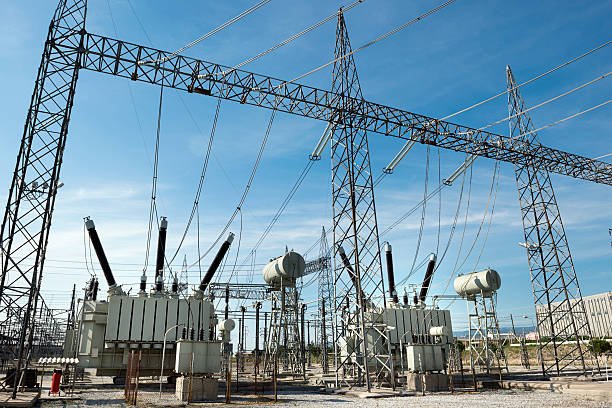
Power transformers are highly engineered electrical assets that require precise design, specialized materials, advanced manufacturing processes, and extensive testing before they can be placed into service. Unlike standard electrical equipment that may be available from inventory, most power transformers are manufactured according to specific voltage ratings, capacity requirements, cooling methods, and application conditions. Underestimating the manufacturing timeline can lead to project delays, increased costs, and difficulties coordinating installation schedules. Understanding the typical production process and factors affecting lead time helps buyers plan procurement more effectively.
The typical manufacturing time for power transformers ranges from 3 to 12 months, depending on transformer size, voltage level, design complexity, material availability, factory workload, testing requirements, and transportation arrangements. Standard distribution transformers may require only a few months, while large high-voltage transformers for utility and industrial applications can take 12 months or longer from engineering approval to final delivery.
Because each power transformer is a customized piece of equipment, the manufacturing timeline involves multiple stages, including engineering design, material procurement, core and winding production, assembly, testing, and shipment preparation. Understanding these stages allows buyers to establish realistic project schedules and avoid unexpected delays.
How Long Does It Take to Manufacture a Power Transformer?
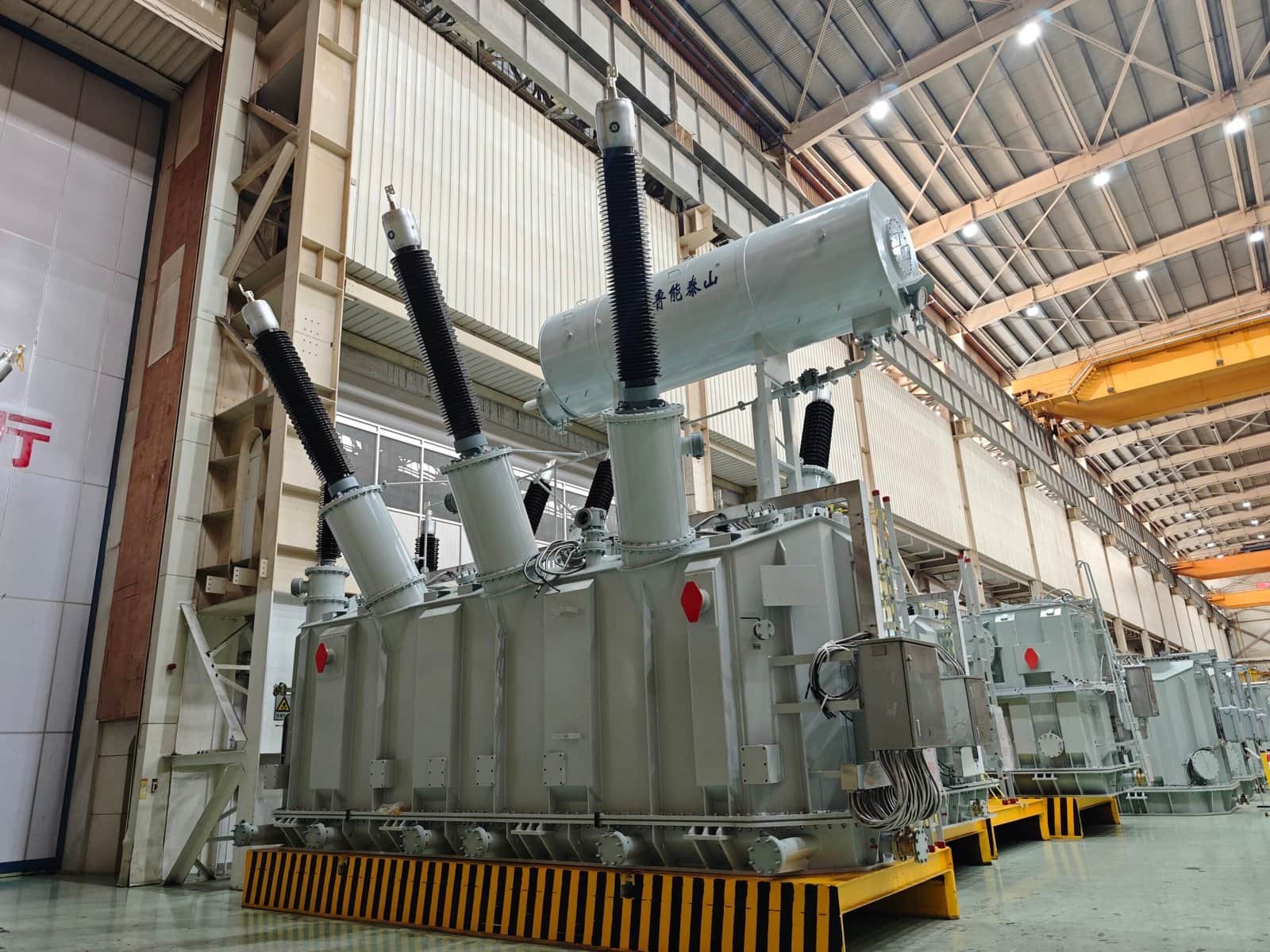
The manufacturing time of a power transformer is a critical consideration for utilities, industrial facilities, renewable energy projects, and infrastructure developers because transformer delivery directly affects project schedules and commissioning plans. Unlike standardized electrical products, power transformers are usually engineered according to specific customer requirements, including voltage level, capacity, efficiency targets, cooling methods, environmental conditions, and applicable standards. A delay in design approval, material procurement, production, testing, or transportation can create significant project risks, including construction delays and increased costs. Understanding the complete transformer manufacturing timeline helps customers establish realistic expectations, select reliable suppliers, and manage procurement strategies more effectively.
A typical power transformer requires approximately 6 to 18 months to manufacture, while large high-voltage and transmission transformers may require 12 to 24 months or longer. The actual production time depends mainly on transformer capacity, voltage class, customization level, material availability, factory workload, manufacturing complexity, testing requirements, and transportation conditions.
Large power transformers usually require longer manufacturing periods because they involve customized engineering, specialized materials, complex manufacturing processes, and extensive factory testing.True
High-capacity transformers require more design work, larger quantities of materials, advanced assembly processes, and additional performance verification before delivery.
A power transformer is a long-term electrical asset designed to operate reliably for several decades. The manufacturing process involves many interconnected stages, and each stage requires strict quality control. Although customers often focus on delivery dates, reducing production time cannot come at the expense of design accuracy, insulation quality, mechanical strength, or testing completeness. A professional manufacturer must balance production speed with reliability to ensure the transformer can safely operate under demanding grid conditions.
What Is the Typical Manufacturing Timeline for Different Types of Power Transformers?
The production period varies significantly depending on transformer type and application.
Small distribution transformers generally use more standardized designs and require shorter production periods. Medium industrial transformers require more engineering customization, while large power transformers require extensive design, manufacturing, testing, and logistics planning.
| Transformer Type | Typical Manufacturing Time | Main Reasons |
|---|---|---|
| Small distribution transformer | 1–3 months | Standardized design and simpler production |
| Medium industrial transformer | 3–8 months | Customized design and testing requirements |
| Large power transformer | 8–18 months | Complex engineering and manufacturing |
| Extra-high-voltage transformer | 12–24+ months | Advanced insulation, testing, and logistics |
The final delivery time also depends on whether the manufacturer already has production capacity available when the order is placed.
What Are the Main Stages That Determine Power Transformer Production Time?
The manufacturing process consists of several major stages:
| Manufacturing Stage | Typical Duration |
|---|---|
| Technical review and engineering design | 2 weeks–3 months |
| Material procurement | 1–6 months |
| Core manufacturing | 2–8 weeks |
| Winding production | Several weeks–3 months |
| Insulation assembly | Several weeks |
| Tank fabrication and assembly | 2–6 weeks |
| Factory testing | 2–6 weeks |
| Transportation preparation | 1–8 weeks |
Each stage contributes to the total lead time. Delays in one area can affect all following processes.
For example, if electrical steel delivery is delayed, core manufacturing cannot begin. If factory testing identifies a problem, corrective work may extend the delivery schedule.
How Does Transformer Capacity Affect Manufacturing Time?
Transformer capacity is one of the most important factors influencing production duration.
Higher-capacity transformers require:
- Larger magnetic cores
- More winding materials
- Stronger mechanical structures
- More insulation components
- More complex cooling systems
A 5 MVA transformer and a 500 MVA transmission transformer may use similar operating principles, but their manufacturing requirements are completely different.
| Capacity Range | Production Impact |
|---|---|
| Low capacity | Mostly standardized manufacturing |
| Medium capacity | More engineering customization |
| High capacity | Complex manufacturing and testing |
| Very high capacity | Long production cycle and specialized logistics |
Large transformers require more time because every component must be manufactured with higher precision and verified carefully.
How Does Voltage Level Influence Transformer Manufacturing Time?
Voltage rating directly affects transformer design complexity.
Higher-voltage transformers require more advanced insulation systems because they must withstand:
- Operating voltage stress
- Lightning impulses
- Switching surges
- Partial discharge risks
Higher voltage levels require additional engineering work, including:
- Insulation coordination calculations
- Electric field analysis
- Dielectric testing
- Specialized bushing design
| Voltage Level | Production Complexity |
|---|---|
| Low voltage | Basic insulation requirements |
| Medium voltage | Moderate insulation design |
| High voltage | Advanced insulation systems |
| Extra-high voltage | Extensive engineering and testing |
Therefore, a high-voltage transformer usually requires a longer manufacturing period than a similar-capacity low-voltage transformer.
How Do Custom Design Requirements Extend Production Time?
Many power transformers are manufactured according to customer-specific requirements rather than standard models.
Customization may involve:
- Special voltage ratios
- Renewable energy applications
- Offshore installations
- High-altitude operation
- Low-noise requirements
- Special efficiency targets
- Specific grid connection requirements
Customized transformers require additional engineering review before production.
| Customization Level | Effect on Production |
|---|---|
| Standard design | Shorter lead time |
| Modified standard design | Additional engineering |
| Completely new design | Long development period |
Customers can reduce delays by providing complete technical specifications during the early project stage.
How Do Raw Material Supply Conditions Affect Manufacturing Time?
Material availability has a major impact on transformer production schedules.
The most important materials include:
- Grain-oriented electrical steel
- Copper conductors
- Aluminum conductors
- Insulation paper
- Pressboard
- Transformer oil
- Structural steel
Electrical steel and copper availability can directly affect transformer production schedules because they are essential materials for the core and winding systems.True
Delays in obtaining core and winding materials can prevent manufacturers from continuing production according to the planned schedule.
| Material | Transformer Component | Delay Effect |
|---|---|---|
| Electrical steel | Core | Stops core production |
| Copper | Windings | Delays coil manufacturing |
| Insulation materials | Insulation system | Delays assembly |
| Transformer oil | Cooling system | Delays final completion |
Electrical steel is especially important because transformer-grade steel requires specific magnetic properties and is supplied by a limited number of qualified manufacturers.
How Does Factory Capacity Affect Transformer Delivery Time?
Even when materials are available, factory workload can influence delivery schedules.
Manufacturers with limited capacity may experience:
- Production queue delays
- Limited testing availability
- Assembly scheduling conflicts
Demand increases from:
- Renewable energy expansion
- Grid modernization projects
- Industrial electrification
- Infrastructure development
can significantly extend delivery periods.
| Factory Condition | Production Impact |
|---|---|
| Normal workload | Standard delivery schedule |
| High demand period | Extended lead time |
| Capacity shortage | Significant delay |
Customers should evaluate the manufacturer’s current production capacity before placing orders.
How Does Transformer Design Complexity Affect Manufacturing Duration?
Transformer design complexity affects almost every production stage.
Complex designs may require:
- Additional calculations
- More detailed drawings
- Special manufacturing processes
- Additional quality inspections
Factors increasing complexity include:
- Higher efficiency requirements
- Lower noise requirements
- Higher short-circuit strength requirements
- Special cooling systems
A more complex transformer may take longer to manufacture but often provides better performance and reliability.
Why Does Factory Testing Increase Production Time?
Testing is one of the most important stages before shipment.
Power transformers must pass comprehensive tests to verify:
- Electrical performance
- Insulation reliability
- Mechanical integrity
- Thermal performance
Typical factory tests include:
| Test | Purpose |
|---|---|
| Ratio test | Verify voltage transformation |
| Winding resistance test | Check winding quality |
| No-load loss test | Evaluate core performance |
| Load loss test | Measure efficiency |
| Temperature rise test | Confirm cooling capability |
| Partial discharge test | Evaluate insulation condition |
| Impulse test | Verify surge withstand capability |
Large transformers may require several weeks for testing, data analysis, and documentation preparation.
How Does Transportation Affect Final Delivery Time?
Manufacturing completion does not always mean immediate project delivery.
Large power transformers require specialized transportation because of:
- Heavy weight
- Large dimensions
- Transportation restrictions
Transportation planning may include:
- Route surveys
- Special vehicles
- Lifting arrangements
- Installation preparation
| Transportation Factor | Possible Impact |
|---|---|
| Distance | Longer delivery period |
| Transformer size | Special logistics required |
| Installation location | Additional preparation |
For large transformers, transportation can add weeks or even months to the overall project timeline.
How Can Customers Reduce Power Transformer Production Delays?
Customers can reduce delivery risks through better project planning.
Recommended actions include:
Provide complete technical specifications early
Incomplete information can delay:
- Engineering approval
- Material purchasing
- Production scheduling
Select experienced manufacturers
Experienced suppliers usually have:
- Stable supply chains
- Mature production processes
- Better schedule management
Monitor production progress regularly
Regular communication helps identify risks before they become major delays.
| Customer Action | Benefit |
|---|---|
| Early procurement | Secures production capacity |
| Complete requirements | Reduces design changes |
| Supplier evaluation | Improves delivery reliability |
| Progress monitoring | Identifies problems early |
What Questions Should Buyers Ask Manufacturers About Production Time?
Before purchasing a power transformer, customers should ask:
| Question | Purpose |
|---|---|
| What is the estimated manufacturing period? | Confirm project schedule |
| Are critical materials available? | Evaluate supply risks |
| What tests are included? | Understand completion requirements |
| What factors may delay delivery? | Identify potential risks |
| How is production progress reported? | Improve project control |
A reliable manufacturer should provide a realistic production schedule instead of promising unrealistic delivery times.
How Do International Standards Influence Production Time?
Power transformer manufacturing follows international standards such as:
- International Electrotechnical Commission
- Institute of Electrical and Electronics Engineers
These standards define requirements for:
- Transformer design
- Testing procedures
- Safety performance
- Documentation
Following international standards may increase production time because manufacturers must complete additional verification steps, but it ensures better reliability and predictable performance.
What Are the Main Stages in the Power Transformer Manufacturing Process?
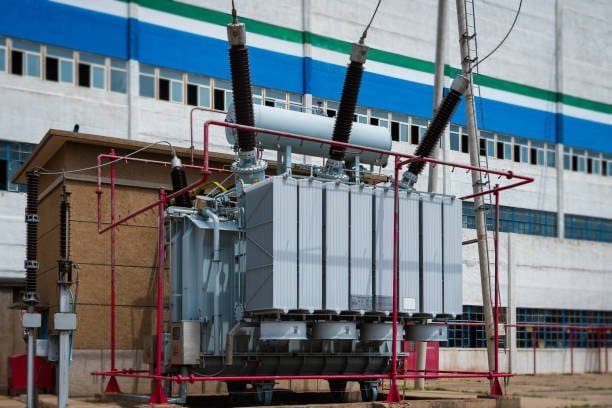
The power transformer manufacturing process is a highly controlled industrial procedure that combines electrical engineering, mechanical manufacturing, material science, and quality testing. Unlike standard electrical products, most power transformers are designed and manufactured according to specific customer requirements, including voltage level, rated capacity, efficiency targets, cooling methods, installation environments, and grid standards. Because transformers are expected to operate reliably for decades, every manufacturing stage must be carefully controlled to ensure electrical performance, mechanical strength, insulation reliability, and long-term service life.
The main stages in the power transformer manufacturing process include engineering design, raw material selection, core manufacturing, winding production, insulation assembly, active part assembly, tank fabrication, final assembly, oil processing, factory testing, and shipment. Each stage directly affects transformer efficiency, reliability, safety, and operating lifespan, making strict quality control essential throughout the entire production cycle.
A power transformer manufacturing process requires multiple production stages because transformer performance depends on the combined quality of design, materials, assembly, and testing.True
Transformers are complex systems where magnetic, electrical, thermal, and mechanical components must work together reliably.
The manufacturing of a power transformer is not simply the assembly of individual components. It is a precision process where manufacturers must control electrical characteristics, mechanical tolerances, insulation conditions, and material properties. A small manufacturing defect in the core, winding, insulation system, or tank structure can affect transformer efficiency and reliability over many years of operation. Therefore, professional manufacturers use systematic production procedures and inspection methods from the beginning of design through final delivery.
Engineering Design and Technical Specification Review
The first stage of power transformer manufacturing is engineering design. Before production begins, engineers analyze customer requirements and develop a complete technical solution.
The design process considers:
| Design Parameter | Purpose |
|---|---|
| Rated power | Determines transformer capacity |
| Voltage ratio | Defines electrical conversion requirements |
| Frequency | Ensures compatibility with the power system |
| Cooling method | Controls operating temperature |
| Insulation level | Ensures voltage withstand capability |
| Efficiency requirement | Reduces energy losses |
Engineers perform detailed calculations, including:
- Magnetic circuit analysis
- Thermal calculations
- Short-circuit mechanical analysis
- Insulation coordination
- Loss optimization
- Structural design
The design stage determines the transformer’s:
- Core size
- Winding arrangement
- Conductor selection
- Cooling structure
- Mechanical reinforcement
A well-designed transformer achieves a balance between:
- High efficiency
- Low operating losses
- Strong mechanical performance
- Long service life
Raw Material Selection and Quality Inspection
After design approval, manufacturers begin sourcing and inspecting raw materials.
The major materials used in power transformer manufacturing include:
| Material | Transformer Application |
|---|---|
| Grain-oriented electrical steel | Magnetic core |
| Copper or aluminum | Windings |
| Insulation paper | Electrical insulation |
| Pressboard | Mechanical insulation support |
| Transformer oil | Cooling and dielectric insulation |
| Steel plates | Tank structure |
The quality of electrical steel, winding conductors, and insulation materials has a direct impact on transformer efficiency, reliability, and lifespan.True
Core materials affect magnetic losses, conductors affect electrical losses, and insulation materials determine dielectric reliability.
Before materials enter production, manufacturers perform inspections such as:
- Material certificate verification
- Dimensional inspection
- Electrical property testing
- Mechanical property evaluation
| Material Inspection | Purpose |
|---|---|
| Electrical steel inspection | Verify magnetic performance |
| Copper inspection | Confirm conductivity and dimensions |
| Insulation inspection | Ensure dielectric strength |
| Oil inspection | Confirm insulation quality |
Reliable material selection is the foundation of transformer performance.
Transformer Core Manufacturing
The transformer core is the magnetic component that transfers energy through electromagnetic induction.
Modern power transformers usually use grain-oriented electrical steel because it provides:
- Low core losses
- High magnetic permeability
- Improved efficiency
The core manufacturing process includes:
- Electrical steel cutting
- Lamination preparation
- Core stacking
- Step-lap assembly
- Clamping and fixing
- Dimensional inspection
The quality of core manufacturing influences:
- No-load losses
- Transformer efficiency
- Noise level
- Vibration performance
| Core Manufacturing Process | Function |
|---|---|
| Precision cutting | Reduces magnetic losses |
| Step-lap stacking | Improves magnetic flux distribution |
| Proper clamping | Reduces vibration |
Poor core assembly can increase losses and operating noise.
Transformer Winding Manufacturing
Windings are among the most important components in a power transformer because they carry electrical current and transfer energy between voltage levels.
Transformer windings typically include:
- High-voltage windings
- Low-voltage windings
- Regulating windings
The winding production process includes:
- Conductor preparation
- Coil winding
- Insulation placement
- Coil compression
- Drying treatment
- Quality inspection
Winding design affects:
- Load losses
- Temperature rise
- Voltage regulation
- Short-circuit withstand capability
During operation, windings experience electromagnetic forces, especially during fault conditions. Therefore, manufacturers must ensure strong mechanical support.
| Winding Feature | Benefit |
|---|---|
| Accurate winding dimensions | Stable electrical performance |
| Strong clamping structure | Improved fault resistance |
| Proper insulation | Longer service life |
| Optimized cooling channels | Better thermal performance |
Insulation System Assembly
The insulation system protects transformer components from electrical breakdown.
It normally includes:
- Cellulose paper insulation
- Pressboard barriers
- Oil insulation
- Insulation cylinders
- End insulation structures
The insulation system must withstand:
- Normal operating voltage
- Lightning impulses
- Switching surges
- Thermal aging
Manufacturers carefully control:
- Moisture levels
- Cleanliness
- Insulation positioning
| Insulation Component | Main Function |
|---|---|
| Paper insulation | Separates conductors |
| Pressboard | Provides mechanical support |
| Transformer oil | Provides cooling and dielectric insulation |
Insulation quality is one of the most important factors determining transformer lifespan.
Active Part Assembly
The active part consists of:
- Core
- Windings
- Insulation structures
During this stage, manufacturers combine these components into the transformer’s internal assembly.
Important production controls include:
- Accurate positioning
- Clean assembly environment
- Proper clamping pressure
- Moisture prevention
Incorrect assembly may result in:
- Partial discharge
- Insulation failure
- Mechanical instability
Quality control during active part assembly ensures reliable operation after energization.
Transformer Tank Fabrication
The transformer tank provides mechanical protection and contains insulating oil.
Tank manufacturing includes:
- Steel plate cutting
- Welding
- Surface treatment
- Leakage testing
- Pressure testing
The tank must withstand:
- Internal oil pressure
- Transportation vibration
- Outdoor environmental conditions
| Tank Feature | Purpose |
|---|---|
| Strong steel structure | Protects internal components |
| Reliable sealing | Prevents oil leakage |
| Anti-corrosion coating | Improves outdoor durability |
A high-quality tank design improves transformer safety and service reliability.
Final Assembly and Component Installation
After the active part and tank are completed, manufacturers install external components.
These components may include:
- Bushings
- Radiators
- Conservator tanks
- Tap changers
- Cooling fans
- Monitoring devices
| Component | Function |
|---|---|
| Bushings | Provide electrical connections |
| Radiators | Dissipate heat |
| Tap changer | Adjust output voltage |
| Conservator | Controls oil expansion |
Final assembly requires careful inspection to ensure all components operate correctly together.
Vacuum Drying and Oil Filling
For oil-immersed power transformers, moisture removal and oil processing are critical steps.
The process includes:
- Vacuum drying
- Moisture removal
- Oil filtration
- Oil filling
- Oil quality testing
Transformer oil performs two essential functions:
- Electrical insulation
- Heat transfer
| Process | Purpose |
|---|---|
| Vacuum drying | Removes moisture from insulation |
| Oil filtration | Removes impurities |
| Oil testing | Confirms dielectric quality |
Moisture contamination can significantly reduce transformer reliability.
Factory Testing and Performance Verification
Factory testing is the final major manufacturing stage before shipment.
Testing verifies that the transformer meets customer specifications and international requirements.
Common tests include:
| Test | Purpose |
|---|---|
| Turns ratio test | Confirms voltage ratio |
| Winding resistance test | Checks winding integrity |
| No-load loss test | Evaluates core performance |
| Load loss test | Measures efficiency |
| Temperature rise test | Verifies cooling capability |
| Insulation resistance test | Checks insulation condition |
| Partial discharge test | Detects insulation problems |
| Impulse test | Verifies surge withstand capability |
Large transformers may require additional testing, including:
- Frequency response analysis
- Short-circuit verification
- Mechanical inspection
Testing ensures the transformer can operate safely under real power system conditions.
Packaging, Transportation, and Delivery
After successful testing, the transformer is prepared for shipment.
Large power transformers require specialized logistics because of:
- Heavy weight
- Large dimensions
- Transportation restrictions
Preparation may include:
- Protective packaging
- Transportation supports
- Shock monitoring
- Special lifting arrangements
| Transportation Challenge | Solution |
|---|---|
| Heavy equipment | Specialized lifting systems |
| Large dimensions | Route planning |
| Long-distance transport | Protective measures |
Proper transportation preparation prevents damage before installation.
How Long Does the Complete Manufacturing Process Take?
The total production time depends on transformer size, complexity, and supplier capacity.
| Manufacturing Stage | Approximate Duration |
|---|---|
| Engineering design | 2 weeks–3 months |
| Material procurement | 1–6 months |
| Core production | 2–8 weeks |
| Winding production | Several weeks–3 months |
| Assembly | 2–6 weeks |
| Testing | 2–6 weeks |
| Transportation preparation | 1–8 weeks |
Small transformers may be completed within several months, while large transmission transformers may require more than one year.
How Do Manufacturers Control Quality During Production?
Professional transformer manufacturers apply quality control throughout the entire manufacturing process.
Quality management includes:
- Incoming material inspection
- Production monitoring
- Process documentation
- Dimensional verification
- Electrical testing
| Quality Control Stage | Purpose |
|---|---|
| Material inspection | Verify input quality |
| Manufacturing inspection | Control production accuracy |
| Final testing | Confirm transformer performance |
Continuous quality control reduces the risk of:
- Early failures
- Performance problems
- Unexpected maintenance costs
How Do International Standards Guide Transformer Manufacturing?
Power transformer manufacturers commonly follow international standards such as:
- International Electrotechnical Commission
- Institute of Electrical and Electronics Engineers
These standards define requirements for:
- Transformer design
- Electrical testing
- Insulation performance
- Safety verification
Compliance with international standards helps customers compare manufacturers and ensure consistent product quality.
What Should Customers Evaluate Before Choosing a Transformer Manufacturer?
Customers should evaluate more than price and delivery time.
Important questions include:
| Evaluation Item | Why It Matters |
|---|---|
| Manufacturing experience | Shows technical capability |
| Material sourcing | Ensures quality consistency |
| Production equipment | Affects manufacturing accuracy |
| Testing capability | Confirms reliability |
| Quality certifications | Demonstrates compliance |
A capable manufacturer should provide transparent information about production processes, testing methods, and quality systems.
Which Factors Have the Greatest Impact on Power Transformer Production Time?
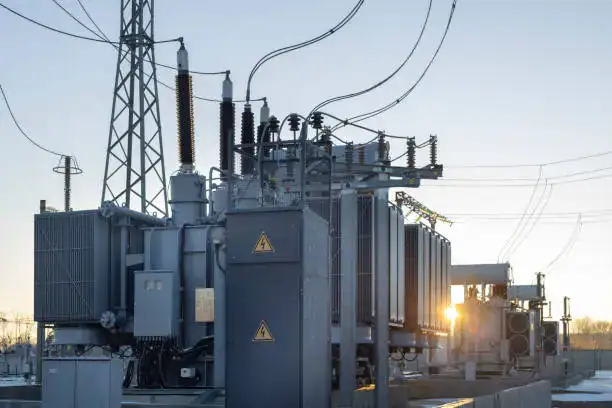
The production time of a power transformer is a major concern for utilities, industrial users, renewable energy developers, and infrastructure contractors because transformer delivery schedules directly influence project completion and commissioning plans. Unlike standard electrical products that can often be manufactured from inventory, power transformers are usually engineered-to-order products requiring customized designs, specialized materials, precision manufacturing, and extensive testing. Delays in any critical stage, from engineering approval to factory testing, can increase project costs and postpone power system operation. Understanding the factors that have the greatest impact on power transformer production time helps buyers create realistic procurement plans and select manufacturers with reliable delivery capabilities.
The factors that have the greatest impact on power transformer production time are transformer capacity, voltage level, design complexity, customization requirements, raw material availability, manufacturing capacity, testing requirements, quality control procedures, and transportation conditions. Large high-voltage transformers with customized designs generally require the longest production periods because they involve more engineering work, specialized materials, complex manufacturing processes, and comprehensive performance verification.
Power transformer production time is mainly determined by technical complexity, material availability, manufacturing resources, and testing requirements rather than only transformer size.True
Although larger transformers usually require longer production periods, supply chain conditions, factory workload, and customer-specific requirements can also significantly affect delivery schedules.
The manufacturing process of a power transformer involves many interconnected stages, including design, material preparation, core production, winding manufacturing, insulation assembly, tank fabrication, final assembly, testing, and shipment. Because each stage depends on the successful completion of previous steps, delays in one area can affect the entire production timeline. A reliable manufacturer must carefully balance production speed with strict quality requirements to ensure the transformer achieves decades of safe and stable operation.
How Does Transformer Capacity Affect Production Time?
Transformer capacity is one of the most influential factors affecting manufacturing duration. The larger the transformer rating, the more complex the engineering, material requirements, manufacturing processes, and testing procedures become.
High-capacity transformers require:
- Larger magnetic cores
- More winding conductors
- Stronger mechanical structures
- Additional insulation components
- More complex cooling systems
A small distribution transformer may use a relatively standardized production process, while a large transmission transformer requires extensive engineering and customized manufacturing.
| Transformer Capacity | Production Characteristics | Typical Impact |
|---|---|---|
| Small distribution transformer | Standardized design | Shorter manufacturing period |
| Medium power transformer | Moderate customization | Additional engineering required |
| Large power transformer | Complex structure | Longer production cycle |
| Extra-high-voltage transformer | Advanced design and testing | Longest production period |
For large transformers, manufacturers must spend additional time ensuring mechanical strength, thermal performance, insulation reliability, and transportation safety.
How Does Voltage Rating Influence Transformer Production Time?
Voltage level has a significant effect on transformer manufacturing because higher-voltage equipment requires more advanced insulation systems and stricter electrical design.
High-voltage transformers require:
- Greater insulation distances
- More complex electric field control
- Advanced bushing systems
- Additional dielectric testing
The insulation system must withstand:
- Normal operating voltage
- Lightning impulse voltage
- Switching surges
- Temporary overvoltage conditions
| Voltage Class | Production Impact |
|---|---|
| Low voltage | Basic insulation requirements |
| Medium voltage | Moderate design complexity |
| High voltage | Advanced insulation coordination |
| Extra-high voltage | Extensive engineering and testing |
As voltage increases, manufacturers must spend more time on design calculations, insulation verification, and factory testing.
How Do Customization Requirements Extend Production Schedules?
Most power transformers are not completely standardized products. Many customers require transformers designed specifically for their applications.
Common customization requirements include:
- Special voltage ratios
- Renewable energy integration
- Offshore installation
- High-altitude operation
- Extreme climate conditions
- Low-noise requirements
- Special efficiency targets
Customized designs require additional engineering reviews and manufacturing preparation.
| Customization Level | Production Effect |
|---|---|
| Standard model | Fastest production |
| Modified standard design | Additional engineering |
| Fully customized design | Long development period |
Early technical communication between customers and manufacturers can significantly reduce delays caused by design changes.
How Do Raw Material Supply Conditions Affect Production Time?
Raw material availability is one of the most important factors affecting transformer manufacturing schedules.
The main materials include:
| Material | Application |
|---|---|
| Grain-oriented electrical steel | Transformer core |
| Copper or aluminum | Windings |
| Insulation paper | Electrical insulation |
| Pressboard | Insulation support |
| Transformer oil | Cooling and dielectric insulation |
| Steel plates | Tank construction |
Electrical steel and copper supply conditions can significantly influence power transformer production schedules because they are essential materials for the core and winding systems.True
Without qualified electrical steel and conductor materials, manufacturers cannot complete core and winding production according to planned schedules.
Electrical steel is particularly important because transformer-grade steel requires specific magnetic properties and is produced by specialized suppliers.
| Material Issue | Production Consequence |
|---|---|
| Electrical steel shortage | Core production delay |
| Copper supply delay | Winding production delay |
| Insulation shortage | Assembly delay |
| Oil supply issue | Final processing delay |
Effective supply chain management is therefore essential for maintaining reliable delivery schedules.
How Does Factory Production Capacity Affect Delivery Time?
Even when materials are available, factory capacity can determine how quickly a transformer can be completed.
Manufacturing capacity depends on:
- Production equipment
- Factory space
- Skilled workers
- Testing facilities
- Current order volume
During periods of high demand, manufacturers may experience longer production queues.
Demand increases often occur because of:
- Grid expansion
- Renewable energy projects
- Industrial electrification
- Infrastructure upgrades
| Factory Condition | Production Impact |
|---|---|
| Available production capacity | Normal delivery |
| Moderate workload | Slight delay |
| High production demand | Extended lead time |
Customers should evaluate whether the supplier has sufficient manufacturing resources before placing orders.
How Does Transformer Design Complexity Influence Manufacturing Duration?
Transformer design complexity affects almost every production stage.
Complex designs may require:
- Additional calculations
- More detailed engineering drawings
- Special manufacturing procedures
- Additional inspection steps
Factors increasing design complexity include:
- High efficiency requirements
- Low noise requirements
- High short-circuit withstand capability
- Advanced cooling systems
| Design Feature | Effect on Production |
|---|---|
| Standard design | Shorter schedule |
| Optimized design | Moderate engineering effort |
| Special design | Longer development period |
A more complex transformer may require additional time, but it usually provides better reliability and performance.
Why Do Winding Design and Manufacturing Affect Production Time?
Transformer windings are among the most technically demanding components.
The winding manufacturing process includes:
- Conductor preparation
- Coil winding
- Insulation placement
- Mechanical reinforcement
- Drying treatment
Winding complexity depends on:
- Voltage level
- Current rating
- Conductor arrangement
- Short-circuit requirements
| Winding Requirement | Production Impact |
|---|---|
| Simple winding structure | Faster manufacturing |
| High-voltage winding | More processing time |
| Special regulating winding | Additional production steps |
Because winding quality directly affects transformer reliability, manufacturers cannot significantly shorten this stage without increasing failure risks.
How Does Insulation System Design Affect Production Time?
The insulation system is critical for transformer safety and lifespan.
Manufacturing time increases when transformers require:
- Higher insulation levels
- More insulation barriers
- Special materials
- Additional testing
The insulation process includes:
- Paper installation
- Pressboard assembly
- Moisture control
- Drying procedures
| Insulation Requirement | Production Influence |
|---|---|
| Standard insulation | Normal schedule |
| High-voltage insulation | Longer assembly |
| Special insulation system | Additional engineering |
Proper insulation manufacturing is essential because insulation failure is one of the most serious transformer failure causes.
How Do Factory Testing Requirements Influence Production Time?
Testing is a mandatory stage before transformer shipment.
Factory tests verify:
- Electrical performance
- Thermal performance
- Insulation strength
- Mechanical reliability
Common tests include:
| Test | Purpose |
|---|---|
| Ratio test | Verify transformation ratio |
| Winding resistance test | Confirm winding condition |
| No-load loss test | Evaluate core performance |
| Load loss test | Measure efficiency |
| Temperature rise test | Verify cooling system |
| Partial discharge test | Detect insulation defects |
| Impulse test | Confirm insulation withstand capability |
Large transformers may require several weeks for testing, analysis, and documentation.
If testing reveals problems, corrective actions may extend the production schedule.
How Does Quality Control Affect Production Time?
Strict quality control may increase manufacturing time but reduces long-term operational risks.
Quality control activities include:
- Incoming material inspection
- Process monitoring
- Dimensional verification
- Electrical testing
- Documentation review
| Quality Control Activity | Purpose |
|---|---|
| Material inspection | Confirm input quality |
| Production inspection | Prevent manufacturing errors |
| Final testing | Verify completed transformer |
Skipping quality control may shorten delivery time but increases the possibility of early failures.
How Does Transportation Affect Final Delivery Time?
The transformer manufacturing process does not end when factory production is completed.
Large transformers require specialized transportation because of:
- Heavy weight
- Large dimensions
- Limited transport routes
Transportation preparation may include:
- Route surveys
- Special vehicles
- Lifting plans
- Protective packaging
| Transportation Factor | Possible Delay |
|---|---|
| Distance | Longer logistics time |
| Transformer size | Special transportation requirements |
| Site conditions | Additional preparation |
For large transformers, transportation planning can add weeks or months to the overall project schedule.
How Can Customers Reduce Power Transformer Production Delays?
Customers can improve delivery reliability through better project planning.
Recommended strategies include:
| Action | Benefit |
|---|---|
| Provide complete specifications early | Reduces design changes |
| Order before project deadlines | Secures production capacity |
| Choose experienced suppliers | Improves schedule reliability |
| Maintain regular communication | Identifies risks early |
Early cooperation between customers and manufacturers allows suppliers to prepare materials, allocate production resources, and manage testing schedules more effectively.
What Questions Should Buyers Ask Manufacturers About Production Time?
Before purchasing a power transformer, customers should ask:
| Question | Purpose |
|---|---|
| What is the expected production period? | Confirm project planning |
| Are critical materials available? | Evaluate supply risks |
| What is the factory workload? | Understand capacity |
| What tests are included? | Confirm quality verification |
| How are delays managed? | Evaluate supplier reliability |
A professional manufacturer should provide a realistic schedule based on actual engineering and production conditions.
How Do International Standards Affect Production Time?
Power transformer manufacturing commonly follows international standards such as:
- International Electrotechnical Commission
- Institute of Electrical and Electronics Engineers
These standards define requirements for:
- Transformer design
- Performance testing
- Insulation levels
- Safety verification
Compliance with international standards may increase production time because additional testing and documentation are required, but it ensures better reliability and predictable performance.
How Do Transformer Size and Customization Affect Manufacturing Lead Time?
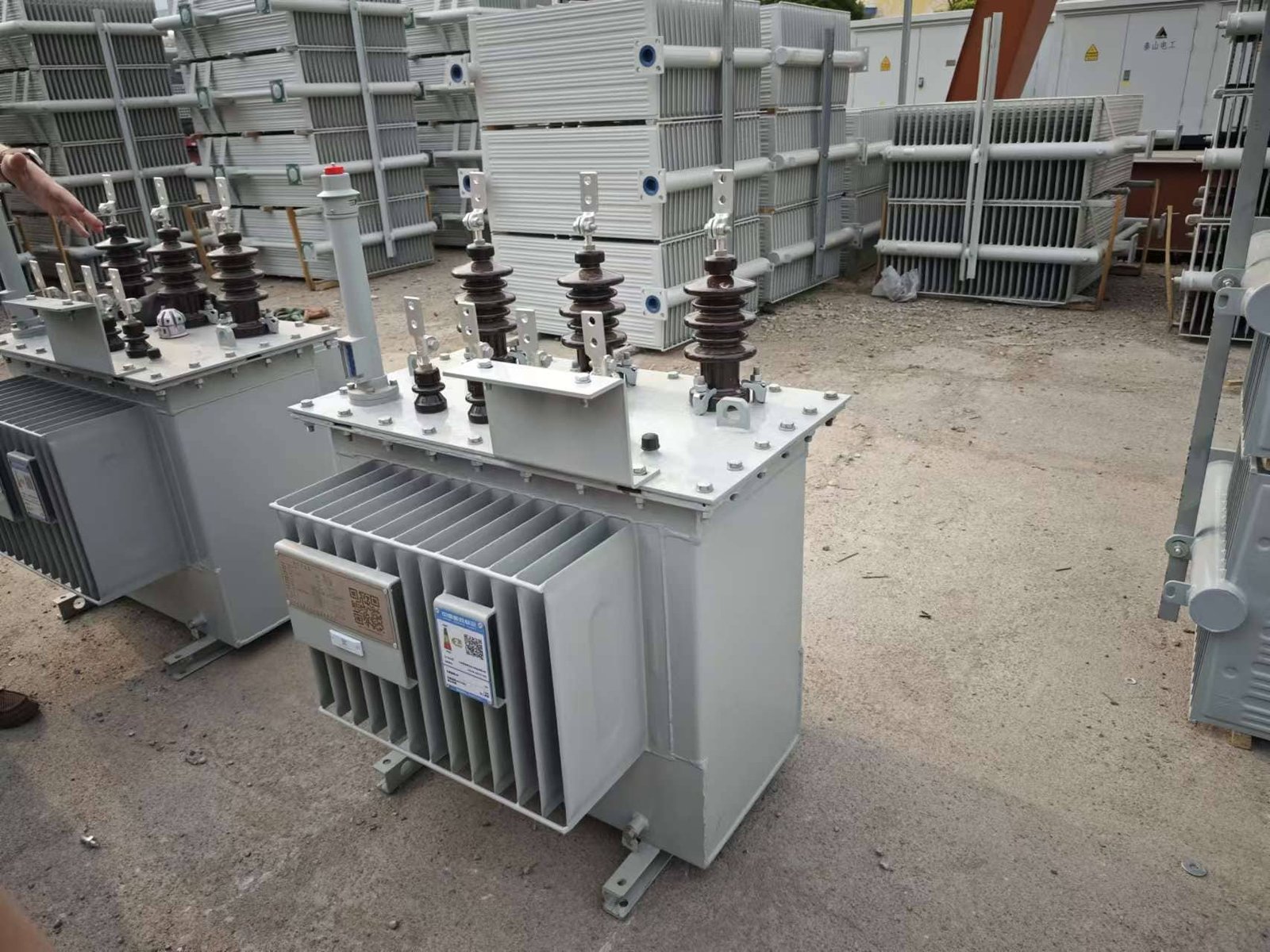
The manufacturing lead time of a power transformer is strongly influenced by two major factors: transformer size and customization requirements. Unlike mass-produced electrical equipment, power transformers are usually engineered products that must be designed, manufactured, tested, and delivered according to specific electrical, mechanical, and environmental requirements. When transformer capacity increases, manufacturers must handle larger cores, heavier windings, more complex insulation systems, stronger mechanical structures, and longer testing procedures. At the same time, customized transformer requirements can add engineering reviews, special material preparation, modified production processes, and additional verification steps. Understanding how transformer size and customization affect lead time helps buyers develop realistic project schedules and avoid unexpected delays.
Transformer size and customization directly increase power transformer manufacturing lead time because larger transformers require more materials, more complex mechanical and electrical designs, longer assembly processes, and more extensive testing. Customized transformers typically require additional engineering, special components, and customer approval procedures, which can extend production schedules from several months to more than one year for large and complex units.
Larger and more customized power transformers generally require longer manufacturing lead times because they involve additional engineering, manufacturing complexity, and quality verification.True
Transformer size increases material and production requirements, while customization introduces additional design, procurement, and testing activities.
The relationship between transformer size, customization, and production time is important for utilities, industrial companies, renewable energy developers, and infrastructure contractors. A transformer is a long-life asset expected to operate reliably for decades, so manufacturers cannot simply shorten production by removing important design reviews or testing procedures. Instead, lead time management depends on optimizing engineering coordination, material preparation, production planning, and communication between customers and manufacturers.
How Does Transformer Size Influence Manufacturing Lead Time?
Transformer size is one of the most significant factors affecting production duration. Larger transformers require more extensive manufacturing processes because every major component becomes physically larger and technically more demanding.
Transformer size affects:
- Core dimensions
- Winding volume
- Insulation requirements
- Cooling system design
- Tank structure
- Testing duration
- Transportation preparation
A small distribution transformer may follow a relatively standardized process, while a large transmission transformer requires highly specialized manufacturing.
| Transformer Size | Typical Application | Lead Time Impact |
|---|---|---|
| Small distribution transformer | Commercial and residential power systems | Short production cycle |
| Medium power transformer | Industrial facilities | Moderate lead time |
| Large power transformer | Utility substations | Long manufacturing period |
| Extra-high-voltage transformer | Transmission networks | Extended engineering and testing |
The larger the transformer, the greater the manufacturing complexity.
Why Do Larger Transformers Require More Manufacturing Time?
Large transformers require additional production time because their components are significantly more complex.
Larger magnetic cores
The transformer core determines magnetic performance and efficiency. Larger transformers require:
- More electrical steel
- More precise lamination processing
- Larger core assembly equipment
- More extensive inspection
Core manufacturing time increases because manufacturers must ensure:
- Correct magnetic flux distribution
- Low core losses
- Proper mechanical clamping
Larger winding systems
Large transformers require larger windings with:
- More conductor material
- More insulation layers
- More complex winding arrangements
Windings must withstand:
- Continuous electrical load
- Thermal stress
- Short-circuit mechanical forces
| Transformer Component | Size Impact |
|---|---|
| Core | More material and assembly work |
| Windings | More conductor and insulation processing |
| Tank | Larger fabrication requirements |
| Cooling system | More complex heat dissipation design |
More demanding testing procedures
Large transformers require longer factory testing because manufacturers must verify:
- Electrical performance
- Thermal behavior
- Insulation strength
- Mechanical stability
Testing large transformers may require specialized equipment and longer preparation periods.
How Does Transformer Capacity Affect Production Schedule?
Transformer capacity, usually measured in MVA, strongly influences manufacturing time.
Higher capacity generally means:
- Larger physical dimensions
- Higher current levels
- More complex thermal management
- Stronger mechanical requirements
For example, a 10 MVA industrial transformer and a 500 MVA grid transformer operate on the same electromagnetic principle, but the engineering and manufacturing requirements are very different.
| Capacity Range | Production Characteristics |
|---|---|
| Below 10 MVA | Often standardized designs |
| 10–100 MVA | More customization and engineering |
| Above 100 MVA | Complex design and extended testing |
Large transformers often require longer production planning because manufacturers must reserve specialized factory resources.
How Does Customization Increase Transformer Manufacturing Lead Time?
Customization is another major factor affecting production schedules.
Many customers require transformers designed specifically for their operating conditions rather than purchasing standard models.
Common customization requirements include:
- Special voltage ratios
- Specific impedance values
- Low-noise designs
- High-efficiency requirements
- Renewable energy applications
- Offshore or coastal environments
- Extreme temperature operation
- Special protection systems
Each customization requires additional engineering evaluation.
| Customization Type | Lead Time Effect |
|---|---|
| Standard specification | Minimal impact |
| Modified standard design | Additional engineering |
| New technical design | Significant increase |
The more customized the transformer, the longer the manufacturing process becomes.
How Does Engineering Design Affect Customized Transformer Lead Time?
Before manufacturing begins, engineers must confirm that the customized transformer design meets technical requirements.
Engineering activities may include:
- Electrical calculations
- Magnetic design optimization
- Thermal analysis
- Short-circuit strength analysis
- Insulation coordination
- Mechanical structure design
Additional customer approvals may also be required.
| Engineering Activity | Purpose |
|---|---|
| Electrical design | Ensure correct performance |
| Thermal analysis | Prevent overheating |
| Mechanical analysis | Ensure structural strength |
| Insulation design | Prevent electrical failure |
For complex transformers, engineering approval can add weeks or months to the overall schedule.
How Do Special Materials Affect Production Time?
Customized transformers may require special materials that are not always available immediately.
Examples include:
- Special-grade electrical steel
- High-conductivity copper conductors
- Advanced insulation materials
- Special transformer oil
- Low-noise structural components
Special materials required for customized power transformers can increase manufacturing lead time because suppliers may require additional production and delivery time.True
Customized materials often have longer procurement cycles compared with standard transformer components.
| Special Material | Possible Lead Time Impact |
|---|---|
| Premium electrical steel | Delays core production |
| Special conductors | Delays winding production |
| Advanced insulation | Extends preparation time |
| Special oil systems | Delays final assembly |
Material planning is therefore essential for reducing production risks.
How Does Cooling System Customization Affect Lead Time?
Large and specialized transformers often require customized cooling systems.
Cooling requirements depend on:
- Transformer capacity
- Installation environment
- Load conditions
- Ambient temperature
Cooling options include:
- Natural oil cooling
- Forced oil cooling
- Forced air cooling
- Directed oil circulation
Customized cooling systems may require:
- Additional engineering
- Special components
- Additional performance verification
| Cooling Requirement | Manufacturing Impact |
|---|---|
| Standard cooling | Normal production |
| Enhanced cooling | Additional design work |
| Special cooling system | Longer manufacturing period |
How Does Mechanical Design Complexity Affect Lead Time?
Transformer mechanical design becomes increasingly important as size increases.
Large transformers must withstand:
- Transportation forces
- Short-circuit forces
- Vibration
- Internal pressure changes
Mechanical design considerations include:
- Tank strength
- Clamping structures
- Winding support systems
- Transportation reinforcement
| Mechanical Feature | Purpose |
|---|---|
| Strong winding supports | Resist fault forces |
| Reinforced tank | Improve structural safety |
| Secure clamping system | Reduce movement and vibration |
More complex mechanical requirements increase manufacturing and inspection time.
How Does Testing Affect Customized Transformer Delivery?
Testing is a critical stage that confirms transformer performance before shipment.
Customized transformers may require additional tests beyond standard requirements.
Testing may include:
| Test | Purpose |
|---|---|
| Ratio test | Verify voltage relationship |
| Loss measurement | Confirm efficiency |
| Temperature rise test | Verify thermal performance |
| Partial discharge test | Evaluate insulation |
| Impulse test | Confirm surge resistance |
| Noise test | Verify acoustic performance |
Special customer requirements may require additional testing procedures, extending delivery schedules.
What Is the Typical Lead Time Difference Between Standard and Customized Transformers?
The difference between standard and customized transformer production can be significant.
| Transformer Type | Typical Lead Time |
|---|---|
| Standard distribution transformer | 1–3 months |
| Standard industrial transformer | 3–6 months |
| Customized industrial transformer | 6–12 months |
| Large customized power transformer | 12–24+ months |
Actual lead time depends on:
- Factory capacity
- Material availability
- Design complexity
- Testing requirements
How Can Buyers Reduce Lead Time for Large or Customized Transformers?
Customers can reduce delays by improving project preparation.
Recommended approaches include:
Provide technical requirements early
Complete specifications allow manufacturers to begin engineering sooner.
Important information includes:
- Voltage requirements
- Capacity
- Cooling conditions
- Installation environment
- Applicable standards
Avoid late design changes
Changes after production begins may require:
- New drawings
- Additional materials
- Production adjustments
Select experienced manufacturers
Experienced suppliers usually have:
- Better engineering capability
- More stable supply chains
- Improved production scheduling
| Buyer Action | Benefit |
|---|---|
| Early communication | Faster engineering approval |
| Accurate specifications | Fewer design changes |
| Supplier evaluation | Lower delivery risk |
| Early ordering | Better production planning |
What Should Buyers Ask Manufacturers About Lead Time?
Before placing an order, buyers should ask manufacturers:
| Question | Reason |
|---|---|
| What is the estimated production period? | Confirm project schedule |
| Is the design standard or customized? | Understand complexity |
| Are required materials available? | Evaluate supply risks |
| What testing is included? | Confirm completion requirements |
| What factors could delay delivery? | Prepare contingency plans |
A reliable manufacturer should provide a realistic production timeline based on actual engineering and factory conditions.
What Testing and Quality Inspections Are Required Before Power Transformer Delivery?
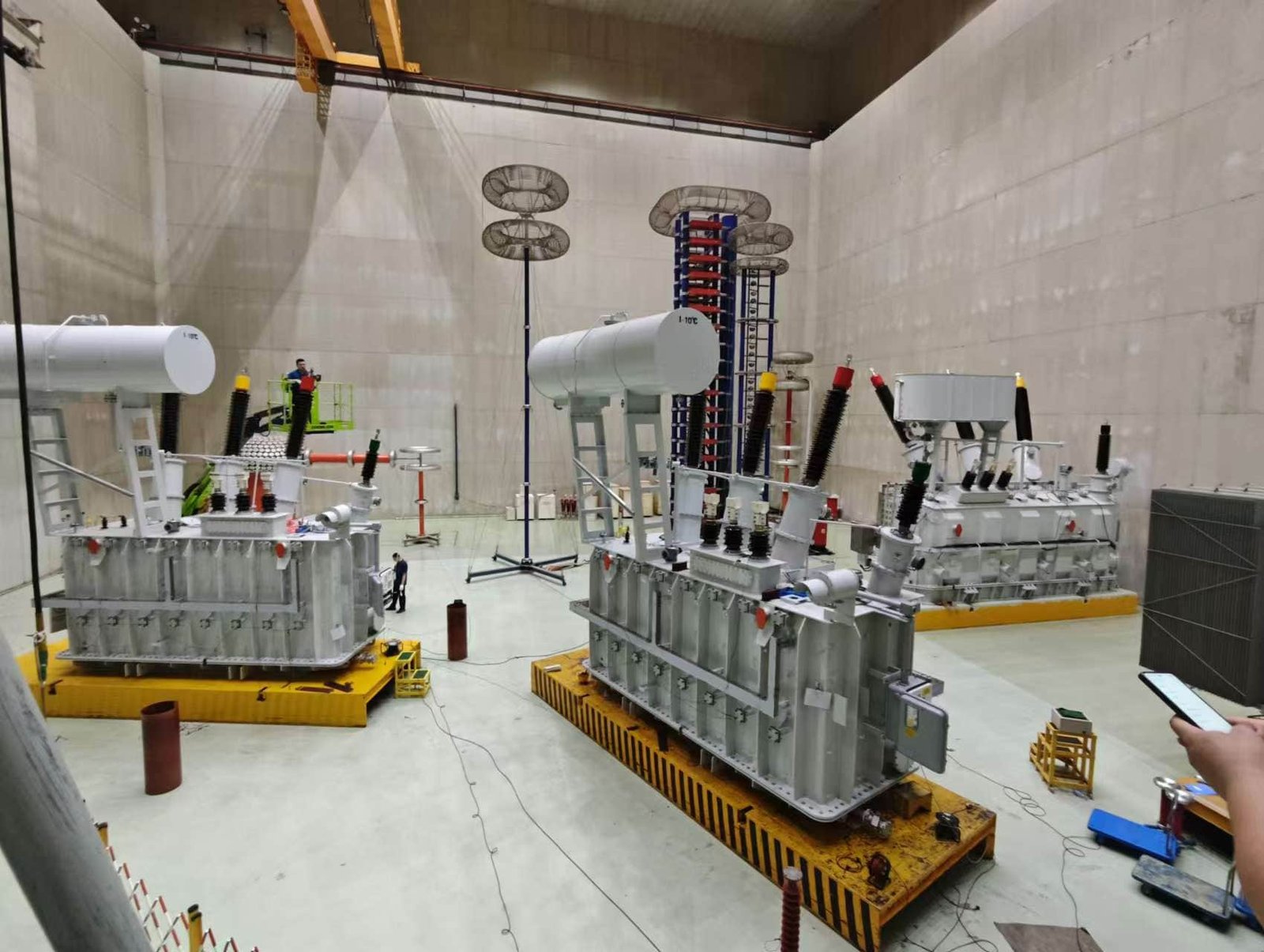
Before a power transformer is delivered to a customer, it must pass a comprehensive series of factory tests and quality inspections to verify electrical performance, mechanical integrity, insulation reliability, safety, and compliance with technical standards. A power transformer is a critical asset expected to operate continuously for decades, so manufacturers cannot rely only on design calculations or production checks. Every completed transformer must undergo strict inspection procedures to confirm that it meets customer specifications and international requirements before shipment to the installation site.
Before power transformer delivery, manufacturers perform material inspections, dimensional checks, visual inspections, electrical routine tests, insulation tests, performance tests, mechanical inspections, oil quality tests, and special tests according to customer requirements and applicable standards. These inspections verify transformer efficiency, voltage performance, insulation strength, structural reliability, and operational safety before the transformer leaves the factory.
Factory testing is essential before power transformer delivery because it verifies that the finished transformer meets electrical, mechanical, and safety requirements under controlled conditions.True
Power transformer tests identify manufacturing defects and performance deviations before the equipment is installed in the power system.
Power transformer delivery quality depends on the effectiveness of the manufacturer’s inspection system. A transformer failure after installation can cause expensive outages, equipment damage, and safety risks. Therefore, professional manufacturers apply quality inspections throughout the entire production process, from incoming materials to final factory acceptance testing. The final testing stage provides customers with confidence that the transformer can operate reliably under actual grid conditions.
Why Are Factory Tests Important Before Transformer Delivery?
Power transformers operate under high electrical, thermal, and mechanical stress. During service, they must withstand:
- Continuous electrical loading
- Temperature variations
- Short-circuit forces
- Voltage surges
- Environmental conditions
Factory testing helps identify problems before installation, including:
- Incorrect winding connections
- Insulation defects
- Excessive losses
- Cooling problems
- Oil contamination
- Mechanical assembly issues
| Testing Purpose | What It Verifies |
|---|---|
| Electrical testing | Transformer performance |
| Insulation testing | Dielectric reliability |
| Mechanical inspection | Structural strength |
| Oil testing | Cooling and insulation quality |
| Documentation review | Standard compliance |
A complete testing program reduces the risk of premature failures and unexpected maintenance costs.
What Quality Inspections Are Performed Before Transformer Testing?
Before electrical tests begin, manufacturers inspect the transformer construction and components.
These inspections usually include:
- Appearance inspection
- Dimensional inspection
- Component verification
- Assembly inspection
- Label and documentation review
Important inspection items include:
| Inspection Item | Purpose |
|---|---|
| Tank appearance | Check manufacturing quality |
| Welding quality | Confirm structural integrity |
| Bushing installation | Verify correct assembly |
| Radiator installation | Confirm cooling system condition |
| Accessories | Ensure completeness |
These inspections confirm that the transformer has been manufactured according to approved drawings and specifications.
How Are Transformer Materials and Components Inspected?
Material quality has a direct impact on transformer reliability, so manufacturers inspect major components before and during production.
Critical inspection areas include:
- Electrical steel
- Conductors
- Insulation materials
- Transformer oil
- Structural materials
The quality of transformer raw materials directly affects transformer efficiency and service life because the core, winding, and insulation systems determine electrical and mechanical performance.True
High-quality materials reduce losses, improve insulation reliability, and increase resistance to operating stresses.
| Component | Inspection Method | Purpose |
|---|---|---|
| Electrical steel | Material certificate and magnetic testing | Verify core performance |
| Copper conductors | Dimension and conductivity testing | Confirm winding quality |
| Insulation paper | Moisture and dielectric inspection | Ensure insulation reliability |
| Transformer oil | Physical and chemical analysis | Confirm insulation capability |
Material inspection prevents defects from entering later manufacturing stages.
What Routine Electrical Tests Are Required for Power Transformers?
Routine electrical tests are performed on every transformer before delivery.
These tests confirm that the transformer meets design requirements.
Common routine electrical tests include:
| Test | Purpose |
|---|---|
| Winding resistance test | Verify conductor condition |
| Turns ratio test | Confirm voltage ratio |
| Polarity and phase relationship test | Verify correct connections |
| No-load loss test | Measure core losses |
| Load loss test | Measure winding losses |
| Impedance voltage test | Confirm short-circuit impedance |
These tests are fundamental for confirming transformer performance.
How Is the Winding Resistance Test Performed?
The winding resistance test measures the resistance of transformer windings.
It helps verify:
- Conductor quality
- Connection integrity
- Winding manufacturing accuracy
Abnormal resistance values may indicate:
- Poor connections
- Incorrect conductor installation
- Manufacturing defects
The test is usually performed under controlled temperature conditions because winding resistance changes with temperature.
| Measurement | Purpose |
|---|---|
| High-voltage winding resistance | Verify HV coil condition |
| Low-voltage winding resistance | Verify LV coil condition |
| Tap position resistance | Confirm tap changer operation |
What Does the Transformer Turns Ratio Test Verify?
The turns ratio test confirms that the transformer converts voltage according to the designed ratio.
The test verifies:
- Primary-to-secondary voltage relationship
- Winding connection accuracy
- Tap changer position
Incorrect ratio results may indicate:
- Wrong winding connection
- Tap changer problems
- Manufacturing errors
A correct turns ratio is essential for proper power system operation.
How Are Transformer Losses Tested?
Transformer efficiency depends heavily on reducing energy losses.
Manufacturers measure:
- No-load losses
- Load losses
- Total losses
No-load losses mainly come from the core, while load losses mainly come from the windings.
| Loss Type | Main Source |
|---|---|
| No-load loss | Magnetic core |
| Load loss | Winding resistance |
| Additional loss | Structural and leakage effects |
Loss testing verifies that the transformer meets efficiency requirements.
What Insulation Tests Are Required Before Delivery?
The insulation system is one of the most important reliability factors in a power transformer.
Insulation tests evaluate the ability of the transformer to withstand electrical stress.
Common insulation tests include:
| Test | Purpose |
|---|---|
| Insulation resistance test | Evaluate insulation condition |
| Dielectric withstand test | Verify voltage strength |
| Induced voltage test | Check internal insulation |
| Partial discharge test | Detect insulation defects |
| Impulse test | Verify surge withstand capability |
These tests help prevent failures caused by insulation breakdown.
Why Is Partial Discharge Testing Important?
Partial discharge testing is used to detect small electrical discharges inside insulation systems.
Partial discharge may indicate:
- Insulation defects
- Air bubbles
- Contamination
- Manufacturing problems
Early detection helps prevent future failures.
| Partial Discharge Result | Meaning |
|---|---|
| Low discharge level | Good insulation condition |
| High discharge level | Possible insulation problem |
For high-voltage transformers, partial discharge testing is often an important acceptance requirement.
How Are Transformer Mechanical Structures Inspected?
Power transformers must withstand mechanical forces during operation and transportation.
Mechanical inspections focus on:
- Tank strength
- Welding quality
- Clamping systems
- Bushing installation
- Accessories
Important checks include:
| Mechanical Inspection | Purpose |
|---|---|
| Tank pressure test | Confirm sealing strength |
| Leak test | Prevent oil leakage |
| Dimension inspection | Confirm installation compatibility |
| Bolt inspection | Verify mechanical assembly |
Mechanical reliability is especially important because transformers may experience strong forces during short circuits.
What Transformer Oil Tests Are Required Before Delivery?
For oil-immersed transformers, transformer oil plays an important role in both insulation and cooling.
Oil testing includes:
| Oil Test | Purpose |
|---|---|
| Breakdown voltage test | Verify dielectric strength |
| Moisture analysis | Detect contamination |
| Acidity test | Evaluate oil condition |
| Visual inspection | Check cleanliness |
High-quality transformer oil helps maintain insulation performance and thermal stability.
What Special Tests May Be Required for Large Power Transformers?
Large and critical transformers may require additional special tests.
These can include:
- Temperature rise tests
- Lightning impulse tests
- Short-circuit tests
- Noise measurements
- Frequency response analysis
| Special Test | Application |
|---|---|
| Temperature rise test | Large transformers |
| Impulse test | High-voltage transformers |
| Short-circuit test | Critical grid transformers |
| Noise test | Low-noise applications |
Special tests provide additional confidence for demanding applications.
How Does Temperature Rise Testing Verify Transformer Performance?
Temperature rise testing evaluates whether the transformer cooling system can maintain safe operating temperatures.
The test measures:
- Winding temperature rise
- Oil temperature rise
- Cooling system performance
Excessive temperature can accelerate insulation aging and reduce transformer lifespan.
| Temperature Test Result | Evaluation |
|---|---|
| Within specification | Cooling system acceptable |
| Above specification | Design or manufacturing issue |
Thermal performance is directly linked to transformer reliability.
How Are Factory Acceptance Tests (FAT) Conducted?
Factory Acceptance Testing (FAT) is the final verification process before delivery.
During FAT, customers or third-party inspectors may review:
- Test procedures
- Test results
- Manufacturing records
- Quality documents
FAT typically includes:
- Electrical test reports
- Inspection records
- Compliance documents
- Visual confirmation
| FAT Element | Purpose |
|---|---|
| Test report review | Verify performance |
| Document review | Confirm compliance |
| Final inspection | Confirm readiness |
FAT provides customers with confidence before shipment.
What Documentation Should Be Provided Before Transformer Delivery?
A professional manufacturer should provide complete documentation.
Typical documents include:
| Document | Purpose |
|---|---|
| Test certificates | Confirm performance |
| Quality reports | Verify inspections |
| Material certificates | Confirm material quality |
| Drawings | Support installation |
| Operation manuals | Support commissioning |
Complete documentation supports installation, maintenance, and future troubleshooting.
How Do International Standards Define Transformer Testing Requirements?
Power transformer testing is commonly based on international standards such as:
- International Electrotechnical Commission
- Institute of Electrical and Electronics Engineers
These standards define requirements for:
- Routine tests
- Type tests
- Special tests
- Performance verification
Compliance ensures that transformers manufactured by different suppliers can be evaluated using consistent criteria.
What Should Buyers Check Before Accepting a Power Transformer?
Before accepting delivery, buyers should review:
| Buyer Check | Purpose |
|---|---|
| Factory test reports | Confirm performance |
| Inspection records | Verify quality control |
| Compliance certificates | Confirm standards |
| Visual condition | Check transportation readiness |
| Accessories list | Ensure completeness |
A careful acceptance process reduces installation risks.
How Can Buyers Reduce Power Transformer Manufacturing Delays?
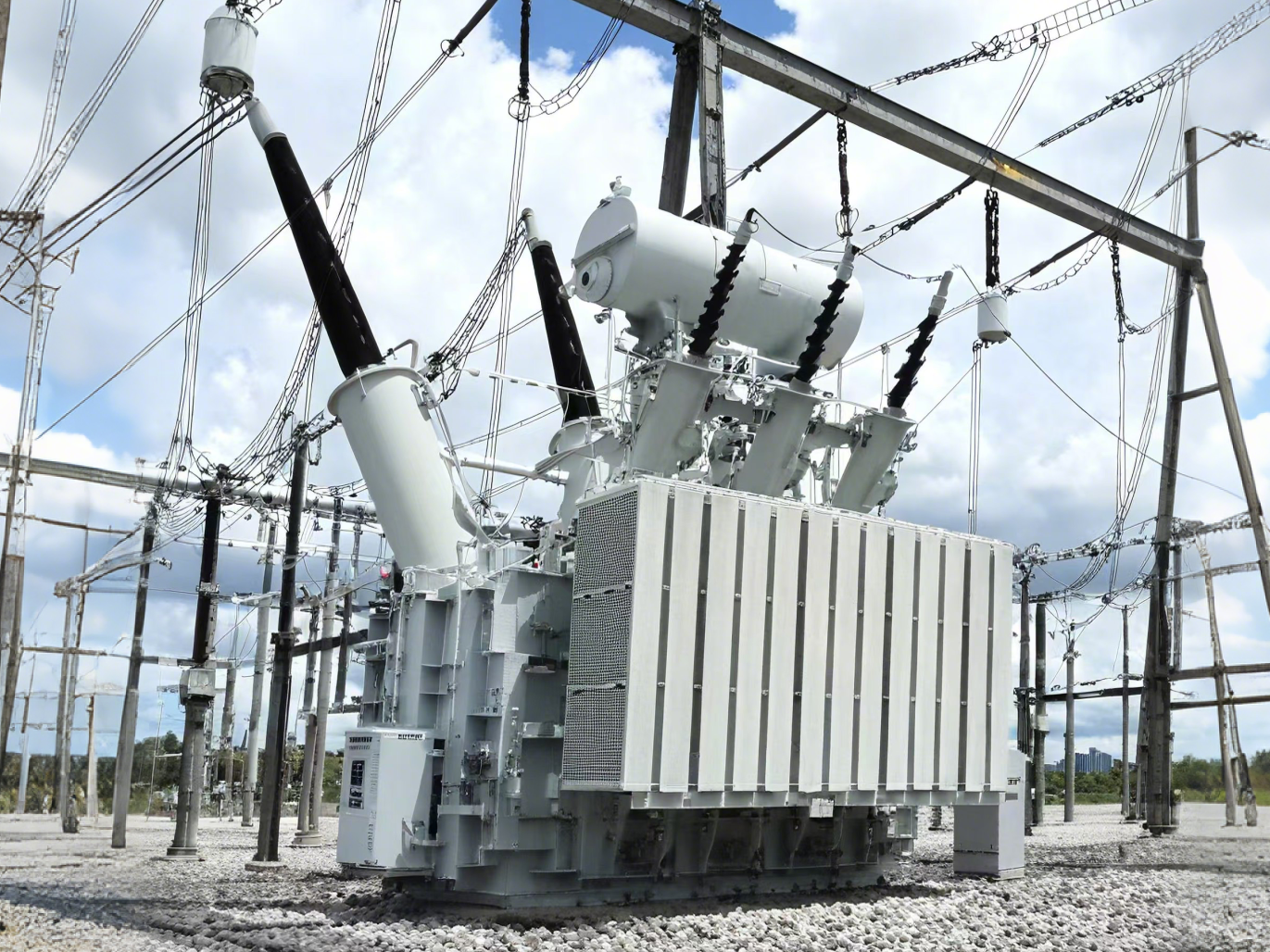
Power transformer manufacturing delays can create significant challenges for utilities, industrial projects, renewable energy developments, and infrastructure upgrades because transformers are often critical-path equipment for electrical system commissioning. A delayed transformer can postpone substation completion, increase project financing costs, interrupt construction schedules, and create unexpected logistical problems. Since power transformers are highly customized products involving engineering design, specialized materials, precision manufacturing, and extensive testing, buyers cannot manage lead times effectively by focusing only on the final delivery date. A proactive procurement strategy is required to identify risks early and maintain close coordination with manufacturers throughout the entire production process.
Buyers can reduce power transformer manufacturing delays by preparing complete technical specifications early, selecting experienced manufacturers, confirming material availability, approving designs quickly, maintaining clear communication, monitoring production progress, planning inspections in advance, and preparing transportation arrangements before factory completion. Effective project planning and supplier cooperation are the most important methods for achieving reliable transformer delivery schedules.
Early technical communication between buyers and transformer manufacturers can significantly reduce production delays by minimizing design changes, approval delays, and procurement problems.True
Complete specifications and timely decision-making allow manufacturers to start engineering, purchasing, and production activities without unnecessary interruptions.
The manufacturing lead time of a power transformer depends on many interconnected factors, including transformer capacity, voltage level, customization requirements, raw material supply, factory workload, testing procedures, and transportation conditions. While manufacturers are responsible for production execution, buyers play an important role in preventing avoidable delays. A well-prepared buyer can help suppliers secure materials, finalize designs faster, and complete inspections efficiently.
Why Do Power Transformer Manufacturing Delays Occur?
Understanding the common causes of delays is the first step in preventing them.
Power transformer delays usually result from several categories:
| Delay Category | Common Causes | Impact |
|---|---|---|
| Engineering delays | Incomplete specifications, late approvals | Production cannot start |
| Material delays | Electrical steel or copper shortages | Manufacturing interruption |
| Production delays | Factory capacity limitations | Extended delivery time |
| Testing delays | Failed tests or additional requirements | Shipment postponement |
| Logistics delays | Transportation restrictions | Installation delay |
Many delays are not caused by manufacturing problems alone. Poor communication, late decisions, and insufficient project preparation can also significantly extend delivery schedules.
How Can Buyers Prepare Complete Technical Specifications Early?
One of the most effective ways to reduce transformer manufacturing delays is providing complete technical requirements before ordering.
Important specifications include:
| Technical Requirement | Why It Matters |
|---|---|
| Rated capacity | Determines transformer size |
| Primary and secondary voltage | Defines winding design |
| Frequency | Determines operating compatibility |
| Cooling method | Affects thermal design |
| Insulation level | Determines electrical protection |
| Installation environment | Influences mechanical design |
Incomplete information may force manufacturers to:
- Recalculate designs
- Modify drawings
- Reorder materials
- Restart approval procedures
For customized transformers, early specification confirmation can reduce weeks or months of unnecessary delay.
How Does Early Manufacturer Selection Reduce Delivery Risk?
Choosing the right transformer manufacturer is one of the most important decisions buyers can make.
Experienced manufacturers usually have:
- Stable supply chains
- Qualified engineering teams
- Established production processes
- Advanced testing equipment
- Better project management systems
| Supplier Capability | Delay Reduction Benefit |
|---|---|
| Strong engineering team | Faster design approval |
| Reliable suppliers | Lower material risk |
| Modern factory | Better production efficiency |
| Experienced project management | Improved scheduling |
Buyers should evaluate manufacturers based on technical capability and production reliability rather than focusing only on initial price.
How Can Buyers Verify Manufacturer Production Capacity?
A manufacturer’s current workload directly affects delivery time.
Before placing an order, buyers should evaluate:
- Factory production capacity
- Existing project commitments
- Available manufacturing equipment
- Testing facility availability
- Skilled workforce
Important questions include:
| Question | Purpose |
|---|---|
| What is the current production schedule? | Understand factory workload |
| Is production capacity reserved? | Confirm delivery priority |
| Are testing facilities available? | Avoid testing delays |
| What is the expected completion date? | Establish realistic planning |
A supplier with strong technical capability but limited production capacity may still experience delivery challenges.
How Can Buyers Reduce Engineering Approval Delays?
Engineering approval is often a critical stage in transformer manufacturing.
The process may involve reviewing:
- Transformer drawings
- Electrical calculations
- Technical specifications
- Protection requirements
- Installation conditions
Buyers can reduce delays by:
- Assigning responsible technical contacts
- Reviewing documents quickly
- Avoiding unnecessary design changes
- Providing clear feedback
| Buyer Action | Result |
|---|---|
| Fast document approval | Production starts earlier |
| Clear technical communication | Fewer revisions |
| Stable requirements | Less redesign |
Late design changes are among the most common causes of extended transformer lead times.
How Can Buyers Manage Transformer Material Supply Risks?
Critical transformer materials often have long procurement cycles.
Important materials include:
- Grain-oriented electrical steel
- Copper conductors
- Insulation materials
- Transformer oil
- Special components
Material procurement delays are a major factor affecting power transformer delivery because specialized materials may require long manufacturing and supplier lead times.True
Transformer components such as electrical steel and specialized insulation materials cannot always be obtained immediately from standard inventory.
Buyers can reduce material risks by:
- Ordering transformers early
- Confirming supplier material plans
- Avoiding late specification changes
- Choosing manufacturers with reliable supply chains
| Material Risk | Prevention Method |
|---|---|
| Electrical steel shortage | Early procurement planning |
| Copper price fluctuation | Supplier agreements |
| Special component delays | Advance confirmation |
How Can Buyers Avoid Delays Caused by Design Changes?
Design changes after production begins can significantly affect transformer delivery.
Common late changes include:
- Different voltage requirements
- Changed accessories
- Modified protection systems
- New installation conditions
Late modifications may require:
- New engineering calculations
- Updated drawings
- Additional material purchases
- Manufacturing adjustments
Buyers should establish a final technical approval milestone before production begins.
How Can Buyers Improve Communication With Manufacturers?
Effective communication is essential throughout transformer manufacturing.
A good communication system should include:
- Regular progress meetings
- Production status reports
- Engineering updates
- Risk notifications
| Communication Method | Benefit |
|---|---|
| Weekly progress reports | Early problem detection |
| Technical meetings | Faster decision-making |
| Production inspections | Better transparency |
Poor communication can allow small issues to become major schedule problems.
Why Should Buyers Monitor Manufacturing Progress?
Regular production monitoring allows buyers to identify risks before delivery deadlines are affected.
Important production milestones include:
| Milestone | Monitoring Purpose |
|---|---|
| Design completion | Confirm engineering progress |
| Material arrival | Verify procurement status |
| Core completion | Track manufacturing |
| Winding completion | Confirm major assembly |
| Testing completion | Prepare shipment |
Progress monitoring helps buyers coordinate:
- Site preparation
- Installation schedules
- Commissioning plans
How Can Factory Acceptance Testing Planning Reduce Delays?
Factory Acceptance Testing (FAT) is an important step before transformer shipment.
Delays may occur if:
- Customer inspectors are unavailable
- Test requirements are unclear
- Additional tests are requested late
Buyers should plan FAT early by confirming:
- Inspection schedule
- Required test items
- Attendee list
- Documentation requirements
| FAT Preparation | Benefit |
|---|---|
| Early scheduling | Avoids inspection delays |
| Clear test requirements | Prevents additional work |
| Document preparation | Speeds acceptance |
How Can Buyers Reduce Transportation Delays?
Transformer delivery requires careful logistics planning, especially for large units.
Transportation challenges include:
- Heavy weight
- Oversized dimensions
- Route restrictions
- Special lifting requirements
Buyers should prepare:
- Site access information
- Transportation routes
- Installation equipment
- Receiving schedules
| Logistics Preparation | Advantage |
|---|---|
| Route survey | Prevents transportation problems |
| Early permits | Avoids regulatory delays |
| Site readiness | Enables faster installation |
How Can Buyers Use Contract Management to Control Delivery Time?
A well-designed contract can improve schedule control.
Important contract elements include:
- Clear delivery milestones
- Defined responsibilities
- Progress reporting requirements
- Quality acceptance procedures
| Contract Element | Purpose |
|---|---|
| Delivery schedule | Establish expectations |
| Inspection requirements | Prevent disputes |
| Documentation requirements | Improve acceptance efficiency |
Clear contracts reduce misunderstandings between buyers and manufacturers.
What Role Does Digital Production Monitoring Play?
Modern transformer manufacturers increasingly use digital systems to improve production visibility.
Digital monitoring can provide:
- Production status updates
- Material tracking
- Quality records
- Testing information
| Digital Tool | Benefit |
|---|---|
| Production tracking system | Real-time progress visibility |
| Quality database | Better documentation |
| Project management platform | Improved coordination |
Better information flow helps buyers respond quickly when risks appear.
What Should Buyers Ask Manufacturers Before Ordering?
Before purchasing a power transformer, buyers should ask:
| Question | Purpose |
|---|---|
| What is the estimated manufacturing timeline? | Confirm expectations |
| Are materials already available? | Evaluate supply risks |
| What is the production capacity? | Assess delivery reliability |
| What tests are included? | Understand quality process |
| How are delays handled? | Evaluate risk management |
A professional manufacturer should provide a realistic schedule based on actual production conditions.
What Are the Most Effective Strategies for Reducing Transformer Delays?
The most effective delay reduction strategies can be summarized as follows:
| Strategy | Impact |
|---|---|
| Early procurement | Secures manufacturing capacity |
| Complete specifications | Reduces engineering delays |
| Experienced supplier selection | Improves reliability |
| Regular communication | Detects risks early |
| Advance logistics planning | Prevents delivery problems |
These strategies allow buyers to actively participate in schedule management rather than waiting for problems to occur.
Conclusion
The manufacturing time of a power transformer depends on many variables, including transformer capacity, voltage class, design requirements, material supply, production scheduling, and testing procedures. While smaller standard units may be completed within several months, large customized transformers often require a year or more to design, manufacture, test, and deliver. Buyers can minimize delays by defining technical requirements early, selecting experienced manufacturers, confirming production schedules, and maintaining effective communication throughout the project. Careful planning ensures that transformers arrive on time while meeting the required standards for safety, reliability, and long-term performance.
FAQ
Q1: How long does it take to manufacture power transformers?
The typical manufacturing time for power transformers ranges from 6 months to 24 months, depending on the transformer size, voltage level, customization requirements, and manufacturer capacity.
Typical lead times are:
Distribution transformers: 3–9 months
Medium power transformers: 6–12 months
Large power transformers: 12–24 months or longer
Large transmission transformers usually require the longest production periods because they involve complex engineering, specialized materials, extensive testing, and strict quality inspections.
The overall manufacturing timeline includes:
Technical specification review
Engineering design
Procurement of raw materials
Core and winding manufacturing
Assembly
Drying and oil processing
Factory testing
Packaging and transportation preparation
Early planning is essential because transformer production schedules can significantly affect infrastructure project timelines.
Q2: What are the main stages involved in power transformer manufacturing?
Power transformer manufacturing consists of several carefully controlled stages.
- Engineering Design
Manufacturers review customer requirements, including:
Voltage ratings
Power capacity
Frequency
Cooling method
Insulation level
Efficiency requirements
Engineers then complete electromagnetic, thermal, and mechanical calculations.
- Material Procurement
Major materials include:
Electrical steel for the core
Copper or aluminum conductors
Insulation materials
Transformer oil
Steel plates for tanks
Bushings and accessories
Material availability can strongly influence production schedules.
- Core and Winding Production
The core is manufactured using precision-cut electrical steel laminations. Windings are produced using carefully controlled winding processes to ensure electrical and mechanical performance.
- Assembly and Testing
After assembly, transformers undergo drying, oil filling, inspection, and factory acceptance testing before shipment.
Q3: Why do large power transformers require longer manufacturing times?
Large power transformers require extended manufacturing periods because they involve complex designs and highly specialized production processes.
Factors increasing production time include:
High voltage insulation requirements
Large physical dimensions
Custom engineering requirements
Specialized electrical steel availability
Complex cooling systems
Advanced protection equipment
Extensive factory testing
A large transmission transformer may weigh hundreds of tons and requires detailed engineering verification before delivery.
Because replacement of failed transformers can take years, manufacturers prioritize reliability and quality over production speed.
Q4: How do raw material availability and supply chains affect transformer lead times?
Supply chain conditions have a major impact on transformer manufacturing schedules.
Critical materials include:
Grain-oriented electrical steel (GOES)
Copper conductors
Insulation paper
Transformer oil
Bushings
Tap changers
Potential supply chain challenges include:
Limited global production capacity
Increased demand from grid expansion projects
Transportation delays
Material price volatility
Shortages of specialized components
Manufacturers often manage these risks through supplier relationships, inventory planning, and early procurement of long-lead materials.
Q5: How long does transformer testing take before delivery?
Testing is a critical stage that ensures transformer reliability and compliance with international standards.
Factory testing may include:
Transformer ratio testing
Winding resistance measurement
Insulation resistance testing
No-load loss testing
Load loss testing
Impedance measurement
Temperature rise testing
Dielectric tests
Partial discharge testing
Noise measurement
Routine tests may take several days, while special tests for large transformers can require additional weeks depending on customer requirements and test complexity.
Q6: What factors can delay power transformer delivery?
Several factors may extend transformer manufacturing schedules.
Common causes include:
Design changes after approval
Delayed customer specifications
Raw material shortages
Component supply delays
Factory capacity limitations
Additional testing requirements
Quality issues requiring rework
Transportation restrictions
Regulatory approvals
To reduce delays, buyers should finalize technical specifications early and maintain regular communication with manufacturers throughout production.
Q7: Can power transformer manufacturing be accelerated?
In some cases, manufacturers can reduce delivery times, but acceleration depends on available production capacity and material availability.
Possible methods include:
Using standardized transformer designs
Ordering from existing production capacity
Reserving manufacturing slots early
Approving drawings quickly
Pre-ordering long-lead components
Reducing unnecessary customization
However, quality control and required testing should never be compromised because transformer failures can result in significant operational and financial consequences.
Q8: What should buyers consider when planning transformer procurement schedules?
Buyers should consider the complete project timeline rather than only the manufacturing period.
Important planning factors include:
Technical specification approval time
Transformer design review
Manufacturing lead time
Factory acceptance testing
Shipping arrangements
Site preparation
Installation time
Commissioning requirements
Spare parts availability
For critical power infrastructure projects, ordering transformers 12–24 months before required operation is often recommended, especially for large custom-built units.
Early procurement planning helps reduce project risks, avoid delays, and ensure reliable power system commissioning.
References
IEC 60076 – Power Transformers
https://webstore.iec.ch/publication/602
IEEE C57 Series – Power Transformer Standards
https://standards.ieee.org
Electrical Engineering Portal – Transformer Design and Manufacturing Process
https://electrical-engineering-portal.com
U.S. Department of Energy – Transformer Energy Infrastructure Resources
https://www.energy.gov