
Power transformer procurement involves complex decisions related to cost, technical specifications, supplier reliability, delivery schedules, and long-term operational performance. Traditional purchasing methods often rely on historical experience, supplier quotations, and manual comparisons, which may overlook valuable insights hidden in large amounts of procurement and operational data. Without data-driven decision-making, buyers may face higher costs, supply chain risks, unsuitable specifications, and unexpected maintenance expenses. Data analytics provides a smarter approach by helping organizations evaluate suppliers, predict market trends, optimize purchasing strategies, and improve overall transformer investment outcomes.
Data analytics supports better power transformer procurement decisions by analyzing supplier performance, historical pricing, material cost trends, lead times, quality records, lifecycle costs, and operational data. By using data-driven insights, buyers can identify reliable suppliers, forecast procurement risks, optimize specifications, negotiate better contracts, reduce total ownership costs, and make more informed decisions throughout the transformer purchasing process.
As power transformer projects become larger and supply chains become more complex, data analytics is becoming an essential tool for improving procurement accuracy and efficiency. Organizations that effectively use data can achieve better cost control while ensuring they purchase reliable transformers that meet long-term operational requirements.
How Can Data Analytics Support Better Power Transformer Procurement Decisions?
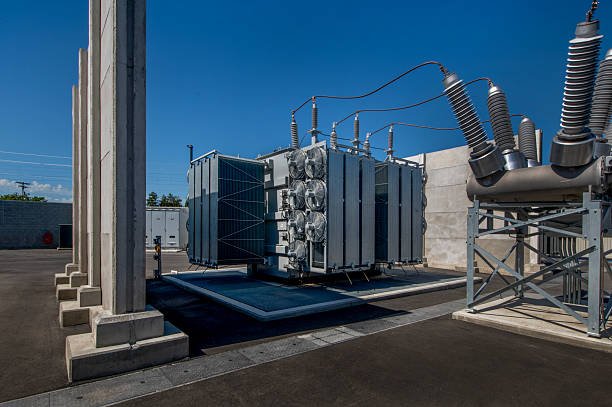
Power transformer procurement involves complex decisions that directly affect project budgets, operational reliability, and long-term energy system performance. Traditional procurement methods often rely on supplier quotations, historical experience, and manual comparisons, which may not provide enough insight into cost trends, supplier risks, technical performance, and future requirements. Without accurate data analysis, buyers may select unsuitable suppliers, overpay for equipment, underestimate lifecycle costs, or experience unexpected delivery problems. Data analytics provides a smarter approach by transforming procurement information into actionable insights that help buyers make more accurate, efficient, and strategic transformer purchasing decisions.
Data analytics supports better power transformer procurement decisions by analyzing supplier performance, cost trends, material prices, technical specifications, lifecycle costs, delivery records, and market information. By using data-driven insights, buyers can select more reliable suppliers, optimize transformer specifications, predict procurement risks, control costs, and achieve better long-term value from their transformer investments.
Data analytics improves power transformer procurement decisions by enabling buyers to evaluate suppliers, predict risks, and optimize purchasing strategies using historical and real-time data.True
Data analysis provides objective information that helps reduce uncertainty in complex procurement decisions.
Power transformers are long-term assets with service lives that often exceed several decades. Procurement decisions made during the purchasing stage influence not only acquisition costs but also energy efficiency, maintenance requirements, downtime risks, and overall asset performance. By applying data analytics throughout the sourcing process, buyers can move from reactive purchasing decisions toward proactive strategies based on measurable performance indicators and market intelligence.
Why Is Data Analytics Important in Transformer Procurement?
Modern transformer procurement involves large amounts of technical and commercial information.
Important procurement data includes:
| Data Category | Examples |
|---|---|
| Supplier data | Delivery records, quality performance |
| Cost data | Historical prices, material trends |
| Technical data | Losses, efficiency, specifications |
| Project data | Installation requirements, schedules |
| Maintenance data | Failure records, operating history |
Without structured analysis, valuable information may remain unused.
Data analytics helps buyers answer important questions:
- Which suppliers provide the best reliability?
- Are transformer prices increasing or decreasing?
- Which specifications provide the best value?
- What risks may affect delivery?
- What design choices reduce lifecycle costs?
How Does Supplier Data Analytics Improve Supplier Selection?
Selecting the right transformer supplier is one of the most important procurement decisions.
Data analytics allows buyers to compare suppliers using measurable indicators.
Key supplier evaluation metrics include:
| Supplier Metric | Purpose |
|---|---|
| On-time delivery rate | Evaluate schedule reliability |
| Defect rate | Measure quality performance |
| Warranty claims | Assess product reliability |
| Response time | Evaluate service capability |
| Project experience | Confirm technical capability |
Instead of relying only on supplier presentations, buyers can analyze actual historical performance.
Supplier performance analytics helps buyers identify reliable transformer manufacturers by comparing objective indicators such as quality, delivery, and service records.True
Historical supplier data provides evidence of actual performance and reduces procurement uncertainty.
A supplier scoring system can rank manufacturers based on multiple factors rather than purchase price alone.
How Can Data Analytics Reduce Transformer Procurement Costs?
Cost optimization requires understanding where expenses come from.
Transformer procurement costs are affected by:
| Cost Factor | Data Analysis Application |
|---|---|
| Copper prices | Monitor market trends |
| Electrical steel prices | Forecast cost changes |
| Manufacturing costs | Compare supplier quotations |
| Transportation expenses | Optimize logistics |
| Operating losses | Calculate lifecycle costs |
Data analytics helps buyers identify cost patterns and make better timing decisions.
For example:
- Historical pricing data can show when material prices are favorable.
- Supplier cost comparisons can identify competitive offers.
- Lifecycle models can reveal the most economical transformer option.
How Does Market Data Analysis Help Manage Transformer Prices?
Transformer prices are influenced by external market conditions.
Important market factors include:
- Raw material prices
- Energy costs
- Exchange rates
- Transportation costs
- Demand fluctuations
| Market Data | Procurement Benefit |
|---|---|
| Copper price trends | Better contract timing |
| Steel market data | Improved cost forecasting |
| Currency analysis | Reduced financial risk |
| Industry demand data | Better purchasing plans |
By analyzing market trends, buyers can avoid purchasing during unfavorable price conditions.
How Can Data Analytics Improve Transformer Specification Decisions?
Choosing the correct transformer specifications is critical for cost efficiency.
Data analytics can compare:
| Specification Factor | Analytical Purpose |
|---|---|
| Capacity | Match actual load demand |
| Efficiency level | Evaluate energy savings |
| Cooling system | Optimize thermal design |
| Impedance | Balance system requirements |
| Accessories | Determine necessary features |
Historical operating data helps buyers avoid:
- Oversized transformers
- Unnecessary accessories
- Excessive design requirements
Optimized specifications reduce both purchase costs and operating expenses.
How Does Lifecycle Data Analysis Improve Transformer Value?
A transformer’s purchase price does not represent its complete economic impact.
Lifecycle analysis considers:
| Lifecycle Stage | Data Used |
|---|---|
| Procurement | Purchase price |
| Operation | Energy consumption |
| Maintenance | Repair history |
| Failure prevention | Condition monitoring data |
| Replacement planning | Asset age information |
Lifecycle cost analysis supported by data analytics provides a more accurate evaluation of transformer value than comparing initial purchase prices alone.True
Operating losses, maintenance costs, and reliability performance significantly affect total ownership costs.
This approach helps buyers select transformers that provide better long-term economic performance.
How Can Predictive Analytics Reduce Procurement Risks?
Predictive analytics uses historical data to identify future risks.
Potential applications include:
- Supplier delivery prediction
- Material price forecasting
- Demand forecasting
- Failure risk assessment
| Predictive Analysis | Procurement Benefit |
|---|---|
| Delivery prediction | Reduce schedule risks |
| Price forecasting | Improve purchasing timing |
| Supplier risk modeling | Avoid unreliable suppliers |
| Demand forecasting | Optimize inventory |
Predictive tools allow buyers to address problems before they affect projects.
How Does Data Analytics Improve Supply Chain Management?
Power transformer supply chains involve many suppliers and components.
Analytics can monitor:
- Material availability
- Supplier capacity
- Transportation status
- Production progress
| Supply Chain Data | Value |
|---|---|
| Material inventory | Prevent shortages |
| Supplier performance | Improve sourcing |
| Production status | Track progress |
| Logistics information | Reduce delays |
Better supply chain visibility reduces unexpected procurement expenses.
How Can Buyers Use Data Analytics to Compare Supplier Quotations?
Comparing transformer quotations is often challenging because suppliers may use different:
- Technical assumptions
- Material selections
- Efficiency levels
- Accessory packages
Data analytics creates a structured comparison model.
| Comparison Factor | Evaluation Purpose |
|---|---|
| Purchase price | Initial investment |
| Losses | Operating cost |
| Warranty | Risk protection |
| Delivery time | Project impact |
| Service capability | Long-term support |
A data-based comparison prevents buyers from selecting suppliers based only on the lowest quotation.
How Does Data Analytics Improve Contract Negotiation?
Procurement negotiations become stronger when buyers have reliable data.
Useful negotiation data includes:
- Historical pricing
- Supplier performance records
- Market trends
- Alternative supplier options
| Data Insight | Negotiation Advantage |
|---|---|
| Market pricing | Better price discussions |
| Supplier comparison | Stronger position |
| Cost analysis | Transparent evaluation |
| Performance data | Improved contract terms |
Data-driven negotiation helps buyers achieve better commercial conditions.
How Can Digital Procurement Platforms Support Transformer Purchasing?
Modern procurement systems integrate multiple data sources.
Digital platforms may include:
- Enterprise resource planning systems
- Supplier management systems
- Procurement databases
- Project tracking tools
| Digital Function | Benefit |
|---|---|
| Supplier database | Faster evaluation |
| Cost tracking | Better budget control |
| Document management | Improved coordination |
| Analytics dashboard | Faster decisions |
These tools improve visibility across the entire procurement process.
How Can Buyers Use Data Analytics to Monitor Supplier Performance?
Supplier performance should be continuously evaluated after selection.
Key indicators include:
| Performance Indicator | Measurement |
|---|---|
| Delivery accuracy | Percentage of on-time deliveries |
| Quality consistency | Defect frequency |
| Technical response | Support efficiency |
| Cost stability | Price variation |
Continuous monitoring helps buyers maintain strong supplier relationships and identify improvement opportunities.
How Does Data Analytics Support Renewable Energy Transformer Procurement?
Renewable energy projects often face uncertain demand patterns and strict schedules.
Applications include:
- Solar farm transformer planning
- Wind power equipment sourcing
- Energy storage system procurement
| Renewable Project Need | Analytics Application |
|---|---|
| Demand forecasting | Capacity planning |
| Grid connection planning | Specification optimization |
| Supplier availability | Procurement scheduling |
Data analytics helps renewable energy developers reduce procurement uncertainty.
What Challenges Should Buyers Consider When Using Data Analytics?
Although analytics provides major benefits, buyers must address several challenges.
| Challenge | Solution |
|---|---|
| Poor data quality | Improve data collection |
| Limited historical information | Build supplier databases |
| Lack of technical expertise | Train procurement teams |
| Data integration issues | Use connected systems |
Accurate data is essential for reliable analysis.
How Can Buyers Build a Data-Driven Transformer Procurement Strategy?
A successful strategy should include:
- Collect procurement and supplier data
- Establish evaluation criteria
- Analyze cost and performance trends
- Apply predictive models
- Continuously improve supplier decisions
| Strategy Step | Expected Result |
|---|---|
| Data collection | Better information foundation |
| Supplier analytics | Improved selection |
| Cost modeling | Reduced expenses |
| Risk prediction | Fewer disruptions |
A data-driven approach turns procurement into a continuous improvement process.
How Can Historical Procurement Data Improve Power Transformer Supplier Selection?
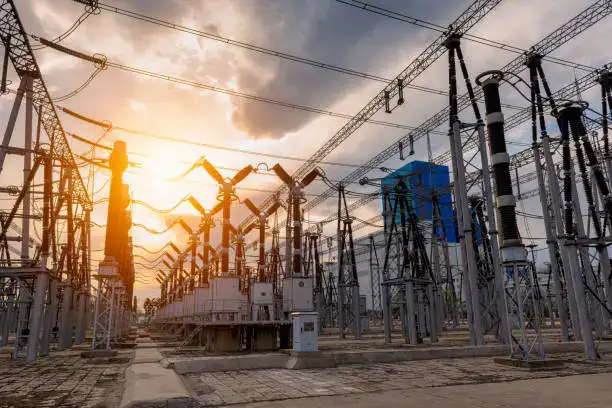
Selecting the right power transformer supplier is a critical decision that affects project costs, equipment reliability, delivery schedules, and long-term operational performance. However, supplier selection based only on current quotations, marketing materials, or technical documents may not provide enough information about a manufacturer’s actual performance. A supplier may offer an attractive price but have a history of delayed deliveries, inconsistent quality, or poor after-sales support. Historical procurement data provides valuable evidence by revealing real supplier performance patterns, helping buyers make more objective decisions, reduce procurement risks, and identify manufacturers that consistently deliver reliable transformers.
Historical procurement data improves power transformer supplier selection by allowing buyers to analyze previous supplier performance, including delivery reliability, quality records, pricing trends, warranty claims, technical performance, and service response. By using historical data, buyers can identify trustworthy suppliers, avoid high-risk manufacturers, optimize purchasing strategies, and select transformer partners that provide better long-term value.
Historical procurement data helps buyers make better power transformer supplier decisions by providing objective evidence of supplier performance instead of relying only on current quotations.True
Past purchasing records reveal actual supplier reliability, quality consistency, and cost performance.
Power transformers are long-life assets that often operate for 30 years or more. A supplier selection decision should therefore consider not only whether a manufacturer can deliver one transformer today but also whether the supplier has demonstrated consistent performance across previous projects. Historical procurement data creates a knowledge base that helps buyers evaluate suppliers based on real-world results rather than assumptions.
Why Is Historical Procurement Data Important for Transformer Supplier Selection?
Traditional supplier evaluation often focuses on:
- Current price quotations
- Technical proposals
- Certifications
- Sales presentations
While these factors are important, they may not reveal actual supplier performance.
Historical procurement data provides information about:
| Data Category | Example Information |
|---|---|
| Purchase records | Previous transformer orders and prices |
| Delivery records | Actual production and shipping performance |
| Quality records | Defects and testing results |
| Warranty records | Failure and repair history |
| Service records | Response times and support quality |
This information helps buyers understand how suppliers perform after contracts are signed.
How Does Historical Delivery Data Evaluate Supplier Reliability?
Delivery performance is one of the most important supplier selection factors.
Transformer projects often have strict construction schedules, and delayed delivery can create significant financial losses.
Historical delivery data can reveal:
| Delivery Indicator | Evaluation Purpose |
|---|---|
| On-time delivery rate | Measures schedule reliability |
| Average delay duration | Shows production consistency |
| Lead time accuracy | Evaluates planning ability |
| Delivery history | Identifies recurring problems |
Analyzing historical delivery performance helps buyers reduce schedule risks by identifying suppliers with proven production and logistics reliability.True
Past delivery records provide measurable evidence of a supplier’s ability to meet project timelines.
For example, two suppliers may offer similar prices, but the supplier with a stronger delivery history may provide better overall value by reducing project delays.
How Can Quality History Improve Supplier Evaluation?
Transformer quality directly affects reliability, maintenance costs, and operational safety.
Historical quality data may include:
- Factory test results
- Non-conformance reports
- Customer complaints
- Field failure records
- Warranty claims
| Quality Metric | Supplier Evaluation Value |
|---|---|
| Defect frequency | Shows manufacturing consistency |
| Test failure rate | Indicates quality control strength |
| Warranty issues | Reveals long-term reliability |
| Corrective actions | Shows improvement capability |
A supplier with consistently strong quality records is usually a lower-risk choice.
How Can Warranty Data Reveal Supplier Performance?
Warranty records provide important information about transformer reliability after installation.
Buyers can analyze:
| Warranty Data | Meaning |
|---|---|
| Failure frequency | Product reliability |
| Failure type | Design or manufacturing issues |
| Response time | Service capability |
| Repair effectiveness | Technical support quality |
Warranty history is a valuable supplier evaluation tool because it reflects actual transformer performance after delivery.True
Warranty records show how suppliers handle real operating conditions and customer support responsibilities.
A supplier with fewer warranty issues and faster problem resolution demonstrates stronger lifecycle value.
How Does Historical Pricing Data Help Buyers Select Suppliers?
Price comparison is important, but historical pricing provides deeper insight.
Buyers can analyze:
| Pricing Data | Procurement Benefit |
|---|---|
| Previous quotations | Understand pricing consistency |
| Material cost changes | Evaluate price adjustments |
| Similar transformer prices | Compare fairness |
| Contract performance | Assess commercial reliability |
Historical pricing helps buyers identify whether a supplier provides competitive pricing or frequently changes costs unexpectedly.
How Can Buyers Use Procurement Data to Compare Total Supplier Value?
The best supplier is not always the one with the lowest price.
A total value comparison should include:
| Evaluation Factor | Importance |
|---|---|
| Purchase price | Initial cost |
| Delivery performance | Project reliability |
| Quality history | Failure risk |
| Efficiency performance | Operating cost |
| Service capability | Long-term support |
A supplier offering a slightly higher price may provide better value through:
- Lower failure rates
- Better efficiency
- Faster service
- Longer equipment life
How Does Historical Technical Data Support Better Supplier Decisions?
Technical performance data helps buyers determine whether a supplier’s transformers meet operational expectations.
Important technical records include:
| Technical Data | Evaluation Purpose |
|---|---|
| Load losses | Energy efficiency |
| No-load losses | Core performance |
| Temperature rise | Cooling capability |
| Insulation performance | Reliability |
| Short-circuit strength | Mechanical durability |
Historical technical performance allows buyers to compare suppliers based on actual transformer behavior.
How Can Historical Data Identify High-Risk Suppliers?
Data analysis can reveal warning signs before purchasing.
Potential risk indicators include:
| Risk Indicator | Possible Problem |
|---|---|
| Increasing delivery delays | Capacity problems |
| Rising warranty claims | Quality issues |
| Frequent specification changes | Engineering weakness |
| Poor communication records | Service problems |
| Unstable pricing | Supply chain issues |
By identifying these patterns early, buyers can avoid suppliers with higher procurement risks.
How Does Supplier Scorecard Analysis Improve Selection?
A supplier scorecard converts historical data into measurable rankings.
Example:
| Evaluation Category | Weight | Supplier A | Supplier B |
|---|---|---|---|
| Quality performance | 30% | Excellent | Good |
| Delivery reliability | 25% | Excellent | Average |
| Cost competitiveness | 20% | Good | Excellent |
| Service support | 15% | Excellent | Good |
| Technical capability | 10% | Excellent | Good |
Weighted scoring helps buyers make transparent decisions.
How Can Historical Procurement Data Support Long-Term Supplier Relationships?
Historical data is not only useful for supplier rejection; it also supports supplier improvement.
Buyers can use performance data to:
- Discuss improvement opportunities
- Establish better contracts
- Develop strategic partnerships
- Improve future projects
| Data Application | Long-Term Benefit |
|---|---|
| Performance reviews | Better cooperation |
| Quality feedback | Continuous improvement |
| Demand forecasting | Better production planning |
Strong supplier relationships can improve future procurement efficiency.
How Does Historical Data Help Optimize Contract Negotiations?
Procurement history provides stronger negotiation information.
Buyers can use previous data to discuss:
- Realistic delivery times
- Appropriate pricing
- Warranty conditions
- Service requirements
| Negotiation Area | Historical Data Support |
|---|---|
| Price | Previous market records |
| Delivery | Actual supplier performance |
| Quality | Past inspection results |
| Service | Previous response records |
Data-based negotiation creates fairer and more effective agreements.
How Can Digital Systems Improve Historical Procurement Analysis?
Modern procurement organizations use digital platforms to store and analyze supplier information.
Useful systems include:
- ERP platforms
- Supplier management databases
- Procurement analytics tools
- Quality management systems
| Digital Capability | Benefit |
|---|---|
| Supplier database | Centralized information |
| Performance dashboards | Faster evaluation |
| Automated reports | Better decision-making |
| Trend analysis | Risk prediction |
Digital tools make historical data easier to use during supplier selection.
What Historical Data Should Buyers Collect Before Selecting Transformer Suppliers?
A complete supplier database should include:
| Data Type | Recommended Information |
|---|---|
| Order history | Transformer models and quantities |
| Delivery history | Planned vs actual dates |
| Quality history | Test results and defects |
| Cost history | Previous pricing |
| Service history | Support performance |
| Customer feedback | User experience |
The quality of supplier selection depends heavily on the quality of available data.
How Can Buyers Avoid Misusing Historical Procurement Data?
Historical data is valuable, but it must be interpreted correctly.
Common mistakes include:
| Mistake | Problem |
|---|---|
| Looking only at price | Ignores reliability |
| Using outdated information | Poor decisions |
| Ignoring project differences | Unfair comparison |
| Focusing on one failure | Incomplete evaluation |
Data should be combined with technical reviews and supplier audits.
How Does Historical Procurement Data Support Risk-Based Supplier Selection?
Risk-based selection evaluates suppliers according to probability and impact of potential problems.
| Risk Factor | Historical Data Used |
|---|---|
| Delivery risk | Delay records |
| Quality risk | Defect history |
| Financial risk | Contract performance |
| Service risk | Support records |
This approach allows buyers to focus resources on suppliers with the greatest impact on project success.
How Does Data Analytics Help Control Power Transformer Costs and Market Risks?
Power transformer procurement is affected by many unpredictable factors, including raw material price changes, supplier capacity limitations, market demand fluctuations, transportation challenges, and evolving technical requirements. Without accurate information, buyers may make decisions based on outdated assumptions, resulting in higher purchasing costs, delayed projects, or unnecessary financial risks. Data analytics provides a systematic way to collect, analyze, and interpret procurement, supplier, and market information, allowing organizations to make smarter purchasing decisions, forecast cost changes, and manage risks before they impact transformer projects.
Data analytics helps control power transformer costs and market risks by analyzing historical purchasing data, material price trends, supplier performance, market conditions, lifecycle costs, and demand forecasts. By using data-driven insights, buyers can optimize purchasing timing, select reliable suppliers, negotiate better contracts, predict cost fluctuations, reduce procurement risks, and achieve better long-term transformer investment value.
Data analytics can improve power transformer cost control by identifying market trends, supplier risks, and cost optimization opportunities through systematic data analysis.True
Analyzing historical and current data enables more accurate procurement planning and reduces uncertainty in transformer purchasing decisions.
Power transformers are strategic assets with long operating lives, and procurement decisions involve significant financial commitments. A transformer purchased at the wrong time or from an unreliable supplier can create costs far beyond the original purchase price. Effective data analytics allows buyers to move from reactive procurement methods toward proactive strategies that anticipate market changes, improve supplier selection, and protect project budgets.
Why Is Data Analytics Important for Transformer Cost Management?
Power transformer costs are influenced by multiple internal and external factors.
Major cost drivers include:
| Cost Driver | Impact on Transformer Price |
|---|---|
| Copper prices | Affects winding costs |
| Electrical steel prices | Influences core costs |
| Labor costs | Changes manufacturing expenses |
| Energy prices | Affects production costs |
| Transportation costs | Influences delivery expenses |
| Exchange rates | Affects international purchases |
Because these factors change over time, fixed assumptions can quickly become inaccurate.
Data analytics helps buyers:
- Monitor cost trends
- Identify price patterns
- Forecast future changes
- Compare supplier offers
- Optimize purchasing timing
How Does Historical Procurement Data Improve Cost Control?
Historical procurement data provides valuable insight into previous purchasing activities.
Important historical data includes:
| Data Type | Procurement Application |
|---|---|
| Previous transformer prices | Benchmark current quotations |
| Supplier quotations | Compare market competitiveness |
| Purchase quantities | Analyze volume advantages |
| Delivery records | Evaluate supplier reliability |
| Warranty history | Assess lifecycle costs |
By analyzing past procurement results, buyers can identify whether current supplier offers are reasonable.
For example:
- A quotation significantly higher than historical averages may require further investigation.
- A lower quotation may indicate reduced specifications or quality risks.
How Can Data Analytics Predict Raw Material Price Risks?
Raw materials represent a major portion of transformer manufacturing costs.
Important materials include:
- Copper
- Grain-oriented electrical steel
- Insulation materials
- Transformer oil
- Structural steel
Monitoring raw material price trends through data analytics helps transformer buyers reduce exposure to sudden cost increases.True
Market forecasting allows buyers to adjust procurement timing and contract strategies before price changes affect projects.
Analytics can evaluate:
| Material Data | Benefit |
|---|---|
| Historical price changes | Identify trends |
| Market forecasts | Predict future movement |
| Supplier pricing behavior | Understand cost changes |
| Global supply conditions | Evaluate availability |
This allows buyers to make better decisions about:
- When to place orders
- Whether to use fixed-price contracts
- How to manage material escalation risks
How Does Market Trend Analysis Reduce Procurement Risks?
Transformer markets are influenced by broader industry conditions.
Important market indicators include:
| Market Factor | Procurement Impact |
|---|---|
| Electricity infrastructure investment | Changes demand |
| Renewable energy growth | Increases transformer requirements |
| Industrial expansion | Influences capacity demand |
| Supply shortages | Affects availability |
Data analytics helps buyers understand market cycles.
For example:
- During periods of high transformer demand, production capacity may become limited.
- During lower demand periods, buyers may have stronger negotiation opportunities.
How Can Predictive Analytics Improve Procurement Planning?
Predictive analytics uses historical patterns to estimate future conditions.
Applications include:
| Predictive Model | Procurement Benefit |
|---|---|
| Price forecasting | Better purchasing timing |
| Demand forecasting | Improved planning |
| Supplier risk prediction | Avoid unreliable vendors |
| Delivery prediction | Reduce schedule risks |
Predictive analysis allows procurement teams to prepare before problems occur.
How Does Supplier Performance Analytics Control Costs?
Supplier selection directly affects transformer cost and reliability.
Data analytics can evaluate suppliers using:
| Supplier Indicator | Evaluation Purpose |
|---|---|
| Delivery performance | Measure reliability |
| Quality records | Assess manufacturing consistency |
| Warranty claims | Identify failure risks |
| Cost history | Compare pricing stability |
| Service response | Evaluate support capability |
A supplier with consistently good performance may provide better total value even if the initial price is not the lowest.
How Does Data Analytics Improve Supplier Negotiation?
Successful negotiations require accurate information.
Data analytics provides buyers with:
- Market price benchmarks
- Supplier comparison data
- Historical contract information
- Cost structure analysis
| Negotiation Area | Data Support |
|---|---|
| Price | Historical quotations |
| Delivery | Previous performance |
| Warranty | Failure records |
| Service | Response history |
This allows buyers to negotiate based on evidence rather than assumptions.
How Can Data Analytics Optimize Transformer Specifications?
Technical specifications strongly influence transformer cost.
Analytics can compare different design choices.
| Specification | Data Analysis Purpose |
|---|---|
| Capacity rating | Avoid over-sizing |
| Efficiency level | Balance cost and savings |
| Cooling method | Optimize investment |
| Accessories | Select necessary functions |
| Insulation level | Match actual requirements |
By analyzing previous projects, buyers can determine which specifications provide the best economic performance.
How Does Lifecycle Cost Analytics Improve Investment Decisions?
The purchase price is only one part of transformer economics.
Lifecycle cost analysis evaluates:
| Lifecycle Factor | Data Considered |
|---|---|
| Initial cost | Purchase price |
| Energy losses | Operating expenses |
| Maintenance | Service history |
| Reliability | Failure records |
| Replacement timing | Asset life data |
Lifecycle cost analytics helps buyers select transformers with better long-term economic performance by considering operating and maintenance expenses in addition to purchase price.True
Transformers operate for decades, so lifecycle costs often exceed the initial acquisition cost.
A higher-efficiency transformer may provide greater value despite a higher initial investment.
How Can Data Analytics Reduce Supply Chain Risks?
Transformer supply chains involve many components and suppliers.
Potential risks include:
- Material shortages
- Component delays
- Transportation problems
- Supplier capacity limitations
Analytics can monitor:
| Supply Chain Data | Risk Control Benefit |
|---|---|
| Inventory levels | Prevent shortages |
| Supplier capacity | Identify constraints |
| Delivery status | Track progress |
| Market availability | Plan alternatives |
Improved visibility allows buyers to respond earlier.
How Does Data Analytics Help Manage Currency and International Procurement Risks?
International transformer purchases may be affected by currency fluctuations.
Important data includes:
- Exchange rate trends
- Import costs
- Regional supplier pricing
- Shipping expenses
| Risk | Analytics Solution |
|---|---|
| Currency changes | Forecast trends |
| Import cost changes | Compare sourcing options |
| Regional price differences | Optimize supplier selection |
This helps buyers determine the most economical sourcing strategy.
How Can Data Analytics Identify Hidden Procurement Costs?
Many procurement expenses are not visible in the initial quotation.
Hidden costs may include:
| Hidden Cost | Example |
|---|---|
| Delays | Project schedule impact |
| Poor quality | Repair expenses |
| High losses | Increased electricity costs |
| Limited support | Longer downtime |
| Spare parts issues | Maintenance difficulties |
Analytics helps identify these costs before supplier selection.
How Does Real-Time Data Improve Transformer Procurement Decisions?
Traditional procurement often relies on periodic reports, but real-time data provides faster decision-making.
Real-time information may include:
- Supplier production status
- Material availability
- Market price updates
- Logistics tracking
| Real-Time Data | Decision Improvement |
|---|---|
| Production updates | Better schedule control |
| Market monitoring | Faster response |
| Supply alerts | Early risk management |
Faster information enables better procurement decisions.
What Digital Tools Support Transformer Procurement Analytics?
Modern procurement teams use digital platforms to analyze transformer purchasing data.
Common tools include:
| Digital Tool | Function |
|---|---|
| ERP systems | Manage procurement records |
| Supplier management systems | Track supplier performance |
| Business intelligence platforms | Analyze trends |
| Data dashboards | Display key indicators |
These systems improve transparency and decision speed.
How Can Buyers Build a Data-Driven Transformer Procurement Strategy?
A successful data-driven strategy includes:
- Collect accurate procurement data
- Establish supplier performance metrics
- Monitor market trends
- Analyze lifecycle costs
- Apply predictive forecasting
- Continuously improve procurement decisions
| Strategy Element | Expected Benefit |
|---|---|
| Data collection | Better information |
| Supplier analytics | Reduced risks |
| Market forecasting | Cost control |
| Lifecycle analysis | Higher value |
What Challenges Exist When Applying Data Analytics?
Although analytics provides significant benefits, buyers should consider several challenges.
| Challenge | Solution |
|---|---|
| Incomplete data | Improve data collection |
| Poor data quality | Establish standards |
| Lack of expertise | Train teams |
| Data integration problems | Use connected systems |
Accurate analysis depends on reliable data sources.
How Can Predictive Analytics Improve Power Transformer Quality and Delivery Management?
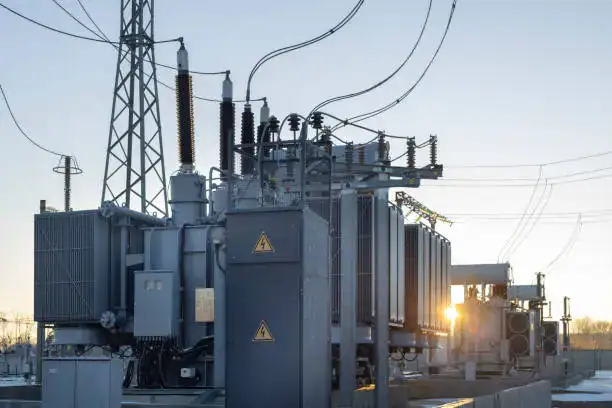
Power transformer projects require precise coordination between engineering, material procurement, manufacturing, testing, transportation, and installation. Traditional quality control and delivery management methods often detect problems only after they occur, causing expensive rework, production delays, and project schedule risks. For critical power infrastructure, unexpected transformer defects or late deliveries can lead to significant financial losses and operational disruptions. Predictive analytics provides a proactive solution by using historical data, real-time information, and advanced analytical models to identify potential problems before they happen, helping manufacturers and buyers improve transformer quality, production efficiency, and delivery reliability.
Predictive analytics improves power transformer quality and delivery management by analyzing historical manufacturing data, supplier performance, production records, testing results, and supply chain information to forecast potential defects, delays, and risks. By identifying problems early, predictive analytics helps manufacturers optimize production processes, improve quality control, reduce delivery delays, and provide buyers with more reliable transformer solutions.
Predictive analytics can improve power transformer quality and delivery performance by identifying patterns in historical and real-time data before problems occur.True
Data-based forecasting allows manufacturers to take preventive actions instead of reacting after failures or delays happen.
Power transformers are highly engineered products with long manufacturing cycles and strict performance requirements. Every stage, from electrical steel inspection to final factory acceptance testing, affects the final product quality. Predictive analytics allows manufacturers and buyers to transform large amounts of operational data into practical decisions, creating a more reliable and transparent procurement process.
Why Is Predictive Analytics Important for Power Transformer Management?
Traditional transformer quality and delivery management often depend on:
- Manual inspections
- Periodic reports
- Experience-based decisions
- Reactive problem solving
While these methods remain important, they may not identify hidden risks early enough.
Predictive analytics adds a forward-looking approach by analyzing:
| Data Source | Purpose |
|---|---|
| Manufacturing records | Identify production trends |
| Testing results | Predict quality risks |
| Supplier data | Evaluate material reliability |
| Project schedules | Forecast delivery risks |
| Maintenance records | Improve future designs |
This approach allows organizations to move from problem correction to problem prevention.
How Does Predictive Analytics Improve Transformer Manufacturing Quality?
Transformer manufacturing involves many processes where small variations can affect final performance.
Important manufacturing stages include:
| Manufacturing Stage | Quality Concern |
|---|---|
| Core assembly | Core losses and magnetic performance |
| Winding production | Mechanical strength and electrical reliability |
| Insulation processing | Dielectric performance |
| Tank fabrication | Oil sealing and structural integrity |
| Final assembly | Component accuracy |
Predictive analytics can analyze historical production data to identify unusual patterns.
Examples include:
- Increasing winding resistance variation
- Abnormal insulation test results
- Changes in production parameters
- Repeated manufacturing defects
Predictive quality analytics helps manufacturers detect potential transformer defects earlier by identifying abnormal patterns in production and testing data.True
Statistical analysis and machine learning methods can identify relationships between process conditions and quality outcomes.
Early detection reduces:
- Rework costs
- Material waste
- Testing failures
- Delivery interruptions
How Can Predictive Analytics Improve Quality Inspection?
Quality inspection is a critical part of transformer manufacturing.
Traditional inspection methods evaluate products after manufacturing steps are completed.
Predictive inspection uses data from:
- Previous test results
- Supplier quality records
- Manufacturing parameters
- Environmental conditions
| Inspection Data | Predictive Application |
|---|---|
| Insulation test history | Identify insulation risks |
| Loss measurement data | Predict efficiency issues |
| Temperature test results | Forecast thermal problems |
| Component records | Detect supplier-related risks |
This helps quality teams focus resources on areas with higher risk.
How Does Predictive Analytics Reduce Transformer Manufacturing Defects?
Manufacturing defects often result from multiple factors rather than a single cause.
Potential causes include:
| Cause | Example |
|---|---|
| Material variation | Electrical steel quality differences |
| Process variation | Winding pressure changes |
| Human error | Assembly mistakes |
| Equipment condition | Production machine problems |
Predictive models can evaluate relationships between these factors and defect probability.
| Predictive Function | Benefit |
|---|---|
| Defect forecasting | Prevent quality issues |
| Process optimization | Improve consistency |
| Root cause analysis | Reduce repeated failures |
How Does Predictive Analytics Improve Material Quality Management?
Transformer quality depends heavily on raw materials.
Critical materials include:
- Copper conductors
- Electrical steel
- Insulation paper
- Transformer oil
- Bushings
- Tap changers
Predictive analytics can evaluate supplier and material performance.
| Material Data | Quality Improvement |
|---|---|
| Supplier history | Identify reliable sources |
| Incoming inspection results | Predict material risks |
| Batch information | Track performance trends |
| Defect records | Improve supplier selection |
Better material prediction reduces manufacturing interruptions.
How Can Predictive Analytics Improve Supplier Performance Management?
Transformer manufacturers depend on many specialized suppliers.
Supplier risks include:
- Late component delivery
- Quality inconsistency
- Capacity limitations
- Cost fluctuations
Predictive analytics evaluates supplier performance using:
| Supplier Indicator | Predictive Purpose |
|---|---|
| Delivery history | Forecast delays |
| Defect rates | Predict quality risks |
| Response records | Evaluate cooperation |
| Production capacity | Identify supply constraints |
This enables manufacturers to select and manage suppliers more effectively.
How Does Predictive Analytics Improve Delivery Management?
Transformer delivery involves multiple stages:
- Material preparation
- Engineering approval
- Manufacturing
- Testing
- Transportation
- Installation support
A delay in any stage can affect the entire project.
Predictive analytics can forecast:
| Delivery Risk | Analytical Method |
|---|---|
| Material delay | Supplier trend analysis |
| Production delay | Manufacturing data analysis |
| Testing delay | Historical testing duration |
| Logistics problems | Transportation data |
This allows project teams to take corrective actions earlier.
How Can Predictive Analytics Forecast Transformer Production Delays?
Production delays are often caused by unexpected events.
Common delay factors include:
| Delay Factor | Impact |
|---|---|
| Material shortage | Stops production |
| Engineering changes | Requires redesign |
| Testing failure | Extends schedule |
| Equipment issues | Reduces capacity |
Predictive models can estimate delay probability based on previous projects.
| Predictive Result | Management Action |
|---|---|
| High delay probability | Increase monitoring |
| Material risk detected | Find alternatives |
| Production bottleneck | Adjust scheduling |
How Does Predictive Analytics Optimize Production Scheduling?
Manufacturing capacity is limited, especially for large power transformers.
Predictive scheduling considers:
- Factory workload
- Equipment availability
- Labor resources
- Material arrival times
- Testing capacity
| Scheduling Improvement | Result |
|---|---|
| Better resource allocation | Higher efficiency |
| Reduced idle time | Lower cost |
| Early bottleneck detection | Faster delivery |
Optimized scheduling improves both production efficiency and customer satisfaction.
How Can Predictive Analytics Support Factory Testing?
Factory testing determines whether a transformer meets technical requirements before shipment.
Important tests include:
| Test | Purpose |
|---|---|
| Ratio test | Verify voltage transformation |
| Winding resistance test | Check winding condition |
| Insulation test | Confirm dielectric strength |
| Loss measurement | Evaluate efficiency |
| Temperature rise test | Verify thermal performance |
Predictive analytics can compare current test results with historical patterns.
Potential benefits include:
- Earlier identification of abnormal results
- Reduced repeated testing
- Faster troubleshooting
How Does Predictive Analytics Improve Delivery Accuracy for Buyers?
For buyers, predictable delivery is as important as transformer quality.
Predictive analytics provides visibility into:
- Manufacturing progress
- Expected completion dates
- Potential delays
- Required actions
| Buyer Benefit | Result |
|---|---|
| Better schedule planning | Reduced project uncertainty |
| Early risk notification | Faster response |
| Improved coordination | Smoother installation |
This is especially valuable for large infrastructure projects.
How Can Predictive Analytics Reduce Warranty and Failure Risks?
Transformer failures can create extremely high costs.
Failure causes may include:
- Insulation aging
- Manufacturing defects
- Material problems
- Incorrect operating conditions
Predictive analytics can analyze failure patterns to improve future designs.
| Failure Data | Improvement |
|---|---|
| Field failure records | Better designs |
| Maintenance history | Improved reliability |
| Operating conditions | Optimized specifications |
Using failure history and operational data helps manufacturers improve transformer reliability by identifying recurring risk factors.True
Historical failure analysis provides valuable information for design improvement and preventive measures.
How Does Predictive Analytics Support Lifecycle Management?
Predictive analytics is useful not only during manufacturing but also throughout transformer operation.
Applications include:
- Condition monitoring
- Maintenance planning
- Failure prediction
- Asset management
| Lifecycle Stage | Predictive Application |
|---|---|
| Manufacturing | Quality prediction |
| Delivery | Schedule forecasting |
| Operation | Failure prevention |
| Maintenance | Service optimization |
This creates value beyond the initial procurement stage.
What Data Is Required for Effective Predictive Analytics?
Successful predictive analytics depends on accurate data collection.
Important data sources include:
| Data Type | Example |
|---|---|
| Production data | Manufacturing parameters |
| Quality data | Inspection results |
| Supplier data | Delivery records |
| Project data | Schedule information |
| Field data | Operating performance |
The more complete and accurate the data, the more reliable the predictions.
What Challenges Exist When Implementing Predictive Analytics?
Although predictive analytics provides major advantages, organizations must manage several challenges.
| Challenge | Solution |
|---|---|
| Limited historical data | Build long-term databases |
| Poor data quality | Improve data management |
| Lack of expertise | Train technical teams |
| System integration issues | Connect digital platforms |
Successful implementation requires cooperation between engineering, manufacturing, quality, and procurement teams.
How Can Buyers Evaluate Suppliers Using Predictive Analytics Capability?
Buyers increasingly consider digital capability when selecting transformer suppliers.
Evaluation factors include:
| Supplier Capability | Importance |
|---|---|
| Data management systems | Better transparency |
| Quality analytics | Lower defect risks |
| Production tracking | Improved delivery confidence |
| Digital testing records | Better performance verification |
A manufacturer with advanced analytical capabilities can provide greater reliability and visibility.
How Can Lifecycle Data Support Better Power Transformer Investment Decisions?
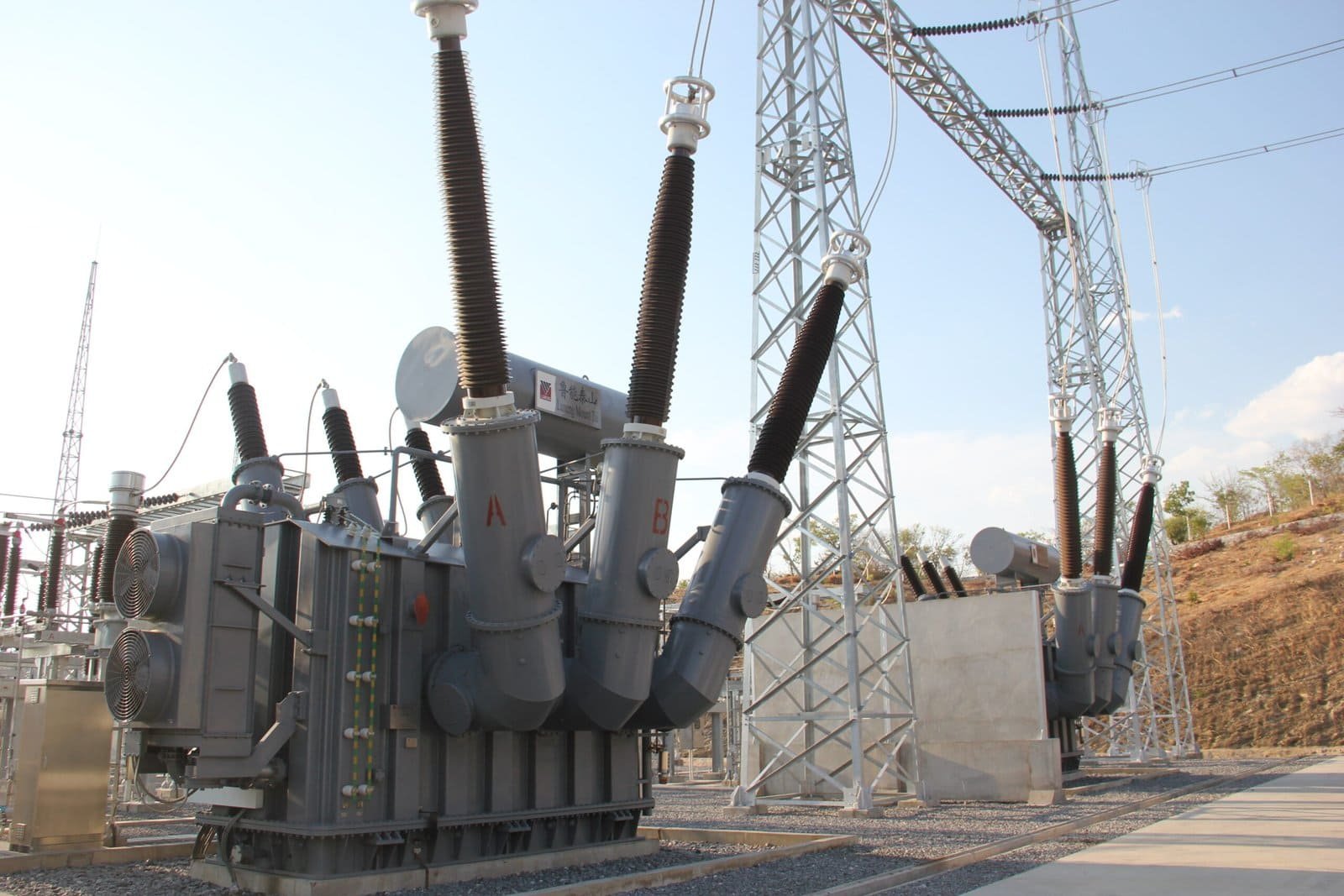
Investing in a power transformer requires decisions that extend far beyond the initial purchase price. Because transformers typically operate for several decades, the financial impact of a purchasing decision continues throughout installation, operation, maintenance, and eventual replacement. Many organizations make investment decisions based mainly on upfront cost, but this approach may overlook critical factors such as energy losses, failure probability, maintenance expenses, and remaining asset life. Lifecycle data provides a comprehensive view of transformer performance over time, helping buyers and operators make more accurate investment decisions, reduce long-term costs, and improve reliability.
Lifecycle data supports better power transformer investment decisions by providing detailed information about purchase costs, operating losses, maintenance history, failure trends, environmental conditions, and asset performance throughout the transformer’s service life. By analyzing lifecycle data, organizations can select more economical transformer designs, optimize maintenance strategies, predict replacement needs, reduce operational risks, and maximize long-term return on investment.
Lifecycle data provides a more accurate basis for power transformer investment decisions than initial purchase price alone because it includes long-term operating, maintenance, and reliability costs.True
Transformers operate for decades, making lifecycle expenses a major part of their total economic value.
Power transformers are among the most valuable assets in electrical networks, and their reliability directly affects power system stability. A transformer that performs efficiently and reliably can provide decades of service, while poor investment decisions may result in higher energy consumption, unexpected failures, and expensive downtime. Lifecycle data analysis allows organizations to understand how transformer assets actually perform under real operating conditions and make decisions based on measurable evidence rather than assumptions.
Why Is Lifecycle Data Important for Transformer Investment Decisions?
Traditional investment evaluation often focuses on:
- Initial transformer price
- Installation cost
- Supplier quotation comparison
However, the real economic impact includes many additional factors.
| Lifecycle Cost Category | Examples |
|---|---|
| Acquisition cost | Transformer purchase price |
| Installation cost | Transportation and commissioning |
| Operating cost | Energy losses |
| Maintenance cost | Inspection and repairs |
| Failure cost | Downtime and emergency replacement |
| End-of-life cost | Disposal and replacement |
Lifecycle data combines all these factors to provide a complete investment picture.
What Types of Lifecycle Data Are Used for Transformer Evaluation?
Effective lifecycle analysis requires information collected throughout the transformer’s service period.
Important data sources include:
| Data Type | Application |
|---|---|
| Purchase records | Compare initial investment |
| Factory test data | Verify original performance |
| Operating records | Analyze real conditions |
| Maintenance history | Evaluate reliability |
| Failure records | Identify risk patterns |
| Condition monitoring data | Predict future performance |
This information allows organizations to understand not only what they purchased but also how the transformer performs over time.
How Does Lifecycle Data Improve Transformer Selection?
Choosing the correct transformer design is one of the most important investment decisions.
Lifecycle data helps compare different options based on:
| Selection Factor | Lifecycle Data Application |
|---|---|
| Efficiency | Compare energy losses |
| Reliability | Analyze failure frequency |
| Maintenance needs | Evaluate service costs |
| Design life | Estimate long-term value |
| Environmental performance | Assess operating suitability |
Historical lifecycle performance data helps buyers select transformers with better long-term value by comparing actual reliability and operating costs among different designs.True
Real operating data provides stronger evidence than theoretical specifications alone.
For example, a transformer with a higher initial cost may provide better value if it delivers lower losses and fewer failures throughout its service life.
How Does Lifecycle Data Help Analyze Transformer Operating Costs?
Energy consumption is one of the largest long-term costs associated with transformers.
The main operating losses include:
| Loss Type | Source |
|---|---|
| No-load loss | Transformer core |
| Load loss | Transformer windings |
Lifecycle data helps estimate:
- Annual energy consumption
- Total loss costs
- Efficiency performance
- Cost savings from improved designs
A transformer operating continuously for 30 years can accumulate significant energy costs, making efficiency an important investment factor.
How Can Lifecycle Data Support Total Cost of Ownership Analysis?
Total cost of ownership (TCO) evaluates the complete financial impact of a transformer.
A typical TCO analysis includes:
| Cost Element | Evaluation Method |
|---|---|
| Initial investment | Purchase price analysis |
| Energy cost | Loss calculation |
| Maintenance | Historical service records |
| Failure risk | Reliability analysis |
| Replacement cost | Asset life prediction |
Lifecycle data allows organizations to compare transformer options based on actual economic performance rather than only acquisition price.
How Does Maintenance Data Improve Investment Decisions?
Maintenance history provides valuable information about transformer reliability.
Important maintenance data includes:
| Maintenance Data | Investment Insight |
|---|---|
| Inspection results | Equipment condition |
| Oil test results | Insulation health |
| Repair records | Reliability issues |
| Component replacement | Aging patterns |
Analyzing maintenance trends helps organizations determine:
- Which transformer models require more attention
- Which suppliers provide more reliable equipment
- When preventive maintenance should be scheduled
How Can Lifecycle Data Predict Transformer Failure Risks?
Unexpected transformer failures can create significant financial losses.
Failure-related lifecycle data includes:
- Fault records
- Insulation degradation
- Temperature history
- Loading conditions
- Environmental exposure
| Risk Factor | Lifecycle Analysis Purpose |
|---|---|
| Overloading | Assess thermal stress |
| Insulation aging | Predict failure probability |
| Moisture exposure | Evaluate insulation risk |
| Frequent faults | Identify system issues |
Lifecycle data analysis can help predict transformer failure risks by identifying patterns associated with aging, loading, and environmental stress.True
Historical operating conditions provide valuable information for reliability prediction and preventive action.
Predictive insights allow operators to invest in maintenance before failures occur.
How Does Lifecycle Data Support Transformer Replacement Planning?
Replacing transformers too early wastes investment, while replacing too late increases failure risks.
Lifecycle analysis helps determine optimal replacement timing.
| Replacement Factor | Data Considered |
|---|---|
| Asset age | Years in service |
| Remaining life | Condition assessment |
| Failure probability | Historical performance |
| Operating importance | System criticality |
| Repair cost | Economic comparison |
This enables organizations to balance reliability and investment efficiency.
How Can Lifecycle Data Improve Transformer Maintenance Strategies?
Maintenance decisions directly influence transformer lifespan.
Lifecycle data supports:
- Condition-based maintenance
- Predictive maintenance
- Risk-based inspection planning
| Maintenance Approach | Data Application |
|---|---|
| Preventive maintenance | Historical failure patterns |
| Condition monitoring | Real-time operating data |
| Predictive maintenance | Future risk forecasting |
A data-driven maintenance strategy avoids unnecessary inspections while reducing unexpected failures.
How Does Lifecycle Data Help Compare Transformer Suppliers?
Supplier evaluation should consider long-term performance, not only initial pricing.
Lifecycle supplier indicators include:
| Supplier Metric | Value Assessment |
|---|---|
| Failure rate | Product reliability |
| Warranty history | Manufacturing quality |
| Maintenance frequency | Long-term performance |
| Energy efficiency | Operating cost |
| Service response | Support capability |
A supplier with stronger lifecycle performance may provide better investment value even if the initial quotation is higher.
How Can Lifecycle Data Support Energy Efficiency Investments?
Energy efficiency improvements require investment decisions based on long-term savings.
Lifecycle data can compare:
| Efficiency Improvement | Potential Benefit |
|---|---|
| Low-loss core materials | Reduced no-load losses |
| Optimized winding design | Lower load losses |
| Better cooling systems | Improved thermal performance |
The economic benefit depends on:
- Operating hours
- Electricity prices
- Loading conditions
- Transformer lifespan
Lifecycle analysis helps determine whether efficiency upgrades are financially justified.
How Does Lifecycle Data Improve Risk Management?
Transformer investments involve multiple uncertainties.
Lifecycle data helps manage:
| Risk Type | Data Support |
|---|---|
| Technical risk | Performance history |
| Financial risk | Cost analysis |
| Operational risk | Failure records |
| Supplier risk | Long-term evaluation |
Better risk visibility helps organizations allocate investment resources more effectively.
How Can Digital Monitoring Improve Lifecycle Data Collection?
Modern transformer monitoring systems continuously collect operational information.
Examples include:
- Temperature monitoring
- Dissolved gas analysis
- Load monitoring
- Partial discharge monitoring
- Oil condition monitoring
| Monitoring Data | Investment Benefit |
|---|---|
| Real-time condition | Better maintenance decisions |
| Early fault detection | Reduced failure costs |
| Performance tracking | Improved asset management |
Continuous data collection improves the accuracy of lifecycle analysis.
How Does Lifecycle Data Support Renewable Energy Transformer Investments?
Renewable energy projects require reliable transformer performance under changing operating conditions.
Lifecycle data helps evaluate:
- Variable loading patterns
- Grid connection requirements
- Efficiency performance
- Long-term reliability
| Renewable Application | Lifecycle Data Use |
|---|---|
| Solar farms | Capacity optimization |
| Wind farms | Loading analysis |
| Energy storage systems | Operating condition evaluation |
This helps developers select transformers that match future energy system needs.
What Challenges Exist in Lifecycle Data Management?
Organizations may face challenges including:
| Challenge | Solution |
|---|---|
| Incomplete records | Improve data collection systems |
| Different data formats | Standardize information |
| Lack of historical data | Build asset databases |
| Limited analysis capability | Use digital tools |
Accurate lifecycle decisions depend on reliable data quality.
How Can Buyers Build a Lifecycle-Based Transformer Investment Strategy?
A successful lifecycle investment strategy includes:
- Collect historical transformer data
- Analyze operating performance
- Calculate total ownership costs
- Compare supplier and design options
- Predict future maintenance needs
- Optimize replacement timing
| Strategy Element | Expected Benefit |
|---|---|
| Lifecycle cost analysis | Better investment decisions |
| Condition monitoring | Reduced failures |
| Performance tracking | Improved asset value |
| Predictive maintenance | Lower operating risks |
How Can Buyers Build a Data-Driven Power Transformer Procurement Strategy?

Power transformer procurement involves high-value investments, long project cycles, and complex technical requirements. Many buyers still rely heavily on supplier quotations, personal experience, and traditional evaluation methods when selecting transformers. However, these approaches may overlook important factors such as supplier reliability, lifecycle costs, market price fluctuations, quality risks, and future operational requirements. Poor procurement decisions can result in higher acquisition costs, delayed projects, inefficient transformer operation, and increased maintenance expenses. A data-driven power transformer procurement strategy helps buyers transform historical records, supplier information, market intelligence, and technical data into actionable insights, enabling smarter purchasing decisions and better long-term value.
Buyers can build a data-driven power transformer procurement strategy by collecting and analyzing procurement history, supplier performance data, technical specifications, market trends, lifecycle costs, and operational information. By applying data analytics, buyers can identify reliable suppliers, optimize transformer specifications, forecast costs, reduce procurement risks, improve negotiation outcomes, and select transformer solutions with the best long-term performance and economic value.
A data-driven procurement strategy improves power transformer purchasing decisions by replacing subjective judgment with measurable analysis of supplier, cost, technical, and lifecycle information.True
Data-based decision-making provides stronger evidence for supplier selection and investment optimization.
Power transformers are critical electrical assets that often operate continuously for 30 years or more. Because of their long service life, procurement decisions should not focus only on the initial purchase price. A successful strategy must consider total ownership costs, supplier capability, equipment reliability, energy efficiency, maintenance requirements, and future expansion needs. By integrating data analytics into procurement processes, buyers can create a more transparent, predictable, and cost-effective sourcing system.
Why Should Power Transformer Procurement Become Data-Driven?
Traditional procurement methods often evaluate suppliers based on limited information.
Common decision factors include:
| Traditional Factor | Limitation |
|---|---|
| Initial quotation | Does not show lifecycle cost |
| Supplier presentation | May not reflect actual performance |
| Technical documents | May lack operating evidence |
| Personal experience | Difficult to standardize |
A data-driven strategy expands evaluation using measurable information.
Important data sources include:
| Data Source | Procurement Value |
|---|---|
| Historical purchase records | Price benchmarking |
| Supplier performance records | Reliability evaluation |
| Factory test results | Quality assessment |
| Market information | Cost forecasting |
| Operating data | Lifecycle analysis |
This approach helps buyers make decisions based on evidence rather than assumptions.
How Can Buyers Establish a Procurement Data Foundation?
The first step in building a data-driven strategy is creating a reliable information system.
Buyers should collect:
| Data Category | Examples |
|---|---|
| Supplier data | Delivery records, quality history |
| Cost data | Previous prices, quotation trends |
| Technical data | Losses, efficiency, specifications |
| Project data | Installation schedules |
| Maintenance data | Failure and repair records |
A complete database allows buyers to compare suppliers and transformer options more accurately.
Reliable data collection is the foundation of effective procurement analytics because inaccurate or incomplete information can lead to incorrect supplier and investment decisions.True
Data analysis quality depends directly on the accuracy and completeness of collected information.
How Does Supplier Performance Data Improve Procurement Decisions?
Supplier selection is one of the most important elements of transformer procurement.
Historical supplier data can evaluate:
| Supplier Performance Indicator | Purpose |
|---|---|
| On-time delivery rate | Measure schedule reliability |
| Defect rate | Evaluate manufacturing quality |
| Warranty claims | Assess long-term reliability |
| Technical support response | Measure service capability |
| Previous project experience | Confirm competence |
A supplier scorecard can combine these indicators into an overall evaluation model.
Example:
| Evaluation Factor | Weight |
|---|---|
| Product quality | 30% |
| Delivery performance | 25% |
| Technical capability | 20% |
| Cost competitiveness | 15% |
| Service support | 10% |
This prevents buyers from selecting suppliers based only on price.
How Can Historical Cost Data Optimize Transformer Purchasing?
Transformer prices are affected by many variables, including:
- Copper prices
- Electrical steel costs
- Labor expenses
- Energy prices
- Transportation costs
Historical cost analysis helps buyers understand pricing behavior.
| Cost Analysis Method | Benefit |
|---|---|
| Previous quotation comparison | Identify reasonable prices |
| Material trend analysis | Predict cost changes |
| Supplier price comparison | Improve negotiation |
| Lifecycle cost modeling | Evaluate total value |
For example, if electrical steel prices are expected to increase, buyers may consider earlier procurement or long-term agreements to reduce cost risks.
How Does Market Data Help Manage Transformer Procurement Risks?
The transformer market changes according to infrastructure investment, renewable energy growth, and supply chain conditions.
Market data analysis can track:
| Market Factor | Procurement Impact |
|---|---|
| Industry demand | Supplier capacity availability |
| Raw material trends | Equipment price changes |
| Energy projects | Future transformer demand |
| Transportation conditions | Delivery cost changes |
By monitoring market conditions, buyers can determine the best procurement timing.
How Can Buyers Use Data Analytics to Optimize Transformer Specifications?
Incorrect specifications can increase costs or reduce reliability.
A data-driven approach evaluates actual project requirements.
Important specification factors include:
| Specification | Data-Based Optimization |
|---|---|
| Transformer capacity | Match actual load demand |
| Efficiency level | Balance investment and savings |
| Cooling method | Optimize operating conditions |
| Voltage rating | Meet system requirements |
| Accessories | Avoid unnecessary features |
Historical project data can reveal which specifications are truly required.
How Does Lifecycle Data Improve Procurement Strategy?
The initial transformer price represents only part of the investment.
Lifecycle analysis considers:
| Lifecycle Element | Data Application |
|---|---|
| Purchase cost | Initial investment comparison |
| Energy losses | Operating cost estimation |
| Maintenance history | Reliability evaluation |
| Failure records | Risk prediction |
| Remaining life | Replacement planning |
Lifecycle data allows buyers to evaluate transformer investments based on total ownership cost rather than only initial purchase price.True
Long-term operating and maintenance expenses significantly influence transformer economic performance.
This helps buyers select transformers that provide better long-term value.
How Can Predictive Analytics Improve Procurement Planning?
Predictive analytics uses historical patterns to forecast future conditions.
Applications include:
| Predictive Analysis | Procurement Benefit |
|---|---|
| Price forecasting | Better purchasing timing |
| Supplier risk prediction | Avoid unreliable suppliers |
| Delivery forecasting | Reduce project delays |
| Demand forecasting | Improve planning |
Predictive models allow procurement teams to prepare for potential problems before they occur.
How Does Data Support Better Supplier Negotiations?
Negotiation becomes more effective when buyers have reliable information.
Useful negotiation data includes:
| Data Type | Negotiation Advantage |
|---|---|
| Historical prices | Better cost discussions |
| Supplier comparisons | Stronger bargaining position |
| Market trends | Understand pricing conditions |
| Performance records | Define contract requirements |
Data-driven negotiation helps buyers achieve balanced agreements.
How Can Buyers Build a Transformer Supplier Evaluation Model?
A structured supplier evaluation model improves transparency.
Recommended evaluation categories:
| Category | Example Metrics |
|---|---|
| Quality | Defect rate, testing results |
| Delivery | Lead time accuracy |
| Cost | Price competitiveness |
| Technology | Engineering capability |
| Service | Response performance |
Regular supplier reviews allow continuous improvement.
How Can Digital Procurement Platforms Support Data-Driven Strategies?
Digital tools make procurement information easier to manage.
Common systems include:
| Digital System | Function |
|---|---|
| ERP systems | Manage purchasing data |
| Supplier databases | Track performance |
| Analytics dashboards | Display trends |
| Project management systems | Monitor schedules |
These platforms improve communication between buyers, suppliers, and engineering teams.
How Can Buyers Reduce Procurement Risks Through Data Monitoring?
Continuous monitoring helps identify risks early.
Important risk indicators include:
| Risk Indicator | Possible Issue |
|---|---|
| Increasing delays | Production capacity problems |
| Rising defects | Quality problems |
| Cost increases | Market pressure |
| Poor communication | Service risks |
Early detection allows buyers to develop solutions before projects are affected.
How Does Data-Driven Procurement Support Long-Term Supplier Relationships?
Data should not only be used for supplier selection but also supplier improvement.
Benefits include:
- Better communication
- Performance improvement
- More accurate forecasting
- Stronger cooperation
| Relationship Approach | Benefit |
|---|---|
| Performance reviews | Continuous improvement |
| Shared data analysis | Better coordination |
| Long-term agreements | Cost stability |
Strategic supplier relationships often provide greater value than short-term price competition.
What Challenges Must Buyers Overcome When Building a Data-Driven Strategy?
Implementing a data-driven procurement system requires organizational improvements.
Common challenges include:
| Challenge | Solution |
|---|---|
| Limited historical data | Build databases gradually |
| Poor data quality | Establish data standards |
| Lack of analytical skills | Train procurement teams |
| Fragmented information | Integrate digital systems |
A successful strategy requires cooperation between procurement, engineering, quality, and operations teams.
What Are the Key Steps to Build a Data-Driven Transformer Procurement Strategy?
A practical implementation roadmap includes:
| Step | Action |
|---|---|
| 1 | Collect procurement and supplier data |
| 2 | Create evaluation criteria |
| 3 | Analyze cost and performance trends |
| 4 | Apply predictive analytics |
| 5 | Optimize supplier selection |
| 6 | Monitor results continuously |
This process creates continuous improvement in transformer sourcing.
Conclusion
Data analytics is transforming the way organizations approach power transformer procurement by replacing traditional guess-based decisions with measurable insights. By analyzing supplier performance, cost trends, production capacity, quality records, and lifecycle information, buyers can reduce procurement risks, improve supplier relationships, and achieve greater long-term value. As transformer supply chains become increasingly complex and demand for reliable electrical infrastructure continues to grow, data-driven procurement strategies will become a key advantage for organizations seeking efficient, cost-effective, and reliable transformer solutions.
FAQ
Q1: How can data analytics support better power transformer procurement decisions?
Data analytics helps organizations make more informed power transformer procurement decisions by converting large amounts of technical, financial, operational, and supplier data into actionable insights.
Traditional transformer purchasing decisions often rely on specifications, quotations, and supplier experience. While these factors remain important, data analytics provides a deeper evaluation of:
Supplier performance history
Manufacturing lead times
Cost trends
Material price fluctuations
Transformer reliability data
Maintenance records
Lifecycle costs
Market risks
By analyzing historical and real-time data, buyers can identify the best suppliers, optimize specifications, reduce procurement risks, and improve long-term asset performance.
For high-value equipment such as power transformers, data-driven procurement helps balance:
Initial purchase cost
Technical performance
Delivery reliability
Operational efficiency
Long-term maintenance expenses
This approach enables utilities and industrial organizations to move from reactive purchasing to strategic, evidence-based decision-making.
Q2: How does data analytics improve transformer supplier selection?
Supplier selection is one of the most important procurement decisions because transformer quality and reliability depend heavily on manufacturer capability.
Data analytics can evaluate suppliers using multiple performance indicators, including:
Previous project delivery records
Factory testing results
Defect rates
Warranty claim history
Production capacity
Lead time performance
Compliance records
Customer satisfaction data
A supplier scoring model can rank manufacturers based on weighted criteria such as:
Evaluation Factor Importance
Product quality High
Delivery reliability High
Technical capability High
Cost competitiveness Medium
After-sales support Medium
This allows buyers to select suppliers based on total value rather than only the lowest quotation.
Q3: How can analytics help reduce power transformer procurement costs?
Data analytics helps identify cost-saving opportunities throughout the procurement process.
Cost analysis may include:
Historical transformer prices
Raw material trends
Supplier quotations
Manufacturing cost drivers
Transportation expenses
Installation costs
Operating losses
Analytics can reveal:
Whether a supplier quotation is competitive
When purchasing timing is most favorable
Which specifications increase unnecessary costs
Where standardization can reduce expenses
For example, analyzing previous transformer purchases may show that several projects used different specifications for similar applications. Standardizing designs can reduce engineering costs, simplify procurement, and improve supplier negotiation power.
Q4: How does predictive analytics improve transformer procurement planning?
Predictive analytics uses historical data and forecasting models to anticipate future requirements and risks.
Applications include:
Demand Forecasting
Predicting future transformer requirements based on:
Grid expansion plans
Industrial growth
Renewable energy projects
Asset replacement schedules
Supply Chain Forecasting
Identifying potential risks related to:
Electrical steel availability
Copper price changes
Component shortages
Manufacturing capacity constraints
Delivery Prediction
Estimating realistic production timelines based on:
Supplier performance history
Factory workload
Material availability
This allows organizations to begin procurement earlier and avoid project delays.
Q5: How can lifecycle data improve transformer purchasing decisions?
A transformer should not be evaluated only by its purchase price. Lifecycle data provides a more complete view of long-term value.
Data analytics can compare:
Initial investment cost
Energy losses
Maintenance requirements
Failure probability
Expected service life
Replacement costs
For example, two transformers may have different purchase prices, but the more efficient model may save significant energy costs over decades of operation.
Lifecycle analysis helps buyers select transformers with the best balance of:
Reliability
Efficiency
Maintenance requirements
Total ownership cost
Q6: How does data analytics help manage transformer supply chain risks?
Power transformer supply chains involve many specialized materials and components. Analytics helps organizations identify and manage potential disruptions.
Risk monitoring can include:
Supplier dependency analysis
Commodity price tracking
Geographic supply risks
Manufacturing capacity analysis
Delivery performance monitoring
Organizations can use these insights to develop risk mitigation strategies such as:
Qualifying multiple suppliers
Ordering long-lead materials earlier
Establishing framework agreements
Maintaining strategic inventory
This is especially valuable for large transformers, which may require long manufacturing periods and specialized components.
Q7: Can artificial intelligence improve power transformer procurement decisions?
Yes. Artificial intelligence (AI) can enhance procurement analytics by identifying patterns that may not be obvious through traditional analysis.
AI applications include:
Automated supplier ranking
Price prediction models
Risk identification
Demand forecasting
Contract analysis
Performance prediction
Machine learning models can analyze historical procurement and operational data to recommend:
Preferred suppliers
Optimal purchasing timing
Cost-saving opportunities
Potential quality risks
AI does not replace engineering judgment but provides additional insights for better decision-making.
Q8: What data should buyers collect for smarter transformer procurement?
Effective analytics depends on collecting accurate and complete data throughout the transformer lifecycle.
Useful data sources include:
Procurement Data
Purchase prices
Supplier quotations
Contract terms
Delivery records
Technical Data
Transformer ratings
Efficiency levels
Test reports
Design specifications
Operational Data
Loading conditions
Energy losses
Temperature records
Failure history
Supplier Data
Quality performance
Manufacturing capacity
Warranty records
Service response
By combining these datasets, organizations can develop a comprehensive procurement strategy that improves cost control, reliability, and long-term transformer performance.
References
IEC 60076 – Power Transformers
https://webstore.iec.ch/publication/602
IEEE C57 Series – Power Transformer Standards
https://standards.ieee.org
McKinsey & Company – Digital Procurement and Analytics Insights
https://www.mckinsey.com/capabilities/operations/our-insights
Deloitte – Supply Chain Analytics and Digital Procurement Research
https://www.deloitte.com