Transformers are fundamental components in modern electrical systems, enabling the safe and efficient transmission, distribution, and utilization of electrical energy. Without transformers, electricity generated at power plants could not be efficiently transmitted over long distances or adapted to the voltage requirements of different applications. A poorly selected transformer can lead to energy losses, unstable voltage levels, equipment damage, and reduced system reliability. Understanding the purpose of transformers helps engineers and users choose the right equipment for power transmission, industrial operations, and electrical distribution systems.
The main purpose of a transformer is to transfer electrical energy between circuits while changing voltage levels through electromagnetic induction. Transformers can increase voltage for efficient long-distance power transmission, reduce voltage for safe distribution and equipment operation, provide electrical isolation, improve power system reliability, and support the stable operation of residential, commercial, industrial, and utility electrical networks.
From power generation plants to end-use electrical equipment, transformers play a vital role in maintaining efficient and reliable electricity delivery. Understanding their functions allows users to better evaluate transformer types, ratings, and applications for different power system requirements.
What Is the Purpose of a Transformer in an Electrical System?
Transformers are essential components in modern electrical systems because they enable electricity to be transmitted, distributed, and used safely and efficiently. Without transformers, power generated at large plants would be difficult to deliver over long distances, and electrical equipment would not receive the voltage levels required for reliable operation. Incorrect transformer selection or misunderstanding of transformer functions can lead to inefficient power delivery, equipment damage, increased energy losses, and higher operating costs.
The primary purpose of a transformer in an electrical system is to transfer electrical energy between circuits while changing voltage levels through electromagnetic induction. Transformers are mainly used to increase voltage for efficient long-distance power transmission, reduce voltage for safe distribution and equipment operation, provide electrical isolation, improve system reliability, and support different power applications.
Transformers change voltage levels without changing the frequency of the electrical system.True
A transformer transfers electrical energy through electromagnetic induction, allowing voltage transformation while maintaining the same frequency in normal operation.
Understanding the purpose of transformers helps engineers, buyers, and operators select the correct transformer type, capacity, and voltage ratio for their applications. From power generation facilities to residential buildings and industrial plants, transformers form the connection point between different stages of the electrical power network.
Why Are Transformers Needed in Electrical Systems?
Electricity must often travel through different voltage levels before reaching end users. Power generation, transmission, distribution, and consumption systems operate at different requirements.
A typical electrical network includes:
| Power System Stage | Typical Voltage Level | Transformer Function |
|---|---|---|
| Power generation | Medium voltage | Increase voltage for transmission |
| Transmission network | High voltage | Transfer large power over long distances |
| Distribution network | Medium voltage | Reduce voltage for local supply |
| End-user equipment | Low voltage | Provide usable operating voltage |
Transformers allow these different sections of the electrical system to work together.
How Does a Transformer Work?
A transformer operates based on the principle of electromagnetic induction.
The main components include:
| Component | Function |
|---|---|
| Primary winding | Receives input electrical energy |
| Secondary winding | Delivers transformed electrical energy |
| Magnetic core | Provides magnetic flux path |
| Insulation system | Prevents electrical breakdown |
| Cooling system | Controls operating temperature |
When alternating current flows through the primary winding, it creates a changing magnetic field in the core. This magnetic field induces voltage in the secondary winding, allowing electrical energy to transfer between circuits.
What Is the Main Purpose of Increasing Voltage?
One of the most important transformer applications is increasing voltage for power transmission.
Power plants generate electricity at relatively moderate voltage levels, but long-distance transmission requires much higher voltages.
Benefits of voltage increase include:
| Benefit | Explanation |
|---|---|
| Lower current | Reduces conductor current |
| Lower losses | Minimizes heat losses in cables |
| Smaller conductors | Reduces transmission infrastructure cost |
| Greater efficiency | Improves power delivery performance |
Step-up transformers are commonly used near power plants to increase voltage before long-distance transmission.True
Higher transmission voltages reduce current and improve efficiency when transporting large amounts of electrical power.
What Is the Purpose of Reducing Voltage?
Before electricity reaches consumers, transformer systems reduce voltage to safer and more practical levels.
Step-down transformers are used in:
| Application | Transformer Function |
|---|---|
| Distribution substations | Reduce transmission voltage |
| Commercial buildings | Provide usable supply voltage |
| Industrial facilities | Match equipment requirements |
| Residential networks | Supply consumer voltage levels |
Examples include:
| Transformer Application | Voltage Conversion Example |
|---|---|
| Utility distribution | 11 kV to 400 V |
| Industrial supply | 33 kV to 6.6 kV |
| Substation systems | 220 kV to 110 kV |
How Do Transformers Improve Power Transmission Efficiency?
Transformers make modern electrical grids economically practical.
The relationship between power, voltage, and current means that increasing voltage allows the same amount of power to be transmitted with lower current.
| Transmission Approach | Result |
|---|---|
| Low voltage + high current | Higher losses |
| High voltage + low current | Lower losses |
Reduced current decreases resistive losses in transmission conductors, improving overall grid efficiency.
How Do Transformers Provide Electrical Isolation?
Some transformers are used for electrical isolation rather than voltage conversion.
Isolation transformers help:
| Function | Benefit |
|---|---|
| Separate circuits | Improve safety |
| Reduce electrical noise | Protect sensitive equipment |
| Prevent direct connection | Improve system protection |
Applications include:
- Medical equipment
- Control systems
- Laboratory equipment
- Industrial automation systems
What Role Do Transformers Play in Industrial Electrical Systems?
Industrial facilities often require multiple voltage levels for different equipment.
Transformers support:
| Industrial Requirement | Transformer Role |
|---|---|
| Motor operation | Provide suitable voltage |
| Heavy machinery | Supply high-capacity power |
| Control systems | Provide isolated power |
| Production equipment | Maintain stable voltage |
Industries such as steel plants, mining operations, chemical facilities, and manufacturing plants rely heavily on transformer systems.
How Do Transformers Support Renewable Energy Systems?
Renewable energy projects require transformers to connect generation equipment to electrical grids.
Common applications include:
| Renewable System | Transformer Function |
|---|---|
| Solar farms | Increase inverter output voltage |
| Wind farms | Connect turbines to collection networks |
| Battery storage | Match grid voltage requirements |
| Hybrid systems | Integrate multiple power sources |
Renewable energy transformers must handle:
- Variable power output
- Frequent operating changes
- Grid connection requirements
- Power quality considerations
What Types of Transformers Are Used in Electrical Systems?
Different transformer types serve different purposes.
| Transformer Type | Main Purpose |
|---|---|
| Distribution transformer | Supply end users |
| Power transformer | Transfer large power levels |
| Isolation transformer | Provide circuit separation |
| Autotransformer | Provide voltage adjustment |
| Instrument transformer | Measure voltage and current |
| Rectifier transformer | Support industrial conversion systems |
How Do Power Transformers Differ From Distribution Transformers?
The main difference is their application and operating role.
| Feature | Power Transformer | Distribution Transformer |
|---|---|---|
| Main purpose | Transmission and substation power transfer | Local power supply |
| Capacity | Several MVA to 1,000+ MVA | kVA to several MVA |
| Voltage level | High voltage | Medium to low voltage |
| Location | Power plants and substations | Near consumers |
| Loading pattern | Usually higher efficiency focus | Designed for daily load variation |
How Do Transformers Improve Voltage Stability?
Transformers help maintain acceptable voltage levels throughout electrical networks.
Voltage control features include:
| Feature | Purpose |
|---|---|
| Tap changer | Adjust voltage ratio |
| On-load tap changer | Regulate voltage during operation |
| Voltage monitoring | Maintain system stability |
Large power transformers often include automatic voltage regulation systems.
Why Are Transformers Important for Electrical Safety?
Transformers contribute to safer electrical operation.
Safety functions include:
| Safety Function | Benefit |
|---|---|
| Voltage reduction | Allows safe equipment operation |
| Isolation | Separates circuits |
| Insulation systems | Prevents electrical faults |
| Protection devices | Limits damage during failures |
How Do Transformers Affect Energy Efficiency?
Transformer efficiency influences total system operating costs.
Important efficiency factors include:
| Factor | Effect |
|---|---|
| Core material | Influences no-load losses |
| Winding design | Influences load losses |
| Cooling efficiency | Controls temperature |
| Loading level | Determines operating efficiency |
High-efficiency transformers reduce energy waste throughout their service life.
What Factors Should Be Considered When Selecting a Transformer?
Before purchasing, users should evaluate:
| Selection Factor | Importance |
|---|---|
| Required voltage ratio | Ensures system compatibility |
| Power rating | Determines load capability |
| Application type | Defines transformer design |
| Installation environment | Influences protection and cooling |
| Efficiency requirements | Controls operating costs |
| Reliability requirements | Determines quality level |
What Happens If a Transformer Is Not Properly Selected?
Incorrect transformer selection can cause:
| Problem | Consequence |
|---|---|
| Insufficient capacity | Overheating and failures |
| Incorrect voltage | Equipment malfunction |
| Poor efficiency | Increased energy costs |
| Inadequate protection | Safety risks |
| Wrong design type | Reduced service life |
How Do Transformers Increase and Decrease Voltage Levels?
Transformers play a fundamental role in electrical systems by allowing voltage levels to be increased or decreased efficiently through electromagnetic induction. Electricity generated at power plants cannot be transmitted economically at the same voltage level used by homes, businesses, or industrial equipment. Without transformers, power grids would suffer from higher transmission losses, inefficient distribution, and difficulties connecting different voltage systems.
Transformers increase and decrease voltage levels by changing the ratio between primary and secondary windings. A transformer increases voltage when the secondary winding has more turns than the primary winding (step-up transformer), and decreases voltage when the secondary winding has fewer turns than the primary winding (step-down transformer). This voltage transformation occurs through electromagnetic induction while maintaining the same frequency.
A transformer increases voltage when the secondary winding contains more turns than the primary winding.True
The voltage ratio of a transformer is proportional to the ratio of turns between the secondary and primary windings.
Transformers can convert alternating current voltage levels but cannot operate normally with direct current input.True
Transformers require changing magnetic flux produced by alternating current to induce voltage in the secondary winding.
Understanding how transformers change voltage levels helps buyers select suitable transformer designs for power transmission, industrial facilities, renewable energy systems, and electrical distribution networks.
How Does a Transformer Change Voltage?
A transformer changes voltage through electromagnetic induction.
The main operating components include:
| Component | Function |
|---|---|
| Primary winding | Receives input voltage |
| Secondary winding | Provides transformed output voltage |
| Magnetic core | Transfers magnetic flux between windings |
| Insulation system | Prevents electrical breakdown |
When alternating current flows through the primary winding, it creates a changing magnetic field inside the transformer core. This magnetic field induces an electrical voltage in the secondary winding.
The voltage change depends mainly on the winding turns ratio.
What Is the Relationship Between Transformer Voltage and Winding Turns?
The number of turns in each winding determines whether voltage increases or decreases.
| Transformer Type | Primary Turns | Secondary Turns | Voltage Result |
|---|---|---|---|
| Step-up transformer | Fewer turns | More turns | Voltage increases |
| Step-down transformer | More turns | Fewer turns | Voltage decreases |
| Isolation transformer | Equal turns | Equal turns | Voltage unchanged |
For example:
| Transformer Design | Input Voltage | Output Voltage |
|---|---|---|
| Step-up | 11 kV | 220 kV |
| Step-down | 220 kV | 33 kV |
| Distribution | 11 kV | 400 V |
How Do Step-Up Transformers Increase Voltage?
Step-up transformers increase voltage by using a secondary winding with a greater number of turns than the primary winding.
Common applications include:
- Power plants
- Transmission substations
- Renewable energy grid connections
Typical voltage increases include:
| Application | Voltage Increase Example |
|---|---|
| Generator transformer | 15 kV to 230 kV |
| Solar power station | 35 kV to 220 kV |
| Transmission system | 220 kV to 500 kV |
Step-up transformers are essential because high-voltage transmission reduces current and decreases energy losses.
Why Is Higher Voltage Used for Power Transmission?
Electrical power transmission uses high voltage because it improves efficiency.
For a given power level:
| Transmission Condition | Effect |
|---|---|
| Lower voltage | Higher current |
| Higher voltage | Lower current |
Lower current reduces:
- Conductor heating
- Energy losses
- Cable size requirements
- Infrastructure costs
This is why transmission networks commonly use:
- 110 kV
- 220 kV
- 330 kV
- 500 kV
- 765 kV
How Do Step-Down Transformers Reduce Voltage?
Step-down transformers reduce voltage by using fewer turns in the secondary winding compared with the primary winding.
They are used throughout distribution systems.
Typical examples include:
| Application | Voltage Reduction |
|---|---|
| Transmission substation | 220 kV to 110 kV |
| Distribution substation | 110 kV to 10 kV |
| Consumer transformer | 11 kV to 400 V |
Step-down transformers make electricity suitable for:
- Residential buildings
- Commercial facilities
- Industrial equipment
What Types of Transformers Are Used for Voltage Reduction?
Different electrical systems require different step-down transformer applications.
| Transformer Type | Voltage Application |
|---|---|
| Distribution transformer | Medium voltage to low voltage |
| Substation transformer | High voltage to medium voltage |
| Industrial transformer | Medium voltage to equipment voltage |
| Instrument transformer | High voltage measurement reduction |
How Do Transformers Maintain Power During Voltage Conversion?
Ideally, transformers transfer power while changing voltage and current levels.
The basic relationship is:
| Parameter | Step-Up Transformer | Step-Down Transformer |
|---|---|---|
| Voltage | Increases | Decreases |
| Current | Decreases | Increases |
| Power | Approximately constant | Approximately constant |
In real applications, some energy is lost due to:
- Core losses
- Copper losses
- Leakage flux
- Cooling requirements
Modern power transformers achieve very high efficiency through optimized core materials, winding designs, and cooling systems.
Why Does Current Change When Voltage Changes?
When voltage increases, current decreases for the same power transfer requirement.
The relationship is:
| Transformer Action | Electrical Effect |
|---|---|
| Increase voltage | Reduce current |
| Reduce voltage | Increase current |
This relationship explains why transmission systems use high voltages while consumer equipment uses lower voltages.
How Do Transformer Applications Determine Voltage Levels?
Different applications require different voltage transformations.
| Application | Typical Transformer Function |
|---|---|
| Power generation | Increase generator voltage |
| Transmission network | Maintain high voltage |
| Distribution network | Reduce voltage |
| Industrial plant | Match equipment voltage |
| Buildings | Provide safe operating voltage |
How Do Industrial Transformers Change Voltage Levels?
Industrial facilities often require multiple voltage levels.
Examples include:
| Industrial Application | Voltage Conversion |
|---|---|
| Steel plant | 33 kV to 6.6 kV |
| Manufacturing facility | 11 kV to 400 V |
| Mining operation | 35 kV to equipment voltage |
| Data center | Medium voltage to low voltage |
Industrial transformers must also consider:
- Motor starting currents
- Harmonic loads
- Continuous operation
- Reliability requirements
How Do Renewable Energy Transformers Increase Voltage?
Renewable energy systems often generate electricity at relatively low voltages.
Transformers increase voltage before grid connection.
Examples:
| Renewable Source | Transformer Function |
|---|---|
| Solar inverter | 0.4 kV to 35 kV |
| Wind turbine | 0.69 kV to 35 kV |
| Solar substation | 35 kV to 220 kV |
These transformers help renewable projects connect safely to utility networks.
What Factors Affect Transformer Voltage Selection?
Buyers should evaluate:
| Factor | Impact |
|---|---|
| Grid voltage | Determines transformer ratio |
| Power capacity | Determines winding design |
| Transmission distance | Influences voltage class |
| Load requirements | Determines output voltage |
| Safety standards | Determines insulation level |
Incorrect voltage selection can result in:
- Equipment failure
- Poor efficiency
- Grid incompatibility
- Increased costs
How Does Transformer Insulation Change With Voltage Level?
Higher voltage requires stronger insulation systems.
| Voltage Increase | Required Design Improvement |
|---|---|
| Higher winding voltage | More insulation thickness |
| Higher surge exposure | Better impulse protection |
| Higher operating stress | Improved materials |
High-voltage transformers require advanced:
- Bushings
- Insulation structures
- Testing procedures
- Protection systems
How Are Voltage Levels Tested Before Transformer Delivery?
Manufacturers perform several tests to verify voltage performance.
Common tests include:
| Test | Purpose |
|---|---|
| Ratio test | Verify voltage transformation ratio |
| No-load test | Check core performance |
| Load test | Verify operating performance |
| Insulation test | Confirm voltage withstand capability |
| Impulse test | Verify surge resistance |
These tests ensure the transformer performs correctly after installation.
What Should Buyers Confirm Before Purchasing a Transformer?
Before selecting a transformer, buyers should verify:
| Item | Reason |
|---|---|
| Input voltage | Ensure grid compatibility |
| Output voltage | Match equipment requirements |
| Rated capacity | Avoid overload |
| Frequency | Confirm system operation |
| Vector group | Ensure connection compatibility |
| Insulation level | Ensure safety |
Why Are Transformers Important for Power Transmission and Distribution?
Transformers are the foundation of modern electrical power systems because they make it possible to generate, transmit, distribute, and use electricity efficiently at different voltage levels. Without transformers, power plants would need to transmit electricity at inefficient voltage levels, causing excessive energy losses, larger conductors, higher infrastructure costs, and unreliable electricity supply. In distribution networks, transformers are equally important because they reduce high transmission voltages to safe levels suitable for homes, commercial buildings, and industrial equipment.
Transformers are important for power transmission and distribution because they increase voltage for efficient long-distance electricity transport, decrease voltage for safe end-user applications, improve energy efficiency by reducing transmission losses, provide electrical isolation, support voltage regulation, and enable different parts of the power grid to operate at compatible voltage levels.
Transformers are essential for efficient long-distance power transmission because they allow electricity to be transmitted at high voltage and lower current.True
Higher transmission voltage reduces current for the same power level, which decreases resistive losses in conductors.
Transformers generate electrical energy during voltage conversion.False
Transformers transfer electrical energy between circuits through electromagnetic induction but do not create energy.
From power generation stations to local distribution networks, transformers provide the critical link between different sections of the electrical infrastructure. Understanding their role helps utilities, industrial users, and project developers select appropriate transformer ratings, voltage levels, and technical configurations.
What Role Do Transformers Play in the Electrical Power System?
Electricity moves through several stages before reaching consumers. Each stage requires different voltage levels.
| Power System Stage | Typical Voltage Range | Transformer Function |
|---|---|---|
| Power generation | 6 kV–35 kV | Increase voltage for transmission |
| High-voltage transmission | 110 kV–765 kV | Transfer bulk power efficiently |
| Distribution network | 4 kV–35 kV | Reduce voltage for local supply |
| End users | 230 V–690 V | Provide usable operating voltage |
Transformers allow these different voltage systems to operate together while maintaining electrical reliability.
How Do Transformers Improve Power Transmission Efficiency?
One of the most important functions of transformers is enabling high-voltage transmission.
Power transmission losses are mainly caused by conductor resistance. When electrical current flows through transmission lines, some energy is converted into heat.
Transformers solve this problem by increasing voltage before transmission.
| Transmission Method | Effect |
|---|---|
| Low voltage transmission | High current and greater losses |
| High voltage transmission | Lower current and reduced losses |
Higher voltage transmission provides:
- Lower line losses
- Smaller conductor requirements
- Greater transmission distance
- Improved grid efficiency
For example, electricity generated at a power plant may be increased from 15 kV to 500 kV before entering a transmission network.
Why Are Step-Up Transformers Used at Power Plants?
Power generators typically produce electricity at medium voltage levels because generator insulation and equipment design make extremely high generator voltages impractical.
Step-up transformers increase generator output voltage.
Common applications include:
| Generator Output | Transmission Voltage |
|---|---|
| 11 kV | 132 kV |
| 15 kV | 220 kV |
| 20 kV | 500 kV |
The main purpose is to make large-scale power transfer economically possible.
How Do Transformers Reduce Voltage for Distribution?
Electricity transmitted at high voltage cannot be directly used by consumers. Transformers reduce voltage through step-down operation.
Typical distribution transformations include:
| Transformer Application | Voltage Conversion |
|---|---|
| Transmission substation | 500 kV to 220 kV |
| Regional substation | 220 kV to 110 kV |
| Distribution transformer | 11 kV to 400 V |
Step-down transformers ensure electricity reaches users at safe and practical voltage levels.
How Do Transformers Support Residential and Commercial Power Supply?
Distribution transformers are the final voltage conversion stage before electricity reaches customers.
They provide:
| Customer Type | Typical Supply Voltage |
|---|---|
| Residential buildings | 230 V / 400 V |
| Commercial facilities | 400 V / 480 V |
| Small industries | 400 V–690 V |
Without distribution transformers, electrical equipment would receive unsuitable voltage levels.
How Do Transformers Enable Different Voltage Levels in One Grid?
Modern power systems require multiple voltage classes.
A single electrical network may include:
| System Section | Voltage Level |
|---|---|
| Generator connection | 10–20 kV |
| Transmission network | 220–765 kV |
| Sub-transmission | 66–132 kV |
| Distribution | 10–35 kV |
| Consumer supply | 230–690 V |
Transformers create the connection points between these different voltage systems.
How Do Transformers Improve Electrical Safety?
Transformers improve safety by reducing voltage and providing isolation.
Safety functions include:
| Function | Benefit |
|---|---|
| Voltage reduction | Protects end-user equipment |
| Electrical isolation | Separates circuits |
| Insulation system | Prevents breakdown |
| Protection devices | Limits fault damage |
Isolation transformers are commonly used in:
- Hospitals
- Laboratories
- Industrial control systems
- Sensitive electronic equipment
How Do Transformers Support Industrial Power Systems?
Industrial facilities require reliable and flexible electrical supply.
Transformers support industries such as:
- Steel production
- Mining
- Chemical processing
- Manufacturing
- Data centers
Industrial transformer applications include:
| Requirement | Transformer Function |
|---|---|
| Large motors | Supply high starting currents |
| Heavy machinery | Provide high-capacity power |
| Production systems | Maintain voltage stability |
| Critical loads | Improve reliability |
Industrial transformers often range from several MVA to hundreds of MVA depending on facility size.
How Do Transformers Support Renewable Energy Integration?
Renewable energy sources often generate electricity at voltage levels different from utility grids.
Transformers enable grid connection by matching voltage levels.
Examples include:
| Renewable Application | Transformer Function |
|---|---|
| Solar farm | Increase inverter voltage |
| Wind turbine | Connect generator output |
| Battery storage | Match grid voltage |
| Renewable substation | Connect to transmission network |
Renewable energy transformers must handle variable generation conditions while maintaining grid stability.
How Do Transformers Improve Grid Reliability?
Transformers contribute to reliable electricity supply through:
| Feature | Reliability Benefit |
|---|---|
| Voltage regulation | Maintains stable supply |
| Parallel operation | Provides redundancy |
| Monitoring systems | Detects problems early |
| Protection systems | Limits equipment damage |
Large utility transformers often include advanced monitoring systems such as:
- Oil temperature monitoring
- Dissolved gas analysis
- Partial discharge detection
- Online condition monitoring
How Do Transformers Control Voltage Fluctuations?
Voltage levels can change due to:
- Load variations
- Power generation changes
- Network conditions
Transformers help control voltage using:
| Device | Function |
|---|---|
| Tap changer | Adjusts voltage ratio |
| On-load tap changer | Changes voltage during operation |
| Voltage regulator | Maintains output stability |
This is especially important in large distribution and transmission networks.
What Types of Transformers Are Used in Transmission and Distribution?
Different transformer types serve different system functions.
| Transformer Type | Main Application |
|---|---|
| Generator transformer | Power plant voltage increase |
| Power transformer | Transmission and substations |
| Distribution transformer | Consumer supply |
| Autotransformer | High-capacity voltage conversion |
| Instrument transformer | Measurement and protection |
How Do Transformers Reduce Energy Costs?
Transformer efficiency directly affects operating costs.
Important efficiency factors include:
| Factor | Impact |
|---|---|
| Core material | Reduces no-load losses |
| Winding design | Reduces load losses |
| Cooling system | Improves thermal performance |
| Operating load | Influences efficiency |
High-efficiency transformers can save significant energy throughout decades of operation.
Why Are Transformer Ratings Important in Transmission and Distribution?
Transformers must be selected according to system requirements.
Important parameters include:
| Parameter | Purpose |
|---|---|
| kVA/MVA rating | Defines power capacity |
| Voltage ratio | Defines system connection |
| Impedance | Controls fault behavior |
| Cooling method | Determines thermal capability |
| Insulation class | Determines voltage withstand |
Incorrect transformer sizing may cause:
- Overheating
- Voltage instability
- Increased losses
- Reduced service life
What Factors Should Buyers Consider When Selecting Transmission and Distribution Transformers?
Buyers should evaluate:
| Selection Factor | Importance |
|---|---|
| Load demand | Determines capacity |
| Grid voltage | Determines transformer ratio |
| Future expansion | Prevents undersizing |
| Environmental conditions | Defines protection requirements |
| Efficiency requirements | Reduces lifecycle costs |
| Reliability expectations | Determines design quality |
What Happens Without Transformers in Power Systems?
Without transformers:
| Problem | Impact |
|---|---|
| Low transmission voltage | High energy losses |
| No voltage conversion | Poor equipment compatibility |
| Limited grid flexibility | Difficult network expansion |
| Unsafe consumer voltage | Increased risks |
Modern power grids depend on transformers to function efficiently.
How Do Transformers Improve Electrical Safety and System Reliability?
Transformers are critical components for maintaining safe and reliable electrical systems because they control voltage levels, provide electrical isolation, reduce fault risks, and support stable power delivery. Without properly designed transformers, electrical networks would face greater risks from excessive voltage, equipment damage, unstable power supply, and increased downtime. For industrial facilities, utilities, renewable energy projects, and commercial buildings, transformer reliability directly affects operational continuity and safety performance.
Transformers improve electrical safety and system reliability by reducing or increasing voltage to suitable levels, providing electrical isolation between circuits, limiting fault impacts, supporting voltage regulation, improving power quality, enabling protective systems, and ensuring stable electricity supply under different operating conditions. Proper transformer design, maintenance, and protection systems help extend equipment life and reduce electrical risks.
Step-down transformers improve electrical safety by reducing high system voltages to levels suitable for consumer and industrial equipment.True
Lower operating voltages reduce electrical hazards and allow equipment to operate within safe design limits.
Transformers eliminate all electrical faults in power systems.False
Transformers reduce risks and support protection systems, but electrical faults can still occur and require protective devices.
Because transformers often operate continuously for decades, their safety and reliability performance depend on correct selection, manufacturing quality, insulation design, cooling capability, and preventive maintenance. A reliable transformer does not only convert voltage; it acts as a key protection and stability element within the entire electrical network.
Why Are Transformers Important for Electrical Safety?
Electrical systems operate at different voltage levels depending on their application. Power generation and transmission require high voltages, while end-user equipment requires lower and safer voltages.
Transformers improve safety by creating controlled voltage transitions.
| Electrical System Stage | Transformer Function | Safety Benefit |
|---|---|---|
| Power generation | Increase voltage | Enables controlled transmission |
| Transmission network | Maintain high voltage conversion | Reduces excessive current |
| Distribution network | Reduce voltage | Protects consumers |
| Equipment supply | Provide suitable voltage | Prevents equipment damage |
Without transformers, electrical equipment would be exposed to unsuitable voltage conditions.
How Do Transformers Reduce Electrical Hazards?
One of the primary safety functions of transformers is voltage adjustment.
High-voltage electricity is necessary for efficient transmission, but it is dangerous for direct use.
Transformers reduce voltage through step-down operation:
| Application | Typical Voltage Conversion |
|---|---|
| Transmission substation | 220 kV to 110 kV |
| Distribution substation | 110 kV to 10 kV |
| Consumer transformer | 11 kV to 400 V |
This voltage reduction helps:
- Protect personnel
- Protect electrical equipment
- Reduce insulation stress
- Improve operational safety
How Does Electrical Isolation Improve Safety?
Some transformers are designed specifically to separate electrical circuits.
Isolation transformers provide safety advantages by preventing direct electrical connection between circuits.
| Isolation Function | Safety Improvement |
|---|---|
| Circuit separation | Reduces shock risk |
| Noise reduction | Protects sensitive equipment |
| Ground isolation | Improves system protection |
| Controlled power transfer | Reduces interference |
Common applications include:
- Medical equipment
- Laboratory systems
- Industrial automation
- Control circuits
How Do Transformers Improve System Reliability?
System reliability depends on maintaining stable voltage, minimizing failures, and ensuring continuous power availability.
Transformers contribute to reliability through:
| Reliability Function | Benefit |
|---|---|
| Voltage conversion | Matches system requirements |
| Voltage regulation | Maintains stable supply |
| Fault resistance | Improves network protection |
| Efficient operation | Reduces thermal stress |
| Monitoring capability | Enables early fault detection |
A properly designed transformer can operate reliably for many years with appropriate maintenance.
How Do Transformers Support Voltage Stability?
Voltage fluctuations can occur because of:
- Changing electrical loads
- Generator variations
- Network disturbances
- Renewable energy fluctuations
Transformers help stabilize voltage through tap-changing technology.
| Device | Function |
|---|---|
| Fixed tap changer | Adjusts voltage during maintenance |
| Off-circuit tap changer | Provides manual adjustment |
| On-load tap changer (OLTC) | Adjusts voltage during operation |
Voltage stability protects:
- Motors
- Electronics
- Industrial equipment
- Grid-connected systems
How Do Transformers Reduce Power System Losses?
Transformers improve reliability by increasing transmission efficiency.
Step-up transformers increase voltage before long-distance transmission.
Benefits include:
| Improvement | Result |
|---|---|
| Higher voltage | Lower current |
| Lower current | Reduced conductor heating |
| Reduced losses | Improved efficiency |
| Better efficiency | More reliable power delivery |
Lower thermal stress on transmission systems also contributes to longer infrastructure life.
How Do Transformer Protection Systems Improve Reliability?
Modern transformers include multiple protection systems.
Common protection devices include:
| Protection Device | Function |
|---|---|
| Buchholz relay | Detects internal gas generation |
| Differential protection | Detects internal electrical faults |
| Pressure relief device | Prevents tank damage |
| Temperature relay | Monitors overheating |
| Surge arrester | Protects against overvoltage |
These systems help identify abnormal conditions before major failures occur.
How Does Transformer Insulation Improve Safety?
The insulation system is one of the most important transformer safety components.
It prevents:
- Electrical breakdown
- Short circuits
- Internal discharge
- Equipment failure
Important insulation components include:
| Component | Function |
|---|---|
| Insulating oil | Provides cooling and insulation |
| Paper insulation | Protects winding conductors |
| Bushings | Safely connect external circuits |
| Barriers | Control electrical stress |
High-voltage transformers require advanced insulation coordination.
How Do Cooling Systems Affect Transformer Reliability?
Transformer losses generate heat during operation. Effective cooling prevents excessive temperature rise.
Common cooling methods include:
| Cooling Method | Application |
|---|---|
| ONAN | Small and medium oil transformers |
| ONAF | Medium and large transformers |
| OFAF | Large power transformers |
| OFWF | High-capacity transformers |
Good cooling performance helps:
- Prevent insulation aging
- Reduce thermal stress
- Extend transformer lifespan
- Maintain rated capacity
How Do Transformers Protect Electrical Equipment?
Different electrical devices require different voltage conditions.
Transformers protect equipment by providing:
| Protection Function | Result |
|---|---|
| Correct voltage level | Prevents overvoltage damage |
| Stable voltage supply | Improves equipment operation |
| Isolation | Reduces electrical interference |
| Controlled current levels | Protects circuits |
Sensitive equipment such as servers, control systems, and automation devices benefit greatly from stable transformer output.
How Do Transformers Improve Industrial System Reliability?
Industrial environments often require uninterrupted power.
Transformers support industrial reliability by handling:
- Large motor loads
- Continuous production operations
- Heavy electrical equipment
- Complex power networks
| Industrial Requirement | Transformer Solution |
|---|---|
| High power demand | High-capacity transformer |
| Motor starting | Strong winding design |
| Continuous operation | Improved cooling |
| Critical processes | Redundant transformer systems |
How Do Transformers Support Renewable Energy Reliability?
Renewable energy systems introduce variable power generation.
Transformers improve renewable integration by:
| Challenge | Transformer Function |
|---|---|
| Low generator voltage | Increase voltage |
| Grid connection | Match utility voltage |
| Variable output | Support stable connection |
| Power quality issues | Improve system compatibility |
Solar and wind projects rely on transformers to connect generation equipment to utility networks safely.
How Do Transformers Improve Grid Reliability During Fault Conditions?
Electrical faults can create high currents and stress equipment.
Transformers improve fault management through:
| Feature | Function |
|---|---|
| Transformer impedance | Limits fault current |
| Mechanical winding strength | Withstands forces |
| Protection coordination | Enables fast fault isolation |
| Monitoring systems | Detects abnormal conditions |
Large power transformers are designed to withstand significant electrical and mechanical stresses.
How Does Transformer Design Affect Long-Term Reliability?
Transformer reliability depends on several design factors.
| Design Factor | Reliability Impact |
|---|---|
| Core quality | Reduces losses |
| Winding design | Improves mechanical strength |
| Insulation system | Prevents breakdown |
| Cooling design | Controls temperature |
| Manufacturing quality | Reduces defects |
High-quality manufacturing processes are essential for long transformer service life.
What Maintenance Practices Improve Transformer Safety?
Regular maintenance helps identify problems before failures occur.
Recommended maintenance activities include:
| Maintenance Activity | Purpose |
|---|---|
| Visual inspection | Detect external issues |
| Oil testing | Monitor insulation condition |
| Temperature monitoring | Identify overheating |
| Electrical testing | Verify performance |
| Protection testing | Confirm safety systems |
Preventive maintenance significantly improves transformer reliability.
What Factors Should Buyers Evaluate for Reliable Transformers?
Before purchasing, buyers should evaluate:
| Evaluation Factor | Importance |
|---|---|
| Transformer rating | Prevents overload |
| Voltage level | Ensures compatibility |
| Insulation class | Ensures safety |
| Cooling method | Supports thermal performance |
| Protection system | Improves fault response |
| Manufacturer experience | Reduces quality risks |
Selecting a reliable manufacturer is an important part of ensuring transformer safety.
What Are the Main Applications of Transformers in Different Industries?
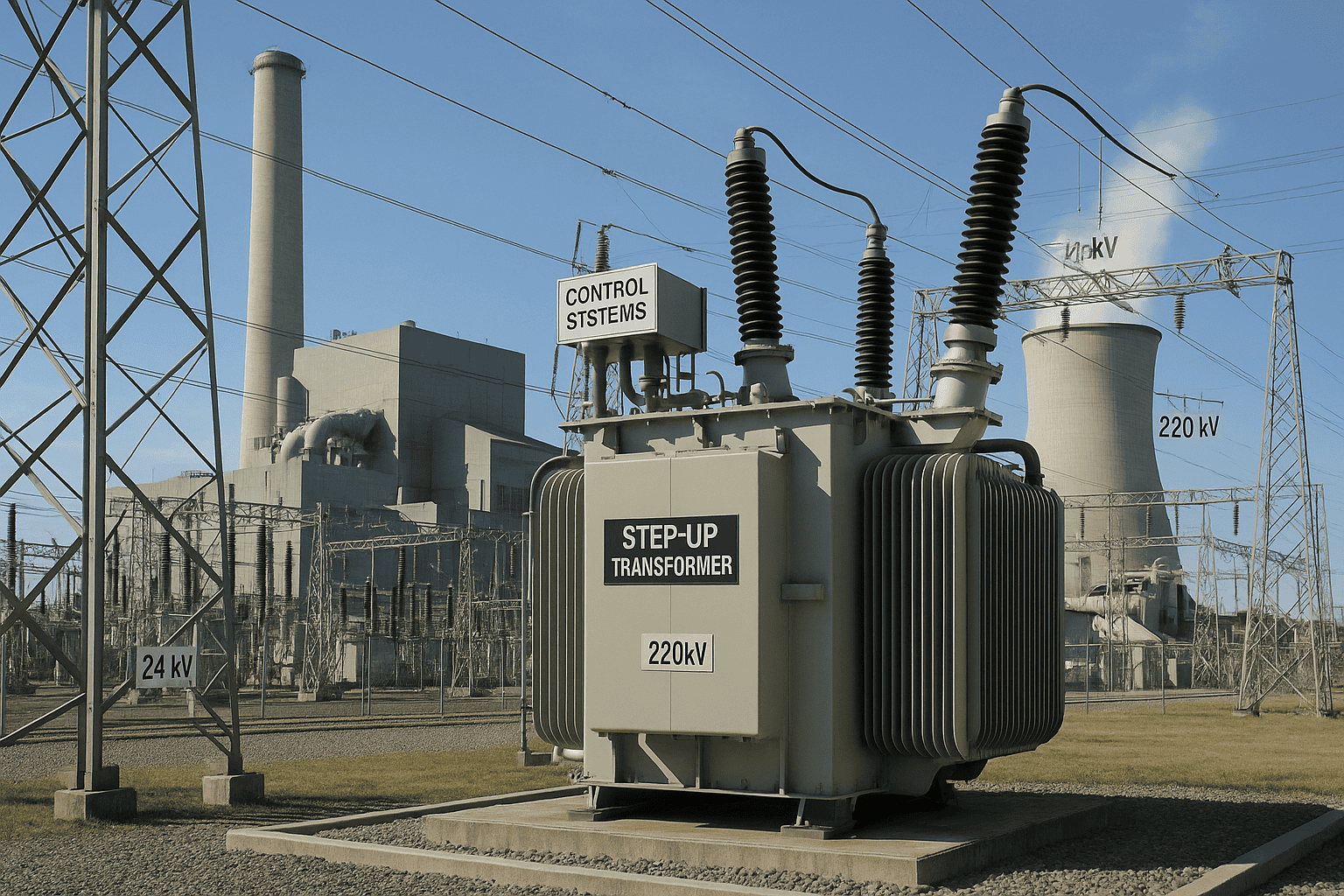
Transformers are essential electrical devices used across almost every major industry because they allow electrical energy to be transferred efficiently between different voltage levels. From utility power grids and manufacturing plants to renewable energy facilities and data centers, transformers ensure that electrical equipment receives the correct voltage, improve energy efficiency, and enhance system reliability. Without properly selected transformers, many industrial operations would face unstable power supply, excessive energy losses, equipment damage, and increased operating costs.
The main applications of transformers in different industries include voltage conversion for power transmission, industrial equipment supply, renewable energy integration, data center power management, railway electrification, mining operations, oil and gas facilities, healthcare systems, and commercial building electrical distribution. Transformers enable safe voltage adjustment, electrical isolation, improved efficiency, and reliable power delivery for each industry’s specific requirements.
Transformers are widely used in industrial applications because they allow electrical systems to operate at different voltage levels while maintaining efficient energy transfer.True
Transformers provide voltage conversion through electromagnetic induction, making them suitable for diverse electrical systems.
All transformers are designed for the same industrial applications regardless of operating conditions.False
Transformer designs vary significantly depending on load characteristics, voltage requirements, environment, reliability needs, and industry standards.
Different industries require different transformer designs because electrical loads, operating environments, and reliability expectations vary significantly. A utility transmission transformer may need to handle hundreds of megavolt-amperes, while a commercial building transformer may only require several hundred kilovolt-amperes. Understanding these applications helps buyers select the correct transformer type, capacity, voltage level, and protection configuration.
Why Are Transformers Important Across Different Industries?
Modern industries depend on reliable electricity for production, communication, transportation, and infrastructure operations. Transformers provide the connection between power generation systems and end-use equipment.
The main industrial functions of transformers include:
| Function | Industrial Benefit |
|---|---|
| Voltage increase | Enables efficient power transmission |
| Voltage reduction | Provides usable electricity levels |
| Electrical isolation | Improves safety |
| Voltage regulation | Maintains stable operation |
| Power distribution | Connects multiple electrical systems |
Transformers are found in:
- Power generation facilities
- Manufacturing plants
- Renewable energy projects
- Transportation systems
- Commercial buildings
- Healthcare facilities
- Data centers
What Are the Applications of Transformers in the Power Industry?
The power generation and utility industry is one of the largest users of transformers.
Power system transformers are used for:
| Application | Transformer Function |
|---|---|
| Generator connection | Increase generator voltage |
| Transmission substations | Transfer high-voltage power |
| Distribution substations | Reduce voltage for consumers |
| Grid interconnection | Connect different voltage networks |
Typical voltage applications include:
| System Stage | Typical Voltage |
|---|---|
| Generator output | 6–35 kV |
| Transmission network | 110–765 kV |
| Distribution network | 4–35 kV |
| Consumer supply | 230–690 V |
Large power transformers enable electricity to travel hundreds or thousands of kilometers with reduced losses.
How Are Transformers Used in Manufacturing Industries?
Manufacturing facilities require stable and reliable power for production equipment.
Industries using transformers include:
- Automotive manufacturing
- Machinery production
- Electronics manufacturing
- Food processing
- Textile production
Common transformer applications include:
| Manufacturing Requirement | Transformer Application |
|---|---|
| Motor operation | Supply appropriate voltage |
| Production lines | Provide stable power |
| Automation systems | Provide isolated control power |
| Heavy equipment | Supply high-capacity electricity |
Industrial transformers commonly range from:
- 1 MVA to 50 MVA for medium facilities
- 50 MVA to 200 MVA for large industrial plants
How Do Transformers Support Steel and Metal Industries?
Steel and metal processing require extremely high electrical power.
Applications include:
| Equipment | Transformer Requirement |
|---|---|
| Electric arc furnaces | High-current transformer systems |
| Rolling mills | High-capacity power supply |
| Smelting equipment | Heavy-duty transformers |
| Welding systems | Specialized transformers |
These transformers must handle:
- Rapid load changes
- High current demand
- Harmonic distortion
- Severe operating conditions
Special furnace transformers are often customized for specific production processes.
What Are the Applications of Transformers in Mining?
Mining operations often operate in remote locations with demanding electrical conditions.
Transformers are used for:
| Mining Equipment | Transformer Function |
|---|---|
| Crushers | Supply motor power |
| Conveyors | Provide stable voltage |
| Drilling equipment | Support heavy loads |
| Processing plants | Distribute electrical energy |
Mining transformers must often withstand:
- Dust
- High temperatures
- Mechanical vibration
- Remote operation conditions
Typical voltage systems include:
| Mining Application | Voltage Level |
|---|---|
| Underground equipment | 400 V–6.6 kV |
| Processing plants | 6.6–35 kV |
| Mine substations | 35 kV–110 kV |
How Are Transformers Used in Oil and Gas Industries?
Oil and gas facilities require reliable electrical systems for exploration, processing, and transportation.
Transformer applications include:
| Facility | Transformer Use |
|---|---|
| Refineries | Power distribution |
| Offshore platforms | Compact power supply |
| Pump stations | Motor power supply |
| Petrochemical plants | High-reliability electrical systems |
Important transformer requirements include:
- Explosion-resistant designs
- High reliability
- Corrosion protection
- Continuous operation capability
What Role Do Transformers Play in Renewable Energy Projects?
Renewable energy is one of the fastest-growing transformer application areas.
Transformers are used in:
| Renewable Source | Transformer Application |
|---|---|
| Solar farms | Increase inverter voltage |
| Wind farms | Connect turbines to collection systems |
| Hydropower plants | Increase generator voltage |
| Battery storage | Match grid voltage |
Typical renewable transformer configurations include:
| Application | Voltage Conversion |
|---|---|
| Solar inverter transformer | 0.4 kV–35 kV |
| Wind turbine transformer | 0.69 kV–35 kV |
| Renewable substation transformer | 35 kV–220 kV |
Renewable energy transformers must support:
- Variable generation
- Grid stability
- Power quality requirements
- Outdoor installation
How Are Transformers Used in Data Centers?
Data centers require extremely reliable electrical systems because power interruptions can cause major service disruptions.
Transformers support:
| Data Center Requirement | Transformer Function |
|---|---|
| Utility connection | Reduce incoming voltage |
| Backup systems | Support power continuity |
| Equipment protection | Provide stable voltage |
| Critical loads | Improve reliability |
Common requirements include:
- High efficiency
- Low losses
- Redundant configuration
- Advanced monitoring
What Are Transformer Applications in Healthcare Facilities?
Hospitals require highly reliable electrical supply.
Transformers are used for:
| Healthcare Application | Transformer Purpose |
|---|---|
| Medical equipment | Provide stable voltage |
| Operating rooms | Electrical isolation |
| Emergency systems | Reliable power supply |
| Building distribution | Voltage conversion |
Isolation transformers are especially important in medical environments because they improve electrical safety.
How Are Transformers Used in Railway Systems?
Railway systems require specialized transformers for traction power.
Applications include:
| Railway System | Transformer Function |
|---|---|
| Electric trains | Supply traction power |
| Substations | Convert grid voltage |
| Signaling systems | Provide control power |
Railway transformers must handle:
- Frequent load changes
- High mechanical stress
- Outdoor conditions
What Are Transformer Applications in Commercial Buildings?
Commercial buildings use transformers to distribute electricity safely.
Applications include:
- Office buildings
- Shopping centers
- Hotels
- Airports
Common transformer functions include:
| Building System | Transformer Role |
|---|---|
| Lighting | Provide low-voltage supply |
| HVAC systems | Supply equipment power |
| Elevators | Provide motor power |
| Security systems | Provide reliable control power |
Typical transformer ratings include:
| Building Type | Typical Rating |
|---|---|
| Small office | 100–500 kVA |
| Shopping center | 500–2,500 kVA |
| Large complex | Several MVA |
How Are Transformers Used in Agriculture?
Modern agricultural operations also rely on transformers.
Applications include:
| Agricultural Equipment | Transformer Use |
|---|---|
| Irrigation pumps | Motor power supply |
| Greenhouses | Electrical distribution |
| Processing equipment | Voltage conversion |
Agricultural transformers often need:
- Outdoor durability
- Weather protection
- Low maintenance requirements
What Types of Transformers Are Used Across Industries?
Different industries use different transformer types.
| Transformer Type | Common Applications |
|---|---|
| Distribution transformer | Buildings and local supply |
| Power transformer | Utilities and substations |
| Dry-type transformer | Indoor industrial applications |
| Oil-immersed transformer | Outdoor and high-capacity systems |
| Isolation transformer | Safety-critical applications |
| Furnace transformer | Metal processing |
| Traction transformer | Rail systems |
How Do Industry Requirements Affect Transformer Design?
Each industry creates different design requirements.
| Industry Requirement | Transformer Design Response |
|---|---|
| High power demand | Larger MVA rating |
| Harsh environment | Stronger protection |
| Critical operation | Higher reliability |
| Variable loads | Advanced regulation |
| Safety requirements | Improved insulation |
Manufacturers customize transformers based on these operating conditions.
How Should Buyers Select Transformers for Industrial Applications?
Buyers should evaluate:
| Selection Factor | Importance |
|---|---|
| Load capacity | Ensures sufficient power supply |
| Voltage level | Matches electrical network |
| Duty cycle | Determines thermal design |
| Environment | Determines protection requirements |
| Efficiency | Controls operating cost |
| Maintenance needs | Influences lifecycle performance |
A transformer should be selected according to actual application requirements rather than only initial purchase price.
How Can Users Select the Right Transformer for Their Power Requirements?

Selecting the right transformer for a specific power requirement is a crucial decision that affects electrical safety, operating efficiency, equipment lifespan, and overall project cost. Many transformer problems occur because users focus only on purchase price or basic voltage requirements while ignoring load characteristics, future expansion, environmental conditions, and reliability expectations. An incorrectly selected transformer may operate inefficiently, suffer from overheating, experience premature insulation aging, or fail to provide stable power to connected equipment.
Users can select the right transformer by evaluating the required power capacity, voltage ratio, load characteristics, application environment, efficiency requirements, cooling method, protection level, installation conditions, and future expansion needs. The transformer rating in kVA or MVA should match the actual electrical demand, while the voltage level should correspond to the power system connection and equipment requirements.
Transformer selection should consider both current electrical demand and future load growth.True
Allowing sufficient capacity margin helps prevent overload and avoids costly replacement when power requirements increase.
A transformer with the highest available power rating is always the best choice for any application.False
Oversized transformers may increase investment costs and no-load losses without providing additional practical benefits.
A transformer is a long-term investment that may operate for several decades. Therefore, users should consider not only immediate power requirements but also lifecycle performance, maintenance needs, and system reliability.
Why Is Correct Transformer Selection Important?
A transformer is the connection point between different parts of an electrical system. Its performance affects:
| Factor | Impact |
|---|---|
| Power availability | Ensures continuous operation |
| Energy efficiency | Controls operating losses |
| Equipment protection | Prevents voltage-related damage |
| Maintenance cost | Influences lifecycle expenses |
| System expansion | Supports future requirements |
A properly selected transformer provides:
- Stable voltage supply
- Reduced energy losses
- Improved safety
- Longer service life
- Lower operating costs
What Information Should Users Collect Before Selecting a Transformer?
Before selecting a transformer, users should gather essential electrical and application data.
| Required Information | Purpose |
|---|---|
| Input voltage | Determines primary winding rating |
| Output voltage | Determines secondary voltage |
| Load capacity | Determines transformer size |
| Frequency | Ensures system compatibility |
| Installation location | Determines design requirements |
| Operating conditions | Defines cooling and protection needs |
Accurate technical information helps manufacturers recommend the correct transformer configuration.
How Do Users Determine the Required Transformer Power Rating?
The transformer power rating must match the electrical load demand.
Transformer ratings are usually expressed as:
| Rating Unit | Common Application |
|---|---|
| kVA | Distribution transformers |
| MVA | Industrial and power transformers |
Users should evaluate:
| Load Factor | Importance |
|---|---|
| Connected load | Total installed equipment |
| Maximum demand | Highest expected operating load |
| Peak load | Temporary high demand |
| Power factor | Determines apparent power |
| Future expansion | Prevents undersizing |
How Is Transformer Capacity Calculated?
Transformer capacity selection is based on apparent power requirements.
Important considerations include:
| Parameter | Effect on Rating |
|---|---|
| Equipment quantity | Increases required capacity |
| Motor loads | Requires additional margin |
| Production changes | Requires expansion allowance |
| Operating schedule | Influences loading pattern |
| Emergency loads | May require additional capacity |
For example:
| Application | Typical Transformer Rating |
|---|---|
| Small residential system | 25–250 kVA |
| Commercial building | 250–2,500 kVA |
| Factory | 1–50 MVA |
| Large industrial plant | 50–200 MVA |
How Much Capacity Margin Should Be Added?
Users should avoid selecting transformers that operate continuously at full load.
A capacity margin provides protection against:
| Situation | Benefit |
|---|---|
| Future equipment additions | Supports expansion |
| Seasonal demand changes | Handles load variation |
| Temporary overload | Improves reliability |
| Production growth | Extends equipment usefulness |
The required margin depends on the application.
How Does the Type of Electrical Load Affect Transformer Selection?
Different loads create different transformer requirements.
| Load Type | Selection Consideration |
|---|---|
| Lighting | Standard capacity |
| Motors | Higher starting current capability |
| Welding equipment | High fluctuation tolerance |
| Furnaces | Heavy-duty design |
| Electronics | Stable voltage requirements |
| Data centers | High reliability |
Industrial users should provide detailed load information to transformer manufacturers.
How Do Users Select the Correct Voltage Level?
Voltage selection depends on the electrical network where the transformer will operate.
Common voltage categories include:
| Voltage Class | Typical Range |
|---|---|
| Low voltage | Below 1 kV |
| Medium voltage | 1–35 kV |
| High voltage | 66–220 kV |
| Extra-high voltage | 330–765 kV |
Common transformer voltage ratios include:
| Application | Voltage Ratio Example |
|---|---|
| Residential distribution | 11 kV / 0.4 kV |
| Industrial supply | 33 kV / 6.6 kV |
| Substation application | 110 kV / 10 kV |
| Transmission system | 220 kV / 110 kV |
How Does the Power System Determine Voltage Selection?
Users should match the transformer voltage with the existing electrical infrastructure.
Important factors include:
| Factor | Reason |
|---|---|
| Grid voltage | Ensures compatibility |
| Equipment voltage | Prevents damage |
| Distribution structure | Determines connection point |
| Utility requirements | Meets regulations |
A transformer with incorrect voltage ratings may not operate correctly even if the power rating is sufficient.
How Does Application Type Influence Transformer Choice?
Different applications require different transformer designs.
| Application | Recommended Transformer Considerations |
|---|---|
| Residential distribution | Efficiency and reliability |
| Commercial buildings | Compact design |
| Industrial plants | High capacity and durability |
| Renewable projects | Variable load capability |
| Utility substations | High reliability |
How Should Users Select Transformers for Industrial Facilities?
Industrial transformers often require additional technical considerations.
Users should evaluate:
| Requirement | Transformer Feature |
|---|---|
| Heavy loads | Higher MVA rating |
| Motor operation | Strong winding design |
| Continuous production | Enhanced cooling |
| Harsh environment | Improved protection |
Industries such as mining, steel production, and chemical processing often require customized transformer solutions.
How Should Users Select Transformers for Renewable Energy Projects?
Renewable energy systems have unique transformer requirements.
Applications include:
| Renewable Source | Transformer Function |
|---|---|
| Solar farm | Increase inverter voltage |
| Wind farm | Connect turbine output |
| Battery storage | Match grid voltage |
| Hydropower | Increase generator voltage |
Users should consider:
- Variable power output
- Grid connection requirements
- Harmonic performance
- Outdoor installation conditions
How Do Environmental Conditions Affect Transformer Selection?
The installation environment directly affects transformer design.
Important factors include:
| Environmental Condition | Design Requirement |
|---|---|
| High temperature | Improved cooling |
| High altitude | Adjusted insulation |
| Coastal location | Corrosion protection |
| Outdoor installation | Weather resistance |
| Dust exposure | Additional protection |
A transformer designed for normal conditions may not perform properly in extreme environments.
How Does Cooling Method Influence Transformer Selection?
Cooling determines the safe operating capability of transformers.
Common cooling methods include:
| Cooling Type | Typical Application |
|---|---|
| AN | Small dry-type transformers |
| ONAN | Oil-immersed distribution transformers |
| ONAF | Medium and large transformers |
| OFAF | Large power transformers |
Users should select cooling based on:
- Transformer capacity
- Installation environment
- Load profile
- Temperature conditions
How Do Efficiency Requirements Affect Transformer Selection?
Transformer efficiency affects long-term operating costs.
Users should evaluate:
| Efficiency Factor | Importance |
|---|---|
| Core losses | Affect no-load operation |
| Copper losses | Affect loaded operation |
| Load profile | Determines annual energy loss |
| Efficiency standards | Improve lifecycle value |
A higher-efficiency transformer may have a higher initial cost but lower lifetime operating expenses.
How Do Protection Requirements Influence Transformer Choice?
Protection systems improve transformer reliability.
Common protection features include:
| Protection Device | Function |
|---|---|
| Buchholz relay | Detects internal faults |
| Differential protection | Detects winding faults |
| Surge arrester | Protects against overvoltage |
| Temperature monitoring | Prevents overheating |
| Pressure relief device | Protects tank integrity |
Critical applications usually require more advanced protection systems.
What Transformer Types Should Users Consider?
Different transformer designs serve different applications.
| Transformer Type | Application |
|---|---|
| Oil-immersed transformer | Outdoor and high-capacity systems |
| Dry-type transformer | Indoor applications |
| Distribution transformer | Local power supply |
| Power transformer | Transmission and substations |
| Isolation transformer | Safety-critical systems |
How Should Users Compare Transformer Suppliers?
Supplier evaluation is important because transformer quality affects long-term reliability.
Users should review:
| Evaluation Item | Importance |
|---|---|
| Manufacturing experience | Indicates technical capability |
| Test facilities | Ensures product quality |
| Design capability | Supports customization |
| Project references | Demonstrates performance |
| After-sales service | Supports long-term operation |
What Common Transformer Selection Mistakes Should Users Avoid?
Common mistakes include:
| Mistake | Result |
|---|---|
| Choosing only based on price | Higher lifecycle costs |
| Ignoring future demand | Capacity limitations |
| Incorrect voltage selection | System incompatibility |
| Ignoring environmental factors | Reduced reliability |
| Selecting unsuitable cooling | Overheating risks |
Conclusion
The primary purpose of a transformer is to regulate voltage levels and enable efficient, safe, and reliable electrical energy transfer. By stepping up voltage for transmission and stepping down voltage for end users, transformers reduce energy losses and ensure electrical systems operate effectively. They are essential in utility grids, industrial facilities, renewable energy projects, commercial buildings, and many other applications. Selecting the appropriate transformer based on voltage, capacity, efficiency, and operating conditions helps organizations achieve reliable power supply and long-term system performance.
FAQ
Q1: What is the main purpose of a transformer?
The main purpose of a transformer is to transfer electrical energy between circuits while changing voltage levels through electromagnetic induction. Transformers are essential components in electrical power systems because they allow electricity to be generated, transmitted, distributed, and used safely and efficiently.
The primary functions of transformers include:
Increasing voltage for long-distance power transmission
Reducing voltage for safe consumer use
Providing electrical isolation between circuits
Improving power system efficiency
Matching voltage levels between different electrical systems
Power plants generate electricity at relatively low voltage levels compared with transmission requirements. Step-up transformers increase the voltage so electricity can travel long distances with lower losses. Near consumers, step-down transformers reduce voltage to suitable levels for homes, businesses, and industrial equipment.
Without transformers, modern electrical grids would be significantly less efficient and more expensive to operate.
Q2: Why are transformers important in power transmission systems?
Transformers are critical for efficient electricity transmission because they reduce energy losses during long-distance power delivery.
When electricity travels through transmission lines, power losses occur due to resistance in conductors. Higher transmission voltage allows the same amount of power to be delivered with lower current.
Benefits of high-voltage transmission include:
Reduced line losses
Smaller conductor requirements
Lower operating costs
Improved grid efficiency
For example, electricity generated at a power plant may be increased from generator voltage levels to hundreds of kilovolts before entering the transmission network.
At substations, transformers reduce the voltage for regional distribution and final consumer use.
Q3: What is the purpose of step-up and step-down transformers?
Step-up and step-down transformers serve different purposes in electrical networks.
Step-Up Transformers
A step-up transformer increases voltage and decreases current.
Common applications:
Power plants
Solar farms
Wind farms
Transmission substations
Their purpose is to prepare electricity for efficient long-distance transmission.
Step-Down Transformers
A step-down transformer decreases voltage and increases current.
Common applications:
Distribution substations
Commercial buildings
Industrial facilities
Residential areas
Their purpose is to provide electricity at safe and usable voltage levels.
Both types work together to create a reliable electricity supply chain.
Q4: How do transformers provide electrical isolation?
Transformers can provide electrical isolation by transferring energy magnetically rather than through a direct electrical connection between circuits.
Isolation transformers help:
Protect sensitive equipment
Reduce electrical shock risks
Prevent ground loops
Improve power quality
Applications include:
Medical equipment
Data centers
Industrial control systems
Laboratory equipment
Electrical isolation separates the input and output circuits while still allowing power transfer, improving safety and system reliability.
Q5: Where are transformers commonly used?
Transformers are used throughout electrical systems and many industries.
Common applications include:
Power Generation
Generator step-up transformers
Renewable energy transformers
Transmission Networks
High-voltage transmission substations
Grid interconnection systems
Distribution Systems
Utility distribution transformers
Commercial power supplies
Industrial Facilities
Manufacturing plants
Mining operations
Oil and gas facilities
Transportation
Railway electrification systems
Electric vehicle charging infrastructure
Specialized Applications
Electronic power supplies
Audio equipment
Control systems
Transformers are one of the most widely used electrical devices in modern infrastructure.
Q6: Do transformers improve electrical efficiency?
Yes. Transformers improve overall electrical system efficiency by enabling electricity to be transmitted at optimized voltage levels.
Advantages include:
Lower transmission losses
Reduced conductor requirements
Better energy utilization
Improved grid performance
Modern high-efficiency transformers use:
Low-loss electrical steel cores
Optimized winding designs
Advanced insulation materials
Improved cooling systems
Although transformers consume a small amount of energy through core and winding losses, their ability to optimize voltage levels provides significant overall energy savings.
Q7: What factors should be considered when selecting a transformer?
Selecting the correct transformer depends on the electrical requirements and operating environment.
Important factors include:
Voltage ratio
Power rating (kVA or MVA)
Frequency
Load characteristics
Efficiency requirements
Cooling method
Installation location
Insulation requirements
Environmental conditions
Applicable standards
Common transformer types include:
Oil-immersed transformers
Dry-type transformers
Distribution transformers
Power transformers
Isolation transformers
Autotransformers
Proper transformer selection ensures safe operation, reliable power delivery, and long service life.
References
IEC 60076 – Power Transformers
https://webstore.iec.ch/publication/602
IEEE C57 Series – Power Transformer Standards
https://standards.ieee.org
NEMA – Electrical Standards and Guidelines
https://www.nema.org
Electrical Engineering Portal – Transformer Fundamentals
https://electrical-engineering-portal.com
U.S. Department of Energy – Transformer Efficiency Resources
https://www.energy.gov