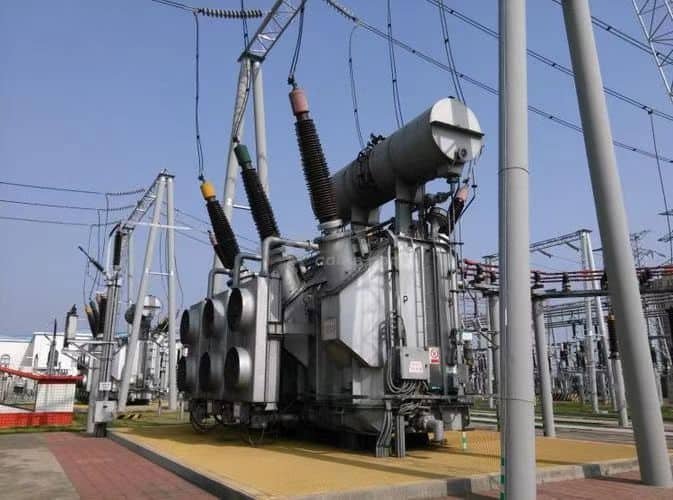
Cooling is a critical design factor in oil-immersed power transformers because transformer losses generate heat that must be effectively removed to maintain safe operating temperatures. Poor cooling performance can lead to excessive temperature rise, accelerated insulation aging, reduced efficiency, and shortened transformer lifespan. Understanding the available cooling methods helps buyers select the appropriate transformer design based on capacity, installation environment, and operating requirements.
The two main types of cooling in oil-immersed power transformers are natural cooling and forced cooling. Natural cooling uses the natural circulation of transformer oil and surrounding air to dissipate heat, while forced cooling uses additional equipment such as fans or oil pumps to improve heat removal. These cooling methods are commonly classified as ONAN (Oil Natural Air Natural), ONAF (Oil Natural Air Forced), OFAF (Oil Forced Air Forced), and OFWF (Oil Forced Water Forced) depending on the circulation method used.
The choice of cooling method directly affects transformer capacity, efficiency, reliability, and operating conditions. Smaller transformers often use natural cooling systems, while larger power transformers require forced cooling to handle higher heat generation and increased load demands.
What Are the Two Types of Cooling in Oil-Immersed Power Transformers?
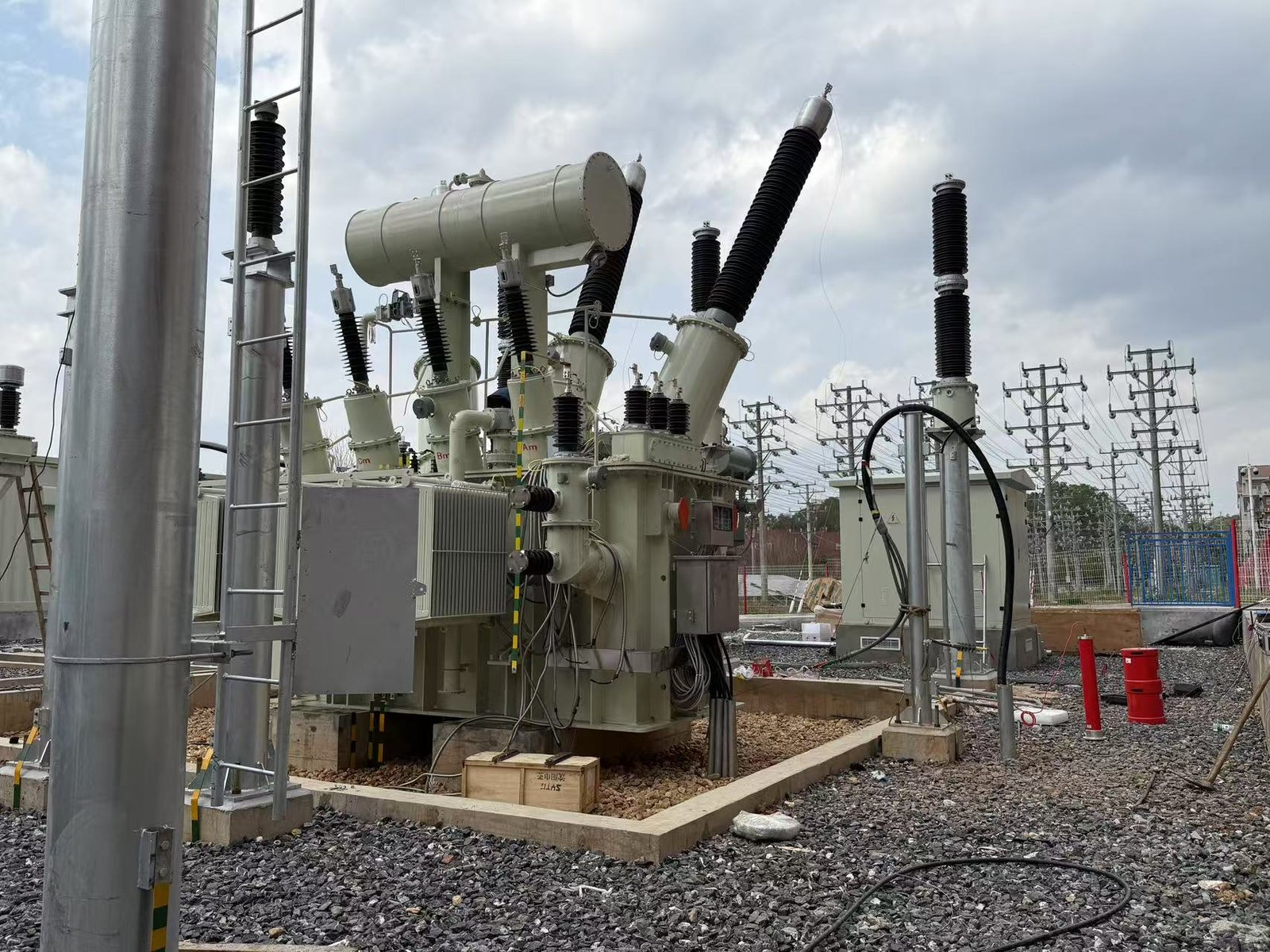
Cooling is one of the most important design factors in oil-immersed power transformers because it directly affects operating temperature, efficiency, insulation aging, and service life. During operation, transformer windings and cores generate heat due to copper losses and core losses. If this heat is not removed effectively, excessive temperature rise can accelerate insulation deterioration, reduce transformer reliability, and increase the risk of failure.
The two main types of cooling in oil-immersed power transformers are natural cooling and forced cooling. Natural cooling uses the circulation of transformer oil and surrounding air without external power assistance, while forced cooling uses pumps or fans to improve oil and air circulation and increase heat dissipation capacity. Common cooling methods include ONAN (Oil Natural Air Natural) and ONAF (Oil Natural Air Forced), which are widely used in power transformers.
ONAN cooling relies on natural circulation of transformer oil and natural movement of surrounding air to remove heat.True
ONAN systems use natural convection without pumps or fans and are commonly applied in distribution and medium-capacity transformers.
Forced cooling systems can increase the cooling capacity of oil-immersed transformers compared with natural cooling designs.True
Fans and pumps improve heat transfer by increasing oil and air circulation, allowing higher transformer ratings.
Selecting the correct cooling method is essential for transformer performance. The choice depends on transformer capacity, voltage level, loading conditions, installation environment, and reliability requirements.
Why Do Oil-Immersed Transformers Need Cooling?
Oil-immersed transformers generate heat from several internal sources.
| Heat Source | Cause |
|---|---|
| Copper losses | Resistance in transformer windings |
| Core losses | Magnetic losses in iron core |
| Stray losses | Leakage flux effects |
| Mechanical losses | Auxiliary equipment operation |
Excessive heat can cause:
| Problem | Impact |
|---|---|
| Insulation aging | Reduced service life |
| Oil degradation | Lower insulation performance |
| Winding overheating | Increased failure risk |
| Reduced efficiency | Higher operating costs |
Effective cooling maintains the transformer within its designed temperature limits.
What Is Natural Cooling in Oil-Immersed Transformers?
Natural cooling is the simplest cooling method and relies on natural convection.
The cooling process works as follows:
- Transformer oil absorbs heat from the windings and core.
- Hot oil rises naturally because of lower density.
- Cooler oil moves downward to replace heated oil.
- Heat transfers from radiators or tank surfaces to surrounding air.
- Air removes heat through natural circulation.
This process requires no fans, pumps, or external power.
What Is ONAN Cooling?
ONAN means:
Oil Natural Air Natural
It is one of the most common cooling methods for oil-immersed transformers.
| Feature | Description |
|---|---|
| Oil circulation | Natural convection |
| Air circulation | Natural airflow |
| Auxiliary equipment | None |
| Maintenance requirement | Low |
ONAN transformers are commonly used for:
- Distribution transformers
- Small and medium power transformers
- Outdoor substations
- Utility distribution systems
Typical capacity range:
| Application | Typical Rating |
|---|---|
| Distribution transformer | 50 kVA–5 MVA |
| Medium power transformer | Up to approximately 30 MVA |
What Are the Advantages of ONAN Cooling?
ONAN cooling provides several benefits.
| Advantage | Explanation |
|---|---|
| Simple structure | Fewer components |
| High reliability | No cooling fans or pumps |
| Low maintenance | Reduced auxiliary equipment |
| Lower operating cost | No fan power consumption |
| Quiet operation | No mechanical noise |
Because of its simplicity, ONAN remains widely used in reliable distribution systems.
What Are the Limitations of ONAN Cooling?
Although reliable, ONAN cooling has limited heat removal capability.
| Limitation | Effect |
|---|---|
| Lower cooling capacity | Limits transformer rating |
| Slow heat dissipation | Less suitable for high loads |
| Larger radiator requirement | May increase physical size |
Large power transformers usually require enhanced cooling methods.
What Is Forced Cooling in Oil-Immersed Transformers?
Forced cooling improves heat removal by using mechanical equipment.
The system may use:
- Cooling fans
- Oil pumps
- External cooling units
Compared with natural cooling, forced cooling provides:
- Higher heat transfer efficiency
- Greater transformer capacity
- Better overload capability
What Is ONAF Cooling?
ONAF means:
Oil Natural Air Forced
This method uses natural oil circulation but forced air cooling.
The cooling process:
- Oil naturally circulates inside the transformer.
- Hot oil transfers heat to radiators.
- Fans force air through radiator surfaces.
- Heat is removed more quickly.
| Feature | Description |
|---|---|
| Oil circulation | Natural |
| Air circulation | Fan-assisted |
| Cooling capacity | Higher than ONAN |
| Auxiliary power | Required for fans |
What Are the Advantages of ONAF Cooling?
ONAF cooling is widely used in medium and large transformers.
Benefits include:
| Advantage | Result |
|---|---|
| Higher capacity | Supports larger transformer ratings |
| Better thermal control | Lower temperature rise |
| Improved overload capability | Handles temporary load increases |
| Compact design | Reduces radiator size requirements |
ONAF allows manufacturers to increase transformer output without significantly increasing physical dimensions.
What Are the Differences Between ONAN and ONAF Cooling?
The main difference is how heat is removed.
| Comparison | ONAN | ONAF |
|---|---|---|
| Oil movement | Natural | Natural |
| Air movement | Natural | Forced by fans |
| Cooling capacity | Lower | Higher |
| Auxiliary power | Not required | Required |
| Maintenance | Lower | Higher |
| Application | Distribution | Medium and large transformers |
Are There Other Cooling Methods for Large Oil Transformers?
Besides ONAN and ONAF, larger transformers may use additional cooling systems.
| Cooling Method | Meaning | Application |
|---|---|---|
| OFAF | Oil Forced Air Forced | Large power transformers |
| OFWF | Oil Forced Water Forced | Very large transformers |
| OD cooling | Directed oil flow | High-performance transformers |
These systems are used when transformer ratings become too large for natural oil circulation.
How Does Cooling Method Affect Transformer Rating?
Cooling directly determines the maximum continuous power capability.
| Cooling Method | Typical Capacity Capability |
|---|---|
| ONAN | Low to medium capacity |
| ONAF | Medium to high capacity |
| OFAF | Large power transformers |
| OFWF | Very high-capacity transformers |
A transformer may have multiple ratings depending on cooling operation.
Example:
| Cooling Mode | Transformer Rating |
|---|---|
| ONAN | 40 MVA |
| ONAF Stage 1 | 50 MVA |
| ONAF Stage 2 | 60 MVA |
How Does Cooling Affect Transformer Life Expectancy?
Transformer insulation life is strongly influenced by operating temperature.
Higher temperatures accelerate insulation aging.
Cooling systems help by:
| Cooling Benefit | Reliability Improvement |
|---|---|
| Lower winding temperature | Slower insulation aging |
| Stable oil temperature | Better dielectric performance |
| Reduced thermal stress | Improved mechanical reliability |
| Controlled hot spots | Longer service life |
Proper cooling design can significantly extend transformer operating life.
How Should Buyers Select the Correct Cooling Method?
Buyers should consider several factors.
| Selection Factor | Cooling Impact |
|---|---|
| Transformer capacity | Determines cooling requirement |
| Load profile | Determines heat generation |
| Installation environment | Influences heat dissipation |
| Reliability requirement | Determines redundancy needs |
| Maintenance capability | Affects cooling system choice |
For example:
| Application | Recommended Cooling |
|---|---|
| Small distribution transformer | ONAN |
| Industrial transformer | ONAN/ONAF |
| Large substation transformer | ONAF/OFAF |
| Transmission transformer | OFAF/OFWF |
How Do Manufacturers Test Transformer Cooling Performance?
Manufacturers verify cooling performance through:
| Test | Purpose |
|---|---|
| Temperature rise test | Measures thermal performance |
| Load test | Evaluates operating temperature |
| Oil circulation inspection | Confirms cooling flow |
| Fan and pump testing | Verifies auxiliary systems |
These tests ensure the transformer can operate safely at its rated capacity.
What Maintenance Is Required for Transformer Cooling Systems?
Cooling systems require regular inspection.
| Maintenance Item | Purpose |
|---|---|
| Radiator inspection | Ensure heat transfer |
| Fan inspection | Confirm airflow |
| Pump inspection | Verify oil circulation |
| Oil testing | Monitor insulation condition |
| Temperature monitoring | Detect abnormal heating |
Proper maintenance prevents cooling failures.
How Does Natural Cooling Work in Oil-Immersed Power Transformers?
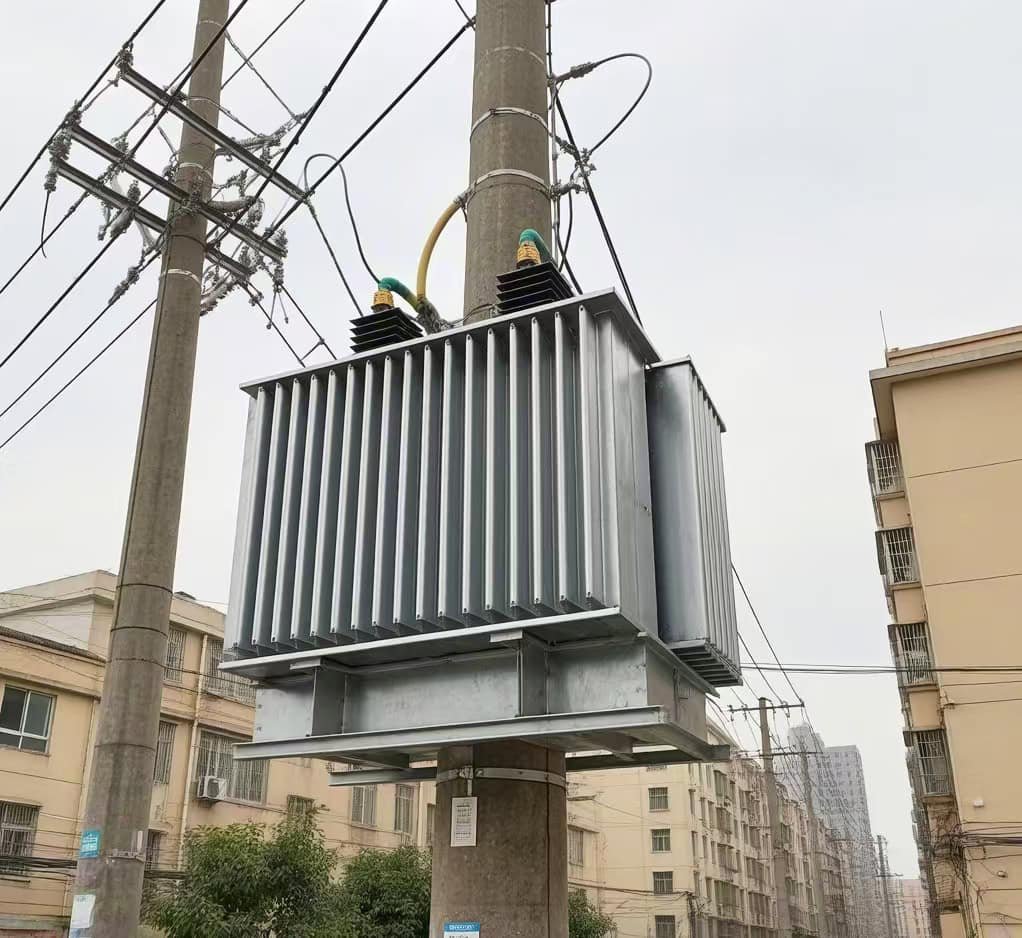
Natural cooling is one of the most widely used cooling methods in oil-immersed power transformers because it provides reliable heat dissipation without requiring external pumps or fans. During transformer operation, electrical losses in the core and windings generate heat. If this heat is not removed effectively, the transformer oil temperature increases, insulation materials deteriorate faster, and the transformer’s service life can be significantly reduced.
Natural cooling in oil-immersed power transformers works through the natural circulation of insulating oil and surrounding air. Heat generated by the transformer core and windings is transferred to the oil, the heated oil rises through convection, cooler oil moves downward to replace it, and heat is released from radiators or the transformer tank into the surrounding air through natural airflow. This process, commonly known as ONAN (Oil Natural Air Natural) cooling, requires no fans or pumps.
Natural cooling in oil-immersed transformers relies on oil convection caused by temperature differences inside the transformer tank.True
Hot oil becomes less dense and rises while cooler oil moves downward, creating a continuous natural circulation cycle.
ONAN cooling requires external fans to circulate air around transformer radiators.False
ONAN uses natural air circulation without forced airflow equipment; fan-assisted cooling belongs to ONAF systems.
Natural cooling is especially suitable for distribution transformers and medium-capacity power transformers where simplicity, reliability, and low maintenance are important. Understanding how this cooling method works helps users select the appropriate transformer design based on capacity, installation environment, and operating requirements.
Why Do Oil-Immersed Transformers Need Cooling?
Oil-immersed transformers generate heat during normal operation because electrical energy transfer is not 100% lossless.
The main heat sources include:
| Heat Source | Description |
|---|---|
| Copper losses | Heat generated by current flowing through windings |
| Core losses | Magnetic losses in the transformer core |
| Stray losses | Additional losses caused by leakage magnetic fields |
| Connection losses | Heat from electrical connections |
If heat is not removed properly, several problems may occur:
| Problem | Impact |
|---|---|
| High winding temperature | Accelerated insulation aging |
| Oil deterioration | Reduced insulation performance |
| Thermal stress | Mechanical damage risk |
| Lower efficiency | Increased operating costs |
The purpose of natural cooling is to maintain transformer temperature within acceptable operating limits.
What Is Natural Cooling in an Oil-Immersed Transformer?
Natural cooling is a passive heat removal process that uses natural fluid movement.
The cooling cycle includes:
- Transformer losses generate heat.
- Transformer oil absorbs heat from the core and windings.
- Heated oil becomes lighter and rises.
- Cooler oil moves downward.
- Heat transfers through radiators or tank walls.
- Surrounding air removes the heat naturally.
This cycle continues as long as the transformer is operating.
The same principle that causes warm fluids to rise and cool fluids to sink allows transformer oil to circulate without mechanical assistance.
What Does ONAN Cooling Mean?
ONAN is the most common natural cooling method for oil-immersed transformers.
ONAN stands for:
Oil Natural Air Natural
Each part represents a cooling process:
| Term | Meaning |
|---|---|
| Oil Natural (ON) | Oil circulates naturally by convection |
| Air Natural (AN) | Air moves naturally around the cooling surfaces |
ONAN transformers do not require:
- Cooling fans
- Oil pumps
- External power supplies for cooling
This makes them highly reliable and economical.
How Does Oil Circulation Work During Natural Cooling?
Transformer oil plays two roles:
- Electrical insulation
- Heat transfer medium
The oil circulation process occurs as follows:
| Step | Process |
|---|---|
| 1 | Windings and core produce heat |
| 2 | Oil near hot components absorbs heat |
| 3 | Heated oil rises upward |
| 4 | Oil reaches radiator tubes |
| 5 | Heat transfers to radiator surfaces |
| 6 | Air removes heat externally |
| 7 | Cooled oil returns downward |
This continuous movement creates a natural cooling loop.
How Do Radiators Support Natural Cooling?
Radiators increase the surface area available for heat transfer.
Without radiators, the transformer tank alone may not provide enough cooling capacity.
Radiator functions include:
| Function | Benefit |
|---|---|
| Increase surface area | Improves heat release |
| Guide oil circulation | Supports convection |
| Transfer heat to air | Controls temperature rise |
Large ONAN transformers often use multiple radiator panels to improve cooling performance.
How Does Air Remove Heat in Natural Cooling?
In ONAN systems, air movement occurs naturally.
The heat transfer process includes:
- Hot radiator surfaces warm nearby air.
- Warm air becomes less dense.
- Warm air rises naturally.
- Cooler air replaces it.
- Continuous airflow removes heat.
This natural airflow is called free convection.
What Are the Advantages of Natural Cooling?
Natural cooling remains popular because of several benefits.
| Advantage | Explanation |
|---|---|
| High reliability | Fewer mechanical components |
| Low maintenance | No fans or pumps |
| Low operating cost | No auxiliary power consumption |
| Quiet operation | No fan noise |
| Simple structure | Easier inspection and repair |
For many distribution applications, these advantages outweigh the lower cooling capacity.
What Are the Limitations of Natural Cooling?
Although reliable, natural cooling has capacity limitations.
| Limitation | Effect |
|---|---|
| Lower heat removal rate | Limits transformer size |
| Slower thermal response | Less suitable for rapid load changes |
| Larger cooling surfaces required | May increase transformer dimensions |
| Limited overload capability | Reduced temporary capacity |
For larger transformers, forced cooling systems may be required.
What Transformer Applications Commonly Use Natural Cooling?
Natural cooling is commonly used in:
| Application | Typical Transformer Type |
|---|---|
| Residential distribution | Distribution transformers |
| Commercial buildings | Small oil transformers |
| Rural power supply | Pole-mounted transformers |
| Small substations | Medium-capacity transformers |
Typical ONAN applications include transformers ranging from several kVA to several tens of MVA depending on design conditions.
How Does Natural Cooling Affect Transformer Capacity?
Cooling method directly affects transformer rated capacity.
Typical comparison:
| Cooling Method | Cooling Capability |
|---|---|
| ONAN | Standard rated capacity |
| ONAF | Higher capacity with fans |
| OFAF | Higher capacity with forced oil circulation |
For example:
| Cooling Mode | Possible Transformer Rating |
|---|---|
| ONAN | 40 MVA |
| ONAF | 50–60 MVA |
| OFAF | Above 60 MVA |
The same transformer design may support higher ratings when additional cooling equipment is added.
How Does Natural Cooling Protect Transformer Insulation?
Transformer insulation life depends heavily on temperature.
Natural cooling helps by:
| Cooling Effect | Insulation Benefit |
|---|---|
| Lower oil temperature | Maintains dielectric strength |
| Reduced winding temperature | Slows aging |
| Stable thermal conditions | Reduces stress |
| Prevented overheating | Extends service life |
A transformer operating at excessive temperature will experience faster insulation degradation.
How Does Natural Cooling Improve Transformer Reliability?
The simplicity of natural cooling contributes to reliability.
Reliability advantages include:
| Feature | Reliability Benefit |
|---|---|
| No fans | Eliminates fan failures |
| No pumps | Reduces mechanical breakdown risk |
| Passive operation | Continues during auxiliary power loss |
| Simple maintenance | Easier long-term operation |
For applications where reliability is more important than maximum capacity, natural cooling is often preferred.
How Does Natural Cooling Compare With Forced Cooling?
| Feature | Natural Cooling (ONAN) | Forced Cooling (ONAF/OFAF) |
|---|---|---|
| Oil movement | Natural | Pump-assisted or natural |
| Air movement | Natural | Fan-assisted |
| Cooling capacity | Lower | Higher |
| Mechanical complexity | Low | Higher |
| Maintenance requirement | Lower | Higher |
| Auxiliary power | Not required | Required |
| Reliability | Very high | Depends on equipment |
What Factors Should Users Consider When Choosing Natural Cooling?
Users should evaluate:
| Factor | Importance |
|---|---|
| Transformer rating | Determines cooling requirement |
| Load pattern | Determines heat generation |
| Installation location | Influences heat dissipation |
| Ambient temperature | Affects cooling performance |
| Maintenance capability | Influences cooling system choice |
Natural cooling is most suitable when the transformer load is stable and capacity requirements are moderate.
How Should Natural Cooling Systems Be Maintained?
Although ONAN systems require less maintenance, regular inspection remains necessary.
Recommended checks include:
| Inspection Item | Purpose |
|---|---|
| Oil level inspection | Ensure proper cooling medium |
| Oil quality testing | Check insulation condition |
| Radiator inspection | Confirm heat transfer |
| Temperature monitoring | Detect abnormal operation |
| Leakage inspection | Prevent oil loss |
Proper maintenance ensures reliable cooling performance throughout the transformer’s service life.
What Are Common Problems With Natural Cooling Systems?
Potential issues include:
| Problem | Possible Cause |
|---|---|
| High temperature | Overloading |
| Poor oil circulation | Internal blockage |
| Reduced cooling efficiency | Dirty radiator surfaces |
| Oil degradation | Long operating period |
| Local overheating | Uneven load distribution |
Early detection prevents serious transformer failures.
How Does Forced Cooling Improve Oil-Immersed Power Transformer Performance?
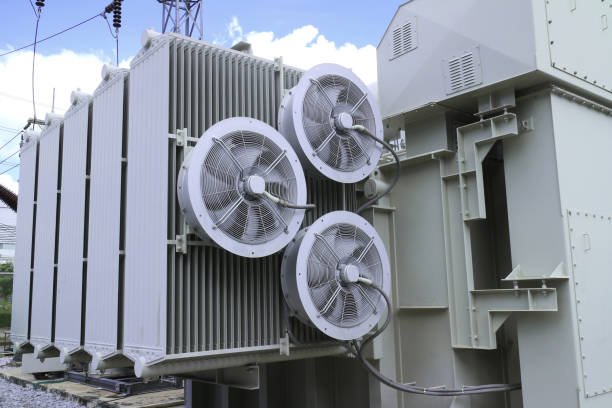
Forced cooling is an advanced thermal management method used in oil-immersed power transformers to improve heat dissipation, increase load capacity, and maintain reliable operation under demanding conditions. As transformer ratings increase, natural cooling alone may not remove enough heat generated by the core and windings. Excessive temperature rise can accelerate insulation aging, reduce efficiency, and shorten transformer service life.
Forced cooling improves oil-immersed power transformer performance by using fans, pumps, or other mechanical systems to increase oil and air circulation, remove heat more efficiently, reduce winding temperatures, increase transformer capacity, improve overload capability, and extend insulation life. Common forced cooling methods include ONAF (Oil Natural Air Forced), OFAF (Oil Forced Air Forced), and OFWF (Oil Forced Water Forced) systems.
Forced cooling allows oil-immersed transformers to achieve higher power ratings than natural cooling systems by improving heat removal.True
Fans and pumps increase heat transfer efficiency, allowing transformers to operate at higher loads while maintaining acceptable temperatures.
Forced cooling systems eliminate the need for transformer oil insulation.False
Cooling systems only manage temperature; transformer oil remains essential for insulation and heat transfer in oil-immersed transformers.
Forced cooling is particularly important for large power transformers used in substations, industrial plants, renewable energy projects, and transmission networks. Selecting the appropriate cooling method ensures that transformers can operate safely under continuous and fluctuating loads.
Why Do Oil-Immersed Transformers Require Enhanced Cooling?
Oil-immersed transformers generate significant heat during operation because electrical energy conversion creates unavoidable losses.
Main heat sources include:
| Heat Source | Description |
|---|---|
| Copper losses | Heat caused by current flowing through windings |
| Core losses | Energy losses from magnetic operation |
| Stray losses | Heat from leakage magnetic fields |
| Load variations | Additional heat during high demand |
When transformer temperature rises excessively, problems may occur:
| Issue | Consequence |
|---|---|
| Insulation aging | Reduced transformer lifespan |
| Oil oxidation | Lower dielectric performance |
| Winding overheating | Increased failure probability |
| Reduced capacity | Limited operating performance |
Forced cooling provides additional heat removal capability when natural cooling is insufficient.
What Is Forced Cooling in an Oil-Immersed Transformer?
Forced cooling uses mechanical equipment to improve the movement of cooling media.
Unlike natural cooling, which depends only on convection, forced cooling actively increases heat transfer.
The main components include:
| Component | Function |
|---|---|
| Cooling fans | Increase airflow across radiators |
| Oil pumps | Increase oil circulation speed |
| Heat exchangers | Improve heat transfer efficiency |
| Control systems | Manage cooling operation |
By improving circulation, forced cooling keeps transformer temperatures within safe limits.
How Does Forced Cooling Improve Heat Dissipation?
The main advantage of forced cooling is increased heat transfer efficiency.
The cooling process includes:
- Transformer losses generate heat.
- Oil absorbs heat from the core and windings.
- Pumps or natural circulation move oil through cooling equipment.
- Fans or heat exchangers remove heat faster.
- Cooler oil returns to internal transformer components.
Compared with natural cooling, forced cooling removes heat more quickly.
| Cooling Method | Heat Transfer Capability |
|---|---|
| Natural cooling | Limited by natural convection |
| Forced air cooling | Increased airflow |
| Forced oil cooling | Increased oil circulation |
| Combined systems | Maximum heat removal |
What Is ONAF Cooling?
ONAF stands for:
Oil Natural Air Forced
It is one of the most common enhanced cooling methods for oil-immersed transformers.
The system operates as follows:
- Oil circulates naturally inside the transformer.
- Hot oil moves to radiators.
- Fans force air across radiator surfaces.
- Heat is released more effectively.
| Feature | ONAF Characteristics |
|---|---|
| Oil circulation | Natural |
| Air circulation | Forced |
| Cooling equipment | Fans |
| Capacity improvement | Moderate to high |
ONAF is widely used in medium and large transformers.
How Does ONAF Increase Transformer Capacity?
A transformer with ONAN cooling may have a limited rating because heat removal depends on natural airflow.
Adding fans increases cooling capability.
Example:
| Cooling Stage | Transformer Rating |
|---|---|
| ONAN | 40 MVA |
| ONAF Stage 1 | 50 MVA |
| ONAF Stage 2 | 60 MVA |
This allows utilities to obtain additional capacity without replacing the transformer.
What Is OFAF Cooling?
OFAF means:
Oil Forced Air Forced
This system uses both:
- Oil pumps
- Cooling fans
The cooling process is more powerful than ONAF.
| Feature | OFAF Characteristics |
|---|---|
| Oil movement | Pump-assisted |
| Air movement | Fan-assisted |
| Heat removal | High |
| Application | Large power transformers |
OFAF systems are commonly used in transmission substations and large industrial facilities.
How Does OFAF Improve Transformer Performance?
OFAF improves transformer operation through:
| Improvement | Effect |
|---|---|
| Faster oil circulation | Removes heat quickly |
| Better temperature control | Reduces hot spots |
| Higher capacity | Supports larger loads |
| Improved overload capability | Handles temporary demand increases |
Large transformers benefit significantly from OFAF cooling.
What Is OFWF Cooling?
OFWF means:
Oil Forced Water Forced
This cooling method uses:
- Forced oil circulation
- Water-based heat exchangers
It provides extremely high cooling performance.
| Feature | OFWF Characteristics |
|---|---|
| Oil circulation | Forced |
| Cooling medium | Water |
| Capacity range | Very large transformers |
| Application | Special high-capacity systems |
OFWF is often used where space limitations or very high ratings require advanced cooling.
What Are the Main Benefits of Forced Cooling?
Forced cooling provides several performance improvements.
| Benefit | Explanation |
|---|---|
| Higher capacity | Supports larger transformer ratings |
| Lower temperature rise | Protects insulation |
| Better load capability | Handles demand changes |
| Improved efficiency | Reduces thermal stress |
| Longer service life | Slows aging processes |
These advantages make forced cooling essential for many high-power applications.
How Does Forced Cooling Protect Transformer Insulation?
Transformer insulation life is strongly related to operating temperature.
Higher temperatures accelerate chemical aging of insulation materials.
Forced cooling helps by:
| Cooling Effect | Insulation Benefit |
|---|---|
| Lower winding temperature | Slower aging |
| Reduced hot spots | Lower failure risk |
| Stable oil temperature | Better dielectric performance |
| Reduced thermal stress | Longer service life |
Maintaining proper temperature is one of the most effective ways to improve transformer reliability.
How Does Forced Cooling Improve Overload Capability?
Power systems often experience temporary increases in demand.
Examples include:
- Industrial production peaks
- Seasonal electricity demand
- Renewable energy fluctuations
- Emergency operating conditions
Forced cooling allows transformers to temporarily carry higher loads.
| Operating Condition | Cooling Advantage |
|---|---|
| Normal load | Maintains temperature |
| High load | Removes additional heat |
| Emergency load | Provides additional capacity margin |
How Does Forced Cooling Affect Transformer Efficiency?
Although cooling equipment consumes auxiliary power, it can improve overall transformer performance.
Benefits include:
| Factor | Effect |
|---|---|
| Lower temperature | Reduces insulation stress |
| Stable operation | Improves reliability |
| Higher utilization | Delays expansion investment |
| Better thermal control | Maintains efficiency |
The small energy consumption of fans and pumps is usually outweighed by improved transformer performance.
How Does Forced Cooling Compare With Natural Cooling?
| Feature | Natural Cooling (ONAN) | Forced Cooling (ONAF/OFAF) |
|---|---|---|
| Heat removal | Natural convection | Mechanical assistance |
| Transformer capacity | Lower | Higher |
| System complexity | Simple | More complex |
| Maintenance | Lower | Higher |
| Auxiliary power | Not required | Required |
| Overload capability | Limited | Improved |
| Application | Small/medium transformers | Large transformers |
What Applications Require Forced Cooling?
Forced cooling is commonly used in:
| Application | Reason |
|---|---|
| Transmission substations | High power capacity |
| Industrial plants | Heavy electrical loads |
| Renewable energy stations | Variable power generation |
| Large commercial facilities | High demand |
| Grid interconnection projects | Reliable operation |
How Do Users Select the Correct Forced Cooling System?
Cooling selection depends on several factors:
| Selection Factor | Influence |
|---|---|
| Transformer rating | Determines cooling capacity |
| Load profile | Determines heat generation |
| Installation environment | Affects heat removal |
| Reliability requirements | Determines cooling redundancy |
| Maintenance resources | Influences system complexity |
Typical selection examples:
| Application | Recommended Cooling |
|---|---|
| Distribution transformer | ONAN |
| Medium industrial transformer | ONAN/ONAF |
| Large substation transformer | ONAF/OFAF |
| Very large transmission transformer | OFAF/OFWF |
What Maintenance Is Required for Forced Cooling Systems?
Forced cooling systems require regular inspection.
| Maintenance Item | Purpose |
|---|---|
| Fan inspection | Ensure airflow |
| Pump inspection | Confirm oil circulation |
| Control system testing | Verify automatic operation |
| Radiator cleaning | Maintain heat transfer |
| Temperature monitoring | Detect abnormal conditions |
Failure of cooling equipment can reduce transformer capacity and increase operating temperatures.
What Happens If Forced Cooling Fails?
Cooling system failure may cause:
| Failure Condition | Result |
|---|---|
| Fan failure | Reduced heat dissipation |
| Pump failure | Poor oil circulation |
| Control failure | Incorrect cooling operation |
| Overheating | Insulation damage |
Large transformers often include alarms and backup cooling stages to prevent serious problems.
What Are the Differences Between ONAN, ONAF, OFAF, and OFWF Cooling Methods?
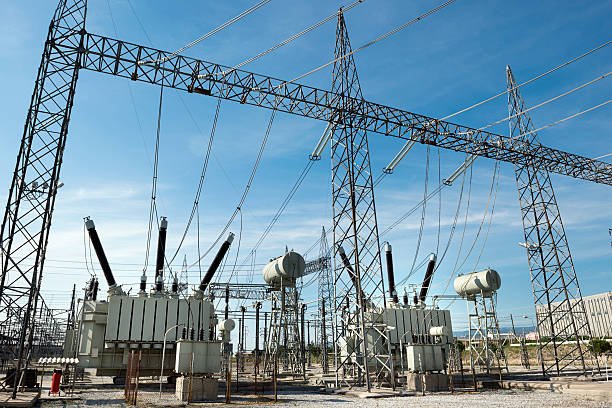
Cooling method selection is one of the most important technical considerations when designing or purchasing an oil-immersed power transformer. As transformer capacity increases, the heat generated by windings and cores becomes greater, and a more effective cooling system is required to maintain safe operating temperatures. Choosing an unsuitable cooling method can result in excessive temperature rise, accelerated insulation aging, reduced load capability, and shortened transformer service life.
The main differences between ONAN, ONAF, OFAF, and OFWF cooling methods are the ways they circulate transformer oil and remove heat. ONAN uses natural oil circulation and natural air cooling, ONAF uses natural oil circulation with forced air cooling, OFAF uses forced oil circulation and forced air cooling, and OFWF uses forced oil circulation with water-based heat exchange. As the cooling method progresses from ONAN to OFWF, cooling capacity increases but system complexity, maintenance requirements, and auxiliary power consumption also increase.
ONAN cooling uses natural oil circulation and natural air circulation without fans or pumps.True
ONAN relies on convection-driven oil movement and natural airflow around radiators.
OFAF and OFWF cooling systems provide higher heat dissipation capability than ONAN cooling systems.True
Forced oil and air or water cooling improve heat transfer efficiency and allow higher transformer ratings.
All oil-immersed transformers use the same cooling method regardless of transformer capacity.False
Cooling selection depends on transformer rating, load conditions, installation environment, and reliability requirements.
Understanding these cooling methods helps utilities, industrial users, and engineering companies select transformers with the correct thermal performance. The appropriate cooling system depends on transformer size, operating conditions, load variations, environmental factors, and lifecycle cost considerations.
Why Is Cooling Important for Oil-Immersed Power Transformers?
Oil-immersed transformers generate heat during normal operation due to electrical losses.
The major heat sources include:
| Heat Source | Description |
|---|---|
| Copper losses | Heat produced by current flowing through windings |
| Core losses | Magnetic losses inside the iron core |
| Stray losses | Heat caused by leakage magnetic fields |
| Load changes | Increased heat during higher demand |
The cooling system removes this heat to maintain safe operating temperatures.
| Cooling Objective | Performance Benefit |
|---|---|
| Control winding temperature | Prevents insulation aging |
| Maintain oil temperature | Preserves dielectric strength |
| Reduce hot spots | Improves reliability |
| Remove excess heat | Supports higher loading |
What Do ONAN, ONAF, OFAF, and OFWF Mean?
The cooling abbreviations describe the circulation method of oil, air, and water.
| Code | Meaning |
|---|---|
| ONAN | Oil Natural Air Natural |
| ONAF | Oil Natural Air Forced |
| OFAF | Oil Forced Air Forced |
| OFWF | Oil Forced Water Forced |
The first two letters describe oil circulation, while the final two letters describe the external cooling medium.
How Does ONAN Cooling Work?
ONAN is the simplest and most widely used oil-immersed transformer cooling method.
ONAN = Oil Natural + Air Natural
The cooling process:
- Transformer windings and core generate heat.
- Transformer oil absorbs heat.
- Hot oil rises naturally through convection.
- Cooler oil moves downward.
- Heat transfers through radiators.
- Natural air removes heat from radiator surfaces.
No mechanical cooling equipment is required.
| Feature | ONAN |
|---|---|
| Oil circulation | Natural |
| Air circulation | Natural |
| Fans | Not required |
| Pumps | Not required |
| Auxiliary power | None |
What Are the Advantages of ONAN Cooling?
ONAN is popular because of its simplicity.
| Advantage | Explanation |
|---|---|
| High reliability | Fewer components can fail |
| Low maintenance | No fans or pumps |
| Low operating cost | No auxiliary energy consumption |
| Quiet operation | No mechanical noise |
| Simple design | Easy servicing |
ONAN is commonly used for:
- Distribution transformers
- Small substations
- Medium-capacity transformers
What Are the Limitations of ONAN Cooling?
The main limitation of ONAN is lower cooling capability.
| Limitation | Effect |
|---|---|
| Limited heat removal | Restricts transformer capacity |
| Slow cooling response | Less suitable for rapid load changes |
| Larger radiators required | May increase equipment size |
For larger transformers, additional cooling assistance is required.
How Does ONAF Cooling Work?
ONAF improves cooling by adding forced air circulation.
ONAF = Oil Natural + Air Forced
The process:
- Oil circulates naturally inside the transformer.
- Hot oil reaches radiator panels.
- Fans force air across radiator surfaces.
- Heat is removed faster.
| Feature | ONAF |
|---|---|
| Oil circulation | Natural |
| Air circulation | Forced |
| Cooling equipment | Fans |
| Auxiliary power | Required |
How Does ONAF Improve Transformer Performance?
Compared with ONAN, ONAF provides:
| Improvement | Benefit |
|---|---|
| Increased airflow | Faster heat removal |
| Lower temperature rise | Better insulation protection |
| Higher capacity | Greater power output |
| Improved overload capability | Handles temporary demand increases |
ONAF is widely used for medium and large power transformers.
What Are the Typical Applications of ONAF Cooling?
ONAF is commonly applied in:
| Application | Reason |
|---|---|
| Industrial substations | Higher load requirements |
| Utility transformers | Increased capacity |
| Renewable energy substations | Variable power conditions |
| Commercial power systems | Improved thermal performance |
How Does OFAF Cooling Work?
OFAF provides a stronger cooling effect by forcing both oil and air circulation.
OFAF = Oil Forced + Air Forced
The cooling process:
- Pumps circulate oil through transformer cooling channels.
- Heated oil flows to radiators or heat exchangers.
- Fans force air through cooling surfaces.
- Cooled oil returns to the transformer.
| Feature | OFAF |
|---|---|
| Oil circulation | Forced |
| Air circulation | Forced |
| Cooling equipment | Pumps and fans |
| Cooling capability | High |
What Are the Advantages of OFAF Cooling?
OFAF is designed for large-capacity transformers.
| Advantage | Result |
|---|---|
| Strong oil circulation | Reduces hot spots |
| Faster heat transfer | Improves thermal control |
| Higher MVA capability | Supports large systems |
| Better load response | Handles changing demand |
OFAF is common in:
- Transmission substations
- Large industrial plants
- Power grid systems
How Does OFWF Cooling Work?
OFWF is one of the most powerful cooling methods.
OFWF = Oil Forced + Water Forced
The system uses water heat exchangers instead of air radiators.
The process:
- Oil pumps circulate transformer oil.
- Hot oil transfers heat through a water heat exchanger.
- Cooling water removes heat.
- Cooled oil returns to the transformer.
| Feature | OFWF |
|---|---|
| Oil circulation | Forced |
| External cooling | Water |
| Cooling efficiency | Very high |
| System complexity | High |
Why Is OFWF Used for Large Transformers?
OFWF provides excellent cooling performance where space or capacity requirements are demanding.
Applications include:
- Large hydroelectric power stations
- Extra-high-voltage substations
- Large transmission transformers
Advantages:
| Benefit | Explanation |
|---|---|
| High heat removal | Supports very large ratings |
| Compact cooling system | Requires less space |
| Stable thermal control | Maintains temperature |
What Are the Main Differences Between ONAN, ONAF, OFAF, and OFWF?
The main comparison is shown below:
| Cooling Method | Oil Circulation | Air/Water Cooling | Cooling Capacity | Typical Application |
|---|---|---|---|---|
| ONAN | Natural | Natural air | Lowest | Distribution transformers |
| ONAF | Natural | Forced air | Medium | Medium power transformers |
| OFAF | Forced | Forced air | High | Large power transformers |
| OFWF | Forced | Forced water | Very high | Extra-large transformers |
How Do Cooling Methods Affect Transformer Ratings?
Cooling method directly influences transformer capacity.
Example:
| Transformer Cooling Stage | Possible Rating |
|---|---|
| ONAN | 40 MVA |
| ONAF | 50 MVA |
| OFAF | 70 MVA |
| OFWF | 100+ MVA |
The exact rating depends on transformer design, ambient temperature, insulation class, and manufacturer specifications.
How Do Cooling Methods Affect Maintenance Requirements?
Different cooling systems require different maintenance levels.
| Cooling Method | Maintenance Requirements |
|---|---|
| ONAN | Oil inspection and radiator checks |
| ONAF | Includes fan maintenance |
| OFAF | Requires fan and pump maintenance |
| OFWF | Requires pump and water system maintenance |
More advanced cooling provides greater performance but requires more maintenance.
How Do Cooling Methods Affect Transformer Reliability?
Cooling reliability depends on system design.
| Cooling Method | Reliability Characteristics |
|---|---|
| ONAN | Very high due to simple structure |
| ONAF | High with proper fan maintenance |
| OFAF | High but depends on pumps and controls |
| OFWF | High performance but requires complex systems |
Critical power applications often use redundant cooling systems to improve reliability.
How Should Users Select the Right Cooling Method?
Selection should consider:
| Factor | Impact |
|---|---|
| Transformer capacity | Determines required cooling level |
| Load profile | Determines heat generation |
| Installation environment | Affects heat removal |
| Maintenance capability | Influences system complexity |
| Reliability requirements | Determines cooling redundancy |
Recommended selection:
| Application | Suitable Cooling |
|---|---|
| Residential distribution | ONAN |
| Commercial systems | ONAN/ONAF |
| Industrial plants | ONAF/OFAF |
| Transmission systems | OFAF/OFWF |
How Do Cooling Methods Affect Oil-Immersed Power Transformer Capacity and Reliability?
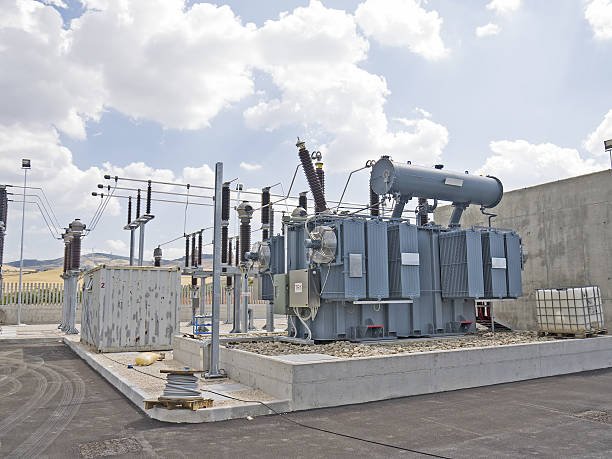
Cooling methods have a direct impact on the capacity, efficiency, operational stability, and service life of oil-immersed power transformers. As transformer power ratings increase, the amount of heat generated by the core and windings also increases. An effective cooling system is therefore essential to prevent excessive temperature rise, protect insulation materials, and maintain reliable operation under continuous and fluctuating loads.
Cooling methods affect oil-immersed power transformer capacity and reliability by controlling heat dissipation performance. Natural cooling methods such as ONAN provide simple and highly reliable operation for smaller transformers, while forced cooling methods such as ONAF, OFAF, and OFWF increase heat removal capability, allowing larger transformers to handle higher loads. Proper cooling reduces winding temperatures, slows insulation aging, improves overload capability, and extends transformer service life.
Transformer cooling methods directly influence the maximum load capacity that an oil-immersed transformer can safely operate under.True
Better cooling reduces temperature rise and allows transformers to carry higher electrical loads without exceeding thermal limits.
A transformer with a more powerful cooling system will always have lower operating costs than a transformer with natural cooling.False
Forced cooling improves capacity but requires additional equipment, maintenance, and auxiliary power consumption.
Excessive transformer temperature can accelerate insulation aging and reduce transformer lifetime.True
Transformer insulation deterioration is strongly related to operating temperature and thermal stress.
Transformer cooling selection is not only a thermal design decision but also a reliability strategy. Utilities, industrial users, and renewable energy developers must balance transformer capacity requirements, operating conditions, maintenance capability, and lifecycle costs when selecting cooling systems.
Why Does Cooling Affect Transformer Capacity?
The rated capacity of an oil-immersed power transformer is limited by its ability to remove heat.
During operation, transformer losses generate heat:
| Heat Source | Effect |
|---|---|
| Copper losses | Increase winding temperature |
| Core losses | Increase oil temperature |
| Stray losses | Create additional hot spots |
| Overloads | Increase thermal stress |
The cooling system determines how quickly this heat can be removed.
| Cooling Performance | Capacity Impact |
|---|---|
| Low heat removal | Lower transformer rating |
| Moderate heat removal | Medium capacity increase |
| High heat removal | Higher MVA capability |
A transformer with insufficient cooling cannot safely operate at its designed electrical capacity.
How Does Transformer Temperature Limit Power Capacity?
Transformer capacity is strongly related to temperature rise limits.
Important thermal parameters include:
| Parameter | Importance |
|---|---|
| Top oil temperature | Indicates overall transformer heating |
| Winding temperature | Determines insulation stress |
| Hot spot temperature | Controls insulation aging rate |
| Ambient temperature | Influences cooling efficiency |
When cooling performance improves:
- Hot spot temperature decreases
- Insulation aging slows
- Continuous loading capability increases
How Does ONAN Cooling Affect Transformer Capacity and Reliability?
ONAN means:
Oil Natural Air Natural
It is the most basic cooling method for oil-immersed transformers.
The cooling process relies on:
- Natural oil circulation
- Natural air movement
- Radiator heat transfer
| Feature | ONAN Performance |
|---|---|
| Cooling mechanism | Passive convection |
| Capacity range | Small to medium transformers |
| Auxiliary power | None |
| Reliability | Very high |
| Maintenance | Low |
ONAN is often selected when simplicity and reliability are more important than maximum power density.
What Are the Capacity Advantages of ONAN Cooling?
ONAN provides sufficient cooling for many applications.
Typical uses include:
| Application | Transformer Size |
|---|---|
| Residential distribution | Tens to hundreds of kVA |
| Commercial buildings | Hundreds of kVA to several MVA |
| Small substations | Several MVA |
Advantages:
- No cooling equipment failure risk
- Low maintenance requirements
- Reliable long-term operation
However, ONAN has limited heat removal capability for very large transformers.
How Does ONAF Cooling Increase Transformer Capacity?
ONAF means:
Oil Natural Air Forced
It improves cooling by adding fans to increase airflow across radiators.
Compared with ONAN:
| Feature | Improvement |
|---|---|
| Air movement | Increased |
| Heat transfer | Improved |
| Temperature control | Better |
| Transformer rating | Higher |
Example:
| Cooling Mode | Possible Rating |
|---|---|
| ONAN | 40 MVA |
| ONAF | 50–60 MVA |
ONAF allows transformers to achieve higher capacity without major changes to the transformer core and windings.
How Does OFAF Cooling Improve Large Transformer Performance?
OFAF means:
Oil Forced Air Forced
It uses both:
- Oil circulation pumps
- Cooling fans
The forced oil circulation improves heat removal from internal transformer components.
| Performance Area | OFAF Benefit |
|---|---|
| Oil circulation | Faster heat transfer |
| Winding cooling | Reduced hot spots |
| Load capability | Higher operating capacity |
| Thermal response | Faster adjustment |
OFAF is commonly used in:
- Transmission substations
- Large industrial facilities
- High-capacity grid transformers
How Does OFWF Cooling Affect Transformer Capacity?
OFWF means:
Oil Forced Water Forced
This method uses water heat exchangers to remove heat.
It provides very high cooling capability.
| Feature | OFWF |
|---|---|
| Heat transfer medium | Water |
| Oil circulation | Forced |
| Capacity capability | Very high |
| Application | Large power systems |
OFWF is used where extremely high transformer ratings or limited installation space require advanced cooling solutions.
Comparison of Cooling Methods and Transformer Capacity
| Cooling Method | Oil Circulation | Cooling Medium | Capacity Level | Typical Application |
|---|---|---|---|---|
| ONAN | Natural | Natural air | Low-medium | Distribution transformers |
| ONAF | Natural | Forced air | Medium-high | Industrial transformers |
| OFAF | Forced | Forced air | High | Large power transformers |
| OFWF | Forced | Forced water | Very high | Extra-large transformers |
How Do Cooling Methods Improve Transformer Reliability?
Cooling affects reliability mainly by controlling thermal stress.
Better cooling provides:
| Reliability Improvement | Result |
|---|---|
| Lower winding temperature | Longer insulation life |
| Reduced hot spots | Lower failure probability |
| Stable oil temperature | Better dielectric performance |
| Controlled thermal expansion | Reduced mechanical stress |
Transformer insulation systems are highly sensitive to overheating.
How Does Cooling Method Affect Transformer Service Life?
Transformer lifetime is closely linked to insulation aging.
A simplified relationship is:
| Operating Temperature | Insulation Aging |
|---|---|
| Lower temperature | Slower aging |
| Normal temperature | Expected service life |
| High temperature | Faster deterioration |
Effective cooling helps maintain:
- Paper insulation strength
- Oil dielectric properties
- Winding mechanical integrity
How Do Cooling Systems Improve Transformer Overload Capability?
Power systems frequently experience temporary load increases.
Examples include:
- Industrial production peaks
- Seasonal electricity demand
- Renewable energy fluctuations
- Emergency grid conditions
Forced cooling provides additional thermal capacity.
| Situation | Cooling Benefit |
|---|---|
| Normal operation | Maintains temperature |
| Increased load | Removes additional heat |
| Short-term overload | Provides capacity margin |
How Does Cooling Selection Affect Transformer Efficiency?
Cooling improves efficiency indirectly by maintaining stable operating temperatures.
Benefits include:
| Cooling Effect | Efficiency Benefit |
|---|---|
| Lower losses caused by overheating | Better performance |
| Stable operation | Reduced stress |
| Higher utilization | Improved investment value |
However, forced cooling systems consume auxiliary power.
Users should consider:
- Fan energy consumption
- Pump energy consumption
- Maintenance costs
- Expected loading conditions
How Does Cooling Method Influence Maintenance Requirements?
Different cooling methods require different maintenance levels.
| Cooling Method | Maintenance Requirements |
|---|---|
| ONAN | Oil and radiator inspection |
| ONAF | Fan inspection required |
| OFAF | Fan and pump maintenance |
| OFWF | Pump and water system maintenance |
More advanced cooling systems provide higher performance but require more maintenance management.
What Happens If Transformer Cooling Fails?
Cooling failure can reduce transformer reliability.
Potential problems include:
| Failure | Consequence |
|---|---|
| Fan failure | Reduced heat dissipation |
| Pump failure | Poor oil circulation |
| Blocked radiator | Increased temperature |
| Control failure | Incorrect cooling operation |
Large transformers usually include:
- Temperature alarms
- Cooling stage controls
- Backup systems
How Should Users Select a Cooling Method?
The correct cooling method depends on application requirements.
Important selection factors include:
| Factor | Influence |
|---|---|
| Transformer rating | Determines cooling capacity |
| Load profile | Determines heat generation |
| Ambient temperature | Affects cooling efficiency |
| Installation location | Determines cooling design |
| Reliability requirements | Determines redundancy needs |
| Maintenance capability | Determines system complexity |
Recommended applications:
| Application | Suitable Cooling |
|---|---|
| Distribution transformer | ONAN |
| Medium industrial transformer | ONAN/ONAF |
| Large substation transformer | ONAF/OFAF |
| Transmission transformer | OFAF/OFWF |
How Can Buyers Optimize Capacity and Reliability Through Cooling Selection?
Buyers should evaluate the total lifecycle value rather than only initial transformer price.
Consider:
| Evaluation Item | Importance |
|---|---|
| Initial cost | Transformer investment |
| Cooling efficiency | Operating performance |
| Maintenance cost | Long-term expense |
| Reliability | Downtime prevention |
| Future expansion | Capacity availability |
A correctly selected cooling system can reduce operating risks and improve return on investment.
How Can Buyers Select the Right Cooling Method for Oil-Immersed Power Transformers?
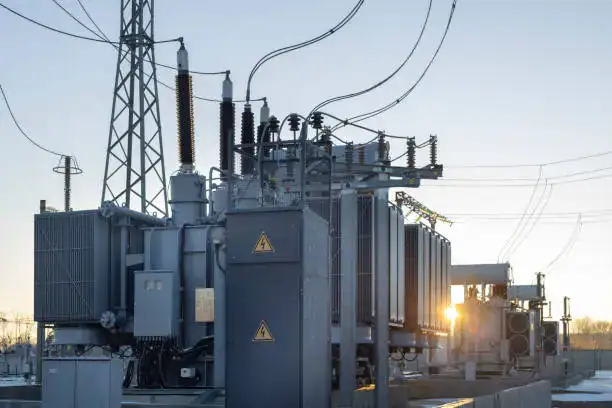
Selecting the correct cooling method for an oil-immersed power transformer is a critical decision that directly affects transformer capacity, reliability, operating cost, maintenance requirements, and service life. Many buyers focus primarily on transformer voltage and MVA rating but overlook the importance of thermal design. An unsuitable cooling method can cause excessive temperature rise, accelerate insulation aging, reduce overload capability, and increase the risk of unexpected failures.
Buyers can select the right cooling method for oil-immersed power transformers by evaluating transformer capacity, load characteristics, operating environment, installation conditions, reliability requirements, maintenance capability, and lifecycle costs. ONAN cooling is suitable for smaller and moderately loaded transformers, ONAF is preferred for higher capacity with improved airflow, OFAF is used for large power transformers requiring strong thermal performance, and OFWF is selected for very high-capacity transformers where water-based cooling is needed.
The appropriate cooling method for an oil-immersed transformer depends on transformer size, operating conditions, and required thermal performance.True
Cooling selection is determined by heat generation, capacity requirements, environment, and reliability expectations.
Choosing the most advanced cooling system is always the most economical transformer solution.False
Higher-performance cooling systems may increase purchase cost, auxiliary power consumption, and maintenance requirements.
ONAN cooling is commonly used for transformers where simple structure and high reliability are important.True
ONAN systems require no fans or pumps, reducing mechanical failure risks.
The best cooling method is not always the one with the highest cooling capability. Buyers should select a system that matches actual operating requirements while balancing performance, investment cost, and long-term reliability.
Why Is Cooling Method Selection Important for Oil-Immersed Transformers?
Oil-immersed transformers rely on insulating oil to provide both electrical insulation and heat transfer. During operation, heat generated by electrical losses must be transferred away from internal components.
The cooling system influences:
| Performance Factor | Cooling Impact |
|---|---|
| Transformer capacity | Determines maximum safe loading |
| Insulation life | Controls thermal aging rate |
| Efficiency | Affects operating losses |
| Reliability | Prevents overheating failures |
| Maintenance cost | Determines operational expenses |
A properly selected cooling method helps maintain:
- Stable winding temperature
- Safe oil temperature
- Lower hot-spot temperature
- Longer transformer lifetime
What Factors Should Buyers Consider Before Selecting a Cooling Method?
Buyers should evaluate several technical and operational factors before choosing transformer cooling.
| Selection Factor | Key Consideration |
|---|---|
| Transformer rating | Determines required cooling capacity |
| Load profile | Defines heat generation patterns |
| Ambient temperature | Influences cooling efficiency |
| Installation location | Determines environmental requirements |
| Reliability requirements | Determines cooling redundancy |
| Maintenance capability | Affects system complexity |
The cooling method should be selected based on the complete operating scenario rather than transformer rating alone.
How Does Transformer Capacity Affect Cooling Selection?
Transformer capacity is one of the most important cooling selection factors.
Higher-capacity transformers generate more heat.
| Transformer Size | Common Cooling Choice |
|---|---|
| Small distribution transformers | ONAN |
| Medium power transformers | ONAN/ONAF |
| Large industrial transformers | ONAF/OFAF |
| Extra-large grid transformers | OFAF/OFWF |
As transformer MVA increases, stronger cooling systems are usually required.
How Does Load Profile Influence Cooling Method Selection?
Not all transformers operate under the same load conditions.
Buyers should analyze:
| Load Type | Cooling Requirement |
|---|---|
| Stable continuous load | Natural cooling may be sufficient |
| Variable industrial load | Enhanced cooling preferred |
| Frequent overload conditions | Forced cooling recommended |
| Critical power supply | High-reliability cooling required |
For example, a transformer supplying a factory with large motors may require stronger cooling than a transformer supplying a stable commercial load.
How Should Buyers Select Between ONAN and Forced Cooling?
The basic decision is whether natural heat removal is sufficient.
| Condition | Recommended Cooling |
|---|---|
| Moderate capacity | ONAN |
| Limited overload demand | ONAN |
| Higher capacity requirement | ONAF |
| Heavy industrial operation | OFAF |
| Extremely high capacity | OFWF |
When Is ONAN Cooling the Best Choice?
ONAN means:
Oil Natural Air Natural
It uses:
- Natural oil circulation
- Natural air circulation
The cooling cycle depends on convection:
- Oil absorbs heat from windings.
- Hot oil rises naturally.
- Oil transfers heat through radiators.
- Natural airflow removes heat.
| ONAN Advantage | Benefit |
|---|---|
| Simple structure | High reliability |
| No fans | Lower failure risk |
| No pumps | Lower maintenance |
| No auxiliary power | Lower operating cost |
ONAN is suitable for:
- Distribution transformers
- Rural substations
- Small industrial systems
What Are the Limitations of ONAN Cooling?
ONAN has limited cooling capability.
| Limitation | Effect |
|---|---|
| Lower heat removal | Limits transformer capacity |
| Slow thermal response | Less suitable for rapid load changes |
| Larger radiator requirements | May increase transformer size |
When transformer loading increases significantly, buyers should consider forced cooling.
When Should Buyers Choose ONAF Cooling?
ONAF means:
Oil Natural Air Forced
It adds fans to improve heat dissipation.
The system:
- Maintains natural oil circulation
- Uses forced air through radiators
| ONAF Feature | Description |
|---|---|
| Oil movement | Natural |
| Air movement | Fan-assisted |
| Capacity | Higher than ONAN |
| Maintenance | Moderate |
ONAF is commonly used when buyers need additional capacity without installing a fully forced oil circulation system.
What Applications Are Suitable for ONAF Cooling?
Typical applications include:
| Application | Reason |
|---|---|
| Industrial substations | Increased load capability |
| Renewable energy systems | Variable power output |
| Commercial power systems | Higher demand |
| Utility transformers | Improved thermal margin |
When Should Buyers Choose OFAF Cooling?
OFAF means:
Oil Forced Air Forced
It uses:
- Oil circulation pumps
- Cooling fans
This provides stronger thermal performance.
| OFAF Characteristic | Impact |
|---|---|
| Forced oil movement | Faster internal heat removal |
| Forced air cooling | Improved radiator performance |
| High capacity | Suitable for large transformers |
OFAF is preferred for:
- Transmission substations
- Large industrial facilities
- High-voltage power networks
When Is OFWF Cooling Required?
OFWF means:
Oil Forced Water Forced
It uses water heat exchangers instead of air cooling.
| Feature | Description |
|---|---|
| Oil circulation | Forced |
| Cooling medium | Water |
| Capacity | Very high |
| Complexity | High |
OFWF is typically selected for:
- Large hydroelectric plants
- Major transmission projects
- Space-limited installations
How Do Cooling Methods Compare?
| Cooling Method | Oil Circulation | External Cooling | Capacity | Complexity |
|---|---|---|---|---|
| ONAN | Natural | Natural air | Low-medium | Low |
| ONAF | Natural | Forced air | Medium-high | Moderate |
| OFAF | Forced | Forced air | High | High |
| OFWF | Forced | Water cooling | Very high | Very high |
How Does Cooling Method Affect Transformer Reliability?
Reliability depends heavily on temperature control.
Improved cooling provides:
| Reliability Benefit | Explanation |
|---|---|
| Lower hot spots | Protects winding insulation |
| Reduced thermal stress | Improves mechanical durability |
| Stable oil temperature | Maintains insulation performance |
| Better overload capability | Supports demanding operation |
Transformers operating at lower temperatures generally experience slower insulation degradation.
How Does Cooling Selection Affect Transformer Service Life?
Transformer lifetime is strongly influenced by insulation aging.
Factors affecting aging include:
| Factor | Effect |
|---|---|
| High winding temperature | Faster aging |
| Excessive hot spots | Reduced lifetime |
| Poor oil circulation | Uneven heating |
| Effective cooling | Extended service life |
Selecting the correct cooling system helps maximize transformer lifespan.
How Does Installation Environment Influence Cooling Selection?
The installation location affects heat dissipation.
| Environment | Cooling Consideration |
|---|---|
| Hot climate | Higher cooling capability |
| Coastal areas | Corrosion-resistant cooling components |
| Indoor installation | Space limitations |
| High altitude | Reduced cooling efficiency |
| Dusty areas | Additional protection needed |
A transformer designed for normal conditions may require upgraded cooling in harsh environments.
How Does Maintenance Capability Affect Cooling Choice?
Cooling systems with higher performance require more maintenance.
| Cooling Method | Maintenance Requirement |
|---|---|
| ONAN | Low |
| ONAF | Fan inspection |
| OFAF | Fan and pump maintenance |
| OFWF | Pump and water system maintenance |
Buyers should consider whether they have sufficient technical resources to maintain advanced cooling systems.
How Should Buyers Balance Cost and Performance?
Cooling selection should consider total lifecycle value.
| Cost Factor | Consideration |
|---|---|
| Initial investment | Equipment purchase cost |
| Auxiliary power | Fan and pump energy consumption |
| Maintenance expense | Service requirements |
| Downtime risk | Reliability impact |
| Service life | Long-term return |
A cheaper cooling system may become more expensive if it causes operational limitations or reliability issues.
What Cooling Method Is Recommended for Different Applications?
| Application | Recommended Cooling |
|---|---|
| Residential distribution | ONAN |
| Commercial buildings | ONAN/ONAF |
| Medium industrial plants | ONAF |
| Large factories | ONAF/OFAF |
| Utility substations | OFAF |
| Large transmission systems | OFAF/OFWF |
What Questions Should Buyers Ask Transformer Manufacturers?
Before purchasing, buyers should confirm:
| Question | Purpose |
|---|---|
| What cooling method is recommended? | Verify design suitability |
| What is the maximum loading capability? | Confirm capacity |
| What temperature rise limits apply? | Evaluate thermal performance |
| What maintenance is required? | Estimate lifecycle cost |
| Are cooling stages automatic? | Improve operational reliability |
Conclusion
The cooling system is one of the most important factors affecting the performance and reliability of oil-immersed power transformers. Natural cooling methods such as ONAN are suitable for smaller and medium-sized transformers because they provide simple, reliable, and low-maintenance heat dissipation. Larger transformers typically require forced cooling methods such as ONAF, OFAF, or OFWF to manage higher thermal loads and maintain safe operating temperatures. By selecting the appropriate cooling method based on transformer capacity, load conditions, and installation requirements, users can improve efficiency, extend transformer lifespan, and ensure dependable operation in demanding power applications.
FAQ
Q1: What are the two types of cooling in oil immersed power transformers?
Oil immersed power transformers mainly use two categories of cooling methods: natural cooling and forced cooling. These methods control transformer temperature by removing heat generated from core losses and winding losses during operation.
The two basic cooling principles are:
Natural Cooling
Uses natural circulation of transformer oil and surrounding air.
Heat moves away without mechanical assistance.
Common for smaller and medium-sized transformers.
Forced Cooling
Uses additional equipment such as fans, pumps, or water cooling systems.
Improves heat dissipation and allows higher transformer loading.
Common for large power transformers.
According to IEC 60076 transformer cooling classifications, these methods are represented by codes such as:
ONAN – Oil Natural Air Natural
ONAF – Oil Natural Air Forced
OFAF – Oil Forced Air Forced
OFWF – Oil Forced Water Forced
The selected cooling method depends on transformer capacity, voltage level, installation conditions, and required load capability.
Q2: How does natural cooling work in oil immersed transformers?
Natural cooling relies on the natural movement of oil and air caused by temperature differences.
During transformer operation:
Electrical losses generate heat inside the core and windings.
Transformer oil absorbs this heat.
Hot oil rises naturally toward cooling surfaces.
Cooler oil returns to the active parts.
Heat transfers from radiators or tank surfaces to surrounding air.
The most common natural cooling classification is:
ONAN (Oil Natural Air Natural)
Characteristics:
Natural oil circulation
Natural air circulation
No fans or pumps required
Simple design
Lower maintenance requirements
ONAN cooling is commonly used for:
Distribution transformers
Small power transformers
Medium voltage substations
Advantages include:
High reliability
Low operating cost
Simple maintenance
Quiet operation
However, natural cooling has limited heat removal capability, making it unsuitable for very large transformers.
Q3: How does forced cooling work in oil immersed transformers?
Forced cooling improves heat removal by using mechanical devices to increase oil or air circulation.
Common forced cooling systems include:
ONAF (Oil Natural Air Forced)
Oil circulates naturally.
Fans force air through radiators.
Provides higher cooling capacity than ONAN.
OFAF (Oil Forced Air Forced)
Pumps circulate transformer oil.
Fans cool the radiators.
Used for larger power transformers.
OFWF (Oil Forced Water Forced)
Pumps circulate oil.
Water cooling removes heat.
Used in very large transformers or locations with limited space.
Forced cooling allows transformers to:
Handle higher loads
Maintain lower operating temperatures
Improve thermal performance
Increase power capacity
The additional equipment requires more maintenance and monitoring compared with natural cooling.
Q4: What is the difference between ONAN and ONAF transformer cooling?
ONAN and ONAF are two of the most common cooling methods for oil immersed transformers.
Feature ONAN ONAF
Oil circulation Natural Natural
Air circulation Natural Forced by fans
Cooling capacity Lower Higher
Equipment required Radiators only Radiators and fans
Maintenance Lower Higher
Application Smaller transformers Medium and large transformers
Many transformers are designed with multiple cooling stages, such as:
ONAN at normal load
ONAF during higher load conditions
This allows efficient operation under normal conditions while providing additional capacity when required.
Q5: Why is transformer oil used for cooling?
Transformer oil performs two important functions:
Electrical insulation
Heat transfer
Oil absorbs heat generated by:
Copper winding losses
Core losses
Stray losses
Good transformer oil provides:
High dielectric strength
Good thermal conductivity
Chemical stability
Long service life
The oil circulation system transfers heat from internal components to radiators, where it is released into the environment.
Without effective cooling, transformer temperature would increase, accelerating insulation aging and reducing transformer lifespan.
Q6: How does cooling affect transformer capacity and performance?
Cooling directly affects the maximum load a transformer can safely carry.
Better cooling allows:
Higher MVA ratings
Lower operating temperatures
Reduced insulation aging
Improved reliability
For example:
A transformer operating with ONAN cooling may have a lower rating.
The same transformer with ONAF cooling may achieve a higher rating because additional heat can be removed.
Poor cooling performance can lead to:
Excessive winding temperature
Oil degradation
Insulation failure
Reduced service life
Proper cooling design is therefore essential for transformer reliability.
Q7: How are cooling systems selected for oil immersed power transformers?
The cooling method is selected based on several design factors:
Transformer Size
Large transformers require more advanced cooling systems.
Loading Requirements
High-load applications may require forced cooling.
Installation Environment
Factors include:
Ambient temperature
Available space
Indoor or outdoor installation
Cooling airflow conditions
Reliability Requirements
Critical grid transformers may use multiple cooling stages for operational flexibility.
Maintenance Considerations
Natural cooling requires less maintenance, while forced cooling provides higher performance but requires additional equipment.
Q8: Which cooling method is best for oil immersed transformers?
There is no single best cooling method because the appropriate system depends on transformer application and operating requirements.
Generally:
ONAN is preferred for smaller transformers requiring simple and reliable operation.
ONAF is suitable when additional capacity is needed without complex oil circulation systems.
OFAF and OFWF are used for large transmission transformers requiring maximum cooling performance.
The best cooling method balances:
Transformer capacity
Reliability
Efficiency
Maintenance requirements
Installation conditions
Lifecycle cost
Proper cooling selection ensures safe operation and extends the service life of oil immersed power transformers.
References
IEC 60076-2 – Power Transformers: Temperature Rise
https://webstore.iec.ch/publication/603
IEEE C57 Series – Transformer Cooling and Performance Standards
https://standards.ieee.org
Electrical Engineering Portal – Transformer Cooling Methods
https://electrical-engineering-portal.com
U.S. Department of Energy – Transformer Efficiency and Reliability Resources
https://www.energy.gov