
Power transformers are critical assets in electrical networks, and unexpected failures can cause significant financial losses, power interruptions, and safety risks. Traditional maintenance methods often rely on scheduled inspections or reactive repairs, which may not detect developing problems before they become serious. As transformer systems become more complex and valuable, operators need smarter solutions to improve reliability and reduce maintenance costs. Artificial intelligence (AI) provides advanced capabilities by analyzing large amounts of operational data, identifying abnormal conditions, and predicting potential failures before they occur.
Artificial intelligence supports predictive maintenance for power transformers by analyzing data from sensors, inspection records, oil tests, electrical measurements, and operating conditions to identify early signs of equipment deterioration. AI technologies such as machine learning, predictive analytics, and anomaly detection help forecast failures, optimize maintenance schedules, reduce downtime, extend transformer lifespan, and improve overall asset management efficiency.
By combining AI with condition monitoring systems, power operators can move from traditional time-based maintenance toward a more proactive and data-driven approach. This allows maintenance teams to address problems at the right time while improving transformer reliability and reducing unnecessary service costs.
How Does Artificial Intelligence Support Predictive Maintenance for Power Transformers?
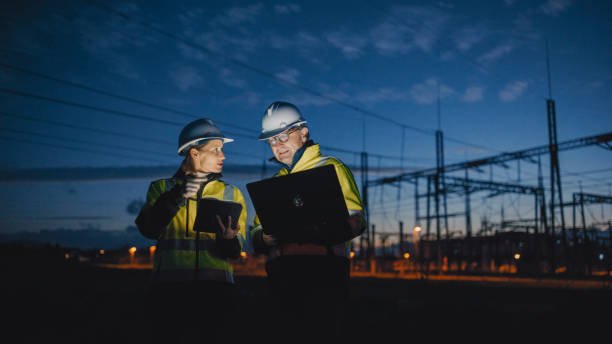
Power transformers are among the most critical and expensive assets in electrical networks, and unexpected failures can cause severe consequences including power outages, production losses, equipment damage, and costly emergency repairs. Traditional maintenance strategies often rely on fixed schedules or manual inspections, which may fail to identify developing problems before they become serious. As transformer operating conditions become more complex, utilities and industrial users increasingly require smarter methods to monitor equipment health and predict potential failures.
Artificial intelligence (AI) supports predictive maintenance for power transformers by analyzing large volumes of operational data from sensors, inspection records, and historical failures to identify abnormal patterns, predict equipment degradation, detect early-stage faults, and optimize maintenance decisions. AI technologies such as machine learning, deep learning, and predictive analytics help transformer operators move from reactive maintenance to condition-based strategies that improve reliability, reduce downtime, and extend transformer service life.
Artificial intelligence can analyze transformer condition data to identify potential equipment problems before failures occur.True
Machine learning models can recognize abnormal patterns in temperature, oil condition, electrical measurements, and other operational data.
AI predictive maintenance completely eliminates the need for human engineers in transformer maintenance.False
AI supports decision-making but still requires engineering expertise for diagnosis, inspection, and repair actions.
Transformer oil analysis data can be used as an input source for AI-based condition monitoring systems.True
Dissolved gas analysis and oil quality measurements provide valuable information about internal transformer conditions.
AI-based predictive maintenance does not replace traditional transformer testing and inspection. Instead, it combines advanced data analysis with engineering knowledge to provide earlier warnings, better maintenance planning, and more accurate asset management decisions.
Why Is Predictive Maintenance Important for Power Transformers?
Power transformers are designed for long service periods, often exceeding 30 years, but their performance gradually changes due to:
| Aging Factor | Impact on Transformer |
|---|---|
| Thermal stress | Accelerates insulation aging |
| Electrical stress | Increases failure risk |
| Moisture contamination | Reduces insulation strength |
| Oil degradation | Lowers dielectric performance |
| Mechanical stress | Affects winding integrity |
Traditional maintenance methods include:
- Periodic visual inspection
- Scheduled oil testing
- Manual electrical testing
- Fixed replacement intervals
However, these methods may have limitations:
| Traditional Approach | Limitation |
|---|---|
| Time-based maintenance | May inspect too early or too late |
| Manual analysis | Depends on expert availability |
| Limited data usage | Misses hidden patterns |
| Reactive repair | Causes unexpected downtime |
Predictive maintenance uses continuous monitoring and intelligent analysis to identify problems earlier.
What Role Does AI Play in Transformer Predictive Maintenance?
Artificial intelligence acts as a decision-support system that converts large amounts of transformer data into actionable insights.
The basic process includes:
- Data collection from transformer monitoring systems.
- Data processing and cleaning.
- AI model analysis.
- Fault prediction and risk evaluation.
- Maintenance recommendation.
| AI Function | Maintenance Benefit |
|---|---|
| Pattern recognition | Detects abnormal behavior |
| Fault prediction | Identifies future risks |
| Trend analysis | Tracks equipment aging |
| Risk scoring | Prioritizes maintenance tasks |
What Transformer Data Can AI Analyze?
AI predictive maintenance depends on high-quality operational data.
Common data sources include:
| Data Source | Information Provided |
|---|---|
| Temperature sensors | Thermal condition |
| Load monitoring | Operating stress |
| Dissolved gas analysis (DGA) | Internal fault indicators |
| Partial discharge monitoring | Insulation defects |
| Oil quality tests | Insulation condition |
| Vibration monitoring | Mechanical issues |
| Electrical measurements | Performance changes |
| Historical maintenance records | Failure patterns |
By combining multiple data sources, AI can create a more complete picture of transformer health.
How Does AI Analyze Transformer Oil Data?
Transformer oil provides important information about internal transformer conditions.
One of the most valuable diagnostic methods is dissolved gas analysis.
Common gases include:
| Gas | Possible Indication |
|---|---|
| Hydrogen | Partial discharge |
| Methane | Low-temperature overheating |
| Ethylene | High-temperature faults |
| Acetylene | Arcing |
| Carbon monoxide | Paper insulation degradation |
AI models can analyze gas concentration trends and identify abnormal changes.
For example:
- A sudden increase in acetylene may indicate electrical arcing.
- Rising carbon monoxide may indicate insulation deterioration.
- Increasing hydrogen levels may suggest partial discharge activity.
How Does Machine Learning Detect Transformer Faults?
Machine learning algorithms learn from historical transformer data.
The process involves:
- Collecting historical operating data.
- Identifying relationships between data patterns and failures.
- Training prediction models.
- Applying models to current transformer conditions.
Common machine learning methods include:
| AI Technology | Application |
|---|---|
| Decision trees | Fault classification |
| Random forests | Risk prediction |
| Support vector machines | Condition evaluation |
| Neural networks | Complex pattern recognition |
| Deep learning | Advanced anomaly detection |
What Transformer Faults Can AI Predict?
AI can support detection of various transformer problems.
| Fault Type | AI Detection Indicators |
|---|---|
| Overheating | Temperature trends |
| Insulation aging | Oil and gas data |
| Partial discharge | Electrical signals |
| Winding problems | Current and vibration data |
| Cooling system failures | Temperature behavior |
| Oil contamination | Oil quality trends |
Early detection allows maintenance teams to intervene before catastrophic failure.
How Does AI Improve Early Fault Detection?
Traditional methods often identify faults after symptoms become obvious.
AI can detect subtle changes.
Example:
A transformer may show:
- Slight temperature increases
- Small gas concentration changes
- Minor load abnormalities
Individually, these signals may appear insignificant. AI can analyze their combined relationship and identify increased failure probability.
| Detection Stage | Maintenance Action |
|---|---|
| Normal condition | Continue monitoring |
| Early warning | Increase inspection frequency |
| High risk | Schedule maintenance |
| Critical condition | Immediate action |
How Does AI Support Condition-Based Maintenance?
Condition-based maintenance uses actual transformer health information instead of fixed schedules.
AI helps determine:
| Decision | AI Support |
|---|---|
| When to inspect | Predicts deterioration trends |
| Which components need attention | Identifies risk areas |
| Maintenance priority | Calculates risk levels |
| Replacement planning | Estimates remaining life |
This approach improves maintenance efficiency.
How Does AI Estimate Transformer Remaining Useful Life?
Remaining useful life (RUL) prediction is an important AI application.
AI models analyze:
- Historical aging data
- Temperature exposure
- Loading patterns
- Insulation condition
- Oil quality
The output can include:
| Prediction Result | Usage |
|---|---|
| Remaining years estimate | Investment planning |
| Aging trend | Maintenance scheduling |
| Risk level | Asset management |
Accurate lifetime prediction helps utilities optimize replacement decisions.
How Does AI Improve Transformer Reliability?
AI improves reliability through proactive actions.
| AI Capability | Reliability Improvement |
|---|---|
| Continuous monitoring | Detects issues earlier |
| Fault prediction | Prevents unexpected failures |
| Data analysis | Improves diagnosis accuracy |
| Maintenance optimization | Reduces downtime |
Instead of repairing failures after they happen, operators can address problems before they escalate.
How Does AI Reduce Transformer Maintenance Costs?
Predictive maintenance can reduce costs by optimizing maintenance activities.
| Cost Reduction Method | Benefit |
|---|---|
| Early fault detection | Avoids major failures |
| Targeted maintenance | Reduces unnecessary inspections |
| Better scheduling | Minimizes downtime |
| Improved spare planning | Reduces emergency purchases |
Although AI systems require initial investment, long-term savings can be significant.
What Is the Difference Between Traditional and AI-Based Maintenance?
| Maintenance Method | Traditional Maintenance | AI Predictive Maintenance |
|---|---|---|
| Strategy | Schedule-based | Condition-based |
| Data usage | Limited | Extensive |
| Fault detection | After symptoms appear | Early prediction |
| Decision process | Manual | Data-assisted |
| Downtime risk | Higher | Lower |
| Asset utilization | Moderate | Optimized |
What AI Technologies Are Used in Transformer Monitoring?
Modern transformer predictive maintenance systems may use several AI technologies.
| Technology | Function |
|---|---|
| Machine learning | Predict fault probability |
| Deep learning | Analyze complex patterns |
| Digital twins | Simulate transformer behavior |
| Computer vision | Analyze inspection images |
| Natural language processing | Analyze maintenance reports |
| Edge AI | Real-time local monitoring |
How Do Digital Twins Support AI-Based Transformer Maintenance?
A digital twin is a virtual model of a physical transformer.
It combines:
- Real-time sensor data
- Historical operating information
- AI prediction models
The digital twin can simulate:
| Simulation Area | Purpose |
|---|---|
| Thermal behavior | Predict temperature rise |
| Aging process | Estimate insulation life |
| Load changes | Evaluate operating limits |
| Failure scenarios | Improve risk planning |
How Can AI Analyze Transformer Inspection Images?
Computer vision technology allows AI to analyze images from:
- Drones
- Infrared cameras
- Inspection robots
AI can identify:
| Image Analysis | Detection Target |
|---|---|
| Infrared images | Hot spots |
| Surface images | Oil leaks |
| Equipment photos | Corrosion |
| Connection images | Mechanical issues |
This reduces dependence on manual visual inspection.
What Are the Challenges of Using AI for Transformer Maintenance?
Although AI provides significant benefits, implementation requires careful planning.
Challenges include:
| Challenge | Description |
|---|---|
| Data quality | Poor data reduces prediction accuracy |
| Limited failure records | AI needs historical examples |
| System integration | Must connect with existing monitoring systems |
| Cybersecurity | Protects operational data |
| Engineer training | Requires technical understanding |
AI performance depends heavily on data availability and system design.
How Should Companies Implement AI Predictive Maintenance?
A practical implementation process includes:
| Step | Action |
|---|---|
| 1 | Install monitoring sensors |
| 2 | Collect operational data |
| 3 | Establish data management systems |
| 4 | Develop AI models |
| 5 | Validate predictions |
| 6 | Integrate with maintenance workflows |
Starting with critical transformers is often the most effective approach.
What Should Buyers Consider When Selecting AI-Ready Transformers?
When purchasing new power transformers, buyers should consider:
| Evaluation Item | Importance |
|---|---|
| Sensor compatibility | Enables monitoring |
| Communication systems | Supports data transfer |
| Monitoring interfaces | Allows integration |
| Digital capability | Enables future upgrades |
| Manufacturer support | Ensures implementation success |
Modern transformers are increasingly designed with intelligent monitoring capabilities.
What Transformer Data Can Artificial Intelligence Analyze for Predictive Maintenance?

Power transformers generate a large amount of operational data throughout their service life, including electrical measurements, temperature information, oil condition indicators, mechanical signals, and maintenance records. However, traditional maintenance methods often analyze this information separately, making it difficult to identify complex relationships between different operating conditions and potential failures. Without effective data analysis, early warning signs such as gradual insulation degradation, abnormal heating, or developing internal faults may remain unnoticed until serious damage occurs.
Artificial intelligence can analyze multiple types of transformer data for predictive maintenance, including dissolved gas analysis (DGA) data, transformer oil quality data, temperature measurements, load conditions, electrical test results, partial discharge signals, vibration data, cooling system performance data, environmental information, and historical maintenance records. By combining these data sources, AI models can identify abnormal patterns, predict possible failures, estimate remaining useful life, and support proactive maintenance decisions.
Dissolved gas analysis data is one of the most important data sources used for AI-based transformer fault prediction.True
DGA provides information about internal overheating, insulation degradation, and electrical discharge conditions.
Artificial intelligence predictive maintenance only requires transformer temperature data to accurately predict all failures.False
Reliable prediction requires multiple data sources because transformer failures involve electrical, thermal, mechanical, and insulation-related factors.
Historical maintenance records can improve AI models by providing examples of previous transformer conditions and failure patterns.True
Past inspection and repair data helps machine learning systems recognize relationships between conditions and outcomes.
For transformer owners, understanding what data AI can analyze is essential when building a predictive maintenance strategy. The quality, accuracy, and diversity of collected data directly determine how effectively AI systems can monitor transformer health and provide reliable recommendations.
Why Is Data Important for AI-Based Transformer Maintenance?
Artificial intelligence systems learn from data. Unlike traditional analysis methods that rely mainly on engineering rules, AI identifies hidden relationships within large datasets.
A transformer predictive maintenance system typically follows this process:
| Stage | Function |
|---|---|
| Data collection | Gather operating information |
| Data processing | Clean and organize information |
| AI analysis | Identify patterns and risks |
| Prediction | Estimate possible failures |
| Maintenance decision | Recommend actions |
The more complete the transformer data, the more accurate the AI predictions become.
What Main Categories of Transformer Data Can AI Analyze?
Transformer predictive maintenance data can generally be divided into several categories:
| Data Category | Examples | Maintenance Purpose |
|---|---|---|
| Electrical data | Voltage, current, losses, impedance | Detect electrical abnormalities |
| Thermal data | Oil temperature, winding temperature | Monitor overheating risks |
| Oil condition data | DGA, moisture, acidity | Evaluate insulation condition |
| Mechanical data | Vibration, noise | Detect structural issues |
| Operational data | Load, switching history | Analyze stress conditions |
| Inspection data | Images, reports | Identify physical defects |
| Historical data | Repairs, failures | Improve prediction accuracy |
AI becomes more powerful when it combines these different information sources.
How Does AI Analyze Dissolved Gas Analysis (DGA) Data?
Dissolved gas analysis is one of the most valuable diagnostic methods for oil-immersed power transformers.
During transformer operation, insulation materials and oil may produce dissolved gases when abnormal conditions occur.
Common gases include:
| Gas | Possible Fault Indication |
|---|---|
| Hydrogen (H₂) | Partial discharge |
| Methane (CH₄) | Low-temperature overheating |
| Ethane (C₂H₆) | Thermal degradation |
| Ethylene (C₂H₄) | High-temperature overheating |
| Acetylene (C₂H₂) | Arcing |
| Carbon monoxide (CO) | Paper insulation aging |
| Carbon dioxide (CO₂) | Insulation deterioration |
AI algorithms can analyze:
- Gas concentration levels
- Gas growth rates
- Gas ratio relationships
- Historical gas trends
For example, a single gas measurement may not clearly indicate a problem, but AI can recognize that a combination of increasing hydrogen, acetylene, and temperature may indicate developing electrical discharge.
How Does AI Use Transformer Oil Quality Data?
Transformer oil provides both insulation and cooling functions, making oil condition a critical health indicator.
AI can analyze oil testing data such as:
| Oil Parameter | What AI Evaluates |
|---|---|
| Dielectric strength | Insulation capability |
| Moisture content | Aging risk |
| Acidity level | Oil degradation |
| Dissipation factor | Insulation condition |
| Color changes | Oil aging trends |
| Furan content | Paper insulation aging |
AI models can identify gradual deterioration trends that may not be obvious through manual analysis.
How Does AI Analyze Transformer Temperature Data?
Temperature is one of the most important indicators of transformer operating condition.
AI can analyze:
| Temperature Data | Purpose |
|---|---|
| Top oil temperature | Overall thermal condition |
| Bottom oil temperature | Cooling effectiveness |
| Winding temperature | Insulation stress |
| Hot spot temperature | Aging evaluation |
| Temperature rise rate | Detect abnormal heating |
AI can compare current temperature behavior with historical operating patterns.
For example:
- Normal load + abnormal temperature increase may indicate cooling problems.
- High temperature + normal load may indicate internal defects.
- Rapid temperature changes may indicate abnormal operation.
How Does AI Analyze Transformer Load Data?
Transformer loading directly affects heat generation and aging.
AI can evaluate:
| Load Data | Application |
|---|---|
| Current level | Loading condition |
| Load duration | Thermal stress calculation |
| Peak demand periods | Overload analysis |
| Load fluctuations | Aging prediction |
AI can predict whether operating patterns are accelerating transformer aging.
How Does AI Use Electrical Measurement Data?
Electrical parameters provide information about transformer performance.
AI can analyze:
| Electrical Data | Possible Detection |
|---|---|
| Voltage ratio | Winding problems |
| Current imbalance | Electrical abnormalities |
| No-load losses | Core condition |
| Load losses | Winding performance |
| Short-circuit impedance | Mechanical deformation |
| Frequency response data | Winding movement |
Combining electrical data with other information improves fault diagnosis accuracy.
How Does AI Analyze Partial Discharge Data?
Partial discharge is an early indicator of insulation problems.
AI can process:
- Discharge intensity
- Discharge frequency
- Signal patterns
- Location information
Common partial discharge sources include:
| Source | Possible Cause |
|---|---|
| Internal voids | Insulation defects |
| Floating particles | Contamination |
| Sharp edges | Electric field concentration |
| Moisture damage | Insulation degradation |
AI-based pattern recognition can classify discharge types and estimate risk levels.
How Does AI Analyze Vibration Data?
Mechanical conditions are also important for transformer reliability.
AI can analyze vibration signals to detect:
| Vibration Pattern | Possible Issue |
|---|---|
| Abnormal frequency | Core or structural problems |
| Increased vibration level | Mechanical looseness |
| Changing vibration pattern | Aging components |
This is especially useful for large transformers where mechanical failures can be costly.
How Does AI Monitor Cooling System Data?
Cooling performance directly affects transformer temperature control.
AI can analyze:
| Cooling Data | Detection Purpose |
|---|---|
| Fan operation status | Cooling availability |
| Pump operation | Oil circulation condition |
| Radiator temperature | Heat transfer efficiency |
| Valve operation | Cooling system control |
AI can identify cooling degradation before overheating occurs.
How Can AI Analyze Transformer Environmental Data?
External conditions influence transformer operation.
AI can evaluate:
| Environmental Data | Impact |
|---|---|
| Ambient temperature | Cooling effectiveness |
| Humidity | Insulation aging |
| Altitude | Cooling performance |
| Weather conditions | Operating stress |
| Pollution level | External insulation risk |
This helps adjust transformer condition assessments according to actual operating environments.
How Does AI Use Historical Maintenance Records?
Historical records are valuable training data for AI models.
Important records include:
| Historical Data | AI Application |
|---|---|
| Previous faults | Failure prediction |
| Repair history | Component risk analysis |
| Inspection reports | Condition evaluation |
| Replacement records | Lifecycle planning |
| Test results | Trend analysis |
A transformer with decades of maintenance history provides valuable information for predictive models.
How Does AI Combine Multiple Transformer Data Sources?
Single data sources may not provide enough information.
AI improves accuracy by combining multiple signals.
Example:
| Data Combination | Possible Diagnosis |
|---|---|
| High temperature + increased ethylene | Thermal overheating |
| Rising acetylene + partial discharge | Electrical arcing |
| Increased moisture + low dielectric strength | Insulation deterioration |
| Vibration changes + impedance changes | Winding deformation |
This multi-parameter analysis is one of AI’s greatest advantages.
What Sensors Are Needed for AI Transformer Monitoring?
An AI predictive maintenance system requires reliable data collection equipment.
Common sensors include:
| Sensor Type | Data Collected |
|---|---|
| Temperature sensors | Oil and winding temperature |
| Gas monitoring sensors | Dissolved gases |
| Current sensors | Load information |
| Voltage sensors | Electrical condition |
| Vibration sensors | Mechanical condition |
| Moisture sensors | Oil condition |
| Partial discharge sensors | Insulation health |
Modern intelligent transformers increasingly integrate these monitoring devices.
How Does Data Quality Affect AI Prediction Accuracy?
AI performance depends heavily on data quality.
Important factors include:
| Data Quality Factor | Importance |
|---|---|
| Accuracy | Prevents incorrect predictions |
| Frequency | Captures condition changes |
| Completeness | Provides full health picture |
| Consistency | Improves model reliability |
| Historical depth | Supports learning |
Poor-quality data may lead to inaccurate maintenance recommendations.
What Challenges Exist in Collecting Transformer Data?
Although data-driven maintenance provides many benefits, buyers should consider:
| Challenge | Solution |
|---|---|
| Missing historical data | Establish long-term monitoring |
| Inconsistent formats | Standardize data management |
| Sensor failures | Perform regular calibration |
| Large data volume | Use advanced analytics platforms |
| Cybersecurity risks | Protect monitoring systems |
How Should Buyers Prepare Transformers for AI Predictive Maintenance?
When purchasing new transformers, buyers should consider digital readiness.
Recommended features include:
| Feature | Benefit |
|---|---|
| Online monitoring interfaces | Continuous data collection |
| Intelligent sensors | Real-time condition tracking |
| Communication systems | Data transmission |
| Digital monitoring compatibility | Future AI integration |
Transformers designed for intelligent operation provide greater long-term value.
How Does AI Detect Early Faults in Power Transformers?
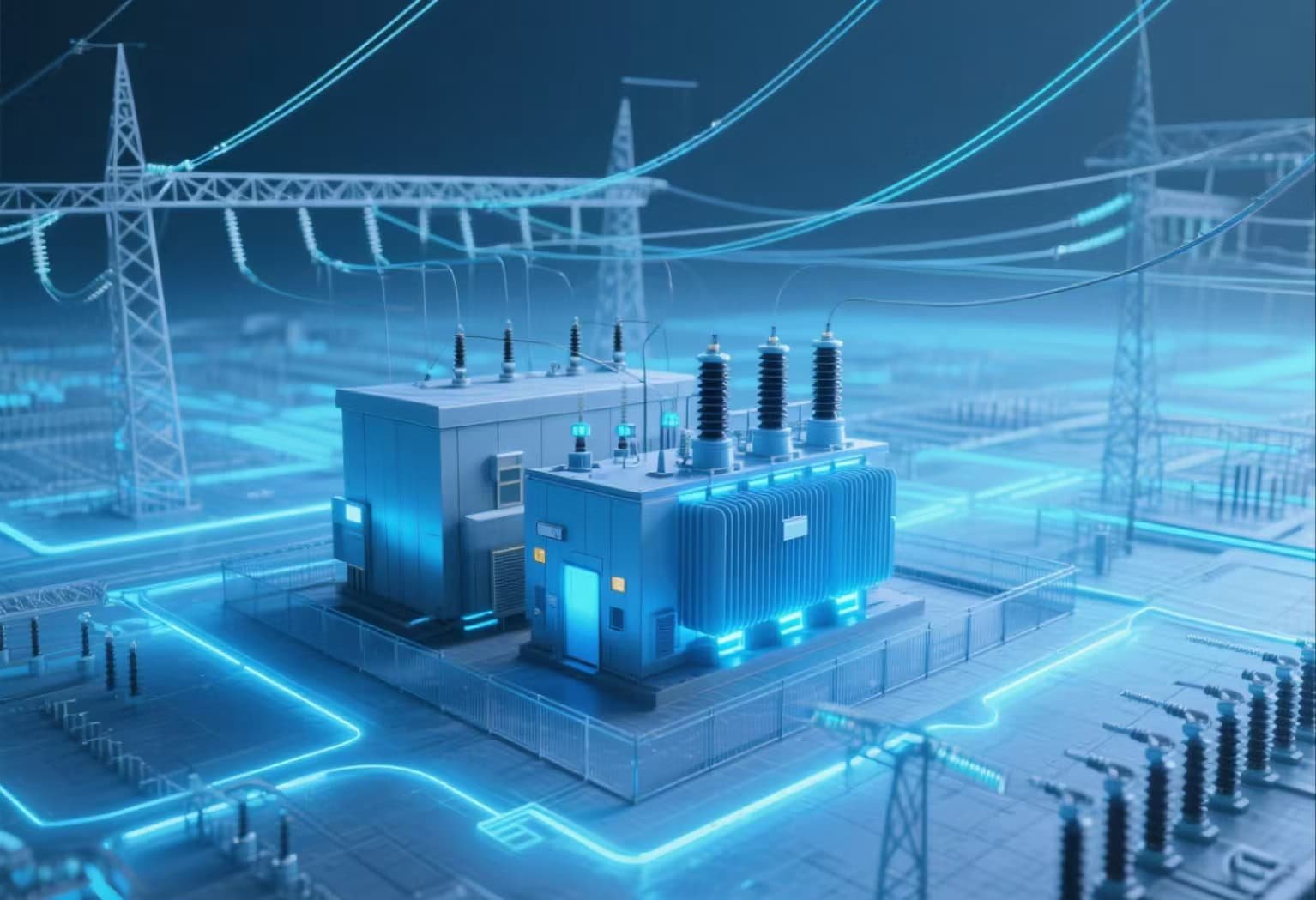
Power transformer failures rarely happen without warning. Before a major breakdown occurs, transformers usually produce early indicators such as abnormal gas generation, rising temperatures, unusual electrical behavior, increased vibration, or insulation deterioration. However, these warning signals are often subtle and distributed across different monitoring systems, making them difficult to identify through traditional inspection methods alone. Missing these early signs can lead to catastrophic failures, unexpected outages, and expensive emergency repairs.
AI detects early faults in power transformers by analyzing real-time and historical operating data, identifying abnormal patterns, comparing current conditions with healthy operating models, and predicting potential failures before they become critical. Machine learning algorithms analyze transformer oil data, dissolved gas analysis (DGA), temperature trends, electrical measurements, partial discharge signals, vibration data, and maintenance records to recognize early signs of overheating, insulation degradation, winding problems, and other developing faults.
AI-based transformer monitoring can identify abnormal operating patterns before serious equipment failure occurs.True
Machine learning models detect deviations from normal operating behavior by analyzing multiple transformer condition indicators.
AI detects transformer faults only after the transformer has already failed.False
Predictive maintenance systems are designed to identify early warning signals before complete failure.
Combining multiple transformer data sources improves the accuracy of AI fault diagnosis.True
Multi-source analysis provides a more complete understanding of transformer condition than individual measurements alone.
AI-based fault detection is becoming an important part of modern transformer asset management. By continuously monitoring transformer health and recognizing hidden patterns, AI helps operators move from reactive repairs to proactive maintenance strategies.
Why Is Early Fault Detection Important for Power Transformers?
Power transformers are critical assets in transmission and distribution systems. A single transformer failure can affect:
| Impact Area | Possible Consequence |
|---|---|
| Power supply | Unplanned outages |
| Industrial production | Manufacturing interruption |
| Maintenance cost | Emergency repair expenses |
| Equipment reliability | Reduced system stability |
| Safety | Increased operational risks |
Early fault detection allows maintenance teams to:
- Identify developing problems
- Schedule inspections before failure
- Replace damaged components
- Reduce downtime
- Extend transformer service life
How Does AI-Based Fault Detection Work?
AI fault detection usually follows a continuous monitoring process.
| Step | AI Function |
|---|---|
| 1. Data collection | Gather transformer operating information |
| 2. Data processing | Remove errors and organize information |
| 3. Pattern recognition | Identify abnormal behavior |
| 4. Fault prediction | Estimate possible failure risks |
| 5. Maintenance recommendation | Suggest appropriate actions |
Unlike traditional methods that analyze individual test results, AI evaluates relationships between multiple operating conditions.
What Transformer Data Does AI Use to Detect Faults?
AI systems rely on different types of transformer condition data.
| Data Type | Fault Detection Purpose |
|---|---|
| Dissolved gas analysis | Detect internal electrical and thermal faults |
| Oil quality data | Evaluate insulation condition |
| Temperature data | Identify overheating |
| Load data | Analyze operating stress |
| Electrical measurements | Detect performance changes |
| Partial discharge data | Detect insulation defects |
| Vibration data | Identify mechanical problems |
| Maintenance history | Improve prediction accuracy |
The combination of these data sources enables more accurate fault diagnosis.
How Does AI Detect Faults Through Dissolved Gas Analysis?
Dissolved gas analysis (DGA) is one of the most important diagnostic methods for oil-immersed transformers.
When abnormal conditions occur, transformer oil and insulation materials generate gases.
| Gas | Possible Fault |
|---|---|
| Hydrogen (H₂) | Partial discharge |
| Methane (CH₄) | Low-temperature overheating |
| Ethylene (C₂H₄) | High-temperature overheating |
| Acetylene (C₂H₂) | Electrical arcing |
| Carbon monoxide (CO) | Paper insulation degradation |
Traditional DGA analysis often depends on expert interpretation. AI improves this process by:
- Comparing gas patterns with historical failures
- Detecting unusual gas growth rates
- Identifying combinations of abnormal gases
- Predicting possible fault categories
For example, a small increase in acetylene concentration may not immediately indicate failure. However, AI may recognize that acetylene growth combined with rising temperature and partial discharge activity represents a high-risk condition.
How Does AI Identify Transformer Overheating Problems?
Overheating is one of the most common transformer failure causes.
AI analyzes:
| Temperature Data | Fault Indication |
|---|---|
| Oil temperature increase | Cooling problems |
| Winding temperature rise | Excessive loading |
| Hot spot temperature | Insulation stress |
| Abnormal temperature changes | Internal defects |
AI models establish normal temperature behavior under different:
- Load levels
- Ambient temperatures
- Cooling conditions
When actual temperature behavior deviates from expected patterns, AI generates an early warning.
How Does AI Detect Insulation Aging?
Transformer insulation deterioration is a gradual process.
AI analyzes indicators such as:
| Indicator | Aging Information |
|---|---|
| Furan compounds | Paper insulation degradation |
| Moisture level | Insulation weakening |
| Oil acidity | Oil aging |
| Dissolved gases | Internal stress |
Machine learning models can estimate insulation health by comparing current conditions with historical aging patterns.
This allows operators to predict:
- Remaining insulation life
- Maintenance urgency
- Replacement requirements
How Does AI Detect Partial Discharge Faults?
Partial discharge is an early warning sign of insulation problems.
AI analyzes partial discharge signals including:
| Signal Feature | AI Analysis |
|---|---|
| Discharge intensity | Fault severity |
| Frequency pattern | Fault classification |
| Signal location | Defect position |
| Time variation | Fault development trend |
AI can distinguish different partial discharge types, such as:
- Internal void discharge
- Surface discharge
- Floating electrode discharge
Early detection helps prevent insulation breakdown.
How Does AI Detect Winding Problems?
Transformer windings experience mechanical stress during:
- Short circuits
- Transportation
- Long-term operation
AI can analyze:
| Data Source | Possible Winding Issue |
|---|---|
| Frequency response analysis | Winding deformation |
| Impedance changes | Mechanical movement |
| Vibration signals | Structural abnormalities |
| Electrical measurements | Connection problems |
By identifying small deviations, AI can detect winding problems before they become severe.
How Does AI Analyze Vibration Signals?
Mechanical abnormalities often create unique vibration patterns.
AI-based vibration analysis can detect:
| Vibration Change | Possible Cause |
|---|---|
| Increased vibration amplitude | Loose components |
| Frequency changes | Core or mechanical issues |
| New vibration patterns | Developing faults |
AI models compare current vibration signals with historical healthy conditions.
How Does AI Detect Cooling System Failures?
Cooling systems are essential for maintaining transformer temperature.
AI monitors:
| Cooling Component | AI Monitoring |
|---|---|
| Fans | Operating status |
| Pumps | Oil circulation performance |
| Radiators | Heat transfer efficiency |
| Temperature response | Cooling effectiveness |
Examples:
- A fan failure may cause abnormal temperature rise.
- Reduced oil circulation may create uneven temperature distribution.
- Cooling degradation may appear before overheating occurs.
How Does AI Use Historical Transformer Data?
Historical data improves AI prediction accuracy.
Important records include:
| Historical Record | AI Application |
|---|---|
| Previous failures | Fault pattern learning |
| Maintenance reports | Condition evaluation |
| Test results | Trend analysis |
| Repair records | Risk prediction |
| Operating history | Aging analysis |
The more high-quality historical data available, the better AI models can predict future problems.
What AI Technologies Are Used for Transformer Fault Detection?
Different AI technologies support different diagnostic tasks.
| AI Technology | Application |
|---|---|
| Machine learning | Fault classification |
| Neural networks | Complex pattern recognition |
| Deep learning | Large-scale data analysis |
| Anomaly detection | Identifying unusual behavior |
| Digital twins | Predicting future conditions |
How Does AI Identify Abnormal Patterns?
AI does not only look for values exceeding limits. It identifies changes from normal behavior.
For example:
| Normal Condition | AI Observation |
|---|---|
| Stable temperature | Normal operation |
| Gradual temperature increase | Possible cooling degradation |
| Gas concentration changes | Possible internal fault |
| Combined abnormal signals | Higher failure risk |
This ability to recognize relationships is one of AI's greatest advantages.
How Does AI Support Real-Time Transformer Monitoring?
Online monitoring systems continuously collect transformer data.
AI can provide:
| Function | Benefit |
|---|---|
| Real-time analysis | Immediate fault alerts |
| Condition scoring | Health assessment |
| Trend prediction | Future risk evaluation |
| Automatic reporting | Faster decision-making |
This enables operators to monitor transformer health continuously instead of relying only on periodic inspections.
What Are the Benefits of AI Early Fault Detection?
AI-based fault detection provides several advantages:
| Benefit | Result |
|---|---|
| Early warning | Prevents major failures |
| Better diagnosis | Improves maintenance accuracy |
| Reduced downtime | Increases availability |
| Optimized maintenance | Lowers costs |
| Extended lifespan | Improves asset value |
What Are the Limitations of AI Transformer Fault Detection?
Although AI provides powerful analysis capabilities, several factors must be considered.
| Challenge | Explanation |
|---|---|
| Data quality | Poor data reduces accuracy |
| Limited failure examples | Requires sufficient training data |
| System integration | Needs compatible monitoring systems |
| Expert validation | Engineering judgment remains necessary |
| Cybersecurity | Protects operational data |
AI should be used as a decision-support tool rather than a replacement for professional transformer engineers.
How Can Buyers Prepare Transformers for AI Monitoring?
When purchasing new transformers, buyers should consider intelligent monitoring capability.
Recommended features include:
| Feature | Benefit |
|---|---|
| Online sensors | Continuous condition monitoring |
| Digital communication | Data transmission |
| Smart monitoring interface | AI integration |
| Advanced diagnostics | Better asset management |
Transformers designed for digital monitoring provide greater long-term value.
How Can Artificial Intelligence Improve Power Transformer Maintenance Planning?
Power transformer maintenance is a complex process that requires balancing reliability, cost control, operational availability, and asset life expectancy. Traditional maintenance planning often depends on fixed schedules, periodic inspections, and engineer experience. While these approaches are effective, they may result in unnecessary maintenance activities or fail to identify developing faults between inspection intervals. For critical transformers operating in utilities, industrial plants, and renewable energy systems, unexpected failures can cause major financial losses and prolonged downtime.
Artificial intelligence improves power transformer maintenance planning by analyzing real-time condition data, predicting equipment deterioration, identifying maintenance priorities, estimating remaining useful life, optimizing inspection schedules, and recommending proactive maintenance actions. AI-based maintenance planning uses transformer operating data, sensor information, oil analysis results, historical records, and failure patterns to help operators perform the right maintenance at the right time while reducing unnecessary costs and improving transformer reliability.
Artificial intelligence can optimize transformer maintenance schedules by using condition data and predictive models.True
AI systems analyze equipment health trends and risk indicators to recommend maintenance timing based on actual transformer condition.
AI-based maintenance planning completely replaces routine transformer inspections and testing.False
AI supports maintenance decisions but cannot replace physical inspections, testing procedures, and engineering judgment.
Predictive maintenance can reduce unnecessary maintenance activities compared with fixed time-based maintenance strategies.True
Condition-based planning allows maintenance teams to focus resources on transformers that show higher risk or deterioration.
AI-driven maintenance planning represents a shift from reactive and schedule-based approaches toward intelligent asset management. By combining advanced analytics with transformer engineering knowledge, operators can improve reliability, reduce lifecycle costs, and make better investment decisions.
Why Is Maintenance Planning Important for Power Transformers?
Power transformers are long-term assets that require carefully planned maintenance to ensure safe operation.
Poor maintenance planning can lead to:
| Problem | Consequence |
|---|---|
| Missed early faults | Unexpected transformer failure |
| Excessive maintenance | Higher operating costs |
| Incorrect scheduling | Unnecessary downtime |
| Poor resource allocation | Longer repair periods |
| Limited condition visibility | Increased operational risk |
Effective maintenance planning helps organizations:
- Extend transformer service life
- Reduce emergency repairs
- Improve spare parts management
- Optimize maintenance budgets
- Maintain system reliability
How Does AI Change Traditional Transformer Maintenance Planning?
Traditional maintenance planning usually follows fixed intervals:
| Traditional Method | Limitation |
|---|---|
| Annual inspection | May miss developing faults |
| Fixed replacement schedule | May replace healthy equipment too early |
| Manual analysis | Depends on expert availability |
| Reactive repair | Higher failure risk |
AI introduces a condition-based approach.
| AI-Based Method | Advantage |
|---|---|
| Continuous monitoring | Detects changing conditions |
| Predictive analysis | Identifies future risks |
| Automated evaluation | Improves decision speed |
| Risk-based scheduling | Prioritizes important tasks |
What Data Does AI Use for Maintenance Planning?
AI requires multiple transformer data sources to create accurate maintenance recommendations.
| Data Source | Maintenance Application |
|---|---|
| Dissolved gas analysis (DGA) | Detects internal faults |
| Oil quality data | Evaluates insulation condition |
| Temperature data | Monitors thermal stress |
| Load history | Calculates operating stress |
| Electrical test results | Identifies performance changes |
| Partial discharge data | Detects insulation problems |
| Vibration data | Evaluates mechanical condition |
| Maintenance records | Learns failure patterns |
By combining different data types, AI creates a more complete transformer health assessment.
How Does AI Predict Maintenance Requirements?
AI predictive maintenance uses machine learning models to identify relationships between operating conditions and equipment degradation.
The process typically includes:
| Stage | AI Function |
|---|---|
| Data collection | Gather transformer information |
| Condition assessment | Evaluate current health |
| Pattern recognition | Identify abnormal trends |
| Risk prediction | Estimate failure probability |
| Maintenance recommendation | Suggest actions |
For example, AI may identify that:
- A transformer has increasing oil temperature.
- Dissolved gas levels are slowly rising.
- Cooling performance is declining.
Individually, these signals may not require immediate action, but together they may indicate a developing fault.
How Does AI Optimize Transformer Inspection Scheduling?
One of the biggest advantages of AI is dynamic inspection planning.
Instead of inspecting all transformers at the same interval, AI can rank equipment according to risk.
| Risk Level | Recommended Action |
|---|---|
| Low risk | Continue normal monitoring |
| Medium risk | Increase inspection frequency |
| High risk | Schedule detailed testing |
| Critical risk | Immediate maintenance |
This allows maintenance teams to focus resources where they provide the greatest value.
How Does AI Improve Preventive Maintenance Planning?
Preventive maintenance aims to reduce failure probability before problems occur.
AI improves preventive maintenance by analyzing:
| AI Analysis | Maintenance Benefit |
|---|---|
| Aging trends | Better timing decisions |
| Temperature patterns | Detects thermal stress |
| Oil degradation | Predicts insulation problems |
| Load history | Evaluates operational stress |
| Fault probability | Prioritizes maintenance |
This prevents both under-maintenance and unnecessary maintenance.
How Does AI Support Predictive Maintenance Instead of Reactive Repair?
Reactive maintenance occurs after failure symptoms become severe.
AI enables earlier intervention.
| Maintenance Approach | Response Time |
|---|---|
| Reactive maintenance | After failure occurs |
| Preventive maintenance | Based on schedule |
| Predictive maintenance | Before failure develops |
AI helps maintenance teams move from:
"Repair after failure"
to:
"Prevent failure through early action."
How Does AI Estimate Transformer Remaining Useful Life?
Remaining useful life (RUL) estimation helps organizations plan future maintenance and replacement.
AI analyzes:
| Input Data | Life Prediction Information |
|---|---|
| Insulation condition | Aging level |
| Operating temperature | Thermal stress |
| Load history | Usage impact |
| Oil condition | Internal degradation |
| Fault history | Reliability trends |
The output helps answer:
- How long can the transformer continue operating?
- When should major maintenance be performed?
- When is replacement economically justified?
How Does AI Help Prioritize Transformer Maintenance Tasks?
Large utilities may operate hundreds or thousands of transformers. AI helps prioritize maintenance activities.
Example:
| Transformer | AI Risk Score | Recommended Action |
|---|---|---|
| Transformer A | Low | Routine monitoring |
| Transformer B | Medium | Additional testing |
| Transformer C | High | Immediate inspection |
This improves:
- Labor allocation
- Budget planning
- Maintenance efficiency
How Does AI Reduce Maintenance Costs?
AI reduces costs by improving decision accuracy.
| Cost Reduction Method | Benefit |
|---|---|
| Early fault detection | Avoids expensive failures |
| Targeted inspections | Reduces unnecessary work |
| Better scheduling | Minimizes downtime |
| Predictive replacement | Avoids premature replacement |
| Improved spare planning | Reduces inventory costs |
Although AI systems require investment, they can provide significant lifecycle savings.
How Does AI Improve Spare Parts Management?
Maintenance planning depends on having the correct spare parts available.
AI can analyze:
- Historical failures
- Component aging
- Replacement frequency
- Transformer condition
This helps predict:
| Spare Part Requirement | Benefit |
|---|---|
| Bushings | Prepare before failure |
| Cooling components | Reduce repair delays |
| Oil treatment equipment | Improve response speed |
| Replacement parts | Optimize inventory |
How Does AI Support Transformer Outage Planning?
Transformer maintenance often requires shutdown periods.
AI helps optimize outage planning by considering:
| Factor | AI Contribution |
|---|---|
| Transformer condition | Determines urgency |
| Load demand | Selects suitable timing |
| Weather conditions | Reduces operational risks |
| Maintenance resources | Improves scheduling |
This helps minimize disruption to electrical systems.
How Does AI Improve Risk-Based Asset Management?
AI allows organizations to evaluate transformer risk based on multiple factors.
A typical risk model considers:
| Factor | Impact |
|---|---|
| Failure probability | Likelihood of problems |
| Equipment importance | System impact |
| Repair difficulty | Recovery time |
| Replacement cost | Financial impact |
High-risk transformers receive greater attention.
How Does AI Support Digital Twin-Based Maintenance Planning?
A digital twin creates a virtual representation of a transformer.
It combines:
- Real-time sensor data
- Historical information
- AI prediction models
AI can simulate:
| Simulation | Maintenance Benefit |
|---|---|
| Thermal behavior | Predict overheating |
| Aging process | Estimate insulation life |
| Load changes | Evaluate stress |
| Fault scenarios | Improve preparation |
Digital twins provide a more accurate view of future transformer conditions.
How Does AI Improve Maintenance Decision Accuracy?
Maintenance decisions often involve uncertainty.
AI improves decisions by analyzing:
| Decision Area | AI Support |
|---|---|
| Inspection timing | Predicts deterioration |
| Repair priority | Calculates risk |
| Replacement planning | Estimates remaining life |
| Investment decisions | Compares lifecycle costs |
Engineers can use AI recommendations together with professional judgment.
What Are the Challenges of AI-Based Maintenance Planning?
Despite its advantages, AI implementation requires careful management.
| Challenge | Explanation |
|---|---|
| Data availability | Requires sufficient historical information |
| Data accuracy | Poor data affects prediction |
| System integration | Must connect with existing systems |
| Cybersecurity | Protects operational information |
| Engineer training | Requires new skills |
Successful implementation depends on both technology and engineering expertise.
How Can Buyers Prepare for AI-Based Transformer Maintenance?
When purchasing transformers, buyers should consider future digital requirements.
Recommended features include:
| Feature | Benefit |
|---|---|
| Online monitoring sensors | Continuous data collection |
| Communication interfaces | Data transmission |
| Intelligent monitoring systems | AI integration |
| Digital asset records | Better lifecycle management |
Choosing AI-ready transformers improves future maintenance flexibility.
What Should Companies Consider When Implementing AI Maintenance Systems?
A practical implementation strategy includes:
| Step | Action |
|---|---|
| 1 | Identify critical transformers |
| 2 | Install monitoring systems |
| 3 | Collect operational data |
| 4 | Develop AI models |
| 5 | Validate predictions |
| 6 | Integrate recommendations into maintenance workflows |
Starting with the most important assets often provides the highest return.
What Are the Benefits and Challenges of Using AI for Power Transformer Predictive Maintenance?
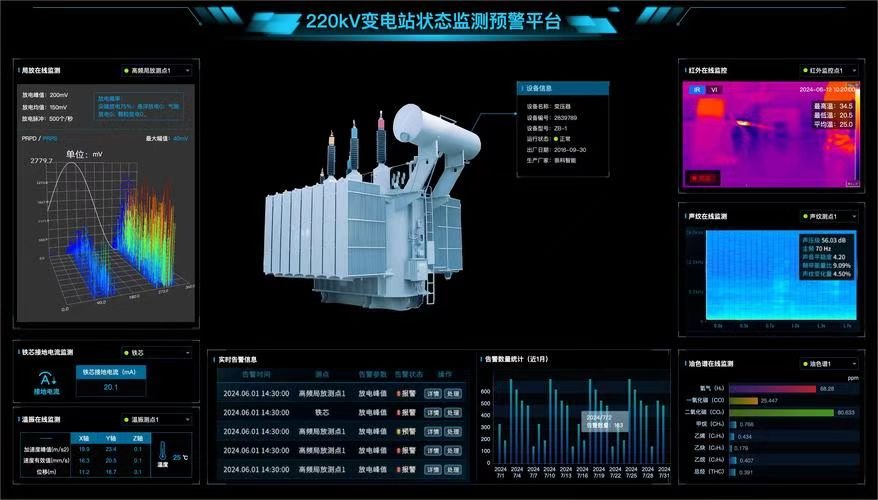
Power transformers are critical assets that require high reliability because unexpected failures can interrupt power supply, damage connected equipment, and create significant economic losses. Traditional maintenance methods based on fixed schedules and periodic inspections cannot always identify hidden problems developing between maintenance intervals. As transformer systems become more complex and generate increasing amounts of operational data, utilities and industrial users need more intelligent approaches to manage equipment health.
Artificial intelligence (AI) improves power transformer predictive maintenance by analyzing large volumes of operational data, detecting early fault patterns, predicting equipment degradation, optimizing maintenance schedules, reducing unexpected failures, and improving asset lifecycle management. However, AI implementation also presents challenges including data quality requirements, system integration difficulties, cybersecurity risks, high initial investment, and the need for skilled personnel to interpret AI results.
AI-based predictive maintenance can improve transformer reliability by detecting abnormal conditions before major failures occur.True
AI models analyze condition data trends and identify early warning signals associated with transformer faults.
AI predictive maintenance completely removes the need for traditional transformer testing and engineering inspections.False
AI provides decision support but must work together with physical testing, inspections, and professional engineering evaluation.
Data quality is a major factor affecting the accuracy of AI-based transformer predictive maintenance systems.True
Machine learning models depend on accurate, complete, and consistent data to produce reliable predictions.
AI predictive maintenance represents an important transformation in power transformer asset management. When properly implemented, it helps organizations move from reactive repairs toward proactive maintenance strategies that improve reliability and reduce long-term operating costs.
Why Is AI Becoming Important in Power Transformer Maintenance?
Power transformers operate under continuous electrical, thermal, and mechanical stress. Over time, these stresses contribute to:
| Aging Factor | Potential Impact |
|---|---|
| Thermal stress | Accelerated insulation aging |
| Electrical stress | Internal insulation failure |
| Mechanical stress | Winding deformation |
| Oil degradation | Reduced dielectric performance |
| Overloading | Increased temperature rise |
Traditional maintenance approaches usually include:
| Method | Characteristics |
|---|---|
| Corrective maintenance | Repair after failure |
| Preventive maintenance | Scheduled inspection |
| Condition-based maintenance | Based on equipment status |
| Predictive maintenance | Forecasts future conditions |
AI enhances predictive maintenance by identifying relationships between multiple operating indicators that may not be obvious through manual analysis.
How Does AI Support Power Transformer Predictive Maintenance?
AI predictive maintenance systems typically include several processes:
| Process | AI Function |
|---|---|
| Data collection | Gather transformer condition information |
| Data processing | Remove errors and organize data |
| Pattern analysis | Identify abnormal behavior |
| Fault prediction | Estimate failure probability |
| Maintenance planning | Recommend actions |
AI can analyze both real-time monitoring data and historical records to improve maintenance decisions.
What Are the Main Benefits of AI for Transformer Predictive Maintenance?
AI provides several important advantages for transformer operators.
| Benefit | Description |
|---|---|
| Early fault detection | Identifies developing problems before failure |
| Improved reliability | Reduces unexpected outages |
| Optimized maintenance | Performs maintenance based on actual condition |
| Lower operating costs | Reduces unnecessary inspections and emergency repairs |
| Extended service life | Helps control aging processes |
| Better decision-making | Provides data-based recommendations |
How Does AI Improve Early Fault Detection?
One of the greatest benefits of AI is its ability to detect small changes that may indicate future failures.
Traditional analysis often evaluates individual measurements separately.
AI can combine:
- Temperature changes
- Oil gas trends
- Load variations
- Partial discharge signals
- Electrical measurements
For example:
| Data Pattern | Possible AI Diagnosis |
|---|---|
| Increasing hydrogen + partial discharge | Insulation defect |
| Rising ethylene + high temperature | Thermal overheating |
| Increased vibration + impedance changes | Winding problems |
| Moisture increase + reduced oil strength | Insulation degradation |
AI identifies relationships between different signals and provides earlier warnings.
How Does AI Reduce Transformer Downtime?
Unexpected transformer failures often require:
- Emergency shutdowns
- Replacement equipment
- Long repair periods
- Additional labor costs
AI helps reduce downtime by predicting problems earlier.
| Traditional Approach | AI Predictive Approach |
|---|---|
| Failure occurs first | Warning occurs first |
| Emergency repair | Planned maintenance |
| Unexpected outage | Scheduled intervention |
| Higher cost | Controlled expense |
This allows operators to prepare maintenance activities before failures become critical.
How Does AI Optimize Maintenance Scheduling?
Fixed maintenance schedules may result in:
- Maintaining healthy transformers too frequently
- Missing deteriorating equipment
- Inefficient resource allocation
AI creates risk-based maintenance plans.
| Transformer Condition | AI Recommendation |
|---|---|
| Healthy | Normal monitoring |
| Slight degradation | Increased observation |
| Medium risk | Detailed inspection |
| High risk | Immediate maintenance |
This ensures maintenance resources are focused where they are most needed.
How Does AI Reduce Maintenance Costs?
AI can reduce costs through more efficient maintenance decisions.
| Cost Reduction Area | AI Contribution |
|---|---|
| Inspection frequency | Avoids unnecessary inspections |
| Failure prevention | Reduces emergency repairs |
| Spare parts planning | Predicts component demand |
| Labor scheduling | Improves resource allocation |
| Asset replacement | Supports lifecycle decisions |
Although AI systems require investment, the long-term savings can be significant.
How Does AI Extend Transformer Service Life?
Transformer lifespan is strongly affected by insulation aging.
AI monitors factors such as:
| Monitoring Factor | Life Extension Benefit |
|---|---|
| Hot spot temperature | Controls thermal aging |
| Oil condition | Maintains insulation quality |
| Load history | Prevents excessive stress |
| Fault development | Enables early intervention |
By identifying aging acceleration factors, AI helps operators take corrective actions before permanent damage occurs.
How Does AI Improve Transformer Asset Management?
Large organizations may operate hundreds or thousands of transformers.
AI helps create asset health rankings.
| Asset Management Function | AI Application |
|---|---|
| Condition assessment | Health scoring |
| Risk evaluation | Failure probability prediction |
| Investment planning | Replacement prioritization |
| Maintenance budgeting | Cost optimization |
This improves long-term planning and infrastructure management.
How Does AI Support Remaining Useful Life Prediction?
Remaining useful life (RUL) estimation helps determine how long a transformer can continue operating safely.
AI analyzes:
| Data Input | Purpose |
|---|---|
| Operating temperature | Evaluate thermal aging |
| Insulation condition | Assess degradation |
| Load history | Measure operating stress |
| Oil data | Monitor internal condition |
| Failure records | Improve prediction accuracy |
RUL prediction supports better decisions regarding repair, refurbishment, or replacement.
What Challenges Does AI Predictive Maintenance Face?
Despite its advantages, AI implementation has several challenges.
| Challenge | Description |
|---|---|
| Data quality problems | Incorrect data affects predictions |
| Limited historical failures | Reduces model training quality |
| Integration complexity | Requires connection with existing systems |
| Cybersecurity concerns | Protects sensitive operational data |
| High initial investment | Requires equipment and software costs |
| Lack of expertise | Requires trained personnel |
Understanding these challenges helps organizations create realistic AI implementation strategies.
How Does Data Quality Affect AI Performance?
AI models depend heavily on reliable data.
Important data quality factors include:
| Factor | Importance |
|---|---|
| Accuracy | Prevents incorrect predictions |
| Completeness | Provides full condition information |
| Consistency | Improves model reliability |
| Data frequency | Captures changing conditions |
| Historical depth | Supports better learning |
Poor-quality sensor data can reduce AI prediction accuracy.
Why Is Historical Data Important for AI Models?
Machine learning systems learn from previous examples.
Useful historical data includes:
- Transformer failures
- Maintenance reports
- Oil test results
- Inspection records
- Operating history
The more complete the historical database, the better AI can recognize fault patterns.
What Are the Challenges of Integrating AI With Existing Systems?
Many transformers were installed before digital monitoring technologies became common.
Integration challenges include:
| Issue | Possible Solution |
|---|---|
| No online sensors | Install monitoring devices |
| Different data formats | Standardize data systems |
| Older equipment | Add digital upgrades |
| Communication limitations | Improve infrastructure |
Successful AI adoption often requires modernization of existing monitoring systems.
How Does Cybersecurity Affect AI Transformer Maintenance?
AI systems collect and process important operational information.
Potential risks include:
- Unauthorized access
- Data manipulation
- Communication attacks
- System interruption
Organizations should implement:
| Security Measure | Purpose |
|---|---|
| Data encryption | Protect information |
| Access control | Limit unauthorized use |
| Network protection | Prevent attacks |
| System monitoring | Detect security issues |
Why Is Human Expertise Still Required?
AI provides recommendations, but engineers remain essential.
Human experts are needed for:
| Engineering Task | Role |
|---|---|
| Fault confirmation | Validate AI results |
| Physical inspection | Check equipment condition |
| Repair decisions | Select corrective actions |
| System management | Maintain reliability |
The best results come from combining AI technology with transformer engineering experience.
How Does AI Implementation Cost Affect Adoption?
AI predictive maintenance requires investment in:
| Investment Area | Requirement |
|---|---|
| Sensors | Data collection |
| Software platforms | AI analysis |
| Communication systems | Data transfer |
| Training | Personnel development |
Organizations should evaluate AI based on lifecycle value rather than only initial cost.
How Can Companies Successfully Implement AI Predictive Maintenance?
A practical implementation strategy includes:
| Step | Action |
|---|---|
| 1 | Identify critical transformers |
| 2 | Install monitoring equipment |
| 3 | Build data management systems |
| 4 | Develop AI models |
| 5 | Validate predictions |
| 6 | Integrate recommendations into maintenance processes |
Starting with high-value or high-risk transformers often provides the greatest benefits.
How Should Buyers Select AI-Ready Power Transformers?
When purchasing new transformers, buyers should consider digital capability.
Important features include:
| Feature | Benefit |
|---|---|
| Online monitoring compatibility | Enables continuous analysis |
| Sensor integration | Improves data collection |
| Communication interfaces | Supports AI platforms |
| Digital records | Improves lifecycle management |
AI-ready transformers provide better long-term operational flexibility.
How Can Buyers Implement AI-Based Predictive Maintenance for Power Transformers?
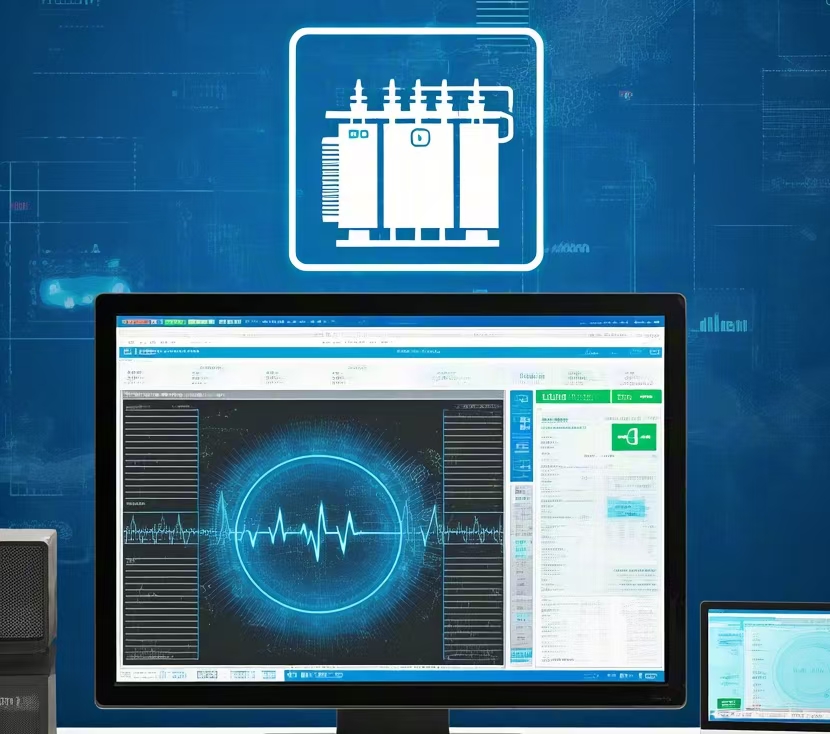
Power transformer failures can create serious consequences for utilities, industrial facilities, and infrastructure operators, including unexpected outages, production interruptions, safety risks, and high emergency repair costs. Many organizations understand the value of artificial intelligence (AI) for predictive maintenance but struggle with implementation because transformer assets generate complex data from multiple sources, including sensors, oil testing, electrical measurements, and inspection records. Without a structured implementation strategy, AI systems may produce unreliable predictions or fail to deliver measurable maintenance improvements.
Buyers can implement AI-based predictive maintenance for power transformers by first defining maintenance objectives, installing suitable monitoring systems, collecting high-quality transformer data, integrating AI analytics platforms, developing prediction models, validating results with engineering expertise, and continuously improving the system. A successful AI predictive maintenance program combines intelligent data analysis with traditional transformer testing, condition monitoring, and professional maintenance practices to improve reliability and reduce lifecycle costs.
Successful AI-based predictive maintenance implementation requires both reliable transformer data and engineering knowledge.True
AI models require accurate inputs, while engineers are needed to validate predictions and determine maintenance actions.
Organizations can implement AI predictive maintenance without installing any monitoring or data collection systems.False
AI systems require operational data from sensors, tests, and historical records to generate meaningful predictions.
A phased implementation approach can help organizations reduce the risks associated with adopting AI maintenance technologies.True
Starting with critical assets and gradually expanding the system allows better validation and optimization.
AI-based predictive maintenance is not simply a software installation project. It is a complete asset management strategy that requires cooperation between transformer manufacturers, maintenance teams, data specialists, and electrical engineers.
Why Should Buyers Implement AI Predictive Maintenance for Power Transformers?
Power transformers are high-value assets designed for decades of operation. Their condition changes continuously due to:
| Operating Factor | Impact on Transformer |
|---|---|
| Electrical loading | Creates thermal and electrical stress |
| Temperature variation | Accelerates insulation aging |
| Moisture exposure | Reduces insulation performance |
| Oil degradation | Affects cooling and dielectric strength |
| Mechanical stress | May damage windings |
Traditional maintenance approaches may not detect problems between inspection periods.
AI predictive maintenance provides:
| Capability | Benefit |
|---|---|
| Continuous monitoring | Real-time transformer health visibility |
| Fault prediction | Earlier problem detection |
| Condition assessment | Better maintenance decisions |
| Risk analysis | Improved asset prioritization |
| Lifecycle management | Longer transformer service life |
What Are the Main Steps for Implementing AI Predictive Maintenance?
A successful AI maintenance program usually includes several stages.
| Implementation Stage | Main Activity |
|---|---|
| 1. Define objectives | Identify maintenance goals |
| 2. Assess existing assets | Evaluate transformer condition |
| 3. Install monitoring systems | Collect operational data |
| 4. Build data infrastructure | Store and manage information |
| 5. Deploy AI models | Analyze transformer conditions |
| 6. Validate results | Compare predictions with engineering findings |
| 7. Optimize continuously | Improve system performance |
Each stage contributes to creating a reliable predictive maintenance framework.
How Should Buyers Define AI Maintenance Objectives?
Before selecting AI technology, buyers should determine what they want to achieve.
Common objectives include:
| Objective | Example Goal |
|---|---|
| Reduce failures | Detect faults earlier |
| Lower maintenance costs | Avoid unnecessary inspections |
| Improve reliability | Increase transformer availability |
| Extend service life | Control aging |
| Optimize resources | Prioritize maintenance tasks |
Clear objectives help organizations select appropriate AI tools and measurement methods.
How Should Buyers Evaluate Existing Transformer Conditions?
Before implementing AI, buyers should understand their current transformer fleet.
The evaluation should include:
| Evaluation Area | Information Required |
|---|---|
| Transformer age | Operating history |
| Rated capacity | Load requirements |
| Voltage level | Application conditions |
| Maintenance records | Previous issues |
| Failure history | Risk patterns |
| Existing monitoring | Available data sources |
This assessment identifies which transformers will benefit most from AI monitoring.
Which Transformers Should Receive AI Monitoring First?
Not every transformer requires immediate AI deployment.
Buyers should prioritize:
| Priority Asset | Reason |
|---|---|
| High-capacity transformers | High replacement cost |
| Critical grid transformers | Large system impact |
| Aging transformers | Higher failure probability |
| Industrial transformers | Production impact |
| Difficult-access transformers | Reduced inspection frequency |
Starting with critical assets usually provides the highest return on investment.
What Data Collection Systems Are Required for AI Maintenance?
AI predictive maintenance depends on reliable data collection.
Common monitoring systems include:
| System | Data Collected |
|---|---|
| Online DGA monitoring | Dissolved gases |
| Temperature monitoring | Thermal conditions |
| Load monitoring | Operating stress |
| Partial discharge monitoring | Insulation condition |
| Vibration monitoring | Mechanical status |
| Oil sensors | Insulation quality |
The quality of monitoring equipment directly affects AI prediction accuracy.
How Should Buyers Build Transformer Data Infrastructure?
AI systems require organized data management.
A typical data architecture includes:
| Component | Function |
|---|---|
| Sensors | Collect transformer information |
| Communication network | Transfer data |
| Database | Store historical information |
| Analytics platform | Process data |
| Dashboard | Display results |
Proper data organization allows AI models to identify long-term trends.
How Can Buyers Prepare Historical Transformer Data?
Historical data is essential for training AI models.
Useful records include:
| Historical Data | AI Application |
|---|---|
| Maintenance reports | Learn failure patterns |
| Oil test results | Analyze aging trends |
| Electrical test records | Identify performance changes |
| Fault records | Improve prediction accuracy |
| Inspection reports | Support condition evaluation |
Organizations with limited historical data may need to begin collecting information before developing advanced AI models.
How Should Buyers Select an AI Predictive Maintenance Platform?
A suitable AI platform should support transformer-specific analysis.
Important evaluation criteria include:
| Platform Feature | Importance |
|---|---|
| Data compatibility | Supports different monitoring sources |
| Machine learning capability | Enables prediction |
| Real-time analysis | Provides immediate alerts |
| Visualization tools | Simplifies decision-making |
| Integration capability | Connects with existing systems |
Generic AI platforms may not provide sufficient transformer-specific knowledge.
How Does AI Model Development Work?
AI models learn relationships between transformer conditions and potential failures.
The process includes:
| Step | Description |
|---|---|
| Data preparation | Clean and organize information |
| Model training | Learn from historical examples |
| Model testing | Evaluate accuracy |
| Deployment | Apply predictions to operation |
| Improvement | Update using new data |
Common AI techniques include:
- Machine learning algorithms
- Neural networks
- Deep learning models
- Anomaly detection systems
How Should Buyers Validate AI Predictions?
AI recommendations should always be reviewed by engineering experts.
Validation methods include:
| Validation Method | Purpose |
|---|---|
| Laboratory testing | Confirm condition |
| Field inspection | Verify physical status |
| Oil analysis | Check internal condition |
| Electrical testing | Confirm performance |
| Expert review | Interpret AI results |
AI improves decisions but does not replace professional judgment.
How Can Buyers Integrate AI With Existing Maintenance Processes?
AI should become part of existing maintenance workflows.
Integration examples:
| Existing Process | AI Enhancement |
|---|---|
| Routine inspection | Risk-based scheduling |
| Oil testing | Automated trend analysis |
| Fault diagnosis | AI-assisted evaluation |
| Maintenance planning | Predictive recommendations |
| Asset management | Health scoring |
The goal is to improve current practices rather than completely replace them.
How Does AI Support Maintenance Decision-Making?
AI can provide maintenance teams with actionable recommendations.
Examples include:
| AI Output | Maintenance Action |
|---|---|
| Low risk score | Continue monitoring |
| Increasing gas trend | Perform oil analysis |
| Thermal abnormality | Inspect cooling system |
| High fault probability | Schedule detailed testing |
This improves maintenance efficiency and reduces unnecessary work.
What Benefits Can Buyers Expect After AI Implementation?
A successful AI predictive maintenance program can provide:
| Benefit | Result |
|---|---|
| Earlier fault detection | Reduced failure risk |
| Better scheduling | Lower downtime |
| Improved diagnosis | More accurate maintenance |
| Reduced costs | Optimized resources |
| Longer service life | Higher asset value |
What Challenges Should Buyers Prepare For?
AI implementation involves several challenges.
| Challenge | Impact |
|---|---|
| Poor data quality | Lower prediction accuracy |
| Limited historical records | Difficult model training |
| Equipment compatibility | Requires upgrades |
| Cybersecurity concerns | Data protection requirements |
| Skill shortages | Need for training |
A realistic implementation plan should address these issues early.
How Can Buyers Improve AI Implementation Success?
Several practices improve results:
| Recommendation | Benefit |
|---|---|
| Start with critical transformers | Faster value demonstration |
| Use reliable sensors | Better data quality |
| Combine AI with engineering | More accurate decisions |
| Maintain data records | Improve future predictions |
| Train maintenance teams | Better adoption |
AI success depends on both technology and organizational readiness.
How Can Transformer Manufacturers Support AI Maintenance Implementation?
Transformer manufacturers can support buyers by providing:
| Manufacturer Support | Value |
|---|---|
| Digital monitoring compatibility | Easier AI integration |
| Transformer design information | Better model accuracy |
| Condition monitoring solutions | Continuous data collection |
| Technical consultation | Improved implementation |
Choosing an experienced transformer supplier can simplify AI adoption.
What Future Developments Can Buyers Expect?
AI-based transformer maintenance is developing toward:
| Technology Trend | Future Benefit |
|---|---|
| Digital twins | More accurate simulation |
| Edge AI | Faster local analysis |
| Automated diagnostics | Reduced response time |
| Advanced sensors | Better condition monitoring |
| Integrated asset platforms | Complete lifecycle management |
These technologies will make transformer maintenance increasingly intelligent.
Conclusion
Artificial intelligence is transforming power transformer maintenance by enabling more accurate condition assessment, early fault detection, and optimized maintenance decisions. By analyzing operational data, sensor information, oil test results, and historical performance records, AI systems help operators identify potential failures before they cause major damage. Although successful implementation requires reliable data collection, advanced monitoring systems, and technical expertise, AI-based predictive maintenance can significantly improve transformer reliability, reduce downtime, lower lifecycle costs, and maximize the service life of critical electrical assets.
FAQ
Q1: How does artificial intelligence support predictive maintenance for power transformers?
Artificial intelligence (AI) supports predictive maintenance for power transformers by analyzing large amounts of operational and condition data to identify potential failures before they occur.
Traditional transformer maintenance often relies on fixed schedules, such as annual inspections or periodic testing. While effective, scheduled maintenance may not detect developing problems between inspection periods. AI-based predictive maintenance uses real-time and historical data to determine the actual health condition of a transformer.
AI systems collect and analyze data from:
Dissolved gas analysis (DGA)
Oil temperature measurements
Winding temperature readings
Load conditions
Vibration monitoring
Partial discharge measurements
Electrical test results
Historical failure records
Machine learning algorithms identify patterns associated with transformer problems, such as:
Insulation aging
Overheating
Winding faults
Core problems
Oil deterioration
Partial discharge activity
By predicting abnormal conditions early, AI allows maintenance teams to schedule repairs before major failures occur. This reduces unexpected downtime, improves transformer reliability, and extends equipment service life.
Q2: What types of data does AI analyze for transformer predictive maintenance?
AI predictive maintenance depends on collecting high-quality operational and diagnostic data from transformers.
Important data sources include:
Electrical Data
Voltage levels
Load current
Power factor
Harmonic distortion
Electrical test results
Thermal Data
Top oil temperature
Winding temperature
Cooling system performance
Temperature rise trends
Oil Condition Data
For oil-immersed transformers, AI analyzes:
Dissolved gas analysis results
Moisture content
Oil acidity
Dielectric strength
Oil degradation indicators
Mechanical Data
AI can analyze:
Vibration signals
Noise patterns
Tap changer operation
Cooling equipment performance
Historical Maintenance Data
Previous:
Failures
Repairs
Inspection records
Operating conditions
By combining these datasets, AI models can create a more complete picture of transformer health.
Q3: How does AI predict transformer failures before they happen?
AI predicts transformer failures by recognizing abnormal patterns that may indicate developing problems.
The predictive process usually includes:
Data Collection
Sensors and monitoring systems continuously collect transformer operating information.
Data Processing
AI algorithms remove abnormal data points and organize information for analysis.
Pattern Recognition
Machine learning models compare current transformer behavior with historical failure patterns.
Risk Prediction
The system estimates the probability of issues such as:
Insulation breakdown
Thermal overload
Oil degradation
Internal faults
Maintenance Recommendation
The system provides alerts and recommends inspection or maintenance actions.
For example, increasing concentrations of certain gases in transformer oil may indicate overheating or electrical discharge. AI can identify these trends earlier than manual analysis alone.
Q4: How does AI improve dissolved gas analysis (DGA) for transformers?
Dissolved gas analysis is one of the most important diagnostic methods for oil-immersed transformers. It detects gases produced by internal faults or insulation deterioration.
Common gases analyzed include:
Hydrogen
Methane
Ethylene
Ethane
Acetylene
Carbon monoxide
Carbon dioxide
AI improves DGA analysis by:
Detecting complex gas patterns
Comparing results with historical cases
Identifying fault types
Reducing interpretation errors
Providing earlier warnings
Traditional DGA interpretation requires expert knowledge and experience. AI systems can assist engineers by quickly analyzing large datasets and highlighting possible problems.
However, AI recommendations should be combined with engineering judgment and additional diagnostic testing.
Q5: Can AI reduce power transformer maintenance costs?
Yes. AI can reduce transformer maintenance costs by helping organizations move from reactive maintenance to predictive maintenance.
Traditional approaches may involve:
Emergency repairs after failures
Unplanned downtime
Expensive replacement projects
AI-based maintenance helps reduce costs through:
Early Fault Detection
Problems can be addressed before severe damage occurs.
Optimized Maintenance Scheduling
Maintenance is performed based on actual equipment condition rather than fixed intervals.
Reduced Downtime
Operators can plan repairs during suitable operating periods.
Extended Equipment Life
Early intervention prevents accelerated aging.
For large power transformers, avoiding a single unexpected failure can save significant costs related to:
Equipment replacement
Grid interruptions
Emergency repairs
Lost production
Q6: What AI technologies are used in transformer predictive maintenance?
Several AI technologies are used to improve transformer condition monitoring.
Machine Learning
Used for:
Fault classification
Pattern recognition
Failure prediction
Neural Networks
Used for:
Complex data analysis
DGA interpretation
Remaining life estimation
Digital Twins
Virtual models of transformers that simulate:
Operating conditions
Thermal behavior
Aging processes
Computer Vision
Used for:
External inspection
Detecting leaks or physical damage
Natural Language Processing (NLP)
Used for analyzing:
Maintenance reports
Inspection records
Technical documents
Together, these technologies help create intelligent transformer asset management systems.
Q7: What are the benefits of AI-based transformer predictive maintenance?
AI predictive maintenance provides several advantages for utilities and industrial users.
Key benefits include:
Improved Reliability
AI identifies developing faults before they cause failures.
Reduced Maintenance Costs
Maintenance activities become more targeted and efficient.
Better Asset Management
Operators gain visibility into transformer health conditions.
Longer Transformer Lifespan
Early detection helps prevent severe damage.
Improved Safety
Potentially dangerous conditions can be identified earlier.
Better Planning
Maintenance teams can schedule repairs based on actual equipment needs.
These benefits are especially valuable for critical transformers in:
Power grids
Renewable energy plants
Industrial facilities
Data centers
Railway systems
Q8: What are the limitations of using AI for transformer maintenance?
Although AI provides powerful predictive capabilities, it has some limitations.
Challenges include:
Data Quality Requirements
AI models require accurate and consistent data.
Limited Failure History
Rare transformer failures may provide insufficient training data.
Integration Complexity
AI systems must connect with existing monitoring equipment.
Need for Expert Validation
Engineering expertise remains necessary to confirm AI recommendations.
Cybersecurity Risks
Connected monitoring systems require protection against unauthorized access.
AI should be viewed as a decision-support tool that enhances, rather than replaces, transformer engineers and maintenance specialists.
References
IEC 60076 – Power Transformers
https://webstore.iec.ch/publication/602
IEEE C57.104 – Guide for Interpretation of Gases Generated in Oil-Immersed Transformers
https://standards.ieee.org
National Institute of Standards and Technology (NIST) – AI and Industrial Systems
https://www.nist.gov
U.S. Department of Energy – Grid Modernization and Asset Management Resources
https://www.energy.gov