
Impedance rating is one of the most important technical parameters when selecting a power transformer because it directly affects voltage regulation, short-circuit current levels, system stability, and equipment protection requirements. Many buyers focus mainly on transformer capacity and voltage ratings while overlooking impedance, which can lead to problems such as excessive fault currents, poor load sharing between transformers, or unsuitable system performance. Understanding how to evaluate transformer impedance helps buyers make better purchasing decisions and ensure compatibility with their power systems.
Buyers should evaluate power transformer impedance ratings by considering the transformer’s percentage impedance (%Z), short-circuit performance, voltage regulation requirements, parallel operation conditions, system fault levels, and application needs. A suitable impedance rating balances protection requirements and voltage stability, ensuring the transformer can safely withstand fault conditions while maintaining reliable power delivery and efficient operation.
Transformer impedance is not only a manufacturing specification but also a key factor in overall power system design. By carefully reviewing impedance requirements with manufacturers and engineers, buyers can select transformers that provide safe operation, effective protection coordination, and long-term reliability.
How Should Buyers Evaluate Impedance Ratings in Power Transformers?
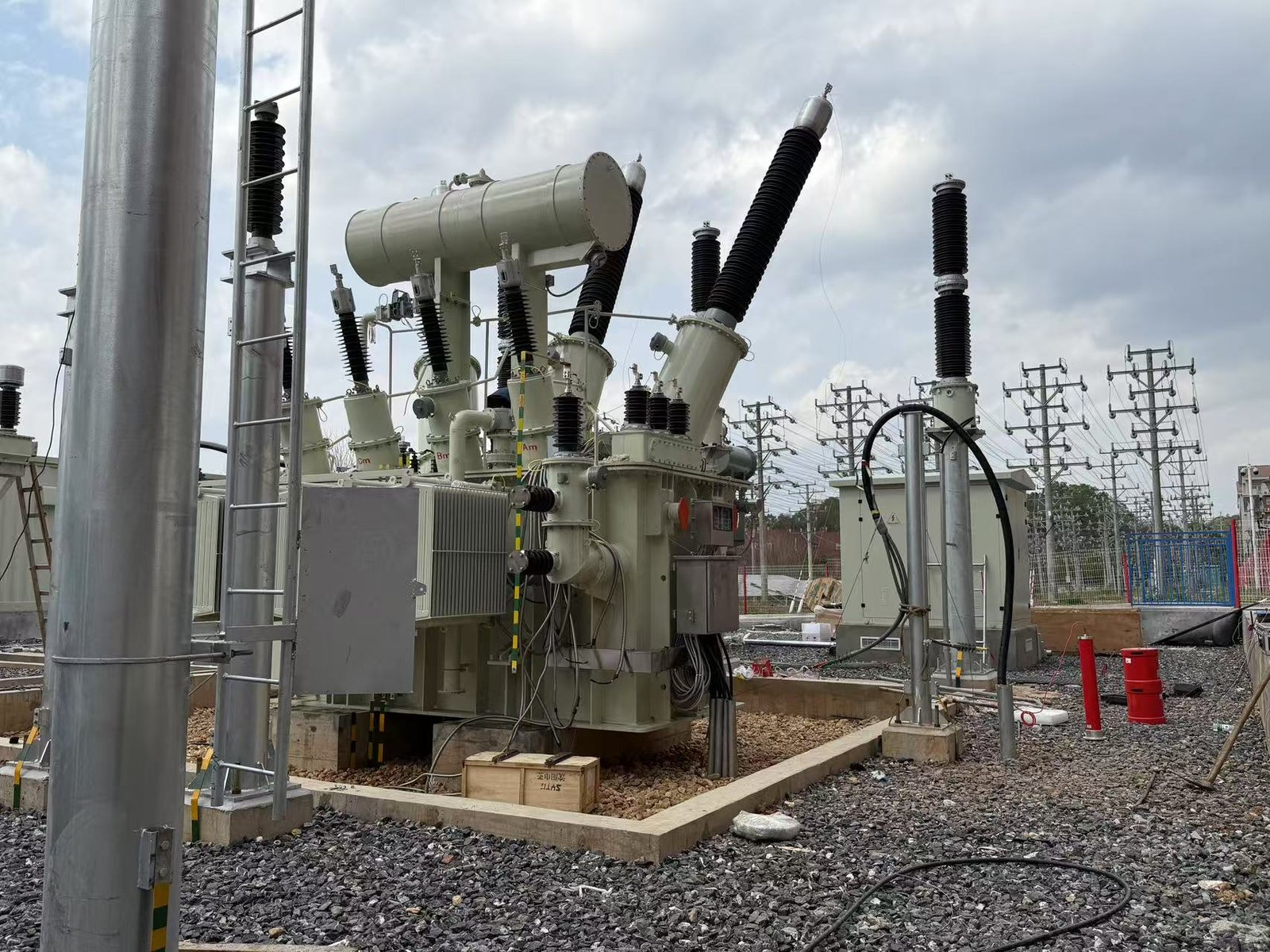
Evaluating transformer impedance ratings is a critical step when purchasing power transformers because impedance directly affects short-circuit current, voltage regulation, parallel operation, system stability, and equipment protection coordination. A transformer with an unsuitable impedance value may create problems such as excessive fault current, poor voltage stability, circulating currents between parallel transformers, or unnecessary energy losses. Many buyers focus mainly on transformer capacity and voltage ratio while overlooking impedance, which can lead to system performance issues after commissioning.
Buyers should evaluate power transformer impedance ratings by confirming the required percentage impedance, comparing supplier guaranteed values with project requirements, reviewing short-circuit calculations, checking compatibility with protection systems, considering parallel transformer operation, and verifying impedance test results during factory acceptance testing. A reliable supplier should provide accurate impedance calculations, test reports, and technical guidance to ensure the transformer performs safely and efficiently within the electrical system.
Transformer impedance affects short-circuit current levels, voltage regulation, and system protection coordination.True
Transformer impedance determines how much current flows during faults and how voltage changes under load.
A lower transformer impedance value always provides better electrical system performance.False
Lower impedance reduces voltage drop but increases fault current, requiring appropriate protection design.
Impedance test results are important for verifying transformer performance before delivery.True
Factory impedance testing confirms whether the manufactured transformer meets guaranteed specifications.
Transformer impedance is not simply a technical specification listed on a datasheet; it is a key design parameter that influences the entire power network. Buyers should evaluate impedance together with transformer capacity, voltage level, fault requirements, protection settings, and operational conditions to select the most suitable transformer solution.
Why Is Transformer Impedance Important for Buyers?
Transformer impedance represents the internal opposition of a transformer to current flow and is usually expressed as a percentage value (% impedance).
It affects several important operating characteristics:
| Impact Area | Effect of Transformer Impedance |
|---|---|
| Short-circuit current | Determines fault current magnitude |
| Voltage regulation | Influences voltage stability under load |
| Parallel operation | Controls load sharing between transformers |
| Protection coordination | Affects relay and breaker settings |
| System design | Influences network calculations |
Because impedance affects both normal operation and fault conditions, buyers must evaluate it carefully before purchasing.
What Does Transformer Impedance Rating Mean?
Transformer impedance is commonly expressed as a percentage:
| Term | Meaning |
|---|---|
| Percentage impedance (%Z) | Voltage percentage required to circulate rated current under short circuit conditions |
| Leakage impedance | Internal magnetic coupling characteristic |
| Short-circuit impedance | Impedance measured during short-circuit testing |
For example, a transformer with 10% impedance requires approximately 10% of rated voltage on the primary side to produce rated current when the secondary side is short-circuited.
How Does Impedance Affect Short-Circuit Current?
One of the most important effects of impedance is its influence on fault current.
General relationship:
| Transformer Impedance | Fault Current Effect |
|---|---|
| Lower impedance | Higher short-circuit current |
| Higher impedance | Lower short-circuit current |
A lower impedance transformer may improve voltage regulation but requires:
- Higher-rated circuit breakers
- Stronger protection systems
- Greater equipment withstand capability
Buyers should ensure impedance values match the short-circuit capacity of the electrical system.
How Should Buyers Select the Correct Impedance Rating?
The correct impedance value depends on system requirements.
Important factors include:
| Selection Factor | Consideration |
|---|---|
| Transformer capacity | Larger transformers often require specific impedance ranges |
| System fault level | Determines acceptable fault current |
| Protection equipment | Must coordinate with impedance |
| Voltage regulation requirements | Influences acceptable voltage drop |
| Parallel operation | Requires impedance matching |
The supplier should provide technical recommendations based on actual application conditions.
What Are Typical Transformer Impedance Values?
Impedance varies depending on transformer type, capacity, and application.
Typical ranges:
| Transformer Application | Common Impedance Range |
|---|---|
| Distribution transformers | Approximately 4%–6% |
| Medium power transformers | Approximately 6%–10% |
| Large power transformers | Approximately 8%–18% |
| Special industrial transformers | Project-specific |
Actual values depend on:
- Rated voltage
- MVA capacity
- System requirements
- Customer specifications
Buyers should not select impedance based only on common values.
How Does Impedance Influence Voltage Regulation?
Voltage regulation describes how much secondary voltage changes between no-load and full-load operation.
Relationship:
| Impedance Condition | Voltage Regulation |
|---|---|
| Lower impedance | Smaller voltage drop |
| Higher impedance | Greater voltage drop |
For applications requiring stable voltage, such as:
- Data centers
- Industrial production lines
- Sensitive equipment facilities
buyers should carefully evaluate impedance limits.
How Should Buyers Balance Fault Current and Voltage Regulation?
Transformer impedance requires a balance between competing requirements.
| Requirement | Preferred Impedance Direction |
|---|---|
| Lower voltage drop | Lower impedance |
| Lower fault current | Higher impedance |
| Better parallel sharing | Matched impedance |
| Smaller protection equipment | Higher impedance |
The optimal value depends on the overall power system design.
Why Is Impedance Important for Parallel Transformer Operation?
When multiple transformers operate in parallel, impedance matching is essential.
Buyers should evaluate:
| Parameter | Importance |
|---|---|
| Percentage impedance | Ensures load sharing |
| Impedance tolerance | Prevents uneven loading |
| Vector group compatibility | Ensures phase matching |
| Voltage ratio accuracy | Prevents circulating currents |
Poor impedance matching may cause:
- Unequal load distribution
- Transformer overheating
- Reduced system efficiency
What Questions Should Buyers Ask Suppliers About Impedance?
Before purchasing, buyers should ask:
| Question | Purpose |
|---|---|
| What is the guaranteed impedance value? | Confirm specification |
| What impedance tolerance is provided? | Evaluate manufacturing accuracy |
| How was impedance calculated? | Verify engineering method |
| What test standard is followed? | Confirm compliance |
| Can you provide impedance test reports? | Verify actual performance |
| How does impedance affect parallel operation? | Assess technical support |
A professional supplier should provide clear technical explanations.
How Should Buyers Review Supplier Impedance Calculations?
Reliable suppliers should provide technical documents showing:
| Calculation Information | Purpose |
|---|---|
| Rated power basis | Confirm calculation conditions |
| Voltage reference | Ensure correct interpretation |
| Frequency assumptions | Verify system compatibility |
| Short-circuit calculation method | Validate engineering |
| Guaranteed tolerance | Define acceptance criteria |
These calculations should match the final transformer test results.
What Impedance Tests Should Be Included During Factory Acceptance Testing?
Factory testing verifies whether the manufactured transformer meets the specified impedance.
Important tests include:
| Test | Purpose |
|---|---|
| Short-circuit impedance test | Measure actual impedance |
| Load loss test | Verify winding losses |
| Voltage measurement | Confirm transformer characteristics |
| Routine performance testing | Validate production quality |
The impedance value in the test report should match the contractual guarantee.
How Does Manufacturing Quality Affect Transformer Impedance?
Transformer impedance depends on internal construction quality.
Important manufacturing factors include:
| Manufacturing Factor | Influence on Impedance |
|---|---|
| Winding arrangement | Affects leakage reactance |
| Winding spacing | Changes magnetic coupling |
| Coil geometry | Influences impedance accuracy |
| Assembly precision | Ensures consistency |
This is why impedance testing is also an indicator of manufacturing quality.
How Should Buyers Compare Different Supplier Impedance Ratings?
When comparing suppliers, buyers should evaluate more than the numerical impedance value.
| Evaluation Item | Reason |
|---|---|
| Guaranteed impedance | Contract compliance |
| Tolerance range | Manufacturing consistency |
| Test verification | Actual performance |
| System compatibility | Application suitability |
| Engineering recommendation | Technical confidence |
A slightly different impedance value may be acceptable if supported by proper system analysis.
What Are the Risks of Incorrect Transformer Impedance Selection?
Incorrect impedance selection may result in:
| Risk | Consequence |
|---|---|
| Excessive fault current | Protection equipment stress |
| High voltage drop | Poor load performance |
| Uneven parallel loading | Reduced efficiency |
| Protection miscoordination | Safety risks |
| Unexpected operating issues | Higher maintenance costs |
Proper evaluation prevents these problems before installation.
How Can Buyers Include Impedance Requirements in Contracts?
Transformer purchase contracts should clearly define:
| Contract Item | Requirement |
|---|---|
| Rated impedance | Specified value |
| Tolerance | Accepted deviation |
| Test method | Standard reference |
| Acceptance criteria | Pass/fail requirements |
| Documentation | Required reports |
Clear contractual requirements prevent future disputes.
What Technical Documents Should Buyers Request?
Important impedance-related documents include:
| Document | Purpose |
|---|---|
| Transformer datasheet | Review specifications |
| Technical proposal | Understand design approach |
| Impedance calculation | Verify engineering |
| Short-circuit report | Confirm system suitability |
| FAT report | Verify actual performance |
Documentation allows buyers to make informed decisions.
What Warning Signs Should Buyers Watch For?
Buyers should be cautious if suppliers:
| Warning Sign | Potential Risk |
|---|---|
| Cannot explain impedance selection | Weak engineering capability |
| No impedance test report | Quality uncertainty |
| Large tolerance range | Manufacturing inconsistency |
| Ignores system fault requirements | Poor application understanding |
| Provides only standard values | Insufficient customization |
These signs may indicate higher project risks.
What Is the Meaning of Percentage Impedance in Power Transformers?
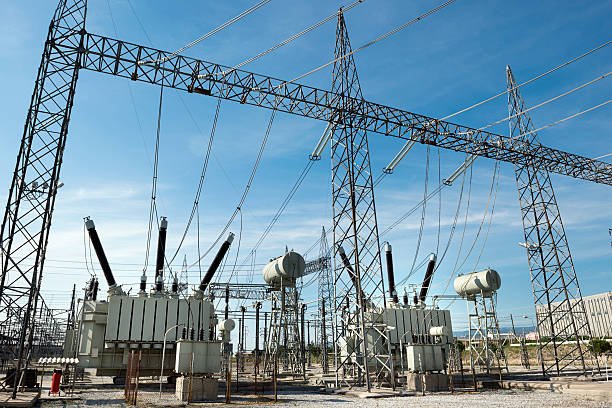
Percentage impedance is one of the most important technical parameters used to evaluate power transformer performance because it directly influences short-circuit current, voltage regulation, protection system design, and transformer operation in electrical networks. Many buyers see the impedance value listed on transformer datasheets but may not fully understand what it represents or why it matters during transformer selection. Choosing an unsuitable impedance value can create problems such as excessive fault current, unstable voltage, poor load sharing between parallel transformers, or incorrect protection coordination.
Percentage impedance (%Z) of a power transformer represents the percentage of rated primary voltage required to circulate rated current through the transformer when the secondary winding is short-circuited. It indicates the internal impedance of the transformer, mainly caused by leakage reactance and winding resistance. The percentage impedance value is used to calculate short-circuit current, determine voltage regulation, coordinate protection systems, and evaluate compatibility when transformers operate in parallel.
Percentage impedance indicates the internal impedance characteristics of a power transformer.True
Transformer impedance reflects the resistance and leakage reactance inside the transformer windings.
A transformer with lower percentage impedance always provides better performance.False
Lower impedance improves voltage regulation but increases short-circuit current, requiring stronger protection systems.
Percentage impedance is commonly used for transformer short-circuit calculations.True
Engineers use transformer impedance values to estimate fault current levels in power systems.
Understanding percentage impedance helps buyers make better transformer purchasing decisions because it connects transformer design characteristics with actual system behavior. A professional supplier should explain how impedance is selected according to transformer capacity, voltage level, grid requirements, and protection design rather than simply providing a standard value.
What Does Percentage Impedance Mean in a Transformer?
Percentage impedance, often written as %Z, describes the opposition a transformer presents to current flow under short-circuit conditions.
In simple terms:
- The secondary winding is short-circuited.
- A voltage is gradually applied to the primary winding.
- The voltage required to produce rated current is measured.
- This voltage is expressed as a percentage of the rated primary voltage.
For example:
If a transformer has a rated primary voltage of 100 kV and requires 10 kV to produce rated current during a short-circuit test:
| Parameter | Value |
|---|---|
| Rated primary voltage | 100 kV |
| Short-circuit voltage | 10 kV |
| Percentage impedance | 10% |
This means the transformer has a 10% impedance rating.
Why Is Percentage Impedance Important in Power Transformers?
Percentage impedance affects several critical transformer characteristics.
| Application Area | Influence of % Impedance |
|---|---|
| Fault calculation | Determines short-circuit current |
| Voltage regulation | Affects voltage drop under load |
| Protection design | Influences breaker and relay settings |
| Parallel operation | Controls load sharing |
| System stability | Affects network performance |
Because of these effects, percentage impedance is a key parameter during transformer design and procurement.
What Is the Relationship Between Transformer Impedance and Short-Circuit Current?
One of the most important functions of percentage impedance is limiting fault current.
The approximate relationship is:
| Percentage Impedance | Short-Circuit Current |
|---|---|
| Lower %Z | Higher fault current |
| Higher %Z | Lower fault current |
For example:
| Transformer Impedance | Approximate Fault Current Level |
|---|---|
| 5% impedance | About 20 times rated current |
| 10% impedance | About 10 times rated current |
| 15% impedance | About 6.7 times rated current |
A lower impedance transformer can deliver higher fault current, which may require:
- Higher-rated circuit breakers
- Stronger busbar systems
- More advanced protection settings
How Does Percentage Impedance Affect Voltage Regulation?
Voltage regulation describes the change in transformer output voltage between no-load and full-load conditions.
Generally:
| Impedance Condition | Voltage Regulation Effect |
|---|---|
| Lower impedance | Smaller voltage drop |
| Higher impedance | Larger voltage drop |
For applications requiring stable voltage, buyers should carefully evaluate impedance requirements.
Examples include:
- Data centers
- Semiconductor plants
- Medical facilities
- Precision manufacturing systems
What Are the Main Components That Determine Transformer Impedance?
Transformer impedance mainly consists of:
| Component | Contribution |
|---|---|
| Leakage reactance | Major impedance component |
| Winding resistance | Smaller impedance component |
| Winding arrangement | Influences leakage flux |
| Physical spacing | Affects magnetic coupling |
Transformer design factors that influence impedance include:
- Winding geometry
- Coil arrangement
- Insulation distances
- Magnetic field distribution
How Is Percentage Impedance Measured During Transformer Testing?
Percentage impedance is normally determined through a short-circuit impedance test.
The testing process includes:
| Test Step | Description |
|---|---|
| Secondary short circuit | Secondary terminals are connected together |
| Primary voltage increase | Voltage is gradually applied |
| Rated current measurement | Current is adjusted to rated value |
| Voltage recording | Required voltage is measured |
| Impedance calculation | Value is converted into percentage |
The measured value is included in transformer test reports.
What Is the Difference Between Impedance and Percentage Impedance?
Although related, these terms are different.
| Term | Meaning |
|---|---|
| Transformer impedance | Actual electrical opposition measured in ohms |
| Percentage impedance | Impedance expressed as a percentage of rated voltage |
Percentage impedance is more commonly used because it allows easier comparison between transformers of different sizes.
Why Do Buyers Need to Check Percentage Impedance Before Purchase?
Buyers should verify impedance because it affects whether the transformer matches the electrical system.
Important evaluation questions include:
| Question | Purpose |
|---|---|
| What is the guaranteed %Z value? | Confirm design requirement |
| Is impedance within acceptable tolerance? | Verify manufacturing accuracy |
| Is the value suitable for fault levels? | Ensure protection compatibility |
| Can the transformer operate in parallel? | Confirm system flexibility |
A transformer should not be selected only according to rated power and voltage.
What Are Typical Percentage Impedance Values for Different Transformers?
Typical impedance values vary depending on application.
| Transformer Type | Typical % Impedance Range |
|---|---|
| Small distribution transformers | 4%–6% |
| Medium power transformers | 6%–10% |
| Large utility transformers | 8%–18% |
| Special industrial transformers | Customized |
Actual requirements depend on system design.
How Does Transformer Capacity Affect Percentage Impedance?
Transformer capacity and impedance are usually related.
Generally:
| Transformer Capacity | Typical Impedance Trend |
|---|---|
| Smaller transformers | Lower impedance |
| Larger transformers | Higher impedance |
Large transformers often require higher impedance to control fault current levels in high-capacity networks.
How Does Percentage Impedance Affect Parallel Transformer Operation?
When two or more transformers operate together, impedance matching is essential.
Buyers should compare:
| Parameter | Importance |
|---|---|
| % Impedance value | Determines load sharing |
| Impedance tolerance | Prevents imbalance |
| Voltage ratio | Avoids circulating currents |
| Vector group | Ensures phase compatibility |
If transformers have significantly different impedance values, one transformer may become overloaded while another operates below capacity.
Can Two Transformers With Different Impedance Values Operate in Parallel?
Technically possible, but generally not recommended.
Potential problems include:
| Problem | Result |
|---|---|
| Unequal impedance | Uneven load distribution |
| Different voltage ratios | Circulating current |
| Different vector groups | Phase problems |
For reliable parallel operation, transformers should have closely matched characteristics.
How Should Buyers Include Percentage Impedance in Transformer Specifications?
Transformer purchase specifications should clearly define:
| Specification Item | Example Requirement |
|---|---|
| Rated impedance | 10% |
| Tolerance | According to applicable standard |
| Test method | Short-circuit impedance test |
| Applicable standard | IEC 60076 or customer standard |
| Acceptance criteria | Defined before delivery |
Clear specifications reduce technical disputes.
What Documents Should Buyers Review for Impedance Verification?
Important documents include:
| Document | Purpose |
|---|---|
| Transformer datasheet | Review rated impedance |
| Technical proposal | Understand design basis |
| Short-circuit calculation | Confirm system compatibility |
| Routine test report | Verify actual value |
| Factory acceptance test report | Confirm compliance |
These documents provide evidence that the transformer meets requirements.
What Warning Signs Should Buyers Watch For?
Buyers should investigate further if suppliers:
| Warning Sign | Potential Risk |
|---|---|
| Cannot explain impedance selection | Weak engineering capability |
| Do not provide test reports | Lack of transparency |
| Offer unspecified impedance | Contract risk |
| Ignore system fault levels | Poor application understanding |
| Provide inconsistent values | Quality concerns |
A reliable supplier should clearly explain impedance design and verification.
How Does Transformer Impedance Affect Short-Circuit Current and System Protection?
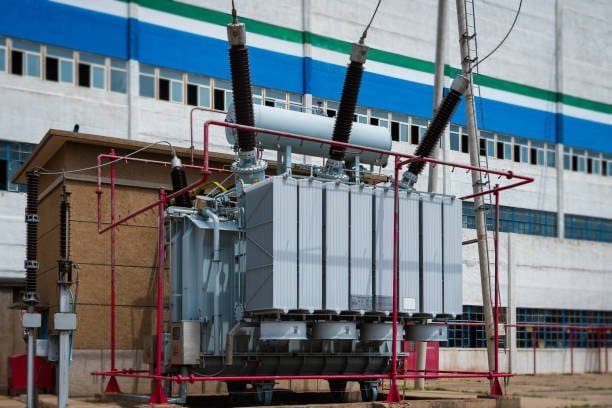
Transformer impedance is a key electrical parameter that directly influences short-circuit current levels, equipment selection, and protection system coordination in power networks. When a fault occurs, transformer impedance determines how much current can flow through the transformer from the source side to the fault point. If impedance is not properly selected, electrical systems may experience excessive fault currents, insufficient protection coordination, equipment damage risks, or unnecessary voltage instability.
Transformer impedance affects short-circuit current by limiting the amount of fault current that can flow through the transformer. A lower impedance value allows higher short-circuit current, while a higher impedance value reduces fault current. Buyers and engineers must evaluate transformer impedance together with system fault levels, circuit breaker ratings, relay settings, and equipment withstand capabilities to ensure safe and reliable power system protection.
Transformer impedance determines the magnitude of short-circuit current flowing through a power transformer during faults.True
Transformer impedance acts as an electrical limitation that reduces fault current according to its percentage impedance value.
Increasing transformer impedance always improves overall power system performance.False
Higher impedance reduces fault current but can increase voltage drop and affect voltage regulation.
Protection system design must consider transformer impedance values.True
Relay coordination, breaker selection, and fault calculations depend on transformer impedance characteristics.
A correct understanding of transformer impedance helps buyers select suitable equipment and avoid system design problems. Power transformers are not independent components; their impedance characteristics influence the entire electrical network, including generators, cables, switchgear, protection relays, and downstream loads. Therefore, impedance evaluation should be included during transformer procurement, engineering design, and factory acceptance testing.
What Is Transformer Impedance in Electrical Systems?
Transformer impedance represents the internal resistance and reactance that oppose current flow inside the transformer. It is usually expressed as a percentage value called percentage impedance (%Z).
The main components include:
| Component | Effect on Transformer Impedance |
|---|---|
| Winding resistance | Creates voltage losses |
| Leakage reactance | Limits fault current |
| Winding arrangement | Influences magnetic coupling |
| Transformer construction | Determines impedance characteristics |
In practical power system design, percentage impedance is commonly used because it allows transformers with different ratings to be compared easily.
How Does Transformer Impedance Limit Short-Circuit Current?
During a short circuit, the transformer impedance determines the maximum current that can flow.
The general relationship is:
| Transformer Impedance | Short-Circuit Current |
|---|---|
| Low impedance | Higher fault current |
| High impedance | Lower fault current |
For example:
| Transformer % Impedance | Approximate Fault Current |
|---|---|
| 5% | About 20 times rated current |
| 10% | About 10 times rated current |
| 20% | About 5 times rated current |
A transformer with 5% impedance allows significantly higher fault current than one with 10% impedance.
Why Does Lower Impedance Increase Fault Current?
When impedance is lower, the transformer provides less opposition to current flow.
This results in:
| Advantage | Disadvantage |
|---|---|
| Better voltage regulation | Higher fault current |
| Smaller voltage drop | Higher breaker requirements |
| Improved load performance | Greater mechanical stress during faults |
Therefore, selecting lower impedance is not always the best solution.
Why Does Higher Impedance Reduce Fault Current?
Higher impedance increases the electrical opposition inside the transformer.
Benefits include:
| Benefit | Explanation |
|---|---|
| Reduced fault current | Less stress on equipment |
| Lower breaker requirements | Reduced interrupting capacity needs |
| Improved system protection | Easier relay coordination |
However, excessive impedance can cause:
- Larger voltage fluctuations
- Poorer voltage regulation
- Reduced efficiency during heavy loading
How Does Transformer Impedance Affect Circuit Breaker Selection?
Circuit breakers must be capable of interrupting the maximum possible fault current.
Transformer impedance affects:
| Protection Equipment | Influence |
|---|---|
| Circuit breakers | Required interrupting capacity |
| Switchgear | Short-circuit withstand rating |
| Busbars | Mechanical stress capability |
| Protection relays | Fault detection settings |
If transformer impedance is lower than expected, actual fault current may exceed equipment ratings.
How Should Buyers Evaluate Impedance During Transformer Procurement?
Buyers should confirm that transformer impedance matches system requirements.
Important questions include:
| Evaluation Question | Purpose |
|---|---|
| What is the guaranteed % impedance? | Confirm design value |
| What tolerance is allowed? | Verify manufacturing control |
| How was impedance selected? | Understand engineering basis |
| Does it match system fault calculations? | Confirm compatibility |
| Is the value verified by testing? | Confirm actual performance |
A reliable supplier should provide technical justification for the selected impedance.
What Role Does Impedance Play in Protection Coordination?
Protection coordination ensures that protective devices operate correctly during faults.
Transformer impedance affects:
| Protection Function | Impact |
|---|---|
| Overcurrent protection | Determines relay pickup settings |
| Differential protection | Influences fault calculations |
| Breaker coordination | Determines interruption requirements |
| Fuse selection | Affects protective response |
Incorrect impedance data can result in:
- Delayed fault clearing
- Unnecessary outages
- Equipment damage
How Does Impedance Affect Transformer Differential Protection?
Transformer differential protection compares currents entering and leaving the transformer.
Impedance information helps engineers:
| Function | Purpose |
|---|---|
| Calculate fault current | Determine protection sensitivity |
| Set relay parameters | Avoid false operation |
| Coordinate protection zones | Improve reliability |
Accurate transformer impedance data is therefore essential during protection system commissioning.
How Does Transformer Impedance Influence Voltage Regulation?
Although impedance helps control fault current, it also affects normal operation.
Relationship:
| Impedance Level | Voltage Regulation |
|---|---|
| Lower impedance | Better voltage stability |
| Higher impedance | Greater voltage drop |
For sensitive applications, buyers must balance protection requirements with voltage performance.
Typical sensitive applications include:
- Data centers
- Manufacturing facilities
- Hospitals
- Renewable energy systems
How Should Engineers Balance Impedance and System Protection Requirements?
Transformer impedance selection requires balancing multiple factors.
| Requirement | Preferred Impedance |
|---|---|
| Lower fault current | Higher impedance |
| Better voltage regulation | Lower impedance |
| Parallel operation | Matched impedance |
| Large industrial loads | Application-specific |
The optimum impedance value depends on the complete electrical system design.
How Does Transformer Impedance Affect Parallel Transformer Operation?
When transformers operate in parallel, impedance matching is critical.
Important factors include:
| Parameter | Importance |
|---|---|
| Percentage impedance | Determines load sharing |
| Impedance tolerance | Prevents imbalance |
| Voltage ratio | Avoids circulating currents |
| Vector group | Ensures phase compatibility |
If two transformers have different impedance values:
- One transformer may carry excessive load.
- Another transformer may remain underutilized.
- Temperature rise may become uneven.
What Impedance Tolerances Should Buyers Consider?
Transformer impedance is manufactured within specified tolerances.
Buyers should review:
| Item | Importance |
|---|---|
| Guaranteed impedance | Contract requirement |
| Manufacturing tolerance | Quality indicator |
| Test accuracy | Verification reliability |
| Standard requirements | Acceptance criteria |
Large deviations from specified impedance may indicate manufacturing problems.
How Is Transformer Impedance Verified During Factory Testing?
Transformer impedance is confirmed through short-circuit testing.
Typical verification includes:
| Test | Purpose |
|---|---|
| Short-circuit impedance test | Measure %Z |
| Load loss test | Confirm winding performance |
| Temperature rise test | Verify thermal behavior |
| Routine testing | Confirm final product quality |
The final test report should match the contractual impedance requirement.
What Documents Should Buyers Review?
Before accepting a transformer, buyers should review:
| Document | Purpose |
|---|---|
| Transformer datasheet | Confirm impedance rating |
| Technical specification | Verify project requirements |
| Short-circuit study | Confirm system compatibility |
| Factory test report | Verify measured impedance |
| Protection coordination study | Confirm system safety |
Complete documentation reduces technical risks.
How Does Manufacturing Quality Influence Transformer Impedance Accuracy?
Transformer impedance depends on manufacturing precision.
Important production factors include:
| Manufacturing Factor | Influence |
|---|---|
| Winding dimensions | Controls leakage reactance |
| Coil spacing | Affects magnetic coupling |
| Assembly accuracy | Maintains design values |
| Material consistency | Improves repeatability |
This is why impedance testing also reflects transformer manufacturing quality.
What Mistakes Should Buyers Avoid When Evaluating Impedance?
Common mistakes include:
| Mistake | Consequence |
|---|---|
| Selecting impedance only by industry average | Poor system matching |
| Ignoring fault calculations | Protection problems |
| Focusing only on voltage regulation | Excessive fault current |
| Accepting unverified values | Incorrect engineering |
| Ignoring parallel operation requirements | Load imbalance |
Impedance must always be evaluated within the complete system context.
How Can Buyers Include Impedance Requirements in Contracts?
Transformer contracts should clearly define:
| Contract Requirement | Description |
|---|---|
| Rated impedance | Required %Z value |
| Tolerance | Allowed deviation |
| Test standard | Verification method |
| Acceptance criteria | Pass/fail conditions |
| Documentation requirements | Required reports |
Clear specifications protect both buyers and suppliers.
How Does Impedance Rating Influence Voltage Regulation and Power Quality?
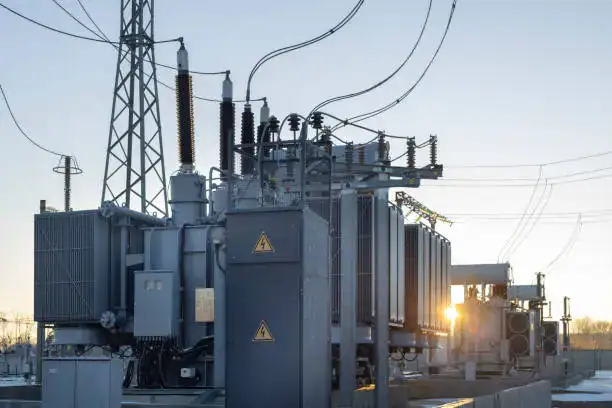
Transformer impedance rating is a critical factor that affects how stable the electrical voltage remains during different loading conditions and how reliably power quality is maintained. Many buyers focus on transformer capacity, voltage ratio, and efficiency but overlook impedance, even though it directly influences voltage drop, load performance, fault behavior, and the ability of sensitive electrical equipment to receive stable power.
Transformer impedance rating influences voltage regulation and power quality by determining the voltage drop that occurs when the transformer supplies load current. Lower impedance generally provides better voltage regulation with smaller voltage fluctuations but results in higher short-circuit currents. Higher impedance reduces fault current and improves protection coordination but can increase voltage drop and affect sensitive loads. Buyers should select transformer impedance based on system stability, protection requirements, and power quality objectives.
Transformer impedance affects voltage regulation because impedance causes voltage drop when load current flows through the transformer.True
The internal resistance and reactance of a transformer create voltage losses that increase with loading.
Higher transformer impedance always improves power quality for all electrical applications.False
Higher impedance reduces fault current but may increase voltage fluctuations under load.
Proper impedance selection helps maintain stable voltage and reliable electrical system operation.True
Transformer impedance must be coordinated with load characteristics and system protection requirements.
Transformer impedance represents a balance between competing electrical requirements. A transformer designed with very low impedance may provide excellent voltage stability but create higher fault currents that challenge protection equipment. A transformer with very high impedance may limit faults effectively but introduce larger voltage variations during normal operation. Therefore, impedance selection must consider the complete power system rather than a single performance target.
What Is the Relationship Between Transformer Impedance and Voltage Regulation?
Voltage regulation describes how much the transformer output voltage changes between no-load and full-load conditions.
When current flows through a transformer, internal impedance causes a voltage drop. The greater the impedance, the greater the voltage reduction under load.
| Transformer Impedance | Voltage Regulation Effect |
|---|---|
| Low impedance | Lower voltage drop, better regulation |
| Medium impedance | Balanced voltage stability and protection |
| High impedance | Higher voltage drop, weaker regulation |
For example, industrial equipment with strict voltage requirements may require a transformer with carefully optimized impedance to prevent production interruptions caused by voltage fluctuations.
How Does Impedance Cause Transformer Voltage Drop?
Transformer impedance consists mainly of resistance and leakage reactance.
The voltage drop occurs because:
| Internal Factor | Effect |
|---|---|
| Winding resistance | Creates resistive voltage loss |
| Leakage reactance | Creates reactive voltage loss |
| Load current | Increases impedance-related voltage drop |
As transformer loading increases, current increases, causing a larger voltage drop across the transformer impedance.
The result can include:
- Reduced secondary voltage
- Motor performance issues
- Lighting fluctuations
- Sensitive equipment malfunctions
Why Does Lower Impedance Improve Voltage Stability?
A lower impedance transformer has less internal opposition to current flow.
Advantages include:
| Benefit | Application Example |
|---|---|
| Smaller voltage drop | Industrial production equipment |
| Better voltage stability | Data centers |
| Improved motor starting performance | Manufacturing plants |
| Higher load voltage consistency | Commercial buildings |
However, lower impedance also creates higher fault currents, which must be considered during system design.
Why Does Higher Impedance Affect Power Quality?
Higher impedance limits current flow but increases voltage sensitivity during load changes.
Potential effects include:
| Effect | Result |
|---|---|
| Larger voltage drop | Reduced load voltage |
| Voltage fluctuations | Lower power quality |
| Reduced motor starting capability | Longer startup time |
| Sensitive equipment disturbance | Operational issues |
Therefore, selecting excessive impedance may negatively affect applications requiring stable voltage.
How Does Impedance Influence Voltage Stability During Load Changes?
Electrical loads are not always constant. Industrial systems often experience rapid changes caused by:
- Motor starting
- Welding equipment operation
- Large machinery switching
- Renewable energy fluctuations
Transformer impedance influences how the transformer responds.
| Load Condition | Lower Impedance Transformer | Higher Impedance Transformer |
|---|---|---|
| Sudden load increase | Smaller voltage drop | Larger voltage drop |
| Motor starting | Better performance | More voltage reduction |
| Fault condition | Higher current | Lower current |
Engineers must evaluate the expected load profile before selecting impedance.
How Does Impedance Affect Motor Starting Performance?
Large motors require high starting currents, which can cause temporary voltage drops.
A transformer with lower impedance can provide:
| Advantage | Effect |
|---|---|
| Higher starting current capability | Faster motor acceleration |
| Lower voltage sag | Improved motor operation |
| Better equipment performance | Reduced production interruptions |
However, protection systems must be designed to handle the higher fault current capability.
How Does Transformer Impedance Influence Power Quality for Sensitive Equipment?
Sensitive electrical loads require stable voltage and clean power.
Examples include:
- Data centers
- Medical equipment
- Semiconductor manufacturing
- Precision automation systems
Important power quality factors include:
| Power Quality Factor | Impedance Influence |
|---|---|
| Voltage stability | Determines voltage drop |
| Voltage sag | Affected during load changes |
| Fault recovery | Influenced by protection coordination |
| Equipment reliability | Depends on stable supply |
Incorrect impedance selection may reduce equipment lifespan and increase downtime.
What Is the Balance Between Impedance and Power Quality?
Transformer impedance selection requires balancing voltage performance and protection requirements.
| Design Objective | Preferred Impedance |
|---|---|
| Maximum voltage stability | Lower impedance |
| Reduced fault current | Higher impedance |
| Industrial reliability | Optimized impedance |
| Parallel operation | Matched impedance |
There is no universal best impedance value. The correct value depends on system conditions.
How Does Impedance Affect Parallel Transformer Operation?
When multiple transformers operate together, impedance matching is essential for power quality.
If transformers have different impedance values:
| Problem | Consequence |
|---|---|
| Unequal impedance | Uneven load sharing |
| Different voltage drops | Circulating currents |
| Overloaded transformer | Reduced reliability |
| Increased losses | Lower efficiency |
For parallel operation, buyers should require close impedance matching between transformers.
How Should Buyers Evaluate Impedance Ratings During Procurement?
Buyers should not accept impedance values without considering system requirements.
Important evaluation points include:
| Evaluation Item | Buyer Consideration |
|---|---|
| Rated impedance | Match project specifications |
| Impedance tolerance | Confirm manufacturing accuracy |
| Voltage regulation guarantee | Verify performance |
| Short-circuit requirements | Ensure protection compatibility |
| Test verification | Confirm actual value |
A professional supplier should provide technical explanations for impedance selection.
What Impedance Values Are Common for Power Transformers?
Typical impedance ranges vary depending on transformer application.
| Transformer Application | Typical Impedance Range |
|---|---|
| Distribution transformers | 4%–6% |
| Industrial transformers | 5%–10% |
| Medium power transformers | 6%–12% |
| Large transmission transformers | 8%–18% |
Actual values depend on:
- Rated power
- Voltage level
- Grid strength
- Protection requirements
- Customer specifications
How Should Impedance Be Considered in Power System Design?
Engineers should include transformer impedance in:
| Design Activity | Reason |
|---|---|
| Load flow analysis | Calculate voltage behavior |
| Short-circuit analysis | Determine fault current |
| Protection coordination | Set relay parameters |
| Equipment selection | Select breakers and switchgear |
| Power quality studies | Evaluate voltage stability |
Ignoring impedance during system design may cause operational problems after commissioning.
What Tests Verify Transformer Impedance Performance?
Transformer impedance is verified through factory testing.
Important tests include:
| Test | Purpose |
|---|---|
| Short-circuit impedance test | Measure actual % impedance |
| Load loss test | Verify winding characteristics |
| Voltage regulation calculation | Confirm performance |
| Routine testing | Ensure production consistency |
Buyers should review test reports before accepting transformers.
What Documents Should Buyers Request?
Important impedance-related documents include:
| Document | Purpose |
|---|---|
| Transformer datasheet | Verify impedance rating |
| Technical specification | Confirm requirements |
| Design calculation | Understand selection basis |
| Factory test report | Verify actual impedance |
| Power system study | Confirm compatibility |
Complete documentation helps prevent technical disputes.
What Mistakes Should Buyers Avoid When Selecting Impedance?
Common mistakes include:
| Mistake | Result |
|---|---|
| Choosing the lowest impedance available | Excessive fault current |
| Ignoring voltage regulation | Poor power quality |
| Using standard values without analysis | System mismatch |
| Not considering sensitive loads | Equipment problems |
| Ignoring parallel operation | Load imbalance |
Impedance should always be selected according to actual application requirements.
What Impedance Factors Should Be Considered When Operating Multiple Power Transformers in Parallel?
Operating multiple power transformers in parallel can improve system capacity, reliability, and operational flexibility, but successful parallel operation requires careful evaluation of transformer impedance characteristics. If impedance values are not properly matched, transformers may not share load equally, causing overheating, circulating currents, reduced efficiency, and premature equipment aging. Many buyers focus on transformer ratings and voltage ratios but underestimate the importance of impedance compatibility when planning parallel transformer installations.
When operating multiple power transformers in parallel, buyers should consider percentage impedance (%Z), impedance tolerance, impedance matching, voltage ratio accuracy, vector group compatibility, transformer capacity ratio, short-circuit requirements, and load-sharing characteristics. Transformers with closely matched impedance values distribute load more evenly, reduce circulating currents, improve system reliability, and ensure safe parallel operation.
Transformer impedance matching is important for achieving balanced load sharing during parallel operation.True
Transformers with different impedance values naturally carry different portions of the load, which can cause imbalance.
Two transformers with identical power ratings can always operate safely in parallel regardless of impedance differences.False
Matching capacity alone is insufficient; impedance, voltage ratio, and vector group compatibility are also required.
Impedance tolerance should be evaluated before connecting multiple power transformers in parallel.True
Small impedance differences can affect load distribution and transformer operating temperatures.
Parallel operation is widely used in substations, industrial facilities, renewable energy projects, and utility networks because it allows additional capacity and maintenance flexibility. However, the transformers must behave as a coordinated system. Proper impedance evaluation should be completed during the design stage, supplier selection process, factory testing, and commissioning.
Why Is Impedance Important for Parallel Transformer Operation?
When transformers operate in parallel, they share the total system load. The amount of load each transformer carries depends largely on its impedance.
A simplified relationship is:
| Transformer Characteristic | Effect During Parallel Operation |
|---|---|
| Lower impedance | Carries more load |
| Higher impedance | Carries less load |
| Similar impedance | Balanced load sharing |
| Different impedance | Uneven loading |
If one transformer has lower impedance than another, it will naturally take more current and may become overloaded before the other transformer reaches full capacity.
What Is Transformer Impedance Matching?
Impedance matching means ensuring that parallel transformers have similar electrical impedance characteristics.
The main matching parameter is:
| Parameter | Purpose |
|---|---|
| Percentage impedance (%Z) | Controls load distribution |
| Impedance tolerance | Defines acceptable difference |
| X/R ratio | Influences current sharing behavior |
| Leakage reactance | Affects parallel performance |
Proper impedance matching helps ensure that transformers operate efficiently as a combined power source.
How Does Percentage Impedance Affect Load Sharing Between Transformers?
Percentage impedance directly determines how much load each transformer carries.
Example:
Two transformers operate in parallel:
| Transformer | Rating | Impedance |
|---|---|---|
| Transformer A | 10 MVA | 8% |
| Transformer B | 10 MVA | 12% |
Because Transformer A has lower impedance, it will carry a larger percentage of the total load.
Potential consequences:
| Problem | Result |
|---|---|
| Unequal current distribution | Reduced efficiency |
| Higher temperature in one unit | Faster insulation aging |
| Uneven operating conditions | Reduced reliability |
Therefore, similar impedance values are essential.
What Impedance Difference Is Acceptable for Parallel Transformers?
The acceptable impedance difference depends on the application and transformer standards.
Generally:
| Impedance Difference | Expected Performance |
|---|---|
| Very small difference | Good load sharing |
| Moderate difference | Acceptable with analysis |
| Large difference | Risk of overload |
For critical applications, buyers should require suppliers to confirm impedance compatibility before delivery.
How Does Impedance Tolerance Influence Parallel Operation?
Every transformer has manufacturing tolerance around its guaranteed impedance value.
For example:
| Transformer | Guaranteed %Z | Possible Variation |
|---|---|---|
| Unit A | 10% | ± tolerance |
| Unit B | 10% | ± tolerance |
Even transformers with the same nameplate impedance may have slight differences.
Buyers should review:
- Guaranteed impedance value
- Permitted tolerance
- Factory measurement accuracy
- Actual test results
Why Must Voltage Ratio Match Before Parallel Connection?
Although impedance is important, voltage ratio matching is equally necessary.
If voltage ratios differ:
| Issue | Consequence |
|---|---|
| Different secondary voltage | Circulating current |
| Increased losses | Lower efficiency |
| Additional heating | Reduced reliability |
Before parallel operation, transformers should have:
- Same rated voltage ratio
- Similar tap positions
- Compatible tap changer settings
Why Is Vector Group Compatibility Required?
Transformer vector groups define phase relationships between primary and secondary windings.
For parallel operation:
| Requirement | Reason |
|---|---|
| Same vector group | Prevent phase differences |
| Same polarity | Avoid circulating currents |
| Compatible phase displacement | Ensure proper connection |
Transformers with incompatible vector groups should not be connected in parallel.
How Does Transformer Capacity Ratio Affect Impedance Requirements?
Transformer capacity also influences parallel operation.
Recommended conditions:
| Capacity Relationship | Evaluation |
|---|---|
| Similar ratings | Easier load sharing |
| Different ratings | Requires impedance consideration |
| Large capacity difference | Requires detailed analysis |
A larger transformer with lower impedance may dominate load sharing.
How Does Short-Circuit Impedance Affect System Protection?
Parallel transformers influence the total short-circuit capacity of the system.
Important considerations include:
| Factor | Impact |
|---|---|
| Combined transformer capacity | Higher available fault power |
| Transformer impedance | Limits fault current |
| Breaker rating | Must match fault level |
| Relay settings | Require coordination |
Engineers should recalculate fault currents after adding parallel transformers.
How Does Impedance Affect Transformer Efficiency in Parallel Operation?
Uneven load sharing reduces system efficiency.
Effects include:
| Issue | Impact |
|---|---|
| One transformer overloaded | Higher losses |
| Unequal copper losses | Reduced efficiency |
| Different temperatures | Uneven aging |
| Poor utilization | Higher operating cost |
Proper impedance matching improves overall system performance.
What Other Electrical Factors Should Be Checked Besides Impedance?
Buyers should evaluate multiple parameters before parallel operation.
| Parameter | Requirement |
|---|---|
| Percentage impedance | Similar values |
| Voltage ratio | Equal |
| Vector group | Compatible |
| Frequency | Same |
| Phase sequence | Same |
| Tap settings | Coordinated |
| Rated capacity | Suitable combination |
Impedance is important, but it must be evaluated as part of a complete compatibility assessment.
What Questions Should Buyers Ask Transformer Suppliers?
Before purchasing transformers for parallel operation, buyers should ask:
| Question | Purpose |
|---|---|
| What is the guaranteed impedance value? | Confirm design |
| What is the impedance tolerance? | Evaluate matching |
| Can you provide impedance test reports? | Verify performance |
| Have these transformers operated in parallel before? | Confirm experience |
| Can you perform load-sharing calculations? | Evaluate engineering support |
| Are vector groups compatible? | Confirm connection suitability |
A qualified supplier should provide detailed technical support.
How Should Buyers Review Supplier Technical Documents?
Important documents include:
| Document | Purpose |
|---|---|
| Transformer datasheet | Check impedance values |
| Technical proposal | Review design approach |
| Short-circuit calculation | Confirm fault performance |
| Factory test report | Verify measured impedance |
| Parallel operation study | Confirm compatibility |
These documents help prevent commissioning problems.
How Is Impedance Verified During Factory Acceptance Testing?
Factory testing confirms whether transformers meet specifications.
Relevant tests include:
| Test | Purpose |
|---|---|
| Short-circuit impedance test | Measure %Z |
| Load loss test | Verify winding characteristics |
| Ratio test | Confirm voltage relationship |
| Vector group test | Verify phase compatibility |
Buyers should review these results before shipment approval.
What Problems Can Occur If Impedance Is Not Properly Matched?
Poor impedance selection may cause:
| Problem | Consequence |
|---|---|
| Unequal load sharing | Overloading |
| Circulating current | Additional losses |
| Excessive temperature rise | Insulation damage |
| Protection coordination issues | Safety risks |
| Reduced transformer lifespan | Higher maintenance costs |
These risks can often be prevented during procurement planning.
How Can Engineers Improve Parallel Transformer Reliability?
Recommended practices include:
- Selecting transformers with compatible impedance values.
- Performing load-sharing calculations before installation.
- Verifying factory impedance test results.
- Checking voltage ratio and vector group compatibility.
- Coordinating protection settings after installation.
- Monitoring transformer loading during operation.
A systematic approach improves long-term reliability.
How Can Buyers Select the Correct Impedance Rating for Power Transformers?
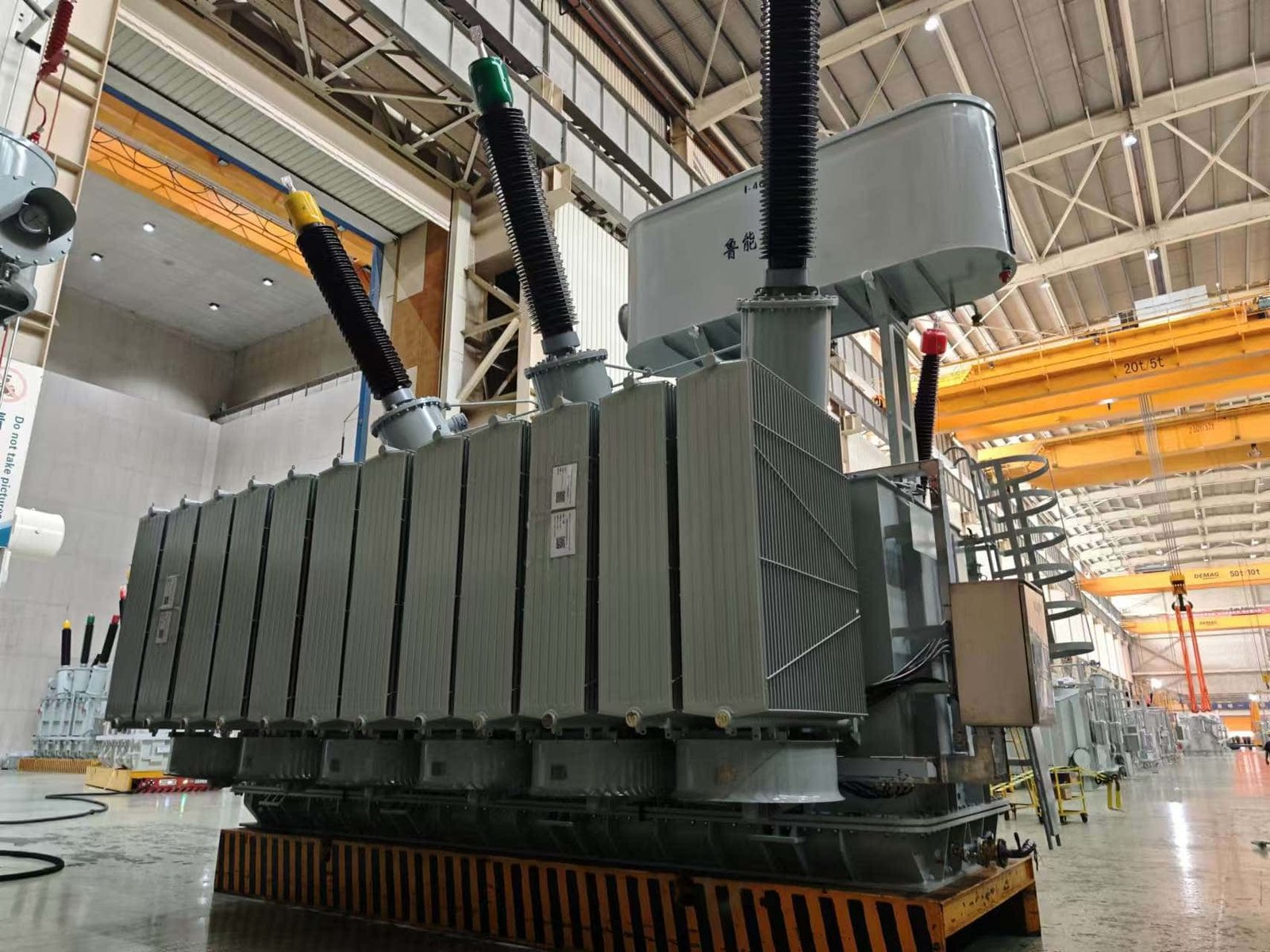
Selecting the correct impedance rating for power transformers is an important decision that affects electrical system safety, voltage stability, short-circuit performance, protection coordination, and long-term operating reliability. Many buyers select transformers mainly according to rated capacity, voltage level, and price while overlooking impedance requirements. However, an unsuitable impedance rating can cause problems such as excessive fault current, poor voltage regulation, transformer overloading during parallel operation, or increased stress on electrical equipment.
Buyers can select the correct impedance rating for power transformers by analyzing system short-circuit levels, voltage regulation requirements, transformer capacity, protection equipment ratings, parallel operation conditions, load characteristics, and applicable electrical standards. The ideal impedance rating provides a balance between limiting fault current and maintaining stable voltage performance. Buyers should confirm impedance requirements with suppliers through engineering calculations, technical documentation, and factory test verification before delivery.
The correct transformer impedance rating depends on both system protection requirements and voltage regulation requirements.True
Impedance affects fault current limitation and voltage drop during transformer operation.
Buyers should always choose the lowest possible transformer impedance rating.False
Lower impedance improves voltage regulation but increases short-circuit current and protection requirements.
Factory impedance testing helps verify whether a power transformer meets the specified impedance rating.True
Short-circuit impedance tests confirm the actual impedance characteristics of manufactured transformers.
Transformer impedance selection requires a system-level approach because the impedance value affects the interaction between the transformer and the entire electrical network. A well-selected impedance rating improves reliability, supports proper protection design, and ensures that the transformer performs efficiently throughout its service life. Buyers should evaluate impedance during the specification stage rather than treating it as a simple supplier datasheet parameter.
Why Is Selecting the Correct Transformer Impedance Rating Important?
Transformer impedance determines how the transformer responds during normal operation and fault conditions.
Key effects include:
| Performance Area | Influence of Impedance |
|---|---|
| Short-circuit current | Limits fault current magnitude |
| Voltage regulation | Determines voltage drop under load |
| Parallel operation | Controls load sharing |
| Protection coordination | Affects relay and breaker settings |
| System stability | Influences overall network performance |
The correct impedance value helps balance competing electrical requirements.
What Factors Determine the Required Transformer Impedance Rating?
Buyers should evaluate several technical factors before selecting impedance.
| Selection Factor | Impact on Impedance Choice |
|---|---|
| Transformer capacity | Larger transformers often require specific impedance ranges |
| System fault level | Determines acceptable short-circuit current |
| Load characteristics | Influences voltage stability requirements |
| Protection equipment | Determines fault current limits |
| Parallel operation | Requires impedance matching |
| Grid requirements | Defines system compatibility |
No single impedance value is suitable for all transformer applications.
How Does Transformer Capacity Affect Impedance Selection?
Transformer rated capacity is one of the main factors influencing impedance requirements.
Generally:
| Transformer Capacity | Typical Impedance Consideration |
|---|---|
| Small distribution transformers | Lower impedance values are common |
| Medium power transformers | Balanced impedance selection |
| Large power transformers | Higher impedance may be required |
Larger transformers can contribute significantly to system fault levels, so impedance is often selected to control fault current.
How Should Buyers Consider Short-Circuit Current When Selecting Impedance?
Short-circuit current is one of the most important considerations.
The relationship is:
| Impedance Rating | Fault Current Behavior |
|---|---|
| Lower % impedance | Higher short-circuit current |
| Higher % impedance | Lower short-circuit current |
For example:
| Transformer Impedance | Approximate Fault Current |
|---|---|
| 5% impedance | About 20 times rated current |
| 10% impedance | About 10 times rated current |
| 15% impedance | About 6.7 times rated current |
Buyers must ensure the selected impedance does not exceed the interrupting capacity of:
- Circuit breakers
- Switchgear
- Busbars
- Protection devices
How Does Impedance Rating Affect Voltage Regulation?
Voltage regulation is a major factor for selecting transformer impedance.
Lower impedance generally provides:
| Benefit | Result |
|---|---|
| Reduced voltage drop | More stable output voltage |
| Better motor starting performance | Improved equipment operation |
| Improved sensitive load performance | Better power quality |
However, reducing impedance increases fault current.
Therefore, buyers must balance voltage stability and protection requirements.
How Should Buyers Balance Voltage Regulation and Fault Protection?
Transformer impedance selection requires a compromise.
| Priority | Suitable Impedance Approach |
|---|---|
| Maximum voltage stability | Lower impedance |
| Reduced fault current | Higher impedance |
| Industrial applications | Optimized medium impedance |
| Critical networks | Detailed engineering analysis |
The best impedance rating depends on actual operating conditions.
How Does Load Type Influence Impedance Selection?
Different electrical loads have different impedance requirements.
| Load Type | Impedance Consideration |
|---|---|
| Motors | Lower impedance may improve starting performance |
| Data centers | Stable voltage is critical |
| Renewable energy systems | Dynamic load changes require analysis |
| Heavy industrial equipment | Voltage drop must be controlled |
| General distribution loads | Standard impedance ranges may apply |
Buyers should provide suppliers with detailed load information.
How Does Parallel Transformer Operation Affect Impedance Selection?
If multiple transformers will operate in parallel, impedance compatibility becomes essential.
Buyers should consider:
| Parameter | Requirement |
|---|---|
| Percentage impedance | Similar values |
| Impedance tolerance | Controlled difference |
| Voltage ratio | Matched |
| Vector group | Compatible |
Different impedance values can cause:
- Unequal load distribution
- Transformer overload
- Circulating currents
- Reduced efficiency
Why Is Impedance Tolerance Important?
Even transformers with the same rated impedance may have manufacturing variations.
Buyers should review:
| Item | Purpose |
|---|---|
| Guaranteed impedance | Defines design target |
| Tolerance range | Determines acceptable variation |
| Factory test value | Confirms actual performance |
| Standard requirements | Establish acceptance limits |
Tight impedance control improves reliability in multi-transformer systems.
What Are Typical Impedance Ratings for Different Transformer Applications?
Common impedance ranges include:
| Transformer Application | Typical % Impedance |
|---|---|
| Distribution transformers | 4%–6% |
| Industrial transformers | 5%–10% |
| Medium voltage power transformers | 6%–12% |
| Large transmission transformers | 8%–18% |
These values are only general references. Final selection should be based on engineering studies.
How Should Buyers Evaluate Supplier Recommendations?
A qualified supplier should explain why a specific impedance value is recommended.
Buyers should ask:
| Question | Purpose |
|---|---|
| Why was this impedance selected? | Understand engineering basis |
| What voltage regulation is expected? | Evaluate performance |
| What fault current will occur? | Verify protection compatibility |
| Is the impedance suitable for parallel operation? | Confirm system flexibility |
| Are calculations available? | Verify technical support |
Suppliers should provide engineering evidence rather than only standard product information.
What Technical Calculations Should Be Reviewed Before Selecting Impedance?
Important engineering studies include:
| Calculation | Purpose |
|---|---|
| Short-circuit study | Determine fault current |
| Load flow analysis | Evaluate voltage performance |
| Protection coordination study | Set relay parameters |
| Parallel operation analysis | Confirm load sharing |
| Thermal analysis | Check transformer loading |
These studies help determine the optimum impedance rating.
What Standards Should Guide Transformer Impedance Selection?
Buyers should confirm compliance with relevant standards.
Common references include:
| Standard | Purpose |
|---|---|
| IEC 60076 | Power transformer requirements |
| IEEE transformer standards | Regional technical guidance |
| Utility specifications | Project-specific requirements |
The supplier should clearly state which standards apply.
How Is Transformer Impedance Verified Before Delivery?
Factory testing confirms whether the transformer meets the required impedance rating.
Typical verification includes:
| Test | Purpose |
|---|---|
| Short-circuit impedance test | Measure % impedance |
| Load loss test | Verify winding characteristics |
| Routine tests | Confirm production quality |
| Factory acceptance testing | Provide buyer verification |
The measured value should match the contract specification.
What Documents Should Buyers Request From Suppliers?
Before accepting a transformer, buyers should review:
| Document | Purpose |
|---|---|
| Transformer datasheet | Confirm impedance rating |
| Technical proposal | Review design basis |
| Short-circuit calculations | Verify system compatibility |
| Test reports | Confirm actual impedance |
| Quality certificates | Verify manufacturing control |
Complete documentation reduces procurement risk.
What Common Mistakes Should Buyers Avoid?
Buyers should avoid:
| Mistake | Consequence |
|---|---|
| Choosing impedance only by price | Higher lifecycle risk |
| Ignoring fault calculations | Protection problems |
| Selecting standard values without analysis | Poor system compatibility |
| Overlooking parallel operation | Load imbalance |
| Accepting unverified impedance data | Performance uncertainty |
A technically appropriate impedance rating is more valuable than a low-cost specification.
How Can Buyers Improve Transformer Impedance Selection Decisions?
A reliable selection process should include:
- Define system voltage and capacity requirements.
- Calculate expected short-circuit levels.
- Determine acceptable voltage regulation limits.
- Evaluate load characteristics.
- Consider future parallel operation.
- Confirm supplier technical recommendations.
- Verify impedance through factory testing.
This approach reduces technical risks before installation.
Conclusion
Evaluating impedance ratings is an essential part of selecting the right power transformer for any electrical application. Transformer impedance affects fault current levels, voltage stability, protection system design, and the ability to operate transformers together in parallel. Buyers should carefully review the required impedance value based on system voltage, load characteristics, fault protection requirements, and operational conditions. By working closely with experienced manufacturers and considering impedance as part of the overall transformer design process, buyers can achieve safer, more reliable, and more efficient power system performance.
FAQ
Q1: How should buyers evaluate impedance ratings in power transformers?
Buyers should evaluate power transformer impedance ratings by considering system requirements, fault current limitations, voltage regulation, parallel operation requirements, and overall grid performance.
Transformer impedance, usually expressed as a percentage (% impedance or impedance voltage), represents the resistance and reactance that limit current flow through the transformer under fault and load conditions.
A proper impedance evaluation should consider:
Transformer rated power (MVA)
Primary and secondary voltage levels
Short-circuit current requirements
Grid fault levels
Voltage regulation needs
Parallel transformer operation
Protection system coordination
The selected impedance value directly affects transformer performance. A lower impedance provides better voltage regulation but allows higher fault currents. A higher impedance reduces fault current but causes greater voltage drops under load.
Therefore, buyers should select impedance ratings that balance:
Equipment protection
System stability
Operational efficiency
Grid requirements
Impedance requirements should be clearly specified in transformer procurement documents to ensure suppliers design equipment suitable for the intended power system.
Q2: What does transformer impedance rating mean?
Transformer impedance rating indicates the percentage of rated voltage required on the primary side to circulate rated current through the transformer secondary winding when the secondary is short-circuited.
It is commonly expressed as:
%Z = (Impedance Voltage / Rated Voltage) × 100
For example:
A transformer with 10% impedance means that approximately 10% of its rated primary voltage is required to produce full-load current under short-circuit conditions.
Transformer impedance consists of:
Resistance Component
Represents losses caused by:
Winding resistance
Copper losses
Reactance Component
Represents magnetic effects caused by:
Leakage flux
Winding arrangement
Transformer geometry
In large power transformers, reactance usually contributes most of the total impedance.
Q3: Why is transformer impedance important when selecting a power transformer?
Transformer impedance affects several important electrical characteristics.
- Short-Circuit Current Control
During a fault, transformer impedance limits the amount of current flowing through the system.
Lower impedance:
Allows higher fault current
Requires stronger protection equipment
Higher impedance:
Reduces fault current
May increase voltage drop
- Voltage Regulation
Impedance affects how stable the output voltage remains when loads change.
Lower impedance:
Better voltage regulation
More stable voltage
Higher impedance:
Larger voltage variation
- Parallel Operation
When transformers operate in parallel, their impedance values must be closely matched.
Incorrect impedance matching can cause:
Uneven load sharing
Transformer overheating
Reduced efficiency
Because impedance influences system behavior, it is a critical transformer selection parameter.
Q4: What is a typical impedance value for power transformers?
Typical transformer impedance values vary depending on transformer size, voltage level, and application.
Common ranges include:
Transformer Type Typical Impedance Range
Distribution transformers 4%–6%
Medium power transformers 6%–10%
Large power transformers 8%–15%
Generator transformers 10%–20%
Actual values depend on:
Transformer design
Short-circuit requirements
Grid specifications
Manufacturer design practices
Utility and industrial projects often specify impedance limits based on system studies rather than using standard values.
Q5: How does impedance affect transformer fault current levels?
Transformer impedance directly affects the available short-circuit current.
The approximate relationship is:
Fault Current = Rated Current ÷ Transformer Impedance (per unit)
A transformer with lower impedance allows greater fault current.
Example:
Transformer impedance: 5%
Fault current: approximately 20 times rated current
Transformer impedance: 10%
Fault current: approximately 10 times rated current
Higher fault currents require:
Stronger circuit breakers
Higher-rated switchgear
Improved protection coordination
Buyers must evaluate impedance together with the short-circuit capacity of the connected electrical system.
Q6: How should impedance be considered when operating transformers in parallel?
When multiple transformers operate in parallel, impedance matching is essential for proper load distribution.
Transformers connected in parallel should have:
Similar impedance percentages
Similar impedance angles
Compatible voltage ratios
Same vector groups
If one transformer has significantly lower impedance than another:
It may carry excessive load
It may overheat
The other transformer may be underutilized
For example:
Transformer A:
8% impedance
Transformer B:
12% impedance
Transformer A will generally take a larger share of the load.
Proper impedance coordination improves reliability and prevents premature equipment aging.
Q7: How do buyers specify impedance requirements during transformer procurement?
Buyers should include impedance requirements clearly in technical specifications and purchase contracts.
Important requirements include:
Rated Impedance Value
Specify:
Required % impedance
Allowed tolerance
Test Requirements
Require verification through:
Short-circuit impedance tests
Factory acceptance tests
System Requirements
Provide information about:
Grid fault levels
Protection coordination
Parallel operation conditions
Performance Requirements
Define acceptable limits for:
Voltage regulation
Losses
Efficiency
Working with transformer manufacturers during the design stage helps ensure impedance values are optimized for the application.
Q8: What mistakes should buyers avoid when evaluating transformer impedance?
Buyers should avoid selecting transformer impedance based only on standard values or supplier recommendations without system analysis.
Common mistakes include:
Ignoring Fault Levels
A transformer with unsuitable impedance may create excessive fault currents.
Focusing Only on Purchase Cost
Design changes required for impedance optimization may affect cost, but improper selection can increase operating expenses.
Neglecting Parallel Operation
Different impedance values can cause load-sharing problems.
Overlooking Voltage Regulation
Incorrect impedance selection may cause unacceptable voltage fluctuations.
Not Reviewing Test Data
Buyers should verify actual impedance through factory testing.
The best approach is to evaluate impedance as part of a complete electrical system study, considering reliability, protection, efficiency, and future expansion requirements.
References
IEC 60076-5 – Power Transformers: Ability to Withstand Short Circuit
https://webstore.iec.ch/publication/604
IEEE C57 Series – Power Transformer Standards
https://standards.ieee.org
NEMA – Transformer Standards and Guidelines
https://www.nema.org
Electrical Engineering Portal – Transformer Impedance Fundamentals
https://electrical-engineering-portal.com
U.S. Department of Energy – Transformer Efficiency and Reliability Resources
https://www.energy.gov